futureplayer.futureadventureplayer.com:ClickMe
www.futureadventureplayer.com:ClickMe
Welcome to this Page of...
futureplayer Page!!!
☰ open
Mode
WorkOccupation: 1.Student
Method: The Education of Student
Procedure:The Students have 4 works to do is 1.Education: Kindergarten School with 1-3 Years of Spend time or more than for Education And Lerning, Primary School with 1-3 Years of Spend time or more than for Education And Lerning, Secondary school with 1-3 Years with 1-3 Years of Spend time or more than for Education And Lerning, Higher School with 1-3 Years of Spend time for or more than for Education And Lerning, Untill University with 1-4 Years of Spend time or more than for Education And Lerning. Addition Tip: Non-formal adult Education Learning or Any Education if you knows. 2.Skill Basic: Math, Science, Language Communication. 3.Activitie Event: School Summer Camp, Sport Day, Journey Tour Trip Carnival Festival World Fair Day, Skill Test Training, Uniform Test Training, Body Test Training. 4.Area: Survey or Exploror and Discovery All around of in School And University.
ClickMeSeeAllFull
ClickMeSeeOnMoreDetail
ClickMeSeeOnMorePictureImage
ClickMeSeeOnMoreVideo
WorkOccupation: 2.Astronaut
Method: Astronaut How to be become
Procedure:The Astronaut have 4 works to do is 1.Education: Kindergarten School with 1-3 Years of Spend time or more than for Education And Lerning, Primary School with 1-3 Years of Spend time or more than for Education And Lerning, Secondary school with 1-3 Years with 1-3 Years of Spend time or more than for Education And Lerning, Higher School with 1-3 Years of Spend time for or more than for Education And Lerning, Untill University with 1-4 Years of Spend time or more than for Education And Lerning. Addition Tip: Non-formal adult Education Learning or Any Education if you have. 2.Skill Basic: Math, Science, Language Communication, Engineer or and any Skill if you have. 3.Activitie Event: Skill Test Training, Machine Tool Test Training, Weapon Armor Uniform Test Training, Body Test Training, Special Test Training. 4.Area: Survey or Exploror and Discovery All around of on in Earth, Planet, Galaxy And Universe.
ClickMeSeeAllFull
ClickMeSeeOnMoreDetail
ClickMeSeeOnMorePictureImage
ClickMeSeeOnMoreVideo
WorkOccupation: 3.Teacher
Method: Teacher How to be become
Procedure:The Teacher have 4 works to do is 1.Education: Kindergarten School with 1-3 Years of Spend time or more than for Education And Lerning, Primary School with 1-3 Years of Spend time or more than for Education And Lerning, Secondary school with 1-3 Years with 1-3 Years of Spend time or more than for Education And Lerning, Higher School with 1-3 Years of Spend time for or more than for Education And Lerning, Untill University with 1-4 Years of Spend time or more than for Education And Lerning. Addition Tip: Non-formal adult Education Learning or Any Education if you have. 2.Skill Basic: Math, Science, Language Communication, Engineer or and any Skill if you have. 3.Activitie Event: Skill Test Training, Machine Tool Test Training, Weapon Armor Uniform Test Training, Body Test Training, Special Test Training. 4.Area: Survey or Exploror and Discovery All around of on in School And University.
ClickMeSeeAllFull
ClickMeSeeOnMoreDetail
ClickMeSeeOnMorePictureImage
ClickMeSeeOnMoreVideo
WorkOccupation: 4.Doctor
Method: Doctor How to be become
Procedure:The Doctor have 4 works to do is 1.Education: Kindergarten School with 1-3 Years of Spend time or more than for Education And Lerning, Primary School with 1-3 Years of Spend time or more than for Education And Lerning, Secondary school with 1-3 Years with 1-3 Years of Spend time or more than for Education And Lerning, Higher School with 1-3 Years of Spend time for or more than for Education And Lerning, Untill University with 1-4 Years of Spend time or more than for Education And Lerning. Addition Tip: Non-formal adult Education Learning or Any Education if you have. 2.Skill Basic: Math, Science, Language Communication, Engineer, Botany, GeneGenetic, Chemistry or and any Skill if you have. 3.Activitie Event: Skill Test Training, Machine Tool Test Training, Weapon Armor Uniform Test Training, Body Test Training, Special Test Training. 4.Area: Survey or Exploror and Discovery All around of on in our World About of The Countries, Continental, Environmental, Laboratory, Medicine, Surgery.
ClickMeSeeAllFull
ClickMeSeeOnMoreDetail
ClickMeSeeOnMorePictureImage
ClickMeSeeOnMoreVideo
WorkOccupation: 5.Police
Method: Police How to be become
Procedure:The Police have 4 works to do is 1.Education: Kindergarten School with 1-3 Years of Spend time or more than for Education And Lerning, Primary School with 1-3 Years of Spend time or more than for Education And Lerning, Secondary school with 1-3 Years with 1-3 Years of Spend time or more than for Education And Lerning, Higher School with 1-3 Years of Spend time for or more than for Education And Lerning, Untill University with 1-4 Years of Spend time or more than for Education And Lerning. Addition Tip: Non-formal adult Education Learning or Any Education if you have. 2.Skill Basic: Math, Science, Language Communication, Engineer or and any Skill if you have. 3.Activitie Event: Skill Test Training, Machine Tool Test Training, Weapon Armor Uniform Test Training, Body Test Training, Special Test Training. 4.Area: Survey or Exploror and Discovery All around of on in our World About of The Countries, Continental, Environmental, The Fight, Road, Traffic, Transportation, Lawyer, Document of information.
ClickMeSeeAllFull
ClickMeSeeOnMoreDetail
ClickMeSeeOnMorePictureImage
ClickMeSeeOnMoreVideo
WorkOccupation: 6.Soldier
Method: Soldier How to be become
Procedure:The Sodier have 4 works to do is 1.Education: Kindergarten School with 1-3 Years of Spend time or more than for Education And Lerning, Primary School with 1-3 Years of Spend time or more than for Education And Lerning, Secondary school with 1-3 Years with 1-3 Years of Spend time or more than for Education And Lerning, Higher School with 1-3 Years of Spend time for or more than for Education And Lerning, Untill University with 1-4 Years of Spend time or more than for Education And Lerning. Addition Tip: Non-formal adult Education Learning or Any Education if you have. 2.Skill Basic: Math, Science, Language Communication, Engineer or and any Skill if you have. 3.Activitie Event: Skill Test Training, Machine Tool Test Training, Weapon Armor Uniform Test Training, Body Test Training, Special People Test Training. 4.Area: Survey or Exploror and Discovery All around of on in our World About of The Countries, Continental, Environmental, Moutain, Forrest, River, Sea, Ocean, Air, The War.
ClickMeSeeAllFull
ClickMeSeeOnMoreDetail
ClickMeSeeOnMorePictureImage
ClickMeSeeOnMoreVideo
WorkOccupation: 7.Waste Management
WorkOccupation: Method: Waste Management How to be become
Procedure:The Waste Management have 4 works to do is 1.Education: Kindergarten School with 1-3 Years of Spend time or more than for Education And Lerning, Primary School with 1-3 Years of Spend time or more than for Education And Lerning, Secondary school with 1-3 Years with 1-3 Years of Spend time or more than for Education And Lerning, Higher School with 1-3 Years of Spend time for or more than for Education And Lerning, Untill University with 1-4 Years of Spend time or more than for Education And Lerning. Addition Tip: Non-formal adult Education Learning or Any Education if you have. 2.Skill Basic: Math, Science, Language Communication, Engineer or and any Skill if you have. 3.Activitie Event: Skill Test Training, Machine Tool Test Training, Weapon Armor Uniform Test Training, Body Test Training, Special People Test Training. 4.Area: Survey or Exploror and Discovery All around of on in our World About of The Countries, Continental, Environmental, City, Village, Community, River, Sea, Ocean.
ClickMeSeeAllFull
ClickMeSeeOnMoreDetail
ClickMeSeeOnMorePictureImage
ClickMeSeeOnMoreVideo
WorkOccupation: 8.FireFighter
Method: Fire Fighter How to be become
Procedure:The Fire Fighter have 4 works to do is 1.Education: Kindergarten School with 1-3 Years of Spend time or more than for Education And Lerning, Primary School with 1-3 Years of Spend time or more than for Education And Lerning, Secondary school with 1-3 Years with 1-3 Years of Spend time or more than for Education And Lerning, Higher School with 1-3 Years of Spend time for or more than for Education And Lerning, Untill University with 1-4 Years of Spend time or more than for Education And Lerning. Addition Tip: Non-formal adult Education Learning or Any Education if you have. 2.Skill Basic: Math, Science, Language Communication, Engineer or and any Skill if you have. 3.Activitie Event: Skill Test Training, Machine Tool Test Training, Weapon Armor Uniform Test Training, Body Test Training, Special People Test Training. 4.Area: Survey or Exploror and Discovery All around of on in our World About of The Countries, Continental, Environmental, School, University, Office, Mall, City, Village, Community, River, Sea, Ocean.
ClickMeSeeAllFull
ClickMeSeeOnMoreDetail
ClickMeSeeOnMorePictureImage
ClickMeSeeOnMoreVideo
WorkOccupation: 9.Engineer
Method: Engineer How to be become
Procedure:The Engineer have 4 works to do is 1.Education: Kindergarten School with 1-3 Years of Spend time or more than for Education And Lerning, Primary School with 1-3 Years of Spend time or more than for Education And Lerning, Secondary school with 1-3 Years with 1-3 Years of Spend time or more than for Education And Lerning, Higher School with 1-3 Years of Spend time for or more than for Education And Lerning, Untill University with 1-4 Years of Spend time or more than for Education And Lerning. Addition Tip: Non-formal adult Education Learning. 2.Skill Basic: Math, Science, Language Communication, Engineer such as Architectural Engineering, Civil Engineering, Chemical Engineering, Computer Engineering, Electrical Engineering, Electronic Engineering, Robotics Automotive Control Systems Engineering, Instrumentation Engineering, Aerospace Engineering, Ocean Engineering, Nuclear Engineering. or and any Skill if you have. 3.Activitie Event: Skill Test Training, Machine Tool Test Training, Weapon Armor Uniform Test Training, Body Test Training, Special People Test Training. 4.Area: Survey or Exploror and Discovery All around of on in our World About of The Countries, Continental, Environmental, School, University, Office, Mall, City, Village, Community, River, Sea, Ocean, Air.
ClickMeSeeAllFull
ClickMeSeeOnMoreDetail
ClickMeSeeOnMorePictureImage
ClickMeSeeOnMoreVideo
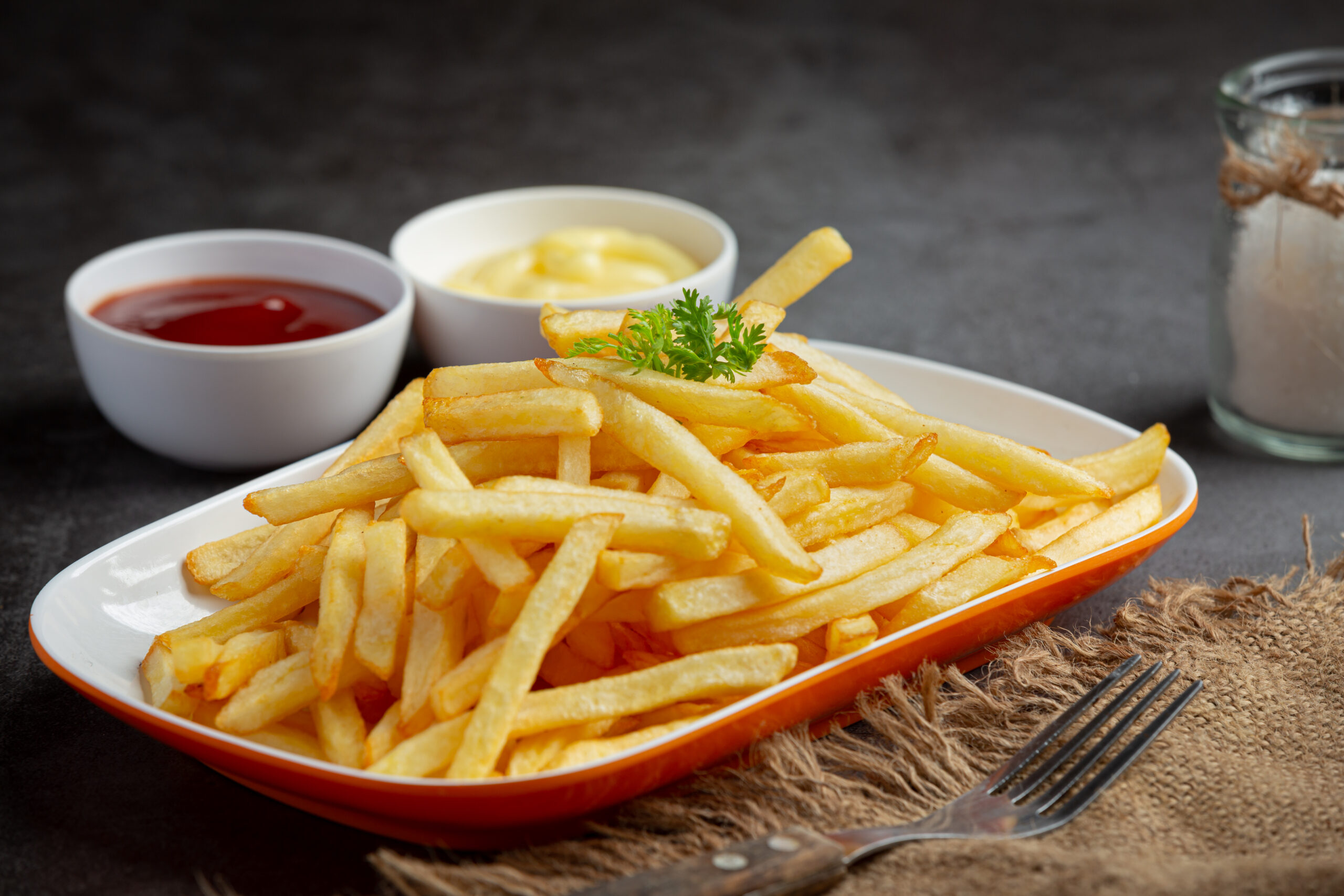
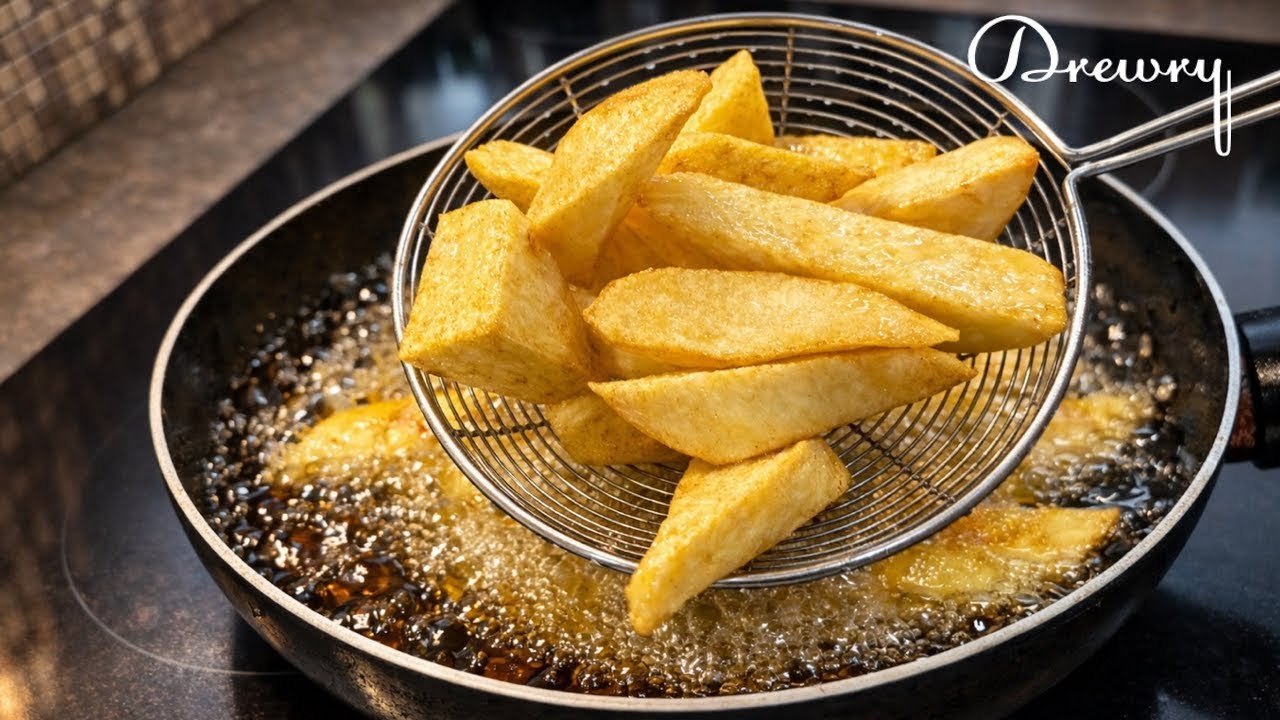
Food: 1.French Fries
Method: French Fries Fast Food Speeder Easy Quicker Nearly How to make made cook
Ingredient: 3 fresh potatoes or more than, 1/2-1 liter vegetable oil or more than, Salt. Procedure:The french fries have works to do is 1.The standard method for cooking french fries is deep frying, which submerges them in a hot fat, typically oil. The potatoes are prepared by first cutting them (peeled or unpeeled) into even strips, which are then wiped off or soaked in cold water to remove the surface starch, and thoroughly dried. They may then be fried in one or two stages. Chefs generally agree that the two-bath technique produces better results. Potatoes fresh out of the ground can have too high a water content resulting in soggy fries, so preference is for those that have been stored for a while. 2.In the two-stage or two-bath method, the first bath, sometimes called blanching, is in hot fat (around 160 °C/320 °F) to cook the fries through. This step can be done in advance. Then they are more briefly fried in very hot fat (190 °C/375 °F) to crisp the exterior. They are then placed in a colander or on a cloth to drain, then served. The exact times of the two baths depend on the size of the fries. For example, for 2-3 mm strips, the first bath takes about 1-10 minutes, and the second bath takes only seconds or 1-10 seconds. And then that the finally is All done.
ClickMeSeeAllFull
ClickMeSeeOnMoreDetail
ClickMeSeeOnMorePictureImage
ClickMeSeeOnMoreVideo
Food: 2.Hamburger
Method: Hamburger Fast Food Speeder Easy Quicker Nearly How to make made cook.
Ingredient: 400g minced meats, 1 medium onion roughly chopped, Salted butter, 3 tablespoons ketchup, 1 tablespoon oregano powder, 1 teaspoon pepper, 1 teaspoon sugar, 1 tablespoon liquid sticky food sauce, 1 egg, Burger buns or you can buy it in general the market. Sliced tomatoes, Sliced onions, Salad greens, Mayonnaise or your favorite sauce, Cheese slices. Procedure:The Hamburger have works to do is 1. Fries chopped onion with 1 tablespoon of salted butter. Put Add tomato sauce and oregano powder and continue to frying until the sauce is combined, and then Remove it and set aside to cool. 2.When it the ingredients is fried has cooled, Put add the minced meats, liquid sticky sauce, egg yolk, sugar, and pepper. Mix all ingredients together. Take the meats to rolled it into the balls or sheet page. 3.You can freeze the meat in the refrigerator or whatever, And then Setting a pan on stove, when the pan is heat, Put add 1 tablespoon of vegetable oil on in a pan, Take the prepared Meats burger to fry it on in the pan and cook them by flip flop to meats, turn meats around There for a fews time until it meats color is changed wait for it around 1-10 minutes or whatever that your want. Tip: Add pure of water or soup while waiting for the meats to cook or frying. This will make the meats tender and soft or just Put add only the water or if you won't to put add any oil. 4.Dip, Paint, Pour or Spread butter on burger buns and toast them in a pan for 1-4 minutes, While the meats is cooking and with toast the sliced onions. Tip: This will release the juices or oil from the meats, enhancing the flavor or taste up of burger, And then Once the meats is cooked, assemble the burgers. 5. Dip, Paint, Pour or Spread mayonnaise or your favorite sauce on the bread. Add salad greens, grilled onion rings, tomato rings, pork, cheese slices. Cover with bread lid, And then bring them to bake on a pan or bake machine, Or bring Specific cheese slices to fry on a pan around 1-4 seconds and then take cheese come into it and Cover with bread lid. And then that finally is All done.
ClickMeSeeAllFull
ClickMeSeeOnMoreDetail
ClickMeSeeOnMorePictureImage
ClickMeSeeOnMoreVideo
Food: 3.Steak
Method: Steak Fast Food Speeder Easy Quicker Nearly How to make made cook.
Ingredient: Other cuts of meats, about 1-1.5 inches thick, Black pepper flakes, Himalayan salt, sea salt, salt, Rosemary (optional or Whatever), Ground black pepper (optional). Procedure:The Steak have works to do is 1.Rest the meat: Remove the meat and let meats sit at room temperature for 1-1.5 hours before beginning. Pat meats dry. After resting at room temperature, pat dry any excess blood or water on the meat until the outer layer is dry. Trim the fat. Remove a small amount of fat from the meat and melt it. Use it as a cooking oil for steaks. 2. Season the meat with black pepper flakes and Himalayan, sea salt or salt, Tip: Use Himalayan, sea salt, as it's less salty than regular salt. Rosemary can be rubbed into the meat at this point to enhance the flavor or taste up, 3. Melt the fat, Melt the fat removed in step 1 over low to medium heat until it turns golden brown. Remove and discard or Tip: We melt the meats to get the oil we use for the steaks, and then season the golden brown meats with a little salt for a delicious snack. 4.Start cooking the steak. Turn the heat to higher until the oil is hot (you'll notice see smoke or cloud rising), Add the prepared steak meats to the pan, For a piece of steak about 1 inch thick. Flip Flop the steak every 30 seconds, continuing to flip flop for 2.5-3 minutes for medium rare Tip: Once the meat is cooked to your liking, flip the thicker edges over and lay, dip or sear them slightly in a pan to enhance the flavor or taste up. 5.Rest the meat. Once the meat reaches the desired doneness, remove it from the pan and rest for about 10 minutes before serving. This depends on the thickness of the meat. If the cut is very thick, you may need to rest for longer than 10 minutes. Slice and serve. Slice across the grain for easy chewing. Add freshly ground black pepper or salt to taste.And then that finally is all done.
ClickMeSeeAllFull
ClickMeSeeOnMoreDetail
ClickMeSeeOnMorePictureImage
ClickMeSeeOnMoreVideo
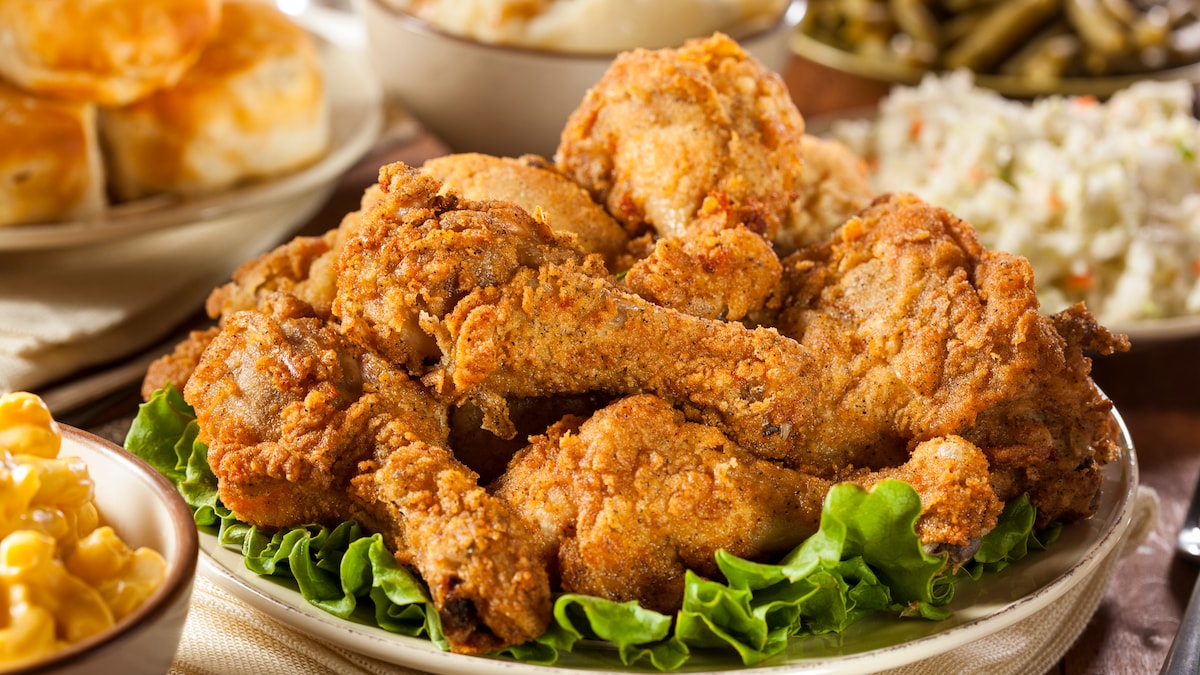
Food: 4.Meats Fry Fries Fried
Method: Meats Fry Fries Fried Fast Food Speeder Easy Quicker Nearly How to make made cook.
Ingredient:500 grams of meats wings or meats and more than, 2 tablespoons of fish sauce, 3-4 tablespoons of flour, 1-10 bottle of vegetable oil for frying over vegetable oil for deep-frying, 2 tablespoons of light soy or any liquid sticky sauce if you have. Procedure:The Meats Fry Fries Fried have works to do is 1.Ferment or Marinate the meats in fish sauce with liquid sticky oil sauce and fish sauce for 2 hours. 2.When you're ready to fry, Put add the tempura flour and cold water and mix as well and then take the meats to dip into the flour that you mix. 3.Heat oil until it boils. Pour enough oil to cover the meats. Put add the meats into the pan, Fry and Fries over medium to high heat until the meats is cooked through or the meats color is change. Remove from heat and drain over oil. Serve. And then that The finally is All done.
ClickMeSeeAllFull
ClickMeSeeOnMoreDetail
ClickMeSeeOnMorePictureImage
ClickMeSeeOnMoreVideo
Food: 5.Pizza
Method: Pizza Fast Food Speeder Easy Quicker Nearly How to make made cook.
The Ingredients: 1 pack of dough flour crust, 100 grams of ham, 100 grams of sausage, 100 grams of canned pineapple, 500 grams of shredded mozzarella cheese, 20 grams olive oil, 100 grams chopped onion, 100 grams chopped carrot, 30 grams tomato paste, 200 grams tomato sauce, 1 bay leaf, 5 grams oregano, 5 grams salt, 3 grams pepper, 10 grams sugar.(if You have no the ingredients about this, You can use the Other ingredients instead, and use it any other from your home and by the way you can buy it or find it out at the general Market and shops). Method: Procedure:The Pizza have works to do is 1. Prepare the pizza sauce by the heat a pan and put olive oil on in your pan. 2. Put the chopped onion and carrot and nounfry until cooked. 3. Put enter the bay leaf, oregano, and season with salt and pepper. 4. Put enter the tomato puree and nounfry until cooked. 5. Add tomato sauce up. 6. Stir until boiling, turn off heat and let cool before spreading, pour or draw, paint on pizza dough,Make pizza by spreading pizza sauce on in the dough flour. 7. Decorate or Put enter it with ham, sausage, and pineapple, on in the dough flour. 8. Sprinkle, Spreading or pour, put enter with cheese. Bake at this time at 200-210 degrees for 12-15 minutes or that your wants. Remove from oven and ready to serve and then eat the hot. And The finally is finsed. 5. Add tomato sauce up. 6. Stir until boiling, turn off heat and let cool before spreading, pour or draw, paint on pizza dough,Make pizza by spreading pizza sauce on in the dough flour. 7. Decorate or Put enter it with ham, sausage, and pineapple, on in the dough flour. 8. Sprinkle, Spreading or pour, put enter with cheese. Bake at this time at 200-210 degrees for 12-15 minutes or that your wants. Remove from oven and ready to serve then eat them while is hot or the cold that your wants, And the finally is finish, that is done.
ClickMeSeeAllFull
ClickMeSeeOnMoreDetail
ClickMeSeeOnMorePictureImage
ClickMeSeeOnMoreVideo
Food: 6.Parthonggo Youtiao Bread Stick
Method: Parthonggo Youtiao Bread Stick Fast Food Speeder Easy Quicker Nearly How to make made cook.
Ingredients: 275 grams of flour, 20 grams of powdered sand sugar, 1 teaspoon of powdered sand yeast, 1/4 teaspoon of baking soda, 20 grams of powdered milk or coffee mate, 1 teaspoon of salt, 175 grams of warm water, 1 teaspoon of baking powder, 1 plus 1/2 tablespoons vegetable oil. Procedure:The Parthonggo Youtiao Bread Stick have works to do is 1.Add granulated sugar to warm water in a measuring cup and stir until the sugar dissolves. Then add instant yeast and stir until dissolved. Let it rest sit wait for about 5 minutes. 2.Pour or Dump and Shift is a flour, milk powder, baking powder, and baking soda into a mixing bowl. Add salt and mix well. 3.Add the vegetable oil and the yeast mixture and mix well until it becomes a sticky dough. Cover with plastic wrap and let it rest for 1 hour. Then turn the dough over and let it rest and wait for it more another 1 hour. 4.When the dough has doubled in size, and then you can flip or swap over it from top to down and let it rest wait for it in around another 4-5 hours or overnight. 5.Pour or Dumb and Sprinkle flour on the floor of your preparing of the dough. Place the dough on top and knead to remove air. Press the dough flat. Divide into portions and roll or pull out the dough to about half a centimeter thin. 6. Cut the dough into 2-inch of widths or Pull and Roll the dough 2-inch of widths and then divide or cut it into 2-inch pieces. Dab or stamp or past water down on in the center of the dough and place the 2 pieces together, Especially pressing the center firmly is a type of easy layer . 7. Put a pan on in the stove with over enough oil to cover it and wait for it is heat, using palm oil and medium heat. Before place or put them in the pan, stretch them slightly is around 1-5 centimates or more than that your wants. Once the oil is hoter, add the dough your preparing and fry them. 8.Keep using chopsticks to turn it the pieces over and over or flip flop on around it until golden brown. Scoop them up and set them aside on a wire rack. Ready to serve. And the finally is finish, that is done.
ClickMeSeeAllFull
ClickMeSeeOnMoreDetail
ClickMeSeeOnMorePictureImage
ClickMeSeeOnMoreVideo
Food: 7.Sarlarpow BubbleBowl
Method: Sarlarpow Baozi BubbleBowl Fast Food Speeder Easy Quicker Nearly How to make made cook.
Ingredients: 350 grams of cake flour, 1 tablespoon of yeast, 1 tablespoon of sugar, 200 ml warm water, 150 grams of cake flour or180 g Cake Flour, 150 g of All-Purpose Flour, 80 g of Wheat Flour, ½ tablespoon of baking powder, 50 ml of water, 100 grams of sugar, 1 teaspoon of salt, 50 ml of vegetable oil, 500 grams of ground meat,3 coriander roots, 1 head of garlic, 1 tablespoon of peppercorns, 3 tablespoons of oyster sauce, 2 tablespoons of seasoning sauce, 1 tablespoon of sugar, 1 tablespoon of sesame oil, 1 egg, 2 tablespoons of cornstarch, Chopped green onions, to taste Salted egg yolk(if you have), to taste. Procedure:The Sarlarpow Baozi BubbleBowl have works to do is 1.Mix flours, yeast, sugar, and warm water together as well. 2. Massage, Knead, Rub, Bump, Punch, knocking, Crush, Dash or Drag to flour and turn it around there here for about 10 minutes until the dough is smooth. 3.and then Cover with plastic wrap and let it rest at room temperature for 60 minutes. 4.Bump, Crush, Pound together coriander roots, garlic and peppercorns. put add to the bowl with the minced meat. 5.Then Put Add oyster sauce, seasoning sauce, sugar, sesame oil, cornstarch or corn flour, chopped green onions, and egg. Mix well and set aside as well. 6.Make the dough by sifting together flour or cake flour, baking powder, and salt. 7.Put Add sugar, water, vegetable oil, and the fermented starter. Massage, Knead or Rub for about 10 minutes until the dough is smooth. 8.Divide or Cut it into 60-gram pieces and prepare to wrap more. 9.Then the Roll or Rub the dough flat, Put Add the minced meat filling down, followed by the salted egg yolk, and then wrap it up and paste it down on in the paper. 10.then Bring it to Bake or Steam on in the layer over boiling water for around 15-20 minutes. Interesting TIPS: Steaming time depends on the size of the buns (Don't forget this). this finally is finish and that is done.
ClickMeSeeAllFull
ClickMeSeeOnMoreDetail
ClickMeSeeOnMorePictureImage
ClickMeSeeOnMoreVideo
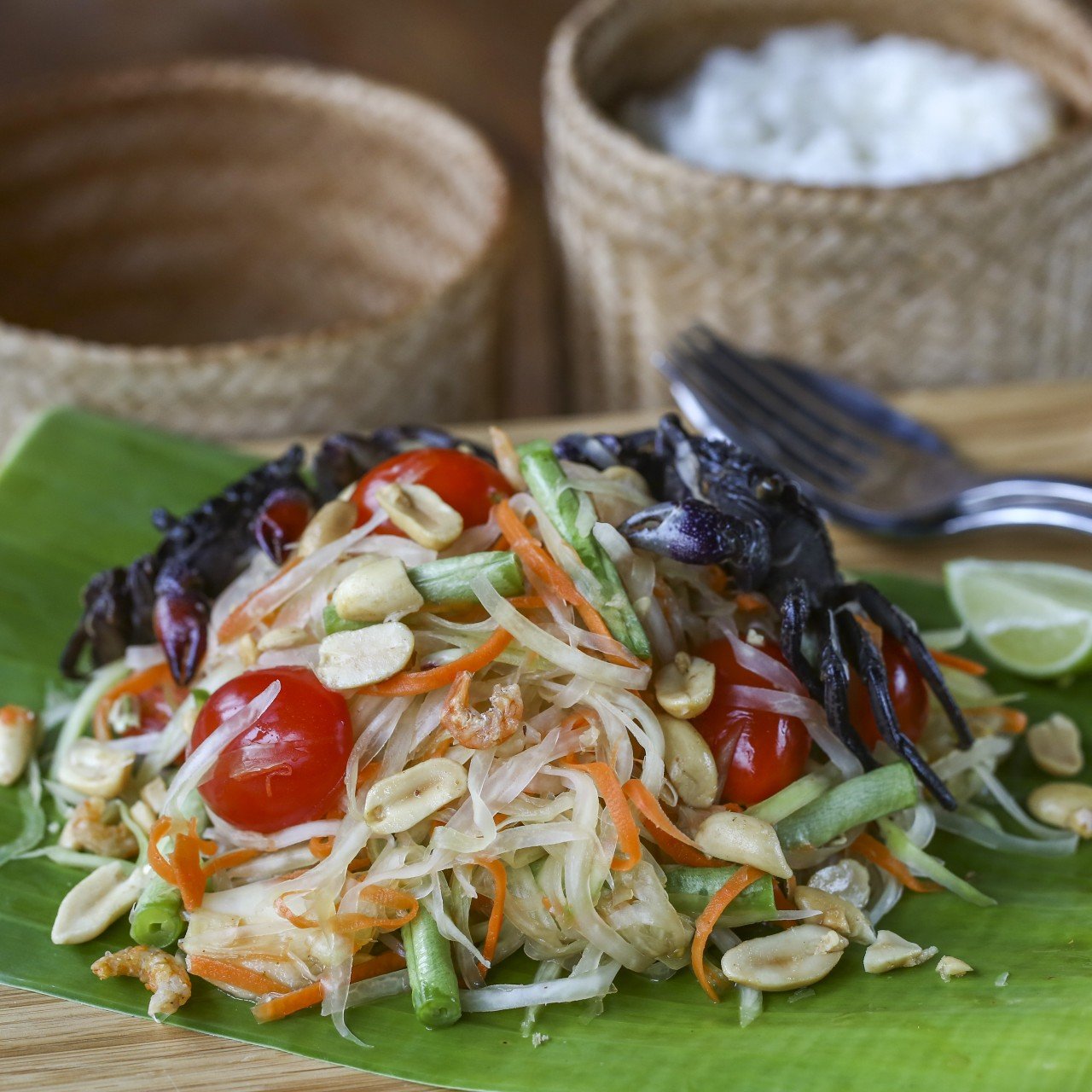
Food: 8.Somtime Green Papaya Salad
Method: Somtime Green Papaya Salad Fast Food Speeder Easy Quicker Nearly How to make made cook.
The Ingredients: Chopped papaya, Jean sticky (Khanom Jeen), noodles, Tomatoes, Fresh chilies, Garlic, Lime, Fish sauce, Fish ferment, Crap farm, Sugar, MSG(Mono Sodium Glutamate) or Gourmet powder, Meat such as field crab, octopus, shrimp or any other of Meats and Vegetables with Fruits for anything else that your wants. Procedure:The Somtime Green papaya salad have works to do is 1. Put red or orange , green chili and garlic in a pothole, mortar and pound, bump, dash, crush it until it's break of spreading enough to slice the tomatoes following down. Pound, bump, dash, crush it until it mix as well combined. 2.Put enter or Season with fish sauce, fish ferment, MSG, lime juice, and crab powder. Put enter the chopped papaya and Jean sticky(Khanom Jeen) or Jean noodles, rice vermicelli noodles and then you must to Swirling, Rolling, Winding and flip flop it, then more than it turn aroud there for mix as well until all the ingredients are as well combined. Taste and adjust that the seasoning as desired. and then it is ready to serve on a plate for you, That finally is finisher is done for all this Somtam Green papaya salad. Summary Script:The dish combines the five main basic tastes: the sourness of the lime, spiciness of the chili, saltiness and savoriness of the fish sauce, and sweetness of palm sugar. by typically , the local variety of green papaya salad in the streets of many countries is very spicy due to the addition of a fistful of chopped hot bird's eye chili. However, with its rising popularity among tourists. And the finally is finish, that is done.
ClickMeSeeAllFull
ClickMeSeeOnMoreDetail
ClickMeSeeOnMorePictureImage
ClickMeSeeOnMoreVideo
Food: 9.Rice Fried
Method: Cooked Rice Fried Fast Food Speeder Easy Quicker Nearly How to make made cook.
The Ingredients: 1 cup cooked rice, 2 chicken eggs, Meats whatever that your want, 1 tablespoon chopped green onions, 1/2-1 tablespoon salt, 1 teaspoon pepper - This adds a spicy and aromatic flavor to the fried rice, 3 tablespoons vegetable oil. Procedure:The Cooked Rice Fried have works to do is 1. Pour oil into a pan, swirl it around the pan, then drain or don't drain. Put Add cooked rice and stir-fry until hot and fluffy. 2.Put an eggs into the pan and stir-fry until the egg coats the rice grains mix as well. Stir-fry until the egg is cooked through and the rice turns a beautiful golden yellow. 3.Season with salt and pepper or any sauce that your want, Put Add chopped green onions for a beautiful presentation. And then that The finally is All done.
ClickMeSeeAllFull
ClickMeSeeOnMoreDetail
ClickMeSeeOnMorePictureImage
ClickMeSeeOnMoreVideo
Food: 10.Partgarpow Phat Kaphrao
Method: Partgarpow Phat Kaphrao Fast Food Speeder Easy Quicker Nearly How to make made cook.
The Ingredients: 1 cup minced meats, 1 minced an onion, 2 tablespoons cook sauce, 1 tablespoon soy sauce, 1/2-1 tablespoon sugar, 1-4 teacup or A little bit of water, 1-4 teacup or 1-20 tablespoon or more than to frying for holy basil leaves, 1 tablespoon chopped fresh chilies and garlic. Procedure:The Partgarpow Phat Kaphrao have works to do is 1.Heat oil in a pan. Once hot, add garlic and fresh chilies and stir-fry until fragrant. Put Add onion and stir-fry until wilted. Then add minced meats and spread it around there. 2.Enter Add cook sauce, soy sauce, and a little sugar and mix well. Add a little water. 3. Once the meat is cooked through, Enter add the basil leaves. Stir-fry until the basil leaves are evenly cooked mix as well. And then that The finally is All done.
ClickMeSeeAllFull
ClickMeSeeOnMoreDetail
ClickMeSeeOnMorePictureImage
ClickMeSeeOnMoreVideo
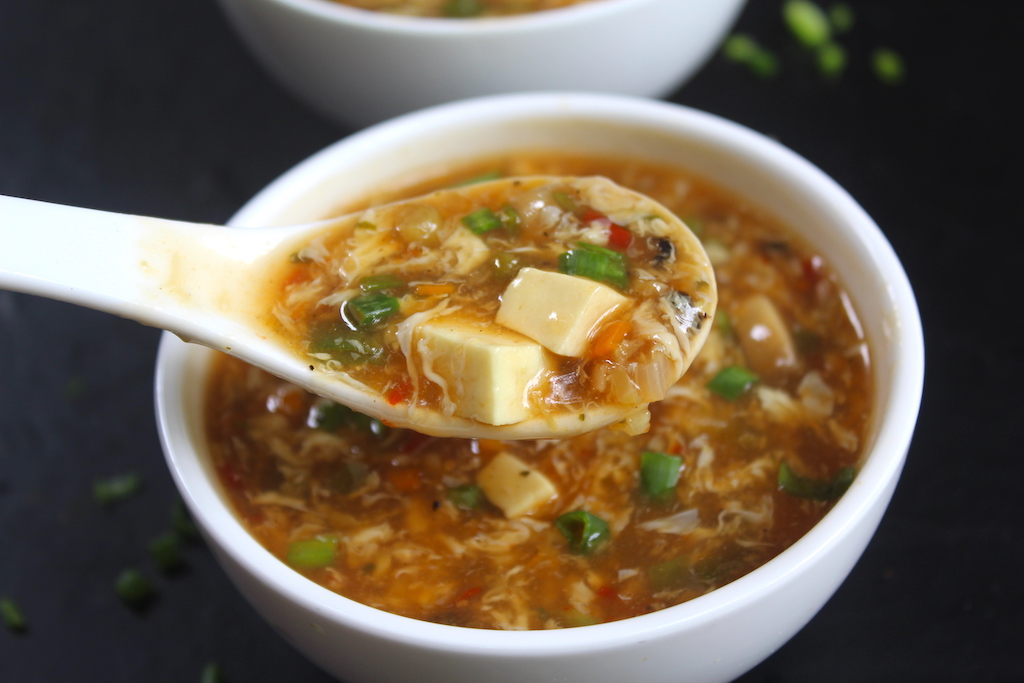
Food: 11.Soup Zip Spicy
Method: Soup Zip Spicy Fast Food Speeder Easy Quicker Nearly How to make made cook.
Ingredients: 5 cups of Pure drinking water, 300 grams of meat, rib, seafood or anythig else that you have want, 2 grams of galangal, 15 grams of lemongrass or 2 stalks, 5 torn of kaffir lime leaves, 1 tablespoon of seasoning powder (if you don't have about this) you can use this is 1tlablespoon of fish sauce, 1 teaspoon of sugar, 1 teaspoon of MSG(Mono Sodium Glutamate) instead than that.) 1 teaspoon of salt, 2 tablespoon of roast rice, pop rice or rice powder, 10 eye bird's, pieces of chilies, little chilies, red chilles (adjust to taste), 4 tablespoons of fish sauce, 2 tablespoons of roasted rice, 5 tablespoons of lime juice, Chili powder (adjust to taste that your wants), Chopped green onions and chopped coriander or anything else of vegetables and fruits, that you have and your wants. Procedure:The Soup Zip Spicy have works to do is 1.Pour Pure water into a pot and wait for it is a boil, heats or streams. 2.Then Put seasoning powder and salt or that you have prepared into a pot. 3.While or When the water boils, heats or streams, Put add the meat and rib and skim off, grab off, remove it off, get it off, keep it off of any white foams or bubbles on in a pot water. 4. Then reduce the heats or fires on in a little bit. 5. Let's simmer, rolls or turn around there here about 1-10 minutes or more up that your want, until the pork bones are tender. 6.Put Add the galangal, lemongrass, and torn kaffir lime leaves. Continue to boil for a while 1-10 minutes before you put seasoning into it. Interesting Tip: Put Add the tender meat, rib or bone into on in while when the boiling, heating or streams water to prevent the broth or soup from becoming fishy or the smell that you don't want. 7.Put Add Seasoning that you have prepared is such as fish sauce, bird's eye chilies, roasted rice, and chili powder and turn off or turn down the heat of fire. 8. Put add lime lemon juice, sprinkle or put with chopped green onions and chopped coriander. that the finally is the finish, Easy Quickly for Home Made. And then that The finally is All done.
ClickMeSeeAllFull
ClickMeSeeOnMoreDetail
ClickMeSeeOnMorePictureImage
ClickMeSeeOnMoreVideo
Food: 12.Jeeper jeep Jeeping jeep Shumai
Method: Jeeper jeep Jeeping jeep Shumai Fast Food Speeder Easy Quicker Nearly How to make made cook.
Ingredients: 100 grams of coarsely chopped shrimp, 200 grams of ground meat or any other that you want to eat, 2 roots of coriander, 3 cloves of garlic, 1 teaspoon of black pepper, 50 grams of diced carrots, 20 pieces of dumpling wrappers, 1 tablespoon of seasoning sauce, 1 tablespoon of oyster sauce, ½ or 0.2 tablespoon of sugar, 1 teaspoon of sesame oil, 1 tablespoon of cornstarch, corn powder, corn flour. Procedure:The Jeeper jeep Jeeping jeep Shumai have works to do is 1.Bump, Crush, Dash, Pound together coriander roots, garlic, and pepper. 2.Then mix with minced shrimp, minced meat, and diced carrots is a little cube. 3.Season with seasoning sauce, oyster sauce or anything that you have about this sauce, sugar, sesame oil, and cornstarch or corn flour. Mix or Roll it turn it around there until the ingredients are as well combined. 1.Wrap the dumplings by placing the dumpling wrapper between your thumb and index finger or you have to made make your finger or hand are type of the C or put it on in your hand. 2.then scoop it is the ingredients about 1 tablespoon of filling into the wrapper. and Use your hand and finger to roll, band, squeeze, tied the dumpling wrapper into shape or any shape your wants, Then use the back of a spoon to press the wrapper into the top side to turn off it or wrapped it. 3.Once wrapped,then sprinkle or spread with the water around it or any limit that you wants to soften the dough and prevent it from becoming hard. 4.And Then steam or bake it and paste it on the layer of water heat for 15-20 minutes and waiting until the filling is ingredients on inside is cooked. 4.Spread or Put with The fried garlic oil. The finally is finish, That the Jeeper jeep, Jeeping jeep is done. And then that The finally is All done.
ClickMeSeeAllFull
ClickMeSeeOnMoreDetail
ClickMeSeeOnMorePictureImage
ClickMeSeeOnMoreVideo
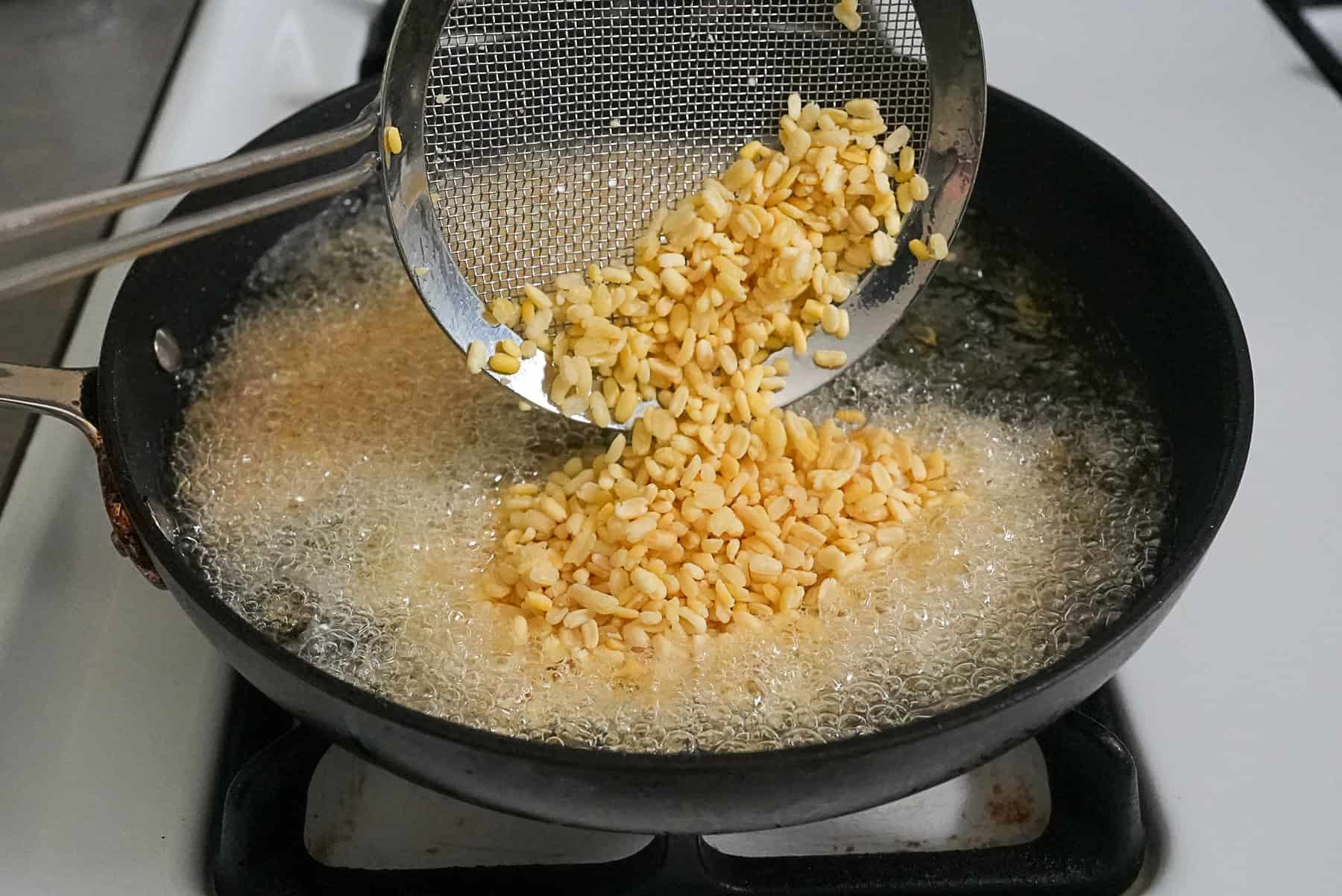
Food: 13.Pop Corn
Method: Pop Corn Fast Food Speeder Easy Quicker Nearly How to make made cook.
Ingredients: 50 grams of dried corn kernels 50 grams of margarine 50 grams of soybean oil 1/4 teaspoon of salt Cheese Seasoning Powder, Chocolate, Vanilla, Mlik, Greentea, Caramel. Procedure:Pop Corn have works to do is 1.Heat the oil: Add the corn kernels, oil, and butter (if using) to a pan (there should be just enough oil to coat the kernels, but not completely submerge them). 2. Test the heat: Put 3-4 corn kernels in, wait for them to pop, then add the remaining kernels in a single layer. 3. Roasting: When they start to crack, cover the pan and shake it back and forth over medium heat until the crackling sound stops. 4. Seasoning: Add salt, sugar, cheese powder, or caramel to taste. That the Pop Corn is done. Attention Interesting Tip: Popcorn is a popular snack made from a special variety of corn (Zea mays everta) that puffs up and bursts when heated by the water inside the kernel, becoming white and fluffy. It is a whole grain that is high in fiber, With a long history in the Every Continental, it now comes in a wide variety of flavors, including salty, sweet, cheesy, caramel, and other flavorings. Components and Cracking Mechanism Corn Kernel: It has a hard outer shell (pericarp) that encloses the soft starch-filled part (endosperm) and the germ, Water Inside: There is a small amount of water inside. When heated, this water turns into steam and creates high pressure within the kernel, Popping: When the pressure exceeds what the shell can withstand, it violently bursts open, expelling the soft inner dough into the popcorn shape, Benefits and Types Whole grains: High in fiber and protein, healthy when not overly processed, Variety of flavors: Available in plain (butter, salt), sweet (caramel), cheese, and other flavors, Used for breakfast: In the past, it was popular to eat with milk like cereal. And then that The finally is All done.
ClickMeSeeAllFull
ClickMeSeeOnMoreDetail
ClickMeSeeOnMorePictureImage
ClickMeSeeOnMoreVideo
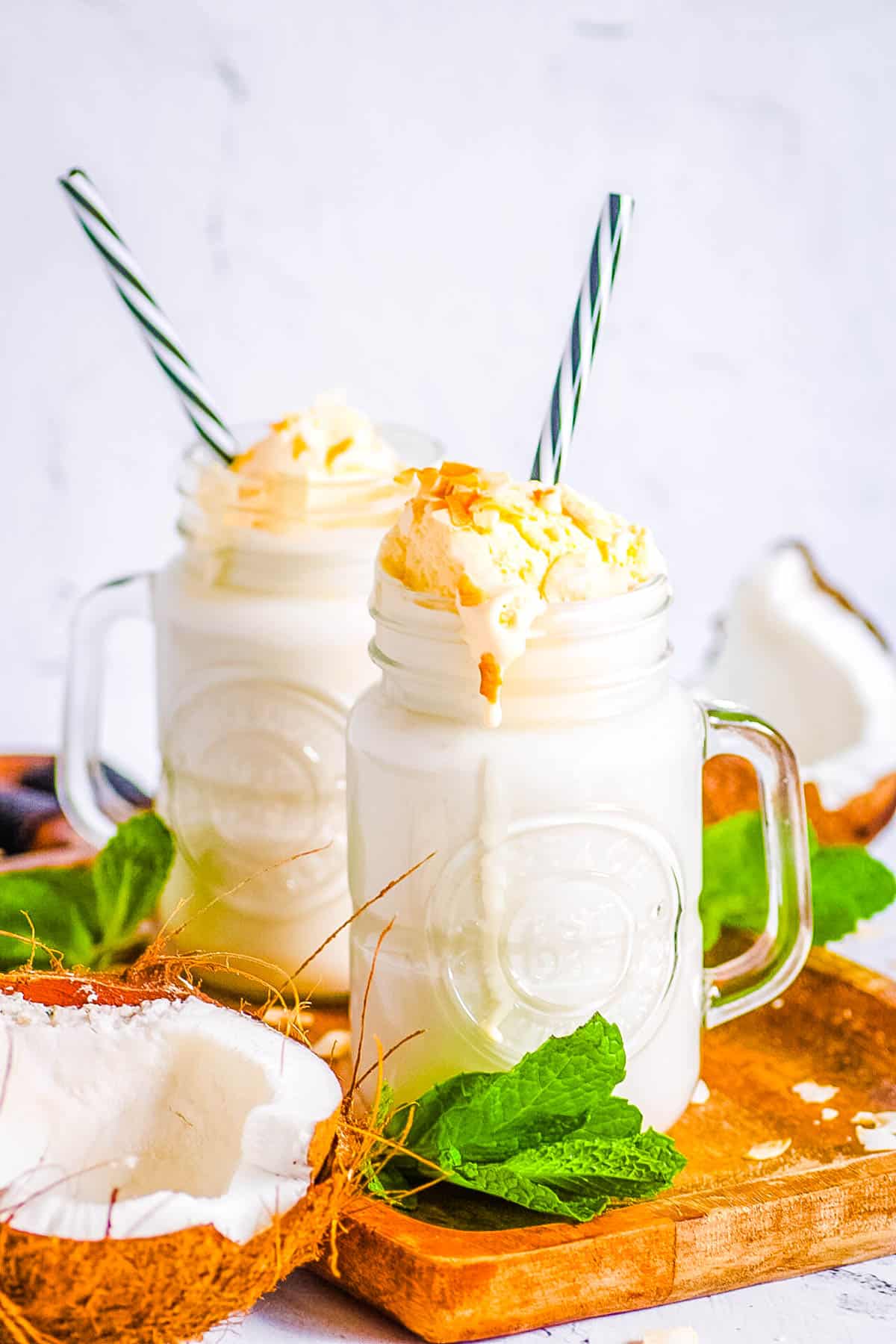
Drink: 1.Coconut Milk Juice Shake Smoothie
Method: Coconut Milk Juice Shake Smoothie Fast Drink Speeder Easy Quicker Nearly How to make made cook.
Ingredients: 50 grams young coconut meat, 100 grams coconut water, 100 grams fresh milk, 30 grams sweetened condensed milk, 50 grams unsweetened condensed milk, a little bit of salt, ice. Procedure:The Coconut Juice Shake Smoothie Milk have works to do is 1.Place Put Coconut meat, 2.Coconut water, 3.Fresh milk, 4.Sweetened condensed milk, Evaporated milk, and a pinch of salt in a blender. Add ice to the blender, close the lid, and blend all ingredients until smooth and thoroughly combined. Pour into a glass and garnish with coconut meat. And then that The finally is All done.
ClickMeSeeAllFull
ClickMeSeeOnMoreDetail
ClickMeSeeOnMorePictureImage
ClickMeSeeOnMoreVideo
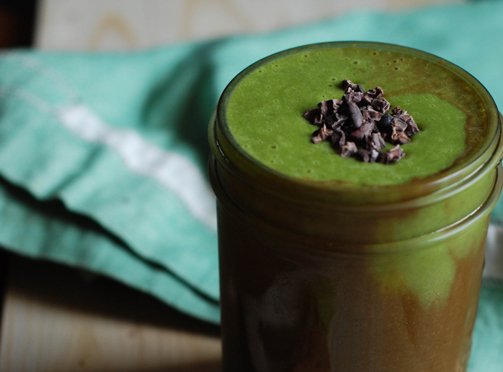
Drink: 2.Koko Chocolate Cocoa Juice Shake Smoothie Milk Juice Shake Smoothie Milk
Method: Koko Chocolate Cocoa Juice Shake Smoothie Milk Fast Drink Speeder Easy Quicker Nearly How to make made cook.
Ingredients: 10 grams cocoa powder, 75 ml hot water, 50 ml sweetened condensed milk, 100 ml fresh milk, ice. Procedure:The Koko Chocolate Cocoa Juice Shake Smoothie Milk have works to do is 1.Dissolve cocoa powder with hot water in a glass or mixing bowl. Stir well until the cocoa powder is completely dissolved and no lumps form. Set aside to cool slightly. 2.Pour the melted cocoa mixture into a blender. 3.Add the sweetened condensed milk and fresh milk. 4.Add ice to the blender. 5.Close the blender lid tightly and blend all ingredients until smooth and no ice crystals remain. Pour into a glass and garnish. The finally is done.
ClickMeSeeAllFull
ClickMeSeeOnMoreDetail
ClickMeSeeOnMorePictureImage
ClickMeSeeOnMoreVideo
Drink: 3.Green Tea Milk Juice Shake Smoothie
Method: Green Tea Milk Juice Shake Smoothie Fast Drink Speeder Easy Quicker Nearly How to make made cook.
Ingredients: 80 ml green tea extract, 60 ml sweetened condensed milk, 20 ml syrup, 30 ml fresh milk, 60 ml evaporated milk, ice. Procedure:The Green Tea Milk Juice Shake Smoothie have works to do is 1. Combine the prepared green tea extract with syrup. 2. Add sweetened condensed milk, fresh milk, and evaporated milk. 3. Stir well. 4. Place ice in a blender and pour the prepared tea mixture over the ice. 5. Close the blender lid tightly and blend all ingredients until smooth and fine, with no ice crystals remaining. Pour the blended green tea into the prepared 1/2 ounce glass. The finally is done.
ClickMeSeeAllFull
ClickMeSeeOnMoreDetail
ClickMeSeeOnMorePictureImage
ClickMeSeeOnMoreVideo
Drink: 4.Milk Tea Milk Juice Shake Smoothie
Method:Milk Tea Milk Juice Shake Smoothie Fast Drink Speeder Easy Quicker Nearly How to make made cook.
Ingredients: 80 ml Thai tea extract, 60 ml sweetened condensed milk, 20 ml syrup, 30 ml fresh milk, 60 ml evaporated milk, ice. Procedure:The Milk Tea Milk Juice Shake Smoothie have works to do is 1. Combine the prepared Thai tea extract with syrup, followed by sweetened condensed milk, fresh milk, and evaporated milk. 2. Stir well. 3. Place ice in a blender. 4. Pour the prepared tea mixture over the ice in the blender. 5. Close the blender lid tightly and blend all ingredients until smooth and fine, with no ice crystals remaining. Pour the blended Thai tea into the prepared 1/2-ounce glass. The finally is done.
ClickMeSeeAllFull
ClickMeSeeOnMoreDetail
ClickMeSeeOnMorePictureImage
ClickMeSeeOnMoreVideo
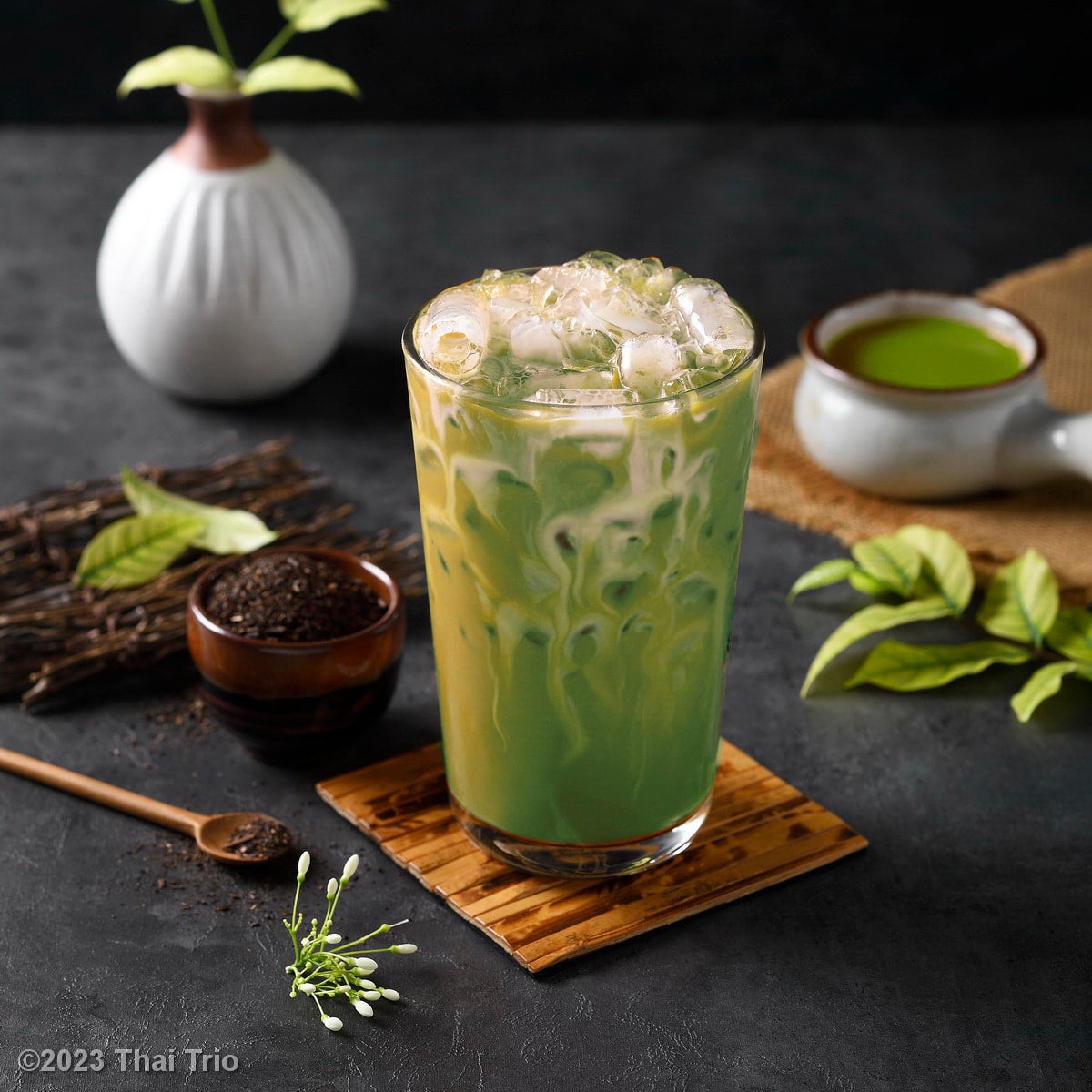
Drink: 5.Matcha Milk Juice Shake Smoothie
Method:Matcha Milk Juice Shake Smoothie Fast Drink Speeder Easy Quicker Nearly How to make made cook.
Ingredients: 1 teaspoon matcha powder, 30 ml hot water, 30 ml syrup, 150 ml fresh milk, ice. Procedure:The Matcha Milk Juice Shake Smoothie have works to do is 1. Sift the matcha powder into a small bowl to prevent clumping. 2. Then pour in hot water. 3. Using a matcha whisk, whisk quickly to dissolve the matcha powder into the water until it is smooth and lump-free. Set aside. 4. Pour the melted matcha mixture, syrup, and fresh milk into a blender. 5. Add ice to the blender. Close the blender lid tightly and blend all ingredients until smooth and uniformly colored. Pour into an ounce glass and garnish. The finally is done.
ClickMeSeeAllFull
ClickMeSeeOnMoreDetail
ClickMeSeeOnMorePictureImage
ClickMeSeeOnMoreVideo
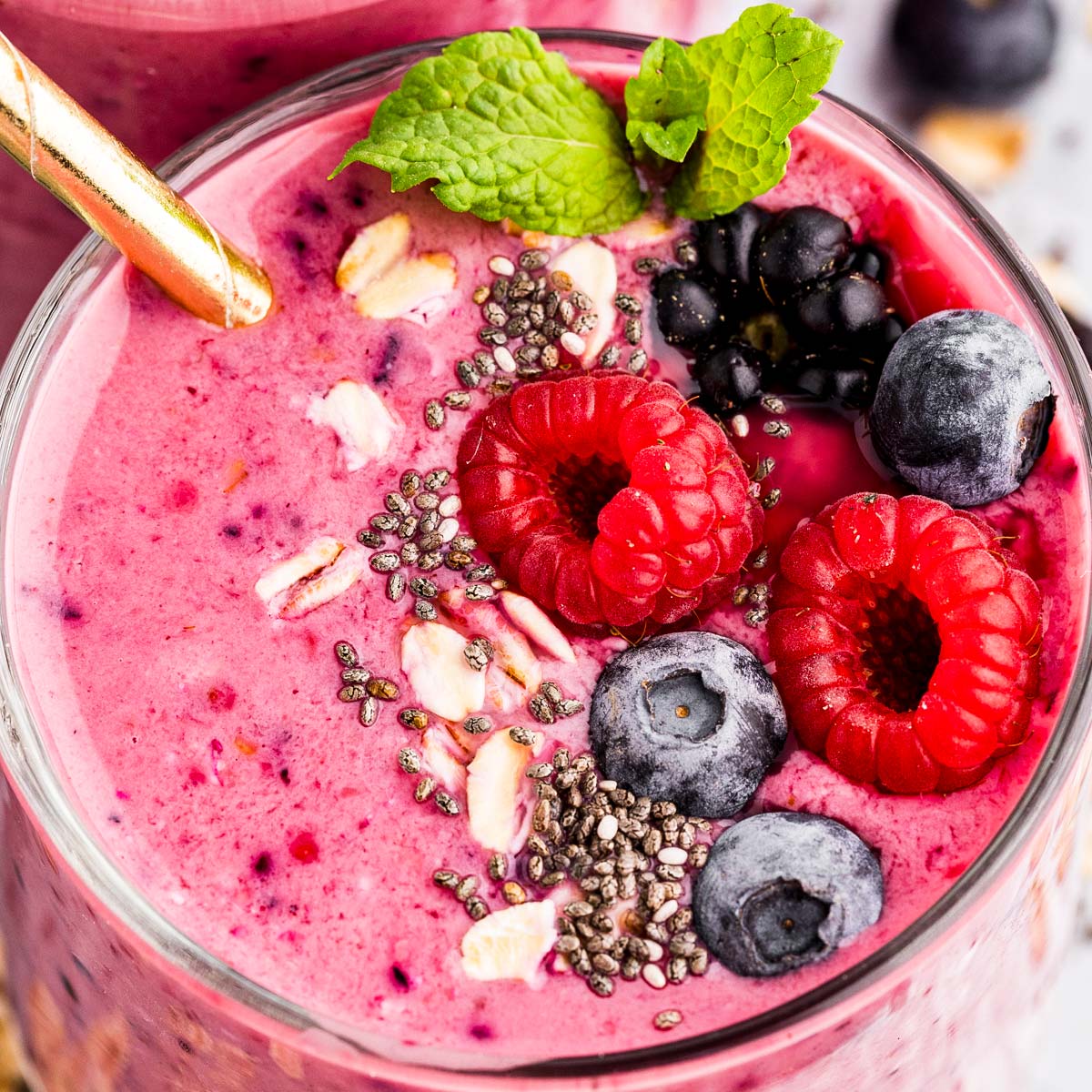
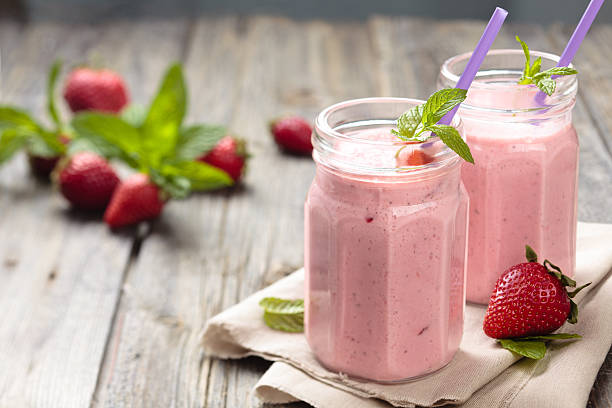
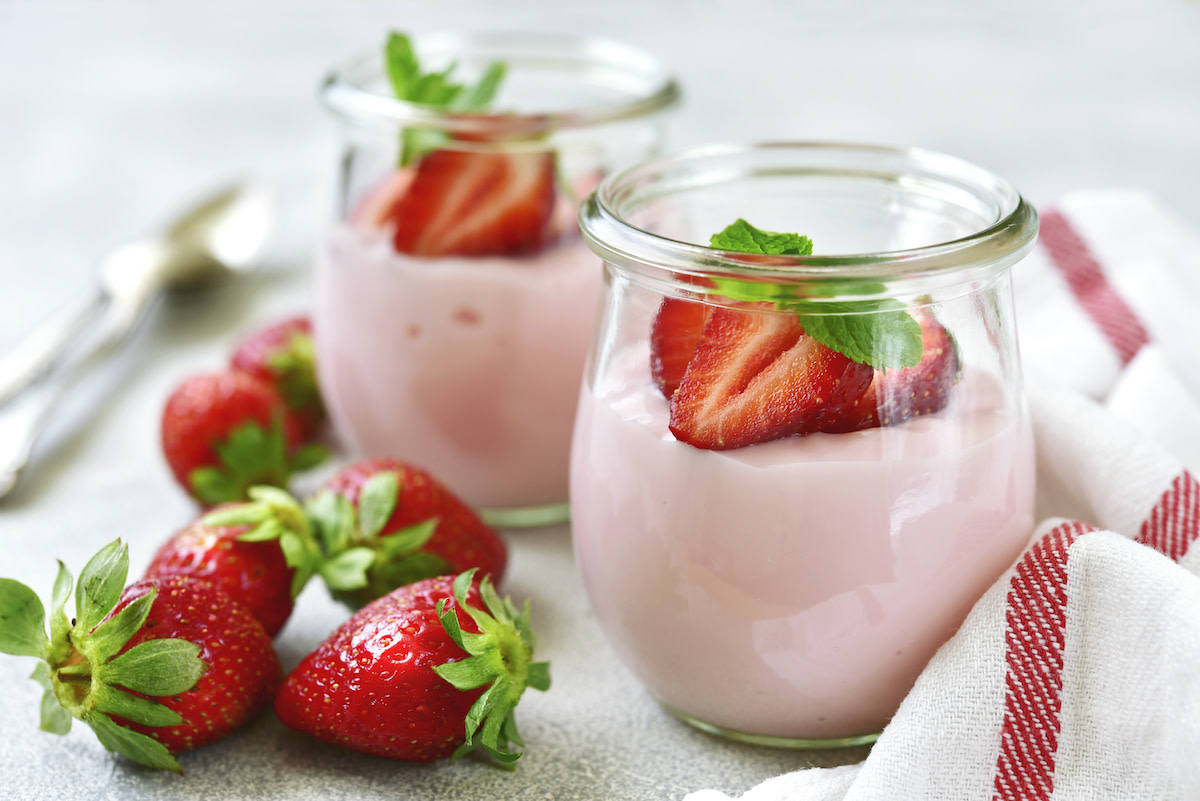
Drink: 6.Mixed Berry Yogurt Milk Juice Shake Smoothie
Method:Mixed Berry Yogurt Milk Juice Shake Smoothie Fast Drink Speeder Easy Quicker Nearly How to make made cook.
Ingredients: 50 grams frozen mixed berries, 1 cup plain yogurt, 30 ml honey, 90 ml fresh milk, a pinch of salt, ice. Procedure:The Mixed Berry Yogurt Milk Juice Shake Smoothie have works to do is 1. Place frozen mixed berries, yogurt, honey, and fresh milk in a blender. 2. Add ice, and close the blender tightly. 3. Blend all ingredients until smooth. Pour into an 8-ounce glass. 4. Garnish with various mixed berries. The finally is done.
ClickMeSeeAllFull
ClickMeSeeOnMoreDetail
ClickMeSeeOnMorePictureImage
ClickMeSeeOnMoreVideo
Drink: 7.Mocha Milk Juice Shake Smoothie
Method:Mocha Milk Juice Shake Smoothie Fast Drink Speeder Easy Quicker Nearly How to make made cook.
Ingredients: 2 espresso shots, 10 grams cocoa powder, 50 ml hot water, 20 ml syrup, 20 ml sweetened condensed milk, 40 ml fresh milk, ice. Procedure:The Mocha Milk Juice Shake Smoothie have works to do is 1. Dissolve cocoa powder in hot water. Stir well until smooth and free of clumps. Set aside. 2. Pour two espresso shots, followed by the dissolved cocoa mixture, syrup, condensed milk, fresh milk, and ice into a blender. 3. Close the blender lid tightly and blend all ingredients until smooth and no ice crystals remain. 4. Pour into a 1/4 ounce glass and garnish. The finally is done.
ClickMeSeeAllFull
ClickMeSeeOnMoreDetail
ClickMeSeeOnMorePictureImage
ClickMeSeeOnMoreVideo
Drink: 8.Fresh Milk Milk Juice Shake Smoothie
Method:Fresh Milk Milk Juice Shake Smoothie Fast Drink Speeder Easy Quicker Nearly How to make made cook.
Ingredients: 10 grams of milk powder, 50 ml hot water, 20 ml syrup, 20 ml sweetened condensed milk, 40 ml fresh milk, ice. Procedure:The Fresh Milk Milk Juice Shake Smoothie have works to do is 1. Dissolve milk powder in hot water. Stir well until smooth and free of clumps. Set aside. 2. Pour followed by the dissolved milk mixture, syrup, condensed milk, fresh milk, and ice into a blender. 3. Close the blender lid tightly and blend all ingredients until smooth and no ice crystals remain. 4. Pour into a 1/4 ounce glass and garnish. The finally is done.
ClickMeSeeAllFull
ClickMeSeeOnMoreDetail
ClickMeSeeOnMorePictureImage
ClickMeSeeOnMoreVideo
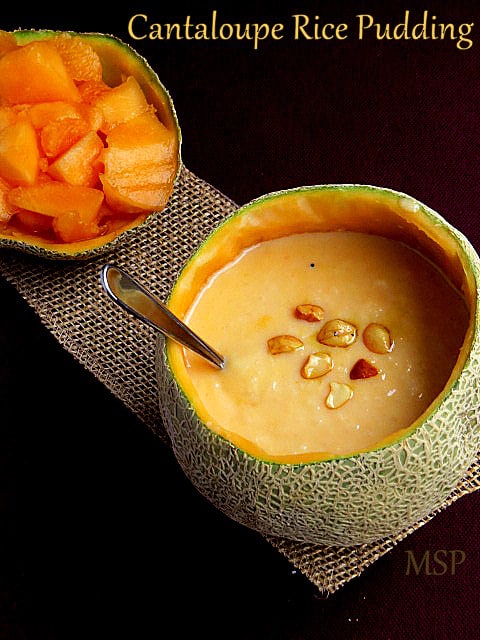
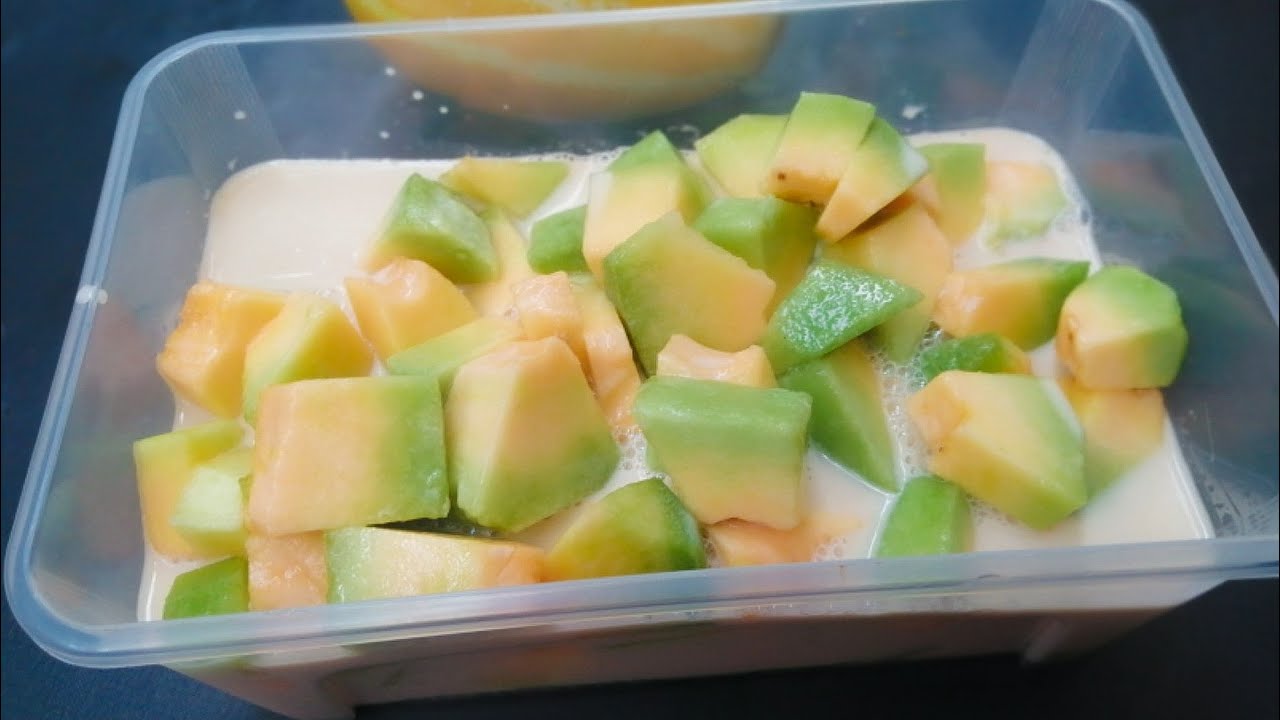
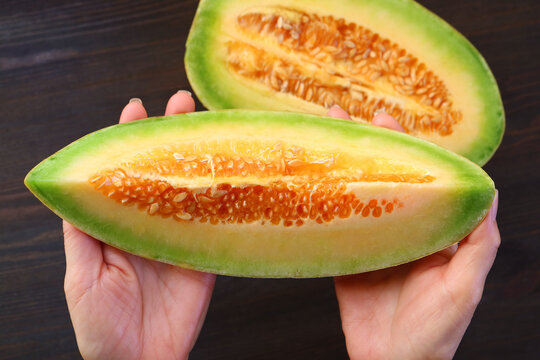
Drink: 9.Cantaloupe Milk Juice Shake Smoothie
Method:Cantaloupe Milk Juice Shake Smoothie Fast Drink Speeder Easy Quicker Nearly How to make made cook.
Ingredients: 1 Cantaloupe of chopped, 20 ml of syrup, 20 ml of sweetened condensed milk, 40 ml of fresh milk, 4 teaspoon of salt, ice. Procedure:The Cantaloupe Milk Juice Shake Smoothie have works to do is 1. Pour followed by the Cantaloupe mixture, syrup, condensed milk, fresh milk, and ice into a blender. 2. Close the blender lid tightly and blend all ingredients until smooth and no ice crystals remain. 3. Pour into ounce glass and garnish. The finally is done.
ClickMeSeeAllFull
ClickMeSeeOnMoreDetail
ClickMeSeeOnMorePictureImage
ClickMeSeeOnMoreVideo
Drink: 10.Avocado Milk Juice Shake Smoothie
Method:Avocado Milk Juice Shake Smoothie Fast Drink Speeder Easy Quicker Nearly How to make made cook.
Ingredients: 100 grams avocado, 20 ml syrup, 20 ml sweetened condensed milk, 90 ml fresh milk, a pinch of salt, ice. Procedure:The Avocado Milk Juice Shake Smoothie have works to do is 1. Scoop out the ripe avocado and place it in a blender. 2. Add the syrup, condensed milk, fresh milk, and a pinch of salt. 3. Add ice to the blender. 4. Close the blender lid tightly and blend all ingredients until smooth. The avocado's natural thickness and creaminess will be a must. Pour into an ounce glass and garnish. The finally is done.
ClickMeSeeAllFull
ClickMeSeeOnMoreDetail
ClickMeSeeOnMorePictureImage
ClickMeSeeOnMoreVideo
Trip Tour Travel Journey: 1.Island HalongBay Beach Wave Pacific Sea Ocean Aqua Surfing
Method: Beach Vietnam Land HalongBay Island Beach Wave Pacific Sea Ocean Aqua Surfing How To Go.
Procedure:The Beach Vietnam Land HalongBay Island Beach Wave Pacific Sea Ocean Aqua Surfing How To Go. 1.Vietnam Land, Buy Ticket From The Airport. 2.Facilities Entertain: Golden Heavenly, Carnival Festival Consert Streaming Restuarant Pub Bar Karaoke Movie Music Game Massage Spa Home House Hotel Motel SwimmingPool School University Hospital, Boat Bus Train Plane Bicycle Mortorcycle Car. 3.Food Meal: Airfood, Seafood, StreetFood, Alcohols, Drinks. That you have had ever seen. 4.Activities Event: Surfing, Swimming, Hiking Forest and Mountain. 5.Uniform: Swimming Suit, Hiking Suit. Play Summer Clothes. Legendary Tale: Part 1: The Tarasque (Occitan: Tarasca) is a creature from French mythology. According to the Golden Legend, the beast had a lion-like head, a body protected by turtle-like carapace(s), six feet with bear-like claws, a serpent's tail, and could expel a poisonous breath. Medieval iconography such as renditions in church sculpture did not necessarily conform to this description in the earlier Gothic period, and examples which seemed to were assigned later, in the 14th century. The six-footed, turtle-shelled tarasque was the form depicted on the city seal of Tarascon around the 15th century, and this held to be the norm in 16th- and 17th-century paintings. As St. Martha purportedly encountered the beast in the act of swallowing a human victim, it has become a stock motif in art to portray the monster swallowing a human (e.g. head first, with the victim's legs still dangling). According to tradition, in 1474, René of Anjou initiated the use of the tarasque in the Pentecostal festival, and later used also on the saint's feast day of July 29. Yearly celebration in the last weekend of June was added in the modern day. The effigy or float (French: char) of the tarasque has been built over the years for parading through town for the occasion, carried by four to a dozen men concealed inside. Part 2: According to folk legend, long ago, while the Vietnamese were fighting against the invading Chinese army, The gods sent an army of dragons to protect Vietnam. The dragons dived into the sea near what is now Ha Long Bay, causing gems and jade to fly out, These gems became islands, large and small, scattered throughout the bay, serving as a barrier against invaders, enabling the Vietnamese to successfully defend their land and establish the country that later became today's Vietnam, Some modern legends say that a mythical creature called the Tarasque still lives at the bottom of the bay. And then that The finally is All done.
ClickMeSeeAllFull
ClickMeSeeOnMoreDetail
ClickMeSeeOnMorePictureImage
ClickMeSeeOnMoreVideo
Trip Tour Travel Journey: 2.Island Palawan Beach Wave Pacific Sea Ocean Aqua Surfing
Method: Palawan Philippines Island Beach Wave Pacific Sea Ocean Aqua Surfing How To Go.
Procedure:The Palawan Philippines Land Island Beach Wave Pacific Sea Ocean Aqua Surfing How To Go. 1.Philippines Land, Buy Ticket From The Airport. 2.Facilities Entertain: Golden Heavenly, Carnival Festival Consert Streaming Restuarant Pub Bar Karaoke Movie Music Game Massage Spa Home House Hotel Motel SwimmingPool School University Hospital, Boat Bus Train Plane Bicycle Mortorcycle Car. 3.Food Meal: Airfood, Seafood, StreetFood, Alcohols, Drinks. That you have had ever seen. 4.Activities Event: Surfing, Swimming, Hiking Forest and Mountain. 5.Uniform: Swimming Suit, Hiking Suit. Play Summer Clothes. Legendary Tale: Part 1: Palaw'an, and Batak people, features a collection of unique legends and tales, including origin stories, epics, and beliefs about nature and spirits. Key legendary tales and elements from Palawan folklore include: Kudaman Epic: A significant oral epic of the Palawan people, the Kudaman is a very long, chanted story that is performed over several nights, often during wakes and full moons. It tells the tales of heroes, deities, and the origins of their people and land. The Legend of Palaesgen: A Tagbanua story about a powerful man named Palaesgen from the town of Aborlan. When his father was killed in a tournament abroad, Palaesgen avenged his death. Later, angered by immoral behavior in his community, he and his kin left Aborlan for a new land. The Pilandok (Philippine Mouse-deer) Tales: Found primarily in the southern Palawan areas where the Molbog people reside, these Muslim tales often depict the pilandok as a clever trickster and a guardian of the environment. In one story, the mouse-deer tricks a prince out of a bag of gold; in others, its wisdom is used to protect forests and seas from those who would destroy them. The Mangalok and Other Spirits: Palawan indigenous people have beliefs about various spirits and demons living in the forest. The Mangalok is a feared, winged predator (a variant of the aswang) that can be invisible. Its presence is sometimes indicated by the call of specific birds, like the gokgok (spotted wood owl) or the kirit kirit, with louder calls indicating the creature is farther away. The Origin of the 100 Islands: A legend from the Pangasinan people (but applicable to many archipelagos) describes how a hundred warriors who died defending their land were immortalized by the gods and turned into the many small islands dotting the sea, forever watching over their homeland. The Creator God Empuq: The Palawan people's supreme being is called Empuq (the Lord or Master), who is believed to be the creator of all things in the world. They also believe in other benevolent beings residing in the higher mountains. The Manunggul Jar: While not a narrative legend, this ancient burial jar found in the Tabon Caves is a significant cultural artifact reflecting the spiritual beliefs of early Palawan people regarding the afterlife, as its lid features two figures representing souls on a boat journeying to the spirit world. These tales are often passed down through generations through oral tradition, songs (tablay), and rituals like the Pagdiwata (rice wine ritual), which connects the people to their history, environment, and spiritual beliefs. And then that The finally is All done.
ClickMeSeeAllFull
ClickMeSeeOnMoreDetail
ClickMeSeeOnMorePictureImage
ClickMeSeeOnMoreVideo
Trip Tour Travel Journey: 3.Island Falls Iguazu Beach Wave Pacific Sea Ocean Aqua Surfing
Method: Island Falls Iguazu Beach Wave Pacific Sea Ocean Aqua Surfing How To Go.
Procedure:The Island Falls Iguazu Brazil Land Land And Argentina Land Beach Wave Pacific Sea Ocean Aqua Surfing How To Go. 1.Brazil Land And Argentina Land, Buy Ticket From The Airport. 2.Facilities Entertain: Golden Heavenly, Carnival Festival Consert Streaming Restuarant Pub Bar Karaoke Movie Music Game Massage Spa Home House Hotel Motel SwimmingPool School University Hospital, Boat Bus Train Plane Bicycle Mortorcycle Car. 3.Food Meal: Airfood, Seafood, StreetFood, Alcohols, Drinks. That you have had ever seen. 4.Activities Event: Surfing, Swimming, Hiking Forest and Mountain. 5.Uniform: Swimming Suit, Hiking Suit. Play Summer Clothes. Legendary Tale: Part 1: The legend of Iguazu Falls tells of a forbidden love between a mortal named Tarobá and a beautiful woman, Naipi, who was promised to a monstrous serpent god. In a fit of rage, the serpent god split the earth, creating the falls to separate the lovers forever. Tarobá was turned into a palm tree on the Brazilian side, while Naipi became a rock on the Argentine side, eternally separated by the Devil's Throat. Part 2: The legend of Iguazu Falls tells of a jealous serpent god, M'Boy, who created the falls to punish two human lovers, Naipi and Tarobá. When Naipi, who was promised to M'Boy, eloped with the warrior Tarobá, the god slit the river, creating the immense waterfalls and separating them forever. According to the legend, Naipi was transformed into a rock on the Argentine side, while Tarobá became a palm tree on the Brazilian side, both trapped in an eternal fall or leaning over the gorge. And then that The finally is All done.
ClickMeSeeAllFull
ClickMeSeeOnMoreDetail
ClickMeSeeOnMorePictureImage
ClickMeSeeOnMoreVideo
Trip Tour Travel Journey: 4.Island Seychelles Beach Wave Pacific Sea Ocean Aqua Surfing
Method: Island Seychelles Beach Wave Pacific Sea Ocean Aqua Surfing How To Go.
Procedure:The Island Seychelles Republic of Seychelles Land Beach Wave Pacific Sea Ocean Aqua Surfing How To Go. 1.Republic of Seychelles Land, Buy Ticket From The Airport. 2.Facilities Entertain: Golden Heavenly, Carnival Festival Consert Streaming Restuarant Pub Bar Karaoke Movie Music Game Massage Spa Home House Hotel Motel SwimmingPool School University Hospital, Boat Bus Train Plane Bicycle Mortorcycle Car. 3.Food Meal: Airfood, Seafood, StreetFood, Alcohols, Drinks. That you have had ever seen. 4.Activities Event: Surfing, Swimming, Hiking Forest and Mountain. 5.Uniform: Swimming Suit, Hiking Suit. Play Summer Clothes. Legendary Tale: The nut and tree of the coco de mer is a rare species of palm tree native to Africa, in the Seychelles archipelago in the Indian Ocean. It is the subject of various legends and lore. Coco de mer is endemic to the Seychelles islands of Praslin and Curieuse. Before the Seychelles were discovered and settled, nuts of this species were sometimes carried by the ocean currents to distant shores, such as those of the Maldives, where the tree was unknown. These floating nuts did not germinate. The exceptional size and suggestive form of the nut, the circumstances of its discovery, and some unusual qualities of the trees have given rise to several legends. The nut of the coco de mer is very large (the largest seed in the plant kingdom) and is oddly shaped, being the shape and size of a woman's disembodied buttocks on one side, and a woman's belly and thighs on the other side. Not surprisingly, this nut was viewed by people in other parts of the world as a rare and fascinating object with mythological and even magical properties. The nature and origin of this extraordinary nut was mysterious, and the propagation of the tree was not understood. A number of legends arose both about the nuts, and about the trees that produce them. The coco de mer palm has separate male and female trees, unlike the coconut palm. And, unlike the fruit of the coconut tree, the coco de mer fruit is not adapted to disperse naturally by floating on the ocean water. When a coco de mer fruit falls into the sea, it cannot float because of its high density; instead it sinks to the bottom. However, after the fruit has been on the sea bed for a considerable period of time, the husk drops off, the internal parts of the nut decay, and the gases that form inside the nut cause the bare nut to rise up to the surface. At that time the nut can float, but is no longer fertile, thus when the ocean currents cause the nut to wash up on a distant beach, for example in the Maldives, a tree cannot, and does not, grow from the nut. The name coco de mer is French, and means coconut of the sea. Malay seamen had seen coco de mer nuts falling upwards from the sea bed, and so they had reasoned that these nuts must grow on underwater trees, in a forest at the bottom of the Indian Ocean. According to Antonio Pigafetta and Georg Eberhard Rumphius, Malay people believed that the tree was also the home of the huge bird or bird-like creature Garuda (or Rukh of the Arabs). African priests believed that the Garuda was capable of hunting elephants and tigers. The African priests also believe that sometimes the coco de mer trees rose up above the ocean surface, and when this happened, the waves that the trees created did not allow any ship nearby to sail away and the helpless sailors were eaten by the Garuda. The nuts that were found in the ocean and on the beaches no longer had a husk, and resembled the dismembered lower part of a woman's body, including the buttocks. This association is reflected in one of the plant's archaic botanical names, Lodoicea callipyge Comm. ex J. St.-Hil., in which callipyge is from the Greek words meaning "beautiful rump". Historically these floating "beautiful rumps" were collected and sold for a fortune in Arabia and in Europe. In the Maldives, any coco de mer nuts that were found in the ocean or on the beaches were supposed to be given to the king, and keeping a nut for yourself or selling it could have resulted in the death penalty. However, Rudolf II, Holy Roman Emperor was able to purchase one of these nuts for 4,000 gold florins. The Dutch Admiral Wolfert Hermanssen also received a nut as a gift for his services, from the Sultan of Bantam in 1602, for fighting the Portuguese and protecting the capital of Bantam. However, the nut that the admiral was given was missing the top part; apparently the Sultan had ordered the top of the nut to be cut off, in order not to upset the noble admiral's modesty. João de Barros believed that coco de mer possessed amazing healing powers, superior even to those of the precious stone Bezoar. In one of his books, Dr. Berthold Carl Seemann mentioned that many believed the nuts to be an antidote to all poisons. The nuts were praised not only by scientists and botanists, but also by poets. Luís de Camões wrote: O'er lone Maldivia's islets grows the plant, beneath profoundest seas, of sov'reign might, whose pome of ev'ry Theriack is confest, by cunning leech of antidotes the best In 1769, Jean Duchemin sailed to Praslin, the second largest island in the Seychelles, on the ship L’Heureuse Marie. He loaded up with a cargo of these unusual nuts, which he later sold in Indian markets. After his trip, coco de mer nuts never again held the same extraordinary value. New legends about the coco de mer came into existence after 1743, when the real coco de mer trees were discovered. Fruits of coco de mer are developed only on female trees. Male trees have long phallic-looking catkins. Because of these unusual, erotic shapes, some people believed that the trees made passionate love on stormy nights. According to the legend, male trees uproot themselves, and approach female trees. Apparently the love-making trees are rather shy, and the legend has it that whoever sees the trees mating will die or go blind. The fact that even now the pollination of the coco de mer is not fully understood is one of the factors behind the legend. And then that The finally is All done.
ClickMeSeeAllFull
ClickMeSeeOnMoreDetail
ClickMeSeeOnMorePictureImage
ClickMeSeeOnMoreVideo
Trip Tour Travel Journey: 5.Island Galapagos Beach Wave Pacific Sea Ocean Aqua Surfing
Method: Island Galapagos Beach Wave Pacific Sea Ocean Aqua Surfing How To Go.
Procedure:The Island Galapagos Republic of Ecuador Land Beach Wave Pacific Sea Ocean Aqua Surfing How To Go. 1.Republic of Ecuador Land, Buy Ticket From The Airport. 2.Facilities Entertain: Golden Heavenly, Carnival Festival Consert Streaming Restuarant Pub Bar Karaoke Movie Music Massage Spa Home House Hotel Motel SwimmingPool School University Hospital, Boat Bus Train Plane Bicycle Mortorcycle Car. 3.Food Meal: Airfood, Seafood, StreetFood, Alcohols, Drinks. That you have had ever seen. 4.Activities Event: Surfing, Swimming, Hiking Forest and Mountain. 5.Uniform: Swimming Suit, Hiking Suit. Play Summer Clothes. Legendary Tale: Part 1: The most prominent legendary tale associated with the Galápagos is their historical nickname, the Islas Encantadas (Enchanted Islands), and the modern true-crime mystery of The Galápagos Affair. The Enchanted Islands Legend Early Spanish sailors and conquistadors considered the islands evil and enchanted because of their disorienting nature. The islands would often appear out of nowhere from the misty waters and then seem to vanish, making navigation difficult and confusing for the highly superstitious sailors. Further contributing to the mystique: Dragons and Omens: The harmless marine iguanas were perceived as dragon-ridden volcanic headlands and monstrous creatures. Legend has it that the Spaniards would shoot at them with cannons from their ships, fearing their dragon tongues. Vanishing Expedition: There was a story, now considered a figment of early colonial imagination, of an Incan expedition during the reign of Tupak Yupanqui that supposedly collected abundant gold and silver from the islands before they disappeared into the sea. The Legend of the Guava A local folktale from the islands tells of a cursed guava fruit. An unhappy mother, whose son was whipped to death by a cruel master, cursed the place, saying: Whoever eats of this fruit will not be able to leave the island, and if he does, he will return soon after from any part of the world! It is said that this curse explained the strange pull the islands had on people who arrived there. The Legend of the Guava A local folktale from the islands tells of a cursed guava fruit. An unhappy mother, whose son was whipped to death by a cruel master, cursed the place, saying: Whoever eats of this fruit will not be able to leave the island, and if he does, he will return soon after from any part of the world! It is said that this curse explained the strange pull the islands had on people who arrived there. The True-Crime Galápagos Affair A more modern, yet equally mysterious, legendary tale is the true story of the first European settlers on Floreana Island in the 1930s, chronicled in the documentary The Galápagos Affair: Satan Comes to Eden. A German doctor and his partner arrived seeking a secluded, simple life. Soon after, a family joined them, followed by an eccentric Austrian Baroness and her two lovers. Rivalries and conflicts grew among the small group of settlers. In 1934, the Baroness and one of her lovers disappeared without a trace. The other lover and a passing sailor later died under mysterious circumstances while trying to reach the mainland. The last survivor took her secrets to her grave in 2000, and the disappearances and deaths remain an unsolved mystery to this day. And then that The finally is All done.
ClickMeSeeAllFull
ClickMeSeeOnMoreDetail
ClickMeSeeOnMorePictureImage
ClickMeSeeOnMoreVideo
Trip Tour Travel Journey: 6.Island Hawaii Beach Wave Pacific Sea Ocean Aqua Surfing
Method: Island Hawaii Beach Wave Pacific Sea Ocean Aqua Surfing How To Go.
Procedure:The Island Hawaii Jaws or “Pe’ahi” in Maui. Beach Wave Pacific Sea Ocean Aqua Surfing How To Go. 1.Hawaii Jaws or “Pe’ahi” in Maui, Buy Ticket From The Airport. 2.Facilities Entertain: Golden Heavenly, Carnival Festival Consert Streaming Restuarant Pub Bar Karaoke Movie Music Game Massage Spa Home House Hotel Motel SwimmingPool School University Hospital, Boat Bus Train Plane Bicycle Mortorcycle Car. 3.Food Meal: Airfood, Seafood, StreetFood, Alcohols, Drinks. That you have had ever seen. 4.Activities Event: Surfing, Swimming, Hiking Forest and Mountain. 5.Uniform: Swimming Suit, Hiking Suit. Play Summer Clothes. Legendary Tale: Part 1: Legendary Tale Hawaii refers to a wide array of Hawaiian myths and folklore, including stories about demigod Maui, the fiery volcano goddess Pele, and the mythical Menehune. Other well-known legends include the Night Marchers, supernatural warriors who roam sacred grounds, and the unfortunate love story between Ohia and Lehua. These stories often explain the natural world, Hawaiian culture, and the consequences of disrespecting the gods. Major legends and figures, Maui: A demigod known for his cleverness and strength. He is famous for slowing down the sun to give his mother more time to dry kapa cloth, and for fishing up the islands from the sea.Pele: The goddess of volcanoes and fire, revered as the creator of the islands and feared for her destructive power. She is often depicted as having a temper and has many legends, including stories of her rage and relationships.Menehune: Mythical, small, and magical beings who are said to be excellent craftspeople and builders. They work at night, and by morning, they have completed their projects, like creating bridges and fish ponds.Night Marchers (\(Huaka^{\prime }i\) \(Pō\)): The spirits of ancient warriors who march in processions, often seen with torches or torches of light. It is said that one should lie on the ground and avoid eye contact, as looking them in the eye can cause them to walk with them for eternity.Ohia and Lehua: This is a tragic love story that explains the origin of the Ohia tree and Lehua flower. Ohia, the warrior, fell in love with Lehua, but was killed by Pele out of jealousy. Pele turned him into a tree, and Lehua was turned into a flower, so the two lovers could be together forever. Part 2: Hawaii's legendary tales include stories about the demi-god Maui, the volcanic goddess Pele, the magical Menehune, and the Night Marchers. These legends explain the creation of the islands, the origins of natural phenomena, and cautionary tales about respecting the gods, spirits, and land. Famous tales and figures Maui: A trickster demi-god who is credited with "pulling up the islands from the sea floor" with a magical fishhook and snaring the sun to ensure longer daylight. Pele: The fiery goddess of volcanoes, she is said to have created the Hawaiian islands with her lava. Her legends often involve her jealous rage, such as turning her rival, Lehua, into a flower to be with her lover, Ohia,. She is also associated with the "curse" of taking lava rock from the islands. Menehune: Small, magical beings who are master builders and craftsmen. They are said to work at night, completing large projects like bridges and fishponds by sunrise, and are often associated with the magical abilities to command elements and vanish at will.Night Marchers (\(HuakaiPō\)): A legendary procession of the spirits of ancient warriors that marches across the land at night, often preceded by the sound of a conch shell or drums. It is considered extremely dangerous to cross their path. If you encounter them, you should lie on the ground and cover your head.The Wind Keepers: The story of Pakaha and his son, Cua Pakaha, who learned to control and manipulate the winds by chanting their names, eventually creating a terrible storm that lasted four months. Part 3: The most famous scary legend in Hawaii is the Night Marchers (Huaka'i Pō), the ghostly procession of ancient Hawaiian warriors who are said to march on certain paths, especially during the new moon. Other spooky tales include the Green Lady of Wahiawa gulch, who is said to haunt a botanical garden and elementary school, and superstitions surrounding the goddess Pele. It's also considered bad luck to take lava rock, sand, or shells from the islands, angering the fire goddess Pele. You can watch this video to learn more about the history of ghost stories in Hawaii, including the Night Marchers: Folklore in Hawaii in modern times is a mixture of various aspects of Hawaiian mythology and various urban legends that have been passed on regarding various places in the Hawaiian islands. The following is a partial list of some of these legends. Night marchers According to Hawaiian legend, night marchers (huaka‘i pō in Hawaiian) are ghosts of ancient warriors. They supposedly roam large sections of the island chain, and can be seen by groups of torches. They can usually be found in areas that were once large battlefields (the Nuʻuanu Pali on the island of Oahu is a good example.) Legend has it that if you look a night marcher straight in the eye, you will be forced to walk among them for eternity, but if you have a relative taken by them, you will be spared. Hawaiians say that in the presence of night marchers, one should lie down on their stomach, face down to avoid eye contact, stay quiet, breathe shallowly, and don't move. Some say that they may nudge you to provoke a reaction so they can take you. Moanalua Gardens is one of the many places the Night Marchers are said to roam. Carrying pork over the Nuʻuanu Pali Local folklore on the island of Oahu says that one should never carry pork over the Pali Highway connecting Honolulu and Windward Oahu. The stories vary, but the classic legend is that if one carries pork of any kind over the old Pali road (not the modern pali highway) by automobile, the automobile would stop at a certain point on the way and not restart until the pork is removed from the vehicle. Some versions of the story require the pork to be raw; other versions say that this happens after dark. In some versions, a white dog or an old woman in a holuku will appear at the time the automobile stalls, and you must feed the pork to the dog to proceed. This legend has its roots in ancient Hawaiian mythology. According to legend, the Hawaiian volcano goddess Pele and the demigod Kamapua‘a (a half-man-half-pig) had a turbulent relationship, and the two agreed not to visit each other. If one takes pork over the Pali, the legend goes, one is symbolically taking a piece of Kamapua‘a from one side to the other, and it is said that Pele would stop that from happening. Alternately, the legend is attributed to a magic dog, which was killed and cooked and put in an 'umeke to be carried over the pali and given as a gift to the mother/wife of the perpetrator. Women did not eat pork in ancient Hawaii, but were allowed to eat dog. The dog's owner followed and called to the dog, which came alive, answered from within the 'umeke, causing the carrier to drop his pole and flee. The dog then returns to its master. A dog as food was offensive to the American missionaries, and under their influence, the dog meat in the story became pork. The Pele/Kamapua'a stories were adapted to make the story fit, the old lady in the white holoku is also Pele, but that too was corrupted from other tales. Part 4: Ke-alii-ai Kanaka (The chief who eats men) The legend of Ke-alii-ai Kanaka comes from the middle-to-late 18th century and tells of a Man named Kokoa, who went on to become a cannibal chief who plagued two islands. In his youth, he was a renowned fighter with a brutal appetite for human flesh. His story begins and ends on Oahu. In it unknown how he came to love the taste of humans to an obsessive degree, but he was shunned from his home shortly after it was discovered by his community. He led a small group of followers up into the Waianae mountains, where they promptly vanished. Some times later, Kokoa and his band posed as a group of settlers who came to land on Kauai's shores, seeming to be from an unknown place. The King of Kauai at the time received them and even noticed multiple differences between them and what he thought Hawaiian people to be. Notably, their darker-than-usual skin complexion, odd ways of speaking and complete lack of a set of uniform laws between them. Most glaringly, their starkly contrasting religious practices. Kokoa, renaming himself Ka-Lo, integrated smoothly into the Kauai community at first. In their public ceremonies, they would feast and play as their neighbors would. In their secret ceremonies, they would cook and eat victims and sometimes children, disguising the meat as pork. The higher-ranking members of their group, namely Ka-Lo and his daughter, were festooned with plentiful tattoos and shell jewelry. The chief himself was covered head-to-toe in tattoos of the natural world. He had his daughter wed a local chief, though this does not end well for both his people and the Kauai village nearest to his area. His daughter, unknowing of them, breaks a Kapu law and is slain. Enraged by this turn of events, Ka-lo and his followers revealed their cannibalistic nature in a night of devilry. They captured people they could find and held a feast of them. Shortly after this event, they fled back to Oahu, choosing to secret themselves away into the gulch of Waianae to a plateau called "Halemanu." (House of the Hand). This isolated location could only be reached on-foot by a single pathway, and it is from that pathway they would hunt anyone who walked it. This continued for some time, until the brother of a man named Hoahanau was kidnapped and dragged into the forest. Hoahanau was a strapping man himself, yet when he saw Ai-Kanaka's monstrous disposition, he fled the area. He would spend the next several months honing his body and reflexes with endless training and matches against any and all fighters his words could reach. When the time came for his rematch, he coated himself in oil and approached the pathway, calling out his foe's real name. Ai-kanaka, then Ka-Lo, first Kokoa, lurked out from his home and boastfully accepted the challenge unarmed. As their match ensued, he found he could not grasp the younger man's body for any grabs, nor could he match him blow-for-blow. Thrown to the ground again and again, he sprung up to flee into his home to fetch a weapon, only to be caught, knocked off balance and thrown over the edge of his plateau home into the barbed bramble of trees below. Part 5: Mujina Main article: Mujina Green Lady The story of the green lady is that of a woman who would visit the gulch of Wahiawa, which also contains the Wahiawa Botanical Garden, with her children.[3] One day while visiting one of her children became lost and was never found. The story goes that she still wanders the gulch looking for her child, or children, and will take any child that she comes across in the gulch. There have been several reports of seeing a green woman covered in moss or mold wandering the gulch. Others say that the green woman closely resembles that of a Japanese mythological creature called the kappa. This creature is said to resemble a turtle-like humanoid that steals children to feast upon. The last known sighting was said to have happened in the mid to late 1980s. In modern times, children and teenagers dare each other to run across the bridge that runs over the gulch at night. Most speculators say that this story was made up to keep children from wandering into the gulch by themselves.
ClickMeSeeAllFull
ClickMeSeeOnMoreDetail
ClickMeSeeOnMorePictureImage
ClickMeSeeOnMoreVideo
Trip Tour Travel Journey: 7.Island Cortes Bank Beach Wave Pacific Sea Ocean Aqua Surfing
Method: Island Cortes Bank Beach Wave Pacific Sea Ocean Aqua Surfing How To Go.
Procedure:The Island Cortes Bank in San Diego California Beach Wave Pacific Sea Ocean Aqua Surfing How To Go. 1.Cortes Bank in San Diego California, Buy Ticket From The Airport. 2.Facilities Entertain: Golden Heavenly, Carnival Festival Consert Streaming Restuarant Pub Bar Karaoke Movie Music Game Massage Spa Home House Hotel Motel SwimmingPool School University Hospital, Boat Bus Train Plane Bicycle Mortorcycle Car. 3.Food Meal: Airfood, Seafood, StreetFood, Alcohols, Drinks. That you have had ever seen. 4.Activities Event: Surfing, Swimming, Hiking Forest and Mountain. 5.Uniform: Swimming Suit, Hiking Suit. Play Summer Clothes. Legendary Tale: Part 1: The legendary tale of Cortes Bank is not a single ancient myth, but rather a collection of true stories, rumors, and modern-day legends, primarily centered around its nature as a fabled, submerged island that produces some of the largest and most dangerous surfable waves on Earth. Key elements of the legendary tales include: The Lost Continent of Abalonia: In the mid-1960s, a group of businessmen and a B-movie actor attempted to establish their own sovereign nation on the bank, which they nicknamed Abalonia (originally planned as Lemuria after the mythical lost continent). They planned to sink a WWII-era concrete freighter, the Jalisco, onto Bishop Rock (the shallowest point, only about 15 feet below the surface) and build a seafood processing factory, but giant waves destroyed the ship before their plan could be realized. A Ship-Destroying Hazard: For sailors and fishermen, the bank has long been a feared and respected hazard. The submerged Bishop Rock, only marked by a warning buoy, has damaged many hulls, including reportedly the clipper ship Stillwell S. Bishop in 1855 and, more recently, the USS Enterprise aircraft carrier in 1985. A Lost Eden for Divers and Fishermen: Divers and fishermen tell tales of a lost Eden or mystical spot teeming with an abundance of sea life, including enormous abalone, lobsters, and sharks. The wreck of the Jalisco is now a popular diving spot. The Unicorn of Big Wave Surfing: Among big-wave surfers, Cortes Bank has a near-mythic status, often called "the unicorn" because it is elusive and difficult to reach in perfect condition. It is known as the potential home of the biggest rideable wave on the face of the earth, a place where 80 to 100-foot waves have been sighted and potentially ridden, though not always documented. Harrowing True Stories: Modern tales are non-fiction accounts of harrowing expeditions and near-death experiences, such as the 2012 wipeout of pro surfer Greg Long, which highlighted the immense and unforgiving power of the open-ocean break. These stories and the physical reality of a massive seamount rising from the deep ocean to near the surface 100 miles offshore contribute to the bank's enduring mystique as an enigmatic and powerful place. The book Ghost Wave by Chris Dixon extensively explores these historical accounts and modern adventures. Part 2: The "legendary tale" of Cortes Bank is not a single piece of ancient folklore, but rather a collection of true, near-mythic modern stories and historical events centered around this elusive, submerged seamount 100 miles off the San Diego coast. It is most famous for producing some of the largest surfable waves on Earth, which only break under specific, rare conditions. Key elements of the legend include: The Fabled Island For a long time, the bank was known on maps as San Juan Island. Early sailors reported seeing breakers but the location and nature of the seamount remained mysterious, leading to tales of a vanished or fabled island just below the surface. The Quest for Abalonia One of the most notable tales is a real-life, audacious attempt in the 1960s by a group of entrepreneurs (including a B-movie actor) to establish their own independent island nation on the bank, which they called Abalonia. They planned to scuttle a WWII-era concrete freighter, the Jalisco, on top of the shallowest point (Bishop Rock) and build a self-sufficient seafood processing outpost. The plan was thwarted when a massive swell destroyed the ship, nearly killing the crew, proving the ocean's power over the bank. The wreck of the Jalisco is now a popular diving spot. The Lost Treasure of a Spanish Galleon In 1957, famous treasure hunter Mel Fisher led an expedition to the bank, convinced that a Spanish galleon laden with treasure had sunk there. His expedition found no treasure, and the ship he used nearly burned to the waterline, adding another cautionary tale to the bank's history. The "Ghost Wave" To big-wave surfers, the bank is a mystical, "unicorn" spot capable of producing waves estimated to be 80 to 100 feet tall, appearing in the middle of the open ocean with no visible land in sight. The wave is elusive, requiring perfect, rare conditions to break, and has been the site of record-breaking rides and near-death experiences, reinforcing its dangerous and legendary status among the surfing community. These stories, along with navigation incidents like the USS Enterprise aircraft carrier striking the reef in 1985, contribute to the powerful mystique of Cortes Bank as a dangerous, enigmatic, and awe-inspiring place. Part 3: Cortes Bank, a shallow seamount located about 100 miles off the coast of Southern California, is not primarily associated with traditional "ghost stories" or horror legends in the paranormal sense. Instead, its "scary" and "legendary" status stems from its extreme physical danger, isolation, and the numerous real-life maritime disasters and near-death experiences it has caused. Key elements contributing to its fearsome reputation: Extreme Waves: Cortes Bank is famous for producing some of the largest, fastest, and most dangerous rideable waves on Earth, sometimes exceeding 75 feet. These monstrous swells are generated by deep ocean water abruptly hitting the shallow underwater mountain range, creating an unpredictable and violent surf zone. Surfers and seafarers refer to it as "surfing's Mount Everest" due to the extreme challenge and risk. Isolation and Danger: Located in the middle of the open ocean, far from immediate help, the bank is an "eerie" and "mystical place". The lack of nearby land markers and the chaotic, shifting nature of the waves make it disorienting and highly perilous. Maritime Disasters: The submerged reef (specifically Bishop Rock, which is only a few feet below the surface) has been the site of actual tragedies: In 1855, the rock was officially discovered, and two weeks later, the ship's captain, James MacRae, committed suicide in San Francisco Bay. In 1957, a treasure hunting expedition led by Mel Fisher ended in disaster when their ship burned nearly to the waterline. In 1985, the aircraft carrier USS Enterprise struck the reef, ripping a 60-foot gash in its hull and severely damaging its propeller. Near-Fatalities: The real horror for those who venture there lies in the ocean's raw power. Noted big-wave surfer Greg Long nearly died in a brutal wipeout in 2012, an event that put a dark cloud on the spot and underscored how hopeless one is against the ocean's force. Ghost Wave Nickname: The bank is often referred to as the ghost wave because the massive waves seem to appear out of nowhere in the middle of the ocean, breaking over a submerged island that was once above water 10,000 years ago. This ghost wave moniker refers to the elusive nature of the perfect conditions needed for it to break, rather than actual spectral encounters. The true horror of Cortes Bank is the unforgiving reality of its environment, where the power of nature and the isolation from safety create an intensely scary and life-threatening experience for even the most expert individuals.
ClickMeSeeAllFull
ClickMeSeeOnMoreDetail
ClickMeSeeOnMorePictureImage
ClickMeSeeOnMoreVideo
Trip Tour Travel Journey: 8.Island Praia do Norte (Nazaré) Beach Wave Pacific Sea Ocean Aqua Surfing
Method: Island Praia do Norte (Nazaré) Beach Wave Pacific Sea Ocean Aqua Surfing How To Go.
Procedure:The Island Praia do Norte in Nazaré Portugal Beach Wave Pacific Sea Ocean Aqua Surfing How To Go. 1.Praia do Norte in Nazaré Portugal, Buy Ticket From The Airport. 2.Facilities Entertain: Golden Heavenly, Carnival Festival Consert Streaming Restuarant Pub Bar Karaoke Movie Music Game Massage Spa Home House Hotel Motel School University Hospital, Boat Bus Train Plane Bicycle Mortorcycle Car. 3.Food Meal: Airfood, Seafood, StreetFood, Alcohols, Drinks. That you have had ever seen. 4.Activities Event: Surfing, Swimming, Hiking Forest and Mountain. 5.Uniform: Swimming Suit, Hiking Suit. Play Summer Clothes. Legendary Tale: Part 1: The legendary tale and horror scary aspects of Praia do Norte in Nazaré, Portugal, stem from two different sources: the local religious legend of the 12th-century hunting miracle and the real-life danger of the world's largest waves, which are the subject of modern surfing horror stories. The religious tale speaks of miraculous salvation on a cliff, while the modern fear comes from the immense power of the waves that can be deadly to even professional surfers. Religious legend: The miracle on the cliff The story: In 1182, a nobleman named Dom Fuas Roupinho was hunting a deer through thick fog when he found himself galloping toward a cliff edge. The miracle: He called out to the Virgin Mary for help, and his horse miraculously stopped just in time, with its hooves on the very edge of the cliff. The outcome: Grateful for his life, Dom Fuas built a chapel at the site, now known as the Point of the Miracle, to honor the Virgin Mary. Modern horror scary tales: The giant waves The danger: Praia do Norte is famous for having the tallest surfable waves on Earth, formed by the underwater Nazaré Canyon. The horror stories: Surfers can have terrifying close calls, like one who fell and had to retrieve their board from the rocky shore, narrowly escaping being hit by multiple waves. The sheer power of the waves can be overwhelming, with the area lacking the safe channels found at other big wave spots, creating an unpredictable and unridable environment. The first-ever death from a giant wave at Nazaré occurred in January 2023 when surfer Marcio Freire was pulled from the sea in cardio-respiratory arrest, adding a real-life, tragic horror element to the legendary location.
ClickMeSeeAllFull
ClickMeSeeOnMoreDetail
ClickMeSeeOnMorePictureImage
ClickMeSeeOnMoreVideo
Trip Tour Travel Journey: 9.Island Panama Beach Wave Pacific Sea Ocean Aqua Surfing
Method: Island Panama Beach Wave Pacific Sea Ocean Aqua Surfing How To Go.
Procedure:The Island Panama Land Beach Wave Pacific Sea Ocean Aqua Surfing How To Go. 1.Panama Land, Buy Ticket From The Airport. 2.Facilities Entertain: Golden Heavenly, Carnival Festival Consert Streaming Restuarant Pub Bar Karaoke Movie Music Game Massage Spa Home House Hotel Motel SwimmingPool School University Hospital, Boat Bus Train Plane Bicycle Mortorcycle Car. 3.Food Meal: Airfood, Seafood, StreetFood, Alcohols, Drinks. That you have had ever seen. 4.Activities Event: Surfing, Swimming, Hiking Forest and Mountain. 5.Uniform: Swimming Suit, Hiking Suit. Play Summer Clothes. Legendary Tale: Part 1: The Caribbean coastline of Panama is rich with legendary tales rooted in the history of piracy, the Afro-Caribbean Congo culture, and the indigenous Guna Yala mythology. These stories are a blend of historical events, spiritual beliefs, and local traditions passed down through generations. Tales of Pirates and Sunken Treasure The Panamanian Caribbean, particularly around Portobelo and the San Blas islands (Guna Yala archipelago), was a major hub during the Golden Age of Piracy. Henry Morgan's Exploits: The Welsh privateer Henry Morgan is a central figure in the region's history. He famously stormed and sacked the Spanish colonial towns of Portobelo and Panama City in the 17th century. The ruins of the Spanish fortifications at Portobelo and Fort San Lorenzo are a testament to these violent clashes, and local lore suggests hidden pirate treasures are still waiting to be discovered in the area. Ghost Ships: Seafaring stories are rife with sightings of ghost ships, often those with troubled pasts, like slave ships or vessels ruled by cruel captains. These phantom vessels are said to appear and disappear in the mist, crewed by the spirits of the long-dead. Sunken Galleons: Hundreds of treasure-laden Spanish galleons were lost at sea due to storms or pirate attacks. While some have been salvaged, legends persist of massive, undiscovered fortunes lying on the Caribbean seabed, waiting for lucky explorers. Indigenous Guna Yala Mythology The indigenous Guna people, who inhabit the autonomous Guna Yala islands, have a rich mythology that is integral to their daily life and art. Moon Children (Albinos): Albinos, known as "Moon Children, hold a special, sacred place in Guna culture. They are considered the children of the moon and are believed to have the power to save the Guna during hurricanes and lunar eclipses. They are the only ones permitted to go outside during these celestial events. Origin Stories: The intricate mola panels, which are traditional clothing worn by Guna women, often depict sacred animals and cosmogenic origin stories based on their belief system that links God, Nature, and the Cosmos. Gender Fluidity: Guna mythology and culture embrace a third gender called Omeggid, where a person born male chooses to live as a woman. This identity has deep, supportive community roots, dating back to one of their original leaders, Wigudun. Afro-Caribbean Congo Culture The Congo culture, centered in the Colón province, is an Intangible Cultural Heritage of Humanity recognized by UNESCO. It is a vibrant expression of the African people's resistance against slavery. Congo Music and Dance: The culture is expressed through music, dance, and a distinct language that tells the story of struggle, resilience, and freedom. Their vibrant traditions keep the history of their ancestors alive. These tales and traditions continue to shape the cultural landscape of the Panamanian Caribbean coastline today, offering a captivating glimpse into its diverse heritage. Part 2: The Caribbean coastline of Panama is rich with legendary tales, prominently featuring stories of pirates and privateers, indigenous folklore, and general seafaring myths. Legends of Pirates and Sunken Treasure The history of the Panamanian Caribbean coast is heavily intertwined with the Golden Age of Piracy, as the region served as a major Spanish trade route for gold and silver from South America. Henry Morgan's Exploits: One of the most famous figures is the Welsh privateer (and later, pirate) Sir Henry Morgan. He led daring raids on Spanish strongholds, including a significant attack on Portobelo and the subsequent sack and burning of Panama City (on the Pacific side, after crossing the isthmus) in 1671. The ruins of these colonial towns are steeped in tales of his exploits and the vast treasure he plundered. Portobelo as a Pirate Haven: The historic port city of Portobelo, a UNESCO World Heritage site, was a primary hub for Spanish trade and thus a frequent target for pirates. Legends of hidden pirate treasure abound along this stretch of coastline, with stories of countless sunken ships laden with gold and silver still waiting to be discovered in the surrounding waters. Ghost Ships: Seafaring stories are rife with sightings of mystery ghost ships that appear and disappear in the fog and mist, some said to be crewed by undead pirates cursed by stolen gold. Indigenous Folklore The Guna (Kuna) and Emberá indigenous peoples, who inhabit areas like the Guna Yala archipelago and the Darién jungle near the Caribbean coast, have their own rich traditions. Guna Mythology: The Guna people have a strong connection to their environment and their culture involves animistic beliefs. They use small, carved wooden dolls called nuchus for protection against evil spirits (poni) that are believed to cause illness and disease. Creation Stories: According to Guna traditions, their creator god Pugad guided them to settle the islands and provided them with everything they needed, a story that underpins their deep reverence for their ancestral lands. Emberá Traditions: The Emberá people, known for their elaborate carvings and basket weaving, share their history and deep connection to the rivers and rainforests in their communities, preserving their ancestral stories through oral tradition and cultural practices. General Caribbean Myths The wider Caribbean has shared folklore that touches upon the Panamanian coastline: Mermaids Aycayía: Tales of mermaids, half-human and half-aquatic creatures, are common. Known as Aycayía to some indigenous groups (like the Taíno), they are often depicted as luring sailors to their deaths. Sea Monsters: Stories of giant squid and octopuses capable of pulling ships down into the depths have circulated among mariners for centuries, though scientific understanding has since clarified the actual size of these creatures. Part 3: While there is no single Legendary Tale Horror Scary Caribbean Coastline Panama, Panama's Caribbean coast shares similar fearsome folklore with the rest of the region, including shapeshifting monsters like the Lagahoo and the Soucouyant, a terrifying witch who flies as a fireball. Stories often involve dangerous creatures from the sea, while local legends mention specific hauntings or mythical figures tied to specific locations, as seen in other Caribbean nations. Caribbean folklore relevant to Panama's coast Lagahoo: A shapeshifting creature that appears human by day but becomes a headless man at night, carrying a coffin on its neck. This monster is common across many Caribbean islands, including Trinidad and Tobago. Soucouyant: A fearsome, elderly witch who sheds her skin and flies through the night in the form of a fireball to suck the blood of victims. La Diablesse: A seductive devil woman who is a prominent figure in the folklore of several Caribbean islands, including Dominica. Douens: Mysterious forest spirits that roam at night. Mermaids: Myths of mermaids and other sea creatures are common, with tales like that of Aycayia, a cursed mermaid from the Taino people of the Caribbean, being notable examples.
ClickMeSeeAllFull
ClickMeSeeOnMoreDetail
ClickMeSeeOnMorePictureImage
ClickMeSeeOnMoreVideo
Trip Tour Travel Journey: 10.Island Cape Town Peninsula Dungeons South Africa Beach Wave Pacific Sea Ocean Aqua Surfing
Method: Island Cape Town Peninsula Dungeons South Africa Beach Wave Pacific Sea Ocean Aqua Surfing How To Go.
Procedure:The Island Cape Town Peninsula Dungeons South Africa Land Beach Wave Pacific Sea Ocean Aqua Surfing How To Go. 1.Cape Town Peninsula Dungeons South Africa Land, Buy Ticket From The Airport. 2.Facilities Entertain: Golden Heavenly, Carnival Festival Consert Streaming Restuarant Pub Bar Karaoke Movie Music Game Massage Spa Home House Hotel Motel SwimmingPool School University Hospital, Boat Bus Train Plane Bicycle Mortorcycle Car. 3.Food Meal: Airfood, Seafood, StreetFood, Alcohols, Drinks. That you have had ever seen. 4.Activities Event: Surfing, Swimming, Hiking Forest and Mountain. 5.Uniform: Swimming Suit, Hiking Suit. Play Summer Clothes. Legendary Tale: Part 1: The phrase Legendary Tale Cape Peninsula Dungeons South Africa appears to refer to the historical dungeons within the Castle of Good Hope in Cape Town and the local legends and ghost stories associated with them. The location itself is also sometimes referred to as "the Cape Peninsula Dungeons" in a historical context. Key aspects of the legend and historical accounts include: The Location: The dungeons are part of the Castle of Good Hope, a star fort built by the Dutch in the 17th century, the oldest building in South Africa. Conditions and Prisoners: The dungeons were used to imprison various individuals during the early years of the Cape Colony. One specific dungeon was known as the Donker Gat ("dark hole") because it had no windows. Notable prisoners included the Pedi King Sekhukhune and the Hlubi Chief Langalibalele. Ghost Stories and Legends: The Castle is widely considered one of the most haunted places in Cape Town, with several ghost stories directly linked to the dungeons: Voices and Footsteps: Visitors and workers report hearing disembodied voices and footsteps within the windowless dungeons and narrow corridors. The Bell Ringer: The bell in the bell tower sometimes rings on its own, which is considered impossible as the tower was bricked up centuries ago. Legend attributes this to the ghost of a soldier who once hung himself by the bell rope. Governor van Noodt's Curse: The ghost most often claimed to haunt the castle is that of Governor Pieter Gysbert van Noodt, known for his harsh rule. He allegedly overturned a lighter sentence for seven soldiers and had them executed; one soldier cursed him, and the governor died in his chair the same day. Other Related Tales: Another historical legend from the area involves the escape of the Indonesian spiritual leader Tuan Ismail Dea Malela from the Simon's Town dungeons, after which he hid in caves at Cape Point. It is important not to confuse the historical "dungeons" with "Dungeons," a world-famous, dangerous big-wave surfing spot off Hout Bay on the Cape Peninsula, known for its challenging waves and the historical presence of great white sharks. Part 2: The primary legendary tale associated with dungeons in the Cape Peninsula relates to the underground tunnels beneath Cape Town and the ghost stories of the Castle of Good Hope, South Africa's oldest colonial building. The Castle of Good Hope and its Ghosts The 17th-century Castle of Good Hope, a former military fortress and prison, is a central point for local folklore. Haunted Dungeons: Stories abound of voices and footsteps heard in the windowless dungeons and narrow corridors of the building. One particularly grim tale suggests that convicts in these dungeons would sometimes drown when the area flooded. The Lady in Grey: A famous ghost, the Lady in Grey, was frequently seen running through the castle, holding her face and crying hysterically. Sightings stopped after a woman's body was discovered during an excavation, leading many to believe her spirit was finally at rest. Governor van Noodt's Curse: Another popular story involves Governor Pieter Gysbert van Noodt, a stern man who died of a heart attack on the same day he sentenced seven deserting soldiers to death. One of the soldiers allegedly cursed him to attend the execution, which Van Noodt had skipped, and locals believe the curse led to his sudden death. The Black Dog: There is a legend of a spectral black dog that pounces on unsuspecting visitors and then vanishes into thin air. The Tunnels Beneath the City A network of disused stormwater and canal tunnels, some dating back to the arrival of the Dutch in 1652, runs beneath the city center and is the source of many tales. These were originally open canals used to supply fresh water from Table Mountain to the Company Gardens and passing ships. Hidden Passageways: The sheer extent of these hidden passages has led to modern adventure tours exploring the dark, sometimes wet, tunnels, fueling tales of secret routes, forgotten bunkers (some linked to WWII), and mysterious goings-on beneath the bustling city. Connection to the Castle: Some of these tunnels run directly to and from the Castle of Good Hope, adding to the mystique of the historic fort. Dungeons Surf Spot It is important to note that Dungeons is also the name of a world-famous, challenging big wave surf spot off the coast of Hout Bay, known for its enormous waves and the dangerous presence of great white sharks (before orcas allegedly chased them away). The legend here is one of extreme sport and the inherent dangers of the ocean, rather than historical dungeons or folklore. Part 3: The Dungeons in the Cape Peninsula is not an actual building with historical dungeons, but rather a world-renowned, and exceptionally dangerous, big-wave surf spot off the coast of Hout Bay. The horror and scary tales associated with it are rooted in the extreme physical danger of the location and the prevalent presence of great white sharks, not paranormal activity. The True Horror of the Dungeons Extreme Waves: Dungeons is famous for massive, powerful, and unpredictable waves that can reach up to 60 feet (18 meters) during major swells. Surfers describe it as an ocean battleground and arguably the scariest big wave spot in the world due to its shifty peaks and treacherous currents. Shark Infestation: The area sits near Seal Island, a large seal colony, making the surrounding waters a known feeding ground for great white sharks. Surfers who lose their boards (wipe out) face a terrifying wait in what is known as the channel of death until a rescue jet ski can reach them, knowing they are essentially bait. The Name's Origin: The name Dungeons was reportedly coined by a local surfer who was held underwater by two consecutive 25-foot waves, experiencing the feeling of being trapped in a watery dungeon. Other Cape Peninsula Ghost Stories While the Dungeons surf spot doesn't have traditional ghost stories, the broader Cape Peninsula is home to many famous, genuinely scary legends and haunted locations, including: The Castle of Good Hope: The oldest colonial building in South Africa is considered the most haunted site in Cape Town. Its Die Donker Gat (Dark Hole) once served as a windowless torture chamber where prisoners sometimes drowned when it flooded. Visitors report disembodied voices, phantom footsteps, and the ghosts of Governor Pieter Gysbert van Noodt and Lady Anne Barnard. The Flying Dutchman: The legendary tale of a spectral ship doomed to sail the waters around the Cape of Storms for eternity after its captain swore to round the tip in a storm, even if it was the last thing he did. The Ghost of Verlatenbosch (Table Mountain): The story of a governor's son who contracted leprosy from a cursed flute and was exiled to a hut on the mountain, where some still claim to hear his mournful tune. Tokai Manor House: The site of a New Year's Eve legend where a nobleman, dared to ride his horse indoors, did so and subsequently broke his neck. His ghostly re-enactment is reportedly seen on the anniversary.
ClickMeSeeAllFull
ClickMeSeeOnMoreDetail
ClickMeSeeOnMorePictureImage
ClickMeSeeOnMoreVideo
Trip Tour Travel Journey: 11.Island Bali Beach Wave Pacific Sea Ocean Aqua Surfing
Method: Island Bali Indonesia Land Beach Wave Pacific Sea Ocean Aqua Surfing How To Go.
Procedure:The Island Bali Indonesia Land Beach Wave Pacific Sea Ocean Aqua Surfing How To Go. 1.Bali Indonesia Land, Buy Ticket From The Airport. 2.Facilities Entertain: Golden Heavenly, Carnival Festival Consert Streaming Restuarant Pub Bar Karaoke Movie Music Game Massage Spa Home House Hotel Motel SwimmingPool School University Hospital, Boat Bus Train Plane Bicycle Mortorcycle Car. 3.Food Meal: Airfood, Seafood, StreetFood, Alcohols, Drinks. That you have had ever seen. 4.Activities Event: Surfing, Swimming, Hiking Forest and Mountain. 5.Uniform: Swimming Suit, Hiking Suit. Play Summer Clothes. Legendary Tale: Part 1: Bali is known as the Island of the Gods due to its rich Hindu heritage, numerous temples, and the belief that powerful deities inhabit the island's natural elements, such as mountains and lakes. The legendary tale is not a single story, but rather a collection of myths and a way of life that emphasizes a deep connection between humans, nature, and the divine, expressed through daily rituals and ceremonies. Key elements of this spiritual landscape include: The Nickname Origin: The name Bali is believed to derive from the Sanskrit word bali (बलि), meaning offering or tribute, reflecting the culture's emphasis on daily canang sari offerings to the gods. The island was historically referred to as Bali-dvīpa, or Island of Offerings. Balinese Hinduism: The island is the only Hindu-majority province in Indonesia, blending ancient animism with Hinduism. The local belief system holds that gods and spirits live on the island and must be honored to maintain cosmic harmony. Volcanoes and Deities: The Balinese look inland and upward to the volcanic peak, Mount Agung, which they call the navel of the world and consider home to the gods. A foundational creation myth tells how a part of the cosmic mountain Mahameru was used to pin the wildly floating island in place, thus creating Mount Agung and other sacred peaks. The Philosophy of Tri Hita Karana: This local philosophy emphasizes happiness through harmony between humans, nature, and the divine, further reinforcing the island's reputation as a sacred place. Famous Legends: The island's culture is steeped in various myths, including: The Battle of Barong and Rangda: This classic tale, often performed in traditional dances, depicts the eternal struggle between good (Barong, a protective creature) and evil (Rangda, a demon queen). Dewi Danu: The goddess of water, lakes, and irrigation, who is central to the island's agricultural system and worshipped at temples like Pura Ulun Danu Bratan. Essentially, the legendary tale is the continuous, living narrative of the Balinese people's devotion and their unique spiritual connection to the beautiful natural world around them. Part 2: Bali is known as the Island of the Gods primarily due to its deep connection with Hinduism, abundant temples, and rich mythology, rather than a single unifying origin legend about the island itself. Balinese folklore features numerous local deities, spirits, and myths that explain various natural phenomena and moral lessons, the most prominent of which include: The Battle of Barong and Rangda This is perhaps the most famous Balinese legend, representing the eternal struggle between good and evil. Barong: A mythical, lion-like or panther-like creature that is the leader of the forces of good and a protector of villages. Rangda: The embodiment of evil, a fearsome demon queen and witch who leads the dark spirits. The story is often performed as a traditional dance, where Barong and Rangda engage in a fierce battle. Though Barong may seem to lose at times, goodness always prevails in the end, symbolizing the necessary balance of these forces in the world. The Legend of Dewi Danu Dewi Danu is the revered water goddess responsible for the lakes and the complex irrigation system (subak) that sustains Bali's fertile rice paddies. The legend states that she gave life to the island by controlling the water flow from sacred lakes like Lake Batur. Ceremonies are held to honor her and maintain the natural balance and fertility of the land. The Story of Kebo Iwa Kebo Iwa was a giant baby born to parents who prayed for a child. He grew to have a massive appetite, causing difficulties for his village. He was a powerful warrior who built infrastructure and protected the community. When Majapahit troops planned to conquer Bali, they tricked Kebo Iwa into a deep well and buried him alive. His death allowed for the conquest, and he is remembered for his contributions and strength. Creation Myths Balinese cosmology includes a creation myth where, in the beginning, only Antaboga, the world snake, existed. Antaboga meditated and created the world turtle Bedawang, on top of which two snakes and a black stone (the lid of the underworld) were placed. The underworld is ruled by the goddess Setesuyara and the god Batara Kala, who created light and the earth. These stories, along with a multitude of gods, spirits inhabiting natural elements like mountains and rivers, and a high density of temples, form the core of the spiritual life that has earned Bali its divine nickname. Part 3: Bedawang, or Bedawang Nala, is a mythical giant turtle in Balinese and Hindu cosmology that supports the world. It is believed to live at the bottom of the earth and, along with two dragons, carries the weight of the world. When it shifts, earthquakes and volcanic eruptions occur. Bedawang is also a popular decorative motif, often found at the base of Hindu temples, representing the earth and the forces of nature. Role in Balinese and Hindu belief World-bearer: Bedawang Nala is the cosmic turtle that physically holds up the world. Symbol of natural power: Its movements are said to cause natural disasters like earthquakes and volcanic eruptions, representing the dynamic forces of nature. Support of the earth: It is often depicted entwined with two dragons, Anantabhoga and Basuki, who also help support the world and its oceans and atmosphere. Symbolism in architecture: Bedawang Nala is a common decorative element in temples, particularly at the base of the Padmasana (a place for prayer and offerings), symbolizing its role as the foundation of the earth. Origin and adaptation Adaptation from Indian mythology: The concept is believed to be an adaptation of the Indian myth of Vadavanala, which features a fiery mare's head on the seabed as a cause of earthquakes and tsunamis. Shift from fiery mare to turtle: The form was adapted to a turtle because turtles are a well-known and natural part of Bali's aquatic environment, according to balinemo-naturetrip.com. Symbol of fire: The name Bedawang Nala is linked to the word anala (fire) from its mythological origins, notes ResearchGate. Modern and other meanings Villa name: "Bedawang" is also used as the name for a luxury villa in Seminyak, Bali. Media inspiration: The myth has served as a source of inspiration for modern works, such as films, that use the story to explore environmental themes, explains ResearchGate. A cartoon character: Bedawang also appears as a character in the animated series Droners. Part 4: Bali, known as the "Island of the Gods," has rich and complex horror folklore centered on its unique spiritual beliefs. The most prominent and terrifying figures in these legends are Rangda, the demon queen, and her followers, the Leyaks. The Legend of Rangda and Barong The central legend in Balinese horror and mythology is the eternal battle between Rangda (evil) and Barong (good). Rangda, the Demon Queen: Her name means widow in Old Javanese. She is a terrifying figure depicted as a mostly nude old woman with long, unkempt hair, pendulous breasts, claws, large fangs, and a long, flaming tongue. She leads an army of evil witches (Leyaks) and is known for cannibalistic behaviors, sometimes even feeding on the blood of babies. Despite being a symbol of destructive forces, her mask is also revered in some village temples as a protector, highlighting the Balinese belief in the necessary balance between good and evil. Barong, the Protector: The counterpart to Rangda, Barong is the king of spirits, a benevolent, lion-like or bear-like creature who symbolises goodness, courage, and protection. The Eternal Battle: The Barong and Rangda dance-drama, a popular cultural performance, re-enacts their struggle. In the performance, Rangda casts a black magic spell on Barong's followers, forcing them to stab themselves with their kris (daggers). However, Barong's magic protects them, making them invulnerable to the sharp weapons, a scene known as the Keris Dance. The conflict ends with Barong's victory, restoring balance, though Rangda is never truly destroyed, as evil must exist in balance with good.
ClickMeSeeAllFull
ClickMeSeeOnMoreDetail
ClickMeSeeOnMorePictureImage
ClickMeSeeOnMoreVideo
Trip Tour Travel Journey: 12.Island Teahupoo Tahiti Polynesia French Beach Wave Pacific Sea Ocean Aqua Surfing
Method: Island Teahupoo Tahiti Polynesia French Land Beach Wave Pacific Sea Ocean Aqua Surfing How To Go.
Procedure:The Island Teahupoo Tahiti Polynesia French Land Beach Wave Pacific Sea Ocean Aqua Surfing How To Go. 1.Teahupoo Tahiti Polynesia French Land, Buy Ticket From The Airport. 2.Facilities Entertain: Golden Heavenly, Carnival Festival Consert Streaming Restuarant Pub Bar Karaoke Movie Music Game Massage Spa Home House Hotel Motel SwimmingPool School University Hospital, Boat Bus Train Plane Bicycle Mortorcycle Car. 3.Food Meal: Airfood, Seafood, StreetFood, Alcohols, Drinks. That you have had ever seen. 4.Activities Event: Surfing, Swimming, Hiking Forest and Mountain. 5.Uniform: Swimming Suit, Hiking Suit. Play Summer Clothes. Legendary Tale: Part 1: The village and surf break of Teahupo'o in French Polynesia are steeped in legend and known for a powerful, dangerous wave with a name that translates grimly to the pile of heads or wall of skulls. The name originates from a historical battle between two tribes, where the victors built a wall with the skulls of their enemies. The area and its massive waves are associated with several aspects of Polynesian legend: The Goddess Pere: In Polynesian culture, ocean waves were seen as living entities, sometimes a response to the wrath of gods. The mythical wave at Teahupo'o is called Pererure, a name linked to the anger of Pere, the goddess of volcanoes who was once revered on the local Taiarapu peninsula. Vēhiatua i te Māta'i: A legend speaks of a high-ranking young woman and champion surfer (hōrue) named Vēhiatua, who could ride the biggest waves. A jealous local chief chased her away and took her name and fame for himself. The stèle (stone monument) in Teahupo'o is dedicated to her legend. Mana and Danger: The power and beauty of the wave are considered part of Mana, a supernatural force. The wave's reputation for being life-threatening is well-earned; its unique bathymetry causes swells from deep water to suddenly jack up and break with immense force over a shallow coral reef. This physical danger has led to serious injuries and even deaths, contributing to the spot's fearsome reputation and nickname, The End of the Road. While the immediate stories around the surf break are related to tribal history and local heroines, the inherent danger and power of the natural phenomenon are deeply tied to the broader Polynesian beliefs in the sacred and potentially wrathful nature of the ocean and its gods. Part 2: The mythologies in present-day France encompass the mythology of the Gauls, Franks, Normans, Bretons, and other peoples living in France, those ancient stories about divine or heroic beings that these particular cultures believed to be true and that often use supernatural events or characters to explain the nature of the universe and humanity. French myth has been primarily influenced by the myths and legends of the Gauls (or Celts) and the Bretons as they migrated to the French region from modern day England and Ireland. Other smaller influences on the development of French mythology came from the Franks. Until March 1790, France was divided into 34 provinces which existed independently of each other. All provinces operated under the regime of the King, but there was no national citizenship or holistic nation state. Most provinces were settled by several different racial groups. As such, most provinces developed their own unique mythological beliefs and customs. These historic geographic divisions have led to a great diversity of myths and legends which survive across contemporary France. Gallia, etymologically distinct from Gaul though in common parlance used interchangeably, was the name given to contemporary France by the Romans, and comprised land from the Mediterranean coast of France to the Pyrenees. Gaul was inhabited by several ethnic groups, mostly descendant from Celtic peoples, known as the Gallic tribes. These Gallic tribes developed distinct forms of Gallo-Roman culture after the Roman sacking of Gaul in the second century.[2] The first settlers inhabited modern day Brittany, and the mythology of the northernmost Gallic tribes, including werewolves and other mischwesen, survive in lais from Medieval manuscripts.[3] Between the 3rd and 7th century, Germanic migrants began to settle in Roman-Gaul. As the Western-Roman empire began to collapse, the German migrants who would become known as the Franks began to exercise their influence over the west of France. The Franks shared many of the customs and superstitions with other Germanic peoples, and spread many of their nature rituals and beliefs across western France. French legendary tales of horror include folktales like Bluebeard and The Dames Blanches (White Ladies), as well as monstrous creatures such as the Beast of Gévaudan, the Cheval Mallet, and the Sarramauca. Beyond folklore, French horror is also known for its rich tradition in literature, like the works of Joris-Karl Huysmans and Gaston Leroux, and its influential modern cinema, including films like Diabolique and High Tension. Legendary tales and creatures Bluebeard: A folktale about a man who murders his wives. The story was famously written by Charles Perrault. The Dames Blanches (White Ladies): Spirits of women who are said to haunt castles and sometimes guard treasures, but can also act as an oracle of death or a scary hitchhiker in urban legends. Beast of Gévaudan: A wolf-like beast that terrorized the Gévaudan region of France in the 18th century. Cheval Mallet: An evil, ghostly white horse that appears to tired travelers and carries them off to a never-to-be-seen-again fate. Sarramauca: A female witch-like figure from Occitanie said to sit on sleepers' chests and cause breathlessness and choking. Tarasque: A dragon-like beast from the Provence region that was said to be a man-eating monster. Part 3: The Beast of Gévaudan was a real man-eating animal (likely a wolf or wolf-dog hybrid) that terrorized the Gévaudan province of France in the mid-18th century, while the Cheval Mallet is a fabulous, evil horse from French folklore. They are distinct figures from different historical and cultural contexts. The Beast of Gévaudan Nature: The Beast was a real animal, or potentially a pack of animals, whose identity is still debated but generally believed by modern scholars to be an unusually large and aggressive wolf or wolf-dog hybrid. Time and Location: It was active between 1764 and 1767 in the remote, mountainous Gévaudan province (modern-day Lozère) in south-central France. Activity: It was responsible for a high number of brutal, man-eating attacks, with estimates ranging from 60 to over 100 deaths, mostly women and children. The attacks were a national sensation, prompting King Louis XV to send royal hunters and troops to the region. Description: Witness descriptions varied due to hysteria, but commonly mentioned a creature the size of a calf, with reddish fur, a black stripe down its back, an enormous tail, and a large, wolf-like or pig-like head. It was said to be fearless of humans and resistant to musket balls. Outcome: Two large wolves were killed in 1765 and 1767 by royal gunbearer François Antoine and local hunter Jean Chastel, respectively. The attacks ceased after Chastel's kill, in whose stomach human remains were reportedly found. Part 4: The Cheval Mallet Nature: The Cheval Mallet (Mallet Horse) is a purely fabulous and evil creature of French folklore, not based on a specific historical animal or event. Time and Location: The legend originates from the folklore of Western France, specifically the Vendée and Poitou regions. Activity: It was said to appear at night as a beautiful, saddled and bridled white or black horse, tempting weary travelers to ride it. Once a person mounted the horse, they were abducted and never returned. Protection: The only way to protect oneself from the Cheval Mallet was to possess a specific protection, such as a medal of St. Benedict. Cultural Role: It served as a sort of bogeyman figure in local tales. A related regional feast featuring an actor disguised as a horse was banned by ecclesiastical authorities in 1791.
ClickMeSeeAllFull
ClickMeSeeOnMoreDetail
ClickMeSeeOnMorePictureImage
ClickMeSeeOnMoreVideo
Trip Tour Travel Journey: 13.Island Shipstern Bluff Tasmania Australia Beach Wave Pacific Sea Ocean Aqua Surfing
Method: Island Shipstern Bluff Tasmania Australia Land Beach Wave Pacific Sea Ocean Aqua Surfing How To Go.
Procedure:The Island Shipstern Bluff Tasmania Australia Land Beach Wave Pacific Sea Ocean Aqua Surfing How To Go. 1.Shipstern Bluff Tasmania Australia Land, Buy Ticket From The Airport. 2.Facilities Entertain: Golden Heavenly, Carnival Festival Consert Streaming Restuarant Pub Bar Karaoke Movie Music Game Massage Spa Home House Hotel Motel SwimmingPool School University Hospital, Boat Bus Train Plane Bicycle Mortorcycle Car. 3.Food Meal: Airfood, Seafood, StreetFood, Alcohols, Drinks. That you have had ever seen. 4.Activities Event: Surfing, Swimming, Hiking Forest and Mountain. 5.Uniform: Swimming Suit, Hiking Suit. Play Summer Clothes. Legendary Tale: Part 1: Shipstern Bluff in Tasmania is known for its extreme natural danger, but there are no established legendary horror or sacred scary tales specifically associated with the location in popular culture or surf folklore. Its fearsome reputation stems from its intense physical challenges: a monstrous, unpredictable wave, a rugged coastline, freezing water, and the presence of great white sharks. The Horror of Shipstern Bluff The horror associated with Shipstern Bluff is rooted in its objective danger for surfers: The Steps: The wave is famous for its unique steps—sudden, unpredictable ledges and mutations in the wave face caused by the shallow, jagged reef. Surfers describe freefalling with thousands of kilograms of water behind them, making it one of the most technically difficult and dangerous rides in the world. Marine Life: The waters are known to be infested with menacing sharks, particularly great whites, which are attracted by the nearby seal colony at Cape Raoul. Orcas are also sighted in the area. Isolation and Environment: The location is extremely remote, accessible only by a two-hour hike through the rugged Tasman National Park or a 30 km boat/jet ski ride, far from immediate help. "Devil's Point": The area was formerly named Devil's Point, a name that reflects the intimidating and wild nature of the spot, though no specific devil legend is widely circulated beyond the general sense of danger. Port Arthur's Eerie Proximity: The trail to the bluff requires driving through the area near Port Arthur, a location famous for its dark colonial history and known for ghost stories, which some locals say adds to the general eeriness of the journey. Sacred or Legendary Tales While the area is within Tasmania, which has rich Indigenous Australian history and folklore, no specific sacred scary tale or supernatural legend directly linked to the Shipstern Bluff break is widely known or documented in the available information. The site's legendary status refers to its reputation as a mythical, challenging surf spot that locals knew about for years before it was widely publicized. In essence, the true "horror" of Shipstern Bluff lies not in ghosts or supernatural entities, but in the raw, untamed power of nature and the extreme physical risks faced by those who dare to surf it. Part 2: Legendary Tales of the Australian Aborigines - Reading AustraliaLegendary Tale Australia most likely refers to Australian Legendary Tales, a collection of Aboriginal myths and folktales from the Noongahburrah people. The tales explain natural phenomena and the origin of animals and landmarks, and the book is a significant early record of Indigenous Australian culture. Another key work is Legendary Tales of the Australian Aborigines, a collection of stories collected by David Unaipon. Content: This collection of folklore from the Noongahburrah people was recorded after colonisation, making it one of the first attempts to preserve First Australian culture. Purpose: The stories explain the origins of local landmarks, animal habits, and other aspects of the natural world. Significance: It provides valuable insight into the life and customs of Australia's first inhabitants and includes original illustrations by the Aboriginal artist Tommy McRae. Legendary Tales of the Australian Aborigines Author: David Unaipon Content: This book is a compilation of stories collected by Unaipon, an important Aboriginal figure. Significance: This edition has worked to restore the text to its original form, acknowledging Unaipon as the primary collector and narrator and righting historical injustices. Other legendary figures Yowie: A mythical creature from Australian folklore, described as a long, narrow, humanlike cryptid. The bunyip is a creature from the aboriginal mythology of southeastern Australia, said to lurk in swamps, billabongs, creeks, riverbeds, and waterholes. The origin of the word bunyip has been traced to the Wemba-Wemba or Wergaia language of the Aboriginal people of Victoria, in South-Eastern Australia. The word bunyip is usually translated by Aboriginal Australians today as devil or evil spirit. This contemporary translation may not accurately represent the role of the bunyip in pre-contact Aboriginal mythology or its possible origins before written accounts were made. Some modern sources allude to a linguistic connection between the bunyip and Bunjil, a mythic 'Great Man' who made the mountains, rivers, man, and all the animals. The word bahnyip first appeared in the Sydney Gazette in 1812. It was used by James Ives to describe a large black animal like a seal, with a terrible voice which creates terror among the blacks. The bunyip is part of traditional Aboriginal beliefs and stories throughout Australia, while its name varies according to tribal nomenclature. In his 2001 book, writer Robert Holden identified at least nine regional variations of the creature known as the bunyip across Aboriginal Australia. The bunyip has been described as amphibious, almost entirely aquatic (there are no reports of the creature being sighted on land), inhabiting lakes, rivers, swamps, lagoons, billabongs, creeks, waterholes, sometimes particular waterholes in the riverbeds. Physical descriptions of bunyips vary widely. George French Angus may have collected a description of a bunyip in his account of a "water spirit" from the Moorundi people of the Murray River before 1847, stating it is much dreaded by them ... It inhabits the Murray; but ... they have some difficulty describing it. Its most usual form ... is said to be that of an enormous starfish. The Challicum bunyip, an outline image of a bunyip carved by Aboriginal people into the bank of Fiery Creek, near Ararat, Victoria, was first recorded by The Australasian newspaper in 1851. According to the report, the bunyip had been speared after killing an Aboriginal man. Antiquarian Reynell Johns claimed that until the mid-1850s, Aboriginal people made a "habit of visiting the place annually and retracing the outlines of the figure [of the bunyip] which is about 11 paces long and 4 paces in extreme breadth".[16] The outline image no longer exists.[17] Robert Brough Smyth's Aborigines of Victoria (1878) devoted ten pages to the bunyip, but concluded "in truth little is known among the blacks respecting its form, covering or habits; they appear to have been in such dread of it as to have been unable to take note of its characteristics".[18] Eugénie Louise McNeil recalled from her childhood memory in the 1890s that the bunyip supposedly had a snout like an owl ("a Mopoke"), and was probably a nocturnal creature by her estimation. The bunyips presumably seen by witnesses, according to their descriptions, most commonly fit one of two categories: 60% of sightings resemble seals or swimming dogs, and 20% of sightings are of long-necked creatures with small heads; the remaining descriptions are ambiguous beyond categorisation. The seal-dog variety is most often described as being between 4 and 6 feet long with a shaggy black or brown coat. According to reports, these bunyips have round heads resembling a bulldog, prominent ears, no tail, and whiskers like a seal or otter. The long-necked variety is allegedly between 5 and 15 feet long, and is said to have black or brown fur, large ears, small tusks, a head like a horse or emu, an elongated, maned neck about three feet long and with many folds of skin, and a horse-like tail. The bunyip has been described by natives as amphibious, nocturnal, reclusive, and inhabiting lakes, rivers, and swamps. Bunyips, according to Aboriginal mythology, can swim swiftly with fins or flippers, have a loud, roaring call, and feed on crayfish, though some legends portray them as bloodthirsty predators of humans, particularly women and children. As a result, Aboriginal People purposely avoided unfamiliar bodies of water lest there were bunyips lurking in the depths. Bunyip eggs are allegedly laid in platypus nests. The bunyip appears in Ngarrindjeri dreaming as a water spirit called the Mulyawonk, which would get anyone who took more than their fair share of fish from the waterways, or take children if they got too close to the water. The stories taught practical means of ensuring long-term survival for the Ngarrindjeri, embodying care for country and its people. Part 3: The Yowie is one of several names for an Australian folklore entity that is reputed to live in the Outback. The creature has origins in Aboriginal oral history. In parts of Queensland, it is known as a Quinkin (or as a type of Quinkin), and as joogabinna. In parts of New South Wales, it is referred to by various names, including Ghindaring, Jurrawarra, Myngawin, Puttikan, Doolaga, Gulaga and Thoolagal. Other recorded names for similar entities include, Noocoonah, Wawee, Pangkarlangu, Jimbra and Tjangara. Legends of Yowie-type creatures appear in Aboriginal Australian legends, particularly in the eastern Australian states. Description and reported characteristics Yaroma swallowing a man (1907 drawing) The Yowie is typically described as a bipedal, hairy, and ape-like creature, standing upright at between 2.1 m (6 ft 11 in) and 3.6 m (12 ft). Reports of Yowie footprints describe them as significantly larger than a human's, but alleged Yowie tracks are inconsistent in shape and toe number. The Yowie's nose is described as wide and flat. Descriptions of the Yowie's behavior vary; some accounts depict the Yowie as timid and reclusive, while others suggest it can be violent or aggressive. The exact origin of the name Yowie in reference to Australian hominid legends is uncertain. The term was documented in 1875 among the Gamilaraay people by Rev. William Ridley in Kámilarói and Other Australian Languages, where Yō-wī[a] was described as a spirit that roams the earth at night. Some researchers suggest that the term arose through Aboriginal legends of the Yahoo. Nineteenth century European accounts describe the creature and deem it the Yahoo, specifically the entry of Robert Holden, who described it saying The natives of Australia... believe in... [the] Yahoo. Another story about the terms origins come from an Aboriginal source. One account from Old Bungaree, a Gunedah elder, stating that the Yahoo was an ancient race that once inhabited Australia. He describes conflicts between Yahoos and Aboriginal people in an event called Dreamtime, claiming that the latter usually overpowered them, although the Yahoo is said to be a fast runner. Additionally, some scholars propose that the Yowie legend may have been influenced by European folklore. Possible sources for this claim include: Jonathan Swift's yahoos from Gulliver's Travels, depicted as primitive, bestial humanoids European myths of hairy wild men, describing hairy, ape-like beings Early 19th century public excitement with captive orangutans for display, which sparked curiosity about large primates Early reports (19th century) A 1987 column in The Sydney Morning Herald, columnist Margaret Jones suggest that the first reported Yowie sighting in Australian occurred as early as 1795. By the 1850s, accounts of indigenous apes appeared in the Australian Town and Country Journal. The earliest account in November 1876 asked readers Who has not heard, from the earliest settlement of the colony, the blacks speaking of some unearthly animal or inhuman creature ... namely the Yahoo-Devil Devil, or hairy man of the wood? In 1882, amateur naturalist Henry James McCooey claimed to have seen an indigenous ape on the New South Wales south coast, between Batemans Bay and Ulladulla. He described the creature as tailless, covered in long black hair, with reddish fur around the throat and chest. He estimated its height at nearly five feet tall when standing upright and noted that its small, restless eyes were partially obscured by matted hair. McCooey claimed to have thrown a stone at the creature, prompting it to flee. McCooey offered to capture an ape for the Australian Museum for a reward £40. According to researcher Robert Holden, a second outbreak of reported ape sightings appeared in 1912. The Yowie also appeared in Australian folklore and literature, including Donald Friend's Hillendiana, a collection of writings about the goldfields near Hill End, New South Wales, where it was described as species of bunyip.[23] Holden also cites the appearance of the Yowie's presence in a number of Australian tall stories in the late 19th and early 20th centuries. 20 and 21st century sightings Modern reports of the Yowie continue, often associated with cryptozoology investigations. One such case involved Top End Yowie investigator Andrew McGinn who claimed the death and mutilation of a pet dog near Darwin could have been the result of an attack by the mythological Yowie. Part 4: Yara-ma-yha-who A Book of CreaturesThe Yara-ma-yha-who is a creature from Australian Aboriginal mythology, described as a small, red, frog-like man with a large head and a wide, toothless mouth. It lives in fig trees, drops on unsuspecting people to drink their blood, and can swallow them whole, later regurgitating them repeatedly until the victim becomes smaller and weaker before eventually transforming into another Yara-ma-yha-who. Part 5: The legendary tale of Shipstern Bluff primarily revolves around its status in the surfing world as a mythical, formidable, and highly unpredictable big-wave location. Locals initially considered it a myth before it was widely surfed in the early 2000s, adding to its mystique, Key aspects of its legendary status include: The Wave within a Wave (The Steps): The most famous and legendary aspect is the unique geological formation of the wave, caused by a shallow, stair-step reef rising suddenly from the deep ocean. Swells coming from the South Pole hit this jagged dolerite reef, causing the wave face to mutate into random, jack-knife humps (known as the steps). Surfers must navigate these unpredictable steps to lock into the main barrel, a technical challenge unlike anywhere else in the world. A Mythical Discovery: Before widespread documentation, locals knew the wave existed but considered it more of a myth, with only a few people willing to make the difficult hike or boat trip to attempt to surf it. New Zealander David Guiney was the first to claim surfing it around 2000, followed by Australian Andy Campbell, who brought it into the limelight via a surf film, causing a media frenzy and cementing its place in surf lore. Extreme Danger and Remoteness: The location's isolation on the wild Tasman Peninsula, accessed only by a two-hour hike or a 30 km boat ride, contributes to its fearsome reputation. The freezing water, proximity to sharp rocks, potential for equipment failure (leashes wrapped around boulders), and the presence of great white sharks and orcas add layers of extreme risk, making tales of survival common among those who ride it. A Proving Ground: Shipstern Bluff has become a legendary proving ground for some of the world's best big-wave surfers, including Mick Fanning and Kelly Slater. The tales of their extreme sessions and dramatic wipeouts are a major part of the spot's contemporary legend, often captured in intense surf films and videos. Sammy the Seal: A more lighthearted, local legend is Sammy the Seal, a harmless fur seal who frequently hangs out in the lineup with the surfers and has even been known to ride a wave occasionally.
ClickMeSeeAllFull
ClickMeSeeOnMoreDetail
ClickMeSeeOnMorePictureImage
ClickMeSeeOnMoreVideo
Trip Tour Travel Journey: 14.Island Piha New Zealand’s North Beach Wave Pacific Sea Ocean Aqua Surfing
Method: Island Piha New Zealand’s North Land Beach Wave Pacific Sea Ocean Aqua Surfing How To Go.
Procedure:The Island Piha New Zealand’s North Land Beach Wave Pacific Sea Ocean Aqua Surfing How To Go. 1.Piha New Zealand’s North Land, Buy Ticket From The Airport. 2.Facilities Entertain: Golden Heavenly, Carnival Festival Consert Streaming Restuarant Pub Bar Karaoke Movie Music Game Massage Spa Home House Hotel Motel SwimmingPool School University Hospital, Boat Bus Train Plane Bicycle Mortorcycle Car. 3.Food Meal: Airfood, Seafood, StreetFood, Alcohols, Drinks. That you have had ever seen. 4.Activities Event: Surfing, Swimming, Hiking Forest and Mountain. 5.Uniform: Swimming Suit, Hiking Suit. Play Summer Clothes. Legendary Tale: Part 1: New Zealand has many legendary tales involving scary or sacred places, including the Māori belief that Spirits Bay is where souls depart to the afterlife, and the terrifying taniwha, supernatural creatures said to inhabit rivers and the sea. Sacred locations often have a spiritual or mythical basis, while spooky sites are linked to local legends of ghosts and unfinished business. Sacred legends Spirits Bay: A sacred place in Māori belief where the spirits of the dead are said to leap from a pōhutukawa tree at Cape Reinga to journey to their ancestral home. Te Ika-a-Māui (North Island): According to legend, the North Island was created by the demigod Māui who fished it up from the sea with a magical hook. Tan Mahuta, Lord of the Forest: In some legends, the ancient kauri trees in the Wua forest are imbued with the spirit of a forest god, creating a sacred and powerful atmosphere. Scary legends and haunted places Taniwha: These are supernatural beings in Māori tradition, often described as dragons or serpents, that live in deep water, caves, or the sea. Some legends say they could be dangerous, eating or kidnapping people. Te Mata Peak: The silhouette of this mountain is said to be the body of a giant chief who died trying to bite through the hills. The misty sunsets are said to be the cloak of his grieving wife. Larnach Castle: This historic castle is reportedly haunted by the ghosts of Kate and Eliza Larnach. St. James Theatre: The historic theatre in Wellington is said to be home to several ghosts, including a Russian performer named Yuri. The Vulcan Hotel: A 19th-century prostitute known as The Rose is said to haunt this hotel. Part 2: Piha, New Zealand, is a place of local legends and real-life mysteries, combining natural hazards with folklore about disappearances and spirits. Key stories include the legendary battle between Tāmure and the man-eating taniwha Kaiwhare, the sorrowful spirit of the Wahine Moana (Ocean Woman) who eternally waits for her lost love, and a more modern mystery of six unexplained disappearances from the area. Legendary tales Tāmure and Kaiwhare: According to Māori legend, a warrior named Tāmure came to Piha to fight Kaiwhare, a man-eating taniwha (sea monster) living in a cave. Tāmure, wielding a powerful greenstone weapon, wounded the taniwha so it could no longer eat people and was forced to live on crayfish and octopus instead.Wahine Moana (Ocean Woman): This legend tells of a young woman who waited on Piha's beach for her lover to return from the sea. She eventually succumbed to the waves herself, and her spirit is said to still roam the shore, especially on stormy nights, crying out for her lost love. Modern mysteries and scary lore Unexplained disappearances: Piha has a reputation for unsolved disappearances. Six people have vanished without a trace, which has fueled local fears and speculation that there is more to these cases than simple accidents.The Black Coast mystery: The unexplained nature of these disappearances has earned Piha the nickname Black Coast, and the true-crime mystery series Black Coast Vanishings explores these real-life events.Eerie atmosphere: The combination of treacherous surf, dramatic cliffs, and an aura of unresolved mystery has contributed to Piha's reputation as a place of both rugged beauty and unsettling, supernatural lore. Mythical Creatures: Taniwha (New Zealand) | Anderson Design GroupTaniwha are supernatural beings in Māori mythology, often depicted as serpentine or dragon-like creatures that live in deep pools, caves, or the sea. They are described as either fearsome monsters that can eat people or as protective guardians for a tribe or specific individuals. Their form can vary, with some being shaped like giant lizards or geckos, others like sharks or whales, and some can even shapeshift. Characteristics and forms Habitat: They live in deep water, including the sea, rivers, and lakes, and in their lairs known as rua taniwha. Appearance: Their forms are varied and can depend on their environment. They are often described as giant, reptilian creatures, but can also appear as sharks, whales, or even logs of wood. Shapeshifting: Some taniwha have the ability to change their shape from one form to another. Roles and legends Guardians: Many stories portray taniwha as protectors. For example, Kupe's guardian taniwha, Tuhirangi, is said to have guided his canoe and was later believed to have reappeared as the dolphin Pelorus Jack. Monsters: Other legends depict them as dangerous beings that capture and eat people or kidnap women. Offering respect: People would offer gifts and perform rituals (karakia) to appease or gain the favor of taniwha. Taniwha slayers: Stories also exist of heroes who would hunt and kill dangerous taniwha using clever strategies.
ClickMeSeeAllFull
ClickMeSeeOnMoreDetail
ClickMeSeeOnMorePictureImage
ClickMeSeeOnMoreVideo
Trip Tour Travel Journey: 15.Island Lahinch Ireland Beach Wave Pacific Sea Ocean Aqua Surfing
Method: Island Lahinch Ireland Beach Wave Pacific Sea Ocean Aqua Surfing How To Go.
Procedure:The Island Lahinch Ireland Beach Wave Pacific Sea Ocean Aqua Surfing How To Go. 1.Lahinch Ireland, Buy Ticket From The Airport. 2.Facilities Entertain: Golden Heavenly, Carnival Festival Consert Streaming Restuarant Pub Bar Karaoke Movie Music Game Massage Spa Home House Hotel Motel SwimmingPool School University Hospital, Boat Bus Train Plane Bicycle Mortorcycle Car. 3.Food Meal: Airfood, Seafood, StreetFood, Alcohols, Drinks. That you have had ever seen. 4.Activities Event: Surfing, Swimming, Hiking Forest and Mountain. 5.Uniform: Swimming Suit, Hiking Suit. Play Summer Clothes. Legendary Tale: Part 1:Legendary tales from Ireland are abundant, often centering on heroes like Fionn mac Cumhaill and Cú Chulainn, supernatural events, and mythical lands. Famous stories include the warrior Oisín's journey to the land of eternal youth, Tír na nÓg; the tragic enchantment of the Children of Lir, who were turned into swans; and the quest of Saint Brendan the Navigator across the Atlantic. These myths cover themes of heroism, love, tragedy, and the supernatural, and are often tied to specific locations in Ireland. Heroes and their myths Fionn mac Cumhaill: An epic hero known for his wisdom after eating the Salmon of Knowledge and his leadership of the Fianna warriors. He is also said to have shaped the landscape, creating the Giant's Causeway. Cú Chulainn: A legendary warrior who earned his name by killing a hound and then working to repay the owner. Diarmuid and Gráinne: A love story about a warrior and a princess who are chased by fate, with their story often linked to the cliffs of Benbulben. Mythical lands and enchantments Tír na nÓg: A land of eternal youth, known for the story of Oisín, who falls in love with the princess Niamh and travels there with her. The Children of Lir: A tale of four children who are transformed into swans by their jealous stepmother, condemned to live on the lakes and seas of Ireland for centuries. The Isle of the Blessed: Also known as Saint Brendan's Island, a mythical land that the monk Brendan supposedly found during a voyage across the Atlantic. Other notable legends Mac Da Thó's Pig: A humorous and satirical tale from the Ulster Cycle about a dispute that arises over a champion's portion at a feast. The Claddagh Ring: A legendary symbol of love, loyalty, and friendship that originated in Galway and has a story rooted in the devotion of a fisherman. Part 2: The legendary tale of Oisín's journey to the land of eternal youth, known as Tír na nÓg (Land of the Young), is a poignant Irish myth about love, homesickness, and the passage of time. It tells the story of the warrior Oisín, a member of the Fianna, who is lured to a magical realm and returns centuries later to a changed Ireland. The Journey to Tír na nÓg The legend begins when Oisín and his father, Fionn Mac Cumhaill, are hunting and encounter Niamh Chinn Óir (Niamh of the Golden Hair), a beautiful princess from the otherworld, riding a magical white horse. Niamh has fallen in love with Oisín from afar and invites him to her homeland, Tír na nÓg, a place of everlasting beauty, joy, and youth where no one ages or experiences sorrow. Smitten by her beauty and the promise of a paradise, Oisín agrees to go. He mounts Niamh's horse, and together they ride across the sea to Tír na nÓg, leaving Ireland behind. Life in the Land of Eternal Youth In Tír na nÓg, Oisín finds a land of eternal spring and happiness. He and Niamh are married and live a blissful life, even having children (including a son named Oscar). Time is without consequence, and Oisín remains a strong, vital young man. However, what feels to Oisín like only three short years is, in reality, 300 years in the mortal world of Ireland. Despite the paradise, Oisín eventually becomes homesick and longs to see his father and the Fianna again. The Return to Ireland and Tragic End Niamh reluctantly agrees to Oisín's return but gives him a strict warning: he must take her magical white horse, Embarr, and must not, under any circumstances, touch the ground of Ireland with his bare feet. She explains that outside of the magical realm, he is vulnerable to the passage of time. Oisín returns to Ireland to find the land changed beyond recognition. The grand halls of the Fianna are gone, and the people he meets are small and speak of Fionn and his warriors as ancient myths. As he rides through a place called Gleann na Smól (the glen of the thrushes), he encounters a group of men struggling to move a large, heavy stone onto a wagon. Seeing their difficulty, Oisín, ever the hero, leans down from his saddle to help lift the stone. In the effort, his saddle girth breaks, he loses his balance, and falls to the ground. The moment his feet touch Irish soil, the three hundred years he missed in Ireland catch up with him. Instantly, the magical horse vanishes and Oisín transforms into a withered, old man. He is found by Saint Patrick's men and brought to the saint, to whom he recounts his adventures and the stories of the Fianna before passing away, forever separated from Niamh and the Land of Youth. The story serves as a poignant reminder of the inescapable nature of time and the bittersweet reality of mortal life.
ClickMeSeeAllFull
ClickMeSeeOnMoreDetail
ClickMeSeeOnMorePictureImage
ClickMeSeeOnMoreVideo
Vehicle: 1.AirPlane Airship Aircraft AirTransport Balloon
Method: What is All Planes and How do Airplanes Airship Aircraft AirTransport Balloon works?.
Procedure:Job Occupation Career Benefit Passive Income Money: Delivery Transportation Exportation Importation such as Delivery Taxi Foods Drinks GoodsThings HomeWorks Farmworks Townworks 1.Facilities Entertain: Golden Heavenly, Carnival Festival Consert Streaming Restuarant Pub Bar Karaoke Movie Music Game Massage Spa Home House Hotel Motel School University Hospital, Boat Bus Train Plane Bicycle Mortorcycle Car. 2.Food Meal: Airfood, Seafood, StreetFood, Alcohols, Drinks. That you have had ever seen. Air transport: Air transport is the movement of people, goods and mail using air vehicles such as airplanes to travel over long distances quickly and efficiently, creating connections around the world. It is important for international trade, especially high-value goods, tourism, and transportation that requires exceptional speed. Key Features of Air Transport: High-speed: This is the fastest mode of transport, allowing goods and passengers to reach their destinations quickly. Globally Connected: Connecting routes between airports around the world. Crossing Geographic Barriers: Able to travel across seas, mountains, or areas difficult to access by other modes of transportation. High Security: A strict security system is in place. Covering both passengers and goods: There are both passenger airlines and cargo aircraft. Types of Air Transport: Passenger Transport: Passenger planes transport people to their destinations. Air Freight/Air Cargo: Cargo planes transport goods, charged based on weight and size. Special transport: such as rescue helicopters, military aircraft, or even recreational flying such as hot air balloons. 1. Key role Facilitating global travel and trade. Transporting high-value goods that require speed (e.g., electronics and pharmaceuticals). Part of the international supply chain. Driver License: A driver's license is a legal permit to operate motor vehicles, issued by a government authority after proving fitness and knowledge, typically requiring application, tests (written/practical), medical checks, and fees, with validity periods and renewal processes varying by country, like Thailand's 2-year temporary licenses for new drivers and 5-year permanent ones, and often requiring documents like passports and sometimes an International Driving Permit (IDP) for foreigners. Key Aspects of a Driver's License (General - many Countries Context) Purpose: Authorizes you to drive specific vehicles (cars, motorcycles, etc.) on public roads. Issuing Body (Many Countries): Department of Land Transport (DLT). Eligibility (Countries): Age: 18 for cars, 15 for motorcycles. Physical/Mental Fitness: Requires a medical certificate. Application Process (Countries): Book an appointment via DLT Smart Queue app or walk-in. Provide documents: Passport, visa, residence certificate, home license (if any). Pass required tests (vision, reflexes, written, practical) after watching training videos. License Types (Countries): Temporary: 2 years, for new drivers. Permanent: 5 years, renewable. International Driving Permit (IDP): Allows driving abroad; used with your home license. How to Get One in Many Countries(Foreigner Example) Gather Documents: Passport, visa, residence certificate, medical certificate, home country license/IDP (originals & copies). Book Appointment: Use the DLT Smart Queue app. Complete Tests: Vision, reflex, and practical-written tests (may have an online component). Pay Fees: Fees vary by license type. Important Reminders Always carry your license when driving. Renew early (up to 180 days before expiry) to avoid re-testing. ID Card Identification Card: An identification card (ID card) is a document proving a person's identity, often a plastic card with personal data like name, photo, and birthdate, used for verification for services, travel, or age checks, with common types including national IDs, driver's licenses, employee badges, and student IDs. In many Countries, it's a crucial document for citizens and foreigners (Pink ID card) for various official purposes, issued by government bodies like the Department of Provincial Administration (DOPA) or embassies. Key Functions Proof of Identity: Verifies who you are. Age Verification: Confirms you meet age requirements (e.g., for alcohol, entry). Access: Used for building access, online services (Digital ID). Official Document: Required for legal and administrative processes. Examples of ID Cards National ID: Issued by a country (e.g., Thai National ID). Driver's License: Also serves as proof of identity and driving authorization. Employee-Student ID: For work or school access and benefits. International IDs: Like the ISIC for students or IYTC for youth. Many Countries ID Card Specifics For Nationals: Issued to Countries citizens from age 7, valid for 8 years from the holder's birthday. For Foreigners: Special Pink ID cards are issued to eligible residents, requiring documents like passports, work permits, and a witness. Issuance: Can be applied for at local DOPA offices or Countries embassies-consulates. Passport No.: A passport number is a unique identifier on your passport (usually top right of the data page) used for international travel, changing with each new passport issuance, and is a mix of letters and numbers, like 'P' then 8 digits for many Countries passports or one letter then 6 digits for Countries ones. It's different from your national ID number, as it identifies the specific document, not you personally over time, and is vital for identity verification. Where to find it Bio Data Page: Look at the page with your photo and personal details. Top Right Corner: It's typically labeled "Document No." or similar. Bottom of Pages: The number is also often repeated at the bottom of each page. What it looks like Format varies by country: For example, a Countries passport is one letter followed by eight numbers (e.g., P12345678). Countries passports: May be one letter and six digits (e.g., A123456). Watch for '0' vs 'O': Some countries avoid the letter 'O' to prevent confusion with the number '0'. Key facts Unique to the document: It's a serial number for that specific passport booklet, not your lifetime ID. Changes on renewal: You get a new number when you renew, replace, or get a new type of passport. Driver Delivery: A delivery person (or courier/messenger) is responsible for transporting and delivering goods, food, or documents to customers, requiring skills in navigation, organization, and customer service, using vehicles like cars, bikes, or vans, and playing a vital role in logistics by ensuring timely and safe receipt of items by recipients. Key Responsibilities: Pick-up & Delivery: Collecting items from businesses or warehouses and delivering them to specified addresses. Route Optimization: Planning efficient routes to save time and fuel. Document Management: Handling delivery confirmations, receipts, and digital records. Customer Interaction: Communicating with customers, resolving issues, and ensuring satisfaction. Types of Delivery Roles: Food Delivery: Couriers for apps like Abcdefg, delivering meals. Package Delivery: Drivers for logistics companies delivering parcels. Courier Services: Transporting important documents and small items quickly. Skills Needed: Reliability and time management. Good local knowledge or navigation skills. Physical stamina for handling items. Problem-solving for unexpected challenges (traffic, customer issues). Transportation: Transportation is the movement of people, animals, or goods between locations, using various modes like land (cars, trains, walking, biking), air (planes, helicopters), water (boats, ships), and pipelines, supported by infrastructure (roads, railways, airports) and vehicles, crucial for civilization and commerce, with modern systems focusing on efficiency, speed, and sustainability. Key Modes of Transport Land: Cars, buses, trains, bicycles, walking, motorcycles, trucks, subways, tuk-tuks (in many Countries). Air: Airplanes, helicopters, hot air balloons. Water: Boats, ships, submarines, jet skis. Other: Cable transport, pipelines, space transport. Components of Transportation Infrastructure: Roads, railways, ports, airports, bike lanes, terminals. Vehicles: Automobiles, trains, ships, aircraft, bicycles. Operations: The management, logistics, and services that make movement happen (e.g., airlines, public transit systems). Significance & Evolution Index of Civilization: Advances in transport have driven technological progress, allowing movement over greater distances. Technological Progress: From human-animal power on dirt tracks to paved roads, tar roads, to modern jet aircraft and digital logistics. Urbanization: Population growth, economic activity, and migration increase demand for transport, leading to congestion and infrastructure development (e.g., Countries's rail system). Modern Considerations (Many Countries Example) Variety: Tuk-tuks, motorcycle taxis, extensive road networks, low-cost air travel. Efficiency: Public transit like Countries's rail systems have high ridership; private cars contribute to traffic. Sustainability: Bikes and electric scooters are integrated into public transport to improve "last-mile" connectivity. Exportation: Exportation is the act of sending goods or services from one country to another for sale, a vital part of international trade that moves products, ideas, or even culture across borders. It involves an exporter (seller) and an importer (buyer), and can involve physical items like cars, food, or technology, or intangible services and cultural influence. Key aspects of exportation: Definition: The process of conveying commodities or services out of a country. Scope: Applies to physical goods (e.g., grain, cars) and services (e.g., IT, insurance). Economic Role: A fundamental way for nations to sell products abroad, generate revenue, and participate in the global economy. Beyond Goods: Can also refer to the spread of ideas, culture (like many Countries pop culture), or even ideology from one country to another. Regulation: Often regulated by governments, with restrictions on certain items like weapons or archaeological artifacts. Examples in use: The main business of the port is the exportation of grain. Countries has prohibited the exportation of archaeological items. Countries's global exportation of its popular culture. In essence, if you're selling something to a customer in another country, you're engaging in exportation, a core component of global commerce and exchange. Import: Import is the act of buying goods and services from other countries, while export is selling goods and services to other countries. These terms are central to international trade, which involves the exchange of products across national borders, and are subject to customs, licensing, and trade regulations. Import Definition: Bringing goods and services into a country from a foreign source. Example: The many Countries importing goods from National. Key aspects: A country's imports represent an outflow of funds. Export Definition: Selling products and services to customers in foreign countries. Example: The Countries exporting goods to other countries. Key aspects: A country's exports represent an inflow of funds. In international trade Regulations: Countries have specific regulations, including import-export licenses, that must be obtained for trade to occur. Documents: Essential documents for customs clearance include a Bill of Lading, commercial invoice, packing list, and certificate of origin. Prohibited goods: Some goods are prohibited from being imported or exported, such as narcotics, pornography, and counterfeit products. Balance of trade: The difference between a country's exports and imports is called its balance of trade. A trade deficit occurs when imports exceed exports, while a trade surplus occurs when exports exceed imports.
ClickMeSeeAllFull
ClickMeSeeOnMoreDetail
ClickMeSeeOnMorePictureImage
ClickMeSeeOnMoreVideo
Vehicle: 2.Boat Yacht Ship
Method: All Boat Yacht Ship Works?
Procedure:Job Occupation Career Benefit Passive Income Money: Delivery Transportation Exportation Importation such as Delivery Taxi Foods Drinks GoodsThings HomeWorks Farmworks Townworks 1.Facilities Entertain: Golden Heavenly, Carnival Festival Consert Streaming Restuarant Pub Bar Karaoke Movie Music Game Massage Spa Home House Hotel Motel School University Hospital, Boat Bus Train Plane Bicycle Mortorcycle Car. 2.Food Meal: Airfood, Seafood, StreetFood, Alcohols, Drinks. That you have had ever seen. Boat Yacht Ship: A boat is a watercraft, generally smaller than a ship, used for transport, recreation, or work on water, offering buoyancy and stability through its design, with types ranging from small canoes to larger fishing vessels, powered by oars, sails, or engines. Boats are essential for activities like fishing, watersports, and short-distance travel, with common examples including rowing boats, sailboats, motorboats, and even submarines (which are technically boats). Key Characteristics & Types Size: Usually smaller than a ship, though the distinction isn't strict; some large vessels (like submarines) are called boats. Purpose: Used for leisure (yachts, kayaks), work (fishing boats, tugboats), transport (ferries, longtail boats), or military-rescue (lifeboats). Examples: Canoes, dinghies, sailboats, motorboats, houseboats, longtail boats (in every Countries), and even gravy boats (boat-shaped containers). Common Uses Recreation (fishing, watersports) Transportation (crossing rivers, coastal travel) Commercial (fishing, cargo) Related Terms & Idioms Yacht: Generally a larger, more luxurious boat, often over 40 feet. Ship: Typically a much larger vessel for ocean-going travel. In the same boat: To be in the same difficult situation. Miss the boat: To be too late for an opportunity. Driver License: A driver's license is a legal permit to operate motor vehicles, issued by a government authority after proving fitness and knowledge, typically requiring application, tests (written/practical), medical checks, and fees, with validity periods and renewal processes varying by country, like Thailand's 2-year temporary licenses for new drivers and 5-year permanent ones, and often requiring documents like passports and sometimes an International Driving Permit (IDP) for foreigners. Key Aspects of a Driver's License (General - many Countries Context) Purpose: Authorizes you to drive specific vehicles (cars, motorcycles, etc.) on public roads. Issuing Body (Many Countries): Department of Land Transport (DLT). Eligibility (Countries): Age: 18 for cars, 15 for motorcycles. Physical/Mental Fitness: Requires a medical certificate. Application Process (Countries): Book an appointment via DLT Smart Queue app or walk-in. Provide documents: Passport, visa, residence certificate, home license (if any). Pass required tests (vision, reflexes, written, practical) after watching training videos. License Types (Countries): Temporary: 2 years, for new drivers. Permanent: 5 years, renewable. International Driving Permit (IDP): Allows driving abroad; used with your home license. How to Get One in Many Countries(Foreigner Example) Gather Documents: Passport, visa, residence certificate, medical certificate, home country license/IDP (originals & copies). Book Appointment: Use the DLT Smart Queue app. Complete Tests: Vision, reflex, and practical-written tests (may have an online component). Pay Fees: Fees vary by license type. Important Reminders Always carry your license when driving. Renew early (up to 180 days before expiry) to avoid re-testing. ID Card Identification Card: An identification card (ID card) is a document proving a person's identity, often a plastic card with personal data like name, photo, and birthdate, used for verification for services, travel, or age checks, with common types including national IDs, driver's licenses, employee badges, and student IDs. In many Countries, it's a crucial document for citizens and foreigners (Pink ID card) for various official purposes, issued by government bodies like the Department of Provincial Administration (DOPA) or embassies. Key Functions Proof of Identity: Verifies who you are. Age Verification: Confirms you meet age requirements (e.g., for alcohol, entry). Access: Used for building access, online services (Digital ID). Official Document: Required for legal and administrative processes. Examples of ID Cards National ID: Issued by a country (e.g., Thai National ID). Driver's License: Also serves as proof of identity and driving authorization. Employee-Student ID: For work or school access and benefits. International IDs: Like the ISIC for students or IYTC for youth. Many Countries ID Card Specifics For Nationals: Issued to Countries citizens from age 7, valid for 8 years from the holder's birthday. For Foreigners: Special Pink ID cards are issued to eligible residents, requiring documents like passports, work permits, and a witness. Issuance: Can be applied for at local DOPA offices or Countries embassies-consulates. Passport No.: A passport number is a unique identifier on your passport (usually top right of the data page) used for international travel, changing with each new passport issuance, and is a mix of letters and numbers, like 'P' then 8 digits for many Countries passports or one letter then 6 digits for Countries ones. It's different from your national ID number, as it identifies the specific document, not you personally over time, and is vital for identity verification. Where to find it Bio Data Page: Look at the page with your photo and personal details. Top Right Corner: It's typically labeled "Document No." or similar. Bottom of Pages: The number is also often repeated at the bottom of each page. What it looks like Format varies by country: For example, a Countries passport is one letter followed by eight numbers (e.g., P12345678). Countries passports: May be one letter and six digits (e.g., A123456). Watch for '0' vs 'O': Some countries avoid the letter 'O' to prevent confusion with the number '0'. Key facts Unique to the document: It's a serial number for that specific passport booklet, not your lifetime ID. Changes on renewal: You get a new number when you renew, replace, or get a new type of passport. Driver Delivery: A delivery person (or courier/messenger) is responsible for transporting and delivering goods, food, or documents to customers, requiring skills in navigation, organization, and customer service, using vehicles like cars, bikes, or vans, and playing a vital role in logistics by ensuring timely and safe receipt of items by recipients. Key Responsibilities: Pick-up & Delivery: Collecting items from businesses or warehouses and delivering them to specified addresses. Route Optimization: Planning efficient routes to save time and fuel. Document Management: Handling delivery confirmations, receipts, and digital records. Customer Interaction: Communicating with customers, resolving issues, and ensuring satisfaction. Types of Delivery Roles: Food Delivery: Couriers for apps like Abcdefg, delivering meals. Package Delivery: Drivers for logistics companies delivering parcels. Courier Services: Transporting important documents and small items quickly. Skills Needed: Reliability and time management. Good local knowledge or navigation skills. Physical stamina for handling items. Problem-solving for unexpected challenges (traffic, customer issues). Transportation: Transportation is the movement of people, animals, or goods between locations, using various modes like land (cars, trains, walking, biking), air (planes, helicopters), water (boats, ships), and pipelines, supported by infrastructure (roads, railways, airports) and vehicles, crucial for civilization and commerce, with modern systems focusing on efficiency, speed, and sustainability. Key Modes of Transport Land: Cars, buses, trains, bicycles, walking, motorcycles, trucks, subways, tuk-tuks (in many Countries). Air: Airplanes, helicopters, hot air balloons. Water: Boats, ships, submarines, jet skis. Other: Cable transport, pipelines, space transport. Components of Transportation Infrastructure: Roads, railways, ports, airports, bike lanes, terminals. Vehicles: Automobiles, trains, ships, aircraft, bicycles. Operations: The management, logistics, and services that make movement happen (e.g., airlines, public transit systems). Significance & Evolution Index of Civilization: Advances in transport have driven technological progress, allowing movement over greater distances. Technological Progress: From human-animal power on dirt tracks to paved roads, tar roads, to modern jet aircraft and digital logistics. Urbanization: Population growth, economic activity, and migration increase demand for transport, leading to congestion and infrastructure development (e.g., Countries's rail system). Modern Considerations (Many Countries Example) Variety: Tuk-tuks, motorcycle taxis, extensive road networks, low-cost air travel. Efficiency: Public transit like Countries's rail systems have high ridership; private cars contribute to traffic. Sustainability: Bikes and electric scooters are integrated into public transport to improve "last-mile" connectivity. Exportation: Exportation is the act of sending goods or services from one country to another for sale, a vital part of international trade that moves products, ideas, or even culture across borders. It involves an exporter (seller) and an importer (buyer), and can involve physical items like cars, food, or technology, or intangible services and cultural influence. Key aspects of exportation: Definition: The process of conveying commodities or services out of a country. Scope: Applies to physical goods (e.g., grain, cars) and services (e.g., IT, insurance). Economic Role: A fundamental way for nations to sell products abroad, generate revenue, and participate in the global economy. Beyond Goods: Can also refer to the spread of ideas, culture (like many Countries pop culture), or even ideology from one country to another. Regulation: Often regulated by governments, with restrictions on certain items like weapons or archaeological artifacts. Examples in use: The main business of the port is the exportation of grain. Countries has prohibited the exportation of archaeological items. Countries's global exportation of its popular culture. In essence, if you're selling something to a customer in another country, you're engaging in exportation, a core component of global commerce and exchange. Import: Import is the act of buying goods and services from other countries, while export is selling goods and services to other countries. These terms are central to international trade, which involves the exchange of products across national borders, and are subject to customs, licensing, and trade regulations. Import Definition: Bringing goods and services into a country from a foreign source. Example: The many Countries importing goods from National. Key aspects: A country's imports represent an outflow of funds. Export Definition: Selling products and services to customers in foreign countries. Example: The Countries exporting goods to other countries. Key aspects: A country's exports represent an inflow of funds. In international trade Regulations: Countries have specific regulations, including import-export licenses, that must be obtained for trade to occur. Documents: Essential documents for customs clearance include a Bill of Lading, commercial invoice, packing list, and certificate of origin. Prohibited goods: Some goods are prohibited from being imported or exported, such as narcotics, pornography, and counterfeit products. Balance of trade: The difference between a country's exports and imports is called its balance of trade. A trade deficit occurs when imports exceed exports, while a trade surplus occurs when exports exceed imports.
ClickMeSeeAllFull
ClickMeSeeOnMoreDetail
ClickMeSeeOnMorePictureImage
ClickMeSeeOnMoreVideo
Vehicle: 3.Train
Method: All Train Works?.
Procedure:Job Occupation Career Benefit Passive Income Money: Delivery Transportation Exportation Importation such as Delivery Taxi Foods Drinks GoodsThings HomeWorks Farmworks Townworks 1.Facilities Entertain: Golden Heavenly, Carnival Festival Consert Streaming Restuarant Pub Bar Karaoke Movie Music Game Massage Spa Home House Hotel Motel School University Hospital, Boat Bus Train Plane Bicycle Mortorcycle Car. 2.Food Meal: Airfood, Seafood, StreetFood, Alcohols, Drinks. That you have had ever seen. Train: Train import-export involves using rail networks for moving goods, offering a cost-effective, eco-friendly alternative to air-sea freight, especially for bulk/general cargo across continents (Asia-Europe, China-Europe), handling FCL-LCL, and streamlining customs via bonded services, crucial for global supply chains but requires infrastructure like terminals and efficient networks, notes Abcdefg Shipping. Key Aspects of Train Import-Export: Cost-Effective: Cheaper than air, better for long distances than road, good for bulk-general goods. Eco-Friendly: Lower CO2 emissions compared to road and air freight. Efficient: Reliable, punctual transit times (e.g., Asia-Europe in ~16-20 days), often faster than sea. Flexible: Handles Full Container Load (FCL) and Less than Container Load (LCL). Integrated: Can connect to ports, use intermodal transport, and offer door-to-door services. Customs: Facilitated by special agreements (like Every Countries) and specialized forwarders. Major Routes & Players: Asia-Europe: Major routes connect China, CIS countries, South Korea, Japan, Russia, with European hubs like Duisburg. Intra-Asia: Landbridge services link Malaysia, Thailand, etc.. Key Countries: China, North America, Russia, India lead in volume; EU, UK, Germany, US major importers/exporters of rail tech. Services & Solutions: Freight Forwarders: Companies like Abcdefg Express (International) Co.,Ltd., Seacon Logistics, FURLOG manage logistics, customs, warehousing, and transport. Customs: Services handle declarations and clearance, often at discharge ports. Challenges: Infrastructure: Requires robust networks, inland terminals; older systems (like every Countries's STR) face capacity-modernization issues. Coordination: Needs coordinated national-international approaches for demand. In essence, rail import-export is a vital link in global trade, balancing speed, cost, and sustainability for diverse cargo. Driver License: A driver's license is a legal permit to operate motor vehicles, issued by a government authority after proving fitness and knowledge, typically requiring application, tests (written/practical), medical checks, and fees, with validity periods and renewal processes varying by country, like Thailand's 2-year temporary licenses for new drivers and 5-year permanent ones, and often requiring documents like passports and sometimes an International Driving Permit (IDP) for foreigners. Key Aspects of a Driver's License (General - many Countries Context) Purpose: Authorizes you to drive specific vehicles (cars, motorcycles, etc.) on public roads. Issuing Body (Many Countries): Department of Land Transport (DLT). Eligibility (Countries): Age: 18 for cars, 15 for motorcycles. Physical/Mental Fitness: Requires a medical certificate. Application Process (Countries): Book an appointment via DLT Smart Queue app or walk-in. Provide documents: Passport, visa, residence certificate, home license (if any). Pass required tests (vision, reflexes, written, practical) after watching training videos. License Types (Countries): Temporary: 2 years, for new drivers. Permanent: 5 years, renewable. International Driving Permit (IDP): Allows driving abroad; used with your home license. How to Get One in Many Countries(Foreigner Example) Gather Documents: Passport, visa, residence certificate, medical certificate, home country license/IDP (originals & copies). Book Appointment: Use the DLT Smart Queue app. Complete Tests: Vision, reflex, and practical-written tests (may have an online component). Pay Fees: Fees vary by license type. Important Reminders Always carry your license when driving. Renew early (up to 180 days before expiry) to avoid re-testing. ID Card Identification Card: An identification card (ID card) is a document proving a person's identity, often a plastic card with personal data like name, photo, and birthdate, used for verification for services, travel, or age checks, with common types including national IDs, driver's licenses, employee badges, and student IDs. In many Countries, it's a crucial document for citizens and foreigners (Pink ID card) for various official purposes, issued by government bodies like the Department of Provincial Administration (DOPA) or embassies. Key Functions Proof of Identity: Verifies who you are. Age Verification: Confirms you meet age requirements (e.g., for alcohol, entry). Access: Used for building access, online services (Digital ID). Official Document: Required for legal and administrative processes. Examples of ID Cards National ID: Issued by a country (e.g., Thai National ID). Driver's License: Also serves as proof of identity and driving authorization. Employee-Student ID: For work or school access and benefits. International IDs: Like the ISIC for students or IYTC for youth. Many Countries ID Card Specifics For Nationals: Issued to Countries citizens from age 7, valid for 8 years from the holder's birthday. For Foreigners: Special Pink ID cards are issued to eligible residents, requiring documents like passports, work permits, and a witness. Issuance: Can be applied for at local DOPA offices or Countries embassies-consulates. Passport No.: A passport number is a unique identifier on your passport (usually top right of the data page) used for international travel, changing with each new passport issuance, and is a mix of letters and numbers, like 'P' then 8 digits for many Countries passports or one letter then 6 digits for Countries ones. It's different from your national ID number, as it identifies the specific document, not you personally over time, and is vital for identity verification. Where to find it Bio Data Page: Look at the page with your photo and personal details. Top Right Corner: It's typically labeled "Document No." or similar. Bottom of Pages: The number is also often repeated at the bottom of each page. What it looks like Format varies by country: For example, a Countries passport is one letter followed by eight numbers (e.g., P12345678). Countries passports: May be one letter and six digits (e.g., A123456). Watch for '0' vs 'O': Some countries avoid the letter 'O' to prevent confusion with the number '0'. Key facts Unique to the document: It's a serial number for that specific passport booklet, not your lifetime ID. Changes on renewal: You get a new number when you renew, replace, or get a new type of passport. Driver Delivery: A delivery person (or courier/messenger) is responsible for transporting and delivering goods, food, or documents to customers, requiring skills in navigation, organization, and customer service, using vehicles like cars, bikes, or vans, and playing a vital role in logistics by ensuring timely and safe receipt of items by recipients. Key Responsibilities: Pick-up & Delivery: Collecting items from businesses or warehouses and delivering them to specified addresses. Route Optimization: Planning efficient routes to save time and fuel. Document Management: Handling delivery confirmations, receipts, and digital records. Customer Interaction: Communicating with customers, resolving issues, and ensuring satisfaction. Types of Delivery Roles: Food Delivery: Couriers for apps like Abcdefg, delivering meals. Package Delivery: Drivers for logistics companies delivering parcels. Courier Services: Transporting important documents and small items quickly. Skills Needed: Reliability and time management. Good local knowledge or navigation skills. Physical stamina for handling items. Problem-solving for unexpected challenges (traffic, customer issues). Transportation: Transportation is the movement of people, animals, or goods between locations, using various modes like land (cars, trains, walking, biking), air (planes, helicopters), water (boats, ships), and pipelines, supported by infrastructure (roads, railways, airports) and vehicles, crucial for civilization and commerce, with modern systems focusing on efficiency, speed, and sustainability. Key Modes of Transport Land: Cars, buses, trains, bicycles, walking, motorcycles, trucks, subways, tuk-tuks (in many Countries). Air: Airplanes, helicopters, hot air balloons. Water: Boats, ships, submarines, jet skis. Other: Cable transport, pipelines, space transport. Components of Transportation Infrastructure: Roads, railways, ports, airports, bike lanes, terminals. Vehicles: Automobiles, trains, ships, aircraft, bicycles. Operations: The management, logistics, and services that make movement happen (e.g., airlines, public transit systems). Significance & Evolution Index of Civilization: Advances in transport have driven technological progress, allowing movement over greater distances. Technological Progress: From human-animal power on dirt tracks to paved roads, tar roads, to modern jet aircraft and digital logistics. Urbanization: Population growth, economic activity, and migration increase demand for transport, leading to congestion and infrastructure development (e.g., Countries's rail system). Modern Considerations (Many Countries Example) Variety: Tuk-tuks, motorcycle taxis, extensive road networks, low-cost air travel. Efficiency: Public transit like Countries's rail systems have high ridership; private cars contribute to traffic. Sustainability: Bikes and electric scooters are integrated into public transport to improve "last-mile" connectivity. Exportation: Exportation is the act of sending goods or services from one country to another for sale, a vital part of international trade that moves products, ideas, or even culture across borders. It involves an exporter (seller) and an importer (buyer), and can involve physical items like cars, food, or technology, or intangible services and cultural influence. Key aspects of exportation: Definition: The process of conveying commodities or services out of a country. Scope: Applies to physical goods (e.g., grain, cars) and services (e.g., IT, insurance). Economic Role: A fundamental way for nations to sell products abroad, generate revenue, and participate in the global economy. Beyond Goods: Can also refer to the spread of ideas, culture (like many Countries pop culture), or even ideology from one country to another. Regulation: Often regulated by governments, with restrictions on certain items like weapons or archaeological artifacts. Examples in use: The main business of the port is the exportation of grain. Countries has prohibited the exportation of archaeological items. Countries's global exportation of its popular culture. In essence, if you're selling something to a customer in another country, you're engaging in exportation, a core component of global commerce and exchange. Import: Import is the act of buying goods and services from other countries, while export is selling goods and services to other countries. These terms are central to international trade, which involves the exchange of products across national borders, and are subject to customs, licensing, and trade regulations. Import Definition: Bringing goods and services into a country from a foreign source. Example: The many Countries importing goods from National. Key aspects: A country's imports represent an outflow of funds. Export Definition: Selling products and services to customers in foreign countries. Example: The Countries exporting goods to other countries. Key aspects: A country's exports represent an inflow of funds. In international trade Regulations: Countries have specific regulations, including import-export licenses, that must be obtained for trade to occur. Documents: Essential documents for customs clearance include a Bill of Lading, commercial invoice, packing list, and certificate of origin. Prohibited goods: Some goods are prohibited from being imported or exported, such as narcotics, pornography, and counterfeit products. Balance of trade: The difference between a country's exports and imports is called its balance of trade. A trade deficit occurs when imports exceed exports, while a trade surplus occurs when exports exceed imports.
ClickMeSeeAllFull
ClickMeSeeOnMoreDetail
ClickMeSeeOnMorePictureImage
ClickMeSeeOnMoreVideo
Vehicle: 4.Car Primary Person
Method: All Car Primary Person Works?
Procedure:Job Occupation Career Benefit Passive Income Money: Delivery Transportation Exportation Importation such as Delivery Taxi Foods Drinks GoodsThings HomeWorks Farmworks Townworks 1.Facilities Entertain: Golden Heavenly, Carnival Festival Consert Streaming Restuarant Pub Bar Karaoke Movie Music Game Massage Spa Home House Hotel Motel School University Hospital, Boat Bus Train Plane Bicycle Mortorcycle Car. 2.Food Meal: Airfood, Seafood, StreetFood, Alcohols, Drinks. That you have had ever seen. Car Person: A Car Person (or enthusiast, gearhead, petrolhead) is someone with a deep passion for automobiles, appreciating their mechanics, design, performance, and culture, often enjoying racing, modifying, collecting, or simply talking about cars, going beyond just driving them for transport. They might identify as a motorhead, shade-tree mechanic, or tuner, showing excitement over engine sounds, new models, or getting hands-on with maintenance. Key Characteristics of a Car Person: Passion: Genuine interest in all things automotive, from history to future tech,. Engagement: Actively watches racing, reads car magazines, attends shows, or spends time in garages. Technical Interest: Understands or wants to learn about engines, tuning, performance, and modifications. Community: Connects with other enthusiasts to share knowledge and experiences. Appreciation: Notices and appreciates other cars on the road, often identifying makes and models. Different Types of Car People: Gearhead-Petrolhead: Someone obsessed with the mechanics and performance of cars. Shade-Tree Mechanic: Enjoys doing their own repairs and modifications in the driveway. Collector-Historian: Focuses on vintage or classic automobiles. Tuner-Racer: Interested in modifying cars for speed or competing. Essentially, a car person sees cars as more than just transportation—they are a hobby, a lifestyle, and a source of joy. Taxis are public vehicles for hire for travel within the city. In every national, there are both metered taxis that start at 1-100 dollar (depending on the type of vehicle) and kilometer-based fares that increase according to distance, with a congestion charge of 1-100 dollar per minute. And calling through an application (such as Abcdefg Transportation, ) with a starting service fee and actual fare (including the calling fee) makes it convenient and allows you to see the estimated price before traveling. Types of Taxi Services in every nation Metered Taxis (Common): Taxis of various colors, waiting at designated points or hailed on the roadside, charge a fare based on the meter (starting at 1-100 dollar ). Airport Taxis: There are counters (such as CABBAGE) at every Airport. The starting fare is higher than normal (about 1-100 dollar) and there is an airport service charge of 1-100 dollar. Normal fare (approximately 1-100 dollar ) and an airport service fee of 1-100 dollar. Ride-hailing apps: Transportation offer convenient taxi hailing services via app, with price estimates and a large number of participating taxis. Taxi Meter Fares (Approximate): First kilometer: 1-100 dollar (depending on vehicle type). Additional distance: Approximately 1-100 dollar per kilometer (rates increase with increasing distance). Traffic/waiting: Approximately 1.00-10 dollar per minute. Airport toll: 1-100 dollar (depending on airport/vehicle type). How to call a taxi via an app (e.g., Abcdefg App) Open the app, specify the pick-up/drop-off point, and select a taxi (there will be a symbol indicating the taxi). The system will calculate the initial fare (including the call fee). Payment can be made in cash or via digital channels. Driver License: A driver's license is a legal permit to operate motor vehicles, issued by a government authority after proving fitness and knowledge, typically requiring application, tests (written/practical), medical checks, and fees, with validity periods and renewal processes varying by country, like Thailand's 2-year temporary licenses for new drivers and 5-year permanent ones, and often requiring documents like passports and sometimes an International Driving Permit (IDP) for foreigners. Key Aspects of a Driver's License (General - many Countries Context) Purpose: Authorizes you to drive specific vehicles (cars, motorcycles, etc.) on public roads. Issuing Body (Many Countries): Department of Land Transport (DLT). Eligibility (Countries): Age: 18 for cars, 15 for motorcycles. Physical/Mental Fitness: Requires a medical certificate. Application Process (Countries): Book an appointment via DLT Smart Queue app or walk-in. Provide documents: Passport, visa, residence certificate, home license (if any). Pass required tests (vision, reflexes, written, practical) after watching training videos. License Types (Countries): Temporary: 2 years, for new drivers. Permanent: 5 years, renewable. International Driving Permit (IDP): Allows driving abroad; used with your home license. How to Get One in Many Countries(Foreigner Example) Gather Documents: Passport, visa, residence certificate, medical certificate, home country license/IDP (originals & copies). Book Appointment: Use the DLT Smart Queue app. Complete Tests: Vision, reflex, and practical-written tests (may have an online component). Pay Fees: Fees vary by license type. Important Reminders Always carry your license when driving. Renew early (up to 180 days before expiry) to avoid re-testing. ID Card Identification Card: An identification card (ID card) is a document proving a person's identity, often a plastic card with personal data like name, photo, and birthdate, used for verification for services, travel, or age checks, with common types including national IDs, driver's licenses, employee badges, and student IDs. In many Countries, it's a crucial document for citizens and foreigners (Pink ID card) for various official purposes, issued by government bodies like the Department of Provincial Administration (DOPA) or embassies. Key Functions Proof of Identity: Verifies who you are. Age Verification: Confirms you meet age requirements (e.g., for alcohol, entry). Access: Used for building access, online services (Digital ID). Official Document: Required for legal and administrative processes. Examples of ID Cards National ID: Issued by a country (e.g., Thai National ID). Driver's License: Also serves as proof of identity and driving authorization. Employee-Student ID: For work or school access and benefits. International IDs: Like the ISIC for students or IYTC for youth. Many Countries ID Card Specifics For Nationals: Issued to Countries citizens from age 7, valid for 8 years from the holder's birthday. For Foreigners: Special Pink ID cards are issued to eligible residents, requiring documents like passports, work permits, and a witness. Issuance: Can be applied for at local DOPA offices or Countries embassies-consulates. Passport No.: A passport number is a unique identifier on your passport (usually top right of the data page) used for international travel, changing with each new passport issuance, and is a mix of letters and numbers, like 'P' then 8 digits for many Countries passports or one letter then 6 digits for Countries ones. It's different from your national ID number, as it identifies the specific document, not you personally over time, and is vital for identity verification. Where to find it Bio Data Page: Look at the page with your photo and personal details. Top Right Corner: It's typically labeled "Document No." or similar. Bottom of Pages: The number is also often repeated at the bottom of each page. What it looks like Format varies by country: For example, a Countries passport is one letter followed by eight numbers (e.g., P12345678). Countries passports: May be one letter and six digits (e.g., A123456). Watch for '0' vs 'O': Some countries avoid the letter 'O' to prevent confusion with the number '0'. Key facts Unique to the document: It's a serial number for that specific passport booklet, not your lifetime ID. Changes on renewal: You get a new number when you renew, replace, or get a new type of passport. Driver Delivery: A delivery person (or courier/messenger) is responsible for transporting and delivering goods, food, or documents to customers, requiring skills in navigation, organization, and customer service, using vehicles like cars, bikes, or vans, and playing a vital role in logistics by ensuring timely and safe receipt of items by recipients. Key Responsibilities: Pick-up & Delivery: Collecting items from businesses or warehouses and delivering them to specified addresses. Route Optimization: Planning efficient routes to save time and fuel. Document Management: Handling delivery confirmations, receipts, and digital records. Customer Interaction: Communicating with customers, resolving issues, and ensuring satisfaction. Types of Delivery Roles: Food Delivery: Couriers for apps like Abcdefg, delivering meals. Package Delivery: Drivers for logistics companies delivering parcels. Courier Services: Transporting important documents and small items quickly. Skills Needed: Reliability and time management. Good local knowledge or navigation skills. Physical stamina for handling items. Problem-solving for unexpected challenges (traffic, customer issues). Transportation: Transportation is the movement of people, animals, or goods between locations, using various modes like land (cars, trains, walking, biking), air (planes, helicopters), water (boats, ships), and pipelines, supported by infrastructure (roads, railways, airports) and vehicles, crucial for civilization and commerce, with modern systems focusing on efficiency, speed, and sustainability. Key Modes of Transport Land: Cars, buses, trains, bicycles, walking, motorcycles, trucks, subways, tuk-tuks (in many Countries). Air: Airplanes, helicopters, hot air balloons. Water: Boats, ships, submarines, jet skis. Other: Cable transport, pipelines, space transport. Components of Transportation Infrastructure: Roads, railways, ports, airports, bike lanes, terminals. Vehicles: Automobiles, trains, ships, aircraft, bicycles. Operations: The management, logistics, and services that make movement happen (e.g., airlines, public transit systems). Significance & Evolution Index of Civilization: Advances in transport have driven technological progress, allowing movement over greater distances. Technological Progress: From human-animal power on dirt tracks to paved roads, tar roads, to modern jet aircraft and digital logistics. Urbanization: Population growth, economic activity, and migration increase demand for transport, leading to congestion and infrastructure development (e.g., Countries's rail system). Modern Considerations (Many Countries Example) Variety: Tuk-tuks, motorcycle taxis, extensive road networks, low-cost air travel. Efficiency: Public transit like Countries's rail systems have high ridership; private cars contribute to traffic. Sustainability: Bikes and electric scooters are integrated into public transport to improve "last-mile" connectivity. Exportation: Exportation is the act of sending goods or services from one country to another for sale, a vital part of international trade that moves products, ideas, or even culture across borders. It involves an exporter (seller) and an importer (buyer), and can involve physical items like cars, food, or technology, or intangible services and cultural influence. Key aspects of exportation: Definition: The process of conveying commodities or services out of a country. Scope: Applies to physical goods (e.g., grain, cars) and services (e.g., IT, insurance). Economic Role: A fundamental way for nations to sell products abroad, generate revenue, and participate in the global economy. Beyond Goods: Can also refer to the spread of ideas, culture (like many Countries pop culture), or even ideology from one country to another. Regulation: Often regulated by governments, with restrictions on certain items like weapons or archaeological artifacts. Examples in use: The main business of the port is the exportation of grain. Countries has prohibited the exportation of archaeological items. Countries's global exportation of its popular culture. In essence, if you're selling something to a customer in another country, you're engaging in exportation, a core component of global commerce and exchange. Import: Import is the act of buying goods and services from other countries, while export is selling goods and services to other countries. These terms are central to international trade, which involves the exchange of products across national borders, and are subject to customs, licensing, and trade regulations. Import Definition: Bringing goods and services into a country from a foreign source. Example: The many Countries importing goods from National. Key aspects: A country's imports represent an outflow of funds. Export Definition: Selling products and services to customers in foreign countries. Example: The Countries exporting goods to other countries. Key aspects: A country's exports represent an inflow of funds. In international trade Regulations: Countries have specific regulations, including import-export licenses, that must be obtained for trade to occur. Documents: Essential documents for customs clearance include a Bill of Lading, commercial invoice, packing list, and certificate of origin. Prohibited goods: Some goods are prohibited from being imported or exported, such as narcotics, pornography, and counterfeit products. Balance of trade: The difference between a country's exports and imports is called its balance of trade. A trade deficit occurs when imports exceed exports, while a trade surplus occurs when exports exceed imports.
ClickMeSeeAllFull
ClickMeSeeOnMoreDetail
ClickMeSeeOnMorePictureImage
ClickMeSeeOnMoreVideo
Vehicle: 5.Pickup Car
Method: All Pickup Car Works?
Procedure:Job Occupation Career Benefit Passive Income Money: Delivery Transportation Exportation Importation such as Delivery Taxi Foods Drinks GoodsThings HomeWorks Farmworks Townworks 1.Facilities Entertain: Golden Heavenly, Carnival Festival Consert Streaming Restuarant Pub Bar Karaoke Movie Music Game Massage Spa Home House Hotel Motel School University Hospital, Boat Bus Train Plane Bicycle Mortorcycle Car. 2.Food Meal: Airfood, Seafood, StreetFood, Alcohols, Drinks. That you have had ever seen. Pickup Car: Pickup refers to collecting someone something, a small truck (pickup truck), improving conditions (like a business pickup), a casual acquaintance, or an electronic component in instruments-turntables, with the context determining the meaning; generally, use pickup as a noun-adjective and pick up as a verb (e.g., a pickup truck vs. to pick up passengers). Common Meanings Action (Verb): To collect or gather someone/something (e.g., Pick up the kids). Vehicle (Noun): A light truck with an open cargo bed (e.g., Benz, Bmw, Ford, Toyota, Isuzu, Nissan, Ford, Mazda, Chevrolet, Subaru and other so on). Improvement (Noun): An increase in health, business, or conditions (e.g., economic pickup). Social (Noun): A casual acquaintance, often for dating (e.g., He went for a pickup at the bar). Music/Electronics (Noun): A device that converts vibrations into electrical signals (e.g., guitar pickups, turntable cartridges). Spelling Tip Use pickup (one word) as a noun or adjective (e.g., a pickup truck, a pickup order). Use pick up (two words) as a verb (e.g., Let's pick up dinner). Driver License: A driver's license is a legal permit to operate motor vehicles, issued by a government authority after proving fitness and knowledge, typically requiring application, tests (written/practical), medical checks, and fees, with validity periods and renewal processes varying by country, like Thailand's 2-year temporary licenses for new drivers and 5-year permanent ones, and often requiring documents like passports and sometimes an International Driving Permit (IDP) for foreigners. Key Aspects of a Driver's License (General - many Countries Context) Purpose: Authorizes you to drive specific vehicles (cars, motorcycles, etc.) on public roads. Issuing Body (Many Countries): Department of Land Transport (DLT). Eligibility (Countries): Age: 18 for cars, 15 for motorcycles. Physical/Mental Fitness: Requires a medical certificate. Application Process (Countries): Book an appointment via DLT Smart Queue app or walk-in. Provide documents: Passport, visa, residence certificate, home license (if any). Pass required tests (vision, reflexes, written, practical) after watching training videos. License Types (Countries): Temporary: 2 years, for new drivers. Permanent: 5 years, renewable. International Driving Permit (IDP): Allows driving abroad; used with your home license. How to Get One in Many Countries(Foreigner Example) Gather Documents: Passport, visa, residence certificate, medical certificate, home country license/IDP (originals & copies). Book Appointment: Use the DLT Smart Queue app. Complete Tests: Vision, reflex, and practical-written tests (may have an online component). Pay Fees: Fees vary by license type. Important Reminders Always carry your license when driving. Renew early (up to 180 days before expiry) to avoid re-testing. ID Card Identification Card: An identification card (ID card) is a document proving a person's identity, often a plastic card with personal data like name, photo, and birthdate, used for verification for services, travel, or age checks, with common types including national IDs, driver's licenses, employee badges, and student IDs. In many Countries, it's a crucial document for citizens and foreigners (Pink ID card) for various official purposes, issued by government bodies like the Department of Provincial Administration (DOPA) or embassies. Key Functions Proof of Identity: Verifies who you are. Age Verification: Confirms you meet age requirements (e.g., for alcohol, entry). Access: Used for building access, online services (Digital ID). Official Document: Required for legal and administrative processes. Examples of ID Cards National ID: Issued by a country (e.g., Thai National ID). Driver's License: Also serves as proof of identity and driving authorization. Employee-Student ID: For work or school access and benefits. International IDs: Like the ISIC for students or IYTC for youth. Many Countries ID Card Specifics For Nationals: Issued to Countries citizens from age 7, valid for 8 years from the holder's birthday. For Foreigners: Special Pink ID cards are issued to eligible residents, requiring documents like passports, work permits, and a witness. Issuance: Can be applied for at local DOPA offices or Countries embassies-consulates. Passport No.: A passport number is a unique identifier on your passport (usually top right of the data page) used for international travel, changing with each new passport issuance, and is a mix of letters and numbers, like 'P' then 8 digits for many Countries passports or one letter then 6 digits for Countries ones. It's different from your national ID number, as it identifies the specific document, not you personally over time, and is vital for identity verification. Where to find it Bio Data Page: Look at the page with your photo and personal details. Top Right Corner: It's typically labeled "Document No." or similar. Bottom of Pages: The number is also often repeated at the bottom of each page. What it looks like Format varies by country: For example, a Countries passport is one letter followed by eight numbers (e.g., P12345678). Countries passports: May be one letter and six digits (e.g., A123456). Watch for '0' vs 'O': Some countries avoid the letter 'O' to prevent confusion with the number '0'. Key facts Unique to the document: It's a serial number for that specific passport booklet, not your lifetime ID. Changes on renewal: You get a new number when you renew, replace, or get a new type of passport. Driver Delivery: A delivery person (or courier/messenger) is responsible for transporting and delivering goods, food, or documents to customers, requiring skills in navigation, organization, and customer service, using vehicles like cars, bikes, or vans, and playing a vital role in logistics by ensuring timely and safe receipt of items by recipients. Key Responsibilities: Pick-up & Delivery: Collecting items from businesses or warehouses and delivering them to specified addresses. Route Optimization: Planning efficient routes to save time and fuel. Document Management: Handling delivery confirmations, receipts, and digital records. Customer Interaction: Communicating with customers, resolving issues, and ensuring satisfaction. Types of Delivery Roles: Food Delivery: Couriers for apps like Abcdefg, delivering meals. Package Delivery: Drivers for logistics companies delivering parcels. Courier Services: Transporting important documents and small items quickly. Skills Needed: Reliability and time management. Good local knowledge or navigation skills. Physical stamina for handling items. Problem-solving for unexpected challenges (traffic, customer issues). Transportation: Transportation is the movement of people, animals, or goods between locations, using various modes like land (cars, trains, walking, biking), air (planes, helicopters), water (boats, ships), and pipelines, supported by infrastructure (roads, railways, airports) and vehicles, crucial for civilization and commerce, with modern systems focusing on efficiency, speed, and sustainability. Key Modes of Transport Land: Cars, buses, trains, bicycles, walking, motorcycles, trucks, subways, tuk-tuks (in many Countries). Air: Airplanes, helicopters, hot air balloons. Water: Boats, ships, submarines, jet skis. Other: Cable transport, pipelines, space transport. Components of Transportation Infrastructure: Roads, railways, ports, airports, bike lanes, terminals. Vehicles: Automobiles, trains, ships, aircraft, bicycles. Operations: The management, logistics, and services that make movement happen (e.g., airlines, public transit systems). Significance & Evolution Index of Civilization: Advances in transport have driven technological progress, allowing movement over greater distances. Technological Progress: From human-animal power on dirt tracks to paved roads, tar roads, to modern jet aircraft and digital logistics. Urbanization: Population growth, economic activity, and migration increase demand for transport, leading to congestion and infrastructure development (e.g., Countries's rail system). Modern Considerations (Many Countries Example) Variety: Tuk-tuks, motorcycle taxis, extensive road networks, low-cost air travel. Efficiency: Public transit like Countries's rail systems have high ridership; private cars contribute to traffic. Sustainability: Bikes and electric scooters are integrated into public transport to improve "last-mile" connectivity. Exportation: Exportation is the act of sending goods or services from one country to another for sale, a vital part of international trade that moves products, ideas, or even culture across borders. It involves an exporter (seller) and an importer (buyer), and can involve physical items like cars, food, or technology, or intangible services and cultural influence. Key aspects of exportation: Definition: The process of conveying commodities or services out of a country. Scope: Applies to physical goods (e.g., grain, cars) and services (e.g., IT, insurance). Economic Role: A fundamental way for nations to sell products abroad, generate revenue, and participate in the global economy. Beyond Goods: Can also refer to the spread of ideas, culture (like many Countries pop culture), or even ideology from one country to another. Regulation: Often regulated by governments, with restrictions on certain items like weapons or archaeological artifacts. Examples in use: The main business of the port is the exportation of grain. Countries has prohibited the exportation of archaeological items. Countries's global exportation of its popular culture. In essence, if you're selling something to a customer in another country, you're engaging in exportation, a core component of global commerce and exchange. Import: Import is the act of buying goods and services from other countries, while export is selling goods and services to other countries. These terms are central to international trade, which involves the exchange of products across national borders, and are subject to customs, licensing, and trade regulations. Import Definition: Bringing goods and services into a country from a foreign source. Example: The many Countries importing goods from National. Key aspects: A country's imports represent an outflow of funds. Export Definition: Selling products and services to customers in foreign countries. Example: The Countries exporting goods to other countries. Key aspects: A country's exports represent an inflow of funds. In international trade Regulations: Countries have specific regulations, including import-export licenses, that must be obtained for trade to occur. Documents: Essential documents for customs clearance include a Bill of Lading, commercial invoice, packing list, and certificate of origin. Prohibited goods: Some goods are prohibited from being imported or exported, such as narcotics, pornography, and counterfeit products. Balance of trade: The difference between a country's exports and imports is called its balance of trade. A trade deficit occurs when imports exceed exports, while a trade surplus occurs when exports exceed imports.
ClickMeSeeAllFull
ClickMeSeeOnMoreDetail
ClickMeSeeOnMorePictureImage
ClickMeSeeOnMoreVideo
Vehicle: 6.Truck Car
Method: All Truck Car.
Procedure:Job Occupation Career Benefit Passive Income Money: Delivery Transportation Exportation Importation such as Delivery Taxi Foods Drinks GoodsThings HomeWorks Farmworks Townworks 1.Facilities Entertain: Golden Heavenly, Carnival Festival Consert Streaming Restuarant Pub Bar Karaoke Movie Music Game Massage Spa Home House Hotel Motel School University Hospital, Boat Bus Train Plane Bicycle Mortorcycle Car. 2.Food Meal: Airfood, Seafood, StreetFood, Alcohols, Drinks. That you have had ever seen. Truck Car: A truck (or lorry) is a motorized vehicle for hauling goods, specialized payloads, or performing utility work, varying from small pickups to massive rigs, typically featuring a separate cabin and frame for the cargo area, with common types including freight haulers, fire engines, and tow trucks, while in daily use, it can refer to a pickup truck for personal use or large commercial vehicles for business. Key Characteristics Purpose: Transporting freight, construction materials, or specialized equipment (like concrete mixers, fire apparatus). Construction: Often body-on-frame (cabin separate from payload), though smaller ones are similar to cars. Types: Ranges from light-duty pickups (e.g., Benz, Bmw, Ford, Toyota, Isuzu, Nissan, Ford, Mazda, Chevrolet, Subaru and other so on) to heavy-duty tractor-trailers, dump trucks, tow trucks, and forklifts. Variations: Includes 2WD-4WD systems for different terrains (city vs. off-road) and different cab styles (regular, extended). Common Uses & Terms Pickup Truck: A light-duty truck with an open cargo bed, popular for personal and light commercial use. Lorry (UK): The British term for a large commercial truck. Straight Truck (US): A single, non-articulated truck. Tractor-Semi-Truck: A powerful front unit designed to pull trailers. Truck Farming: Growing vegetables and other crops for market. Hand Truck: A small, wheeled frame for moving heavy objects. Driver License: A driver's license is a legal permit to operate motor vehicles, issued by a government authority after proving fitness and knowledge, typically requiring application, tests (written/practical), medical checks, and fees, with validity periods and renewal processes varying by country, like Thailand's 2-year temporary licenses for new drivers and 5-year permanent ones, and often requiring documents like passports and sometimes an International Driving Permit (IDP) for foreigners. Key Aspects of a Driver's License (General - many Countries Context) Purpose: Authorizes you to drive specific vehicles (cars, motorcycles, etc.) on public roads. Issuing Body (Many Countries): Department of Land Transport (DLT). Eligibility (Countries): Age: 18 for cars, 15 for motorcycles. Physical/Mental Fitness: Requires a medical certificate. Application Process (Countries): Book an appointment via DLT Smart Queue app or walk-in. Provide documents: Passport, visa, residence certificate, home license (if any). Pass required tests (vision, reflexes, written, practical) after watching training videos. License Types (Countries): Temporary: 2 years, for new drivers. Permanent: 5 years, renewable. International Driving Permit (IDP): Allows driving abroad; used with your home license. How to Get One in Many Countries(Foreigner Example) Gather Documents: Passport, visa, residence certificate, medical certificate, home country license/IDP (originals & copies). Book Appointment: Use the DLT Smart Queue app. Complete Tests: Vision, reflex, and practical-written tests (may have an online component). Pay Fees: Fees vary by license type. Important Reminders Always carry your license when driving. Renew early (up to 180 days before expiry) to avoid re-testing. ID Card Identification Card: An identification card (ID card) is a document proving a person's identity, often a plastic card with personal data like name, photo, and birthdate, used for verification for services, travel, or age checks, with common types including national IDs, driver's licenses, employee badges, and student IDs. In many Countries, it's a crucial document for citizens and foreigners (Pink ID card) for various official purposes, issued by government bodies like the Department of Provincial Administration (DOPA) or embassies. Key Functions Proof of Identity: Verifies who you are. Age Verification: Confirms you meet age requirements (e.g., for alcohol, entry). Access: Used for building access, online services (Digital ID). Official Document: Required for legal and administrative processes. Examples of ID Cards National ID: Issued by a country (e.g., Thai National ID). Driver's License: Also serves as proof of identity and driving authorization. Employee-Student ID: For work or school access and benefits. International IDs: Like the ISIC for students or IYTC for youth. Many Countries ID Card Specifics For Nationals: Issued to Countries citizens from age 7, valid for 8 years from the holder's birthday. For Foreigners: Special Pink ID cards are issued to eligible residents, requiring documents like passports, work permits, and a witness. Issuance: Can be applied for at local DOPA offices or Countries embassies-consulates. Passport No.: A passport number is a unique identifier on your passport (usually top right of the data page) used for international travel, changing with each new passport issuance, and is a mix of letters and numbers, like 'P' then 8 digits for many Countries passports or one letter then 6 digits for Countries ones. It's different from your national ID number, as it identifies the specific document, not you personally over time, and is vital for identity verification. Where to find it Bio Data Page: Look at the page with your photo and personal details. Top Right Corner: It's typically labeled "Document No." or similar. Bottom of Pages: The number is also often repeated at the bottom of each page. What it looks like Format varies by country: For example, a Countries passport is one letter followed by eight numbers (e.g., P12345678). Countries passports: May be one letter and six digits (e.g., A123456). Watch for '0' vs 'O': Some countries avoid the letter 'O' to prevent confusion with the number '0'. Key facts Unique to the document: It's a serial number for that specific passport booklet, not your lifetime ID. Changes on renewal: You get a new number when you renew, replace, or get a new type of passport. Driver Delivery: A delivery person (or courier/messenger) is responsible for transporting and delivering goods, food, or documents to customers, requiring skills in navigation, organization, and customer service, using vehicles like cars, bikes, or vans, and playing a vital role in logistics by ensuring timely and safe receipt of items by recipients. Key Responsibilities: Pick-up & Delivery: Collecting items from businesses or warehouses and delivering them to specified addresses. Route Optimization: Planning efficient routes to save time and fuel. Document Management: Handling delivery confirmations, receipts, and digital records. Customer Interaction: Communicating with customers, resolving issues, and ensuring satisfaction. Types of Delivery Roles: Food Delivery: Couriers for apps like Abcdefg, delivering meals. Package Delivery: Drivers for logistics companies delivering parcels. Courier Services: Transporting important documents and small items quickly. Skills Needed: Reliability and time management. Good local knowledge or navigation skills. Physical stamina for handling items. Problem-solving for unexpected challenges (traffic, customer issues). Transportation: Transportation is the movement of people, animals, or goods between locations, using various modes like land (cars, trains, walking, biking), air (planes, helicopters), water (boats, ships), and pipelines, supported by infrastructure (roads, railways, airports) and vehicles, crucial for civilization and commerce, with modern systems focusing on efficiency, speed, and sustainability. Key Modes of Transport Land: Cars, buses, trains, bicycles, walking, motorcycles, trucks, subways, tuk-tuks (in many Countries). Air: Airplanes, helicopters, hot air balloons. Water: Boats, ships, submarines, jet skis. Other: Cable transport, pipelines, space transport. Components of Transportation Infrastructure: Roads, railways, ports, airports, bike lanes, terminals. Vehicles: Automobiles, trains, ships, aircraft, bicycles. Operations: The management, logistics, and services that make movement happen (e.g., airlines, public transit systems). Significance & Evolution Index of Civilization: Advances in transport have driven technological progress, allowing movement over greater distances. Technological Progress: From human-animal power on dirt tracks to paved roads, tar roads, to modern jet aircraft and digital logistics. Urbanization: Population growth, economic activity, and migration increase demand for transport, leading to congestion and infrastructure development (e.g., Countries's rail system). Modern Considerations (Many Countries Example) Variety: Tuk-tuks, motorcycle taxis, extensive road networks, low-cost air travel. Efficiency: Public transit like Countries's rail systems have high ridership; private cars contribute to traffic. Sustainability: Bikes and electric scooters are integrated into public transport to improve "last-mile" connectivity. Exportation: Exportation is the act of sending goods or services from one country to another for sale, a vital part of international trade that moves products, ideas, or even culture across borders. It involves an exporter (seller) and an importer (buyer), and can involve physical items like cars, food, or technology, or intangible services and cultural influence. Key aspects of exportation: Definition: The process of conveying commodities or services out of a country. Scope: Applies to physical goods (e.g., grain, cars) and services (e.g., IT, insurance). Economic Role: A fundamental way for nations to sell products abroad, generate revenue, and participate in the global economy. Beyond Goods: Can also refer to the spread of ideas, culture (like many Countries pop culture), or even ideology from one country to another. Regulation: Often regulated by governments, with restrictions on certain items like weapons or archaeological artifacts. Examples in use: The main business of the port is the exportation of grain. Countries has prohibited the exportation of archaeological items. Countries's global exportation of its popular culture. In essence, if you're selling something to a customer in another country, you're engaging in exportation, a core component of global commerce and exchange. Import: Import is the act of buying goods and services from other countries, while export is selling goods and services to other countries. These terms are central to international trade, which involves the exchange of products across national borders, and are subject to customs, licensing, and trade regulations. Import Definition: Bringing goods and services into a country from a foreign source. Example: The many Countries importing goods from National. Key aspects: A country's imports represent an outflow of funds. Export Definition: Selling products and services to customers in foreign countries. Example: The Countries exporting goods to other countries. Key aspects: A country's exports represent an inflow of funds. In international trade Regulations: Countries have specific regulations, including import-export licenses, that must be obtained for trade to occur. Documents: Essential documents for customs clearance include a Bill of Lading, commercial invoice, packing list, and certificate of origin. Prohibited goods: Some goods are prohibited from being imported or exported, such as narcotics, pornography, and counterfeit products. Balance of trade: The difference between a country's exports and imports is called its balance of trade. A trade deficit occurs when imports exceed exports, while a trade surplus occurs when exports exceed imports.
ClickMeSeeAllFull
ClickMeSeeOnMoreDetail
ClickMeSeeOnMorePictureImage
ClickMeSeeOnMoreVideo
Vehicle: 7.ฺฺBackhoe Excavator Car
Method: All ฺฺBackhoe Excavator Car.
Procedure:Job Occupation Career Benefit Passive Income Money: Delivery Transportation Exportation Importation such as Delivery Taxi Foods Drinks GoodsThings HomeWorks Farmworks Townworks 1.Facilities Entertain: Golden Heavenly, Carnival Festival Consert Streaming Restuarant Pub Bar Karaoke Movie Music Game Massage Spa Home House Hotel Motel School University Hospital, Boat Bus Train Plane Bicycle Mortorcycle Car. 2.Food Meal: Airfood, Seafood, StreetFood, Alcohols, Drinks. That you have had ever seen. ฺฺBackhoe Excavator Car: A backhoe is versatile construction equipment, typically a tractor with a loader bucket on the front and a digging arm (the backhoe) on the back, used for tasks like digging trenches, loading materials, demolition, and landscaping. It's highly maneuverable due to its wheels and offers dual functionality, making it popular for diverse jobs from utility work to farming. Key Features Backhoe Arm: An articulated, two-part arm with a bucket for digging and trenching. Loader Bucket: A front-mounted bucket for scooping, lifting, and moving materials. Mobility: Wheeled chassis for quick movement around job sites and roads. Versatility: Can be fitted with various attachments like hammers, rippers, and brooms. Common Uses Digging: Trenches, holes, and foundations. Material Handling: Loading trucks, moving dirt, and clearing debris. Landscaping: Grading, planting trees, and stump removal. Road Work: Paving assistance and repairs. Utility Installation: Digging for pipes and cables. Backhoe vs. Excavator While often confused, a backhoe is a specific type of machine that combines front-end loader and rear-digger functions, whereas a traditional excavator usually focuses solely on digging with a rotating cab and tracks or wheels, often being larger. The term backhoe comes from back (rear) and hoe (digging tool). Driver License: A driver's license is a legal permit to operate motor vehicles, issued by a government authority after proving fitness and knowledge, typically requiring application, tests (written/practical), medical checks, and fees, with validity periods and renewal processes varying by country, like Thailand's 2-year temporary licenses for new drivers and 5-year permanent ones, and often requiring documents like passports and sometimes an International Driving Permit (IDP) for foreigners. Key Aspects of a Driver's License (General - many Countries Context) Purpose: Authorizes you to drive specific vehicles (cars, motorcycles, etc.) on public roads. Issuing Body (Many Countries): Department of Land Transport (DLT). Eligibility (Countries): Age: 18 for cars, 15 for motorcycles. Physical/Mental Fitness: Requires a medical certificate. Application Process (Countries): Book an appointment via DLT Smart Queue app or walk-in. Provide documents: Passport, visa, residence certificate, home license (if any). Pass required tests (vision, reflexes, written, practical) after watching training videos. License Types (Countries): Temporary: 2 years, for new drivers. Permanent: 5 years, renewable. International Driving Permit (IDP): Allows driving abroad; used with your home license. How to Get One in Many Countries(Foreigner Example) Gather Documents: Passport, visa, residence certificate, medical certificate, home country license/IDP (originals & copies). Book Appointment: Use the DLT Smart Queue app. Complete Tests: Vision, reflex, and practical-written tests (may have an online component). Pay Fees: Fees vary by license type. Important Reminders Always carry your license when driving. Renew early (up to 180 days before expiry) to avoid re-testing. ID Card Identification Card: An identification card (ID card) is a document proving a person's identity, often a plastic card with personal data like name, photo, and birthdate, used for verification for services, travel, or age checks, with common types including national IDs, driver's licenses, employee badges, and student IDs. In many Countries, it's a crucial document for citizens and foreigners (Pink ID card) for various official purposes, issued by government bodies like the Department of Provincial Administration (DOPA) or embassies. Key Functions Proof of Identity: Verifies who you are. Age Verification: Confirms you meet age requirements (e.g., for alcohol, entry). Access: Used for building access, online services (Digital ID). Official Document: Required for legal and administrative processes. Examples of ID Cards National ID: Issued by a country (e.g., Thai National ID). Driver's License: Also serves as proof of identity and driving authorization. Employee-Student ID: For work or school access and benefits. International IDs: Like the ISIC for students or IYTC for youth. Many Countries ID Card Specifics For Nationals: Issued to Countries citizens from age 7, valid for 8 years from the holder's birthday. For Foreigners: Special Pink ID cards are issued to eligible residents, requiring documents like passports, work permits, and a witness. Issuance: Can be applied for at local DOPA offices or Countries embassies-consulates. Passport No.: A passport number is a unique identifier on your passport (usually top right of the data page) used for international travel, changing with each new passport issuance, and is a mix of letters and numbers, like 'P' then 8 digits for many Countries passports or one letter then 6 digits for Countries ones. It's different from your national ID number, as it identifies the specific document, not you personally over time, and is vital for identity verification. Where to find it Bio Data Page: Look at the page with your photo and personal details. Top Right Corner: It's typically labeled "Document No." or similar. Bottom of Pages: The number is also often repeated at the bottom of each page. What it looks like Format varies by country: For example, a Countries passport is one letter followed by eight numbers (e.g., P12345678). Countries passports: May be one letter and six digits (e.g., A123456). Watch for '0' vs 'O': Some countries avoid the letter 'O' to prevent confusion with the number '0'. Key facts Unique to the document: It's a serial number for that specific passport booklet, not your lifetime ID. Changes on renewal: You get a new number when you renew, replace, or get a new type of passport. Driver Delivery: A delivery person (or courier/messenger) is responsible for transporting and delivering goods, food, or documents to customers, requiring skills in navigation, organization, and customer service, using vehicles like cars, bikes, or vans, and playing a vital role in logistics by ensuring timely and safe receipt of items by recipients. Key Responsibilities: Pick-up & Delivery: Collecting items from businesses or warehouses and delivering them to specified addresses. Route Optimization: Planning efficient routes to save time and fuel. Document Management: Handling delivery confirmations, receipts, and digital records. Customer Interaction: Communicating with customers, resolving issues, and ensuring satisfaction. Types of Delivery Roles: Food Delivery: Couriers for apps like Abcdefg, delivering meals. Package Delivery: Drivers for logistics companies delivering parcels. Courier Services: Transporting important documents and small items quickly. Skills Needed: Reliability and time management. Good local knowledge or navigation skills. Physical stamina for handling items. Problem-solving for unexpected challenges (traffic, customer issues). Transportation: Transportation is the movement of people, animals, or goods between locations, using various modes like land (cars, trains, walking, biking), air (planes, helicopters), water (boats, ships), and pipelines, supported by infrastructure (roads, railways, airports) and vehicles, crucial for civilization and commerce, with modern systems focusing on efficiency, speed, and sustainability. Key Modes of Transport Land: Cars, buses, trains, bicycles, walking, motorcycles, trucks, subways, tuk-tuks (in many Countries). Air: Airplanes, helicopters, hot air balloons. Water: Boats, ships, submarines, jet skis. Other: Cable transport, pipelines, space transport. Components of Transportation Infrastructure: Roads, railways, ports, airports, bike lanes, terminals. Vehicles: Automobiles, trains, ships, aircraft, bicycles. Operations: The management, logistics, and services that make movement happen (e.g., airlines, public transit systems). Significance & Evolution Index of Civilization: Advances in transport have driven technological progress, allowing movement over greater distances. Technological Progress: From human-animal power on dirt tracks to paved roads, tar roads, to modern jet aircraft and digital logistics. Urbanization: Population growth, economic activity, and migration increase demand for transport, leading to congestion and infrastructure development (e.g., Countries's rail system). Modern Considerations (Many Countries Example) Variety: Tuk-tuks, motorcycle taxis, extensive road networks, low-cost air travel. Efficiency: Public transit like Countries's rail systems have high ridership; private cars contribute to traffic. Sustainability: Bikes and electric scooters are integrated into public transport to improve "last-mile" connectivity. Exportation: Exportation is the act of sending goods or services from one country to another for sale, a vital part of international trade that moves products, ideas, or even culture across borders. It involves an exporter (seller) and an importer (buyer), and can involve physical items like cars, food, or technology, or intangible services and cultural influence. Key aspects of exportation: Definition: The process of conveying commodities or services out of a country. Scope: Applies to physical goods (e.g., grain, cars) and services (e.g., IT, insurance). Economic Role: A fundamental way for nations to sell products abroad, generate revenue, and participate in the global economy. Beyond Goods: Can also refer to the spread of ideas, culture (like many Countries pop culture), or even ideology from one country to another. Regulation: Often regulated by governments, with restrictions on certain items like weapons or archaeological artifacts. Examples in use: The main business of the port is the exportation of grain. Countries has prohibited the exportation of archaeological items. Countries's global exportation of its popular culture. In essence, if you're selling something to a customer in another country, you're engaging in exportation, a core component of global commerce and exchange. Import: Import is the act of buying goods and services from other countries, while export is selling goods and services to other countries. These terms are central to international trade, which involves the exchange of products across national borders, and are subject to customs, licensing, and trade regulations. Import Definition: Bringing goods and services into a country from a foreign source. Example: The many Countries importing goods from National. Key aspects: A country's imports represent an outflow of funds. Export Definition: Selling products and services to customers in foreign countries. Example: The Countries exporting goods to other countries. Key aspects: A country's exports represent an inflow of funds. In international trade Regulations: Countries have specific regulations, including import-export licenses, that must be obtained for trade to occur. Documents: Essential documents for customs clearance include a Bill of Lading, commercial invoice, packing list, and certificate of origin. Prohibited goods: Some goods are prohibited from being imported or exported, such as narcotics, pornography, and counterfeit products. Balance of trade: The difference between a country's exports and imports is called its balance of trade. A trade deficit occurs when imports exceed exports, while a trade surplus occurs when exports exceed imports.
ClickMeSeeAllFull
ClickMeSeeOnMoreDetail
ClickMeSeeOnMorePictureImage
ClickMeSeeOnMoreVideo
Vehicle: 8.Harvester Car
Method: All ฺฺHarvester Car.
Procedure:Job Occupation Career Benefit Passive Income Money: Delivery Transportation Exportation Importation such as Delivery Taxi Foods Drinks GoodsThings HomeWorks Farmworks Townworks 1.Facilities Entertain: Golden Heavenly, Carnival Festival Consert Streaming Restuarant Pub Bar Karaoke Movie Music Game Massage Spa Home House Hotel Motel School University Hospital, Boat Bus Train Plane Bicycle Mortorcycle Car. 2.Food Meal: Airfood, Seafood, StreetFood, Alcohols, Drinks. That you have had ever seen. ฺHarvester Car: A harvester is a person or, more commonly, a machine that gathers crops (like grain, corn, or forage) or timber from fields or forests, automating the collection process to save time and labor. The term also refers to heavy forestry equipment that fells trees, or even brand names for restaurants (Harvester) and video games (Harvester). In technology, it can describe software for data collection or management. Types of Harvesters (Machinery) Combine Harvester: The most common type, it cuts, threshes, and cleans grain crops like wheat in a single operation, collecting the grain in a hopper. Forage Harvester: Used to harvest crops like hay or silage for animal feed, chopping them into small pieces. Forestry Harvester (Feller Buncher): A heavy vehicle that fells trees, delimb them, cuts them into logs, and bunches them, often on steep terrain. Other Meanings People: Individuals who help with harvesting, often called reapers. Software (e.g., in Kubernetes): Harvester.io is an open-source hyperconverged infrastructure (HCI) solution for managing virtual machines. Brand Names: A popular UK restaurant chain, Harvester known for grilled food, and a vintage horror video game, Harvester. Functions of Agricultural Harvesters Cutting-Reaping: Severing crops from the ground. Threshing-Separating: Beating grains from stalks and separating them from chaff. Cleaning: Using air to blow away lighter debris (chaff). Collecting: Storing clean grain in a hopper for transfer to trailers. Driver License: A driver's license is a legal permit to operate motor vehicles, issued by a government authority after proving fitness and knowledge, typically requiring application, tests (written/practical), medical checks, and fees, with validity periods and renewal processes varying by country, like Thailand's 2-year temporary licenses for new drivers and 5-year permanent ones, and often requiring documents like passports and sometimes an International Driving Permit (IDP) for foreigners. Key Aspects of a Driver's License (General - many Countries Context) Purpose: Authorizes you to drive specific vehicles (cars, motorcycles, etc.) on public roads. Issuing Body (Many Countries): Department of Land Transport (DLT). Eligibility (Countries): Age: 18 for cars, 15 for motorcycles. Physical/Mental Fitness: Requires a medical certificate. Application Process (Countries): Book an appointment via DLT Smart Queue app or walk-in. Provide documents: Passport, visa, residence certificate, home license (if any). Pass required tests (vision, reflexes, written, practical) after watching training videos. License Types (Countries): Temporary: 2 years, for new drivers. Permanent: 5 years, renewable. International Driving Permit (IDP): Allows driving abroad; used with your home license. How to Get One in Many Countries(Foreigner Example) Gather Documents: Passport, visa, residence certificate, medical certificate, home country license/IDP (originals & copies). Book Appointment: Use the DLT Smart Queue app. Complete Tests: Vision, reflex, and practical-written tests (may have an online component). Pay Fees: Fees vary by license type. Important Reminders Always carry your license when driving. Renew early (up to 180 days before expiry) to avoid re-testing. ID Card Identification Card: An identification card (ID card) is a document proving a person's identity, often a plastic card with personal data like name, photo, and birthdate, used for verification for services, travel, or age checks, with common types including national IDs, driver's licenses, employee badges, and student IDs. In many Countries, it's a crucial document for citizens and foreigners (Pink ID card) for various official purposes, issued by government bodies like the Department of Provincial Administration (DOPA) or embassies. Key Functions Proof of Identity: Verifies who you are. Age Verification: Confirms you meet age requirements (e.g., for alcohol, entry). Access: Used for building access, online services (Digital ID). Official Document: Required for legal and administrative processes. Examples of ID Cards National ID: Issued by a country (e.g., Thai National ID). Driver's License: Also serves as proof of identity and driving authorization. Employee-Student ID: For work or school access and benefits. International IDs: Like the ISIC for students or IYTC for youth. Many Countries ID Card Specifics For Nationals: Issued to Countries citizens from age 7, valid for 8 years from the holder's birthday. For Foreigners: Special Pink ID cards are issued to eligible residents, requiring documents like passports, work permits, and a witness. Issuance: Can be applied for at local DOPA offices or Countries embassies-consulates. Passport No.: A passport number is a unique identifier on your passport (usually top right of the data page) used for international travel, changing with each new passport issuance, and is a mix of letters and numbers, like 'P' then 8 digits for many Countries passports or one letter then 6 digits for Countries ones. It's different from your national ID number, as it identifies the specific document, not you personally over time, and is vital for identity verification. Where to find it Bio Data Page: Look at the page with your photo and personal details. Top Right Corner: It's typically labeled "Document No." or similar. Bottom of Pages: The number is also often repeated at the bottom of each page. What it looks like Format varies by country: For example, a Countries passport is one letter followed by eight numbers (e.g., P12345678). Countries passports: May be one letter and six digits (e.g., A123456). Watch for '0' vs 'O': Some countries avoid the letter 'O' to prevent confusion with the number '0'. Key facts Unique to the document: It's a serial number for that specific passport booklet, not your lifetime ID. Changes on renewal: You get a new number when you renew, replace, or get a new type of passport. Driver Delivery: A delivery person (or courier/messenger) is responsible for transporting and delivering goods, food, or documents to customers, requiring skills in navigation, organization, and customer service, using vehicles like cars, bikes, or vans, and playing a vital role in logistics by ensuring timely and safe receipt of items by recipients. Key Responsibilities: Pick-up & Delivery: Collecting items from businesses or warehouses and delivering them to specified addresses. Route Optimization: Planning efficient routes to save time and fuel. Document Management: Handling delivery confirmations, receipts, and digital records. Customer Interaction: Communicating with customers, resolving issues, and ensuring satisfaction. Types of Delivery Roles: Food Delivery: Couriers for apps like Abcdefg, delivering meals. Package Delivery: Drivers for logistics companies delivering parcels. Courier Services: Transporting important documents and small items quickly. Skills Needed: Reliability and time management. Good local knowledge or navigation skills. Physical stamina for handling items. Problem-solving for unexpected challenges (traffic, customer issues). Transportation: Transportation is the movement of people, animals, or goods between locations, using various modes like land (cars, trains, walking, biking), air (planes, helicopters), water (boats, ships), and pipelines, supported by infrastructure (roads, railways, airports) and vehicles, crucial for civilization and commerce, with modern systems focusing on efficiency, speed, and sustainability. Key Modes of Transport Land: Cars, buses, trains, bicycles, walking, motorcycles, trucks, subways, tuk-tuks (in many Countries). Air: Airplanes, helicopters, hot air balloons. Water: Boats, ships, submarines, jet skis. Other: Cable transport, pipelines, space transport. Components of Transportation Infrastructure: Roads, railways, ports, airports, bike lanes, terminals. Vehicles: Automobiles, trains, ships, aircraft, bicycles. Operations: The management, logistics, and services that make movement happen (e.g., airlines, public transit systems). Significance & Evolution Index of Civilization: Advances in transport have driven technological progress, allowing movement over greater distances. Technological Progress: From human-animal power on dirt tracks to paved roads, tar roads, to modern jet aircraft and digital logistics. Urbanization: Population growth, economic activity, and migration increase demand for transport, leading to congestion and infrastructure development (e.g., Countries's rail system). Modern Considerations (Many Countries Example) Variety: Tuk-tuks, motorcycle taxis, extensive road networks, low-cost air travel. Efficiency: Public transit like Countries's rail systems have high ridership; private cars contribute to traffic. Sustainability: Bikes and electric scooters are integrated into public transport to improve "last-mile" connectivity. Exportation: Exportation is the act of sending goods or services from one country to another for sale, a vital part of international trade that moves products, ideas, or even culture across borders. It involves an exporter (seller) and an importer (buyer), and can involve physical items like cars, food, or technology, or intangible services and cultural influence. Key aspects of exportation: Definition: The process of conveying commodities or services out of a country. Scope: Applies to physical goods (e.g., grain, cars) and services (e.g., IT, insurance). Economic Role: A fundamental way for nations to sell products abroad, generate revenue, and participate in the global economy. Beyond Goods: Can also refer to the spread of ideas, culture (like many Countries pop culture), or even ideology from one country to another. Regulation: Often regulated by governments, with restrictions on certain items like weapons or archaeological artifacts. Examples in use: The main business of the port is the exportation of grain. Countries has prohibited the exportation of archaeological items. Countries's global exportation of its popular culture. In essence, if you're selling something to a customer in another country, you're engaging in exportation, a core component of global commerce and exchange. Import: Import is the act of buying goods and services from other countries, while export is selling goods and services to other countries. These terms are central to international trade, which involves the exchange of products across national borders, and are subject to customs, licensing, and trade regulations. Import Definition: Bringing goods and services into a country from a foreign source. Example: The many Countries importing goods from National. Key aspects: A country's imports represent an outflow of funds. Export Definition: Selling products and services to customers in foreign countries. Example: The Countries exporting goods to other countries. Key aspects: A country's exports represent an inflow of funds. In international trade Regulations: Countries have specific regulations, including import-export licenses, that must be obtained for trade to occur. Documents: Essential documents for customs clearance include a Bill of Lading, commercial invoice, packing list, and certificate of origin. Prohibited goods: Some goods are prohibited from being imported or exported, such as narcotics, pornography, and counterfeit products. Balance of trade: The difference between a country's exports and imports is called its balance of trade. A trade deficit occurs when imports exceed exports, while a trade surplus occurs when exports exceed imports.
ClickMeSeeAllFull
ClickMeSeeOnMoreDetail
ClickMeSeeOnMorePictureImage
ClickMeSeeOnMoreVideo
Vehicle: 9.Submarine Boat
Method: All Submarine Boat.
Procedure:Job Occupation Career Benefit Passive Income Money: Delivery Transportation Exportation Importation such as Delivery Taxi Foods Drinks GoodsThings HomeWorks Farmworks Townworks 1.Facilities Entertain: Golden Heavenly, Carnival Festival Consert Streaming Restuarant Pub Bar Karaoke Movie Music Game Massage Spa Home House Hotel Motel School University Hospital, Boat Bus Train Plane Bicycle Mortorcycle Car. 2.Food Meal: Airfood, Seafood, StreetFood, Alcohols, Drinks. That you have had ever seen. Submarine Boat: Submarine boat tours offer a dry, comfortable way to explore underwater worlds, viewing coral reefs, marine life, and shipwrecks through large viewports, with popular locations in places like Waikiki (Atlantis Submarines), the Caribbean (Barbados), and the Maldives, providing narrated adventures at depths up to 150 feet for tourists who don't snorkel or dive, often involving a boat transfer to the actual submersible. What to Expect Comfortable & Dry: Stay dry while experiencing the ocean depths. Marine Life Viewing: See colorful fish, coral, and sometimes sunken ships. Narration: Onboard guides provide commentary about the underwater environment. Process: You typically take a boat to the submarine, then transfer, with sessions lasting around 45 minutes underwater. Depth: Tours can go over 100 feet deep, depending on the location and operator. Popular Locations Hawaii (Waikiki): Atlantis Submarines offers tours off Waikiki Beach. Caribbean (Barbados): Atlantis XV submarine offers tours to shipwrecks and reefs. Maldives: Offers tours to see reefs and marine life, with various operators. Rhodes, Greece: Hippo Submarine provides tours with underwater views. How to Find Tours Check platforms like Viator, Tripadvisor, and Atlantis Submarines for options in your desired destination. Driver License: A driver's license is a legal permit to operate motor vehicles, issued by a government authority after proving fitness and knowledge, typically requiring application, tests (written/practical), medical checks, and fees, with validity periods and renewal processes varying by country, like Thailand's 2-year temporary licenses for new drivers and 5-year permanent ones, and often requiring documents like passports and sometimes an International Driving Permit (IDP) for foreigners. Key Aspects of a Driver's License (General - many Countries Context) Purpose: Authorizes you to drive specific vehicles (cars, motorcycles, etc.) on public roads. Issuing Body (Many Countries): Department of Land Transport (DLT). Eligibility (Countries): Age: 18 for cars, 15 for motorcycles. Physical/Mental Fitness: Requires a medical certificate. Application Process (Countries): Book an appointment via DLT Smart Queue app or walk-in. Provide documents: Passport, visa, residence certificate, home license (if any). Pass required tests (vision, reflexes, written, practical) after watching training videos. License Types (Countries): Temporary: 2 years, for new drivers. Permanent: 5 years, renewable. International Driving Permit (IDP): Allows driving abroad; used with your home license. How to Get One in Many Countries(Foreigner Example) Gather Documents: Passport, visa, residence certificate, medical certificate, home country license/IDP (originals & copies). Book Appointment: Use the DLT Smart Queue app. Complete Tests: Vision, reflex, and practical-written tests (may have an online component). Pay Fees: Fees vary by license type. Important Reminders Always carry your license when driving. Renew early (up to 180 days before expiry) to avoid re-testing. ID Card Identification Card: An identification card (ID card) is a document proving a person's identity, often a plastic card with personal data like name, photo, and birthdate, used for verification for services, travel, or age checks, with common types including national IDs, driver's licenses, employee badges, and student IDs. In many Countries, it's a crucial document for citizens and foreigners (Pink ID card) for various official purposes, issued by government bodies like the Department of Provincial Administration (DOPA) or embassies. Key Functions Proof of Identity: Verifies who you are. Age Verification: Confirms you meet age requirements (e.g., for alcohol, entry). Access: Used for building access, online services (Digital ID). Official Document: Required for legal and administrative processes. Examples of ID Cards National ID: Issued by a country (e.g., Thai National ID). Driver's License: Also serves as proof of identity and driving authorization. Employee-Student ID: For work or school access and benefits. International IDs: Like the ISIC for students or IYTC for youth. Many Countries ID Card Specifics For Nationals: Issued to Countries citizens from age 7, valid for 8 years from the holder's birthday. For Foreigners: Special Pink ID cards are issued to eligible residents, requiring documents like passports, work permits, and a witness. Issuance: Can be applied for at local DOPA offices or Countries embassies-consulates. Passport No.: A passport number is a unique identifier on your passport (usually top right of the data page) used for international travel, changing with each new passport issuance, and is a mix of letters and numbers, like 'P' then 8 digits for many Countries passports or one letter then 6 digits for Countries ones. It's different from your national ID number, as it identifies the specific document, not you personally over time, and is vital for identity verification. Where to find it Bio Data Page: Look at the page with your photo and personal details. Top Right Corner: It's typically labeled "Document No." or similar. Bottom of Pages: The number is also often repeated at the bottom of each page. What it looks like Format varies by country: For example, a Countries passport is one letter followed by eight numbers (e.g., P12345678). Countries passports: May be one letter and six digits (e.g., A123456). Watch for '0' vs 'O': Some countries avoid the letter 'O' to prevent confusion with the number '0'. Key facts Unique to the document: It's a serial number for that specific passport booklet, not your lifetime ID. Changes on renewal: You get a new number when you renew, replace, or get a new type of passport. Driver Delivery: A delivery person (or courier/messenger) is responsible for transporting and delivering goods, food, or documents to customers, requiring skills in navigation, organization, and customer service, using vehicles like cars, bikes, or vans, and playing a vital role in logistics by ensuring timely and safe receipt of items by recipients. Key Responsibilities: Pick-up & Delivery: Collecting items from businesses or warehouses and delivering them to specified addresses. Route Optimization: Planning efficient routes to save time and fuel. Document Management: Handling delivery confirmations, receipts, and digital records. Customer Interaction: Communicating with customers, resolving issues, and ensuring satisfaction. Types of Delivery Roles: Food Delivery: Couriers for apps like Abcdefg, delivering meals. Package Delivery: Drivers for logistics companies delivering parcels. Courier Services: Transporting important documents and small items quickly. Skills Needed: Reliability and time management. Good local knowledge or navigation skills. Physical stamina for handling items. Problem-solving for unexpected challenges (traffic, customer issues). Transportation: Transportation is the movement of people, animals, or goods between locations, using various modes like land (cars, trains, walking, biking), air (planes, helicopters), water (boats, ships), and pipelines, supported by infrastructure (roads, railways, airports) and vehicles, crucial for civilization and commerce, with modern systems focusing on efficiency, speed, and sustainability. Key Modes of Transport Land: Cars, buses, trains, bicycles, walking, motorcycles, trucks, subways, tuk-tuks (in many Countries). Air: Airplanes, helicopters, hot air balloons. Water: Boats, ships, submarines, jet skis. Other: Cable transport, pipelines, space transport. Components of Transportation Infrastructure: Roads, railways, ports, airports, bike lanes, terminals. Vehicles: Automobiles, trains, ships, aircraft, bicycles. Operations: The management, logistics, and services that make movement happen (e.g., airlines, public transit systems). Significance & Evolution Index of Civilization: Advances in transport have driven technological progress, allowing movement over greater distances. Technological Progress: From human-animal power on dirt tracks to paved roads, tar roads, to modern jet aircraft and digital logistics. Urbanization: Population growth, economic activity, and migration increase demand for transport, leading to congestion and infrastructure development (e.g., Countries's rail system). Modern Considerations (Many Countries Example) Variety: Tuk-tuks, motorcycle taxis, extensive road networks, low-cost air travel. Efficiency: Public transit like Countries's rail systems have high ridership; private cars contribute to traffic. Sustainability: Bikes and electric scooters are integrated into public transport to improve "last-mile" connectivity. Exportation: Exportation is the act of sending goods or services from one country to another for sale, a vital part of international trade that moves products, ideas, or even culture across borders. It involves an exporter (seller) and an importer (buyer), and can involve physical items like cars, food, or technology, or intangible services and cultural influence. Key aspects of exportation: Definition: The process of conveying commodities or services out of a country. Scope: Applies to physical goods (e.g., grain, cars) and services (e.g., IT, insurance). Economic Role: A fundamental way for nations to sell products abroad, generate revenue, and participate in the global economy. Beyond Goods: Can also refer to the spread of ideas, culture (like many Countries pop culture), or even ideology from one country to another. Regulation: Often regulated by governments, with restrictions on certain items like weapons or archaeological artifacts. Examples in use: The main business of the port is the exportation of grain. Countries has prohibited the exportation of archaeological items. Countries's global exportation of its popular culture. In essence, if you're selling something to a customer in another country, you're engaging in exportation, a core component of global commerce and exchange. Import: Import is the act of buying goods and services from other countries, while export is selling goods and services to other countries. These terms are central to international trade, which involves the exchange of products across national borders, and are subject to customs, licensing, and trade regulations. Import Definition: Bringing goods and services into a country from a foreign source. Example: The many Countries importing goods from National. Key aspects: A country's imports represent an outflow of funds. Export Definition: Selling products and services to customers in foreign countries. Example: The Countries exporting goods to other countries. Key aspects: A country's exports represent an inflow of funds. In international trade Regulations: Countries have specific regulations, including import-export licenses, that must be obtained for trade to occur. Documents: Essential documents for customs clearance include a Bill of Lading, commercial invoice, packing list, and certificate of origin. Prohibited goods: Some goods are prohibited from being imported or exported, such as narcotics, pornography, and counterfeit products. Balance of trade: The difference between a country's exports and imports is called its balance of trade. A trade deficit occurs when imports exceed exports, while a trade surplus occurs when exports exceed imports.
ClickMeSeeAllFull
ClickMeSeeOnMoreDetail
ClickMeSeeOnMorePictureImage
ClickMeSeeOnMoreVideo
Vehicle: 10.Motorcycle
Method: All Motorcycle.
Procedure:Job Occupation Career Benefit Passive Income Money: Delivery Transportation Exportation Importation such as Delivery Taxi Foods Drinks GoodsThings HomeWorks Farmworks Townworks 1.Facilities Entertain: Golden Heavenly, Carnival Festival Consert Streaming Restuarant Pub Bar Karaoke Movie Music Game Massage Spa Home House Hotel Motel School University Hospital, Boat Bus Train Plane Bicycle Mortorcycle Car. 2.Food Meal: Airfood, Seafood, StreetFood, Alcohols, Drinks. That you have had ever seen. Motorcycle: A motorcycle is a two-wheeled (or sometimes three-wheeled) motor vehicle, steered with handlebars from a saddle seat, used for commuting, sport, touring, and off-road riding, with designs varying greatly for specific purposes, from small, automatic scooters popular in every Countries like the Benz Bmw Kawasaki Honda and Yamaha to large sport bikes and cruisers, requiring safety gear like helmets and adherence to traffic laws. Popular brands include Honda, Yamaha, Harley-Davidson, and Ducati, with new models constantly emerging, including electric options. Types & Styles Commuter/Scooter: Automatic, easy to ride (e.g., Benz, Bmw, Kawasaki, Honda, Yamaha,). Sport Bikes: Aerodynamic fairings, aggressive riding position for speed (e.g., Motor series). Cruisers-Touring: Comfortable for long distances, often large and powerful (e.g., Harley-Davidson, Honda Forza). Adventure/Dual-Purpose: Versatile for on-road and light off-road (e.g., Suzuki DR-Z4S). Modern Classics/Retro: Blending vintage looks with modern tech (e.g., Triumph Speed Twin). Off-Road (Trials/Enduro): Lightweight, agile, designed for specific terrain challenges. Key Features & Considerations Engine: Ranges from small displacement (e.g., 125cc) to large, powerful engines. Transmission: Manual (clutch & gears) or Automatic (CVT). Safety: Helmets and protective gear are essential; always follow traffic rules. Electric: Growing market with electric scooters and bikes available (e.g., Deco Electric). Driver License: A driver's license is a legal permit to operate motor vehicles, issued by a government authority after proving fitness and knowledge, typically requiring application, tests (written/practical), medical checks, and fees, with validity periods and renewal processes varying by country, like Thailand's 2-year temporary licenses for new drivers and 5-year permanent ones, and often requiring documents like passports and sometimes an International Driving Permit (IDP) for foreigners. Key Aspects of a Driver's License (General - many Countries Context) Purpose: Authorizes you to drive specific vehicles (cars, motorcycles, etc.) on public roads. Issuing Body (Many Countries): Department of Land Transport (DLT). Eligibility (Countries): Age: 18 for cars, 15 for motorcycles. Physical/Mental Fitness: Requires a medical certificate. Application Process (Countries): Book an appointment via DLT Smart Queue app or walk-in. Provide documents: Passport, visa, residence certificate, home license (if any). Pass required tests (vision, reflexes, written, practical) after watching training videos. License Types (Countries): Temporary: 2 years, for new drivers. Permanent: 5 years, renewable. International Driving Permit (IDP): Allows driving abroad; used with your home license. How to Get One in Many Countries(Foreigner Example) Gather Documents: Passport, visa, residence certificate, medical certificate, home country license/IDP (originals & copies). Book Appointment: Use the DLT Smart Queue app. Complete Tests: Vision, reflex, and practical-written tests (may have an online component). Pay Fees: Fees vary by license type. Important Reminders Always carry your license when driving. Renew early (up to 180 days before expiry) to avoid re-testing. ID Card Identification Card: An identification card (ID card) is a document proving a person's identity, often a plastic card with personal data like name, photo, and birthdate, used for verification for services, travel, or age checks, with common types including national IDs, driver's licenses, employee badges, and student IDs. In many Countries, it's a crucial document for citizens and foreigners (Pink ID card) for various official purposes, issued by government bodies like the Department of Provincial Administration (DOPA) or embassies. Key Functions Proof of Identity: Verifies who you are. Age Verification: Confirms you meet age requirements (e.g., for alcohol, entry). Access: Used for building access, online services (Digital ID). Official Document: Required for legal and administrative processes. Examples of ID Cards National ID: Issued by a country (e.g., Thai National ID). Driver's License: Also serves as proof of identity and driving authorization. Employee-Student ID: For work or school access and benefits. International IDs: Like the ISIC for students or IYTC for youth. Many Countries ID Card Specifics For Nationals: Issued to Countries citizens from age 7, valid for 8 years from the holder's birthday. For Foreigners: Special Pink ID cards are issued to eligible residents, requiring documents like passports, work permits, and a witness. Issuance: Can be applied for at local DOPA offices or Countries embassies-consulates. Passport No.: A passport number is a unique identifier on your passport (usually top right of the data page) used for international travel, changing with each new passport issuance, and is a mix of letters and numbers, like 'P' then 8 digits for many Countries passports or one letter then 6 digits for Countries ones. It's different from your national ID number, as it identifies the specific document, not you personally over time, and is vital for identity verification. Where to find it Bio Data Page: Look at the page with your photo and personal details. Top Right Corner: It's typically labeled "Document No." or similar. Bottom of Pages: The number is also often repeated at the bottom of each page. What it looks like Format varies by country: For example, a Countries passport is one letter followed by eight numbers (e.g., P12345678). Countries passports: May be one letter and six digits (e.g., A123456). Watch for '0' vs 'O': Some countries avoid the letter 'O' to prevent confusion with the number '0'. Key facts Unique to the document: It's a serial number for that specific passport booklet, not your lifetime ID. Changes on renewal: You get a new number when you renew, replace, or get a new type of passport. Driver Delivery: A delivery person (or courier/messenger) is responsible for transporting and delivering goods, food, or documents to customers, requiring skills in navigation, organization, and customer service, using vehicles like cars, bikes, or vans, and playing a vital role in logistics by ensuring timely and safe receipt of items by recipients. Key Responsibilities: Pick-up & Delivery: Collecting items from businesses or warehouses and delivering them to specified addresses. Route Optimization: Planning efficient routes to save time and fuel. Document Management: Handling delivery confirmations, receipts, and digital records. Customer Interaction: Communicating with customers, resolving issues, and ensuring satisfaction. Types of Delivery Roles: Food Delivery: Couriers for apps like Abcdefg, delivering meals. Package Delivery: Drivers for logistics companies delivering parcels. Courier Services: Transporting important documents and small items quickly. Skills Needed: Reliability and time management. Good local knowledge or navigation skills. Physical stamina for handling items. Problem-solving for unexpected challenges (traffic, customer issues). Transportation: Transportation is the movement of people, animals, or goods between locations, using various modes like land (cars, trains, walking, biking), air (planes, helicopters), water (boats, ships), and pipelines, supported by infrastructure (roads, railways, airports) and vehicles, crucial for civilization and commerce, with modern systems focusing on efficiency, speed, and sustainability. Key Modes of Transport Land: Cars, buses, trains, bicycles, walking, motorcycles, trucks, subways, tuk-tuks (in many Countries). Air: Airplanes, helicopters, hot air balloons. Water: Boats, ships, submarines, jet skis. Other: Cable transport, pipelines, space transport. Components of Transportation Infrastructure: Roads, railways, ports, airports, bike lanes, terminals. Vehicles: Automobiles, trains, ships, aircraft, bicycles. Operations: The management, logistics, and services that make movement happen (e.g., airlines, public transit systems). Significance & Evolution Index of Civilization: Advances in transport have driven technological progress, allowing movement over greater distances. Technological Progress: From human-animal power on dirt tracks to paved roads, tar roads, to modern jet aircraft and digital logistics. Urbanization: Population growth, economic activity, and migration increase demand for transport, leading to congestion and infrastructure development (e.g., Countries's rail system). Modern Considerations (Many Countries Example) Variety: Tuk-tuks, motorcycle taxis, extensive road networks, low-cost air travel. Efficiency: Public transit like Countries's rail systems have high ridership; private cars contribute to traffic. Sustainability: Bikes and electric scooters are integrated into public transport to improve "last-mile" connectivity. Exportation: Exportation is the act of sending goods or services from one country to another for sale, a vital part of international trade that moves products, ideas, or even culture across borders. It involves an exporter (seller) and an importer (buyer), and can involve physical items like cars, food, or technology, or intangible services and cultural influence. Key aspects of exportation: Definition: The process of conveying commodities or services out of a country. Scope: Applies to physical goods (e.g., grain, cars) and services (e.g., IT, insurance). Economic Role: A fundamental way for nations to sell products abroad, generate revenue, and participate in the global economy. Beyond Goods: Can also refer to the spread of ideas, culture (like many Countries pop culture), or even ideology from one country to another. Regulation: Often regulated by governments, with restrictions on certain items like weapons or archaeological artifacts. Examples in use: The main business of the port is the exportation of grain. Countries has prohibited the exportation of archaeological items. Countries's global exportation of its popular culture. In essence, if you're selling something to a customer in another country, you're engaging in exportation, a core component of global commerce and exchange. Import: Import is the act of buying goods and services from other countries, while export is selling goods and services to other countries. These terms are central to international trade, which involves the exchange of products across national borders, and are subject to customs, licensing, and trade regulations. Import Definition: Bringing goods and services into a country from a foreign source. Example: The many Countries importing goods from National. Key aspects: A country's imports represent an outflow of funds. Export Definition: Selling products and services to customers in foreign countries. Example: The Countries exporting goods to other countries. Key aspects: A country's exports represent an inflow of funds. In international trade Regulations: Countries have specific regulations, including import-export licenses, that must be obtained for trade to occur. Documents: Essential documents for customs clearance include a Bill of Lading, commercial invoice, packing list, and certificate of origin. Prohibited goods: Some goods are prohibited from being imported or exported, such as narcotics, pornography, and counterfeit products. Balance of trade: The difference between a country's exports and imports is called its balance of trade. A trade deficit occurs when imports exceed exports, while a trade surplus occurs when exports exceed imports.
ClickMeSeeAllFull
ClickMeSeeOnMoreDetail
ClickMeSeeOnMorePictureImage
ClickMeSeeOnMoreVideo
Vehicle: 11.Bicycle
Method: All Bicycle.
Procedure:Job Occupation Career Benefit Passive Income Money: Delivery Transportation Exportation Importation such as Delivery Taxi Foods Drinks GoodsThings HomeWorks Farmworks Townworks 1.Facilities Entertain: Golden Heavenly, Carnival Festival Consert Streaming Restuarant Pub Bar Karaoke Movie Music Game Massage Spa Home House Hotel Motel School University Hospital, Boat Bus Train Plane Bicycle Mortorcycle Car. 2.Food Meal: Airfood, Seafood, StreetFood, Alcohols, Drinks. That you have had ever seen. Bicycle: A bicycle, or bike, is a human-powered vehicle with two wheels in-line on a frame, propelled by pedals and used for transport, recreation, or sport, with common types including road, mountain, hybrid, and electric bikes, offering an efficient way to travel and exercise. Key Components & Function Frame: The structure holding everything together, with the front wheel in a rotatable fork. Pedals & Drivetrain: Feet turn pedals, which power a chain that turns the rear wheel. Steering: Handbars attached to the fork allow the rider to steer. Wheels: Two in-line wheels, typically with tires. Types of Bicycles Road Bikes: Lightweight with smooth tires for speed on paved roads. Mountain Bikes (MTBs): Sturdy with knobby tires for off-road trails. Hybrid Bikes: Versatile, combining features of road and mountain bikes for varied terrain. Electric Bikes (E-Bikes): Have a motor for assistance, great for commuting. City/Commuter Bikes: Designed for comfort and practicality in urban settings. Folding Bikes: Compact for easy storage and transport. Usage & Benefits Transport: An efficient, eco-friendly way to get around, especially in cities. Exercise: Excellent for fitness, from casual rides to intense training. Sport: Used in competitive events like racing, BMX, and mountain biking. Safety & Riding Tips Always wear a helmet. Follow traffic laws and ride on designated paths or roads. Driver License: A driver's license is a legal permit to operate motor vehicles, issued by a government authority after proving fitness and knowledge, typically requiring application, tests (written/practical), medical checks, and fees, with validity periods and renewal processes varying by country, like Thailand's 2-year temporary licenses for new drivers and 5-year permanent ones, and often requiring documents like passports and sometimes an International Driving Permit (IDP) for foreigners. Key Aspects of a Driver's License (General - many Countries Context) Purpose: Authorizes you to drive specific vehicles (cars, motorcycles, etc.) on public roads. Issuing Body (Many Countries): Department of Land Transport (DLT). Eligibility (Countries): Age: 18 for cars, 15 for motorcycles. Physical/Mental Fitness: Requires a medical certificate. Application Process (Countries): Book an appointment via DLT Smart Queue app or walk-in. Provide documents: Passport, visa, residence certificate, home license (if any). Pass required tests (vision, reflexes, written, practical) after watching training videos. License Types (Countries): Temporary: 2 years, for new drivers. Permanent: 5 years, renewable. International Driving Permit (IDP): Allows driving abroad; used with your home license. How to Get One in Many Countries(Foreigner Example) Gather Documents: Passport, visa, residence certificate, medical certificate, home country license/IDP (originals & copies). Book Appointment: Use the DLT Smart Queue app. Complete Tests: Vision, reflex, and practical-written tests (may have an online component). Pay Fees: Fees vary by license type. Important Reminders Always carry your license when driving. Renew early (up to 180 days before expiry) to avoid re-testing. ID Card Identification Card: An identification card (ID card) is a document proving a person's identity, often a plastic card with personal data like name, photo, and birthdate, used for verification for services, travel, or age checks, with common types including national IDs, driver's licenses, employee badges, and student IDs. In many Countries, it's a crucial document for citizens and foreigners (Pink ID card) for various official purposes, issued by government bodies like the Department of Provincial Administration (DOPA) or embassies. Key Functions Proof of Identity: Verifies who you are. Age Verification: Confirms you meet age requirements (e.g., for alcohol, entry). Access: Used for building access, online services (Digital ID). Official Document: Required for legal and administrative processes. Examples of ID Cards National ID: Issued by a country (e.g., Thai National ID). Driver's License: Also serves as proof of identity and driving authorization. Employee-Student ID: For work or school access and benefits. International IDs: Like the ISIC for students or IYTC for youth. Many Countries ID Card Specifics For Nationals: Issued to Countries citizens from age 7, valid for 8 years from the holder's birthday. For Foreigners: Special Pink ID cards are issued to eligible residents, requiring documents like passports, work permits, and a witness. Issuance: Can be applied for at local DOPA offices or Countries embassies-consulates. Passport No.: A passport number is a unique identifier on your passport (usually top right of the data page) used for international travel, changing with each new passport issuance, and is a mix of letters and numbers, like 'P' then 8 digits for many Countries passports or one letter then 6 digits for Countries ones. It's different from your national ID number, as it identifies the specific document, not you personally over time, and is vital for identity verification. Where to find it Bio Data Page: Look at the page with your photo and personal details. Top Right Corner: It's typically labeled "Document No." or similar. Bottom of Pages: The number is also often repeated at the bottom of each page. What it looks like Format varies by country: For example, a Countries passport is one letter followed by eight numbers (e.g., P12345678). Countries passports: May be one letter and six digits (e.g., A123456). Watch for '0' vs 'O': Some countries avoid the letter 'O' to prevent confusion with the number '0'. Key facts Unique to the document: It's a serial number for that specific passport booklet, not your lifetime ID. Changes on renewal: You get a new number when you renew, replace, or get a new type of passport. Driver Delivery: A delivery person (or courier/messenger) is responsible for transporting and delivering goods, food, or documents to customers, requiring skills in navigation, organization, and customer service, using vehicles like cars, bikes, or vans, and playing a vital role in logistics by ensuring timely and safe receipt of items by recipients. Key Responsibilities: Pick-up & Delivery: Collecting items from businesses or warehouses and delivering them to specified addresses. Route Optimization: Planning efficient routes to save time and fuel. Document Management: Handling delivery confirmations, receipts, and digital records. Customer Interaction: Communicating with customers, resolving issues, and ensuring satisfaction. Types of Delivery Roles: Food Delivery: Couriers for apps like Abcdefg, delivering meals. Package Delivery: Drivers for logistics companies delivering parcels. Courier Services: Transporting important documents and small items quickly. Skills Needed: Reliability and time management. Good local knowledge or navigation skills. Physical stamina for handling items. Problem-solving for unexpected challenges (traffic, customer issues). Transportation: Transportation is the movement of people, animals, or goods between locations, using various modes like land (cars, trains, walking, biking), air (planes, helicopters), water (boats, ships), and pipelines, supported by infrastructure (roads, railways, airports) and vehicles, crucial for civilization and commerce, with modern systems focusing on efficiency, speed, and sustainability. Key Modes of Transport Land: Cars, buses, trains, bicycles, walking, motorcycles, trucks, subways, tuk-tuks (in many Countries). Air: Airplanes, helicopters, hot air balloons. Water: Boats, ships, submarines, jet skis. Other: Cable transport, pipelines, space transport. Components of Transportation Infrastructure: Roads, railways, ports, airports, bike lanes, terminals. Vehicles: Automobiles, trains, ships, aircraft, bicycles. Operations: The management, logistics, and services that make movement happen (e.g., airlines, public transit systems). Significance & Evolution Index of Civilization: Advances in transport have driven technological progress, allowing movement over greater distances. Technological Progress: From human-animal power on dirt tracks to paved roads, tar roads, to modern jet aircraft and digital logistics. Urbanization: Population growth, economic activity, and migration increase demand for transport, leading to congestion and infrastructure development (e.g., Countries's rail system). Modern Considerations (Many Countries Example) Variety: Tuk-tuks, motorcycle taxis, extensive road networks, low-cost air travel. Efficiency: Public transit like Countries's rail systems have high ridership; private cars contribute to traffic. Sustainability: Bikes and electric scooters are integrated into public transport to improve "last-mile" connectivity. Exportation: Exportation is the act of sending goods or services from one country to another for sale, a vital part of international trade that moves products, ideas, or even culture across borders. It involves an exporter (seller) and an importer (buyer), and can involve physical items like cars, food, or technology, or intangible services and cultural influence. Key aspects of exportation: Definition: The process of conveying commodities or services out of a country. Scope: Applies to physical goods (e.g., grain, cars) and services (e.g., IT, insurance). Economic Role: A fundamental way for nations to sell products abroad, generate revenue, and participate in the global economy. Beyond Goods: Can also refer to the spread of ideas, culture (like many Countries pop culture), or even ideology from one country to another. Regulation: Often regulated by governments, with restrictions on certain items like weapons or archaeological artifacts. Examples in use: The main business of the port is the exportation of grain. Countries has prohibited the exportation of archaeological items. Countries's global exportation of its popular culture. In essence, if you're selling something to a customer in another country, you're engaging in exportation, a core component of global commerce and exchange. Import: Import is the act of buying goods and services from other countries, while export is selling goods and services to other countries. These terms are central to international trade, which involves the exchange of products across national borders, and are subject to customs, licensing, and trade regulations. Import Definition: Bringing goods and services into a country from a foreign source. Example: The many Countries importing goods from National. Key aspects: A country's imports represent an outflow of funds. Export Definition: Selling products and services to customers in foreign countries. Example: The Countries exporting goods to other countries. Key aspects: A country's exports represent an inflow of funds. In international trade Regulations: Countries have specific regulations, including import-export licenses, that must be obtained for trade to occur. Documents: Essential documents for customs clearance include a Bill of Lading, commercial invoice, packing list, and certificate of origin. Prohibited goods: Some goods are prohibited from being imported or exported, such as narcotics, pornography, and counterfeit products. Balance of trade: The difference between a country's exports and imports is called its balance of trade. A trade deficit occurs when imports exceed exports, while a trade surplus occurs when exports exceed imports.
ClickMeSeeAllFull
ClickMeSeeOnMoreDetail
ClickMeSeeOnMorePictureImage
ClickMeSeeOnMoreVideo
Fruit: Processer Processed Processing food Menu : 1.Durian Crispy Fried Frier Fries Durian
Method: All Durian Works: Durian Crispy Fried Frier Fries Durian
Method: How to make made cook: Recipe Procedure: Crispy Fried Frier Fries Durian Ingredients Materials: 1. 1 pieces of unripe durian. 2. ½ tablespoon salt. 3. Palm oil for frying. Part 1: Method: 1. Cut the unripe durian in half, and remove the seeds, and slice it into thin pieces. 2. Heat oil in a pan, then add the sliced durian and Fry until crispy as well wait for it around 1-10 minutes. 3.Remove it out of the pan and Lite Wipe Mop drain the oil out down. 4.Add salt to the fried durian that has been set aside, Then shake it mix as well. Part 2: Method: 1.Prepare Durian: Use ripe but firm durian flesh (like Monthong). 2.Slice: Cut the flesh into thin slices or small chunks. 3.Brine: Dip slices in a saltwater solution (brine). 4.Fry: Deep-fry in hot oil until golden and crisp, sometimes with a touch of turmeric powder for color. 5.Cool & Pack: Drain excess oil and cool before packaging in sealed bags to maintain crispness. And the finally then You can eat it and Sell it to the Merchant or Customer with Who people you known. Where can i you me buy it, Where to Buy, Where to find it: Internet Online, Supermarkets. Widely available from street food stalls, especially in durian-growing regions like, and at markets. Online: Easily ordered from platforms like Abcdefg in various grades and sizes. Interesting Attention: Durian Chips Fried Snack Fruit in the Basket, Durian Crispy ...Crispy durian is a popular snack made from fresh durian (usually Monthong) that's processed to be crunchy, often through freeze-drying or vacuum frying, removing moisture while retaining its signature aroma and flavor, resulting in a convenient, shelf-stable treat that's chewy, sweet, and sometimes comes in various flavors like spicy or cheese. It's a healthy-ish option with no added sugar, oil, or preservatives in some versions, making it a great snack for durian lovers who want that rich taste in a crispy form, available online at on the Internet Online and Supermarket, or in physical stores. Key Features & Types: Freeze-Dried: Removes water to create a light, airy, and crispy texture, often 100% natural durian with no additives. Vacuum Fried: Uses less oil than deep-frying, offering crispiness with less oil content. Flavors: Available in original, seaweed, spicy, or cheese flavors. Health Aspects: Many brands offer oil-free, sugar-free, and preservative-free options, suitable for vegans. Why People Love It: Convenient: Easy to eat on the go, no need for fresh durian's mess. Intense Flavor: Delivers the rich taste of durian in a crunchy bite. Good for Gifting: A popular souvenir. And the finally then You can eat it and Sell it to the Merchant or Customer with Who people you known.
ClickMeSeeAllFull
ClickMeSeeOnMoreDetail
ClickMeSeeOnMorePictureImage
ClickMeSeeOnMoreVideo
Fruit: Recipe Processer Processed Processing food Menu : 2.Durian Egg Tart
Method: All Durian Works: Durian Egg Tart
Recipe Procedure: Durian Egg Tart Method: How to make made cook: Step 1: Ingredients Materials: 1. 10 pieces of 6304-P foil trays 2. 1 roll of food wrap 3. 1 roll of food foil 4. 300 grams of all-purpose flour 5. 100 grams of icing sugar 6. 24 grams of ground almonds 7. 24 grams of egg yolk (size 1) 8. 193 grams of diced salted butter 9. 2 grams of salt 10. 4 grams of vanilla extract Method: 1.Combine the diced salted butter, icing sugar, and salt in a creamy batter until well combined. Add the egg yolks and continue beating until well combined. Then add the all-purpose flour, ground almonds, and vanilla extract. Beat just until combined, then use a rubber spatula to scrape down the sides of the pan to mix everything together. 2. Wrap the tart dough in plastic wrap, press it slightly flat, and refrigerate for about an hour to allow it to set. 3. After one hour, cut the dough into 65-gram portions, roll them into sheets, line Star Products foil trays (6304-S), and prick the dough with a fork. Freeze for 15-20 minutes. 4. After one hour, remove the tart and bake in a preheated oven at 180 degrees Celsius for 12 minutes. If the edges of the tart crust become too dark, cover the top with aluminum foil. Let it cool completely before preparing the durian cream cheese filling. Step 2: Ingredients Materials: 1. Cream cheese 200 grams 2. Whipping cream 150 grams 3. Finely mashed durian pulp 100 grams 4. Egg yolk (size 1) 40 grams 5. Cornstarch 12 grams 6. Egg white (size 1) 78 grams 7. Sugar 50 grams 8. Cream of tartar 2 grams Method: 1. Let the cream cheese soften slightly. Place the whipping cream (Arla Whipping Cream High Stability) over a hot water bath and whisk with a hand whisk until smooth. Reduce the heat to low and add the mashed durian. 2. Add the egg yolks and quickly stir to combine. Then add the cornstarch and stir rapidly until the mixture begins to thicken. Remove from heat and let the mixture cool. 3. Prepare another mixing bowl. Add the egg whites and cream of tartar and beat at high speed until frothy. Gradually add the granulated sugar, continuing to beat at medium speed until all the sugar is incorporated. Continue beating until the mixture forms soft peaks. 4. Divide the egg whites and mix them with the cream cheese mixture. Gently fold until all ingredients are well combined. 5. Spoon the durian cream cheese mixture into the tart shells until full. Freeze for at least 30 minutes. Remove from the freezer, brush with egg yolk, and bake in a preheated oven at 180°C for 10-15 minutes. Remove from the oven and let cool. Serve hot, enjoying it as a lava cake, or serve cold, as preferred. The foil tray can also be reheated in the microwave. And the finally then You can eat it and Sell it to the Merchant or Customer with Who people you known. Where can i you me buy it, Where to Buy, Where to find it: Internet Online, Supermarkets. Widely available from street food stalls, especially in durian-growing regions like, and at markets. Online: Easily ordered from platforms like Abcdefg in various grades and sizes. And the finally then You can eat it and Sell it to the Merchant or Customer with Who people you known.
ClickMeSeeAllFull
ClickMeSeeOnMoreDetail
ClickMeSeeOnMorePictureImage
ClickMeSeeOnMoreVideo
Fruit: Processer Processed Processing food Menu : 3.Durian Rice Coconut Milk
Method: All Durian Works: Durian Rice Coconut Milk
Recipe Procedure: Durian Rice Coconut Milk Method: How to make made cook: Step 1: Ingredients Materials: 250 grams of rice, 130 milliliters of coconut milk, 60 grams of granulated sugar, 1 teaspoon of salt. Method: 1.Soak the rice in clean water for 1-2 hours. Steam the soaked rice for approximately 20-30 minutes. 2. Meanwhile, put the coconut milk, sugar, and salt in a pot and heat over low heat, stirring until everything dissolves. Set aside. 3. After one hour, cut the dough into 65-gram portions, roll them into sheets, line Star Products foil trays (6304-S), and prick the dough with a fork. Freeze for 15-20 minutes. 4. Place the warmed glutinous rice in a large bowl. Mix the boiled coconut milk with the rice, stir well, and cover. Open the lid and stir every 15 minutes. Repeat this process for a total of 1 hour. TIP: For added aroma, you can add pandan leaves while steaming. Step 2: Ingredients Materials: 350 ml coconut milk, 60 g palm sugar, 200 g durian flesh, 1 teaspoon salt. Method: 1.Peel half of the durian and mash it into strands. Set aside. 2. Combine coconut milk, palm sugar, salt, and pandan leaves in a pot. Heat over medium heat, stirring until the sugar dissolves. Remove the pandan leaves. Add the mashed durian to the pot and stir again until well combined. Turn off the heat and let it rest. 3. Scoop the sticky rice into a bowl and pour the durian coconut milk over it. And just like that, your "Durian Sticky Rice" is ready to eat! And the finally then You can eat it and Sell it to the Merchant or Customer with Who people you known. Where can i you me buy it, Where to Buy, Where to find it: Internet Online, Supermarkets. Widely available from street food stalls, especially in durian-growing regions like, and at markets. Online: Easily ordered from platforms like Abcdefg in various grades and sizes. And the finally then You can eat it and Sell it to the Merchant or Customer with Who people you known.
ClickMeSeeAllFull
ClickMeSeeOnMoreDetail
ClickMeSeeOnMorePictureImage
ClickMeSeeOnMoreVideo
Fruit: Processer Processed Processing food Menu : 4.Durian Smoothie MIlk
Method: All Durian Works: Durian Smoothie MIlk
Recipe Procedure: Durian Smoothie MIlk Method: How to make made cook: Step 1: 1 cup durian pulp 3 tablespoons sweetened condensed milk (adjust amount to your liking) 1/3 cup fresh milk 1 tablespoon + 1/2 tablespoon simple syrup (adjust amount to your liking) Ice Method: 1. Put all the ingredients into a blender. Blend until smooth and creamy. Pour into a glass and serve. And the finally then You can eat it and Sell it to the Merchant or Customer with Who people you known. Where can i you me buy it, Where to Buy, Where to find it: Internet Online, Supermarkets. Widely available from street food stalls, especially in durian-growing regions like, and at markets. Online: Easily ordered from platforms like Abcdefg in various grades and sizes. And the finally then You can eat it and Sell it to the Merchant or Customer with Who people you known.
ClickMeSeeAllFull
ClickMeSeeOnMoreDetail
ClickMeSeeOnMorePictureImage
ClickMeSeeOnMoreVideo
Fruit: Processer Processed Processing food Menu : 5.Durian Cheesecake
Method: All Durian Works: Durian Cheesecake
Recipe Procedure: Durian Cheesecake Method: How to make made cook: Step 1: Crumble Ingredients: 80 grams granulated sugar, 65 grams cold unsalted butter, diced, 45 grams brown sugar, 110 grams all-purpose flour, 1/2 teaspoon Nan Bo Kluea mountain salt. Method: 1. Blend all ingredients together. Pour into a baking tray lined with parchment paper. Bake at 160-165 degrees Celsius for 12-15 minutes, or until cooked and golden brown. Let cool. Step 2: Durian Cheesecake Ingredients: 2 cups diced cream cheese (soft), 1/2 cup icing sugar, 1/2 cup whipping cream, 3 sheets gelatin (soaked in water), 1 teaspoon vanilla extract, 1/2 teaspoon Nan salt, 1 cup ripe and soft Monthong durian from Pa La-oo. Method: 1. Beat the cream cheese and icing sugar until soft and slightly fluffy. Add the whipping cream, vanilla extract, and salt. Beat again until well combined. 2. Add the durian pulp and beat until well combined. Add the dissolved gelatin and stir until well mixed. Let it rest. 3. Spoon the crumble into serving bowls, add the prepared cream cheese, and refrigerate for 1-2 hours until set. Arrange the durian flesh on top for decoration. And the finally then You can eat it and Sell it to the Merchant or Customer with Who people you known. Where can i you me buy it, Where to Buy, Where to find it: Internet Online, Supermarkets. Widely available from street food stalls, especially in durian-growing regions like, and at markets. Online: Easily ordered from platforms like Abcdefg in various grades and sizes. And the finally then You can eat it and Sell it to the Merchant or Customer with Who people you known.
ClickMeSeeAllFull
ClickMeSeeOnMoreDetail
ClickMeSeeOnMorePictureImage
ClickMeSeeOnMoreVideo
Fruit: Processer Processed Processing food Menu : 6.Durian Ice Scream
Method: All Durian Works: Durian Ice Scream
Recipe Procedure: Durian Ice Scream Method: How to make made cook: Ingredients: 500 grams of durian pulp, 500 milliliters of coconut milk, 2 tablespoons of cornstarch, 1-2 tablespoons of sugar, 1/2 teaspoon of salt. Method: 1. Blend the ingredients: Blend ripe durian pulp, fresh milk, coconut milk/whipping cream, sugar (or condensed milk), and salt until smooth. 2. Let it cool: Chill the mixture until it is very cold. 3. Freezing: Pour into the prepared container and freeze for at least 4-5 hours or overnight. 4. Serving: Before serving, let it sit at room temperature for a while to make it easier to scoop. It can be served with rice. And the finally then You can eat it and Sell it to the Merchant or Customer with Who people you known. Where can i you me buy it, Where to Buy, Where to find it: Internet Online, Supermarkets. Widely available from street food stalls, especially in durian-growing regions like, and at markets. Online: Easily ordered from platforms like Abcdefg in various grades and sizes. Interesting Tip Attention: 3 Menu 1.Traditional recipe: Uses coconut milk, durian pulp, sugar, and possibly a small amount of cornstarch. 2.Creamy recipe: Uses durian pulp, whipping cream, fresh milk, and condensed milk, blended together. 3.Pure durian recipe: Uses only finely blended durian pulp, then frozen. Taste: Sweet, creamy, rich, with the distinctive aroma of durian. Texture: Smooth, soft, and melts in your mouth. Some recipes may contain small pieces of durian. Aroma: Has a strong durian aroma, which is the charm of this dessert. Durian ice cream is a chilled dessert made from fresh durian pulp mixed with fresh milk, coconut milk, and/or whipped cream, blended until smooth, and then frozen until solid. It has a rich, creamy, and intense durian flavor. Very popular in our World, it's available both homemade and in stores. It's usually served on its own or with sticky rice. And the finally then You can eat it and Sell it to the Merchant or Customer with Who people you known.
ClickMeSeeAllFull
ClickMeSeeOnMoreDetail
ClickMeSeeOnMorePictureImage
ClickMeSeeOnMoreVideo
Fruit: Processer Processed Processing food Menu : 7.Durian Pudding
Method: All Durian Works: Durian Pudding
Recipe Procedure: Durian Pudding Method: How to make made cook: Ingredients: 1. 300 grams of mashed durian, 2. 150 milliliters of whipping cream, 3. 150 milliliters of fresh milk, 4. 100 grams of granulated or 1/2 teaspoon sugar, 5. 6 sheets of gelatin, 6. Durian (to taste), 7. Mint leaves, fruit, and flowers for decoration, 8. 250 milliliters of coconut cream, 9. ¼ or 1/2 teaspoon of salt. Method: 1. Place a pot on the stove, pour in the coconut milk, add salt, and bring to a boil. Then remove from heat and let it cool. 2. Soak the gelatin sheets in cold water and wait until they soften, about 5 minutes. Then squeeze out the excess water and set aside. 3. Place a pot over medium heat. Pour in the fresh milk, followed by the whipping cream, sugar, and durian pulp. Stir until well combined and wait until it boils. Add the prepared gelatin sheets, stir until dissolved, and remove from the heat. 4. Pour the durian pudding into cups or molds, then refrigerate for 1 hour or until set. Remove the durian pudding from the molds and place it on a plate. Place the durian pieces on top and garnish with mint leaves. Drizzle with coconut milk and serve. And the finally then You can eat it and Sell it to the Merchant or Customer with Who people you known. Where can i you me buy it, Where to Buy, Where to find it: Internet Online, Supermarkets. Widely available from street food stalls, especially in durian-growing regions like, and at markets. Online: Easily ordered from platforms like Abcdefg in various grades and sizes. Interesting Tip Attention: Taste: Sweet, creamy, rich, with the distinctive aroma of durian. Texture: Smooth, soft, and melts in your mouth. Some recipes may contain small pieces of durian. Aroma: Has a strong durian aroma, which is the charm of this dessert. You can use ready-made pudding mix or make your own by boiling the ingredients together and then chilling to set. Serve with coconut milk or enjoy it plain; it's delicious either way. And the finally then You can eat it and Sell it to the Merchant or Customer with Who people you known.
ClickMeSeeAllFull
ClickMeSeeOnMoreDetail
ClickMeSeeOnMorePictureImage
ClickMeSeeOnMoreVideo
Fruit: Processer Processed Processing food Menu : 8.Roller Sticky Durian
Method: All Durian Works: Roller Sticky Durian
Recipe Procedure: Roller Sticky Durian Method: How to make made cook: Ingredients: 1. 2 kilograms of durian (ripe and overripe), 2. 0-200 grams of granulated sugar. Method: 1. Peel the durian, take out the flesh, and remove the seeds. 2. Heat a pan over medium-low heat. Add the durian and use a spatula to mash and press it until the durian flesh becomes a smooth, liquid consistency. 3. Add the sugar and stir until it dissolves completely into the durian pulp. Continue stirring without stopping until the durian paste reaches the desired consistency, which takes approximately 1 hour. 4. Once the mixture is ready, scoop it into a bowl and let it cool. You can eat it as is or use the durian paste to make durian toffee, whichever you prefer. And the finally then You can eat it and Sell it to the Merchant or Customer with Who people you known. Where can i you me buy it, Where to Buy, Where to find it: Internet Online, Supermarkets. Widely available from street food stalls, especially in durian-growing regions like, and at markets. Online: Easily ordered from platforms like Abcdefg in various grades and sizes. And the finally then You can eat it and Sell it to the Merchant or Customer with Who people you known.
ClickMeSeeAllFull
ClickMeSeeOnMoreDetail
ClickMeSeeOnMorePictureImage
ClickMeSeeOnMoreVideo
Fruit: Processer Processed Processing food Menu : 9.Durian jam Cheese Bread Toast
Method: All Durian Works: Durian jam Cheese Bread Toast
Recipe Procedure: Durian jam Cheese Bread Toast Method: How to make made cook: Ingredients: 1. 1 cup plain yogurt, 2. 3 large slices of bread, 3. 1 egg, 4. 1 small durian segment, mashed, 5. 1 tablespoon condensed milk or whatever, 6. 1 tablespoon fresh milk or a glass of fresh milk or whatever, 7. 1 tablespoon milk powder or whatever, 8. 1/4 teaspoon or 1 tablespoon salt or whatever. Method: 1. Prepare the bread. Press a groove in the center of the bread. 2. Pour the yogurt into a mixing bowl, crack an egg into it, and beat until well combined. Then add the durian pulp and beat until well mixed. Add condensed milk, fresh milk, milk powder, and salt, and beat until well combined. Pour the mixture onto the bread. 3. Bake at 150°C for 20 minutes. 4. Remove from the oven, arrange on a plate, and serve with durian, ice cream, cheese, fresh milk or jam. Ready to eat! And the finally then You can eat it and Sell it to the Merchant or Customer with Who people you known. Where can i you me buy it, Where to Buy, Where to find it: Internet Online, Supermarkets. Widely available from street food stalls, especially in durian-growing regions like, and at markets. Online: Easily ordered from platforms like Abcdefg in various grades and sizes. And the finally then You can eat it and Sell it to the Merchant or Customer with Who people you known.
ClickMeSeeAllFull
ClickMeSeeOnMoreDetail
ClickMeSeeOnMorePictureImage
ClickMeSeeOnMoreVideo
Fruit: Processer Processed Processing food Menu : 10.Candied Durian
Method: All Durian Works: Candied Durian
Recipe Procedure: Candied Durian Method: How to make made cook: Ingredients: 1. 400 grams of unripe durian flesh, seed removed; 2. 0-300 grams of granulated sugar or not use; 3. cups of water; 4. Lime water (betel nut lime) or clear lime water, enough to cover the durian. Method: 1. Cut the durian into bite-sized pieces, removing the white part attached to the seed. 2. Boil water and sugar in a 1:1 ratio (estimate enough water to completely cover the durian you'll be making the durian syrup). Gradually add the sugar and do not stir. Simmer over low heat until it boils. Add the sliced durian, reduce the heat to low, cover the pot, and wait. 3. Check the durian. Once the flesh is submerged in the liquid, leave the lid open for a short time to prevent it from becoming mushy. Then close the lid and continue boiling until the flesh turns a clear yellow color. 4. Check with a spoon. If the texture is firm enough and the color is translucent yellow throughout, turn off the heat and let it cool. Pour coconut milk or wipe cream or fresh milk over it and serve. And the finally then You can eat it and Sell it to the Merchant or Customer with Who people you known. Where can i you me buy it, Where to Buy, Where to find it: Internet Online, Supermarkets. Widely available from street food stalls, especially in durian-growing regions like, and at markets. Online: Easily ordered from platforms like Abcdefg in various grades and sizes. And the finally then You can eat it and Sell it to the Merchant or Customer with Who people you known.
ClickMeSeeAllFull
ClickMeSeeOnMoreDetail
ClickMeSeeOnMorePictureImage
ClickMeSeeOnMoreVideo
Fruit: Processer Processed Processing food Menu : 1.Coconut iceCream Milk
Method: All Coconut Works: Coconut iceCream Milk
Recipe Procedure: Coconut iceCream Milk Method: How to make made cook: Ingredients: 1-10 glass of concentrated coconut milk, 1-20 tablespoons of granulated sugar, 1-20 tablespoons of salt, 1-20 tablespoon of cornstarch, 1-10 kilograms of roasted, fried, or boiled peanuts, corn kernels, and cashews, Coconut water (from 1-10 young or fragrant coconuts), Young coconut flesh (grated or sliced), Fresh milk/whipped cream (some recipes use a thicker consistency) 1-10 glass, Pandan leaves (to add aroma). or Coconut milk (thick coconut cream or ready-made coconut milk), Coconut water (from young coconuts or fragrant coconut water), Young coconut flesh (grated or shredded), Sugar or palm sugar, Salt, Fresh milk/whipping cream (some recipes add softness), cornstarch/tapioca starch (helps to smooth the texture), pandan leaves (adds fragrance). Method: 1. Prepare the coconut cream: Steam the grated coconut, squeeze out the coconut water, and add pandan leaves. 2. Mixing: Combine the extracted coconut cream with coconut water, sugar, salt, fresh milk/whipping cream, and flour (if using). Stir well and heat over low heat. 3. Churning: Let the mixture cool, then churn it in an ice cream maker until thick. Add coconut flesh: Add the young coconut flesh and stir until well combined. 4. Freeze: Chill until set into ice cream. Serve in a young coconut (use the whole coconut). Tip: Add toppings such as sticky rice cakes, rice crackers, various nuts, or drizzle with caramel, Using shredded young coconut flesh at the end will give it a delicious texture. Recipes that don't use a blender often use cornstarch mixed with coconut milk and then frozen, alternating with grating it until it's smooth and flaky. And the finally then You can eat it and Sell it to the Merchant or Customer with Who people you known. Where can i you me buy it, Where to Buy, Where to find it: Internet Online, Supermarkets. Widely available from street food stalls, especially in durian-growing regions like, and at markets. Online: Easily ordered from platforms like Abcdefg in various grades and sizes. Profit Useful Benefit Available: 1. Coconut water can be used as an electrolyte drink because it is rich in potassium. In addition, it is antiseptic and an isotonic solution, which is why coconut water can be used for intravenous injection. 2. In patients with dehydration or abnormally low blood volume, coconut water can be used to make coconut jelly by adding a small amount of weak acid to the coconut water. 3. Mature coconut flesh can be used to make coconut milk by grating the flesh into small pieces and squeezing the coconut milk out. 4. The coconut pulp left over from extracting coconut milk can also be used as animal feed. 5. The young shoots of the coconut tree, also known as coconut hearts, can be used in cooking. These shoots are very expensive because harvesting them kills the coconut tree. For this reason, a salad made with young coconut shoots is often called millionaire's salad. 6. Coconut fiber can be used to stuff mattresses, make mats, or for agricultural purposes, and can also be used as a body scrub. 7. Coconut oil is obtained by pressing or boiling crushed coconut pulp. It can be used in cooking or in cosmetics. Currently, biodiesel is also being produced from coconut oil. 8. Coconut shells can be used to make various crafts such as ladles, lamps, buttons, musical instruments like the Thai fiddle (saw u), etc. 9. The leaf stalks, or coconut fronds, are used to make coconut frond brooms. The leaves can be spun to make hats, etc. 10.Coconut embryo can be used as food. It contains auxin and other hormones, but has the highest concentration of auxin. When the embryo is extracted and the resulting liquid is used to water plants, it stimulates plant growth. And the finally then You can eat it and Sell it to the Merchant or Customer with Who people you known.
ClickMeSeeAllFull
ClickMeSeeOnMoreDetail
ClickMeSeeOnMorePictureImage
ClickMeSeeOnMoreVideo
Fruit: Processer Processed Processing food Menu : 2.Coconut Shake Smoothie Milk
Method: All Coconut Works: Coconut Shake Smoothie Milk
Recipe Procedure: Coconut Shake Smoothie Milk Method: How to make made cook: Ingredients: 1-4 coconuts, 1 bottle or carton of fresh milk, 1 can of condensed milk (sweetened or unsweetened), 1-4 glasses of ice, 1-2 tablespoons of salt. Method: 1. Crack open the coconut and pour the coconut water into a container. Scrape out all the coconut flesh. 2. Crush the ice into small pieces. 3. Using a blender, add coconut water, coconut flesh, condensed milk, ice, and fresh milk. Blend well. Gradually add the condensed milk, tasting as you go to adjust the sweetness to your liking. 4. Taste the mixture and adjust the seasoning as needed. Add a pinch of salt if you prefer a slightly salty taste. Blend until well combined. Pour into a glass, garnish with shredded coconut, and serve immediately. Tip: Use regular fresh milk, not low-fat or 0% fat, for a richer consistency. And the finally then You can eat it and Sell it to the Merchant or Customer with Who people you known. Where can i you me buy it, Where to Buy, Where to find it: Internet Online, Supermarkets. Widely available from street food stalls, especially in durian-growing regions like, and at markets. Online: Easily ordered from platforms like Abcdefg in various grades and sizes. Profit Useful Benefit Available: 1. Coconut water can be used as an electrolyte drink because it is rich in potassium. In addition, it is antiseptic and an isotonic solution, which is why coconut water can be used for intravenous injection. 2. In patients with dehydration or abnormally low blood volume, coconut water can be used to make coconut jelly by adding a small amount of weak acid to the coconut water. 3. Mature coconut flesh can be used to make coconut milk by grating the flesh into small pieces and squeezing the coconut milk out. 4. The coconut pulp left over from extracting coconut milk can also be used as animal feed. 5. The young shoots of the coconut tree, also known as coconut hearts, can be used in cooking. These shoots are very expensive because harvesting them kills the coconut tree. For this reason, a salad made with young coconut shoots is often called millionaire's salad. 6. Coconut fiber can be used to stuff mattresses, make mats, or for agricultural purposes, and can also be used as a body scrub. 7. Coconut oil is obtained by pressing or boiling crushed coconut pulp. It can be used in cooking or in cosmetics. Currently, biodiesel is also being produced from coconut oil. 8. Coconut shells can be used to make various crafts such as ladles, lamps, buttons, musical instruments like the Thai fiddle (saw u), etc. 9. The leaf stalks, or coconut fronds, are used to make coconut frond brooms. The leaves can be spun to make hats, etc. 10.Coconut embryo can be used as food. It contains auxin and other hormones, but has the highest concentration of auxin. When the embryo is extracted and the resulting liquid is used to water plants, it stimulates plant growth. And the finally then You can eat it and Sell it to the Merchant or Customer with Who people you known.
ClickMeSeeAllFull
ClickMeSeeOnMoreDetail
ClickMeSeeOnMorePictureImage
ClickMeSeeOnMoreVideo
Fruit: Processer Processed Processing food Menu : 3.Coconut Young Coconut Pancake Barbin Dessert
Method: All Coconut Works: Coconut Young Coconut Pancake Barbin Dessert
Recipe Procedure: Coconut Young Coconut Pancake Barbin Dessert Method: How to make made cook: Ingredients: 350 grams of grated young coconut flesh, 130 grams of glutinous rice flour, 5 grams of tapioca flour, 70 grams of granulated sugar, 50 grams of palm sugar, 3 grams of salt, 60 grams of coconut milk, 40 grams of pandan leaf extract. Method: 1. Combine glutinous rice flour and tapioca flour in a mixing bowl. Add palm sugar, granulated sugar, and salt. Knead with your hands until well combined, then add pandan leaf extract and coconut milk. Mix well. 2. Add the grated young coconut flesh to the mixture and stir to distribute it evenly. 3. Lightly grease a non-stick pan with oil and heat over low heat. Spoon the batter onto the pan. 4. Once it starts to cook, flip it over, turning it back and forth until the inside is thoroughly cooked and the cake has a nice, crispy surface. Serve warm. And the finally then You can eat it and Sell it to the Merchant or Customer with Who people you known. Where can i you me buy it, Where to Buy, Where to find it: Internet Online, Supermarkets. Widely available from street food stalls, especially in durian-growing regions like, and at markets. Online: Easily ordered from platforms like Abcdefg in various grades and sizes. Profit Useful Benefit Available: 1. Coconut water can be used as an electrolyte drink because it is rich in potassium. In addition, it is antiseptic and an isotonic solution, which is why coconut water can be used for intravenous injection. 2. In patients with dehydration or abnormally low blood volume, coconut water can be used to make coconut jelly by adding a small amount of weak acid to the coconut water. 3. Mature coconut flesh can be used to make coconut milk by grating the flesh into small pieces and squeezing the coconut milk out. 4. The coconut pulp left over from extracting coconut milk can also be used as animal feed. 5. The young shoots of the coconut tree, also known as coconut hearts, can be used in cooking. These shoots are very expensive because harvesting them kills the coconut tree. For this reason, a salad made with young coconut shoots is often called millionaire's salad. 6. Coconut fiber can be used to stuff mattresses, make mats, or for agricultural purposes, and can also be used as a body scrub. 7. Coconut oil is obtained by pressing or boiling crushed coconut pulp. It can be used in cooking or in cosmetics. Currently, biodiesel is also being produced from coconut oil. 8. Coconut shells can be used to make various crafts such as ladles, lamps, buttons, musical instruments like the Thai fiddle (saw u), etc. 9. The leaf stalks, or coconut fronds, are used to make coconut frond brooms. The leaves can be spun to make hats, etc. 10.Coconut embryo can be used as food. It contains auxin and other hormones, but has the highest concentration of auxin. When the embryo is extracted and the resulting liquid is used to water plants, it stimulates plant growth. And the finally then You can eat it and Sell it to the Merchant or Customer with Who people you known.
ClickMeSeeAllFull
ClickMeSeeOnMoreDetail
ClickMeSeeOnMorePictureImage
ClickMeSeeOnMoreVideo
Fruit: Processer Processed Processing food Menu : 4.Coconut Young Coconut Pancake Khanom Krok
Method: All Coconut Works: Coconut Young Coconut Pancake Khanom Krok
Recipe Procedure: Coconut Young Coconut Pancake Khanom Krok Method: How to make made cook: Ingredients: Ingredients for Khanom Krok batter: 200 grams rice flour 25 grams glutinous rice flour 1 1/2 cups coconut milk 1 1/2 cups very hot water 1 tablespoon granulated sugar 1 teaspoon salt 2 tablespoons vegetable oil (for greasing the Khanom Krok pan) Ingredients for the topping of Khanom Krok (coconut pancake): 1 1/2 cups coconut cream 1/2 cup granulated sugar 1 teaspoon salt 1 tablespoon rice flour Toppings for Khanom Krok (chopped scallions, corn) Method: Step 1: Prepare the batter for Khanom Krok (coconut pancake). 1. Mix the rice flour, glutinous rice flour, sugar, and salt together. 2. Gradually add the coconut milk, stirring constantly. 3. Then, gradually add the very hot water, stirring continuously until well combined. Let it rest. Step 2: Prepare the Coconut Topping 1. Next, let's make the coconut topping. Put the sugar, salt, and rice flour into another mixing bowl. 2. Gently fold the ingredients together, gradually adding the coconut cream. Stir until well combined, then set aside. Step 3: Make Khanom Krok + Serve 1. Use a cloth soaked in vegetable oil to grease the Khanom Krok pan thoroughly. Heat over medium heat. Carefully pour the Khanom Krok batter into the molds, leaving a small gap at the edge for drizzling with coconut milk. 2. When the batter starts to cook slightly, pour the coconut cream topping into the molds, making sure not to overflow. Then cover the stove for a while. 3. Sprinkle the toppings into each mold, as much or as little as you like, then cover again. Tip: Sprinkle the toppings into the molds while the batter is still slightly undercooked. This will help the batter hold the toppings in place. Wait until the edges of the pancakes start to become crispy and brown, then use a spoon to remove them from the molds and serve. And the finally then You can eat it and Sell it to the Merchant or Customer with Who people you known. Where can i you me buy it, Where to Buy, Where to find it: Internet Online, Supermarkets. Widely available from street food stalls, especially in durian-growing regions like, and at markets. Online: Easily ordered from platforms like Abcdefg in various grades and sizes. Profit Useful Benefit Available: 1. Coconut water can be used as an electrolyte drink because it is rich in potassium. In addition, it is antiseptic and an isotonic solution, which is why coconut water can be used for intravenous injection. 2. In patients with dehydration or abnormally low blood volume, coconut water can be used to make coconut jelly by adding a small amount of weak acid to the coconut water. 3. Mature coconut flesh can be used to make coconut milk by grating the flesh into small pieces and squeezing the coconut milk out. 4. The coconut pulp left over from extracting coconut milk can also be used as animal feed. 5. The young shoots of the coconut tree, also known as coconut hearts, can be used in cooking. These shoots are very expensive because harvesting them kills the coconut tree. For this reason, a salad made with young coconut shoots is often called millionaire's salad. 6. Coconut fiber can be used to stuff mattresses, make mats, or for agricultural purposes, and can also be used as a body scrub. 7. Coconut oil is obtained by pressing or boiling crushed coconut pulp. It can be used in cooking or in cosmetics. Currently, biodiesel is also being produced from coconut oil. 8. Coconut shells can be used to make various crafts such as ladles, lamps, buttons, musical instruments like the Thai fiddle (saw u), etc. 9. The leaf stalks, or coconut fronds, are used to make coconut frond brooms. The leaves can be spun to make hats, etc. 10.Coconut embryo can be used as food. It contains auxin and other hormones, but has the highest concentration of auxin. When the embryo is extracted and the resulting liquid is used to water plants, it stimulates plant growth. And the finally then You can eat it and Sell it to the Merchant or Customer with Who people you known.
ClickMeSeeAllFull
ClickMeSeeOnMoreDetail
ClickMeSeeOnMorePictureImage
ClickMeSeeOnMoreVideo
Fruit: Processer Processed Processing food Menu : 5.Coconut Young Coconut Pudding Custard Khanom Thuai
Method: All Coconut Works: Coconut Young Coconut Pudding Custard Khanom Thuai
Recipe Procedure: Coconut Young Coconut Pudding Custard Khanom Thuai Method: How to make made cook: Ingredients: Ingredients for Pudding Custard Khanom Thuai batter: 50 grams of rice flour, 3 tablespoons of tapioca starch, 1 tablespoon of mung bean flour, 4 tablespoons of concentrated pandan leaf juice, 140 grams of palm sugar, 1 cup of coconut milk. Ingredients for the topping of Pudding Custard Khanom Thuai: Coconut cream topping: 25 grams of rice flour, 330 milliliters of coconut milk, ¾ teaspoon of salt Method: 1. Set up a steamer over high heat and steam the small cups for 2 minutes to heat them up. For the cake batter, mix rice flour, tapioca starch, and mung bean flour with pandan leaf water. Knead the mixture for 3 minutes, Add the palm sugar and continue kneading until the sugar is well dissolved. Add the coconut milk, mix well, and then strain. 2. Spoon the mixture into the small cups, filling them ¾ full. Cover and steam for 8 minutes. 3. To make the topping, mix the rice flour, salt, and coconut milk together. 4.Pour the topping over the cakes and steam for another 5 minutes. Let them cool slightly. And eat it immediately. And the finally then You can eat it and Sell it to the Merchant or Customer with Who people you known. Where can i you me buy it, Where to Buy, Where to find it: Internet Online, Supermarkets. Widely available from street food stalls, especially in durian-growing regions like, and at markets. Online: Easily ordered from platforms like Abcdefg in various grades and sizes. Profit Useful Benefit Available: 1. Coconut water can be used as an electrolyte drink because it is rich in potassium. In addition, it is antiseptic and an isotonic solution, which is why coconut water can be used for intravenous injection. 2. In patients with dehydration or abnormally low blood volume, coconut water can be used to make coconut jelly by adding a small amount of weak acid to the coconut water. 3. Mature coconut flesh can be used to make coconut milk by grating the flesh into small pieces and squeezing the coconut milk out. 4. The coconut pulp left over from extracting coconut milk can also be used as animal feed. 5. The young shoots of the coconut tree, also known as coconut hearts, can be used in cooking. These shoots are very expensive because harvesting them kills the coconut tree. For this reason, a salad made with young coconut shoots is often called millionaire's salad. 6. Coconut fiber can be used to stuff mattresses, make mats, or for agricultural purposes, and can also be used as a body scrub. 7. Coconut oil is obtained by pressing or boiling crushed coconut pulp. It can be used in cooking or in cosmetics. Currently, biodiesel is also being produced from coconut oil. 8. Coconut shells can be used to make various crafts such as ladles, lamps, buttons, musical instruments like the Thai fiddle (saw u), etc. 9. The leaf stalks, or coconut fronds, are used to make coconut frond brooms. The leaves can be spun to make hats, etc. 10.Coconut embryo can be used as food. It contains auxin and other hormones, but has the highest concentration of auxin. When the embryo is extracted and the resulting liquid is used to water plants, it stimulates plant growth. And the finally then You can eat it and Sell it to the Merchant or Customer with Who people you known.
ClickMeSeeAllFull
ClickMeSeeOnMoreDetail
ClickMeSeeOnMorePictureImage
ClickMeSeeOnMoreVideo
Fruit: Processer Processed Processing food Menu : 6.Coconut Young Coconut Jelly Pudding
Method: All Coconut Works: Coconut Young Coconut Jelly Pudding
Recipe Procedure: Coconut Young Coconut Jelly Pudding Method: How to make made cook: Ingredients: 1.5 liters of coconut water, young coconut flesh (grated), 13 grams of agar powder, sugar (to taste) salt (to taste) Method: 1. Mix the coconut water, sugar, and agar powder. Stir until well combined. Once the agar powder and sugar have dissolved, heat the mixture over medium heat. 2. Continue stirring until the jelly starts to boil, then add the young coconut. Simmer over low heat for about 10 minutes (remember to skim off the foam). 3. The coconut jelly is now cooked. Prepare to scoop the jelly into the coconut shells. 4. Spoon the jelly into the coconut shell. Scoop carefully, as it's hot, Spoon the jelly into the balls until full, then refrigerate for 2-3 hours. They are then ready to eat. And the finally then You can eat it and Sell it to the Merchant or Customer with Who people you known. Where can i you me buy it, Where to Buy, Where to find it: Internet Online, Supermarkets. Widely available from street food stalls, especially in durian-growing regions like, and at markets. Online: Easily ordered from platforms like Abcdefg in various grades and sizes. Profit Useful Benefit Available: 1. Coconut water can be used as an electrolyte drink because it is rich in potassium. In addition, it is antiseptic and an isotonic solution, which is why coconut water can be used for intravenous injection. 2. In patients with dehydration or abnormally low blood volume, coconut water can be used to make coconut jelly by adding a small amount of weak acid to the coconut water. 3. Mature coconut flesh can be used to make coconut milk by grating the flesh into small pieces and squeezing the coconut milk out. 4. The coconut pulp left over from extracting coconut milk can also be used as animal feed. 5. The young shoots of the coconut tree, also known as coconut hearts, can be used in cooking. These shoots are very expensive because harvesting them kills the coconut tree. For this reason, a salad made with young coconut shoots is often called millionaire's salad. 6. Coconut fiber can be used to stuff mattresses, make mats, or for agricultural purposes, and can also be used as a body scrub. 7. Coconut oil is obtained by pressing or boiling crushed coconut pulp. It can be used in cooking or in cosmetics. Currently, biodiesel is also being produced from coconut oil. 8. Coconut shells can be used to make various crafts such as ladles, lamps, buttons, musical instruments like the Thai fiddle (saw u), etc. 9. The leaf stalks, or coconut fronds, are used to make coconut frond brooms. The leaves can be spun to make hats, etc. 10.Coconut embryo can be used as food. It contains auxin and other hormones, but has the highest concentration of auxin. When the embryo is extracted and the resulting liquid is used to water plants, it stimulates plant growth. And the finally then You can eat it and Sell it to the Merchant or Customer with Who people you known.
ClickMeSeeAllFull
ClickMeSeeOnMoreDetail
ClickMeSeeOnMorePictureImage
ClickMeSeeOnMoreVideo
Fruit: Processer Processed Processing food Menu : 7.Coconut Cocoanut Dry Candied Ribbons Sticky
Method: All Coconut Works: Coconut Cocoanut Dry Candied Ribbons Sticky
Recipe Procedure: Coconut Cocoanut Dry Candied Ribbons Sticky Method: How to make made cook: Ingredients: 200 grams grated coconut, 1/2 cup pandan leaf juice, 1/4 teaspoon salt (optional), 1 cup granulated sugar (optional). Method: 1. Grate the mature coconut into thin strands. (Once you have the grated coconut, try not to grate all the way to the shell, only using the white flesh.) 2. Prepare concentrated pandan leaf water (made by blending pandan leaves with water). Add grated coconut, sugar, pandan leaf water, and salt to a pan. 3. Turn on the heat to medium, stirring constantly until the water has reduced, then turn off the heat. 4. Next, use a spoon and fork to scoop out bite-sized pieces of coconut jelly, place them in a container, and let them dry in the sun or in an oven at 50 degrees Celsius until completely dry. And the finally then You can eat it and Sell it to the Merchant or Customer with Who people you known. Where can i you me buy it, Where to Buy, Where to find it: Internet Online, Supermarkets. Widely available from street food stalls, especially in durian-growing regions like, and at markets. Online: Easily ordered from platforms like Abcdefg in various grades and sizes. Profit Useful Benefit Available: 1. Coconut water can be used as an electrolyte drink because it is rich in potassium. In addition, it is antiseptic and an isotonic solution, which is why coconut water can be used for intravenous injection. 2. In patients with dehydration or abnormally low blood volume, coconut water can be used to make coconut jelly by adding a small amount of weak acid to the coconut water. 3. Mature coconut flesh can be used to make coconut milk by grating the flesh into small pieces and squeezing the coconut milk out. 4. The coconut pulp left over from extracting coconut milk can also be used as animal feed. 5. The young shoots of the coconut tree, also known as coconut hearts, can be used in cooking. These shoots are very expensive because harvesting them kills the coconut tree. For this reason, a salad made with young coconut shoots is often called millionaire's salad. 6. Coconut fiber can be used to stuff mattresses, make mats, or for agricultural purposes, and can also be used as a body scrub. 7. Coconut oil is obtained by pressing or boiling crushed coconut pulp. It can be used in cooking or in cosmetics. Currently, biodiesel is also being produced from coconut oil. 8. Coconut shells can be used to make various crafts such as ladles, lamps, buttons, musical instruments like the Thai fiddle (saw u), etc. 9. The leaf stalks, or coconut fronds, are used to make coconut frond brooms. The leaves can be spun to make hats, etc. 10.Coconut embryo can be used as food. It contains auxin and other hormones, but has the highest concentration of auxin. When the embryo is extracted and the resulting liquid is used to water plants, it stimulates plant growth. And the finally then You can eat it and Sell it to the Merchant or Customer with Who people you known.
ClickMeSeeAllFull
ClickMeSeeOnMoreDetail
ClickMeSeeOnMorePictureImage
ClickMeSeeOnMoreVideo
Fruit: Processer Processed Processing food Menu : 8.Coconut Young Coconut Tarts
Method: All Coconut Works: Coconut Young Coconut Tarts
Recipe Procedure: Coconut Young Coconut Tarts Method: How to make made cook: Ingredients: Tart Crust Ingredients: 500 grams all-purpose flour, 250 grams chilled butter, 2 tablespoons granulated sugar, 1/2 teaspoon salt, 80 grams water, 1 egg yolk. Method: Tart Crust Ingredients: 1. Sift the all-purpose flour and set aside. 2. Mix the egg yolks, water, sugar, and salt together and set aside. 3. Knead the chilled flour and butter together. Gradually add the egg yolk mixture to the flour mixture, continuing to knead until smooth and well combined. 4. Press the dough into the desired molds. Bake at 180°C for approximately 20 minutes, or until cooked. Remove from the oven and let it cool. Ingredients for the young coconut filling: 120 grams coconut milk, 110 grams evaporated milk, 20 grams coconut water, 30 grams salted butter, 20 grams cornstarch, 50 grams granulated sugar, 100 grams young coconut flesh, cut into pieces as desired, 1/2 teaspoon salt, 1 teaspoon agar powder, 30 grams unsweetened whipped cream. Method: Ingredients for the young coconut filling: 1. Measure out the salted butter and set aside. 2. Measure out the evaporated milk and cornstarch, mix them together, and set aside. 3. Add the remaining ingredients to a pot or pan and stir the filling until well combined. Cook over medium-low heat. 4. Once the mixture starts to heat up and the sugar has melted, add the butter. Once the butter has melted, add the cornstarch mixture. At this point, the mixture will begin to thicken; stir quickly until it boils vigorously, then turn off the heat. Fill the tart shells with the young coconut filling as desired. And eat it. And the finally then You can eat it and Sell it to the Merchant or Customer with Who people you known. Where can i you me buy it, Where to Buy, Where to find it: Internet Online, Supermarkets. Widely available from street food stalls, especially in durian-growing regions like, and at markets. Online: Easily ordered from platforms like Abcdefg in various grades and sizes. Profit Useful Benefit Available: 1. Coconut water can be used as an electrolyte drink because it is rich in potassium. In addition, it is antiseptic and an isotonic solution, which is why coconut water can be used for intravenous injection. 2. In patients with dehydration or abnormally low blood volume, coconut water can be used to make coconut jelly by adding a small amount of weak acid to the coconut water. 3. Mature coconut flesh can be used to make coconut milk by grating the flesh into small pieces and squeezing the coconut milk out. 4. The coconut pulp left over from extracting coconut milk can also be used as animal feed. 5. The young shoots of the coconut tree, also known as coconut hearts, can be used in cooking. These shoots are very expensive because harvesting them kills the coconut tree. For this reason, a salad made with young coconut shoots is often called millionaire's salad. 6. Coconut fiber can be used to stuff mattresses, make mats, or for agricultural purposes, and can also be used as a body scrub. 7. Coconut oil is obtained by pressing or boiling crushed coconut pulp. It can be used in cooking or in cosmetics. Currently, biodiesel is also being produced from coconut oil. 8. Coconut shells can be used to make various crafts such as ladles, lamps, buttons, musical instruments like the Thai fiddle (saw u), etc. 9. The leaf stalks, or coconut fronds, are used to make coconut frond brooms. The leaves can be spun to make hats, etc. 10.Coconut embryo can be used as food. It contains auxin and other hormones, but has the highest concentration of auxin. When the embryo is extracted and the resulting liquid is used to water plants, it stimulates plant growth. And the finally then You can eat it and Sell it to the Merchant or Customer with Who people you known.
ClickMeSeeAllFull
ClickMeSeeOnMoreDetail
ClickMeSeeOnMorePictureImage
ClickMeSeeOnMoreVideo
Fruit: Processer Processed Processing food Menu : 9.Coconut Young Coconut Pie
Method: All Coconut Works: Coconut Young Coconut Pie
Recipe Procedure: Coconut Young Coconut Pie Method: How to make made cook: Ingredients: Step1: Pie Crust Ingredients: 400 grams all-purpose flour, 20 grams icing sugar, 1 teaspoon salt, 60 grams unsalted butter, 70 grams shortening, 2 egg yolks (size 2), 1+1/2 teaspoons vinegar, 1/4 cup ice-cold water. Method: Pie Crust Ingredients: 1.Sift the flour together with the icing sugar. Add the salt and mix well. Add the butter and shortening to the flour mixture. 2.Use your hands to mix and knead the flour until it resembles small grains of sand, or you can use a pastry cutter. Mix the egg yolks, distilled vinegar, and ice-cold water together. 3. Gradually pour the egg yolk mixture into the flour mixture. Use a fork to gently fold the flour into a ball. Just fold gently; do not knead, as the dough will become too sticky. 4. Once the dough has formed a ball using a fork or spatula, gently press and knead it with your hands. Don't knead too hard or for too long; just enough to make a ball. Kneading for too long will make the dough sticky, If the dough is too dry, add ice-cold water one tablespoon at a time. Don't add too much at once, or the dough will become soggy. Once the dough forms a ball, cover it with plastic wrap or a lid and refrigerate for about 1 hour. Step2: Ingredients for the Young Coconut Filling: Coconut water (part 1) 1/2 cup, Coconut water (part 2) 1+1/2 cups, Cornstarch 1/4 cup, Young coconut flesh 350 grams, Evaporated milk 1/4 cup (fresh milk or coconut milk can also be used), Sweetened condensed milk 1/3 cup, White sugar 1/4 cup (adjust to taste), Salt 1/4 teaspoon. Method: Ingredients for the Young Coconut Filling: 1. Mix the coconut water (part 1) with the cornstarch and set aside. 2. Use a heavy-duty pot and heat over medium-low heat. Add the coconut water (part 2). Once the coconut water simmers slightly (not too much), add the coconut flesh. 3. Add evaporated milk, condensed milk, sugar, and salt. Stir for a while until the ingredients are well combined. At this stage, taste it and adjust the seasoning to your liking. 4. Pour in the coconut water mixed with cornstarch and stir until thickened, but not too thick. Remove from the heat. This consistency is ideal; not too thick, not too thin, or the pie will become soggy. Let it cool completely before using. Step3: Method: How to make young coconut pie: 1. Remove the pie dough from the refrigerator and knead it for about 1-2 minutes, just enough to combine the ingredients. Divide the dough into two parts: a 70:30 ratio. Use the larger piece for the base and the smaller piece for the topping. Roll or flatten the dough into a thin or thick sheet as desired. (Personally, I don't like it too thin because the dough contributes to the deliciousness of the pastry when eaten with the filling, but the dough shouldn't be too thick either.) I like the crust this thick; it's just right. 2. Place the base dough into a 3-pound cake pan that has been lightly greased with shortening. Press the dough evenly. Add the filling and spread it evenly. Cover with another sheet of dough, Press the edges together. Trim off any excess, uneven dough. Decorate as desired. Use a fork to press the edges of the pie, or you can do it like you would for puff pastry. 3. Apply a thin layer of pure egg yolk to your face for a beautiful color. 4. Use a knife to score the surface of the pastry along the lines you will cut, to create air vents during baking (do not cut all the way through, just enough to create openings). Bake at 225 degrees Celsius using both top and bottom heat, without the fan, for approximately 30 minutes, Then reduce the temperature to 180 degrees Celsius and use only bottom heat for another 30 minutes. The total baking time is 1 hour. It's done! The aroma fills the room; it's incredibly enticing. Remove from the mold and let it cool before cutting. Chilling it is even better. And the finally then You can eat it and Sell it to the Merchant or Customer with Who people you known. Where can i you me buy it, Where to Buy, Where to find it: Internet Online, Supermarkets. Widely available from street food stalls, especially in durian-growing regions like, and at markets. Online: Easily ordered from platforms like Abcdefg in various grades and sizes. Tip: Using a 2-pound pan will fill the pan perfectly. However, if you use a 3-pound pan as intended, the cake will not fill the pan completely, but will be about 3/4 full. This results in a cake that isn't too tall, is wider, and looks more appealing. Those who sell cakes recommend using a 3-pound pan as it allows for more slices, When making the pie dough, there's no need to knead it, as this will make the dough sticky. Just gently gather the dough together into a ball. Let the pie dough rest in the refrigerator for at least 1 hour, Vinegar is an essential ingredient that helps the dough become more elastic than typical pie crusts, so it's indispensable. However, apple cider vinegar can also be used, Use only size 2 eggs. If the batter is dry, add water one tablespoon at a time. Coconut water makes the filling more fragrant and delicious. You can use plain water instead, but it won't taste as good. Adjust the amount of sugar to your liking. Taste and adjust to your preference, Stir the filling carefully, being careful not to let it thicken too much. Bake at 225 degrees Celsius using both top and bottom heat (no fan) for about 30 minutes. Then reduce the temperature to 180 degrees Celsius and use only bottom heat for another 30 minutes. The total baking time is 1 hour, Type of flour: I used Kite brand all-purpose flour, but other brands of all-purpose flour can be used instead. Sugar: I recommend white granulated sugar because the filling will be white, but if you're not particular about it being white, you can use any type of sugar. And the finally then You can eat it and Sell it to the Merchant or Customer with Who people you Know Knew known.
ClickMeSeeAllFull
ClickMeSeeOnMoreDetail
ClickMeSeeOnMorePictureImage
ClickMeSeeOnMoreVideo
Fruit: Processer Processed Processing food Menu : 10.Coconut Young Coconut Puff Pastry Croissant
Method: All Coconut Works: Coconut Young Coconut Puff Pastry Croissant
Recipe Procedure: Coconut Young Coconut Puff Pastry Croissant Method: How to make made cook: Ingredients: Croissant Ingredients For the dough: 500 g all-purpose flour, 250 ml fresh milk, 10 g dry yeast, 50 g granulated sugar, 10 g salt, 30 g butter (room temperature), For folding the dough: 250 g flat butter, For brushing the top: 1 egg (for brushing). Method 1: 1. Combine flour, sugar, salt, and yeast in a mixing bowl. Add milk and butter. Knead the mixture until well combined, about 10-15 minutes. 2. Let the dough rest in a bowl covered with plastic wrap for about 1 hour, or until it has doubled in size. Roll the dough into a rectangle, place a sheet of butter in the center, and fold the dough over the butter. 3. Roll the dough into a rectangle again, fold it into 3 layers, and refrigerate for 30 minutes. Repeat step 5 two more times. 4. Roll the dough into a triangle, cut into small triangles, and roll from the base to the top. Let the rolled dough rest for about 1 hour. Brush the top of the croissants with egg wash. Bake at 190 degrees Celsius for about 15-20 minutes, or until golden brown. Method 2: Step 1: Part 1: Preparing the Young Coconut Filling 1. Prepare the coconut: Peel the young coconut, grate the coconut flesh, and remove the black outer skin. 2. Making the filling: Combine the shredded coconut, sugar, and a pinch of salt. Cook over low heat, stirring until the sugar coats the coconut (you can continue baking at 90-100°C to dry it slightly if desired). Step 2: Part 2: Making Croissant Dough (Briefly) 1. Mixing the Dough: Combine T45/T55 flour, yeast, sugar, salt, fresh milk, cold water, and tremollin (if available). 2. Kneading the dough: Use a dough hook attachment to knead the dough until it becomes elastic and reaches a temperature of 24-26°C. 3. Wrap the butter: Crush/roll the butter into a flat sheet (e.g., 15x15 cm) and wrap it, then set aside. 4. Rolling the dough: Roll out the dough into a sheet, place the prepared butter in the center, then fold it over and roll it into layers, alternating with resting the dough in the refrigerator. (This process is called lamination). Step 3: Part 3: Assembling and Baking Croissants 1. Cutting and Shaping: Roll the dough into a thin sheet, cut into triangles, and place the prepared young coconut filling at the base of each triangle. Roll them up to form croissants. 2. Proofing: Place the shaped croissants on a tray and let them rest in a warm place until they puff up. 3. Egg wash: Before baking, brush the surface of the croissants with a mixture of egg yolk and a little water. 4. Baking: Bake in an oven at approximately 180-200°C (according to the recipe) for about 15-20 minutes, or until the surface is golden brown. And the finally then You can eat it and Sell it to the Merchant or Customer with Who people you known. Where can i you me buy it, Where to Buy, Where to find it: Internet Online, Supermarkets. Widely available from street food stalls, especially in durian-growing regions like, and at markets. Online: Easily ordered from platforms like Abcdefg in various grades and sizes. Additional tips: Tips for making delicious croissants like a professional. Making croissants as delicious as those made by a professional involves many factors, starting from the choice of ingredients to the preparation process. Let's take a look at some of these tips, Use high-quality butter. Butter is a key ingredient that gives croissants their fragrant aroma and delicious taste. Control the temperature. Keep the dough and butter cool throughout the folding process, Fold the dough carefully. Correct folding will create beautiful layers of dough. Let the dough rest sufficiently. Resting the dough allows the gluten to relax, resulting in a softer croissant texture, Control the humidity; be careful not to let the dough dry out too much during resting. Bake at the right temperature. The correct temperature will allow the croissants to rise and have a beautiful color. Freshness: Use fresh coconut for the best aroma and flavor. Cooling: Keeping the flour and butter at a consistently cool temperature is very important. And the finally then You can eat it and Sell it to the Merchant or Customer with Who people you Know Knew known.
ClickMeSeeAllFull
ClickMeSeeOnMoreDetail
ClickMeSeeOnMorePictureImage
ClickMeSeeOnMoreVideo
Fruit: Processer Processed Processing food Menu: 1.Strawberry Ice SCream Milk Cone
Method: All Works: Strawberry Ice Scream Milk Cone
Recipe Procedure: Strawberry Ice Scream Milk Cone Method: How to make made cook: Ingredients: 100-200 grams of frozen strawberries, 1-450 grams of whipped cream, 1 can of condensed milk, 1/2 teaspoon of lemon juice, 50 grams of granulated sugar, vanilla extract(if you have), strawberry flavor(if you have). Method 1: 1. For leftover whipped cream (not consumed within 3 days), freeze it first. Before whipping, let it thaw in the refrigerator overnight. 2. Whip the cream and condensed milk. Add a little vanilla and strawberry extract. Whipped until slightly fluffy. 3. Cut the frozen strawberries into your desired size. Add the cut strawberries and mix well. Reserve some for decoration. 4. You will get ice cream with this consistency. Pour into a container and decorate with the remaining frozen strawberries. Close the lid and freeze overnight. Scoop. Ready to eat. And the finally then You can eat it and Sell it to the Merchant or Customer with Who people you known. Where can i you me buy it, Where to Buy, Where to find it: Internet Online, Supermarkets. Widely available from street food stalls, especially in durian-growing regions like, and at markets. Online: Easily ordered from platforms like Abcdefg in various grades and sizes. Additional tips Profit Useful Benefit Available Nutrition: Strawberries are rich in vitamins A, B, and C, They also contain folic acid and dietary fiber. And the finally then You can eat it and Sell it to the Merchant or Customer with Who people you Know Knew known.
ClickMeSeeAllFull
ClickMeSeeOnMoreDetail
ClickMeSeeOnMorePictureImage
ClickMeSeeOnMoreVideo
Fruit: Processer Processed Processing food Menu: 2.Strawberry Ice Cream Sandwiches
Method: All Works: Strawberry Ice Cream Sandwiches
Recipe Procedure: Strawberry Ice Cream Sandwiches Method: How to make made cook: Ingredients: Roasted Strawberry Ice Cream: 1 lb. strawberries sliced 2 Tbsp sugar 6 large egg yolks 1 large whole egg ½ cup sugar ½ tsp kosher salt 2 oz freeze dried strawberries finely ground to powder 2 cups heavy cream Brownies: Your favorite boxed brownie mix Method : Step 1: To roast strawberries: 1.Toss sliced strawberries with sugar, spread onto baking sheet in a single layer. Roast at 375°F for 25 minutes. 2.Remove from oven and transfer to a blender and puree. Transfer the puree to a bowl and chill in the refrigerator for 2 hours or overnight. Step 2: To make Roasted Strawberry Ice Cream: 1.Lightly grease a 9x5 inch loaf pan (this will prevent the plastic wrap from shifting around in the pan) and the line pan with plastic wrap, leaving a 4-inch overhang on each side. Set aside. 2.Fill a medium saucepan with water and bring to a simmer over medium heat. In a standmixer bowl, whisk together egg yolks, whole egg, sugar and salt. Set the bowl over the simmering water, making sure the bottom does not touch the water. Whisk the mixture continuously until it reaches 175°F. Transfer the bowl to the standmixer fitted with the whisk attachment. Beat on medium-high speed until mixture doubles in volume and is cool to the touch. Add the freeze-dried strawberries and beat until well combined. Turn off mixer and fold in strawberry puree. Set aside. 3.mixer and fold in strawberry puree. Set aside. In a second bowl, beat heavy cream until soft peaks form. Add half of the whipped cream to the whipped egg mixture and fold until just streaky. Add in remaining whipped cream and fold until well combined and no streaks remain. Pour the mixture into prepared loaf pan. Cover and freeze for at least 8 hours or overnight. Step 3: To assemble: Prepare boxed brownie mix according to directions, baking in a parchment-lined pan. Once brownies have cooled, cut into 24 squares (6 rows x 4 rows). Peel parchment paper from bottom of each square. For each sandwich, spoon 1/4 cup Roasted Strawberry Ice Cream on bottom of 1 brownie square. Top with a second brownie square, bottom side down; gently press together. Notes: The freeze dried strawberries are highly concentrated and give this ice cream a bright burst of flavor and provide a nice shot of color. Freeze dried strawberries can be found in most supermarkets or can easily be ordered from Amazon. Nutrition facts provided for Roasted Strawberry Ice Cream only, as brownie mix nutrition will vary. And the finally then You can eat it and Sell it to the Merchant or Customer with Who people you known. Where can i you me buy it, Where to Buy, Where to find it: Internet Online, Supermarkets. Widely available from street food stalls, especially in durian-growing regions like, and at markets. Online: Easily ordered from platforms like Abcdefg in various grades and sizes. Additional tips Profit Useful Benefit Available Nutrition : Strawberries are rich in vitamins A, B, and C, They also contain folic acid and dietary fiber. Serving: 1g, Calories: 357 kcal, Carbohydrates: 29g, Protein: 5g, Fat: 25g, Saturated Fat: 15g, Trans Fat: 1g, Cholesterol: 206 mg, Sodium: 151mg, Fiber: 2g, Sugar: 25g. And the finally then You can eat it and Sell it to the Merchant or Customer with Who people you Know Knew known.
ClickMeSeeAllFull
ClickMeSeeOnMoreDetail
ClickMeSeeOnMorePictureImage
ClickMeSeeOnMoreVideo
Fruit: Processer Processed Processing food Menu: 3.Strawberry Ice Cream Cake
Method: All Works: Strawberry Ice Cream Cake
Recipe Procedure: Strawberry Ice Cream Cake Method: How to make made cook: Ingredients: 1 cup Woolworths pistachio kernels, lightly toasted, 250grams butternut biscuits, broken, 1 1/2teaspoons Woolworths ground cinnamon, 80grams Woolworths unsalted butter, melted, 2L Woolworths vanilla ice-cream, softened slightly, 500grams strawberries, hulled, 375g raspberry jam. Method: 1.Line a 5cm-deep, 20.5x26cm pan with baking paper, extending 5cm above the edges on all sides. Process pistachio in a food processor until finely chopped. Reserve 2 tbs pistachio in a bowl. Add biscuits and cinnamon to the processor and pulse until a coarse crumb forms. Add ¼ cup to the reserved pistachio and set aside for the topping. 2.Add butter to the processor and pulse until the mixture just comes together. Transfer mixture to the prepared pan, pressing down with the back of a spoon. Freeze for 1 hour or until firm. 3.Top biscuit base with half of the ice-cream and level surface. Freeze for 1 hour. Thinly slice 250g strawberries. Place in a bowl with jam. Spread strawberry mixture over ice-cream and freeze for 1 hour or until slightly firm. 4.Spoon remaining ice-cream over jam mixture and freeze for 4 hours or overnight until firm. Slice remaining strawberries and arrange over top of ice-cream. Sprinkle with reserved pistachio mixture. Cut into pieces to serve. And the finally then You can eat it and Sell it to the Merchant or Customer with Who people you known. Where can i you me buy it, Where to Buy, Where to find it: Internet Online, Supermarkets. Widely available from street food stalls, especially in durian-growing regions like, and at markets. Online: Easily ordered from platforms like Abcdefg in various grades and sizes. Additional tips Profit Useful Benefit Available Nutrition : Strawberries are rich in vitamins A, B, and C, They also contain folic acid and dietary fiber. And the finally then You can eat it and Sell it to the Merchant or Customer with Who people you Know Knew known.
ClickMeSeeAllFull
ClickMeSeeOnMoreDetail
ClickMeSeeOnMorePictureImage
ClickMeSeeOnMoreVideo
Fruit: Processer Processed Processing food Menu: 4.Strawberry Milk WipeCream Shake
Method: All Works: Strawberry Milk WipeCream Shake
Recipe Procedure: Strawberry Milk WipeCream Shake Method: How to make made cook: Ingredients: 1/4(¼) cup milk 7 strawberries, hulled and sliced 1/4(¼) cup vanilla ice cream 1/4(¼) cup white sugar Wipe Cream(if you Have had has it.). Method: 1.In the container of a blender, combine milk, strawberries, ice cream, and sugar. Blend until smooth, about 10 seconds. Pour into a glass and drink with a wide straw. And the finally then You can eat it and Sell it to the Merchant or Customer with Who people you known. Where can i you me buy it, Where to Buy, Where to find it: Internet Online, Supermarkets. Widely available from street food stalls, especially in durian-growing regions like, and at markets. Online: Easily ordered from platforms like Abcdefg in various grades and sizes. Additional tips Profit Useful Benefit Available Nutrition : 317 = Calories, 5g = Fat, 67g = Carbs4g = Protein. Strawberries are rich in vitamins A, B, and C, They also contain folic acid and dietary fiber. And the finally then You can eat it and Sell it to the Merchant or Customer with Who people you Know Knew known.
ClickMeSeeAllFull
ClickMeSeeOnMoreDetail
ClickMeSeeOnMorePictureImage
ClickMeSeeOnMoreVideo
Fruit: Processer Processed Processing food Menu: 5.Strawberry Puff Pastry
Method: All Works: Strawberry Puff Pastry
Method: How to make made cook: Recipe Procedure: Strawberry Puff Pastry Ingredients: 1 sheet of puff pastry thawed, sprinkling of turbinado sugar, optional, STRAWBERRY PASTRY CREAM, 1 cup of strawberries, diced small, extra for garnish, 8 oz. mascarpone cheese, room temperature, 1 cup of heavy whipping cream, 1 teaspoon, vanilla, 1/2(½) cup powdered sugar, extra for dusting. Method: 1.Heat oven to 400 degrees and place some parchment on a baking sheet. 2.Cut your puff pastry into squares, you can easily get 6 to eight slices depending on the size of your puff pastry sheet, no docking necessary and If using turbinado sugar press some onto the tops and Place into the oven for 10- 15 minutes til nice and golden, ovens do vary so check. next Remove and let them cool down completely, When completely cooled you can slice them in half lengthwise. 3.To make the strawberry cream, place the mascarpone into a deep medium bowl using a hand mixer to smooth it out, adding the vanilla and powdered sugar, Pour in the heavy cream and continue to mix well until mixture holds together well and is not runny.Then Fold the diced strawberries into the cream mixture being careful not to add juice if there is some. 4.Pipe or spoon the mixture onto your pastry sheet bottoms, add a few extra sliced strawberries on top of the mixture if you want, put the lid on and sprinkle powdered sugar all over the top. Place on your serving plate with a couple whole fresh strawberries for garnish. And the finally then You can eat it and Sell it to the Merchant or Customer with Who people you known. Where can i you me buy it, Where to Buy, Where to find it: Internet Online, Supermarkets. Widely available from street food stalls, especially in durian-growing regions like, and at markets. Online: Easily ordered from platforms like Abcdefg in various grades and sizes. Additional tips Profit Useful Benefit Available Nutrition : Strawberries are rich in vitamins A, B, and C, They also contain folic acid and dietary fiber. And the finally then You can eat it and Sell it to the Merchant or Customer with Who people you Know Knew known.
ClickMeSeeAllFull
ClickMeSeeOnMoreDetail
ClickMeSeeOnMorePictureImage
ClickMeSeeOnMoreVideo
Fruit: Processer Processed Processing food Menu: 6.Strawberry Tart
Method: All Works: Strawberry Tart
Method: How to make made cook: Recipe Procedure: Strawberry Tart Ingredients: 5 tablespoons Unsalted Butter At room temperature 1/4 cup Granulated Sugar 1 large Egg At room temperature 1/2 teaspoon Pure Vanilla Extract 1 cup All-Purpose Flour 1/2 teaspoon Kosher Salt 1 cup Mashed Strawberries Washed and hulled 1/4 cup Granulated Sugar Plus 2 tablespoons zest of one Lemon 2 teaspoons Cornstarch 1/4 cup Sour Cream Full fat 1 tablespoon Dark Brown Sugar Packed 1/2 Vanilla Bean Seeds scraped out Small Strawberries For garnish, optional WipeCream(If you have!!!) Method: 1.In the bowl of an electric mixer fitted with the paddle attachment, cream together the butter and sugar for about 5 minutes. Add in the egg and vanilla and mix until incorporated. Add in the flour and salt on low speed and mix until just incorporated. Then Scrape the dough out onto a piece of plastic wrap and shape into a disk. Wrap and refrigerate for at least 1 hour or overnight. 2.Flour work surface and roll out your dough to 1/4" thick. Press the dough into the bottom and up the sides four 4″ tartlet pans. Place in the freezer for 10-15 minutes, or in the fridge for an hour. 3.When ready to bake, preheat the oven to 350°F. Line your crust-filled tart shell(s) with tin foil, and fill with pie weights or dried beans. Bake for 20 minutes. Remove the foil and weights from the tarts and bake for about 10 minutes more, or until the tart shells are golden. Let cool on a wire rack before filling. 4.In a small saucepan, combine all of the ingredients, and bring to a boil over medium-high heat. Then Continue to cook for about 5 minutes, until thickened. Allow to cool for 5 minutes, then divide into the four tartlet shells. Place in the fridge to chill. Then In a small bowl, stir together the sour cream, brown sugar, and vanilla, until smooth. Then Dollop onto the chilled tarts, and top with a mini strawberry. Ready to Serve or eat right away! And the finally then You can eat it and Sell it to the Merchant or Customer with Who people you known. Where can i you me buy it, Where to Buy, Where to find it: Internet Online, Supermarkets. Widely available from street food stalls, especially in durian-growing regions like, and at markets. Online: Easily ordered from platforms like Abcdefg in various grades and sizes. Additional tips Profit Useful Benefit Available Nutrition : Strawberries are rich in vitamins A, B, and C, They also contain folic acid and dietary fiber. And the finally then You can eat it and Sell it to the Merchant or Customer with Who people you Know Knew known.
ClickMeSeeAllFull
ClickMeSeeOnMoreDetail
ClickMeSeeOnMorePictureImage
ClickMeSeeOnMoreVideo
Fruit: Processer Processed Processing food Menu: 7.Strawberry Croissant
Method: All Works: Strawberry Croissant
Method: How to make made cook: Recipe Procedure: Strawberry Croissant Ingredients: Ingredients Croissant Dough Ingredients: 600 g (4 ¾ cups) all-purpose flour or (King Arthur’s organic flour options), 65 g (⅓ cup) granulated sugar, 12 g 2 teaspoons salt, 60 g (¼ cup) active sourdough starter 100% hydration, 205 g (1 cup) water, room temperature (34% (whatever)), 112 g (½ cup) whole milk, room temperature (18.5%(whatever)), 56 g (¼ cup) unsalted butter, cut into ½-inch pieces, chilled (9.5%), Optional: 1.5g (½ teaspoon) active dry yeast (0.2%), 40 g (½ cup) freeze-dried strawberries, crushed All-natural plant-based food coloring to make the base dough light pink any food coloring will work but I like to use this one because it’s made from simple ingredients. All-natural red plant-based food coloring needed for the dark pink layer Reserved for topping the dough: 25g ¼ cup Freeze dried strawberries whole and pieces, soaked in water. 170 g (3/4 cups) fresh strawberries, stemmed(Whatever). Butter Block: 340 g (1 ½ cups) unsalted butter, 84-86% butterfat, Egg Wash: 1 egg yolk, 1 Tbsp heavy cream. Strawberry Pastry Cream Filling: 500 g (2 cups) whole milk, 67 g (⅓ cups) granulated sugar, 40 g (4 Tablespoons) cornstarch, 2 large egg yolks, 2 teaspoons vanilla bean paste or vanilla extract, ¼ teaspoons salt, 150 g (Optional): 150g (⅔ cup) strawberries, stemmed and pureed. Method: Step 1: Prepare the Dough 1.(Optional) Make strawberry milk: This step can be omitted and you can simply use plain whole milk for this recipe, but if you’d like to add an extra burst of strawberry flavor, this is a great way to do it! Add the milk and fresh strawberries to a blender and blend on high speed until smooth. Reserve 112g total (1/2 cup) of the strawberry milk for step 2 and the rest can be used for anything else or enjoyed as is! 2.Mix the dough: In the bowl of a stand mixer, add flour, sugar, salt, milk (or strawberry milk if you made it in Step 1), sourdough starter, water, pink all-natural plant-based food coloring (to make the dough light pink), crushed freeze-dried strawberries, and optional active dry yeast if using. (Note: adding a tiny percentage of active dry yeast can achieve a proper fermentation process without taking a way any of the benefits of sourdough!). Mix on low speed with the dough hook attachment for 1 minute. Add the butter and continue mixing, scraping down the sides as needed, until a smooth dough forms about 3-4 minutes). 600g all purpose flour, 65 g sugar, 12g salt, (optional: 1.5g active dry yeast), 205g water, 112g whole milk (or strawberry milk), 60g sourdough starter, (optional: pink food coloring), 56g (1/4 cup) butter. 3.Make the dark pink dough: Remove the dough from the mixing bowl and slice off approximately 20% of it (~225g). Add the small (225g) piece back into your mixing bowl and add more of the all natural plant based pink food coloring and a little all-natural planted-based red food coloring. Mix until combined, and add more pink/red if needed until you achieve a hot pink color that is darker than the larger dough. 4.First rise: Shape both doughs into a ball and place each in a separate bowl. Optional: Add the dampened whole freeze dried strawberry slices to the main light pink dough for added flavor, color, and texture. Cover both doughs and let rise at room temperature for 3 – 6 hours. Once your doughs have increased in volume by roughly 1.5x, transfer to the fridge for a minimum of 4 hours or overnight (~12 hours). 5.Make the butter block: Here is a helpful video of Claire Saffitz demonstrating how to make a butter block at home. Start by laying out a large sheet of parchment paper. Place your sticks of butter next to each other in the center of the paper, and fold the sides of the paper over to fully enclose the butter. Flip the parchment paper over so that the folds are against the table. Using a rolling pin, lightly beat the butter into a ½’’ thick layer. Remove the butter from the parchment paper and re-wrap the butter, measuring the parchment paper so that it forms an 8’’ square. The ½’’ butter layer should be smaller than the 8’’ parchment paper square. Flip the packet over again and beat the butter into an 8’’x8’’ square that fills our the parchment paper. Refer to the video linked above for helpful visual cues for this process. Eventually, it will be easy to roll the butter out to the edges of the parchment paper and get a clean square shape. Place the butter in the fridge to firm up. 340g unsalted butter, 84-86% butterfat Step 2: Laminating the Dough 1.Prepare the dough for laminating: The next day, remove the main dough from the fridge and place it on a floured surface. Using your hand deflate the dough and form it into a square shape. Wrap the dough in plastic wrap on all sides. Using your rolling pin, roll the dough into a flat 8’’ x 8’’ square. Place the wrapped dough in the freezer for 20 minutes. Video: Preparing the Dough. 2.Roll the dough: Remove the butter from the refrigerator and the dough from the freezer. Unwrap the dough and place it on a lightly floured surface. Roll the dough, dusting with flour if needed, until it reaches 16’’ long while maintaining a width of 8 inches. 3.Lock in the butter: Place the butter in the center of the dough and peel off the parchment paper. The butter block should be aligned with the sides of the dough, with an equal amount of dough overhanging at the top and the bottom. Fold the overhanging flaps of the dough over the butter so that the two ends meet in the middle. If they don’t meet, gently tug until they do. Seal both sides of the dough together and pinch the remaining sides of the dough to full enclose the butter. Video: locking in the butter. 4.First Turn: Rotate the dough so the seam is vertical. Roll the dough, lengthwise, to create a 24’’ long sheet that is ¼’’ – ½’’ thick. With a knife or a dough cutter, trim the short ends of your rectangle so that you have a clean 24’’ long rectangle that is straight on all 4 sides. Take the shorter edge of the rectangle that’s farthest from you an fold it towards the center, lining up the edges. Press down lighty to make sure the dough sticks together. Do the same with the opposite side, leaving a small ⅛’’ gap between the edges in the middle. Next, fold the entire dough in half along this gap, bringing the top half down over the bottom half. At this point, you should have a recangular packet of dough, also known as a “book,” with four layers. This technique is referred to as the “first turn” or “book fold” and it quadruples the butter layers within the dough. Video: First Turn – Book Fold. 5.Rest the dough: Wrap the dough tightly in plastic wrap and place in the freezer for 15 minutes, then refrigerate for 1 hour. 6.Simple turn (second turn): Remove the dough from the fridge and let it sit at room temperature for about 5 minutes. Lightly flour your work surface and roll out the dough into a 24''x8'' rectable again, creating a long, narrow slab about ⅜’’ thick. Fold the dough into thirds. This is called the “simple turn,” and it triples the layers in the dough. Warp the dough again in plastic wrap and freeze for 15 minutes, then refrigerate for 1 hours. Video: Simple Turn. 7.Add the red layer: Remove the red dough from the fridge and place on a floured work surface. Roll the dough out out so that it’s the same size square as your main dough (about 8’’x8’’). Remove the main dough from the fridge and place on your floured work surface. Using a spray bottle or damped pastry brush, gently dampen the top of the main dough with a little bit of water. Add the red dough on top and gently beat with your rolling pin to make sure it sticks. Video: Adding a dough layer for bi-color croissants. 8.Preshape the dough: Flip your dough over so that the red layer is against the table. Using your rolling pin, roll the dough out into a 14’’ x 17’’ rectangle. Wrap and freeze for 20 minutes then refrigerate overnight, between 8-12 hours. Step 3: Shaping and Baking 1.Slice the dough: Remove the dough from the fridge and place it on a lightly floured surface. If necessary, re-roll the dough so that it’s a 14’’ x 17’’ rectangle. Carefully dust off any extra flour with a pastry brush. Use a knife or wheel cutter to trim any uneven edges so that you have a nice clean rectangle that’s exactly 14’’x16’’ now. Now slice the dough into four 4’’ x 14’’ rectangles. Starting with one rectangle, use a knife/wheel cutter and a ruler to slice a straight line from one corner of the rectangle to it’s opposite corner, creating two long equal triangles. Repeat the process with the remaining rectangles to create 8 triangles. Video: Shaping Croissants. 2.Roll the croissants: Using a knife or a wheel cutter, trim the base of your triangle to ensure it’s a nice straight line – you’re just looking to clean it up a bit, so trim as little as possible. Starting one triangle at a time, widen the base by gently tugging on the 2 corners of the bottom of the triangle. You’re looking to achieve a 3’’ base of the triangle. Then, running your fingers along the length of the triangle towards the point, gently pull to lengthen the triangle. Now you’re ready to roll it into a croissant! Lay out one triangle so that the dark pink side is against the table and the light pink side is facing up. Then, starting at the base of the triangle, roll the dough towards the tip to form a cresent shaped croissant. Repeat this process with all 8 triangles. Place the shaped croissants on a parchment-lined baking tray and cover loosely with plastic wrap. 3.Proof the croissants: There are two options for this step. Option 1 – Room temperature proof: Proof at room temperature for 4-6 hours until the croissants are jiggly and have roughly doubled in size. Option 2 – Faster proof with steam: Using a proofing box, countertop oven with a proof setting, or placing a pan filled with warm water in an oven to create steam, proof your croissants at 70F-75F for 2-3 hours until jiggly and doubled in size. 4.(Optional) Make the pastry cream: If you’d like to pipe your croissants with a delicious strawberry pastry cream, now is a great time to prepare that because it needs to sit for about 3 hours before it’s ready to pipe. Use the Strawberry Pastry Cream recipe outlined below. 5.Preheat oven and chill croissants: Once your croissants are done proofing, preheat your oven to 375F. Transfer the croissants to the fridge to chill for 15-20 minutes. 6.Egg wash: In a small bowl, whisk together the egg and heavy cream. Remove your croissants from the fridge. Using a pastry brush, apply the egg wash to tops of the croissants on the dark pink lines of dough, not the exposed light pink sides. Video: Egg wash. 7.Bake the croissants: Bake for 15 minutes. Rotate the sheet and bake for an additional 10-15 minutes until deep golden brown. Cool completely on baking sheets. 8.10-15 minutes until deep golden brown. Cool completely on baking sheets. Optional, Fill croissants: Fill a piping bag with a small piping tip attached. with the strawberry pastry cream. Use a small piping tip or skewer to poke a hole on the bottom side of each croissant by inserting the skewer three quarters of the way inside the croissant and rotating a few times to widen the opening. Insert the piping tip into the croissant and fill with strawberry pastry cream until the cream begins to poke out of the hole. 9.Enjoy your homemade sourdough croissants as is or with a delightful strawberry pastry cream filling! Or Eat it Right away! if you are hungry Right!. Strawberry Pastry Cream Sauce(Whatever If you want!!!): 1.Heat the milk: Pour 1.5 cups of the milk into a saucepan, and heat over medium heat to bring it to a simmer. Don’t bring to a full boil, 375g (1.5 cups) whole milk. 2.Whisk the remaining ingredients: In a separte bowl, add the egg yolks, sugar, cornstarch, remaining milk, and salt and whisk together. 125g (½ cup) milk, 67g (⅓ cups) granulated sugar, 40g (4 Tbsp) cornstarch, 2 large eggs, 2 tsp vanilla bean paste, ¼ tsp salt. 3.Pour in the milk: Once the milk reaches a swimmer remove it from the heat. Slowly pour the steaming hot milk into the bowl with the other ingredients, whisking constantly to temper the eggs. One the eggs have tempered, pour the mixture back into the saucepan. 4.Heat the mixture: Return the saucepan to the stove and heat over medium high heat, whisking constantly until the mixture starts to thicken and bubbles form. Lower the heat and cook for another 1-2 minutes. Remove from the heat. 5.Cover: Allow the pastry cream to cool for a few minutes, then place plastic wrap directly on top to prevent a skin from forming. Refrigerate for at least 3 hours. 6.Add the strawberries: Remove the mixture from the fridge and pour in the pureed fresh strawberries. Whisk together to create a strawberry swirl. 7.Add to a piping bag: Pour the mixture into a piping bag and use it for your croissants! Then to Serve to... or eat it Away! And the finally then You can eat it and Sell it to the Merchant or Customer with Who people you known. Where can i you me buy it, Where to Buy, Where to find it: Internet Online, Supermarkets. Widely available from street food stalls, especially in durian-growing regions like, and at markets. Online: Easily ordered from platforms like Abcdefg in various grades and sizes. Additional tips Profit Useful Benefit Available Nutrition : Strawberries are rich in vitamins A, B, and C, They also contain folic acid and dietary fiber. And the finally then You can eat it and Sell it to the Merchant or Customer with Who people you Know Knew known.
ClickMeSeeAllFull
ClickMeSeeOnMoreDetail
ClickMeSeeOnMorePictureImage
ClickMeSeeOnMoreVideo
Fruit: Processer Processed Processing food Menu: 8.Strawberry Yogurt
Method: All Works: Strawberry Yogurt
Method: How to make made cook: Recipe Procedure: Strawberry Yogurt Ingredients: ½ cup milk (or more to taste (any kind works – skim, 2%, whole, almond)), 1 cup vanilla yogurt (I used Greek vanilla, but regular works, too (plain is also fine!)), 1 tablespoon maple syrup (OR honey OR white sugar), 1 (10-12oz) package frozen strawberries (can also use fresh hulled, but then add 4-6 ice cubes as well). Method: 1.Place everything in a high-power blender in order given and blend until smooth. 1/2(½) cup milk,1 cup vanilla yogurt,1 tablespoon maple syrup,1 (10-12oz) package frozen strawberries 2.Serve immediately, or chill in the fridge for up to 2 hours. And the finally then You can eat it and Sell it to the Merchant or Customer with Who people you known. Where can i you me buy it, Where to Buy, Where to find it: Internet Online, Supermarkets. Widely available from street food stalls, especially in durian-growing regions like, and at markets. Online: Easily ordered from platforms like Abcdefg in various grades and sizes. Additional tips Profit Useful Benefit Available Nutrition : Strawberries are rich in vitamins A, B, and C, They also contain folic acid and dietary fiber. And the finally then You can eat it and Sell it to the Merchant or Customer with Who people you Know Knew known.
ClickMeSeeAllFull
ClickMeSeeOnMoreDetail
ClickMeSeeOnMorePictureImage
ClickMeSeeOnMoreVideo
Fruit: Processer Processed Processing food Menu: 9.Strawberry Pudding Jelly
Method: All Works: Strawberry Pudding Jelly
Method: How to make made cook: Recipe Procedure: Strawberry Pudding Jelly Ingredients: 2 tablespoons corn starch, 1/3 cup sugar, 1 pinch salt, 1 cup strawberries minced, 2 cups whole milk, 2 teaspoon vanilla, 2 egg yolks. Method: 1.Add cornstarch to medium sauce pan and then whisk in milk. Add rest of ingredients and mix well. 2.Put on stovetop over medium to medium high heat and mix. Continue mixing. The big risk here is scalding and continually mixing will help prevent this. 3.Once the mixture starts to bubble, you should notice it starting to thicken. When about the consistency of a gravy or… well.. pudding, remove from heat and continue to stir for two minutes. 4.Put pudding into separate container and put in fridge to cool around 1 - 4 hours or more than that your wants. The Finailly is Ready to Serve or Eat it right away!!! And the finally then You can eat it and Sell it to the Merchant or Customer with Who people you known. Where can i you me buy it, Where to Buy, Where to find it: Internet Online, Supermarkets. Widely available from street food stalls, especially in durian-growing regions like, and at markets. Online: Easily ordered from platforms like Abcdefg in various grades and sizes. Additional tips Profit Useful Benefit Available Nutrition : Strawberries are rich in vitamins A, B, and C, They also contain folic acid and dietary fiber. And the finally then You can eat it and Sell it to the Merchant or Customer with Who people you Know Knew known.
ClickMeSeeAllFull
ClickMeSeeOnMoreDetail
ClickMeSeeOnMorePictureImage
ClickMeSeeOnMoreVideo
Fruit: Processer Processed Processing food Menu: 10.Strawberry Pie
Method: All Works: Strawberry Pie
Method: How to make made cook: Recipe Procedure: Strawberry Pie Part 1: Ingredients: Crust: 1 cup all purpose flour(This is a simple shortbread crust that doesn’t require any rolling. Simply mix the ingredients together and press them into a deep dish pie plate.), 1/2 cup salted butter softened, 3 Tablespoons granulated sugar. Filling: 2 cups water, 2 cups sugar, 6 Tablespoons cornstarch, 6 ounce package strawberry jell-o, 3 pounds strawberries cleaned and de-stemmed. Method: Step 1: Crust: 1.In a medium bowl, combine flour, butter, and sugar. Mix well, then press into a buttered 10-inch deep dish pie plate. Bake at 375°F for 10-15 minutes, until lightly browned. Remove from oven and set aside to cool. Step 2: Filling: 1.In a large saucepan, combine water, sugar, and cornstarch. Bring to a boil, stirring, until thick and clear. 2.Remove from heat; add strawberry jell-o. 3.Mix well and cool at room temperature for 10-15 minutes. 4.Fold in strawberries and gently stir to coat. 5.Pour coated strawberries into baked pie crust. 6.Refrigerate until completely set. Serve with whipped cream as desired. Part 2: Ingredients: 2 (9-inch) unbaked pie crusts(This is a simple shortbread crust that doesn’t require any rolling. Simply mix the ingredients together and press them into a deep dish pie plate.), 1 ¼ cups white sugar, ⅓ cup all-purpose flour, ½ teaspoon ground cinnamon, 4 cups fresh strawberries, 2 tablespoons butter, cut into pieces. Method: 1.Gather all ingredients. Preheat the oven to 425 degrees F (220 degrees C), Place 1 crust in the bottom of a 9-inch pie pan. 2.Combine sugar, flour, and cinnamon in a bowl. Mix lightly through strawberries, Pour filling into the pastry-lined pan and dot with butter pieces. 3.Cover with top crust and cut slits in the top to vent. Seal and flute the edges. 4.Bake in the preheated oven until the crust is slightly browned, 35 to 45 minutes. Then Serve or Eat it. And the finally then You can eat it and Sell it to the Merchant or Customer with Who people you known. Where can i you me buy it, Where to Buy, Where to find it: Internet Online, Supermarkets. Widely available from street food stalls, especially in durian-growing regions like, and at markets. Online: Easily ordered from platforms like Abcdefg in various grades and sizes. Additional tips Profit Useful Benefit Available Nutrition : Strawberries are rich in vitamins A, B, and C, They also contain folic acid and dietary fiber. And the finally then You can eat it and Sell it to the Merchant or Customer with Who people you Know Knew known.
ClickMeSeeAllFull
ClickMeSeeOnMoreDetail
ClickMeSeeOnMorePictureImage
ClickMeSeeOnMoreVideo
Fruit: Processer Processed Processing food Menu: 1.Mulberry Ice Scream Milk Cone
Method: All Works: Mulberry Ice Scream Milk Cone
Method: How to make made cook: Recipe Procedure: Mulberry Ice Scream Milk Cone Ingredients: Mulberries: 100 grams (roughly chopped or blended), Coconut milk: 500 ml, Sugar: 8 tablespoons (adjust to the sweetness of the mulberries), Cornstarch: 3 tablespoons (helps to smooth the texture), Milk (evaporated milk): 100 ml (if unavailable, you can substitute with coconut milk), Salt: 1/2 teaspoon or more as desired, Vanilla extract: 1 teaspoon (optional). Method: 1.Prepare the mulberries: Wash the mulberries thoroughly, remove the stems, and chop them coarsely or blend them finely as desired. Mix the coconut milk: Pour the coconut cream, sugar, cornstarch, milk, salt, and vanilla extract into a pot. Stir until all the ingredients are well dissolved before heating it over the stove. 2.Making the ice cream mixture: Turn on low heat and stir the coconut milk continuously until it begins to thicken (to a consistency similar to condensed milk). Then turn off the heat and let it cool down. Adding the mulberry pulp: Once the coconut milk has warmed or cooled, add the prepared mulberry pulp and stir until well combined. 3. Freezing: Pour the mixture into a container or box, close the lid tightly, and place in the freezer overnight. 4. Serving: Once completely frozen, remove and serve. For an even smoother texture, you can blend it again after freezing and then refreeze. And the finally then You can eat it and Sell it to the Merchant or Customer with Who people you known. Where can i you me buy it, Where to Buy, Where to find it: Internet Online, Supermarkets. Widely available from street food stalls, especially in durian-growing regions like, and at markets. Online: Easily ordered from platforms like Abcdefg in various grades and sizes. Additional tips Profit Useful Benefit Available Nutrition : You can use plain yogurt instead of condensed milk for a sweeter, more tangy flavor. If you prefer a softer ice cream texture, stir it every 1-2 hours while freezing. Characteristics: Small fruit growing in clusters; reddish-brown bark. Benefits: High in beneficial nutrients, vitamins, and minerals, such as high in Vitamin C, comparable to mandarin oranges. Consumption: Eaten fresh, processed into jam, juice, desserts, or dried. Popular varieties: White mulberry (Morus alba), Black mulberry (Morus nigra), Red mulberry (Morus rubra). Mulberry (fashion brand) Origin: Founded in 1971 in Somerset, United Kingdom. Highlights: Produces luxury leather goods with high-quality craftsmanship. Popular models: Bayswater, Alexa, Darley Mulberry (fruit) Characteristics: Small fruit growing in clusters; reddish-brown bark. Benefits: High in beneficial nutrients, vitamins, and minerals, such as high in Vitamin C, comparable to mandarin oranges. Consumption: Eaten fresh, processed into jam, juice, desserts, or dried. Popular varieties: White mulberry (Morus alba), Black mulberry (Morus nigra), Red mulberry (Morus rubra). And the finally then You can eat it and Sell it to the Merchant or Customer with Who people you Know Knew known.
ClickMeSeeAllFull
ClickMeSeeOnMoreDetail
ClickMeSeeOnMorePictureImage
ClickMeSeeOnMoreVideo
Fruit: Processer Processed Processing food Menu: 2.Mulberry Ice Scream Milk Sandwiches
Method: All Works: Mulberry Ice Scream Milk Sandwiches
Method: How to make made cook: Recipe Procedure: Mulberry Ice Scream Milk Sandwiches Ingredients: Brown Sugar Cookies 112 grams melted vegan butter, 150 grams granulated sugar, 20 grams molasses, 60 milliliters water, 2 teaspoons vanilla extract, 220 grams all-purpose flour, 40 grams cornstarch, 1 teaspoon cornstarch, 1/2 teaspoon baking soda, 1/4 teaspoon baking powder, 1/2 teaspoon salt. Method: Directions Brown Sugar Cookieies: Step 1 : 1.Set your oven to 180°C (350°F) and line a baking sheet with parchment paper, In a large bowl, combine the melted vegan butter, sugar, molasses, water, and vanilla extract. Whisk until smooth and well combined. 2.In a separate bowl, sift together the flour, cornmeal, cornstarch, baking soda, baking powder, and salt. Mix until well combined, Gradually add the dry ingredients to the wet ingredients. Stir until a thick dough forms. 3.Cover the dough with plastic wrap and let it chill in the fridge for 1 hour, After chilling, roll the dough into small balls, about 1.5 tablespoon each (50g), and place them on the lined baking sheet, leaving some space between them. Press the cookies to flatten slightly. 4.Bake the cookies for 10-12 minutes, or until the edges are slightly golden. The centers will still be soft, Bang the tray against the counter 5-10 times to flatten the cookies, Let the cookies cool on the baking sheet for a few minutes before transferring them to a wire rack to cool completely. Assembly: Step 2 : 1.Once cookies have completely cooled, place in freezer until firm. 2.On the bottom of one cookie spread 1 tsp of jam across the bottom. 3.Scoop heaping portions of your ice cream of choice onto the bottom of a cookie. Press the jam and cookie into the ice cream. 4.Freeze for 1 hour to let the sandwich set completely. Or eat right now. I won't judge! And the finally then You can eat it and Sell it to the Merchant or Customer with Who people you known. Where can i you me buy it, Where to Buy, Where to find it: Internet Online, Supermarkets. Widely available from street food stalls, especially in durian-growing regions like, and at markets. Online: Easily ordered from platforms like Abcdefg in various grades and sizes. Additional tips Profit Useful Benefit Available Nutrition : Characteristics: Small fruit growing in clusters; reddish-brown bark. Benefits: High in beneficial nutrients, vitamins, and minerals, such as high in Vitamin C, comparable to mandarin oranges. Consumption: Eaten fresh, processed into jam, juice, desserts, or dried. Popular varieties: White mulberry (Morus alba), Black mulberry (Morus nigra), Red mulberry (Morus rubra). Mulberry (fashion brand) Origin: Founded in 1971 in Somerset, United Kingdom. Highlights: Produces luxury leather goods with high-quality craftsmanship. Popular models: Bayswater, Alexa, Darley Mulberry (fruit) Characteristics: Small fruit growing in clusters; reddish-brown bark. Benefits: High in beneficial nutrients, vitamins, and minerals, such as high in Vitamin C, comparable to mandarin oranges. Consumption: Eaten fresh, processed into jam, juice, desserts, or dried. Popular varieties: White mulberry (Morus alba), Black mulberry (Morus nigra), Red mulberry (Morus rubra). And the finally then You can eat it and Sell it to the Merchant or Customer with Who people you Know Knew known.
ClickMeSeeAllFull
ClickMeSeeOnMoreDetail
ClickMeSeeOnMorePictureImage
ClickMeSeeOnMoreVideo
Fruit: Processer Processed Processing food Menu: 3.Mulberry Ice Scream Milk Cake
Method: All Works: Mulberry Ice Scream Milk Cake
Method: How to make made cook: Recipe Procedure: Mulberry Ice Cream Milk Cake Ingredients: 12 oz cream cheese, 1 1/4 Cup granulated sugar divided, 1/2 tsp. salt, 2 tsp. vanilla extract, 1/2 Cup greek yogurt, 1 Cup heavy cream, 1 1/2 Cups blackberries. Directions Instructions Method : 1.In a stand mixer fitted with a mixing paddle beat the cream cheese until very smooth, scraping down the bowl sides, as needed. 2.With the mixer running add 1 cup of your sugar, the salt, vanilla, heavy cream and greek yogurt; one at a time. Mixing until all ingredients are smooth and creamy, Turn on the ice cream maker and pour this mixture into the freezer bowl. Set a timer for 15 minutes. 3.Meanwhile mix together the blackberries and remaining sugar until sugar is dissolved. Puree this mixture if you don't like the seedy texture. Set aside, When the timer goes off slowly add the blackberry mixture, a little at a time, until the ice cream fully incorporates the blackberry mixture. Mix another 5 minutes or until firm. 4.This is REALLY thick ice cream and will set to a firm soft set that can be immediately eaten. Otherwise, put it into a freezer container and set until hard This thick, creamy textured ice cream will need about 10 minutes to set out on the counter before serving, for ease of scooping. And the finally then You can eat it and Sell it to the Merchant or Customer with Who people you known. Where can i you me buy it, Where to Buy, Where to find it: Internet Online, Supermarkets. Widely available from street food stalls, especially in durian-growing regions like, and at markets. Online: Easily ordered from platforms like Abcdefg in various grades and sizes. Additional tips Profit Useful Benefit Available Nutrition : Characteristics: Small fruit growing in clusters; reddish-brown bark. Benefits: High in beneficial nutrients, vitamins, and minerals, such as high in Vitamin C, comparable to mandarin oranges. Consumption: Eaten fresh, processed into jam, juice, desserts, or dried. Popular varieties: White mulberry (Morus alba), Black mulberry (Morus nigra), Red mulberry (Morus rubra). Mulberry (fashion brand) Origin: Founded in 1971 in Somerset, United Kingdom. Highlights: Produces luxury leather goods with high-quality craftsmanship. Popular models: Bayswater, Alexa, Darley Mulberry (fruit) Characteristics: Small fruit growing in clusters; reddish-brown bark. Benefits: High in beneficial nutrients, vitamins, and minerals, such as high in Vitamin C, comparable to mandarin oranges. Consumption: Eaten fresh, processed into jam, juice, desserts, or dried. Popular varieties: White mulberry (Morus alba), Black mulberry (Morus nigra), Red mulberry (Morus rubra). And the finally then You can eat it and Sell it to the Merchant or Customer with Who people you Know Knew known.
ClickMeSeeAllFull
ClickMeSeeOnMoreDetail
ClickMeSeeOnMorePictureImage
ClickMeSeeOnMoreVideo
Fruit: Processer Processed Processing food Menu: 4.Mulberry Wipe Cream Milk Smoothie Shake
Method: All Works: Mulberry Whipped Cream Milk Smoothie Shake
Method: How to make made cook: Recipe Procedure: Mulberry Whipped Cream Milk Smoothie Shake Ingredients: 50 g Mulberry fruits, 1 cup full cream milk, 1 tbsp Vanilla ice cream, 1 tsp honey or syrup or sugar(which one do you prefer or use that all), wipe cream(if you have and more on your want), cubes Ice(it's up to your want). Directions Instructions Method : 1.Add Mulberry in tail container. Add milk honey and ice cubes blend 3 minutes with hands blender to smooth mixture. 2.In serving glass add fhesh Mulberry and vanilla ice cream on top, Ready to serve or eat it. And the finally then You can eat it and Sell it to the Merchant or Customer with Who people you known. Where can i you me buy it, Where to Buy, Where to find it: Internet Online, Supermarkets. Widely available from street food stalls, especially in durian-growing regions like, and at markets. Online: Easily ordered from platforms like Abcdefg in various grades and sizes. Additional tips Profit Useful Benefit Available Nutrition : Characteristics: Small fruit growing in clusters; reddish-brown bark. Benefits: High in beneficial nutrients, vitamins, and minerals, such as high in Vitamin C, comparable to mandarin oranges. Consumption: Eaten fresh, processed into jam, juice, desserts, or dried. Popular varieties: White mulberry (Morus alba), Black mulberry (Morus nigra), Red mulberry (Morus rubra). Mulberry (fashion brand) Origin: Founded in 1971 in Somerset, United Kingdom. Highlights: Produces luxury leather goods with high-quality craftsmanship. Popular models: Bayswater, Alexa, Darley Mulberry (fruit) Characteristics: Small fruit growing in clusters; reddish-brown bark. Benefits: High in beneficial nutrients, vitamins, and minerals, such as high in Vitamin C, comparable to mandarin oranges. Consumption: Eaten fresh, processed into jam, juice, desserts, or dried. Popular varieties: White mulberry (Morus alba), Black mulberry (Morus nigra), Red mulberry (Morus rubra). And the finally then You can eat it and Sell it to the Merchant or Customer with Who people you Know Knew known.
ClickMeSeeAllFull
ClickMeSeeOnMoreDetail
ClickMeSeeOnMorePictureImage
ClickMeSeeOnMoreVideo
Fruit: Processer Processed Processing food Menu: 5.Mulberry Puff Pastry
Method: All Works: Mulberry Puff Pastry
Method: How to make made cook: Recipe Procedure: Mulberry Puff Pastry Ingredients FOR THE PUFF PASTRY: 1¼ cup very cold butter (salted)* cut into cubes, ½ cup very cold water, ¼ teaspoon salt*, 2 cups all-purpose flour. Ingredients Blackberry Filling: 2 cups blackberries, ⅓ cup sugar, 4 tablespoons water, 2 tablespoon cornstarch. Cream Cheese Mixture: 8 ounce cream cheese, ½ cup sugar, 1 egg yolk, 1 teaspoon vanilla extract. Egg Wash: 1 large egg, 1 tablespoon water. Glaze Drizzle: ½ cup powdered sugar 1 ½ teaspoon milk 1 box puff pastry sheets Warning Tip: Instructions: Preheat the oven to 375 degrees and line a baking sheet with parchment paper. Directions Instructions Method : Step 1: Instructions: 10 MINUTE PUFF PASTRY: 1.Using a food processor, fitted with the metal blade, add flour and salt to the bowl, then add ¾ cup (170 grams) cold butter cut in cubes and pulse until butter is absorbed (about 10 to 12 one second pulses), then add the remaining cold butter (cubed) and pulse two or three times (no more) to combine, add the cold water and pulse four or five times just until the dough comes together to form a ball (really important not to over process). 2.On a lightly floured surface place dough and knead lightly approximately 10 times. With a lightly floured rolling- pin (lightly flour the dough so it doesn't stick) roll into a rectangle approximately 12 x 18 inches (30 x 45 cm). 3.Fold the dough like an envelope (see photos) then fold in half, wrap in plastic and refrigerate for 1 – 2 hours (I left mine in the fridge for two hours). Pre-heat oven to 375° (190° celsius) (for all recipes). Notes: *If using unsalted butter then add ¾ teaspoon of salt. Be sure to use a good quality butter. The weight of the finished puff pastry dough is 1 1/2 pounds / 690 grams. If you do make the dough by hand be sure to not over work the dough, you just want to gently combine the ingredients. The dough can be made in a stand up mixer with the flat beaters, beat on low just to bring the dough together and continue with the recipe. You can also leave the dough in the fridge over night. If you find your dough is browning too much, then cover it with foil and continue baking. Store the homemade puff pastry in the refrigerator for 2-3 days. Be sure it is sealed in plastic wrap. You can also freeze it. Wrap it well in plastic wrap and place in a freezer-safe bag or container, it will keep in the freezer for up to a month. Before using the frozen dough, leave it folded and wrapped and thaw it in the fridge overnight. Roll the dough out without unfolding it first. Step 2: Blackberry Filling: 1.In a small saucepan over low heat, add blackberries and sugar. Stir 2.Mix water and cornstarch together until combined and add to the blackberry mixture. 3.Cook on low for 5-7 minutes or until the blackberry mixture has thickened. Set aside to cool. Step 3: Cream Cheese Mixture: 1.In a medium bowl, beat cream cheese until fluffy, about 2-3 minutes, Add sugar, egg yolk, and vanilla extract. Beat until combined, Cut the Pastry Dough 2.Gently roll puff pastry a few times until square on a lightly floured surface, Spoon half of the cream cheese mixture down the center of each puff pastry leaving about 1½ inch free from filling at each end. 3.Once the blackberry mixture has cooled, add half of the mixture on top of the cream cheese filling, gently spread, then repeat with the other puff pastry, Cut two slits at each end of the pastry about 1 inch long and fold over the top of the filling and secure to prevent mixture from leaking out. 4.Next cut off the top and bottom side pieces at an angle (see above photo) and continue to make cuts into the pastry along each side making sure not to cut too close to the filling, Once the ends have been secured, start folding each piece over each other like a braid and secure. Step 4: Egg Wash: Mix egg and water together Brush egg wash over both pastries and bake for 25-30 minutes or until golden brown. Step 5: Glaze Drizzle: In a small bowl, stir powdered sugar and milk together. Drizzle over pastry on cool enough, and Ready to serve or eat it away. And the finally then You can eat it and Sell it to the Merchant or Customer with Who people you known. Where can i you me buy it, Where to Buy, Where to find it: Internet Online, Supermarkets. Widely available from street food stalls, especially in durian-growing regions like, and at markets. Online: Easily ordered from platforms like Abcdefg in various grades and sizes. Additional tips Profit Useful Benefit Available Nutrition : Characteristics: Small fruit growing in clusters; reddish-brown bark. Benefits: High in beneficial nutrients, vitamins, and minerals, such as high in Vitamin C, comparable to mandarin oranges. Consumption: Eaten fresh, processed into jam, juice, desserts, or dried. Popular varieties: White mulberry (Morus alba), Black mulberry (Morus nigra), Red mulberry (Morus rubra). Mulberry (fashion brand) Origin: Founded in 1971 in Somerset, United Kingdom. Highlights: Produces luxury leather goods with high-quality craftsmanship. Popular models: Bayswater, Alexa, Darley Mulberry (fruit) Characteristics: Small fruit growing in clusters; reddish-brown bark. Benefits: High in beneficial nutrients, vitamins, and minerals, such as high in Vitamin C, comparable to mandarin oranges. Consumption: Eaten fresh, processed into jam, juice, desserts, or dried. Popular varieties: White mulberry (Morus alba), Black mulberry (Morus nigra), Red mulberry (Morus rubra). And the finally then You can eat it and Sell it to the Merchant or Customer with Who people you Know Knew known.
ClickMeSeeAllFull
ClickMeSeeOnMoreDetail
ClickMeSeeOnMorePictureImage
ClickMeSeeOnMoreVideo
Fruit: Processer Processed Processing food Menu: 6.Mulberry Tart Shells
Method: All Works: Mulberry Tart Shells
Method: How to make made cook: Recipe Procedure: Mulberry Tart Shells Ingredients: For The Tart Dough Ingredients: 208g (1 2/3 cups) All purpose flour, 125g (1 cup) Powdered sugar, 84g (6 tbsp) Unsalted butter, cold, 1 Medium egg (50g). For Tart Filling Ingredients: 1 batch pie dough, 3 cups mulberries, 3/4 cup granulated sugar, 1/3 cup flour, 2 tablespoon lemon juice, 2 tablespoons butter, 1 cup powdered sugar, 2 teaspoons milk. Directions Instructions Method : Step 1: For The Tart Dough: Using a food processor: 1.Add the flour and powdered sugar to the food processor. Mix on medium speed for a few seconds until combined 2.Cut the cold butter into tablespoon size pieces and add to the food processor. Pulse until the butter has broken into very small pieces, and the mixture has a sandy texture. 3.Add the egg. Mix on medium speed until the dough comes together into a smooth ball 4.Flatten the dough into a disk and cover with plastic wrap. Rest for a minimum of 2 hours in the fridge before using Make by hand: 1.Mix together the flour and powdered sugar, and place in a mound on your clean countertop, Cut the cold butter into small cubes, about 1 – 2cm wide. Place the butter in the middle of the dry ingredients, Use a bench scraper to repeatedly cut the butter into the dough until the butter is pea-sized or smaller. Gently rub the butter and flour in a gentle back and forth motion between the palm of your hands. This helps distribute the butter more evenly and break down the butter even more 2.For a well in the middle of the ingredients, and add the egg in the center of the well. Use your bench scraper to cut the egg into the dry ingredients 3.Keep cutting with your bench scraper until the egg is combined with the dry ingredients. Smear the dough across the counter with the palm of your hand to fully incorporate everything. Keep smearing and gathering the mixture until a smooth dough forms. Avoid kneading, as this toughens the gluten 4.Flatten the dough into a disk and cover with plastic wrap. Rest for a minimum of 2 hours in the fridge before using. Notes: The dough needs to be rested before using so that the gluten relaxes. Otherwise, the tart shells may shrink while baking. Tart dough freezes very well. Make sure to wrap and store in an airtight bag so it does not get freezer burn. Step 2: For Tart Filling: 1.Take the stems off of all the berries, Mix berries with sugar, flour, and lemon juice and set aside. Pre-heat oven to 400 degrees F, Spray two 24 muffin, mini muffin pans. (Or you can bake half at a time). 2.Lightly flour work surface, dough ball, and rolling pin, Roll out dough to 1/8 inch thick, Cut out 48 circles a little bigger than muffin tin spaces, Press each circle into muffin space, Press the dough into the bottom to to get rid of any air pockets and up the sides to fill the muffin spaces. 3.Use a fork to poke holes in the bottom of each tart crust, Fill each tart with a heaping teaspoon of filling, Add a small amount of butter to the top of the tart, Bake for 15-17 minutes until golden brown and bubbling. 4.Let cool for 5 minutes while you whisk powdered sugar and milk together. Drizzle tarts with glaze. Enjoy. And the finally then You can eat it and Sell it to the Merchant or Customer with Who people you known. Where can i you me buy it, Where to Buy, Where to find it: Internet Online, Supermarkets. Widely available from street food stalls, especially in durian-growing regions like, and at markets. Online: Easily ordered from platforms like Abcdefg in various grades and sizes. Additional tips Profit Useful Benefit Available Nutrition : Characteristics: Small fruit growing in clusters; reddish-brown bark. Benefits: High in beneficial nutrients, vitamins, and minerals, such as high in Vitamin C, comparable to mandarin oranges. Consumption: Eaten fresh, processed into jam, juice, desserts, or dried. Popular varieties: White mulberry (Morus alba), Black mulberry (Morus nigra), Red mulberry (Morus rubra). Mulberry (fashion brand) Origin: Founded in 1971 in Somerset, United Kingdom. Highlights: Produces luxury leather goods with high-quality craftsmanship. Popular models: Bayswater, Alexa, Darley Mulberry (fruit) Characteristics: Small fruit growing in clusters; reddish-brown bark. Benefits: High in beneficial nutrients, vitamins, and minerals, such as high in Vitamin C, comparable to mandarin oranges. Consumption: Eaten fresh, processed into jam, juice, desserts, or dried. Popular varieties: White mulberry (Morus alba), Black mulberry (Morus nigra), Red mulberry (Morus rubra). And the finally then You can eat it and Sell it to the Merchant or Customer with Who people you Know Knew known.
ClickMeSeeAllFull
ClickMeSeeOnMoreDetail
ClickMeSeeOnMorePictureImage
ClickMeSeeOnMoreVideo
Fruit: Processer Processed Processing food Menu: 7.Mulberry Pudding jelly
Method: All Works: Mulberry Pudding jelly
Method: How to make made cook: Recipe Procedure: Mulberry Pudding jelly Ingredients: 400 grams of fresh mulberries, 600 grams of water, 1 tablespoon of agar powder, 120 grams of sugar (adjust according to the sweetness of the mulberries). Directions Instructions Method : 1. Make mulberry juice: Wash the mulberries thoroughly. Boil them in water until they are soft and the color turns a deep purple. 2. Filter: Filter out the mulberry pulp, leaving only the liquid. Alternatively, you can mash the pulp and mix it in as well. 3. Making the jelly: Heat the mulberry juice over medium heat, add the sugar and agar powder, stir until dissolved and boiling. 4. Cool and Serve: Pour into molds, let cool, then refrigerate until set. Note: To make mulberry pudding, simmer 400 grams of fresh mulberries with 600 grams of water and 120 grams of sugar until you get a sweet and sour sauce. Then, add 1 tablespoon of agar powder and boil until dissolved. Pour into molds and refrigerate until set. You can add layers by making coconut jelly or topping with mulberry jam for extra deliciousness. And the finally then You can eat it and Sell it to the Merchant or Customer with Who people you known. Where can i you me buy it, Where to Buy, Where to find it: Internet Online, Supermarkets. Widely available from street food stalls, especially in durian-growing regions like, and at markets. Online: Easily ordered from platforms like Abcdefg in various grades and sizes. Additional tips Profit Useful Benefit Available Nutrition : Characteristics: Small fruit growing in clusters; reddish-brown bark. Benefits: High in beneficial nutrients, vitamins, and minerals, such as high in Vitamin C, comparable to mandarin oranges. Consumption: Eaten fresh, processed into jam, juice, desserts, or dried. Popular varieties: White mulberry (Morus alba), Black mulberry (Morus nigra), Red mulberry (Morus rubra). Mulberry (fashion brand) Origin: Founded in 1971 in Somerset, United Kingdom. Highlights: Produces luxury leather goods with high-quality craftsmanship. Popular models: Bayswater, Alexa, Darley Mulberry (fruit) Characteristics: Small fruit growing in clusters; reddish-brown bark. Benefits: High in beneficial nutrients, vitamins, and minerals, such as high in Vitamin C, comparable to mandarin oranges. Consumption: Eaten fresh, processed into jam, juice, desserts, or dried. Popular varieties: White mulberry (Morus alba), Black mulberry (Morus nigra), Red mulberry (Morus rubra). And the finally then You can eat it and Sell it to the Merchant or Customer with Who people you Know Knew known.
ClickMeSeeAllFull
ClickMeSeeOnMoreDetail
ClickMeSeeOnMorePictureImage
ClickMeSeeOnMoreVideo
Fruit: Processer Processed Processing food Menu: 8.Mulberry Yogurt
Method: All Works: Mulberry Yogurt
Method: How to make made cook: Recipe Procedure: Mulberry Yogurt Ingredients: Mulberries (fresh or frozen): 1 cup, Plain yogurt: 1 cup, Milk: 60 ml, If you have (full-fat milk powder, pasteurized full-fat milk, low-fat milk), Ice: 1 glass, Honey or sugar: 1 tablespoon. Directions Instructions Method : 1. Heat the milk over medium heat until it almost boils, reaching approximately 80-90 degrees Celsius, or until you see bubbles beginning to form around the edges of the pot. 2. Blend the mulberries until smooth. Then add the mulberries (or extract only the mulberry juice) and milk powder. Stir until dissolved and the mixture is smooth. 3. Let the milk sit until its temperature cools down to about 50-60 degrees Celsius (°C). If you don't have a thermometer, you can test it on your forearm; if the milk feels warm, not hot, it's ready. Add the yogurt starter and stir well. 4. Pour the mixture into a container with a lid and incubate it by wrapping it in a thick cloth or incubating it in a styrofoam box. Leave it at room temperature for about 4-5 hours, or longer if your home is cooler. Check to see if the yogurt has started to set and harden, then refrigerate it for about 12-24 hours. It's then ready to eat. And the finally then You can eat it and Sell it to the Merchant or Customer with Who people you known. Where can i you me buy it, Where to Buy, Where to find it: Internet Online, Supermarkets. Widely available from street food stalls, especially in durian-growing regions like, and at markets. Online: Easily ordered from platforms like Abcdefg in various grades and sizes. Additional tips Profit Useful Benefit Available Nutrition : Characteristics: Small fruit growing in clusters; reddish-brown bark. Benefits: High in beneficial nutrients, vitamins, and minerals, such as high in Vitamin C, comparable to mandarin oranges. Consumption: Eaten fresh, processed into jam, juice, desserts, or dried. Popular varieties: White mulberry (Morus alba), Black mulberry (Morus nigra), Red mulberry (Morus rubra). Mulberry (fashion brand) Origin: Founded in 1971 in Somerset, United Kingdom. Highlights: Produces luxury leather goods with high-quality craftsmanship. Popular models: Bayswater, Alexa, Darley Mulberry (fruit) Characteristics: Small fruit growing in clusters; reddish-brown bark. Benefits: High in beneficial nutrients, vitamins, and minerals, such as high in Vitamin C, comparable to mandarin oranges. Consumption: Eaten fresh, processed into jam, juice, desserts, or dried. Popular varieties: White mulberry (Morus alba), Black mulberry (Morus nigra), Red mulberry (Morus rubra). And the finally then You can eat it and Sell it to the Merchant or Customer with Who people you Know Knew known.
ClickMeSeeAllFull
ClickMeSeeOnMoreDetail
ClickMeSeeOnMorePictureImage
ClickMeSeeOnMoreVideo
Fruit: Processer Processed Processing food Menu: 9.Mulberry Croissant
Method: All Works: Mulberry Croissant
Method: How to make made cook: Recipe Procedure: Mulberry Croissant Ingredients: For The Croissant Dough Ingredients: Bread Flour (Protein 13-14%) Dry Yeast Sugar Salt Fresh Milk (Cold) Unsalted Butter (for mixing into the dough) High-Quality Unsalted Butter (for making the butter sheet) Warning Additional Tips: if you have! (Butter: Use unsalted butter with low moisture content (dry butter) to prevent it from melting while rolling the dough. Baking: If using frozen croissants, let them thaw at room temperature before baking.) For The Cream filling ingredients: 200 ml unsweetened fresh milk, 100-1000 ml of mulberries (whole, mashed, or juiced), 2-3 tablespoons granulated sugar, 1 tablespoon cornstarch, 1 tablespoon all-purpose flour, and vanilla powder. Directions Instructions Method : Step 1: How to make croissant dough: 1. Mix and knead: Combine flour, yeast, sugar, salt, milk, and butter. Knead until well combined, about 10-15 minutes. Rest the dough: Refrigerate the dough for about 1 hour, or until it has doubled in size. 2. Making the Butter Layers: Roll the dough into a rectangle. Place a butter sheet in the center. Fold the dough around the butter, roll the dough again and fold it over (3 times). Repeat 3 times. Refrigerate for 30 minutes between rounds. 3. Shaping: Roll the dough into a thin sheet, cut into triangles, and roll from the base to the top. Proofing: Let the rolled dough rest for about 1-2 hours at room temperature until it expands. 4. Baking: Brush the croissants with egg wash and bake at 180-190 degrees Celsius for approximately 15-20 minutes, or until golden brown. Step 2: How to make the cream filling: 1. Mix unsweetened fresh milk, mulberry pulp, granulated sugar, cornstarch, all-purpose flour, and vanilla powder together. 2. Simmer over low heat until thickened. Add 1/2 tablespoon of unsalted butter. 3. Let it cool, then add 100 ml of whipped cream that has been whipped until stiff peaks form. 4. Once the croissant has cooled, make a hole in the side or top and inject the fresh cream filling, Then Ready to serve or Eat it away. Summation Notes: To make croissants filled with fresh milk cream, start by kneading flour, yeast, sugar, salt, milk, and butter. Let the dough rise. Roll and fold the butter (lamination) 3-4 times to create a crispy layer. Roll into a croissant shape and let it rise again. Brush with egg wash and bake at 180-190°C until golden brown and crispy. Finally, make holes in the croissants and inject the fresh milk cream filling (fresh milk, cornstarch, all-purpose flour, sugar, butter). And the finally then You can eat it and Sell it to the Merchant or Customer with Who people you known. Where can i you me buy it, Where to Buy, Where to find it: Internet Online, Supermarkets. Widely available from street food stalls, especially in durian-growing regions like, and at markets. Online: Easily ordered from platforms like Abcdefg in various grades and sizes. Additional tips Profit Useful Benefit Available Nutrition : Characteristics: Small fruit growing in clusters; reddish-brown bark. Benefits: High in beneficial nutrients, vitamins, and minerals, such as high in Vitamin C, comparable to mandarin oranges. Consumption: Eaten fresh, processed into jam, juice, desserts, or dried. Popular varieties: White mulberry (Morus alba), Black mulberry (Morus nigra), Red mulberry (Morus rubra). Mulberry (fashion brand) Origin: Founded in 1971 in Somerset, United Kingdom. Highlights: Produces luxury leather goods with high-quality craftsmanship. Popular models: Bayswater, Alexa, Darley Mulberry (fruit) Characteristics: Small fruit growing in clusters; reddish-brown bark. Benefits: High in beneficial nutrients, vitamins, and minerals, such as high in Vitamin C, comparable to mandarin oranges. Consumption: Eaten fresh, processed into jam, juice, desserts, or dried. Popular varieties: White mulberry (Morus alba), Black mulberry (Morus nigra), Red mulberry (Morus rubra). And the finally then You can eat it and Sell it to the Merchant or Customer with Who people you Know Knew known.
ClickMeSeeAllFull
ClickMeSeeOnMoreDetail
ClickMeSeeOnMorePictureImage
ClickMeSeeOnMoreVideo
Fruit: Processer Processed Processing food Menu: 10.Mulberry Pie
Method: All Works: Mulberry Pie
Method: How to make made cook: Recipe Procedure: Mulberry Pie Ingredients: For The Pie Dough Ingredients: Bread Flour (Protein 13-14%), All-purpose flour, The water is very cold, Dry Yeast, Sugar, Salt, Fresh Milk (Cold) Unsalted Butter (for mixing into the dough) High-Quality Unsalted Butter (for making the butter sheet) For the Pie Filling ingredients: Main ingredients: Fresh mulberries Sugar Cornstarch (for thickening the filling) Ready-made pie crusts Addition Tips: Water must be ice cold: Using ice-cold water prevents the butter from melting, resulting in a beautiful pie crust. Roll out the dough patiently: If the dough starts to stick or the butter melts, fold the dough and refrigerate immediately. Rest the dough in the refrigerator: Resting/fermenting the dough is very important to ensure the pie crust is soft and doesn't shrink during baking. Tip: You can sprinkle with sliced almonds or chocolate chips for extra deliciousness. Directions Instructions Method : Step 1: Detailed Pie Crusting and Dough Preparation Steps: 1. Prepare the butter: Place unsalted butter on parchment paper. Use a rolling pin to knead the butter until soft and creamy. Shape into squares about 1 cm thick. Refrigerate, Knead the dough: Sift the all-purpose flour and salt (or use a little sugar). Mix with ice-cold water. Knead until well combined and smooth. Then refrigerate for 30 minutes to let the dough rest. 2. Wrapping the butter: Roll out the rested dough into a rectangular sheet (about twice the size of the butter). Place the chilled butter in the center and wrap the dough around it, completely covering the butter. 3. Folding: Gently roll the buttered dough into a long sheet, then fold it into three layers (fold the left side to the center, then fold the right side overlapping). Roll again and fold another three layers. Repeat this process about 2-3 times. 4. Resting and Fermenting the Dough: Wrap the pie dough in plastic wrap and refrigerate for at least 1 hour to allow the butter to set and the dough to relax, resulting in a crispy and fluffy pie crust. Step 2: Instructions: 1. Prepare the filling: Wash the mulberries thoroughly and boil them with sugar. Add a little cornstarch and simmer until the mixture thickens. 2. Prepare the dough: Cut the pre-made pie crust to the desired size. 3. Assemble: Spoon the mulberry filling onto the pie crust. 4. Baking: Bake in an oven or air fryer at a temperature of approximately 15-20 minutes, and Then Ready to serve or Eat it away. Summation Notes: To prepare pie dough (for puff pastry/crust pie), knead all-purpose flour with salt and ice-cold water until well combined. Soften the butter and form a rectangular sheet. Chill the flour and butter separately for 30 minutes. Roll out the dough, wrap it around the butter, and fold it into three layers, repeating 2-3 times. Refrigerate for 1 hour before baking to achieve a crispy and fluffy pie crust. And the finally then You can eat it and Sell it to the Merchant or Customer with Who people you known. Where can i you me buy it, Where to Buy, Where to find it: Internet Online, Supermarkets. Widely available from street food stalls, especially in durian-growing regions like, and at markets. Online: Easily ordered from platforms like Abcdefg in various grades and sizes. Additional tips Profit Useful Benefit Available Nutrition : Characteristics: Small fruit growing in clusters; reddish-brown bark. Benefits: High in beneficial nutrients, vitamins, and minerals, such as high in Vitamin C, comparable to mandarin oranges. Consumption: Eaten fresh, processed into jam, juice, desserts, or dried. Popular varieties: White mulberry (Morus alba), Black mulberry (Morus nigra), Red mulberry (Morus rubra). Mulberry (fashion brand) Origin: Founded in 1971 in Somerset, United Kingdom. Highlights: Produces luxury leather goods with high-quality craftsmanship. Popular models: Bayswater, Alexa, Darley Mulberry (fruit) Characteristics: Small fruit growing in clusters; reddish-brown bark. Benefits: High in beneficial nutrients, vitamins, and minerals, such as high in Vitamin C, comparable to mandarin oranges. Consumption: Eaten fresh, processed into jam, juice, desserts, or dried. Popular varieties: White mulberry (Morus alba), Black mulberry (Morus nigra), Red mulberry (Morus rubra). And the finally then You can eat it and Sell it to the Merchant or Customer with Who people you Know Knew known.
ClickMeSeeAllFull
ClickMeSeeOnMoreDetail
ClickMeSeeOnMorePictureImage
ClickMeSeeOnMoreVideo
Fruit: Processer Processed Processing food Menu: 1.Cherry Ice Cream
Method: All Works: Cherry Ice Cream
Method: How to make made cook: Recipe Procedure: Cherry Ice Cream Ingredients: For The Cone Materials Ingredients: Main Ingredients and Equipment: 2 large eggs, 100 grams granulated sugar, 40 grams melted butter, 60 grams fresh milk, 110 grams all-purpose flour, 1 teaspoon vanilla extract, Salt (a pinch), Equipment: Waffle cone maker, stainless steel waffle cone maker. For The Cherry Ice Cream Material Ingredients: Cherries (pitted), Greek yogurt, Whipped cream, Sugar, Honey or syrup (adjust sweetness to your liking), Sweetened condensed milk, Evaporated milk, Milk powder, Fresh milk, Cerelac, Cereal, Salt, Chocolate chips (optional). Directions Instructions Method : Step 1: Detailed Cone Crusting and Dough Preparation Steps: Tips for crispness: Roll immediately after removing from the oven. Store in an airtight container immediately after cooling to prevent moisture and maintain crispness. If the cones are not crispy, you can bake or reheat them in the oven. 1. Mix the flour: Beat the eggs with the sugar until well combined and dissolved. Add the vanilla extract, salt, milk, and melted butter. Sift the flour: Sift the all-purpose flour into the mixture and stir until smooth. 2. Baking: Preheat the waffle cone maker, lightly grease it with oil or butter, pour in about 1-2 tablespoons of batter, cover and bake until golden brown. 3. Rolling the cone: Quickly roll the cooked waffle sheet around the stainless steel cone while it's still very hot (it will crack if it cools down). 4. Let it cool: Hold it for a while until it holds its shape, then place it on a wire rack to cool completely and become crispy. Summation Notes: Making your own crispy ice cream cones is easy! Simply beat eggs and sugar until well combined. Add melted butter, milk, and all-purpose flour, stirring until smooth. Pour the batter onto a hot, buttered waffle maker. Bake until golden brown, then quickly roll into a cone shape while still hot using a stainless steel cone mold. Let cool until crispy. Step 2: Detailed Cherry Ice Cream Steps: Tip: You can use preserved cherries instead of fresh cherries to enhance the flavor and sweetness. 1. Prepare the cherries: If using fresh cherries, wash and remove the pits. For convenience, use frozen cherries. 2. Blend the ingredients: Put the cherries, Greek yogurt, whipping cream, honey, and All ingredients into a blender. Blend until smooth and creamy. 3. Freezing: Pour the blended mixture into an airtight container and freeze for approximately 4-6 hours, or until solid. 4. Repeat blending (technique for smooth texture): Once the ice cream has frozen, blend it again to make the texture smooth and creamy, preventing ice crystals. Then freeze until set. Serving: Scoop into a bowl and enjoy immediately. Summation Notes: This easy no-bake homemade cherry ice cream recipe involves blending cherries (fresh or frozen) with Greek yogurt, whipping cream, honey and All ingredients until smooth. Pour into a container and freeze for 4-6 hours, or repeat the process for a smoother, less lumpy texture. Add candied cherries or chocolate chips for extra flavor as desired. And the finally then You can eat it and Sell it to the Merchant or Customer with Who people you known. Where can i you me buy it, Where to Buy, Where to find it: Internet Online, Supermarkets. Widely available from street food stalls, especially in durian-growing regions like, and at markets. Online: Easily ordered from platforms like Abcdefg in various grades and sizes. Additional tips Profit Useful Benefit Available Nutrition : Characteristics: Small fruit growing in clusters; reddish-brown bark. Benefits: High in beneficial nutrients, vitamins, and minerals, such as high in Vitamin C, comparable to mandarin oranges. Consumption: Eaten fresh, processed into jam, juice, desserts, or dried. Popular varieties: White mulberry (Morus alba), Black mulberry (Morus nigra), Red mulberry (Morus rubra). Mulberry (fashion brand) Origin: Founded in 1971 in Somerset, United Kingdom. Highlights: Produces luxury leather goods with high-quality craftsmanship. Popular models: Bayswater, Alexa, Darley Mulberry (fruit) Characteristics: Small fruit growing in clusters; reddish-brown bark. Benefits: High in beneficial nutrients, vitamins, and minerals, such as high in Vitamin C, comparable to mandarin oranges. Consumption: Eaten fresh, processed into jam, juice, desserts, or dried. Popular varieties: White mulberry (Morus alba), Black mulberry (Morus nigra), Red mulberry (Morus rubra). And the finally then You can eat it and Sell it to the Merchant or Customer with Who people you Know Knew known.
ClickMeSeeAllFull
ClickMeSeeOnMoreDetail
ClickMeSeeOnMorePictureImage
ClickMeSeeOnMoreVideo
Fruit: Processer Processed Processing food Menu: 2.Cherry Sandwich Ice Cream
Method: All Works: Cherry Sandwich Ice Cream
Method: How to make made cook: Recipe Procedure: Cherry Sandwich Ice Cream Ingredients: For the wafer and Waffle Dough: Batter ingredients: 300 grams all-purpose flour, 100 grams granulated sugar, 2 teaspoons baking powder, 1/4 teaspoon salt, 380 grams unsweetened milk, 3 eggs, 100 grams vegetable oil or melted butter, 2 teaspoons vanilla extract. For the Cherry ice Cream: Frozen cherries (or fresh pitted cherries) Whipped cream Fresh milk Honey, Sugar (or cherry syrup) Cookies, wafers, or sandwich crackers, Sweetened condensed milk, Evaporated milk, Milk powder, Fresh milk, Cerelac, Cereal, Salt. Directions Instructions Method : Step 1: For the Wafer and Waffle: Additional Tips Crispy Waffles: To keep them crispy longer, let the waffles rest on a wire rack instead of a plate. Savory Fillings: You can use ham, cheese, or bologna in the center before torching or baking them again. Marinating: Refrigerating the batter overnight significantly improves the flavor and texture of the waffles. 1. Combine the dry ingredients (flour, sugar, baking powder, salt). Mix the liquid ingredients (milk, eggs, melted butter, vanilla) together and pour into the flour mixture. Stir until smooth and well combined. 2. Tip: Let the dough rest for about 15-30 minutes, or refrigerate it overnight to help it become softer and fluffier. 3. Heat the waffle iron, lightly grease it with butter, then pour in the batter and bake until golden brown and crispy. 4. Assemble the sandwiches by spreading your desired fillings, such as Nutella, jam, whipped cream, cheese, or ice cream. Summation Notes: To make crispy yet soft wafer sandwiches, mix cake flour, all-purpose flour, rice flour, baking powder, sugar, salt, fresh milk, eggs, and melted butter together. Let the batter rest for 15 minutes, then bake in a waffle maker until golden brown and fragrant. You can add fillings such as Nutella, fresh fruit, or ham and cheese for extra deliciousness. Step 2: For the Cherry Ice Scream 1. Prepare the ice cream batter: Put frozen cherries, whipping cream, fresh milk, granulated sugar, and All materials Ingredients into a blender and blend until smooth. 2. Freezing: Pour the blended mixture into the mixer or sometimes place it in the freezer for 5-6 hours or until solid. 3. Assemble: Cut or scoop the frozen ice cream into pieces, place it on a cookie or wafer or waffle, and then top with another cookie. 4. Serving: Can be served immediately, or frozen again to allow it to set for easier consumption. Summation Notes: To make cherry sandwich ice cream, blend frozen cherries with whipping cream, sugar, and milk until smooth. Then freeze until set, and sandwich with your favorite cookies or wafers. The main ingredients are cherries, whipping cream, fresh milk, and sugar; chocolate chips can be added for extra flavor. And the finally then You can eat it and Sell it to the Merchant or Customer with Who people you known. Where can i you me buy it, Where to Buy, Where to find it: Internet Online, Supermarkets. Widely available from street food stalls, especially in durian-growing regions like, and at markets. Online: Easily ordered from platforms like Abcdefg in various grades and sizes. Additional tips Profit Useful Benefit Available Nutrition : Characteristics: Small fruit growing in clusters; reddish-brown bark. Benefits: High in beneficial nutrients, vitamins, and minerals, such as high in Vitamin C, comparable to mandarin oranges. Consumption: Eaten fresh, processed into jam, juice, desserts, or dried. Popular varieties: White mulberry (Morus alba), Black mulberry (Morus nigra), Red mulberry (Morus rubra). Mulberry (fashion brand) Origin: Founded in 1971 in Somerset, United Kingdom. Highlights: Produces luxury leather goods with high-quality craftsmanship. Popular models: Bayswater, Alexa, Darley Mulberry (fruit) Characteristics: Small fruit growing in clusters; reddish-brown bark. Benefits: High in beneficial nutrients, vitamins, and minerals, such as high in Vitamin C, comparable to mandarin oranges. Consumption: Eaten fresh, processed into jam, juice, desserts, or dried. Popular varieties: White mulberry (Morus alba), Black mulberry (Morus nigra), Red mulberry (Morus rubra). And the finally then You can eat it and Sell it to the Merchant or Customer with Who people you Know Knew known.
ClickMeSeeAllFull
ClickMeSeeOnMoreDetail
ClickMeSeeOnMorePictureImage
ClickMeSeeOnMoreVideo
Fruit: Processer Processed Processing food Menu: 3.Cherry Cake Ice Cream
Method: All Works: Cherry Cake Ice Cream
Method: How to make made cook: Recipe Procedure: Cherry Cake Ice Cream Materials Ingredients: 200-300 grams frozen cherries 2-3 tablespoons granulated sugar 150-200 grams cream cheese (room temperature) 1/2 cup sweetened condensed milk (adjust to taste) 1 cup whipping cream 1/2 cup coarsely crushed crackers (such as Hawksbread) 1 teaspoon vanilla extract (optional) Directions Instructions Method : Tip: If you don't have an ice cream maker, stirring the ice cream while it's freezing is very important to ensure a smooth and creamy texture. 1. Make the cherry sauce: Boil the frozen cherries with granulated sugar until boiling and thickened. Let it cool completely. Beat the cream cheese: Beat the cream cheese until smooth, add the condensed milk and vanilla extract until well combined. 2. Whip the cream: In another bowl, whip the cream until soft peaks form, then gently fold it into the prepared cream cheese. 3. Mixing: Gently fold in the cooled cherry sauce (reserve some for topping) and crushed crackers to create a decorative pattern. 4. Freezing: Pour into molds, place in the freezer for 1-2 hours, then remove and stir to prevent ice crystals from forming. Repeat 2-3 times. Serving: Freeze until completely solid (4-6 hours or overnight), spoon into bowls and drizzle with the remaining cherry sauce.Then You can take it to serve or eat it away, The Enjoy your meal, Have fun. Summation Notes: Make easy cherry cheesecake ice cream by simmering cherry sauce (frozen cherries + sugar) until thickened. Let cool. Beat cream cheese, condensed milk, and whipping cream together. Add crushed cherries and crushed crackers. Pour into a mold and freeze overnight. Stir every 30 minutes for the first 2 hours to ensure a smooth texture. And the finally then You can eat it and Sell it to the Merchant or Customer with Who people you known. Where can i you me buy it, Where to Buy, Where to find it: Internet Online, Supermarkets. Widely available from street food stalls, especially in durian-growing regions like, and at markets. Online: Easily ordered from platforms like Abcdefg in various grades and sizes. Additional tips Profit Useful Benefit Available Nutrition : Characteristics: Small fruit growing in clusters; reddish-brown bark. Benefits: High in beneficial nutrients, vitamins, and minerals, such as high in Vitamin C, comparable to mandarin oranges. Consumption: Eaten fresh, processed into jam, juice, desserts, or dried. Popular varieties: White mulberry (Morus alba), Black mulberry (Morus nigra), Red mulberry (Morus rubra). Mulberry (fashion brand) Origin: Founded in 1971 in Somerset, United Kingdom. Highlights: Produces luxury leather goods with high-quality craftsmanship. Popular models: Bayswater, Alexa, Darley Mulberry (fruit) Characteristics: Small fruit growing in clusters; reddish-brown bark. Benefits: High in beneficial nutrients, vitamins, and minerals, such as high in Vitamin C, comparable to mandarin oranges. Consumption: Eaten fresh, processed into jam, juice, desserts, or dried. Popular varieties: White mulberry (Morus alba), Black mulberry (Morus nigra), Red mulberry (Morus rubra). And the finally then You can eat it and Sell it to the Merchant or Customer with Who people you Know Knew known.
ClickMeSeeAllFull
ClickMeSeeOnMoreDetail
ClickMeSeeOnMorePictureImage
ClickMeSeeOnMoreVideo
Fruit: Processer Processed Processing food Menu: 4.Cherry Milk WipeCream Smoothie Shake
Method: All Works: Cherry Milk WipeCream Smoothie Shake
Method: How to make made cook: Recipe Procedure: Cherry Milk WipeCream Smoothie Shake Materials Ingredients: 1 cup fresh cherries (washed and pitted), 1 cup plain yogurt, 1 cup fresh milk, 2-3 tablespoons honey or sugar or syrup(to taste), salt 1 or 1/2 teaspoon(to taste), and crushed ice. Directions Instructions Method : Tip: Choose very ripe cherries for the sweetest and most delicious flavor. 1. Blending: Put all the ingredients into a blender. Blend on low speed until combined, then increase the speed and blend until smooth. 2. Serving: Pour into a glass, garnish with fresh cherries, or add yogurt/cherries for a richer flavor. Summation Notes: Making a refreshing and delicious cherry smoothie is easy. Simply blend 1 cup of fresh cherries (pitted and deseeded) with 1 cup of plain yogurt, 1 cup of fresh milk, 2-3 tablespoons of honey, and crushed ice until smooth. You can add bananas or blueberries for extra richness, and garnish with fresh cherries before serving. And the finally then You can eat it and Sell it to the Merchant or Customer with Who people you known. Where can i you me buy it, Where to Buy, Where to find it: Internet Online, Supermarkets. Widely available from street food stalls, especially in durian-growing regions like, and at markets. Online: Easily ordered from platforms like Abcdefg in various grades and sizes. Additional tips Profit Useful Benefit Available Nutrition : Characteristics: Small fruit growing in clusters; reddish-brown bark. Benefits: High in beneficial nutrients, vitamins, and minerals, such as high in Vitamin C, comparable to mandarin oranges. Consumption: Eaten fresh, processed into jam, juice, desserts, or dried. Popular varieties: White mulberry (Morus alba), Black mulberry (Morus nigra), Red mulberry (Morus rubra). Mulberry (fashion brand) Origin: Founded in 1971 in Somerset, United Kingdom. Highlights: Produces luxury leather goods with high-quality craftsmanship. Popular models: Bayswater, Alexa, Darley Mulberry (fruit) Characteristics: Small fruit growing in clusters; reddish-brown bark. Benefits: High in beneficial nutrients, vitamins, and minerals, such as high in Vitamin C, comparable to mandarin oranges. Consumption: Eaten fresh, processed into jam, juice, desserts, or dried. Popular varieties: White mulberry (Morus alba), Black mulberry (Morus nigra), Red mulberry (Morus rubra). And the finally then You can eat it and Sell it to the Merchant or Customer with Who people you Know Knew known.
ClickMeSeeAllFull
ClickMeSeeOnMoreDetail
ClickMeSeeOnMorePictureImage
ClickMeSeeOnMoreVideo
Fruit: Processer Processed Processing food Menu: 5.Cherry Puff Pastry
Method: All Works: Cherry Puff Pastry
Method: How to make made cook: Recipe Procedure: Cherry Puff Pastry Materials Ingredients: Prepare the Cherry Puff Pastry dough ingredients: 250 grams all-purpose flour, 50 grams unsalted butter (very cold), 120 milliliters very cold water, Salt 1-1/2 teaspoon or whatever. For the Cherry Puff Pastry Filling: 2 cups of cherries with 1/2 cup sugar or syrup or honey or sweetened condensed milk(whatever), lemon juice, and 1.5 tbsp cornstarch, milk, salt. Directions Instructions Method : Step 1: Tip: Keep the butter cool at all times. Avoid touching the butter directly with your hands for extended periods to achieve a clear and crispy puff pastry layer. 1. Kneading and resting the dough: Combine the flour and salt. Add the cold butter, cut into small pieces, and mix until combined. Gradually add the cold water and knead until the dough forms a ball (do not overmix until the butter melts). Wrap in plastic wrap and refrigerate for 30 minutes. 2. Prepare the butter for rolling: Take 200 grams of unsalted butter and roll it into a rectangle about 1 cm thick. Chill it while you wait. 3. Lamination (Wrapping and Folding Butter): 3.1 Roll out the rested dough into a rectangular sheet (about twice the width of the butter). 3.2 Place the butter in the center, fold the dough over it completely, wrap in plastic and refrigerate for 15 minutes. 3.3 Take it out, knead and roll the dough into a long sheet, then fold it into 3 layers (fold the left side to the center, then fold the right side over). 3.4 Refrigerate for 15-30 minutes. Repeat the rolling and folding (folding into 3 layers) process 3-4 more times. 4. Storage: Once rolled, let the dough rest in the refrigerator before rolling it thinly again to shape and make pastries (such as pies, curry puffs). Summation Notes: How to make homemade puff pastry: Start by making the dough. Combine 250 grams of all-purpose flour, 50 grams of cold unsalted butter (cut into small pieces), 120 ml of ice-cold water, and a teaspoon of salt. Gently knead until well combined. Wrap in plastic wrap and refrigerate for 30 minutes. Then, roll out the dough into a sheet. Place a slice of cold unsalted butter (200 grams) in the center. Fold the dough over the butter to completely cover it. Roll the dough into a rectangle. Fold in three sections, repeating 3-4 times (refrigerating between folds) to create a crispy layer of butter and dough. Step 2: Tips for Success Keep it Cold: Chill assembled pastries for 20–30 minutes before baking to ensure maximum puff. Prevent Soggy Bottoms: Use breadcrumbs or cornstarch to absorb excess moisture from the filling. Vent: Cut small slits in the top of the pastry to allow steam to 1.Filling: Combine 2 cups of cherries with 1/2 cup sugar, lemon juice, and 1.5 tbsp cornstarch, cooking until thickened. 2.Assembly: Cut thawed puff pastry into squares or rectangles, add filling to the center, fold, and seal edges with a fork. 3.Sealing: Edges are sealed with a fork and sometimes brushed with egg wash (egg + milk/water) for a golden finish. Finish: Brush with egg wash (1 egg + 1 tsp water) and sprinkle with coarse sugar before baking. 4.Glaze: Whisk 1 cup powdered sugar with 1–2 tbsp milk and 1/2 tsp vanilla to drizzle over cooled pastries. Summation Tips: Cherry puff pastry is a simple, flaky dessert made by filling store-bought puff pastry with cherry pie filling or a homemade cherry-cornstarch mixture. Common variations include turnovers, braided pastries, or hand pies, often enhanced with cream cheese, egg wash, and a simple powdered sugar glaze. Bake at for 15–25 minutes until golden brown. And the finally then You can eat it and Sell it to the Merchant or Customer with Who people you known. Where can i you me buy it, Where to Buy, Where to find it: Internet Online, Supermarkets. Widely available from street food stalls, especially in durian-growing regions like, and at markets. Online: Easily ordered from platforms like Abcdefg in various grades and sizes. Additional tips Profit Useful Benefit Available Nutrition : Characteristics: Small fruit growing in clusters; reddish-brown bark. Benefits: High in beneficial nutrients, vitamins, and minerals, such as high in Vitamin C, comparable to mandarin oranges. Consumption: Eaten fresh, processed into jam, juice, desserts, or dried. Popular varieties: White mulberry (Morus alba), Black mulberry (Morus nigra), Red mulberry (Morus rubra). Mulberry (fashion brand) Origin: Founded in 1971 in Somerset, United Kingdom. Highlights: Produces luxury leather goods with high-quality craftsmanship. Popular models: Bayswater, Alexa, Darley Mulberry (fruit) Characteristics: Small fruit growing in clusters; reddish-brown bark. Benefits: High in beneficial nutrients, vitamins, and minerals, such as high in Vitamin C, comparable to mandarin oranges. Consumption: Eaten fresh, processed into jam, juice, desserts, or dried. Popular varieties: White mulberry (Morus alba), Black mulberry (Morus nigra), Red mulberry (Morus rubra). And the finally then You can eat it and Sell it to the Merchant or Customer with Who people you Know Knew known.
ClickMeSeeAllFull
ClickMeSeeOnMoreDetail
ClickMeSeeOnMorePictureImage
ClickMeSeeOnMoreVideo
Fruit: Processer Processed Processing food Menu: 6.Cherry Tart
Method: All Works: Cherry Tart
Method: How to make made cook: Recipe Procedure: Cherry Tart Materials Ingredients: Prepare the Tart dough ingredients: 250 grams all-purpose flour, 50 grams unsalted butter (very cold), 120 milliliters very cold water, Salt 1-1/2 teaspoon or whatever. For the Cherry Tart Filling: 400 grams of fresh, pitted cherries, ground almonds, unsalted butter, granulated sugar, eggs, almond extract (for almond cream), 1-1/2 or more than(that your want) of salt(), cherry jam or apricot jam. Directions Instructions Method : Step 1: Tip: Keep the butter cool at all times. Avoid touching the butter directly with your hands for extended periods to achieve a clear and crispy puff pastry layer. 1. Kneading and resting the dough: Combine the flour and salt. Add the cold butter, cut into small pieces, and mix until combined. Gradually add the cold water and knead until the dough forms a ball (do not overmix until the butter melts). Wrap in plastic wrap and refrigerate for 30 minutes. 2. Prepare the butter for rolling: Take 200 grams of unsalted butter and roll it into a rectangle about 1 cm thick. Chill it while you wait. 3. Lamination (Wrapping and Folding Butter): 3.1 Roll out the rested dough into a rectangular sheet (about twice the width of the butter). 3.2 Place the butter in the center, fold the dough over it completely, wrap in plastic and refrigerate for 15 minutes. 3.3 Take it out, knead and roll the dough into a long sheet, then fold it into 3 layers (fold the left side to the center, then fold the right side over). 3.4 Refrigerate for 15-30 minutes. Repeat the rolling and folding (folding into 3 layers) process 3-4 more times. 4. Storage: Once rolled, let the dough rest in the refrigerator before rolling it thinly again to shape and make pastries (such as pies, curry puffs). Summation Notes: How to make homemade puff pastry: Start by making the dough. Combine 250 grams of all-purpose flour, 50 grams of cold unsalted butter (cut into small pieces), 120 ml of ice-cold water, and a teaspoon of salt. Gently knead until well combined. Wrap in plastic wrap and refrigerate for 30 minutes. Then, roll out the dough into a sheet. Place a slice of cold unsalted butter (200 grams) in the center. Fold the dough over the butter to completely cover it. Roll the dough into a rectangle. Fold in three sections, repeating 3-4 times (refrigerating between folds) to create a crispy layer of butter and dough. Step 2: 1. To make a delicious cherry tart, roll out the puff pastry to a thickness of approximately 3mm. 2. Then place them on a baking tray. 3. Next, spread a thin layer of jam onto the dough, followed by the almond cream filling (cream together butter, sugar, eggs, almond extract, and ground almonds). 4. Arrange the pitted fresh cherries evenly over the crust. Bake at degrees Celsius for minutes, until the crust is crispy and the filling is cooked through. then take it to serve or eat it away. have fun. Summation Notes: To make delicious cherry tarts, roll out pre-made puff pastry to a thickness of approximately mm and place it on a baking sheet. Spread a thin layer of jam on the pastry, followed by the almond cream filling (beat butter, sugar, eggs, almond extract, and ground almonds). Arrange pitted fresh cherries evenly on top. Bake at degrees Celsius for minutes, or until the pastry is crispy and the filling is cooked through. And the finally then You can eat it and Sell it to the Merchant or Customer with Who people you known. Where can i you me buy it, Where to Buy, Where to find it: Internet Online, Supermarkets. Widely available from street food stalls, especially in durian-growing regions like, and at markets. Online: Easily ordered from platforms like Abcdefg in various grades and sizes. Additional tips Profit Useful Benefit Available Nutrition : Characteristics: Small fruit growing in clusters; reddish-brown bark. Benefits: High in beneficial nutrients, vitamins, and minerals, such as high in Vitamin C, comparable to mandarin oranges. Consumption: Eaten fresh, processed into jam, juice, desserts, or dried. Popular varieties: White mulberry (Morus alba), Black mulberry (Morus nigra), Red mulberry (Morus rubra). Mulberry (fashion brand) Origin: Founded in 1971 in Somerset, United Kingdom. Highlights: Produces luxury leather goods with high-quality craftsmanship. Popular models: Bayswater, Alexa, Darley Mulberry (fruit) Characteristics: Small fruit growing in clusters; reddish-brown bark. Benefits: High in beneficial nutrients, vitamins, and minerals, such as high in Vitamin C, comparable to mandarin oranges. Consumption: Eaten fresh, processed into jam, juice, desserts, or dried. Popular varieties: White mulberry (Morus alba), Black mulberry (Morus nigra), Red mulberry (Morus rubra). And the finally then You can eat it and Sell it to the Merchant or Customer with Who people you Know Knew known.
ClickMeSeeAllFull
ClickMeSeeOnMoreDetail
ClickMeSeeOnMorePictureImage
ClickMeSeeOnMoreVideo
Fruit: Processer Processed Processing food Menu: 7.Cherry Croissant
Method: All Works: Cherry Croissant
Method: How to make made cook: Recipe Procedure: Cherry Croissant Directions Instructions Method : Step 1: Materials Ingredients: Prepare the Croissant dough ingredients: Main Ingredients (for the Dough): Flour: Bread flour or French flour T55 (500 g) Yeast: Dry yeast (11 g) Liquid: Cold water (140 g) and cold fresh milk (140 g) Sugar and Salt: Granulated sugar (55 g), salt (12 g) Butter: Softened unsalted butter (40 g for mixing) and dry butter/butter sheet (280-300 g) Tips: Butter: Use dry butter (unsalted butter with low moisture content) to prevent it from melting easily during rolling and folding. Temperature: Keep the dough cool while folding to prevent the butter from melting. Mixing and Resting the Dough: 1. Combine flour, yeast, sugar, salt, milk, and unsalted butter. Knead for 10-15 minutes until smooth. Rest the dough in the refrigerator or freezer for 1-2 hours. Making the Butter Lamination: Roll the dough into a rectangular sheet. Place a sheet of dry butter in the center. Fold the dough to completely enclose the butter. 2. Roll and Fold (Turn): Roll the buttered dough into a rectangle. Fold it into three layers (Letter Fold). Refrigerate for 30 minutes. Repeat this process three times. 3. Shaping and Filling: Roll the dough into a thin sheet, cut into triangular pieces, place the cherry filling at the base, and roll from the base to the top. 4. Proof & Bake: Let the shaped dough rest for about 1-2 hours until it doubles in size. Brush thoroughly with egg wash. Bake at 190-200 degrees Celsius for about 15-20 minutes. Summation Notes: Making cherry croissants starts with preparing the croissant dough (mixing flour, sugar, yeast, salt, milk, and butter). The dough is then rolled and folded with butter (lamination) 3-4 times to create layers. After rolling into a triangular sheet, add the cherry filling before rolling it into a croissant shape. Let the dough rise, brush with egg wash, and bake at 190-200°C for about 15-20 minutes, or until golden brown and crispy. Step 2: For the Cherry Jam Filling: Ingredients and Components (Quantities adjustable) Filling: Cherry Pie Filling or Cherry Jam Filling: 1 kg fresh cherries (pitted), 200-500 g granulated sugar (adjust according to the sweetness of the cherries), 1-2 teaspoons salt, lemon juice (for balancing the taste), 2 tablespoons gelatin powder or pectin (thickener), 200 ml water (optional). Tip: For longer storage, sterilize the jars by boiling the tightly sealed jam jars in boiling water for about 10 minutes. 1. Preparation Steps Preparing the cherries: Wash the cherries thoroughly, remove any spoiled ones, remove the pits, and cut them into small pieces or chop them coarsely. Making the jam: Put the cherries in a pot over medium heat. Add a little water. Once it boils, reduce the heat to low and simmer until the cherries are tender and the mixture has thickened. 2. Seasoning: Add sugar, salt, and gelatin (if using). Stir constantly to prevent sticking to the bottom of the pot. Simmer until the desired consistency is achieved. 3. Balance the flavors: Add the jam and a little lemon juice to enhance the sweet and sour taste. 4. Bottling: Turn off the heat, let it cool slightly, then pour into glass bottles sterilized with hot water. Seal the lids tightly. Summation Notes: Homemade cherry jam is easy to make. Wash the cherries, remove the pits, mash or roughly chop them, and simmer with sugar and salt over low heat until thickened (about 1-2 hours). You can add lemon juice to balance the flavors or gelatin to speed up the thickening process. Then, pour into sterilized jars. And the finally then You can eat it and Sell it to the Merchant or Customer with Who people you known. Where can i you me buy it, Where to Buy, Where to find it: Internet Online, Supermarkets. Widely available from street food stalls, especially in durian-growing regions like, and at markets. Online: Easily ordered from platforms like Abcdefg in various grades and sizes. Additional tips Profit Useful Benefit Available Nutrition : Characteristics: Small fruit growing in clusters; reddish-brown bark. Benefits: High in beneficial nutrients, vitamins, and minerals, such as high in Vitamin C, comparable to mandarin oranges. Consumption: Eaten fresh, processed into jam, juice, desserts, or dried. Popular varieties: White mulberry (Morus alba), Black mulberry (Morus nigra), Red mulberry (Morus rubra). Mulberry (fashion brand) Origin: Founded in 1971 in Somerset, United Kingdom. Highlights: Produces luxury leather goods with high-quality craftsmanship. Popular models: Bayswater, Alexa, Darley Mulberry (fruit) Characteristics: Small fruit growing in clusters; reddish-brown bark. Benefits: High in beneficial nutrients, vitamins, and minerals, such as high in Vitamin C, comparable to mandarin oranges. Consumption: Eaten fresh, processed into jam, juice, desserts, or dried. Popular varieties: White mulberry (Morus alba), Black mulberry (Morus nigra), Red mulberry (Morus rubra). And the finally then You can eat it and Sell it to the Merchant or Customer with Who people you Know Knew known.
ClickMeSeeAllFull
ClickMeSeeOnMoreDetail
ClickMeSeeOnMorePictureImage
ClickMeSeeOnMoreVideo
Fruit: Processer Processed Processing food Menu: 8.Cherry Pie
Method: All Works: Cherry Pie
Method: How to make made cook: Recipe Procedure: Cherry Pie Directions Instructions Method : Baked cherry pie: Tip: Using high heat for the first 15-20 minutes (around 200°C) will help the pie crust rise beautifully. You can also bake it in an air fryer at 180°C for about 10-15 minutes. 1. Prepare the pie base: Use ready-made pie crust or crispy pie crust and place it in a baking pan. 2. Add the filling: Pour the cherry filling evenly over the pie crust. 3. Covering the pie: You can either cover the entire pie or cut the dough into strips and weave them together in a basket weave pattern. 4. Baking: Bake in a preheated oven at 180-200°C for approximately 15-30 minutes, or until the dough is crispy and golden brown. Summation Notes: To make baked cherry pie, prepare the pie crust (or ready-made puff pastry) and place it in a pie pan. Add canned cherries or cherry jam filling and bake at approximately 180-200°C for 15-30 minutes, or until the crust is golden brown and crispy. Step 1: For The Pie Dough: (Dough optional 1) Shortcrust Pie Crust Ingredients (Basic): All-purpose flour: 240 grams Butter (chilled/cut into small pieces): 125 grams Granulated sugar: 10 grams Salt: 2 teaspoons Ice-cold water: 60 grams. Additional Tips Puff Pastry: Use 30 grams of all-purpose flour, 30 grams of bread flour, and 3 grams of butter for rolling. Focus on folding the dough into multiple layers to achieve a thin, crispy texture. Coldness is very important: The butter must be kept very cold at all times to ensure the pastry is crispy, flaky, and not hard. If the dough is sticky: This may be due to over-kneading. Knead only until the ingredients are combined. 1. Dry ingredients: Combine the wheat flour, granulated sugar, and salt. Chop the butter: Add the very cold butter. Use a pastry cutter to chop the butter and flour together until it resembles crumbly sand. 2. Add cold water: Add very cold water and mix well, but don't knead for too long as this will make the dough sticky. 3. Resting the dough: Gather the dough into a ball, wrap it in plastic wrap, and refrigerate for about 10-30 minutes to allow the butter to set. 4. Roll and Fold, Wrap the Butter and Filling, Knead and Bake: Roll out the rested dough into a rectangular sheet about 2 inches thick. Place the rolled butter in the center, drizzle the sauce and add the filling onto the dough, fold the dough over the butter to completely cover it. Line the pan and bake at 180°C until golden brown and crispy. Summation Notes: To make shortcrust pastry, combine 240 grams of all-purpose flour, 10 grams of sugar, 1 teaspoon of salt, and 125 grams of cold, diced butter. Chop the butter and flour until it resembles sand, then add about 60 grams of ice-cold water. Gently knead until the dough comes together. Chill for 10-30 minutes before rolling out and baking at 180°C. (Dough optional 2)Puff Pastry Ingredients: Bread flour: 600 grams All-purpose flour: 400 grams Ice-cold water: 500 grams Softened salted butter: 120 grams Granulated sugar: 100 grams Salt: 1-2 teaspoons Butter for rolling (pie butter): 600 grams Important Tips Coldness: Always refrigerate the dough after folding to prevent the butter from melting before baking. Oven: Bake at high heat so that the butter between the layers of dough creates steam, causing the dough to rise. 1. Make the dough: Combine both types of flour, sugar, salt, softened butter, and ice-cold water. Knead until just combined, but not too sticky. Chill the dough in the refrigerator for approximately [number] minutes. Prepare the butter for rolling: Place the butter on plastic wrap, roll it into a rectangular sheet, and chill to set. 2. Wrapping the butter: Roll out the rested dough into a rectangular sheet. Place the rolled-out butter in the center, drizzle the sauce and add the filling onto the dough, then fold the dough over the butter to completely cover it. 3. Rolling and Folding (Lamination): Roll the buttered dough into a long sheet. Fold it in three times (folding the left and right sides towards the center). Chill for 15-20 minutes. Repeat the rolling and folding process 3-4 times to create the pie layers. 4. Baking: Roll the dough into the desired shape, trim it, and bake at 180-200 °C until the dough is cooked, puffed up, and golden brown. Summation Notes: To make crispy and fluffy puff pastry, combine 600g bread flour, 400g all-purpose flour, sugar, salt, 500g ice-cold water, and softened butter. Knead the dough until well combined. Let it cool. Roll out the dough using a portion of the butter (600g), fold and roll again 3-4 times. Refrigerate while the dough rests. Bake at 180-200°C until golden brown and crispy. Step 2: For the Cherry Sauce Filling 200 grams of fresh or frozen cherries (halved) 50 grams of granulated sugar 50 milliliters of water 1 teaspoon of lemon juice 1 teaspoon of cornstarch (dissolved in water) 1/2 teaspoon of vanilla extract (optional) Tips: Adjust thickness: Simmer until desired thickness is achieved. Flavor: Add lime or lemon juice for a sweet and tangy flavor. Aroma: Add vanilla extract after turning off the heat. Storage: Can be stored in the refrigerator. 1. Simmer 200 grams of cherries (fresh/frozen), 50 grams of sugar, 50 ml of water, and 1 teaspoon of lemon juice until boiling. 2. Continue simmering over low heat for 5-7 minutes until it begins to thicken. You may add cornstarch dissolved in water (1 teaspoon) to increase viscosity. Turn off the heat, add vanilla extract, and let cool. Suitable as a topping for cakes, yogurt, or ice cream. For the Cherry Jam Filling: Ingredients and Components (Quantities adjustable) Filling: Cherry Pie Filling or Cherry Jam Filling: 1 kg fresh cherries (pitted), 200-500 g granulated sugar (adjust according to the sweetness of the cherries), 1-2 teaspoons salt, lemon juice (for balancing the taste), 2 tablespoons gelatin powder or pectin (thickener), 200 ml water (optional). Tip: For longer storage, sterilize the jars by boiling the tightly sealed jam jars in boiling water for about 10 minutes. 1. Preparation Steps Preparing the cherries: Wash the cherries thoroughly, remove any spoiled ones, remove the pits, and cut them into small pieces or chop them coarsely. Making the jam: Put the cherries in a pot over medium heat. Add a little water. Once it boils, reduce the heat to low and simmer until the cherries are tender and the mixture has thickened. 2. Seasoning: Add sugar, salt, and gelatin (if using). Stir constantly to prevent sticking to the bottom of the pot. Simmer until the desired consistency is achieved. 3. Balance the flavors: Add the jam and a little lemon juice to enhance the sweet and sour taste. 4. Bottling: Turn off the heat, let it cool slightly, then pour into glass bottles sterilized with hot water. Seal the lids tightly. Summation Notes: Homemade cherry jam is easy to make. Wash the cherries, remove the pits, mash or roughly chop them, and simmer with sugar and salt over low heat until thickened (about 1-2 hours). You can add lemon juice to balance the flavors or gelatin to speed up the thickening process. Then, pour into sterilized jars. And the finally then You can eat it and Sell it to the Merchant or Customer with Who people you known. Where can i you me buy it, Where to Buy, Where to find it: Internet Online, Supermarkets. Widely available from street food stalls, especially in durian-growing regions like, and at markets. Online: Easily ordered from platforms like Abcdefg in various grades and sizes. Additional tips Profit Useful Benefit Available Nutrition : Characteristics: Small fruit growing in clusters; reddish-brown bark. Benefits: High in beneficial nutrients, vitamins, and minerals, such as high in Vitamin C, comparable to mandarin oranges. Consumption: Eaten fresh, processed into jam, juice, desserts, or dried. Popular varieties: White mulberry (Morus alba), Black mulberry (Morus nigra), Red mulberry (Morus rubra). Mulberry (fashion brand) Origin: Founded in 1971 in Somerset, United Kingdom. Highlights: Produces luxury leather goods with high-quality craftsmanship. Popular models: Bayswater, Alexa, Darley Mulberry (fruit) Characteristics: Small fruit growing in clusters; reddish-brown bark. Benefits: High in beneficial nutrients, vitamins, and minerals, such as high in Vitamin C, comparable to mandarin oranges. Consumption: Eaten fresh, processed into jam, juice, desserts, or dried. Popular varieties: White mulberry (Morus alba), Black mulberry (Morus nigra), Red mulberry (Morus rubra). And the finally then You can eat it and Sell it to the Merchant or Customer with Who people you Know Knew known.
ClickMeSeeAllFull
ClickMeSeeOnMoreDetail
ClickMeSeeOnMorePictureImage
ClickMeSeeOnMoreVideo
Fruit: Processer Processed Processing food Menu: 8.Cherry Pudding
Method: All Works: Cherry Pudding
Method: How to make made cook: Recipe Procedure: Cherry Pudding Directions Instructions Method : Materials Ingredients (Cherry Milk Pudding): Cherry-flavored syrup: 1/2 cup Water: 1/2 cup Unsweetened fresh milk: 1 cup Agar powder: 1 teaspoon (divide for later use) Sugar: to taste Cherry stems or fresh cherries for decoration Tip: For a softer, bouncier texture, you can use gelatin powder instead of agar powder. 1. Make the cherry topping: Dissolve 1/2 teaspoon of agar powder in water. Bring to a boil over medium heat. Add cherry-flavored syrup and stir well. Pour into small molds and refrigerate until firm. 2. Prepare the milk mixture: Dissolve the remaining agar powder in the fresh milk. Let it sit for 15 minutes to allow the agar to swell. Heat the mixture over medium heat, add the sugar, and stir until the sugar dissolves and the milk simmers slightly. Turn off the heat and let it cool down. 3. Assemble: Remove the firm cherry jelly from the mold and place it in a larger glass or mold. Pour the milk jelly on top. 4. Chill: Refrigerate again for about 30-60 minutes until set. Serve. Summation Notes: To make cherry milk pudding, dissolve the agar powder in hot water, mix with concentrated cherry-flavored syrup, pour into molds, and refrigerate until set. Next, prepare the milk jelly by boiling sugar, fresh milk, and agar powder until dissolved. Pour this mixture on top of the set cherry jelly and refrigerate again until firm. Remove from molds and serve. And the finally then You can eat it and Sell it to the Merchant or Customer with Who people you known. Where can i you me buy it, Where to Buy, Where to find it: Internet Online, Supermarkets. Widely available from street food stalls, especially in durian-growing regions like, and at markets. Online: Easily ordered from platforms like Abcdefg in various grades and sizes. Additional tips Profit Useful Benefit Available Nutrition : Characteristics: Small fruit growing in clusters; reddish-brown bark. Benefits: High in beneficial nutrients, vitamins, and minerals, such as high in Vitamin C, comparable to mandarin oranges. Consumption: Eaten fresh, processed into jam, juice, desserts, or dried. Popular varieties: White mulberry (Morus alba), Black mulberry (Morus nigra), Red mulberry (Morus rubra). Mulberry (fashion brand) Origin: Founded in 1971 in Somerset, United Kingdom. Highlights: Produces luxury leather goods with high-quality craftsmanship. Popular models: Bayswater, Alexa, Darley Mulberry (fruit) Characteristics: Small fruit growing in clusters; reddish-brown bark. Benefits: High in beneficial nutrients, vitamins, and minerals, such as high in Vitamin C, comparable to mandarin oranges. Consumption: Eaten fresh, processed into jam, juice, desserts, or dried. Popular varieties: White mulberry (Morus alba), Black mulberry (Morus nigra), Red mulberry (Morus rubra). And the finally then You can eat it and Sell it to the Merchant or Customer with Who people you Know Knew known.
ClickMeSeeAllFull
ClickMeSeeOnMoreDetail
ClickMeSeeOnMorePictureImage
ClickMeSeeOnMoreVideo
Fruit: Processer Processed Processing food Menu: 10.Cherry Yogurt
Method: All Works: Cherry Yogurt
Method: How to make made cook: Recipe Procedure: Cherry Yogurt Directions Instructions Method : Step 1: Materials Ingredients: Plain yogurt: 1 cup (Greek yogurt will be thicker) Cherries: 10-15 cherries (pitted and diced) Honey or syrup: 1-2 tablespoons (adjust to taste) Salt 1-2 teaspoon(whatever, optional). Method for Cherry Yogurt (Mixed Recipe): 1.Method: Mix all ingredients together. Chill or blend for a smooth texture. Materials Ingredients : 450 grams of milk. Step 2: Steps for making homemade yogurt (before adding cherries): 1. Warm the milk: Warm approximately 450 grams of fresh milk until it's lukewarm (not piping hot). 2. Mix the starter culture: Add 1-2 tablespoons of plain yogurt and stir well with the milk. 3. Aging: Pour into a container, close the lid, and ferment at room temperature for 8-12 hours until the mixture thickens and sets. 4. Add the fruit: Once the yogurt is ready, mix it with the sliced cherries as desired. enjoy your meal and have fun. Summation Notes: Making cherry yogurt is easy. Simply combine 1 cup of plain yogurt with fresh or frozen cherries (chopped) and honey or syrup to taste. Blend or mix well and refrigerate before serving. Alternatively, to make your own yogurt, simply warm 450 grams of milk, add 1 cup of plain yogurt, let it ferment for 8-10 hours, and then add the cherries. And the finally then You can eat it and Sell it to the Merchant or Customer with Who people you known. Where can i you me buy it, Where to Buy, Where to find it: Internet Online, Supermarkets. Widely available from street food stalls, especially in durian-growing regions like, and at markets. Online: Easily ordered from platforms like Abcdefg in various grades and sizes. Additional tips Profit Useful Benefit Available Nutrition : Characteristics: Small fruit growing in clusters; reddish-brown bark. Benefits: High in beneficial nutrients, vitamins, and minerals, such as high in Vitamin C, comparable to mandarin oranges. Consumption: Eaten fresh, processed into jam, juice, desserts, or dried. Popular varieties: White mulberry (Morus alba), Black mulberry (Morus nigra), Red mulberry (Morus rubra). Mulberry (fashion brand) Origin: Founded in 1971 in Somerset, United Kingdom. Highlights: Produces luxury leather goods with high-quality craftsmanship. Popular models: Bayswater, Alexa, Darley Mulberry (fruit) Characteristics: Small fruit growing in clusters; reddish-brown bark. Benefits: High in beneficial nutrients, vitamins, and minerals, such as high in Vitamin C, comparable to mandarin oranges. Consumption: Eaten fresh, processed into jam, juice, desserts, or dried. Popular varieties: White mulberry (Morus alba), Black mulberry (Morus nigra), Red mulberry (Morus rubra). And the finally then You can eat it and Sell it to the Merchant or Customer with Who people you Know Knew known.
ClickMeSeeAllFull
ClickMeSeeOnMoreDetail
ClickMeSeeOnMorePictureImage
ClickMeSeeOnMoreVideo
Fruit: Processer Processed Processing food Menu: 1.Cantaloupe Ice Cream Cone
Method: All Works: Cantaloupe Ice Cream Cone
Method: How to make made cook: Recipe Procedure: Cantaloupe Ice Cream Cone Step 1: Ingredients for Ice Cream Cones and Vanilla or Anythings Waffles The Dough: 240 grams all-purpose flour, 180 grams granulated sugar, 4 medium eggs (size 2), 100 milliliters rice bran oil (soybean oil can also be used), 1 teaspoon vanilla extract, 150 milliliters unsweetened fresh milk, 1/4 teaspoon salt, 20 grams of cocoa powder(select option), 20 grams of green tea powder (select option). 1. Prepare a mixing bowl. Crack the eggs and add the sugar. Use a whisk to beat until dissolved and well combined. Then add the rice bran oil, unsweetened milk, and salt. Continue stirring until the mixture is well combined. 2. Next, gradually sift the all-purpose flour into the mixture and beat until well combined. Set aside. 3. Preheat the waffle cone maker. Pour the prepared batter into the waffle cone maker. Turn off the heat and wait 1-2 minutes. Once the batter is cooked, use a cone-shaped piping bag to roll it into a cone. Let it cool before serving. Step2: ice cream filling Ingredients Materials : 250 grams of sliced cantaloupe, 1/2 cup water, 1/4 cup sugar, 1/4 cup fresh milk or The milk is boiling, 1-6 chicken eggs, 1-2 lemons, salt 1 tsp - 4 table spoon or more than(if you like). Directions Instructions Method : 1. Blend the cantaloupe flesh in a food processor until smooth. In a mixing bowl, add the eggs and sugar, and whisk until well combined. 2. Pour water into a pot larger than the mixing bowl and heat it until boiling. Place the mixing bowl on top of the water (use heat-resistant gloves to handle). Stir the mixture constantly. Meanwhile, bring the milk to a boil, then immediately turn off the heat. Gradually pour the milk into the egg and sugar mixture. 3. Continue stirring until the mixture thickens into a creamy consistency, then remove from heat. Continue stirring for a while and let it cool. Add the blended cantaloupe and stir to combine. Add the lemon juice and stir again until well combined. 4. Close the container tightly and place it in the freezer for about 1 hour. Then, take it out and stir it with a whisk or scrape it with a fork. Then, return it to the freezer. Repeat this process 8 times. (The more times you do this, the smoother your ice cream will be.) enjoy to eat it or take it to sell to Anyone else or Merchant, i hope you have fun with this. And the finally then You can eat it and Sell it to the Merchant or Customer with Who people you known. Where can i you me buy it, Where to Buy, Where to find it: Internet Online, Supermarkets. Widely available from street food stalls, especially in durian-growing regions like, and at markets. Online: Easily ordered from platforms like Abcdefg in various grades and sizes. Additional tips Profit Useful Benefit Available Nutrition : Beta-carotene, found in cantaloupes as vitamin A, may help prevent asthma later in life. Choline, an antioxidant found in cantaloupes, may also help reduce inflammation in people with asthma. Lower blood pressure. The fiber, potassium, and vitamin C present in cantaloupes are important nutrients for your heart health. And the finally then You can eat it and Sell it to the Merchant or Customer with Who people you Know Knew known.
ClickMeSeeAllFull
ClickMeSeeOnMoreDetail
ClickMeSeeOnMorePictureImage
ClickMeSeeOnMoreVideo
Fruit: Processer Processed Processing food Menu: 2.Cantaloupe Ice Cream Sanwich waffle
Method: All Works: Cantaloupe Ice Cream Sanwich waffle
Method: How to make made cook: Recipe Procedure: Cantaloupe Ice Cream Sanwich waffle Step 1: Waffle Milk Batter for the Dough Ingredients: 320 grams all-purpose flour, 2 size 3 eggs (approximately 60 grams each), 1/4 teaspoon salt, 80 grams granulated sugar, 80 grams melted unsalted butter, 360 milliliters milk, 2 tablespoons baking powder. Directions Instructions Method : 1. Melt the butter and set it aside; do not pour it into the mixing bowl yet. 2. Prepare a mixing bowl. Crack the eggs into it and whisk them until broken. 3. Pour in the all-purpose flour, granulated sugar, salt, baking powder, fresh milk, the melted butter from earlier, and add the Hokkaido milk flavoring. Use a whisk to mix everything together until well combined. 4. Bake the waffle maker in a preheated oven at 150 degrees Celsius for approximately 3-5 minutes (depending on the oven). Let the waffles cool before filling them with the batter. Step 2: ice cream filling Ingredients Materials : 250 grams of sliced cantaloupe, 1/2 cup water, 1/4 cup sugar, 1/4 cup fresh milk or The milk is boiling, 1-6 chicken eggs, 1-2 lemons, salt 1 tsp - 4 table spoon or more than(if you like). Directions Instructions Method : 1. Blend the cantaloupe flesh in a food processor until smooth. In a mixing bowl, add the eggs and sugar, and whisk until well combined. 2. Pour water into a pot larger than the mixing bowl and heat it until boiling. Place the mixing bowl on top of the water (use heat-resistant gloves to handle). Stir the mixture constantly. Meanwhile, bring the milk to a boil, then immediately turn off the heat. Gradually pour the milk into the egg and sugar mixture. 3. Continue stirring until the mixture thickens into a creamy consistency, then remove from heat. Continue stirring for a while and let it cool. Add the blended cantaloupe and stir to combine. Add the lemon juice and stir again until well combined. 4. Close the container tightly and place it in the freezer for about 1 hour. Then, take it out and stir it with a whisk or scrape it with a fork. Then, return it to the freezer. Repeat this process 8 times. (The more times you do this, the smoother your ice cream will be.) enjoy to eat it or take it to sell to Anyone else or Merchant, i hope you have fun with this. And the finally then You can eat it and Sell it to the Merchant or Customer with Who people you known. Where can i you me buy it, Where to Buy, Where to find it: Internet Online, Supermarkets. Widely available from street food stalls, especially in durian-growing regions like, and at markets. Online: Easily ordered from platforms like Abcdefg in various grades and sizes. Additional tips Profit Useful Benefit Available Nutrition : Beta-carotene, found in cantaloupes as vitamin A, may help prevent asthma later in life. Choline, an antioxidant found in cantaloupes, may also help reduce inflammation in people with asthma. Lower blood pressure. The fiber, potassium, and vitamin C present in cantaloupes are important nutrients for your heart health. And the finally then You can eat it and Sell it to the Merchant or Customer with Who people you Know Knew known.
ClickMeSeeAllFull
ClickMeSeeOnMoreDetail
ClickMeSeeOnMorePictureImage
ClickMeSeeOnMoreVideo
Fruit: Processer Processed Processing food Menu: 3.Cantaloupe Ice Cream Cake
Method: All Works: Cantaloupe Ice Cream Cake
Method: How to make made cook: Recipe Procedure: Cantaloupe Ice Cream Cake Cantaloupe Ice Cream Cake Ingredients: 50 grams salted butter, 400 grams whipping cream, 60 grams condensed milk, crepes (chunks or finely chopped) cantaloupe (to taste), 1/2 pound removable bottom cake pan. Directions Instructions Method : 1. Place the cantaloupe in a ziplock bag and mash it until fairly smooth. Mash it while it still has the white cream filling, as this will provide a base sweetened by the cantaloupe. Prepare a mixing bowl. Add the mashed cantaloupe to the bowl, followed by the salted butter. Stir both ingredients together until well combined. 2. Press the mixture into the mold, pressing the cantaloupe firmly into the mold to create a solid base. Place the cantaloupe base in the freezer. 3. Prepare a new mixing bowl (it's recommended to chill it beforehand to make whipping cream easier to whip). Add the whipping cream and condensed milk. Whip the two mixtures together until fluffy and stiff peaks form. 4. Remove the cantaloupe base from the freezer and gradually pour the whipped cream into the mold, filling it completely. Use a spatula or other utensil to smooth the surface of the whipped cream. Then cover the cake with plastic wrap before freezing for about 5-6 hours, or if you have time, freezing it overnight will allow it to set more fully. After letting it set completely, remove it from the mold and decorate the top of the cake with cantaloupe, whipped cream, or other decorations such as jelly as desired. Before serving, it is recommended to refrigerate the ice cream cake every time to prevent it from melting. And the finally then You can eat it and Sell it to the Merchant or Customer with Who people you known. Where can i you me buy it, Where to Buy, Where to find it: Internet Online, Supermarkets. Widely available from street food stalls, especially in durian-growing regions like, and at markets. Online: Easily ordered from platforms like Abcdefg in various grades and sizes. Additional tips Profit Useful Benefit Available Nutrition : Beta-carotene, found in cantaloupes as vitamin A, may help prevent asthma later in life. Choline, an antioxidant found in cantaloupes, may also help reduce inflammation in people with asthma. Lower blood pressure. The fiber, potassium, and vitamin C present in cantaloupes are important nutrients for your heart health. And the finally then You can eat it and Sell it to the Merchant or Customer with Who people you Know Knew known.
ClickMeSeeAllFull
ClickMeSeeOnMoreDetail
ClickMeSeeOnMorePictureImage
ClickMeSeeOnMoreVideo
Fruit: Processer Processed Processing food Menu: 4.Cantaloupe Milk WipeCream Smoothie Shake
Method: All Works: Cantaloupe Milk WipeCream Smoothie Shake
Method: How to make made cook: Recipe Procedure: Cantaloupe Milk WipeCream Smoothie Shake Cantaloupe Milk WipeCream Smoothie Shake Ingredients: 5 ice cubes, 10 pieces of cantaloupe, 1/2 cup of water, 2 ladles of syrup(Select option), 1-2 tablespoons of honey(Select option). Sugar 1-2 table Spoon(Select option), Salt 1/2-4 tea spoon(if You like), Wipe Cream on your like, Milk on your like. Directions Instructions Method : 1. Put the ingredients into a blender and blend until smooth to your liking. Pour into a glass and serve or sell it to the merchant and who people you know knew known or anyone else that want. And the finally then You can eat it and Sell it to the Merchant or Customer with Who people you known. Where can i you me buy it, Where to Buy, Where to find it: Internet Online, Supermarkets. Widely available from street food stalls, especially in durian-growing regions like, and at markets. Online: Easily ordered from platforms like Abcdefg in various grades and sizes. Additional tips Profit Useful Benefit Available Nutrition : Beta-carotene, found in cantaloupes as vitamin A, may help prevent asthma later in life. Choline, an antioxidant found in cantaloupes, may also help reduce inflammation in people with asthma. Lower blood pressure. The fiber, potassium, and vitamin C present in cantaloupes are important nutrients for your heart health. And the finally then You can eat it and Sell it to the Merchant or Customer with Who people you Know Knew known.
ClickMeSeeAllFull
ClickMeSeeOnMoreDetail
ClickMeSeeOnMorePictureImage
ClickMeSeeOnMoreVideo
Fruit: Processer Processed Processing food Menu: 5.Cantaloupe Yogurt
Method: All Works: Cantaloupe Yogurt
Method: How to make made cook: Recipe Procedure: Cantaloupe Yogurt Cantaloupe Yogurt Ingredients: 2-3 cups plain Greek yogurt or Greek yogurt (to taste), Finely minced or powdered cantaloupe, shredded, diced, or chunked cantaloupe, cantaloupe, honey, sugar, fresh milk, whipped cream, a pinch of salt, (put everything on You like). Directions Instructions Method : 1. Pour the milk into a pot, heat over medium heat, and simmer until it reaches 85 degrees Celsius, stirring for 10 minutes. Remove from the heat and stir to let it cool. 2. Put the yogurt in a pot, stir well, pour into an airtight container, cover with a cloth, and let it rest for 4-6 hours. 3. Squeeze out excess water and refrigerate for another 60 minutes. 4. Serve or Sell it, that I hope you have fun. And the finally then You can eat it and Sell it to the Merchant or Customer with Who people you known. Where can i you me buy it, Where to Buy, Where to find it: Internet Online, Supermarkets. Widely available from street food stalls, especially in durian-growing regions like, and at markets. Online: Easily ordered from platforms like Abcdefg in various grades and sizes. Additional tips Profit Useful Benefit Available Nutrition : Beta-carotene, found in cantaloupes as vitamin A, may help prevent asthma later in life. Choline, an antioxidant found in cantaloupes, may also help reduce inflammation in people with asthma. Lower blood pressure. The fiber, potassium, and vitamin C present in cantaloupes are important nutrients for your heart health. And the finally then You can eat it and Sell it to the Merchant or Customer with Who people you Know Knew known.
ClickMeSeeAllFull
ClickMeSeeOnMoreDetail
ClickMeSeeOnMorePictureImage
ClickMeSeeOnMoreVideo
Fruit: Processer Processed Processing food Menu: 6.Cantaloupe Pudding Jelly
Method: All Works: Cantaloupe Pudding Jelly
Method: How to make made cook: Recipe Procedure: Cantaloupe Pudding Jelly Cantaloupe Pudding Jelly Ingredients: Cantaloupe(On more your like), Cantaloupe, either finely shredded, julienned, or diced(for filling mix), 4 cups of sugar or sweet milk, 1 a cup of fresh milk, milk 1/2-4 tea spoon(Are you like that one), 1/4 cup lemon juice, gelatin or agar powder. Key Preparation Methods Directions Instructions : 1.Classic Pudding Jelly: Blend 6 cups of cantaloupe, strain, and combine with 4 cups of sugar and 1/4 cup lemon juice, thickening with gelatin or agar powder before chilling. 2.Sicilian Gelo di Melone: Puree cantaloupe and simmer with sugar and cornstarch until it thickens, then chill in molds. 3.Stuffed Cantaloupe Jelly: Prepare a gelatin mixture and pour it into a hollowed-out, sealed cantaloupe, chilling it overnight to create a "melon cake" that can be sliced. And the finally then You can eat it and Sell it to the Merchant or Customer with Who people you known. Summations Notes: Cantaloupe pudding jelly is a refreshing summer dessert created by blending fresh cantaloupe into a strained juice, then simmering it with sugar, lemon juice, and gelatin or agar-agar. It is often poured back into the hollowed-out melon shell and chilled until firm, resulting in a vibrant orange, jelly-like pudding. Where can i you me buy it, Where to Buy, Where to find it: Internet Online, Supermarkets. Widely available from street food stalls, especially in durian-growing regions like, and at markets. Online: Easily ordered from platforms like Abcdefg in various grades and sizes. Key Additional Tips Profit Useful Benefit Available Nutrition : Beta-carotene, found in cantaloupes as vitamin A, may help prevent asthma later in life. Choline, an antioxidant found in cantaloupes, may also help reduce inflammation in people with asthma. Lower blood pressure. The fiber, potassium, and vitamin C present in cantaloupes are important nutrients for your heart health. And the finally then You can eat it and Sell it to the Merchant or Customer with Who people you Know Knew known.
ClickMeSeeAllFull
ClickMeSeeOnMoreDetail
ClickMeSeeOnMorePictureImage
ClickMeSeeOnMoreVideo
Fruit: Processer Processed Processing food Menu: 7.Cantaloupe Tart
Method: All Works: Cantaloupe Tart
Method: How to make made cook: Recipe Procedure: Cantaloupe Tart Step 1: Basic Tart Dough Ingredients: All-purpose flour: 125 - 180 grams, Salted or unsalted butter (cold): 75 - 90 grams, Icing sugar: 30 - 60 grams, Egg yolk: 1 (size 2), Salt: 1/4 teaspoon. Key Preparation Methods Directions Instructions : 1. Mix the flour and butter: Sift the all-purpose flour and icing sugar into a mixing bowl. Add the cold butter, cut into small pieces. Crush the butter: Use a pastry blender or a fork to rub the butter into the flour until it resembles coarse sand or wet sand. 2. Add the egg: Add the egg yolk and gently knead until the dough forms a ball (do not overmix or knead for too long, as this will make the dough sticky). Rest the dough: Wrap the dough in plastic wrap and refrigerate for at least 30-60 minutes to allow the butter to set. 3. Line the tart pan: Roll the dough to about 3 mm thick. Line the greased tart pans with the dough, then prick the bottom with a fork to prevent it from puffing up during baking. 4. Baking the dough: Bake at 170-180 degrees Celsius for 12-15 minutes, or until golden brown and fragrant. Summation Notes: To make a crispy and buttery shortcrust pastry, start by combining the all-purpose flour, icing sugar, and salt. Then, crumble the cold butter into the flour mixture until it resembles coarse sand. Add the egg yolk and gently knead until the dough forms. Wrap in plastic and refrigerate for at least 30 minutes to 1 hour before lining the tart pan and baking. Tips for Delicious Tart Cold Butter: Using cold butter will make the tart crust crispy and flaky. Gently Knead: Don't knead for too long to prevent the dough from becoming sticky. Rest the Dough: Refrigerating helps the dough maintain its shape and prevents it from shrinking during baking. Step 2: For Filling Tart Ingredients (for approximately 10-15 pieces): Ready-made egg tart shells: 10-15 pieces; Whipped cream (dairy): 150 ml; Fresh milk: 100 ml; Egg yolks (size 2 chicken eggs): 2-3; Granulated sugar: 40-50 grams (adjustable); Vanilla extract: 1/2 teaspoon; Salt: a pinch. Key Preparation Methods Directions Instructions : 1. Prepare the tart shells: Arrange the ready-made tart cups in a baking tray and let them sit at room temperature.Make the custard: Mix the fresh milk, whipping cream, granulated sugar, salt, and vanilla extract. Stir until the sugar dissolves. 2. Add the eggs: Add the egg yolks and gently stir to combine (do not beat until very frothy). Strain the mixture: Strain the custard through a sieve 1-2 times to ensure a smooth and creamy texture. 3. Filling the tart cups: Pour the custard mixture into the tart cups until almost full (about 3/4 of the cup). 4. Baking: Bake at 180-200 degrees Celsius using both top and bottom heat for 20-30 minutes, or until the top turns golden brown. Summation Notes: Making delicious egg tarts like those from famous shops is easy. Simply mix whipping cream, fresh milk, egg yolks, sugar, and vanilla extract. Stir well, then strain. Pour into ready-made tart shells and bake at 180-200 degrees Celsius (top and bottom heat) for approximately 20-30 minutes, until the top is golden brown and the custard is soft and fluffy. Tips for Deliciousness: Strain the ingredients: Do not skip the straining step to ensure a smooth tart surface. Baking temperature: If using an air fryer, use a temperature of 180-200 degrees Celsius and bake for approximately 10-15 minutes. Let it cool slightly before serving: Allow the tart to cool slightly after baking. This will help the custard set and taste even better. And the finally then You can eat it and Sell it to the Merchant or Customer with Who people you known. Where can i you me buy it, Where to Buy, Where to find it: Internet Online, Supermarkets. Widely available from street food stalls, especially in durian-growing regions like, and at markets. Online: Easily ordered from platforms like Abcdefg in various grades and sizes. Key Additional Tips Profit Useful Benefit Available Nutrition : Beta-carotene, found in cantaloupes as vitamin A, may help prevent asthma later in life. Choline, an antioxidant found in cantaloupes, may also help reduce inflammation in people with asthma. Lower blood pressure. The fiber, potassium, and vitamin C present in cantaloupes are important nutrients for your heart health. And the finally then You can eat it and Sell it to the Merchant or Customer with Who people you Know Knew known.
ClickMeSeeAllFull
ClickMeSeeOnMoreDetail
ClickMeSeeOnMorePictureImage
ClickMeSeeOnMoreVideo
Fruit: Processer Processed Processing food Menu: 8.Cantaloupe Puff Pastry
Method: All Works: Cantaloupe Puff Pastry
Method: How to make made cook: Recipe Procedure: Cantaloupe Puff Pastry Step 1: Basic Puff Pastry The Dough ingredients: 250 grams all-purpose flour, 125-150 grams salted butter (frozen) (cut into small pieces), 100-120 ml water, 1/2 teaspoon granulated sugar (optional), 1/4 teaspoon salt. Key Preparation Methods Directions Instructions : 1. Puff Pastry Dough Preparation: Combine flour, salt, and sugar. Add the chilled butter and use a pastry cutter or fork to mash the butter into the flour until it resembles coarse sand. 2. Add cold water: Gradually add the very cold water, mixing until it forms a ball (do not mix for too long, as this will make the dough sticky and the butter will melt). 3. Chilling (Important): Gather the dough into a ball, wrap it in plastic wrap, and refrigerate for at least 1-2 hours. 4. Rolling and Folding (Repeat 4-6 times): 4.1. Place the dough on a floured surface. 4.2. Roll the dough into a rectangle. 4.3. Fold the dough like a letter (fold the left and right sides towards the center, or fold in three sections). 4.4. Rotate the dough 90 degrees and repeat the rolling and folding process. 4.5. Note: If the butter is softened, refrigerate it before repeating. 4.6. Using: Once folded, refrigerate for another 30 minutes before cutting into desired shapes. Brush with egg yolk and bake at 200°C-220°C until the dough is puffed up and golden brown. Summary Summation Notes: To make crispy, layered puff pastry, alternate between rolling the dough and folding in cold butter to create layers of steam during baking. The main ingredients are all-purpose flour/bread flour, very cold butter, ice-cold water, and salt. The key is to keep the butter cold to achieve a crispy, flaky texture and beautiful layers. Tips for Delicious: The dough must be very cold before baking so that the butter melts in the oven and creates layers of dough. Step 2: Ready-made puff pastry (available at supermarkets), cantaloupe, granulated sugar (to taste according to the sweetness of the fruit), cornstarch (for making a thick filling), 1 egg (for brushing the puff pastry). Key Preparation Methods Directions Instructions : 1. Prepare the filling: Sauté the chopped fruit with sugar and cornstarch in a pan over low heat until thickened. Let it cool. 2. Prepare the dough: Take the frozen puff pastry out to thaw and cut it into square sheets of the desired size. 3. Wrapping the puff pastry: Spoon the fruit filling into the center of the pastry sheet. Fold the corners of the pastry inwards to form a triangle or square shape. Use a fork to press the edges of the pastry firmly. 4. Baking: Brush the puff pastry with beaten egg for a nice golden color. Bake at 190-200°C for 15-20 minutes, or until the puffs are puffed up and golden brown. Summary Summation Notes: Making fruit puffs is quick and easy using frozen puff pastry. Cut the pastry into sheets, place your prepared or chopped fruit filling (such as apples or strawberries) in the center, fold the pastry over it, brush with egg wash, and bake at 200°C until the puffs are puffed up and golden brown. Tips for Deliciousness: The powder puff should be kept very cold when used to make the powder layer crisp and fluffy, and brushing with egg wash will help the powder adhere better. And the finally then You can eat it and Sell it to the Merchant or Customer with Who people you known. Where can i you me buy it, Where to Buy, Where to find it: Internet Online, Supermarkets. Widely available from street food stalls, especially in durian-growing regions like, and at markets. Online: Easily ordered from platforms like Abcdefg in various grades and sizes. Key Additional Tips Profit Useful Benefit Available Nutrition : Beta-carotene, found in cantaloupes as vitamin A, may help prevent asthma later in life. Choline, an antioxidant found in cantaloupes, may also help reduce inflammation in people with asthma. Lower blood pressure. The fiber, potassium, and vitamin C present in cantaloupes are important nutrients for your heart health. And the finally then You can eat it and Sell it to the Merchant or Customer with Who people you Know Knew known.
ClickMeSeeAllFull
ClickMeSeeOnMoreDetail
ClickMeSeeOnMorePictureImage
ClickMeSeeOnMoreVideo
Fruit: Processer Processed Processing food Menu: 9.Cantaloupe Croissant
Method: All Works: Cantaloupe Croissant
Method: How to make made cook: Recipe Procedure: Cantaloupe Croissant Ingredients: Flour: 500 grams bread flour or French flour T55; Yeast: 10-12 grams instant yeast; Sugar: 50-60 grams granulated sugar; Salt: 10 grams salt; Liquids: 150 ml ice-cold milk, 150 ml cold water (or all milk); Butter: 40-50 grams softened unsalted butter for mixing; Butter for layering: 200-250 grams butter sheet (82% or higher); Filling: Cantaloupe. Key Preparation Methods Directions Instructions : 1. Detailed Instructions for Mixing and Kneading the Dough: Combine flour, sugar, salt, yeast, milk, and softened butter. Knead until smooth and forms a ball (it doesn't need to form a thin film). First Proofing: Roll out the dough into a rectangle, wrap in plastic, and refrigerate overnight (or at least 2-4 hours) to allow the dough to relax. 2. Prepare the lock-in butter: Roll out the unsalted butter into a small square, slightly smaller than the chilled dough. Lamination: Place the butter in the center of the dough, fold the dough over it to completely enclose the butter, roll into a long sheet, and fold into three layers (letter fold). Chill for 30 minutes. Repeat the rolling and folding process three more times. 3. Cutting and Rolling (Shaping): Roll the dough into a thin sheet, cut into triangles, place the filling at the base and roll from the base to the top. Final Proofing: Let the rolled croissants rest at room temperature for about (1)- (2) hours until the dough expands to twice its size. 4. Baking: Brush the top with an egg and milk mixture (egg wash) and bake at 180-190 degrees Celsius for 15-20 minutes, or until golden brown. Summary Summation Notes: How to make homemade stuffed croissant dough: Start by mixing flour, yeast, milk and butter, knead until combined and let the dough rise. Then roll out the dough to wrap the pastry butter (Lock-in), fold 3 times, chill and roll alternately to make layers (Lamination), cut into triangles, add filling, roll up, let the dough rest one last time, brush with egg and bake at (180)-(190) degrees Celsius until golden brown and crispy. Tips for Deliciousness: Temperature is Crucial: Always roll out the dough while it's cool. If the dough is too soft, the butter will melt, preventing the croissants from forming the correct layers. Filling: For chocolate bar filling, place it before rolling. For cream or jam filling, it's best to pipe the filling after baking. Resting the Dough: Refrigerating overnight will help the dough set properly. And the finally then You can eat it and Sell it to the Merchant or Customer with Who people you known. Where can i you me buy it, Where to Buy, Where to find it: Internet Online, Supermarkets. Widely available from street food stalls, especially in durian-growing regions like, and at markets. Online: Easily ordered from platforms like Abcdefg in various grades and sizes. Key Additional Tips Profit Useful Benefit Available Nutrition : Beta-carotene, found in cantaloupes as vitamin A, may help prevent asthma later in life. Choline, an antioxidant found in cantaloupes, may also help reduce inflammation in people with asthma. Lower blood pressure. The fiber, potassium, and vitamin C present in cantaloupes are important nutrients for your heart health. And the finally then You can eat it and Sell it to the Merchant or Customer with Who people you Know Knew known.
ClickMeSeeAllFull
ClickMeSeeOnMoreDetail
ClickMeSeeOnMorePictureImage
ClickMeSeeOnMoreVideo
Fruit: Processer Processed Processing food Menu: 10.Cantaloupe Pie
Method: All Works: Cantaloupe Pie
Method: How to make made cook: Recipe Procedure: Cantaloupe Pie Step 1: For The Dough Ingredients: Easy homemade puff pastry recipe and method. Main ingredients: All-purpose flour: 300 grams, Pastry margarine (or cold butter): 200 grams, (for rolling) very cold unsalted butter (diced): 35 grams, granulated sugar: 10 grams, salt: 1/2 teaspoon, very cold tea: 135 ml. Key Preparation Methods Directions Instructions : 1. Dough: Sift the flour and salt together. Add the diced cold butter. Knead or blend until the dough resembles coarse sand. Add the ice-cold water and knead just until combined, don't overknead. Resting time: Gather the dough into a ball, wrap in plastic wrap, and refrigerate for at least 30 minutes to 1 hour. 2. Prepare the butter: Roll out the pastry margarine into a square sheet about 1 cm thick and about (4x5) inches in size. Chill it and set aside. 3. Lamination: Roll out the rested dough into a long sheet. Place a slice of butter in the center. Fold the dough over the butter, ensuring it's completely covered. Roll the dough out further and fold it into three layers. Repeat 3-4 times. Chill the dough in the refrigerator for 15-20 minutes between folding sessions to prevent the butter from melting. 4. 20 minutes during folding to prevent the butter from melting: Once folded, roll the dough to your desired thickness and line a pie crust or cut into slices for making pie crusts. Summary Summation Notes: This basic shortcrust pastry recipe, which results in a crispy and delicious pie crust, includes 300 grams of all-purpose flour, 200 grams of chilled unsalted butter, diced, 100-130 ml of ice-cold water, 1 tablespoon of granulated sugar, and 1/2 teaspoon of salt. The key is to combine the butter and flour until it resembles sand. Cream the butter and flour together until it has a coarse, breadcrumb-like texture. Add the ice-cold water to gather the flour. Chill for at least one hour before rolling out to achieve a crispy, crumbly pie crust that won't melt. Tips for Deliciousness: Tips for the perfect pie crust: Use ice-cold butter: Cold butter creates an air layer, resulting in a crumbly pie crust. Use ice-cold water: To keep the butter cool throughout the mixing process. Don't overmix: Knead the dough just until combined. Over-kneading will make the pie crust tough. Rest the dough in the refrigerator: Chilling helps the dough relax and makes it easier to roll out. Step 2: For Filling sauce 2 cups sliced cantaloupe, 1/2 - 1 cup granulated sugar (adjust to the sweetness of the cantaloupe), 2 tablespoons cornstarch (to thicken the cream), 1 cup whipped cream or cream cheese (for mixing with the cream), crushed crackers mixed with melted butter (for the pie base). Key Preparation Methods Directions Instructions : 1. Make the pie base: Crush the crackers and mix with melted butter. Press the mixture into the pie pan and refrigerate until the base sets. 2. Make the cantaloupe filling: Blend the cantaloupe until smooth. Then simmer it in a pan over low heat. Add sugar and cornstarch, and simmer until thickened (reducing moisture). Let it cool completely. Make the cream: Whip the cream until fluffy. Then add the cooled cantaloupe filling and gently fold until combined to create a smooth, orange-colored cantaloupe cream. 3. Assembly: Pour the cantaloupe cream filling into the prepared pie crust. Decorate with fresh cantaloupe slices or chilled whipped cream. Refrigerate the pie for at least 2-3 hours, or until the filling has set, before slicing and serving. 4. Baking: Brush the top with an egg and milk mixture (egg wash) and bake at 180-190 degrees Celsius for 15-20 minutes, or until golden brown. Summary Summation Notes: To make Cantaloupe Cream Pie, start by blending the cantaloupe flesh and simmering it over low to medium heat with sugar until it thickens into a jam. Strain out any coarse pulp or simmer until smooth. Mix this with cream cheese or whipped cream and beat until fluffy and smooth. Spoon the mixture into a pie crust-lined mold and let it chill completely before serving. Tips for Deliciousness: For an even smoother texture, strain the blended cantaloupe through a fine-mesh sieve before simmering. And the finally then You can eat it and Sell it to the Merchant or Customer with Who people you known. Where can i you me buy it, Where to Buy, Where to find it: Internet Online, Supermarkets. Widely available from street food stalls, especially in durian-growing regions like, and at markets. Online: Easily ordered from platforms like Abcdefg in various grades and sizes. Key Additional Tips Profit Useful Benefit Available Nutrition : Beta-carotene, found in cantaloupes as vitamin A, may help prevent asthma later in life. Choline, an antioxidant found in cantaloupes, may also help reduce inflammation in people with asthma. Lower blood pressure. The fiber, potassium, and vitamin C present in cantaloupes are important nutrients for your heart health. And the finally then You can eat it and Sell it to the Merchant or Customer with Who people you Know Knew known.
ClickMeSeeAllFull
ClickMeSeeOnMoreDetail
ClickMeSeeOnMorePictureImage
ClickMeSeeOnMoreVideo
Fruit: Processer Processed Processing food Menu: 1.Melon Milk WipeCream Smoothie Shake
Method: All Works: Melon Milk WipeCream Smoothie Shake
Method: How to make made cook: Recipe Procedure: Melon Milk WipeCream Smoothie Shake Materials Ingredients: (for 1-2 glasses): 1 cup ripe cantaloupe flesh (sliced), 100 ml coconut cream, 50 ml fresh milk, 50 ml sweetened condensed milk (adjust to taste), 50 ml evaporated milk, 20 ml honey or syrup (omit if you prefer less sweetness), 1 glass of ice (22 oz glass), a pinch of salt, 2-3 pandan leaves (for blending or simmering with coconut cream). Key Preparation Directions Instructions Methods: 1. Prepare the flesh: Peel the cantaloupe, remove the seeds, and cut the flesh into small pieces for easy blending. 2. Prepare the coconut milk (with pandan leaf aroma): Put the coconut milk/fresh milk in a pot with pandan leaves, palm sugar, and salt. Simmer over low heat until the sugar dissolves. Let it cool. 2. Blend: Put the cantaloupe flesh, prepared coconut milk, condensed milk, evaporated milk, and ice into a blender. 3. Blend until smooth: Blend all ingredients until smooth and well combined. 4. Serving: Pour into a glass. You can top it with small pieces of cantaloupe for added flavor. Summary Summation Notes: How to make a refreshing and creamy Thai melon smoothie with coconut milk, fresh milk, and pandan leaves. It's easy to make: simply blend ripe Thai melon flesh, coconut milk (or fresh milk), condensed milk, evaporated milk, simple syrup, salt, and ice until smooth. The result is a sweet and creamy drink with a fragrant pandan aroma. Perfect for selling or enjoying at home during the summer. Tips for Deliciousness: Tips for enhanced flavor and aroma: If using fresh milk instead of coconut milk, you can use coconut-flavored fresh milk or coconut water. Sweetness: Taste before blending to adjust the sweetness of the condensed milk to your liking. Chilling: Using very chilled or frozen cantaloupe will help create a thicker, more creamy smoothie. And the finally then You can eat it and Sell it to the Merchant or Customer with Who people you Know Knew known, i hope you have fun and enjoy it. Where can i you me buy it, Where to Buy, Where to find it: Internet Online, Supermarkets. Widely available from street food stalls, especially in durian-growing regions like, and at markets. Online: Easily ordered from platforms like Abcdefg in various grades and sizes. Key Additional Tips Profit Useful Benefit Available Nutrition : Beta-carotene, found in Melon, cantaloupes as vitamin A, may help prevent asthma later in life. Choline, an antioxidant found in cantaloupes, may also help reduce inflammation in people with asthma. Lower blood pressure. The fiber, potassium, and vitamin C present in cantaloupes are important nutrients for your heart health. And the finally then You can eat it and Sell it to the Merchant or Customer with Who people you Know Knew known, i hope you have fun and enjoy it.
ClickMeSeeAllFull
ClickMeSeeOnMoreDetail
ClickMeSeeOnMorePictureImage
ClickMeSeeOnMoreVideo
Fruit: Processer Processed Processing food Menu: 2.Melon Yogurt
Method: All Works: Melon Yogurt
Method: How to make made cook: Recipe Procedure: Melon Yogurt Path 1: Yogurt Standard Classic Original: Materials Ingredients: Unsweetened fresh milk (Full Fat): 1 liter (pasteurized or UHT milk recommended), Plain yogurt (starter culture): 2-3 tablespoons (recommended to use a formula that specifies live microorganisms, such as Bulgarian yogurt), 1-4 cups finely grated melon, 1-4 cups shredded melon, 1-4 cups diced melon, Select option, if you like want it(1/2-4 cups or glasses of coconut milk, 1/2-4 teaspoons sugar, 1/2-4 teaspoons honey, 1/2-4 teaspoons syrup, 1/2-4 teaspoons salt.)! Key Preparation Directions Instructions Methods: 1. Warm the milk: Pour the fresh milk and ingredients into a pot and heat over low heat until it reaches approximately 40-45°C (if you don't have a thermometer, dip your finger in and it should feel hot but tolerable). Do not let it boil, as this will kill the bacteria. 2. Mixing the starter culture: Scoop plain yogurt into the warm milk and stir gently until the yogurt dissolves and mixes with the milk. 3. Incubating the yogurt: Pour the mixture into a container with a tight-fitting lid (sterilized glass containers are recommended). Incubate it in a warm place, such as in a covered rice cooker (without turning on the heat), or wrap it in a towel and keep it in a cool, shaded area for about 6-12 hours. 4.Check and refrigerate: Once the yogurt has set (to your desired level of sourness), refrigerate for at least 2-3 hours to allow it to firm up before serving. Summary Summation Notes: Making your own traditional yogurt is easy. Simply warm 1 liter of unsweetened fresh milk (about 40-45°C), mix with 2-3 tablespoons of plain yogurt starter, stir well, pour into a container, cover, and incubate in a warm place (such as a styrofoam box or oven) for 6-12 hours until set. Then refrigerate before serving. You'll get smooth, creamy yogurt. Tips for Deliciousness: Tips for making delicious Greek yogurt: Strain the finished yogurt through a cheesecloth for about 1-3 hours to remove the whey, resulting in a thick and viscous texture. Storing starter culture: Divide the finished yogurt into 2-3 tablespoons, place in an airtight container, and refrigerate as a starter for future use. Cleanliness: All utensils should be sterilized with hot water before use to prevent unwanted bacteria. Part 2: Yogurt New Version: Materials Ingredients: 1 cup ripe cantaloupe (soft and fragrant), 1 cup plain yogurt (Greek yogurt is smoother), 1 cup honey or condensed milk (to taste), vanilla extract (optional), 1/2-4 teaspoon salt(if You like want, Select option). Key Preparation Directions Instructions Methods: 1. Prepare the cantaloupe: Peel, remove the seeds, wash thoroughly, and cut the cantaloupe flesh into small pieces. Blend: Put the cantaloupe flesh, yogurt, and honey/condensed milk into a blender and blend until smooth and creamy. 2. Taste and adjust the flavor: Taste the dish. If you prefer it sweeter, you can add honey to your liking. 3. Refrigeration: Pour into a container with a lid and refrigerate for about 1-2 hours to allow the yogurt to set and be thoroughly chilled. 4. Serving: Spoon into a bowl, top with diced, fragrant cantaloupe, and enjoy! Summary Summation Notes: Making homemade cantaloupe yogurt is easy! Simply blend ripe cantaloupe flesh with plain yogurt, add sweetener to taste, and chill until set. Serve with diced cantaloupe for a refreshing and healthy dessert with a smooth texture and unique aroma. Tips for Deliciousness: Tip: For a smooth, creamy texture like Greek yogurt, strain the blended yogurt through a cheesecloth and refrigerate for 3-6 hours to remove the whey. And the finally then You can eat it and Sell it to the Merchant or Customer with Who people you Know Knew known, i hope you have fun and enjoy it. Where can i you me buy it, Where to Buy, Where to find it: Internet Online, Supermarkets. Widely available from street food stalls, especially in durian-growing regions like, and at markets. Online: Easily ordered from platforms like Abcdefg in various grades and sizes. Key Additional Tips Profit Useful Benefit Available Nutrition : Beta-carotene, found in Melon, cantaloupes as vitamin A, may help prevent asthma later in life. Choline, an antioxidant found in cantaloupes, may also help reduce inflammation in people with asthma. Lower blood pressure. The fiber, potassium, and vitamin C present in cantaloupes are important nutrients for your heart health. And the finally then You can eat it and Sell it to the Merchant or Customer with Who people you Know Knew known, i hope you have fun and enjoy it.
ClickMeSeeAllFull
ClickMeSeeOnMoreDetail
ClickMeSeeOnMorePictureImage
ClickMeSeeOnMoreVideo
Fruit: Processer Processed Processing food Menu: 3.Melon Pudding Jelly
Method: All Works: Melon Pudding Jelly
Method: How to make made cook: Recipe Procedure: Melon Pudding Jelly Materials Ingredients: 500 ml of ripe Melon pulp (mashed and diced), fresh milk or coconut milk, or a combination of both, granulated sugar or palm sugar (to taste), agar powder or gelatin (for making pudding), a pinch of salt. Key Preparation Directions Instructions Methods: 1. Prepare the Melon: Peel the Melon, remove the seeds, mash some of the flesh finely, and dice the rest into small cubes. 2. Mix the ingredients: Combine coconut milk, fresh milk, sugar, and agar powder/gelatin in a pot. Stir until dissolved. 2. Heat the mixture over low heat, stirring constantly until it begins to boil and thicken (be careful not to let it curdle). Then add the mashed Melon and mix well, then turn off the heat. 3. Pour into molds: Spoon the mixture into the prepared containers. Refrigerate for about 1-2 hours, or until the pudding sets. 4. Serving: Garnish with diced Melon and drizzle with fresh coconut milk for added richness as desired. Summary Summation Notes: To make soft and creamy Melon pudding, mix mashed Melon with fresh milk, coconut milk, sugar, and agar/gelatin powder. Heat until dissolved and well combined. Pour into molds and refrigerate until set. Serve with diced Melon pieces. A refreshing and delicious treat! And the finally then You can eat it and Sell it to the Merchant or Customer with Who people you Know Knew known, i hope you have fun and enjoy it. Where can i you me buy it, Where to Buy, Where to find it: Internet Online, Supermarkets. Widely available from street food stalls, especially in durian-growing regions like, and at markets. Online: Easily ordered from platforms like Abcdefg in various grades and sizes. Key Additional Tips Profit Useful Benefit Available Nutrition : Beta-carotene, found in Melon, cantaloupes as vitamin A, may help prevent asthma later in life. Choline, an antioxidant found in cantaloupes, may also help reduce inflammation in people with asthma. Lower blood pressure. The fiber, potassium, and vitamin C present in cantaloupes are important nutrients for your heart health. And the finally then You can eat it and Sell it to the Merchant or Customer with Who people you Know Knew known, i hope you have fun and enjoy it.
ClickMeSeeAllFull
ClickMeSeeOnMoreDetail
ClickMeSeeOnMorePictureImage
ClickMeSeeOnMoreVideo
Fruit: Processer Processed Processing food Menu: 4.Melon Ice Scream Milk Cone
Method: All Works: Melon Ice Scream Milk Cone
Method: How to make made cook: Recipe Procedure: Melon Ice Scream Milk Cone Step 1: For The Cone Ice Scream: Materials Ingredients: 1 cup all-purpose flour, 1/2 cup granulated sugar, 2 eggs, 3 tablespoons melted butter, 1/4 cup milk, 1 teaspoon vanilla extract (optional), 1/4 teaspoon salt, waffle maker or non-stick pan, ice cream cone maker. Key Preparation Directions Instructions Methods: 1. Mix the flour: Beat the eggs with the sugar until the sugar dissolves. Add the melted butter, milk, salt, and vanilla extract. Stir well. Sift the flour: Sift the all-purpose flour into the egg mixture and beat until smooth and lump-free. 2. Baking the batter: Preheat the waffle cone maker. Pour about 1-2 tablespoons of batter into the center of the waffle maker, cover, and bake for about 1-2 minutes, or until golden brown. 3. Rolling the cone: Once cooked, quickly remove the pancake and roll it with a cone mold while it's still hot (if it cools, the pancake will become crispy and cannot be rolled). 4. Cooling: Let the ice cream cones cool completely on a wire rack until crispy. Ready to serve. Summary Summation Notes: Here's how to easily make crispy homemade ice cream cones (waffle cones): Beat together eggs, sugar, melted butter, milk, and vanilla extract. Sift in all-purpose flour and mix until smooth. Pour batter onto a waffle cone maker, bake until golden brown (1-2 minutes), then quickly roll into a cone shape with a cone mold while still hot. Let cool until crispy. Tip: If you don't have a waffle cone maker, you can use a flat, non-stick pan instead. Use low heat and spread the batter as thinly as possible. Step 2: For The Filling Ice Scream: 300-400 grams of ripe cantaloupe flesh (sliced), 250-500 ml of coconut milk, 80-150 grams of palm sugar or granulated sugar (adjust to taste), 1/4 - 1/2 teaspoon of salt, 1-2 tablespoons of cornstarch (optional, for thickening). Key Preparation Directions Instructions Methods: 1. Prepare the coconut milk sauce: Combine coconut milk, palm sugar, and salt in a saucepan and simmer until well combined. For a thicker consistency, add cornstarch dissolved in water and simmer until slightly thickened. Let it cool completely. 2. Blend the cantaloupe flesh: Put the chopped cantaloupe flesh into a blender, add the chilled coconut milk, and blend until smooth and well combined. 3. Freezing: Pour the blended mixture into a container or ice cream mold, close the lid tightly, and freeze overnight, or until solid. 4. Serving: Scoop the frozen ice cream into balls or remove it from the molds. Garnish with diced cantaloupe for added flavor. Summation Notes: This recipe for sweet and creamy Thai melon ice cream is easy. Simply blend 250-400 grams of ripe Thai melon flesh with 500 ml of coconut milk that has been simmered with palm sugar and salt. Freeze until set. Most recipes emphasize the rich aroma and creaminess of the coconut milk and the smooth texture of the blended Thai melon. Tip: If you don't have an ice cream maker, freeze it and then churn it, or use a fork to scrape it every 1-2 hours to keep the ice cream smooth and prevent it from becoming too icy. And the finally then You can eat it and Sell it to the Merchant or Customer with Who people you Know Knew known, i hope you have fun and enjoy it. Where can i you me buy it, Where to Buy, Where to find it: Internet Online, Supermarkets. Widely available from street food stalls, especially in durian-growing regions like, and at markets. Online: Easily ordered from platforms like Abcdefg in various grades and sizes. Key Additional Tips Profit Useful Benefit Available Nutrition : Beta-carotene, found in Melon, cantaloupes as vitamin A, may help prevent asthma later in life. Choline, an antioxidant found in cantaloupes, may also help reduce inflammation in people with asthma. Lower blood pressure. The fiber, potassium, and vitamin C present in cantaloupes are important nutrients for your heart health. And the finally then You can eat it and Sell it to the Merchant or Customer with Who people you Know Knew known, i hope you have fun and enjoy it.
ClickMeSeeAllFull
ClickMeSeeOnMoreDetail
ClickMeSeeOnMorePictureImage
ClickMeSeeOnMoreVideo
Fruit: Processer Processed Processing food Menu: 5.Melon Ice Cream Sandwiches
Method: All Works: Melon Ice Cream Sandwiches
Method: How to make made cook: Recipe Procedure: Melon Ice Cream Sandwiches Step 1: For The Sandwiches Ice Scream: Materials Ingredients: 250 grams all-purpose flour, 16 grams baking powder (1 tablespoon + 1 teaspoon), 150-170 grams granulated sugar (adjust to taste), 1/4 teaspoon salt, 3 medium eggs, 128 grams evaporated milk (or fresh milk), 43-50 grams rice bran oil or melted butter, 1-2 teaspoons vanilla extract. Key Preparation Directions Instructions Methods: 1. Dry ingredients: Sift the all-purpose flour, baking powder, and salt together into a mixing bowl. Liquid ingredients: In another bowl, beat the eggs with the granulated sugar until the sugar dissolves. Add the evaporated milk, rice bran oil, and vanilla extract and mix well. 2. Combine ingredients: Pour the liquid ingredients into the bowl of dry ingredients. Gently fold with a whisk until the mixture is well combined and there are no lumps of flour (do not overmix as this will make the dough sticky). Rest the dough: Cover with plastic wrap and let the dough rest for about 30 minutes to allow it to set. 3. Baking Waffles: Preheat the waffle maker. Lightly grease the mold with vegetable oil. Pour the batter into the mold, filling it completely. Cover and bake for about 2-3 minutes, or until the indicator light goes out and the waffles are golden brown. 4. Cool: Place the cooked waffles on a wire rack to prevent them from becoming soggy due to condensation. Summary Summation Notes: To make crispy on the outside, soft on the inside homemade waffles, start by mixing the dry ingredients (all-purpose flour, baking powder, sugar, salt) with the liquid ingredients (milk, eggs, oil/melted butter). Gently fold until smooth. Grease the waffle iron and preheat it. Pour the batter into the waffle iron and bake for about 2-3 minutes, or until golden brown and crispy. Let cool on a wire rack before serving with toppings. Tip: To keep waffles soft for longer: Use melted butter instead of vegetable oil for a more fragrant result. To keep waffles crispy for longer: Let them cool completely on a wire rack before serving. Storage: If not consumed immediately, store in an airtight container for 2-3 days or freeze and reheat before eating. Popular toppings: Ice cream, honey, chocolate sauce, fresh fruit (bananas, strawberries). Step 2: For The Filling Ice Scream: Two waffles (homemade or pre-made), one scoop of your favorite ice cream (vanilla, chocolate), and toppings (such as chocolate chips, nuts, or sprinkles). Key Preparation Directions Instructions Methods: 1. Prepare the waffle wafers: Chill the waffles in the freezer for about 15 minutes to make them crispy and less likely to break. 2. Prepare the ice cream: Let the ice cream soften slightly, but not completely runny. 2. Assembly: Place one scoop of ice cream on the first waffle piece, then place another waffle piece on top. Gently press to spread the ice cream evenly. 3. Decoration (optional): Dip the edges of the ice cream in melted chocolate or coat it with crushed nuts/chocolate chips. 4. Freezing: Wrap the sandwich tightly in plastic wrap or parchment paper and return it to the freezer for at least 3-6 hours to allow the ice cream to harden. Summation Notes: Making your own ice cream sandwich is easy! Simply sandwich your favorite ice cream, which has been slightly softened, between waffles (like chocolate chip or Oreo cookies) or wafers. Spread the ice cream evenly and freeze until firm for 3-6 hours or overnight. The trick is to wrap it tightly in plastic wrap before freezing to prevent the ice cream from melting and to help it maintain its shape. Tip: Additional tip using a tray: If making a large quantity, place the cookies on a tray, spread ice cream evenly over them, freeze until firm, then cut into pieces. Softness: Ice cream that is too hard to make sandwiches will be difficult to make. Let it sit at room temperature for 10-15 minutes. Storage: Can be stored for 2-3 months. And the finally then You can eat it and Sell it to the Merchant or Customer with Who people you Know Knew known, i hope you have fun and enjoy it. Where can i you me buy it, Where to Buy, Where to find it: Internet Online, Supermarkets. Widely available from street food stalls, especially in durian-growing regions like, and at markets. Online: Easily ordered from platforms like Abcdefg in various grades and sizes. Key Additional Tips Profit Useful Benefit Available Nutrition : Beta-carotene, found in Melon, cantaloupes as vitamin A, may help prevent asthma later in life. Choline, an antioxidant found in cantaloupes, may also help reduce inflammation in people with asthma. Lower blood pressure. The fiber, potassium, and vitamin C present in cantaloupes are important nutrients for your heart health. And the finally then You can eat it and Sell it to the Merchant or Customer with Who people you Know Knew known, i hope you have fun and enjoy it.
ClickMeSeeAllFull
ClickMeSeeOnMoreDetail
ClickMeSeeOnMorePictureImage
ClickMeSeeOnMoreVideo
Fruit: Processer Processed Processing food Menu: 6.Melon Ice Cream Cake
Method: All Works: Melon Ice Cream Cake
Method: How to make made cook: Recipe Procedure: Melon Ice Cream Cake Materials Ingredients: Whipping cream: 600 ml, Sweetened condensed milk: 320 g, Melon slices: 300 g (roughly crushed), Melted unsalted butter: 65 g (for the base) Key Preparation Directions Instructions Methods: 1. Make the cake base: Mash the melon finely, mix with melted butter, combine well, and press firmly into the cake mold. Refrigerate for 15 minutes. 2. Make the ice cream base: Whip the cream until soft peaks form (preferably chilled before whipping). 2. Mix the ingredients: Add the condensed milk to the whipping cream, gently stir until combined, then add the finely mashed melon and mix. 3. Assemble and Freeze: Pour the ice cream mixture onto the prepared base, smooth the surface, and freeze for at least 6-8 hours, or until completely frozen. 4. Decorate and Serve: Remove from the mold (wipe the mold with a warm, damp cloth). Decorate with cookies or chocolate as desired. Summary Summation Notes: Making a no-bake ice cream cake is easy. Simply make a melon base (mashed melon mixed with melted butter) and press it into a cake pan. Then, make the ice cream filling (whipped cream with condensed milk) and add your favorite flavors. Freeze for 6-8 hours until set. No baking required! Perfect for enjoying yourself or as a gift. Tip: Chilling: For a smooth and creamy ice cream texture, chill the whipping cream and mixing bowl in the refrigerator for about 20 minutes before making it. Removing from mold: Use a mold with a removable bottom, or wipe the mold with a warm cloth to make removal easier. And the finally then You can eat it and Sell it to the Merchant or Customer with Who people you Know Knew known, i hope you have fun and enjoy it. Where can i you me buy it, Where to Buy, Where to find it: Internet Online, Supermarkets. Widely available from street food stalls, especially in durian-growing regions like, and at markets. Online: Easily ordered from platforms like Abcdefg in various grades and sizes. Key Additional Tips Profit Useful Benefit Available Nutrition : Beta-carotene, found in Melon, cantaloupes as vitamin A, may help prevent asthma later in life. Choline, an antioxidant found in cantaloupes, may also help reduce inflammation in people with asthma. Lower blood pressure. The fiber, potassium, and vitamin C present in cantaloupes are important nutrients for your heart health. And the finally then You can eat it and Sell it to the Merchant or Customer with Who people you Know Knew known, i hope you have fun and enjoy it.
ClickMeSeeAllFull
ClickMeSeeOnMoreDetail
ClickMeSeeOnMorePictureImage
ClickMeSeeOnMoreVideo
Fruit: Processer Processed Processing food Menu: 7.Melon Tart Shell
Method: All Works: Melon Tart Shell
Method: How to make made cook: Recipe Procedure: Melon Tart Shell Step 1: For The The Dough: Materials Ingredients: Basic tart dough ingredients: 150-200 grams all-purpose flour, 90-100 grams cold butter (cut into small pieces), 30-50 grams icing sugar (adjust to taste), 1 egg yolk, a pinch of salt. Key Preparation Directions Instructions Methods: 1. Dry Mix: Sift the all-purpose flour and icing sugar into a mixing bowl. Add the salt. Butter Mix: Add the very cold butter. Use a pastry cutter, fork, or your fingers to rub the butter into the flour until it resembles coarse sand. 2. Forming the dough: Add the egg yolk and knead briefly until the dough forms a thick, sticky ball. Don't knead for too long, as this will make the dough chewy. Chilling: Wrap the dough in plastic wrap and refrigerate for 30 minutes to 1 hour, rubbing your eyes slightly, to allow the dough to set. 3. Lining the tart mold: Roll out the dough into a thin sheet, about 3 millimeters thick, and line the tart mold with it. Trim the edges neatly. 4. Prick and Bake: Prick holes in the base of the tart with a fork to prevent the dough from puffing up during baking. Bake at 170-180°C for about 10-15 minutes, or until golden brown. Summary Summation Notes: To make a crispy and fragrant tart crust, combine all-purpose flour, icing sugar, and salt. Then, crumble the chilled unsalted butter into the flour mixture until it resembles small grains of sand. Add the egg yolk or ice-cold water, knead gently until it forms a ball. Chill for 30 minutes. Roll out the dough, line the tart pan, prick holes, and bake (180°C, 5-10 minutes). Tip: Tip: The butter must always be very cold to ensure the tart crust is crispy and crumbly. Step 2: For The Filling: Ingredients (for approximately 30 pieces): 30 ready-made egg tart shells, 700 grams dairy whipping cream, 350 grams unsweetened fresh milk, 8 egg yolks (size 2), 150 grams fine granulated sugar, 1 teaspoon vanilla extract, 1/4 teaspoon salt, finely mashed or chopped melon (to taste). Key Preparation Directions Instructions Methods: 1. Prepare the tart dough: Arrange the ready-made tart dough on a baking tray and let it sit until it reaches room temperature (approximately 30-60 minutes). 2. How to make the custard filling: Mix the fresh milk with sugar and salt. Stir until the sugar is completely dissolved. Then add the melon, whipping cream, flavored whipping cream, and egg yolks. Stir well (sometimes you may need to stir vigorously to help create a smooth surface for the tart). 3. Strain the mixture: Strain the custard filling through a sieve once to ensure a smooth, bubble-free texture. 4. Filling and Baking: Fill the tart cups with the custard filling, about 3/4 full. Bake in a preheated oven at 180-200°C (380°F) using both top and bottom heat for 20-30 minutes, or until the tops of the tarts are golden brown. Summation Notes: Making delicious egg tarts like those from famous shops is easy. Simply mix 350 grams of fresh milk, 700 grams of whipping cream, 150 grams of sugar, 8 egg yolks, and vanilla extract. Gently stir until combined, then strain once. Pour the mixture into ready-made tart shells. Bake at 180-200 degrees Celsius for approximately 20-30 minutes, or until the top is golden brown. Tip: Tip: If using an air fryer, set the temperature to 200 degrees Celsius and bake for approximately 10-20 minutes. And the finally then You can eat it and Sell it to the Merchant or Customer with Who people you Know Knew known, i hope you have fun and enjoy it. Where can i you me buy it, Where to Buy, Where to find it: Internet Online, Supermarkets. Widely available from street food stalls, especially in durian-growing regions like, and at markets. Online: Easily ordered from platforms like Abcdefg in various grades and sizes. Key Additional Tips Profit Useful Benefit Available Nutrition : Beta-carotene, found in Melon, cantaloupes as vitamin A, may help prevent asthma later in life. Choline, an antioxidant found in cantaloupes, may also help reduce inflammation in people with asthma. Lower blood pressure. The fiber, potassium, and vitamin C present in cantaloupes are important nutrients for your heart health. And the finally then You can eat it and Sell it to the Merchant or Customer with Who people you Know Knew known, i hope you have fun and enjoy it.
ClickMeSeeAllFull
ClickMeSeeOnMoreDetail
ClickMeSeeOnMorePictureImage
ClickMeSeeOnMoreVideo
Fruit: Processer Processed Processing food Menu: 8.Melon Puff Pastry
Method: All Works: Melon Puff Pastry
Method: How to make made cook: Recipe Procedure: Melon Puff Pastry Step 1: For The Dough: Materials Ingredients: Puff Pastry Ingredients: All-purpose flour: 300 grams, Pastry margarine or puff butter: 200 grams, Unsalted butter (room temperature): 35 grams, Ice-cold water: 6 tablespoons, Salt: 1/2 teaspoon, Sugar: 1 teaspoon (to taste) Key Preparation Directions Instructions Methods: 1. Mixing the Dough: Combine the all-purpose flour, unsalted butter, salt, and sugar. Gradually add the ice-cold water, kneading until the dough forms a ball. Do not over-knead until perfectly smooth. Resting the Dough: Wrap the dough in plastic wrap and refrigerate for 30 minutes to 1 hour to allow it to relax. 2. Prepare the puff butter: Place the pastry margarine between parchment paper. Use a rolling pin to flatten and roll the butter into a thin rectangular sheet. Refrigerate until the butter is slightly firm. Wrap the butter: Roll out the rested dough into a rectangular sheet (about twice the size of the butter). Place the prepared puff butter in the center, then fold the four corners of the dough inwards to completely enclose the butter. 3. Roll and Fold (Turn): Roll out the buttered dough into a long rectangle. Fold the dough like a letter (fold 1/3 of the dough). Repeat 3-4 times, chilling for about 15-20 minutes between each folding to prevent the butter from melting. 4. Shaping and Baking: Once folded and rolled, roll the dough to the desired thickness (approximately 3-5 mm) and cut into shapes, or chill it again before baking at 200-220°C until golden brown. Summary Summation Notes: Puff pastry is made by kneading all-purpose flour with butter, cold water, and salt. Then, wrap it in pastry margarine and roll and fold it repeatedly to create layers of dough and butter. Chill and roll again to achieve a thin, crispy puff pastry with clearly defined layers when baked. Tip: Important tip: Use ice-cold water: This is crucial to keep the butter in a solid block and prevent it from melting and mixing with the dough, ensuring the puff pastry stays fluffy. Fold frequently: Folding (turning) is key to creating layers in the puff pastry; 3-4 times is sufficient. Rest the dough in the refrigerator: If the dough starts to become sticky or the butter begins to melt, refrigerate it immediately. Step 2: For The Filling: Ingredients for making Melon puff pastry: ready-made puff pastry sheets, diced Melon, granulated sugar, cornstarch (for the filling), and eggs (for brushing the top of the pie). Key Preparation Directions Instructions Methods: 1. Make the Melon filling: Stir the diced Melon with sugar and a little cornstarch until thickened and sweet. Let it cool completely. 2. Prepare the pie dough: Cut the ready-made pie dough into squares of the desired size. 3. Wrapping the filling: Spoon the Melon filling into the center of the pie crust. Fold the crust into a triangle or square shape. Use a fork to press the edges firmly together. 4. Baking: Brush the pie surface with beaten egg for a glossy finish. Bake at 200°C for approximately 15-20 minutes, or until golden brown. Summation Notes: Melon puffs (or Melon pies) combine the crispness of a pie crust with a sweet and fragrant Melon filling. Melon puree or Melon custard is used as the filling inside a pre-made pie crust, then baked until golden and crispy. Tip: You can also modify the filling recipe by making Melon custard for a smoother texture. And the finally then You can eat it and Sell it to the Merchant or Customer with Who people you Know Knew known, i hope you have fun and enjoy it. Where can i you me buy it, Where to Buy, Where to find it: Internet Online, Supermarkets. Widely available from street food stalls, especially in durian-growing regions like, and at markets. Online: Easily ordered from platforms like Abcdefg in various grades and sizes. Key Additional Tips Profit Useful Benefit Available Nutrition : Beta-carotene, found in Melon, cantaloupes as vitamin A, may help prevent asthma later in life. Choline, an antioxidant found in cantaloupes, may also help reduce inflammation in people with asthma. Lower blood pressure. The fiber, potassium, and vitamin C present in cantaloupes are important nutrients for your heart health. And the finally then You can eat it and Sell it to the Merchant or Customer with Who people you Know Knew known, i hope you have fun and enjoy it.
ClickMeSeeAllFull
ClickMeSeeOnMoreDetail
ClickMeSeeOnMorePictureImage
ClickMeSeeOnMoreVideo
Fruit: Processer Processed Processing food Menu: 9.Melon Pie
Method: All Works: Melon Pie
Method: How to make made cook: Recipe Procedure: Melon Pie Step 1: For The Dough: Materials Ingredients: Main Ingredients (for 1 pie): All-purpose flour: (250) grams (about 2 cups) Cold salted or unsalted butter (diced): (125-150) grams (use 150g if you prefer a crumbly texture) Very cold water: (2-5) tablespoons (add gradually) Salt: (1/2) teaspoon (reduce if using salted butter) Granulated sugar (optional): (1) tablespoon (for sweet pies) Key Preparation Directions Instructions Methods: 1. Combine the flour and butter: Sift the flour and salt into a mixing bowl. Add the diced cold butter. Use a pastry cutter or your fingertips to rub the butter into the flour until it resembles coarse sand or breadcrumbs. Add the cold water: Gradually add the ice-cold water, one tablespoon at a time, and gently knead with a spatula until the dough forms a ball. Do not overknead as this will make the dough sticky. 2. Resting the dough: Gather the dough into a ball, wrap it in plastic wrap, and refrigerate for at least (30-60) minutes to allow the butter to set and the dough to relax. 3. Roll and line the pie: Take the dough out of the refrigerator, roll it out on a lightly floured table into a round sheet about (3-4) mm thick, then line the pie mold, press gently to make it firm, and trim the edges nicely. 4. Baking: Use a fork to prick holes all over the base of the dough to prevent it from puffing up. Bake at (180-200) °C for (15-20) minutes or until golden brown. Summary Summation Notes: Traditional shortcrust pastry is made by combining all-purpose flour with cold, diced butter until it has a sandy texture. Use about 125-250 grams of butter per 250 grams of flour. Add 2-4 tablespoons of ice-cold water. Gently knead until combined, making sure the butter doesn't melt. Chill for 30-60 minutes before rolling out. Bake at 180-200 °C until golden brown. Tip: Traditional Tips: The butter must be very cold: Cold butter makes the pie flaky and crumbly. Don't overmix: Knead only until combined. If the dough is warm, the butter will melt, making the pie hard. Always rest the dough: Resting the dough makes it easier to roll out and prevents it from shrinking during baking. Step 2: For The Filling: Pie base: Ready-made pie crust (or homemade pie crust). Melon cream filling: Melon puree, granulated sugar, cornstarch (dissolved in water), egg yolk, unsalted butter, a little lemon juice (to balance the sweetness). Pie topping: Whipping cream mixed with icing sugar, diced melon. Key Preparation Directions Instructions Methods: 1. Prepare the pie crust: Place the pie crust in the pie pan. Bake at 190°C (375°F) until golden brown and crispy. Let cool. 2. Make the melon filling: Simmer the mashed melon over low to medium heat. Add the sugar and stir until dissolved. 2. Thicken: Add the dissolved cornstarch, followed by the egg yolks. Stir quickly until the mixture thickens into a sauce. Remove from the heat and add the butter, stirring until it melts. 3. Assembly: Pour the prepared melon cream onto the chilled pie crust and let it set. 4. Decoration: Whip the whipping cream with icing sugar until stiff peaks form. Pour over the pie, decorate with fresh melon slices, and chill before serving. Summation Notes: To make a melon cream pie, start by crisping the pie crust by baking the prepared pie dough beforehand. Next, prepare the filling by blending the melon flesh and simmering it with sugar, cornstarch, and egg yolks until thickened. Let it cool, then pour it over the baked pie crust. Finally, top with whipped cream and fresh melon slices before serving. And the finally then You can eat it and Sell it to the Merchant or Customer with Who people you Know Knew known, i hope you have fun and enjoy it. Where can i you me buy it, Where to Buy, Where to find it: Internet Online, Supermarkets. Widely available from street food stalls, especially in durian-growing regions like, and at markets. Online: Easily ordered from platforms like Abcdefg in various grades and sizes. Key Additional Tips Profit Useful Benefit Available Nutrition : Beta-carotene, found in cantaloupes as vitamin A, may help prevent asthma later in life. Choline, an antioxidant found in cantaloupes, may also help reduce inflammation in people with asthma. Lower blood pressure. The fiber, potassium, and vitamin C present in cantaloupes are important nutrients for your heart health. And the finally then You can eat it and Sell it to the Merchant or Customer with Who people you Know Knew known, i hope you have fun and enjoy it.
ClickMeSeeAllFull
ClickMeSeeOnMoreDetail
ClickMeSeeOnMorePictureImage
ClickMeSeeOnMoreVideo
Fruit: Processer Processed Processing food Menu: 10.Melon Croissant
Method: All Works: Melon Croissant
Method: How to make made cook: Recipe Procedure: Melon Croissant Materials Ingredients: 500 grams bread flour or all-purpose flour, 10 grams dry yeast, 40-80 grams granulated sugar, 7 grams salt, 250-300 ml cold milk and water, 125-250 grams unsalted butter for lamination. Key Preparation Directions Instructions Methods: 1. Dough: Mix flour, sugar, salt, yeast, and cold milk. Knead until smooth. Refrigerate for 1-2 hours to allow the dough to firm up. 2. Lamination: Roll the dough into a square sheet. Place a slice of unsalted butter in the center. Fold the dough over the butter, roll again, and fold (3 times). Repeat 3 times, refrigerating the dough after each rolling to prevent the butter from melting. 2. Cutting and Rolling: Roll the dough into a thin sheet, cut into long triangles, and roll from the base up to the tip. Proofing: Let the rolled croissants rest at room temperature for about 1.5 - 2 hours until the dough has doubled in size. 3. Baking: Brush the top with egg wash and bake at 180-200°C for 15-20 minutes, or until golden brown and crispy. 4. Make the melon filling: Blend fresh melon and strain to remove the pulp, or make melon custard (melon + milk + egg yolk + cornstarch), stirring until thickened, then inject it into the cooled croissants. Summary Summation Notes: Making melon-filled croissants involves three main steps: dough preparation, lamination (rolling the dough with butter), and filling with melon custard or fresh cream. It begins with kneading the dough, letting it rise, then laminating it with unsalted butter three times. The croissants are then rolled up before baking, and the melon filling is injected inside after baking. Tip: The flour and butter must always be cold while rolling to create a honeycomb layer. And the finally then You can eat it and Sell it to the Merchant or Customer with Who people you Know Knew known, i hope you have fun and enjoy it. Where can i you me buy it, Where to Buy, Where to find it: Internet Online, Supermarkets. Widely available from street food stalls, especially in durian-growing regions like, and at markets. Online: Easily ordered from platforms like Abcdefg in various grades and sizes. Key Additional Tips Profit Useful Benefit Available Nutrition : Beta-carotene, found in cantaloupes as vitamin A, may help prevent asthma later in life. Choline, an antioxidant found in cantaloupes, may also help reduce inflammation in people with asthma. Lower blood pressure. The fiber, potassium, and vitamin C present in cantaloupes are important nutrients for your heart health. And the finally then You can eat it and Sell it to the Merchant or Customer with Who people you Know Knew known, i hope you have fun and enjoy it.
ClickMeSeeAllFull
ClickMeSeeOnMoreDetail
ClickMeSeeOnMorePictureImage
ClickMeSeeOnMoreVideo
Fruit: Processer Processed Processing food Menu: 1.Banana Milk Whip Cream Smoothie Shake
Method: All Works: Banana Milk Whip Cream Smoothie Shake
Method: How to make made cook: Recipe Procedure: Banana Milk Whip Cream Smoothie Shake Materials Ingredients: Banana Milkshake Ingredients (for 1-2 glasses): Ripe bananas: 1-2 (sliced) Unsweetened fresh milk: 150 ml Sweetened condensed milk: 1-2 tablespoons (or to taste) Evaporated milk: 1-2 tablespoons (for added creaminess) Crushed ice: 1-2 glasses (16-22 oz glass) Honey/Syrup: (optional) Key Preparation Directions Instructions Methods: 1. Prepare the bananas: Peel the bananas and slice them into rounds to make blending easier. 2. Blend the ingredients: Put the banana, fresh milk, condensed milk, and evaporated milk into a blender. 3. Blend until smooth: Add the ice and blend until smooth and creamy. 4. Serving: Pour into a glass. You can decorate the top with banana slices or whipped cream. Summary Summation Notes: To make a delicious and creamy banana milkshake, simply combine 1-2 ripe bananas, 100-150 ml of unsweetened milk, 1-2 tablespoons of condensed milk, evaporated milk (if available), and 1 glass of ice in a blender. Blend until smooth. You can adjust the sweetness to your liking. The secret is to use very ripe bananas for a fragrant and sweet taste. Tip: Additional tip for frozen bananas: Freezing sliced bananas before blending will result in a smoother, thicker smoothie. Healthy option: Substitute condensed milk with honey or use yogurt instead. Choosing bananas: Very ripe bananas with small black spots will have the best aroma and natural sweetness. And the finally then You can eat it and Sell it to the Merchant or Customer with Who people you Know Knew known, i hope you have fun and enjoy it. Where can i you me buy it, Where to Buy, Where to find it: Internet Online, Supermarkets. Widely available from street food stalls, especially in durian-growing regions like, and at markets. Online: Easily ordered from platforms like Abcdefg in various grades and sizes. Key Additional Tips Profit Useful Benefit Available Nutrition : Properties and Benefits of Bananas: Digestive and Stomach System: Unripe/partially ripe bananas are high in tannins, which help heal stomach ulcers and treat diarrhea. Ripe bananas help relieve constipation and serve as food for beneficial gut bacteria. Brain and Body Energy: Contains three types of natural sugars (sucrose, glucose, fructose) that provide a quick energy boost, ideal for working individuals and athletes. Lowering Blood Pressure and Heart Health: High in potassium, which helps control blood pressure. Reduces stress and nourishes the nervous system: Contains the amino acid tryptophan, which the body converts into serotonin, helping you feel relaxed and in a good mood. Treats anemia: High in iron, which helps build hemoglobin. Slows aging and improves skin: Bananas are high in beta-carotene and antioxidants, helping to reduce wrinkles and cell degeneration. Bananas are a highly nutritious fruit, rich in potassium, vitamins, and fiber. They help boost energy, relieve constipation, alleviate stomach problems, lower blood pressure, treat anemia, and reduce stress. Different varieties of bananas (Hom, Nam Wa, Kai) have different advantages; for example, unripe Nam Wa bananas are good for treating diarrhea and stomach problems. Benefits of different banana types: Nam Wa bananas: focus on nourishing the body, high in calcium, relieves diarrhea (unripe), relieves constipation (ripe). Cavendish bananas: excellent for brain health and stress relief. Egg bananas: excellent for antioxidants and anti-aging. Caution: Although very beneficial, you shouldn't eat too many per day (recommended 1-2 fruits) because they are high in starch and sugar, which may raise blood sugar levels. And the finally then You can eat it and Sell it to the Merchant or Customer with Who people you Know Knew known, i hope you have fun and enjoy it.
ClickMeSeeAllFull
ClickMeSeeOnMoreDetail
ClickMeSeeOnMorePictureImage
ClickMeSeeOnMoreVideo
Fruit: Processer Processed Processing food Menu: 2.Banana Yogurt
Method: All Works: Banana Yogurt
Method: How to make made cook: Recipe Procedure: Banana Yogurt Materials Ingredients: Ingredients and Equipment: Unsweetened milk (pasteurized or UHT): 1 liter; Plain yogurt (brands with live probiotics such as Bulgaria, Bio): 1-2 tablespoons or 1 small cup; Mashed banana: to taste; Fermentation container (pot/glass box); Blanket or Styrofoam box (for keeping warm). Key Preparation Directions Instructions Methods: 1. Warm the milk: Pour the milk into a pot and heat over low heat to approximately 80-90°C (observe small bubbles rising from the edges of the pot) to kill any remaining bacteria. If using a microwave, use high power for about 4 minutes. Let the milk cool: Allow the milk to cool until it is lukewarm (approximately 40-45°C) or until a drop feels warm but not scalding. 2. Mixing the starter culture: Take a small amount of warmed milk and mix it with the yogurt starter culture and banana, stirring until dissolved. Then pour it back into the pot and stir gently until well combined. 3. Fermenting the yogurt: Pour the mixture into a container with a tight-fitting lid. Ferment it in a warm place, such as a rice cooker (without plugging it in), a styrofoam box, or wrapped in a thick cloth, for about 6-10 hours. 4. Refrigerate: Once the time is up and the yogurt has set, refrigerate it to make the yogurt firmer and tastier. Summary Summation Notes: Making traditional yogurt is easy with 1 liter of milk and 1 cup of fresh, plain yogurt. Warm the milk to about 40-50°C (or warm enough to tolerate when a drop is placed on the back of your hand). Gently mix in the yogurt. Incubate in an airtight container in a warm place or styrofoam box for 6-10 hours until the milk sets into yogurt. Tip: Important hygiene tips: All equipment should be sterilized with hot water beforehand to prevent yogurt spoilage. Do not move or stir the yogurt fermentation container during the fermentation process. If you want Greek yogurt: Drain the finished yogurt through a cheesecloth and refrigerate for 2-4 hours. And the finally then You can eat it and Sell it to the Merchant or Customer with Who people you Know Knew known, i hope you have fun and enjoy it. Where can i you me buy it, Where to Buy, Where to find it: Internet Online, Supermarkets. Widely available from street food stalls, especially in durian-growing regions like, and at markets. Online: Easily ordered from platforms like Abcdefg in various grades and sizes. Key Additional Tips Profit Useful Benefit Available Nutrition : Properties and Benefits of Bananas: Digestive and Stomach System: Unripe/partially ripe bananas are high in tannins, which help heal stomach ulcers and treat diarrhea. Ripe bananas help relieve constipation and serve as food for beneficial gut bacteria. Brain and Body Energy: Contains three types of natural sugars (sucrose, glucose, fructose) that provide a quick energy boost, ideal for working individuals and athletes. Lowering Blood Pressure and Heart Health: High in potassium, which helps control blood pressure. Reduces stress and nourishes the nervous system: Contains the amino acid tryptophan, which the body converts into serotonin, helping you feel relaxed and in a good mood. Treats anemia: High in iron, which helps build hemoglobin. Slows aging and improves skin: Bananas are high in beta-carotene and antioxidants, helping to reduce wrinkles and cell degeneration. Bananas are a highly nutritious fruit, rich in potassium, vitamins, and fiber. They help boost energy, relieve constipation, alleviate stomach problems, lower blood pressure, treat anemia, and reduce stress. Different varieties of bananas (Hom, Nam Wa, Kai) have different advantages; for example, unripe Nam Wa bananas are good for treating diarrhea and stomach problems. Benefits of different banana types: Nam Wa bananas: focus on nourishing the body, high in calcium, relieves diarrhea (unripe), relieves constipation (ripe). Cavendish bananas: excellent for brain health and stress relief. Egg bananas: excellent for antioxidants and anti-aging. Caution: Although very beneficial, you shouldn't eat too many per day (recommended 1-2 fruits) because they are high in starch and sugar, which may raise blood sugar levels. And the finally then You can eat it and Sell it to the Merchant or Customer with Who people you Know Knew known, i hope you have fun and enjoy it.
ClickMeSeeAllFull
ClickMeSeeOnMoreDetail
ClickMeSeeOnMorePictureImage
ClickMeSeeOnMoreVideo
Fruit: Processer Processed Processing food Menu: 3.Banana Pudding Jelly
Method: All Works: Banana Pudding Jelly
Method: How to make made cook: Recipe Procedure: Banana Pudding Jelly Materials Ingredients: Ingredients: Whipping cream, fresh milk, condensed milk, instant banana pudding mix, fresh bananas, coconut milk, a pinch of salt, and vanilla wafers. Key Preparation Directions Instructions Methods: 1.Adding jelly: Use banana-flavored or your favorite jelly powder and mix it into the pudding mixture, or make a layered jelly dessert. 2.Instructions: Whip the whipping cream with the pudding mix, add the condensed milk, layer with banana slices and wafers in a glass, and chill until set. Summary Summation Notes: Banana pudding jelly is a refreshing dessert that combines the smooth texture of banana pudding with the chewy consistency of jelly, or uses banana-flavored jelly powder. It's easy to make by simply mixing condensed milk, whipping cream, ripe bananas, and jelly powder. It's often served in cups or glass jars to showcase its beautiful layers. Tip: This menu item is a social media hit and is perfect for parties or as a refreshing dessert. And the finally then You can eat it and Sell it to the Merchant or Customer with Who people you Know Knew known, i hope you have fun and enjoy it. Where can i you me buy it, Where to Buy, Where to find it: Internet Online, Supermarkets. Widely available from street food stalls, especially in durian-growing regions like, and at markets. Online: Easily ordered from platforms like Abcdefg in various grades and sizes. Key Additional Tips Profit Useful Benefit Available Nutrition : Properties and Benefits of Bananas: Digestive and Stomach System: Unripe/partially ripe bananas are high in tannins, which help heal stomach ulcers and treat diarrhea. Ripe bananas help relieve constipation and serve as food for beneficial gut bacteria. Brain and Body Energy: Contains three types of natural sugars (sucrose, glucose, fructose) that provide a quick energy boost, ideal for working individuals and athletes. Lowering Blood Pressure and Heart Health: High in potassium, which helps control blood pressure. Reduces stress and nourishes the nervous system: Contains the amino acid tryptophan, which the body converts into serotonin, helping you feel relaxed and in a good mood. Treats anemia: High in iron, which helps build hemoglobin. Slows aging and improves skin: Bananas are high in beta-carotene and antioxidants, helping to reduce wrinkles and cell degeneration. Bananas are a highly nutritious fruit, rich in potassium, vitamins, and fiber. They help boost energy, relieve constipation, alleviate stomach problems, lower blood pressure, treat anemia, and reduce stress. Different varieties of bananas (Hom, Nam Wa, Kai) have different advantages; for example, unripe Nam Wa bananas are good for treating diarrhea and stomach problems. Benefits of different banana types: Nam Wa bananas: focus on nourishing the body, high in calcium, relieves diarrhea (unripe), relieves constipation (ripe). Cavendish bananas: excellent for brain health and stress relief. Egg bananas: excellent for antioxidants and anti-aging. Caution: Although very beneficial, you shouldn't eat too many per day (recommended 1-2 fruits) because they are high in starch and sugar, which may raise blood sugar levels. And the finally then You can eat it and Sell it to the Merchant or Customer with Who people you Know Knew known, i hope you have fun and enjoy it.
ClickMeSeeAllFull
ClickMeSeeOnMoreDetail
ClickMeSeeOnMorePictureImage
ClickMeSeeOnMoreVideo
Fruit: Processer Processed Processing food Menu: 4.Banana Ice Cream Milk Cone
Method: All Works:Banana Ice Cream Milk Cone
Method: How to make made cook: Recipe Procedure:Banana Ice Cream Milk Cone Step 1: For The Dough: Materials Ingredients: All-purpose flour: 115-150 grams, Granulated sugar (or brown sugar): 80-100 grams, Eggs: 2, Melted unsalted butter: 40-50 grams, Fresh milk: 50-60 grams, Vanilla extract: 1 teaspoon (optional), Salt: a pinch, Equipment: Waffle maker, Rolling pin. Key Preparation Directions Instructions Methods: 1. Mix the ingredients: Beat the eggs with the sugar until the sugar dissolves. Then add the melted butter, milk, vanilla extract, and salt. Stir well. Add the flour: Sift the all-purpose flour into the mixing bowl and stir until the flour is smooth and lump-free. 2. Baking the cones: Preheat the waffle cone maker, pour in the batter, cover and bake for about 1-2 minutes, or until golden brown and fragrant. 3. Rolling the cone: Once cooked, quickly remove it and roll it into a cone shape with a rolling pin while it's still hot. If it cools down, it will become crispy and impossible to roll. 4. Let it cool: Let the ice cream cones cool completely on a wire rack. This will give you crispy and fragrant ice cream cones. Summary Summation Notes: Making crispy and fragrant ice cream cones is easy. Simply mix eggs, sugar, melted butter, milk, and all-purpose flour, and beat until smooth. Pour the batter onto a waffle iron and cook until golden brown. Quickly roll into a cone shape while still hot, then let it cool until crispy. Step 2: For The Filling: Materials Ingredients: Frozen Bananas: Ripe bananas (300-500 grams), Coconut Milk: Fresh or ready-made coconut milk (1/3 - 1/2 cup), Sweetener (optional): Sugar, honey, or condensed milk, Other (optional): Vanilla extract, a pinch of salt, Equipment: Food processor/blender, freezer container. Key Preparation Directions Instructions Methods: 1. Prepare the bananas: Peel the bananas, cut them into small pieces, and freeze them until completely solid, at least 3-4 hours or overnight. 2. Blending: Put the frozen bananas into a blender. Add the coconut milk and sweetener. Blend until smooth and creamy. (If the blender gets stuck, gradually add more coconut milk.) 3. Second Freezing: Scoop the smooth ice cream mixture into a covered container and freeze for approximately 4-6 hours until solid. 4. Serving: Once frozen, remove from heat, scoop into bowls, and serve. Summary Summation Notes: Making banana coconut ice cream is easy. Simply freeze 3-4 ripe bananas (either Cavendish or plantains) until solid. Blend them in a food processor with 1/3 cup of coconut cream, your preferred sweetener (sugar/honey/condensed milk), and a pinch of vanilla extract until smooth. Freeze for another 4-5 hours, or until firm and ready to scoop. Tip: Banana Coconut Chocolate Ice Cream: Add 1-2 tablespoons of cocoa powder to the blender along with the bananas. For a Thai flavor: Use frozen candied bananas blended with fresh coconut milk for a fragrant and smooth banana coconut ice cream. For a smooth texture like those found in ice cream shops, blend until you are sure there are no banana chunks left. And the finally then You can eat it and Sell it to the Merchant or Customer with Who people you Know Knew known, i hope you have fun and enjoy it. Where can i you me buy it, Where to Buy, Where to find it: Internet Online, Supermarkets. Widely available from street food stalls, especially in durian-growing regions like, and at markets. Online: Easily ordered from platforms like Abcdefg in various grades and sizes. Key Additional Tips Profit Useful Benefit Available Nutrition : Properties and Benefits of Bananas: Digestive and Stomach System: Unripe/partially ripe bananas are high in tannins, which help heal stomach ulcers and treat diarrhea. Ripe bananas help relieve constipation and serve as food for beneficial gut bacteria. Brain and Body Energy: Contains three types of natural sugars (sucrose, glucose, fructose) that provide a quick energy boost, ideal for working individuals and athletes. Lowering Blood Pressure and Heart Health: High in potassium, which helps control blood pressure. Reduces stress and nourishes the nervous system: Contains the amino acid tryptophan, which the body converts into serotonin, helping you feel relaxed and in a good mood. Treats anemia: High in iron, which helps build hemoglobin. Slows aging and improves skin: Bananas are high in beta-carotene and antioxidants, helping to reduce wrinkles and cell degeneration. Bananas are a highly nutritious fruit, rich in potassium, vitamins, and fiber. They help boost energy, relieve constipation, alleviate stomach problems, lower blood pressure, treat anemia, and reduce stress. Different varieties of bananas (Hom, Nam Wa, Kai) have different advantages; for example, unripe Nam Wa bananas are good for treating diarrhea and stomach problems. Benefits of different banana types: Nam Wa bananas: focus on nourishing the body, high in calcium, relieves diarrhea (unripe), relieves constipation (ripe). Cavendish bananas: excellent for brain health and stress relief. Egg bananas: excellent for antioxidants and anti-aging. Caution: Although very beneficial, you shouldn't eat too many per day (recommended 1-2 fruits) because they are high in starch and sugar, which may raise blood sugar levels. And the finally then You can eat it and Sell it to the Merchant or Customer with Who people you Know Knew known, i hope you have fun and enjoy it.
ClickMeSeeAllFull
ClickMeSeeOnMoreDetail
ClickMeSeeOnMorePictureImage
ClickMeSeeOnMoreVideo
Fruit: Processer Processed Processing food Menu: 5.Banana Melt
Method: All Works:Banana Melt
Method: How to make made cook: Recipe Procedure:Banana Melt Materials Ingredients: 1 bunch of unripe bananas (choose those that aren't too ripe), 500 ml of coconut cream, 250 ml of coconut milk (or use water instead), 80-100 grams of palm sugar (adjust sweetness to your liking), 50 grams of granulated sugar, 1/2 teaspoon of salt, 3-5 pandan leaves (tied in a knot), milk (to taste). Key Preparation Directions Instructions Methods: 1. Boiling bananas: Wash the bananas thoroughly (do not peel). Boil them in vigorously boiling water for about 10-15 minutes. This method helps to prevent the bananas from becoming bitter and the sap from turning black. 2. Peel and slice the bananas: Let the bananas cool completely. Peel them, remove the fibers, and slice them diagonally or into bite-sized pieces. 3. Boil the coconut milk: Pour the coconut milk (or water) into a pot, add pandan leaves, and heat over medium heat until it just boils. Seasoning: Add palm sugar, granulated sugar, and salt. Stir until the sugar dissolves completely. 4. Add bananas: Add the sliced bananas to the pot of coconut milk, reduce the heat to low, and simmer for about 3-5 minutes to allow the bananas to absorb the sweetness. Add the remaining coconut cream and milk: Add the remaining milk and coconut cream, stir gently until it just starts to boil again (be careful not to let the coconut cream curdle), then turn off the heat. Summary Summation Notes: To make delicious banana in coconut milk dessert, the bananas must be chewy, not mushy, and not bitter. Use unripe Nam Wa bananas (with green and yellow peels), boil them with the peels on before peeling, then simmer in coconut milk mixed with sugar and salt over low heat until the flavors meld. Tips: You can add any topping your want such as Fruit Vegetable or Anything you have ever ate. And the finally then You can eat it and Sell it to the Merchant or Customer with Who people you Know Knew known, i hope you have fun and enjoy it. Where can i you me buy it, Where to Buy, Where to find it: Internet Online, Supermarkets. Widely available from street food stalls, especially in durian-growing regions like, and at markets. Online: Easily ordered from platforms like Abcdefg in various grades and sizes. Key Additional Tips Profit Useful Benefit Available Nutrition : Properties and Benefits of Bananas: Digestive and Stomach System: Unripe/partially ripe bananas are high in tannins, which help heal stomach ulcers and treat diarrhea. Ripe bananas help relieve constipation and serve as food for beneficial gut bacteria. Brain and Body Energy: Contains three types of natural sugars (sucrose, glucose, fructose) that provide a quick energy boost, ideal for working individuals and athletes. Lowering Blood Pressure and Heart Health: High in potassium, which helps control blood pressure. Reduces stress and nourishes the nervous system: Contains the amino acid tryptophan, which the body converts into serotonin, helping you feel relaxed and in a good mood. Treats anemia: High in iron, which helps build hemoglobin. Slows aging and improves skin: Bananas are high in beta-carotene and antioxidants, helping to reduce wrinkles and cell degeneration. Bananas are a highly nutritious fruit, rich in potassium, vitamins, and fiber. They help boost energy, relieve constipation, alleviate stomach problems, lower blood pressure, treat anemia, and reduce stress. Different varieties of bananas (Hom, Nam Wa, Kai) have different advantages; for example, unripe Nam Wa bananas are good for treating diarrhea and stomach problems. Benefits of different banana types: Nam Wa bananas: focus on nourishing the body, high in calcium, relieves diarrhea (unripe), relieves constipation (ripe). Cavendish bananas: excellent for brain health and stress relief. Egg bananas: excellent for antioxidants and anti-aging. Caution: Although very beneficial, you shouldn't eat too many per day (recommended 1-2 fruits) because they are high in starch and sugar, which may raise blood sugar levels. And the finally then You can eat it and Sell it to the Merchant or Customer with Who people you Know Knew known, i hope you have fun and enjoy it.
ClickMeSeeAllFull
ClickMeSeeOnMoreDetail
ClickMeSeeOnMorePictureImage
ClickMeSeeOnMoreVideo
Fruit: Processer Processed Processing food Menu: 6.Banana Chip Crispy Snack Cheese
Method: All Works:Banana Chip Crispy Snack Cheese
Method: How to make made cook: Recipe Procedure: Banana Chip Crispy Snack Cheese Materials Ingredients: 1-2 bunches of unripe bananas (choose very ripe but still raw bananas for a crispy texture), palm oil for frying (enough to cover the bananas), 2-3 tablespoons of cheese seasoning powder (available at baking supply stores or supermarkets), 1 tablespoon of unsalted or salted butter (melted), 1/2 teaspoon of salt (for soaking the bananas in water). Key Preparation Directions Instructions Methods: 1. Prepare the bananas: Mix water and salt in a mixing bowl and stir until dissolved. Peel all the unripe bananas and immediately soak them in the saltwater for about 10 minutes to prevent them from turning black. 2. Slice the bananas thinly lengthwise. Try to slice them to a consistent thickness so they ripen evenly. 2. Frying bananas: Heat a pan over medium heat, add oil and let it get very hot. Add the sliced bananas and stir occasionally to prevent them from sticking together. 3. Drain and remove from oil: Once the bananas start to turn golden yellow and become crispy, remove them and place them on a wire rack to drain the oil and cool down. 4. Toast and coat with cheese: Place the fried bananas in a large mixing bowl. Pour melted butter over them and toss thoroughly. Sprinkle with cheese seasoning powder. Shake or gently toss to coat the banana pieces evenly with the cheese powder. Serve or store in an airtight jar. Summary Summation Notes: Making cheesy fried banana chips combines thin, crispy banana chips with the rich, fragrant, and savory flavor of cheese powder. It's easy to make at home by preparing unripe bananas, slicing them thinly, frying them until golden and crispy, and then coating them with cheese and butter seasoning powder. Tips: You can add any topping your want such as Fruit Vegetable or Anything you have ever ate. And the finally then You can eat it and Sell it to the Merchant or Customer with Who people you Know Knew known, i hope you have fun and enjoy it. Where can i you me buy it, Where to Buy, Where to find it: Internet Online, Supermarkets. Widely available from street food stalls, especially in durian-growing regions like, and at markets. Online: Easily ordered from platforms like Abcdefg in various grades and sizes. Key Additional Tips Profit Useful Benefit Available Nutrition : Properties and Benefits of Bananas: Digestive and Stomach System: Unripe/partially ripe bananas are high in tannins, which help heal stomach ulcers and treat diarrhea. Ripe bananas help relieve constipation and serve as food for beneficial gut bacteria. Brain and Body Energy: Contains three types of natural sugars (sucrose, glucose, fructose) that provide a quick energy boost, ideal for working individuals and athletes. Lowering Blood Pressure and Heart Health: High in potassium, which helps control blood pressure. Reduces stress and nourishes the nervous system: Contains the amino acid tryptophan, which the body converts into serotonin, helping you feel relaxed and in a good mood. Treats anemia: High in iron, which helps build hemoglobin. Slows aging and improves skin: Bananas are high in beta-carotene and antioxidants, helping to reduce wrinkles and cell degeneration. Bananas are a highly nutritious fruit, rich in potassium, vitamins, and fiber. They help boost energy, relieve constipation, alleviate stomach problems, lower blood pressure, treat anemia, and reduce stress. Different varieties of bananas (Hom, Nam Wa, Kai) have different advantages; for example, unripe Nam Wa bananas are good for treating diarrhea and stomach problems. Benefits of different banana types: Nam Wa bananas: focus on nourishing the body, high in calcium, relieves diarrhea (unripe), relieves constipation (ripe). Cavendish bananas: excellent for brain health and stress relief. Egg bananas: excellent for antioxidants and anti-aging. Caution: Although very beneficial, you shouldn't eat too many per day (recommended 1-2 fruits) because they are high in starch and sugar, which may raise blood sugar levels. And the finally then You can eat it and Sell it to the Merchant or Customer with Who people you Know Knew known, i hope you have fun and enjoy it.
ClickMeSeeAllFull
ClickMeSeeOnMoreDetail
ClickMeSeeOnMorePictureImage
ClickMeSeeOnMoreVideo
Fruit: Processer Processed Processing food Menu: 7.Banana Dip
Method: All Works:Banana Dip
Method: How to make made cook: Recipe Procedure: Banana Dip Materials Ingredients: 500g ready-made banana fritter batter/all-purpose flour, 1 bunch ripe bananas (not too mushy), 180-200ml ice-cold water, 100-150ml coconut milk (for added aroma and richness), 3 tablespoons roasted white sesame seeds, grated white coconut (optional), vegetable oil for frying (palm oil is best). Key Preparation Directions Instructions Methods: 1. Mixing the batter: Pour the ready-made flour mix into a mixing bowl. Gradually add the ice-cold water and coconut milk, stirring until the flour dissolves and there are no lumps. Flavoring and seasoning: Add the roasted white sesame seeds and grated coconut, and mix well. 2. Prepare the bananas: Peel the bananas and slice them lengthwise into 3-4 pieces per banana, or you can cut them in half crosswise and flatten them with your hands. 3. Frying Bananas: Heat a pan with enough oil to cover the bananas over medium-high heat. Once the oil is hot, dip the bananas in flour and then fry them. 4. Drain the oil: Fry the bananas until they turn golden brown and the batter is crispy. Remove them and let them drain on a wire rack; this will help keep them crispy for longer. Summary Summation Notes: Making fried bananas using pre-made batter is easy. Simply prepare a ready-made banana fritter batter (such as Bai Yok or Goki brand), mix it with ice-cold water, coconut milk, and white sesame seeds. Then, dip sliced bananas into the batter and fry in hot oil until golden brown and crispy. That's all it takes to make delicious fried bananas! Tips: You can add any topping your want such as Fruit Vegetable or Anything you have ever ate. And the finally then You can eat it and Sell it to the Merchant or Customer with Who people you Know Knew known, i hope you have fun and enjoy it. Where can i you me buy it, Where to Buy, Where to find it: Internet Online, Supermarkets. Widely available from street food stalls, especially in durian-growing regions like, and at markets. Online: Easily ordered from platforms like Abcdefg in various grades and sizes. Key Additional Tips Profit Useful Benefit Available Nutrition : Properties and Benefits of Bananas: Digestive and Stomach System: Unripe/partially ripe bananas are high in tannins, which help heal stomach ulcers and treat diarrhea. Ripe bananas help relieve constipation and serve as food for beneficial gut bacteria. Brain and Body Energy: Contains three types of natural sugars (sucrose, glucose, fructose) that provide a quick energy boost, ideal for working individuals and athletes. Lowering Blood Pressure and Heart Health: High in potassium, which helps control blood pressure. Reduces stress and nourishes the nervous system: Contains the amino acid tryptophan, which the body converts into serotonin, helping you feel relaxed and in a good mood. Treats anemia: High in iron, which helps build hemoglobin. Slows aging and improves skin: Bananas are high in beta-carotene and antioxidants, helping to reduce wrinkles and cell degeneration. Bananas are a highly nutritious fruit, rich in potassium, vitamins, and fiber. They help boost energy, relieve constipation, alleviate stomach problems, lower blood pressure, treat anemia, and reduce stress. Different varieties of bananas (Hom, Nam Wa, Kai) have different advantages; for example, unripe Nam Wa bananas are good for treating diarrhea and stomach problems. Benefits of different banana types: Nam Wa bananas: focus on nourishing the body, high in calcium, relieves diarrhea (unripe), relieves constipation (ripe). Cavendish bananas: excellent for brain health and stress relief. Egg bananas: excellent for antioxidants and anti-aging. Caution: Although very beneficial, you shouldn't eat too many per day (recommended 1-2 fruits) because they are high in starch and sugar, which may raise blood sugar levels. And the finally then You can eat it and Sell it to the Merchant or Customer with Who people you Know Knew known, i hope you have fun and enjoy it.
ClickMeSeeAllFull
ClickMeSeeOnMoreDetail
ClickMeSeeOnMorePictureImage
ClickMeSeeOnMoreVideo
Fruit: Processer Processed Processing food Menu: 8.Banana Puff Pastry
Method: All Works:Banana Puff Pastry
Method: How to make made cook: Recipe Procedure: Banana Puff Pastry Step 1: For The Dough: Materials Ingredients: 300-350 grams all-purpose flour 200-250 grams pastry margarine or unsalted butter 150-180 ml ice-cold water 1 teaspoon salt 30-50 grams granulated sugar (for sprinkling) Key Preparation Directions Instructions Methods: 1. Mixing the dough: Combine the flour and salt, make a well in the center, and gradually add the cold water. Knead until you form a dough. Let it rest for 15-20 minutes. 2. Roll out the dough and butter: Roll out the dough into a rectangular sheet. Place the rolled-out pastry butter in the center, then fold the dough over the butter to completely enclose it. 3. Folding: Roll the buttered dough into a long sheet, then fold it like a letter (fold 3 times). Repeat the rolling and folding process about 3-4 times. (Refrigerate the dough for 15 minutes between folding if the butter melts.) 4. Baking: Roll out the dough to the desired thickness, cut into shapes, and bake at 190-200°C until puffed up and golden brown. Summary Summation Notes: To make light and crispy puff pastry, mix all-purpose flour, cold water, salt, and unsalted butter together. Roll out the dough, wrapping it around the pastry butter (folding the dough several times), then bake at a preheated temperature until golden brown and crispy. The key is to use very cold butter to create clearly defined layers of dough. Tips: If you don't have pastry butter, use very cold unsalted butter and mix in some flour before rolling to help the dough separate more easily. Step 2: For The Filling: Materials Ingredients: Ready-made puff pastry (available at supermarkets) Bananas (grown tom yum, dried bananas, or plantains) Eggs (for brushing the top) Sugar/chocolate/butter (optional) Key Preparation Directions Instructions Methods: 1. Prepare the dough: Take a pre-made puff pastry sheet and let it soften slightly at room temperature, then cut it into square pieces of the desired size. 2. Filling: Place the banana slices in the center of the pastry. If you prefer it sweeter, you can add chocolate as well. 3. Wrapping the puff: Fold the dough in half tightly, then use a fork to press the edges together for a neat crease. 4. Baking/Frying: Baking: Brush the puff pastry with egg wash. Bake at approximately 180-200 degrees Celsius for about 15-20 minutes, or until puffed up and golden brown. Frying: Fry in hot oil over medium heat until golden and crispy. Summary Summation Notes: The easiest and most popular way to make banana puffs is to use ready-made puff pastry, wrap ripe bananas (either Cavendish or plantains), and then bake or fry until golden brown and crispy. For added flavor, brush with egg wash before baking for a beautiful color. It's a quick and easy snack to make. Additional tips: If you don't have an oven, you can use an air fryer instead, or sauté the bananas with butter and sugar before wrapping them for added sweetness and aroma. And the finally then You can eat it and Sell it to the Merchant or Customer with Who people you Know Knew known, i hope you have fun and enjoy it. Where can i you me buy it, Where to Buy, Where to find it: Internet Online, Supermarkets. Widely available from street food stalls, especially in durian-growing regions like, and at markets. Online: Easily ordered from platforms like Abcdefg in various grades and sizes. Key Additional Tips Profit Useful Benefit Available Nutrition : Properties and Benefits of Bananas: Digestive and Stomach System: Unripe/partially ripe bananas are high in tannins, which help heal stomach ulcers and treat diarrhea. Ripe bananas help relieve constipation and serve as food for beneficial gut bacteria. Brain and Body Energy: Contains three types of natural sugars (sucrose, glucose, fructose) that provide a quick energy boost, ideal for working individuals and athletes. Lowering Blood Pressure and Heart Health: High in potassium, which helps control blood pressure. Reduces stress and nourishes the nervous system: Contains the amino acid tryptophan, which the body converts into serotonin, helping you feel relaxed and in a good mood. Treats anemia: High in iron, which helps build hemoglobin. Slows aging and improves skin: Bananas are high in beta-carotene and antioxidants, helping to reduce wrinkles and cell degeneration. Bananas are a highly nutritious fruit, rich in potassium, vitamins, and fiber. They help boost energy, relieve constipation, alleviate stomach problems, lower blood pressure, treat anemia, and reduce stress. Different varieties of bananas (Hom, Nam Wa, Kai) have different advantages; for example, unripe Nam Wa bananas are good for treating diarrhea and stomach problems. Benefits of different banana types: Nam Wa bananas: focus on nourishing the body, high in calcium, relieves diarrhea (unripe), relieves constipation (ripe). Cavendish bananas: excellent for brain health and stress relief. Egg bananas: excellent for antioxidants and anti-aging. Caution: Although very beneficial, you shouldn't eat too many per day (recommended 1-2 fruits) because they are high in starch and sugar, which may raise blood sugar levels. And the finally then You can eat it and Sell it to the Merchant or Customer with Who people you Know Knew known, i hope you have fun and enjoy it.
ClickMeSeeAllFull
ClickMeSeeOnMoreDetail
ClickMeSeeOnMorePictureImage
ClickMeSeeOnMoreVideo
Fruit: Processer Processed Processing food Menu: 9.Banana Grill
Method: All Works:Banana Grill
Method: How to make made cook: Recipe Procedure: Banana Grill Materials Ingredients: For the bananas: 1 bunch of unripe bananas. For the coconut milk sauce: 250 ml coconut cream, 150 g palm sugar (or jaggery), 40 g granulated sugar (adjust to taste), 1/2 teaspoon salt, 2-3 pandan leaves (tied together). Key Preparation Directions Instructions Methods: 1.Prepare the bananas: Peel the bananas and slice them into bite-sized pieces. Grilling method: Grill them over charcoal on low heat (or use an air fryer/oven at approximately 160-170 degrees Celsius), turning them over until the banana slices are dry and fragrant. 2. Pressing Method: When the bananas start to ripen, place them in a plastic bag and use a bottle or flat container to press them flat. Then grill them for a short time until slightly browned. 3. Slice the grilled bananas into bite-sized pieces, arrange them on a plate, and pour the coconut milk over them generously. Alternatively, you can serve the sauce separately for dipping. 4. Place a pot over medium heat. Add the coconut cream, palm sugar, granulated sugar, and salt. Add the pandan leaves and simmer together to enhance the aroma. Stir until the sugar is completely dissolved. Continue simmering over low heat for about 15-20 minutes, or until the coconut cream thickens. Set aside. Summary Summation Notes: Making delicious and fragrant grilled bananas is easy. Simply choose unripe bananas (greenish-yellow peel), grill them over low heat until fragrant, flatten them, and pour a rich, creamy coconut milk sauce over them. That's all it takes to serve! Additional tips: You can add any topping your want such as Fruit Vegetable or Anything you have ever ate. And the finally then You can eat it and Sell it to the Merchant or Customer with Who people you Know Knew known, i hope you have fun and enjoy it. Where can i you me buy it, Where to Buy, Where to find it: Internet Online, Supermarkets. Widely available from street food stalls, especially in durian-growing regions like, and at markets. Online: Easily ordered from platforms like Abcdefg in various grades and sizes. Key Additional Tips Profit Useful Benefit Available Nutrition : Properties and Benefits of Bananas: Digestive and Stomach System: Unripe/partially ripe bananas are high in tannins, which help heal stomach ulcers and treat diarrhea. Ripe bananas help relieve constipation and serve as food for beneficial gut bacteria. Brain and Body Energy: Contains three types of natural sugars (sucrose, glucose, fructose) that provide a quick energy boost, ideal for working individuals and athletes. Lowering Blood Pressure and Heart Health: High in potassium, which helps control blood pressure. Reduces stress and nourishes the nervous system: Contains the amino acid tryptophan, which the body converts into serotonin, helping you feel relaxed and in a good mood. Treats anemia: High in iron, which helps build hemoglobin. Slows aging and improves skin: Bananas are high in beta-carotene and antioxidants, helping to reduce wrinkles and cell degeneration. Bananas are a highly nutritious fruit, rich in potassium, vitamins, and fiber. They help boost energy, relieve constipation, alleviate stomach problems, lower blood pressure, treat anemia, and reduce stress. Different varieties of bananas (Hom, Nam Wa, Kai) have different advantages; for example, unripe Nam Wa bananas are good for treating diarrhea and stomach problems. Benefits of different banana types: Nam Wa bananas: focus on nourishing the body, high in calcium, relieves diarrhea (unripe), relieves constipation (ripe). Cavendish bananas: excellent for brain health and stress relief. Egg bananas: excellent for antioxidants and anti-aging. Caution: Although very beneficial, you shouldn't eat too many per day (recommended 1-2 fruits) because they are high in starch and sugar, which may raise blood sugar levels. And the finally then You can eat it and Sell it to the Merchant or Customer with Who people you Know Knew known, i hope you have fun and enjoy it.
ClickMeSeeAllFull
ClickMeSeeOnMoreDetail
ClickMeSeeOnMorePictureImage
ClickMeSeeOnMoreVideo
Fruit: Processer Processed Processing food Menu: 10.Banana Croissant
Method: All Works:Banana Croissant
Method: How to make made cook: Recipe Procedure: Banana Croissant Materials Ingredients: Bread flour (high protein): 500 grams Sugar: 40-80 grams (to taste) Dry yeast: 10-11 grams Unsweetened fresh milk (cold): 150 grams Cold water: 155 grams Salt: ½ - 1 teaspoon Unsalted butter (for mixing into the dough): 80 grams Unsalted butter (dry butter for folding the dough): 250-325 grams Mashed and semi-ripe bananas, sliced as desired Key Preparation Directions Instructions Methods: 1. Prepare the dough: Combine flour, yeast, sugar, salt, fresh milk, cold water, and butter in a mixer. Knead until well combined. Refrigerate the dough for 1-2 hours. 2. Lamination: Roll the dough into a square sheet. Place a piece of unsalted butter (flattened) in the center. Fold the dough over the butter, roll again, and fold in three. Repeat 3-4 times. Refrigerate each time you fold. Refrigerate: Wrap the dough in plastic wrap and refrigerate, rubbing your eyes, for 60 minutes to allow the gluten to relax. 3. Shaping and Filling: Roll out the buttered dough into a thin sheet. Cut into triangles. Place the banana filling, chocolate filling, or other filling at the base, then roll from the wide side to the pointed top. 4. Proofing: Place the dough on a baking sheet and let it rise at room temperature or in a proofing room until it doubles in size. Brushing and Baking: Brush the croissants with an egg wash (a mixture of egg and a little water). Bake at 200°C (10-12 minutes) or until golden brown. Summary Summation Notes: To make filled croissants (such as those with chocolate or custard), start by preparing the dough (bread flour, yeast, milk). Roll it out and alternately fold it with butter (lamination) 3-4 times to create a crispy layer. Shape it into a triangle, place the filling at the base, and roll it up. Proof the dough until it rises. Brush with an egg and milk mixture and bake at 180-200°C (approximately 15-20 minutes). Additional tips: Using Butter: Use high-fat butter (82% or more dry butter) to ensure the dough layers are crispy and don't tear easily. Cold Circulation: At every stage of rolling the dough, ensure the butter doesn't melt completely to allow the croissants to rise in layers. Filling: If using a liquid cream filling, pipe it in after the croissants have been baked and cooled. And the finally then You can eat it and Sell it to the Merchant or Customer with Who people you Know Knew known, i hope you have fun and enjoy it. Where can i you me buy it, Where to Buy, Where to find it: Internet Online, Supermarkets. Widely available from street food stalls, especially in durian-growing regions like, and at markets. Online: Easily ordered from platforms like Abcdefg in various grades and sizes. Key Additional Tips Profit Useful Benefit Available Nutrition : Properties and Benefits of Bananas: Digestive and Stomach System: Unripe/partially ripe bananas are high in tannins, which help heal stomach ulcers and treat diarrhea. Ripe bananas help relieve constipation and serve as food for beneficial gut bacteria. Brain and Body Energy: Contains three types of natural sugars (sucrose, glucose, fructose) that provide a quick energy boost, ideal for working individuals and athletes. Lowering Blood Pressure and Heart Health: High in potassium, which helps control blood pressure. Reduces stress and nourishes the nervous system: Contains the amino acid tryptophan, which the body converts into serotonin, helping you feel relaxed and in a good mood. Treats anemia: High in iron, which helps build hemoglobin. Slows aging and improves skin: Bananas are high in beta-carotene and antioxidants, helping to reduce wrinkles and cell degeneration. Bananas are a highly nutritious fruit, rich in potassium, vitamins, and fiber. They help boost energy, relieve constipation, alleviate stomach problems, lower blood pressure, treat anemia, and reduce stress. Different varieties of bananas (Hom, Nam Wa, Kai) have different advantages; for example, unripe Nam Wa bananas are good for treating diarrhea and stomach problems. Benefits of different banana types: Nam Wa bananas: focus on nourishing the body, high in calcium, relieves diarrhea (unripe), relieves constipation (ripe). Cavendish bananas: excellent for brain health and stress relief. Egg bananas: excellent for antioxidants and anti-aging. Caution: Although very beneficial, you shouldn't eat too many per day (recommended 1-2 fruits) because they are high in starch and sugar, which may raise blood sugar levels. And the finally then You can eat it and Sell it to the Merchant or Customer with Who people you Know Knew known, i hope you have fun and enjoy it.
ClickMeSeeAllFull
ClickMeSeeOnMoreDetail
ClickMeSeeOnMorePictureImage
ClickMeSeeOnMoreVideo
Fruit: Processer Processed Processing food Menu: 1.Mango Dried Paste Roll
Method: All Works:Mango Dried Paste Roll
Method: How to make made cook: Recipe Procedure: Mango Dried Paste Roll Materials Ingredients: 2-3 kilograms of ripe mangoes (any variety you like, such as Nam Dok Mai) 100-200 grams of granulated sugar (adjust according to the sweetness of the mangoes) 1-2 teaspoons of salt Optional: Coconut cream (for added richness), lime juice (for added sourness) Key Preparation Directions Instructions Methods: 1. Prepare the mango pulp: Wash the mangoes thoroughly, peel and slice off the flesh. Blend until smooth and creamy. 2. Stirring the Mango: Pour the blended mango pulp into a brass or Teflon pan. Heat over low heat, add salt and sugar. Simmer until thickened: Stir continuously until the mango pulp boils, thickens, and begins to separate from the pan. (Add lime juice if you prefer it sour; add coconut milk if you prefer it creamy.) 3. Drying: Once stirred, let it cool down, then spread it into a thin sheet on a plastic sheet or tray lightly greased with vegetable oil. Sun-drying: Place in the sun for about 1-2 days until the mango is completely dry, chewy, and doesn't stick to your hands. 4. Storage: Peel the dried mango, roll or cut it into pieces, and store it in an airtight jar. Summary Summation Notes: To make delicious and chewy mango paste (som lim), simply peel ripe mangoes and blend the flesh until smooth. Cook with salt and sugar over low heat until thickened. Then, spread into thin sheets and sun-dry for 1-2 days until completely dry. The result is a sweet and sour mango paste that can be stored for a long time. Additional tips: No-Sun Recipe: If there's no sun, you can spread the mixture on a tray and bake it in an oven or air fryer on low heat until dry. Choosing Mangoes: Using very ripe mangoes will give a sweet taste. If you prefer a sweet and sour taste, blend a mixture of ripe and sour mangoes together. And the finally then You can eat it and Sell it to the Merchant or Customer with Who people you Know Knew known, i hope you have fun and enjoy it. Where can i you me buy it, Where to Buy, Where to find it: Internet Online, Supermarkets. Widely available from street food stalls, especially in durian-growing regions like, and at markets. Online: Easily ordered from platforms like Abcdefg in various grades and sizes. Caution Warning: Diabetic patients should limit their intake of ripe mangoes because they are high in sugar. Eating too much unripe mango may irritate the stomach. Key Additional Tips Profit Useful Benefit Available Nutrition : Benefits of Mangoes Based on Ripeness: Unripe Mangoes: Very high in Vitamin C, helping prevent scurvy; relieves heatstroke and thirst; helps lower cholesterol; and contains Vitamin A, which helps improve eyesight. Ripe Mangoes: A source of antioxidants (Vitamin C, Vitamin A, Beta-carotene) that help slow aging and nourish the skin; high in fiber, aiding digestion and excretion; and helps nourish the heart. Other health benefits: Immune system boost: Vitamin C and other nutrients help boost immunity. Aids digestion: The fiber in mangoes helps relieve constipation and acts as a natural laxative. Eye health: High in vitamin A and beta-carotene, which help maintain good eyesight and reduce the risk of eye diseases. Cancer prevention: Polyphenols in mangoes may help reduce the risk of certain types of cancer. Mangoes are a highly nutritious fruit, rich in vitamins C and A and dietary fiber. They help boost immunity, improve eyesight, and aid digestion. Unripe mangoes can help relieve heatstroke and reduce bleeding gums, while ripe mangoes nourish the skin and slow down aging. However, they should be consumed in moderation due to their sugar content. And the finally then You can eat it and Sell it to the Merchant or Customer with Who people you Know Knew known, i hope you have fun and enjoy it.
ClickMeSeeAllFull
ClickMeSeeOnMoreDetail
ClickMeSeeOnMorePictureImage
ClickMeSeeOnMoreVideo
Fruit: Processer Processed Processing food Menu: 2.Mango Milk Whip Cream Smoothie Shake
Method: All Works:Mango Milk Whip Cream Smoothie Shake
Method: How to make made cook: Recipe Procedure: Mango Milk Whip Cream Smoothie Shake Materials Ingredients: Ripe mango: 1 piece (Nam Dok Mai mango recommended for sweetness and aroma) Fresh milk: 100 ml (or use plant-based milk as preferred) Condensed milk: 40-50 ml (adjust sweetness to your liking) Ice: 1 measuring cup (16 oz) Evaporated milk: 40 ml (add for creaminess) Salt: a pinch (to balance the flavors) Coconut milk: to taste Syrup: to taste Key Preparation Directions Instructions Methods: 1. Prepare the ingredients: Peel the ripe mango and cut out only the flesh. If you want to use it for decoration, set aside some mango flesh in cubes. 2. Blend: Put ripe mango, fresh milk, condensed milk, evaporated milk, salt, and ice into a blender. 3. Blend until smooth: Blend at high speed until the mixture is smooth, fine, and well combined. 4. Serving: Pour into a glass, perhaps drizzle a little fresh milk on top and garnish with diced mango pieces. Summary Summation Notes: To make a delicious, creamy, and smooth mango milkshake, it's easy! Simply blend one ripe mango (sliced) with 100 ml of fresh milk, 50 ml of condensed milk, and one cup of ice until smooth. Pour into a glass and enjoy. You can enhance the flavor by adding a pinch of salt, or add coconut milk for a Hong Kong-style mango milkshake. Additional tips: Hong Kong-style creamy smoothie: Blend the mango with ice until smooth, then blend the coconut milk with ice separately. When pouring into a glass, top with the blended coconut milk. Healthy recipe: Replace condensed milk with honey and use plain yogurt. Frozen mango: Freezing ripe mango before blending will result in a thicker smoothie texture. And the finally then You can eat it and Sell it to the Merchant or Customer with Who people you Know Knew known, i hope you have fun and enjoy it. Where can i you me buy it, Where to Buy, Where to find it: Internet Online, Supermarkets. Widely available from street food stalls, especially in durian-growing regions like, and at markets. Online: Easily ordered from platforms like Abcdefg in various grades and sizes. Caution Warning: Diabetic patients should limit their intake of ripe mangoes because they are high in sugar. Eating too much unripe mango may irritate the stomach. Key Additional Tips Profit Useful Benefit Available Nutrition : Benefits of Mangoes Based on Ripeness: Unripe Mangoes: Very high in Vitamin C, helping prevent scurvy; relieves heatstroke and thirst; helps lower cholesterol; and contains Vitamin A, which helps improve eyesight. Ripe Mangoes: A source of antioxidants (Vitamin C, Vitamin A, Beta-carotene) that help slow aging and nourish the skin; high in fiber, aiding digestion and excretion; and helps nourish the heart. Other health benefits: Immune system boost: Vitamin C and other nutrients help boost immunity. Aids digestion: The fiber in mangoes helps relieve constipation and acts as a natural laxative. Eye health: High in vitamin A and beta-carotene, which help maintain good eyesight and reduce the risk of eye diseases. Cancer prevention: Polyphenols in mangoes may help reduce the risk of certain types of cancer. Mangoes are a highly nutritious fruit, rich in vitamins C and A and dietary fiber. They help boost immunity, improve eyesight, and aid digestion. Unripe mangoes can help relieve heatstroke and reduce bleeding gums, while ripe mangoes nourish the skin and slow down aging. However, they should be consumed in moderation due to their sugar content. And the finally then You can eat it and Sell it to the Merchant or Customer with Who people you Know Knew known, i hope you have fun and enjoy it.
ClickMeSeeAllFull
ClickMeSeeOnMoreDetail
ClickMeSeeOnMorePictureImage
ClickMeSeeOnMoreVideo
Fruit: Processer Processed Processing food Menu: 3.Mango Yogurt
Method: All Works:Mango Yogurt
Method: How to make made cook: Recipe Procedure: Mango Yogurt Materials Ingredients: 100% pure cow's milk: 1 liter (pasteurized or UHT) Plain yogurt: 2-3 tablespoons (must be a formula that states it contains "live microorganisms" or probiotics) Finely blended fruit: as desired Equipment: Pot for warming milk, thermometer (if available), container with lid for incubation, thermos or styrofoam box Key Preparation Directions Instructions Methods: 1. Warm the milk (sterilize): Pour the fresh milk into a pot. Heat over low heat until it reaches approximately 80-90°C (or until small bubbles appear around the edges of the pot). Stir constantly to prevent the milk from burning and sticking to the bottom of the pot. Let the milk cool: Remove the milk from the heat and let it cool to approximately 40-50°C (it should feel warm to the touch). 2. Preparing the starter culture: In a small cup, scoop one ladle of warmed milk into a bowl and mix it with plain yogurt and your desired fruit. Stir until dissolved, then pour back into the large pot of milk. Gently stir to combine thoroughly. 3. Fermenting the yogurt: Pour the mixture into a clean, dry container and seal tightly. Fermentation method: Place the container in a thermos, styrofoam box, or turn off the oven to maintain a constant temperature. Fermentation time: Leave at room temperature or in a warm place for 8-12 hours (the longer it ferments, the more sour the taste will be). 4. Refrigerate: Once the time is up and the yogurt has set, refrigerate for at least 2-3 hours before serving to allow the yogurt to firm up. Summary Summation Notes: To make a delicious, creamy, and smooth mango milkshake, it's easy! Simply blend one ripe mango (sliced) with 100 ml of fresh milk, 50 ml of condensed milk, and one cup of ice until smooth. Pour into a glass and enjoy. You can enhance the flavor by adding a pinch of salt, or add coconut milk for a Hong Kong-style mango milkshake. Additional tips: Smooth yogurt: Do not move the container while fermenting to allow the microorganisms to work fully. If too runny: This may be due to an unfresh starter culture or an unsuitable fermentation temperature. For Greek yogurt: Strain the yogurt to remove excess water using a cheesecloth or fine sieve. Refrigerate for 2-4 hours. For subsequent batches: You can use 2-3 tablespoons of the finished homemade yogurt as a starter culture. And the finally then You can eat it and Sell it to the Merchant or Customer with Who people you Know Knew known, i hope you have fun and enjoy it. Where can i you me buy it, Where to Buy, Where to find it: Internet Online, Supermarkets. Widely available from street food stalls, especially in durian-growing regions like, and at markets. Online: Easily ordered from platforms like Abcdefg in various grades and sizes. Caution Warning: Diabetic patients should limit their intake of ripe mangoes because they are high in sugar. Eating too much unripe mango may irritate the stomach. Key Additional Tips Profit Useful Benefit Available Nutrition : Benefits of Mangoes Based on Ripeness: Unripe Mangoes: Very high in Vitamin C, helping prevent scurvy; relieves heatstroke and thirst; helps lower cholesterol; and contains Vitamin A, which helps improve eyesight. Ripe Mangoes: A source of antioxidants (Vitamin C, Vitamin A, Beta-carotene) that help slow aging and nourish the skin; high in fiber, aiding digestion and excretion; and helps nourish the heart. Other health benefits: Immune system boost: Vitamin C and other nutrients help boost immunity. Aids digestion: The fiber in mangoes helps relieve constipation and acts as a natural laxative. Eye health: High in vitamin A and beta-carotene, which help maintain good eyesight and reduce the risk of eye diseases. Cancer prevention: Polyphenols in mangoes may help reduce the risk of certain types of cancer. Mangoes are a highly nutritious fruit, rich in vitamins C and A and dietary fiber. They help boost immunity, improve eyesight, and aid digestion. Unripe mangoes can help relieve heatstroke and reduce bleeding gums, while ripe mangoes nourish the skin and slow down aging. However, they should be consumed in moderation due to their sugar content. And the finally then You can eat it and Sell it to the Merchant or Customer with Who people you Know Knew known, i hope you have fun and enjoy it.
ClickMeSeeAllFull
ClickMeSeeOnMoreDetail
ClickMeSeeOnMorePictureImage
ClickMeSeeOnMoreVideo
Fruit: Processer Processed Processing food Menu: 4.Mango Pudding Jelly
Method: All Works:Mango Pudding Jelly
Method: How to make made cook: Recipe Procedure: Mango Pudding Jelly Materials Ingredients: 2-3 ripe mangoes (Nam Dok Mai or Mahachanok variety) (mashed) 600 ml unsweetened fresh milk or milk mixed with coconut milk 1-2 teaspoons agar powder (according to your preferred firmness) 50-100 grams granulated sugar (adjust according to the sweetness of the mango) Diced mango pieces (for topping) Key Preparation Directions Instructions Methods: 1. Prepare the pudding batter: Blend the ripe mango until smooth and creamy. Mix and cook: Combine fresh milk (or coconut milk) with sugar and agar powder. Heat over low heat, stirring constantly until dissolved and no lumps form. Once it simmers gently, turn off the heat. 2. Mango mixture: Add the blended mango pulp to the still hot milk mixture and stir until smooth and creamy. 3. Pour into molds and refrigerate: Pour the pudding into cups or molds, let it cool, then refrigerate for about 2 hours, or until it sets. 4. Serving: Garnish with diced ripe mango or drizzle with condensed milk for added richness. Summary Summation Notes: Make a smooth, creamy, and refreshing mango pudding easily by blending ripe mango pulp with fresh milk/coconut milk, sugar, and agar powder or gelatin. Simmer until dissolved, pour into molds, and refrigerate until set. Serve with diced mango pieces. A popular recipe uses 600 ml of fresh milk, 2 ripe mangoes, 1 teaspoon of agar powder, and 50 grams of sugar. Additional tips: Texture: For a smoother texture, use gelatin powder instead of agar powder. Sweetness: If the mango is already very sweet, reduce the amount of sugar. Mango Sauce: Blend the mango with a little syrup to make a richer sauce. And the finally then You can eat it and Sell it to the Merchant or Customer with Who people you Know Knew known, i hope you have fun and enjoy it. Where can i you me buy it, Where to Buy, Where to find it: Internet Online, Supermarkets. Widely available from street food stalls, especially in durian-growing regions like, and at markets. Online: Easily ordered from platforms like Abcdefg in various grades and sizes. Caution Warning: Diabetic patients should limit their intake of ripe mangoes because they are high in sugar. Eating too much unripe mango may irritate the stomach. Key Additional Tips Profit Useful Benefit Available Nutrition : Benefits of Mangoes Based on Ripeness: Unripe Mangoes: Very high in Vitamin C, helping prevent scurvy; relieves heatstroke and thirst; helps lower cholesterol; and contains Vitamin A, which helps improve eyesight. Ripe Mangoes: A source of antioxidants (Vitamin C, Vitamin A, Beta-carotene) that help slow aging and nourish the skin; high in fiber, aiding digestion and excretion; and helps nourish the heart. Other health benefits: Immune system boost: Vitamin C and other nutrients help boost immunity. Aids digestion: The fiber in mangoes helps relieve constipation and acts as a natural laxative. Eye health: High in vitamin A and beta-carotene, which help maintain good eyesight and reduce the risk of eye diseases. Cancer prevention: Polyphenols in mangoes may help reduce the risk of certain types of cancer. Mangoes are a highly nutritious fruit, rich in vitamins C and A and dietary fiber. They help boost immunity, improve eyesight, and aid digestion. Unripe mangoes can help relieve heatstroke and reduce bleeding gums, while ripe mangoes nourish the skin and slow down aging. However, they should be consumed in moderation due to their sugar content. And the finally then You can eat it and Sell it to the Merchant or Customer with Who people you Know Knew known, i hope you have fun and enjoy it.
ClickMeSeeAllFull
ClickMeSeeOnMoreDetail
ClickMeSeeOnMorePictureImage
ClickMeSeeOnMoreVideo
Fruit: Processer Processed Processing food Menu: 4.Mango Ice Scream Milk Cone
Method: All Works:Mango Ice Scream Milk Cone
Method: How to make made cook: Recipe Procedure: Mango Ice Scream Milk Cone Step 1: For The Dough: Materials Ingredients: All-purpose flour: 115 grams Granulated sugar: 100 grams (or reduce if you don't like it sweet) Eggs: 2 Fresh milk: 60 grams Melted butter: 40 grams Vanilla extract: 1 teaspoon Salt: 1/4 teaspoon Key Preparation Directions Instructions Methods: 1. Mix: Beat the eggs, sugar, and vanilla extract until the sugar is completely dissolved. Add flour: Sift the all-purpose flour into the mixture, followed by the salt and milk. Stir until smooth. Add butter: Add the melted butter and stir again until well combined. 2. Making the cone: Preheat the waffle cone maker. Scoop about 1-1.5 tablespoons of batter and pour it into the center. Baking: Cover the machine and wait until the cone is golden brown (about 1-2 minutes). 3. Rolling: Quickly roll it into a cone while it's still hot (it will break if it cools). Use a stainless steel cone to help roll it and press the end firmly. 4. Cooling: Let cool completely on a wire rack until crispy, then store immediately in an airtight container to maintain crispness. Summary Summation Notes: To make crispy and fragrant ice cream cones (waffle cones) at home, beat 2 eggs with 100 grams of sugar until dissolved. Add vanilla extract, 40 grams of melted butter, and 60 grams of fresh milk, and mix well. Sift 115 grams of all-purpose flour, add a pinch of salt, and beat until smooth. Pour the batter into a hot waffle cone maker and cook for 1-2 minutes until golden brown. Quickly roll into a cone shape while still hot. Additional tips: If you don't have a waffle cone maker, you can use a non-stick pan to make a thin sheet and quickly roll it up. For an extra aroma, you can add 1-2 tablespoons of cocoa powder to the mixture. Step 2: For The Filling: Materials Ingredients: 300-400 grams of ripe mango pulp (frozen) 250 grams of whipping cream (dairy type) 30-50 grams of condensed milk (adjustable) (Optional) 1 teaspoon of gelatin (helps to make the ice cream smooth and prevents ice crystals) (Optional) 2-3 drops of yellow food coloring Key Preparation Directions Instructions Methods: 1.Prepare the mango: Peel and slice ripe mangoes, then freeze them until solid (this makes blending easier and results in a smoother texture). Blend until smooth. Prepare the whipped cream: Whip the whipping cream with an electric mixer until soft peaks form (smooth and fluffy). 2. Mixing: Combine the blended mango with the whipping cream and condensed milk. Stir well until combined. (If using gelatin, dissolve it in hot water and mix it in now.) 3. Freezing: Pour into a container, close the lid tightly, and freeze for approximately 4-6 hours. 4. Trick for a smooth texture: Stir or blend the ice cream every 1-2 hours to reduce the formation of ice crystals. Summary Summation Notes: Here's an easy way to make smooth, creamy, and delicious homemade mango ice cream. Simply use 300 grams of ripe mango, 250 grams of whipping cream, and condensed milk (to taste). Blend the mango until smooth, then mix with the whipped cream that has been whipped until soft peaks form. Freeze for 4-6 hours, stirring every 1-2 hours to keep the texture smooth. Additional tips: For a richer, creamier flavor, you can substitute the same amount of whipping cream for coconut milk. And the finally then You can eat it and Sell it to the Merchant or Customer with Who people you Know Knew known, i hope you have fun and enjoy it. Where can i you me buy it, Where to Buy, Where to find it: Internet Online, Supermarkets. Widely available from street food stalls, especially in durian-growing regions like, and at markets. Online: Easily ordered from platforms like Abcdefg in various grades and sizes. Caution Warning: Diabetic patients should limit their intake of ripe mangoes because they are high in sugar. Eating too much unripe mango may irritate the stomach. Key Additional Tips Profit Useful Benefit Available Nutrition : Benefits of Mangoes Based on Ripeness: Unripe Mangoes: Very high in Vitamin C, helping prevent scurvy; relieves heatstroke and thirst; helps lower cholesterol; and contains Vitamin A, which helps improve eyesight. Ripe Mangoes: A source of antioxidants (Vitamin C, Vitamin A, Beta-carotene) that help slow aging and nourish the skin; high in fiber, aiding digestion and excretion; and helps nourish the heart. Other health benefits: Immune system boost: Vitamin C and other nutrients help boost immunity. Aids digestion: The fiber in mangoes helps relieve constipation and acts as a natural laxative. Eye health: High in vitamin A and beta-carotene, which help maintain good eyesight and reduce the risk of eye diseases. Cancer prevention: Polyphenols in mangoes may help reduce the risk of certain types of cancer. Mangoes are a highly nutritious fruit, rich in vitamins C and A and dietary fiber. They help boost immunity, improve eyesight, and aid digestion. Unripe mangoes can help relieve heatstroke and reduce bleeding gums, while ripe mangoes nourish the skin and slow down aging. However, they should be consumed in moderation due to their sugar content. And the finally then You can eat it and Sell it to the Merchant or Customer with Who people you Know Knew known, i hope you have fun and enjoy it.
ClickMeSeeAllFull
ClickMeSeeOnMoreDetail
ClickMeSeeOnMorePictureImage
ClickMeSeeOnMoreVideo
Fruit: Processer Processed Processing food Menu: 6.Mango Ice Cream Sandwiches
Method: All Works:Mango Ice Cream Sandwiches
Method: How to make made cook: Recipe Procedure: Mango Ice Cream Sandwiches Step 1: For The Dough: Materials Ingredients: All-purpose flour ( 130 g), granulated sugar (30 g), baking powder (6 g), egg (1 ), evaporated milk (180 g), and melted butter (50 g). Key Preparation Directions Instructions Methods: 1. Soft Waffle Recipe (Recommended for serving with ice cream): Mix the dry ingredients (flour, sugar, baking powder, salt) and liquid ingredients (milk, eggs, melted butter) separately first, then pour them together and mix well. 2. Resting the batter: Letting the batter rest for about 30 minutes will help make the waffles softer and more fragrant. 3. Baking: Preheat the oven. Lightly grease the oven with butter or oil. Pour the batter into the oven, filling it evenly. Cover and bake until the oven light goes out or the batter turns golden brown. 4. Belgian Waffles: Made with bread flour for a chewy texture and a crispy exterior while remaining soft on the inside. Summary Summation Notes: Making homemade waffles is easy! Simply combine 130g all-purpose flour, 30g granulated sugar, 6g baking powder, 1 egg, 180g evaporated milk, and 50g melted butter. Mix until smooth and let it rest for 30 minutes. Then, pour the batter into a greased waffle maker and bake until golden brown and crispy, about 1-3 minutes. Serve immediately. Additional tips: Do not overmix the batter, as this will make the waffles chewy. Use a whisk to mix the ingredients just enough so there are no lumps of batter. Step 2: For The Filling: Materials Ingredients: 300-400 grams of ripe mango pulp (frozen) 250 grams of whipping cream (dairy type) 30-50 grams of condensed milk (adjustable) (Optional) 1 teaspoon of gelatin (helps to make the ice cream smooth and prevents ice crystals) (Optional) 2-3 drops of yellow food coloring Key Preparation Directions Instructions Methods: 1.Prepare the mango: Peel and slice ripe mangoes, then freeze them until solid (this makes blending easier and results in a smoother texture). Blend until smooth. Prepare the whipped cream: Whip the whipping cream with an electric mixer until soft peaks form (smooth and fluffy). 2. Mixing: Combine the blended mango with the whipping cream and condensed milk. Stir well until combined. (If using gelatin, dissolve it in hot water and mix it in now.) 3. Freezing: Pour into a container, close the lid tightly, and freeze for approximately 4-6 hours. 4. Trick for a smooth texture: Stir or blend the ice cream every 1-2 hours to reduce the formation of ice crystals. Summary Summation Notes: Here's an easy way to make smooth, creamy, and delicious homemade mango ice cream. Simply use 300 grams of ripe mango, 250 grams of whipping cream, and condensed milk (to taste). Blend the mango until smooth, then mix with the whipped cream that has been whipped until soft peaks form. Freeze for 4-6 hours, stirring every 1-2 hours to keep the texture smooth. Additional tips: For a richer, creamier flavor, you can substitute the same amount of whipping cream for coconut milk. And the finally then You can eat it and Sell it to the Merchant or Customer with Who people you Know Knew known, i hope you have fun and enjoy it. Where can i you me buy it, Where to Buy, Where to find it: Internet Online, Supermarkets. Widely available from street food stalls, especially in durian-growing regions like, and at markets. Online: Easily ordered from platforms like Abcdefg in various grades and sizes. Caution Warning: Diabetic patients should limit their intake of ripe mangoes because they are high in sugar. Eating too much unripe mango may irritate the stomach. Key Additional Tips Profit Useful Benefit Available Nutrition : Benefits of Mangoes Based on Ripeness: Unripe Mangoes: Very high in Vitamin C, helping prevent scurvy; relieves heatstroke and thirst; helps lower cholesterol; and contains Vitamin A, which helps improve eyesight. Ripe Mangoes: A source of antioxidants (Vitamin C, Vitamin A, Beta-carotene) that help slow aging and nourish the skin; high in fiber, aiding digestion and excretion; and helps nourish the heart. Other health benefits: Immune system boost: Vitamin C and other nutrients help boost immunity. Aids digestion: The fiber in mangoes helps relieve constipation and acts as a natural laxative. Eye health: High in vitamin A and beta-carotene, which help maintain good eyesight and reduce the risk of eye diseases. Cancer prevention: Polyphenols in mangoes may help reduce the risk of certain types of cancer. Mangoes are a highly nutritious fruit, rich in vitamins C and A and dietary fiber. They help boost immunity, improve eyesight, and aid digestion. Unripe mangoes can help relieve heatstroke and reduce bleeding gums, while ripe mangoes nourish the skin and slow down aging. However, they should be consumed in moderation due to their sugar content. And the finally then You can eat it and Sell it to the Merchant or Customer with Who people you Know Knew known, i hope you have fun and enjoy it.
ClickMeSeeAllFull
ClickMeSeeOnMoreDetail
ClickMeSeeOnMorePictureImage
ClickMeSeeOnMoreVideo
Fruit: Processer Processed Processing food Menu: 7.Mango Tart Shell
Method: All Works:Mango Tart Shell
Method: How to make made cook: Recipe Procedure: Mango Tart Shell Step 1: For The Dough: Materials Ingredients: All-purpose flour: 200 - 250 grams Unsalted butter (cold), diced: 100 - 125 grams Icing sugar: 30 - 50 grams Egg (yolk or whole): 1 egg (size 2) Salt: 1/4 teaspoon Vanilla extract: 1 teaspoon (optional) Key Preparation Directions Instructions Methods: 1. Combine dry ingredients: Sift together the all-purpose flour, icing sugar, and salt into a mixing bowl. Combine butter: Add the chilled unsalted butter to the flour. Use a spatula to rub the butter into the flour, or use your hands to rub the butter into the flour until it resembles small grains of sand. Do not overmix as the butter will melt. 2. Mix the eggs: Add the egg yolks (and vanilla extract) and gently mix until the flour forms a ball. (If it's too dry, add ice-cold water one teaspoon at a time.) Rest the dough (important): Gather the dough into a ball, wrap it in plastic wrap, and refrigerate for at least 30-60 minutes to allow the dough to set and reduce shrinkage during baking. 3. Lining the tart pan: Roll out the dough into a sheet about 3 mm thick. Line the tart pan with the dough, trim the edges neatly, and prick the bottom with a fork to prevent the dough from puffing up during baking. 4. Baking the dough: Bake at 170-180°C for about 15-20 minutes, or until golden brown and crispy. Summary Summation Notes: To make a crispy, buttery sweet tart crust, combine all-purpose flour, icing sugar, and salt. Then, mix this with diced cold butter until it resembles sand. Add the egg yolk and gently knead until well combined. Chill for 30-60 minutes before pressing the mixture into the tart mold and baking at approximately 170-180°C until golden brown. Additional tips: Use cold butter: This will give the tart crust a crumbly, crispy texture, not a chewy one. Do not overmix: Kneading the dough for too long will make it tough and hard. Rest the dough in the refrigerator: This helps prevent excessive shrinkage during baking. Additional recipe tip: For egg tarts, it is recommended to use 90 grams of salted butter mixed with 150 grams of flour and 30 grams of powdered sugar for a richer flavor. Step 2: For The Filling: Ready-made tart shells (frozen): 10-12 pieces Whipped cream (dairy): 100 grams Fresh milk: 60 grams Egg yolks (size 2 chicken eggs): 2 Sugar: 30-40 grams (adjust to taste) Vanilla extract: 1/2 teaspoon Salt: a pinch Finely mashed ripe mango: as needed Coconut milk Key Preparation Directions Instructions Methods: 1. Prepare the dough: Arrange the ready-made tart shells on a baking tray and let them sit at room temperature. Prepare the whipped cream: Whip the whipping cream with an electric mixer until soft peaks form (smooth and fluffy). 2. Make the tart filling: Heat the fresh milk with sugar and salt until dissolved (do not boil). Let it cool slightly. 3. Egg mixture: Beat the egg yolks with the mango, coconut milk, and vanilla extract until well combined. Gradually pour in the warm milk, stirring gently until combined. Strain the filling: Strain the filling mixture through a sieve 1-2 times to ensure a smooth texture. 4. Baking: Pour the filling into the tart cups (about 80-90% full). Bake in a preheated oven at 180-200 degrees Celsius for approximately 15-20 minutes, or until the top of the tart is golden brown. Summary Summation Notes: Making delicious egg tarts like those from famous shops is easy using just the main ingredients: ready-made tart shells, whipping cream, fresh milk, egg yolks, and granulated sugar. Mix the filling ingredients, strain to make it smooth, pour into the tart shells, and bake at 180-200 degrees Celsius for 15-20 minutes, or until the top is beautifully browned. Additional tips: If using an air fryer, set the temperature to 180 degrees Celsius for 10-12 minutes, or until the top is golden brown and cooked through. And the finally then You can eat it and Sell it to the Merchant or Customer with Who people you Know Knew known, i hope you have fun and enjoy it. Where can i you me buy it, Where to Buy, Where to find it: Internet Online, Supermarkets. Widely available from street food stalls, especially in durian-growing regions like, and at markets. Online: Easily ordered from platforms like Abcdefg in various grades and sizes. Caution Warning: Diabetic patients should limit their intake of ripe mangoes because they are high in sugar. Eating too much unripe mango may irritate the stomach. Key Additional Tips Profit Useful Benefit Available Nutrition : Benefits of Mangoes Based on Ripeness: Unripe Mangoes: Very high in Vitamin C, helping prevent scurvy; relieves heatstroke and thirst; helps lower cholesterol; and contains Vitamin A, which helps improve eyesight. Ripe Mangoes: A source of antioxidants (Vitamin C, Vitamin A, Beta-carotene) that help slow aging and nourish the skin; high in fiber, aiding digestion and excretion; and helps nourish the heart. Other health benefits: Immune system boost: Vitamin C and other nutrients help boost immunity. Aids digestion: The fiber in mangoes helps relieve constipation and acts as a natural laxative. Eye health: High in vitamin A and beta-carotene, which help maintain good eyesight and reduce the risk of eye diseases. Cancer prevention: Polyphenols in mangoes may help reduce the risk of certain types of cancer. Mangoes are a highly nutritious fruit, rich in vitamins C and A and dietary fiber. They help boost immunity, improve eyesight, and aid digestion. Unripe mangoes can help relieve heatstroke and reduce bleeding gums, while ripe mangoes nourish the skin and slow down aging. However, they should be consumed in moderation due to their sugar content. And the finally then You can eat it and Sell it to the Merchant or Customer with Who people you Know Knew known, i hope you have fun and enjoy it.
ClickMeSeeAllFull
ClickMeSeeOnMoreDetail
ClickMeSeeOnMorePictureImage
ClickMeSeeOnMoreVideo
Fruit: Processer Processed Processing food Menu: 8.Mango Puff Pastry
Method: All Works:Mango Puff Pastry
Method: How to make made cook: Recipe Procedure: Mango Puff Pastry Step 1: For The Dough: Materials Ingredients: All-purpose flour: 350-500 grams Salted butter/pie butter: 250 grams (divided into butter for mixing with flour and chilled butter for rolling) Ice-cold water: 180-200 ml Salt: 1 teaspoon Key Preparation Directions Instructions Methods: 1. Prepare the dough: Mix the flour, salt, and melted butter. Gradually add the ice-cold water and knead until a ball of dough forms. Knead gently until just combined, then wrap in plastic wrap and refrigerate for 30-60 minutes. Prepare the rolled butter: Flatten unsalted or salted butter into a rectangular sheet and refrigerate until firm. 2. Lamination: Roll out the rested dough into a rectangular sheet. Place the butter in the center. Fold both sides of the dough inwards and seal completely. 3. Roll and Fold (Turn): Roll out the buttered dough sheet lengthwise. Then fold it into 3 layers (fold the left side to the center, fold the right side overlapping). Roll again and fold. Repeat this 4-6 times. Rest the dough: If the butter starts to soften while folding, refrigerate it for 15-20 minutes before the next round to prevent the butter from melting. 4. Cutting and Baking: Roll out the folded dough to a thickness of approximately 3-5 mm. Cut into desired shapes according to the simple puff pastry recipe guide, then bake at 200-220°C for about 10-20 minutes, or until golden brown and crispy. Summary Summation Notes: To make crispy, layered puff pastry, start by mixing all-purpose flour, salt, melted butter, and ice-cold water. Knead until well combined. Wrap in plastic and refrigerate for 30 minutes. Then, roll the dough into a sheet. Place a slice of butter (salted butter) in the center, fold the dough over the butter, roll the dough lengthwise, and fold it into three layers. Repeat 4-6 times, refrigerating the dough every 1-2 times to allow the layers to develop beautifully. Additional tips: Use "ice-cold water": This prevents the butter from melting before baking and helps the puff pastry maintain its beautiful layers. Do not overmix the dough: Knead only until the dough comes together. Over-kneading will make the dough sticky. Rest the dough frequently: Refrigerating it helps the butter set and results in a crispier pie crust. Step 2: For The Filling: Materials Ingredients: Ready-made puff pastry sheets Ripe mango (sweet and fragrant), thinly sliced Honey or syrup Egg (for brushing) Brown sugar (for sprinkling) Cream cheese (optional) Coconut milk A pinch of salt Fresh milk Key Preparation Directions Instructions Methods: 1. Prepare the dough: Remove the puff pastry sheets from the freezer and let them soften slightly. Prepare the filling: Peel the ripe mango and slice it thinly. Put the ingredients into a blender and blend until smooth. Assemble: Cut the puff pastry into squares. Place the mango slices in the center (you can spread cream cheese or honey before placing the mango for added sweetness). 2. Folding the puff pastry: Fold the other half of the pastry over the filling to completely cover it, or fold the corners towards the center. Press the edges firmly with a fork. 3. Brushing and Baking: Brush the puff pastry with beaten egg (egg wash) for a nice golden color. Sprinkle with a little brown sugar. 4. Baking: Place in a preheated oven at 200°C and bake for about 15-20 minutes, or until the dough has puffed up and turned golden brown. Serving: Let cool slightly before serving. Summary Summation Notes: Mango puffs are easy to make using ready-made puff pastry. Cut the dough into squares, place thinly sliced ripe mango in the center, brush with honey or cream cheese, fold the dough over to seal, brush the top with egg or milk, and bake at approximately 200°C until the dough is puffed up and golden brown. Additional tips: For added flavor, you can brush honey or sprinkle cardamom powder on the mango before covering it with the batter. And the finally then You can eat it and Sell it to the Merchant or Customer with Who people you Know Knew known, i hope you have fun and enjoy it. Where can i you me buy it, Where to Buy, Where to find it: Internet Online, Supermarkets. Widely available from street food stalls, especially in durian-growing regions like, and at markets. Online: Easily ordered from platforms like Abcdefg in various grades and sizes. Caution Warning: Diabetic patients should limit their intake of ripe mangoes because they are high in sugar. Eating too much unripe mango may irritate the stomach. Key Additional Tips Profit Useful Benefit Available Nutrition : Benefits of Mangoes Based on Ripeness: Unripe Mangoes: Very high in Vitamin C, helping prevent scurvy; relieves heatstroke and thirst; helps lower cholesterol; and contains Vitamin A, which helps improve eyesight. Ripe Mangoes: A source of antioxidants (Vitamin C, Vitamin A, Beta-carotene) that help slow aging and nourish the skin; high in fiber, aiding digestion and excretion; and helps nourish the heart. Other health benefits: Immune system boost: Vitamin C and other nutrients help boost immunity. Aids digestion: The fiber in mangoes helps relieve constipation and acts as a natural laxative. Eye health: High in vitamin A and beta-carotene, which help maintain good eyesight and reduce the risk of eye diseases. Cancer prevention: Polyphenols in mangoes may help reduce the risk of certain types of cancer. Mangoes are a highly nutritious fruit, rich in vitamins C and A and dietary fiber. They help boost immunity, improve eyesight, and aid digestion. Unripe mangoes can help relieve heatstroke and reduce bleeding gums, while ripe mangoes nourish the skin and slow down aging. However, they should be consumed in moderation due to their sugar content. And the finally then You can eat it and Sell it to the Merchant or Customer with Who people you Know Knew known, i hope you have fun and enjoy it.
ClickMeSeeAllFull
ClickMeSeeOnMoreDetail
ClickMeSeeOnMorePictureImage
ClickMeSeeOnMoreVideo
Fruit: Processer Processed Processing food Menu: 9.Mango Pie
Method: All Works:Mango Pie
Method: How to make made cook: Recipe Procedure: Mango Pie Step 1: For The Dough: Materials Ingredients: All-purpose flour: 240-300 grams Cold butter (diced): 125-225 grams (the more butter, the more fragrant and crispy) Cold water: 6-8 tablespoons Sugar: 1-2 tablespoons (for sweet pies) Salt: 1/2-1 teaspoon Key Preparation Directions Instructions Methods: 1. Mix the flour and butter: Sift together the flour, salt, and sugar. Add the very cold butter. Use a pastry blender or fork to mash the butter into the flour until it resembles coarse sand or small clumps. Add the cold water: Gradually add the very cold water, a little at a time, using a rubber spatula to mix just until it forms a ball. Do not knead for too long, as this will make the dough sticky. 2. Chilling: Wrap the dough in plastic wrap, flatten it into a sheet, and refrigerate for about 30 minutes to 1 hour to allow the butter to set. 3. Rolling the dough: Take the dough out and roll it out with a rolling pin on a lightly floured surface to the desired thickness (approximately 3-5 mm). 4. Line the pie pan: Place the rolled-out pie dough into the pie pan, trim the edges neatly, and prick the surface all over with a fork to prevent it from puffing up during baking. Summary Summation Notes: Make delicious crispy pie crust at home using all-purpose flour, very cold butter, salt, and ice-cold water. Mix together without kneading for too long to create a crumbly dough. Then, chill for at least 30 minutes to allow the butter to harden before rolling it out into layers. The key is to keep it chilled to ensure the dough remains crispy and fluffy. Additional tips: Chilling: The butter and water must be kept very cold at all times to ensure the dough forms a layered and crumbly texture. Don't overmix: Just mix until combined. Over-kneading will make the dough hard. Rest the dough: Refrigerating helps reduce dough shrinkage when baked. Step 2: For The Filling: Materials Ingredients: Cream Cheese Filling: 250 grams of cream cheese (room temperature) 60-100 grams of plain yogurt 30-50 grams of powdered sugar (adjust to taste) 1 teaspoon of lemon juice (to cut through the sweetness) 100-150 grams of whipping cream Mango Topping: 2-3 ripe Nam Dok Mai mangoes Mango jam or mango sauce (optional) Key Preparation Directions Instructions Methods: 1.To make the pie base: Press the pre-made pastry firmly into the pie pan. Use a spoon to smooth the surface. Refrigerate for 15-30 minutes. 2. Make the cream cheese frosting: Beat the cream cheese until soft. Gradually add the granulated sugar, beating until smooth. Add the yogurt, lemon juice, and whipping cream, beating until the mixture is smooth and creamy. 3. Assemble and chill: Pour the cream cheese mixture onto the cracker base, spread evenly, and refrigerate (in the regular refrigerator compartment) for at least 2 hours, or until the cream has set. 4. Decoration: Peel and slice the mango into cubes or thin slices. Arrange them beautifully on top of the pie. If you like a glossy finish, spread mango jam on top. Baking: Bake at 180-200 degrees Celsius until the crust turns golden brown. Summary Summation Notes: How to Make Mango Cheese Pie Without an Oven in Just 3 Easy Steps: 1. Make a cracker base by mixing with melted butter and pressing into a pie pan. 2. Beat cream cheese, yogurt, and whipping cream to pour over the pie. 3. Fill with ripe mango pieces. Chill in the refrigerator for 1-2 hours to set. Enjoy a refreshing sweet and tangy pie perfect for summer. Additional tips: Crackers: Butter crackers are a good choice as they pair well with the cream cheese. Cream Cheese: Let it sit at room temperature before whipping to prevent lumps. Mango: Use ripe mangoes that are slightly sweet and sour for a more delicious and refreshing taste than those that are overly sweet. And the finally then You can eat it and Sell it to the Merchant or Customer with Who people you Know Knew known, i hope you have fun and enjoy it. Where can i you me buy it, Where to Buy, Where to find it: Internet Online, Supermarkets. Widely available from street food stalls, especially in durian-growing regions like, and at markets. Online: Easily ordered from platforms like Abcdefg in various grades and sizes. Caution Warning: Diabetic patients should limit their intake of ripe mangoes because they are high in sugar. Eating too much unripe mango may irritate the stomach. Key Additional Tips Profit Useful Benefit Available Nutrition : Benefits of Mangoes Based on Ripeness: Unripe Mangoes: Very high in Vitamin C, helping prevent scurvy; relieves heatstroke and thirst; helps lower cholesterol; and contains Vitamin A, which helps improve eyesight. Ripe Mangoes: A source of antioxidants (Vitamin C, Vitamin A, Beta-carotene) that help slow aging and nourish the skin; high in fiber, aiding digestion and excretion; and helps nourish the heart. Other health benefits: Immune system boost: Vitamin C and other nutrients help boost immunity. Aids digestion: The fiber in mangoes helps relieve constipation and acts as a natural laxative. Eye health: High in vitamin A and beta-carotene, which help maintain good eyesight and reduce the risk of eye diseases. Cancer prevention: Polyphenols in mangoes may help reduce the risk of certain types of cancer. Mangoes are a highly nutritious fruit, rich in vitamins C and A and dietary fiber. They help boost immunity, improve eyesight, and aid digestion. Unripe mangoes can help relieve heatstroke and reduce bleeding gums, while ripe mangoes nourish the skin and slow down aging. However, they should be consumed in moderation due to their sugar content. And the finally then You can eat it and Sell it to the Merchant or Customer with Who people you Know Knew known, i hope you have fun and enjoy it.
ClickMeSeeAllFull
ClickMeSeeOnMoreDetail
ClickMeSeeOnMorePictureImage
ClickMeSeeOnMoreVideo
Fruit: Processer Processed Processing food Menu: 10.Mango Croissant
Method: All Works:Mango Croissant
Method: How to make made cook: Recipe Procedure: Mango Croissant Step 1: For The Dough: Materials Ingredients: French T55 flour or bread flour: 500 grams (T55 is recommended for a crispy outside and soft inside) Cold water: 140 grams Cold fresh milk: 140 grams Granulated sugar: 55 grams Dry yeast (Instant Yeast): 10-11 grams Salt: 10-12 grams Unsalted butter (melted/room temperature): 40-50 grams (mixed into the flour) Unsalted butter (for rolling - Sheet Butter): 250-300 grams (82% fat or higher) Key Preparation Directions Instructions Methods: 1. Mixing and Kneading the Dough: Combine flour, yeast, sugar, salt, fresh milk, cold water, and butter (the portion mixed into the flour). Knead until well combined and smooth, but do not knead until it forms a thin film like regular bread. First Proofing: Roll the dough into a rectangle, wrap in plastic wrap, and refrigerate for 1-2 hours or overnight to allow the dough to relax. 2. Prepare the butter (Butter Block): Roll out the butter into a rectangular sheet (about half the size of the rested dough) and refrigerate until the butter remains elastic (not too hard). Wrap the butter (Lock-in): Roll out the dough into a rectangular sheet. Place the butter in the center. Fold the dough to completely enclose the butter and seal the seams tightly. 3. Rolling and Folding (Lamination - Key Technique): 3.1 First Fold: Roll the buttered dough until it is longer. Fold it like a letter (fold into 3 sections). 3.2 Resting the Dough: Refrigerate for 30-60 minutes to allow the butter to set and the dough to become less sticky. 3.3 Second and Third Folds: Repeat the rolling and folding process two more times (total of 3 folds), resting the dough in the refrigerator each time. 4. Shaping: Roll the folded dough to a thickness of approximately 3-4 mm. Cut into isosceles triangles (base width ~10 cm, length ~25 cm). Make a small incision at the base and roll from the base to the tip. Final Proofing: Let the rolled croissants rest at room temperature in a well-ventilated area (no more than ) until they have doubled in size and are soft. Summary Summation Notes: The traditional way to make croissant dough is through lamination. This involves combining 500g bread flour, 10g yeast, 40g sugar, 7g salt, and 280-300g cold milk/water. Knead until smooth, then let the dough rest for 1 hour. Roll out the dough and wrap it around 250-300g of unsalted butter (for rolling). Fold (turn) the dough three or four times, refrigerating it after each fold. Roll into a triangle, then roll and let it rise. Step 2: For The Filling: Materials Ingredients: Ready-made croissants (baked) Ripe mango (diced) Sticky rice with coconut milk Whipped cream (for piping) Coconut milk (for topping) Key Preparation Directions Instructions Methods: 1. Prepare the croissants: Cut the croissants in half horizontally, but not all the way through. 2. Filling: Spoon the glutinous rice into the croissant, followed by the prepared diced ripe mango. 3. Add extra moisture: Squeeze whipped cream or pour simmered coconut milk over the mango. 4. Bake until fragrant: Bake at approximately 150-170°C for 3-5 minutes until the croissants are crispy and the filling is warm. Serving: Arrange on a plate and enjoy. Summary Summation Notes: To make mango-filled croissants, simply slice a pre-baked (or frozen) croissant in half, fill it with sticky rice and diced ripe mango, and top with whipped cream or coconut milk for extra moisture. Bake briefly until warm and fragrant, then serve this delicious Thai-style treat. Additional tips: If you don't have an oven, you can use an air fryer or steam the dough until it's soft. And the finally then You can eat it and Sell it to the Merchant or Customer with Who people you Know Knew known, i hope you have fun and enjoy it. Where can i you me buy it, Where to Buy, Where to find it: Internet Online, Supermarkets. Widely available from street food stalls, especially in durian-growing regions like, and at markets. Online: Easily ordered from platforms like Abcdefg in various grades and sizes. Caution Warning: Diabetic patients should limit their intake of ripe mangoes because they are high in sugar. Eating too much unripe mango may irritate the stomach. Key Additional Tips Profit Useful Benefit Available Nutrition : Benefits of Mangoes Based on Ripeness: Unripe Mangoes: Very high in Vitamin C, helping prevent scurvy; relieves heatstroke and thirst; helps lower cholesterol; and contains Vitamin A, which helps improve eyesight. Ripe Mangoes: A source of antioxidants (Vitamin C, Vitamin A, Beta-carotene) that help slow aging and nourish the skin; high in fiber, aiding digestion and excretion; and helps nourish the heart. Other health benefits: Immune system boost: Vitamin C and other nutrients help boost immunity. Aids digestion: The fiber in mangoes helps relieve constipation and acts as a natural laxative. Eye health: High in vitamin A and beta-carotene, which help maintain good eyesight and reduce the risk of eye diseases. Cancer prevention: Polyphenols in mangoes may help reduce the risk of certain types of cancer. Mangoes are a highly nutritious fruit, rich in vitamins C and A and dietary fiber. They help boost immunity, improve eyesight, and aid digestion. Unripe mangoes can help relieve heatstroke and reduce bleeding gums, while ripe mangoes nourish the skin and slow down aging. However, they should be consumed in moderation due to their sugar content. And the finally then You can eat it and Sell it to the Merchant or Customer with Who people you Know Knew known, i hope you have fun and enjoy it.
ClickMeSeeAllFull
ClickMeSeeOnMoreDetail
ClickMeSeeOnMorePictureImage
ClickMeSeeOnMoreVideo
Fruit: Processer Processed Processing food Menu: 1.Apple Milk Whip Cream Smoothie Shake
Method: All Works:Apple Milk Whip Cream Smoothie Shake
Method: How to make made cook: Recipe Procedure: Apple Milk Whip Cream Smoothie Shake Materials Ingredients: 1 apple (red or green) 60-100 ml of unsweetened fresh milk (or evaporated milk) 30-45 ml of simple syrup or honey 1 full glass of ice A pinch of salt (to balance the flavors) Optional: A little lemon juice (if you like it sour and to reduce the browning of the apple) Coconut milk: to taste Key Preparation Directions Instructions Methods: 1. Prepare the apples: Wash the apples thoroughly, peel them (if desired), and cut them into small pieces for easier blending. 2.Blend the ingredients: Put the apples, milk, syrup (or honey), salt, and ice into a blender. 3. Blend until smooth: Blend until finely mixed and homogeneous. 4. Serving: Pour into a glass and enjoy. Summary Summation Notes: How to make an easy and refreshing Apple Milkshake: Simply blend 1 apple (peeled or unpeeled) with 60-100 ml of fresh milk, 30-45 ml of simple syrup, a full glass of ice, and a pinch of salt to taste. Blend until smooth. Serve immediately for a refreshingly chilled drink. Additional tips: If you prefer it less sweet, you can reduce the amount of syrup. And if you want to enhance the richness and creaminess, you can add a little condensed milk. And the finally then You can eat it and Sell it to the Merchant or Customer with Who people you Know Knew known, i hope you have fun and enjoy it. Where can i you me buy it, Where to Buy, Where to find it: Internet Online, Supermarkets. Widely available from street food stalls, especially in durian-growing regions like, and at markets. Online: Easily ordered from platforms like Abcdefg in various grades and sizes. Caution Warning: Precautions: Wash thoroughly to remove any residue from the shell. Avoid eating the seeds as they contain toxic cyanide. Patients with Irritable Bowel Syndrome (IBS) should be cautious due to their high fructose content. Best time to consume: Eat as a snack during the day or in the morning to stimulate bowel movements. Key Additional Tips Profit Useful Benefit Available Nutrition : Key benefits of apples (especially green apples): Helps control weight: Low in calories and high in fiber, keeping you feeling full longer. Good for the digestive system: High fiber content helps relieve constipation and balances the gut. Supports heart health and lowers cholesterol: Antioxidants help reduce bad cholesterol (LDL). Slows aging and promotes radiant skin: Rich in vitamin C and antioxidants. Reduces the risk of cancer and diabetes: Contains flavonoids that help inhibit cancer cells. Promotes oral health: Malic acid in apples helps reduce bacterial plaque on teeth. Apples are a healthy fruit high in fiber (especially pectin) and antioxidants. They help control weight, promote satiety, lower cholesterol, support heart health, slow aging and cell degeneration, reduce the risk of cancer and diabetes, and aid digestion. To maximize nutrient absorption, it's recommended to eat 1-2 apples per day, including the peel. And the finally then You can eat it and Sell it to the Merchant or Customer with Who people you Know Knew known, i hope you have fun and enjoy it.
ClickMeSeeAllFull
ClickMeSeeOnMoreDetail
ClickMeSeeOnMorePictureImage
ClickMeSeeOnMoreVideo
Fruit: Processer Processed Processing food Menu: 2.Apple Yogurt
Method: All Works:Apple Yogurt
Method: How to make made cook: Recipe Procedure: Apple Yogurt Materials Ingredients: Pasteurized milk or 100% cow's milk (500 ml - 1 liter), Plain yogurt (any brand) 1-2 tablespoons per 500 ml of milk, Container for fermentation (glass jar/lidded box sterilized by hot water), Finely blended or chopped fruit as desired, Coconut milk as desired, Salt a pinch (if You want!). Key Preparation Directions Instructions Methods: 1. Warm the milk: Pour the fresh milk into a pot and heat over low heat until warm but not boiling (approximately 40-45°C, or test by dropping a small amount on the back of your hand; it should feel warm). 2. Preparing the starter culture: Remove from the heat. Take some of the milk and mix it with plain yogurt and finely blended fruit in a small cup until well combined. Then pour the mixture back into the pot of milk. Stir gently until thoroughly mixed. 3. Fermenting the yogurt: Pour the mixture into the prepared container and close the lid tightly. Rest: Store in a dark and warm place, such as in a microwave (turn off the heat) or a thermos, and leave at room temperature for 6-12 hours (ferment longer if you prefer a more sour taste). 4. Refrigerate: Once set, refrigerate the yogurt for at least 2-3 hours to allow the yogurt to firm up. Summary Summation Notes: Make simple homemade original yogurt using just 500 ml of 100% milk and 1-2 tablespoons of plain yogurt (starter culture). Warm the milk until lukewarm (approximately 40-45°C). Mix in the yogurt and stir well. Pour into a container, cover, and let it ferment at room temperature or in a warm place for 6-12 hours until it sets into a yogurt consistency. Then refrigerate before serving. Additional tips: To get a firmer yogurt texture like Greek yogurt, pour the fermented yogurt onto a cheesecloth placed on a sieve to drain off the whey for 1-2 hours. If the yogurt is too runny, it may be because the milk was not hot enough when mixing the starter culture, or the room temperature was too cold. And the finally then You can eat it and Sell it to the Merchant or Customer with Who people you Know Knew known, i hope you have fun and enjoy it. Where can i you me buy it, Where to Buy, Where to find it: Internet Online, Supermarkets. Widely available from street food stalls, especially in durian-growing regions like, and at markets. Online: Easily ordered from platforms like Abcdefg in various grades and sizes. Caution Warning: Precautions: Wash thoroughly to remove any residue from the shell. Avoid eating the seeds as they contain toxic cyanide. Patients with Irritable Bowel Syndrome (IBS) should be cautious due to their high fructose content. Best time to consume: Eat as a snack during the day or in the morning to stimulate bowel movements. Key Additional Tips Profit Useful Benefit Available Nutrition : Key benefits of apples (especially green apples): Helps control weight: Low in calories and high in fiber, keeping you feeling full longer. Good for the digestive system: High fiber content helps relieve constipation and balances the gut. Supports heart health and lowers cholesterol: Antioxidants help reduce bad cholesterol (LDL). Slows aging and promotes radiant skin: Rich in vitamin C and antioxidants. Reduces the risk of cancer and diabetes: Contains flavonoids that help inhibit cancer cells. Promotes oral health: Malic acid in apples helps reduce bacterial plaque on teeth. Apples are a healthy fruit high in fiber (especially pectin) and antioxidants. They help control weight, promote satiety, lower cholesterol, support heart health, slow aging and cell degeneration, reduce the risk of cancer and diabetes, and aid digestion. To maximize nutrient absorption, it's recommended to eat 1-2 apples per day, including the peel. And the finally then You can eat it and Sell it to the Merchant or Customer with Who people you Know Knew known, i hope you have fun and enjoy it.
ClickMeSeeAllFull
ClickMeSeeOnMoreDetail
ClickMeSeeOnMorePictureImage
ClickMeSeeOnMoreVideo
Fruit: Processer Processed Processing food Menu: 3.Apple Pudding Jelly
Method: All Works:Apple Pudding Jelly
Method: How to make made cook: Recipe Procedure: Apple Pudding Jelly Materials Ingredients: Apples: 1-2 (green or red apples as preferred) Unsweetened fresh milk: 150 ml Eggs: 1-2 Sugar/Honey: 2-3 tablespoons (adjust to taste) Cinnamon powder: a pinch (to enhance the aroma) Butter: 1 teaspoon (for sautéing the apples) Coconut milk: whatever more up, Salt : a pinch. Key Preparation Directions Instructions Methods: 1. Prepare the apples: Peel the apples and cut them into small cubes. Sauté them in a pan over low heat with a little sugar until the apples are soft and golden brown. Set aside. Prepare the pudding: Beat the eggs until well combined. Mix in the fresh milk and sugar (or honey), stir until dissolved, and strain the mixture through a sieve 1-2 times for a smooth texture. 2. Assemble: Spoon the candied apples into a heat-resistant cup, then pour the milk pudding mixture over them. 3. Making Pudding: Steaming Method: Bring water to a gentle boil. Steam the pudding cups over the lowest heat for about 15-20 minutes, or until the pudding sets. Bake Method: Bake at 180°C for 25 minutes. Rest: Store in a dark and warm place, such as in a microwave (turn off the heat) or a thermos, and leave at room temperature for 6-12 hours (ferment longer if you prefer a more sour taste). 4. Serving: Let it cool, then refrigerate for 1-2 hours to allow the pudding to set properly. Serve with the candied apples on top. Summary Summation Notes: Making apple milk pudding is easy. Start by cutting the apples into small pieces and sautéing them with sugar and cinnamon until fragrant. Then, make the pudding base by mixing fresh milk, eggs, and sugar. Steam or bake until set. Serve with candied apples on top. It's fragrant, sweet, creamy, and nutritious. Additional tips: For a bouncy pudding texture, you can use softened gelatin sheets mixed into warm milk instead of eggs. And the finally then You can eat it and Sell it to the Merchant or Customer with Who people you Know Knew known, i hope you have fun and enjoy it. Where can i you me buy it, Where to Buy, Where to find it: Internet Online, Supermarkets. Widely available from street food stalls, especially in durian-growing regions like, and at markets. Online: Easily ordered from platforms like Abcdefg in various grades and sizes. Caution Warning: Precautions: Wash thoroughly to remove any residue from the shell. Avoid eating the seeds as they contain toxic cyanide. Patients with Irritable Bowel Syndrome (IBS) should be cautious due to their high fructose content. Best time to consume: Eat as a snack during the day or in the morning to stimulate bowel movements. Key Additional Tips Profit Useful Benefit Available Nutrition : Key benefits of apples (especially green apples): Helps control weight: Low in calories and high in fiber, keeping you feeling full longer. Good for the digestive system: High fiber content helps relieve constipation and balances the gut. Supports heart health and lowers cholesterol: Antioxidants help reduce bad cholesterol (LDL). Slows aging and promotes radiant skin: Rich in vitamin C and antioxidants. Reduces the risk of cancer and diabetes: Contains flavonoids that help inhibit cancer cells. Promotes oral health: Malic acid in apples helps reduce bacterial plaque on teeth. Apples are a healthy fruit high in fiber (especially pectin) and antioxidants. They help control weight, promote satiety, lower cholesterol, support heart health, slow aging and cell degeneration, reduce the risk of cancer and diabetes, and aid digestion. To maximize nutrient absorption, it's recommended to eat 1-2 apples per day, including the peel. And the finally then You can eat it and Sell it to the Merchant or Customer with Who people you Know Knew known, i hope you have fun and enjoy it.
ClickMeSeeAllFull
ClickMeSeeOnMoreDetail
ClickMeSeeOnMorePictureImage
ClickMeSeeOnMoreVideo
Fruit: Processer Processed Processing food Menu: 4.Apple Ice Cream Milk Cone
Method: All Works:Apple Ice Cream Milk Cone
Method: How to make made cook: Recipe Procedure: Apple Ice Cream Milk Cone Step 1: For the Dough: Materials Ingredients: 115 grams all-purpose flour 100 grams granulated sugar (adjust sweetness to your liking) 2 eggs 40 grams melted butter 60 grams unsweetened milk 1 teaspoon vanilla extract (to taste) 1/4 teaspoon salt Key Preparation Directions Instructions Methods: 1. Mix the flour: Beat the eggs with the granulated sugar until dissolved (you can use only egg whites if you prefer a lighter texture). Add the milk, salt, vanilla extract, and melted butter. Stir until well combined. Sift the flour: Sift the all-purpose flour into the mixing bowl. Stir all the ingredients together until smooth and creamy. 2. Baking the cones: Preheat the waffle cone maker. Pour about 1-1.5 tablespoons of batter into the cones. Turn off the heat and bake for about 1-2 minutes, or until golden brown. 3. Rolling the cone: Once cooked, quickly remove it and roll it with a stainless steel cone while it's still very hot, as it will break if it cools down. Once rolled, press and hold for a moment to maintain its shape. 4. Let it cool: Let the rolled ice cream cones cool completely and become firm to maintain their crispness. Summary Summation Notes: Make crispy, fragrant homemade ice cream cones easily with just all-purpose flour, eggs, sugar, melted butter, and milk. Mix everything together and pour into a waffle cone maker. Bake for only 1-2 minutes. Once cooked, quickly roll into a cone shape with a stainless steel cone piping bag while still hot for delicious, crispy ice cream cones. Additional tips: If you don't have a waffle cone maker, you can use a Teflon pan instead. Pour the batter and spread it as thinly as possible. Store in an airtight container to prevent moisture from making the cones lose their crispness. Step 2: For The Filling: Materials Ingredients: Coconut cream (delicious): 500 ml Sugar: 8 tablespoons Salt: a pinch or 1/4 teaspoon Cornstarch: 2 tablespoons (helps the ice cream bind together) Vanilla extract: 1 teaspoon (optional) Water or unsweetened milk: 150 ml (for dissolving the cornstarch) Finely mashed and diced fruit: as desired Key Preparation Directions Instructions Methods: 1. Mix the coconut cream: Pour the coconut cream, fresh milk/water, sugar, salt, and cornstarch into a pot. Stir all the ingredients until everything is dissolved and there are no lumps of cornstarch left. Simmer until thickened: Place the pot over medium heat, stirring constantly to prevent the coconut cream from burning and sticking to the bottom of the pot. When the mixture begins to boil and thickens slightly, turn off the heat. Let it cool: Let the simmered mixture cool completely. If you want a fragrant aroma, add vanilla extract at this stage. 2. First freezing: Pour the chilled mixture into a container with a lid. Freeze for approximately 4-6 hours, or until solid. 3. Blending the ice cream: Take the frozen ice cream and cut it into small pieces, then blend it in a food processor until smooth and creamy. 4. Final Freezing: Pour into a container, close the lid, and continue freezing until solid as desired. You will then have smooth and creamy coconut ice cream ready to serve. Summary Summation Notes: Here's an easy way to make delicious and creamy homemade coconut ice cream: Simmer 500 ml of coconut cream, 8 tablespoons of sugar, 1/4 teaspoon of salt, and 2 tablespoons of cornstarch until thickened. Let it cool, then freeze. Once frozen, blend until smooth, then refreeze to achieve a creamy and smooth texture. Additional tips: If you don't have a blender, after freezing the ice cream until solid, use a fork to scrape and stir it thoroughly, then refreeze. Repeat this 2-3 times to reduce ice crystals. You can add toppings such as roasted peanuts, corn, palm fruit, or drizzle with condensed milk. And the finally then You can eat it and Sell it to the Merchant or Customer with Who people you Know Knew known, i hope you have fun and enjoy it. Where can i you me buy it, Where to Buy, Where to find it: Internet Online, Supermarkets. Widely available from street food stalls, especially in durian-growing regions like, and at markets. Online: Easily ordered from platforms like Abcdefg in various grades and sizes. Caution Warning: Precautions: Wash thoroughly to remove any residue from the shell. Avoid eating the seeds as they contain toxic cyanide. Patients with Irritable Bowel Syndrome (IBS) should be cautious due to their high fructose content. Best time to consume: Eat as a snack during the day or in the morning to stimulate bowel movements. Key Additional Tips Profit Useful Benefit Available Nutrition : Key benefits of apples (especially green apples): Helps control weight: Low in calories and high in fiber, keeping you feeling full longer. Good for the digestive system: High fiber content helps relieve constipation and balances the gut. Supports heart health and lowers cholesterol: Antioxidants help reduce bad cholesterol (LDL). Slows aging and promotes radiant skin: Rich in vitamin C and antioxidants. Reduces the risk of cancer and diabetes: Contains flavonoids that help inhibit cancer cells. Promotes oral health: Malic acid in apples helps reduce bacterial plaque on teeth. Apples are a healthy fruit high in fiber (especially pectin) and antioxidants. They help control weight, promote satiety, lower cholesterol, support heart health, slow aging and cell degeneration, reduce the risk of cancer and diabetes, and aid digestion. To maximize nutrient absorption, it's recommended to eat 1-2 apples per day, including the peel. And the finally then You can eat it and Sell it to the Merchant or Customer with Who people you Know Knew known, i hope you have fun and enjoy it.
ClickMeSeeAllFull
ClickMeSeeOnMoreDetail
ClickMeSeeOnMorePictureImage
ClickMeSeeOnMoreVideo
Fruit: Processer Processed Processing food Menu: 5.Apple Ice Cream Sandwiches
Method: All Works:Apple Ice Cream Sandwiches
Method: How to make made cook: Recipe Procedure: Apple Ice Cream Sandwiches Step 1: For the Dough: Materials Ingredients: All-purpose flour: 300 grams Baking powder: 2 teaspoons Granulated sugar: 100 grams Salt: 1/4 teaspoon Eggs (size 2): 3 Unsweetened milk: 380 grams Melted butter or vegetable oil: 100 grams Vanilla extract: 2 teaspoons Key Preparation Directions Instructions Methods: 1. Dry ingredients: Sift the all-purpose flour and baking powder into a mixing bowl, followed by the granulated sugar and salt. Mix well. Liquid ingredients: In another bowl, whisk together the eggs, milk, melted butter (or vegetable oil), and vanilla extract. 2. Combine ingredients: Pour the liquid ingredients into the bowl of dry ingredients. Stir gently until just combined (no need to stir until perfectly smooth to avoid making the mixture too thick). 3. Resting the dough: Let the dough rest for at least 10-20 minutes to allow the baking powder to work and the dough to become softer. 4. Baking Waffles: Preheat the waffle maker until very hot. Lightly grease with butter or oil. Pour the batter into the waffle maker and bake for about 3-5 minutes, or until golden brown. Summary Summation Notes: To make traditional waffles that are crispy on the outside and soft on the inside, start by mixing all-purpose flour (300 g), granulated sugar (100 g), baking powder (2 teaspoons), and a pinch of salt. Separately, whisk the egg yolks with fresh milk (380 g), melted butter (100 g), and vanilla extract. Then, combine the dry and wet ingredients and mix until well combined. Let the batter rest for 10-20 minutes before pouring it into a hot waffle iron. Additional tips: Resting the batter: Resting the batter helps the waffles have a soft and fluffy texture. Wiring: Once cooked, place the waffles on a wire rack instead of stacking them to prevent steam from making them soggy. Use melted butter: Using butter will give the waffles a better aroma and original flavor than using vegetable oil. If you want to try different types of waffles, you can check out other recipes, such as Belgian waffles that are crispy on the outside and soft on the inside, or soft waffles with overflowing fillings. Step 2: For The Filling: Materials Ingredients: Coconut cream (delicious): 500 ml Sugar: 8 tablespoons Salt: a pinch or 1/4 teaspoon Cornstarch: 2 tablespoons (helps the ice cream bind together) Vanilla extract: 1 teaspoon (optional) Water or unsweetened milk: 150 ml (for dissolving the cornstarch) Finely mashed and diced fruit: as desired Key Preparation Directions Instructions Methods: 1. Mix the coconut cream: Pour the coconut cream, fresh milk/water, sugar, salt, and cornstarch into a pot. Stir all the ingredients until everything is dissolved and there are no lumps of cornstarch left. Simmer until thickened: Place the pot over medium heat, stirring constantly to prevent the coconut cream from burning and sticking to the bottom of the pot. When the mixture begins to boil and thickens slightly, turn off the heat. Let it cool: Let the simmered mixture cool completely. If you want a fragrant aroma, add vanilla extract at this stage. 2. First freezing: Pour the chilled mixture into a container with a lid. Freeze for approximately 4-6 hours, or until solid. 3. Blending the ice cream: Take the frozen ice cream and cut it into small pieces, then blend it in a food processor until smooth and creamy. 4. Final Freezing: Pour into a container, close the lid, and continue freezing until solid as desired. You will then have smooth and creamy coconut ice cream ready to serve. Summary Summation Notes: Here's an easy way to make delicious and creamy homemade coconut ice cream: Simmer 500 ml of coconut cream, 8 tablespoons of sugar, 1/4 teaspoon of salt, and 2 tablespoons of cornstarch until thickened. Let it cool, then freeze. Once frozen, blend until smooth, then refreeze to achieve a creamy and smooth texture. Additional tips: If you don't have a blender, after freezing the ice cream until solid, use a fork to scrape and stir it thoroughly, then refreeze. Repeat this 2-3 times to reduce ice crystals. You can add toppings such as roasted peanuts, corn, palm fruit, or drizzle with condensed milk. And the finally then You can eat it and Sell it to the Merchant or Customer with Who people you Know Knew known, i hope you have fun and enjoy it. Where can i you me buy it, Where to Buy, Where to find it: Internet Online, Supermarkets. Widely available from street food stalls, especially in durian-growing regions like, and at markets. Online: Easily ordered from platforms like Abcdefg in various grades and sizes. Caution Warning: Precautions: Wash thoroughly to remove any residue from the shell. Avoid eating the seeds as they contain toxic cyanide. Patients with Irritable Bowel Syndrome (IBS) should be cautious due to their high fructose content. Best time to consume: Eat as a snack during the day or in the morning to stimulate bowel movements. Key Additional Tips Profit Useful Benefit Available Nutrition : Key benefits of apples (especially green apples): Helps control weight: Low in calories and high in fiber, keeping you feeling full longer. Good for the digestive system: High fiber content helps relieve constipation and balances the gut. Supports heart health and lowers cholesterol: Antioxidants help reduce bad cholesterol (LDL). Slows aging and promotes radiant skin: Rich in vitamin C and antioxidants. Reduces the risk of cancer and diabetes: Contains flavonoids that help inhibit cancer cells. Promotes oral health: Malic acid in apples helps reduce bacterial plaque on teeth. Apples are a healthy fruit high in fiber (especially pectin) and antioxidants. They help control weight, promote satiety, lower cholesterol, support heart health, slow aging and cell degeneration, reduce the risk of cancer and diabetes, and aid digestion. To maximize nutrient absorption, it's recommended to eat 1-2 apples per day, including the peel. And the finally then You can eat it and Sell it to the Merchant or Customer with Who people you Know Knew known, i hope you have fun and enjoy it.
ClickMeSeeAllFull
ClickMeSeeOnMoreDetail
ClickMeSeeOnMorePictureImage
ClickMeSeeOnMoreVideo
Fruit: Processer Processed Processing food Menu: 6.Apple Ice Cream Cake
Method: All Works:Apple Ice Cream Cake
Method: How to make made cook: Recipe Procedure: Apple Ice Cream Cake Step 1: For the Dough: Materials Ingredients: Prepare the ingredients: cake flour (100 grams), baking powder (1 teaspoon), eggs (3), granulated sugar (80 grams), milk/vegetable oil (40 grams), vanilla extract. Key Preparation Directions Instructions Methods: 1. Preheat oven: Set the oven to 175°C (395°F). Prepare the baking pan by greasing it with butter and lining it with parchment paper. Separate eggs: Separate the egg whites and yolks. Mix egg yolks: Beat the egg yolks with half of the sugar, followed by the oil and vanilla extract. Sift in the cake flour and baking powder and mix until smooth. Beat egg whites (meringue): Beat the egg whites until they begin to foam. Gradually add the remaining sugar and continue beating until soft to stiff peaks form. 2. Folding: Scoop 1/3 of the egg white mixture into the egg yolk mixture and gently fold until combined. Then, combine this with the remaining egg white mixture, folding quickly and gently until a smooth, uniform batter is formed. 3. Baking: Shape the mold as desired, such as four overlapping circles. Pour the mixture into the mold, leaving some space for the ice cream. Gently tap the mold 1-2 times to remove air bubbles. Bake for approximately 30-40 minutes. 4. Cooling the Cake: Once baked, remove from the oven and let it cool on a wire rack before decorating. Scoop ice cream into the empty spaces of the cake, press and smooth the ice cream firmly, or let it melt for a while to allow the ice cream to set. Smooth the surface evenly. Decorate with your favorite toppings on top of the ice cream. Then refrigerate for 1-4 hours to allow the ice cream to set. It is then ready to eat and sell. Summary Summation Notes: Basic cake making (such as chiffon or sponge cake) starts with preparing the ingredients (cake flour, eggs, sugar, baking powder, butter/oil). Beat the egg whites with sugar until stiff peaks form. Combine the liquid ingredients and egg yolks. Sift in the flour and gently fold it in. Bake at 150-180°C for 25-40 minutes, or until risen and cooked through. Additional tips: Sift the flour: Sifting the flour helps create a light and fluffy cake texture without lumps. Don't overbeat the egg whites: If they're too stiff, they'll be difficult to mix and the cake might be dry. Preheat the oven: Preheat the oven for at least 10-15 minutes. Tip: For beginners, we recommend trying a fresh milk cake or a rice cooker cake, which are easier to make. Step 2: For The Filling: Materials Ingredients: Coconut cream (delicious): 500 ml Sugar: 8 tablespoons Salt: a pinch or 1/4 teaspoon Cornstarch: 2 tablespoons (helps the ice cream bind together) Vanilla extract: 1 teaspoon (optional) Water or unsweetened milk: 150 ml (for dissolving the cornstarch) Finely mashed and diced fruit: as desired Key Preparation Directions Instructions Methods: 1. Mix the coconut cream: Pour the coconut cream, fresh milk/water, sugar, salt, and cornstarch into a pot. Stir all the ingredients until everything is dissolved and there are no lumps of cornstarch left. Simmer until thickened: Place the pot over medium heat, stirring constantly to prevent the coconut cream from burning and sticking to the bottom of the pot. When the mixture begins to boil and thickens slightly, turn off the heat. Let it cool: Let the simmered mixture cool completely. If you want a fragrant aroma, add vanilla extract at this stage. 2. First freezing: Pour the chilled mixture into a container with a lid. Freeze for approximately 4-6 hours, or until solid. 3. Blending the ice cream: Take the frozen ice cream and cut it into small pieces, then blend it in a food processor until smooth and creamy. 4. Final Freezing: Pour into a container, close the lid, and continue freezing until solid as desired. You will then have smooth and creamy coconut ice cream ready to serve. Summary Summation Notes: Here's an easy way to make delicious and creamy homemade coconut ice cream: Simmer 500 ml of coconut cream, 8 tablespoons of sugar, 1/4 teaspoon of salt, and 2 tablespoons of cornstarch until thickened. Let it cool, then freeze. Once frozen, blend until smooth, then refreeze to achieve a creamy and smooth texture. Additional tips: If you don't have a blender, after freezing the ice cream until solid, use a fork to scrape and stir it thoroughly, then refreeze. Repeat this 2-3 times to reduce ice crystals. You can add toppings such as roasted peanuts, corn, palm fruit, or drizzle with condensed milk. And the finally then You can eat it and Sell it to the Merchant or Customer with Who people you Know Knew known, i hope you have fun and enjoy it. Where can i you me buy it, Where to Buy, Where to find it: Internet Online, Supermarkets. Widely available from street food stalls, especially in durian-growing regions like, and at markets. Online: Easily ordered from platforms like Abcdefg in various grades and sizes. Caution Warning: Precautions: Wash thoroughly to remove any residue from the shell. Avoid eating the seeds as they contain toxic cyanide. Patients with Irritable Bowel Syndrome (IBS) should be cautious due to their high fructose content. Best time to consume: Eat as a snack during the day or in the morning to stimulate bowel movements. Key Additional Tips Profit Useful Benefit Available Nutrition : Key benefits of apples (especially green apples): Helps control weight: Low in calories and high in fiber, keeping you feeling full longer. Good for the digestive system: High fiber content helps relieve constipation and balances the gut. Supports heart health and lowers cholesterol: Antioxidants help reduce bad cholesterol (LDL). Slows aging and promotes radiant skin: Rich in vitamin C and antioxidants. Reduces the risk of cancer and diabetes: Contains flavonoids that help inhibit cancer cells. Promotes oral health: Malic acid in apples helps reduce bacterial plaque on teeth. Apples are a healthy fruit high in fiber (especially pectin) and antioxidants. They help control weight, promote satiety, lower cholesterol, support heart health, slow aging and cell degeneration, reduce the risk of cancer and diabetes, and aid digestion. To maximize nutrient absorption, it's recommended to eat 1-2 apples per day, including the peel. And the finally then You can eat it and Sell it to the Merchant or Customer with Who people you Know Knew known, i hope you have fun and enjoy it.
ClickMeSeeAllFull
ClickMeSeeOnMoreDetail
ClickMeSeeOnMorePictureImage
ClickMeSeeOnMoreVideo
Fruit: Processer Processed Processing food Menu: 7.Apple Tart Shell
Method: All Works:Apple Tart Shell
Method: How to make made cook: Recipe Procedure: Apple Tart Shell Step 1: For the Dough: Materials Ingredients: All-purpose flour:125-240 grams Unsalted butter (very cold):125 grams Icing sugar:30-40 grams (helps create a smoother texture than granulated sugar) Egg yolk (size 2):1 Salt:1/4 teaspoon Very cold water (if needed): 1-2 tablespoons (if the dough is too dry) Key Preparation Directions Instructions Methods: 1. Combine dry ingredients: Sift together the all-purpose flour, icing sugar, and salt into a large mixing bowl. Cut the butter: Cut the chilled unsalted butter into cubes and add it to the flour mixture. Use a pastry blender or fork to mash the butter into the flour until it resembles coarse sand or small peas. 2. Add egg yolk: Add the egg yolk and gently mix with a rubber spatula until combined, without kneading by hand. Knead for too long, as this will make the dough sticky and hard. Rest the dough: Wrap the dough in plastic wrap and refrigerate, rubbing your eyes. 30-60 minutes. No butter is needed; the dough will set crisply without much fuss while baking. 3. Rolling and lining the tart mold: Remove the dough from the refrigerator. Roll the dough on a lightly floured surface to a thickness of approximately 3 millimeters, then line the tart molds. Trim the edges neatly. Prick with a fork: Use a fork to prick the bottom of the tart dough all over (to prevent it from puffing up). Pour the filling into the center of the dough, smooth the top of the filling, and then refrigerate for another minute before baking. 4. Baking: Bake at 180-200 degrees Celsius for approximately 10-15 minutes, or until the dough is cooked and golden brown. Summary Summation Notes: For shortcrust tart dough, emphasize the coolness of the butter and avoid over-kneading to achieve a crispy texture. Combine 125-240 grams of all-purpose flour, 30-40 grams of powdered sugar, 125 grams of very cold unsalted butter, a pinch of salt, and 1 egg yolk. Knead until just combined. Wrap in plastic and refrigerate for 30 minutes to 2 hours before rolling out the dough, lining the tart pan, piercing with a fork, and baking at 180-200°C. Additional tips: The butter must be very cold: The most important tip is that the butter must not melt while kneading, so that the dough remains crumbly and crispy. Rest the dough: Refrigerating helps to minimize shrinkage of the dough when it goes into the oven. Step 2: For The Filling: Materials Ingredients: Dairy whipping cream: 300 grams Fresh milk: 100-150 grams Egg yolks (large chicken eggs): 4 Sugar: 50-70 grams (adjust sweetness to your liking) Vanilla extract: 1 teaspoon Salt: 1/4 teaspoon Finely mashed fruit: to taste Coconut milk: to taste Tart shells Ready-made tart shells: 15-20 pieces Key Preparation Directions Instructions Methods: 1. Prepare the filling: Combine whipping cream, fresh milk, granulated sugar, salt, and vanilla extract in a saucepan over low heat. Stir until the sugar dissolves; do not let it boil. Let it cool. Mix the eggs: Beat the egg yolks until broken, then pour in the cooled cream mixture. Gently stir to combine. Strain: Strain the filling mixture through a sieve 1-2 times for a smooth texture. 2. Assembly: Arrange the ready-made tart shells on a baking tray. Pour the tart filling into the cups, filling them about 80-90% full. 3. Baking: Preheat oven to 200°C. Bake the tart for approximately 15-20 minutes, or until the top is golden brown. 4. Let it cool and serve: Remove from heat and let it rest. The pastry will become crispy and the filling will set deliciously. Summary Summation Notes: Making delicious egg tarts like those from famous shops is easy using just the basic ingredients: ready-made tart shells, whipping cream, fresh milk, egg yolks, and sugar. Mix the filling ingredients together, strain to make it smooth, pour into the tart shells, and bake at 180-200°C for 15-20 minutes, or until the top is beautifully browned. Additional tips: Richer aroma: Using real dairy whipping cream will result in a smoother texture and aroma. Portuguese-style burnt top: If using an air fryer, bake at 180°C for 15 minutes, then continue baking at 200°C for another 5 minutes to brown the top. Crispy crust: Bake the plain tart shell for about 5 minutes first, then pour in the filling and bake a second time. And the finally then You can eat it and Sell it to the Merchant or Customer with Who people you Know Knew known, i hope you have fun and enjoy it. Where can i you me buy it, Where to Buy, Where to find it: Internet Online, Supermarkets. Widely available from street food stalls, especially in durian-growing regions like, and at markets. Online: Easily ordered from platforms like Abcdefg in various grades and sizes. Caution Warning: Precautions: Wash thoroughly to remove any residue from the shell. Avoid eating the seeds as they contain toxic cyanide. Patients with Irritable Bowel Syndrome (IBS) should be cautious due to their high fructose content. Best time to consume: Eat as a snack during the day or in the morning to stimulate bowel movements. Key Additional Tips Profit Useful Benefit Available Nutrition : Key benefits of apples (especially green apples): Helps control weight: Low in calories and high in fiber, keeping you feeling full longer. Good for the digestive system: High fiber content helps relieve constipation and balances the gut. Supports heart health and lowers cholesterol: Antioxidants help reduce bad cholesterol (LDL). Slows aging and promotes radiant skin: Rich in vitamin C and antioxidants. Reduces the risk of cancer and diabetes: Contains flavonoids that help inhibit cancer cells. Promotes oral health: Malic acid in apples helps reduce bacterial plaque on teeth. Apples are a healthy fruit high in fiber (especially pectin) and antioxidants. They help control weight, promote satiety, lower cholesterol, support heart health, slow aging and cell degeneration, reduce the risk of cancer and diabetes, and aid digestion. To maximize nutrient absorption, it's recommended to eat 1-2 apples per day, including the peel. And the finally then You can eat it and Sell it to the Merchant or Customer with Who people you Know Knew known, i hope you have fun and enjoy it.
ClickMeSeeAllFull
ClickMeSeeOnMoreDetail
ClickMeSeeOnMorePictureImage
ClickMeSeeOnMoreVideo
Fruit: Processer Processed Processing food Menu: 8.Apple Puff Pastry
Method: All Works:Apple Puff Pastry
Method: How to make made cook: Recipe Procedure: Apple Puff Pastry Step 1: For the Dough: Materials Ingredients: All-purpose flour: 350-500 grams Salted butter/pie butter: 250 grams (divided into butter for mixing with flour and chilled butter for rolling) Ice-cold water: 180-200 ml Salt: 1 teaspoon Key Preparation Directions Instructions Methods: 1. Prepare the dough: Mix the flour, salt, and melted butter. Gradually add the ice-cold water and knead until a ball of dough forms. Knead gently until just combined, then wrap in plastic wrap and refrigerate for 30-60 minutes. Prepare the rolled butter: Flatten unsalted or salted butter into a rectangular sheet. Refrigerate until firm. Lamination: Roll out the rested dough into a rectangular sheet. Place the buttered sheet in the center. Pour the filling over the butter. Fold both sides of the dough towards the center and seal completely. 2. Roll and Fold (Turn): Roll out the buttered dough sheet lengthwise. Then fold it into three layers (fold the left side to the center, then fold the right side over). Roll again and fold. Repeat this 4-6 times. 30-60 minutes. No butter is needed; the dough will set crisply without much fuss while baking. 3. Resting the dough: If the butter starts to soften while folding the dough, refrigerate it for 15-20 minutes before the next step to prevent it from melting. 4. Cutting and Baking: Roll out the folded dough to a thickness of approximately 3-5 mm. Cut into desired shapes according to the simple puff pastry recipe guide, then bake at 200-220°C for about 10-20 minutes, or until golden brown and crispy. Summary Summation Notes: To make crispy, layered puff pastry, start by mixing all-purpose flour, salt, melted butter, and ice-cold water. Knead until well combined. Wrap in plastic and refrigerate for 30 minutes. Then, roll the dough into a sheet. Place a slice of butter (salted butter) in the center, fold the dough over the butter, roll the dough lengthwise, and fold it into three layers. Repeat 4-6 times, refrigerating the dough every 1-2 times to allow the layers to develop beautifully. Additional tips: Use "ice-cold water": This prevents the butter from melting before baking and helps the puff pastry maintain its beautiful layers. Do not overmix the dough: Knead only until the dough comes together. Over-kneading will make the dough sticky. Rest the dough frequently: Refrigerating it helps the butter set and results in a crispier pie crust. Step 2: For The Filling: Materials Ingredients: Ready-made puff pastry sheets 2-3 apples (diced) 40 grams unsalted butter 5 tablespoons granulated sugar (or brown sugar) 1 teaspoon cinnamon powder (to taste) 1 tablespoon lemon juice (to prevent apples from browning) 1 egg (for brushing the pie) Key Preparation Directions Instructions Methods: 1. Make the apple filling: Heat a pan and add butter. Once the butter has melted, add the diced apples, sugar, and cinnamon powder. Sauté until the apples are softened and the flavors have blended. Then squeeze in a little lemon juice. Let it cool. 2. Prepare the pie dough: If using frozen dough, let it thaw and cut it into squares of the desired size. 3. Wrapping the pie: Spoon the cooled apple filling into the center of the pastry sheet. Fold the corners of the pastry inwards to form a triangle or square, then use a fork to press the edges tightly shut. 4. Baking the Pie: Preheat the oven to 200°C - 220°C. Arrange the puff pastry on a baking sheet lined with parchment paper. Brush the surface of the pie with egg wash (for a nice color). Bake for approximately 15-20 minutes, or until the pastry is puffed up and golden brown. Summary Summation Notes: Making apple puffs is easy using ready-made puff pastry sheets. Wrap a filling of apples sautéed in butter, sugar, and cinnamon, cover with another sheet of pie dough, and press the edges firmly. Brush with egg wash before baking at 200-220°C for about 15-20 minutes, or until crispy, puffed up, and golden brown. Additional tips: The filling must be cold: You must wait for the apple filling to cool down before wrapping it; otherwise, the pie crust will melt and won't taste good. Brushing with egg wash: Brushing with egg wash mixed with a little water will help the pie have a golden, appetizing color. And the finally then You can eat it and Sell it to the Merchant or Customer with Who people you Know Knew known, i hope you have fun and enjoy it. Where can i you me buy it, Where to Buy, Where to find it: Internet Online, Supermarkets. Widely available from street food stalls, especially in durian-growing regions like, and at markets. Online: Easily ordered from platforms like Abcdefg in various grades and sizes. Caution Warning: Precautions: Wash thoroughly to remove any residue from the shell. Avoid eating the seeds as they contain toxic cyanide. Patients with Irritable Bowel Syndrome (IBS) should be cautious due to their high fructose content. Best time to consume: Eat as a snack during the day or in the morning to stimulate bowel movements. Key Additional Tips Profit Useful Benefit Available Nutrition : Key benefits of apples (especially green apples): Helps control weight: Low in calories and high in fiber, keeping you feeling full longer. Good for the digestive system: High fiber content helps relieve constipation and balances the gut. Supports heart health and lowers cholesterol: Antioxidants help reduce bad cholesterol (LDL). Slows aging and promotes radiant skin: Rich in vitamin C and antioxidants. Reduces the risk of cancer and diabetes: Contains flavonoids that help inhibit cancer cells. Promotes oral health: Malic acid in apples helps reduce bacterial plaque on teeth. Apples are a healthy fruit high in fiber (especially pectin) and antioxidants. They help control weight, promote satiety, lower cholesterol, support heart health, slow aging and cell degeneration, reduce the risk of cancer and diabetes, and aid digestion. To maximize nutrient absorption, it's recommended to eat 1-2 apples per day, including the peel. And the finally then You can eat it and Sell it to the Merchant or Customer with Who people you Know Knew known, i hope you have fun and enjoy it.
ClickMeSeeAllFull
ClickMeSeeOnMoreDetail
ClickMeSeeOnMorePictureImage
ClickMeSeeOnMoreVideo
Fruit: Processer Processed Processing food Menu: 9.Apple Pie
Method: All Works:Apple Pie
Method: How to make made cook: Recipe Procedure: Apple Pie Pie Crust Ingredients For the Dough: Materials Ingredients: All-purpose flour: 250 grams Salted butter (very cold): 100 grams Granulated sugar: 1-2 tablespoons (optional) Very cold water: 2-3 tablespoons (add gradually) Baking powder/Salt: a pinch Apple Filling Ingredients For The Filling: Materials Ingredients: Apples: 3-4 apples (peeled and thinly sliced) Brown/white sugar: 5 tablespoons Unsalted butter: 40 grams Cinnamon powder: 1/2 teaspoon Lemon juice: 2-3 teaspoons Key Preparation Directions Instructions Methods: 1. Make the pie dough: Sift together the flour, baking powder, and salt. Chop the cold butter into the flour mixture until it resembles sand. Gradually add the cold water and knead until combined (do not overmix or the butter will melt). Form the dough into a ball, wrap it in plastic wrap, and refrigerate for 30 minutes. 2. Make the apple filling: Sauté the apples, butter, sugar, lemon juice, and cinnamon in a pan over medium heat until the apples are softened and the water has evaporated. Let it cool. 3. Pie Crust: Divide the dough into two parts (base and lid). Roll out the first part of the dough and line the greased pie pan. Pierce the dough all over with a fork. 4. Filling and Baking: Place the apple filling inside. Roll out another portion of dough to cover it, trim the edges neatly, and brush the top with an egg and milk mixture. Baking: Bake at 200-220 degrees Celsius for approximately 15-30 minutes, or until the dough is golden brown and crispy. Summary Summation Notes: To make homemade apple pie, start by making the pie crust. Combine all-purpose flour, cold butter, and sugar. Knead until well combined, then chill for 30-60 minutes. Sauté the chopped apples with butter, sugar, and cinnamon until dry. Line a pie pan with the crust, add the filling, cover with another layer of crust, brush with egg wash, and bake at approximately 200-220°C until the crust is golden brown and crispy. Additional tips: Tip: The butter must be very cold for a crumbly pie crust. If you don't have an oven, you can use pre-made puff pastry sheets instead. And the finally then You can eat it and Sell it to the Merchant or Customer with Who people you Know Knew known, i hope you have fun and enjoy it. Where can i you me buy it, Where to Buy, Where to find it: Internet Online, Supermarkets. Widely available from street food stalls, especially in durian-growing regions like, and at markets. Online: Easily ordered from platforms like Abcdefg in various grades and sizes. Caution Warning: Precautions: Wash thoroughly to remove any residue from the shell. Avoid eating the seeds as they contain toxic cyanide. Patients with Irritable Bowel Syndrome (IBS) should be cautious due to their high fructose content. Best time to consume: Eat as a snack during the day or in the morning to stimulate bowel movements. Key Additional Tips Profit Useful Benefit Available Nutrition : Key benefits of apples (especially green apples): Helps control weight: Low in calories and high in fiber, keeping you feeling full longer. Good for the digestive system: High fiber content helps relieve constipation and balances the gut. Supports heart health and lowers cholesterol: Antioxidants help reduce bad cholesterol (LDL). Slows aging and promotes radiant skin: Rich in vitamin C and antioxidants. Reduces the risk of cancer and diabetes: Contains flavonoids that help inhibit cancer cells. Promotes oral health: Malic acid in apples helps reduce bacterial plaque on teeth. Apples are a healthy fruit high in fiber (especially pectin) and antioxidants. They help control weight, promote satiety, lower cholesterol, support heart health, slow aging and cell degeneration, reduce the risk of cancer and diabetes, and aid digestion. To maximize nutrient absorption, it's recommended to eat 1-2 apples per day, including the peel. And the finally then You can eat it and Sell it to the Merchant or Customer with Who people you Know Knew known, i hope you have fun and enjoy it.
ClickMeSeeAllFull
ClickMeSeeOnMoreDetail
ClickMeSeeOnMorePictureImage
ClickMeSeeOnMoreVideo
Fruit: Processer Processed Processing food Menu: 10.Apple Croissant
Method: All Works:Apple Croissant
Method: How to make made cook: Recipe Procedure: Apple Croissant Step 1: For the Dough: Materials Ingredients: Bread Flour: 500 grams (helps to strengthen the structure) Instant Yeast: 10 grams Sugar: 40-60 grams Salt: 7-10 grams Cold unsweetened milk or cold water: 250-275 milliliters Good quality unsalted butter (for rolling): 250 grams (sliced) Key Preparation Directions Instructions Methods: 1. Dough Preparation (Détrempe) 1.1 Combine flour, yeast, sugar, salt, and milk in a mixing bowl. Knead until well combined and smooth (about 5-10 minutes). 1.2 Roll the dough into a rectangle, wrap tightly in plastic wrap, and refrigerate overnight (or at least 2-4 hours) to allow the dough to relax and the yeast to activate slowly. 1.3 Butter Preparation (Beurrage) Roll the chilled unsalted butter between parchment paper into a uniform square. 1.4 Chill the butter until it sets but is still somewhat elastic (not hard enough to break). 2. Folding and Laminating the Dough - A Crucial Step 2.1 Wrapping the Butter: Roll out the chilled dough into a rectangle about twice the size of the butter. Place the butter in the center and fold the dough to completely enclose it. 2.2 Turning: Roll the butter-wrapped dough into a long sheet and fold it like a letter (fold into 3 sections). Repeat 3 times, chilling the dough after each fold to prevent the butter from melting. 2.3 Final Chilling: Rest the dough for 1-2 hours. 2.4 Shaping Roll the dough into a thin rectangular sheet, about 3-4 mm thick. 2.5 Cut the dough into triangles with a base width of about 8-10 cm. 2.6 Roll from the base to the tip (stretch the dough slightly while rolling) and set aside. 3. Proofing Let the shaped croissants rest at room temperature (no more than 26°C) until the dough doubles in size (approximately 1.5 - 2 hours), being careful to prevent the butter from melting. Make a slit in the top, bottom, or end of each croissant to insert the filling. 4. Baking Brush the top with an egg wash (mixed egg and milk). Bake at 190°C - 200°C for 15-20 minutes, or until golden brown. Summary Summation Notes: Making authentic croissants that are crispy on the outside, soft on the inside, fragrant with butter, and have beautiful layers requires patience and techniques for folding the dough (lamination), along with temperature control to prevent the butter from melting. The key is to rest the dough in the refrigerator to allow the butter to solidify throughout the rolling process. Additional tips: Cold storage: Do this in an air-conditioned room or use a marble table to maintain the butter's temperature. Quality butter: Use European butter with a high butterfat content (82% or higher). Dough resting: If the dough becomes stubborn or the butter starts to melt, immediately put it in the refrigerator. Step 2: For The Filling: Materials Ingredients: Croissant (premade) Mozzarella cheese (sliced or grated) Ham (as desired) Mayonnaise (optional for added richness) Apple (blended/mashed) A pinch of salt Coconut milk (as desired) Egg (for brushing the surface for a glossy finish) Key Preparation Directions Instructions Methods: Part 1: How to Make Cheese-Filled Croissants (Method 1: Ready-to-Eat) Prepare the croissants: Cut the croissants in half lengthwise, but not all the way through. Filling: Spread a thin layer of mayonnaise inside. Place the ham, followed by mozzarella cheese, mashed apples, salt, and coconut milk, sprinkled over everything. Baking: Place in an air fryer or oven at 170-200 degrees Celsius for 5-10 minutes, or until the cheese is melted and the croissants are crispy. Part 2: How to Make Cheese Croissants (Method 2: Using Fresh Puff Pastry) Unfold the puff pastry sheet and cut into triangles. Place the cheese, ham, mashed apples, salt, and coconut milk on the base of the pastry. Roll from the base up to the pointed end. Brush the top with egg yolk and bake at 200°C until golden brown. Summary Summation Notes: Making cheese (and ham) croissants is easy using pre-made croissants or puff pastry. Cut the croissant in half, place ham and mozzarella cheese in the center, brush with egg or mayonnaise, and bake in an air fryer at 170-200°C for about 5-10 minutes, or until the cheese is melted and the crust is crispy. Additional tips: Tips for deliciousness: Using mozzarella cheese will give it a stretchy texture. You can sprinkle with parsley or oregano to add aroma. If you don't have an oven, you can toast it in a pan until the cheese melts. And the finally then You can eat it and Sell it to the Merchant or Customer with Who people you Know Knew known, i hope you have fun and enjoy it. Where can i you me buy it, Where to Buy, Where to find it: Internet Online, Supermarkets. Widely available from street food stalls, especially in durian-growing regions like, and at markets. Online: Easily ordered from platforms like Abcdefg in various grades and sizes. Caution Warning: Precautions: Wash thoroughly to remove any residue from the shell. Avoid eating the seeds as they contain toxic cyanide. Patients with Irritable Bowel Syndrome (IBS) should be cautious due to their high fructose content. Best time to consume: Eat as a snack during the day or in the morning to stimulate bowel movements. Key Additional Tips Profit Useful Benefit Available Nutrition : Key benefits of apples (especially green apples): Helps control weight: Low in calories and high in fiber, keeping you feeling full longer. Good for the digestive system: High fiber content helps relieve constipation and balances the gut. Supports heart health and lowers cholesterol: Antioxidants help reduce bad cholesterol (LDL). Slows aging and promotes radiant skin: Rich in vitamin C and antioxidants. Reduces the risk of cancer and diabetes: Contains flavonoids that help inhibit cancer cells. Promotes oral health: Malic acid in apples helps reduce bacterial plaque on teeth. Apples are a healthy fruit high in fiber (especially pectin) and antioxidants. They help control weight, promote satiety, lower cholesterol, support heart health, slow aging and cell degeneration, reduce the risk of cancer and diabetes, and aid digestion. To maximize nutrient absorption, it's recommended to eat 1-2 apples per day, including the peel. And the finally then You can eat it and Sell it to the Merchant or Customer with Who people you Know Knew known, i hope you have fun and enjoy it.
ClickMeSeeAllFull
ClickMeSeeOnMoreDetail
ClickMeSeeOnMorePictureImage
ClickMeSeeOnMoreVideo
Vegetable: Processer Processed Processing food Menu: 1.Corn Milk Whip Cream Smoothie Shake
Method: All Works:Corn Milk Whip Cream Smoothie Shake
Method: How to make made cook: Recipe Procedure: Corn Milk Whip Cream Smoothie Shake Materials Ingredients: Ingredients: 1/2 ear of boiled corn, sliced; 1/2 cup fresh milk; 1 tablespoon condensed milk; 1/2 tablespoon honey (optional); a pinch of salt; 1 cup ice. Key Preparation Directions Instructions Methods: 1. Instructions: Put all the ingredients into a blender and blend until smooth and creamy. Pour into a glass and enjoy. Summary Summation Notes: Sweet and creamy corn smoothie is an easy-to-make and nutritious drink. Simply blend 1/2-1 ear of cooked corn with 1/2 cup of fresh milk, 1 tablespoon of condensed milk, a pinch of salt, and 1 glass of ice until smooth. You can add pieces of corn on top for extra flavor. Additional tips: Tips for deliciousness and richness: Using slightly warm, cooked sweet corn will make blending easier and enhance the aroma. Thick recipe: Freeze the corn milk before blending for a smoothie-like texture without needing a lot of ice. Decoration: Enhance the presentation by drizzling with condensed milk and sprinkling with cornflakes. This recipe offers a naturally sweet and creamy taste, perfect as a healthy drink or a source of income. And the finally then You can eat it and Sell it to the Merchant or Customer with Who people you Know Knew known, i hope you have fun and enjoy it. Where can i you me buy it, Where to Buy, Where to find it: Internet Online, Supermarkets. Widely available from street food stalls, especially in durian-growing regions like, and at markets. Online: Easily ordered from platforms like Abcdefg in various grades and sizes. Caution Warning: Precautions: Recommended serving size: Consume one ear of corn per day, or approximately 100 grams, to avoid excessive carbohydrate intake and the risk of obesity. Those who should be cautious: Diabetics should control their intake, those with weakened digestive systems, and those with stage 3 or higher kidney disease should avoid it. Hygiene: Choose freshly cooked corn to avoid mold. Key Additional Tips Profit Useful Benefit Available Nutrition : Eye health: High in lutein and zeaxanthin, which help prevent macular degeneration and reduce the risk of cataracts. Digestive system and excretion: High in fiber, promoting healthy bowel movements and preventing constipation. Brain and heart health: Nutrients in corn support brain health, improve memory, and help lower cholesterol, preventing cardiovascular disease. Energy and nutrient source: Provides high energy from complex carbohydrates, rich in protein and essential vitamins. Antioxidants: Help slow cell degeneration and reduce the risk of certain types of cancer. Corn is a highly nutritious grain, rich in fiber, vitamins B1 and B5, vitamin C, and antioxidants (lutein and zeaxanthin). It offers notable benefits in supporting eye health, improving digestive function, nourishing the brain, boosting energy, and helping to control blood sugar levels when consumed in appropriate amounts. And the finally then You can eat it and Sell it to the Merchant or Customer with Who people you Know Knew known, i hope you have fun and enjoy it.
ClickMeSeeAllFull
ClickMeSeeOnMoreDetail
ClickMeSeeOnMorePictureImage
ClickMeSeeOnMoreVideo
Vegetable: Processer Processed Processing food Menu: 2.Corn Yogurt
Method: All Works:Corn Yogurt
Method: How to make made cook: Recipe Procedure: Corn Yogurt Materials Ingredients: Fresh milk (to taste), 2 ears of sweet corn (kernels removed), 1-2 cups water (for blending), 2-3 tablespoons plain yogurt (with live probiotics) or yogurt starter, sugar or a pinch of salt (to taste). Blender, cheesecloth, saucepan, container with lid for fermentation. Key Preparation Directions Instructions Methods: 1. Extracting corn milk: Blend the corn kernels with water until smooth. Strain the mixture through a cheesecloth to obtain only the corn milk. 2. Sterilizing the milk: Heat the corn milk and fresh milk over low heat until hot (approximately 85-90 degrees Celsius) to kill unwanted bacteria and stabilize the proteins. Stir constantly to prevent sticking to the bottom of the pot. Let it cool: Allow the heated corn milk to cool down to approximately 40-45 degrees Celsius (warm enough to touch with your finger). Very important: If it's not cool enough or too hot, the microorganisms will not be active. 3. Mixing the starter culture: Scoop the plain yogurt into the corn milk and gently stir to combine. Incubating the yogurt: Pour into a container with a lid and incubate in a warm place (such as a thermos or a darkened oven) for 8-12 hours until the yogurt sets. 4. Storage: Refrigerate the yogurt before consuming. This will result in a smoother and firmer texture. Summary Summation Notes: To make delicious homemade corn yogurt, prepare fresh corn milk (corn + water) and fresh milk. Heat to sterilize, then let it cool to about 40-45 degrees Celsius. Mix in yogurt starter culture and let it ferment for about 8-12 hours. The result will be a smooth, naturally sweet and fragrant corn yogurt. Additional tips: Tip: To achieve a thicker consistency like Greek yogurt, strain the fermented yogurt through a cheesecloth again to separate out the whey. And the finally then You can eat it and Sell it to the Merchant or Customer with Who people you Know Knew known, i hope you have fun and enjoy it. Where can i you me buy it, Where to Buy, Where to find it: Internet Online, Supermarkets. Widely available from street food stalls, especially in durian-growing regions like, and at markets. Online: Easily ordered from platforms like Abcdefg in various grades and sizes. Caution Warning: Precautions: Recommended serving size: Consume one ear of corn per day, or approximately 100 grams, to avoid excessive carbohydrate intake and the risk of obesity. Those who should be cautious: Diabetics should control their intake, those with weakened digestive systems, and those with stage 3 or higher kidney disease should avoid it. Hygiene: Choose freshly cooked corn to avoid mold. Key Additional Tips Profit Useful Benefit Available Nutrition : Eye health: High in lutein and zeaxanthin, which help prevent macular degeneration and reduce the risk of cataracts. Digestive system and excretion: High in fiber, promoting healthy bowel movements and preventing constipation. Brain and heart health: Nutrients in corn support brain health, improve memory, and help lower cholesterol, preventing cardiovascular disease. Energy and nutrient source: Provides high energy from complex carbohydrates, rich in protein and essential vitamins. Antioxidants: Help slow cell degeneration and reduce the risk of certain types of cancer. Corn is a highly nutritious grain, rich in fiber, vitamins B1 and B5, vitamin C, and antioxidants (lutein and zeaxanthin). It offers notable benefits in supporting eye health, improving digestive function, nourishing the brain, boosting energy, and helping to control blood sugar levels when consumed in appropriate amounts. And the finally then You can eat it and Sell it to the Merchant or Customer with Who people you Know Knew known, i hope you have fun and enjoy it.
ClickMeSeeAllFull
ClickMeSeeOnMoreDetail
ClickMeSeeOnMorePictureImage
ClickMeSeeOnMoreVideo
Vegetable: Processer Processed Processing food Menu: 3.Corn Pudding
Method: All Works:Corn Pudding
Method: How to make made cook: Recipe Procedure: Corn Pudding Materials Ingredients: Sweet corn (kernels) 1-2 ears, unsweetened fresh milk 2-3 cups, granulated sugar 1/4 - 1/2 cup (to taste), gelatin sheets/powder or agar powder 1-2 teaspoons (for setting), whipping cream (if desired), a pinch of salt. Key Preparation Directions Instructions Methods: 1. Prepare the corn: Blend the corn kernels with fresh milk until smooth. Strain the mixture: Strain the blended corn through a sieve or cheesecloth to obtain only the corn milk. (Press the corn pulp dry for a more fragrant flavor.) 2. Mixing the ingredients: Pour the corn milk into a pot. Add the granulated sugar and the agar/gelatin powder (soaked in water until softened). Stir until dissolved. Heating: Place the pot over low heat, stirring constantly until the mixture boils and begins to thicken (approximately 10-15 minutes). 3. Pour into molds: Remove from the heat and pour into prepared glasses or molds. Let cool slightly, then refrigerate: Refrigerate for approximately 3-6 hours, or until the pudding has set into a smooth and creamy consistency. 4. Serving: Garnish with boiled sweet corn kernels or drizzle with fresh milk before serving. Summary Summation Notes: How to make delicious and creamy homemade corn pudding: Simply blend sweet corn with fresh milk, strain, and heat over medium heat, mixing in gelatin or agar powder until thickened. Stir over low heat until boiling, pour into molds, and refrigerate for 3-6 hours until set. Serve with corn kernels on top. Additional tips: - And the finally then You can eat it and Sell it to the Merchant or Customer with Who people you Know Knew known, i hope you have fun and enjoy it. Where can i you me buy it, Where to Buy, Where to find it: Internet Online, Supermarkets. Widely available from street food stalls, especially in durian-growing regions like, and at markets. Online: Easily ordered from platforms like Abcdefg in various grades and sizes. Caution Warning: Precautions: Recommended serving size: Consume one ear of corn per day, or approximately 100 grams, to avoid excessive carbohydrate intake and the risk of obesity. Those who should be cautious: Diabetics should control their intake, those with weakened digestive systems, and those with stage 3 or higher kidney disease should avoid it. Hygiene: Choose freshly cooked corn to avoid mold. Key Additional Tips Profit Useful Benefit Available Nutrition : Eye health: High in lutein and zeaxanthin, which help prevent macular degeneration and reduce the risk of cataracts. Digestive system and excretion: High in fiber, promoting healthy bowel movements and preventing constipation. Brain and heart health: Nutrients in corn support brain health, improve memory, and help lower cholesterol, preventing cardiovascular disease. Energy and nutrient source: Provides high energy from complex carbohydrates, rich in protein and essential vitamins. Antioxidants: Help slow cell degeneration and reduce the risk of certain types of cancer. Corn is a highly nutritious grain, rich in fiber, vitamins B1 and B5, vitamin C, and antioxidants (lutein and zeaxanthin). It offers notable benefits in supporting eye health, improving digestive function, nourishing the brain, boosting energy, and helping to control blood sugar levels when consumed in appropriate amounts. And the finally then You can eat it and Sell it to the Merchant or Customer with Who people you Know Knew known, i hope you have fun and enjoy it.
ClickMeSeeAllFull
ClickMeSeeOnMoreDetail
ClickMeSeeOnMorePictureImage
ClickMeSeeOnMoreVideo
Vegetable: Processer Processed Processing food Menu: 4.Corn Ice Cream Milk Cone
Method: All Works:Corn Ice Cream Milk Cone
Method: How to make made cook: Recipe Procedure: Corn Ice Cream Milk Cone Step 1: For The Dough Materials Ingredients: Ingredients (for approximately 10-14 cones) Eggs (size 2-3): 2 eggs Sugar (or brown sugar): 100 grams (1/2 cup) Melted unsalted butter: 40-50 grams (or rice bran oil) Unsweetened fresh milk: 60 grams (4 tablespoons) All-purpose flour: 115 grams (approximately 1 cup) Vanilla extract: 1 teaspoon Salt: 1/4 teaspoon Key Preparation Directions Instructions Methods: 1. Prepare the ingredients: Beat the eggs with the sugar until dissolved. Add the vanilla extract, melted butter, and fresh milk. Stir well. 2. Mix the flour: Sift the wheat flour and salt into the wet ingredients. Gently whisk with a hand whisk until smooth and well combined (do not overmix). Let the dough rest for about 10 minutes. 3. Baking Waffles: Preheat the waffle cone maker. Use an ice cream scoop to place batter in the center of the waffle maker. Bake for approximately 1.5 - 3 minutes, or until golden brown and crispy. 4. Rolling the cone: (Important step) Quickly remove the waffle sheet from the oven and immediately roll it around the plastic cone while it's still hot. Roll tightly from one side to the other to prevent any holes at the bottom of the cone. Let it cool: Hold the cone for a moment to allow the batter to set and become crispy. Let it cool completely on a surface. Summary Summation Notes: Making crispy and fragrant homemade waffle cones is easy. Simply mix eggs, sugar, melted butter, milk, and all-purpose flour, whisking until smooth. Bake in a waffle maker until golden brown, then quickly roll into a cone shape using a waffle iron while still hot. This will give you delicious, crispy ice cream cones that can be stored for a long time. Additional tips: The key to keeping them crispy for longer is to work quickly while the waffles are still hot. If they get too cold, they won't roll properly and will break. Wear cloth gloves while rolling to protect your fingertips from the heat. Once completely cool, store them immediately in an airtight container to maintain their crispness. Step 2: For The Filling Materials Ingredients: 150-200 grams of cooked sweet corn (sliced), 180 milliliters of unsweetened fresh milk, 150 milliliters of evaporated milk, 45 grams of granulated sugar (adjust to taste), a pinch of salt (optional), 1 egg yolk for added richness. Key Preparation Directions Instructions Methods: 1. Prepare the ingredients: Blend the cooked corn with fresh milk until smooth. Strain through a sieve for a smoother texture, or leave it unstrained if you prefer corn kernels. 2. Mix and simmer: Pour the blended mixture into a pot. Add the evaporated milk, sugar, and salt. Heat over low heat, stirring constantly, until the sugar dissolves and the mixture begins to thicken (be careful not to let it boil). 3. Let it cool: Turn off the heat and let the mixture cool to room temperature. 4. Freezing: Pour into a container, cover with a lid or plastic wrap, and freeze in the freezer to achieve a smooth texture. After about 1-2 hours, remove and stir or blend again to prevent ice crystals. Repeat this process 2-3 times, then freeze completely. Summary Summation Notes: Making homemade corn and milk ice cream is easy. Simply blend cooked corn with fresh milk, evaporated milk, sugar, and a pinch of salt. Strain out the corn kernels (or leave them in for a crunchy texture) and freeze until set. It's recommended to blend or stir every 1-2 hours to maintain a smooth texture. Additional tips: You can use whipping cream instead of some of the milk to make the ice cream smoother and creamier. If you don't have an ice cream maker, you can finely shred corn and mix it in instead. And the finally then You can eat it and Sell it to the Merchant or Customer with Who people you Know Knew known, i hope you have fun and enjoy it. Where can i you me buy it, Where to Buy, Where to find it: Internet Online, Supermarkets. Widely available from street food stalls, especially in durian-growing regions like, and at markets. Online: Easily ordered from platforms like Abcdefg in various grades and sizes. Caution Warning: Precautions: Recommended serving size: Consume one ear of corn per day, or approximately 100 grams, to avoid excessive carbohydrate intake and the risk of obesity. Those who should be cautious: Diabetics should control their intake, those with weakened digestive systems, and those with stage 3 or higher kidney disease should avoid it. Hygiene: Choose freshly cooked corn to avoid mold. Key Additional Tips Profit Useful Benefit Available Nutrition : Eye health: High in lutein and zeaxanthin, which help prevent macular degeneration and reduce the risk of cataracts. Digestive system and excretion: High in fiber, promoting healthy bowel movements and preventing constipation. Brain and heart health: Nutrients in corn support brain health, improve memory, and help lower cholesterol, preventing cardiovascular disease. Energy and nutrient source: Provides high energy from complex carbohydrates, rich in protein and essential vitamins. Antioxidants: Help slow cell degeneration and reduce the risk of certain types of cancer. Corn is a highly nutritious grain, rich in fiber, vitamins B1 and B5, vitamin C, and antioxidants (lutein and zeaxanthin). It offers notable benefits in supporting eye health, improving digestive function, nourishing the brain, boosting energy, and helping to control blood sugar levels when consumed in appropriate amounts. And the finally then You can eat it and Sell it to the Merchant or Customer with Who people you Know Knew known, i hope you have fun and enjoy it.
ClickMeSeeAllFull
ClickMeSeeOnMoreDetail
ClickMeSeeOnMorePictureImage
ClickMeSeeOnMoreVideo
Vegetable: Processer Processed Processing food Menu: 5.Corn Ice Cream Sandwiches
Method: All Works:Corn Ice Cream Sandwiches
Method: How to make made cook: Recipe Procedure: Corn Ice Cream Sandwiches Step 1: For The Dough Materials Ingredients: All-purpose flour: (260) grams (or cake flour) Cornstarch: (60) grams (for crispness) Baking powder: (2) teaspoons Salt: (1/2) teaspoon Eggs (size 2): (2) eggs Sugar: (130) grams (can be reduced) Unsweetened milk: (360) ml Melted salted butter: (80) grams (or vegetable oil) Vanilla extract: (1) teaspoon Key Preparation Directions Instructions Methods: 1. Combine dry ingredients: Sift together the all-purpose flour, cornstarch, and baking powder in a large mixing bowl. Combine liquid ingredients: In another bowl, beat the eggs with the sugar and salt until the sugar dissolves. Add the milk, vanilla extract, and melted butter. Stir the mixture until well combined. 2. Combine: Pour the liquid mixture into the flour bowl. Whisk gently with a hand whisk until no lumps of flour are visible (be careful not to overmix, as this will make the waffles tough). Rest the batter (optional): Let the batter rest for about (15-30) minutes to allow the waffles to become fluffier. 3. Baking the waffles: Preheat the waffle maker, lightly butter the pan, pour in the batter, bake on medium heat for about (2-3) minutes, or until the waffles are golden brown. 4. Serving: Remove from heat and let cool on a wire rack to maintain crispness. Serve with ice cream, honey, or fresh fruit. Summary Summation Notes: To make crispy on the outside, soft on the inside, sweet and creamy milk waffles, simply sift together the all-purpose flour ((260) g), baking powder ((2) tsp.), and cornstarch ((60) g). Mix in the eggs ((2) eggs, sugar ((130) g), salt, fresh milk ((360) ml), and melted butter ((80) g). Stir until combined. Pour into a waffle maker and bake until golden brown. Additional tips: For longer-lasting crispness, increase the proportion of cornstarch and use vegetable oil instead of butter. Storage: Fresh waffles should be consumed within 2-3 days. They may harden if stored in the refrigerator; reheat immediately. Step 2: For The Filling Materials Ingredients: 150-200 grams of cooked sweet corn (sliced), 180 milliliters of unsweetened fresh milk, 150 milliliters of evaporated milk, 45 grams of granulated sugar (adjust to taste), a pinch of salt (optional), 1 egg yolk for added richness. Key Preparation Directions Instructions Methods: 1. Prepare the ingredients: Blend the cooked corn with fresh milk until smooth. Strain through a sieve for a smoother texture, or leave it unstrained if you prefer corn kernels. 2. Mix and simmer: Pour the blended mixture into a pot. Add the evaporated milk, sugar, and salt. Heat over low heat, stirring constantly, until the sugar dissolves and the mixture begins to thicken (be careful not to let it boil). 3. Let it cool: Turn off the heat and let the mixture cool to room temperature. 4. Freezing: Place the waffle in the mold, pour the filling onto the waffle, and cover with another waffle on top. Alternatively, pour the filling into a container, cover with a lid or plastic wrap, and freeze until smooth. After about 1-2 hours, remove and stir or blend again to prevent ice crystals from forming. Repeat this process 2-3 times, then freeze until completely solid. Spoon the filling into the bottom waffle, cover with another waffle, and serve immediately. Summary Summation Notes: Making homemade corn and milk ice cream is easy. Simply blend cooked corn with fresh milk, evaporated milk, sugar, and a pinch of salt. Strain out the corn kernels (or leave them in for a crunchy texture) and freeze until set. It's recommended to blend or stir every 1-2 hours to maintain a smooth texture. Additional tips: You can use whipping cream instead of some of the milk to make the ice cream smoother and creamier. If you don't have an ice cream maker, you can finely shred corn and mix it in instead. And the finally then You can eat it and Sell it to the Merchant or Customer with Who people you Know Knew known, i hope you have fun and enjoy it. Where can i you me buy it, Where to Buy, Where to find it: Internet Online, Supermarkets. Widely available from street food stalls, especially in durian-growing regions like, and at markets. Online: Easily ordered from platforms like Abcdefg in various grades and sizes. Caution Warning: Precautions: Recommended serving size: Consume one ear of corn per day, or approximately 100 grams, to avoid excessive carbohydrate intake and the risk of obesity. Those who should be cautious: Diabetics should control their intake, those with weakened digestive systems, and those with stage 3 or higher kidney disease should avoid it. Hygiene: Choose freshly cooked corn to avoid mold. Key Additional Tips Profit Useful Benefit Available Nutrition : Eye health: High in lutein and zeaxanthin, which help prevent macular degeneration and reduce the risk of cataracts. Digestive system and excretion: High in fiber, promoting healthy bowel movements and preventing constipation. Brain and heart health: Nutrients in corn support brain health, improve memory, and help lower cholesterol, preventing cardiovascular disease. Energy and nutrient source: Provides high energy from complex carbohydrates, rich in protein and essential vitamins. Antioxidants: Help slow cell degeneration and reduce the risk of certain types of cancer. Corn is a highly nutritious grain, rich in fiber, vitamins B1 and B5, vitamin C, and antioxidants (lutein and zeaxanthin). It offers notable benefits in supporting eye health, improving digestive function, nourishing the brain, boosting energy, and helping to control blood sugar levels when consumed in appropriate amounts. And the finally then You can eat it and Sell it to the Merchant or Customer with Who people you Know Knew known, i hope you have fun and enjoy it.
ClickMeSeeAllFull
ClickMeSeeOnMoreDetail
ClickMeSeeOnMorePictureImage
ClickMeSeeOnMoreVideo
Vegetable: Processer Processed Processing food Menu: 6.Corn Butter Cheese Milk
Method: All Works:Corn Butter Cheese Milk
Method: How to make made cook: Recipe Procedure: Corn Butter Cheese Milk Materials Ingredients: 400 grams of cooked corn (kernels removed), fresh milk (to taste), 50 grams of melted unsalted butter, 3-4 tablespoons of evaporated milk, 1-2 tablespoons of sugar (to taste), a pinch of salt, mozzarella cheese (to taste). Key Preparation Directions Instructions Methods: 1. Mixing: Place the cooked corn kernels in a mixing bowl, followed by melted butter, evaporated milk, sugar, and salt. Mix all the ingredients together until well combined. 2. First round of cheese addition: Add about half of the mozzarella cheese to the corn and mix it in. 3. Baking in cups: Spoon the mixture into heat-resistant cups or baking molds. 4. Topping: Sprinkle the remaining mozzarella cheese generously over the top. Baking: Bake in a preheated oven at (180-200) degrees Celsius or in an air fryer for approximately 5-10 minutes, or until the cheese is melted and golden brown to your liking. Summary Summation Notes: Make delicious, fragrant, creamy, and cheesy baked corn easily by tossing cooked corn with unsalted butter, evaporated milk, sugar, and a pinch of salt. Generously sprinkle with mozzarella cheese and bake or air fry until the cheese melts and turns golden brown. Enjoy the sweet, creamy, and delicious treat! Additional tips: You can use salted butter instead of unsalted butter, but reduce the amount of salt. You can add condensed milk if you prefer a sweeter and richer flavor. If you don't have an oven, you can melt the cheese in a pan and cover it. And the finally then You can eat it and Sell it to the Merchant or Customer with Who people you Know Knew known, i hope you have fun and enjoy it. Where can i you me buy it, Where to Buy, Where to find it: Internet Online, Supermarkets. Widely available from street food stalls, especially in durian-growing regions like, and at markets. Online: Easily ordered from platforms like Abcdefg in various grades and sizes. Caution Warning: Precautions: Recommended serving size: Consume one ear of corn per day, or approximately 100 grams, to avoid excessive carbohydrate intake and the risk of obesity. Those who should be cautious: Diabetics should control their intake, those with weakened digestive systems, and those with stage 3 or higher kidney disease should avoid it. Hygiene: Choose freshly cooked corn to avoid mold. Key Additional Tips Profit Useful Benefit Available Nutrition : Eye health: High in lutein and zeaxanthin, which help prevent macular degeneration and reduce the risk of cataracts. Digestive system and excretion: High in fiber, promoting healthy bowel movements and preventing constipation. Brain and heart health: Nutrients in corn support brain health, improve memory, and help lower cholesterol, preventing cardiovascular disease. Energy and nutrient source: Provides high energy from complex carbohydrates, rich in protein and essential vitamins. Antioxidants: Help slow cell degeneration and reduce the risk of certain types of cancer. Corn is a highly nutritious grain, rich in fiber, vitamins B1 and B5, vitamin C, and antioxidants (lutein and zeaxanthin). It offers notable benefits in supporting eye health, improving digestive function, nourishing the brain, boosting energy, and helping to control blood sugar levels when consumed in appropriate amounts. And the finally then You can eat it and Sell it to the Merchant or Customer with Who people you Know Knew known, i hope you have fun and enjoy it.
ClickMeSeeAllFull
ClickMeSeeOnMoreDetail
ClickMeSeeOnMorePictureImage
ClickMeSeeOnMoreVideo
Vegetable: Processer Processed Processing food Menu: 7.Corn Tart Shell
Method: All Works:Corn Tart Shell
Method: How to make made cook: Recipe Procedure: Corn Tart Shell Step 1: For The Dough: Materials Ingredients: Tart Dough Ingredients (for approximately 10 pieces): All-purpose flour: 125 grams, Unsalted butter (very cold): 75 grams, Icing sugar: 30 grams, Salt: 1/4 teaspoon, Egg yolk (size 2): 1 Key Preparation Directions Instructions Methods: 1. Dry ingredients: Sift the all-purpose flour and powdered sugar into a mixing bowl. 2. Butter mixture: Add the very cold butter. Use a pastry cutter, fork, or your fingertips to incorporate the butter into the flour until it resembles coarse sand or small peas. 2. Kneading the dough: Add the egg yolk and gently knead until the dough forms a ball (be careful not to knead too vigorously as this will make the dough hard). 3. Resting the dough: Wrap the dough in plastic wrap and refrigerate for at least 30 minutes to allow the butter to set. 4. Shaping: Roll out the dough to a thickness of about 3 millimeters, then line the tart molds with it. Trim the edges neatly. Summary Summation Notes: This easy recipe for fragrant, buttery, and crumbly shortcrust tart dough involves combining 125 grams of all-purpose flour, 75 grams of cold unsalted butter, 30 grams of powdered sugar, 1/4 teaspoon of salt, and 1 egg yolk. Gently knead until a ball forms, then refrigerate for 30 minutes before pressing into tart molds. Additional tips: Butter must be cold: Very cold butter will make the tart crust crispy and flaky, not hard and dry. Don't over-knead: Don't rub or knead the dough for too long, as this will develop gluten, making the tart chewy instead of flaky. Freezeable: If making extra, the wrapped dough can be frozen and stored for months. Step 2: For The Filling: Materials Ingredients: Ready-made tart crusts: 12-15 pieces; Real whipping cream (Dairy Cream): 200 grams; Unsweetened fresh milk: 150 grams; Granulated sugar: 60-70 grams (adjust to taste); Egg yolks: 3-4 (size 2); Vanilla extract: 1/2-1 teaspoon; Salt: 1/4 teaspoon (a pinch) Key Preparation Directions Instructions Methods: 1. Prepare the ingredients: Heat the fresh milk with sugar and a pinch of salt until the sugar dissolves (do not boil). Let it cool slightly. 2. Egg preparation: Beat the egg yolks until well combined, then pour in the warm milk mixture, followed by the whipping cream and vanilla extract and Corn. Gently stir to avoid creating too many air bubbles. Strain: Strain the mixture through a sieve 1-2 times to ensure a smooth and soft tart crust. 3. Filling the molds: Pour the egg filling mixture into the ready-made pie crusts, filling them about 90% full. 4. Baking: Preheat oven to (200-220) degrees Celsius, top and bottom heat. Bake for approximately (15-20) minutes, or until the tart tops are beautifully browned. Summary Summation Notes: Homemade egg tart recipe, smooth and soft texture, sweet aroma, beautifully browned top, easy to make yourself with the main ingredients being fresh milk, corn, whipping cream and egg yolks, using ready-made tart shells, baked at a temperature of (200-220) degrees Celsius for about (15-20) minutes, resulting in a crispy outside and soft inside egg tart. Additional tips: Filtering: Filtering the egg mixture will help make the tart smooth and free of air bubbles. Beautiful burnt top: Use high heat for the last (5) minutes to get the Portuguese style tart top. Use dairy cream: Real whipping cream (Dairy) will give a richer flavor and a smoother texture than non-dairy. And the finally then You can eat it and Sell it to the Merchant or Customer with Who people you Know Knew known, i hope you have fun and enjoy it. Where can i you me buy it, Where to Buy, Where to find it: Internet Online, Supermarkets. Widely available from street food stalls, especially in durian-growing regions like, and at markets. Online: Easily ordered from platforms like Abcdefg in various grades and sizes. Caution Warning: Precautions: Recommended serving size: Consume one ear of corn per day, or approximately 100 grams, to avoid excessive carbohydrate intake and the risk of obesity. Those who should be cautious: Diabetics should control their intake, those with weakened digestive systems, and those with stage 3 or higher kidney disease should avoid it. Hygiene: Choose freshly cooked corn to avoid mold. Key Additional Tips Profit Useful Benefit Available Nutrition : Eye health: High in lutein and zeaxanthin, which help prevent macular degeneration and reduce the risk of cataracts. Digestive system and excretion: High in fiber, promoting healthy bowel movements and preventing constipation. Brain and heart health: Nutrients in corn support brain health, improve memory, and help lower cholesterol, preventing cardiovascular disease. Energy and nutrient source: Provides high energy from complex carbohydrates, rich in protein and essential vitamins. Antioxidants: Help slow cell degeneration and reduce the risk of certain types of cancer. Corn is a highly nutritious grain, rich in fiber, vitamins B1 and B5, vitamin C, and antioxidants (lutein and zeaxanthin). It offers notable benefits in supporting eye health, improving digestive function, nourishing the brain, boosting energy, and helping to control blood sugar levels when consumed in appropriate amounts. And the finally then You can eat it and Sell it to the Merchant or Customer with Who people you Know Knew known, i hope you have fun and enjoy it.
ClickMeSeeAllFull
ClickMeSeeOnMoreDetail
ClickMeSeeOnMorePictureImage
ClickMeSeeOnMoreVideo
Vegetable: Processer Processed Processing food Menu: 8.Corn Puff Pastry
Method: All Works:Corn Puff Pastry
Method: How to make made cook: Recipe Procedure: Corn Puff Pastry Step 1: For The Dough: Materials Ingredients: All-purpose flour: 300 grams; Unsalted butter (diced and chilled): 250 grams (divided into 2 parts: 50 grams for mixing into the dough and 200 grams for rolling); Salt: 1/2 teaspoon; Ice-cold water: 150 milliliters. Key Preparation Directions Instructions Methods: 1. Mix and knead the flour: Sift the flour and salt together into a mixing bowl. Then add the cold butter (50 grams) and use your fingertips to rub the butter into the flour until it forms a crumbly, sand-like consistency (do not let the butter melt completely). Gradually add the ice-cold water and knead the mixture until it forms a ball, but not until perfectly smooth. Then shape into a ball, wrap in plastic wrap, and refrigerate for 30 minutes. 2. Prepare the butter for rolling. Place the remaining butter (200 grams) on parchment paper. Use a rolling pin to flatten and roll the butter into a square sheet. Wrap in parchment paper and refrigerate to allow the butter to set. 3. Roll and Fold the Dough: Take the chilled dough and roll it into a rectangular sheet slightly wider than the butter sheet. Place the butter sheet in the center of the dough, then fold both sides of the dough inward to completely enclose the butter (like an envelope). Use a rolling pin to roll the dough lengthwise, then fold the dough inward towards the center into three sections (fold left over right, fold right over left). Wrap with plastic wrap and refrigerate for 20 minutes. Repeat this process (roll-fold-refrigerate) about 4-5 times to create dozens of thin layers of dough. 4. Shaping and Baking: Once the time is up, roll the dough to a thickness of approximately 3-4 millimeters. Cut into various shapes (e.g., butterfly pies, sausage pies). Summary Summation Notes: Puff pastry is made by kneading flour with water, wrapping it in butter, then rolling and folding it repeatedly to create thin layers. When baked, the melted butter pushes the layers of dough together, resulting in a fluffy, crispy, and beautifully layered pastry. Additional tips: The key to success: Keep it cool. It should be done in a cool room, and you should use very cold hands or utensils at all times to prevent the butter from melting and seeping into the dough before baking. Step 2: For The Filling: Materials Ingredients: 1 cup sliced cooked corn, 1/2 cup unsweetened milk, 1/4 cup whipping cream (or evaporated milk), 2-3 tablespoons granulated sugar, a pinch of salt, 1 tablespoon cornstarch (dissolved in a little water), Frozen puff pastry or bread with the crusts removed, 1 egg (for brushing the top) Key Preparation Directions Instructions Methods: 1. Make the filling: Combine all ingredients (except the dissolved cornstarch) in a pot over low heat. Stir until it begins to boil. Gradually pour in the cornstarch mixture, stirring until the mixture thickens. Turn off the heat and let it cool. 2. Shaping: Flatten a sheet of pie dough or bread. Spoon the corn filling into the center. Fold the dough over to form a triangle or square, then use a fork to press the edges shut. 3. Baking: Lightly brush the puff pastry with egg wash. Place in an air fryer at 170°C for 10-15 minutes, or until golden brown and crispy (or fry in oil until golden). Summary Summation Notes: Making easy corn puffs at home using an air fryer or pan, with pre-made pie crust or bread, results in crispy puffs with a fragrant, creamy corn filling. Additional tips: - And the finally then You can eat it and Sell it to the Merchant or Customer with Who people you Know Knew known, i hope you have fun and enjoy it. Where can i you me buy it, Where to Buy, Where to find it: Internet Online, Supermarkets. Widely available from street food stalls, especially in durian-growing regions like, and at markets. Online: Easily ordered from platforms like Abcdefg in various grades and sizes. Caution Warning: Precautions: Recommended serving size: Consume one ear of corn per day, or approximately 100 grams, to avoid excessive carbohydrate intake and the risk of obesity. Those who should be cautious: Diabetics should control their intake, those with weakened digestive systems, and those with stage 3 or higher kidney disease should avoid it. Hygiene: Choose freshly cooked corn to avoid mold. Key Additional Tips Profit Useful Benefit Available Nutrition : Eye health: High in lutein and zeaxanthin, which help prevent macular degeneration and reduce the risk of cataracts. Digestive system and excretion: High in fiber, promoting healthy bowel movements and preventing constipation. Brain and heart health: Nutrients in corn support brain health, improve memory, and help lower cholesterol, preventing cardiovascular disease. Energy and nutrient source: Provides high energy from complex carbohydrates, rich in protein and essential vitamins. Antioxidants: Help slow cell degeneration and reduce the risk of certain types of cancer. Corn is a highly nutritious grain, rich in fiber, vitamins B1 and B5, vitamin C, and antioxidants (lutein and zeaxanthin). It offers notable benefits in supporting eye health, improving digestive function, nourishing the brain, boosting energy, and helping to control blood sugar levels when consumed in appropriate amounts. And the finally then You can eat it and Sell it to the Merchant or Customer with Who people you Know Knew known, i hope you have fun and enjoy it.
ClickMeSeeAllFull
ClickMeSeeOnMoreDetail
ClickMeSeeOnMorePictureImage
ClickMeSeeOnMoreVideo
Vegetable: Processer Processed Processing food Menu: 9.Corn Pie
Method: All Works:Corn Pie
Method: How to make made cook: Recipe Procedure: Corn Pie Step 1: For The Dough: Shortcrust pie crust Dough: Materials Ingredients: How to make shortcrust pie crust (for tarts/fruit pies): This is an easy-to-make crust that is crumbly and crispy, perfect for fruit tarts or crispy pies. Ingredients: 250 grams all-purpose flour, 65 grams very cold butter, 60 grams shortening, 1 tablespoon icing sugar, 1/4 teaspoon salt, 50 grams cold water. Key Preparation Directions Instructions Methods: 1. Sift the flour, salt, and sugar together. 2. Cut the cold butter into small pieces and mix it with the flour. Use a fork or pastry cutter to mash it until it resembles sand. 3. Gradually add the ice-cold water and gently knead until the dough forms a ball. Do not knead for too long, as the dough will become sticky. 4. Wrap in plastic wrap and refrigerate for 30-60 minutes before ironing. Layered Pie Dough: Materials Ingredients: How to make Layered Pie Dough (for chicken pie/butterfly pie): The dough will be crispy and fluffy in layers from rolling and folding: Ingredients: 240 grams all-purpose flour, 125 grams very cold unsalted butter, 60 grams very cold water, 1/8 teaspoon salt, 10 grams granulated sugar. Key Preparation Directions Instructions Methods: 1. Combine the flour, salt, and sugar, then add the chilled diced butter and mash it until the butter is evenly distributed into small pieces. 2. Add ice-cold water, knead until well combined, wrap in plastic and refrigerate for 1 hour. 3. Take the dough out, knead and roll it into a square sheet. Fold it into three layers, repeating 3-4 times. (Refrigerate the dough each time you feel the butter starting to melt.) Summary Summation Notes: There are two main types of pie dough: layered pie dough (crispy and light in layers) and shortcrust pastry (crispy, buttery, and fragrant). The key is that the butter and water must be very cold to ensure a crispy crust. The basic ingredients are all-purpose flour, unsalted butter, salt, and ice-cold water. Additional tips: Temperature: Everything must be very cold! If the room is hot, use ice water. Dough resting: Always chill the dough before baking to prevent shrinkage. Step 2: For The Filling: Materials Ingredients: Shortcrust pie crust Dough and Layered Pie Dough: Available at most supermarkets. (Egg yolk: 1 egg (for brushing the pie surface for a glossy finish)) 1 cup sweet corn kernels (cooked or uncooked), 100-150 ml unsweetened milk, condensed milk/sugar to taste, 1-2 tablespoons salted butter, 1-2 tablespoons cornstarch (dissolved in water), a pinch of salt. Key Preparation Directions Instructions Methods: 1. Combine fresh milk, boiled corn, butter, sugar, and salt in a pot or pan over low to medium heat. Stir until the milk begins to boil. Gradually pour in the cornstarch dissolved in water, stirring continuously until the filling thickens and becomes smooth. Turn off the heat and let the filling cool before wrapping. 2. Thaw the pastry: Remove the puff pastry sheets from the freezer and let them sit at room temperature for about 15-20 minutes until they are slightly softened but still cool (do not let them become mushy). 3. Filling: Cut or divide the pie dough to fit the prepared pie pan, approximately the same size as the pan. Spoon the filling into the center of each piece. Fold and seal: Fold the dough in half to match the shape of the pan (or place another piece of dough on top to form a lid). Use a fork to prick and press along all edges of the dough to seal it tightly and prevent the filling from leaking out during baking. Venting: Lightly score the top of the dough with a sharp knife 2-3 times to allow steam to escape during baking. 4. Baking and brushing the pie crust: Dip a brush in beaten egg yolk and lightly brush the entire surface of the pie crust (this will give it a beautiful shine). Baking: Preheat the oven to 180-200 degrees Celsius (using both top and bottom heating elements) and bake for approximately 15-20 minutes, or until the pie crust is puffed up and golden brown. Remove from the oven and let it cool on a wire rack before serving. Summary Summation Notes: Making delicious, fluffy, and crispy puff pastry pies is easy. Simply prepare your favorite filling, wrap it in ready-made puff pastry sheets, brush with egg yolk, and bake at 180-200 degrees Celsius until golden brown. Additional tips: For a richer, creamier filling, you can mix whipping cream with fresh milk. And the finally then You can eat it and Sell it to the Merchant or Customer with Who people you Know Knew known, i hope you have fun and enjoy it. Where can i you me buy it, Where to Buy, Where to find it: Internet Online, Supermarkets. Widely available from street food stalls, especially in durian-growing regions like, and at markets. Online: Easily ordered from platforms like Abcdefg in various grades and sizes. Caution Warning: Precautions: Recommended serving size: Consume one ear of corn per day, or approximately 100 grams, to avoid excessive carbohydrate intake and the risk of obesity. Those who should be cautious: Diabetics should control their intake, those with weakened digestive systems, and those with stage 3 or higher kidney disease should avoid it. Hygiene: Choose freshly cooked corn to avoid mold. Key Additional Tips Profit Useful Benefit Available Nutrition : Eye health: High in lutein and zeaxanthin, which help prevent macular degeneration and reduce the risk of cataracts. Digestive system and excretion: High in fiber, promoting healthy bowel movements and preventing constipation. Brain and heart health: Nutrients in corn support brain health, improve memory, and help lower cholesterol, preventing cardiovascular disease. Energy and nutrient source: Provides high energy from complex carbohydrates, rich in protein and essential vitamins. Antioxidants: Help slow cell degeneration and reduce the risk of certain types of cancer. Corn is a highly nutritious grain, rich in fiber, vitamins B1 and B5, vitamin C, and antioxidants (lutein and zeaxanthin). It offers notable benefits in supporting eye health, improving digestive function, nourishing the brain, boosting energy, and helping to control blood sugar levels when consumed in appropriate amounts. And the finally then You can eat it and Sell it to the Merchant or Customer with Who people you Know Knew known, i hope you have fun and enjoy it.
ClickMeSeeAllFull
ClickMeSeeOnMoreDetail
ClickMeSeeOnMorePictureImage
ClickMeSeeOnMoreVideo
Vegetable: Processer Processed Processing food Menu: 10.Corn Cream Custard Croissant
Method: All Works:Corn Cream Custard Croissant
Method: How to make made cook: Recipe Procedure: Corn Cream Custard Croissant Step 1: For The Dough: Shortcrust pie crust Dough: Materials Ingredients: Ingredients for the dough (Yields: approximately 10-12 pieces): French T55 flour or bread flour (unbleached): 500 grams; Ice-cold milk: 140 grams; Ice-cold water: 140 grams; Sugar: 55 grams; Instant yeast: 11 grams; Salt: 12 grams; Unsalted butter (room temperature): 40 grams (Note: It is common practice to add butter during the kneading stage to make the dough softer). Ingredients for rolling out the layers (Lock-in Butter): Unsalted sheet butter (or Touage Butter): 250 grams (82% or more butterfat). Key Preparation Directions Instructions Methods: 1. Mixing the dough: Combine flour, yeast, sugar, and salt in a mixing bowl. Then pour in the cold milk and ice water. Knead until a ball forms. Add the unsalted butter and continue kneading until smooth and elastic. First resting period: Gather the dough into a ball, wrap it in plastic wrap, and refrigerate (in the regular compartment) for 30-60 minutes to allow it to soften. 2. Prepare the butter: Roll out the butter into a square approximately 18 x 18 centimeters. Refrigerate until ready to shape (Lock-in): Roll out the rested dough to a size larger than the butter. Place the butter in the center and fold the dough from all four sides over the butter, ensuring it is completely covered (do not let the butter leak out). 3. Lamination: Roll the dough into a long strip in one direction. Fold the dough into three sections (fold in thirds). Wrap in plastic wrap and refrigerate for 30-45 minutes to prevent the butter from melting. Repeat the "roll and fold in thirds" step two more times, refrigerating the dough after each fold. 4. Cutting and Rolling: Roll the dough into a thin sheet, about 3-4 millimeters thick. Cut into triangular shapes (base approximately 9 cm wide, height 20 cm). Place your desired filling in the center of the base, then roll from the base up to the top. Let it rise for about 2-3 hours. Summary Summation Notes: To make fluffy, crispy on the outside, and soft on the inside butter croissants, you need key ingredients: flour and butter, along with techniques for rolling and folding the dough (lamination) to create layers. Additional tips: - Step 2: For The Filling: Materials Ingredients: 1 cup cooked sweet corn kernels, 1.5 tablespoons unsalted butter, 2 tablespoons evaporated milk or whipping cream, 1-2 teaspoons granulated sugar (adjust to taste), a pinch of salt (a tip of a teaspoon). Optional: 1 tablespoon mayonnaise and cheddar cheese if you prefer a savory or creamy filling. Ready-made croissant dough (available at supermarkets like Makro or Villa Market) or frozen croissant dough. Key Preparation Directions Instructions Methods: 1. Sautéing the Corn: Heat a pan over low heat, add butter and melt, then add the cooked sweet corn. Stir well. Season with: evaporated milk, sugar, and salt. Continue stirring until the mixture thickens and becomes well combined. Taste and adjust seasoning as needed. Let cool completely. 2. Cutting the dough: Take the croissant dough, let it thaw, and cut it into triangles. Filling: Spoon about 1 teaspoon of chilled corn filling onto the base of each triangle, then roll from the base up towards the pointed tip. 3. Resting the dough: Arrange the dough on a baking tray and let it rest at room temperature for about 1-2 hours, or until it has doubled in size. 4. Brushing: Lightly brush the surface of the croissants with a mixture of egg and milk for a nice color. Baking: Bake in a preheated oven at 190°C for 12-15 minutes, or until golden brown. Summary Summation Notes: Making "Corn-Filled Croissants" involves three main parts: preparing the croissant dough (pre-made dough can be used for speed), making the sweet and fragrant corn filling, and assembling the croissants. Bake until crispy on the outside and soft on the inside. Additional tips: (If you don't have time to make the dough yourself, you can use ready-made puff pastry, cut and roll it instead.) And the finally then You can eat it and Sell it to the Merchant or Customer with Who people you Know Knew known, i hope you have fun and enjoy it. Where can i you me buy it, Where to Buy, Where to find it: Internet Online, Supermarkets. Widely available from street food stalls, especially in durian-growing regions like, and at markets. Online: Easily ordered from platforms like Abcdefg in various grades and sizes. Caution Warning: Precautions: Recommended serving size: Consume one ear of corn per day, or approximately 100 grams, to avoid excessive carbohydrate intake and the risk of obesity. Those who should be cautious: Diabetics should control their intake, those with weakened digestive systems, and those with stage 3 or higher kidney disease should avoid it. Hygiene: Choose freshly cooked corn to avoid mold. Key Additional Tips Profit Useful Benefit Available Nutrition : Eye health: High in lutein and zeaxanthin, which help prevent macular degeneration and reduce the risk of cataracts. Digestive system and excretion: High in fiber, promoting healthy bowel movements and preventing constipation. Brain and heart health: Nutrients in corn support brain health, improve memory, and help lower cholesterol, preventing cardiovascular disease. Energy and nutrient source: Provides high energy from complex carbohydrates, rich in protein and essential vitamins. Antioxidants: Help slow cell degeneration and reduce the risk of certain types of cancer. Corn is a highly nutritious grain, rich in fiber, vitamins B1 and B5, vitamin C, and antioxidants (lutein and zeaxanthin). It offers notable benefits in supporting eye health, improving digestive function, nourishing the brain, boosting energy, and helping to control blood sugar levels when consumed in appropriate amounts. And the finally then You can eat it and Sell it to the Merchant or Customer with Who people you Know Knew known, i hope you have fun and enjoy it.
ClickMeSeeAllFull
ClickMeSeeOnMoreDetail
ClickMeSeeOnMorePictureImage
ClickMeSeeOnMoreVideo
Vegetable: Processer Processed Processing food Menu: 1.Cashew Nut Milk Whip Cream Smoothie Shake
Method: All Works:Cashew Nut Milk Whip Cream Smoothie Shake
Method: How to make made cook: Recipe Procedure: Cashew Nut Milk Whip Cream Smoothie Shake Materials Ingredients: Ingredients (for a 16-22 oz glass): Raw or unsalted roasted cashews: 2-3 tablespoons; Frozen or sliced ripe mango: 1 large fruit (e.g., Nam Dok Mai or Mahachanok); Unsweetened fresh milk: 100-150 ml (adjust consistency to your liking); Condensed milk: 1-2 tablespoons (or substitute with honey/syrup for sweetness); A pinch of salt: a teaspoon (helps enhance the sweet and creamy flavor); Crushed ice: 1 cup. Key Preparation Directions Instructions Methods: 1. Prepare the cashew nuts: Soak the cashew nuts in very warm water for about 15-30 minutes (or soak in room temperature water for 2 hours or more) until softened, then drain the water. 2. Blend the ingredients: Put the cashew nuts, ripe mango, fresh milk, condensed milk, and salt into a blender. 3. Blend until smooth: Blend all ingredients together until smooth and creamy. Then add crushed ice and continue blending until the smoothie is smooth and consistent. 4. Serving: Pour into a glass, garnish with diced mango pieces or sprinkle with coarsely chopped cashews, and enjoy immediately. Summary Summation Notes: Making a cashew nut milk smoothie (or mango cashew smoothie) is a very easy and creamy drink. Simply soak the cashew nuts in water until softened, then blend them with ripe mango, fresh milk, and ice. The result is a sweet, rich, and delicious smoothie that's also healthy. Additional tips: Tip: If you prefer a refreshing, tangy taste, you can squeeze in a little lemon juice. This will make the smoothie taste even better. And the finally then You can eat it and Sell it to the Merchant or Customer with Who people you Know Knew known, i hope you have fun and enjoy it. Where can i you me buy it, Where to Buy, Where to find it: Internet Online, Supermarkets. Widely available from street food stalls, especially in durian-growing regions like, and at markets. Online: Easily ordered from platforms like Abcdefg in various grades and sizes. Caution Warning: Precautions: Appropriate dosage: Consume about a handful (or approximately 15-20 pieces) per day to avoid excessive energy intake. Avoid processed ingredients: Choose naturally baked varieties without added salt or sugar for maximum benefit. Key Additional Tips Profit Useful Benefit Available Nutrition : Cardiovascular health: Rich in monounsaturated and polyunsaturated fats, which help lower bad cholesterol (LDL) and increase good cholesterol (HDL) in the bloodstream. Blood sugar control: Low glycemic index and high in fiber, helping slow sugar absorption and reducing the risk of diabetes. Eye health: Contains lutein and zeaxanthin, which help protect the eyes from blue light and reduce the risk of macular degeneration. Strengthens bones: Contains magnesium, phosphorus, and copper, which play an important role in increasing bone density and preventing osteoporosis. Nourishes the brain: Rich in B vitamins and various minerals that support nervous system function and memory. Cashew nuts are a super healthy nut, rich in healthy fats (HDL), protein, iron, and antioxidants. They help support heart health, control blood sugar levels, and strengthen bones. They should be consumed in moderation to control calorie intake. And the finally then You can eat it and Sell it to the Merchant or Customer with Who people you Know Knew known, i hope you have fun and enjoy it.
ClickMeSeeAllFull
ClickMeSeeOnMoreDetail
ClickMeSeeOnMorePictureImage
ClickMeSeeOnMoreVideo
Vegetable: Processer Processed Processing food Menu: 2.Cashew Nut Yogurt
Method: All Works:Cashew Nut Yogurt
Method: How to make made cook: Recipe Procedure: Cashew Nut Yogurt Materials Ingredients: Pasteurized fresh milk (plain): (500 - 1000) milliliters (choose full-fat for a smooth and delicious texture) Natural yogurt: (1 - 2) tablespoons (use one with live microorganisms or probiotics) Cashew nuts (finely ground): 4 tablespoons - 1 cup Container with lid: such as a heat-resistant glass box or thermos. Key Preparation Directions Instructions Methods: 1. Warm the milk: Pour the fresh milk into a pot over low to medium heat, stirring constantly until the temperature is approximately (40-45) degrees Celsius or just lukewarm (if you can dip your finger in and it's not so hot as to burn your hand), then turn off the heat. 2. Preparing the starter culture: Scoop the plain yogurt and all the remaining ingredients into a small bowl. Gradually add warm milk to each bowl, stirring until dissolved, then pour back into the pot of milk. Gently stir to combine. Pour into the prepared container and seal tightly. 3. Fermenting the yogurt: Place the container in a warm place (e.g., in a sealed thermos or a closed cabinet) at room temperature for about (8 - 12) hours to allow the microorganisms to work. 4. Refrigerate: Once the fermentation time is complete and the yogurt has thickened, taste it (if you prefer it more sour, you can continue fermenting). Then refrigerate. This will allow the yogurt to set and stop the fermentation process, making it ready to eat. Summary Summation Notes: Making homemade yogurt is very easy! Just use fresh milk and plain yogurt (as a starter), mix them together and let it ferment in a warm place for about (8-12) hours until it thickens into a yogurt consistency. Additional tips: If you prefer a firmer, Greek-style texture, you can strain the whey out of the yogurt after making it through cheesecloth for about (2-3) hours. And the finally then You can eat it and Sell it to the Merchant or Customer with Who people you Know Knew known, i hope you have fun and enjoy it. Where can i you me buy it, Where to Buy, Where to find it: Internet Online, Supermarkets. Widely available from street food stalls, especially in durian-growing regions like, and at markets. Online: Easily ordered from platforms like Abcdefg in various grades and sizes. Caution Warning: Precautions: Appropriate dosage: Consume about a handful (or approximately 15-20 pieces) per day to avoid excessive energy intake. Avoid processed ingredients: Choose naturally baked varieties without added salt or sugar for maximum benefit. Key Additional Tips Profit Useful Benefit Available Nutrition : Cardiovascular health: Rich in monounsaturated and polyunsaturated fats, which help lower bad cholesterol (LDL) and increase good cholesterol (HDL) in the bloodstream. Blood sugar control: Low glycemic index and high in fiber, helping slow sugar absorption and reducing the risk of diabetes. Eye health: Contains lutein and zeaxanthin, which help protect the eyes from blue light and reduce the risk of macular degeneration. Strengthens bones: Contains magnesium, phosphorus, and copper, which play an important role in increasing bone density and preventing osteoporosis. Nourishes the brain: Rich in B vitamins and various minerals that support nervous system function and memory. Cashew nuts are a super healthy nut, rich in healthy fats (HDL), protein, iron, and antioxidants. They help support heart health, control blood sugar levels, and strengthen bones. They should be consumed in moderation to control calorie intake. And the finally then You can eat it and Sell it to the Merchant or Customer with Who people you Know Knew known, i hope you have fun and enjoy it.
ClickMeSeeAllFull
ClickMeSeeOnMoreDetail
ClickMeSeeOnMorePictureImage
ClickMeSeeOnMoreVideo
Vegetable: Processer Processed Processing food Menu: 3.Cashew Nut Pudding Jelly
Method: All Works:Cashew Nut Pudding Jelly
Method: How to make made cook: Recipe Procedure: Cashew Nut Pudding Jelly Materials Ingredients: 1 cup raw cashews (soaked in warm water for at least 2 hours or overnight), 1 cup almond milk, soy milk, or cashew milk, 2-3 tablespoons sweetener such as honey, maple syrup, or coconut sugar (adjust as needed), 1 teaspoon vanilla extract, a pinch of salt (to enhance the flavor), and plain milk as desired. Additional ingredients (chocolate recipe/topping): If you want to make chocolate pudding, you can add 2-3 tablespoons of cocoa powder or 2 tablespoons of chia seeds to give it a chia pudding-like texture. Key Preparation Directions Instructions Methods: 1. Blend until smooth: Add cashew nuts, plant-based milk, sweetener, vanilla, and salt to a blender. Blend at high speed until smooth and creamy. (If too thick, add more milk, one tablespoon at a time.) 2. Adjust the flavor: Taste and adjust the sweetness to your liking. If you want a chocolate flavor, add cocoa powder and blend it in at this stage. 3. Chilling: Pour the mixture into the prepared cups or glasses. Cover with lids or plastic wrap and refrigerate in the regular refrigerator compartment for at least 3-4 hours, or overnight until it sets into a pudding-like consistency. 4. Serving: Before eating, you can garnish with fresh fruit such as strawberries, sliced bananas, or crunchy granola. Summary Summation Notes: Cashew pudding is a smooth and creamy vegan dessert that's easy to make without eggs or gelatin. Simply soak cashews in water, blend them with plant-based milk, sweetener, and vanilla extract, then chill until set. Additional tips: For more recipes and tips, please visit Creamy Cashew Pudding (Detoxinista) or Chocolate Pudding Recipe (Bon Appétit). And the finally then You can eat it and Sell it to the Merchant or Customer with Who people you Know Knew known, i hope you have fun and enjoy it. Where can i you me buy it, Where to Buy, Where to find it: Internet Online, Supermarkets. Widely available from street food stalls, especially in durian-growing regions like, and at markets. Online: Easily ordered from platforms like Abcdefg in various grades and sizes. Caution Warning: Precautions: Appropriate dosage: Consume about a handful (or approximately 15-20 pieces) per day to avoid excessive energy intake. Avoid processed ingredients: Choose naturally baked varieties without added salt or sugar for maximum benefit. Key Additional Tips Profit Useful Benefit Available Nutrition : Cardiovascular health: Rich in monounsaturated and polyunsaturated fats, which help lower bad cholesterol (LDL) and increase good cholesterol (HDL) in the bloodstream. Blood sugar control: Low glycemic index and high in fiber, helping slow sugar absorption and reducing the risk of diabetes. Eye health: Contains lutein and zeaxanthin, which help protect the eyes from blue light and reduce the risk of macular degeneration. Strengthens bones: Contains magnesium, phosphorus, and copper, which play an important role in increasing bone density and preventing osteoporosis. Nourishes the brain: Rich in B vitamins and various minerals that support nervous system function and memory. Cashew nuts are a super healthy nut, rich in healthy fats (HDL), protein, iron, and antioxidants. They help support heart health, control blood sugar levels, and strengthen bones. They should be consumed in moderation to control calorie intake. And the finally then You can eat it and Sell it to the Merchant or Customer with Who people you Know Knew known, i hope you have fun and enjoy it.
ClickMeSeeAllFull
ClickMeSeeOnMoreDetail
ClickMeSeeOnMorePictureImage
ClickMeSeeOnMoreVideo
Vegetable: Processer Processed Processing food Menu: 4.Cashew Nut Bake Butter Cheese Milk
Method: All Works:Cashew Nut Bake Butter Cheese Milk
Method: How to make made cook: Recipe Procedure: Cashew Nut Bake Butter Cheese Milk Materials Ingredients: 500 grams of raw cashews, 100 grams of unsalted butter (melted), 4-5 tablespoons of unsweetened milk, 3-4 tablespoons of cheese seasoning powder (or cheddar cheese powder), 1/2 teaspoon of salt, grated Parmesan or mozzarella cheese (for topping), chopped parsley (for garnish). Key Preparation Directions Instructions Methods: 1. Prepare the nuts: Wash the raw cashews thoroughly and pat them dry. 2. Make the cheese sauce: In a mixing bowl, combine melted butter, milk, cheese seasoning powder, and salt. Stir until smooth. 3. Toss the cashews: Add the cashews to the cheese sauce and toss until evenly coated. 2. Preparation for baking: Line a baking tray with parchment paper, then spread the coated cashew nuts evenly, making sure they don't overlap too thickly. First baking (butter baking): Preheat the oven to 150°C for 15 minutes. Once the time is up, remove and let them cool slightly. 3. Second Baking (Cheese Baking): Sprinkle grated Parmesan or mozzarella cheese over the cashews. Bake for another 5 minutes at 180°C (360°F) or until the cheese is melted and golden brown. 4. Serving: Remove from the heat, sprinkle with chopped parsley for added color, and let cool. The cashews will be crispy and fully coated with cheese, ready to eat. Summary Summation Notes: Baked Cashew Nuts with Milk, Butter, and Cheese is a delicious snack that perfectly combines the richness of cashews, the aroma of milk, and the intense flavor of cheese. It's easy to make; simply coat the cashews in a milk and cheese sauce and bake until crispy and fragrant. You can follow the steps below. Additional tips: (Additional tip: If using an air fryer, bake at 160°C for about 10 minutes, shaking the tray occasionally. Then sprinkle with cheese and continue baking at 180°C for another 2 minutes until the cheese is melted and beautiful.) And the finally then You can eat it and Sell it to the Merchant or Customer with Who people you Know Knew known, i hope you have fun and enjoy it. Where can i you me buy it, Where to Buy, Where to find it: Internet Online, Supermarkets. Widely available from street food stalls, especially in durian-growing regions like, and at markets. Online: Easily ordered from platforms like Abcdefg in various grades and sizes. Caution Warning: Precautions: Appropriate dosage: Consume about a handful (or approximately 15-20 pieces) per day to avoid excessive energy intake. Avoid processed ingredients: Choose naturally baked varieties without added salt or sugar for maximum benefit. Key Additional Tips Profit Useful Benefit Available Nutrition : Cardiovascular health: Rich in monounsaturated and polyunsaturated fats, which help lower bad cholesterol (LDL) and increase good cholesterol (HDL) in the bloodstream. Blood sugar control: Low glycemic index and high in fiber, helping slow sugar absorption and reducing the risk of diabetes. Eye health: Contains lutein and zeaxanthin, which help protect the eyes from blue light and reduce the risk of macular degeneration. Strengthens bones: Contains magnesium, phosphorus, and copper, which play an important role in increasing bone density and preventing osteoporosis. Nourishes the brain: Rich in B vitamins and various minerals that support nervous system function and memory. Cashew nuts are a super healthy nut, rich in healthy fats (HDL), protein, iron, and antioxidants. They help support heart health, control blood sugar levels, and strengthen bones. They should be consumed in moderation to control calorie intake. And the finally then You can eat it and Sell it to the Merchant or Customer with Who people you Know Knew known, i hope you have fun and enjoy it.
ClickMeSeeAllFull
ClickMeSeeOnMoreDetail
ClickMeSeeOnMorePictureImage
ClickMeSeeOnMoreVideo
Vegetable: Processer Processed Processing food Menu: 5.Cashew Nut Roast
Method: All Works:Cashew Nut Roast
Method: How to make made cook: Recipe Procedure: Cashew Nut Roast Materials Ingredients: Raw cashew nuts (as needed) Salt (as needed) Water (as needed) Oil (for frying) Key Preparation Directions Instructions Methods: 1. Traditional Dry Roasting Method (in a Pan): Heat a non-stick pan over low heat. Add the cashew nuts and roast, stirring constantly to prevent burning. Seasoning: When the cashew nuts begin to turn golden yellow, sprinkle with salt. Continue roasting for another 1-2 minutes to coat the nuts evenly with salt. Turn off the heat and let them cool. Spread them on a plate to cool; this will make them crispier and more delicious. 2. Air Fryer Method (Convenient and Fast): Preheat: Set the temperature to 150 degrees Celsius. Baking: Place the cashew nuts on a rack and bake for approximately 25 minutes, shaking them every 5 minutes to ensure even browning. Seasoning: Once cooked, remove from the air fryer, place in a mixing bowl, sprinkle with salt, and toss to coat while still hot. 3. Crispy Frying Method (Crisps the longest): Boiling: Boil the cashew nuts in boiling water for 5 minutes (this helps them stay crispy longer), then drain thoroughly. Frying: Heat oil over medium-low heat. Add the cashew nuts and fry, stirring constantly, until golden brown. Salting: Remove from oil and drain. Sprinkle with salt and toss while hot. Summary Summation Notes: Making delicious, crispy, and perfectly salted roasted cashews is easy. Simply prepare 500 grams of raw (shelled) cashews and 1-2 tablespoons of salt. Additional tips: After roasting/frying, let the cashew nuts cool completely before storing them in an airtight container to maintain their crispness and deliciousness for longer. And the finally then You can eat it and Sell it to the Merchant or Customer with Who people you Know Knew known, i hope you have fun and enjoy it. Where can i you me buy it, Where to Buy, Where to find it: Internet Online, Supermarkets. Widely available from street food stalls, especially in durian-growing regions like, and at markets. Online: Easily ordered from platforms like Abcdefg in various grades and sizes. Caution Warning: Precautions: Appropriate dosage: Consume about a handful (or approximately 15-20 pieces) per day to avoid excessive energy intake. Avoid processed ingredients: Choose naturally baked varieties without added salt or sugar for maximum benefit. Key Additional Tips Profit Useful Benefit Available Nutrition : Cardiovascular health: Rich in monounsaturated and polyunsaturated fats, which help lower bad cholesterol (LDL) and increase good cholesterol (HDL) in the bloodstream. Blood sugar control: Low glycemic index and high in fiber, helping slow sugar absorption and reducing the risk of diabetes. Eye health: Contains lutein and zeaxanthin, which help protect the eyes from blue light and reduce the risk of macular degeneration. Strengthens bones: Contains magnesium, phosphorus, and copper, which play an important role in increasing bone density and preventing osteoporosis. Nourishes the brain: Rich in B vitamins and various minerals that support nervous system function and memory. Cashew nuts are a super healthy nut, rich in healthy fats (HDL), protein, iron, and antioxidants. They help support heart health, control blood sugar levels, and strengthen bones. They should be consumed in moderation to control calorie intake. And the finally then You can eat it and Sell it to the Merchant or Customer with Who people you Know Knew known, i hope you have fun and enjoy it.
ClickMeSeeAllFull
ClickMeSeeOnMoreDetail
ClickMeSeeOnMorePictureImage
ClickMeSeeOnMoreVideo
Vegetable: Processer Processed Processing food Menu: 6.Cashew Nut Ice Cream Milk Cone
Method: All Works:Cashew Nut Ice Cream Milk Cone
Method: How to make made cook: Recipe Procedure: Cashew Nut Ice Cream Milk Cone Step 1: For the Dough: Materials Ingredients: All-purpose flour: 1/2 cup, White granulated sugar: 1/2 cup, Eggs (size 2 or 3): 2, Melted unsalted butter (cooled): 1/4 cup, Milk or evaporated milk: 3 tablespoons, Vanilla extract: 1/2 teaspoon, Salt: 1/8 teaspoon Key Preparation Directions Instructions Methods: 1. Prepare the liquid mixture: Crack the eggs into a mixing bowl, add the granulated sugar and salt. Beat until the sugar dissolves and the eggs are slightly fluffy. Add the flavoring and milk: Add the melted butter, vanilla extract, and fresh milk. Stir until well combined. 2. Add the flour: Gradually sift the all-purpose flour into the mixture. Use a whisk to mix until smooth and uniform, with no lumps of flour. 3. Baking: Pour the batter into the waffle cone maker, close the lid, and bake until golden brown and fragrant. 4. Rolling the cone: Once the batter is cooked, quickly remove the hot batter sheet from the pan. Place a wooden rolling pin on the edge of the batter and quickly roll it into a cone shape. Press the end shut. Let it cool. You will get a crispy and delicious ice cream cone. Summary Summation Notes: Making ice cream cones (waffle cones) at home is easy with just seven main ingredients: 2 eggs, 1/2 cup granulated sugar, 1/4 cup melted butter, 3 tablespoons fresh milk/evaporated milk, 1/2 teaspoon vanilla extract, a pinch of salt, and 1/2 cup all-purpose flour. Additional tips: If you don't have a waffle cone maker, you can use a non-stick pan over low heat. Pour the batter into a pan and spread it thinly. Wait until it's golden brown, then flip it over. While it's still very hot, roll it into a cone. Step 2: For The Filling: Materials Ingredients: Raw cashew nuts (1.5 cups) (soaked in hot water overnight or boiled until softened (6-8) minutes), ripe mango flesh (2 cups) (diced and frozen), thick coconut milk or plant-based milk (such as almond milk/soy milk) (1 cup), maple syrup or honey (1/2 cup) (adjust to taste depending on the sweetness of the mango), vanilla extract (1 teaspoon) and a pinch of salt. Key Preparation Directions Instructions Methods: 1. Blend the main ingredient: Blend the softened, boiled cashew nuts with coconut milk or plant-based milk until smooth. 2. Blend the mango pulp: Combine the frozen ripe mango pulp, syrup, vanilla extract, and salt in a blender and blend until smooth. 3. Freezing: Pour the mixture into a container with a tight-fitting lid and freeze for about (4-5) hours. 4. Preventing Ice Crystals (Important): During the first (2) hours, take it out and stir with a fork or use a hand mixer every (30) minutes to keep the ice cream smooth. Summary Summation Notes: This vegan cashew ice cream recipe is smooth and creamy, easy to make without a blender, and offers a perfect blend of rich, nutty cashew flavor and the sweet and tangy taste of mango. Additional tips: - And the finally then You can eat it and Sell it to the Merchant or Customer with Who people you Know Knew known, i hope you have fun and enjoy it. Where can i you me buy it, Where to Buy, Where to find it: Internet Online, Supermarkets. Widely available from street food stalls, especially in durian-growing regions like, and at markets. Online: Easily ordered from platforms like Abcdefg in various grades and sizes. Caution Warning: Precautions: Appropriate dosage: Consume about a handful (or approximately 15-20 pieces) per day to avoid excessive energy intake. Avoid processed ingredients: Choose naturally baked varieties without added salt or sugar for maximum benefit. Key Additional Tips Profit Useful Benefit Available Nutrition : Cardiovascular health: Rich in monounsaturated and polyunsaturated fats, which help lower bad cholesterol (LDL) and increase good cholesterol (HDL) in the bloodstream. Blood sugar control: Low glycemic index and high in fiber, helping slow sugar absorption and reducing the risk of diabetes. Eye health: Contains lutein and zeaxanthin, which help protect the eyes from blue light and reduce the risk of macular degeneration. Strengthens bones: Contains magnesium, phosphorus, and copper, which play an important role in increasing bone density and preventing osteoporosis. Nourishes the brain: Rich in B vitamins and various minerals that support nervous system function and memory. Cashew nuts are a super healthy nut, rich in healthy fats (HDL), protein, iron, and antioxidants. They help support heart health, control blood sugar levels, and strengthen bones. They should be consumed in moderation to control calorie intake. And the finally then You can eat it and Sell it to the Merchant or Customer with Who people you Know Knew known, i hope you have fun and enjoy it.
ClickMeSeeAllFull
ClickMeSeeOnMoreDetail
ClickMeSeeOnMorePictureImage
ClickMeSeeOnMoreVideo
Vegetable: Processer Processed Processing food Menu: 7.Cashew Nut Ice Cream Sandwiches
Method: All Works:Cashew Nut Ice Cream Sandwiches
Method: How to make made cook: Recipe Procedure: Cashew Nut Ice Cream Sandwiches Step 1: For the Dough: Materials Ingredients: Ingredients (for 5-7 pieces): 250 grams all-purpose flour, 2 teaspoons baking powder, 1/4 teaspoon salt, 3 large eggs, 100 grams granulated sugar, 380 milliliters unsweetened milk, 100 grams melted unsalted butter (or use vegetable oil), 2 teaspoons vanilla extract. Key Preparation Directions Instructions Methods: 1. Prepare the dry ingredients: Sift together the all-purpose flour and baking powder, followed by the salt. Set aside. 2. Combine the wet ingredients: In another mixing bowl, beat the eggs with the sugar and vanilla extract until the sugar dissolves. Add the milk and melted butter and stir until well combined. 3. Mixing the batter: Pour the liquid mixture into the bowl of flour. Gradually use a whisk to mix until smooth and lump-free. It's recommended to let the batter rest in the refrigerator for about 15-20 minutes; this will help the waffles become softer and fluffier. 4. Baking Waffles: Lightly butter the waffle iron. Spoon the batter into the waffle iron, shaping it as desired, or pour the batter directly into the waffle iron (be careful not to overfill). Cover and bake for about 3-4 minutes, or until golden brown. Remove and let cool on a wire rack to maintain a crispy exterior and soft interior. Place the ice cream in the center of one waffle and cover with another waffle. Refrigerate to set. Once the waffle and ice cream have set to your liking, serve. Summary Summation Notes: Making delicious, fluffy, and creamy milk waffles is easy! Simply prepare all-purpose flour, fresh milk, eggs, and melted butter. Mix everything together until smooth, let the batter rest for 15 minutes, then pour it into a greased waffle maker and cook until golden brown. Additional tips: - Step 2: For The Filling: Materials Ingredients: Raw cashew nuts (1.5 cups) (soaked in hot water overnight or boiled until softened (6-8) minutes), ripe mango flesh (2 cups) (diced and frozen), thick coconut milk or plant-based milk (such as almond milk/soy milk) (1 cup), maple syrup or honey (1/2 cup) (adjust to taste depending on the sweetness of the mango), vanilla extract (1 teaspoon) and a pinch of salt. Key Preparation Directions Instructions Methods: 1. Blend the main ingredient: Blend the softened, boiled cashew nuts with coconut milk or plant-based milk until smooth. 2. Blend the mango pulp: Combine the frozen ripe mango pulp, syrup, vanilla extract, and salt in a blender and blend until smooth. 3. Freezing: Pour the mixture into a container with a tight-fitting lid and freeze for about (4-5) hours. 4. Preventing Ice Crystals (Important): During the first (2) hours, take it out and stir with a fork or use a hand mixer every (30) minutes to keep the ice cream smooth. Summary Summation Notes: This vegan cashew ice cream recipe is smooth and creamy, easy to make without a blender, and offers a perfect blend of rich, nutty cashew flavor and the sweet and tangy taste of mango. Additional tips: - And the finally then You can eat it and Sell it to the Merchant or Customer with Who people you Know Knew known, i hope you have fun and enjoy it. Where can i you me buy it, Where to Buy, Where to find it: Internet Online, Supermarkets. Widely available from street food stalls, especially in durian-growing regions like, and at markets. Online: Easily ordered from platforms like Abcdefg in various grades and sizes. Caution Warning: Precautions: Appropriate dosage: Consume about a handful (or approximately 15-20 pieces) per day to avoid excessive energy intake. Avoid processed ingredients: Choose naturally baked varieties without added salt or sugar for maximum benefit. Key Additional Tips Profit Useful Benefit Available Nutrition : Cardiovascular health: Rich in monounsaturated and polyunsaturated fats, which help lower bad cholesterol (LDL) and increase good cholesterol (HDL) in the bloodstream. Blood sugar control: Low glycemic index and high in fiber, helping slow sugar absorption and reducing the risk of diabetes. Eye health: Contains lutein and zeaxanthin, which help protect the eyes from blue light and reduce the risk of macular degeneration. Strengthens bones: Contains magnesium, phosphorus, and copper, which play an important role in increasing bone density and preventing osteoporosis. Nourishes the brain: Rich in B vitamins and various minerals that support nervous system function and memory. Cashew nuts are a super healthy nut, rich in healthy fats (HDL), protein, iron, and antioxidants. They help support heart health, control blood sugar levels, and strengthen bones. They should be consumed in moderation to control calorie intake. And the finally then You can eat it and Sell it to the Merchant or Customer with Who people you Know Knew known, i hope you have fun and enjoy it.
ClickMeSeeAllFull
ClickMeSeeOnMoreDetail
ClickMeSeeOnMorePictureImage
ClickMeSeeOnMoreVideo
Vegetable: Processer Processed Processing food Menu: 8.Cashew Nut Tart Shell
Method: All Works:Cashew Nut Tart Shell
Method: How to make made cook: Recipe Procedure: Cashew Nut Tart Shell Step 1: For the Dough: Materials Ingredients: Ingredients (for 6-8 pieces) Tart Dough Ingredients All-purpose flour: 150 g Unsalted butter (softened at room temperature): 75 g Icing sugar: 40 g Eggs (size 2): 1-2 eggs (beaten lightly) Vanilla extract: 1-2 teaspoons Salt: 1-8 teaspoons Milk Filling Ingredients Unsweetened fresh milk: 120 ml Evaporated milk: 40 ml Egg (size 2): 1 Sugar: 30 g (adjust as needed) Vanilla extract: 1-2 teaspoons Roasted cashews: finely ground (to taste) Key Preparation Directions Instructions Methods: 1. Sift together the all-purpose flour, icing sugar, and salt. 2. Add the butter and use your hands or a fork to knead the butter and flour together until it resembles granulated sand. Add the egg and vanilla extract and continue kneading until it forms a ball. Then wrap it in plastic wrap and refrigerate for 30 minutes. 3. Roll the dough into a thin sheet about 1/4 inch wide. Line the tart pan with the dough. Prick the bottom of the dough with a fork. 4. Bake at 180 degrees Celsius for about 10 minutes (without filling), then remove and let it cool. Summary Summation Notes: Milk tarts are easy to make by preparing a crispy, buttery tart crust and a smooth, creamy milk filling. You can choose to use a Hong Kong-style milk tart recipe with just the right amount of sweetness, or adjust the quantity of the tart crusts... Additional tips: - Step 2: For The Filling: Materials Ingredients: Ingredients (for 6-8 pieces) Tart Dough Ingredients All-purpose flour: 150 g Unsalted butter (softened at room temperature): 75 g Icing sugar: 40 g Eggs (size 2): 1-2 eggs (beaten lightly) Vanilla extract: 1-2 teaspoons Salt: 1-8 teaspoons Milk Filling Ingredients Unsweetened fresh milk: 120 ml Evaporated milk: 40 ml Egg (size 2): 1 Sugar: 30 g (adjust as needed) Vanilla extract: 1-2 teaspoons Roasted cashews: finely ground (to taste) Key Preparation Directions Instructions Methods: 1. Combine fresh milk, evaporated milk, sugar, vanilla extract, and cashew nuts in a pot over low heat. Stir until the sugar dissolves. Turn off the heat and let it cool slightly. 2. Beat the eggs until lightly broken. Gradually pour the warm milk mixture into the beaten eggs, stirring until well combined. 3. Strain the mixture through a fine-mesh sieve 1-2 times to ensure a smooth texture and remove air bubbles. 4. Assembly and Baking: 4.1 Pour the fresh milk filling mixture into the prepared tart shells. 4.2 Bake in a preheated oven at 175-180 degrees Celsius (top and bottom heat) for 15-20 minutes. 4.3 Observe until the tart filling has set and turned a beautiful golden color. Remove from the oven and let cool. Refrigerating before serving will enhance the refreshing taste. Summary Summation Notes: Milk tarts are easy to make by preparing a crispy, buttery tart crust and a smooth, creamy milk filling. You can choose to use a Hong Kong-style milk tart recipe with just the right amount of sweetness, or adjust the quantity of the tart crusts... Additional tips: - And the finally then You can eat it and Sell it to the Merchant or Customer with Who people you Know Knew known, i hope you have fun and enjoy it. Where can i you me buy it, Where to Buy, Where to find it: Internet Online, Supermarkets. Widely available from street food stalls, especially in durian-growing regions like, and at markets. Online: Easily ordered from platforms like Abcdefg in various grades and sizes. Caution Warning: Precautions: Appropriate dosage: Consume about a handful (or approximately 15-20 pieces) per day to avoid excessive energy intake. Avoid processed ingredients: Choose naturally baked varieties without added salt or sugar for maximum benefit. Key Additional Tips Profit Useful Benefit Available Nutrition : Cardiovascular health: Rich in monounsaturated and polyunsaturated fats, which help lower bad cholesterol (LDL) and increase good cholesterol (HDL) in the bloodstream. Blood sugar control: Low glycemic index and high in fiber, helping slow sugar absorption and reducing the risk of diabetes. Eye health: Contains lutein and zeaxanthin, which help protect the eyes from blue light and reduce the risk of macular degeneration. Strengthens bones: Contains magnesium, phosphorus, and copper, which play an important role in increasing bone density and preventing osteoporosis. Nourishes the brain: Rich in B vitamins and various minerals that support nervous system function and memory. Cashew nuts are a super healthy nut, rich in healthy fats (HDL), protein, iron, and antioxidants. They help support heart health, control blood sugar levels, and strengthen bones. They should be consumed in moderation to control calorie intake. And the finally then You can eat it and Sell it to the Merchant or Customer with Who people you Know Knew known, i hope you have fun and enjoy it.
ClickMeSeeAllFull
ClickMeSeeOnMoreDetail
ClickMeSeeOnMorePictureImage
ClickMeSeeOnMoreVideo
Vegetable: Processer Processed Processing food Menu: 9.Cashew Nut Puff Pastry
Method: All Works:Cashew Nut Puff Pastry
Method: How to make made cook: Recipe Procedure: Cashew Nut Puff Pastry Step 1: For the Dough: Materials Ingredients: All-purpose flour: 350 g. Unsalted butter (melted): 30 g. Very cold water: 180 ml. Salt: (1) teaspoon. Butter layer mixture (for rolling): Pastry margarine or pie butter: 250 g. Filling (choose as desired): Savory filling: Chicken, BBQ pork, tuna. Sweet filling: Pineapple, taro paste, apple. Key Preparation Directions Instructions Methods: 1. Dough preparation: Combine all-purpose flour, salt, melted unsalted butter, and ice-cold water in a mixing bowl. Knead until smooth and well-formed. Wrap in plastic wrap and refrigerate for 30 minutes. 2. Prepare the butter: Roll or pound the pie butter into a flat rectangular sheet. Refrigerate until the butter is slightly set (but not too soft). 3. Laminating: Take the rested dough and roll it into a rectangle about twice the size of the butter. Place the butter in the center, then fold both sides of the dough over the butter, completely sealing the seam. Use a rolling pin to roll the dough lengthwise, then fold it into three sections (folding the left and right sides towards each other). Wrap in plastic and refrigerate for 20 minutes. Repeat the "rolling and folding" process 3-4 times to create layers of dough. 4. Shaping and Filling: Roll out the dough to a thickness of about 0.5 cm. Use a circular cutter to cut out circles. Spoon the filling into the center. Lightly brush the edges with water. Fold in half to form a semicircle, square, or other desired shape. Press the edges together with a fork to seal. Baking: Brush the puff pastry tops with a light egg yolk and milk mixture for a beautiful shine. Bake at 200°C for approximately 15-20 minutes, or until golden brown and crispy. Summary Summation Notes: Making puff pastry is easy. Simply prepare the outer dough and butter for rolling. Roll and fold the dough alternately to create a crispy, fluffy layer. Cut into circles, add the filling, fold in half, and bake until golden brown and fragrant. Additional tips: - Step 2: For The Filling: Materials Ingredients: Savory Puff Filling (Chicken / Tuna / Mushroom Cashew) This style of filling has a savory, spiced flavor that pairs well with the crispy puff pastry. Ingredients: coarsely chopped roasted cashews (100) grams; cooked meat or finely chopped vegetables such as cooked chicken, button mushrooms, or carrots (150) grams; finely chopped onion (50) grams; butter (1) tablespoon; fresh milk or whipped cream (3) tablespoons; salt and black pepper (for seasoning). Key Preparation Directions Instructions Methods: 1. Heat a pan over medium heat, add butter and let it melt. Then add the chopped onion and sauté until translucent. 2. Add the chopped meat or vegetables and stir-fry until well combined. 3. Add fresh milk and season with salt and black pepper. 4. Turn off the heat, then add the cashew nuts and mix well. (Let the filling cool completely before wrapping it in puff pastry.) Step 2.1: For The Filling: Materials Ingredients: Sweet Puff Filling (Caramel / Cashew Cream) A rich, creamy sweet filling with a caramel aroma, perfect for a sweet snack. Ingredients: Roasted cashews, coarsely chopped (150) grams, unsalted butter (2) tablespoons, brown sugar or coconut sugar (5) tablespoons, evaporated milk (2) tablespoons, cornstarch (1) teaspoon (dissolved in a little water to thicken the filling). Key Preparation Directions Instructions Methods: 1. Heat a pan over low heat. Add butter, brown sugar, and evaporated milk. Simmer until the mixture melts, combines, and begins to thicken. 2. Add the cornstarch dissolved in water and stir quickly until the sauce thickens. 3. Turn off the heat, add the cashew nuts and toss to coat them completely with the sauce. (Let them cool completely before using them as a filling.) Summary Summation Notes: When making cashew nut filling for puff pastries (such as chicken puffs, mushroom puffs, or sweet puffs), coarsely chopped cashews are typically used as the main ingredient to achieve a crunchy texture and a nutty aroma. Additional tips: Cashew nuts should be roasted or toasted until golden brown and fragrant before using them as filling. Coarsely chopping or grinding the cashew nuts will help prevent the filling from easily separating when cutting the puff pastry. For ideas on ready-made puff pastry, you can find more information in the vegan dessert recipe guide. And the finally then You can eat it and Sell it to the Merchant or Customer with Who people you Know Knew known, i hope you have fun and enjoy it. Where can i you me buy it, Where to Buy, Where to find it: Internet Online, Supermarkets. Widely available from street food stalls, especially in durian-growing regions like, and at markets. Online: Easily ordered from platforms like Abcdefg in various grades and sizes. Caution Warning: Precautions: Appropriate dosage: Consume about a handful (or approximately 15-20 pieces) per day to avoid excessive energy intake. Avoid processed ingredients: Choose naturally baked varieties without added salt or sugar for maximum benefit. Key Additional Tips Profit Useful Benefit Available Nutrition : Cardiovascular health: Rich in monounsaturated and polyunsaturated fats, which help lower bad cholesterol (LDL) and increase good cholesterol (HDL) in the bloodstream. Blood sugar control: Low glycemic index and high in fiber, helping slow sugar absorption and reducing the risk of diabetes. Eye health: Contains lutein and zeaxanthin, which help protect the eyes from blue light and reduce the risk of macular degeneration. Strengthens bones: Contains magnesium, phosphorus, and copper, which play an important role in increasing bone density and preventing osteoporosis. Nourishes the brain: Rich in B vitamins and various minerals that support nervous system function and memory. Cashew nuts are a super healthy nut, rich in healthy fats (HDL), protein, iron, and antioxidants. They help support heart health, control blood sugar levels, and strengthen bones. They should be consumed in moderation to control calorie intake. And the finally then You can eat it and Sell it to the Merchant or Customer with Who people you Know Knew known, i hope you have fun and enjoy it.
ClickMeSeeAllFull
ClickMeSeeOnMoreDetail
ClickMeSeeOnMorePictureImage
ClickMeSeeOnMoreVideo
Vegetable: Processer Processed Processing food Menu: 10.Cashew Nut Croissant
Method: All Works: Cashew Nut Croissant
Method: How to make made cook: Recipe Procedure: Cashew Nut Croissant Step 1: For the Dough: Materials Ingredients: 500 grams of bread flour or French flour (T55), 10 grams of yeast, 275 milliliters of cold unsweetened milk, and 250 grams of unsalted butter for rolling. Egg (for brushing the top) Key Preparation Directions Instructions Methods: 1. Kneading the Dough: 1.1 Mix flour, yeast, sugar, salt, milk, and a little butter. Knead until smooth and well combined. 1.2 Gather the dough into a ball, wrap it in plastic wrap, and refrigerate for 1-2 hours or overnight. 2. Lamination & Tourage: 2.1 Roll the dough into a rectangular sheet. Place the unsalted butter (pounded and rolled into a sheet) in the center. 2.2 Fold the dough to completely enclose the butter. Roll the dough into a long sheet, then fold it again like an envelope (Single Fold). 2.3 Repeat this rolling and folding process 2-3 more times, refrigerating the dough for 30 minutes between rounds to prevent the butter from melting. 3. Filling and Shaping 3.1 Roll the dough into a thin sheet about 1/4 cm thick. Cut into isosceles triangles. 3.2 Place your desired filling at the base of each triangle, such as chocolate bars, almond cream, or custard cream. 3.3 Roll the dough from the base to the pointed end, then bend the ends inwards to form a crescent shape. 4. Resting and Baking: 4.1 Let the dough rest at room temperature or in a proofing cabinet until it rises to about 1.5 - 2 times its original size. 4.2 Lightly brush the top with an egg and milk mixture. Bake at 190-200 degrees Celsius for about 15-20 minutes, or until golden brown and crispy. Summary Summation Notes: - Additional tips: - Step 2: For The Filling: Materials Ingredients: Savory Puff Filling (Chicken / Tuna / Mushroom Cashew) This style of filling has a savory, spiced flavor that pairs well with the crispy puff pastry. Ingredients: coarsely chopped roasted cashews (100) grams; cooked meat or finely chopped vegetables such as cooked chicken, button mushrooms, or carrots (150) grams; finely chopped onion (50) grams; butter (1) tablespoon; fresh milk or whipped cream (3) tablespoons; salt and black pepper (for seasoning). Key Preparation Directions Instructions Methods: 1. Heat a pan over medium heat, add butter and let it melt. Then add the chopped onion and sauté until translucent. 2. Add the chopped meat or vegetables and stir-fry until well combined. 3. Add fresh milk and season with salt and black pepper. 4. Turn off the heat, then add the cashew nuts and mix well. (Let the filling cool completely before wrapping it in puff pastry.) Step 2.1: For The Filling: Materials Ingredients: Sweet Puff Filling (Caramel / Cashew Cream) A rich, creamy sweet filling with a caramel aroma, perfect for a sweet snack. Ingredients: Roasted cashews, coarsely chopped (150) grams, unsalted butter (2) tablespoons, brown sugar or coconut sugar (5) tablespoons, evaporated milk (2) tablespoons, cornstarch (1) teaspoon (dissolved in a little water to thicken the filling). Key Preparation Directions Instructions Methods: 1. Heat a pan over low heat. Add butter, brown sugar, and evaporated milk. Simmer until the mixture melts, combines, and begins to thicken. 2. Add the cornstarch dissolved in water and stir quickly until the sauce thickens. 3. Turn off the heat, add the cashew nuts and toss to coat them completely with the sauce. (Let them cool completely before using them as a filling.) Summary Summation Notes: When making cashew nut filling for puff pastries (such as chicken puffs, mushroom puffs, or sweet puffs), coarsely chopped cashews are typically used as the main ingredient to achieve a crunchy texture and a nutty aroma. Additional tips: Cashew nuts should be roasted or toasted until golden brown and fragrant before using them as filling. Coarsely chopping or grinding the cashew nuts will help prevent the filling from easily separating when cutting the puff pastry. For ideas on ready-made puff pastry, you can find more information in the vegan dessert recipe guide. And the finally then You can eat it and Sell it to the Merchant or Customer with Who people you Know Knew known, i hope you have fun and enjoy it. Where can i you me buy it, Where to Buy, Where to find it: Internet Online, Supermarkets. Widely available from street food stalls, especially in durian-growing regions like, and at markets. Online: Easily ordered from platforms like Abcdefg in various grades and sizes. Caution Warning: Precautions: Appropriate dosage: Consume about a handful (or approximately 15-20 pieces) per day to avoid excessive energy intake. Avoid processed ingredients: Choose naturally baked varieties without added salt or sugar for maximum benefit. Key Additional Tips Profit Useful Benefit Available Nutrition : Cardiovascular health: Rich in monounsaturated and polyunsaturated fats, which help lower bad cholesterol (LDL) and increase good cholesterol (HDL) in the bloodstream. Blood sugar control: Low glycemic index and high in fiber, helping slow sugar absorption and reducing the risk of diabetes. Eye health: Contains lutein and zeaxanthin, which help protect the eyes from blue light and reduce the risk of macular degeneration. Strengthens bones: Contains magnesium, phosphorus, and copper, which play an important role in increasing bone density and preventing osteoporosis. Nourishes the brain: Rich in B vitamins and various minerals that support nervous system function and memory. Cashew nuts are a super healthy nut, rich in healthy fats (HDL), protein, iron, and antioxidants. They help support heart health, control blood sugar levels, and strengthen bones. They should be consumed in moderation to control calorie intake. And the finally then You can eat it and Sell it to the Merchant or Customer with Who people you Know Knew known, i hope you have fun and enjoy it.
ClickMeSeeAllFull
ClickMeSeeOnMoreDetail
ClickMeSeeOnMorePictureImage
ClickMeSeeOnMoreVideo
Vegetable: Processer Processed Processing food Menu: 1.Almond Nut Milk Whip Cream Smoothie Shake
Method: All Works: Almond Nut Milk Whip Cream Smoothie Shake
Method: How to make made cook: Recipe Procedure: Almond Nut Milk Whip Cream Smoothie Shake Materials Ingredients: Ingredients: 1 cup raw almonds, 2-3 cups water (for soaking almonds), 3 cups warm boiled water/drinking water (for the first blending), 3 ounces unsweetened milk (adjust to your liking), 1-2 tablespoons simple syrup or honey (for added sweetness), a pinch of salt (a teaspoon to enhance the flavor), 1-2 cups crushed ice. Key Preparation Directions Instructions Methods: 1. Soaking Almonds: Wash the almonds thoroughly and soak them in water for 8-12 hours, or overnight. Once the kernels have swollen, rinse them again with clean water. (It is recommended to remove the brown outer skin for a smoother appearance.) 2. First blending: Put the soaked almonds into a blender, add clean water, and blend at high speed until smooth and creamy. 3. Filter out the solids: Pour the mixture through a cheesecloth or strainer bag, squeezing out only the concentrated almond milk. (This portion can be stored in the refrigerator for later consumption.) 4. Make an almond milk smoothie: Pour the prepared almond milk (about 4-5 ounces) into a blender along with the fresh milk, syrup, salt, and ice. Blend until smooth. Pour into a glass and drink immediately. Summary Summation Notes: Making a delicious and smooth almond milk smoothie is easy. Simply soak almonds in water overnight, then blend them with clean water until smooth. Strain out the pulp, then blend the resulting almond milk with fresh milk and ice. The result will be a fragrant, creamy, and perfectly balanced flavor. Additional tips: - And the finally then You can eat it and Sell it to the Merchant or Customer with Who people you Know Knew known, i hope you have fun and enjoy it. Where can i you me buy it, Where to Buy, Where to find it: Internet Online, Supermarkets. Widely available from street food stalls, especially in durian-growing regions like, and at markets. Online: Easily ordered from platforms like Abcdefg in various grades and sizes. Caution Warning: Precautions: - Key Additional Tips Profit Useful Benefit Available Nutrition : Almonds are a superfood rich in healthy fats, vitamin E, protein, and antioxidants. Their main benefits include helping to control blood sugar levels, lowering bad cholesterol (LDL), promoting heart health, and aiding in weight management when consumed in appropriate amounts. Lower cholesterol and support heart health: Rich in monounsaturated fats, which help lower levels of bad cholesterol (LDL) in the blood vessels, reducing the risk of heart disease. Control blood sugar: High in magnesium, which aids in insulin function and controls blood sugar levels, preventing diabetes. Aid in weight management: Although high in calories, eating almonds as a snack helps you feel full longer, reducing cravings between meals. Nourishes the brain and eyes: High in vitamin E and omega-3, it helps strengthen the nervous system, prevent memory loss, and slow down macular degeneration. Antioxidant and anti-aging: The vitamin E in almonds acts as an antioxidant, protecting body cells and nourishing the skin. Recommended daily intake: For maximum benefit and to avoid weight gain, consume approximately one handful, or about 23-24 pieces, per day (approximately 160-170 kilocalories). Choose the naturally baked version, without added salt or butter. And the finally then You can eat it and Sell it to the Merchant or Customer with Who people you Know Knew known, i hope you have fun and enjoy it.
ClickMeSeeAllFull
ClickMeSeeOnMoreDetail
ClickMeSeeOnMorePictureImage
ClickMeSeeOnMoreVideo
Vegetable: Processer Processed Processing food Menu: 2.Almond Nut Yogurt
Method: All Works: Almond Nut Yogurt
Method: How to make made cook: Recipe Procedure: Almond Nut Yogurt Materials Ingredients: Almond milk: 2 cups (choose unsweetened) Unsweetened fresh milk (or pasteurized cow's milk): 1 cup Yogurt starter: 3-4 tablespoons (use any brand of plain yogurt without added gelatin) Finely ground almonds (to a granulated powder size) (optional) Key Preparation Directions Instructions Methods: 1. Warm the milk: Pour the almond milk and fresh milk together into a pot. Heat over low heat until the milk is warm (test the temperature by dipping a clean finger in; it should be lukewarm, not hot enough to burn your finger). Then turn off the heat. 2. Mixing the starter culture: Scoop the yogurt starter into a small bowl with all the remaining ingredients, then add a little of the prepared warm milk. Stir until the yogurt is well dissolved. Then pour everything back into the pot of milk and stir gently until smooth. 3. Pour into a container: Pour the milk mixture into a glass or ceramic container with a tight-fitting lid. If you prefer a Greek yogurt-like texture, you can line the container with cheesecloth to separate the whey protein. 4. Fermentation Process: Seal the container tightly and store it in a warm, draft-free place (such as a sealed oven or cupboard) for 8-12 hours to allow the microorganisms to fully activate. Refrigeration: Once the fermentation time is complete and the yogurt has set and has a slightly sour taste, refrigerate it for another 3-4 hours before serving to allow the yogurt to set even better. Summary Summation Notes: Making almond milk yogurt is a blend of almond milk and fresh milk to create a smooth, creamy texture and provide the benefits of both the nuts and the milk. It's quick to prepare and ready to eat after just letting it ferment overnight. Additional tips: Tip: For a thicker yogurt texture, pour it into a cheesecloth and hang it in the refrigerator for 1-2 hours to allow the whey to drip out. This will result in a richer, creamier Greek yogurt. And the finally then You can eat it and Sell it to the Merchant or Customer with Who people you Know Knew known, i hope you have fun and enjoy it. Where can i you me buy it, Where to Buy, Where to find it: Internet Online, Supermarkets. Widely available from street food stalls, especially in durian-growing regions like, and at markets. Online: Easily ordered from platforms like Abcdefg in various grades and sizes. Caution Warning: Precautions: - Key Additional Tips Profit Useful Benefit Available Nutrition : Almonds are a superfood rich in healthy fats, vitamin E, protein, and antioxidants. Their main benefits include helping to control blood sugar levels, lowering bad cholesterol (LDL), promoting heart health, and aiding in weight management when consumed in appropriate amounts. Lower cholesterol and support heart health: Rich in monounsaturated fats, which help lower levels of bad cholesterol (LDL) in the blood vessels, reducing the risk of heart disease. Control blood sugar: High in magnesium, which aids in insulin function and controls blood sugar levels, preventing diabetes. Aid in weight management: Although high in calories, eating almonds as a snack helps you feel full longer, reducing cravings between meals. Nourishes the brain and eyes: High in vitamin E and omega-3, it helps strengthen the nervous system, prevent memory loss, and slow down macular degeneration. Antioxidant and anti-aging: The vitamin E in almonds acts as an antioxidant, protecting body cells and nourishing the skin. Recommended daily intake: For maximum benefit and to avoid weight gain, consume approximately one handful, or about 23-24 pieces, per day (approximately 160-170 kilocalories). Choose the naturally baked version, without added salt or butter. And the finally then You can eat it and Sell it to the Merchant or Customer with Who people you Know Knew known, i hope you have fun and enjoy it.
ClickMeSeeAllFull
ClickMeSeeOnMoreDetail
ClickMeSeeOnMorePictureImage
ClickMeSeeOnMoreVideo
Vegetable: Processer Processed Processing food Menu: 3.Almond Nut Pudding
Method: All Works: Almond Nut Pudding
Method: How to make made cook: Recipe Procedure: Almond Nut Pudding Materials Ingredients: Almond milk (unsweetened): \(500\) ml Whipping cream: \(100\) ml Gelatin sheets: \(4\) - \(5\) sheets or gelatin powder: \(1.5\) tablespoons Honey or granulated sugar: \(2\) tablespoons Almond extract: \(\frac{1}{2}\) teaspoons (for a stronger aroma) A pinch of salt (to taste) Fresh milk (to taste) Finely ground almonds (to taste) Additional: Roasted soybean powder (kinako) or fresh fruit for garnish Key Preparation Directions Instructions Methods: 1. Prepare the gelatin: Soak the gelatin sheets in ice water (mixed with ice) for about (5) - (10) minutes until softened. (If using gelatin powder, mix with a little water and let it swell.) 2. Making Almond Milk: Pour almond milk, whipping cream, honey (or sugar), salt, ground almonds, and plain milk into a pot. Heat over medium-low heat, stirring gently until it starts to steam (be careful not to let it boil, as the milk will curdle). Turn off the heat. 3. Mix everything together: Squeeze all the water out of the gelatin sheets. Add to the pot of warm almond milk. Stir until the gelatin is completely dissolved. Add the almond flavoring and stir well. Strain the pudding: Pour the mixture through a fine-mesh sieve (1) - (2) once to ensure a smooth, bubble-free pudding. 4. Chill: Scoop into prepared cups or molds, let cool for a while, then refrigerate (regular compartment) for at least (2) - (3) hours until set. Summary Summation Notes: Making almond pudding (milk tofu/blanchamnèe style) uses only 5 main ingredients: almond milk, whipping cream, gelatin, honey (or sugar), and almond extract. The preparation and chilling time is approximately 2-3 hours. Additional tips: Once the pudding has set, you can drizzle it with syrup, honey, or sprinkle it with kinako (roasted soybean flour) before serving. And the finally then You can eat it and Sell it to the Merchant or Customer with Who people you Know Knew known, i hope you have fun and enjoy it. Where can i you me buy it, Where to Buy, Where to find it: Internet Online, Supermarkets. Widely available from street food stalls, especially in durian-growing regions like, and at markets. Online: Easily ordered from platforms like Abcdefg in various grades and sizes. Caution Warning: Precautions: - Key Additional Tips Profit Useful Benefit Available Nutrition : Almonds are a superfood rich in healthy fats, vitamin E, protein, and antioxidants. Their main benefits include helping to control blood sugar levels, lowering bad cholesterol (LDL), promoting heart health, and aiding in weight management when consumed in appropriate amounts. Lower cholesterol and support heart health: Rich in monounsaturated fats, which help lower levels of bad cholesterol (LDL) in the blood vessels, reducing the risk of heart disease. Control blood sugar: High in magnesium, which aids in insulin function and controls blood sugar levels, preventing diabetes. Aid in weight management: Although high in calories, eating almonds as a snack helps you feel full longer, reducing cravings between meals. Nourishes the brain and eyes: High in vitamin E and omega-3, it helps strengthen the nervous system, prevent memory loss, and slow down macular degeneration. Antioxidant and anti-aging: The vitamin E in almonds acts as an antioxidant, protecting body cells and nourishing the skin. Recommended daily intake: For maximum benefit and to avoid weight gain, consume approximately one handful, or about 23-24 pieces, per day (approximately 160-170 kilocalories). Choose the naturally baked version, without added salt or butter. And the finally then You can eat it and Sell it to the Merchant or Customer with Who people you Know Knew known, i hope you have fun and enjoy it.
ClickMeSeeAllFull
ClickMeSeeOnMoreDetail
ClickMeSeeOnMorePictureImage
ClickMeSeeOnMoreVideo
Vegetable: Processer Processed Processing food Menu: 4.Almond Nut Bake Butter Cheese Milk
Method: All Works: Almond Nut Bake Butter Cheese Milk
Method: How to make made cook: Recipe Procedure: Almond Nut Bkae Butter Cheese Milk Materials Ingredients: Almonds: (To taste) (Sliced or shelled) Butter (unsalted or salted): 1-2 tablespoons Evaporated milk: 1-2 tablespoons (for added richness) Sugar: 1 teaspoon (adjust to taste) Salt: A pinch (optional if using salted butter) (Optional) Mozzarella cheese or sweetened condensed milk Fresh milk: (To taste) Key Preparation Directions Instructions Methods: 1. Steaming or roasting almonds: Steam or roast the almonds for about 5-10 minutes until soft. 2. Mixing: Place the almonds in a mixing bowl. Add the butter and mix while the almonds are still warm to allow the butter to melt. 3. Seasoning: Add evaporated milk, sugar, fresh milk, and salt. Mix well and taste to your liking. 4. Baked Cheese (for the Almond Baked Cheese recipe): Place the coated almonds in a heat-resistant bowl. Sprinkle with mozzarella cheese and bake in an oven or air fryer until the cheese is melted. Summary Summation Notes: Buttered baked almonds (or almonds coated in butter) are an easy-to-make snack that is fragrant, sweet, buttery, and salty, with the authentic taste of almonds. They are easy to make at home, or you can add cheese for extra deliciousness. Additional tips: - And the finally then You can eat it and Sell it to the Merchant or Customer with Who people you Know Knew known, i hope you have fun and enjoy it. Where can i you me buy it, Where to Buy, Where to find it: Internet Online, Supermarkets. Widely available from street food stalls, especially in durian-growing regions like, and at markets. Online: Easily ordered from platforms like Abcdefg in various grades and sizes. Caution Warning: Precautions: - Key Additional Tips Profit Useful Benefit Available Nutrition : Almonds are a superfood rich in healthy fats, vitamin E, protein, and antioxidants. Their main benefits include helping to control blood sugar levels, lowering bad cholesterol (LDL), promoting heart health, and aiding in weight management when consumed in appropriate amounts. Lower cholesterol and support heart health: Rich in monounsaturated fats, which help lower levels of bad cholesterol (LDL) in the blood vessels, reducing the risk of heart disease. Control blood sugar: High in magnesium, which aids in insulin function and controls blood sugar levels, preventing diabetes. Aid in weight management: Although high in calories, eating almonds as a snack helps you feel full longer, reducing cravings between meals. Nourishes the brain and eyes: High in vitamin E and omega-3, it helps strengthen the nervous system, prevent memory loss, and slow down macular degeneration. Antioxidant and anti-aging: The vitamin E in almonds acts as an antioxidant, protecting body cells and nourishing the skin. Recommended daily intake: For maximum benefit and to avoid weight gain, consume approximately one handful, or about 23-24 pieces, per day (approximately 160-170 kilocalories). Choose the naturally baked version, without added salt or butter. And the finally then You can eat it and Sell it to the Merchant or Customer with Who people you Know Knew known, i hope you have fun and enjoy it.
ClickMeSeeAllFull
ClickMeSeeOnMoreDetail
ClickMeSeeOnMorePictureImage
ClickMeSeeOnMoreVideo
Vegetable: Processer Processed Processing food Menu: 5.Almond Nut Ice Cream Milk Cone
Method: All Works: Almond Nut Ice Cream Milk Cone
Method: How to make made cook: Recipe Procedure: Almond Nut Ice Cream Milk Cone Step 1: For The Dough: Materials Ingredients: All-purpose flour: (13 - 23) cups; Eggs (size 2): 2; Sugar: (12) cups; Melted unsalted butter: (14) cups; Evaporated milk or fresh milk: 3 tablespoons; Vanilla extract: (12) teaspoons; Salt: (18) teaspoons. Key Preparation Directions Instructions Methods: 1. Mix the ingredients: Beat the eggs and granulated sugar until the sugar dissolves. Add the melted butter, milk, vanilla extract, and salt. Stir well. Add the flour: Sift the all-purpose flour into the mixing bowl. Gently fold until smooth and lump-free. Let the dough rest for about 10-15 minutes. 2. Baking the batter: Spoon the batter into the center of a lightly oiled waffle cone maker. Close the lid and cook until the batter is golden brown. 3. Rolling the cone: Use an ice cream cone rolling tool, place it on the edge of the batter, and quickly roll it into a cone shape while it's still hot. (If left to cool, the batter will become crispy and crack.) 4. Let it cool: Press the tip of the cone down for about 10-15 seconds until it holds its shape. Let it cool completely on a wire rack. You will then have a crispy and delicious ice cream cone ready to scoop in. Summary Summation Notes: Making ice cream cones (waffle cones) is easy. Simply mix flour, sugar, eggs, butter, and milk, whisk until well combined, then pour the mixture onto a waffle maker (or a non-stick pan). Roll it into a thin sheet, fry until golden brown and crispy, then quickly roll it into a cone while still hot, before the batter hardens. Additional tips: - Step 2: For The Filling: Materials Ingredients: Whipping cream 250 ml, unsweetened fresh milk 150 ml, sweetened condensed milk 3-4 tablespoons (adjust to taste), vanilla extract 1 teaspoon, almond extract 1/2 teaspoon, coarsely chopped roasted almonds 1/2 cup (for mixing into the ice cream and for topping), a pinch of salt: 1/8 teaspoon (to balance the sweetness). Coconut milk: (to taste) Key Preparation Directions Instructions Methods: 1. Prepare the almonds: Bake or roast the almonds over low heat until golden and fragrant. Let them cool completely. 2. Prepare the ingredients: Combine whipping cream, fresh milk, condensed milk, vanilla extract, salt, coconut milk, and almond extract in a blender or mixing bowl. Stir well and taste for sweetness. Blend until fluffy. (If using an electric mixer): Use an electric mixer or whisk to beat all the ingredients until fluffy and smooth. Add the almond pieces: Add the prepared roasted almonds and stir to distribute evenly throughout the ice cream. 3. First Freezing: Pour the mixture into a container with a tight-fitting lid. Freeze for approximately 1-2 hours, or until the mixture begins to set. Freeze and Stir: Remove from the freezer and use a fork or spoon to stir the ice cream until well combined (this step prevents ice cream from forming ice crystals). Repeat this process every hour for about 3-4 rounds. 4. Final Freezing Step: Close the lid tightly and freeze overnight until the ice cream is fully solid. Scoop and serve, garnished with toasted almonds. Summary Summation Notes: Making delicious and rich homemade almond ice cream is easy, even without an ice cream maker. Start by blending the milk and whipping cream together. Add vanilla extract and finely ground almonds. Then freeze, stirring hourly to keep it smooth. Garnish with crunchy toasted almonds before serving. Additional tips: For a healthier plant-based ice cream recipe, you can substitute homemade almond milk for cow's milk, adjusting the amount to your desired consistency. And the finally then You can eat it and Sell it to the Merchant or Customer with Who people you Know Knew known, i hope you have fun and enjoy it. Where can i you me buy it, Where to Buy, Where to find it: Internet Online, Supermarkets. Widely available from street food stalls, especially in durian-growing regions like, and at markets. Online: Easily ordered from platforms like Abcdefg in various grades and sizes. Caution Warning: Precautions: - Key Additional Tips Profit Useful Benefit Available Nutrition : Almonds are a superfood rich in healthy fats, vitamin E, protein, and antioxidants. Their main benefits include helping to control blood sugar levels, lowering bad cholesterol (LDL), promoting heart health, and aiding in weight management when consumed in appropriate amounts. Lower cholesterol and support heart health: Rich in monounsaturated fats, which help lower levels of bad cholesterol (LDL) in the blood vessels, reducing the risk of heart disease. Control blood sugar: High in magnesium, which aids in insulin function and controls blood sugar levels, preventing diabetes. Aid in weight management: Although high in calories, eating almonds as a snack helps you feel full longer, reducing cravings between meals. Nourishes the brain and eyes: High in vitamin E and omega-3, it helps strengthen the nervous system, prevent memory loss, and slow down macular degeneration. Antioxidant and anti-aging: The vitamin E in almonds acts as an antioxidant, protecting body cells and nourishing the skin. Recommended daily intake: For maximum benefit and to avoid weight gain, consume approximately one handful, or about 23-24 pieces, per day (approximately 160-170 kilocalories). Choose the naturally baked version, without added salt or butter. And the finally then You can eat it and Sell it to the Merchant or Customer with Who people you Know Knew known, i hope you have fun and enjoy it.
ClickMeSeeAllFull
ClickMeSeeOnMoreDetail
ClickMeSeeOnMorePictureImage
ClickMeSeeOnMoreVideo
Vegetable: Processer Processed Processing food Menu: 6.Almond Nut Ice Cream Sandwiches
Method: All Works: Almond Nut Ice Cream Sandwiches
Method: How to make made cook: Recipe Procedure: Almond Nut Ice Cream Sandwiches Step 1: For The Dough: Materials Ingredients: All-purpose flour: 260 grams (approximately 18 tablespoons) Cornstarch: 60 grams (approximately 4 tablespoons) Unsweetened milk: 360 milliliters (approximately 36 tablespoons) Eggs: 2 Sugar: Less sweet (optional) Melted salted butter: 80 grams (approximately 8 tablespoons) Baking powder: 10 grams (approximately 2 teaspoons) Vanilla extract: 1 teaspoon Key Preparation Directions Instructions Methods: 1. Prepare the dry ingredients: Sift together the all-purpose flour, cornstarch, and baking powder. Set aside. 2. Prepare the liquid mixture: In another bowl, beat the eggs with the sugar and vanilla extract until the sugar dissolves. Then add the milk and melted butter. Stir all the ingredients together until well combined. 3. Mixing the flour: Pour the liquid mixture into the prepared bowl of flour. Use a whisk to mix until the flour is smooth and lump-free. 4. Baking Waffles: Preheat the waffle maker, lightly butter the pan, pour in the batter, cover, and bake for about 2-3 minutes, or until golden brown. Remove 2 waffles from the maker and let them cool. Then, place them in your prepared waffle iron or container. Fill the waffle with ice cream, cover with another waffle (optional), and freeze for about 10 minutes to 1 day to allow the ice cream to set. Then, serve. Summary Summation Notes: Making delicious and rich homemade almond ice cream is easy, even without an ice cream maker. Start by blending the milk and whipping cream together. Add vanilla extract and finely ground almonds. Then freeze, stirring hourly to keep it smooth. Garnish with crunchy toasted almonds before serving. Additional tips: - Step 2: For The Filling: Materials Ingredients: Whipping cream 250 ml, unsweetened fresh milk 150 ml, sweetened condensed milk 3-4 tablespoons (adjust to taste), vanilla extract 1 teaspoon, almond extract 1/2 teaspoon, coarsely chopped roasted almonds 1/2 cup (for mixing into the ice cream and for topping), a pinch of salt: 1/8 teaspoon (to balance the sweetness). Coconut milk: (to taste) Key Preparation Directions Instructions Methods: 1. Prepare the almonds: Bake or roast the almonds over low heat until golden and fragrant. Let them cool completely. 2. Prepare the ingredients: Combine whipping cream, fresh milk, condensed milk, vanilla extract, salt, coconut milk, and almond extract in a blender or mixing bowl. Stir well and taste for sweetness. Blend until fluffy. (If using an electric mixer): Use an electric mixer or whisk to beat all the ingredients until fluffy and smooth. Add the almond pieces: Add the prepared roasted almonds and stir to distribute evenly throughout the ice cream. 3. First Freezing: Pour the mixture into a container with a tight-fitting lid. Freeze for approximately 1-2 hours, or until the mixture begins to set. Freeze and Stir: Remove from the freezer and use a fork or spoon to stir the ice cream until well combined (this step prevents ice cream from forming ice crystals). Repeat this process every hour for about 3-4 rounds. 4. Final Freezing Step: Close the lid tightly and freeze overnight until the ice cream is fully solid. Scoop and serve, garnished with toasted almonds. Summary Summation Notes: Making delicious and rich homemade almond ice cream is easy, even without an ice cream maker. Start by blending the milk and whipping cream together. Add vanilla extract and finely ground almonds. Then freeze, stirring hourly to keep it smooth. Garnish with crunchy toasted almonds before serving. Additional tips: For a healthier plant-based ice cream recipe, you can substitute homemade almond milk for cow's milk, adjusting the amount to your desired consistency. And the finally then You can eat it and Sell it to the Merchant or Customer with Who people you Know Knew known, i hope you have fun and enjoy it. Where can i you me buy it, Where to Buy, Where to find it: Internet Online, Supermarkets. Widely available from street food stalls, especially in durian-growing regions like, and at markets. Online: Easily ordered from platforms like Abcdefg in various grades and sizes. Caution Warning: Precautions: - Key Additional Tips Profit Useful Benefit Available Nutrition : Almonds are a superfood rich in healthy fats, vitamin E, protein, and antioxidants. Their main benefits include helping to control blood sugar levels, lowering bad cholesterol (LDL), promoting heart health, and aiding in weight management when consumed in appropriate amounts. Lower cholesterol and support heart health: Rich in monounsaturated fats, which help lower levels of bad cholesterol (LDL) in the blood vessels, reducing the risk of heart disease. Control blood sugar: High in magnesium, which aids in insulin function and controls blood sugar levels, preventing diabetes. Aid in weight management: Although high in calories, eating almonds as a snack helps you feel full longer, reducing cravings between meals. Nourishes the brain and eyes: High in vitamin E and omega-3, it helps strengthen the nervous system, prevent memory loss, and slow down macular degeneration. Antioxidant and anti-aging: The vitamin E in almonds acts as an antioxidant, protecting body cells and nourishing the skin. Recommended daily intake: For maximum benefit and to avoid weight gain, consume approximately one handful, or about 23-24 pieces, per day (approximately 160-170 kilocalories). Choose the naturally baked version, without added salt or butter. And the finally then You can eat it and Sell it to the Merchant or Customer with Who people you Know Knew known, i hope you have fun and enjoy it.
ClickMeSeeAllFull
ClickMeSeeOnMoreDetail
ClickMeSeeOnMorePictureImage
ClickMeSeeOnMoreVideo
Vegetable: Processer Processed Processing food Menu: 7.Almond Nut Tart Shell
Method: All Works: Almond Nut Tart Shell
Method: How to make made cook: Recipe Procedure: Almond Nut Tart Shell Step 1: For The Dough: Materials Ingredients: Ingredients (for an 8-9 inch tart pan) Tart dough ingredients: 150 grams all-purpose flour, 1-150 grams granulated sugar (to taste), 120 grams unsalted butter (or margarine), 2 eggs, 1 teaspoon baking powder, a pinch of salt Key Preparation Directions Instructions Methods: 1. Sift the flour and baking powder together and set aside. Cream the butter, sugar, and salt together until light and fluffy. Then add the eggs and beat until well combined. 2. Add the sifted flour mixture and gently mix until it forms a dough. 3. Place the dough into the tart pan (a pan with a removable bottom is recommended), spread it evenly, and push it up to the sides of the pan. 4. Bake in a preheated oven at 190°C (375°F) for 8-15 minutes, or until the tart crust is lightly golden. Remove and let cool. Summary Summation Notes: Making Almond Milk Tart (Portuguese style) is a fragrant, sweet, creamy, and crispy dessert that's easy. Simply mix the pie crust and bake until set. Then, simmer fresh milk, butter, and sugar, top with almonds, and bake until golden brown. Additional tips: - Step 2: For The Filling: Materials Ingredients: 150 grams of sliced or halved almonds, 150 milliliters of fresh milk (or plain milk), 100 grams of granulated sugar, 100 grams of unsalted butter, a pinch of salt. Key Preparation Directions Instructions Methods: 1. Place a pot over medium heat. Add the fresh milk, sugar, salt, and butter. Stir constantly until the mixture boils and begins to thicken. 2. Add the almond seeds and stir to combine. Then turn off the heat. 3. Immediately pour the almond milk filling onto the baked tart shells before the filling hardens. Return the tarts to the oven at the same temperature for about 5 minutes, or until the almond topping turns a beautiful golden brown. 4. Let it cool and serve. Remove from the oven, let the tart cool completely, cut into slices, and serve immediately. Summary Summation Notes: Making almond milk tart (Portuguese style) is easy. It's a fragrant, sweet, creamy, and crispy dessert. Simply mix the pie crust and bake until set. Then simmer milk, butter, and sugar, top with almonds, and bake until golden brown. Additional tips: - And the finally then You can eat it and Sell it to the Merchant or Customer with Who people you Know Knew known, i hope you have fun and enjoy it. Where can i you me buy it, Where to Buy, Where to find it: Internet Online, Supermarkets. Widely available from street food stalls, especially in durian-growing regions like, and at markets. Online: Easily ordered from platforms like Abcdefg in various grades and sizes. Caution Warning: Precautions: - Key Additional Tips Profit Useful Benefit Available Nutrition : Almonds are a superfood rich in healthy fats, vitamin E, protein, and antioxidants. Their main benefits include helping to control blood sugar levels, lowering bad cholesterol (LDL), promoting heart health, and aiding in weight management when consumed in appropriate amounts. Lower cholesterol and support heart health: Rich in monounsaturated fats, which help lower levels of bad cholesterol (LDL) in the blood vessels, reducing the risk of heart disease. Control blood sugar: High in magnesium, which aids in insulin function and controls blood sugar levels, preventing diabetes. Aid in weight management: Although high in calories, eating almonds as a snack helps you feel full longer, reducing cravings between meals. Nourishes the brain and eyes: High in vitamin E and omega-3, it helps strengthen the nervous system, prevent memory loss, and slow down macular degeneration. Antioxidant and anti-aging: The vitamin E in almonds acts as an antioxidant, protecting body cells and nourishing the skin. Recommended daily intake: For maximum benefit and to avoid weight gain, consume approximately one handful, or about 23-24 pieces, per day (approximately 160-170 kilocalories). Choose the naturally baked version, without added salt or butter. And the finally then You can eat it and Sell it to the Merchant or Customer with Who people you Know Knew known, i hope you have fun and enjoy it.
ClickMeSeeAllFull
ClickMeSeeOnMoreDetail
ClickMeSeeOnMorePictureImage
ClickMeSeeOnMoreVideo
Vegetable: Processer Processed Processing food Menu: 8.Almond Nut Puff Pastry
Method: All Works: Almond Nut Puff Pastry
Method: How to make made cook: Recipe Procedure: Almond Nut Puff Pastry Step 1: For The Dough: Materials Ingredients: Ingredients: 300 grams all-purpose flour, 35 grams cold unsalted butter (for kneading), 200 grams pastry margarine or butter for rolling, 1/2 teaspoon salt, 150 milliliters ice-cold water. Key Preparation Directions Instructions Methods: 1. Flour preparation: Sift the flour and salt together. Add the chilled unsalted butter and knead until combined. Gradually add and knead with cold water until the dough is smooth and forms a ball. 2. Chill the dough: Wrap it in plastic wrap and refrigerate for 1 hour. 3. Rolling and Folding: Take the chilled dough and roll it into a square sheet. Place a sheet of pastry margarine in the center. Fold the dough over the margarine, covering it completely. Roll the dough into a long sheet and fold it into three sections. (Repeat this step 3-4 times. Let the dough rest in the refrigerator for 20 minutes between rolling sessions.) 4. Shaping: Once the dough is ready, roll it into a thin sheet, cut it into pieces, and fill it with your preferred filling. Then bake at 200-220 degrees Celsius until golden brown and puffed up. Summary Summation Notes: - Additional tips: - Step 2: For The Filling: Materials Ingredients: Almond flour (or almond powder): 1/2 cup unsalted butter (softened at room temperature): 1/4 cup granulated sugar: 1/3 cup large egg (size 2): 1 vanilla extract: 1/2 teaspoon salt: a pinch fresh milk: (to taste) Other ingredients: Ready-made puff pastry: 1 box (approximately 2 sheets) Egg yolk for brushing (mixed with 1 teaspoon water): 1 sliced almonds (for topping) Icing sugar (for decoration) Key Preparation Directions Instructions Methods: 1. Make the almond filling: Beat together the unsalted butter and granulated sugar until light and fluffy. Add the egg and vanilla extract and beat until well combined. Then add the almond flour, Milk and salt. Use a spatula to fold in until smooth and creamy. Set aside. 2. Prepare the puff pastry: Take a pre-made puff pastry sheet out of the refrigerator and let it thaw until soft but still cool. Cut it into pieces of your desired size (e.g., 4 x 4 inch squares). 3. Shaping the puff pastry: Spoon about 1 teaspoon of almond filling onto the center of each pastry sheet. Brush the edges of the pastry with egg yolk, then fold it into a triangle (or place another layer of pastry on top). Use a fork to press the edges of the pastry shut to prevent the filling from leaking out. 4. Decorating and Baking: Brush the puff pastry with a mixture of egg yolk and water. Sprinkle with sliced almonds. Bake in a preheated oven at 190°C (top and bottom heat) for approximately 15-20 minutes, or until the puffs are beautifully puffed up and golden brown. Serving: Let cool on a wire rack, then sprinkle with powdered sugar before serving. Summary Summation Notes: Make delicious and easy almond puff pastry at home using ready-made puff pastry (such as Pepperidge Farm) mixed with a sweet and fragrant almond cream filling (Frangipane). Bake until the pastry is light, crispy, and golden brown. Follow these steps: Additional tips: An air fryer can be used instead of an oven. Set the temperature to 180 degrees Celsius and bake for approximately 10-15 minutes (monitor the color of the dough). If you prefer a French style, you can cut the croissant in half, spread with almond filling, and re-bake it to create an almond croissant. And the finally then You can eat it and Sell it to the Merchant or Customer with Who people you Know Knew known, i hope you have fun and enjoy it. Where can i you me buy it, Where to Buy, Where to find it: Internet Online, Supermarkets. Widely available from street food stalls, especially in durian-growing regions like, and at markets. Online: Easily ordered from platforms like Abcdefg in various grades and sizes. Caution Warning: Precautions: - Key Additional Tips Profit Useful Benefit Available Nutrition : Almonds are a superfood rich in healthy fats, vitamin E, protein, and antioxidants. Their main benefits include helping to control blood sugar levels, lowering bad cholesterol (LDL), promoting heart health, and aiding in weight management when consumed in appropriate amounts. Lower cholesterol and support heart health: Rich in monounsaturated fats, which help lower levels of bad cholesterol (LDL) in the blood vessels, reducing the risk of heart disease. Control blood sugar: High in magnesium, which aids in insulin function and controls blood sugar levels, preventing diabetes. Aid in weight management: Although high in calories, eating almonds as a snack helps you feel full longer, reducing cravings between meals. Nourishes the brain and eyes: High in vitamin E and omega-3, it helps strengthen the nervous system, prevent memory loss, and slow down macular degeneration. Antioxidant and anti-aging: The vitamin E in almonds acts as an antioxidant, protecting body cells and nourishing the skin. Recommended daily intake: For maximum benefit and to avoid weight gain, consume approximately one handful, or about 23-24 pieces, per day (approximately 160-170 kilocalories). Choose the naturally baked version, without added salt or butter. And the finally then You can eat it and Sell it to the Merchant or Customer with Who people you Know Knew known, i hope you have fun and enjoy it.
ClickMeSeeAllFull
ClickMeSeeOnMoreDetail
ClickMeSeeOnMorePictureImage
ClickMeSeeOnMoreVideo
Vegetable: Processer Processed Processing food Menu: 9.Almond Nut Croissant
Method: All Works: Almond Nut Croissant
Method: How to make made cook: Recipe Procedure: Almond Nut Croissant Step 1: For The Dough: Materials Ingredients: Flour: 500 grams of French T55 flour or all-purpose flour (unbleached). Liquid: 140 grams of cold milk + 140 grams of cold water. Sugar: 50 grams of granulated sugar. Yeast: 10 grams of instant yeast. Salt: 10 grams of salt. Butter for mixing in the dough: 30 grams of unsalted butter (room temperature). Butter for rolling in layers: 250 grams of unsalted sheet butter. Key Preparation Directions Instructions Methods: 1. Knead the dough by combining flour, sugar, yeast, salt, fresh milk, and cold water. Knead until it forms a ball. Then add 30 grams of butter (at room temperature) and continue kneading until smooth. Form the dough into a ball, wrap it in plastic wrap, and refrigerate (or freeze) for about 1-2 hours to allow the dough to relax and slow down the yeast activity. Prepare the lock-in butter: Roll 250 grams of unsalted butter into a square sheet on parchment paper. Refrigerate the butter until it remains elastic (not too hard or too soft). 2. Rolling and Folding the Dough (Lamination - the key to making croissants): Take the chilled dough and roll it into a square sheet. Place a slice of butter in the center, then fold the dough from all four sides to completely enclose the butter. Roll the dough into a long sheet and then perform a single fold (fold 3 times). Repeat this process 3 times. After each fold, always refrigerate the dough for about 30 minutes to prevent the butter from melting and seeping through the dough. Cutting and Rolling (Shaping) Roll out the finished dough to a thickness of approximately (3 - 4) millimeters. Cut into isosceles triangles, roll from the base of the triangle up to the pointed tip, pull the end slightly to get a beautiful teardrop shape. 3. Final Proofing: Let the rolled croissants rest at warm room temperature or in a proofing box at a temperature of around 27 - 28°C for about 2 hours. Observe that the dough has risen to about 2 times its original size and the dough is soft and bouncy to the touch. Cut the center of the dough to insert the desired filling, then add the filling and use a fork to crimp the edges of the dough to close the filling. 4. Baking: Brush the tops of the croissants with a little egg and milk mixture. Bake at (190 - 200°C) for (15 - 18) minutes, or until the crust is golden brown and crispy Summary Summation Notes: - Additional tips: - Step 2: For The Filling: Materials Ingredients: 4 baked croissants (60-70 grams each), 50 grams unsalted butter (room temperature), 50 grams powdered sugar or icing sugar, 1 egg (size 2 or 3), 50 grams almond flour, 2-3 tablespoons unsweetened milk (or mix into the cream/use for brushing the croissants), 1/2 teaspoon vanilla extract, sliced almonds (for topping), simple syrup (50 ml water mixed with 50 grams of sugar, heat until dissolved), icing sugar (for decoration). Key Preparation Directions Instructions Methods: 1. Prepare the almond cream: Beat the butter and sugar until slightly fluffy. Add the eggs and vanilla extract and beat until well combined. Then add the almond powder and milk and beat until smooth and well combined to make almond cream. Cut the croissant: Cut the croissant in half horizontally (like a sandwich), but not all the way through. 2. Filling: Lightly brush the inside of the croissant with syrup or sweetener for moisture. Then pipe or spoon the almond cream into the center. Topping: Close the croissant, spread a thin layer of almond cream on top, and sprinkle with sliced almonds. 3. Baking: Preheat oven to 175-180 degrees Celsius for 12-15 minutes, or until the almond slices are golden brown and crispy. 4. Decoration: Remove from the oven, let it cool slightly, then sprinkle with powdered sugar before serving. Summary Summation Notes: Making almond milk croissants involves slicing a pre-baked croissant in half, spreading it with sweet and moist almond cream, and infusing it with the rich flavor of fresh milk before baking it again until crispy on the outside and soft on the inside. Follow the simple steps below! Additional tips: Tip for best results: We recommend using croissants baked the day before (they will be perfectly dry) as they will absorb the almond cream better than freshly baked croissants. And the finally then You can eat it and Sell it to the Merchant or Customer with Who people you Know Knew known, i hope you have fun and enjoy it. Where can i you me buy it, Where to Buy, Where to find it: Internet Online, Supermarkets. Widely available from street food stalls, especially in durian-growing regions like, and at markets. Online: Easily ordered from platforms like Abcdefg in various grades and sizes. Caution Warning: Precautions: - Key Additional Tips Profit Useful Benefit Available Nutrition : Almonds are a superfood rich in healthy fats, vitamin E, protein, and antioxidants. Their main benefits include helping to control blood sugar levels, lowering bad cholesterol (LDL), promoting heart health, and aiding in weight management when consumed in appropriate amounts. Lower cholesterol and support heart health: Rich in monounsaturated fats, which help lower levels of bad cholesterol (LDL) in the blood vessels, reducing the risk of heart disease. Control blood sugar: High in magnesium, which aids in insulin function and controls blood sugar levels, preventing diabetes. Aid in weight management: Although high in calories, eating almonds as a snack helps you feel full longer, reducing cravings between meals. Nourishes the brain and eyes: High in vitamin E and omega-3, it helps strengthen the nervous system, prevent memory loss, and slow down macular degeneration. Antioxidant and anti-aging: The vitamin E in almonds acts as an antioxidant, protecting body cells and nourishing the skin. Recommended daily intake: For maximum benefit and to avoid weight gain, consume approximately one handful, or about 23-24 pieces, per day (approximately 160-170 kilocalories). Choose the naturally baked version, without added salt or butter. And the finally then You can eat it and Sell it to the Merchant or Customer with Who people you Know Knew known, i hope you have fun and enjoy it.
ClickMeSeeAllFull
ClickMeSeeOnMoreDetail
ClickMeSeeOnMorePictureImage
ClickMeSeeOnMoreVideo
Vegetable: Processer Processed Processing food Menu: 10.Almond Nut Roast
Method: All Works: Almond Nut Roast
Method: How to make made cook: Recipe Procedure: Almond Nut Roast Part 1: For The Fried: Materials Ingredients: 200-300 grams of raw almonds (shelled), 1-1.5 teaspoons of salt (adjust to taste), 2-3 tablespoons of water, a non-stick pan (or air fryer/oven). Key Preparation Directions Instructions Methods: 1. Dissolve the salt: Mix water with the salt in a bowl and stir until the salt is completely dissolved. 2. Mixing: Place the raw almonds in a pan (do not turn on the heat yet). Then pour in the dissolved salt water and mix thoroughly until the almonds are evenly moistened. 3. Roast over low heat: Turn on the stove to the lowest heat setting and begin roasting the almonds slowly to allow the water to evaporate. Be careful not to burn them: Stir and flip them constantly to prevent the bottom of the pan from burning. Once all the water has evaporated, the salt will beautifully coat the surface of the almonds. 4. Check for doneness: Continue roasting until the almonds are light yellow and fragrant (approximately 10-15 minutes). Let cool: Transfer to a plate or tray and spread the almonds out to cool. The heat from the almonds will make them crispy and delicious. Summary Summation Notes: Making delicious, crispy, and flavorful salted roasted almonds is easy in a pan in just 10-15 minutes. All you need are the basic ingredients: raw almonds, salt, and water. Roast over low heat until completely dry, and you'll have a healthy and enjoyable snack. Additional tips: Once the almonds have completely cooled, store them immediately in an airtight jar or container to prevent moisture and maintain their crispness. If you prefer to bake them in an oven, mix the almonds with salt and water, arrange them on a baking tray, and bake at 150-160 degrees Celsius for 15-20 minutes, stirring every 5 minutes. Part 2: For The Baked: Materials Ingredients: 200-250 grams of raw almonds (shelled), 1-1.5 teaspoons of salt (adjust to taste), 2-3 tablespoons of water. Key Preparation Directions Instructions Methods: 1. Prepare the brine: Mix salt and water in a pot. Heat over medium heat until boiling, stirring until the salt is completely dissolved. Then turn off the heat. 2. Mixing: Place the raw almonds in the brine and mix thoroughly. Let it sit for about 15-20 minutes to allow the brine to penetrate the almonds. Drain: Remove the almonds and let them drain or spread them on paper towels to remove excess oil. 3. Baking in the oven: Preheat the oven to 150°C. Arrange the almonds on a baking sheet lined with parchment paper, making sure they don't overlap too much. Bake using both top and bottom heat for 12-15 minutes. About halfway through (approximately 7-8 minutes), remove the tray and shake or flip the almonds to ensure they cook evenly and become crispy. 4. Let it cool: Once baked, remove the almonds from the oven and let them cool completely. This will ensure they are perfectly crisp. Then, store them in an airtight jar for long-term enjoyment. Summary Summation Notes: Making delicious, crispy, nutty, and perfectly salted roasted almonds at home is easy by simply coating them in brine before roasting. The preparation and cooking time is no more than 40 minutes. Here are the steps and ingredients: Additional tips: If using an air fryer, set the temperature to 160°C and bake for approximately 8-10 minutes, removing the basket and shaking it every 3 minutes to prevent burning. And the finally then You can eat it and Sell it to the Merchant or Customer with Who people you Know Knew known, i hope you have fun and enjoy it. Where can i you me buy it, Where to Buy, Where to find it: Internet Online, Supermarkets. Widely available from street food stalls, especially in durian-growing regions like, and at markets. Online: Easily ordered from platforms like Abcdefg in various grades and sizes. Caution Warning: Precautions: - Key Additional Tips Profit Useful Benefit Available Nutrition : Almonds are a superfood rich in healthy fats, vitamin E, protein, and antioxidants. Their main benefits include helping to control blood sugar levels, lowering bad cholesterol (LDL), promoting heart health, and aiding in weight management when consumed in appropriate amounts. Lower cholesterol and support heart health: Rich in monounsaturated fats, which help lower levels of bad cholesterol (LDL) in the blood vessels, reducing the risk of heart disease. Control blood sugar: High in magnesium, which aids in insulin function and controls blood sugar levels, preventing diabetes. Aid in weight management: Although high in calories, eating almonds as a snack helps you feel full longer, reducing cravings between meals. Nourishes the brain and eyes: High in vitamin E and omega-3, it helps strengthen the nervous system, prevent memory loss, and slow down macular degeneration. Antioxidant and anti-aging: The vitamin E in almonds acts as an antioxidant, protecting body cells and nourishing the skin. Recommended daily intake: For maximum benefit and to avoid weight gain, consume approximately one handful, or about 23-24 pieces, per day (approximately 160-170 kilocalories). Choose the naturally baked version, without added salt or butter. And the finally then You can eat it and Sell it to the Merchant or Customer with Who people you Know Knew known, i hope you have fun and enjoy it.
ClickMeSeeAllFull
ClickMeSeeOnMoreDetail
ClickMeSeeOnMorePictureImage
ClickMeSeeOnMoreVideo
Vegetable: Processer Processed Processing food Menu: 1.Pistachio nut Milk Whip Cream Smoothie Shake
Method: All Works: Pistachio nut Milk Whip Cream Smoothie Shake
Method: How to make made cook: Recipe Procedure: Method: All Works: Pistachio Milk Whip Cream Smoothie Shake Materials Ingredients: Ingredients (for a 16 oz glass): Roasted pistachios (shelled): 2 tablespoons (choose unsalted) Pistachio milk: 30 ml (for added creaminess) Unsweetened fresh milk: 60 ml Sweetened condensed milk: 20-30 ml (adjust sweetness to your liking) Syrup: 15 ml (omit if you prefer less sweetness) Crushed ice: 1 glass (16 oz) Topping: Coarsely crushed pistachios for garnish Key Preparation Directions Instructions Methods: 1. Prepare the nuts: Take about 1 tablespoon of pistachios and coarsely grind them to make the nut mixture. 2. Blend: Add the blended pistachios, pistachio milk, fresh milk, condensed milk, syrup, and crushed ice to a blender. 3. Blend until smooth: Blend at high speed until all ingredients are smooth and homogeneous. 4. Serving: Pour into a glass, garnish with coarsely crushed pistachios or whipped cream for decoration, and enjoy immediately. Summary Summation Notes: This pistachio milkshake is fragrant, creamy, and delicious. It's easy to make; simply blend pistachios, fresh milk, condensed milk, and ice until smooth. Perfect for making at home or selling to start a business. Additional tips: - And the finally then You can eat it and Sell it to the Merchant or Customer with Who people you Know Knew known, i hope you have fun and enjoy it. Where can i you me buy it, Where to Buy, Where to find it: Internet Online, Supermarkets. Widely available from street food stalls, especially in durian-growing regions like, and at markets. Online: Easily ordered from platforms like Abcdefg in various grades and sizes. Caution Warning: Precautions: Patients with kidney disease should be cautious when consuming pistachios due to their high potassium content. They should choose naturally roasted pistachios, without added salt or sugar, to prevent excessive sodium intake. Key Additional Tips Profit Useful Benefit Available Nutrition : Heart health: Packed with healthy unsaturated fats that help lower bad cholesterol (LDL) and increase good cholesterol (HDL), reducing the risk of heart disease. Weight control: High in protein and fiber, promoting satiety and reducing cravings and snacking. Blood sugar control: Low glycemic index (GI), preventing blood sugar spikes and reducing the risk of diabetes. Eye health: It's one of the few types of beans high in lutein and zeaxanthin, which help protect the eyes from blue light. Good for digestion: The fiber acts as a prebiotic, stimulating bowel function and balancing the digestive system. Recommended daily intake: For maximum benefit and to avoid excess calories, consume approximately one handful, or no more than 49 pieces (approximately 42-56 grams), per day. Pistachios are rich in protein, fiber, and healthy fats. They offer significant benefits in weight management, heart health, lowering LDL cholesterol, controlling blood sugar levels, and contain lutein to support eye health. They are considered a great, easily digestible, and energy-efficient healthy snack. And the finally then You can eat it and Sell it to the Merchant or Customer with Who people you Know Knew known, i hope you have fun and enjoy it.
ClickMeSeeAllFull
ClickMeSeeOnMoreDetail
ClickMeSeeOnMorePictureImage
ClickMeSeeOnMoreVideo
Vegetable: Processer Processed Processing food Menu: 2.Pistachio Nut Yogurt
Method: All Works: Pistachio Nut Yogurt
Method: How to make made cook: Recipe Procedure: Method: All Works: Pistachio Nut Yogurt Materials Ingredients: 1 cup plain Greek yogurt, 1-2 tablespoons roasted pistachios (roughly chopped), 1 teaspoon pure honey, 1/2 cup fresh fruit such as bananas or berries (diced). Key Preparation Directions Instructions Methods: 1. Prepare the yogurt base: Spoon Greek yogurt into a cup or bowl. Use a spoon to smooth the top for a beautiful, even finish. 2. Enhance the flavor: Drizzle honey evenly over the yogurt. 3. Final step: Garnish with coarsely ground or finely ground pistachios. 4. Arrange the toppings: Place the prepared sliced fresh fruit on top. Ready to serve. Summary Summation Notes: There are two main ways to make pistachio yogurt: pistachio-flavored yogurt (using blended pistachios mixed into the yogurt) and pistachio-topped yogurt (regular yogurt with pistachios sprinkled on top). The most popular recipe is the Premium Yogurt Bowl, which has the following steps and ingredients. Additional tips: Pistachio Cream Recipe: If you want to transform the yogurt into a completely pistachio flavor, you can blend the pistachios with a little salt and olive oil to make a pistachio paste, then gently fold this paste into the yogurt. And the finally then You can eat it and Sell it to the Merchant or Customer with Who people you Know Knew known, i hope you have fun and enjoy it. Where can i you me buy it, Where to Buy, Where to find it: Internet Online, Supermarkets. Widely available from street food stalls, especially in durian-growing regions like, and at markets. Online: Easily ordered from platforms like Abcdefg in various grades and sizes. Caution Warning: Precautions: Patients with kidney disease should be cautious when consuming pistachios due to their high potassium content. They should choose naturally roasted pistachios, without added salt or sugar, to prevent excessive sodium intake. Key Additional Tips Profit Useful Benefit Available Nutrition : Heart health: Packed with healthy unsaturated fats that help lower bad cholesterol (LDL) and increase good cholesterol (HDL), reducing the risk of heart disease. Weight control: High in protein and fiber, promoting satiety and reducing cravings and snacking. Blood sugar control: Low glycemic index (GI), preventing blood sugar spikes and reducing the risk of diabetes. Eye health: It's one of the few types of beans high in lutein and zeaxanthin, which help protect the eyes from blue light. Good for digestion: The fiber acts as a prebiotic, stimulating bowel function and balancing the digestive system. Recommended daily intake: For maximum benefit and to avoid excess calories, consume approximately one handful, or no more than 49 pieces (approximately 42-56 grams), per day. Pistachios are rich in protein, fiber, and healthy fats. They offer significant benefits in weight management, heart health, lowering LDL cholesterol, controlling blood sugar levels, and contain lutein to support eye health. They are considered a great, easily digestible, and energy-efficient healthy snack. And the finally then You can eat it and Sell it to the Merchant or Customer with Who people you Know Knew known, i hope you have fun and enjoy it.
ClickMeSeeAllFull
ClickMeSeeOnMoreDetail
ClickMeSeeOnMorePictureImage
ClickMeSeeOnMoreVideo
Vegetable: Processer Processed Processing food Menu: 3.Pistachio Nut Pudding
Method: All Works: Pistachio Nut Pudding
Method: How to make made cook: Recipe Procedure: Method: All Works: Pistachio Nut Pudding Materials Ingredients: 1/2 cup fresh or roasted pistachios (unsalted), shelled; 1/2 cup unsweetened milk; 1/2 cup whipping cream; 1/4 cup granulated sugar (to taste); 2 sheets gelatin or 1 teaspoon gelatin powder (soaked in water until softened); 1/2 teaspoon vanilla extract; a pinch of salt. Coconut milk: (to taste) Key Preparation Directions Instructions Methods: 1. Prepare the pistachios: Grind the pistachios in a dry grinder until finely ground and smooth (or use ready-made pistachio butter). 2. Cook the mixture: Heat a pot over medium heat. Add the fresh milk, coconut milk, whipping cream, sugar, and the ground pistachios. Stir until steam starts to rise (do not let it boil). 2. Mix the gelatin: Turn off the heat, add the vanilla extract, salt, and the softened gelatin. Stir until the gelatin is completely dissolved. 3. Strain the mixture: Strain the mixture through a fine-mesh sieve 1-2 times to ensure a smooth and creamy pudding texture. 4. Chilling: Pour into the prepared glasses or molds. Let it cool slightly, then refrigerate for about 3-4 hours until the pudding sets. Summary Summation Notes: Pistachio pudding is easy to make by combining fresh milk, whipping cream, and finely ground pistachio paste. Simmer with sugar, then add gelatin to set, or use chia seeds for a healthier option. Chill until set before serving. Additional tips: - And the finally then You can eat it and Sell it to the Merchant or Customer with Who people you Know Knew known, i hope you have fun and enjoy it. Where can i you me buy it, Where to Buy, Where to find it: Internet Online, Supermarkets. Widely available from street food stalls, especially in durian-growing regions like, and at markets. Online: Easily ordered from platforms like Abcdefg in various grades and sizes. Caution Warning: Precautions: Patients with kidney disease should be cautious when consuming pistachios due to their high potassium content. They should choose naturally roasted pistachios, without added salt or sugar, to prevent excessive sodium intake. Key Additional Tips Profit Useful Benefit Available Nutrition : Heart health: Packed with healthy unsaturated fats that help lower bad cholesterol (LDL) and increase good cholesterol (HDL), reducing the risk of heart disease. Weight control: High in protein and fiber, promoting satiety and reducing cravings and snacking. Blood sugar control: Low glycemic index (GI), preventing blood sugar spikes and reducing the risk of diabetes. Eye health: It's one of the few types of beans high in lutein and zeaxanthin, which help protect the eyes from blue light. Good for digestion: The fiber acts as a prebiotic, stimulating bowel function and balancing the digestive system. Recommended daily intake: For maximum benefit and to avoid excess calories, consume approximately one handful, or no more than 49 pieces (approximately 42-56 grams), per day. Pistachios are rich in protein, fiber, and healthy fats. They offer significant benefits in weight management, heart health, lowering LDL cholesterol, controlling blood sugar levels, and contain lutein to support eye health. They are considered a great, easily digestible, and energy-efficient healthy snack. And the finally then You can eat it and Sell it to the Merchant or Customer with Who people you Know Knew known, i hope you have fun and enjoy it.
ClickMeSeeAllFull
ClickMeSeeOnMoreDetail
ClickMeSeeOnMorePictureImage
ClickMeSeeOnMoreVideo
Vegetable: Processer Processed Processing food Menu: 4.Pistachio Nut Roast
Method: All Works: Pistachio Nut Roast
Method: How to make made cook: Recipe Procedure: Method: All Works: Pistachio Nut Roast Part 1: For The Fried: Materials Ingredients: Pistachios (shelled) (500) grams, salt (1 - 1.5) teaspoons, water (1 - 2) tablespoons (to dissolve the salt and coat the nuts), vegetable oil or unsalted butter (1) teaspoon (optional). Key Preparation Directions Instructions Methods: 1. Place the pan on the stove over the lowest heat (without oil). 2. Add the pistachios to the pan and roast, stirring constantly until the nuts are heated through and fragrant. 3. Dissolve a little salt in water and quickly sprinkle it into the pan. Stir quickly to coat the beans with salt until dry. 4. Turn off the heat, remove from the stove, and continue stirring for a while until the pan cools down. This will keep the peanuts crispy and prevent them from burning. Summary Summation Notes: Once the beans have completely cooled, pack them into airtight glass jars (can maintain their crispness for (1 - 2) months). Store at room temperature, away from sunlight and moisture. Additional tips: Making delicious, crispy, and flavorful salted roasted pistachios is easy, whether you use an oven or a pan. Part 2: For The Baked: Materials Ingredients: 500 grams of fresh pistachios (shelled), 2-3 tablespoons of water, 1-1.5 tablespoons of salt or sea salt (adjust amount as needed). Key Preparation Directions Instructions Methods: 1. Preheat oven: Preheat oven to (150 - 160) °C. Mix salt: Place pistachios in a mixing bowl. Lightly moisten the surface with water, then sprinkle with salt and toss until salt coats all the nuts. Arrange on baking tray: Spread the nuts evenly on the baking tray, avoiding overlapping them too thickly. 2. Bake the nuts: Put them in the oven for about (10 - 15) minutes, watching to prevent them from burning. (It is recommended to take them out and stir or shake the tray at minute (7 - 8) to ensure they are cooked and crispy all over.) 3. Let it cool: Once the time is up, remove from the oven and let it cool completely. The nuts will become crispier. 4. Storage: Once the beans have cooled, they can be stored in an airtight jar or container for a long time. Summary Summation Notes: Making salted roasted pistachios is easy and can be done at home with just three main ingredients: raw pistachios, water, and salt. The preparation and roasting process takes no more than 20 minutes, resulting in crunchy, fragrant, and perfectly salty pistachios. Additional tips: To make the beans more fragrant and salty, you can replace the water with egg white (1) beaten and mix with the beans and salt before baking. This will help the salt adhere better to the beans and add a glossy appearance. And the finally then You can eat it and Sell it to the Merchant or Customer with Who people you Know Knew known, i hope you have fun and enjoy it. Where can i you me buy it, Where to Buy, Where to find it: Internet Online, Supermarkets. Widely available from street food stalls, especially in durian-growing regions like, and at markets. Online: Easily ordered from platforms like Abcdefg in various grades and sizes. Caution Warning: Precautions: Patients with kidney disease should be cautious when consuming pistachios due to their high potassium content. They should choose naturally roasted pistachios, without added salt or sugar, to prevent excessive sodium intake. Key Additional Tips Profit Useful Benefit Available Nutrition : Heart health: Packed with healthy unsaturated fats that help lower bad cholesterol (LDL) and increase good cholesterol (HDL), reducing the risk of heart disease. Weight control: High in protein and fiber, promoting satiety and reducing cravings and snacking. Blood sugar control: Low glycemic index (GI), preventing blood sugar spikes and reducing the risk of diabetes. Eye health: It's one of the few types of beans high in lutein and zeaxanthin, which help protect the eyes from blue light. Good for digestion: The fiber acts as a prebiotic, stimulating bowel function and balancing the digestive system. Recommended daily intake: For maximum benefit and to avoid excess calories, consume approximately one handful, or no more than 49 pieces (approximately 42-56 grams), per day. Pistachios are rich in protein, fiber, and healthy fats. They offer significant benefits in weight management, heart health, lowering LDL cholesterol, controlling blood sugar levels, and contain lutein to support eye health. They are considered a great, easily digestible, and energy-efficient healthy snack. And the finally then You can eat it and Sell it to the Merchant or Customer with Who people you Know Knew known, i hope you have fun and enjoy it.
ClickMeSeeAllFull
ClickMeSeeOnMoreDetail
ClickMeSeeOnMorePictureImage
ClickMeSeeOnMoreVideo
Vegetable: Processer Processed Processing food Menu: 5.Pistachio nut Ice Cream Milk Cone
Method: All Works: Pistachio nut Ice Cream Milk Cone
Method: How to make made cook: Recipe Procedure: Method: All Works: Pistachio nut Ice Cream Milk Cone Step 1: For The Dough: Materials Ingredients: 115 grams all-purpose flour, 100 grams granulated sugar, 60 grams fresh milk, 40 grams melted butter, 2 large eggs, 1 teaspoon vanilla extract, 1/4 teaspoon salt. Key Preparation Directions Instructions Methods: 1. Mix the ingredients: Combine the eggs, sugar, and vanilla extract. Whisk together with a hand whisk until the sugar is completely dissolved. 2. Add flour and liquid: Sift the all-purpose flour and salt into a mixing bowl, followed by the milk and melted butter. Beat until the batter is smooth and creamy. 3. Baking the waffles: Scoop about 1-1.5 tablespoons of batter and pour it into the waffle cone maker. Close the lid and bake until golden brown. 4. Rolling into a cone: Once cooked, quickly remove from the oven and roll immediately while the waffle is still hot, using a stainless steel cone as the core for rolling. Let it cool down; the cone will harden and retain its shape. Summary Summation Notes: Making ice cream cones (waffle cones) is easy with just seven simple ingredients: all-purpose flour, butter, eggs, sugar, milk, vanilla extract, and salt. Mix them together, pour the batter into a waffle iron, and quickly roll it into a cone while still hot. The result is a crispy, delicious ice cream cone with a lovely buttery aroma. Additional tips: Roll them up while they're still hot, because if you let them cool down, they will harden and crack immediately. Once the base has cooled and set its shape, store them in an airtight container immediately to prevent air from entering and maintain their crispness for longer. Step 2: For The Filling: Materials Ingredients: 100-150 grams raw pistachios (unsalted), 2 cups chilled heavy whipping cream, 1/2 cup sweetened condensed milk (adjust to taste), 1 teaspoon vanilla extract, a pinch of salt (omit if using salted roasted pistachios), coconut milk (to taste), fresh milk (to taste). Key Preparation Directions Instructions Methods: 1. Prepare the pistachios: Blend the pistachios in a food processor until they start to become a creamy paste. You can reserve some pistachios to coarsely chop and add at the end to improve the texture. 2. Whipping the cream: Whip the chilled cream with an electric mixer until soft peaks form (the cream should be smooth, fluffy, and firm). 3. Mix the ingredients: Gradually pour the condensed milk, vanilla extract, fresh milk, coconut milk, and blended pistachio pieces into the whipping cream. Then, gently fold with a rubber spatula until well combined. 4. Add more nuts (if desired): Add the coarsely chopped pistachios and gently stir to distribute evenly throughout the frozen ice cream. Pour the mixture into an airtight container and freeze for at least 6-8 hours, or overnight until set. Summary Summation Notes: Making delicious, smooth, and creamy homemade pistachio ice cream is easy and doesn't require an ice cream maker. The most popular and convenient recipe is the no-churn method. Additional tips: - And the finally then You can eat it and Sell it to the Merchant or Customer with Who people you Know Knew known, i hope you have fun and enjoy it. Where can i you me buy it, Where to Buy, Where to find it: Internet Online, Supermarkets. Widely available from street food stalls, especially in durian-growing regions like, and at markets. Online: Easily ordered from platforms like Abcdefg in various grades and sizes. Caution Warning: Precautions: Patients with kidney disease should be cautious when consuming pistachios due to their high potassium content. They should choose naturally roasted pistachios, without added salt or sugar, to prevent excessive sodium intake. Key Additional Tips Profit Useful Benefit Available Nutrition : Heart health: Packed with healthy unsaturated fats that help lower bad cholesterol (LDL) and increase good cholesterol (HDL), reducing the risk of heart disease. Weight control: High in protein and fiber, promoting satiety and reducing cravings and snacking. Blood sugar control: Low glycemic index (GI), preventing blood sugar spikes and reducing the risk of diabetes. Eye health: It's one of the few types of beans high in lutein and zeaxanthin, which help protect the eyes from blue light. Good for digestion: The fiber acts as a prebiotic, stimulating bowel function and balancing the digestive system. Recommended daily intake: For maximum benefit and to avoid excess calories, consume approximately one handful, or no more than 49 pieces (approximately 42-56 grams), per day. Pistachios are rich in protein, fiber, and healthy fats. They offer significant benefits in weight management, heart health, lowering LDL cholesterol, controlling blood sugar levels, and contain lutein to support eye health. They are considered a great, easily digestible, and energy-efficient healthy snack. And the finally then You can eat it and Sell it to the Merchant or Customer with Who people you Know Knew known, i hope you have fun and enjoy it.
ClickMeSeeAllFull
ClickMeSeeOnMoreDetail
ClickMeSeeOnMorePictureImage
ClickMeSeeOnMoreVideo
Vegetable: Processer Processed Processing food Menu: 6.Pistachio nut Ice Cream Sandwiches
Method: All Works: Pistachio nut Ice Cream Sandwiches
Method: How to make made cook: Recipe Procedure: Method: All Works: Pistachio nut Ice Cream Sandwiches Step 1: For The Dough: Materials Ingredients: All-purpose flour: 260 grams, Cornstarch: 60 grams (helps keep crispy), Baking powder: 10 grams (about 2 teaspoons), Salt: 1/2 teaspoon, Eggs: 2, Unsweetened milk: 360 milliliters, Sugar: (to taste), Melted salted butter: 80 grams, Vanilla extract: 1 teaspoon. Key Preparation Directions Instructions Methods: 1. Prepare the dry ingredients: Sift together the all-purpose flour, cornstarch, and baking powder. Set aside. 2. Prepare the liquid ingredients: In another bowl, combine the eggs, granulated sugar, salt, and vanilla extract. Whisk with a hand whisk until the sugar dissolves. Add the milk and melted butter and mix well. 2. Mix the flour: Pour the liquid mixture into the bowl of dry ingredients. Gently fold until smooth and lump-free. 3. Resting the dough: Cover the bowl with plastic wrap and refrigerate for about 30 minutes to allow the dough to set. 4. Baking Waffles: Preheat the waffle iron, lightly butter the mold, pour in the batter, cover, and bake for about 2-3 minutes, or until golden brown. Prepare two waffles. Place a scoop of ice cream in the center of each base waffle, filling it completely. Cover the top waffle with the ice cream. Freeze to allow the ice cream to set, about 30 minutes to 1 day, then serve. Summary Summation Notes: Make delicious, crispy on the outside, soft on the inside milk waffles easily without a stand mixer. Start by mixing the flour, baking powder, and salt together. Beat the eggs, sugar, milk, and melted butter together until smooth. Pour the liquid batter into the flour mixture and stir until smooth. Let the batter rest for 30 minutes, then pour into the waffle iron and bake until golden brown. Additional tips: - Step 2: For The Filling: Materials Ingredients: 100-150 grams raw pistachios (unsalted), 2 cups chilled heavy whipping cream, 1/2 cup sweetened condensed milk (adjust to taste), 1 teaspoon vanilla extract, a pinch of salt (omit if using salted roasted pistachios), coconut milk (to taste), fresh milk (to taste). Key Preparation Directions Instructions Methods: 1. Prepare the pistachios: Blend the pistachios in a food processor until they start to become a creamy paste. You can reserve some pistachios to coarsely chop and add at the end to improve the texture. 2. Whipping the cream: Whip the chilled cream with an electric mixer until soft peaks form (the cream should be smooth, fluffy, and firm). 3. Mix the ingredients: Gradually pour the condensed milk, vanilla extract, fresh milk, coconut milk, and blended pistachio pieces into the whipping cream. Then, gently fold with a rubber spatula until well combined. 4. Add more nuts (if desired): Add the coarsely chopped pistachios and gently stir to distribute evenly throughout the frozen ice cream. Pour the mixture into an airtight container and freeze for at least 6-8 hours, or overnight until set. Summary Summation Notes: Making delicious, smooth, and creamy homemade pistachio ice cream is easy and doesn't require an ice cream maker. The most popular and convenient recipe is the no-churn method. Additional tips: - And the finally then You can eat it and Sell it to the Merchant or Customer with Who people you Know Knew known, i hope you have fun and enjoy it. Where can i you me buy it, Where to Buy, Where to find it: Internet Online, Supermarkets. Widely available from street food stalls, especially in durian-growing regions like, and at markets. Online: Easily ordered from platforms like Abcdefg in various grades and sizes. Caution Warning: Precautions: Patients with kidney disease should be cautious when consuming pistachios due to their high potassium content. They should choose naturally roasted pistachios, without added salt or sugar, to prevent excessive sodium intake. Key Additional Tips Profit Useful Benefit Available Nutrition : Heart health: Packed with healthy unsaturated fats that help lower bad cholesterol (LDL) and increase good cholesterol (HDL), reducing the risk of heart disease. Weight control: High in protein and fiber, promoting satiety and reducing cravings and snacking. Blood sugar control: Low glycemic index (GI), preventing blood sugar spikes and reducing the risk of diabetes. Eye health: It's one of the few types of beans high in lutein and zeaxanthin, which help protect the eyes from blue light. Good for digestion: The fiber acts as a prebiotic, stimulating bowel function and balancing the digestive system. Recommended daily intake: For maximum benefit and to avoid excess calories, consume approximately one handful, or no more than 49 pieces (approximately 42-56 grams), per day. Pistachios are rich in protein, fiber, and healthy fats. They offer significant benefits in weight management, heart health, lowering LDL cholesterol, controlling blood sugar levels, and contain lutein to support eye health. They are considered a great, easily digestible, and energy-efficient healthy snack. And the finally then You can eat it and Sell it to the Merchant or Customer with Who people you Know Knew known, i hope you have fun and enjoy it.
ClickMeSeeAllFull
ClickMeSeeOnMoreDetail
ClickMeSeeOnMorePictureImage
ClickMeSeeOnMoreVideo
Vegetable: Processer Processed Processing food Menu: 7.Pistachio Nut Tart Shell
Method: All Works: Pistachio Nut Tart Shell
Method: How to make made cook: Recipe Procedure: Method: All Works: Pistachio Nut Tart Shell Materials Ingredients: Part 1: For The Dough: Tart Dough (Pâte Sucrée) 120 grams all-purpose flour 60 grams unsalted butter (chilled and cut into cubes) 40 grams icing sugar A pinch of salt 1 egg (approximately 30-35 grams) Part 2: For The Filling: Pistachio Frangipane Filling 60 grams roasted, unsalted pistachios (finely ground into paste) 50 grams unsalted butter (room temperature) (a pinch) granulated sugar 1 egg (room temperature) 1 tablespoon cornstarch 1/2 teaspoon vanilla extract Fresh milk (to taste) Coconut milk (to taste) Salt (a pinch) Part 3: For The Topping: Topping (Decoration) Roughly chopped pistachios Fresh strawberries or raspberries Key Preparation Directions Instructions Methods: 1. Make the tart base: Combine all-purpose flour, icing sugar, and salt. Add cold butter and use your hands or a food processor to crumble it into a sandy texture. Add the egg and knead until it forms a ball. Wrap in plastic wrap and refrigerate for 1-2 hours. 2. Preparing the tart crust: Roll out the dough to a thickness of about 3 millimeters. Line a tart pan (20-22 cm diameter) with the dough. Prick the bottom of the dough all over with a fork. Refrigerate for another 20 minutes. 3. Prepare the pistachio filling: Beat the unsalted butter and granulated sugar until light and fluffy. Add the pistachio paste, vanilla extract, coconut milk, fresh milk, salt, and egg. Continue beating until well combined, then gradually add the cornstarch and stir until smooth and creamy. 4. Baking the Tart: Spread the pistachio cream evenly onto the tart base. Bake at 175°C (350°F) for 25-30 minutes, or until the filling is set and golden brown. Remove and let cool completely. Decorating: Pipe more pistachio cream or sauce on top (optional). Garnish with coarsely chopped pistachios and fresh fruit. Serve. Summary Summation Notes: Making a delicious "Pistachio Tart" involves three main parts: the tart crust (Pâte Sucrée), the pistachio frangipane filling, and pistachio sauce for garnish. Additional tips: - And the finally then You can eat it and Sell it to the Merchant or Customer with Who people you Know Knew known, i hope you have fun and enjoy it. Where can i you me buy it, Where to Buy, Where to find it: Internet Online, Supermarkets. Widely available from street food stalls, especially in durian-growing regions like, and at markets. Online: Easily ordered from platforms like Abcdefg in various grades and sizes. Caution Warning: Precautions: Patients with kidney disease should be cautious when consuming pistachios due to their high potassium content. They should choose naturally roasted pistachios, without added salt or sugar, to prevent excessive sodium intake. Key Additional Tips Profit Useful Benefit Available Nutrition : Heart health: Packed with healthy unsaturated fats that help lower bad cholesterol (LDL) and increase good cholesterol (HDL), reducing the risk of heart disease. Weight control: High in protein and fiber, promoting satiety and reducing cravings and snacking. Blood sugar control: Low glycemic index (GI), preventing blood sugar spikes and reducing the risk of diabetes. Eye health: It's one of the few types of beans high in lutein and zeaxanthin, which help protect the eyes from blue light. Good for digestion: The fiber acts as a prebiotic, stimulating bowel function and balancing the digestive system. Recommended daily intake: For maximum benefit and to avoid excess calories, consume approximately one handful, or no more than 49 pieces (approximately 42-56 grams), per day. Pistachios are rich in protein, fiber, and healthy fats. They offer significant benefits in weight management, heart health, lowering LDL cholesterol, controlling blood sugar levels, and contain lutein to support eye health. They are considered a great, easily digestible, and energy-efficient healthy snack. And the finally then You can eat it and Sell it to the Merchant or Customer with Who people you Know Knew known, i hope you have fun and enjoy it.
ClickMeSeeAllFull
ClickMeSeeOnMoreDetail
ClickMeSeeOnMorePictureImage
ClickMeSeeOnMoreVideo
Vegetable: Processer Processed Processing food Menu: 8.Pistachio Nut Bake Butter Cheese Milk
Method: All Works: Pistachio Nut Bake Butter Cheese Milk
Method: How to make made cook: Recipe Procedure: Method: All Works: Pistachio Nut Bake Butter Cheese Milk Materials Ingredients: Fresh pistachios (shelled), 1 cup melted unsalted butter, 1-2 tablespoons cheese powder (such as Parmesan or Cheddar), a pinch of salt (if using unsalted butter), other seasonings to taste (such as paprika or oregano), fresh milk (to taste), coconut milk (to taste). Key Preparation Directions Instructions Methods: 1. Prepare the nuts: Spread the pistachios on a baking sheet. Preheat oven to (175°C) and bake for about (5-7) minutes, until the nuts are fragrant and have released their moisture. 2. Mix the butter and cheese: Place the roasted pistachios in a mixing bowl. Pour the melted butter over them and toss to coat the nuts evenly. 3. Cheese coating: Sprinkle cheese powder, salt, milk, coconut milk, and other seasonings onto the nuts, then toss to coat them thoroughly with the cheese. 4. Second baking: Place the coated nuts back on the baking sheet. Bake at (150°C) for (5 - 10) minutes to allow the cheese to melt and coat the nuts, making them crispy and fragrant (be sure to watch the oven to prevent burning). Let cool: Remove from the oven and let cool completely on the baking sheet. The cheese will set and become crispy and delicious. You can store them in an airtight jar for later consumption. Summary Summation Notes: Baked pistachios with butter and cheese are made by coating pistachios in butter and cheese before baking them. This results in a nutty, salty, savory flavor with a fragrant buttery and cheesy texture. It's easy to make at home using the steps below. Additional tips: - And the finally then You can eat it and Sell it to the Merchant or Customer with Who people you Know Knew known, i hope you have fun and enjoy it. Where can i you me buy it, Where to Buy, Where to find it: Internet Online, Supermarkets. Widely available from street food stalls, especially in durian-growing regions like, and at markets. Online: Easily ordered from platforms like Abcdefg in various grades and sizes. Caution Warning: Precautions: Patients with kidney disease should be cautious when consuming pistachios due to their high potassium content. They should choose naturally roasted pistachios, without added salt or sugar, to prevent excessive sodium intake. Key Additional Tips Profit Useful Benefit Available Nutrition : Heart health: Packed with healthy unsaturated fats that help lower bad cholesterol (LDL) and increase good cholesterol (HDL), reducing the risk of heart disease. Weight control: High in protein and fiber, promoting satiety and reducing cravings and snacking. Blood sugar control: Low glycemic index (GI), preventing blood sugar spikes and reducing the risk of diabetes. Eye health: It's one of the few types of beans high in lutein and zeaxanthin, which help protect the eyes from blue light. Good for digestion: The fiber acts as a prebiotic, stimulating bowel function and balancing the digestive system. Recommended daily intake: For maximum benefit and to avoid excess calories, consume approximately one handful, or no more than 49 pieces (approximately 42-56 grams), per day. Pistachios are rich in protein, fiber, and healthy fats. They offer significant benefits in weight management, heart health, lowering LDL cholesterol, controlling blood sugar levels, and contain lutein to support eye health. They are considered a great, easily digestible, and energy-efficient healthy snack. And the finally then You can eat it and Sell it to the Merchant or Customer with Who people you Know Knew known, i hope you have fun and enjoy it.
ClickMeSeeAllFull
ClickMeSeeOnMoreDetail
ClickMeSeeOnMorePictureImage
ClickMeSeeOnMoreVideo
Vegetable: Processer Processed Processing food Menu: 9.Pistachio Nut Toast
Method: All Works: Pistachio Nut Toast
Method: How to make made cook: Recipe Procedure: Method: All Works: Pistachio Nut Toast Step 1: For The Dough: Materials Ingredients: Bread: Thick slices of bread or toast (2 slices) Pistachio sauce: 2-3 tablespoons Butter: 1 tablespoon Cheese: Grated mozzarella or cheddar cheese slices Condensed milk: For topping Additional toppings: Coarsely crushed pistachios for sprinkling Key Preparation Directions Instructions Methods: 1. Prepare the bread: Spread butter evenly on both the inside and outside of the bread slices. Toast until crispy: Grill the bread in a pan over low heat until golden brown and crispy on both sides, or toast it in a toaster. 2. Spread the pistachio sauce: Once the bread is warm, spread the pistachio sauce all over it. 3. Add the cheese: Place the cheese on the first slice of bread, then place the second slice on top. Turn the heat to low and cover the pan, simmering for 1-2 minutes until the cheese is melted and gooey. 4. Serving suggestion: Cut into bite-sized pieces, drizzle with condensed milk and sprinkle with coarsely crushed pistachios on top. Summary Summation Notes: Transform ordinary bread into a luxurious treat in just 5 minutes! Simply spread butter on slices of bread and toast until crispy. Then, spread with creamy pistachio sauce, top with melted cheese, and drizzle with condensed milk. The result is a perfectly balanced combination of crispness, nutty aroma, and the salty richness of the cheese. Additional tips: - Step 2: For The Filling: Materials Ingredients: 50-60 grams of roasted, shelled pistachios (heat beforehand to release oil and aroma), 2-3 tablespoons unsalted butter, 1-2 cloves finely chopped garlic, 1/2 cup heavy cream, cheese (1/4 cup grated Parmesan and 2-3 tablespoons mozzarella), salt and coarsely ground black pepper (to taste). Coconut milk (to taste) Fresh milk (to taste) Key Preparation Directions Instructions Methods: 1. Prepare the nuts: Grind or blend the pistachios until they start to thicken into a creamy paste (pistachio paste). 2. Sauté the aromatic ingredients: Heat a pan over low heat, add the butter and melt it, then add the minced garlic and sauté until fragrant (be careful not to burn the garlic). 2. Simmer the sauce: Add the crushed pistachio paste and sauté with butter. Then add the whipping cream, fresh milk, and coconut milk. Stir well and let it simmer gently. 3. Melt the cheese: Reduce the heat to the lowest setting, add the Parmesan and mozzarella cheese, and stir constantly until the cheese is melted and smoothly incorporated into the sauce. 4. Seasoning: Taste and season with salt and black pepper to taste. Turn off the heat and remove from the stove. Serve over steak or toss with pasta. Summary Summation Notes: To make a baked pistachio butter cheese sauce (perfect for serving with steak or pasta), blend the pistachios until smooth. Sauté them with butter, garlic, and whipping cream. Season with salt and pepper, then add Parmesan or mozzarella cheese for extra richness and flavor. Additional tips: - And the finally then You can eat it and Sell it to the Merchant or Customer with Who people you Know Knew known, i hope you have fun and enjoy it. Where can i you me buy it, Where to Buy, Where to find it: Internet Online, Supermarkets. Widely available from street food stalls, especially in durian-growing regions like, and at markets. Online: Easily ordered from platforms like Abcdefg in various grades and sizes. Caution Warning: Precautions: Patients with kidney disease should be cautious when consuming pistachios due to their high potassium content. They should choose naturally roasted pistachios, without added salt or sugar, to prevent excessive sodium intake. Key Additional Tips Profit Useful Benefit Available Nutrition : Heart health: Packed with healthy unsaturated fats that help lower bad cholesterol (LDL) and increase good cholesterol (HDL), reducing the risk of heart disease. Weight control: High in protein and fiber, promoting satiety and reducing cravings and snacking. Blood sugar control: Low glycemic index (GI), preventing blood sugar spikes and reducing the risk of diabetes. Eye health: It's one of the few types of beans high in lutein and zeaxanthin, which help protect the eyes from blue light. Good for digestion: The fiber acts as a prebiotic, stimulating bowel function and balancing the digestive system. Recommended daily intake: For maximum benefit and to avoid excess calories, consume approximately one handful, or no more than 49 pieces (approximately 42-56 grams), per day. Pistachios are rich in protein, fiber, and healthy fats. They offer significant benefits in weight management, heart health, lowering LDL cholesterol, controlling blood sugar levels, and contain lutein to support eye health. They are considered a great, easily digestible, and energy-efficient healthy snack. And the finally then You can eat it and Sell it to the Merchant or Customer with Who people you Know Knew known, i hope you have fun and enjoy it.
ClickMeSeeAllFull
ClickMeSeeOnMoreDetail
ClickMeSeeOnMorePictureImage
ClickMeSeeOnMoreVideo
Vegetable: Processer Processed Processing food Menu: 10.Pistachio Nut Croissant
Method: All Works: Pistachio Nut Croissant
Method: How to make made cook: Recipe Procedure: Method: All Works: Pistachio Nut Croissant Step 1: For The Dough: Materials Ingredients: 250 grams all-purpose flour (or T55 French flour), 1 teaspoon dry yeast, 1 tablespoon granulated sugar, 1/2 teaspoon salt, 80 milliliters warm milk, 60 milliliters cold water, 125 grams unsalted butter (for the dough layers). Key Preparation Directions Instructions Methods: 1. Dough preparation: Combine yeast, sugar, warm milk, and cold water. Add flour and salt and knead until a ball forms. Add butter and continue kneading until smooth. Refrigerate for 1 hour. 2. Rolling and folding the butter layers: Roll the dough into a square sheet. Place the unsalted butter in the center. Fold the dough over the butter, covering it completely. Roll the dough lengthwise and fold it into three layers. Repeat this process three times (refrigerate the dough for 20 minutes between rounds), then chill overnight. 3. Cutting and Rolling: Roll the dough into a thin sheet, cut into triangles, and roll from the base up to the pointed tip. Resting: Arrange the dough on a baking tray and let it rise at room temperature until it doubles in size. Brush the tops with a mixture of egg yolk and a little milk. 4. Baking: Place in an oven preheated to 190-200 degrees Celsius for the first 10 minutes, then reduce the temperature to 170-180 degrees Celsius and bake for another 15-20 minutes until golden brown and crispy. Summary Summation Notes: Making filled croissants involves three main steps: dough lamination, shaping and baking, and filling. Detailed recipes and instructions are available below. Additional tips: - Step 2: For The Filling: Materials Ingredients: Beat egg yolks (to taste) Sugar (a pinch) Salt (a pinch) Cornstarch (to taste) Fresh milk (to taste) Coconut milk (to taste) Chocolate (to taste) Key Preparation Directions Instructions Methods: 1. Custard or fresh milk cream filling (for filling after baking): Whisk egg yolks, sugar, cornstarch, salt, coconut milk, pistachio and fresh milk over medium heat until thickened. Let cool. Whip into whipped cream until smooth. Put the cream in a piping bag, make a hole in the bottom of the croissant, and pipe the filling inside. 2. Chocolate filling (fill before baking): Place dark chocolate batons on the triangular dough before rolling and baking, or use Nutella to pipe the filling after baking. Summary Summation Notes: Making filled croissants involves three main steps: dough lamination, shaping and baking, and filling. Detailed recipes and instructions are available below. Additional tips: - And the finally then You can eat it and Sell it to the Merchant or Customer with Who people you Know Knew known, i hope you have fun and enjoy it. Where can i you me buy it, Where to Buy, Where to find it: Internet Online, Supermarkets. Widely available from street food stalls, especially in durian-growing regions like, and at markets. Online: Easily ordered from platforms like Abcdefg in various grades and sizes. Caution Warning: Precautions: Patients with kidney disease should be cautious when consuming pistachios due to their high potassium content. They should choose naturally roasted pistachios, without added salt or sugar, to prevent excessive sodium intake. Key Additional Tips Profit Useful Benefit Available Nutrition : Heart health: Packed with healthy unsaturated fats that help lower bad cholesterol (LDL) and increase good cholesterol (HDL), reducing the risk of heart disease. Weight control: High in protein and fiber, promoting satiety and reducing cravings and snacking. Blood sugar control: Low glycemic index (GI), preventing blood sugar spikes and reducing the risk of diabetes. Eye health: It's one of the few types of beans high in lutein and zeaxanthin, which help protect the eyes from blue light. Good for digestion: The fiber acts as a prebiotic, stimulating bowel function and balancing the digestive system. Recommended daily intake: For maximum benefit and to avoid excess calories, consume approximately one handful, or no more than 49 pieces (approximately 42-56 grams), per day. Pistachios are rich in protein, fiber, and healthy fats. They offer significant benefits in weight management, heart health, lowering LDL cholesterol, controlling blood sugar levels, and contain lutein to support eye health. They are considered a great, easily digestible, and energy-efficient healthy snack. And the finally then You can eat it and Sell it to the Merchant or Customer with Who people you Know Knew known, i hope you have fun and enjoy it.
ClickMeSeeAllFull
ClickMeSeeOnMoreDetail
ClickMeSeeOnMorePictureImage
ClickMeSeeOnMoreVideo
Vegetable: Processer Processed Processing food Menu: 1.Chestnut Milk Whip Cream Smoothie Shake
Method: All Works: Chestnut Milk Whip Cream Smoothie Shake
Method: How to make made cook: Recipe Procedure: Method: All Works: Chestnut Milk Whip Cream Smoothie Shake Materials Ingredients: Boiled and peeled chestnuts: 10-15 pieces; Unsweetened fresh milk: 60 ml (adjust to your liking); Sweetened condensed milk: 1-2 tablespoons (adjust sweetness as needed); Evaporated milk: 1 tablespoon (for added richness); Crushed ice: 1 cup; Coconut milk: (to taste); Salt: (a pinch) Key Preparation Directions Instructions Methods: 1. Prepare the chestnuts: Place the boiled chestnuts, which have been peeled and the membrane removed, into a blender. 2. Add the ingredients: Add fresh milk, condensed milk, evaporated milk, salt, coconut milk, and crushed ice in that order. 3. Blend: Use the smoothie mode or blend at the highest speed until the chestnut mixture is smooth and blended seamlessly with the ice. 4. Serving: Pour into a glass. You can garnish the top with small diced chestnuts for a more appealing presentation. Summary Summation Notes: Chestnut Milkshake is easy to make in just 5 minutes! It's fragrant, creamy, and delicious. Simply prepare boiled chestnuts, fresh milk, condensed milk, and ice. Blend everything together until smooth for a delightful and nutritious drink. Additional tips: Enhance the aroma: You can add a little vanilla or caramel syrup while blending. Healthy option: You can use oat milk, almond milk, or substitute honey for sweetness. And the finally then You can eat it and Sell it to the Merchant or Customer with Who people you Know Knew known, i hope you have fun and enjoy it. Where can i you me buy it, Where to Buy, Where to find it: Internet Online, Supermarkets. Widely available from street food stalls, especially in durian-growing regions like, and at markets. Online: Easily ordered from platforms like Abcdefg in various grades and sizes. Caution Warning: Precautions: Chestnuts are rich in vitamins, minerals, and dietary fiber. They help nourish the heart, control blood sugar levels, and strengthen the digestive system. In traditional Chinese medicine, they are also considered a fruit that nourishes the kidneys and stomach. Key Additional Tips Profit Useful Benefit Available Nutrition : In addition, it offers the following benefits: Helps control blood sugar levels: It has a low glycemic index and is rich in fiber, which helps slow down carbohydrate absorption, making it suitable for diabetics. Supports cardiovascular health: Contains folate, potassium, and healthy fats, helping reduce the risk of heart disease and control blood pressure. Improves digestive system function: High in fiber, it acts as a prebiotic, increasing beneficial bacteria in the gut and reducing constipation. Strengthens bones and teeth: Rich in iron, calcium, magnesium, and phosphorus, helping to increase bone density. Helps control weight: Although it's primarily a starch-based plant, its high fiber content helps you feel full longer. And the finally then You can eat it and Sell it to the Merchant or Customer with Who people you Know Knew known, i hope you have fun and enjoy it.
ClickMeSeeAllFull
ClickMeSeeOnMoreDetail
ClickMeSeeOnMorePictureImage
ClickMeSeeOnMoreVideo
Vegetable: Processer Processed Processing food Menu: 2.Chestnut Yogurt
Method: All Works: Chestnut Yogurt
Method: How to make made cook: Recipe Procedure: Method: All Works: Chestnut Yogurt Materials Ingredients: Plain yogurt or Greek yogurt (150) grams (adjust as needed) Finely ground chestnut paste (Chestnut Paste / Crème de Marrons) (3)-(4) tablespoons Honey or condensed milk (for added sweetness) Optional toppings: chopped walnuts, almonds or cinnamon powder Key Preparation Directions Instructions Methods: 1. Prepare the chestnuts: If using boiled chestnuts, peel them and mash them together with syrup or sugar and vanilla extract in a blender until smooth (or you can buy ready-made canned chestnuts). 2. Mix the yogurt: Spoon the yogurt into a bowl, then add the mashed chestnuts. 3. Mix well: Gently stir with a spoon to distribute the chestnuts evenly throughout the yogurt until it turns a light brown color. 4. Seasoning: Taste and adjust sweetness with honey to your liking. Garnish: Sprinkle with chopped nuts or cinnamon powder for a crunchy texture. Chill for about 30 minutes before serving for a refreshing taste. Summary Summation Notes: Chestnut yogurt is a dessert that perfectly combines the sweet and creamy flavor of chestnuts with the mild tartness of yogurt. It's easy to make, both homemade and using pre-mixed versions, simply by preparing the main ingredients: chestnut puree and plain yogurt. Additional tips: - And the finally then You can eat it and Sell it to the Merchant or Customer with Who people you Know Knew known, i hope you have fun and enjoy it. Where can i you me buy it, Where to Buy, Where to find it: Internet Online, Supermarkets. Widely available from street food stalls, especially in durian-growing regions like, and at markets. Online: Easily ordered from platforms like Abcdefg in various grades and sizes. Caution Warning: Precautions: Chestnuts are rich in vitamins, minerals, and dietary fiber. They help nourish the heart, control blood sugar levels, and strengthen the digestive system. In traditional Chinese medicine, they are also considered a fruit that nourishes the kidneys and stomach. Key Additional Tips Profit Useful Benefit Available Nutrition : In addition, it offers the following benefits: Helps control blood sugar levels: It has a low glycemic index and is rich in fiber, which helps slow down carbohydrate absorption, making it suitable for diabetics. Supports cardiovascular health: Contains folate, potassium, and healthy fats, helping reduce the risk of heart disease and control blood pressure. Improves digestive system function: High in fiber, it acts as a prebiotic, increasing beneficial bacteria in the gut and reducing constipation. Strengthens bones and teeth: Rich in iron, calcium, magnesium, and phosphorus, helping to increase bone density. Helps control weight: Although it's primarily a starch-based plant, its high fiber content helps you feel full longer. And the finally then You can eat it and Sell it to the Merchant or Customer with Who people you Know Knew known, i hope you have fun and enjoy it.
ClickMeSeeAllFull
ClickMeSeeOnMoreDetail
ClickMeSeeOnMorePictureImage
ClickMeSeeOnMoreVideo
Vegetable: Processer Processed Processing food Menu: 3.Chestnut Pudding
Method: All Works: Chestnut Pudding
Method: How to make made cook: Recipe Procedure: Method: All Works: Chestnut Pudding Materials Ingredients: Roasted chestnuts, peeled: blended finely (to taste) Unsweetened fresh milk: 200 ml (or your preferred milk formula) Egg yolks: 2 Cornstarch: 1 tablespoon Sugar or condensed milk: 1-2 tablespoons (adjust to your liking) A pinch of salt Vanilla extract (if available): 1/2 teaspoon Coconut milk: (to taste) Key Preparation Directions Instructions Methods: 1. Prepare the chestnuts: Put the peeled chestnuts into a blender, add a little fresh milk, and blend until smooth. 2. Combine all ingredients: Add fresh milk, egg yolks, cornstarch, sugar, salt, coconut milk, and vanilla extract. Beat until well combined and the sugar dissolves. 3. Steaming the pudding: Pour the mixture into heat-resistant cups. Steam over boiling water on low heat for approximately (15 - 20) minutes (cover the pot with cheesecloth to prevent condensation from dripping onto the pudding). 4. Let it cool: Once cooked, remove from heat and let it cool. Refrigerating before serving will help the pudding set and taste even better. Summary Summation Notes: Making delicious, smooth, and naturally sweet corn pudding is easy. Simply blend sweet corn with milk, strain to obtain only the liquid, mix in egg yolks and cornstarch, then steam until cooked and set. You can follow the steps below. Additional tips: - And the finally then You can eat it and Sell it to the Merchant or Customer with Who people you Know Knew known, i hope you have fun and enjoy it. Where can i you me buy it, Where to Buy, Where to find it: Internet Online, Supermarkets. Widely available from street food stalls, especially in durian-growing regions like, and at markets. Online: Easily ordered from platforms like Abcdefg in various grades and sizes. Caution Warning: Precautions: Chestnuts are rich in vitamins, minerals, and dietary fiber. They help nourish the heart, control blood sugar levels, and strengthen the digestive system. In traditional Chinese medicine, they are also considered a fruit that nourishes the kidneys and stomach. Key Additional Tips Profit Useful Benefit Available Nutrition : In addition, it offers the following benefits: Helps control blood sugar levels: It has a low glycemic index and is rich in fiber, which helps slow down carbohydrate absorption, making it suitable for diabetics. Supports cardiovascular health: Contains folate, potassium, and healthy fats, helping reduce the risk of heart disease and control blood pressure. Improves digestive system function: High in fiber, it acts as a prebiotic, increasing beneficial bacteria in the gut and reducing constipation. Strengthens bones and teeth: Rich in iron, calcium, magnesium, and phosphorus, helping to increase bone density. Helps control weight: Although it's primarily a starch-based plant, its high fiber content helps you feel full longer. And the finally then You can eat it and Sell it to the Merchant or Customer with Who people you Know Knew known, i hope you have fun and enjoy it.
ClickMeSeeAllFull
ClickMeSeeOnMoreDetail
ClickMeSeeOnMorePictureImage
ClickMeSeeOnMoreVideo
Vegetable: Processer Processed Processing food Menu: 4.Chestnut Roast
Method: All Works: Chestnut Roast
Method: How to make made cook: Recipe Procedure: Method: All Works: Chestnut Roast Materials Ingredients: Raw chestnuts (choose those that are firm, dense, and heavy), fine salt or coarse salt, water (for sprinkling before roasting), and a sharp knife. Key Preparation Directions Instructions Methods: 1. Prepare the chestnuts: Wash the chestnuts to remove any dirt and dry them thoroughly. Score the shell: Use a sharp knife to score the chestnut shell in a cross shape (\(X\)) on the convex side, or make long lines on the smooth side. Be careful not to cut too deep into the flesh. 2. Salting: Place the chestnuts in a mixing bowl, lightly moisten them with water, then sprinkle with salt and toss to coat the shells thoroughly. 3. Roasting Process: 3.1 For oven: Arrange chestnuts on a tray (cross-shaped side up) and bake at 200°C for 20-30 minutes. 3.2 For air fryer: Use 200°C for 15-20 minutes. 4. Let them cool: Remove from the heat, lightly mist the hot chestnuts with water (this tip helps to peel the shells more easily), and let them cool slightly. Summary Summation Notes: Making delicious salted roasted chestnuts like those from famous shops is easy at home using either an oven or an air fryer. The most important thing is to always score the shells in a cross shape beforehand to prevent them from exploding and to make peeling easier. Additional tips: - And the finally then You can eat it and Sell it to the Merchant or Customer with Who people you Know Knew known, i hope you have fun and enjoy it. Where can i you me buy it, Where to Buy, Where to find it: Internet Online, Supermarkets. Widely available from street food stalls, especially in durian-growing regions like, and at markets. Online: Easily ordered from platforms like Abcdefg in various grades and sizes. Caution Warning: Precautions: Chestnuts are rich in vitamins, minerals, and dietary fiber. They help nourish the heart, control blood sugar levels, and strengthen the digestive system. In traditional Chinese medicine, they are also considered a fruit that nourishes the kidneys and stomach. Key Additional Tips Profit Useful Benefit Available Nutrition : In addition, it offers the following benefits: Helps control blood sugar levels: It has a low glycemic index and is rich in fiber, which helps slow down carbohydrate absorption, making it suitable for diabetics. Supports cardiovascular health: Contains folate, potassium, and healthy fats, helping reduce the risk of heart disease and control blood pressure. Improves digestive system function: High in fiber, it acts as a prebiotic, increasing beneficial bacteria in the gut and reducing constipation. Strengthens bones and teeth: Rich in iron, calcium, magnesium, and phosphorus, helping to increase bone density. Helps control weight: Although it's primarily a starch-based plant, its high fiber content helps you feel full longer. And the finally then You can eat it and Sell it to the Merchant or Customer with Who people you Know Knew known, i hope you have fun and enjoy it.
ClickMeSeeAllFull
ClickMeSeeOnMoreDetail
ClickMeSeeOnMorePictureImage
ClickMeSeeOnMoreVideo
Vegetable: Processer Processed Processing food Menu: 5.Chestnut Bake Butter Cheese Milk
Method: All Works: Chestnut Bake Butter Cheese Milk
Method: How to make made cook: Recipe Procedure: Method: All Works: Chestnut Bake Butter Cheese Milk Materials Ingredients: Fresh chestnuts (choose firm, not shriveled, and mold-free), melted unsalted butter (amount to taste), a pinch of salt (if using unsalted butter), brown sugar or honey (if you prefer a sweeter taste) Fresh milk (to taste), coconut milk (to taste) Cheese (to taste) Key Preparation Directions Instructions Methods: 1. Prepare the chestnuts: Wash the chestnuts thoroughly to remove any dirt and dry them completely. Score the shell: Use a sharp knife or paring knife to make a cross-shaped (X) cut in the smooth side of the chestnut, being careful not to cut too deep into the flesh (this step is very important to prevent the chestnuts from exploding). 2. Soaking: Soak the scored chestnuts in warm water for about 20 minutes. Drain and pat dry. Baking: Air fryer: Set the temperature to (180 - 200°C) for (20 - 25) minutes. Oven: Set the temperature to (200°C) and bake for (25 - 30) minutes, placing the chestnuts with the cross-slits facing up. 3. Butter Coating: Peel the chestnuts and place them in a mixing bowl. Pour in melted butter, milk, coconut milk, cheese, a pinch of salt, and sugar. Mix thoroughly until all chestnuts are coated. 4. Second baking and resting: Bake again for 1-10 minutes to allow the flavors to set. Remove from the oven and serve immediately. Summary Summation Notes: Making delicious salted roasted chestnuts like those from famous shops is easy at home using either an oven or an air fryer. The most important thing is to always score the shells in a cross shape beforehand to prevent them from exploding and to make peeling easier. Additional tips: - And the finally then You can eat it and Sell it to the Merchant or Customer with Who people you Know Knew known, i hope you have fun and enjoy it. Where can i you me buy it, Where to Buy, Where to find it: Internet Online, Supermarkets. Widely available from street food stalls, especially in durian-growing regions like, and at markets. Online: Easily ordered from platforms like Abcdefg in various grades and sizes. Caution Warning: Precautions: Chestnuts should be peeled while they are still warm, because if they cool down, the shell will harden and stick to the flesh. Key Additional Tips Profit Useful Benefit Available Nutrition : In addition, it offers the following benefits: Helps control blood sugar levels: It has a low glycemic index and is rich in fiber, which helps slow down carbohydrate absorption, making it suitable for diabetics. Supports cardiovascular health: Contains folate, potassium, and healthy fats, helping reduce the risk of heart disease and control blood pressure. Improves digestive system function: High in fiber, it acts as a prebiotic, increasing beneficial bacteria in the gut and reducing constipation. Strengthens bones and teeth: Rich in iron, calcium, magnesium, and phosphorus, helping to increase bone density. Helps control weight: Although it's primarily a starch-based plant, its high fiber content helps you feel full longer. And the finally then You can eat it and Sell it to the Merchant or Customer with Who people you Know Knew known, i hope you have fun and enjoy it.
ClickMeSeeAllFull
ClickMeSeeOnMoreDetail
ClickMeSeeOnMorePictureImage
ClickMeSeeOnMoreVideo
Vegetable: Processer Processed Processing food Menu: 6.Chestnut Toast
Method: All Works: Chestnut Toast
Method: How to make made cook: Recipe Procedure: Method: All Works: Chestnut Toast Materials Ingredients: 2 slices of bread (thick slices for toasting), 2-3 tablespoons unsalted butter (room temperature), 2-3 tablespoons finely mashed cooked chestnuts, 1-2 tablespoons condensed milk (adjust to taste), 1-2 tablespoons whipping cream (for a smooth texture), Fresh milk (to taste), Coconut milk (to taste), Cheese (to taste), A pinch of salt, A pinch of sugar for topping. Key Preparation Directions Instructions Methods: 1. Prepare the chestnut sauce: Blend the chestnuts until finely mashed. Mix with evaporated milk or condensed milk, cheese, coconut milk, fresh milk, salt, and whipping cream. Stir until smooth and thick. Bake at 100-200°C for 1-20 minutes. Check the sauce to ensure it has set, for example, when the cheese melts and becomes stretchy. Let it cool. 2. Buttering: Spread butter evenly on both sides of the bread slices. 3. Toasting the bread: Heat a pan over low heat. Place the bread in the pan and toast until golden brown and crispy on both sides. 4. Topping and Assembling: Cut the bread into bite-sized pieces, pour the prepared chestnut sauce over it, and drizzle with condensed milk on top to your liking. Summary Summation Notes: Transform ordinary toast into something extraordinary! "Chestnut Butter Milk Toast" is easy to make at home in just 5 minutes. Its highlight is the fragrant, sweet, and creamy chestnut filling that perfectly complements the crispy outside and soft, buttery inside of the bread. Additional tips: You can sprinkle a little chopped almonds or cocoa powder on top to add another dimension to the flavor. And the finally then You can eat it and Sell it to the Merchant or Customer with Who people you Know Knew known, i hope you have fun and enjoy it. Where can i you me buy it, Where to Buy, Where to find it: Internet Online, Supermarkets. Widely available from street food stalls, especially in durian-growing regions like, and at markets. Online: Easily ordered from platforms like Abcdefg in various grades and sizes. Caution Warning: Precautions: Chestnuts should be peeled while they are still warm, because if they cool down, the shell will harden and stick to the flesh. Key Additional Tips Profit Useful Benefit Available Nutrition : In addition, it offers the following benefits: Helps control blood sugar levels: It has a low glycemic index and is rich in fiber, which helps slow down carbohydrate absorption, making it suitable for diabetics. Supports cardiovascular health: Contains folate, potassium, and healthy fats, helping reduce the risk of heart disease and control blood pressure. Improves digestive system function: High in fiber, it acts as a prebiotic, increasing beneficial bacteria in the gut and reducing constipation. Strengthens bones and teeth: Rich in iron, calcium, magnesium, and phosphorus, helping to increase bone density. Helps control weight: Although it's primarily a starch-based plant, its high fiber content helps you feel full longer. And the finally then You can eat it and Sell it to the Merchant or Customer with Who people you Know Knew known, i hope you have fun and enjoy it.
ClickMeSeeAllFull
ClickMeSeeOnMoreDetail
ClickMeSeeOnMorePictureImage
ClickMeSeeOnMoreVideo
Vegetable: Processer Processed Processing food Menu: 7.Chestnut Tart Shell
Method: All Works: Chestnut Tart Shell
Method: How to make made cook: Recipe Procedure: Method: All Works: Chestnut Tart Shell Step 1: For The Dough: Materials Ingredients: All-purpose flour: 150 grams; Cold butter (diced): 100 grams; Icing sugar: 40 grams; Finely ground almonds: 40 grams; Egg: 30 grams; Salt: 1/4 teaspoon. Key Preparation Directions Instructions Methods: 1. Sift the flour and icing sugar together. Add the very cold butter and use your hands or a fork to knead the butter into the flour until it melts and becomes coarse like sand. 2. Add the ground almonds, salt, and egg. Knead until it forms a ball. 3. Wrap it in plastic wrap and refrigerate for about 30-45 minutes. 4. Roll out the dough and place it in a tart mold. Prick the bottom of the tart all over with a fork and place the filling on top. Bake at 180°C for 15-20 minutes, or until golden brown. Let cool before serving. Summary Summation Notes: Making a chestnut tart (Mont Blanc style) can be divided into three main parts: the tart crust, the almond filling (or chestnut cream), and the chestnut cream for topping. You can follow these simple steps. Additional tips: - Step 2: For The Filling: Materials Ingredients: All-purpose flour: 150 grams; Cold butter (diced): 100 grams; Icing sugar: 40 grams; Finely ground almonds: 40 grams; Egg: 30 grams; Salt: 1/4 teaspoon. Key Preparation Directions Instructions Methods: 1. Whip the whipping cream until stiff peaks form. 2. Gently fold (1/3) of the whipping cream into a bowl of chestnut puree, fresh milk, coconut milk, salt, cheese, egg, and rum. Whisk until smooth and well combined. 3. Transfer the chestnut cream into a piping bag and refrigerate. 4. Assemble the tart base by piping the chestnut cream onto it in a mountain shape (or pipe it in spaghetti-like lines, overlapping until full). Decorate with marrons glacés or sprinkle with a little powdered sugar on top. Summary Summation Notes: Making a chestnut tart (Mont Blanc style) can be divided into three main parts: the tart crust, the almond filling (or chestnut cream), and the chestnut cream for topping. You can follow these simple steps. Additional tips: - And the finally then You can eat it and Sell it to the Merchant or Customer with Who people you Know Knew known, i hope you have fun and enjoy it. Where can i you me buy it, Where to Buy, Where to find it: Internet Online, Supermarkets. Widely available from street food stalls, especially in durian-growing regions like, and at markets. Online: Easily ordered from platforms like Abcdefg in various grades and sizes. Caution Warning: Precautions: Chestnuts should be peeled while they are still warm, because if they cool down, the shell will harden and stick to the flesh. Key Additional Tips Profit Useful Benefit Available Nutrition : In addition, it offers the following benefits: Helps control blood sugar levels: It has a low glycemic index and is rich in fiber, which helps slow down carbohydrate absorption, making it suitable for diabetics. Supports cardiovascular health: Contains folate, potassium, and healthy fats, helping reduce the risk of heart disease and control blood pressure. Improves digestive system function: High in fiber, it acts as a prebiotic, increasing beneficial bacteria in the gut and reducing constipation. Strengthens bones and teeth: Rich in iron, calcium, magnesium, and phosphorus, helping to increase bone density. Helps control weight: Although it's primarily a starch-based plant, its high fiber content helps you feel full longer. And the finally then You can eat it and Sell it to the Merchant or Customer with Who people you Know Knew known, i hope you have fun and enjoy it.
ClickMeSeeAllFull
ClickMeSeeOnMoreDetail
ClickMeSeeOnMorePictureImage
ClickMeSeeOnMoreVideo
Vegetable: Processer Processed Processing food Menu: 8.Chestnut Croissant
Method: All Works: Chestnut Croissant
Method: How to make made cook: Recipe Procedure: Method: All Works: Chestnut Croissant Step 1: For The Dough: Materials Ingredients: Ingredients (for approximately 10-12 croissants): Flour: 500 grams all-purpose flour (unbleached) or T55 French flour; Liquid: 140 grams cold milk and 140 grams cold water; Yeast: 2 teaspoons instant dry yeast (approximately 7-8 grams); Seasoning: 50 grams granulated sugar and 1 teaspoon salt; Butter for mixing in the dough: 50 grams unsalted butter at room temperature; Butter for making layers (Roll-in Butter): 250 grams unsalted butter (82% or higher butterfat content). Key Preparation Directions Instructions Methods: 1. How to Make Dough: Mixing the Dough: Combine flour, yeast, sugar, and salt in a mixing bowl. Mix well. Add cold water, cold milk, and 50 grams of unsalted butter. Kneading the Dough: Knead all the ingredients until smooth and well combined (be careful not to overknead the dough until it's hot). The dough will be very elastic. First Resting Period: Gather the dough into a ball, wrap it in plastic wrap, and refrigerate for about 1-2 hours (or overnight to allow the yeast to activate and the dough to relax). 2. Prepare the lock-in butter: Place 250 grams of unsalted butter on parchment paper. Use a rolling pin to flatten and roll the butter into a square approximately 15x15 cm. Refrigerate to allow the butter to set but still remain flexible and foldable, not hard and cracking. 3. Lamination: This is a crucial step that creates the fluffy, crispy honeycomb-like texture of the dough. Take the rested dough and roll it into a rectangular sheet about twice the width of the butter sheet. Place the prepared butter sheet in the center. Fold the two sides of the dough over the butter, covering it completely and preventing any butter from oozing out. Rolling: Roll the dough containing the butter into a long sheet about 5 millimeters thick. Folding: Fold the dough into three folds (fold the first section towards the center and the third section on top). Wrap in plastic and refrigerate for 30-45 minutes. Repeat: Roll the dough into a long sheet and fold it into three folds two more times (for a total of three folds). Refrigerate the dough after each folding to prevent the butter from melting and to allow the dough to relax. 4. Shaping: Once all steps are complete, let the dough rest for the final time in the refrigerator for at least 1 hour. Roll it into a thin sheet about 3 millimeters thick. Cut it into isosceles triangles from the base to the top, then roll them up from the base into a crescent shape. Let it rise until it doubles in size. Brush lightly with egg before baking at 180-200°C for about 15-20 minutes. Then let it cool. Summary Summation Notes: The key to making croissant dough is alternating layers of flour and butter. The main ingredients are simply wheat flour, yeast, butter, sugar, milk, and salt. The dough is kneaded, rested, laminated with butter, folded, and then cut and shaped. Additional tips: - Step 2: For The Filling: Materials Ingredients: Ingredients (for 4-6 croissants): 150 ml dairy whipping cream, 50 ml unsweetened milk, 2-3 tablespoons icing sugar (adjust sweetness to your liking), 1/2 teaspoon vanilla extract. Cheese (optional) Coconut milk (optional) Salt (a pinch) Ground chestnuts (optional) Key Preparation Directions Instructions Methods: 1. Pour whipping cream, fresh milk, icing sugar, cheese, coconut milk, salt, chestnuts, and vanilla extract into a mixing bowl. 2. Using an electric mixer or whisk, beat the mixture at medium speed until stiff peaks form, smooth and fluffy. Then refrigerate for about 15 minutes, and then bake at 100-200°C, or boil and stir until the mixture sets, such as melting the cheese and incorporating it into the other ingredients. Then refrigerate for about 1-20 minutes. 3. Use chopsticks or a sharp knife to poke holes in the bottom or sides of the croissant (or you can slice the croissant in half lengthwise). 4. Spoon the fresh cream into a piping bag and pipe the cream filling into the croissant, allowing a small amount of cream to ooze out. Sprinkle with icing sugar or decorate with fresh fruit (such as strawberries) and serve. Summary Summation Notes: Fresh cream-filled croissants are easy to make. Simply bake or warm the croissants until crispy on the outside and soft on the inside. Then, whip a smooth fresh cream filling until fluffy and pipe it into the croissants. It's a delicious dessert with a perfect blend of buttery and creamy flavors. Additional tips: If using frozen croissants, let them thaw at room temperature. Brush them lightly with a mixture of egg yolk and fresh milk. And the finally then You can eat it and Sell it to the Merchant or Customer with Who people you Know Knew known, i hope you have fun and enjoy it. Where can i you me buy it, Where to Buy, Where to find it: Internet Online, Supermarkets. Widely available from street food stalls, especially in durian-growing regions like, and at markets. Online: Easily ordered from platforms like Abcdefg in various grades and sizes. Caution Warning: Precautions: Chestnuts should be peeled while they are still warm, because if they cool down, the shell will harden and stick to the flesh. Key Additional Tips Profit Useful Benefit Available Nutrition : In addition, it offers the following benefits: Helps control blood sugar levels: It has a low glycemic index and is rich in fiber, which helps slow down carbohydrate absorption, making it suitable for diabetics. Supports cardiovascular health: Contains folate, potassium, and healthy fats, helping reduce the risk of heart disease and control blood pressure. Improves digestive system function: High in fiber, it acts as a prebiotic, increasing beneficial bacteria in the gut and reducing constipation. Strengthens bones and teeth: Rich in iron, calcium, magnesium, and phosphorus, helping to increase bone density. Helps control weight: Although it's primarily a starch-based plant, its high fiber content helps you feel full longer. And the finally then You can eat it and Sell it to the Merchant or Customer with Who people you Know Knew known, i hope you have fun and enjoy it.
ClickMeSeeAllFull
ClickMeSeeOnMoreDetail
ClickMeSeeOnMorePictureImage
ClickMeSeeOnMoreVideo
Vegetable: Processer Processed Processing food Menu: 9.Chestnut Ice Cream Milk Cone
Method: All Works: Chestnut Ice Cream Milk Cone
Method: How to make made cook: Recipe Procedure: Method: All Works: Chestnut Ice Cream Milk Cone Step 1: For The Dough: Materials Ingredients: All-purpose flour: 1/2 cups, granulated sugar: 1/3 cups, egg: 1, melted unsalted butter: 2 tablespoons, milk: 3 tablespoons, vanilla extract: 1/2 teaspoons, salt: a pinch. Key Preparation Directions Instructions Methods: 1. Flour preparation: Beat the eggs, sugar, and salt together until well combined. Add the milk and vanilla extract and stir well. 2. Flour and butter: Sift the all-purpose flour into the mixture and stir until smooth and lump-free. Then add the melted butter and stir again until well combined. 2. Pouring batter into the pan: Heat a non-stick pan over low heat, lightly grease with butter. Spoon in about 1-2 tablespoons of batter and use a spoon or spatula to spread it into a thin circle. 3. Bake until cooked: Wait until the dough turns golden brown. Use a spatula to lift the dough out of the oven. 4. Rolling into a cone: While the dough sheet is still hot (be careful of the heat), quickly place it on a cone-shaped rolling cone (or use any other household utensil). Press the pointed end firmly in place and let it sit for a while until the cone hardens and becomes crispy. Summary Summation Notes: Making homemade ice cream cones is easy using a non-stick pan or waffle maker. The main ingredients include all-purpose flour, eggs, sugar, milk, and melted butter. Mix these ingredients together, pour into the pan to create a thin, crispy batter, and quickly roll into a cone shape before it sets. Additional tips: - Step 2: For The Filling: Materials Ingredients: Boiled and mashed chestnuts: 200 grams; Whipping cream (chilled): 250 milliliters; Unsweetened fresh milk (room temperature): 100 milliliters; Egg yolks: 2; Granulated sugar (or icing sugar): 50-60 grams; Vanilla extract: 1 teaspoon; Salt: a pinch. Coconut milk (taste) Key Preparation Directions Instructions Methods: 1. Prepare the egg mixture: Beat the egg yolks with granulated sugar and salt in a mixing bowl until the eggs are fluffy and pale yellow. Add the chestnut mixture: Add the finely mashed chestnuts and vanilla extract to the egg yolk mixture. Use a whisk to mix all the ingredients together until smooth. Add the coconut milk and milk: Gradually add the fresh milk and coconut milk, stirring again until well combined. 2. Whip the cream: In another bowl, whip the cream with an electric mixer until soft peaks form (the cream should be smooth but still flowing). Gently fold in: Gradually add the whipped cream to the chestnut mixture, using a spatula to gently fold until smooth and well combined. 3. Freezing: Pour the ice cream mixture into a container with a tight-fitting lid. Freeze for approximately 4-5 hours. 4. Smooth Texture: After the first hour, remove the ice cream and use a fork or hand mixer to stir the ice cream until smooth and prevent ice crystals from forming. Repeat this 2-3 times to achieve a smoother and more even texture. Summary Summation Notes: Smooth and creamy chestnut ice cream can be easily made without an ice cream maker. Simply mix chestnut cream with whipping cream and egg yolks, then freeze for a rich, homemade ice cream with a fragrant chestnut flavor. Additional tips: You can enhance the aroma and slow down the melting of the ice cream slightly by adding 1 teaspoon of rum. And the finally then You can eat it and Sell it to the Merchant or Customer with Who people you Know Knew known, i hope you have fun and enjoy it. Where can i you me buy it, Where to Buy, Where to find it: Internet Online, Supermarkets. Widely available from street food stalls, especially in durian-growing regions like, and at markets. Online: Easily ordered from platforms like Abcdefg in various grades and sizes. Caution Warning: Precautions: Chestnuts should be peeled while they are still warm, because if they cool down, the shell will harden and stick to the flesh. Key Additional Tips Profit Useful Benefit Available Nutrition : In addition, it offers the following benefits: Helps control blood sugar levels: It has a low glycemic index and is rich in fiber, which helps slow down carbohydrate absorption, making it suitable for diabetics. Supports cardiovascular health: Contains folate, potassium, and healthy fats, helping reduce the risk of heart disease and control blood pressure. Improves digestive system function: High in fiber, it acts as a prebiotic, increasing beneficial bacteria in the gut and reducing constipation. Strengthens bones and teeth: Rich in iron, calcium, magnesium, and phosphorus, helping to increase bone density. Helps control weight: Although it's primarily a starch-based plant, its high fiber content helps you feel full longer. And the finally then You can eat it and Sell it to the Merchant or Customer with Who people you Know Knew known, i hope you have fun and enjoy it.
ClickMeSeeAllFull
ClickMeSeeOnMoreDetail
ClickMeSeeOnMorePictureImage
ClickMeSeeOnMoreVideo
Vegetable: Processer Processed Processing food Menu: 10.Chestnut Ice Cream Waffle Sandwiches
Method: All Works: Chestnut Ice Cream Waffle Sandwiches
Method: How to make made cook: Recipe Procedure: Method: All Works: Chestnut Ice Cream Waffle Sandwiches Step 1: For The Dough: Materials Ingredients: All-purpose flour: 300 g, Baking powder: 2 tsp, Salt: (1 tsp, 4 tsp), Eggs (size 2): 3, Sugar: 100 g (adjust sweetness as needed), Unsweetened milk: 380 g, Vegetable oil (or melted butter): 100 g, Vanilla extract: 2 tsp Key Preparation Directions Instructions Methods: 1. Prepare the dry ingredients: Sift together the all-purpose flour and baking powder. Add the salt, mix well, and set aside. 2. Prepare the liquid mixture: In another mixing bowl, beat the eggs with the sugar and vanilla extract until the sugar dissolves. Add the milk and vegetable oil (or melted butter) and stir until well combined. 3. Mixing the flour: Gradually pour the liquid mixture into the bowl of flour, gently folding it in with a whisk until smooth and lump-free. Let the dough rest for about 10-15 minutes. 4. Baking Waffles: Lightly grease and heat the waffle iron. Pour the batter into the waffle iron, cover, and bake for 3-5 minutes, or until golden brown. Remove and let cool on a wire rack to maintain crispness. Place the waffles in your desired waffle iron, fill with ice cream, and top with another waffle. Refrigerate to allow the ice cream to set, or enjoy immediately. Summary Summation Notes: This recipe is for milk waffles, crispy on the outside and soft on the inside. It's easy to make, no mixer needed, perfect for making at home for yourself or selling to start a business. Additional tips: - Step 2: For The Filling: Materials Ingredients: Boiled and mashed chestnuts: 200 grams; Whipping cream (chilled): 250 milliliters; Unsweetened fresh milk (room temperature): 100 milliliters; Egg yolks: 2; Granulated sugar (or icing sugar): 50-60 grams; Vanilla extract: 1 teaspoon; Salt: a pinch. Coconut milk (taste) Key Preparation Directions Instructions Methods: 1. Prepare the egg mixture: Beat the egg yolks with granulated sugar and salt in a mixing bowl until the eggs are fluffy and pale yellow. Add the chestnut mixture: Add the finely mashed chestnuts and vanilla extract to the egg yolk mixture. Use a whisk to mix all the ingredients together until smooth. Add the coconut milk and milk: Gradually add the fresh milk and coconut milk, stirring again until well combined. 2. Whip the cream: In another bowl, whip the cream with an electric mixer until soft peaks form (the cream should be smooth but still flowing). Gently fold in: Gradually add the whipped cream to the chestnut mixture, using a spatula to gently fold until smooth and well combined. 3. Freezing: Pour the ice cream mixture into a container with a tight-fitting lid. Freeze for approximately 4-5 hours. 4. Smooth Texture: After the first hour, remove the ice cream and use a fork or hand mixer to stir the ice cream until smooth and prevent ice crystals from forming. Repeat this 2-3 times to achieve a smoother and more even texture. Summary Summation Notes: Smooth and creamy chestnut ice cream can be easily made without an ice cream maker. Simply mix chestnut cream with whipping cream and egg yolks, then freeze for a rich, homemade ice cream with a fragrant chestnut flavor. Additional tips: You can enhance the aroma and slow down the melting of the ice cream slightly by adding 1 teaspoon of rum. And the finally then You can eat it and Sell it to the Merchant or Customer with Who people you Know Knew known, i hope you have fun and enjoy it. Where can i you me buy it, Where to Buy, Where to find it: Internet Online, Supermarkets. Widely available from street food stalls, especially in durian-growing regions like, and at markets. Online: Easily ordered from platforms like Abcdefg in various grades and sizes. Caution Warning: Precautions: Chestnuts should be peeled while they are still warm, because if they cool down, the shell will harden and stick to the flesh. Key Additional Tips Profit Useful Benefit Available Nutrition : In addition, it offers the following benefits: Helps control blood sugar levels: It has a low glycemic index and is rich in fiber, which helps slow down carbohydrate absorption, making it suitable for diabetics. Supports cardiovascular health: Contains folate, potassium, and healthy fats, helping reduce the risk of heart disease and control blood pressure. Improves digestive system function: High in fiber, it acts as a prebiotic, increasing beneficial bacteria in the gut and reducing constipation. Strengthens bones and teeth: Rich in iron, calcium, magnesium, and phosphorus, helping to increase bone density. Helps control weight: Although it's primarily a starch-based plant, its high fiber content helps you feel full longer. And the finally then You can eat it and Sell it to the Merchant or Customer with Who people you Know Knew known, i hope you have fun and enjoy it.
ClickMeSeeAllFull
ClickMeSeeOnMoreDetail
ClickMeSeeOnMorePictureImage
ClickMeSeeOnMoreVideo
Vegetable: Processer Processed Processing food Menu: 1.Peanuts Roast
Method: All Works: Peanuts Roast
Method: How to make made cook: Recipe Procedure: Method: All Works: Peanuts Roast Materials Ingredients: 500 grams of raw peanuts (shelled), 1-2 tablespoons of salt (adjust to taste), a little water (for mixing the salt). Key Preparation Directions Instructions Methods: 1. Prepare the peanuts: Wash the peanuts 1-2 times and drain them thoroughly. Dissolve the salt: Mix a small amount of salt with water and stir until dissolved (or you can sprinkle the dry salt directly onto the peanuts while roasting). 2. Start roasting: Place the peanuts in a pan (a Teflon or thick-bottomed pan is recommended) and heat over low to medium heat. Roast until cooked: Stir frequently and continue roasting without stopping. If using salted water, gradually pour it in. Continue roasting until the water has evaporated and the peanuts begin to release their aroma. 3. Observe the doneness: The beans are cooked when they make a clear, resonant sound when hitting the pan, the outer shell peels off, and the inside of the bean turns golden yellow (approximately 15-20 minutes). 4. Let it cool: Turn off the heat, transfer the beans to a container, and let them cool. This will make them crispier and tastier. After that, crush the shells and sift them to remove any remaining shells. Store in an airtight jar for long-term consumption. Summary Summation Notes: Making delicious, crispy, and perfectly salted roasted peanuts is easy. Simply heat a pan over low to medium heat and roast the raw peanuts with the salt. Adding the salt while roasting helps distribute the heat evenly, resulting in evenly cooked, beautifully browned peanuts without burning, and allowing the salty flavor to infuse into the peanuts. Additional tips: They should only be roasted over low heat to prevent the nuts from burning and becoming bitter. And the finally then You can eat it and Sell it to the Merchant or Customer with Who people you Know Knew known, i hope you have fun and enjoy it. Where can i you me buy it, Where to Buy, Where to find it: Internet Online, Supermarkets. Widely available from street food stalls, especially in durian-growing regions like, and at markets. Online: Easily ordered from platforms like Abcdefg in various grades and sizes. Caution Warning: Precautions: Peanuts are high in caloriesand fat, so they should be consumed in moderation (about a handful per day). Choose boiled or roasted peanuts that are not heavily seasoned with salt or sugar. Also, be mindful of mold (aflatoxin) by choosing fresh peanuts and storing them in a dry place. Key Additional Tips Profit Useful Benefit Available Nutrition : Peanuts are a grain rich in protein, healthy fats, vitamins, and minerals. They offer notable benefits in supporting brain and nervous system health, controlling blood sugar levels, are rich in antioxidants, and may help reduce the risk of heart disease. Enhances brain function: Contains choline and B vitamins, which nourish the nervous system, improve memory, and support eye health. High in protein and keeps you feeling full longer: A good source of plant-based protein and high in fiber, aiding digestion. When consumed in moderation, it helps you feel full for longer and control appetite. Heart-healthy: Rich in unsaturated fats, which help lower bad cholesterol (LDL) levels and reduce the risk of cardiovascular disease. Blood sugar control: Low glycemic index and high in magnesium, making it ideal for those who want to manage their blood sugar. Rich in antioxidants: The red seed coat (pericarp) is high in antioxidants, helping to slow cell aging. And the finally then You can eat it and Sell it to the Merchant or Customer with Who people you Know Knew known, i hope you have fun and enjoy it.
ClickMeSeeAllFull
ClickMeSeeOnMoreDetail
ClickMeSeeOnMorePictureImage
ClickMeSeeOnMoreVideo
Vegetable: Processer Processed Processing food Menu: 2.Peanuts Toast
Method: All Works: Peanuts Toast
Method: How to make made cook: Recipe Procedure: Method: All Works: Peanuts Toast Step 1: For The Dough: Materials Ingredients: Bread slices (choose thick slices, 1-10 cm, for a great texture), butter (salted or unsalted, as preferred), condensed milk, a little sugar (for topping), a little salt (for topping). Key Preparation Directions Instructions Methods: 1. Prepare the butter: Let the butter soften at room temperature. Then, spread the butter generously on both sides of the bread slices. (Tip for a moist texture) 2. Toasting the bread: Heat a non-stick pan over low heat. Place the bread in the pan and toast until golden brown and crispy. Flip and toast the other side until evenly cooked. 3. Drizzle with milk and sugar: Place the bread on a plate, pour the sauce over it, then drizzle with condensed milk and sprinkle with sugar or salt to your liking. 4. Serving suggestion: Slice into bite-sized pieces and serve while hot. Summary Summation Notes: How to make delicious, crispy on the outside, soft on the inside buttered and condensed milk toast like those from famous shops. It's easy and takes only 5 minutes! Simply spread butter generously, toast on a pan until golden and crispy, then drizzle with condensed milk and sprinkle with sugar to your liking. Additional tips: - Step 2: For The Filling: Materials Ingredients: Fresh milk (100) ml. Whipping cream (70) ml. (to increase richness and creaminess) Sweetened condensed milk (50) ml. (adjust as desired) Cornstarch (1) tablespoon. (can use custard instead) Icing sugar 15-20 g. (adjust as desired) Vanilla extract 1/2 teaspoon. (to add fragrance) Fresh milk (as desired) Coconut milk (as desired) Salt (a little) Cheese (as desired) Key Preparation Directions Instructions Methods: 1. Mix the cornstarch with a little fresh milk in a pot. Stir until the cornstarch dissolves and there are no lumps. 2. Pour the remaining milk, whipping cream, coconut milk, cheese, salt, and condensed milk into a bowl and stir until well combined. 3. Place the pot over low heat and stir continuously with a whisk until the sauce thickens and begins to simmer. Then turn off the heat. 4. Let it cool slightly before pouring it over steamed bread, toast, or brownies. Summary Summation Notes: Make a simple and creamy milk sauce for bread or brownies in just 5 minutes with this easy recipe. The main ingredients are: 100 ml unsweetened milk, 70 ml whipping cream, 50 ml condensed milk, plus coconut milk, cheese, salt, and 1 tablespoon cornstarch. Additional tips: - And the finally then You can eat it and Sell it to the Merchant or Customer with Who people you Know Knew known, i hope you have fun and enjoy it. Where can i you me buy it, Where to Buy, Where to find it: Internet Online, Supermarkets. Widely available from street food stalls, especially in durian-growing regions like, and at markets. Online: Easily ordered from platforms like Abcdefg in various grades and sizes. Caution Warning: Precautions: Peanuts are high in caloriesand fat, so they should be consumed in moderation (about a handful per day). Choose boiled or roasted peanuts that are not heavily seasoned with salt or sugar. Also, be mindful of mold (aflatoxin) by choosing fresh peanuts and storing them in a dry place. Key Additional Tips Profit Useful Benefit Available Nutrition : Peanuts are a grain rich in protein, healthy fats, vitamins, and minerals. They offer notable benefits in supporting brain and nervous system health, controlling blood sugar levels, are rich in antioxidants, and may help reduce the risk of heart disease. Enhances brain function: Contains choline and B vitamins, which nourish the nervous system, improve memory, and support eye health. High in protein and keeps you feeling full longer: A good source of plant-based protein and high in fiber, aiding digestion. When consumed in moderation, it helps you feel full for longer and control appetite. Heart-healthy: Rich in unsaturated fats, which help lower bad cholesterol (LDL) levels and reduce the risk of cardiovascular disease. Blood sugar control: Low glycemic index and high in magnesium, making it ideal for those who want to manage their blood sugar. Rich in antioxidants: The red seed coat (pericarp) is high in antioxidants, helping to slow cell aging. And the finally then You can eat it and Sell it to the Merchant or Customer with Who people you Know Knew known, i hope you have fun and enjoy it.
ClickMeSeeAllFull
ClickMeSeeOnMoreDetail
ClickMeSeeOnMorePictureImage
ClickMeSeeOnMoreVideo
Vegetable: Processer Processed Processing food Menu: 3.Peanuts Bake Butter Cheese Milk
Method: All Works: Peanuts Bake Butter Cheese Milk
Method: How to make made cook: Recipe Procedure: Method: All Works: Peanuts Bake Butter Cheese Milk Materials Ingredients: 1-2 cups boiled or roasted peanuts, 1-2 tablespoons butter (salted or unsalted), 2-3 tablespoons evaporated milk, 1-2 tablespoons condensed milk (adjust to taste), mozzarella cheese (to taste), a pinch of salt (if using unsalted butter), fresh milk (to taste), coconut milk (to taste). Key Preparation Directions Instructions Methods: 1. Mix the beans: Place the cooked or roasted beans in a mixing bowl. Add butter, evaporated milk, condensed milk, fresh milk, coconut milk, and salt. Mix well. 2. Add cheese: Add a little mozzarella cheese and mix it in, or you can save it to sprinkle on top as you prefer. 3. Melt and Bake: Place the beans in a heat-resistant bowl, generously sprinkle with mozzarella cheese, and microwave (medium-high power, 1-2 minutes) or air fryer (180°C, approximately 5 minutes) until the cheese is melted and gooey. 4. Serving: Remove from the oven and serve hot for the ultimate cheesy, sweet, and creamy experience. Summary Summation Notes: Make delicious, gooey, fragrant, sweet, and creamy buttered milk and cheese roasted nuts easily in under 15 minutes using this method. Additional tips: - And the finally then You can eat it and Sell it to the Merchant or Customer with Who people you Know Knew known, i hope you have fun and enjoy it. Where can i you me buy it, Where to Buy, Where to find it: Internet Online, Supermarkets. Widely available from street food stalls, especially in durian-growing regions like, and at markets. Online: Easily ordered from platforms like Abcdefg in various grades and sizes. Caution Warning: Precautions: Peanuts are high in caloriesand fat, so they should be consumed in moderation (about a handful per day). Choose boiled or roasted peanuts that are not heavily seasoned with salt or sugar. Also, be mindful of mold (aflatoxin) by choosing fresh peanuts and storing them in a dry place. Key Additional Tips Profit Useful Benefit Available Nutrition : Peanuts are a grain rich in protein, healthy fats, vitamins, and minerals. They offer notable benefits in supporting brain and nervous system health, controlling blood sugar levels, are rich in antioxidants, and may help reduce the risk of heart disease. Enhances brain function: Contains choline and B vitamins, which nourish the nervous system, improve memory, and support eye health. High in protein and keeps you feeling full longer: A good source of plant-based protein and high in fiber, aiding digestion. When consumed in moderation, it helps you feel full for longer and control appetite. Heart-healthy: Rich in unsaturated fats, which help lower bad cholesterol (LDL) levels and reduce the risk of cardiovascular disease. Blood sugar control: Low glycemic index and high in magnesium, making it ideal for those who want to manage their blood sugar. Rich in antioxidants: The red seed coat (pericarp) is high in antioxidants, helping to slow cell aging. And the finally then You can eat it and Sell it to the Merchant or Customer with Who people you Know Knew known, i hope you have fun and enjoy it.
ClickMeSeeAllFull
ClickMeSeeOnMoreDetail
ClickMeSeeOnMorePictureImage
ClickMeSeeOnMoreVideo
Vegetable: Processer Processed Processing food Menu: 4.Peanuts Yogurt
Method: All Works: Peanuts Yogurt
Method: How to make made cook: Recipe Procedure: Method: All Works: Peanuts Yogurt Materials Ingredients: 1,000 ml unsweetened fresh milk (pasteurized or UHT) 1 cup plain yogurt (approximately 135 g) *Tip: Must use yogurt with live cultures and no added flavorings or gelatin. 2-3 tablespoons sweetened condensed milk (optional, if you prefer it sweeter) Finely ground roasted peanuts (to taste) Whipped cream (to taste) Coconut milk (to taste) Fresh milk (to taste) Salt (a pinch) Key Preparation Directions Instructions Methods: 1. Warm the milk: Pour fresh milk and condensed milk (if available) into a pot. Heat over low heat until just warm (approximately 43-45 degrees Celsius, or just warm to the touch). Do not let it boil. Then turn off the heat. 2. Preparing the starter culture: Scoop plain yogurt into a bowl. Take a small amount of warmed milk and mix it with the yogurt until dissolved. Pour this mixture back into the large pot of milk and gently stir until smooth. Packaging: Pour the milk mixture into glass bottles or cartons with airtight lids (sterilize with hot water beforehand). 3. Fermenting the yogurt: Place the container in a warm place (such as an ice chest, styrofoam box, or wrapped in a thick cloth) for 8-12 hours, or until the milk solids thicken. Refrigerating: Once the time is up, refrigerate the yogurt for at least 3-4 hours to allow it to fully set and stop the fermentation process. 4. Combine the finely ground peanuts, coconut milk, fresh milk, whipped cream, a pinch of salt, and yogurt in a bowl. Simmer and stir until well combined. It can be served immediately or chilled for 1 minute to 1 hour before serving. Summary Summation Notes: Making homemade yogurt is easy! Simply mix plain milk with natural yogurt (as a starter culture), heat to the appropriate temperature, and let it ferment overnight to allow the microorganisms to grow. You'll get smooth, creamy yogurt that's safe and preservative-free. Additional tips: Greek Yogurt: For a thick, creamy Greek-style yogurt, strain the yogurt through a cheesecloth or sieve and refrigerate for 6-8 hours to allow all the whey to drip out. And the finally then You can eat it and Sell it to the Merchant or Customer with Who people you Know Knew known, i hope you have fun and enjoy it. Where can i you me buy it, Where to Buy, Where to find it: Internet Online, Supermarkets. Widely available from street food stalls, especially in durian-growing regions like, and at markets. Online: Easily ordered from platforms like Abcdefg in various grades and sizes. Caution Warning: Precautions: Peanuts are high in caloriesand fat, so they should be consumed in moderation (about a handful per day). Choose boiled or roasted peanuts that are not heavily seasoned with salt or sugar. Also, be mindful of mold (aflatoxin) by choosing fresh peanuts and storing them in a dry place. Key Additional Tips Profit Useful Benefit Available Nutrition : Peanuts are a grain rich in protein, healthy fats, vitamins, and minerals. They offer notable benefits in supporting brain and nervous system health, controlling blood sugar levels, are rich in antioxidants, and may help reduce the risk of heart disease. Enhances brain function: Contains choline and B vitamins, which nourish the nervous system, improve memory, and support eye health. High in protein and keeps you feeling full longer: A good source of plant-based protein and high in fiber, aiding digestion. When consumed in moderation, it helps you feel full for longer and control appetite. Heart-healthy: Rich in unsaturated fats, which help lower bad cholesterol (LDL) levels and reduce the risk of cardiovascular disease. Blood sugar control: Low glycemic index and high in magnesium, making it ideal for those who want to manage their blood sugar. Rich in antioxidants: The red seed coat (pericarp) is high in antioxidants, helping to slow cell aging. And the finally then You can eat it and Sell it to the Merchant or Customer with Who people you Know Knew known, i hope you have fun and enjoy it.
ClickMeSeeAllFull
ClickMeSeeOnMoreDetail
ClickMeSeeOnMorePictureImage
ClickMeSeeOnMoreVideo
Vegetable: Processer Processed Processing food Menu: 5.Peanuts Pudding
Method: All Works: Peanuts Pudding
Method: How to make made cook: Recipe Procedure: Method: All Works: Peanuts Pudding Materials Ingredients: 3/4 cup smooth peanut butter, 3/4 cup fresh milk (or plant-based milk such as soy/oat milk), 3 tablespoons cornstarch, 1/2 cup granulated sugar (to taste), 1/4 teaspoon salt, 1/2 teaspoon vanilla extract, 2 tablespoons unsalted butter Roasted peanuts (optional) Coconut milk (optional) Key Preparation Directions Instructions Methods: 1. Mix the dry ingredients: Combine the cornstarch, sugar, and salt in a medium-sized pot. Add a little fresh milk and stir until the cornstarch is dissolved and there are no lumps. 2. Making the pudding: Pour the remaining milk and coconut milk into a pot. Heat over medium heat, stirring constantly, until it begins to boil and thicken (approximately 5 minutes). 3. Add peanut butter: Remove from heat, add butter, peanut butter, roasted peanuts, and vanilla extract. Stir all ingredients together until smooth and well combined. 4. Chill: Pour into cups or glass jars, let it cool, then refrigerate for about (2-3) hours or overnight until the pudding sets. Summary Summation Notes: Making peanut pudding is quick and easy with this Western-style peanut butter pudding recipe, which takes only 10 minutes to prepare. Simply blend the ingredients until smooth and chill until set. Additional tips: - And the finally then You can eat it and Sell it to the Merchant or Customer with Who people you Know Knew known, i hope you have fun and enjoy it. Where can i you me buy it, Where to Buy, Where to find it: Internet Online, Supermarkets. Widely available from street food stalls, especially in durian-growing regions like, and at markets. Online: Easily ordered from platforms like Abcdefg in various grades and sizes. Caution Warning: Precautions: Peanuts are high in caloriesand fat, so they should be consumed in moderation (about a handful per day). Choose boiled or roasted peanuts that are not heavily seasoned with salt or sugar. Also, be mindful of mold (aflatoxin) by choosing fresh peanuts and storing them in a dry place. Key Additional Tips Profit Useful Benefit Available Nutrition : Peanuts are a grain rich in protein, healthy fats, vitamins, and minerals. They offer notable benefits in supporting brain and nervous system health, controlling blood sugar levels, are rich in antioxidants, and may help reduce the risk of heart disease. Enhances brain function: Contains choline and B vitamins, which nourish the nervous system, improve memory, and support eye health. High in protein and keeps you feeling full longer: A good source of plant-based protein and high in fiber, aiding digestion. When consumed in moderation, it helps you feel full for longer and control appetite. Heart-healthy: Rich in unsaturated fats, which help lower bad cholesterol (LDL) levels and reduce the risk of cardiovascular disease. Blood sugar control: Low glycemic index and high in magnesium, making it ideal for those who want to manage their blood sugar. Rich in antioxidants: The red seed coat (pericarp) is high in antioxidants, helping to slow cell aging. And the finally then You can eat it and Sell it to the Merchant or Customer with Who people you Know Knew known, i hope you have fun and enjoy it.
ClickMeSeeAllFull
ClickMeSeeOnMoreDetail
ClickMeSeeOnMorePictureImage
ClickMeSeeOnMoreVideo
Vegetable: Processer Processed Processing food Menu: 6.Peanuts Milk Whip Cream Smoothie Shake
Method: All Works: Peanuts Milk Whip Cream Smoothie Shake
Method: How to make made cook: Recipe Procedure: Method: All Works: Peanuts Milk Whip Cream Smoothie Shake Materials Ingredients: 1 cup roasted peanuts (unsalted), 1.5 cups unsweetened fresh milk, 1.5 cups boiled water, 2-3 tablespoons sweetened condensed milk (adjust to taste), 1-2 tablespoons simple syrup (or use honey), a pinch of salt (a pinch), 1-2 cups finely crushed ice, coconut milk (to taste), whipped cream (to taste). Key Preparation Directions Instructions Methods: 1. Prepare the peanuts: Wash the roasted peanuts thoroughly, then soak them in water for about 3-4 hours to soften them. Drain the water completely. 2. First blending: Put the prepared peanuts into the blender. Add boiled water and fresh milk. Blend at high speed until the peanut mixture is smooth and well combined. 3. Seasoning: Add condensed milk, syrup, coconut milk, whipped cream, and a pinch of salt. Blend again until well combined. 4. Blend and serve: Add crushed ice and blend at high speed until smooth. Pour into a glass and enjoy. Summary Summation Notes: Transform peanuts into your favorite drink! It's easy to make at home! A peanut milk smoothie is fragrant, creamy, and delicious, rich in protein and healthy fats. It's perfect for breakfast or as an energizing drink throughout the day. Additional tips: Sprinkle with your favorite toppings, such as chopped fruits and vegetables or chocolate. And the finally then You can eat it and Sell it to the Merchant or Customer with Who people you Know Knew known, i hope you have fun and enjoy it. Where can i you me buy it, Where to Buy, Where to find it: Internet Online, Supermarkets. Widely available from street food stalls, especially in durian-growing regions like, and at markets. Online: Easily ordered from platforms like Abcdefg in various grades and sizes. Caution Warning: Precautions: Peanuts are high in caloriesand fat, so they should be consumed in moderation (about a handful per day). Choose boiled or roasted peanuts that are not heavily seasoned with salt or sugar. Also, be mindful of mold (aflatoxin) by choosing fresh peanuts and storing them in a dry place. Key Additional Tips Profit Useful Benefit Available Nutrition : Peanuts are a grain rich in protein, healthy fats, vitamins, and minerals. They offer notable benefits in supporting brain and nervous system health, controlling blood sugar levels, are rich in antioxidants, and may help reduce the risk of heart disease. Enhances brain function: Contains choline and B vitamins, which nourish the nervous system, improve memory, and support eye health. High in protein and keeps you feeling full longer: A good source of plant-based protein and high in fiber, aiding digestion. When consumed in moderation, it helps you feel full for longer and control appetite. Heart-healthy: Rich in unsaturated fats, which help lower bad cholesterol (LDL) levels and reduce the risk of cardiovascular disease. Blood sugar control: Low glycemic index and high in magnesium, making it ideal for those who want to manage their blood sugar. Rich in antioxidants: The red seed coat (pericarp) is high in antioxidants, helping to slow cell aging. And the finally then You can eat it and Sell it to the Merchant or Customer with Who people you Know Knew known, i hope you have fun and enjoy it.
ClickMeSeeAllFull
ClickMeSeeOnMoreDetail
ClickMeSeeOnMorePictureImage
ClickMeSeeOnMoreVideo
Vegetable: Processer Processed Processing food Menu: 7.Peanuts Tart Shell
Method: All Works: Peanuts Tart Shell
Method: How to make made cook: Recipe Procedure: Method: All Works: Peanuts Tart Shell Step 1: For The Dough: Materials Ingredients: All-purpose flour: 150 grams, Icing sugar: (to taste), Salted butter (chilled): 115 grams, Salt: 1/4 teaspoon, Ice-cold water: 30 milliliters Key Preparation Directions Instructions Methods: 1. Flour preparation: Sift together the flour, icing sugar, and salt. Add the cold butter and use a fork or pastry cutter to incorporate the butter into the flour until it resembles coarse sand. 2. Kneading the dough: Gradually add the ice-cold water and gently knead until the dough forms a ball (be careful not to add too much water). 3. Resting the dough: Wrap the dough in plastic wrap and refrigerate for at least 30-60 minutes. 4. Shaping: Roll the dough into a thin sheet, about 3 millimeters thick. Cut out circles and line the tart molds. Prick the bottom of the dough all over with a fork to prevent it from puffing up during baking. Summary Summation Notes: There are two main ways to make delicious egg tart crust that is crispy on the outside, flaky on the inside, and fragrant with butter: shortcrust pastry, which is easy to make and has a cookie-like texture, and puff pastry, which results in a crispy, light, layered texture. Additional tips: Sprinkle with your favorite toppings, such as chopped fruits and vegetables or chocolate to taste. Step 2: For The Filling: Materials Ingredients: Fresh milk (unsweetened): 120 ml, Evaporated milk: 50 ml, Egg yolks (size 2 chicken eggs): 3, Sugar: (to taste) grams, Vanilla extract: 1/2 teaspoons, Salt: a pinch Coconut milk (to taste) Cheese (to taste) Roasted peanuts: finely ground (to taste) Key Preparation Directions Instructions Methods: 1. Dissolve the sugar: Combine fresh milk, evaporated milk, granulated sugar, salt, coconut milk, cheese, nuts, and vanilla extract. Stir until the sugar is partially dissolved (you can slightly heat it over a pot of hot water to speed up the sugar dissolution process). 2. Add the egg: Let the milk cool slightly, then add the egg yolk and gently stir to combine, being careful to avoid creating too many air bubbles. 3. Pour the strained custard into the prepared tart cups (fill about 3/4 of the cup). 4. Bake in a preheated oven at 180-200 degrees Celsius for approximately 15-20 minutes, or until the top of the tart starts to turn a beautiful golden brown. Remove from the oven and let it cool on a wire rack (it can be eaten immediately). Summary Summation Notes: There are two main ways to make delicious egg tart crust that is crispy on the outside, flaky on the inside, and fragrant with butter: shortcrust pastry, which is easy to make and has a cookie-like texture, and puff pastry, which results in a crispy, light, layered texture. Additional tips: (Optional) Strain the custard mixture through a fine-mesh sieve 1-2 times for a smooth texture. And the finally then You can eat it and Sell it to the Merchant or Customer with Who people you Know Knew known, i hope you have fun and enjoy it. Where can i you me buy it, Where to Buy, Where to find it: Internet Online, Supermarkets. Widely available from street food stalls, especially in durian-growing regions like, and at markets. Online: Easily ordered from platforms like Abcdefg in various grades and sizes. Caution Warning: Precautions: Peanuts are high in caloriesand fat, so they should be consumed in moderation (about a handful per day). Choose boiled or roasted peanuts that are not heavily seasoned with salt or sugar. Also, be mindful of mold (aflatoxin) by choosing fresh peanuts and storing them in a dry place. Key Additional Tips Profit Useful Benefit Available Nutrition : Peanuts are a grain rich in protein, healthy fats, vitamins, and minerals. They offer notable benefits in supporting brain and nervous system health, controlling blood sugar levels, are rich in antioxidants, and may help reduce the risk of heart disease. Enhances brain function: Contains choline and B vitamins, which nourish the nervous system, improve memory, and support eye health. High in protein and keeps you feeling full longer: A good source of plant-based protein and high in fiber, aiding digestion. When consumed in moderation, it helps you feel full for longer and control appetite. Heart-healthy: Rich in unsaturated fats, which help lower bad cholesterol (LDL) levels and reduce the risk of cardiovascular disease. Blood sugar control: Low glycemic index and high in magnesium, making it ideal for those who want to manage their blood sugar. Rich in antioxidants: The red seed coat (pericarp) is high in antioxidants, helping to slow cell aging. And the finally then You can eat it and Sell it to the Merchant or Customer with Who people you Know Knew known, i hope you have fun and enjoy it.
ClickMeSeeAllFull
ClickMeSeeOnMoreDetail
ClickMeSeeOnMorePictureImage
ClickMeSeeOnMoreVideo
Vegetable: Processer Processed Processing food Menu: 8.Peanuts Croissant
Method: All Works: Peanuts Croissant
Method: How to make made cook: Recipe Procedure: Method: All Works: Peanuts Croissant Step 1: For The Dough: Materials Ingredients: Dough ingredients (for 8-10 croissants): 250 grams bread flour (or French flour T55), 140 grams ice-cold unsweetened milk, 5 grams instant yeast, granulated sugar (to taste), 5 grams salt, 25 grams unsalted butter (for mixing into the dough), 125 grams unsalted butter (for making the butter layer or roll-in butter). Key Preparation Directions Instructions Methods: 1. Dough preparation: Combine flour, yeast, sugar, and salt. Add milk and unsalted butter. Knead until the mixture is well combined and the dough starts to feel smooth (it doesn't need to be as smooth and elastic as regular bread). First resting period: Gather the dough into a ball, wrap it in plastic wrap, and refrigerate for 1-2 hours. 2. Prepare the butter: Roll out 125 grams of unsalted butter into a square sheet. Wrap it in parchment paper and refrigerate until the butter is flexible (it should be able to be bent without cracking or becoming too liquid). Laminating the butter: Take the dough out and roll it into a square sheet. Place the butter sheet in the center, then fold the dough from all four sides inward to completely enclose the butter. 3. Folding the Dough (Turn): Roll the buttered dough into a long sheet, then fold it into three sections (like a letter fold). Refrigerate the dough for 30-45 minutes. Repeat this process three times. (This step will create alternating thin layers of butter and dough.) Cutting and Shaping: Roll the folded dough to a thickness of approximately 3-4 millimeters. Cut into triangles, then roll from the base to the top. 4. Final resting period: Arrange the croissants on a baking tray and let them rest at room temperature or in a proofing cabinet until they double in size. Then, make a hole in the bottom of each croissant, pipe in the filling, and fold the edges together to seal. Before baking, brush the tops lightly with an egg and milk mixture. Baking: Bake at 190-200 degrees Celsius for 15-20 minutes, or until golden brown and crispy. They are ready to eat immediately. Summary Summation Notes: Making croissants with beautiful layers, a crispy exterior, and a soft interior, requires techniques for kneading and laminating the butter. The principle involves alternating layers of dough and butter, requiring careful temperature control to prevent the butter from melting during the process. The basic steps can be followed as follows: Additional tips: Tip for delicious results: Temperature is paramount. Be careful not to let the butter melt and seep out while rolling the dough. If you feel the dough starting to soften or the butter becoming runny, immediately put it back in the refrigerator. Step 2: For The Filling: Materials Ingredients: Fresh milk (unsweetened): 120 ml, Evaporated milk: 50 ml, Egg yolks (size 2 chicken eggs): 3, Sugar: (to taste) grams, Vanilla extract: 1/2 teaspoons, Salt: a pinch Coconut milk (to taste) Cheese (to taste) Roasted peanuts: finely ground (to taste) Key Preparation Directions Instructions Methods: 1. Dissolve the sugar: Combine fresh milk, evaporated milk, granulated sugar, salt, coconut milk, cheese, nuts, and vanilla extract. Stir until the sugar is partially dissolved (you can slightly heat it over a pot of hot water to speed up the sugar dissolution process). 2. Add the egg: Let the milk cool slightly, then add the egg yolk and gently stir to combine, being careful to avoid creating too many air bubbles. 3. Pour the strained custard into the holes or center of the prepared croissants (as desired). 4. Bake in a preheated oven at 180-200 degrees Celsius for approximately 15-20 minutes, or until the top of the tart starts to turn a beautiful golden brown. Remove from the oven and let it cool on a wire rack (it can be eaten immediately). Summary Summation Notes: There are two main ways to make delicious croissant dough that's crispy on the outside, soft on the inside, and fragrant with butter: shortcrust, which is easy to make and has a cookie-like texture, and puff pastry, which results in a crispy, light, and layered texture. Additional tips: (Optional) Strain the custard mixture through a fine-mesh sieve 1-2 times for a smooth texture. And the finally then You can eat it and Sell it to the Merchant or Customer with Who people you Know Knew known, i hope you have fun and enjoy it. Where can i you me buy it, Where to Buy, Where to find it: Internet Online, Supermarkets. Widely available from street food stalls, especially in durian-growing regions like, and at markets. Online: Easily ordered from platforms like Abcdefg in various grades and sizes. Caution Warning: Precautions: Peanuts are high in caloriesand fat, so they should be consumed in moderation (about a handful per day). Choose boiled or roasted peanuts that are not heavily seasoned with salt or sugar. Also, be mindful of mold (aflatoxin) by choosing fresh peanuts and storing them in a dry place. Key Additional Tips Profit Useful Benefit Available Nutrition : Peanuts are a grain rich in protein, healthy fats, vitamins, and minerals. They offer notable benefits in supporting brain and nervous system health, controlling blood sugar levels, are rich in antioxidants, and may help reduce the risk of heart disease. Enhances brain function: Contains choline and B vitamins, which nourish the nervous system, improve memory, and support eye health. High in protein and keeps you feeling full longer: A good source of plant-based protein and high in fiber, aiding digestion. When consumed in moderation, it helps you feel full for longer and control appetite. Heart-healthy: Rich in unsaturated fats, which help lower bad cholesterol (LDL) levels and reduce the risk of cardiovascular disease. Blood sugar control: Low glycemic index and high in magnesium, making it ideal for those who want to manage their blood sugar. Rich in antioxidants: The red seed coat (pericarp) is high in antioxidants, helping to slow cell aging. And the finally then You can eat it and Sell it to the Merchant or Customer with Who people you Know Knew known, i hope you have fun and enjoy it.
ClickMeSeeAllFull
ClickMeSeeOnMoreDetail
ClickMeSeeOnMorePictureImage
ClickMeSeeOnMoreVideo
Vegetable: Processer Processed Processing food Menu: 9.Peanuts Ice Cream Cone
Method: All Works: Peanuts Ice Cream Cone
Method: How to make made cook: Recipe Procedure: Method: All Works: Peanuts Ice Cream Cone Step 1: For The Dough: Materials Ingredients: All-purpose flour: 13 cups (or approximately 45-50 grams) Eggs (size 2): 2 Sugar: 12 cups Melted unsalted butter: 14 cups (approximately 40 grams) Fresh milk or evaporated milk: 3 tablespoons Vanilla extract: 12 - 1 teaspoon Salt: 18 teaspoons Key Preparation Directions Instructions Methods: 1. Mix the batter: Combine the eggs, sugar, and vanilla extract. Whisk with a hand whisk until the sugar is well dissolved and combined. 2. Add the remaining ingredients: Add the melted butter, milk, and salt (most people would consider this the regular all-purpose flour) to a mixing bowl. Beat until the batter is smooth and creamy. 3. Baking the waffles: Pour the batter into a waffle cone maker (or a Thai rolled wafer maker), close the lid, and bake until the batter is cooked, golden brown, and fragrant. 4. Roll into a cone: Quickly remove the waffle from the oven, place it on a cone roller, and squeeze the ends to seal tightly. Let it cool until crispy and firm. Scoop ice cream onto the cone and enjoy immediately. Summary Summation Notes: Making your own ice cream cones is easy at home! Simply mix the flour, eggs, and butter together, pour into a waffle cone maker, roll out the batter until golden brown and crispy, then quickly roll it into a cone shape before it cools down. Additional tips: Once the dough has cooled, immediately store it in an airtight container or box to prevent air from entering and maintain its crispness. Step 2: For The Filling: Materials Ingredients: Peanut butter (smooth type): (1) cup whipping cream (chilled dairy whipping cream): (2) cups sweetened condensed milk: (12) to (34) cups (adjust as desired) Vanilla extract: (1) teaspoon Salt: (14) teaspoons Coarsely ground roasted peanuts: For topping (amount as desired) Coconut milk (as desired) Fresh milk (as desired) Key Preparation Directions Instructions Methods: 1. Combine the main ingredients: In a mixing bowl, combine peanut butter, condensed milk, vanilla extract, coconut milk, fresh milk, and salt. Use a whisk to mix all ingredients until smooth and well combined. 2. Whipping the cream: In another mixing bowl (preferably chilled), whip the cream with an electric mixer until soft peaks to stiff peaks form. 3. Fold together: Scoop about 1/3 of the whipped cream into the peanut butter mixture. Gently fold with a spatula until combined. Then, gradually add the remaining cream and continue folding until smooth and well combined. 4. Freezing: Pour the ice cream mixture into a container with a tight-fitting lid. Sprinkle with crushed roasted peanuts. Freeze for at least (6) - (8) hours or overnight until the ice cream is set. Summary Summation Notes: Make easy homemade peanut ice cream without an ice cream maker! Simply blend peanut butter with whipping cream and condensed milk, then freeze. You'll get smooth, creamy ice cream with a rich peanut flavor. Additional tips: Sprinkle with your favorite toppings, such as chopped fruits and vegetables or chocolate to taste. And the finally then You can eat it and Sell it to the Merchant or Customer with Who people you Know Knew known, i hope you have fun and enjoy it. Where can i you me buy it, Where to Buy, Where to find it: Internet Online, Supermarkets. Widely available from street food stalls, especially in durian-growing regions like, and at markets. Online: Easily ordered from platforms like Abcdefg in various grades and sizes. Caution Warning: Precautions: Peanuts are high in caloriesand fat, so they should be consumed in moderation (about a handful per day). Choose boiled or roasted peanuts that are not heavily seasoned with salt or sugar. Also, be mindful of mold (aflatoxin) by choosing fresh peanuts and storing them in a dry place. Key Additional Tips Profit Useful Benefit Available Nutrition : Peanuts are a grain rich in protein, healthy fats, vitamins, and minerals. They offer notable benefits in supporting brain and nervous system health, controlling blood sugar levels, are rich in antioxidants, and may help reduce the risk of heart disease. Enhances brain function: Contains choline and B vitamins, which nourish the nervous system, improve memory, and support eye health. High in protein and keeps you feeling full longer: A good source of plant-based protein and high in fiber, aiding digestion. When consumed in moderation, it helps you feel full for longer and control appetite. Heart-healthy: Rich in unsaturated fats, which help lower bad cholesterol (LDL) levels and reduce the risk of cardiovascular disease. Blood sugar control: Low glycemic index and high in magnesium, making it ideal for those who want to manage their blood sugar. Rich in antioxidants: The red seed coat (pericarp) is high in antioxidants, helping to slow cell aging. And the finally then You can eat it and Sell it to the Merchant or Customer with Who people you Know Knew known, i hope you have fun and enjoy it.
ClickMeSeeAllFull
ClickMeSeeOnMoreDetail
ClickMeSeeOnMorePictureImage
ClickMeSeeOnMoreVideo
Vegetable: Processer Processed Processing food Menu: 10.Peanuts Ice Cream Waffle Sandwiches
Method: All Works: Peanuts Ice Cream Waffle Sandwiches
Method: How to make made cook: Recipe Procedure: Method: All Works: Peanuts Ice Cream Waffle Sandwiches Step 1: For The Dough: Materials Ingredients: All-purpose flour: 200 grams, Unsweetened milk (slightly warm): 180 grams, Eggs (size 2): 2, Sugar: 1-100 grams (adjust to taste), Melted butter: 50 grams, Baking powder: 1.5 teaspoons, Vanilla extract: 1 teaspoon, Salt: 1/4 teaspoon Key Preparation Directions Instructions Methods: 1. Combine dry ingredients: Sift the all-purpose flour and baking powder into a mixing bowl. Add the granulated sugar and salt and mix well. 2. Mix the liquid ingredients: In another bowl, whisk together the beaten eggs, unsweetened milk, melted butter, and vanilla extract. 3. Combine ingredients: Pour the liquid ingredients into the flour bowl. Whisk with a hand whisk until smooth and lump-free. (You can let the dough rest for 15-20 minutes to allow it to set.) 4. Baking Waffles: Preheat the waffle iron, lightly butter it, pour in the batter, cover, and bake for 3-5 minutes, or until golden brown. Place the waffle in a separate pan to form the base, fill with ice cream, and top with another waffle. Serve immediately or refrigerate for 1 minute to 4 hours to set. Summary Summation Notes: This easy milk waffle recipe results in a crispy exterior and a soft, fragrant interior. You can make it at home with just the main ingredients: all-purpose flour, fresh milk, eggs, and butter. Mix everything together, pour into a waffle maker, and bake for approximately 3-5 minutes. It's ready to serve immediately! Additional tips: Once the dough has cooled, immediately store it in an airtight container or box to prevent air from entering and maintain its crispness. Step 2: For The Filling: Materials Ingredients: Peanut butter (smooth type): (1) cup whipping cream (chilled dairy whipping cream): (2) cups sweetened condensed milk: (12) to (34) cups (adjust as desired) Vanilla extract: (1) teaspoon Salt: (14) teaspoons Coarsely ground roasted peanuts: For topping (amount as desired) Coconut milk (as desired) Fresh milk (as desired) Key Preparation Directions Instructions Methods: 1. Combine the main ingredients: In a mixing bowl, combine peanut butter, condensed milk, vanilla extract, coconut milk, fresh milk, and salt. Use a whisk to mix all ingredients until smooth and well combined. 2. Whipping the cream: In another mixing bowl (preferably chilled), whip the cream with an electric mixer until soft peaks to stiff peaks form. 3. Fold together: Scoop about 1/3 of the whipped cream into the peanut butter mixture. Gently fold with a spatula until combined. Then, gradually add the remaining cream and continue folding until smooth and well combined. 4. Freezing: Pour the ice cream mixture into a container with a tight-fitting lid. Sprinkle with crushed roasted peanuts. Freeze for at least (6) - (8) hours or overnight until the ice cream is set. Summary Summation Notes: Make easy homemade peanut ice cream without an ice cream maker! Simply blend peanut butter with whipping cream and condensed milk, then freeze. You'll get smooth, creamy ice cream with a rich peanut flavor. Additional tips: Sprinkle with your favorite toppings, such as chopped fruits and vegetables or chocolate to taste. And the finally then You can eat it and Sell it to the Merchant or Customer with Who people you Know Knew known, i hope you have fun and enjoy it. Where can i you me buy it, Where to Buy, Where to find it: Internet Online, Supermarkets. Widely available from street food stalls, especially in durian-growing regions like, and at markets. Online: Easily ordered from platforms like Abcdefg in various grades and sizes. Caution Warning: Precautions: Peanuts are high in caloriesand fat, so they should be consumed in moderation (about a handful per day). Choose boiled or roasted peanuts that are not heavily seasoned with salt or sugar. Also, be mindful of mold (aflatoxin) by choosing fresh peanuts and storing them in a dry place. Key Additional Tips Profit Useful Benefit Available Nutrition : Peanuts are a grain rich in protein, healthy fats, vitamins, and minerals. They offer notable benefits in supporting brain and nervous system health, controlling blood sugar levels, are rich in antioxidants, and may help reduce the risk of heart disease. Enhances brain function: Contains choline and B vitamins, which nourish the nervous system, improve memory, and support eye health. High in protein and keeps you feeling full longer: A good source of plant-based protein and high in fiber, aiding digestion. When consumed in moderation, it helps you feel full for longer and control appetite. Heart-healthy: Rich in unsaturated fats, which help lower bad cholesterol (LDL) levels and reduce the risk of cardiovascular disease. Blood sugar control: Low glycemic index and high in magnesium, making it ideal for those who want to manage their blood sugar. Rich in antioxidants: The red seed coat (pericarp) is high in antioxidants, helping to slow cell aging. And the finally then You can eat it and Sell it to the Merchant or Customer with Who people you Know Knew known, i hope you have fun and enjoy it.
ClickMeSeeAllFull
ClickMeSeeOnMoreDetail
ClickMeSeeOnMorePictureImage
ClickMeSeeOnMoreVideo
Vegetable: Processer Processed Processing food Menu: 1.Golden Bean Nuts Mung Snack Roast
Method: All Works: Golden Bean Nuts Mung Snack Roast
Method: How to make made cook: Recipe Procedure: Method: All Works: Golden Bean Nuts Mung Snack Roast Materials Ingredients: 500 grams of split mung beans (golden beans), 1-2 teaspoons of salt (adjust to taste), a little vegetable oil (for coating the pan to prevent the beans from sticking). Key Preparation Directions Instructions Methods: 1. Prepare the beans: Rinse the split mung beans thoroughly 3-4 times until the water runs clear. Soak them in water for about 3-5 hours, or overnight, to allow the beans to absorb water. 2. Steaming the beans: Drain the soaked beans and place them in a cheesecloth or steamer. Steam over vigorously boiling water for about 15-20 minutes, or until cooked but not mushy. Drying: Spread the steamed beans on a tray and let them cool and dry completely. 3. Salted Roasting: Heat a pan over low heat, add the peanuts and roast, stirring constantly to prevent burning. Sprinkle a little salt water and continue roasting until the peanuts are dry, crispy, and have a beautiful golden color. 4. Let it cool: Remove and place on paper towels to drain excess oil. Once the beans are completely cool, transfer them to an airtight container. Summary Summation Notes: Making salted roasted mung beans (split mung beans) is easy. Start by washing and soaking the beans until soft. Steam them until cooked. Then, roast them in a pan over low heat until crispy. Season with salt for a savory and delicious taste. They're fun to chew and can be stored for a long time. Additional tips: - And the finally then You can eat it and Sell it to the Merchant or Customer with Who people you Know Knew known, i hope you have fun and enjoy it. Where can i you me buy it, Where to Buy, Where to find it: Internet Online, Supermarkets. Widely available from street food stalls, especially in durian-growing regions like, and at markets. Online: Easily ordered from platforms like Abcdefg in various grades and sizes. Caution Warning: Precautions: - Key Additional Tips Profit Useful Benefit Available Nutrition : Mung beans (hulled mung beans) are rich in protein, complex carbohydrates, and high in fiber. They help control blood sugar levels, promote healthy digestion, lower cholesterol, and are an excellent source of energy for those looking to manage their weight. High in protein, low in fat: Contains protein similar to meat but is much easier to digest. It's cholesterol-free and low in saturated fat. Helps control blood sugar: A slow-absorbing complex carbohydrate that helps maintain blood sugar levels and reduces the risk of diabetes. Good for digestion: High in fiber, it helps prevent constipation, detoxifies the intestines, and lowers cholesterol in the blood. Rich in vitamins and minerals: Contains folate, B vitamins, calcium, and iron, which help nourish the nervous system and prevent anemia. And the finally then You can eat it and Sell it to the Merchant or Customer with Who people you Know Knew known, i hope you have fun and enjoy it.
ClickMeSeeAllFull
ClickMeSeeOnMoreDetail
ClickMeSeeOnMorePictureImage
ClickMeSeeOnMoreVideo
Vegetable: Processer Processed Processing food Menu: 2.Golden Bean Nuts Mung Snack Toast
Method: All Works: Golden Bean Nuts Mung Snack Toast
Method: How to make made cook: Recipe Procedure: Method: All Works: Golden Bean Nuts Mung Snack Toast Materials Ingredients: Thick slices of bread (or thick-sliced loaf of bread), butter (salted or unsalted, as preferred), condensed milk, slices of cheese (mozzarella or cheddar cheese), roasted peanuts (finely ground into powder). Key Preparation Directions Instructions Methods: 1. Prepare the bread: Spread butter evenly on both sides of each slice of bread. 2. Toasting the bread: Heat a non-stick pan over low heat. Place the bread in the pan and toast until golden brown and fragrant. Flip and toast the other side until crispy. 3. Add cheese and golden beans: Place a slice of cheese on top of the bread and sprinkle with powdered golden beans. Cover the pan for about 1-2 minutes to allow the cheese to melt and become gooey. 4. Drizzle with condensed milk: Place the bread on a plate and drizzle with condensed milk to your liking (you can add a little sugar for extra crunch). Serve immediately. Summary Summation Notes: Make delicious, crispy on the outside, soft on the inside, cheesy buttered toast in just a few minutes. Start by spreading butter all over the bread slices. Toast them in a pan or toaster until golden and crispy. Then top with a slice of cheese, drizzle with plenty of condensed milk, and torch or bake until the cheese is melted and gooey. Additional tips: - And the finally then You can eat it and Sell it to the Merchant or Customer with Who people you Know Knew known, i hope you have fun and enjoy it. Where can i you me buy it, Where to Buy, Where to find it: Internet Online, Supermarkets. Widely available from street food stalls, especially in durian-growing regions like, and at markets. Online: Easily ordered from platforms like Abcdefg in various grades and sizes. Caution Warning: Precautions: - Key Additional Tips Profit Useful Benefit Available Nutrition : Mung beans (hulled mung beans) are rich in protein, complex carbohydrates, and high in fiber. They help control blood sugar levels, promote healthy digestion, lower cholesterol, and are an excellent source of energy for those looking to manage their weight. High in protein, low in fat: Contains protein similar to meat but is much easier to digest. It's cholesterol-free and low in saturated fat. Helps control blood sugar: A slow-absorbing complex carbohydrate that helps maintain blood sugar levels and reduces the risk of diabetes. Good for digestion: High in fiber, it helps prevent constipation, detoxifies the intestines, and lowers cholesterol in the blood. Rich in vitamins and minerals: Contains folate, B vitamins, calcium, and iron, which help nourish the nervous system and prevent anemia. And the finally then You can eat it and Sell it to the Merchant or Customer with Who people you Know Knew known, i hope you have fun and enjoy it.
ClickMeSeeAllFull
ClickMeSeeOnMoreDetail
ClickMeSeeOnMorePictureImage
ClickMeSeeOnMoreVideo
Vegetable: Processer Processed Processing food Menu: 3.Golden Bean Nuts Mung Snack Bake
Method: All Works: Golden Bean Nuts Mung Snack Bake
Method: How to make made cook: Recipe Procedure: Method: All Works: Golden Bean Nuts Mung Snack Bake Materials Ingredients: 250 grams of split mung beans (hulled), 30 grams of unsalted butter, 50 milliliters of evaporated milk, 2-3 tablespoons of condensed milk (adjust to taste), mozzarella cheese (amount to taste), a pinch of salt. Key Preparation Directions Instructions Methods: 1. Prepare the mung beans: Wash the mung beans thoroughly and soak them in warm water for about 3-4 hours. Then steam them until soft and tender (approximately 15-20 minutes). Let them drain. 2. Sautéing the ingredients: Heat a pan over low heat, add butter and melt, then add the steamed mung beans, evaporated milk, and condensed milk. Stir and mix well until the mung beans begin to clump together. Taste and adjust the sweetness and creaminess to your liking. Add a pinch of salt to balance the flavors, then turn off the heat. 3. Bake with Cheese: Spoon the sautéed beans into a heat-resistant bowl and sprinkle generously with mozzarella cheese. 4. Baking: Bake in an oven at 180°C for approximately 5-8 minutes, or use an air fryer (180°C for 5 minutes) until the cheese melts and turns golden brown. Ready to serve. Summary Summation Notes: Making baked mung beans with cheese, butter, and milk is a perfect combination of the sweet and creamy flavors of mung beans (hulled split mung beans) and the salty, buttery, and stretchy cheese. It's easy to make: simply steam the mung beans, sauté them with butter and milk, then bake until the cheese is melted and gooey. Additional tips: - And the finally then You can eat it and Sell it to the Merchant or Customer with Who people you Know Knew known, i hope you have fun and enjoy it. Where can i you me buy it, Where to Buy, Where to find it: Internet Online, Supermarkets. Widely available from street food stalls, especially in durian-growing regions like, and at markets. Online: Easily ordered from platforms like Abcdefg in various grades and sizes. Caution Warning: Precautions: - Key Additional Tips Profit Useful Benefit Available Nutrition : Mung beans (hulled mung beans) are rich in protein, complex carbohydrates, and high in fiber. They help control blood sugar levels, promote healthy digestion, lower cholesterol, and are an excellent source of energy for those looking to manage their weight. High in protein, low in fat: Contains protein similar to meat but is much easier to digest. It's cholesterol-free and low in saturated fat. Helps control blood sugar: A slow-absorbing complex carbohydrate that helps maintain blood sugar levels and reduces the risk of diabetes. Good for digestion: High in fiber, it helps prevent constipation, detoxifies the intestines, and lowers cholesterol in the blood. Rich in vitamins and minerals: Contains folate, B vitamins, calcium, and iron, which help nourish the nervous system and prevent anemia. And the finally then You can eat it and Sell it to the Merchant or Customer with Who people you Know Knew known, i hope you have fun and enjoy it.
ClickMeSeeAllFull
ClickMeSeeOnMoreDetail
ClickMeSeeOnMorePictureImage
ClickMeSeeOnMoreVideo
Vegetable: Processer Processed Processing food Menu: 4.Golden Bean Nuts Mung Snack Melt
Method: All Works: Golden Bean Nuts Mung Snack Melt
Method: How to make made cook: Recipe Procedure: Method: All Works: Golden Bean Nuts Mung Snack Melt Materials Ingredients: Roasted mung beans (hulled split mung beans): 1 cup Coconut cream: 1 cup Coconut milk: 1.5 cups (you can use water mixed with coconut cream instead) Palm sugar (or jaggery): 1/2 cup (adjust to taste) Granulated sugar: 1-2 tablespoons Salt: 1/2 teaspoon Pandan leaves: 3-4 leaves (tied in a knot) Milk: to taste Whipped cream: to taste Key Preparation Directions Instructions Methods: 1. Boiling the coconut milk: Pour the thin coconut milk into a pot, add the pandan leaves, and heat over medium heat until the coconut milk is warm (do not let it boil vigorously or it will curdle). 2. Seasoning: Add coconut sugar, granulated sugar, and salt. Stir until the sugar dissolves completely. Taste and adjust seasoning as desired. 3. Add the peanuts and coconut cream: Add the roasted peanuts, followed by the fresh coconut cream, fresh milk, and whipped cream. Stir well and wait until it simmers gently. Turn off the heat immediately (to prevent the coconut cream from separating). 4. Serving: Scoop into a bowl and enjoy warm, or add crushed ice for a refreshing treat. Summary Summation Notes: Mung bean in coconut milk (split mung beans cooked in coconut milk) is an easy-to-make traditional Thai dessert. It's fragrant, creamy, and perfectly sweet, and rich in protein. You can follow the steps below to make it. Additional tips: You can add any toppings you like such as bread fruit vegetable slice or cheese powder and marshmallow snack. And the finally then You can eat it and Sell it to the Merchant or Customer with Who people you Know Knew known, i hope you have fun and enjoy it. Where can i you me buy it, Where to Buy, Where to find it: Internet Online, Supermarkets. Widely available from street food stalls, especially in durian-growing regions like, and at markets. Online: Easily ordered from platforms like Abcdefg in various grades and sizes. Caution Warning: Precautions: - Key Additional Tips Profit Useful Benefit Available Nutrition : Mung beans (hulled mung beans) are rich in protein, complex carbohydrates, and high in fiber. They help control blood sugar levels, promote healthy digestion, lower cholesterol, and are an excellent source of energy for those looking to manage their weight. High in protein, low in fat: Contains protein similar to meat but is much easier to digest. It's cholesterol-free and low in saturated fat. Helps control blood sugar: A slow-absorbing complex carbohydrate that helps maintain blood sugar levels and reduces the risk of diabetes. Good for digestion: High in fiber, it helps prevent constipation, detoxifies the intestines, and lowers cholesterol in the blood. Rich in vitamins and minerals: Contains folate, B vitamins, calcium, and iron, which help nourish the nervous system and prevent anemia. And the finally then You can eat it and Sell it to the Merchant or Customer with Who people you Know Knew known, i hope you have fun and enjoy it.
ClickMeSeeAllFull
ClickMeSeeOnMoreDetail
ClickMeSeeOnMorePictureImage
ClickMeSeeOnMoreVideo
Vegetable: Processer Processed Processing food Menu: 5.Golden Bean Nuts Mung Snack Pudding
Method: All Works: Golden Bean Nuts Mung Snack Pudding
Method: How to make made cook: Recipe Procedure: Method: All Works: Golden Bean Nuts Mung Snack Pudding Materials Ingredients: Steamed mung beans (hulled mung beans): 100 grams; Unsweetened fresh milk or soy milk (tofu): 400 milliliters; Whipping cream: 50 milliliters (for a thicker consistency, fresh milk can be used instead); Agar powder: 1 teaspoon (for a bouncy, crunchy texture) or Gelatin powder: 1.5 teaspoons (for a smooth, bouncy texture that melts in your mouth); Sugar: 40-50 grams (adjust to taste); Salt: 1/4 teaspoon; Vanilla extract: 1/2 teaspoon, Coconut Milk: to taste Key Preparation Directions Instructions Methods: 1. Preparing the mung beans: Wash the mung beans thoroughly and soak them in warm water for about 3-4 hours. Then steam them over high heat for about 20 minutes until the beans are soft and tender. Let them cool. 2. Blend the ingredients: Put the steamed mung beans, fresh milk, coconut milk, and whipping cream into a blender. Blend until smooth and well combined. 3. Prepare the pudding mixture: Pour the blended mixture into a pot. Add granulated sugar, agar powder (or gelatin), salt, and vanilla extract. Stir until the agar powder dissolves. 4. Heat: Place the pot over low heat, stirring constantly to prevent the beans from sticking to the bottom. Bring to a gentle simmer (do not boil), then turn off the heat. Pour into molds or serving bowls, let cool, and then refrigerate for 2-3 hours until set. Summary Summation Notes: Mung bean pudding is a smooth, creamy, and easy-to-make dessert. Simply blend steamed mung beans with fresh milk, add agar powder or gelatin, and chill until set. This recipe offers a delicately sweet flavor and is packed with protein. Additional tips: Strain and chill: Strain the mixture once through a fine-mesh sieve to ensure a smooth pudding texture. And the finally then You can eat it and Sell it to the Merchant or Customer with Who people you Know Knew known, i hope you have fun and enjoy it. Where can i you me buy it, Where to Buy, Where to find it: Internet Online, Supermarkets. Widely available from street food stalls, especially in durian-growing regions like, and at markets. Online: Easily ordered from platforms like Abcdefg in various grades and sizes. Caution Warning: Precautions: - Key Additional Tips Profit Useful Benefit Available Nutrition : Mung beans (hulled mung beans) are rich in protein, complex carbohydrates, and high in fiber. They help control blood sugar levels, promote healthy digestion, lower cholesterol, and are an excellent source of energy for those looking to manage their weight. High in protein, low in fat: Contains protein similar to meat but is much easier to digest. It's cholesterol-free and low in saturated fat. Helps control blood sugar: A slow-absorbing complex carbohydrate that helps maintain blood sugar levels and reduces the risk of diabetes. Good for digestion: High in fiber, it helps prevent constipation, detoxifies the intestines, and lowers cholesterol in the blood. Rich in vitamins and minerals: Contains folate, B vitamins, calcium, and iron, which help nourish the nervous system and prevent anemia. And the finally then You can eat it and Sell it to the Merchant or Customer with Who people you Know Knew known, i hope you have fun and enjoy it.
ClickMeSeeAllFull
ClickMeSeeOnMoreDetail
ClickMeSeeOnMorePictureImage
ClickMeSeeOnMoreVideo
Vegetable: Processer Processed Processing food Menu: 6.Golden Bean Nuts Mung Snack Smoothie
Method: All Works: Golden Bean Nuts Mung Snack Smoothie
Method: How to make made cook: Recipe Procedure: Method: All Works: Golden Bean Nuts Mung Snack Smoothie Materials Ingredients: 1/2 cup steamed mung beans, 150 ml unsweetened fresh milk (or soy milk), 2-3 tablespoons sweetened condensed milk (adjust to taste), 1 tablespoon simple syrup (omit if you prefer less sweetness), a pinch of salt (a pinch), 1-2 cups finely crushed ice, roasted mung beans for topping. Key Preparation Directions Instructions Methods: 1. Prepare the beans: Wash the mung beans thoroughly, soak them in water for 3-4 hours, then steam them until soft. Let them cool slightly. 2. Blend: Add steamed mung beans, fresh milk, condensed milk, syrup, salt, and crushed ice to a blender. 3. Smooth texture: Blend at high speed until all ingredients are smooth and well combined. 4. Serving: Pour into a glass, garnish with crispy roasted peanuts, and enjoy immediately. Summary Summation Notes: A blended mung bean and milk drink is an easy-to-make, healthy beverage rich in protein. Start by blending steamed mung beans with fresh milk, condensed milk, and ice until smooth. You can top it with crispy roasted mung beans for added crunch. Additional tips: You can add any toppings you like such as bread fruit vegetable slice or cheese powder and marshmallow snack. And the finally then You can eat it and Sell it to the Merchant or Customer with Who people you Know Knew known, i hope you have fun and enjoy it. Where can i you me buy it, Where to Buy, Where to find it: Internet Online, Supermarkets. Widely available from street food stalls, especially in durian-growing regions like, and at markets. Online: Easily ordered from platforms like Abcdefg in various grades and sizes. Caution Warning: Precautions: - Key Additional Tips Profit Useful Benefit Available Nutrition : Mung beans (hulled mung beans) are rich in protein, complex carbohydrates, and high in fiber. They help control blood sugar levels, promote healthy digestion, lower cholesterol, and are an excellent source of energy for those looking to manage their weight. High in protein, low in fat: Contains protein similar to meat but is much easier to digest. It's cholesterol-free and low in saturated fat. Helps control blood sugar: A slow-absorbing complex carbohydrate that helps maintain blood sugar levels and reduces the risk of diabetes. Good for digestion: High in fiber, it helps prevent constipation, detoxifies the intestines, and lowers cholesterol in the blood. Rich in vitamins and minerals: Contains folate, B vitamins, calcium, and iron, which help nourish the nervous system and prevent anemia. And the finally then You can eat it and Sell it to the Merchant or Customer with Who people you Know Knew known, i hope you have fun and enjoy it.
ClickMeSeeAllFull
ClickMeSeeOnMoreDetail
ClickMeSeeOnMorePictureImage
ClickMeSeeOnMoreVideo
Vegetable: Processer Processed Processing food Menu: 7.Golden Bean Nuts Mung Snack Tart
Method: All Works: Golden Bean Nuts Mung Snack Tart
Method: How to make made cook: Recipe Procedure: Method: All Works: Golden Bean Nuts Mung Snack Tart Setp 1:For The Dough: Materials Ingredients: 150 grams all-purpose flour, 80 grams unsalted butter (very cold), 30 grams icing sugar, a pinch of salt, 1 egg (room temperature), 1/2 teaspoon vanilla extract. Key Preparation Directions Instructions Methods: 1. Sift together the flour, icing sugar, and salt. Add the very cold butter and use a pastry cutter to incorporate the butter into the flour until it resembles coarse sand. 2. Add the eggs and vanilla extract. Knead until a ball forms (be careful not to chop the nuts or knead for too long, or the dough will become sticky). 3. Chill the dough in the refrigerator for about 30 minutes. Remove the dough and line the tart molds with it. Prick the bottom of the dough all over with a fork to prevent it from puffing up during baking. 4. Shape the mung bean paste filling into small balls and place them in the prepared tart shells. Bake at 180 degrees Celsius for approximately 15-20 minutes, or until the edges of the tart shells turn golden brown. Remove from the oven and let cool on a wire rack. Serve immediately. Summary Summation Notes: Making mung bean tarts is a fusion of Thai sweetness and a crispy Western-style tart crust. It's made by stirring a smooth mung bean filling and pouring it into ready-made or homemade tart shells. The tarts are then baked until golden and crispy, resulting in a delicious and perfectly balanced treat. Additional tips: You can add any toppings you like such as bread fruit vegetable slice or cheese powder and marshmallow snack. Setp 2: For The Filling: Materials Ingredients: 150 grams of mung beans (shelled), 100 grams of granulated sugar (adjust sweetness to your liking), 150 grams of smoked coconut milk or thick coconut cream, 1/4 teaspoon of salt. Key Preparation Directions Instructions Methods: 1. Wash the shelled mung beans thoroughly until the water runs clear, then soak them in water for about 3-4 hours. 2. Drain the soaked beans, place them in a cheesecloth, and steam over high heat for about 20-30 minutes until soft and tender. 3. Blend or mash the cooked beans until smooth. Then, put them into a pan (a Teflon pan is recommended) along with the coconut milk, sugar, and salt. 4. Turn on low heat and stir the mixture continuously until the beans begin to clump together and no longer stick to the pan. Let it cool completely. Summary Summation Notes: Making mung bean tarts is a fusion of Thai sweetness and a crispy Western-style tart crust. It's made by stirring a smooth mung bean filling and pouring it into ready-made or homemade tart shells. The tarts are then baked until golden and crispy, resulting in a delicious and perfectly balanced treat. Additional tips: You can add any toppings you like such as bread fruit vegetable slice or cheese powder and marshmallow snack. And the finally then You can eat it and Sell it to the Merchant or Customer with Who people you Know Knew known, i hope you have fun and enjoy it. Where can i you me buy it, Where to Buy, Where to find it: Internet Online, Supermarkets. Widely available from street food stalls, especially in durian-growing regions like, and at markets. Online: Easily ordered from platforms like Abcdefg in various grades and sizes. Caution Warning: Precautions: - Key Additional Tips Profit Useful Benefit Available Nutrition : Mung beans (hulled mung beans) are rich in protein, complex carbohydrates, and high in fiber. They help control blood sugar levels, promote healthy digestion, lower cholesterol, and are an excellent source of energy for those looking to manage their weight. High in protein, low in fat: Contains protein similar to meat but is much easier to digest. It's cholesterol-free and low in saturated fat. Helps control blood sugar: A slow-absorbing complex carbohydrate that helps maintain blood sugar levels and reduces the risk of diabetes. Good for digestion: High in fiber, it helps prevent constipation, detoxifies the intestines, and lowers cholesterol in the blood. Rich in vitamins and minerals: Contains folate, B vitamins, calcium, and iron, which help nourish the nervous system and prevent anemia. And the finally then You can eat it and Sell it to the Merchant or Customer with Who people you Know Knew known, i hope you have fun and enjoy it.
ClickMeSeeAllFull
ClickMeSeeOnMoreDetail
ClickMeSeeOnMorePictureImage
ClickMeSeeOnMoreVideo
Vegetable: Processer Processed Processing food Menu: 7.Golden Bean Nuts Mung Snack BunBao
Method: All Works: Golden Bean Nuts Mung Snack BunBao
Method: How to make made cook: Recipe Procedure: Method: All Works: Golden Bean Nuts Mung Snack BunBao Setp 1: For The Filling: Materials Ingredients: 250 grams of split mung beans (hulled), 150 grams of granulated sugar (adjust sweetness as needed), 200 milliliters of coconut milk, 2-3 tablespoons of vegetable oil (or shortening), 1/4 teaspoon of salt. Key Preparation Directions Instructions Methods: 1. Prepare the mung bean filling: Wash the split mung beans thoroughly and soak them in water for 3-4 hours. Steam them until soft and tender. Then blend or mash them until smooth. 2. Making the filling: Put the mashed beans in a pan, add coconut milk, sugar, salt, and vegetable oil. Stir over medium-low heat in the same direction until the bean mixture separates and doesn't stick to the pan. Let it cool, then shape into desired-sized round balls. Summary Summation Notes: Making delicious, soft, fluffy, and beautifully white mung bean buns is easy and involves two main parts: stirring the mung bean filling to a smooth, sweet, and creamy consistency, and making the bun dough so it stays soft even overnight. You can prepare and shape the buns according to the recipe below. Additional tips: You can add any toppings you like such as bread fruit vegetable slice or cheese powder and marshmallow snack. Setp 1:For The Dough: Materials Ingredients: 300 grams all-purpose flour or steamed bun flour, 150-160 milliliters water, 1 teaspoon instant yeast, 40 grams granulated sugar, 1 teaspoon baking powder, 20 grams shortening or vegetable oil, a pinch of salt. Key Preparation Directions Instructions Methods: 1. Making the steamed bun dough: Mix the yeast, sugar, and water together and let it rest for 5 minutes. In a mixing bowl, add the flour, baking powder, and salt. Pour in the yeast mixture and knead until well combined. Add the shortening and continue kneading until the dough is smooth, soft, and no longer sticky. 2. Resting and Shaping the Dough: Cover the dough with a damp cloth and let it rest for 45-60 minutes until it doubles in size. Divide the dough into equal portions, roll out any air bubbles, flatten each portion, and wrap the prepared mung bean filling completely inside. 3. Steaming the buns: Place the buns on parchment paper and let the dough rest for another 15-20 minutes. Bring water to a rolling boil. Steam the buns over medium heat for about 10-12 minutes. (Once cooked, remove them immediately to prevent the skin from wrinkling.) Then and eat it away if you want. Summary Summation Notes: Making delicious, soft, fluffy, and beautifully white mung bean buns is easy and involves two main parts: stirring the mung bean filling to a smooth, sweet, and creamy consistency, and making the bun dough so it stays soft even overnight. You can prepare and shape the buns according to the recipe below. Additional tips: You can add any toppings you like such as bread fruit vegetable slice or cheese powder and marshmallow snack. And the finally then You can eat it and Sell it to the Merchant or Customer with Who people you Know Knew known, i hope you have fun and enjoy it. Where can i you me buy it, Where to Buy, Where to find it: Internet Online, Supermarkets. Widely available from street food stalls, especially in durian-growing regions like, and at markets. Online: Easily ordered from platforms like Abcdefg in various grades and sizes. Caution Warning: Precautions: - Key Additional Tips Profit Useful Benefit Available Nutrition : Mung beans (hulled mung beans) are rich in protein, complex carbohydrates, and high in fiber. They help control blood sugar levels, promote healthy digestion, lower cholesterol, and are an excellent source of energy for those looking to manage their weight. High in protein, low in fat: Contains protein similar to meat but is much easier to digest. It's cholesterol-free and low in saturated fat. Helps control blood sugar: A slow-absorbing complex carbohydrate that helps maintain blood sugar levels and reduces the risk of diabetes. Good for digestion: High in fiber, it helps prevent constipation, detoxifies the intestines, and lowers cholesterol in the blood. Rich in vitamins and minerals: Contains folate, B vitamins, calcium, and iron, which help nourish the nervous system and prevent anemia. And the finally then You can eat it and Sell it to the Merchant or Customer with Who people you Know Knew known, i hope you have fun and enjoy it.
ClickMeSeeAllFull
ClickMeSeeOnMoreDetail
ClickMeSeeOnMorePictureImage
ClickMeSeeOnMoreVideo
Vegetable: Processer Processed Processing food Menu: 9.Golden Bean Nuts Mung Snack Paprika
Method: All Works: Golden Bean Nuts Mung Snack Paprika
Method: How to make made cook: Recipe Procedure: Method: All Works: Golden Bean Nuts Mung Snack Paprika Materials Ingredients: 500 grams of split mung beans (hulled), 1-2 tablespoons of paprika powder (adjust to taste), 1 teaspoon of seasoning powder (such as Ros Dee or barbecue powder), 1/2 teaspoon of salt, 1-2 tablespoons of unsalted butter or vegetable oil (for coating the beans), 1-2 teaspoons of sugar (adjust to taste). Key Preparation Directions Instructions Methods: 1. Prepare the beans: Wash the mung beans thoroughly until the water runs clear, then soak them in water for about 3-4 hours, or overnight to allow the beans to absorb water. Steam the beans: Drain the soaked beans, place them in a cheesecloth, and steam them in a steamer over medium heat for about 20 minutes until the beans are cooked (be careful not to overcook them). Remove and let them cool and dry completely. 2. Roast or deep-fry until crispy: Roasting (healthier): Deep-fry the peanuts in a non-stick pan over low heat, stirring constantly until dry and crispy. Deep-frying: Heat enough oil to cover the peanuts in a pan over medium-low heat. Deep-fry the peanuts until golden brown and crispy. Remove and drain excess oil. 3. Seasoning: While the nuts are still warm, add a little unsalted butter or vegetable oil and toss to coat. Then add paprika powder, seasoning powder, and salt. Toss until well combined. 4. Let it cool: Allow it to cool completely, then immediately store it in an airtight jar or container to maintain its crispness. Summary Summation Notes: Making paprika-roasted mung beans is easy. Soak split mung beans (mung beans) in water until soft, steam them until cooked, and then dry them. Next, roast or fry them until crispy. Toss them with a little butter or oil to help the paprika and salt adhere better to the beans. Additional tips: You can add any toppings you like such as bread fruit vegetable slice or cheese powder and marshmallow snack. And the finally then You can eat it and Sell it to the Merchant or Customer with Who people you Know Knew known, i hope you have fun and enjoy it. Where can i you me buy it, Where to Buy, Where to find it: Internet Online, Supermarkets. Widely available from street food stalls, especially in durian-growing regions like, and at markets. Online: Easily ordered from platforms like Abcdefg in various grades and sizes. Caution Warning: Precautions: - Key Additional Tips Profit Useful Benefit Available Nutrition : Mung beans (hulled mung beans) are rich in protein, complex carbohydrates, and high in fiber. They help control blood sugar levels, promote healthy digestion, lower cholesterol, and are an excellent source of energy for those looking to manage their weight. High in protein, low in fat: Contains protein similar to meat but is much easier to digest. It's cholesterol-free and low in saturated fat. Helps control blood sugar: A slow-absorbing complex carbohydrate that helps maintain blood sugar levels and reduces the risk of diabetes. Good for digestion: High in fiber, it helps prevent constipation, detoxifies the intestines, and lowers cholesterol in the blood. Rich in vitamins and minerals: Contains folate, B vitamins, calcium, and iron, which help nourish the nervous system and prevent anemia. And the finally then You can eat it and Sell it to the Merchant or Customer with Who people you Know Knew known, i hope you have fun and enjoy it.
ClickMeSeeAllFull
ClickMeSeeOnMoreDetail
ClickMeSeeOnMorePictureImage
ClickMeSeeOnMoreVideo
Vegetable: Processer Processed Processing food Menu: 10.Golden Bean Nuts Mung Snack SauceMix
Method: All Works: Golden Bean Nuts Mung Snack SauceMix
Method: How to make made cook: Recipe Procedure: Method: All Works: Golden Bean Nuts Mung Snack SauceMix Materials Ingredients: 500 grams split mung beans, 1 liter vegetable oil (for frying), a pinch of salt (for sprinkling), 1 tablespoon gochujang (Korean chili paste), 1.5 tablespoons Korean soy sauce (or light soy sauce), 2 tablespoons honey (or corn syrup), 1 teaspoon rice vinegar, 1 tablespoon finely chopped Chinese garlic, toasted white sesame seeds (for garnish). Key Preparation Directions Instructions Methods: 1. Preparing and Frying the Beans: Wash the beans thoroughly 3-4 times, then soak them in water for about 1-2 hours. Drain the beans completely. Heat oil in a pan over low heat, add the beans and fry, stirring constantly, for about 20-30 minutes until crispy. Remove and drain excess oil. Sprinkle with a little salt and let cool completely. 2. Make the Korean BBQ sauce: Combine gochujang, light soy sauce, honey, vinegar, and minced garlic in a bowl. Stir well. Pour the sauce mixture into a pan (no need to add oil). Simmer over low heat until the sauce boils and thickens. 3. Roasting the Sauce-Coated Peanuts: Pour the prepared fried peanuts into the pan with the sauce. Use a spatula to quickly and evenly coat the peanuts with the sauce. Continue roasting over the lowest heat until the sauce dries and adheres beautifully to the peanuts. Turn off the heat, sprinkle with toasted white sesame seeds, and let cool completely before storing in an airtight container. Summary Summation Notes: Making Korean BBQ-style roasted peanuts is easy. Start by frying the peanuts until crispy, then drain off excess oil. Next, simmer the sauce mixture (gochujang, light soy sauce, honey, garlic) until thickened. Add the peanuts and toss to the sauce, then roast over low heat until the sauce coats each peanut completely. Additional tips: You can add any toppings you like such as bread fruit vegetable slice or cheese powder and marshmallow snack. And the finally then You can eat it and Sell it to the Merchant or Customer with Who people you Know Knew known, i hope you have fun and enjoy it. Where can i you me buy it, Where to Buy, Where to find it: Internet Online, Supermarkets. Widely available from street food stalls, especially in durian-growing regions like, and at markets. Online: Easily ordered from platforms like Abcdefg in various grades and sizes. Caution Warning: Precautions: - Key Additional Tips Profit Useful Benefit Available Nutrition : Mung beans (hulled mung beans) are rich in protein, complex carbohydrates, and high in fiber. They help control blood sugar levels, promote healthy digestion, lower cholesterol, and are an excellent source of energy for those looking to manage their weight. High in protein, low in fat: Contains protein similar to meat but is much easier to digest. It's cholesterol-free and low in saturated fat. Helps control blood sugar: A slow-absorbing complex carbohydrate that helps maintain blood sugar levels and reduces the risk of diabetes. Good for digestion: High in fiber, it helps prevent constipation, detoxifies the intestines, and lowers cholesterol in the blood. Rich in vitamins and minerals: Contains folate, B vitamins, calcium, and iron, which help nourish the nervous system and prevent anemia. And the finally then You can eat it and Sell it to the Merchant or Customer with Who people you Know Knew known, i hope you have fun and enjoy it.
ClickMeSeeAllFull
ClickMeSeeOnMoreDetail
ClickMeSeeOnMorePictureImage
ClickMeSeeOnMoreVideo
Vegetable: Processer Processed Processing food Menu: 1.Green Pea Bean Nut Snack Roast
Method: All Works: Green Pea Bean Nut Snack Roast
Method: How to make made cook: Recipe Procedure: Method: All Works: Green Pea Bean Nut Snack Roast Materials Ingredients: 300 grams of sweet peas (or green peas), 1/4 teaspoon of salt, 1 teaspoon of olive oil (or vegetable oil), a pinch of black pepper (to taste). Part 1: Method (Pan-Roasted Recipe): Key Preparation Directions Instructions Methods: 1.This recipe is quick, yields a fragrant roasted aroma, and has a salty, savory flavor. Prepare the peanuts: Wash them thoroughly, remove the strings from the pods, and drain well. 2. Heat the pan: Place a pan over medium-high heat. Add a little oil. Once the oil is very hot, add the peas. 3. Salted Roasted Beans: Stir-fry quickly for about 3-5 minutes until the beans begin to cook and turn a nice color. Then sprinkle with salt and pepper and stir-fry to coat evenly. Serve on a plate. Part 2:Method (Bake Air Fryer Recipe): Key Preparation Directions Instructions Methods: 1.This recipe results in a crispy texture that's enjoyable to chew and makes a great snack. Prepare the peas: Wash the peas thoroughly, remove the ends and fibers from the sides, then pat them dry completely. 2. Mixing: Place the peas in a mixing bowl, add olive oil, salt, and pepper, and mix well. 3. Baking: Place the beans in an air fryer and bake at 200 degrees Celsius for approximately 7-10 minutes. 4. Shake: Pull out the basket and shake to turn the nuts over, then bake for another 3 minutes until crispy. Summary Summation Notes: Making salted roasted peas is an easy and healthy snack. You can choose to make them either dry-roasted (using an air fryer) or pan-roasted Chinese style, which results in a fragrant and crispy exterior with a soft interior. Additional tips: You can add any toppings you like such as bread fruit vegetable slice or cheese powder and marshmallow snack. And the finally then You can eat it and Sell it to the Merchant or Customer with Who people you Know Knew known, i hope you have fun and enjoy it. Where can i you me buy it, Where to Buy, Where to find it: Internet Online, Supermarkets. Widely available from street food stalls, especially in durian-growing regions like, and at markets. Online: Easily ordered from platforms like Abcdefg in various grades and sizes. Caution Warning: Precautions: Peas are high in purines, which may decrease the body's ability to excrete uric acid. People with gout or kidney problems should consult a doctor before consuming them. Key Additional Tips Profit Useful Benefit Available Nutrition : Peas are a rich source of plant-based protein and fiber, as well as vitamins and antioxidants. They offer significant benefits in helping control blood sugar levels, improving eyesight, promoting healthy digestion, and providing a feeling of fullness, making them ideal for those looking to manage their weight. Control blood sugar levels: Low glycemic index and rich in fiber help slow the absorption of sugar into the bloodstream, preventing insulin resistance, which is beneficial for diabetics. Support weight loss: High protein and fiber content helps reduce the hunger hormone (ghrelin), promoting satiety and reducing snacking. Improve bowel function: High fiber content stimulates bowel activity and relieves constipation. Nourishes eyes and skin: Rich in beta-carotene and vitamin A, it helps nourish eyesight and slow down cell degeneration. Builds muscle: A source of easily digestible plant-based protein (pea protein) containing essential amino acids, helping to repair and build muscle mass as a potential substitute for meat. Peas are high in purines, which may decrease the body's ability to excrete uric acid. People with gout or kidney problems should consult a doctor before consuming them. And the finally then You can eat it and Sell it to the Merchant or Customer with Who people you Know Knew known, i hope you have fun and enjoy it.
ClickMeSeeAllFull
ClickMeSeeOnMoreDetail
ClickMeSeeOnMorePictureImage
ClickMeSeeOnMoreVideo
Vegetable: Processer Processed Processing food Menu: 2.Green Pea Bean Nut Crispy Snack Paprika
Method: All Works: Green Pea Bean Nut Crispy Snack Paprika
Method: How to make made cook: Recipe Procedure: Method: All Works: Green Pea Bean Nut Crispy Snack Paprika Materials Ingredients: 200-250 grams of frozen sweet peas or green peas (stems and fibers removed), 1-1.5 teaspoons olive oil or vegetable oil, 1/2 to 1 teaspoon paprika powder (smoked paprika can be used), 1/4 teaspoon salt, 1/4 teaspoon garlic powder (adjust to taste), a pinch of black pepper. Key Preparation Directions Instructions Methods: 1. Prepare the peas: Wash the peas thoroughly. If using frozen peas, thaw them and pat them dry as much as possible. Moisture will make it difficult for the peas to remain crisp. 2. Tossing: Place the peas in a mixing bowl. Add olive oil and toss to coat thoroughly. Add paprika powder, salt, garlic powder, and black pepper. Toss until the seasonings coat the peas evenly. 3. Crispy Baking (Air Fryer): Preheat air fryer to 200°C. Place the peas in a strainer (be careful not to overcrowd them). Bake for about 7 minutes, then remove and shake or stir to distribute. Bake for another 10 minutes, then shake again. Bake for the final time for about 3 minutes, or until the peas are crispy as desired. 4. Crispy Baking (Oven): Preheat oven to 175°C. Spread the peas evenly on a baking sheet. Bake for approximately 15-20 minutes, checking and stirring every 5 minutes to prevent burning and ensure even crispness. Cool: Remove the crispy peas from the oven and let them cool completely on a wire rack. This will enhance their crispness. Then serve or store in an airtight container. Summary Summation Notes: To make crispy paprika-flavored roasted peas, toss the peas with olive oil, season with paprika powder, salt, and garlic powder. Then bake or fry in an air fryer at 175-200°C for about 15-20 minutes, or until dry, crispy, and fragrant. Serve as a delicious snack. Additional tips: You can add any toppings you like such as bread fruit vegetable slice or cheese powder and marshmallow snack. And the finally then You can eat it and Sell it to the Merchant or Customer with Who people you Know Knew known, i hope you have fun and enjoy it. Where can i you me buy it, Where to Buy, Where to find it: Internet Online, Supermarkets. Widely available from street food stalls, especially in durian-growing regions like, and at markets. Online: Easily ordered from platforms like Abcdefg in various grades and sizes. Caution Warning: Precautions: Peas are high in purines, which may decrease the body's ability to excrete uric acid. People with gout or kidney problems should consult a doctor before consuming them. Key Additional Tips Profit Useful Benefit Available Nutrition : Peas are a rich source of plant-based protein and fiber, as well as vitamins and antioxidants. They offer significant benefits in helping control blood sugar levels, improving eyesight, promoting healthy digestion, and providing a feeling of fullness, making them ideal for those looking to manage their weight. Control blood sugar levels: Low glycemic index and rich in fiber help slow the absorption of sugar into the bloodstream, preventing insulin resistance, which is beneficial for diabetics. Support weight loss: High protein and fiber content helps reduce the hunger hormone (ghrelin), promoting satiety and reducing snacking. Improve bowel function: High fiber content stimulates bowel activity and relieves constipation. Nourishes eyes and skin: Rich in beta-carotene and vitamin A, it helps nourish eyesight and slow down cell degeneration. Builds muscle: A source of easily digestible plant-based protein (pea protein) containing essential amino acids, helping to repair and build muscle mass as a potential substitute for meat. Peas are high in purines, which may decrease the body's ability to excrete uric acid. People with gout or kidney problems should consult a doctor before consuming them. And the finally then You can eat it and Sell it to the Merchant or Customer with Who people you Know Knew known, i hope you have fun and enjoy it.
ClickMeSeeAllFull
ClickMeSeeOnMoreDetail
ClickMeSeeOnMorePictureImage
ClickMeSeeOnMoreVideo
Vegetable: Processer Processed Processing food Menu: 3.Green Pea Bean Nut Crispy Snack Wasabi
Method: All Works: Green Pea Bean Nut Crispy Snack Wasabi
Method: How to make made cook: Recipe Procedure: Method: All Works: Green Pea Bean Nut Crispy Snack Wasabi Materials Ingredients: 2 cups dried roasted peas (or shelled peas), 2-3 tablespoons all-purpose flour, 1-1.5 teaspoons wasabi powder (adjust to taste), 1/2 teaspoon seasoning (such as MSG or salt), 1 tablespoon vegetable oil, a little water for brushing the flour to stick. Key Preparation Directions Instructions Methods: 1. Prepare the peas: Wash the peas thoroughly and pat them dry. 2. Coating: Place the peas in a mixing bowl, add vegetable oil and mix thoroughly. Then sprinkle with wheat flour, wasabi powder, and seasoning powder, and mix until the peas are evenly coated. (If the flour is too dry, lightly sprinkle with water.) 3. Crispy Baking: 3.1. Using an air fryer: Place the nuts in the air fryer, set the temperature to 200°C (395°F) for approximately 7 minutes. Remove and shake, then bake for another 10 minutes. Shake again, then bake for another 3 minutes until crispy. 3.2. Using an oven: Arrange the nuts on a baking tray. Bake at 150°C (395°F) for approximately 20-25 minutes, stirring every 5 minutes until the nuts are crispy. 4. Let it cool: Once crispy, remove from the oven and let it cool completely. The nuts will become even crispier. Store in an airtight jar to maintain their crispness. Summary Summation Notes: Making delicious crispy wasabi-roasted peas is easy! Simply coat dried peas with wheat flour, wasabi powder, and light soy sauce, then bake or roast over low heat until crispy. The result is a pungent, nose-tingling snack that's perfect for munching on. Additional tips: You can add any toppings you like such as bread fruit vegetable slice or cheese powder and marshmallow snack. And the finally then You can eat it and Sell it to the Merchant or Customer with Who people you Know Knew known, i hope you have fun and enjoy it. Where can i you me buy it, Where to Buy, Where to find it: Internet Online, Supermarkets. Widely available from street food stalls, especially in durian-growing regions like, and at markets. Online: Easily ordered from platforms like Abcdefg in various grades and sizes. Caution Warning: Precautions: Peas are high in purines, which may decrease the body's ability to excrete uric acid. People with gout or kidney problems should consult a doctor before consuming them. Key Additional Tips Profit Useful Benefit Available Nutrition : Peas are a rich source of plant-based protein and fiber, as well as vitamins and antioxidants. They offer significant benefits in helping control blood sugar levels, improving eyesight, promoting healthy digestion, and providing a feeling of fullness, making them ideal for those looking to manage their weight. Control blood sugar levels: Low glycemic index and rich in fiber help slow the absorption of sugar into the bloodstream, preventing insulin resistance, which is beneficial for diabetics. Support weight loss: High protein and fiber content helps reduce the hunger hormone (ghrelin), promoting satiety and reducing snacking. Improve bowel function: High fiber content stimulates bowel activity and relieves constipation. Nourishes eyes and skin: Rich in beta-carotene and vitamin A, it helps nourish eyesight and slow down cell degeneration. Builds muscle: A source of easily digestible plant-based protein (pea protein) containing essential amino acids, helping to repair and build muscle mass as a potential substitute for meat. Peas are high in purines, which may decrease the body's ability to excrete uric acid. People with gout or kidney problems should consult a doctor before consuming them. And the finally then You can eat it and Sell it to the Merchant or Customer with Who people you Know Knew known, i hope you have fun and enjoy it.
ClickMeSeeAllFull
ClickMeSeeOnMoreDetail
ClickMeSeeOnMorePictureImage
ClickMeSeeOnMoreVideo
Vegetable: Processer Processed Processing food Menu: 4.Green Pea Bean Nut Crispy Snack BBQBarbeque
Method: All Works: Green Pea Bean Nut Crispy Snack BBQBarbeque
Method: How to make made cook: Recipe Procedure: Method: All Works: Green Pea Bean Nut Crispy Snack BBQBarbeque Materials Ingredients: 200-250 grams of fresh or frozen peas, 1 teaspoon of vegetable oil or olive oil, 1-1.5 tablespoons of barbecue seasoning (adjust to taste), a pinch of salt. Key Preparation Directions Instructions Methods: 1. Blanching to preserve color: Bring water to a boil, blanch the peas for about 30-60 seconds, then immediately remove and immerse in ice-cold water. This will help keep the peas crisp and vibrant green. Drain well afterwards. 2. Mixing: Place the peas in a mixing bowl, add vegetable oil and mix thoroughly. Add barbecue seasoning and a pinch of salt, then mix well. 3. Crispy Baking: Place the peas in the air fryer, spreading them out so they don't overlap. Bake at 180-200 degrees Celsius for approximately 7-10 minutes. In the first round, remove the rack, shake or stir the peas to flip them over, then bake for another 5-10 minutes, or until the peas are dry and crispy as desired. 4. Let it cool: Place the roasted nuts on a surface and let them cool completely. This will make them even crispier. They can be stored in an airtight container for several days. Summary Summation Notes: Making crispy barbecue-flavored roasted peas is easy using an air fryer or oven. Simply blanch the peas until golden brown, toss with oil and barbecue seasoning, then bake until dry and crispy. The entire process, from preparation to cooking, takes no more than 45 minutes, resulting in a crunchy and intensely flavorful snack. Additional tips: Dry thoroughly: Moisture is the arch-enemy of crispness. Before baking, pat the nuts completely dry with paper towels or a clean cloth. How to check for crispness: Immediately after baking, the nuts may still be slightly soft. Try taking them out and letting them air dry for 1 minute; they will become crispy. If they are still not crispy, bake them for another 2-3 minutes at a time on low heat. And the finally then You can eat it and Sell it to the Merchant or Customer with Who people you Know Knew known, i hope you have fun and enjoy it. Where can i you me buy it, Where to Buy, Where to find it: Internet Online, Supermarkets. Widely available from street food stalls, especially in durian-growing regions like, and at markets. Online: Easily ordered from platforms like Abcdefg in various grades and sizes. Caution Warning: Precautions: Peas are high in purines, which may decrease the body's ability to excrete uric acid. People with gout or kidney problems should consult a doctor before consuming them. Key Additional Tips Profit Useful Benefit Available Nutrition : Peas are a rich source of plant-based protein and fiber, as well as vitamins and antioxidants. They offer significant benefits in helping control blood sugar levels, improving eyesight, promoting healthy digestion, and providing a feeling of fullness, making them ideal for those looking to manage their weight. Control blood sugar levels: Low glycemic index and rich in fiber help slow the absorption of sugar into the bloodstream, preventing insulin resistance, which is beneficial for diabetics. Support weight loss: High protein and fiber content helps reduce the hunger hormone (ghrelin), promoting satiety and reducing snacking. Improve bowel function: High fiber content stimulates bowel activity and relieves constipation. Nourishes eyes and skin: Rich in beta-carotene and vitamin A, it helps nourish eyesight and slow down cell degeneration. Builds muscle: A source of easily digestible plant-based protein (pea protein) containing essential amino acids, helping to repair and build muscle mass as a potential substitute for meat. Peas are high in purines, which may decrease the body's ability to excrete uric acid. People with gout or kidney problems should consult a doctor before consuming them. And the finally then You can eat it and Sell it to the Merchant or Customer with Who people you Know Knew known, i hope you have fun and enjoy it.
ClickMeSeeAllFull
ClickMeSeeOnMoreDetail
ClickMeSeeOnMorePictureImage
ClickMeSeeOnMoreVideo
Vegetable: Processer Processed Processing food Menu: 5.Green Pea Bean Nut Crispy Snack SauceMix
Method: All Works: Green Pea Bean Nut Crispy Snack SauceMix
Method: How to make made cook: Recipe Procedure: Method: All Works: Green Pea Bean Nut Crispy Snack SauceMix Materials Ingredients: Fresh green peas (shelled): 200 grams; Vegetable oil (for coating): 1 tablespoon; Gochujang (Korean chili sauce): 1 tablespoon; Corn syrup (Korean syrup): 1 tablespoon; Soy sauce (Japanese soy sauce): 1 teaspoon; Garlic juice or finely chopped garlic: 1 teaspoon; Sesame oil: 1/2 teaspoon; Toasted white sesame seeds (for garnish) Key Preparation Directions Instructions Methods: 1. Prepare the peas: Wash the peas thoroughly, pat them dry, toss them lightly with vegetable oil, and place them in an air fryer at 130°C for 15-20 minutes, or until dry and crispy (shake them every 5 minutes). 2. Make the Korean sauce: Combine gochujang, corn syrup, soy sauce, and minced garlic in a small bowl. Microwave on low heat for 15-20 seconds until it boils and thickens, then stir well. 3. Toss: Place the roasted peas into a bowl with the sauce. Pour in the sesame oil and toss to coat the peas evenly with the sauce. 4. Baking and Coating the Peanuts: Bake the sauce-coated peanuts in an air fryer at 120°C for another 5-7 minutes, or until the sauce is dry and firmly coated on the peanuts. Serving suggestion: Let cool completely (the peanuts will become crispier when cooled). Garnish with toasted white sesame seeds. Summary Summation Notes: To make delicious and crispy Korean-style roasted peas, start by blanching the peas and draining them thoroughly. Bake or roast them until dry and crispy. Then, toss them with a sweet, savory, and spicy Korean sauce and bake again until the sauce is completely coated. This is an easy-to-make snack with a rich flavor. Additional tips: Dry thoroughly: Moisture is the arch-enemy of crispness. Before baking, pat the nuts completely dry with paper towels or a clean cloth. How to check for crispness: Immediately after baking, the nuts may still be slightly soft. Try taking them out and letting them air dry for 1 minute; they will become crispy. If they are still not crispy, bake them for another 2-3 minutes at a time on low heat. And the finally then You can eat it and Sell it to the Merchant or Customer with Who people you Know Knew known, i hope you have fun and enjoy it. Where can i you me buy it, Where to Buy, Where to find it: Internet Online, Supermarkets. Widely available from street food stalls, especially in durian-growing regions like, and at markets. Online: Easily ordered from platforms like Abcdefg in various grades and sizes. Caution Warning: Precautions: Peas are high in purines, which may decrease the body's ability to excrete uric acid. People with gout or kidney problems should consult a doctor before consuming them. Key Additional Tips Profit Useful Benefit Available Nutrition : Peas are a rich source of plant-based protein and fiber, as well as vitamins and antioxidants. They offer significant benefits in helping control blood sugar levels, improving eyesight, promoting healthy digestion, and providing a feeling of fullness, making them ideal for those looking to manage their weight. Control blood sugar levels: Low glycemic index and rich in fiber help slow the absorption of sugar into the bloodstream, preventing insulin resistance, which is beneficial for diabetics. Support weight loss: High protein and fiber content helps reduce the hunger hormone (ghrelin), promoting satiety and reducing snacking. Improve bowel function: High fiber content stimulates bowel activity and relieves constipation. Nourishes eyes and skin: Rich in beta-carotene and vitamin A, it helps nourish eyesight and slow down cell degeneration. Builds muscle: A source of easily digestible plant-based protein (pea protein) containing essential amino acids, helping to repair and build muscle mass as a potential substitute for meat. Peas are high in purines, which may decrease the body's ability to excrete uric acid. People with gout or kidney problems should consult a doctor before consuming them. And the finally then You can eat it and Sell it to the Merchant or Customer with Who people you Know Knew known, i hope you have fun and enjoy it.
ClickMeSeeAllFull
ClickMeSeeOnMoreDetail
ClickMeSeeOnMorePictureImage
ClickMeSeeOnMoreVideo
Vegetable: Processer Processed Processing food Menu: 6.Green Pea Bean Nut Crispy Snack Dip
Method: All Works: Green Pea Bean Nut Crispy Snack Dip
Method: How to make made cook: Recipe Procedure: Method: All Works: Green Pea Bean Nut Crispy Snack Dip Materials Ingredients: 200 grams of fresh or frozen peas, ½ cup all-purpose flour, 1-2 tablespoons cornstarch (for longer crispness), 1 chilled egg, ¼ - ½ cup salt, ½ teaspoon pepper, ¼ teaspoon vegetable oil for frying. Key Preparation Directions Instructions Methods: 1. Prepare the beans: Wash the peas, remove the stems (if using large pods, cut them into bite-sized pieces), and drain. 2. Prepare the batter: In a mixing bowl, combine the wheat flour, cornstarch, salt, and pepper. Crack the egg into the bowl. Gradually pour in the ice-cold water, stirring constantly until the batter reaches the desired consistency—not too runny or too thick. 3. Mixing: Coat the peas thoroughly in the flour mixture. 4. Frying: Heat oil in a pan over medium-high heat. Once the oil is very hot, add the peas and fry (you can fry them in small clusters or individually). Fry until the batter is cooked and golden brown and crispy. Drain excess oil: Remove from the pan, arrange on a plate, and serve. Summary Summation Notes: Breaded and fried peas are easy to make by mixing wheat flour, cornstarch, egg, and ice-cold water. Season with salt and pepper. Coat the peas thoroughly in the batter and fry in hot oil until golden brown and crispy. Serve with plum sauce, ketchup, or chili sauce. Additional tips: Dry thoroughly: Moisture is the arch-enemy of crispness. Before baking, pat the nuts completely dry with paper towels or a clean cloth. How to check for crispness: Immediately after baking, the nuts may still be slightly soft. Try taking them out and letting them air dry for 1 minute; they will become crispy. If they are still not crispy, bake them for another 2-3 minutes at a time on low heat. And the finally then You can eat it and Sell it to the Merchant or Customer with Who people you Know Knew known, i hope you have fun and enjoy it. Where can i you me buy it, Where to Buy, Where to find it: Internet Online, Supermarkets. Widely available from street food stalls, especially in durian-growing regions like, and at markets. Online: Easily ordered from platforms like Abcdefg in various grades and sizes. Caution Warning: Precautions: Peas are high in purines, which may decrease the body's ability to excrete uric acid. People with gout or kidney problems should consult a doctor before consuming them. Key Additional Tips Profit Useful Benefit Available Nutrition : Peas are a rich source of plant-based protein and fiber, as well as vitamins and antioxidants. They offer significant benefits in helping control blood sugar levels, improving eyesight, promoting healthy digestion, and providing a feeling of fullness, making them ideal for those looking to manage their weight. Control blood sugar levels: Low glycemic index and rich in fiber help slow the absorption of sugar into the bloodstream, preventing insulin resistance, which is beneficial for diabetics. Support weight loss: High protein and fiber content helps reduce the hunger hormone (ghrelin), promoting satiety and reducing snacking. Improve bowel function: High fiber content stimulates bowel activity and relieves constipation. Nourishes eyes and skin: Rich in beta-carotene and vitamin A, it helps nourish eyesight and slow down cell degeneration. Builds muscle: A source of easily digestible plant-based protein (pea protein) containing essential amino acids, helping to repair and build muscle mass as a potential substitute for meat. Peas are high in purines, which may decrease the body's ability to excrete uric acid. People with gout or kidney problems should consult a doctor before consuming them. And the finally then You can eat it and Sell it to the Merchant or Customer with Who people you Know Knew known, i hope you have fun and enjoy it.
ClickMeSeeAllFull
ClickMeSeeOnMoreDetail
ClickMeSeeOnMorePictureImage
ClickMeSeeOnMoreVideo
Vegetable: Processer Processed Processing food Menu: 7.Green Pea Bean Nut Crispy Snack Cheese
Method: All Works: Green Pea Bean Nut Crispy Snack Cheese
Method: How to make made cook: Recipe Procedure: Method: All Works: Green Pea Bean Nut Crispy Snack Cheese Materials Ingredients: 200-300 grams of fresh green peas (choose plump pods or use frozen peas, thawed and patted dry), 1-2 tablespoons olive oil, 1-2 tablespoons cheese powder (or use grated Parmesan cheese), 1/4 teaspoon salt, a pinch of black pepper (to taste), paprika or other seasonings (to enhance the flavor as desired). Key Preparation Directions Instructions Methods: 1.Preparing the peas: Wash the peas thoroughly, remove the ends and all the fibrous strands from the pods. Then blanch them in boiling water for about 1-2 minutes, and immediately immerse them in ice-cold water to preserve their green color and maintain crispness. Drain and pat dry with paper towels. (The peas must be completely dry to be crispy when baked.) Seasoning: Place the peas in a mixing bowl, add olive oil, salt, and ground pepper, and gently toss to combine. First Baking: Arrange the peas on the rack of your air fryer or baking tray, trying to spread them out so they don't overlap too much. 2. Setting the temperature: For air fryers: Use 200°C and bake for approximately 7-10 minutes. For ovens: Use 175°C and bake for approximately 15-20 minutes. 3. Add the cheese: Once the beans are cooked and crispy (check and shake the sieve every 5 minutes), remove them and sprinkle with powdered cheese or Parmesan cheese. Toss to coat the beans with the cheese. 4. Continue baking until crispy: Return to the oven and bake for another 2-3 minutes until the cheese is melted and the nuts are crispy. Let cool: Remove from the oven and let cool completely. The nuts will become crispier. Serve or store in an airtight container for longer shelf life. Summary Summation Notes: Crispy baked cheesy peas are easy to make. Simply wash and pat dry the peas, toss with olive oil, salt, and cheese powder, then bake in an air fryer or oven at 170-180°C for about 15-20 minutes until crispy. The result is a crunchy, enjoyable snack that you can easily make at home. Additional tips: Dry thoroughly: Moisture is the arch-enemy of crispness. Before baking, pat the nuts completely dry with paper towels or a clean cloth. How to check for crispness: Immediately after baking, the nuts may still be slightly soft. Try taking them out and letting them air dry for 1 minute; they will become crispy. If they are still not crispy, bake them for another 2-3 minutes at a time on low heat. Drying the peas thoroughly before baking is the most important step. If the peas are too moist, they will be chewy and not crispy. You can adjust the flavor by sprinkling them with barbecue powder or wing zabb powder instead of cheese powder. And the finally then You can eat it and Sell it to the Merchant or Customer with Who people you Know Knew known, i hope you have fun and enjoy it. Where can i you me buy it, Where to Buy, Where to find it: Internet Online, Supermarkets. Widely available from street food stalls, especially in durian-growing regions like, and at markets. Online: Easily ordered from platforms like Abcdefg in various grades and sizes. Caution Warning: Precautions: Peas are high in purines, which may decrease the body's ability to excrete uric acid. People with gout or kidney problems should consult a doctor before consuming them. Key Additional Tips Profit Useful Benefit Available Nutrition : Peas are a rich source of plant-based protein and fiber, as well as vitamins and antioxidants. They offer significant benefits in helping control blood sugar levels, improving eyesight, promoting healthy digestion, and providing a feeling of fullness, making them ideal for those looking to manage their weight. Control blood sugar levels: Low glycemic index and rich in fiber help slow the absorption of sugar into the bloodstream, preventing insulin resistance, which is beneficial for diabetics. Support weight loss: High protein and fiber content helps reduce the hunger hormone (ghrelin), promoting satiety and reducing snacking. Improve bowel function: High fiber content stimulates bowel activity and relieves constipation. Nourishes eyes and skin: Rich in beta-carotene and vitamin A, it helps nourish eyesight and slow down cell degeneration. Builds muscle: A source of easily digestible plant-based protein (pea protein) containing essential amino acids, helping to repair and build muscle mass as a potential substitute for meat. Peas are high in purines, which may decrease the body's ability to excrete uric acid. People with gout or kidney problems should consult a doctor before consuming them. And the finally then You can eat it and Sell it to the Merchant or Customer with Who people you Know Knew known, i hope you have fun and enjoy it.
ClickMeSeeAllFull
ClickMeSeeOnMoreDetail
ClickMeSeeOnMorePictureImage
ClickMeSeeOnMoreVideo
Vegetable: Processer Processed Processing food Menu: 8.Green Pea Bean Nut Crispy Snack Bake
Method: All Works: Green Pea Bean Nut Crispy Snack Bake
Method: How to make made cook: Recipe Procedure: Method: All Works: Green Pea Bean Nut Crispy Snack Bake Materials Ingredients: 200 grams of sweet peas (washed and stemmed), 2 tablespoons unsalted butter, 2 tablespoons evaporated milk, 1/4 teaspoon salt, 40-50 grams grated mozzarella cheese (adjust to taste), 1 tablespoon grated Parmesan cheese (for garnish to add aroma). Key Preparation Directions Instructions Methods: 1. Prepare the peas: Bring water to a boil, add a pinch of salt, blanch the peas for about 30-45 seconds, then immediately remove and immerse in ice-cold water to retain their vibrant green color and crispness. Drain thoroughly. 2. Butter coating: Heat a pan over low heat, add butter and melt, then add evaporated milk. 3. Dry roasting: Add the drained peas to the pan and toss to coat them evenly with the buttermilk sauce. Roast over low heat until the sauce has completely evaporated and the peas begin to become crispy. 4. Baked Cheese (with Stretchy Cheese): Place the peas in a heat-resistant baking dish. Sprinkle mozzarella cheese evenly over the top. Bake in an oven or air fryer at 180°C for about 3-5 minutes, or until the cheese is melted and golden brown. Serving suggestion: Remove from the oven, sprinkle with a little Parmesan cheese, and enjoy while hot for a deliciously stretchy cheese experience. Summary Summation Notes: Making crispy baked mozzarella peas with butter, milk, and cheesy goodness is easy. Simply blanch the peas until crunchy, toss them with butter and fresh milk, then toast until dry and crispy. Finally, top with mozzarella cheese and bake until the cheese melts into beautiful strands. Additional tips: Dry thoroughly: Moisture is the arch-enemy of crispness. Before baking, pat the nuts completely dry with paper towels or a clean cloth. How to check for crispness: Immediately after baking, the nuts may still be slightly soft. Try taking them out and letting them air dry for 1 minute; they will become crispy. If they are still not crispy, bake them for another 2-3 minutes at a time on low heat. Drying the peas thoroughly before baking is the most important step. If the peas are too moist, they will be chewy and not crispy. You can adjust the flavor by sprinkling them with barbecue powder or wing zabb powder instead of cheese powder. And the finally then You can eat it and Sell it to the Merchant or Customer with Who people you Know Knew known, i hope you have fun and enjoy it. Where can i you me buy it, Where to Buy, Where to find it: Internet Online, Supermarkets. Widely available from street food stalls, especially in durian-growing regions like, and at markets. Online: Easily ordered from platforms like Abcdefg in various grades and sizes. Caution Warning: Precautions: Peas are high in purines, which may decrease the body's ability to excrete uric acid. People with gout or kidney problems should consult a doctor before consuming them. Key Additional Tips Profit Useful Benefit Available Nutrition : Peas are a rich source of plant-based protein and fiber, as well as vitamins and antioxidants. They offer significant benefits in helping control blood sugar levels, improving eyesight, promoting healthy digestion, and providing a feeling of fullness, making them ideal for those looking to manage their weight. Control blood sugar levels: Low glycemic index and rich in fiber help slow the absorption of sugar into the bloodstream, preventing insulin resistance, which is beneficial for diabetics. Support weight loss: High protein and fiber content helps reduce the hunger hormone (ghrelin), promoting satiety and reducing snacking. Improve bowel function: High fiber content stimulates bowel activity and relieves constipation. Nourishes eyes and skin: Rich in beta-carotene and vitamin A, it helps nourish eyesight and slow down cell degeneration. Builds muscle: A source of easily digestible plant-based protein (pea protein) containing essential amino acids, helping to repair and build muscle mass as a potential substitute for meat. Peas are high in purines, which may decrease the body's ability to excrete uric acid. People with gout or kidney problems should consult a doctor before consuming them. And the finally then You can eat it and Sell it to the Merchant or Customer with Who people you Know Knew known, i hope you have fun and enjoy it.
ClickMeSeeAllFull
ClickMeSeeOnMoreDetail
ClickMeSeeOnMorePictureImage
ClickMeSeeOnMoreVideo
Vegetable: Processer Processed Processing food Menu: 9.Green Pea Bean Nut Crispy Snack Toast
Method: All Works: Green Pea Bean Nut Crispy Snack Toast
Method: How to make made cook: Recipe Procedure: Method: All Works: Green Pea Bean Nut Crispy Snack Toast Step 1: For The Dough: Materials Ingredients: 2 slices of bread (whole wheat or white bread), 1-2 tablespoons peanut butter or crushed roasted peas, 1 tablespoon unsalted butter, 2-3 tablespoons unsweetened milk, cheese (grated mozzarella or cheddar cheese slices), crispy roasted peas/crushed roasted nuts (for topping). Key Preparation Directions Instructions Methods: 1. Spread peanut butter and nut cream filling: Take one slice of bread and spread it evenly with peanut butter and nut cream filling. For a crunchy texture, you can sprinkle coarsely crushed baked peas on top. 2. Add cheese: Place a slice of cheese or sprinkle grated cheese on top of the peanut butter-spread bread. 3. Spread butter: Place another slice of bread on top, then spread a thin layer of unsalted butter on the outside of both slices. 3. Baking or grilling: Pan-fry over low heat or bake in the oven until the bread is golden brown and the cheese is melted. 4. Drizzle with milk: While the bread is still warm after removing it from the heat, drizzle a little unsweetened fresh milk over it until it's moist. Sprinkle with crushed peas before serving. Summary Summation Notes: Making delicious and fragrant grilled bananas is easy. Simply choose unripe bananas (greenish-yellow peel), grill them over low heat until fragrant, flatten them, and pour a rich, creamy coconut milk sauce over them. That's all it takes to serve! Additional tips: You can add any topping your want such as Fruit Vegetable or Anything you have ever ate. Step 2: For The Filling: Materials Ingredients: 2 slices of bread (whole wheat or white bread), 1-2 tablespoons peanut butter or crushed roasted peas, 1 tablespoon unsalted butter, 2-3 tablespoons unsweetened milk, cheese (grated mozzarella or cheddar cheese slices), crispy roasted peas/crushed roasted nuts (for topping). Key Preparation Directions Instructions Methods: 1. Boiling the peas: Bring a pot of water to a boil, add a pinch of salt, and blanch the peas for about 3 minutes until tender and bright green. Remove and immerse in ice water to preserve the color, then drain and set aside. 2. Sautéing: Heat a pan over low heat, melt the butter, then add the onion and garlic and sauté until translucent and fragrant. 3. Mix and blend: Put the peas and sautéed ingredients into a blender. Add the milk (or cream) and mint leaves. Blend until smooth. 4. Simmer: Pour the mixture back into the pot, reduce heat, and simmer until lukewarm. Season with salt and pepper to taste. Turn off the heat and serve. Summary Summation Notes: Pea purée is easy to make by boiling peas until tender, then blending them with butter, milk, or cream. Season with salt and pepper. It can be used as a sauce for steaks, pasta, or as a light soup. Additional tips: You can add any topping your want such as Fruit Vegetable or Anything you have ever ate. And the finally then You can eat it and Sell it to the Merchant or Customer with Who people you Know Knew known, i hope you have fun and enjoy it. Where can i you me buy it, Where to Buy, Where to find it: Internet Online, Supermarkets. Widely available from street food stalls, especially in durian-growing regions like, and at markets. Online: Easily ordered from platforms like Abcdefg in various grades and sizes. Caution Warning: Precautions: Peas are high in purines, which may decrease the body's ability to excrete uric acid. People with gout or kidney problems should consult a doctor before consuming them. Key Additional Tips Profit Useful Benefit Available Nutrition : Peas are a rich source of plant-based protein and fiber, as well as vitamins and antioxidants. They offer significant benefits in helping control blood sugar levels, improving eyesight, promoting healthy digestion, and providing a feeling of fullness, making them ideal for those looking to manage their weight. Control blood sugar levels: Low glycemic index and rich in fiber help slow the absorption of sugar into the bloodstream, preventing insulin resistance, which is beneficial for diabetics. Support weight loss: High protein and fiber content helps reduce the hunger hormone (ghrelin), promoting satiety and reducing snacking. Improve bowel function: High fiber content stimulates bowel activity and relieves constipation. Nourishes eyes and skin: Rich in beta-carotene and vitamin A, it helps nourish eyesight and slow down cell degeneration. Builds muscle: A source of easily digestible plant-based protein (pea protein) containing essential amino acids, helping to repair and build muscle mass as a potential substitute for meat. Peas are high in purines, which may decrease the body's ability to excrete uric acid. People with gout or kidney problems should consult a doctor before consuming them. And the finally then You can eat it and Sell it to the Merchant or Customer with Who people you Know Knew known, i hope you have fun and enjoy it.
ClickMeSeeAllFull
ClickMeSeeOnMoreDetail
ClickMeSeeOnMorePictureImage
ClickMeSeeOnMoreVideo
Vegetable: Processer Processed Processing food Menu: 10.Green Pea Bean Nut Crispy Snack Melt
Method: All Works: Green Pea Bean Nut Crispy Snack Melt
Method: How to make made cook: Recipe Procedure: Method: All Works: Green Pea Bean Nut Crispy Snack Melt Materials Ingredients: 1 cup green peas (or sweet peas, cut into pieces), 2 cups thin coconut milk, 1 cup thick coconut milk, 1-2 to 3-4 cups palm sugar (adjust to taste), 1-2 teaspoons salt. Key Preparation Directions Instructions Methods: 1.Prepare the peas: Wash the peas thoroughly. If using fresh pea pods, cut them into bite-sized pieces. Blanch them in boiling water for about 1-2 minutes, then remove and immerse in ice-cold water to keep them green and crisp. Drain well. 2.Boiling the coconut milk: Pour the coconut milk into a pot and heat over medium heat until it begins to boil (be careful not to let it curdle). Then add the palm sugar and salt, and stir until the sugar dissolves completely. 3.Add the peas: Once the coconut milk boils again, add the prepared peas and simmer for a short time to allow the sweetness to infuse into the peas (approximately 2-3 minutes). 4.Add the coconut cream: Reduce the heat to low, then add the coconut cream. Stir gently until well combined. Once it simmers slightly, turn off the heat immediately to prevent the coconut cream from separating. Serving suggestion: Ladle into bowls and enjoy immediately, either warm or with ice for a refreshing treat. Summary Summation Notes: To make pea curry (usually using green peas or sweet peas), boil the peas until cooked, then simmer with coconut milk, palm sugar, and salt. Season to taste for a sweet, creamy, and well-balanced flavor. It's an easy-to-make and nutritious adapted Thai dessert. Additional tips: You can add any topping your want such as Fruit Vegetable or Anything you have ever ate. And the finally then You can eat it and Sell it to the Merchant or Customer with Who people you Know Knew known, i hope you have fun and enjoy it. Where can i you me buy it, Where to Buy, Where to find it: Internet Online, Supermarkets. Widely available from street food stalls, especially in durian-growing regions like, and at markets. Online: Easily ordered from platforms like Abcdefg in various grades and sizes. Caution Warning: Precautions: Peas are high in purines, which may decrease the body's ability to excrete uric acid. People with gout or kidney problems should consult a doctor before consuming them. Key Additional Tips Profit Useful Benefit Available Nutrition : Peas are a rich source of plant-based protein and fiber, as well as vitamins and antioxidants. They offer significant benefits in helping control blood sugar levels, improving eyesight, promoting healthy digestion, and providing a feeling of fullness, making them ideal for those looking to manage their weight. Control blood sugar levels: Low glycemic index and rich in fiber help slow the absorption of sugar into the bloodstream, preventing insulin resistance, which is beneficial for diabetics. Support weight loss: High protein and fiber content helps reduce the hunger hormone (ghrelin), promoting satiety and reducing snacking. Improve bowel function: High fiber content stimulates bowel activity and relieves constipation. Nourishes eyes and skin: Rich in beta-carotene and vitamin A, it helps nourish eyesight and slow down cell degeneration. Builds muscle: A source of easily digestible plant-based protein (pea protein) containing essential amino acids, helping to repair and build muscle mass as a potential substitute for meat. Peas are high in purines, which may decrease the body's ability to excrete uric acid. People with gout or kidney problems should consult a doctor before consuming them. And the finally then You can eat it and Sell it to the Merchant or Customer with Who people you Know Knew known, i hope you have fun and enjoy it.
ClickMeSeeAllFull
ClickMeSeeOnMoreDetail
ClickMeSeeOnMorePictureImage
ClickMeSeeOnMoreVideo
Vegetable: Processer Processed Processing food Menu: 1.Broad Bean Nut Roast
Method: All Works: Broad Bean Nut Roast
Method: How to make made cook: Recipe Procedure: Method: All Works: Broad Bean Nut Roast Materials Ingredients: Dried broad beans (shelled), clean water (for soaking), vegetable oil (for frying), salt (for seasoning). Key Preparation Directions Instructions Methods: 1. Prepare the beans: Soak the dried broad beans in water for about 6-8 hours, or overnight, until the beans are fully swollen and softened. 2. Shelling: Use a sharp knife to lightly score the shell of the bean, creating a slit. This will allow the bean to open beautifully when fried and remain crispy all the way to the inside. 3. Frying the peanuts: Heat vegetable oil in a pan over medium-low heat until it's enough to cover the peanuts. Once the oil is hot, add the peanuts and stir constantly until they are cooked, golden brown, and crispy. Then remove them and let them drain on paper towels. 4. Salting and Roasting: Place the fried peanuts in a pan (no oil needed) over low heat. Add salt to taste and toss to coat the peanuts with salt and release their aroma. Turn off the heat, let them cool completely, and then store in an airtight container. Summary Summation Notes: Making salted roasted (or baked) broad beans is easy. Simply soak the beans in water until softened, remove the shells, and then fry or roast them in a pan over low heat until crispy. Finally, toss with salt for a savory and nutty flavor – a perfect and enjoyable snack. Additional tips: You can add any topping your want such as Fruit Vegetable or Anything you have ever ate. And the finally then You can eat it and Sell it to the Merchant or Customer with Who people you Know Knew known, i hope you have fun and enjoy it. Where can i you me buy it, Where to Buy, Where to find it: Internet Online, Supermarkets. Widely available from street food stalls, especially in durian-growing regions like, and at markets. Online: Easily ordered from platforms like Abcdefg in various grades and sizes. Caution Warning: Precautions: Patients with G6PD deficiency (also known as fava bean allergy) should absolutely avoid consuming fava beans, as it may cause severe hemolysis (breakdown of red blood cells). Key Additional Tips Profit Useful Benefit Available Nutrition : Broad beans are a highly nutritious grain, rich in protein, fiber, iron, and folate. Their key benefits include muscle building, supporting nervous system and brain function, preventing anemia, and helping control blood sugar levels. They are suitable as a snack or for use in cooking. High in protein and fiber: A good source of plant-based protein, promoting satiety and improving digestion, preventing constipation. Nourishes blood: High in iron, helping prevent and alleviate anemia. Supports brain function: Rich in B vitamins and choline, which contribute to a healthy nervous system and improved memory. Controls blood sugar and cholesterol levels: The fiber in beans slows the absorption of sugar into the bloodstream and helps reduce bad cholesterol (LDL). And the finally then You can eat it and Sell it to the Merchant or Customer with Who people you Know Knew known, i hope you have fun and enjoy it.
ClickMeSeeAllFull
ClickMeSeeOnMoreDetail
ClickMeSeeOnMorePictureImage
ClickMeSeeOnMoreVideo
Vegetable: Processer Processed Processing food Menu: 2.Broad Bean Nut Paprika
Method: All Works: Broad Bean Nut Paprika
Method: How to make made cook: Recipe Procedure: Method: All Works: Broad Bean Nut Paprika Materials Ingredients: 200 grams of broad beans (raw, shelled, or pre-fried), 1-2 tablespoons of paprika powder (adjust to taste), 1 teaspoon of seasoning powder (such as Ros Dee, Knorr, or cheese seasoning), 1/2 teaspoon of salt, vegetable oil (for lightly coating the pan if using raw beans). Key Preparation Directions Instructions Methods: 1. Prepare the beans: If using raw broad beans, wash them thoroughly, drain, and then fry in hot oil over medium heat until golden brown and crispy. Remove and drain excess oil. (Skip this step if using pre-fried broad beans.) 2. Mix the seasoning: In a small bowl, combine the paprika powder, salt, and seasoning powder. Prepare for roasting the peanuts: Heat a pan over low heat and roast the peanuts briefly to remove moisture and distribute the heat evenly. 3. Toss: Turn off the heat (or use the lowest heat setting), then pour the paprika powder mixture onto the beans. Quickly toss or shake the pan to coat the beans evenly with the seasoning. 4. Let it cool: Transfer to a plate and let it cool completely. This will keep the peanuts crispy for longer. Then store in an airtight jar or container. Summary Summation Notes: Paprika-roasted broad beans are an easy and nutritious snack. Simply bake or deep-fry broad beans until crispy, then toss with paprika powder, salt, and your favorite seasonings. Roast over low heat until fragrant. The result is a spicy, crunchy, and enjoyable snack. Additional tips: You can add any topping your want such as Fruit Vegetable or Anything you have ever ate. And the finally then You can eat it and Sell it to the Merchant or Customer with Who people you Know Knew known, i hope you have fun and enjoy it. Where can i you me buy it, Where to Buy, Where to find it: Internet Online, Supermarkets. Widely available from street food stalls, especially in durian-growing regions like, and at markets. Online: Easily ordered from platforms like Abcdefg in various grades and sizes. Caution Warning: Precautions: Patients with G6PD deficiency (also known as fava bean allergy) should absolutely avoid consuming fava beans, as it may cause severe hemolysis (breakdown of red blood cells). Key Additional Tips Profit Useful Benefit Available Nutrition : Broad beans are a highly nutritious grain, rich in protein, fiber, iron, and folate. Their key benefits include muscle building, supporting nervous system and brain function, preventing anemia, and helping control blood sugar levels. They are suitable as a snack or for use in cooking. High in protein and fiber: A good source of plant-based protein, promoting satiety and improving digestion, preventing constipation. Nourishes blood: High in iron, helping prevent and alleviate anemia. Supports brain function: Rich in B vitamins and choline, which contribute to a healthy nervous system and improved memory. Controls blood sugar and cholesterol levels: The fiber in beans slows the absorption of sugar into the bloodstream and helps reduce bad cholesterol (LDL). And the finally then You can eat it and Sell it to the Merchant or Customer with Who people you Know Knew known, i hope you have fun and enjoy it.
ClickMeSeeAllFull
ClickMeSeeOnMoreDetail
ClickMeSeeOnMorePictureImage
ClickMeSeeOnMoreVideo
Vegetable: Processer Processed Processing food Menu: 3.Broad Bean Nut Cheese
Method: All Works: Broad Bean Nut Cheese
Method: How to make made cook: Recipe Procedure: Method: All Works: Broad Bean Nut Cheese Materials Ingredients: Crispy baked or fried broad beans: 200 grams; Cheese powder: 2-3 tablespoons; Melted unsalted butter: 1 tablespoon (or use olive oil for brushing/coating the beans); Paprika powder or a pinch of salt (to balance the flavors): to taste. Key Preparation Directions Instructions Methods: 1. Prepare the beans: Place the roasted broad beans in a large mixing bowl (if the beans are too large, you can break them into smaller pieces). 2. Coating the peanuts: Drizzle melted butter over the peanuts and gently toss to ensure the butter coats the peanuts evenly. 3. Coat with cheese powder: Gradually sprinkle the cheese powder onto the nuts, tossing or shaking the bowl to ensure the cheese powder coats each nut evenly. (Add more cheese powder if you prefer a stronger flavor.) 4. Serving: Sprinkle with paprika powder for color and to cut through the richness. Serve immediately. Summary Summation Notes: Making roasted broad beans with cheese powder takes no more than 15 minutes. Simply toss pre-baked crispy broad beans with melted butter and cheese powder, season to taste. It's a delicious and easy homemade snack. Additional tips: You can add any topping your want such as Fruit Vegetable or Anything you have ever ate. And the finally then You can eat it and Sell it to the Merchant or Customer with Who people you Know Knew known, i hope you have fun and enjoy it. Where can i you me buy it, Where to Buy, Where to find it: Internet Online, Supermarkets. Widely available from street food stalls, especially in durian-growing regions like, and at markets. Online: Easily ordered from platforms like Abcdefg in various grades and sizes. Caution Warning: Precautions: Patients with G6PD deficiency (also known as fava bean allergy) should absolutely avoid consuming fava beans, as it may cause severe hemolysis (breakdown of red blood cells). Key Additional Tips Profit Useful Benefit Available Nutrition : Broad beans are a highly nutritious grain, rich in protein, fiber, iron, and folate. Their key benefits include muscle building, supporting nervous system and brain function, preventing anemia, and helping control blood sugar levels. They are suitable as a snack or for use in cooking. High in protein and fiber: A good source of plant-based protein, promoting satiety and improving digestion, preventing constipation. Nourishes blood: High in iron, helping prevent and alleviate anemia. Supports brain function: Rich in B vitamins and choline, which contribute to a healthy nervous system and improved memory. Controls blood sugar and cholesterol levels: The fiber in beans slows the absorption of sugar into the bloodstream and helps reduce bad cholesterol (LDL). And the finally then You can eat it and Sell it to the Merchant or Customer with Who people you Know Knew known, i hope you have fun and enjoy it.
ClickMeSeeAllFull
ClickMeSeeOnMoreDetail
ClickMeSeeOnMorePictureImage
ClickMeSeeOnMoreVideo
Vegetable: Processer Processed Processing food Menu: 4.Broad Bean Nut Wasabi
Method: All Works: Broad Bean Nut Wasabi
Method: How to make made cook: Recipe Procedure: Method: All Works: Broad Bean Nut Wasabi Materials Ingredients: Dried broad beans (shelled): 200 grams; Vegetable oil (for frying): enough to cover the beans; Authentic wasabi powder or wasabi seasoning powder: 1-2 tablespoons (adjust to your liking); Salt: 1/2 teaspoon; Powdered sugar: 1 teaspoon (to balance the flavors); Sesame oil: 1/2 teaspoon (helps the wasabi powder adhere to the beans and adds aroma). Key Preparation Directions Instructions Methods: 1. Prepare the beans: Soak the dried broad beans in water for about 3-4 hours to soften them slightly. Then rinse thoroughly and drain completely. 2. Frying the beans: Heat oil in a pan over medium heat. Once the oil is hot, add the beans and stir frequently until golden brown and crispy. Remove and drain excess oil. 3. Mix in the wasabi powder: While the soybeans are still hot, pour them into a mixing bowl (the heat will help the seasoning adhere better). Add sesame oil and mix thoroughly. 4. Seasoning: Sprinkle wasabi powder, salt, and powdered sugar over the peanuts. Shake or toss quickly until the seasoning coats the peanuts evenly. Let cool: Let the peanuts cool completely before serving or storing in an airtight jar to maintain crispness. Summary Summation Notes: To make delicious, crispy, and intensely flavorful wasabi-roasted broad beans, start by frying the broad beans until crispy. Then, while the beans are still hot, toss them with the wasabi seasoning mixture. This ensures the seasoning coats the beans well, allowing the flavor to penetrate. This recipe is quick and easy. Additional tips: You can add any topping your want such as Fruit Vegetable or Anything you have ever ate. And the finally then You can eat it and Sell it to the Merchant or Customer with Who people you Know Knew known, i hope you have fun and enjoy it. Where can i you me buy it, Where to Buy, Where to find it: Internet Online, Supermarkets. Widely available from street food stalls, especially in durian-growing regions like, and at markets. Online: Easily ordered from platforms like Abcdefg in various grades and sizes. Caution Warning: Precautions: Patients with G6PD deficiency (also known as fava bean allergy) should absolutely avoid consuming fava beans, as it may cause severe hemolysis (breakdown of red blood cells). Key Additional Tips Profit Useful Benefit Available Nutrition : Broad beans are a highly nutritious grain, rich in protein, fiber, iron, and folate. Their key benefits include muscle building, supporting nervous system and brain function, preventing anemia, and helping control blood sugar levels. They are suitable as a snack or for use in cooking. High in protein and fiber: A good source of plant-based protein, promoting satiety and improving digestion, preventing constipation. Nourishes blood: High in iron, helping prevent and alleviate anemia. Supports brain function: Rich in B vitamins and choline, which contribute to a healthy nervous system and improved memory. Controls blood sugar and cholesterol levels: The fiber in beans slows the absorption of sugar into the bloodstream and helps reduce bad cholesterol (LDL). And the finally then You can eat it and Sell it to the Merchant or Customer with Who people you Know Knew known, i hope you have fun and enjoy it.
ClickMeSeeAllFull
ClickMeSeeOnMoreDetail
ClickMeSeeOnMorePictureImage
ClickMeSeeOnMoreVideo
Vegetable: Processer Processed Processing food Menu: 5.Broad Bean Nut Bake
Method: All Works: Broad Bean Nut Bake
Method: How to make made cook: Recipe Procedure: Method: All Works: Broad Bean Nut Bake Materials Ingredients: Crispy roasted (or fried) broad beans: 200 g (available at general supermarkets) Unsalted butter: 30 g Sweetened condensed milk: 1–2 tbsp (adjust to taste) Cheese powder: 2–3 tbsp Shredded mozzarella or cheddar cheese: 40–50 g A pinch of salt: a small amount (tip of a teaspoon) Key Preparation Directions Instructions Methods: 1. Prepare the butter-milk sauce: Place the butter in a container and microwave for about 10–15 seconds until melted. Then, add the sweetened condensed milk and salt, and stir until well combined. 2. Coat the beans: Pour the crispy roasted broad beans into a mixing bowl, drizzle the prepared butter-milk sauce over them, and toss until the beans are thoroughly coated. 3. Add cheese: Sprinkle on the cheese seasoning powder and shredded cheese, then toss everything together again. Bake until fragrant and crispy: Place the coated nuts on a tray lined with parchment paper. Bake in an oven or air fryer at 180°C for approximately 5–7 minutes, or until the cheese is melted and gooey and the aroma is released. 4. Let it cool: Remove from the heat and let it rest for a moment to allow the cheese to set and the nuts to become crispy; it is then ready to eat. Summary Summation Notes: Butter, milk, and cheese-baked broad beans are a delicious twist on a satisfying, savory-sweet snack. The dish is easily prepared by tossing roasted or fried crispy broad beans with a butter, milk, and cheese sauce, then baking them again until the cheese melts and thoroughly coats the beans. Additional tips: You can add any topping your want such as Fruit Vegetable or Anything you have ever ate. And the finally then You can eat it and Sell it to the Merchant or Customer with Who people you Know Knew known, i hope you have fun and enjoy it. Where can i you me buy it, Where to Buy, Where to find it: Internet Online, Supermarkets. Widely available from street food stalls, especially in durian-growing regions like, and at markets. Online: Easily ordered from platforms like Abcdefg in various grades and sizes. Caution Warning: Precautions: Patients with G6PD deficiency (also known as fava bean allergy) should absolutely avoid consuming fava beans, as it may cause severe hemolysis (breakdown of red blood cells). Key Additional Tips Profit Useful Benefit Available Nutrition : Broad beans are a highly nutritious grain, rich in protein, fiber, iron, and folate. Their key benefits include muscle building, supporting nervous system and brain function, preventing anemia, and helping control blood sugar levels. They are suitable as a snack or for use in cooking. High in protein and fiber: A good source of plant-based protein, promoting satiety and improving digestion, preventing constipation. Nourishes blood: High in iron, helping prevent and alleviate anemia. Supports brain function: Rich in B vitamins and choline, which contribute to a healthy nervous system and improved memory. Controls blood sugar and cholesterol levels: The fiber in beans slows the absorption of sugar into the bloodstream and helps reduce bad cholesterol (LDL). And the finally then You can eat it and Sell it to the Merchant or Customer with Who people you Know Knew known, i hope you have fun and enjoy it.
ClickMeSeeAllFull
ClickMeSeeOnMoreDetail
ClickMeSeeOnMorePictureImage
ClickMeSeeOnMoreVideo
Vegetable: Processer Processed Processing food Menu: 6.Broad Bean Nut BBQBarbeque
Method: All Works: Broad Bean Nut BBQBarbeque
Method: How to make made cook: Recipe Procedure: Method: All Works: Broad Bean Nut BBQBarbeque Materials Ingredients: 200g raw dried fava beans or crispy roasted fava beans (available at leading supermarkets); 2–3 tablespoons barbecue seasoning powder (adjust to taste); 1–2 teaspoons vegetable oil or melted butter (to help the seasoning adhere to the beans); a pinch of salt (optional, if more saltiness is desired). Key Preparation Directions Instructions Methods: 1. Prepare the crispy beans: Fry the raw broad beans in very hot oil over medium heat until golden and crispy. Alternatively, to reduce oil usage, roast them at 180°C for 15–20 minutes. Then, set them aside to drain any excess oil and cool down. 2. Toast until combined: Place a pan over the lowest heat and toast the crispy broad beans briefly to remove any moisture. 3. Coat and season: Lightly drizzle with vegetable oil or melted butter and toss to coat evenly. Immediately sprinkle with barbecue seasoning powder. Continue to roast gently over low heat for about 1–2 minutes until fragrant, then turn off the heat. 4. Let cool: Remove from the heat and let cool completely; the beans will become crisp. Then, serve or store in an airtight jar for later consumption. Summary Summation Notes: You can easily make your own BBQ-flavored roasted broad beans. Simply start with crispy roasted or fried broad beans, toss them with a little oil or butter to coat the surface, and sprinkle with rich BBQ seasoning powder. Then, roast them over low heat until fragrant—and you have a delicious snack ready to enjoy. Additional tips: You can add any topping your want such as Fruit Vegetable or Anything you have ever ate. And the finally then You can eat it and Sell it to the Merchant or Customer with Who people you Know Knew known, i hope you have fun and enjoy it. Where can i you me buy it, Where to Buy, Where to find it: Internet Online, Supermarkets. Widely available from street food stalls, especially in durian-growing regions like, and at markets. Online: Easily ordered from platforms like Abcdefg in various grades and sizes. Caution Warning: Precautions: Patients with G6PD deficiency (also known as fava bean allergy) should absolutely avoid consuming fava beans, as it may cause severe hemolysis (breakdown of red blood cells). Key Additional Tips Profit Useful Benefit Available Nutrition : Broad beans are a highly nutritious grain, rich in protein, fiber, iron, and folate. Their key benefits include muscle building, supporting nervous system and brain function, preventing anemia, and helping control blood sugar levels. They are suitable as a snack or for use in cooking. High in protein and fiber: A good source of plant-based protein, promoting satiety and improving digestion, preventing constipation. Nourishes blood: High in iron, helping prevent and alleviate anemia. Supports brain function: Rich in B vitamins and choline, which contribute to a healthy nervous system and improved memory. Controls blood sugar and cholesterol levels: The fiber in beans slows the absorption of sugar into the bloodstream and helps reduce bad cholesterol (LDL). And the finally then You can eat it and Sell it to the Merchant or Customer with Who people you Know Knew known, i hope you have fun and enjoy it.
ClickMeSeeAllFull
ClickMeSeeOnMoreDetail
ClickMeSeeOnMorePictureImage
ClickMeSeeOnMoreVideo
Vegetable: Processer Processed Processing food Menu: 7.Broad Bean Nut SauceMix
Method: All Works: Broad Bean Nut SauceMix
Method: How to make made cook: Recipe Procedure: Method: All Works: Broad Bean Nut SauceMix Materials Ingredients: Dried/crispy-fried broad beans: 1 cup; Gochujang (Korean chili paste): 1 tablespoon; Soy sauce (shoyu): 1 teaspoon; Honey or corn syrup (Korean syrup): 1 teaspoon; Rice vinegar: 0.5 teaspoon (adjust to taste); Sesame oil: 0.5 teaspoon; Finely minced garlic: 1/2 teaspoon; Toasted white sesame seeds (for garnish): 1 teaspoon. Key Preparation Directions Instructions Methods: 1. Prepare the beans: If using raw broad beans, wash them thoroughly and drain well. Use a knife to make a small slit in the center of the skin, then fry them in hot oil over medium heat until crispy and cooked through. Remove from the oil and set aside to drain (or use ready-made fried broad beans for convenience and speed). 2. Make the Korean sauce: Combine gochujang, soy sauce, honey, rice vinegar, and minced garlic in a small bowl. 3. Cook the sauce: Place a pan over low heat, pour in the sauce mixture, and simmer until it boils and becomes aromatic (approximately 30 seconds to 1 minute). 4. Toss: Turn off the heat, then quickly toss the crispy fried broad beans with the sauce until thoroughly coated. Garnish: Add a dash of sesame oil and sprinkle with roasted white sesame seeds, then toss once more. Transfer to a plate and let the beans cool; this ensures they remain crispy and delicious. Summary Summation Notes: Making Korean-style Gochujang Broad Beans is simple: just fry the broad beans until crispy and toss them in a Gochujang sauce that offers a delicious balance of sweet, spicy, and salty flavors. They are a delightful, crunchy snack—perfect for munching on their own or pairing with drinks. Additional tips: You can add any topping your want such as Fruit Vegetable or Anything you have ever ate. And the finally then You can eat it and Sell it to the Merchant or Customer with Who people you Know Knew known, i hope you have fun and enjoy it. Where can i you me buy it, Where to Buy, Where to find it: Internet Online, Supermarkets. Widely available from street food stalls, especially in durian-growing regions like, and at markets. Online: Easily ordered from platforms like Abcdefg in various grades and sizes. Caution Warning: Precautions: Patients with G6PD deficiency (also known as fava bean allergy) should absolutely avoid consuming fava beans, as it may cause severe hemolysis (breakdown of red blood cells). Key Additional Tips Profit Useful Benefit Available Nutrition : Broad beans are a highly nutritious grain, rich in protein, fiber, iron, and folate. Their key benefits include muscle building, supporting nervous system and brain function, preventing anemia, and helping control blood sugar levels. They are suitable as a snack or for use in cooking. High in protein and fiber: A good source of plant-based protein, promoting satiety and improving digestion, preventing constipation. Nourishes blood: High in iron, helping prevent and alleviate anemia. Supports brain function: Rich in B vitamins and choline, which contribute to a healthy nervous system and improved memory. Controls blood sugar and cholesterol levels: The fiber in beans slows the absorption of sugar into the bloodstream and helps reduce bad cholesterol (LDL). And the finally then You can eat it and Sell it to the Merchant or Customer with Who people you Know Knew known, i hope you have fun and enjoy it.
ClickMeSeeAllFull
ClickMeSeeOnMoreDetail
ClickMeSeeOnMorePictureImage
ClickMeSeeOnMoreVideo
Vegetable: Processer Processed Processing food Menu: 8.Broad Bean Nut Dip
Method: All Works: Broad Bean Nut Dip
Method: How to make made cook: Recipe Procedure: Method: All Works: Broad Bean Nut Dip Materials Ingredients: 1 cup boiled, peeled fava beans; 1 cup crispy frying flour mix; ½ cup ice-cold water; 1 egg (helps the batter become fluffier and more aromatic); salt and ground pepper (to season the batter); RosDee seasoning powder or cheese powder (for sprinkling); vegetable oil for frying. Key Preparation Directions Instructions Methods: 1. Prepare the batter: Combine the crispy frying flour, egg, salt, and pepper. Gradually add ice-cold water and stir until the mixture is smooth and uniform (the consistency should be thick enough to coat the back of a spoon, not too runny). 2. Coating the beans: Place the boiled, peeled broad beans into the bowl of flour and toss until they are thoroughly coated. 3. Frying: Place a pan over medium heat and add enough oil to submerge the beans. Wait until the oil is very hot, then add the beans in small batches, stirring frequently to prevent them from sticking together. 4. Drain off excess oil: Fry until the batter turns a golden, crispy, and appetizing color. Remove and place on a wire rack or paper towels to drain. Seasoning: Sprinkle with seasoning powder or salt to taste while the beans are still hot; toss to coat evenly. Ready to serve. Summary Summation Notes: Making delicious, long-lasting crispy batter-fried fava beans is simple: peel the boiled beans, coat them in a batter made with crispy-fry flour and ice-cold water, and deep-fry them in very hot oil until golden and crisp. You can sprinkle them with salt or seasoning powder for extra flavor right away. Additional tips: You can add any topping your want such as Fruit Vegetable or Anything you have ever ate. And the finally then You can eat it and Sell it to the Merchant or Customer with Who people you Know Knew known, i hope you have fun and enjoy it. Where can i you me buy it, Where to Buy, Where to find it: Internet Online, Supermarkets. Widely available from street food stalls, especially in durian-growing regions like, and at markets. Online: Easily ordered from platforms like Abcdefg in various grades and sizes. Caution Warning: Precautions: Patients with G6PD deficiency (also known as fava bean allergy) should absolutely avoid consuming fava beans, as it may cause severe hemolysis (breakdown of red blood cells). Key Additional Tips Profit Useful Benefit Available Nutrition : Broad beans are a highly nutritious grain, rich in protein, fiber, iron, and folate. Their key benefits include muscle building, supporting nervous system and brain function, preventing anemia, and helping control blood sugar levels. They are suitable as a snack or for use in cooking. High in protein and fiber: A good source of plant-based protein, promoting satiety and improving digestion, preventing constipation. Nourishes blood: High in iron, helping prevent and alleviate anemia. Supports brain function: Rich in B vitamins and choline, which contribute to a healthy nervous system and improved memory. Controls blood sugar and cholesterol levels: The fiber in beans slows the absorption of sugar into the bloodstream and helps reduce bad cholesterol (LDL). And the finally then You can eat it and Sell it to the Merchant or Customer with Who people you Know Knew known, i hope you have fun and enjoy it.
ClickMeSeeAllFull
ClickMeSeeOnMoreDetail
ClickMeSeeOnMorePictureImage
ClickMeSeeOnMoreVideo
Vegetable: Processer Processed Processing food Menu: 9.Broad Bean Nut Toast
Method: All Works: Broad Bean Nut Toast
Method: How to make made cook: Recipe Procedure: Method: All Works: Broad Bean Nut Toast Materials Ingredients: Thick-sliced bread; salted or unsalted fresh butter; coarsely mashed boiled fava beans; sweetened condensed milk; shredded mozzarella or cheddar cheese slices; granulated sugar (optional). Key Preparation Directions Instructions Methods: 1. Prepare the filling: Coarsely mash the boiled broad beans. Season with a little salt or sweetened condensed milk to taste, then set aside. 2. Add the filling: Slice the bread down the middle (without cutting all the way through) to create a pocket for the filling, or sandwich the broad bean filling between two slices of bread. Apply butter: Spread butter evenly over both the front and back of the bread. 3. Toast the bread: Toast the bread in a pan over low heat, or use an oven or air fryer. Flip it over until the outside is golden brown and crispy. 4. Add cheese and milk: Once the bread starts to crisp up, place mozzarella cheese or a cheese slice on top and drizzle generously with sweetened condensed milk. Allow the cheese to melt: Cover the pan or place it in the oven briefly until the cheese is melted and gooey. Remove, cut into bite-sized pieces, and serve. Summary Summation Notes: Buttered toast with fava bean filling, milk, and cheese is a dish that perfectly blends the rich, creamy sweetness of butter, milk, and cheese with the flavor of fava beans. It is easily prepared by spreading mashed fava beans inside the bread, generously coating it with butter, and toasting it until crisp on the outside and soft on the inside, before drizzling it with condensed milk and topping it with gooey, melted cheese. Additional tips: You can add any topping your want such as Fruit Vegetable or Anything you have ever ate. And the finally then You can eat it and Sell it to the Merchant or Customer with Who people you Know Knew known, i hope you have fun and enjoy it. Where can i you me buy it, Where to Buy, Where to find it: Internet Online, Supermarkets. Widely available from street food stalls, especially in durian-growing regions like, and at markets. Online: Easily ordered from platforms like Abcdefg in various grades and sizes. Caution Warning: Precautions: Patients with G6PD deficiency (also known as fava bean allergy) should absolutely avoid consuming fava beans, as it may cause severe hemolysis (breakdown of red blood cells). Key Additional Tips Profit Useful Benefit Available Nutrition : Broad beans are a highly nutritious grain, rich in protein, fiber, iron, and folate. Their key benefits include muscle building, supporting nervous system and brain function, preventing anemia, and helping control blood sugar levels. They are suitable as a snack or for use in cooking. High in protein and fiber: A good source of plant-based protein, promoting satiety and improving digestion, preventing constipation. Nourishes blood: High in iron, helping prevent and alleviate anemia. Supports brain function: Rich in B vitamins and choline, which contribute to a healthy nervous system and improved memory. Controls blood sugar and cholesterol levels: The fiber in beans slows the absorption of sugar into the bloodstream and helps reduce bad cholesterol (LDL). And the finally then You can eat it and Sell it to the Merchant or Customer with Who people you Know Knew known, i hope you have fun and enjoy it.
ClickMeSeeAllFull
ClickMeSeeOnMoreDetail
ClickMeSeeOnMorePictureImage
ClickMeSeeOnMoreVideo
Vegetable: Processer Processed Processing food Menu: 10.Broad Bean Nut Melt
Method: All Works: Broad Bean Nut Melt
Method: How to make made cook: Recipe Procedure: Method: All Works: Broad Bean Nut Melt Materials Ingredients: 500g dried peeled fava beans, 4 cups thin coconut milk, 2 cups thick coconut milk, 1½ cups white granulated sugar or coconut sugar (adjust to taste), ½ teaspoon salt, 3–4 knotted pandan leaves. Key Preparation Directions Instructions Methods: 1. Prepare the beans: Rinse the dried fava beans thoroughly and soak them in water overnight, or for at least 4–6 hours, to soften them. 2. Boil the beans: Place the soaked beans in a pot and cook over medium heat. Add pandan leaves for aroma. Boil until the beans are tender (add more water if the liquid dries up), then remove from the heat and set aside. 3. Prepare the coconut milk mixture: Place a pot on the stove and add the thin coconut milk and pandan leaves. Once it begins to simmer (do not let it boil vigorously or separate into oil), add the granulated sugar and salt, then stir until the sugar dissolves. 4. Combine and simmer: Add the cooked broad beans to the pot containing the thin coconut milk. Simmer over low heat for about 10 minutes to allow the coconut milk to infuse the beans. Add the thick coconut cream: Pour in the thick coconut cream and stir gently until heated through and just beginning to bubble. Turn off the heat and serve immediately. Summary Summation Notes: Buttered toast with fava bean filling, milk, and cheese is a dish that perfectly blends the rich, creamy sweetness of butter, milk, and cheese with the flavor of fava beans. It is easily prepared by spreading mashed fava beans inside the bread, generously coating it with butter, and toasting it until crisp on the outside and soft on the inside, before drizzling it with condensed milk and topping it with gooey, melted cheese. Additional tips: You can add any topping your want such as Fruit Vegetable or Anything you have ever ate. And the finally then You can eat it and Sell it to the Merchant or Customer with Who people you Know Knew known, i hope you have fun and enjoy it. Where can i you me buy it, Where to Buy, Where to find it: Internet Online, Supermarkets. Widely available from street food stalls, especially in durian-growing regions like, and at markets. Online: Easily ordered from platforms like Abcdefg in various grades and sizes. Caution Warning: Precautions: Patients with G6PD deficiency (also known as fava bean allergy) should absolutely avoid consuming fava beans, as it may cause severe hemolysis (breakdown of red blood cells). Key Additional Tips Profit Useful Benefit Available Nutrition : Broad beans are a highly nutritious grain, rich in protein, fiber, iron, and folate. Their key benefits include muscle building, supporting nervous system and brain function, preventing anemia, and helping control blood sugar levels. They are suitable as a snack or for use in cooking. High in protein and fiber: A good source of plant-based protein, promoting satiety and improving digestion, preventing constipation. Nourishes blood: High in iron, helping prevent and alleviate anemia. Supports brain function: Rich in B vitamins and choline, which contribute to a healthy nervous system and improved memory. Controls blood sugar and cholesterol levels: The fiber in beans slows the absorption of sugar into the bloodstream and helps reduce bad cholesterol (LDL). And the finally then You can eat it and Sell it to the Merchant or Customer with Who people you Know Knew known, i hope you have fun and enjoy it.
ClickMeSeeAllFull
ClickMeSeeOnMoreDetail
ClickMeSeeOnMorePictureImage
ClickMeSeeOnMoreVideo
Vegetable: Processer Processed Processing food Menu: 1.Potato FrenchFries
Method: All Works: Potato FrenchFries
Method: How to make made cook: Recipe Procedure: Method: All Works: Potato FrenchFries Materials Ingredients: 2–3 large potatoes; 2–3 tablespoons crispy frying flour or cornstarch (for coating before frying to ensure long-lasting crispiness); vegetable oil (for frying); a pinch of salt. Key Preparation Directions Instructions Methods: 1. Prepare the potatoes: Peel the potatoes and cut them into sticks approximately 1 cm thick (avoid cutting them too thin). Rinse off the starch: Wash the cut potatoes in clean water twice to remove starch and sap, then soak them in ice-cold water for about 30 minutes; this helps make the French fries crispier. 2. Parboil: Boil the potatoes in rapidly boiling water (adding a little salt is optional) for about 3–5 minutes—just until the surface looks translucent but the potato isn't mushy—then remove and let drain. Dry thoroughly: Use paper towels or a clean cloth to pat the potatoes completely dry (this step is crucial; if the potatoes are wet, they won't turn out crispy). Coat with flour (optional): Toss the dried potatoes in a light coating of crispy frying flour or cornstarch, then shake off any excess. 3. First frying (medium heat): Heat a pan with enough oil to cover the potatoes over medium heat. Once the oil is hot, add the potatoes and fry for about 4-5 minutes, until lightly golden brown and cooked through. Remove and let them cool. Second frying (high heat): Increase the heat and fry the potatoes again for about 1-2 minutes, until golden brown and crispy on the outside. Remove and drain excess oil. 4. Seasoning: Sprinkle with fine salt while the french fries are still hot, or toss with seasoning powder—such as cheese, paprika, or seaweed—according to your preference. Summary Summation Notes: Making delicious French fries—crispy on the outside and soft on the inside—is easy. Start by cutting the potatoes, washing off excess starch, and boiling them until just cooked. Next, pat them completely dry before frying them twice: the first fry cooks the inside, while the second creates a crispy exterior. That’s all it takes to have hot, ready-to-eat French fries. Additional tips: You can add any topping your want such as Fruit Vegetable or Anything you have ever ate. And the finally then You can eat it and Sell it to the Merchant or Customer with Who people you Know Knew known, i hope you have fun and enjoy it. Where can i you me buy it, Where to Buy, Where to find it: Internet Online, Supermarkets. Widely available from street food stalls, especially in durian-growing regions like, and at markets. Online: Easily ordered from platforms like Abcdefg in various grades and sizes. Caution Warning: Precautions: Caution: To maximize benefits, opt for boiled, steamed, or baked potatoes instead of fried ones to avoid excess fat and calories. Key Additional Tips Profit Useful Benefit Available Nutrition : Potatoes are a high-energy source of complex carbohydrates that are free from fat and cholesterol. Rich in Vitamin C, potassium, Vitamin B6, and antioxidants, they help regulate blood sugar levels, support the digestive system, and boost the body's immune system. Key nutrients and benefits of potatoes include: being rich in nutrients—serving as a source of Vitamin C, potassium, and Vitamin B6, which support the nervous system and heart function—and containing antioxidants that help reduce the risk of chronic diseases. Helps control blood sugar levels: When potatoes are cooked and allowed to cool, resistant starch forms; this acts similarly to dietary fiber, aiding in weight and blood sugar management. Improves digestive system function: The dietary fiber content in potatoes supports healthy bowel function. And the finally then You can eat it and Sell it to the Merchant or Customer with Who people you Know Knew known, i hope you have fun and enjoy it.
ClickMeSeeAllFull
ClickMeSeeOnMoreDetail
ClickMeSeeOnMorePictureImage
ClickMeSeeOnMoreVideo
Vegetable: Processer Processed Processing food Menu: 2.Potato Grill
Method: All Works: Potato Grill
Method: How to make made cook: Recipe Procedure: Method: All Works: Potato Grill Materials Ingredients: Medium or large potatoes; vegetable oil or olive oil (for coating); butter; salt and ground black pepper; other seasonings such as paprika or oregano powder (optional). Key Preparation Directions Instructions Methods: 1. Prepare the potatoes: Wash the potatoes thoroughly. You may choose whether or not to peel them (if leaving the skin on, scrub them clean). Then, cut them into bite-sized cubes, slices, or halves. 2. Cook the inside: Boil the potatoes in salted water for about 5–7 minutes to ensure the interior becomes soft and fluffy (this step helps them cook faster when grilling). Dry thoroughly: Remove the potatoes, let them drain, and use paper towels to pat them completely dry. 3. Toss: Place the potatoes in a mixing bowl. Add vegetable oil or melted butter and toss until the potatoes are evenly coated. Then, add salt, pepper, and seasoning powder. 4. Grilling/Roasting: If using a gas or charcoal grill, place the potatoes on the grate over medium-low heat and turn frequently until the exterior is golden and crispy. If using an oven or air fryer, roast at 200°C for 15–20 minutes until beautifully golden. Summary Summation Notes: Making delicious roasted or grilled potatoes—crispy on the outside and soft on the inside—is easy: simply boil them until just cooked, then grill or roast them until the skin is charred, and season with salt and butter. You can follow the steps below. Additional tips: You can add any topping your want such as Fruit Vegetable or Anything you have ever ate. And the finally then You can eat it and Sell it to the Merchant or Customer with Who people you Know Knew known, i hope you have fun and enjoy it. Where can i you me buy it, Where to Buy, Where to find it: Internet Online, Supermarkets. Widely available from street food stalls, especially in durian-growing regions like, and at markets. Online: Easily ordered from platforms like Abcdefg in various grades and sizes. Caution Warning: Precautions: Caution: To maximize benefits, opt for boiled, steamed, or baked potatoes instead of fried ones to avoid excess fat and calories. Key Additional Tips Profit Useful Benefit Available Nutrition : Potatoes are a high-energy source of complex carbohydrates that are free from fat and cholesterol. Rich in Vitamin C, potassium, Vitamin B6, and antioxidants, they help regulate blood sugar levels, support the digestive system, and boost the body's immune system. Key nutrients and benefits of potatoes include: being rich in nutrients—serving as a source of Vitamin C, potassium, and Vitamin B6, which support the nervous system and heart function—and containing antioxidants that help reduce the risk of chronic diseases. Helps control blood sugar levels: When potatoes are cooked and allowed to cool, resistant starch forms; this acts similarly to dietary fiber, aiding in weight and blood sugar management. Improves digestive system function: The dietary fiber content in potatoes supports healthy bowel function. And the finally then You can eat it and Sell it to the Merchant or Customer with Who people you Know Knew known, i hope you have fun and enjoy it.
ClickMeSeeAllFull
ClickMeSeeOnMoreDetail
ClickMeSeeOnMorePictureImage
ClickMeSeeOnMoreVideo
Vegetable: Processer Processed Processing food Menu: 3.Potato Chip
Method: All Works: Potato Chip
Method: How to make made cook: Recipe Procedure: Method: All Works: Potato Chip Materials Ingredients: Potatoes (choose large ones, peeled), vinegar (helps maintain crispiness), vegetable oil for frying, fine salt (for seasoning). Key Preparation Directions Instructions Methods: 1. Slice the potatoes: Use a knife or a slicer to cut the potatoes into thin, uniform slices. Rinse off the starch: Wash the sliced potatoes in water 2–3 times until the water runs clear; this prevents the slices from burning during frying. 2. Tip for crispiness: Soak the potatoes in water mixed with a little vinegar for about 10 minutes, then remove and drain. Pat the potato slices dry with kitchen paper towels or let them air-dry completely (excess moisture causes them to absorb oil and prevents crispiness). 3. Frying: Heat enough oil in a pan over medium-low heat. Once the oil is hot, add the potatoes and stir frequently to ensure they cook and crisp evenly. 4. Drain and season: Once the potatoes turn golden yellow and are perfectly crispy, remove them and let them drain. Sprinkle with fine salt, toss to combine, and serve. Summary Summation Notes: To make delicious homemade potato chips, start by slicing the potatoes thinly, rinsing them to remove excess starch, and soaking them in a mixture of water and vinegar for about 10 minutes. Pat them completely dry before frying in very hot oil over medium heat until golden and crispy. Additional tips: You can add any topping your want such as Fruit Vegetable or Anything you have ever ate. And the finally then You can eat it and Sell it to the Merchant or Customer with Who people you Know Knew known, i hope you have fun and enjoy it. Where can i you me buy it, Where to Buy, Where to find it: Internet Online, Supermarkets. Widely available from street food stalls, especially in durian-growing regions like, and at markets. Online: Easily ordered from platforms like Abcdefg in various grades and sizes. Caution Warning: Precautions: Caution: To maximize benefits, opt for boiled, steamed, or baked potatoes instead of fried ones to avoid excess fat and calories. Key Additional Tips Profit Useful Benefit Available Nutrition : Potatoes are a high-energy source of complex carbohydrates that are free from fat and cholesterol. Rich in Vitamin C, potassium, Vitamin B6, and antioxidants, they help regulate blood sugar levels, support the digestive system, and boost the body's immune system. Key nutrients and benefits of potatoes include: being rich in nutrients—serving as a source of Vitamin C, potassium, and Vitamin B6, which support the nervous system and heart function—and containing antioxidants that help reduce the risk of chronic diseases. Helps control blood sugar levels: When potatoes are cooked and allowed to cool, resistant starch forms; this acts similarly to dietary fiber, aiding in weight and blood sugar management. Improves digestive system function: The dietary fiber content in potatoes supports healthy bowel function. And the finally then You can eat it and Sell it to the Merchant or Customer with Who people you Know Knew known, i hope you have fun and enjoy it.
ClickMeSeeAllFull
ClickMeSeeOnMoreDetail
ClickMeSeeOnMorePictureImage
ClickMeSeeOnMoreVideo
Vegetable: Processer Processed Processing food Menu: 4.Potato Dip
Method: All Works: Potato Dip
Method: How to make made cook: Recipe Procedure: Method: All Works: Potato Dip Materials Ingredients: Potatoes: 500g (peeled and cut into sticks or pieces as desired); Crispy frying flour: 100g; Rice flour: 20g (for extra crispiness); Ice-cold water: approx. 100–120ml; Salt: 1/2 tsp (mixed into the flour); Vegetable oil: for frying; Seasoning powder: cheese, paprika, or seaweed (for tossing/shaking to add flavor). Key Preparation Directions Instructions Methods: 1. Prepare the potatoes: Cut the potatoes into sticks approximately 1 centimeter thick. Rinse them in water 1–2 times to remove the starch, then soak them in salted water for 10–15 minutes. 2. Boil the potatoes: Boil the potatoes in rapidly boiling water for about 3–5 minutes (do not let them become mushy). Remove them, plunge into cold water to stop the cooking process, then let them drain thoroughly and pat dry with a paper towel. 3. Prepare the batter: Combine crispy frying flour, rice flour, salt, and ice-cold water. Stir until the mixture reaches the consistency of sweetened condensed milk; do not let it become too runny. 4. Frying: Coat the potatoes thoroughly in the batter. Heat oil in a pan over medium-low heat. Once the oil is very hot, fry the potatoes until golden and crispy. Remove and drain off the excess oil. Seasoning: For a bolder flavor, place the hot fried potatoes in a container and immediately shake them with your choice of seasoning powders. Summary Summation Notes: To make delicious, crispy, and non-greasy battered potatoes, start by slicing the potatoes and soaking them in salt water to remove the starch. Pat them dry, then boil until just cooked. Next, coat them in crispy frying batter mixed with ice-cold water, and fry in very hot oil over medium heat until golden and crispy. Additional tips: You can add any topping your want such as Fruit Vegetable or Anything you have ever ate. And the finally then You can eat it and Sell it to the Merchant or Customer with Who people you Know Knew known, i hope you have fun and enjoy it. Where can i you me buy it, Where to Buy, Where to find it: Internet Online, Supermarkets. Widely available from street food stalls, especially in durian-growing regions like, and at markets. Online: Easily ordered from platforms like Abcdefg in various grades and sizes. Caution Warning: Precautions: Caution: To maximize benefits, opt for boiled, steamed, or baked potatoes instead of fried ones to avoid excess fat and calories. Key Additional Tips Profit Useful Benefit Available Nutrition : Potatoes are a high-energy source of complex carbohydrates that are free from fat and cholesterol. Rich in Vitamin C, potassium, Vitamin B6, and antioxidants, they help regulate blood sugar levels, support the digestive system, and boost the body's immune system. Key nutrients and benefits of potatoes include: being rich in nutrients—serving as a source of Vitamin C, potassium, and Vitamin B6, which support the nervous system and heart function—and containing antioxidants that help reduce the risk of chronic diseases. Helps control blood sugar levels: When potatoes are cooked and allowed to cool, resistant starch forms; this acts similarly to dietary fiber, aiding in weight and blood sugar management. Improves digestive system function: The dietary fiber content in potatoes supports healthy bowel function. And the finally then You can eat it and Sell it to the Merchant or Customer with Who people you Know Knew known, i hope you have fun and enjoy it.
ClickMeSeeAllFull
ClickMeSeeOnMoreDetail
ClickMeSeeOnMorePictureImage
ClickMeSeeOnMoreVideo
Vegetable: Processer Processed Processing food Menu: 5.Potato Toast
Method: All Works: Potato Toast
Method: How to make made cook: Recipe Procedure: Method: All Works: Potato Toast Materials Ingredients: Potato filling ingredients: 200g finely mashed boiled potatoes, 2 tbsp mayonnaise, ¼ tsp salt, a pinch of ground pepper. Bread ingredients: Thick-sliced bread or soft buns. Toasting and topping ingredients: Salted butter, sweetened condensed milk, shredded mozzarella cheese. Key Preparation Directions Instructions Methods: 1. Prepare the potato filling: Combine the boiled, finely mashed potatoes with mayonnaise, salt, and pepper. Mix until smooth and set aside. 2. Assembly: Spread the prepared potato filling evenly over the bread, then sprinkle with mozzarella cheese to taste. Top with another slice of bread. 3. Toast the bread: Place a pan over low heat and melt the butter. Add the bread and toast it, pressing down gently so the bread makes full contact with the pan. 4. Butter and flip: Flip the bread over, add a little more butter, and toast until golden brown and crispy, with the cheese inside melted and stretchy. Drizzle with milk and serve: Transfer the bread to a plate, generously drizzle with sweetened condensed milk, cut in half, and serve. Summary Summation Notes: Make butter, condensed milk, and cheese-filled potato toast using a super simple recipe that can be prepared at home in a frying pan. Start by boiling and mashing the potatoes, seasoning them to perfection, then wrapping the mixture with cheese and bread. Finally, toast it in a hot pan, slather with plenty of butter, and drizzle with luscious sweetened condensed milk. Additional tips: You can add any topping your want such as Fruit Vegetable or Anything you have ever ate. And the finally then You can eat it and Sell it to the Merchant or Customer with Who people you Know Knew known, i hope you have fun and enjoy it. Where can i you me buy it, Where to Buy, Where to find it: Internet Online, Supermarkets. Widely available from street food stalls, especially in durian-growing regions like, and at markets. Online: Easily ordered from platforms like Abcdefg in various grades and sizes. Caution Warning: Precautions: Caution: To maximize benefits, opt for boiled, steamed, or baked potatoes instead of fried ones to avoid excess fat and calories. Key Additional Tips Profit Useful Benefit Available Nutrition : Potatoes are a high-energy source of complex carbohydrates that are free from fat and cholesterol. Rich in Vitamin C, potassium, Vitamin B6, and antioxidants, they help regulate blood sugar levels, support the digestive system, and boost the body's immune system. Key nutrients and benefits of potatoes include: being rich in nutrients—serving as a source of Vitamin C, potassium, and Vitamin B6, which support the nervous system and heart function—and containing antioxidants that help reduce the risk of chronic diseases. Helps control blood sugar levels: When potatoes are cooked and allowed to cool, resistant starch forms; this acts similarly to dietary fiber, aiding in weight and blood sugar management. Improves digestive system function: The dietary fiber content in potatoes supports healthy bowel function. And the finally then You can eat it and Sell it to the Merchant or Customer with Who people you Know Knew known, i hope you have fun and enjoy it.
ClickMeSeeAllFull
ClickMeSeeOnMoreDetail
ClickMeSeeOnMorePictureImage
ClickMeSeeOnMoreVideo
Vegetable: Processer Processed Processing food Menu: 6.Potato Melt
Method: All Works: Potato Melt
Method: How to make made cook: Recipe Procedure: Method: All Works: Potato Melt Materials Ingredients: 2 potatoes (cut into bite-sized cubes), 250 ml fresh or boxed coconut milk, 100 g granulated sugar, ½ tsp salt, 2–3 pandan leaves (tied into a knot), clear lime water (for soaking the potatoes to prevent them from becoming mushy). Key Preparation Directions Instructions Methods: 1. Prepare the potatoes: Peel and wash the potatoes thoroughly, then cut them into bite-sized cubes. Soak them in clear lime water for about 10 minutes, then rinse well with fresh water. 2. Boil the potatoes: Bring water to a boil, add the potatoes, and cook until tender (approximately 10–15 minutes). Then, remove them and set aside to drain. 3. Prepare the coconut milk mixture: Place a pot over medium heat and add the coconut milk, granulated sugar, salt, and pandan leaves. Stir until the sugar dissolves and the coconut milk begins to boil (be careful not to let the coconut milk separate). 4. Mix everything together: Add the boiled potatoes to the pot of coconut milk, stir gently to combine, and simmer over low heat for about 5 minutes to allow the coconut milk to soak into the potatoes. Then turn off the heat and serve: Ladle into bowls and enjoy warm, or add crushed ice for a refreshing treat. Summary Summation Notes: Potato in Coconut Milk (*Man Farang Buat Chi*) is a simple yet delicious Thai fusion dessert. The process involves boiling potatoes until tender, then simmering them in syrup to firm up the texture slightly before topping with a rich, sweet, and salty coconut milk sauce. It is delightful whether served hot or with ice. Additional tips: You can add any topping your want such as Fruit Vegetable or Anything you have ever ate. And the finally then You can eat it and Sell it to the Merchant or Customer with Who people you Know Knew known, i hope you have fun and enjoy it. Where can i you me buy it, Where to Buy, Where to find it: Internet Online, Supermarkets. Widely available from street food stalls, especially in durian-growing regions like, and at markets. Online: Easily ordered from platforms like Abcdefg in various grades and sizes. Caution Warning: Precautions: Caution: To maximize benefits, opt for boiled, steamed, or baked potatoes instead of fried ones to avoid excess fat and calories. Key Additional Tips Profit Useful Benefit Available Nutrition : Potatoes are a high-energy source of complex carbohydrates that are free from fat and cholesterol. Rich in Vitamin C, potassium, Vitamin B6, and antioxidants, they help regulate blood sugar levels, support the digestive system, and boost the body's immune system. Key nutrients and benefits of potatoes include: being rich in nutrients—serving as a source of Vitamin C, potassium, and Vitamin B6, which support the nervous system and heart function—and containing antioxidants that help reduce the risk of chronic diseases. Helps control blood sugar levels: When potatoes are cooked and allowed to cool, resistant starch forms; this acts similarly to dietary fiber, aiding in weight and blood sugar management. Improves digestive system function: The dietary fiber content in potatoes supports healthy bowel function. And the finally then You can eat it and Sell it to the Merchant or Customer with Who people you Know Knew known, i hope you have fun and enjoy it.
ClickMeSeeAllFull
ClickMeSeeOnMoreDetail
ClickMeSeeOnMorePictureImage
ClickMeSeeOnMoreVideo
Vegetable: Processer Processed Processing food Menu: 7.Potato Roast
Method: All Works: Potato Roast
Method: How to make made cook: Recipe Procedure: Method: All Works: Potato Roast Materials Ingredients: 500g potatoes (or baby potatoes), 1–2 tsp salt (for boiling and seasoning), 1–2 tbsp unsalted butter, 1 tbsp vegetable oil, ground pepper (to taste), minced garlic or chopped spring onions (for garnish). Key Preparation Directions Instructions Methods: 1. Prepare the potatoes: Wash the potatoes thoroughly (no need to peel) and cut them into bite-sized pieces. 2. Boil the potatoes: Bring water to a boil and add salt. Boil the potatoes for about 5–10 minutes until tender but not mushy, then remove them and set aside to drain. 3. Salt-roasting: Place a pan over medium heat and add vegetable oil and butter. Once the butter has melted, add the potatoes and sauté. 4. Seasoning: Sauté until the potato skins turn golden and crispy. Sprinkle with salt and pepper, then toss well. Serving: Turn off the heat and garnish with fried garlic or chopped spring onions as desired. Summary Summation Notes: To make delicious salt-roasted potatoes, the key step is to boil them until tender before roasting them with salt and butter; this yields a texture that is slightly crisp on the outside and soft and fluffy on the inside. The entire process takes approximately 30–40 minutes. Additional tips: You can add any topping your want such as Fruit Vegetable or Anything you have ever ate. And the finally then You can eat it and Sell it to the Merchant or Customer with Who people you Know Knew known, i hope you have fun and enjoy it. Where can i you me buy it, Where to Buy, Where to find it: Internet Online, Supermarkets. Widely available from street food stalls, especially in durian-growing regions like, and at markets. Online: Easily ordered from platforms like Abcdefg in various grades and sizes. Caution Warning: Precautions: Caution: To maximize benefits, opt for boiled, steamed, or baked potatoes instead of fried ones to avoid excess fat and calories. Key Additional Tips Profit Useful Benefit Available Nutrition : Potatoes are a high-energy source of complex carbohydrates that are free from fat and cholesterol. Rich in Vitamin C, potassium, Vitamin B6, and antioxidants, they help regulate blood sugar levels, support the digestive system, and boost the body's immune system. Key nutrients and benefits of potatoes include: being rich in nutrients—serving as a source of Vitamin C, potassium, and Vitamin B6, which support the nervous system and heart function—and containing antioxidants that help reduce the risk of chronic diseases. Helps control blood sugar levels: When potatoes are cooked and allowed to cool, resistant starch forms; this acts similarly to dietary fiber, aiding in weight and blood sugar management. Improves digestive system function: The dietary fiber content in potatoes supports healthy bowel function. And the finally then You can eat it and Sell it to the Merchant or Customer with Who people you Know Knew known, i hope you have fun and enjoy it.
ClickMeSeeAllFull
ClickMeSeeOnMoreDetail
ClickMeSeeOnMorePictureImage
ClickMeSeeOnMoreVideo
Vegetable: Processer Processed Processing food Menu: 8.Potato Bake
Method: All Works: Potato Bake
Method: How to make made cook: Recipe Procedure: Method: All Works: Potato Bake Materials Ingredients: 2–3 potatoes (scrubbed clean), 2–3 tablespoons salted butter, 2–3 tablespoons fresh milk, shredded mozzarella or cheddar cheese, salt and ground pepper (to taste), oregano or crispy fried bacon (for topping). Key Preparation Directions Instructions Methods: 1. Prepare the potatoes: Slice the potatoes into rounds (without cutting all the way through) or score them with a knife. Boil in boiling water for 10 minutes, or microwave for about 5–7 minutes until tender. 2. Buttering: Let it cool slightly, then brush melted butter and fresh milk all over, ensuring it seeps into the scored grooves. Sprinkle with salt and pepper. 3. Bake with cheese: Place in an oven or air fryer at 180°C and bake for about 10 minutes. Once the potato skin starts to turn golden, remove it to add cheese and oregano on top, then bake for another 3–5 minutes until the cheese is melted and gooey. Summary Summation Notes: Buttery, cheesy baked potato is an easy-to-make dish that is rich, creamy, and aromatic; it can be prepared using either an air fryer or a conventional oven. There are two popular versions of this recipe—"sliced or halved" and "mashed"—with the preparation steps outlined below. Additional tips: You can add any topping your want such as Fruit Vegetable or Anything you have ever ate. And the finally then You can eat it and Sell it to the Merchant or Customer with Who people you Know Knew known, i hope you have fun and enjoy it. Where can i you me buy it, Where to Buy, Where to find it: Internet Online, Supermarkets. Widely available from street food stalls, especially in durian-growing regions like, and at markets. Online: Easily ordered from platforms like Abcdefg in various grades and sizes. Caution Warning: Precautions: Caution: To maximize benefits, opt for boiled, steamed, or baked potatoes instead of fried ones to avoid excess fat and calories. Key Additional Tips Profit Useful Benefit Available Nutrition : Potatoes are a high-energy source of complex carbohydrates that are free from fat and cholesterol. Rich in Vitamin C, potassium, Vitamin B6, and antioxidants, they help regulate blood sugar levels, support the digestive system, and boost the body's immune system. Key nutrients and benefits of potatoes include: being rich in nutrients—serving as a source of Vitamin C, potassium, and Vitamin B6, which support the nervous system and heart function—and containing antioxidants that help reduce the risk of chronic diseases. Helps control blood sugar levels: When potatoes are cooked and allowed to cool, resistant starch forms; this acts similarly to dietary fiber, aiding in weight and blood sugar management. Improves digestive system function: The dietary fiber content in potatoes supports healthy bowel function. And the finally then You can eat it and Sell it to the Merchant or Customer with Who people you Know Knew known, i hope you have fun and enjoy it.
ClickMeSeeAllFull
ClickMeSeeOnMoreDetail
ClickMeSeeOnMorePictureImage
ClickMeSeeOnMoreVideo
Vegetable: Processer Processed Processing food Menu: 9.Potato SouceMix
Method: All Works: Potato SouceMix
Method: How to make made cook: Recipe Procedure: Method: All Works: Potato SouceMix Materials Ingredients: Potato ingredients: 3 potatoes (cut into bite-sized cubes), 1 teaspoon salt (for boiling), 2 tablespoons vegetable oil (for sautéing). Korean BBQ sauce ingredients: 3 tablespoons ketchup, 1 tablespoon gochujang (Korean chili paste), 2 tablespoons Korean light soy sauce (or regular soy sauce), 1.5 tablespoons honey (or brown sugar), 1 tablespoon finely minced garlic, 1 teaspoon sesame oil. Key Preparation Directions Instructions Methods: 1. Prepare the potatoes: Bring salted water to a boil. Add the diced potatoes and boil for 5–7 minutes until cooked but not mushy. Then, remove them from the water, let them drain, and pat them dry. 2. Sauté the potatoes: Place a pan over medium heat and add vegetable oil. Once the oil is very hot, add the potatoes and sauté or fry them until the exterior is golden and crispy; remove and set aside. 3. Make the sauce: Using the same pan (with a little oil remaining), sauté the minced garlic until fragrant. Reduce the heat to low, then add the ketchup, gochujang, light soy sauce, and honey. Simmer until the mixture boils and thickens. Turn off the heat, add a few drops of sesame oil, and stir to combine. 4. Toss: Toss the fried potatoes with the Korean BBQ sauce until they are thoroughly coated, then transfer to a plate and serve immediately. Summary Summation Notes: To make Korean-style BBQ roasted potatoes, start by boiling the potatoes until cooked, then pan-roast them until the exterior is crispy. Finally, toss them in a Korean-style BBQ sauce that has been simmered down to coat the potatoes thoroughly, creating a perfectly balanced blend of sweet, spicy, and savory flavors. Additional tips: You can add any topping your want such as Fruit Vegetable or Anything you have ever ate. And the finally then You can eat it and Sell it to the Merchant or Customer with Who people you Know Knew known, i hope you have fun and enjoy it. Where can i you me buy it, Where to Buy, Where to find it: Internet Online, Supermarkets. Widely available from street food stalls, especially in durian-growing regions like, and at markets. Online: Easily ordered from platforms like Abcdefg in various grades and sizes. Caution Warning: Precautions: Caution: To maximize benefits, opt for boiled, steamed, or baked potatoes instead of fried ones to avoid excess fat and calories. Key Additional Tips Profit Useful Benefit Available Nutrition : Potatoes are a high-energy source of complex carbohydrates that are free from fat and cholesterol. Rich in Vitamin C, potassium, Vitamin B6, and antioxidants, they help regulate blood sugar levels, support the digestive system, and boost the body's immune system. Key nutrients and benefits of potatoes include: being rich in nutrients—serving as a source of Vitamin C, potassium, and Vitamin B6, which support the nervous system and heart function—and containing antioxidants that help reduce the risk of chronic diseases. Helps control blood sugar levels: When potatoes are cooked and allowed to cool, resistant starch forms; this acts similarly to dietary fiber, aiding in weight and blood sugar management. Improves digestive system function: The dietary fiber content in potatoes supports healthy bowel function. And the finally then You can eat it and Sell it to the Merchant or Customer with Who people you Know Knew known, i hope you have fun and enjoy it.
ClickMeSeeAllFull
ClickMeSeeOnMoreDetail
ClickMeSeeOnMorePictureImage
ClickMeSeeOnMoreVideo
Vegetable: Processer Processed Processing food Menu: 10.Potato SeaweedKelp
Method: All Works: Potato SeaweedKelp
Method: How to make made cook: Recipe Procedure: Method: All Works: Potato SeaweedKelp Materials Ingredients: 2–3 medium-sized potatoes; 2–3 tablespoons seasoned seaweed sheets (torn into small pieces) or seaweed seasoning powder; 1–2 tablespoons unsalted butter; 1 tablespoon vegetable oil or olive oil; 1 teaspoon Japanese soy sauce (shoyu); a pinch of salt and black pepper. Key Preparation Directions Instructions Methods: 1. Prepare the potatoes: Peel and wash them thoroughly, then cut into bite-sized cubes or wedges. Soak in salted water for 10 minutes, then pat dry. 2. Boil until just cooked: Boil the potatoes in boiling water for about 5–7 minutes until tender (but not mushy), then remove and drain. 3. Pan-roasting: Heat oil and butter in a pan over medium heat. Add the potatoes and roast until the outer surface turns golden and crispy. 4. Seasoning: Season with soy sauce, black pepper, and a pinch of salt; stir to combine. Adding the seaweed: Turn off the heat, then toss in the seaweed and mix thoroughly with the hot potatoes. It is now ready to serve. Summary Summation Notes: Pan-roasted potatoes with seaweed (or stir-fried potatoes with seaweed) is an easy-to-make Japanese-style dish featuring a distinctive seaweed aroma, with a total preparation and cooking time of no more than 25 minutes. Additional tips: You can add any topping your want such as Fruit Vegetable or Anything you have ever ate. And the finally then You can eat it and Sell it to the Merchant or Customer with Who people you Know Knew known, i hope you have fun and enjoy it. Where can i you me buy it, Where to Buy, Where to find it: Internet Online, Supermarkets. Widely available from street food stalls, especially in durian-growing regions like, and at markets. Online: Easily ordered from platforms like Abcdefg in various grades and sizes. Caution Warning: Precautions: Caution: To maximize benefits, opt for boiled, steamed, or baked potatoes instead of fried ones to avoid excess fat and calories. Key Additional Tips Profit Useful Benefit Available Nutrition : Potatoes are a high-energy source of complex carbohydrates that are free from fat and cholesterol. Rich in Vitamin C, potassium, Vitamin B6, and antioxidants, they help regulate blood sugar levels, support the digestive system, and boost the body's immune system. Key nutrients and benefits of potatoes include: being rich in nutrients—serving as a source of Vitamin C, potassium, and Vitamin B6, which support the nervous system and heart function—and containing antioxidants that help reduce the risk of chronic diseases. Helps control blood sugar levels: When potatoes are cooked and allowed to cool, resistant starch forms; this acts similarly to dietary fiber, aiding in weight and blood sugar management. Improves digestive system function: The dietary fiber content in potatoes supports healthy bowel function. And the finally then You can eat it and Sell it to the Merchant or Customer with Who people you Know Knew known, i hope you have fun and enjoy it.
ClickMeSeeAllFull
ClickMeSeeOnMoreDetail
ClickMeSeeOnMorePictureImage
ClickMeSeeOnMoreVideo
Vegetable: Processer Processed Processing food Menu: 1.Pumpkin Roast
Method: All Works: Pumpkin Roast
Method: How to make made cook: Recipe Procedure: Method: All Works: Pumpkin Roast Materials Ingredients: 1 cup fully matured pumpkin, cut into bite-sized cubes; ½ teaspoon fine salt (adjust to taste); 1–2 tablespoons vegetable oil for sautéing. Key Preparation Directions Instructions Methods: 1. Boil the pumpkin: Boil the pumpkin in boiling water for about 5–7 minutes until cooked but still holding its shape (not mushy). Remove and set aside to drain. 2. Salt-roasting: Place a pan over medium heat and add a little vegetable oil. Once the pan is hot, add the pumpkin and stir-fry. 3. Season: Sprinkle with fine salt and stir-fry gently until the pumpkin flesh begins to dry out and the outer surface is slightly charred. Turn off the heat and serve. Summary Summation Notes: Salt-roasted pumpkin is prepared in two main ways: roasting the pumpkin flesh to serve as a snack or side dish, or roasting the pumpkin seeds. If you want to roast the flesh until it is tender yet chewy—with a perfect balance of sweet and salty flavors—cut it into cubes, boil until just cooked (avoid overcooking until mushy), and then roast it with oil and salt until sufficiently dry. Additional tips: You can add any topping your want such as Fruit Vegetable or Anything you have ever ate. Where can i you me buy it, Where to Buy, Where to find it: Internet Online, Supermarkets. Widely available from street food stalls, especially in durian-growing regions like, and at markets. Online: Easily ordered from platforms like Abcdefg in various grades and sizes. Caution Warning: Precautions: Pumpkin is high in starch and potassium; patients with diabetes or kidney disease should consume it in limited quantities. Key Additional Tips Profit Useful Benefit Available Nutrition : Pumpkin is rich in Vitamin A, beta-carotene, and fiber; it supports eye health, boosts the immune system, and aids digestion. It is low in calories yet keeps you feeling full for longer, making it ideal for those looking to manage their weight. Eye health: High in Vitamin A, it helps protect the eyes and reduce retinal degeneration. Weight management: As a high-fiber complex carbohydrate, it promotes satiety and reduces fat absorption. Immune support: Antioxidants like beta-carotene help slow aging and lower the risk of cancer. Skin health: Rich in Vitamins C and E, it helps keep skin soft and hydrated while reducing the appearance of wrinkles. And the finally then You can eat it and Sell it to the Merchant or Customer with Who people you Know Knew known, i hope you have fun and enjoy it.
ClickMeSeeAllFull
ClickMeSeeOnMoreDetail
ClickMeSeeOnMorePictureImage
ClickMeSeeOnMoreVideo
Vegetable: Processer Processed Processing food Menu: 2.Pumpkin Seed Roast
Method: All Works: Pumpkin Seed Roast
Method: How to make made cook: Recipe Procedure: Method: All Works: Pumpkin Seed Roast Materials Ingredients: 1 cup fresh pumpkin seeds (cleaned and separated from the pulp), olive oil or vegetable oil, and ½–1 teaspoon salt. Key Preparation Directions Instructions Methods: 1. Prepare the seeds: Wash the pumpkin seeds and pat them completely dry. 2. Mix: Toss the pumpkin seeds thoroughly with vegetable oil and salt. 3. Roast until crisp: Roast in a pan over low heat, stirring constantly to prevent burning, until the seeds turn yellow and crisp; alternatively, roast in an oven at 180°C for approximately 15–20 minutes. Summary Summation Notes: Salt-roasted pumpkin is prepared in two main ways: roasting the pumpkin flesh to serve as a snack or side dish, or roasting the pumpkin seeds. If you want to roast the flesh until it is tender yet chewy—with a perfect balance of sweet and salty flavors—cut it into cubes, boil until just cooked (avoid overcooking until mushy), and then roast it with oil and salt until sufficiently dry. Additional tips: You can add any topping your want such as Fruit Vegetable or Anything you have ever ate. Where can i you me buy it, Where to Buy, Where to find it: Internet Online, Supermarkets. Widely available from street food stalls, especially in durian-growing regions like, and at markets. Online: Easily ordered from platforms like Abcdefg in various grades and sizes. Caution Warning: Precautions: Pumpkin is high in starch and potassium; patients with diabetes or kidney disease should consume it in limited quantities. Key Additional Tips Profit Useful Benefit Available Nutrition : Pumpkin is rich in Vitamin A, beta-carotene, and fiber; it supports eye health, boosts the immune system, and aids digestion. It is low in calories yet keeps you feeling full for longer, making it ideal for those looking to manage their weight. Eye health: High in Vitamin A, it helps protect the eyes and reduce retinal degeneration. Weight management: As a high-fiber complex carbohydrate, it promotes satiety and reduces fat absorption. Immune support: Antioxidants like beta-carotene help slow aging and lower the risk of cancer. Skin health: Rich in Vitamins C and E, it helps keep skin soft and hydrated while reducing the appearance of wrinkles. And the finally then You can eat it and Sell it to the Merchant or Customer with Who people you Know Knew known, i hope you have fun and enjoy it.
ClickMeSeeAllFull
ClickMeSeeOnMoreDetail
ClickMeSeeOnMorePictureImage
ClickMeSeeOnMoreVideo
Vegetable: Processer Processed Processing food Menu: 3.Pumpkin Grill
Method: All Works: Pumpkin Grill
Method: How to make made cook: Recipe Procedure: Method: All Works: Pumpkin Grill Materials Ingredients: Pumpkin (to taste), Vegetable oil (for brushing), 1/2 teaspoon salt, Black pepper (to taste). Key Preparation Directions Instructions Methods: 1. Preparing the pumpkin: Wash the pumpkin thoroughly, remove the pulp and seeds, and cut it into bite-sized pieces without peeling off the skin (roasted pumpkin skin is edible and nutritious). 2. Seasoning: Toss the pumpkin pieces with a little olive oil or vegetable oil, then sprinkle with salt and coarsely ground black pepper. 3. Grilling (Grill pan or charcoal grill): Grill on a grill pan or over a charcoal grill using medium heat. Grill for approximately 5–7 minutes per side until the pumpkin flesh is tender and attractive char marks have formed. Summary Summation Notes: You can easily prepare grilled or roasted pumpkin by slicing it into pieces about 1–2 centimeters thick and marinating them with olive oil, salt, and pepper. Grill the slices in a pan or over a charcoal fire at medium heat for 10–15 minutes until they are golden brown and aromatic, or cook them in an air fryer at 170°C for 15–20 minutes. Additional tips: You can add any topping your want such as Fruit Vegetable or Anything you have ever ate. Where can i you me buy it, Where to Buy, Where to find it: Internet Online, Supermarkets. Widely available from street food stalls, especially in durian-growing regions like, and at markets. Online: Easily ordered from platforms like Abcdefg in various grades and sizes. Caution Warning: Precautions: Pumpkin is high in starch and potassium; patients with diabetes or kidney disease should consume it in limited quantities. Key Additional Tips Profit Useful Benefit Available Nutrition : Pumpkin is rich in Vitamin A, beta-carotene, and fiber; it supports eye health, boosts the immune system, and aids digestion. It is low in calories yet keeps you feeling full for longer, making it ideal for those looking to manage their weight. Eye health: High in Vitamin A, it helps protect the eyes and reduce retinal degeneration. Weight management: As a high-fiber complex carbohydrate, it promotes satiety and reduces fat absorption. Immune support: Antioxidants like beta-carotene help slow aging and lower the risk of cancer. Skin health: Rich in Vitamins C and E, it helps keep skin soft and hydrated while reducing the appearance of wrinkles. And the finally then You can eat it and Sell it to the Merchant or Customer with Who people you Know Knew known, i hope you have fun and enjoy it.
ClickMeSeeAllFull
ClickMeSeeOnMoreDetail
ClickMeSeeOnMorePictureImage
ClickMeSeeOnMoreVideo
Vegetable: Processer Processed Processing food Menu: 4.Pumpkin Stack Chips
Method: All Works: Pumpkin Stack Chips
Method: How to make made cook: Recipe Procedure: Method: All Works: Pumpkin Stack Chips Materials Ingredients: 500g fully mature pumpkin (firm, sweet, and creamy flesh), 150g crispy frying flour, 1 tablespoon rice flour (helps maintain crispiness), clear lime water (for soaking the pumpkin), 150–180ml ice-cold water, a pinch of salt, palm oil (for frying). Key Preparation Directions Instructions Methods: 1. Prepare the pumpkin: Peel the pumpkin, remove the seeds and fibrous pulp, and cut the flesh into bite-sized strips or thin slices. Soak in clear lime water: Submerge the pumpkin pieces in clear lime water for approximately 15–20 minutes; this firms up the flesh and ensures it remains crisp rather than turning mushy during frying. Afterward, rinse with plain water and set aside to drain. 2. Prepare the batter: Combine the crispy frying flour, rice flour, and salt. Pour in ice-cold water and stir until the flour is fully dissolved and the mixture is smooth and free of lumps. 3. Coating and Frying: Toss the pumpkin pieces in the bowl of flour. Heat palm oil in a pan—using enough to fully submerge the pieces—over medium-high heat until the oil is very hot. 4. Fry the pumpkin in small batches, ensuring the pan isn't overcrowded, and stir frequently to prevent the pieces from sticking together. Fry until golden brown and crispy, then remove and set aside to drain the oil. Summary Summation Notes: To make delicious and long-lasting crispy fried pumpkin, start by slicing the pumpkin into thin, uniform pieces. Soak them in clear lime water to enhance crispiness, coat them with seasoned crispy frying flour, and fry in very hot oil until golden and crisp. Finally, set them aside to drain the excess oil. Additional tips: You can add any topping your want such as Fruit Vegetable or Anything you have ever ate. Where can i you me buy it, Where to Buy, Where to find it: Internet Online, Supermarkets. Widely available from street food stalls, especially in durian-growing regions like, and at markets. Online: Easily ordered from platforms like Abcdefg in various grades and sizes. Caution Warning: Precautions: Pumpkin is high in starch and potassium; patients with diabetes or kidney disease should consume it in limited quantities. Key Additional Tips Profit Useful Benefit Available Nutrition : Pumpkin is rich in Vitamin A, beta-carotene, and fiber; it supports eye health, boosts the immune system, and aids digestion. It is low in calories yet keeps you feeling full for longer, making it ideal for those looking to manage their weight. Eye health: High in Vitamin A, it helps protect the eyes and reduce retinal degeneration. Weight management: As a high-fiber complex carbohydrate, it promotes satiety and reduces fat absorption. Immune support: Antioxidants like beta-carotene help slow aging and lower the risk of cancer. Skin health: Rich in Vitamins C and E, it helps keep skin soft and hydrated while reducing the appearance of wrinkles. And the finally then You can eat it and Sell it to the Merchant or Customer with Who people you Know Knew known, i hope you have fun and enjoy it.
ClickMeSeeAllFull
ClickMeSeeOnMoreDetail
ClickMeSeeOnMorePictureImage
ClickMeSeeOnMoreVideo
Vegetable: Processer Processed Processing food Menu: 5.Pumpkin Dip
Method: All Works: Pumpkin Dip
Method: How to make made cook: Recipe Procedure: Method: All Works: Pumpkin Dip Materials Ingredients: 500g pumpkin, cut into pieces (approx. 1/2-inch thick); 200g crispy frying flour; 2 tbsp rice flour (helps the batter stay crispy longer); 1 tsp baking powder; 1/2 tsp salt; clear lime water (for soaking the pumpkin to prevent it from becoming mushy); 150–200ml ice-cold water (add gradually); vegetable oil for frying. Key Preparation Directions Instructions Methods: 1. Prepare the pumpkin: Peel the pumpkin, remove the seeds and fibrous pulp, and cut the flesh into bite-sized, thick pieces. Soak the pieces in clear lime water for about 15–20 minutes to help the flesh retain its shape and prevent it from becoming mushy. Afterward, rinse thoroughly with water and set aside to drain. 2. Prepare the batter: Combine the crispy frying flour, rice flour, baking powder, and salt. Gradually add ice-cold water and stir until the mixture is well blended and smooth—neither too thick nor too runny. 3. Frying the pumpkin: Heat enough vegetable oil in a pan to deep-fry, using medium-high heat. Coat the pumpkin thoroughly in the batter, then carefully drop it into the oil to fry. 4. Let it crisp up: Fry until the pumpkin is cooked and the batter turns golden yellow and crispy. Remove from the pan, let the excess oil drain, and arrange on a serving plate. Summary Summation Notes: To make delicious, crispy-on-the-outside, soft-on-the-inside battered pumpkin, simply slice the pumpkin into pieces about 0.5 inches thick. Coat them in a batter made from crispy frying flour, rice flour, baking powder, salt, and ice-cold water. Fry in very hot oil until golden and crispy, then let the excess oil drain off before serving. Additional tips: You can add any topping your want such as Fruit Vegetable or Anything you have ever ate. Where can i you me buy it, Where to Buy, Where to find it: Internet Online, Supermarkets. Widely available from street food stalls, especially in durian-growing regions like, and at markets. Online: Easily ordered from platforms like Abcdefg in various grades and sizes. Caution Warning: Precautions: Pumpkin is high in starch and potassium; patients with diabetes or kidney disease should consume it in limited quantities. Key Additional Tips Profit Useful Benefit Available Nutrition : Pumpkin is rich in Vitamin A, beta-carotene, and fiber; it supports eye health, boosts the immune system, and aids digestion. It is low in calories yet keeps you feeling full for longer, making it ideal for those looking to manage their weight. Eye health: High in Vitamin A, it helps protect the eyes and reduce retinal degeneration. Weight management: As a high-fiber complex carbohydrate, it promotes satiety and reduces fat absorption. Immune support: Antioxidants like beta-carotene help slow aging and lower the risk of cancer. Skin health: Rich in Vitamins C and E, it helps keep skin soft and hydrated while reducing the appearance of wrinkles. And the finally then You can eat it and Sell it to the Merchant or Customer with Who people you Know Knew known, i hope you have fun and enjoy it.
ClickMeSeeAllFull
ClickMeSeeOnMoreDetail
ClickMeSeeOnMorePictureImage
ClickMeSeeOnMoreVideo
Vegetable: Processer Processed Processing food Menu: 6.Pumpkin Toast
Method: All Works: Pumpkin Toast
Method: How to make made cook: Recipe Procedure: Method: All Works: Pumpkin Toast Materials Ingredients: 150g finely mashed steamed pumpkin; 2–3 tbsp sweetened condensed milk; 1–2 tbsp fresh milk or whipping cream; a pinch of salt; 2 slices of loaf bread (crusts removed or thick, soft slices); 1–2 tbsp butter (unsalted or salted, as preferred); 1–2 slices of Cheddar cheese or shredded Mozzarella cheese. Key Preparation Directions Instructions Methods: 1. Prepare the pumpkin filling: Combine the steamed, mashed pumpkin with sweetened condensed milk, fresh milk, and salt. Stir until smooth and creamy. (You can cook the mixture in a pan over low heat for about 5 minutes to thicken it, or use it fresh as a spread.) 2. Assembly: Spread the pumpkin cream evenly over a slice of bread. Then, sprinkle with mozzarella cheese or place a cheese slice on top, and cover with another slice of bread. 3. Toast the bread: Place a pan over low heat, lightly grease it with butter, and toast the sandwich bread. 4. Add butter for aroma: Spread a thin layer of butter on the top side of the bread. Wait until the bottom surface turns golden and crispy and the cheese begins to melt, then flip it over. Toast until both sides are beautifully golden brown and the cheese is gooey. To serve: Cut diagonally, arrange on a plate, and drizzle with sweetened condensed milk if desired. Summary Summation Notes: You can easily make pumpkin-filled butter, condensed milk, and cheese toast by blending pumpkin puree with sweetened condensed milk and whipping cream until smooth. Spread the mixture onto bread, add a layer of mozzarella cheese, and toast in a pan until the bread is crispy on the outside and rich with butter, with the cheese melting perfectly into the sweet, creamy pumpkin filling. Additional tips: You can add any topping your want such as Fruit Vegetable or Anything you have ever ate. Where can i you me buy it, Where to Buy, Where to find it: Internet Online, Supermarkets. Widely available from street food stalls, especially in durian-growing regions like, and at markets. Online: Easily ordered from platforms like Abcdefg in various grades and sizes. Caution Warning: Precautions: Pumpkin is high in starch and potassium; patients with diabetes or kidney disease should consume it in limited quantities. Key Additional Tips Profit Useful Benefit Available Nutrition : Pumpkin is rich in Vitamin A, beta-carotene, and fiber; it supports eye health, boosts the immune system, and aids digestion. It is low in calories yet keeps you feeling full for longer, making it ideal for those looking to manage their weight. Eye health: High in Vitamin A, it helps protect the eyes and reduce retinal degeneration. Weight management: As a high-fiber complex carbohydrate, it promotes satiety and reduces fat absorption. Immune support: Antioxidants like beta-carotene help slow aging and lower the risk of cancer. Skin health: Rich in Vitamins C and E, it helps keep skin soft and hydrated while reducing the appearance of wrinkles. And the finally then You can eat it and Sell it to the Merchant or Customer with Who people you Know Knew known, i hope you have fun and enjoy it.
ClickMeSeeAllFull
ClickMeSeeOnMoreDetail
ClickMeSeeOnMorePictureImage
ClickMeSeeOnMoreVideo
Vegetable: Processer Processed Processing food Menu: 7.Pumpkin Bake
Method: All Works: Pumpkin Bake
Method: How to make made cook: Recipe Procedure: Method: All Works: Pumpkin Bake Materials Ingredients: Fully ripened pumpkin, cut into bite-sized pieces; 1–2 tablespoons unsalted butter; 2–3 tablespoons fresh milk (plain) or evaporated milk; a pinch of salt; granulated sugar or sweetened condensed milk (adjust sweetness to taste); Mozzarella cheese (amount as desired). Key Preparation Directions Instructions Methods: 1. Prepare the pumpkin: Steam the pumpkin over high heat for about 10–15 minutes until tender but not mushy. 2. Seasoning: Transfer the pumpkin to a mixing bowl, then add the butter, fresh milk, salt, and granulated sugar. Mix lightly and taste, adjusting the sweetness and richness to your preference. 3. Bake with cheese: Spoon the pumpkin into a baking dish and sprinkle mozzarella cheese evenly over the top. 4. Bake until golden brown: Place in an oven at 200°C for approximately 10–12 minutes, or until the cheese has melted and turned a beautiful golden brown (if using an air fryer, cook at 180°C for about 8–10 minutes). Summary Summation Notes: You can easily make butter, milk, and cheese-baked pumpkin by first steaming the pumpkin until tender, then mixing it with butter and fresh milk while seasoning to taste. Finally, top it generously with mozzarella cheese and bake—or cook in an air fryer—until the cheese melts into a gooey, beautifully golden layer. Additional tips: You can add any topping your want such as Fruit Vegetable or Anything you have ever ate. Where can i you me buy it, Where to Buy, Where to find it: Internet Online, Supermarkets. Widely available from street food stalls, especially in durian-growing regions like, and at markets. Online: Easily ordered from platforms like Abcdefg in various grades and sizes. Caution Warning: Precautions: Pumpkin is high in starch and potassium; patients with diabetes or kidney disease should consume it in limited quantities. Key Additional Tips Profit Useful Benefit Available Nutrition : Pumpkin is rich in Vitamin A, beta-carotene, and fiber; it supports eye health, boosts the immune system, and aids digestion. It is low in calories yet keeps you feeling full for longer, making it ideal for those looking to manage their weight. Eye health: High in Vitamin A, it helps protect the eyes and reduce retinal degeneration. Weight management: As a high-fiber complex carbohydrate, it promotes satiety and reduces fat absorption. Immune support: Antioxidants like beta-carotene help slow aging and lower the risk of cancer. Skin health: Rich in Vitamins C and E, it helps keep skin soft and hydrated while reducing the appearance of wrinkles. And the finally then You can eat it and Sell it to the Merchant or Customer with Who people you Know Knew known, i hope you have fun and enjoy it.
ClickMeSeeAllFull
ClickMeSeeOnMoreDetail
ClickMeSeeOnMorePictureImage
ClickMeSeeOnMoreVideo
Vegetable: Processer Processed Processing food Menu: 8.Pumpkin Melt
Method: All Works: Pumpkin Melt
Method: How to make made cook: Recipe Procedure: Method: All Works: Pumpkin Melt Materials Ingredients: 500g mature pumpkin; 250–500ml coconut milk (adjust quantity to taste); 250–400ml water; 100–170g coconut sugar (adjust sweetness to taste); ¼–½ tsp salt; 3–4 pandan leaves; clear lime water (for soaking the pumpkin). Key Preparation Directions Instructions Methods: 1. Prepare the pumpkin: Partially peel the pumpkin and cut it into evenly sized pieces. Soak the pieces in clear lime water for about 20–30 minutes to help the flesh hold its shape and prevent it from becoming mushy during boiling. Then, remove the pumpkin, rinse thoroughly with clean water, and set aside to drain. 2. Prepare the coconut milk mixture: Place a pot on the stove and add the thin coconut milk (or plain water) along with the knotted pandan leaves. Then, add the coconut sugar and salt, stirring until the sugar has completely dissolved. 3. Add the pumpkin: Once the coconut milk begins to boil, add the pumpkin. Cook over medium-low heat, skimming off any foam regularly. 4. Cook until done: Continue cooking until the pumpkin begins to soften and change color (adjust the level of softness to your preference). Then, add the thick coconut milk and stir gently to combine. Once it starts to boil again, turn off the heat to prevent the coconut milk from separating. Summary Summation Notes: To make delicious *Buat Fak Thong* (pumpkin in coconut milk) with perfectly intact pumpkin pieces and rich, aromatic coconut milk, start by cutting the pumpkin into bite-sized pieces. Soak them in clear lime water for 20 minutes, then rinse. Place the coconut milk on the stove and add pandan leaves, coconut sugar, and salt. Once boiling, add the pumpkin and cook until tender. Remove from heat and serve immediately. Additional tips: You can add any topping your want such as Fruit Vegetable or Anything you have ever ate. Where can i you me buy it, Where to Buy, Where to find it: Internet Online, Supermarkets. Widely available from street food stalls, especially in durian-growing regions like, and at markets. Online: Easily ordered from platforms like Abcdefg in various grades and sizes. Caution Warning: Precautions: Pumpkin is high in starch and potassium; patients with diabetes or kidney disease should consume it in limited quantities. Key Additional Tips Profit Useful Benefit Available Nutrition : Pumpkin is rich in Vitamin A, beta-carotene, and fiber; it supports eye health, boosts the immune system, and aids digestion. It is low in calories yet keeps you feeling full for longer, making it ideal for those looking to manage their weight. Eye health: High in Vitamin A, it helps protect the eyes and reduce retinal degeneration. Weight management: As a high-fiber complex carbohydrate, it promotes satiety and reduces fat absorption. Immune support: Antioxidants like beta-carotene help slow aging and lower the risk of cancer. Skin health: Rich in Vitamins C and E, it helps keep skin soft and hydrated while reducing the appearance of wrinkles. And the finally then You can eat it and Sell it to the Merchant or Customer with Who people you Know Knew known, i hope you have fun and enjoy it.
ClickMeSeeAllFull
ClickMeSeeOnMoreDetail
ClickMeSeeOnMorePictureImage
ClickMeSeeOnMoreVideo
Vegetable: Processer Processed Processing food Menu: 9.Pumpkin Fried Crispy on Cheese Powder
Method: All Works: Pumpkin Fried Crispy on Cheese Powder
Method: How to make made cook: Recipe Procedure: Method: All Works: Pumpkin Fried Crispy on Cheese Powder Materials Ingredients: Pumpkin—either semi-ripe or fully ripe (peeled or unpeeled)—cut into bite-sized cubes, slices, or strips; unsalted butter or oil for roasting; a pinch of salt; and ready-made cheese powder (amount to taste). Key Preparation Directions Instructions Methods: 1. Prepare the pumpkin: Wash the pumpkin and cut it into bite-sized pieces. Steam or boil until tender but not mushy (approximately 5–15 minutes). 2. Soak in cold water for approximately 1–10 minutes. Then, pat dry thoroughly and coat or dust with flour. 3. Pan-roasting: Heat a pan with a little butter over low to medium heat. Add the pumpkin and cook, turning the pieces over, until the outer surface begins to dry and turns a beautiful yellow color. 4. Pan-roasting: Heat a pan with a little butter over low to medium heat. Add the pumpkin and cook, turning the pieces over, until the outer surface begins to dry out and turns a beautiful yellow color. Summary Summation Notes: To make delicious, savory cheese-coated pumpkin, start by cutting the pumpkin into pieces and cooking them. Then, sauté or fry the pieces until the surface is dry and crispy before tossing them with cheese powder. It is a simple and easy snack to prepare. Additional tips: You can add any topping your want such as Fruit Vegetable or Anything you have ever ate. Where can i you me buy it, Where to Buy, Where to find it: Internet Online, Supermarkets. Widely available from street food stalls, especially in durian-growing regions like, and at markets. Online: Easily ordered from platforms like Abcdefg in various grades and sizes. Caution Warning: Precautions: Pumpkin is high in starch and potassium; patients with diabetes or kidney disease should consume it in limited quantities. Key Additional Tips Profit Useful Benefit Available Nutrition : Pumpkin is rich in Vitamin A, beta-carotene, and fiber; it supports eye health, boosts the immune system, and aids digestion. It is low in calories yet keeps you feeling full for longer, making it ideal for those looking to manage their weight. Eye health: High in Vitamin A, it helps protect the eyes and reduce retinal degeneration. Weight management: As a high-fiber complex carbohydrate, it promotes satiety and reduces fat absorption. Immune support: Antioxidants like beta-carotene help slow aging and lower the risk of cancer. Skin health: Rich in Vitamins C and E, it helps keep skin soft and hydrated while reducing the appearance of wrinkles. And the finally then You can eat it and Sell it to the Merchant or Customer with Who people you Know Knew known, i hope you have fun and enjoy it.
ClickMeSeeAllFull
ClickMeSeeOnMoreDetail
ClickMeSeeOnMorePictureImage
ClickMeSeeOnMoreVideo
Vegetable: Processer Processed Processing food Menu: 10.Pumpkin Seed on Cheese Powder
Method: All Works: Pumpkin Seed on Cheese Powder
Method: How to make made cook: Recipe Procedure: Method: All Works: Pumpkin Seed on Cheese Powder Materials Ingredients: 1 cup raw pumpkin seeds (shelled or thoroughly washed), 1 teaspoon olive oil or melted butter, a pinch of salt, 1–2 tablespoons cheese powder. Key Preparation Directions Instructions Methods: 1. Prepare the seeds: Wash the pumpkin seeds thoroughly, remove the fibrous pulp, and let them dry completely. 2. Oil coating: Toss the pumpkin seeds with olive oil or melted butter and a little salt. 3. Toast until crispy: Place a pan over low heat and toast the pumpkin seeds until golden, crispy, and fragrant (or roast in the oven at 160°C for approximately 10–15 minutes). 4. Toss with cheese powder: Turn off the heat, remove from the stove, and let cool slightly. Then, quickly add the cheese powder and toss immediately while the pumpkin seeds are still hot to ensure the powder coats them evenly. Summary Summation Notes: To make crispy, delicious cheese-flavored roasted pumpkin seeds, start by preparing the ingredients: wash the pumpkin seeds, roast or bake them, and then toss them with cheese powder. Additional tips: You can add any topping your want such as Fruit Vegetable or Anything you have ever ate. Where can i you me buy it, Where to Buy, Where to find it: Internet Online, Supermarkets. Widely available from street food stalls, especially in durian-growing regions like, and at markets. Online: Easily ordered from platforms like Abcdefg in various grades and sizes. Caution Warning: Precautions: Pumpkin is high in starch and potassium; patients with diabetes or kidney disease should consume it in limited quantities. Key Additional Tips Profit Useful Benefit Available Nutrition : Pumpkin is rich in Vitamin A, beta-carotene, and fiber; it supports eye health, boosts the immune system, and aids digestion. It is low in calories yet keeps you feeling full for longer, making it ideal for those looking to manage their weight. Eye health: High in Vitamin A, it helps protect the eyes and reduce retinal degeneration. Weight management: As a high-fiber complex carbohydrate, it promotes satiety and reduces fat absorption. Immune support: Antioxidants like beta-carotene help slow aging and lower the risk of cancer. Skin health: Rich in Vitamins C and E, it helps keep skin soft and hydrated while reducing the appearance of wrinkles. And the finally then You can eat it and Sell it to the Merchant or Customer with Who people you Know Knew known, i hope you have fun and enjoy it.
ClickMeSeeAllFull
ClickMeSeeOnMoreDetail
ClickMeSeeOnMorePictureImage
ClickMeSeeOnMoreVideo
Vegetable: Processer Processed Processing food Menu: 1.Yam Grill
Method: All Works: Yam Grill
Method: How to make made cook: Recipe Procedure: Method: All Works: Yam Grill Materials Ingredients: Sweet potatoes (full-sized), stove, grilling rack. Key Preparation Directions Instructions Methods: 1. Wash the sweet potatoes: Rinse thoroughly and pat dry. Prepare the grill: Light the charcoal to achieve medium heat, or lightly oil the grill grate. 2. Place the sweet potatoes: Place the whole sweet potatoes on the rack. 3. Flip over: Grill for approximately 20–45 minutes, turning every 15 minutes to ensure even cooking. 4. Check for doneness: Look for a charred skin and soft, tender flesh inside; it is then ready. Summary Summation Notes: Making delicious and juicy grilled sweet potatoes is easy. Simply wash and clean the sweet potatoes, then grill or bake them over charcoal using medium heat, turning them frequently until they are cooked through and tender. Additional tips: You can add any topping your want such as Fruit Vegetable or Anything you have ever ate. Where can i you me buy it, Where to Buy, Where to find it: Internet Online, Supermarkets. Widely available from street food stalls, especially in durian-growing regions like, and at markets. Online: Easily ordered from platforms like Abcdefg in various grades and sizes. Caution Warning: Precautions: Individuals with kidney stones should exercise caution regarding consumption, as sweet potatoes are high in oxalate. Additionally, excessive intake may lead to bloating or an excessive intake of starch. Key Additional Tips Profit Useful Benefit Available Nutrition : Sweet potatoes are rich in Vitamin A (from beta-carotene), Vitamin C, potassium, and dietary fiber. They help regulate blood sugar levels, prevent heart disease, and reduce the risk of cancer. The fiber content stimulates the digestive system and promotes a feeling of fullness, making them an excellent choice for those looking to manage their weight. Blood sugar control: With a low-to-moderate Glycemic Index (GI), it helps maintain stable blood sugar levels when consumed in appropriate amounts. Eye health support: High in beta-carotene—which the body converts into Vitamin A—it supports vision and reduces the risk of macular degeneration. Immune system support and antioxidant properties: Vitamin C and anthocyanins (abundant in purple sweet potatoes) help slow aging and reduce the risk of colon cancer. Digestive and excretory health: Dietary fiber adds bulk to the stool and helps prevent constipation. And the finally then You can eat it and Sell it to the Merchant or Customer with Who people you Know Knew known, i hope you have fun and enjoy it.
ClickMeSeeAllFull
ClickMeSeeOnMoreDetail
ClickMeSeeOnMorePictureImage
ClickMeSeeOnMoreVideo
Vegetable: Processer Processed Processing food Menu: 2.Yam Roast Salt
Method: All Works: Yam Roast Salt
Method: How to make made cook: Recipe Procedure: Method: All Works: Yam Roast Salt Materials Ingredients: 500 g sweet potatoes (peeled and cut into cubes or bite-sized pieces), 1.5 tsp salt, water (for boiling) Key Preparation Directions Instructions Methods: 1. Boil the sweet potatoes: Place the sweet potatoes in a pot, add enough water to cover them, and add a little salt. Boil for about 15–20 minutes until tender. 2. Drain: Pour off all the water and let the sweet potatoes drain until the surface is slightly dry. 3. Dry-roasting with salt: Place a pan over low to medium heat and dry-roast the remaining salt until fragrant. Then, add the sweet potatoes and toss them with the salt. 4. Dry-roast: Stir and roast gently until the salt adheres to the sweet potato pieces and the surface looks beautifully dry and taut. Turn off the heat and serve. Summary Summation Notes: To make simple salt-roasted sweet potatoes, prepare 500g of sweet potatoes, 1–2 teaspoons of salt, and a little water. Wash the sweet potatoes and cut them into bite-sized pieces, then boil them with the salt until tender. Finally, roast them in a pan until completely dry. Additional tips: You can add any topping your want such as Fruit Vegetable or Anything you have ever ate. Where can i you me buy it, Where to Buy, Where to find it: Internet Online, Supermarkets. Widely available from street food stalls, especially in durian-growing regions like, and at markets. Online: Easily ordered from platforms like Abcdefg in various grades and sizes. Caution Warning: Precautions: Individuals with kidney stones should exercise caution regarding consumption, as sweet potatoes are high in oxalate. Additionally, excessive intake may lead to bloating or an excessive intake of starch. Key Additional Tips Profit Useful Benefit Available Nutrition : Sweet potatoes are rich in Vitamin A (from beta-carotene), Vitamin C, potassium, and dietary fiber. They help regulate blood sugar levels, prevent heart disease, and reduce the risk of cancer. The fiber content stimulates the digestive system and promotes a feeling of fullness, making them an excellent choice for those looking to manage their weight. Blood sugar control: With a low-to-moderate Glycemic Index (GI), it helps maintain stable blood sugar levels when consumed in appropriate amounts. Eye health support: High in beta-carotene—which the body converts into Vitamin A—it supports vision and reduces the risk of macular degeneration. Immune system support and antioxidant properties: Vitamin C and anthocyanins (abundant in purple sweet potatoes) help slow aging and reduce the risk of colon cancer. Digestive and excretory health: Dietary fiber adds bulk to the stool and helps prevent constipation. And the finally then You can eat it and Sell it to the Merchant or Customer with Who people you Know Knew known, i hope you have fun and enjoy it.
ClickMeSeeAllFull
ClickMeSeeOnMoreDetail
ClickMeSeeOnMorePictureImage
ClickMeSeeOnMoreVideo
Vegetable: Processer Processed Processing food Menu: 3.Yam Roasted on in Cheese Powder
Method: All Works: Yam Roasted on in Cheese Powder
Method: How to make made cook: Recipe Procedure: Method: All Works: Yam Roasted on in Cheese Powder Materials Ingredients: 500g sweet potatoes (peeled and cut into bite-sized sticks), 2–3 tablespoons cheese powder (adjust to taste), 1 tablespoon vegetable oil or melted butter (for coating the sweet potatoes), a pinch of salt. Key Preparation Directions Instructions Methods: 1. Prepare the sweet potatoes: Wash the cut sweet potatoes thoroughly and pat them completely dry. Then, toss them with a light coating of vegetable oil or melted butter and a little salt. 2. Cook: Roast in an air fryer or oven at 200°C for 25–30 minutes until the inside is tender and the skin begins to char and crisp up. 3. Toss with cheese powder: Place the cooked sweet potatoes in a mixing bowl. Add the cheese powder while the sweet potatoes are still hot, and toss until the powder melts and evenly coats the pieces. 4. Serve: Spoon onto a plate and enjoy as a delicious snack. Summary Summation Notes: To make delicious cheese-dusted sweet potatoes that are crispy yet tender, start by preparing the main ingredients: sweet potatoes and cheese seasoning powder. Cut the sweet potatoes into strips, then bake or fry them until cooked and crispy. Finally, toss them thoroughly with the cheese powder and serve immediately. Additional tips: You can add any topping your want such as Fruit Vegetable or Anything you have ever ate. Where can i you me buy it, Where to Buy, Where to find it: Internet Online, Supermarkets. Widely available from street food stalls, especially in durian-growing regions like, and at markets. Online: Easily ordered from platforms like Abcdefg in various grades and sizes. Caution Warning: Precautions: Individuals with kidney stones should exercise caution regarding consumption, as sweet potatoes are high in oxalate. Additionally, excessive intake may lead to bloating or an excessive intake of starch. Key Additional Tips Profit Useful Benefit Available Nutrition : Sweet potatoes are rich in Vitamin A (from beta-carotene), Vitamin C, potassium, and dietary fiber. They help regulate blood sugar levels, prevent heart disease, and reduce the risk of cancer. The fiber content stimulates the digestive system and promotes a feeling of fullness, making them an excellent choice for those looking to manage their weight. Blood sugar control: With a low-to-moderate Glycemic Index (GI), it helps maintain stable blood sugar levels when consumed in appropriate amounts. Eye health support: High in beta-carotene—which the body converts into Vitamin A—it supports vision and reduces the risk of macular degeneration. Immune system support and antioxidant properties: Vitamin C and anthocyanins (abundant in purple sweet potatoes) help slow aging and reduce the risk of colon cancer. Digestive and excretory health: Dietary fiber adds bulk to the stool and helps prevent constipation. And the finally then You can eat it and Sell it to the Merchant or Customer with Who people you Know Knew known, i hope you have fun and enjoy it.
ClickMeSeeAllFull
ClickMeSeeOnMoreDetail
ClickMeSeeOnMorePictureImage
ClickMeSeeOnMoreVideo
Vegetable: Processer Processed Processing food Menu: 4.Yam Roasted on in Seaweed Powder
Method: All Works: Yam Roasted on in Seaweed Powder
Method: How to make made cook: Recipe Procedure: Method: All Works: Yam Roasted on in Seaweed Powder Materials Ingredients: 2–3 sweet potatoes (peeled and cut into sticks or bite-sized pieces), 1–2 tablespoons vegetable oil, a pinch of salt, and seasoned seaweed powder (to taste). Key Preparation Directions Instructions Methods: 1. Wash the cut sweet potatoes thoroughly and pat them completely dry. Toss the sweet potatoes with vegetable oil and a little salt until evenly coated. 2. Bake in an air fryer or oven at approximately 180°C for 20–25 minutes (flipping halfway through) until the sweet potatoes are golden and crispy. 3. Transfer to a mixing bowl and quickly sprinkle the seaweed powder over it while it is still hot. 4. Toss until the seaweed powder evenly coats the sweet potato pieces, then serve as an enjoyable snack. Summary Summation Notes: To make crispy, delicious seaweed-seasoned roasted sweet potatoes at home, simply prepare the main ingredients—sweet potatoes, seaweed powder, and vegetable oil—and roast or pan-roast them until they are cooked and crispy. Additional tips: You can add any topping your want such as Fruit Vegetable or Anything you have ever ate. Where can i you me buy it, Where to Buy, Where to find it: Internet Online, Supermarkets. Widely available from street food stalls, especially in durian-growing regions like, and at markets. Online: Easily ordered from platforms like Abcdefg in various grades and sizes. Caution Warning: Precautions: Individuals with kidney stones should exercise caution regarding consumption, as sweet potatoes are high in oxalate. Additionally, excessive intake may lead to bloating or an excessive intake of starch. Key Additional Tips Profit Useful Benefit Available Nutrition : Sweet potatoes are rich in Vitamin A (from beta-carotene), Vitamin C, potassium, and dietary fiber. They help regulate blood sugar levels, prevent heart disease, and reduce the risk of cancer. The fiber content stimulates the digestive system and promotes a feeling of fullness, making them an excellent choice for those looking to manage their weight. Blood sugar control: With a low-to-moderate Glycemic Index (GI), it helps maintain stable blood sugar levels when consumed in appropriate amounts. Eye health support: High in beta-carotene—which the body converts into Vitamin A—it supports vision and reduces the risk of macular degeneration. Immune system support and antioxidant properties: Vitamin C and anthocyanins (abundant in purple sweet potatoes) help slow aging and reduce the risk of colon cancer. Digestive and excretory health: Dietary fiber adds bulk to the stool and helps prevent constipation. And the finally then You can eat it and Sell it to the Merchant or Customer with Who people you Know Knew known, i hope you have fun and enjoy it.
ClickMeSeeAllFull
ClickMeSeeOnMoreDetail
ClickMeSeeOnMorePictureImage
ClickMeSeeOnMoreVideo
Vegetable: Processer Processed Processing food Menu: 5.Yam Roasted on in Wasabi Powder
Method: All Works: Yam Roasted on in Wasabi Powder
Method: How to make made cook: Recipe Procedure: Method: All Works: Yam Roasted on in Wasabi Powder Materials Ingredients: 200g sweet potato (cut into bite-sized cubes), 1–2 tsp olive oil (for roasting or coating), 1–2 tsp wasabi powder (adjust to taste based on desired pungency), a little water (to dissolve the wasabi powder), a pinch of salt. Key Preparation Directions Instructions Methods: 1. Wash and peel the sweet potatoes (peeling is optional), then cut them into evenly sized cubes so they cook at the same rate. Toss the sweet potatoes with olive oil and a little salt until evenly coated. 2. Place a pan over medium-low heat and cook the sweet potato pieces, turning them frequently, until they are tender and the exterior develops a beautiful golden-brown char (alternatively, roast in the oven at 180°C for about 20–25 minutes until cooked and crispy). 3. Gradually mix the wasabi powder with water, stirring until it forms a thick, uniform paste; do not make it too runny. 4. Once the roasted sweet potatoes are cooked, turn off the heat or transfer them to a mixing bowl. While they are still hot, pour in the prepared wasabi mixture and toss quickly until evenly coated; then, serve. Summary Summation Notes: Making wasabi-dusted roasted sweet potatoes is simple: gather the main ingredients—diced sweet potatoes, olive oil, and wasabi powder. Toss the sweet potatoes in oil, then roast or pan-fry them until cooked and crispy. Finally, mix the wasabi powder with a little water and toss the mixture thoroughly with the sweet potatoes. Additional tips: You can add any topping your want such as Fruit Vegetable or Anything you have ever ate. Where can i you me buy it, Where to Buy, Where to find it: Internet Online, Supermarkets. Widely available from street food stalls, especially in durian-growing regions like, and at markets. Online: Easily ordered from platforms like Abcdefg in various grades and sizes. Caution Warning: Precautions: Individuals with kidney stones should exercise caution regarding consumption, as sweet potatoes are high in oxalate. Additionally, excessive intake may lead to bloating or an excessive intake of starch. Key Additional Tips Profit Useful Benefit Available Nutrition : Sweet potatoes are rich in Vitamin A (from beta-carotene), Vitamin C, potassium, and dietary fiber. They help regulate blood sugar levels, prevent heart disease, and reduce the risk of cancer. The fiber content stimulates the digestive system and promotes a feeling of fullness, making them an excellent choice for those looking to manage their weight. Blood sugar control: With a low-to-moderate Glycemic Index (GI), it helps maintain stable blood sugar levels when consumed in appropriate amounts. Eye health support: High in beta-carotene—which the body converts into Vitamin A—it supports vision and reduces the risk of macular degeneration. Immune system support and antioxidant properties: Vitamin C and anthocyanins (abundant in purple sweet potatoes) help slow aging and reduce the risk of colon cancer. Digestive and excretory health: Dietary fiber adds bulk to the stool and helps prevent constipation. And the finally then You can eat it and Sell it to the Merchant or Customer with Who people you Know Knew known, i hope you have fun and enjoy it.
ClickMeSeeAllFull
ClickMeSeeOnMoreDetail
ClickMeSeeOnMorePictureImage
ClickMeSeeOnMoreVideo
Vegetable: Processer Processed Processing food Menu: 6.Yam Dip Flour Fried
Method: All Works: Yam Dip Flour Fried
Method: How to make made cook: Recipe Procedure: Method: All Works: Yam Dip Flour Fried Materials Ingredients: 1 kg sweet potatoes (peeled and cut into bite-sized strips), 300 g crispy frying flour (or ready-made batter mix), 150 g rice flour, 150 ml coconut cream, 500 ml clear lime water (or ice-cold water), 300 g granulated sugar, 2 tsp salt, white sesame seeds and grated coconut (to taste), and vegetable oil for frying. Key Preparation Directions Instructions Methods: 1. Prepare the sweet potatoes: Peel and thoroughly wash the sweet potatoes, then cut them into thick, long strips. Prepare the batter: Combine crispy frying flour, rice flour, sugar, and salt in a mixing bowl. Add the coconut cream and clear lime water, then stir well until the sugar has completely dissolved. 2. Add the extras: Add the white sesame seeds and grated coconut to the batter mixture, and stir until evenly distributed. 3. Set up the pan: Add vegetable oil to the pan and heat over medium heat. 4. Coat and fry: Coat the sweet potato pieces thoroughly in the prepared batter, then drop them into hot oil and fry until golden brown and crispy. Remove and set aside to drain the excess oil. Summary Summation Notes: To make delicious sweet potato fritters that are crispy on the outside and soft on the inside, simply prepare the main ingredients—sweet potatoes, crispy frying batter, and coconut milk—and follow the easy recipe and steps below. Additional tips: You can add any topping your want such as Fruit Vegetable or Anything you have ever ate. Where can i you me buy it, Where to Buy, Where to find it: Internet Online, Supermarkets. Widely available from street food stalls, especially in durian-growing regions like, and at markets. Online: Easily ordered from platforms like Abcdefg in various grades and sizes. Caution Warning: Precautions: Individuals with kidney stones should exercise caution regarding consumption, as sweet potatoes are high in oxalate. Additionally, excessive intake may lead to bloating or an excessive intake of starch. Key Additional Tips Profit Useful Benefit Available Nutrition : Sweet potatoes are rich in Vitamin A (from beta-carotene), Vitamin C, potassium, and dietary fiber. They help regulate blood sugar levels, prevent heart disease, and reduce the risk of cancer. The fiber content stimulates the digestive system and promotes a feeling of fullness, making them an excellent choice for those looking to manage their weight. Blood sugar control: With a low-to-moderate Glycemic Index (GI), it helps maintain stable blood sugar levels when consumed in appropriate amounts. Eye health support: High in beta-carotene—which the body converts into Vitamin A—it supports vision and reduces the risk of macular degeneration. Immune system support and antioxidant properties: Vitamin C and anthocyanins (abundant in purple sweet potatoes) help slow aging and reduce the risk of colon cancer. Digestive and excretory health: Dietary fiber adds bulk to the stool and helps prevent constipation. And the finally then You can eat it and Sell it to the Merchant or Customer with Who people you Know Knew known, i hope you have fun and enjoy it.
ClickMeSeeAllFull
ClickMeSeeOnMoreDetail
ClickMeSeeOnMorePictureImage
ClickMeSeeOnMoreVideo
Vegetable: Processer Processed Processing food Menu: 7.Yam Fried Crispy
Method: All Works: Yam Fried Crispy
Method: How to make made cook: Recipe Procedure: Method: All Works: Yam Fried Crispy Materials Ingredients: 2 sweet potatoes (washed and peeled, if desired), 2 tablespoons vegetable oil or olive oil, 1–2 tablespoons cornstarch or tapioca starch (helps keep them crispy longer), 1/2 teaspoon salt. Key Preparation Directions Instructions Methods: 1. Cut and soak: Cut the sweet potatoes into evenly sized strips and soak them in ice-cold water for about 20–30 minutes to remove excess starch. Then, pat them completely dry. 2. Coat with oil and starch: Toss the dried sweet potatoes with vegetable oil and cornstarch; you can also add a little salt and paprika powder for extra flavor. 3.Baking or Frying: Baking Method: Arrange on a baking tray and bake at approximately 180–200°C, or use an air fryer, for 20–25 minutes (flip halfway through). Frying Method: Heat enough oil for deep-frying in a pan over medium heat until very hot. Fry the sweet potatoes until golden and crispy, then remove and let drain. Summary Summation Notes: Making delicious sweet potato fries—crispy on the outside and soft on the inside—is easy. Simply prepare the main ingredients: sweet potatoes, vegetable oil, and salt (or cornstarch for coating to add extra crispiness). Additional tips: You can add any topping your want such as Fruit Vegetable or Anything you have ever ate. Where can i you me buy it, Where to Buy, Where to find it: Internet Online, Supermarkets. Widely available from street food stalls, especially in durian-growing regions like, and at markets. Online: Easily ordered from platforms like Abcdefg in various grades and sizes. Caution Warning: Precautions: Individuals with kidney stones should exercise caution regarding consumption, as sweet potatoes are high in oxalate. Additionally, excessive intake may lead to bloating or an excessive intake of starch. Key Additional Tips Profit Useful Benefit Available Nutrition : Sweet potatoes are rich in Vitamin A (from beta-carotene), Vitamin C, potassium, and dietary fiber. They help regulate blood sugar levels, prevent heart disease, and reduce the risk of cancer. The fiber content stimulates the digestive system and promotes a feeling of fullness, making them an excellent choice for those looking to manage their weight. Blood sugar control: With a low-to-moderate Glycemic Index (GI), it helps maintain stable blood sugar levels when consumed in appropriate amounts. Eye health support: High in beta-carotene—which the body converts into Vitamin A—it supports vision and reduces the risk of macular degeneration. Immune system support and antioxidant properties: Vitamin C and anthocyanins (abundant in purple sweet potatoes) help slow aging and reduce the risk of colon cancer. Digestive and excretory health: Dietary fiber adds bulk to the stool and helps prevent constipation. And the finally then You can eat it and Sell it to the Merchant or Customer with Who people you Know Knew known, i hope you have fun and enjoy it.
ClickMeSeeAllFull
ClickMeSeeOnMoreDetail
ClickMeSeeOnMorePictureImage
ClickMeSeeOnMoreVideo
Vegetable: Processer Processed Processing food Menu: 8.Yam Chips Crispy
Method: All Works: Yam Chips Crispy
Method: How to make made cook: Recipe Procedure: Method: All Works: Yam Chips Crispy Materials Ingredients: 500g sweet potatoes (yellow, orange, or purple), vegetable oil for frying, fine salt or granulated sugar (to taste), and a thin-slicing knife. Key Preparation Directions Instructions Methods: 1. Prepare the sweet potatoes: Peel and wash them thoroughly. Slicing: Use a knife to slice them into paper-thin, uniform pieces. 2. Rinse: Soak and rinse the sweet potato slices in clean water twice to remove the starch; this prevents them from sticking together during frying and ensures crispiness. Dry: Remove from the water, let drain, and pat completely dry with paper towels. 3. Frying: Heat oil in a pan over medium-low heat. Once hot, add the sweet potatoes, spreading them out to prevent sticking. Stir continuously until they turn golden and crispy and the oil bubbling subsides. 4. Drain off the oil: Remove from the pan and place on a wire rack to drain. Sprinkle with salt or toss with salt and/or sugar to taste; once cooled, store in an airtight jar. Summary Summation Notes: To make sweet potato chips that stay crispy for a long time, slice the sweet potatoes into uniform, thin pieces, rinse them to remove excess starch, pat them dry, and fry them in medium-hot oil until golden and crisp. Additional tips: You can add any topping your want such as Fruit Vegetable or Anything you have ever ate. Where can i you me buy it, Where to Buy, Where to find it: Internet Online, Supermarkets. Widely available from street food stalls, especially in durian-growing regions like, and at markets. Online: Easily ordered from platforms like Abcdefg in various grades and sizes. Caution Warning: Precautions: Individuals with kidney stones should exercise caution regarding consumption, as sweet potatoes are high in oxalate. Additionally, excessive intake may lead to bloating or an excessive intake of starch. Key Additional Tips Profit Useful Benefit Available Nutrition : Sweet potatoes are rich in Vitamin A (from beta-carotene), Vitamin C, potassium, and dietary fiber. They help regulate blood sugar levels, prevent heart disease, and reduce the risk of cancer. The fiber content stimulates the digestive system and promotes a feeling of fullness, making them an excellent choice for those looking to manage their weight. Blood sugar control: With a low-to-moderate Glycemic Index (GI), it helps maintain stable blood sugar levels when consumed in appropriate amounts. Eye health support: High in beta-carotene—which the body converts into Vitamin A—it supports vision and reduces the risk of macular degeneration. Immune system support and antioxidant properties: Vitamin C and anthocyanins (abundant in purple sweet potatoes) help slow aging and reduce the risk of colon cancer. Digestive and excretory health: Dietary fiber adds bulk to the stool and helps prevent constipation. And the finally then You can eat it and Sell it to the Merchant or Customer with Who people you Know Knew known, i hope you have fun and enjoy it.
ClickMeSeeAllFull
ClickMeSeeOnMoreDetail
ClickMeSeeOnMorePictureImage
ClickMeSeeOnMoreVideo
Vegetable: Processer Processed Processing food Menu: 9.Yam Bake Butter Cheese Milk
Method: All Works: Yam Bake Butter Cheese Milk
Method: How to make made cook: Recipe Procedure: Method: All Works: Yam Bake Butter Cheese Milk Materials Ingredients: 2–3 sweet potatoes, 20g unsalted butter, 2–3 tbsp plain milk (adjust to taste for desired smoothness), shredded mozzarella cheese (to taste), and a pinch of salt. Key Preparation Directions Instructions Methods: 1. Cook it: Wash the sweet potato thoroughly, then steam or roast it in an air fryer at 200°C for about 30–35 minutes until the flesh is tender. 2. Mash and mix: Cut the sweet potato in half and scoop the flesh into a bowl (reserving the skin to use as a cup). Mash the flesh until smooth while it is still hot. 3. Add butter and milk: Add fresh butter, plain milk, and a pinch of salt to the mashed potatoes. Mix until the texture is smooth, creamy, and fragrant. 4. Add cheese and bake: Scoop the mashed potato mixture back into the potato skins, mounding it high. Generously top with mozzarella cheese and bake for the final step: place in an oven or air fryer at 180°C for 5–10 minutes until the cheese melts and turns a beautiful golden yellow. Ready to serve. Summary Summation Notes: Here is how to make delicious, rich, and gooey butter-milk-cheese baked sweet potatoes. Prepare the main ingredients—sweet potatoes, fresh butter, plain milk, and mozzarella cheese—and follow these simple steps: Additional tips: You can add any topping your want such as Fruit Vegetable or Anything you have ever ate. Where can i you me buy it, Where to Buy, Where to find it: Internet Online, Supermarkets. Widely available from street food stalls, especially in durian-growing regions like, and at markets. Online: Easily ordered from platforms like Abcdefg in various grades and sizes. Caution Warning: Precautions: Individuals with kidney stones should exercise caution regarding consumption, as sweet potatoes are high in oxalate. Additionally, excessive intake may lead to bloating or an excessive intake of starch. Key Additional Tips Profit Useful Benefit Available Nutrition : Sweet potatoes are rich in Vitamin A (from beta-carotene), Vitamin C, potassium, and dietary fiber. They help regulate blood sugar levels, prevent heart disease, and reduce the risk of cancer. The fiber content stimulates the digestive system and promotes a feeling of fullness, making them an excellent choice for those looking to manage their weight. Blood sugar control: With a low-to-moderate Glycemic Index (GI), it helps maintain stable blood sugar levels when consumed in appropriate amounts. Eye health support: High in beta-carotene—which the body converts into Vitamin A—it supports vision and reduces the risk of macular degeneration. Immune system support and antioxidant properties: Vitamin C and anthocyanins (abundant in purple sweet potatoes) help slow aging and reduce the risk of colon cancer. Digestive and excretory health: Dietary fiber adds bulk to the stool and helps prevent constipation. And the finally then You can eat it and Sell it to the Merchant or Customer with Who people you Know Knew known, i hope you have fun and enjoy it.
ClickMeSeeAllFull
ClickMeSeeOnMoreDetail
ClickMeSeeOnMorePictureImage
ClickMeSeeOnMoreVideo
Vegetable: Processer Processed Processing food Menu: 10.Yam Melt
Method: All Works: Yam Melt
Method: How to make made cook: Recipe Procedure: Method: All Works: Yam Melt Materials Ingredients: 500g sweet potatoes (orange or purple varieties), 700ml fresh or boxed coconut milk, 100–130g coconut sugar, 30–50g granulated sugar (adjust sweetness to taste), 1 tsp salt, 2–3 pandan leaves (tied into a knot), clear lime water (for soaking the sweet potatoes). Key Preparation Directions Instructions Methods: 1. Peel the sweet potatoes, wash them thoroughly, and cut them into bite-sized pieces. Soak the pieces in clear lime water for about 30 minutes to firm up the flesh and prevent it from becoming mushy during boiling. Then, rinse the sweet potatoes thoroughly with fresh water and set them aside to drain. 2. Pour the coconut milk into a pot and add the pandan leaves. Place over medium heat (do not let the coconut milk come to a rolling boil). 3. Once the coconut milk begins to heat up, add the sweet potatoes and cook until tender (you will notice the flesh changing color and becoming translucent). 4. Season with coconut sugar, granulated sugar, and salt. Stir until the sugar dissolves and adjust the taste to your preference. Once the flavors have infused and the dish is thoroughly cooked, turn off the heat and transfer to a serving bowl. Summary Summation Notes: To create a delicious, aromatic, and pleasantly chewy *Buad Man Thet* (sweet potato in coconut milk), start by cutting the sweet potatoes into bite-sized pieces and soaking them in clear lime water for about 30 minutes. Then, simmer them in coconut milk with coconut sugar and salt over low heat until tender. The secret to enhancing the richness and adding a savory touch is to drizzle a little thick coconut cream mixed with a pinch of salt over the top just before serving. Additional tips: You can add any topping your want such as Fruit Vegetable or Anything you have ever ate. Where can i you me buy it, Where to Buy, Where to find it: Internet Online, Supermarkets. Widely available from street food stalls, especially in durian-growing regions like, and at markets. Online: Easily ordered from platforms like Abcdefg in various grades and sizes. Caution Warning: Precautions: Individuals with kidney stones should exercise caution regarding consumption, as sweet potatoes are high in oxalate. Additionally, excessive intake may lead to bloating or an excessive intake of starch. Key Additional Tips Profit Useful Benefit Available Nutrition : Sweet potatoes are rich in Vitamin A (from beta-carotene), Vitamin C, potassium, and dietary fiber. They help regulate blood sugar levels, prevent heart disease, and reduce the risk of cancer. The fiber content stimulates the digestive system and promotes a feeling of fullness, making them an excellent choice for those looking to manage their weight. Blood sugar control: With a low-to-moderate Glycemic Index (GI), it helps maintain stable blood sugar levels when consumed in appropriate amounts. Eye health support: High in beta-carotene—which the body converts into Vitamin A—it supports vision and reduces the risk of macular degeneration. Immune system support and antioxidant properties: Vitamin C and anthocyanins (abundant in purple sweet potatoes) help slow aging and reduce the risk of colon cancer. Digestive and excretory health: Dietary fiber adds bulk to the stool and helps prevent constipation. And the finally then You can eat it and Sell it to the Merchant or Customer with Who people you Know Knew known, i hope you have fun and enjoy it.
ClickMeSeeAllFull
ClickMeSeeOnMoreDetail
ClickMeSeeOnMorePictureImage
ClickMeSeeOnMoreVideo
Vegetable: Processer Processed Processing food Menu: 1.Manioc tapioca Cassava Grill
Method: All Works: Manioc tapioca Cassava Grill
Method: How to make made cook: Recipe Procedure: Method: All Works: Manioc tapioca Cassava Grill Materials Ingredients: 1 kg cassava (5-minute variety), 500 g coconut cream, 280 g coconut sugar, 2 tsp salt, 3 pandan leaves. Key Preparation Directions Instructions Methods: 1. Boil the cassava: Peel the cassava, wash it thoroughly, and cut it into chunks. Boil in water until tender (be careful not to let it become mushy), then remove and set aside to drain. 2. Prepare the coconut sauce: Combine coconut milk, coconut sugar, salt, and pandan leaves in a pot. Simmer over low heat, stirring until the sugar dissolves and the mixture thickens and becomes aromatic. Remove from heat and set aside. 3. Grilling the cassava: Grill the boiled cassava pieces over low heat on a charcoal grill, or use a grill pan or air fryer. Turn them over frequently until the exterior turns a beautiful golden yellow and develops a slightly charred aroma. 4. To serve: Arrange the grilled cassava on a plate and lightly smash it until slightly fluffy, if desired. Drizzle with the thickened coconut milk and serve. Summary Summation Notes: To make delicious grilled cassava with a soft, chewy texture and a coconut milk topping, start by peeling the cassava and boiling it until tender. Meanwhile, simmer coconut milk with coconut sugar and salt. Finally, grill the cassava over low heat until golden and fragrant before drizzling the coconut milk over it. Additional tips: You can add any topping your want such as Fruit Vegetable or Anything you have ever ate. Where can i you me buy it, Where to Buy, Where to find it: Internet Online, Supermarkets. Widely available from street food stalls, especially in durian-growing regions like, and at markets. Online: Easily ordered from platforms like Abcdefg in various grades and sizes. Caution Warning: Precautions: Do not eat raw cassava because it contains cyanide; it must always be cooked thoroughly before consumption. Key Additional Tips Profit Useful Benefit Available Nutrition : Cassava is primarily valued as a high-energy carbohydrate source used for human consumption, animal feed, and industrial processing. For human consumption, the tubers can be boiled, steamed, candied, or baked; additionally, cassava starch is gluten-free, making it suitable for those with wheat allergies. For animal feed, fresh tubers, cassava pulp, and leaves are utilized due to their protein content. Starch and Sweetener Industry and Economy: Cassava starch is used to produce noodles, snacks, and glucose. Renewable Energy: It is used to produce ethanol for fuel. And the finally then You can eat it and Sell it to the Merchant or Customer with Who people you Know Knew known, i hope you have fun and enjoy it.
ClickMeSeeAllFull
ClickMeSeeOnMoreDetail
ClickMeSeeOnMorePictureImage
ClickMeSeeOnMoreVideo
Vegetable: Processer Processed Processing food Menu: 2.Manioc Tapioca Cassava Roast
Method: All Works: Manioc Tapioca Cassava Roast
Method: How to make made cook: Recipe Procedure: Method: All Works: Manioc Tapioca Cassava Roast Materials Ingredients: 1 kg cassava (5-minute variety), 1 teaspoon fine salt or sea salt flakes (adjust to taste), water for boiling. Key Preparation Directions Instructions Methods: 1. Peel the cassava completely, wash it thoroughly, and cut it into bite-sized pieces. 2. Place them in a pot and add enough water to cover. Boil over medium heat until tender (look for a smooth, translucent appearance or test by piercing with a fork). Remove and drain thoroughly until completely dry. 3. Place the boiled sweet potato pieces in a pan over low heat and toss them back and forth until the surface dries slightly. 4. Sprinkle in the fine salt and continue to stir-fry for another 2–3 minutes until the salt evenly coats the potato pieces; then, turn off the heat and serve. Summary Summation Notes: To make salt-tossed cassava (a popular variation involves tossing boiled cassava with salt or sprinkling salt over candied cassava), begin by peeling and washing the cassava, boiling it until tender, and then tossing it with salt to achieve a perfect balance of salty and savory flavors. Additional tips: You can add any topping your want such as Fruit Vegetable or Anything you have ever ate. Where can i you me buy it, Where to Buy, Where to find it: Internet Online, Supermarkets. Widely available from street food stalls, especially in durian-growing regions like, and at markets. Online: Easily ordered from platforms like Abcdefg in various grades and sizes. Caution Warning: Precautions: Do not eat raw cassava because it contains cyanide; it must always be cooked thoroughly before consumption. Key Additional Tips Profit Useful Benefit Available Nutrition : Cassava is primarily valued as a high-energy carbohydrate source used for human consumption, animal feed, and industrial processing. For human consumption, the tubers can be boiled, steamed, candied, or baked; additionally, cassava starch is gluten-free, making it suitable for those with wheat allergies. For animal feed, fresh tubers, cassava pulp, and leaves are utilized due to their protein content. Starch and Sweetener Industry and Economy: Cassava starch is used to produce noodles, snacks, and glucose. Renewable Energy: It is used to produce ethanol for fuel. And the finally then You can eat it and Sell it to the Merchant or Customer with Who people you Know Knew known, i hope you have fun and enjoy it.
ClickMeSeeAllFull
ClickMeSeeOnMoreDetail
ClickMeSeeOnMorePictureImage
ClickMeSeeOnMoreVideo
Vegetable: Processer Processed Processing food Menu: 3.Manioc Tapioca Cassava Dip Flour Fried
Method: All Works: Manioc Tapioca Cassava Dip Flour Fried
Method: How to make made cook: Recipe Procedure: Method: All Works: Manioc Tapioca Cassava Dip Flour Fried Materials Ingredients: Cassava mixture: 500 g grated or sliced cassava, 80–100 g granulated sugar, 1 tsp salt, 200 g coarsely grated semi-mature coconut. Batter: 150 g rice flour, 150–200 ml clear lime water, 100 ml thick coconut cream, a pinch of salt and sugar. Key Preparation Directions Instructions Methods: 1. Wash and peel the cassava, then either grate it into strips or boil it until soft. Combine the cassava with sugar, salt, and grated coconut; knead the mixture thoroughly, then shape it into flat, round patties and set aside. 2. Combine rice flour, thick coconut milk, clear lime water, salt, and sugar; stir until completely dissolved and smooth to create the batter. 3. Place a pan on the stove, add oil, and heat over medium heat. Once the oil is hot, coat the cassava pieces thoroughly in the batter and carefully drop them into the oil to fry. 4. Fry until the batter is golden, crispy, and cooked through. Remove and let drain on a wire rack or paper towels, then serve. Summary Summation Notes: To make batter-fried cassava (a traditional fried cassava snack), start by grating or boiling the cassava and mixing it with sugar and coconut. Shape the mixture into patties, dip them in a batter made from rice flour and clear lime water, and then fry them in hot oil until golden and crispy. Additional tips: You can add any topping your want such as Fruit Vegetable or Anything you have ever ate. Where can i you me buy it, Where to Buy, Where to find it: Internet Online, Supermarkets. Widely available from street food stalls, especially in durian-growing regions like, and at markets. Online: Easily ordered from platforms like Abcdefg in various grades and sizes. Caution Warning: Precautions: Do not eat raw cassava because it contains cyanide; it must always be cooked thoroughly before consumption. Key Additional Tips Profit Useful Benefit Available Nutrition : Cassava is primarily valued as a high-energy carbohydrate source used for human consumption, animal feed, and industrial processing. For human consumption, the tubers can be boiled, steamed, candied, or baked; additionally, cassava starch is gluten-free, making it suitable for those with wheat allergies. For animal feed, fresh tubers, cassava pulp, and leaves are utilized due to their protein content. Starch and Sweetener Industry and Economy: Cassava starch is used to produce noodles, snacks, and glucose. Renewable Energy: It is used to produce ethanol for fuel. And the finally then You can eat it and Sell it to the Merchant or Customer with Who people you Know Knew known, i hope you have fun and enjoy it.
ClickMeSeeAllFull
ClickMeSeeOnMoreDetail
ClickMeSeeOnMorePictureImage
ClickMeSeeOnMoreVideo
Vegetable: Processer Processed Processing food Menu: 4.Manioc Tapioca Cassava Fried Crispy
Method: All Works: Manioc Tapioca Cassava Fried Crispy
Method: How to make made cook: Recipe Procedure: Method: All Works: Manioc Tapioca Cassava Fried Crispy Materials Ingredients: Fresh cassava (peeled and with the central core removed), fine salt, vegetable oil for frying, clean water for boiling. Key Preparation Directions Instructions Methods: 1. Peeling: Completely remove the brown skin and the pink layer. Trimming: Cut the yam into evenly sized long strips and remove the hard central core. 2. Boiling: Boil in salted water for approximately 15–20 minutes until the inside is tender but not mushy. Drying: Remove, rinse with cold water, and let drain until completely dry. 3. Heat the oil: Pour vegetable oil into a pan and heat over medium heat until very hot. First fry: Add the cassava to the oil; once it floats and begins to hold its shape, remove it and set aside. 4. Second fry: Increase the heat and fry again until golden brown and crispy. Remove and drain off the excess oil. Summary Summation Notes: To make cassava fries that are crispy on the outside and soft on the inside, peel and wash the cassava, boil it in salted water until tender, and then fry it in hot oil until golden and crispy. Additional tips: You can add any topping your want such as Fruit Vegetable or Anything you have ever ate. Where can i you me buy it, Where to Buy, Where to find it: Internet Online, Supermarkets. Widely available from street food stalls, especially in durian-growing regions like, and at markets. Online: Easily ordered from platforms like Abcdefg in various grades and sizes. Caution Warning: Precautions: Do not eat raw cassava because it contains cyanide; it must always be cooked thoroughly before consumption. Key Additional Tips Profit Useful Benefit Available Nutrition : Cassava is primarily valued as a high-energy carbohydrate source used for human consumption, animal feed, and industrial processing. For human consumption, the tubers can be boiled, steamed, candied, or baked; additionally, cassava starch is gluten-free, making it suitable for those with wheat allergies. For animal feed, fresh tubers, cassava pulp, and leaves are utilized due to their protein content. Starch and Sweetener Industry and Economy: Cassava starch is used to produce noodles, snacks, and glucose. Renewable Energy: It is used to produce ethanol for fuel. And the finally then You can eat it and Sell it to the Merchant or Customer with Who people you Know Knew known, i hope you have fun and enjoy it.
ClickMeSeeAllFull
ClickMeSeeOnMoreDetail
ClickMeSeeOnMorePictureImage
ClickMeSeeOnMoreVideo
Vegetable: Processer Processed Processing food Menu: 5.Manioc Tapioca Cassava Fried Crispy on in Cheese Powder
Method: All Works: Manioc Tapioca Cassava Fried Crispy Chips Stick on in Cheese Powder
Method: How to make made cook: Recipe Procedure: Method: All Works: Manioc Tapioca Cassava Fried Crispy on in Cheese Powder Materials Ingredients: 500g fresh cassava (peeled, washed to remove sap, and with the hard central core removed), 1/2 teaspoon salt, vegetable oil for frying, 2–3 tablespoons instant cheese powder. Key Preparation Directions Instructions Methods: 1. Prepare the cassava: Cut the cassava into evenly sized sticks and wash thoroughly to remove excess starch. 2. Boil until cooked: Place a pot of water with a little salt on the stove. Add the cassava and boil for about 10–15 minutes until the flesh is tender. Remove from the pot, set aside, and pat completely dry. 3. Fry until crispy: Heat palm oil or vegetable oil in a pan over medium heat. Fry the cassava until the exterior turns golden and crispy, then remove and set aside to drain the oil. 4. Toss with cheese powder: Place the cassava fries into the prepared container, sprinkle with cheese powder, and shake or toss until the powder evenly coats the fries. Summary Summation Notes: To make cassava fries tossed with cheese powder, start by peeling and cutting the cassava into sticks. Boil them until tender, then fry or bake until crispy before tossing them thoroughly with cheese powder. Additional tips: You can add any topping your want such as Fruit Vegetable or Anything you have ever ate. Where can i you me buy it, Where to Buy, Where to find it: Internet Online, Supermarkets. Widely available from street food stalls, especially in durian-growing regions like, and at markets. Online: Easily ordered from platforms like Abcdefg in various grades and sizes. Caution Warning: Precautions: Do not eat raw cassava because it contains cyanide; it must always be cooked thoroughly before consumption. Key Additional Tips Profit Useful Benefit Available Nutrition : Cassava is primarily valued as a high-energy carbohydrate source used for human consumption, animal feed, and industrial processing. For human consumption, the tubers can be boiled, steamed, candied, or baked; additionally, cassava starch is gluten-free, making it suitable for those with wheat allergies. For animal feed, fresh tubers, cassava pulp, and leaves are utilized due to their protein content. Starch and Sweetener Industry and Economy: Cassava starch is used to produce noodles, snacks, and glucose. Renewable Energy: It is used to produce ethanol for fuel. And the finally then You can eat it and Sell it to the Merchant or Customer with Who people you Know Knew known, i hope you have fun and enjoy it.
ClickMeSeeAllFull
ClickMeSeeOnMoreDetail
ClickMeSeeOnMorePictureImage
ClickMeSeeOnMoreVideo
Vegetable: Processer Processed Processing food Menu: 6.Manioc Tapioca Cassava Fried Crispy on in BBQBarbeque Powder
Method: All Works: Manioc Tapioca Cassava Fried Crispy Chips Stick on in BBQBarbeque Powder
Method: How to make made cook: Recipe Procedure: Method: All Works: Manioc Tapioca Cassava Fried Crispy on in BBQBarbeque Powder Materials Ingredients: 500g cassava (peeled and washed thoroughly), 1/4 teaspoon salt, vegetable oil (for frying), water (for boiling), 1–2 tablespoons barbecue powder (adjust to taste). Key Preparation Directions Instructions Methods: 1. Prepare and boil the cassava: Cut the cassava into evenly sized sticks. Boil them in salted water for about 5–10 minutes until tender but not mushy. Remove from the water, drain well, and let them air-dry completely. 2. Fry until crispy: Heat palm oil or vegetable oil in a pan over medium-high heat. Once the oil is very hot, add the cassava and fry for approximately 2–3 minutes per side until the surface turns golden yellow and crispy. Remove from the pan, drain the excess oil, and let it cool for 30 minutes. 3. Second fry: Heat palm oil or vegetable oil in a pan over medium-high heat. Once the oil is very hot, add the cassava and fry for approximately 2–3 minutes per side until the surface turns golden yellow and crispy. Remove from the pan and set aside to drain the excess oil. 4. Toss with barbecue seasoning: Place the hot, fried cassava chips in a mixing bowl. Sprinkle with barbecue seasoning and toss or shake until the pieces are evenly coated. Ready to serve. Summary Summation Notes: To make cassava fries tossed in barbecue seasoning, start by preparing the cassava—boiling it until tender—and then frying it until crispy on the outside and soft on the inside. Finally, toss the fries with barbecue powder until they are aromatic and perfectly coated. Additional tips: You can add any topping your want such as Fruit Vegetable or Anything you have ever ate. Where can i you me buy it, Where to Buy, Where to find it: Internet Online, Supermarkets. Widely available from street food stalls, especially in durian-growing regions like, and at markets. Online: Easily ordered from platforms like Abcdefg in various grades and sizes. Caution Warning: Precautions: Do not eat raw cassava because it contains cyanide; it must always be cooked thoroughly before consumption. Key Additional Tips Profit Useful Benefit Available Nutrition : Cassava is primarily valued as a high-energy carbohydrate source used for human consumption, animal feed, and industrial processing. For human consumption, the tubers can be boiled, steamed, candied, or baked; additionally, cassava starch is gluten-free, making it suitable for those with wheat allergies. For animal feed, fresh tubers, cassava pulp, and leaves are utilized due to their protein content. Starch and Sweetener Industry and Economy: Cassava starch is used to produce noodles, snacks, and glucose. Renewable Energy: It is used to produce ethanol for fuel. And the finally then You can eat it and Sell it to the Merchant or Customer with Who people you Know Knew known, i hope you have fun and enjoy it.
ClickMeSeeAllFull
ClickMeSeeOnMoreDetail
ClickMeSeeOnMorePictureImage
ClickMeSeeOnMoreVideo
Vegetable: Processer Processed Processing food Menu: 7.Manioc Tapioca Cassava Fried Crispy on in Seaweed Powder
Method: All Works: Manioc Tapioca Cassava Fried Crispy Chips Stick on in Seaweed Powder
Method: How to make made cook: Recipe Procedure: Method: All Works: Manioc Tapioca Cassava Fried Crispy on in Seaweed Powder Materials Ingredients: 500 g fresh cassava (peeled and thoroughly washed to remove sap), 1/2 tsp salt, vegetable oil (for frying), 2 tbsp seasoned seaweed powder. Key Preparation Directions Instructions Methods: 1. Prepare the cassava: Cut the cassava into slices or long strips of uniform size (approximately 1 centimeter thick). Rinse thoroughly with clean water, then drain and pat completely dry. 2. Boil until tender (Tip): Boil the cassava in salted boiling water for about 5–7 minutes until tender (do not let it become mushy). Remove, soak in ice-cold water, and then let it dry completely. 3. First fry: Heat oil in a pan over medium heat. Fry the cassava until golden and crispy all over (approximately 1–8 minutes). Remove, drain the oil, and let it cool for 20–30 minutes. Second fry: Heat oil in a pan over medium heat. Fry the cassava again until golden and crispy all over. Remove and drain the oil. 4. Coat with seaweed powder: While the fried cassava is still hot, place it in a mixing bowl. Sprinkle the seaweed powder over it, then shake or toss until the pieces are evenly coated. Ready to serve. Summary Summation Notes: To make cassava fries tossed with seaweed powder, start by preparing the ingredients: cut the cassava into strips, fry them until crispy, and then toss them with the seaweed powder. Additional tips: You can add any topping your want such as Fruit Vegetable or Anything you have ever ate. Where can i you me buy it, Where to Buy, Where to find it: Internet Online, Supermarkets. Widely available from street food stalls, especially in durian-growing regions like, and at markets. Online: Easily ordered from platforms like Abcdefg in various grades and sizes. Caution Warning: Precautions: Do not eat raw cassava because it contains cyanide; it must always be cooked thoroughly before consumption. Key Additional Tips Profit Useful Benefit Available Nutrition : Cassava is primarily valued as a high-energy carbohydrate source used for human consumption, animal feed, and industrial processing. For human consumption, the tubers can be boiled, steamed, candied, or baked; additionally, cassava starch is gluten-free, making it suitable for those with wheat allergies. For animal feed, fresh tubers, cassava pulp, and leaves are utilized due to their protein content. Starch and Sweetener Industry and Economy: Cassava starch is used to produce noodles, snacks, and glucose. Renewable Energy: It is used to produce ethanol for fuel. And the finally then You can eat it and Sell it to the Merchant or Customer with Who people you Know Knew known, i hope you have fun and enjoy it.
ClickMeSeeAllFull
ClickMeSeeOnMoreDetail
ClickMeSeeOnMorePictureImage
ClickMeSeeOnMoreVideo
Vegetable: Processer Processed Processing food Menu: 8.Manioc Tapioca Cassava Toast
Method: All Works: Manioc Tapioca Cassava Toast
Method: How to make made cook: Recipe Procedure: Method: All Works: Manioc Tapioca Cassava Toast Materials Ingredients: Boiled fresh cassava (peeled and thoroughly washed to remove sap), 1/2 teaspoon salt, butter, plain milk, mozzarella cheese, and evaporated or condensed milk (to taste). Key Preparation Directions Instructions Methods: 1. Prepare the filling: Mash 1 cup of boiled cassava until smooth, then mix in 1 tablespoon of melted butter and a pinch of salt. 2. Assembly: Hollow out the center of a thick slice of bread—or cut an opening in the middle—and firmly stuff it with the mashed cassava filling. 3. Apply butter and cheese: Spread butter over the outer side of the bread and lightly drizzle with a little fresh milk. Place a cheese slice or sprinkle shredded mozzarella cheese on top. 4. Toast until crispy: Toast in a pan or oven over low heat until the bread is crispy and the cheese is melted and gooey. Drizzle with milk: Drizzle with sweetened condensed milk and/or evaporated milk to taste, then serve. Summary Summation Notes: To make cassava-filled toast topped with butter, condensed milk, and cheese, prepare thick-sliced bread, finely mashed boiled cassava, fresh butter, sweetened condensed milk, and shredded cheese. Sauté the mashed cassava with a little butter to create the filling, then stuff it into the bread (either by hollowing out the center or slicing it open). Spread butter on the outside, sprinkle with cheese, toast until crispy, and drizzle with condensed milk. Additional tips: You can add any topping your want such as Fruit Vegetable or Anything you have ever ate. Where can i you me buy it, Where to Buy, Where to find it: Internet Online, Supermarkets. Widely available from street food stalls, especially in durian-growing regions like, and at markets. Online: Easily ordered from platforms like Abcdefg in various grades and sizes. Caution Warning: Precautions: Do not eat raw cassava because it contains cyanide; it must always be cooked thoroughly before consumption. Key Additional Tips Profit Useful Benefit Available Nutrition : Cassava is primarily valued as a high-energy carbohydrate source used for human consumption, animal feed, and industrial processing. For human consumption, the tubers can be boiled, steamed, candied, or baked; additionally, cassava starch is gluten-free, making it suitable for those with wheat allergies. For animal feed, fresh tubers, cassava pulp, and leaves are utilized due to their protein content. Starch and Sweetener Industry and Economy: Cassava starch is used to produce noodles, snacks, and glucose. Renewable Energy: It is used to produce ethanol for fuel. And the finally then You can eat it and Sell it to the Merchant or Customer with Who people you Know Knew known, i hope you have fun and enjoy it.
ClickMeSeeAllFull
ClickMeSeeOnMoreDetail
ClickMeSeeOnMorePictureImage
ClickMeSeeOnMoreVideo
Vegetable: Processer Processed Processing food Menu: 9.Manioc Tapioca Cassava Bake Butter Cheese Milk
Method: All Works: Manioc Tapioca Cassava Bake Butter Cheese Milk
Method: How to make made cook: Recipe Procedure: Method: All Works: Manioc Tapioca Cassava Bake Butter Cheese Milk Materials Ingredients: 500g fresh cassava (peeled and washed thoroughly), 3 tablespoons unsalted or salted butter, 2 tablespoons sweetened condensed milk (adjust for desired sweetness and richness), 3 tablespoons fresh milk or evaporated milk, shredded mozzarella and cheddar cheese (to taste), and a pinch of salt. Key Preparation Directions Instructions Methods: 1. Boil the cassava: Cut the cassava into bite-sized pieces. Boil in water until tender and soft, then remove and drain. 2. Mix in butter and milk: While the potatoes are still hot, add the fresh butter, fresh milk, and sweetened condensed milk. Use a fork to mash or mix everything together until the butter melts and is thoroughly incorporated into the potatoes. 3. Add cheese and bake: Scoop the cassava mixture into a baking tray and sprinkle evenly with shredded mozzarella and cheddar cheese. 4. Bake until browned: Place in an oven or air fryer at approximately 200°C for 5–10 minutes until the cheese melts and the surface turns a beautiful golden yellow. Ready to serve. Summary Summation Notes: To make delicious, tender, rich, and aromatic butter-milk-cheese baked cassava, prepare cassava, fresh butter, and grated cheese. Boil the cassava until tender, mix in the butter, milk, and cheese, and then bake until the cheese melts into a beautiful golden color. Additional tips: You can add any topping your want such as Fruit Vegetable or Anything you have ever ate. Where can i you me buy it, Where to Buy, Where to find it: Internet Online, Supermarkets. Widely available from street food stalls, especially in durian-growing regions like, and at markets. Online: Easily ordered from platforms like Abcdefg in various grades and sizes. Caution Warning: Precautions: Do not eat raw cassava because it contains cyanide; it must always be cooked thoroughly before consumption. Key Additional Tips Profit Useful Benefit Available Nutrition : Cassava is primarily valued as a high-energy carbohydrate source used for human consumption, animal feed, and industrial processing. For human consumption, the tubers can be boiled, steamed, candied, or baked; additionally, cassava starch is gluten-free, making it suitable for those with wheat allergies. For animal feed, fresh tubers, cassava pulp, and leaves are utilized due to their protein content. Starch and Sweetener Industry and Economy: Cassava starch is used to produce noodles, snacks, and glucose. Renewable Energy: It is used to produce ethanol for fuel. And the finally then You can eat it and Sell it to the Merchant or Customer with Who people you Know Knew known, i hope you have fun and enjoy it.
ClickMeSeeAllFull
ClickMeSeeOnMoreDetail
ClickMeSeeOnMorePictureImage
ClickMeSeeOnMoreVideo
Vegetable: Processer Processed Processing food Menu: 10.Manioc Tapioca Cassava Melt on in Coconut Milk
Method: All Works: Manioc Tapioca Cassava Melt on in Coconut Milk
Method: How to make made cook: Recipe Procedure: Method: All Works: Manioc Tapioca Cassava Melt on in Coconut Milk Materials Ingredients: Cassava (recommended variety: "5-Minute Cassava"), 600 g; a mixture of thick and thin coconut milk (or 1 cup of boxed coconut milk mixed with water); palm sugar or coconut sugar, 3–4 tbsp; granulated sugar, 1–2 tbsp (adjust sweetness to taste); salt, 1/4–1/2 tsp; pandan leaves, 2–3. Key Preparation Directions Instructions Methods: 1. Prepare the cassava: Peel the cassava, wash it thoroughly, and cut it into bite-sized pieces. 2. Boil until cooked: Bring water to a boil in a pot. Add the cassava and boil until tender and the flesh turns translucent (approximately 15 minutes), then remove and drain. 3. Simmer with coconut milk: Place another pot on the stove and add the coconut milk, palm sugar, granulated sugar, salt, and pandan leaves. Stir until everything is well dissolved. 4. Combine: Add the cooked cassava to the coconut milk pot. Simmer over low heat for another 5–10 minutes to allow the coconut milk to soak into the cassava, then turn off the heat and serve. Summary Summation Notes: Here is how to make delicious *Buad Man Sampalang* (cassava in coconut milk) with a wonderfully chewy, tender texture. The main ingredients are cassava, coconut milk, and sugar. Simply follow the easy steps below. Additional tips: You can add any topping your want such as Fruit Vegetable or Anything you have ever ate. Where can i you me buy it, Where to Buy, Where to find it: Internet Online, Supermarkets. Widely available from street food stalls, especially in durian-growing regions like, and at markets. Online: Easily ordered from platforms like Abcdefg in various grades and sizes. Caution Warning: Precautions: Do not eat raw cassava because it contains cyanide; it must always be cooked thoroughly before consumption. Key Additional Tips Profit Useful Benefit Available Nutrition : Cassava is primarily valued as a high-energy carbohydrate source used for human consumption, animal feed, and industrial processing. For human consumption, the tubers can be boiled, steamed, candied, or baked; additionally, cassava starch is gluten-free, making it suitable for those with wheat allergies. For animal feed, fresh tubers, cassava pulp, and leaves are utilized due to their protein content. Starch and Sweetener Industry and Economy: Cassava starch is used to produce noodles, snacks, and glucose. Renewable Energy: It is used to produce ethanol for fuel. And the finally then You can eat it and Sell it to the Merchant or Customer with Who people you Know Knew known, i hope you have fun and enjoy it.
ClickMeSeeAllFull
ClickMeSeeOnMoreDetail
ClickMeSeeOnMorePictureImage
ClickMeSeeOnMoreVideo
Vegetable: Processer Processed Processing food Menu: 1.Taro Grill
Method: All Works: Taro Grill
Method: How to make made cook: Recipe Procedure: Method: All Works: Taro Grill Materials Ingredients: 800 g taro (cut into pieces), 100 g thick coconut milk Unsweetened milk (amount to taste) 120 g palm sugar (adjust to taste), 1/4 tsp salt, 15 g unsalted butter (for aroma) Key Preparation Directions Instructions Methods: 1. Peel the taro and wash it thoroughly (wear gloves to prevent skin irritation). Steam the taro in boiling water for about 20–25 minutes until tender. Transfer the cooked taro to a bowl and mash it thoroughly while it is still hot. 2. Combine the coconut milk, fresh milk, palm sugar, and salt, stirring until completely dissolved. Pour the coconut milk mixture into the mashed taro, add the butter, and cook over low heat, stirring constantly, until the mixture is smooth and no longer sticks to the pan. 3. Let it cool slightly, then shape the taro into bite-sized, flat, round patties. 4. Place on a low-heat stove or grill on a rack until the outer skin of the taro becomes taut and aromatic. Summary Summation Notes: You can easily make popular grilled taro dishes—such as *Phueak Thip*—by preparing the ingredients, steaming and mashing the taro, mixing in the seasonings, shaping the mixture into balls, and grilling them over charcoal until fragrant. Additional tips: You can add any topping your want such as Fruit Vegetable or Anything you have ever ate. Where can i you me buy it, Where to Buy, Where to find it: Internet Online, Supermarkets. Widely available from street food stalls, especially in durian-growing regions like, and at markets. Online: Easily ordered from platforms like Abcdefg in various grades and sizes. Caution Warning: Precautions: Always cook thoroughly: Do not eat it raw, as it contains calcium oxalate, which causes itching and throat irritation. Choose suitable preparation methods: For better health, opt for boiling or steaming rather than frying or adding large amounts of sugar. Key Additional Tips Profit Useful Benefit Available Nutrition : Taro offers significant benefits, notably providing high energy, promoting satiety, and supporting the digestive system. A 100-gram serving of raw taro provides approximately 112 kilocalories. It promotes satiety by acting as a complex carbohydrate that digests and absorbs slowly, helping to regulate blood sugar levels. It aids digestion due to its high dietary fiber content, which improves digestive system function. Additionally, it supports bone health, as it contains iron and fluoride that help strengthen bones and teeth. And the finally then You can eat it and Sell it to the Merchant or Customer with Who people you Know Knew known, i hope you have fun and enjoy it.
ClickMeSeeAllFull
ClickMeSeeOnMoreDetail
ClickMeSeeOnMorePictureImage
ClickMeSeeOnMoreVideo
Vegetable: Processer Processed Processing food Menu: 2.Taro Roasted Salt
Method: All Works: Taro Roasted Salt
Method: How to make made cook: Recipe Procedure: Method: All Works: Taro Roasted Salt Materials Ingredients: 500g fragrant taro, 1/2 tsp fine salt, 100ml water (for dissolving the salt), frying oil, pandan leaves (for added aroma). Key Preparation Directions Instructions Methods: 1. Prepare the taro: Peel the taro, wash it thoroughly, and cut or slice it into long strips or thin sheets as desired. Prepare the salt water: Dissolve salt in water and set aside. 2. Fry the taro: Place a pan on the stove, add oil, and heat over medium heat. Add pandan leaves, then fry the taro until golden and crispy. 3. Salt-tossing: Just before the taro becomes fully crisp, either sprinkle the prepared salt water into the pan of sizzling fried taro or toss the drained taro thoroughly with the salt water while it is still hot. 4. Let cool: Remove and place on a wire rack or colander until completely dry and cool. Ready to serve. Summary Summation Notes: To make salt-roasted taro (or salted taro chips), the main ingredients required are aromatic taro, fine salt, and vegetable oil. The process begins by slicing and frying the taro until crispy, then thoroughly tossing it with a salty brine. Additional tips: You can add any topping your want such as Fruit Vegetable or Anything you have ever ate. Where can i you me buy it, Where to Buy, Where to find it: Internet Online, Supermarkets. Widely available from street food stalls, especially in durian-growing regions like, and at markets. Online: Easily ordered from platforms like Abcdefg in various grades and sizes. Caution Warning: Precautions: Always cook thoroughly: Do not eat it raw, as it contains calcium oxalate, which causes itching and throat irritation. Choose suitable preparation methods: For better health, opt for boiling or steaming rather than frying or adding large amounts of sugar. Key Additional Tips Profit Useful Benefit Available Nutrition : Taro offers significant benefits, notably providing high energy, promoting satiety, and supporting the digestive system. A 100-gram serving of raw taro provides approximately 112 kilocalories. It promotes satiety by acting as a complex carbohydrate that digests and absorbs slowly, helping to regulate blood sugar levels. It aids digestion due to its high dietary fiber content, which improves digestive system function. Additionally, it supports bone health, as it contains iron and fluoride that help strengthen bones and teeth. And the finally then You can eat it and Sell it to the Merchant or Customer with Who people you Know Knew known, i hope you have fun and enjoy it.
ClickMeSeeAllFull
ClickMeSeeOnMoreDetail
ClickMeSeeOnMorePictureImage
ClickMeSeeOnMoreVideo
Vegetable: Processer Processed Processing food Menu: 3.Taro Dip Flour Fry
Method: All Works: Taro Dip Flour Fry
Method: How to make made cook: Recipe Procedure: Method: All Works: Taro Dip Flour Fry Materials Ingredients: 500g fragrant taro (peeled and cut into sticks or fairly thick pieces), 100g all-purpose flour, 50g crispy frying flour, 30g rice flour (helps maintain crispiness), 1/2 tsp salt, 1 tsp ground pepper, 200–250ml ice-cold water or clear lime water, vegetable oil for frying. Key Preparation Directions Instructions Methods: 1. Prepare the taro: Wash the peeled taro thoroughly, then cut it into bite-sized sticks or thick pieces, as desired. 2. Prepare the batter: Combine wheat flour, crispy frying flour, and rice flour in a mixing bowl. Add salt and ground pepper, then mix well. Dissolve the batter: Gradually add ice-cold water or clear lime water to the flour mixture. Stir until smooth and well-combined, ensuring there are no lumps (the batter should be thick enough to coat the taro pieces effectively). 3. Coating with batter: Toss or coat the cut taro pieces thoroughly in the batter mixture. 4. Frying: Heat a generous amount of vegetable oil in a pan over medium heat until very hot. Fry the batter-coated taro in small batches to prevent sticking. Fry until the batter is golden, crispy, and the taro is tender. Remove from the pan and let drain on a wire rack or paper towels. Serve with your preferred dipping sauce. Summary Summation Notes: To make crispy, delicious batter-fried taro, start by preparing the main ingredients: aromatic taro, all-purpose flour, and crispy frying flour. Cut the taro into pieces or strips and toss them with the flour mixture before frying in hot oil until golden and crispy. Additional tips: You can add any topping your want such as Fruit Vegetable or Anything you have ever ate. Where can i you me buy it, Where to Buy, Where to find it: Internet Online, Supermarkets. Widely available from street food stalls, especially in durian-growing regions like, and at markets. Online: Easily ordered from platforms like Abcdefg in various grades and sizes. Caution Warning: Precautions: Always cook thoroughly: Do not eat it raw, as it contains calcium oxalate, which causes itching and throat irritation. Choose suitable preparation methods: For better health, opt for boiling or steaming rather than frying or adding large amounts of sugar. Key Additional Tips Profit Useful Benefit Available Nutrition : Taro offers significant benefits, notably providing high energy, promoting satiety, and supporting the digestive system. A 100-gram serving of raw taro provides approximately 112 kilocalories. It promotes satiety by acting as a complex carbohydrate that digests and absorbs slowly, helping to regulate blood sugar levels. It aids digestion due to its high dietary fiber content, which improves digestive system function. Additionally, it supports bone health, as it contains iron and fluoride that help strengthen bones and teeth. And the finally then You can eat it and Sell it to the Merchant or Customer with Who people you Know Knew known, i hope you have fun and enjoy it.
ClickMeSeeAllFull
ClickMeSeeOnMoreDetail
ClickMeSeeOnMorePictureImage
ClickMeSeeOnMoreVideo
Vegetable: Processer Processed Processing food Menu: 4.Taro Fry Cripy
Method: All Works: Taro Fry Cripy
Method: How to make made cook: Recipe Procedure: Method: All Works: Taro Fry Cripy Materials Ingredients: 1 whole fresh taro (approx. 500g), vegetable oil (for frying), fine salt (for seasoning), clean water (for washing and soaking) All-purpose frying flour (or wheat flour) Key Preparation Directions Instructions Methods: 1. Peel and cut: Thoroughly peel the taro, wash it, and cut it into sticks of uniform length, similar to French fries. 2. Rinse: Rinse the cut taro in clean water to remove excess starch, then pat it completely dry with paper towels. Finally, toss the taro in all-purpose frying flour. 3. Heat the oil: Pour oil into a pan and heat over medium heat. First fry: Fry the taro strips for about 5 minutes, or until the surface begins to change color and becomes crispy. Remove from the pan, drain the oil, and let them cool for 20–30 minutes. 4.Second fry: Fry the taro strips for 1–5 minutes, then remove and let drain. Seasoning: Sprinkle with a little fine salt while the taro is still warm and toss to combine. Ready to serve. Summary Summation Notes: To make delicious taro fries that are crispy on the outside and soft and chewy on the inside, start by preparing the taro. Cut it into sticks or Chips and fry it in hot oil. Additional tips: You can add any topping your want such as Fruit Vegetable or Anything you have ever ate. Where can i you me buy it, Where to Buy, Where to find it: Internet Online, Supermarkets. Widely available from street food stalls, especially in durian-growing regions like, and at markets. Online: Easily ordered from platforms like Abcdefg in various grades and sizes. Caution Warning: Precautions: Always cook thoroughly: Do not eat it raw, as it contains calcium oxalate, which causes itching and throat irritation. Choose suitable preparation methods: For better health, opt for boiling or steaming rather than frying or adding large amounts of sugar. Key Additional Tips Profit Useful Benefit Available Nutrition : Taro offers significant benefits, notably providing high energy, promoting satiety, and supporting the digestive system. A 100-gram serving of raw taro provides approximately 112 kilocalories. It promotes satiety by acting as a complex carbohydrate that digests and absorbs slowly, helping to regulate blood sugar levels. It aids digestion due to its high dietary fiber content, which improves digestive system function. Additionally, it supports bone health, as it contains iron and fluoride that help strengthen bones and teeth. And the finally then You can eat it and Sell it to the Merchant or Customer with Who people you Know Knew known, i hope you have fun and enjoy it.
ClickMeSeeAllFull
ClickMeSeeOnMoreDetail
ClickMeSeeOnMorePictureImage
ClickMeSeeOnMoreVideo
Vegetable: Processer Processed Processing food Menu: 5.Taro Chips Stick Fry Crispy on in Cheese Powder
Method: All Works: Taro Chips Stick Fry Crispy on in Cheese Powder
Method: How to make made cook: Recipe Procedure: Method: All Works: Taro Chips Stick Fry Crispy on in Cheese Powder Materials Ingredients: 1 whole fresh taro (approx. 500g), vegetable oil (for frying), fine salt (for seasoning), clean water (for washing and soaking) All-purpose frying flour (or wheat flour) Cheese Powder. Key Preparation Directions Instructions Methods: 1. Peel and cut: Thoroughly peel the taro, wash it, and cut it into sticks of uniform length, similar to French fries. 2. Rinse: Rinse the cut taro in clean water to remove excess starch, then pat it completely dry with paper towels. Finally, toss the taro in all-purpose frying flour. 3. Heat the oil: Pour oil into a pan and heat over medium heat. First fry: Fry the taro strips for about 5 minutes, or until the surface begins to change color and becomes crispy. Remove from the pan, drain the oil, and let them cool for 20–30 minutes. 4. Second fry: Fry the taro strips for 1–5 minutes, then remove and let them drain. Seasoning: Sprinkle with cheese powder while the taro is still warm and toss to coat evenly. Ready to serve. Summary Summation Notes: To make delicious taro fries that are crispy on the outside and soft and chewy on the inside, start by preparing the taro. Cut it into sticks or Chips and fry it in hot oil. Additional tips: You can add any topping your want such as Fruit Vegetable or Anything you have ever ate. Where can i you me buy it, Where to Buy, Where to find it: Internet Online, Supermarkets. Widely available from street food stalls, especially in durian-growing regions like, and at markets. Online: Easily ordered from platforms like Abcdefg in various grades and sizes. Caution Warning: Precautions: Always cook thoroughly: Do not eat it raw, as it contains calcium oxalate, which causes itching and throat irritation. Choose suitable preparation methods: For better health, opt for boiling or steaming rather than frying or adding large amounts of sugar. Key Additional Tips Profit Useful Benefit Available Nutrition : Taro offers significant benefits, notably providing high energy, promoting satiety, and supporting the digestive system. A 100-gram serving of raw taro provides approximately 112 kilocalories. It promotes satiety by acting as a complex carbohydrate that digests and absorbs slowly, helping to regulate blood sugar levels. It aids digestion due to its high dietary fiber content, which improves digestive system function. Additionally, it supports bone health, as it contains iron and fluoride that help strengthen bones and teeth. And the finally then You can eat it and Sell it to the Merchant or Customer with Who people you Know Knew known, i hope you have fun and enjoy it.
ClickMeSeeAllFull
ClickMeSeeOnMoreDetail
ClickMeSeeOnMorePictureImage
ClickMeSeeOnMoreVideo
Vegetable: Processer Processed Processing food Menu: 6.Taro Chips Stick Fry Crispy on in BBQBarbeque Powder
Method: All Works: Taro Chips Stick Fry Crispy on in BBQBarbeque Powder
Method: How to make made cook: Recipe Procedure: Method: All Works: Taro Chips Stick Fry Crispy on in BBQBarbeque Powder Materials Ingredients: 1 whole fresh taro (approx. 500g), vegetable oil (for frying), fine salt (for seasoning), clean water (for washing and soaking) All-purpose frying flour (or wheat flour) BBQBarbeque Powder Key Preparation Directions Instructions Methods: 1. Peel and cut: Thoroughly peel the taro, wash it, and cut it into sticks of uniform length, similar to French fries. 2. Rinse: Rinse the cut taro in clean water to remove excess starch, then pat it completely dry with paper towels. Finally, toss the taro in all-purpose frying flour. 3. Heat the oil: Pour oil into a pan and heat over medium heat. First fry: Fry the taro strips for about 5 minutes, or until the surface begins to change color and becomes crispy. Remove from the pan, drain the oil, and let them cool for 20–30 minutes. 4. Second fry: Fry the taro strips for 1–5 minutes, then remove and let them drain. Seasoning: Sprinkle with BBQBarbeque powder while the taro is still warm and toss to coat evenly. Ready to serve. Summary Summation Notes: To make delicious taro fries that are crispy on the outside and soft and chewy on the inside, start by preparing the taro. Cut it into sticks or Chips and fry it in hot oil. Additional tips: You can add any topping your want such as Fruit Vegetable or Anything you have ever ate. Where can i you me buy it, Where to Buy, Where to find it: Internet Online, Supermarkets. Widely available from street food stalls, especially in durian-growing regions like, and at markets. Online: Easily ordered from platforms like Abcdefg in various grades and sizes. Caution Warning: Precautions: Always cook thoroughly: Do not eat it raw, as it contains calcium oxalate, which causes itching and throat irritation. Choose suitable preparation methods: For better health, opt for boiling or steaming rather than frying or adding large amounts of sugar. Key Additional Tips Profit Useful Benefit Available Nutrition : Taro offers significant benefits, notably providing high energy, promoting satiety, and supporting the digestive system. A 100-gram serving of raw taro provides approximately 112 kilocalories. It promotes satiety by acting as a complex carbohydrate that digests and absorbs slowly, helping to regulate blood sugar levels. It aids digestion due to its high dietary fiber content, which improves digestive system function. Additionally, it supports bone health, as it contains iron and fluoride that help strengthen bones and teeth. And the finally then You can eat it and Sell it to the Merchant or Customer with Who people you Know Knew known, i hope you have fun and enjoy it.
ClickMeSeeAllFull
ClickMeSeeOnMoreDetail
ClickMeSeeOnMorePictureImage
ClickMeSeeOnMoreVideo
Vegetable: Processer Processed Processing food Menu: 7.Taro Chips Stick Fry Crispy on in Seaweed Powder
Method: All Works: Taro Chips Stick Fry Crispy on in Seaweed Powder
Method: How to make made cook: Recipe Procedure: Method: All Works: Taro Chips Stick Fry Crispy on in Seaweed Powder Materials Ingredients: 1 whole fresh taro (approx. 500g), vegetable oil (for frying), fine salt (for seasoning), clean water (for washing and soaking) All-purpose frying flour (or wheat flour) Seaweed Powder. Key Preparation Directions Instructions Methods: 1. Peel and cut: Thoroughly peel the taro, wash it, and cut it into sticks of uniform length, similar to French fries. 2. Rinse: Rinse the cut taro in clean water to remove excess starch, then pat it completely dry with paper towels. Finally, toss the taro in all-purpose frying flour. 3. Heat the oil: Pour oil into a pan and heat over medium heat. First fry: Fry the taro strips for about 5 minutes, or until the surface begins to change color and becomes crispy. Remove from the pan, drain the oil, and let them cool for 20–30 minutes. 4. Second fry: Fry the taro strips for 1–5 minutes, then remove and let them drain. Seasoning: Sprinkle with Seaweed powder while the taro is still warm and toss to coat evenly. Ready to serve. Summary Summation Notes: To make delicious taro fries that are crispy on the outside and soft and chewy on the inside, start by preparing the taro. Cut it into sticks or Chips and fry it in hot oil. Additional tips: You can add any topping your want such as Fruit Vegetable or Anything you have ever ate. Where can i you me buy it, Where to Buy, Where to find it: Internet Online, Supermarkets. Widely available from street food stalls, especially in durian-growing regions like, and at markets. Online: Easily ordered from platforms like Abcdefg in various grades and sizes. Caution Warning: Precautions: Always cook thoroughly: Do not eat it raw, as it contains calcium oxalate, which causes itching and throat irritation. Choose suitable preparation methods: For better health, opt for boiling or steaming rather than frying or adding large amounts of sugar. Key Additional Tips Profit Useful Benefit Available Nutrition : Taro offers significant benefits, notably providing high energy, promoting satiety, and supporting the digestive system. A 100-gram serving of raw taro provides approximately 112 kilocalories. It promotes satiety by acting as a complex carbohydrate that digests and absorbs slowly, helping to regulate blood sugar levels. It aids digestion due to its high dietary fiber content, which improves digestive system function. Additionally, it supports bone health, as it contains iron and fluoride that help strengthen bones and teeth. And the finally then You can eat it and Sell it to the Merchant or Customer with Who people you Know Knew known, i hope you have fun and enjoy it.
ClickMeSeeAllFull
ClickMeSeeOnMoreDetail
ClickMeSeeOnMorePictureImage
ClickMeSeeOnMoreVideo
Vegetable: Processer Processed Processing food Menu: 8.Taro Toast
Method: All Works: Taro Toast
Method: How to make made cook: Recipe Procedure: Method: All Works: Taro Toast Materials Ingredients: Bread: Thick-sliced bread or an uncut loaf of bread. Taro filling: 250g steamed taro, 150ml coconut milk, 80g granulated sugar, and a pinch of salt. Topping and sauce: 3 tablespoons unsalted or salted butter, sweetened condensed milk, and shredded mozzarella cheese. Key Preparation Directions Instructions Methods: 1. While still hot, mash the steamed taro until smooth. Add coconut milk, sugar, and salt to a pan. Turn on low heat and stir the mixture until it becomes thick, smooth, and separates from the pan. Let it cool. 2. Slice the bread down the middle—without cutting all the way through—to create a pocket for the filling, then spoon the taro paste into the opening, packing it in firmly. 3. Spread fresh butter over the outer surface of the bread and sprinkle shredded mozzarella cheese on top; alternatively, spread a mixture of butter and sweetened condensed milk for added richness and moisture. 4. Toast in a pan over low heat, or cook in an oven or air fryer at 180°C for about 3–5 minutes until the cheese melts and the bread turns golden and crispy. Drizzle with sweetened condensed milk before serving. Summary Summation Notes: To make delicious, aromatic taro-filled toast with butter, cheese, and condensed milk, start by preparing the taro filling. Slice the bread open and stuff it with the filling, then spread generously with butter and top with cheese and condensed milk. Finally, toast it until the outside is crispy and the inside is soft. Additional tips: You can add any topping your want such as Fruit Vegetable or Anything you have ever ate. Where can i you me buy it, Where to Buy, Where to find it: Internet Online, Supermarkets. Widely available from street food stalls, especially in durian-growing regions like, and at markets. Online: Easily ordered from platforms like Abcdefg in various grades and sizes. Caution Warning: Precautions: Always cook thoroughly: Do not eat it raw, as it contains calcium oxalate, which causes itching and throat irritation. Choose suitable preparation methods: For better health, opt for boiling or steaming rather than frying or adding large amounts of sugar. Key Additional Tips Profit Useful Benefit Available Nutrition : Taro offers significant benefits, notably providing high energy, promoting satiety, and supporting the digestive system. A 100-gram serving of raw taro provides approximately 112 kilocalories. It promotes satiety by acting as a complex carbohydrate that digests and absorbs slowly, helping to regulate blood sugar levels. It aids digestion due to its high dietary fiber content, which improves digestive system function. Additionally, it supports bone health, as it contains iron and fluoride that help strengthen bones and teeth. And the finally then You can eat it and Sell it to the Merchant or Customer with Who people you Know Knew known, i hope you have fun and enjoy it.
ClickMeSeeAllFull
ClickMeSeeOnMoreDetail
ClickMeSeeOnMorePictureImage
ClickMeSeeOnMoreVideo
Vegetable: Processer Processed Processing food Menu: 9.Taro Bake Butter Cheese Milk
Method: All Works: Taro Bake Butter Cheese Milk
Method: How to make made cook: Recipe Procedure: Method: All Works: Taro Bake Butter Cheese Milk Materials Ingredients: 300g diced taro, 2 tbsp unsalted butter, 1 tbsp sweetened condensed milk, 2 tbsp fresh milk, 50–80g shredded mozzarella cheese. Key Preparation Directions Instructions Methods: 1. Steam the diced taro in boiling water for 15 minutes until tender, then transfer to a baking dish. 2. Melt the fresh butter, then mix in the fresh milk and sweetened condensed milk, stirring until well combined. 3. Pour the milk and butter mixture over the steamed taro, then sprinkle cheese evenly over the top. 4. Bake at 180°C for 10 minutes, or until the cheese melts and turns golden yellow. Serve. Summary Summation Notes: Making butter-milk-cheese baked taro involves three main steps: preparing and steaming the taro, making the butter-milk sauce, and topping it with cheese before baking until fragrant and gooey. Additional tips: You can add any topping your want such as Fruit Vegetable or Anything you have ever ate. Where can i you me buy it, Where to Buy, Where to find it: Internet Online, Supermarkets. Widely available from street food stalls, especially in durian-growing regions like, and at markets. Online: Easily ordered from platforms like Abcdefg in various grades and sizes. Caution Warning: Precautions: Always cook thoroughly: Do not eat it raw, as it contains calcium oxalate, which causes itching and throat irritation. Choose suitable preparation methods: For better health, opt for boiling or steaming rather than frying or adding large amounts of sugar. Key Additional Tips Profit Useful Benefit Available Nutrition : Taro offers significant benefits, notably providing high energy, promoting satiety, and supporting the digestive system. A 100-gram serving of raw taro provides approximately 112 kilocalories. It promotes satiety by acting as a complex carbohydrate that digests and absorbs slowly, helping to regulate blood sugar levels. It aids digestion due to its high dietary fiber content, which improves digestive system function. Additionally, it supports bone health, as it contains iron and fluoride that help strengthen bones and teeth. And the finally then You can eat it and Sell it to the Merchant or Customer with Who people you Know Knew known, i hope you have fun and enjoy it.
ClickMeSeeAllFull
ClickMeSeeOnMoreDetail
ClickMeSeeOnMorePictureImage
ClickMeSeeOnMoreVideo
Vegetable: Processer Processed Processing food Menu: 10.Taro Melt in Coconut Milk
Method: All Works: Taro Melt in Coconut Milk
Method: How to make made cook: Recipe Procedure: Method: All Works: Taro Melt in Coconut Milk Materials Ingredients: Aromatic taro: 500 g (peeled and cut into bite-sized pieces) Coconut cream and coconut milk: 2 cups (reserve a small amount of coconut cream for drizzling on top) Coconut sugar: ½ – ¾ cup (adjust to taste) Salt: ½ tsp Pandan leaves: 4–5 leaves (washed and tied into a knot) Key Preparation Directions Instructions Methods: 1. Prepare the taro: Soak the cut taro in clear lime water for about 10–15 minutes (this helps prevent the taro from becoming mushy during boiling), then rinse with clean water and set aside. 2. Simmer the coconut milk: Pour the thin coconut milk and the first-pressed coconut milk (Part A) into a pot, add the pandan leaves, and turn on the heat to medium-low. Season: Add the coconut sugar and salt, then stir until the sugar has completely dissolved. 3. Boil the taro: Add the taro to the coconut milk and boil until tender (be careful not to stir too often, as this can cause the taro to break apart). 4. Add the coconut cream: Once the taro is tender, reduce the heat and add the remaining coconut cream. Let it come to a gentle simmer, then turn off the heat and serve. Summary Summation Notes: To make delicious, aromatic, and creamy taro in coconut milk—where the taro remains tender without turning mushy—prepare the following key ingredients: 500g of fragrant taro, 2 cups of coconut milk, half a cup of coconut sugar, a pinch of salt, and 4–5 pandan leaves. Additional tips: You can add any topping your want such as Fruit Vegetable or Anything you have ever ate. Where can i you me buy it, Where to Buy, Where to find it: Internet Online, Supermarkets. Widely available from street food stalls, especially in durian-growing regions like, and at markets. Online: Easily ordered from platforms like Abcdefg in various grades and sizes. Caution Warning: Precautions: Always cook thoroughly: Do not eat it raw, as it contains calcium oxalate, which causes itching and throat irritation. Choose suitable preparation methods: For better health, opt for boiling or steaming rather than frying or adding large amounts of sugar. Key Additional Tips Profit Useful Benefit Available Nutrition : Taro offers significant benefits, notably providing high energy, promoting satiety, and supporting the digestive system. A 100-gram serving of raw taro provides approximately 112 kilocalories. It promotes satiety by acting as a complex carbohydrate that digests and absorbs slowly, helping to regulate blood sugar levels. It aids digestion due to its high dietary fiber content, which improves digestive system function. Additionally, it supports bone health, as it contains iron and fluoride that help strengthen bones and teeth. And the finally then You can eat it and Sell it to the Merchant or Customer with Who people you Know Knew known, i hope you have fun and enjoy it.
ClickMeSeeAllFull
ClickMeSeeOnMoreDetail
ClickMeSeeOnMorePictureImage
ClickMeSeeOnMoreVideo
Vegetable: Processer Processed Processing food Menu: 1.Seaweed Grill
Method: All Works: Seaweed Grill
Method: How to make made cook: Recipe Procedure: Method: All Works: Seaweed Grill Materials Ingredients: Large sheets of seaweed (nori) for sushi or plain dried seaweed; 1–2 tablespoons of vegetable oil mixed with sesame oil; a pinch of fine salt or seasoned salt; a pastry brush; and a flat pan or grill. Key Preparation Directions Instructions Methods: 1. Mix the vegetable oil and sesame oil together in a small bowl. Place a sheet of seaweed on a cutting board or plate. Using a brush, apply a thin layer of the oil mixture over the entire sheet, then sprinkle lightly with salt—be careful not to make it too salty. 2. Place a pan over low to medium heat until hot (do not add oil). 3. Place the coated seaweed sheet into the pan, press down gently for 2–3 seconds, and flip it over until the seaweed turns dark green and becomes crispy. 4. Remove from the heat and let cool, then cut into bite-sized pieces. Store in an airtight container immediately to maintain crispness. Summary Summation Notes: Here is an easy way to make delicious, crispy, and aromatic grilled seaweed using just a few key ingredients: dried seaweed sheets, sesame oil, and salt. Additional tips: You can add any topping that your want such as Fruit Vegetable or Anything you have ever ate. Where can i you me buy it, Where to Buy, Where to find it: Internet Online, Supermarkets. Widely available from street food stalls, especially in durian-growing regions like, and at markets. Online: Easily ordered from platforms like Abcdefg in various grades and sizes. Caution Warning: Precautions: - Key Additional Tips Profit Useful Benefit Available Nutrition : Seaweed offers significant benefits, including high nutritional value, weight management support, and health promotion. It is rich in minerals—such as iodine, which supports thyroid function—and contains vitamins A, B, and C, as well as calcium and iron. It aids in weight management by providing low energy and few calories (approximately 20 kcal per tablespoon) and is high in dietary fiber, which promotes a feeling of fullness. It supports the digestive system, as the fiber helps improve bowel function and prevents constipation. Additionally, it offers antioxidant properties, containing compounds that reduce cellular inflammation and slow down physical degeneration. And the finally then You can eat it and Sell it to the Merchant or Customer with Who people you Know Knew known, i hope you have fun and enjoy it.
ClickMeSeeAllFull
ClickMeSeeOnMoreDetail
ClickMeSeeOnMorePictureImage
ClickMeSeeOnMoreVideo
Vegetable: Processer Processed Processing food Menu: 2.Seaweed Roast
Method: All Works: Seaweed Roast
Method: How to make made cook: Recipe Procedure: Method: All Works: Seaweed Roast Materials Ingredients: Dried seaweed sheets (as desired), 1 tablespoon sesame oil, 1 teaspoon salt (adjust to taste), 1 tablespoon roasted white sesame seeds. Key Preparation Directions Instructions Methods: 1. Tear or cut the seaweed sheets into small pieces or thin strips. Place a pan over the lowest heat setting without using any oil. 2. Add the sesame oil and gently toss with the seaweed. 3. Stir-fry until the seaweed starts to crisp up and release its aroma. 4. Turn off the heat, sprinkle with salt and roasted white sesame seeds, stir to combine, then transfer to a dish and let cool completely. Summary Summation Notes: Making salt-roasted seaweed is simple: gather the main ingredients—seaweed sheets, sesame oil, and salt—and roast the mixture in a pan over low heat until it becomes crispy and aromatic. Additional tips: You can add any topping that your want such as Fruit Vegetable or Anything you have ever ate. Where can i you me buy it, Where to Buy, Where to find it: Internet Online, Supermarkets. Widely available from street food stalls, especially in durian-growing regions like, and at markets. Online: Easily ordered from platforms like Abcdefg in various grades and sizes. Caution Warning: Precautions: - Key Additional Tips Profit Useful Benefit Available Nutrition : Seaweed offers significant benefits, including high nutritional value, weight management support, and health promotion. It is rich in minerals—such as iodine, which supports thyroid function—and contains vitamins A, B, and C, as well as calcium and iron. It aids in weight management by providing low energy and few calories (approximately 20 kcal per tablespoon) and is high in dietary fiber, which promotes a feeling of fullness. It supports the digestive system, as the fiber helps improve bowel function and prevents constipation. Additionally, it offers antioxidant properties, containing compounds that reduce cellular inflammation and slow down physical degeneration. And the finally then You can eat it and Sell it to the Merchant or Customer with Who people you Know Knew known, i hope you have fun and enjoy it.
ClickMeSeeAllFull
ClickMeSeeOnMoreDetail
ClickMeSeeOnMorePictureImage
ClickMeSeeOnMoreVideo
Vegetable: Processer Processed Processing food Menu: 3.Seaweed Fry Crispy
Method: All Works: Seaweed Fry Crispy
Method: How to make made cook: Recipe Procedure: Method: All Works: Seaweed Fry Crispy Materials Ingredients: Seaweed sheets (sushi-grade or snack-style), 1 cup crispy frying batter mix, 3/4 cup ice-cold water, salt or seasoning powder (to taste), frying oil, chili powder, sugar. Key Preparation Directions Instructions Methods: 1. Prepare the seaweed: Cut the seaweed sheets into bite-sized pieces, taking care to keep them away from moisture. 2. Coating with flour: Thoroughly coat the seaweed sheets with crispy frying flour. Then, lightly sprinkle ice-cold water over the sheets (avoid making them overly damp or soggy) and dust with another thin layer of flour. 3. Prepare the pan: Add oil to the pan and heat over medium heat. Frying: Fry the seaweed in the hot oil for about 1 minute until golden and crispy. 4. Drain the oil: Remove from the pan and place on a wire rack to let the excess oil drain off. Then, sprinkle with a little salt, chili powder, and sugar (adjust to taste) and serve. Ingredient preparation, batter mixing, and the frying process. Summary Summation Notes: Ingredient preparation, batter mixing, and the frying process. Additional tips: You can add any topping that your want such as Fruit Vegetable or Anything you have ever ate. Where can i you me buy it, Where to Buy, Where to find it: Internet Online, Supermarkets. Widely available from street food stalls, especially in durian-growing regions like, and at markets. Online: Easily ordered from platforms like Abcdefg in various grades and sizes. Caution Warning: Precautions: - Key Additional Tips Profit Useful Benefit Available Nutrition : Seaweed offers significant benefits, including high nutritional value, weight management support, and health promotion. It is rich in minerals—such as iodine, which supports thyroid function—and contains vitamins A, B, and C, as well as calcium and iron. It aids in weight management by providing low energy and few calories (approximately 20 kcal per tablespoon) and is high in dietary fiber, which promotes a feeling of fullness. It supports the digestive system, as the fiber helps improve bowel function and prevents constipation. Additionally, it offers antioxidant properties, containing compounds that reduce cellular inflammation and slow down physical degeneration. And the finally then You can eat it and Sell it to the Merchant or Customer with Who people you Know Knew known, i hope you have fun and enjoy it.
ClickMeSeeAllFull
ClickMeSeeOnMoreDetail
ClickMeSeeOnMorePictureImage
ClickMeSeeOnMoreVideo
Vegetable: Processer Processed Processing food Menu: 4.Seaweed Fry Crispy on in Cheese Powder
Method: All Works: Seaweed Fry Crispy on in Cheese Powder
Method: How to make made cook: Recipe Procedure: Method: All Works: Seaweed Fry Crispy on in Cheese Powder Materials Ingredients: Seaweed sheets (sushi-grade or snack-style), 1 cup crispy frying batter mix, 3/4 cup ice-cold water, cheese powder(to taste), frying oil, chili powder. Key Preparation Directions Instructions Methods: 1. Prepare the seaweed: Cut the seaweed sheets into bite-sized pieces, taking care to keep them away from moisture. 2. Coating with flour: Thoroughly coat the seaweed sheets with crispy frying flour. Then, lightly sprinkle ice-cold water over the sheets (avoid making them overly damp or soggy) and dust with another thin layer of flour. 3. Prepare the pan: Add oil to the pan and heat over medium heat. Frying: Fry the seaweed in the hot oil for about 1 minute until golden and crispy. 4. Drain the oil: Remove from the pan and place on a wire rack to let the excess oil drain off. Then, sprinkle with Cheese powder and chili powder(if you want) (adjust to taste) and serve. Summary Summation Notes: Ingredient preparation, batter mixing, and the frying process. Additional tips: You can add any topping that your want such as Fruit Vegetable or Anything you have ever ate. Where can i you me buy it, Where to Buy, Where to find it: Internet Online, Supermarkets. Widely available from street food stalls, especially in durian-growing regions like, and at markets. Online: Easily ordered from platforms like Abcdefg in various grades and sizes. Caution Warning: Precautions: - Key Additional Tips Profit Useful Benefit Available Nutrition : Seaweed offers significant benefits, including high nutritional value, weight management support, and health promotion. It is rich in minerals—such as iodine, which supports thyroid function—and contains vitamins A, B, and C, as well as calcium and iron. It aids in weight management by providing low energy and few calories (approximately 20 kcal per tablespoon) and is high in dietary fiber, which promotes a feeling of fullness. It supports the digestive system, as the fiber helps improve bowel function and prevents constipation. Additionally, it offers antioxidant properties, containing compounds that reduce cellular inflammation and slow down physical degeneration. And the finally then You can eat it and Sell it to the Merchant or Customer with Who people you Know Knew known, i hope you have fun and enjoy it.
ClickMeSeeAllFull
ClickMeSeeOnMoreDetail
ClickMeSeeOnMorePictureImage
ClickMeSeeOnMoreVideo
Vegetable: Processer Processed Processing food Menu: 5.Seaweed Fry Crispy on in BBQBarbeque Powder
Method: All Works: Seaweed Fry Crispy on in BBQBarbeque Powder
Method: How to make made cook: Recipe Procedure: Method: All Works: Seaweed Fry Crispy on in BBQBarbeque Powder Materials Ingredients: Seaweed sheets (sushi-grade or snack-style), 1 cup crispy frying batter mix, 3/4 cup ice-cold water, barbeque powder(to taste), frying oil, chili powder. salt, sugar. Key Preparation Directions Instructions Methods: 1. Prepare the seaweed: Cut the seaweed sheets into bite-sized pieces, taking care to keep them away from moisture. 2. Soak the seaweed in ice-cold water, then pat it dry. 3. Prepare the pan: Add oil to the pan and heat over medium heat. Frying: Fry the seaweed in the hot oil for about 1 minute until golden and crispy. 4. Drain the oil: Remove from the pan and place on a wire rack to let the excess oil drain off. Then, sprinkle with barbeque powder, chili powder, salt and sugar(if you want) (adjust to taste) and serve. Summary Summation Notes: Ingredient preparation, batter mixing, and the frying process. Additional tips: You can add any topping that your want such as Fruit Vegetable or Anything you have ever ate. Where can i you me buy it, Where to Buy, Where to find it: Internet Online, Supermarkets. Widely available from street food stalls, especially in durian-growing regions like, and at markets. Online: Easily ordered from platforms like Abcdefg in various grades and sizes. Caution Warning: Precautions: - Key Additional Tips Profit Useful Benefit Available Nutrition : Seaweed offers significant benefits, including high nutritional value, weight management support, and health promotion. It is rich in minerals—such as iodine, which supports thyroid function—and contains vitamins A, B, and C, as well as calcium and iron. It aids in weight management by providing low energy and few calories (approximately 20 kcal per tablespoon) and is high in dietary fiber, which promotes a feeling of fullness. It supports the digestive system, as the fiber helps improve bowel function and prevents constipation. Additionally, it offers antioxidant properties, containing compounds that reduce cellular inflammation and slow down physical degeneration. And the finally then You can eat it and Sell it to the Merchant or Customer with Who people you Know Knew known, i hope you have fun and enjoy it.
ClickMeSeeAllFull
ClickMeSeeOnMoreDetail
ClickMeSeeOnMorePictureImage
ClickMeSeeOnMoreVideo
Vegetable: Processer Processed Processing food Menu: 6.Seaweed Fry Crispy on in Paprika Powder
Method: All Works: Seaweed Fry Crispy on in Paprika Powder
Method: How to make made cook: Recipe Procedure: Method: All Works: Seaweed Fry Crispy on in Paprika Powder Materials Ingredients: Dried seaweed sheets or wakame seaweed, tempura batter mix, ice-cold water (for mixing the batter), vegetable oil for frying, paprika powder, and seasoning powder (sugar, salt, or a little chicken/pork seasoning powder, to taste). Key Preparation Directions Instructions Methods: 1. Prepare and cut: Cut the seaweed into the desired shapes—such as squares of the required size—and then soak or rinse it in clean water. 2. Boil or blanch: In hot or very hot water for 10 seconds to 1 minute. 3. Soak in water: Soak in ice-cold water (from the freezer), then pat dry. Lightly and evenly dust the seaweed with all-purpose crispy frying flour (powder type) and toss until well-coated. 4. Frying: Heat oil in a pan to the desired temperature. Add the seaweed and fry for a duration ranging from 1 second to 1 minute. Remove from the pan and drain off the excess oil. Toss the seaweed with paprika powder until evenly coated, then transfer to a serving dish. Summary Summation Notes: Making crispy fried seaweed tossed with paprika powder is simple. Start by preparing the main ingredients: seaweed sheets (or wakame), crispy frying batter, and paprika powder. Coat the seaweed in the batter and fry it in hot oil until crispy, then toss or shake it thoroughly with the paprika powder. Additional tips: You can add any topping that your want such as Fruit Vegetable or Anything you have ever ate. Where can i you me buy it, Where to Buy, Where to find it: Internet Online, Supermarkets. Widely available from street food stalls, especially in durian-growing regions like, and at markets. Online: Easily ordered from platforms like Abcdefg in various grades and sizes. Caution Warning: Precautions: - Key Additional Tips Profit Useful Benefit Available Nutrition : Seaweed offers significant benefits, including high nutritional value, weight management support, and health promotion. It is rich in minerals—such as iodine, which supports thyroid function—and contains vitamins A, B, and C, as well as calcium and iron. It aids in weight management by providing low energy and few calories (approximately 20 kcal per tablespoon) and is high in dietary fiber, which promotes a feeling of fullness. It supports the digestive system, as the fiber helps improve bowel function and prevents constipation. Additionally, it offers antioxidant properties, containing compounds that reduce cellular inflammation and slow down physical degeneration. And the finally then You can eat it and Sell it to the Merchant or Customer with Who people you Know Knew known, i hope you have fun and enjoy it.
ClickMeSeeAllFull
ClickMeSeeOnMoreDetail
ClickMeSeeOnMorePictureImage
ClickMeSeeOnMoreVideo
Vegetable: Processer Processed Processing food Menu: 7.Seaweed Fry Crispy on in Wasabi Powder
Method: All Works: Seaweed Fry Crispy on in Wasabi Powder
Method: How to make made cook: Recipe Procedure: Method: All Works: Seaweed Fry Crispy on in Wasabi Powder Materials Ingredients: Dried seaweed sheets, ice-cold water, vegetable oil for frying, wasabi powder, and seasoning powder (fish sauce, sugar, salt, or a little chicken/pork seasoning powder, to taste). Key Preparation Directions Instructions Methods: 1. Prepare and cut: Cut the seaweed into the desired shapes—such as squares of the required size—and then soak or rinse it in clean water. 2. Boil or blanch: In hot or very hot water for 10 seconds to 1 minute. 3. Soak in water: Soak in ice-cold water (from the freezer), then pat dry. 4. Frying: Heat the oil in a pan to the desired temperature, then fry the seaweed for a duration ranging from 1 second to 1 minute. Remove the seaweed and let it drain. Toss the seaweed thoroughly with wasabi powder, season with salt, sugar, and fish sauce (to taste), and then transfer to a plate to serve. Summary Summation Notes: To make crispy fried seaweed tossed with wasabi powder, start by preparing seaweed sheets and wasabi powder. Fry the seaweed in hot oil until crispy, then toss and coat it thoroughly with the wasabi powder. Additional tips: You can add any topping that your want such as Fruit Vegetable or Anything you have ever ate. Where can i you me buy it, Where to Buy, Where to find it: Internet Online, Supermarkets. Widely available from street food stalls, especially in durian-growing regions like, and at markets. Online: Easily ordered from platforms like Abcdefg in various grades and sizes. Caution Warning: Precautions: - Key Additional Tips Profit Useful Benefit Available Nutrition : Seaweed offers significant benefits, including high nutritional value, weight management support, and health promotion. It is rich in minerals—such as iodine, which supports thyroid function—and contains vitamins A, B, and C, as well as calcium and iron. It aids in weight management by providing low energy and few calories (approximately 20 kcal per tablespoon) and is high in dietary fiber, which promotes a feeling of fullness. It supports the digestive system, as the fiber helps improve bowel function and prevents constipation. Additionally, it offers antioxidant properties, containing compounds that reduce cellular inflammation and slow down physical degeneration. And the finally then You can eat it and Sell it to the Merchant or Customer with Who people you Know Knew known, i hope you have fun and enjoy it.
ClickMeSeeAllFull
ClickMeSeeOnMoreDetail
ClickMeSeeOnMorePictureImage
ClickMeSeeOnMoreVideo
Vegetable: Processer Processed Processing food Menu: 8.Seaweed Dip Flour Crispy
Method: All Works: Seaweed Dip Flour Crispy
Method: How to make made cook: Recipe Procedure: Method: All Works: Seaweed Dip Flour Fry Crispy Materials Ingredients: Dried seaweed sheets (as desired), 1 cup all-purpose crispy frying flour, 3/4 cup ice-cold water, vegetable oil for frying, and seasoning powder, salt, or sugar (to taste). Key Preparation Directions Instructions Methods: 1. Prepare the mixture: Combine the crispy frying flour with ice-cold water and stir until smooth and free of lumps. 2. Prepare the ingredients: Place a pan on the stove, add oil, and heat over medium heat. 3. Quickly dip the seaweed into the batter mixture and fry in oil until the batter turns golden and crispy. Remove and drain off the excess oil; the frying time ranges from 1 second to 1 minute. 4. Sprinkle with seasoning powder to taste and serve. Summary Summation Notes: Making batter-fried seaweed is simple; just prepare the main ingredients: seaweed sheets or wakame, crispy frying flour, and ice-cold water. Additional tips: You can add any topping that your want such as Fruit Vegetable or Anything you have ever ate. Where can i you me buy it, Where to Buy, Where to find it: Internet Online, Supermarkets. Widely available from street food stalls, especially in durian-growing regions like, and at markets. Online: Easily ordered from platforms like Abcdefg in various grades and sizes. Caution Warning: Precautions: - Key Additional Tips Profit Useful Benefit Available Nutrition : Seaweed offers significant benefits, including high nutritional value, weight management support, and health promotion. It is rich in minerals—such as iodine, which supports thyroid function—and contains vitamins A, B, and C, as well as calcium and iron. It aids in weight management by providing low energy and few calories (approximately 20 kcal per tablespoon) and is high in dietary fiber, which promotes a feeling of fullness. It supports the digestive system, as the fiber helps improve bowel function and prevents constipation. Additionally, it offers antioxidant properties, containing compounds that reduce cellular inflammation and slow down physical degeneration. And the finally then You can eat it and Sell it to the Merchant or Customer with Who people you Know Knew known, i hope you have fun and enjoy it.
ClickMeSeeAllFull
ClickMeSeeOnMoreDetail
ClickMeSeeOnMorePictureImage
ClickMeSeeOnMoreVideo
Vegetable: Processer Processed Processing food Menu: 9.Seaweed Bake Butter Cheese Milk
Method: All Works: Seaweed Bake Butter Cheese Milk
Method: How to make made cook: Recipe Procedure: Method: All Works: Seaweed Bake Butter Cheese Milk Materials Ingredients: Seaweed sheets (baked or roasted type), unsalted butter (1–2 tablespoons, melted), evaporated milk or fresh milk (1 tablespoon), and mozzarella cheese or cheese slices torn into small pieces. Key Preparation Directions Instructions Methods: 1. Prepare the ingredients: Mix the melted butter with the milk, and place the seaweed sheet on a microwave-safe plate. 2. Prepare the ingredients: Use a brush to evenly coat the seaweed sheet with the butter and milk mixture, then sprinkle cheese over the sheet as desired. 3. Bake: Microwave on medium heat for approximately 60–90 seconds, or until the cheese melts and releases an aroma. 4. Serve: Remove from heat and let cool slightly so the cheese sets and becomes crispy; ready to eat. Summary Summation Notes: Making butter-milk-cheese baked seaweed is simple: prepare seaweed sheets, melted butter, plain milk, and grated cheese. Brush the butter and milk mixture onto the seaweed sheets, sprinkle with cheese, and bake in an oven or microwave until the cheese melts and becomes crispy and aromatic. Additional tips: You can add any topping that your want such as Fruit Vegetable or Anything you have ever ate. Where can i you me buy it, Where to Buy, Where to find it: Internet Online, Supermarkets. Widely available from street food stalls, especially in durian-growing regions like, and at markets. Online: Easily ordered from platforms like Abcdefg in various grades and sizes. Caution Warning: Precautions: - Key Additional Tips Profit Useful Benefit Available Nutrition : Seaweed offers significant benefits, including high nutritional value, weight management support, and health promotion. It is rich in minerals—such as iodine, which supports thyroid function—and contains vitamins A, B, and C, as well as calcium and iron. It aids in weight management by providing low energy and few calories (approximately 20 kcal per tablespoon) and is high in dietary fiber, which promotes a feeling of fullness. It supports the digestive system, as the fiber helps improve bowel function and prevents constipation. Additionally, it offers antioxidant properties, containing compounds that reduce cellular inflammation and slow down physical degeneration. And the finally then You can eat it and Sell it to the Merchant or Customer with Who people you Know Knew known, i hope you have fun and enjoy it.
ClickMeSeeAllFull
ClickMeSeeOnMoreDetail
ClickMeSeeOnMorePictureImage
ClickMeSeeOnMoreVideo
Vegetable: Processer Processed Processing food Menu: 10.Seaweed Tosat Butter Cheese Milk
Method: All Works: Seaweed Tosat Butter Cheese Milk
Method: How to make made cook: Recipe Procedure: Method: All Works: Seaweed Tosat Butter Cheese Milk Materials Ingredients: 2 slices of thick-cut bread; 2 tablespoons of salted or unsalted butter; sweetened condensed milk (to taste); 1–2 slices of cheese or shredded mozzarella cheese; 2–3 sheets of seasoned seaweed (whole sheets or strips). Key Preparation Directions Instructions Methods: 1. Spread fresh butter over the bread slices, covering both the outer sides and the inner sides that will be pressed together. 2. Place a cheese slice and torn seasoned seaweed onto the inner side of the bread to form the filling. 3. Press the bread slices together, then toast them in a pan or on a griddle over low heat until the bread turns golden brown and crispy, and the cheese inside begins to melt. 4. Remove from the pan and cut into bite-sized pieces; drizzle with sweetened condensed milk and sprinkle with seaweed flakes for garnish before serving. Summary Summation Notes: Making butter, condensed milk, and cheese toast with a seaweed filling is simple. Prepare the main ingredients: thick-sliced bread, fresh butter, sweetened condensed milk, cheese slices or mozzarella, and seasoned seaweed. Spread butter on the bread and toast until crispy, then add the cheese and seaweed as a filling and drizzle with sweetened condensed milk for added flavor. Additional tips: You can add any topping that your want such as Fruit Vegetable or Anything you have ever ate. Where can i you me buy it, Where to Buy, Where to find it: Internet Online, Supermarkets. Widely available from street food stalls, especially in durian-growing regions like, and at markets. Online: Easily ordered from platforms like Abcdefg in various grades and sizes. Caution Warning: Precautions: - Key Additional Tips Profit Useful Benefit Available Nutrition : Seaweed offers significant benefits, including high nutritional value, weight management support, and health promotion. It is rich in minerals—such as iodine, which supports thyroid function—and contains vitamins A, B, and C, as well as calcium and iron. It aids in weight management by providing low energy and few calories (approximately 20 kcal per tablespoon) and is high in dietary fiber, which promotes a feeling of fullness. It supports the digestive system, as the fiber helps improve bowel function and prevents constipation. Additionally, it offers antioxidant properties, containing compounds that reduce cellular inflammation and slow down physical degeneration. And the finally then You can eat it and Sell it to the Merchant or Customer with Who people you Know Knew known, i hope you have fun and enjoy it.
ClickMeSeeAllFull
ClickMeSeeOnMoreDetail
ClickMeSeeOnMorePictureImage
ClickMeSeeOnMoreVideo
Vegetable: Processer Processed Processing food Menu: 1.Tomato Sauce Homemade
Method: All Works: Tomato Sauce Homemade
Method: How to make made cook: Recipe Procedure: Method: All Works: Tomato Sauce Homemade Materials Ingredients: 1,000 g ripe tomatoes (large or plum tomatoes), 50 g granulated sugar, 1 tsp salt, 50 ml vinegar, and a small amount of water (for blending and simmering). Key Preparation Directions Instructions Methods: 1. Prepare the tomatoes: Wash the tomatoes thoroughly and score a cross-shaped cut into the base of each one. Boil them in water for about 10 minutes until the skins begin to loosen. Then, remove them, place them in cold water, and peel off the skins. 2. Blend until smooth: Cut in half and optionally remove the seeds, then place the flesh into a blender. Add a little water and blend until completely smooth and uniform. 3. Simmer and season: Pour the blended tomatoes into a pot and place over medium heat. Add sugar, salt, and vinegar, then stir until well combined. 4. Let it cool: Simmer over low heat until the sauce reaches the desired consistency. Taste to ensure a well-balanced sweet and sour flavor, then turn off the heat. Allow it to cool completely before transferring it into clean glass jars or bottles with tight-fitting lids. Summary Summation Notes: Making homemade tomato sauce is simple, requires only a few key ingredients, and results in a safe product free from preservatives. Additional tips: You can add any topping that your want such as Fruit Vegetable or Anything you ever have eaten before. Where can i you me buy it, Where to Buy, Where to find it: Internet Online, Supermarkets. Widely available from street food stalls, especially in durian-growing regions like, and at markets. Online: Easily ordered from platforms like Abcdefg in various grades and sizes. Caution Warning: Precautions: - Key Additional Tips Profit Useful Benefit Available Nutrition : Tomatoes offer significant benefits for skin health, cancer prevention, and strengthening the immune system. Skin nourishment: High in lycopene and Vitamin C, helping to moisturize the skin, reduce wrinkles, and protect against sun damage. Cancer prevention: Antioxidants help reduce the risk of cancer, particularly prostate and colon cancer. Heart health: Helps reduce hardening of the arteries and lowers the risk of heart disease. Digestive health: High water and fiber content helps prevent constipation. Eye health: Contains Vitamin A and beta-carotene, promoting bright, healthy eyes. And the finally then You can eat it and Sell it to the Merchant or Customer with Who people you Know Knew known, i hope you have fun and enjoy it.
ClickMeSeeAllFull
ClickMeSeeOnMoreDetail
ClickMeSeeOnMorePictureImage
ClickMeSeeOnMoreVideo
Vegetable: Processer Processed Processing food Menu: 2.Tomato Dip Flour Fry
Method: All Works: Tomato Dip Flour Fry
Method: How to make made cook: Recipe Procedure: Method: All Works: Tomato Dip Flour Fry Materials Ingredients: 3–4 fresh tomatoes (perfectly ripe or green), 1 cup wheat flour or crispy frying flour, 1 egg (beaten), 1 cup breadcrumbs, salt and ground pepper (for seasoning), vegetable oil for frying. Key Preparation Directions Instructions Methods: 1. Prepare the tomatoes: Wash the tomatoes thoroughly, pat them dry, and slice them into rounds about half an inch thick. Season: Lightly sprinkle salt and ground pepper on both sides of the tomato slices. 2. Prepare the coating station: Set up three bowls—the first containing flour, the second containing beaten eggs, and the third containing breadcrumbs. 3. Coating: Lightly coat the tomato slices in flour, dip them in egg, and then coat them thoroughly with breadcrumbs. 4. Frying: Heat oil in a pan over medium heat. Once the oil is hot, fry the tomatoes until they are golden brown and crispy. Remove them from the pan and set aside to drain the excess oil. Summary Summation Notes: To make fried tomatoes that are crispy on the outside and tender and juicy on the inside, simply slice the tomatoes, coat them in flour, egg, and breadcrumbs, and fry them in hot oil until golden brown. Additional tips: You can add any topping that your want such as Fruit Vegetable or Anything you ever have eaten before. Where can i you me buy it, Where to Buy, Where to find it: Internet Online, Supermarkets. Widely available from street food stalls, especially in durian-growing regions like, and at markets. Online: Easily ordered from platforms like Abcdefg in various grades and sizes. Caution Warning: Precautions: - Key Additional Tips Profit Useful Benefit Available Nutrition : Tomatoes offer significant benefits for skin health, cancer prevention, and strengthening the immune system. Skin nourishment: High in lycopene and Vitamin C, helping to moisturize the skin, reduce wrinkles, and protect against sun damage. Cancer prevention: Antioxidants help reduce the risk of cancer, particularly prostate and colon cancer. Heart health: Helps reduce hardening of the arteries and lowers the risk of heart disease. Digestive health: High water and fiber content helps prevent constipation. Eye health: Contains Vitamin A and beta-carotene, promoting bright, healthy eyes. And the finally then You can eat it and Sell it to the Merchant or Customer with Who people you Know Knew known, i hope you have fun and enjoy it.
ClickMeSeeAllFull
ClickMeSeeOnMoreDetail
ClickMeSeeOnMorePictureImage
ClickMeSeeOnMoreVideo
Vegetable: Processer Processed Processing food Menu: 3.Tomato Griller
Method: All Works: Tomato Griller
Method: How to make made cook: Recipe Procedure: Method: All Works: Tomato Griller Materials Ingredients: Tomatoes (such as Ruby or Sida tomatoes), olive oil, salt, ground black pepper, and minced garlic or oregano (to taste). Key Preparation Directions Instructions Methods: 1. Prepare the tomatoes: Wash the tomatoes thoroughly, pat them dry, and cut them in half. 2. Season: Brush the tomato slices with olive oil, then sprinkle with salt, pepper, and minced garlic. 3. Grilling: Preheat the grill or grill pan over medium heat. Place the tomatoes cut-side down on the grate. 4. Cooking time: Grill for approximately 4–6 minutes until the surface is beautifully charred and the meat is tender and sweet. Summary Summation Notes: Making delicious, aromatic grilled tomatoes is easy: simply brush them with olive oil and grill them on a stovetop or in a pan until they are cooked and juicy. Additional tips: You can add any topping that your want such as Fruit Vegetable or Anything you ever have eaten before. Where can i you me buy it, Where to Buy, Where to find it: Internet Online, Supermarkets. Widely available from street food stalls, especially in durian-growing regions like, and at markets. Online: Easily ordered from platforms like Abcdefg in various grades and sizes. Caution Warning: Precautions: - Key Additional Tips Profit Useful Benefit Available Nutrition : Tomatoes offer significant benefits for skin health, cancer prevention, and strengthening the immune system. Skin nourishment: High in lycopene and Vitamin C, helping to moisturize the skin, reduce wrinkles, and protect against sun damage. Cancer prevention: Antioxidants help reduce the risk of cancer, particularly prostate and colon cancer. Heart health: Helps reduce hardening of the arteries and lowers the risk of heart disease. Digestive health: High water and fiber content helps prevent constipation. Eye health: Contains Vitamin A and beta-carotene, promoting bright, healthy eyes. And the finally then You can eat it and Sell it to the Merchant or Customer with Who people you Know Knew known, i hope you have fun and enjoy it.
ClickMeSeeAllFull
ClickMeSeeOnMoreDetail
ClickMeSeeOnMorePictureImage
ClickMeSeeOnMoreVideo
Vegetable: Processer Processed Processing food Menu: 4.Tomato Roaster Salt
Method: All Works: Tomato Roaster Salt
Method: How to make made cook: Recipe Procedure: Method: All Works: Tomato Roaster Salt Materials Ingredients: Cherry tomatoes or small tomatoes: 300 g (washed and halved); fine salt or sea salt: 1/2 teaspoon; olive oil: 1 tablespoon. Key Preparation Directions Instructions Methods: 1. Prepare the pan: Place the pan over medium heat; you don't need much oil—just a light drizzle of olive oil is enough. 2. Sauté until cooked: Add the sliced tomatoes and sprinkle salt over them. 3. Stir-fry until dry: Continue stirring and sautéing for about 10–15 minutes until the liquid from the tomatoes evaporates and the skins are slightly charred. Turn off the heat. 4. Garnish with your choice of vegetables, fruits, or meat. Serve immediately. Summary Summation Notes: To achieve a fragrant, delicious, and perfectly dry salt-roasted tomato, place a pan over medium heat and sauté the tomatoes with salt and a little olive oil until the skins begin to wrinkle and the juices reduce and blend together. Additional tips: You can add any topping that your want such as Fruit Vegetable or Anything you ever have eaten before. Where can i you me buy it, Where to Buy, Where to find it: Internet Online, Supermarkets. Widely available from street food stalls, especially in durian-growing regions like, and at markets. Online: Easily ordered from platforms like Abcdefg in various grades and sizes. Caution Warning: Precautions: - Key Additional Tips Profit Useful Benefit Available Nutrition : Tomatoes offer significant benefits for skin health, cancer prevention, and strengthening the immune system. Skin nourishment: High in lycopene and Vitamin C, helping to moisturize the skin, reduce wrinkles, and protect against sun damage. Cancer prevention: Antioxidants help reduce the risk of cancer, particularly prostate and colon cancer. Heart health: Helps reduce hardening of the arteries and lowers the risk of heart disease. Digestive health: High water and fiber content helps prevent constipation. Eye health: Contains Vitamin A and beta-carotene, promoting bright, healthy eyes. And the finally then You can eat it and Sell it to the Merchant or Customer with Who people you Know Knew known, i hope you have fun and enjoy it.
ClickMeSeeAllFull
ClickMeSeeOnMoreDetail
ClickMeSeeOnMorePictureImage
ClickMeSeeOnMoreVideo
Vegetable: Processer Processed Processing food Menu: 5.Tomato Roaster Cheese Powder
Method: All Works: Tomato Roaster Cheese Powder
Method: How to make made cook: Recipe Procedure: Method: All Works: Tomato Roaster Cheese Powder Materials Ingredients: 1–2 cups cherry tomatoes or large tomatoes (cut into bite-sized pieces), 1 teaspoon olive oil or butter, 1–2 tablespoons Parmesan cheese powder, a pinch of salt, and ground black pepper and oregano powder (to taste). Key Preparation Directions Instructions Methods: 1. Prepare the tomatoes: Wash the tomatoes thoroughly, then cut them in half (or into thick slices) and pat them dry. Sauté in the pan: Place a pan over medium heat and add olive oil or butter. Once the oil is hot, place the tomatoes cut-side down to sear. 2. Cook: Sauté and gently toss the tomatoes until the skins begin to wrinkle and the flesh becomes juicy (takes about 3–5 minutes). 3. Sprinkle with cheese powder: Turn off the heat or reduce it to the lowest setting. Immediately sprinkle on the cheese powder, salt, black pepper, and oregano while the tomatoes are still hot. 4. Toss: Stir-fry until the cheese powder melts and evenly coats the tomatoes. Transfer to a serving plate and serve while hot. Summary Summation Notes: Making cheese-dusted sautéed tomatoes is simple: sear or sauté the tomatoes in a pan until tender and juicy, then sprinkle with cheese powder and seasonings to enhance the aroma and richness. Additional tips: You can add any topping that your want such as Fruit Vegetable or Anything you ever have eaten before. Where can i you me buy it, Where to Buy, Where to find it: Internet Online, Supermarkets. Widely available from street food stalls, especially in durian-growing regions like, and at markets. Online: Easily ordered from platforms like Abcdefg in various grades and sizes. Caution Warning: Precautions: - Key Additional Tips Profit Useful Benefit Available Nutrition : Tomatoes offer significant benefits for skin health, cancer prevention, and strengthening the immune system. Skin nourishment: High in lycopene and Vitamin C, helping to moisturize the skin, reduce wrinkles, and protect against sun damage. Cancer prevention: Antioxidants help reduce the risk of cancer, particularly prostate and colon cancer. Heart health: Helps reduce hardening of the arteries and lowers the risk of heart disease. Digestive health: High water and fiber content helps prevent constipation. Eye health: Contains Vitamin A and beta-carotene, promoting bright, healthy eyes. And the finally then You can eat it and Sell it to the Merchant or Customer with Who people you Know Knew known, i hope you have fun and enjoy it.
ClickMeSeeAllFull
ClickMeSeeOnMoreDetail
ClickMeSeeOnMorePictureImage
ClickMeSeeOnMoreVideo
Vegetable: Processer Processed Processing food Menu: 6.Tomato Roaster BBQBarbeque Seasoning Powder
Method: All Works: Tomato Roaster BBQBarbeque Seasoning Powder
Method: How to make made cook: Recipe Procedure: Method: All Works: Tomato Roaster BBQBarbeque Seasoning Powder Materials Ingredients: 15–20 cherry tomatoes, 1 tablespoon fresh butter (unsalted or salted), 1–2 teaspoons barbecue seasoning powder (adjust to taste), dried oregano (for sprinkling). Key Preparation Directions Instructions Methods: 1. Prepare the tomatoes: Wash the cherry tomatoes thoroughly and pat them completely dry. Prick each tomato 1–2 times with a fork to prevent the skin from bursting when exposed to heat. 2. Set up the pan: Turn the heat to low-medium, add the butter to the pan, and wait until it has completely melted. 3. Sauté until cooked: Add the cherry tomatoes and sauté gently, watching until their skins begin to tighten and take on a glossy, juicy sheen. 4. Seasoning: Sprinkle barbecue seasoning evenly over the mixture. Continue to stir-fry over low heat for another 2–3 minutes until the seasoning coats the tomato pieces and becomes aromatic. Serving: Turn off the heat, transfer to a plate, sprinkle with a little oregano, and serve immediately. Summary Summation Notes: You can easily make barbecue-seasoned sautéed tomatoes by stir-frying cherry tomatoes with butter and barbecue powder until they are dry and the flavor has fully infused. Additional tips: You can add any topping that your want such as Fruit Vegetable or Anything you ever have eaten before. Where can i you me buy it, Where to Buy, Where to find it: Internet Online, Supermarkets. Widely available from street food stalls, especially in durian-growing regions like, and at markets. Online: Easily ordered from platforms like Abcdefg in various grades and sizes. Caution Warning: Precautions: - Key Additional Tips Profit Useful Benefit Available Nutrition : Tomatoes offer significant benefits for skin health, cancer prevention, and strengthening the immune system. Skin nourishment: High in lycopene and Vitamin C, helping to moisturize the skin, reduce wrinkles, and protect against sun damage. Cancer prevention: Antioxidants help reduce the risk of cancer, particularly prostate and colon cancer. Heart health: Helps reduce hardening of the arteries and lowers the risk of heart disease. Digestive health: High water and fiber content helps prevent constipation. Eye health: Contains Vitamin A and beta-carotene, promoting bright, healthy eyes. And the finally then You can eat it and Sell it to the Merchant or Customer with Who people you Know Knew known, i hope you have fun and enjoy it.
ClickMeSeeAllFull
ClickMeSeeOnMoreDetail
ClickMeSeeOnMorePictureImage
ClickMeSeeOnMoreVideo
Vegetable: Processer Processed Processing food Menu: 7.Tomato Roaster Paprika Seasoning Powder
Method: All Works: Tomato Roaster Paprika Seasoning Powder
Method: How to make made cook: Recipe Procedure: Method: All Works: Tomato Roaster Paprika Seasoning Powder Materials Ingredients: 1 cup cherry tomatoes or plum tomatoes (halved), 1–2 tablespoons olive oil, 1 teaspoon paprika (adjust to taste), 1/4 teaspoon salt, 1/4 teaspoon ground black pepper, 1 teaspoon minced garlic (optional). Key Preparation Directions Instructions Methods: 1. Prepare the tomatoes: Wash them thoroughly and pat them completely dry. Cut them in half crosswise; this helps them cook faster and allows the juices to release and blend well with the seasonings. 2. Place a pan over medium heat and add olive oil. Once the pan is hot, add the tomatoes and sauté (if you like garlic, add minced garlic at this stage). Sauté until the tomato skins begin to shrivel and show slight char marks (approximately 3–5 minutes). 3. Season by sprinkling in salt, black pepper, and paprika, then toss quickly for about 30 seconds to prevent the paprika from burning. 4. Ready to serve: spoon onto a plate to accompany steak or grilled chicken breast, or place directly onto toasted bread (bruschetta). Summary Summation Notes: Paprika-roasted tomatoes are an easy-to-make side dish; the tomatoes' natural sweet-and-sour flavor pairs perfectly with the mild, aromatic heat and smokiness of the paprika powder. Additional tips: You can add any topping that your want such as Fruit Vegetable or Anything you ever have eaten before. Where can i you me buy it, Where to Buy, Where to find it: Internet Online, Supermarkets. Widely available from street food stalls, especially in durian-growing regions like, and at markets. Online: Easily ordered from platforms like Abcdefg in various grades and sizes. Caution Warning: Precautions: - Key Additional Tips Profit Useful Benefit Available Nutrition : Tomatoes offer significant benefits for skin health, cancer prevention, and strengthening the immune system. Skin nourishment: High in lycopene and Vitamin C, helping to moisturize the skin, reduce wrinkles, and protect against sun damage. Cancer prevention: Antioxidants help reduce the risk of cancer, particularly prostate and colon cancer. Heart health: Helps reduce hardening of the arteries and lowers the risk of heart disease. Digestive health: High water and fiber content helps prevent constipation. Eye health: Contains Vitamin A and beta-carotene, promoting bright, healthy eyes. And the finally then You can eat it and Sell it to the Merchant or Customer with Who people you Know Knew known, i hope you have fun and enjoy it.
ClickMeSeeAllFull
ClickMeSeeOnMoreDetail
ClickMeSeeOnMorePictureImage
ClickMeSeeOnMoreVideo
Vegetable: Processer Processed Processing food Menu: 8.Tomato Roaster Seaweed Sheet and Seasoning Powder
Method: All Works: Tomato Roaster Seaweed Sheet and Seasoning Powder
Method: How to make made cook: Recipe Procedure: Method: All Works: Tomato Roaster Seaweed Sheet and Seasoning Powder Materials Ingredients: 1 cup cherry tomatoes (approx. 15–20 tomatoes), 1–2 teaspoons seaweed powder (Aonori or seasoned seaweed powder), 1 teaspoon olive oil (or vegetable oil), a pinch of salt (just a little to enhance sweetness), toasted white sesame seeds for garnish (optional). Key Preparation Directions Instructions Methods: 1. Prepare the tomatoes: Wash the cherry tomatoes thoroughly, remove the stems, and pat them completely dry. (You can roast them whole to keep the insides juicy, or cut them in half for better flavor absorption, depending on your preference.) 2. Heat the pan: Place a pan (a non-stick pan is recommended) on the stove over medium-low heat. Spray or add a small amount of olive oil, just enough to coat the pan. 3. Sauté the tomatoes: Place the tomatoes in a pan and sauté or sear them. Sprinkle with a little salt and continue cooking until the tomato skins tighten, begin to split slightly, and release an aroma (this takes approximately 3–5 minutes). 4. Toss with seaweed powder: Turn off the heat immediately, then sprinkle the seaweed powder all over. Quickly toss to ensure the powder coats the tomatoes while they are still hot (avoid sprinkling while the heat is on, as the powder may burn and turn bitter). To serve: Transfer to a plate and garnish with roasted white sesame seeds for added aroma. It is ready to be enjoyed as a healthy snack. Summary Summation Notes: Sautéed tomatoes with seaweed powder make for a very easy-to-prepare snack or side dish. They combine the natural sweet-and-sour flavor of tomatoes with the savory, salty, and umami-rich notes—plus the distinctive aroma—of Japanese seaweed powder. Cherry tomatoes are typically used for this dish to ensure a juicy texture and a convenient, bite-sized eating experience. Additional tips: You can add any topping that your want such as Fruit Vegetable or Anything you ever have eaten before. Where can i you me buy it, Where to Buy, Where to find it: Internet Online, Supermarkets. Widely available from street food stalls, especially in durian-growing regions like, and at markets. Online: Easily ordered from platforms like Abcdefg in various grades and sizes. Caution Warning: Precautions: - Key Additional Tips Profit Useful Benefit Available Nutrition : Tomatoes offer significant benefits for skin health, cancer prevention, and strengthening the immune system. Skin nourishment: High in lycopene and Vitamin C, helping to moisturize the skin, reduce wrinkles, and protect against sun damage. Cancer prevention: Antioxidants help reduce the risk of cancer, particularly prostate and colon cancer. Heart health: Helps reduce hardening of the arteries and lowers the risk of heart disease. Digestive health: High water and fiber content helps prevent constipation. Eye health: Contains Vitamin A and beta-carotene, promoting bright, healthy eyes. And the finally then You can eat it and Sell it to the Merchant or Customer with Who people you Know Knew known, i hope you have fun and enjoy it.
ClickMeSeeAllFull
ClickMeSeeOnMoreDetail
ClickMeSeeOnMorePictureImage
ClickMeSeeOnMoreVideo
Vegetable: Processer Processed Processing food Menu: 9.Tomato Bake Butter Cheese Milk
Method: All Works: Tomato Bake Butter Cheese Milk
Method: How to make made cook: Recipe Procedure: Method: All Works: Tomato Bake Butter Cheese Milk Materials Ingredients: 2–4 large tomatoes, 1–2 tablespoons unsalted butter, 1 tablespoon fresh milk, grated mozzarella and cheddar cheese (to taste), and a pinch of salt and ground pepper. Key Preparation Directions Instructions Methods: 1. Prepare the tomatoes: Wash the tomatoes thoroughly, trim off the tops, and gently scoop out the pulp and seeds with a spoon to create a cup-like shape. 2. Prepare the butter-milk sauce: Mix together melted butter, fresh milk, salt, and pepper. Spoon a small amount into the slits in the tomatoes. 3. Add cheese: Sprinkle both types of grated cheese over the top until the tomato is fully covered. 4. Bake until cooked: Place in an oven or air fryer at approximately 180 degrees Celsius for 10-15 minutes, or until the cheese melts, turns golden brown, and becomes beautifully stretchy. Ready to serve. Summary Summation Notes: Making butter, milk, and cheese-baked tomatoes is easy: simply scoop out the tomato pulp, mix together butter, milk, and cheese, stuff the mixture back into the tomatoes, and bake until the cheese is melted, gooey, and aromatic. Additional tips: You can add any topping that your want such as Fruit Vegetable or Anything you ever have eaten before. Where can i you me buy it, Where to Buy, Where to find it: Internet Online, Supermarkets. Widely available from street food stalls, especially in durian-growing regions like, and at markets. Online: Easily ordered from platforms like Abcdefg in various grades and sizes. Caution Warning: Precautions: - Key Additional Tips Profit Useful Benefit Available Nutrition : Tomatoes offer significant benefits for skin health, cancer prevention, and strengthening the immune system. Skin nourishment: High in lycopene and Vitamin C, helping to moisturize the skin, reduce wrinkles, and protect against sun damage. Cancer prevention: Antioxidants help reduce the risk of cancer, particularly prostate and colon cancer. Heart health: Helps reduce hardening of the arteries and lowers the risk of heart disease. Digestive health: High water and fiber content helps prevent constipation. Eye health: Contains Vitamin A and beta-carotene, promoting bright, healthy eyes. And the finally then You can eat it and Sell it to the Merchant or Customer with Who people you Know Knew known, i hope you have fun and enjoy it.
ClickMeSeeAllFull
ClickMeSeeOnMoreDetail
ClickMeSeeOnMorePictureImage
ClickMeSeeOnMoreVideo
Vegetable: Processer Processed Processing food Menu: 10.Tomato Smoothie Milk Shake
Method: All Works: Tomato Smoothie Milk Shake
Method: How to make made cook: Recipe Procedure: Method: All Works: Tomato Smoothie Milk Shake Materials Ingredients: 3 Roma tomatoes (or other ripe tomatoes), 60 ml fresh milk (plain), 45 ml sweetened condensed milk (adjust to taste), a pinch of salt (to balance the flavor), ½ teaspoon lime juice (to reduce any raw/grassy taste and add freshness), and 1 glass of ice. Key Preparation Directions Instructions Methods: 1. Wash the tomatoes thoroughly, then cut them in half or into small pieces. 2. Add the tomato pulp, fresh milk, sweetened condensed milk, salt, and lime juice into the blender jar. 3. Blend all the ingredients together until smooth. 4. Add ice and blend until smooth and creamy; pour into a glass and serve immediately for a refreshing treat. Summary Summation Notes: How to make a delicious and easy-to-drink tomato and milk smoothie: It's simple! Just prepare the ingredients and blend them together. Additional tips: You can add any topping that your want such as Fruit Vegetable or Anything you ever have eaten before. Where can i you me buy it, Where to Buy, Where to find it: Internet Online, Supermarkets. Widely available from street food stalls, especially in durian-growing regions like, and at markets. Online: Easily ordered from platforms like Abcdefg in various grades and sizes. Caution Warning: Precautions: - Key Additional Tips Profit Useful Benefit Available Nutrition : Tomatoes offer significant benefits for skin health, cancer prevention, and strengthening the immune system. Skin nourishment: High in lycopene and Vitamin C, helping to moisturize the skin, reduce wrinkles, and protect against sun damage. Cancer prevention: Antioxidants help reduce the risk of cancer, particularly prostate and colon cancer. Heart health: Helps reduce hardening of the arteries and lowers the risk of heart disease. Digestive health: High water and fiber content helps prevent constipation. Eye health: Contains Vitamin A and beta-carotene, promoting bright, healthy eyes. And the finally then You can eat it and Sell it to the Merchant or Customer with Who people you Know Knew known, i hope you have fun and enjoy it.
ClickMeSeeAllFull
ClickMeSeeOnMoreDetail
ClickMeSeeOnMorePictureImage
ClickMeSeeOnMoreVideo
Vegetable: Processer Processed Processing food Menu: 1.Carrot Smoothie Milk Shake
Method: All Works: Carrot Smoothie Milk Shake
Method: How to make made cook: Recipe Procedure: Method: All Works: Carrot Smoothie Milk Shake Materials Ingredients: 1 cup chopped carrots (washed and peeled), 150 ml fresh milk, 1–2 tablespoons sweetened condensed milk (adjust to taste), 1 tablespoon honey or syrup (for a mellow sweetness), a pinch of salt (to balance the flavor), 1 cup crushed ice. Key Preparation Directions Instructions Methods: 1. Prepare the carrots: Wash the carrots thoroughly, peel them, and cut them into small pieces to make blending easier and ensure a smooth consistency. 2. Add to the blender: Place the carrots, fresh milk, sweetened condensed milk, honey, and salt into the blender. 3. Blend the mixture: Add ice, then blend at high speed until the mixture is completely smooth and uniform. 4. Serve: Pour into a glass and enjoy immediately for a refreshing treat. Summary Summation Notes: To make a delicious, aromatic, and easy-to-drink carrot and fresh milk smoothie, simply blend fresh carrots with fresh milk and other ingredients until the mixture is completely smooth. Additional tips: You can add any topping that your want such as Fruit Vegetable or Anything you ever have eaten before. Where can i you me buy it, Where to Buy, Where to find it: Internet Online, Supermarkets. Widely available from street food stalls, especially in durian-growing regions like, and at markets. Online: Easily ordered from platforms like Abcdefg in various grades and sizes. Caution Warning: Precautions: - Key Additional Tips Profit Useful Benefit Available Nutrition : Carrots are orange root vegetables rich in vitamins and antioxidants—particularly beta-carotene—offering numerous health benefits. They support eye health: the body converts beta-carotene into vitamin A, which nourishes the retina and helps prevent night blindness. They boost immunity: antioxidants protect body cells and strengthen the immune system. They aid the digestive system: high fiber content helps relieve constipation and improves digestive function. Cardiovascular health: Helps lower cholesterol levels and improves blood circulation efficiency. Cancer risk reduction: Antioxidants help inhibit and prevent the growth of certain types of cancer cells. Consuming cooked carrots (such as those lightly heated or prepared with healthy oils) allows the body to absorb beta-carotene more effectively than eating them raw. And the finally then You can eat it and Sell it to the Merchant or Customer with Who people you Know Knew known, i hope you have fun and enjoy it.
ClickMeSeeAllFull
ClickMeSeeOnMoreDetail
ClickMeSeeOnMorePictureImage
ClickMeSeeOnMoreVideo
Vegetable: Processer Processed Processing food Menu: 2.Carrot Dip Flour Fry
Method: All Works: Carrot Dip Flour Fry
Method: How to make made cook: Recipe Procedure: Method: All Works: Carrot Dip Flour Fry Materials Ingredients: 1 carrot (sliced into rounds, cut into strips, or grated) 3–5 tablespoons crispy frying flour 50 ml ice-cold water (or ice-cold club soda) Seasoning powder or a pinch of salt Vegetable oil for frying Key Preparation Directions Instructions Methods: 1. Prepare the carrots: Peel and wash them thoroughly, then cut them into sticks or rounds as desired. If you prefer a softer texture, you can blanch them briefly beforehand. 2. Prepare the batter: Combine the crispy frying flour, seasoning powder, and ice-cold water (or ice-cold soda water), stirring until the mixture is smooth and free of lumps. 3. Coating: Toss or coat the prepared carrots thoroughly in the batter mixture. Frying: Heat oil in a pan over medium-high heat. Once the oil is hot, fry the carrots until golden brown and crispy on both sides, taking approximately 3–4 minutes. 4. Drain off the oil: Remove from the pan and place on a wire rack to drain. Arrange on a plate and serve with sweet chili sauce, or ketchup and chili sauce. Summary Summation Notes: Making crispy, delicious battered carrots is easy: simply cut the carrots into bite-sized pieces, mix crispy frying batter with ice-cold water, and fry them in hot oil until golden and crispy. Additional tips: You can add any topping that your want such as Fruit Vegetable or Anything you ever have eaten before. Where can i you me buy it, Where to Buy, Where to find it: Internet Online, Supermarkets. Widely available from street food stalls, especially in durian-growing regions like, and at markets. Online: Easily ordered from platforms like Abcdefg in various grades and sizes. Caution Warning: Precautions: - Key Additional Tips Profit Useful Benefit Available Nutrition : Carrots are orange root vegetables rich in vitamins and antioxidants—particularly beta-carotene—offering numerous health benefits. They support eye health: the body converts beta-carotene into vitamin A, which nourishes the retina and helps prevent night blindness. They boost immunity: antioxidants protect body cells and strengthen the immune system. They aid the digestive system: high fiber content helps relieve constipation and improves digestive function. Cardiovascular health: Helps lower cholesterol levels and improves blood circulation efficiency. Cancer risk reduction: Antioxidants help inhibit and prevent the growth of certain types of cancer cells. Consuming cooked carrots (such as those lightly heated or prepared with healthy oils) allows the body to absorb beta-carotene more effectively than eating them raw. And the finally then You can eat it and Sell it to the Merchant or Customer with Who people you Know Knew known, i hope you have fun and enjoy it.
ClickMeSeeAllFull
ClickMeSeeOnMoreDetail
ClickMeSeeOnMorePictureImage
ClickMeSeeOnMoreVideo
Vegetable: Processer Processed Processing food Menu: 3.Carrot Griller
Method: All Works: Carrot Griller
Method: How to make made cook: Recipe Procedure: Method: All Works: Carrot Griller Materials Ingredients: Olive oil or melted butter; salt and ground black pepper; honey or minced garlic (if a sweet, glossy glaze is desired); grill pan or barbecue grill. Key Preparation Directions Instructions Methods: 1. Prepare the carrots: Wash them thoroughly, peel, and cut into your desired size. (If the pieces are too large, you can boil or steam them in boiling water for about 3–5 minutes until tender; this helps reduce the grilling time.) 2. Season: Place the carrots in a mixing bowl, drizzle with olive oil or melted butter, sprinkle with salt and pepper, and toss until well combined. 3. Grilling: Preheat a grill pan or grill over low to medium heat and lightly brush the grate with oil. 4. Grilling: Place the carrots on the grill and turn them every 3–4 minutes. Grill until tender and nicely charred—this takes about 10–15 minutes. Serving: Remove from the heat; you can drizzle with a honey-garlic mixture or squeeze on some lime juice for extra flavor before serving. Summary Summation Notes: Making delicious, sweet, and aromatic grilled carrots is easy: simply prepare the ingredients and grill them over medium heat. Additional tips: You can add any topping that your want such as Fruit Vegetable or Anything you ever have eaten before. Where can i you me buy it, Where to Buy, Where to find it: Internet Online, Supermarkets. Widely available from street food stalls, especially in durian-growing regions like, and at markets. Online: Easily ordered from platforms like Abcdefg in various grades and sizes. Caution Warning: Precautions: - Key Additional Tips Profit Useful Benefit Available Nutrition : Carrots are orange root vegetables rich in vitamins and antioxidants—particularly beta-carotene—offering numerous health benefits. They support eye health: the body converts beta-carotene into vitamin A, which nourishes the retina and helps prevent night blindness. They boost immunity: antioxidants protect body cells and strengthen the immune system. They aid the digestive system: high fiber content helps relieve constipation and improves digestive function. Cardiovascular health: Helps lower cholesterol levels and improves blood circulation efficiency. Cancer risk reduction: Antioxidants help inhibit and prevent the growth of certain types of cancer cells. Consuming cooked carrots (such as those lightly heated or prepared with healthy oils) allows the body to absorb beta-carotene more effectively than eating them raw. And the finally then You can eat it and Sell it to the Merchant or Customer with Who people you Know Knew known, i hope you have fun and enjoy it.
ClickMeSeeAllFull
ClickMeSeeOnMoreDetail
ClickMeSeeOnMorePictureImage
ClickMeSeeOnMoreVideo
Vegetable: Processer Processed Processing food Menu: 4.Carrot Bake Butter Cheese Milk
Method: All Works: Carrot Bake Butter Cheese Milk
Method: How to make made cook: Recipe Procedure: Method: All Works: Carrot Bake Butter Cheese Milk Materials Ingredients: 500g carrots, 2 tbsp unsalted butter, 150g fresh milk, 1/2 tsp salt, 150g mozzarella cheese (for topping). Key Preparation Directions Instructions Methods: 1. Prepare the carrots: Peel and wash them thoroughly, then cut them into small pieces to ensure they cook quickly. Boil the carrots: Cook them in boiling water until tender and fully cooked, then remove and set aside to drain. 2. Mash and mix: Place the cooked carrots in a bowl, then add the unsalted butter, fresh milk, and salt. Mash everything together until the mixture is smooth and creamy. 3. Stir until combined: Pour the mixture into a pan over low heat. Stir briefly until the mixture is smooth and well-blended, then turn off the heat. 4. Bake with cheese: Spoon the mashed carrots into a heat-resistant dish and sprinkle mozzarella cheese evenly over the top. Bake at approximately 200°C until the cheese melts and turns a beautiful golden yellow. Ready to serve. Summary Summation Notes: Making butter-milk-cheese baked carrots (or baked mashed carrots with cheese) is simple: boil the carrots, mix in butter, milk, and salt, and mash until smooth; then, sprinkle with cheese and bake. Additional tips: You can add any topping that your want such as Fruit Vegetable or Anything you ever have eaten before. Where can i you me buy it, Where to Buy, Where to find it: Internet Online, Supermarkets. Widely available from street food stalls, especially in durian-growing regions like, and at markets. Online: Easily ordered from platforms like Abcdefg in various grades and sizes. Caution Warning: Precautions: - Key Additional Tips Profit Useful Benefit Available Nutrition : Carrots are orange root vegetables rich in vitamins and antioxidants—particularly beta-carotene—offering numerous health benefits. They support eye health: the body converts beta-carotene into vitamin A, which nourishes the retina and helps prevent night blindness. They boost immunity: antioxidants protect body cells and strengthen the immune system. They aid the digestive system: high fiber content helps relieve constipation and improves digestive function. Cardiovascular health: Helps lower cholesterol levels and improves blood circulation efficiency. Cancer risk reduction: Antioxidants help inhibit and prevent the growth of certain types of cancer cells. Consuming cooked carrots (such as those lightly heated or prepared with healthy oils) allows the body to absorb beta-carotene more effectively than eating them raw. And the finally then You can eat it and Sell it to the Merchant or Customer with Who people you Know Knew known, i hope you have fun and enjoy it.
ClickMeSeeAllFull
ClickMeSeeOnMoreDetail
ClickMeSeeOnMorePictureImage
ClickMeSeeOnMoreVideo
Vegetable: Processer Processed Processing food Menu: 5.Carrot in Coconut Milk Desert
Method: All Works: Carrot in Coconut Milk Dessert
Method: How to make made cook: Recipe Procedure: Method: All Works: Carrot in Coconut Milk Dessert Materials Ingredients: 400g carrots, 400ml coconut milk, clear lime water (for soaking the carrots), 2 tbsp coconut sugar, 3 tbsp granulated sugar, 1/2 tsp salt, 2–3 pandan leaves (washed and tied into a knot). Key Preparation Directions Instructions Methods: 1. Prepare the sweet potatoes: Peel and wash the sweet potatoes thoroughly, then cut them into bite-sized pieces. Soak in clear lime water: Soak the sweet potato pieces in clear lime water for approximately 1 hour to firm up the flesh and prevent them from becoming mushy during boiling. Afterward, remove them, rinse with clean water, and set aside to drain. 2. Simmer the sweet potatoes in coconut milk: Place the coconut milk, coconut sugar, granulated sugar, and salt into a pot. Turn on low heat, add the pandan leaves, and stir until the sugars have completely dissolved. 3. Cook until tender: Add the prepared sweet potatoes and carrots to the pot of coconut milk. Simmer over low heat, cooking steadily until the vegetables are tender and have absorbed the coconut milk (be careful not to let the coconut milk separate or boil too vigorously). 4. Serve: Once cooked until tender and the flavor is perfectly sweet and creamy to your liking, turn off the heat and ladle into a bowl, ready to enjoy. Summary Summation Notes: To make *Kaeng Buat* (sweet coconut milk dessert) using orange sweet potatoes—ensuring a smooth, tender texture and a rich, aromatic, and perfectly balanced coconut milk broth—simply follow the easy steps below. Additional tips: You can add any topping that your want such as Fruit Vegetable or Anything you ever have eaten before. Where can i you me buy it, Where to Buy, Where to find it: Internet Online, Supermarkets. Widely available from street food stalls, especially in durian-growing regions like, and at markets. Online: Easily ordered from platforms like Abcdefg in various grades and sizes. Caution Warning: Precautions: - Key Additional Tips Profit Useful Benefit Available Nutrition : Carrots are orange root vegetables rich in vitamins and antioxidants—particularly beta-carotene—offering numerous health benefits. They support eye health: the body converts beta-carotene into vitamin A, which nourishes the retina and helps prevent night blindness. They boost immunity: antioxidants protect body cells and strengthen the immune system. They aid the digestive system: high fiber content helps relieve constipation and improves digestive function. Cardiovascular health: Helps lower cholesterol levels and improves blood circulation efficiency. Cancer risk reduction: Antioxidants help inhibit and prevent the growth of certain types of cancer cells. Consuming cooked carrots (such as those lightly heated or prepared with healthy oils) allows the body to absorb beta-carotene more effectively than eating them raw. And the finally then You can eat it and Sell it to the Merchant or Customer with Who people you Know Knew known, i hope you have fun and enjoy it.
ClickMeSeeAllFull
ClickMeSeeOnMoreDetail
ClickMeSeeOnMorePictureImage
ClickMeSeeOnMoreVideo
Vegetable: Processer Processed Processing food Menu: 6.Carrot Crispy Toast
Method: All Works: Carrot Toast
Method: How to make made cook: Recipe Procedure: Method: All Works: Carrot Toast Materials Ingredients: 2 thick slices of bread, 2 tablespoons fresh butter (salted or unsalted), sweetened condensed milk (to taste), 3 tablespoons finely grated carrot, cheese (shredded mozzarella or cheddar slices), a pinch of salt (for sautéing the carrot). Key Preparation Directions Instructions Methods: 1. Prepare the carrot filling: Heat a pan with a little butter, add the grated carrots, and sauté until soft. Season with a pinch of salt, then remove from the pan and set aside. 2. Prepare the bread: Slice a thick piece of bread down the middle to create a pocket for the filling (or use two slices to make a sandwich). Add the filling: Stuff the sautéed carrots into the pocket. 3. Apply butter and milk: Spread fresh butter over the outer side of the bread and drizzle with sweetened condensed milk to taste. 4. Add cheese: Place a cheese slice or sprinkle mozzarella cheese over the bread. Cook: Toast in a pan over low heat with the lid on until the cheese melts, or bake in an oven at 180°C for about 5–8 minutes until the bread is crispy and the cheese turns golden yellow. Summary Summation Notes: Making carrot-filled butter, condensed milk, and cheese toast is simple: sauté cooked carrots for the filling, spread butter and condensed milk on the bread, top with cheese, and then toast or bake until the cheese is melted and gooey. Additional tips: You can add any topping that your want such as Fruit Vegetable or Anything you ever have eaten before. Where can i you me buy it, Where to Buy, Where to find it: Internet Online, Supermarkets. Widely available from street food stalls, especially in durian-growing regions like, and at markets. Online: Easily ordered from platforms like Abcdefg in various grades and sizes. Caution Warning: Precautions: - Key Additional Tips Profit Useful Benefit Available Nutrition : Carrots are orange root vegetables rich in vitamins and antioxidants—particularly beta-carotene—offering numerous health benefits. They support eye health: the body converts beta-carotene into vitamin A, which nourishes the retina and helps prevent night blindness. They boost immunity: antioxidants protect body cells and strengthen the immune system. They aid the digestive system: high fiber content helps relieve constipation and improves digestive function. Cardiovascular health: Helps lower cholesterol levels and improves blood circulation efficiency. Cancer risk reduction: Antioxidants help inhibit and prevent the growth of certain types of cancer cells. Consuming cooked carrots (such as those lightly heated or prepared with healthy oils) allows the body to absorb beta-carotene more effectively than eating them raw. And the finally then You can eat it and Sell it to the Merchant or Customer with Who people you Know Knew known, i hope you have fun and enjoy it.
ClickMeSeeAllFull
ClickMeSeeOnMoreDetail
ClickMeSeeOnMorePictureImage
ClickMeSeeOnMoreVideo
Vegetable: Processer Processed Processing food Menu: 7.Carrot Crispy Stick Chip in Cheese Powder
Method: All Works: Carrot Crispy Stick Chip in Cheese Powder
Method: How to make made cook: Recipe Procedure: Method: All Works: Carrot Crispy Stick Chip in Cheese Powder Materials Ingredients: 2–3 carrots, 1–2 tablespoons olive oil, Parmesan cheese powder (to taste), a pinch of salt, and paprika or garlic powder (for added aroma, as desired). Key Preparation Directions Instructions Methods: 1. Prepare the carrots: Wash the carrots thoroughly, peel them, and cut them into bite-sized strips. 2. Toss: Place the carrots in a mixing bowl. Add olive oil, salt, paprika, and Parmesan cheese powder, then toss until the carrots are evenly coated. 3. Bake or roast: Place the carrots on a baking tray with the cheese side facing down. Bake at approximately 200°C for 20–25 minutes until the carrots are tender and the cheese is beautifully browned and crispy. Summary Summation Notes: Making cheese-dusted carrots (or crispy cheese-roasted carrots) is simple: cut the carrots into sticks, toss them with olive oil and seasonings, then roast or cook them until they are crispy and fragrant with cheese. Additional tips: You can add any topping that your want such as Fruit Vegetable or Anything you ever have eaten before. Where can i you me buy it, Where to Buy, Where to find it: Internet Online, Supermarkets. Widely available from street food stalls, especially in durian-growing regions like, and at markets. Online: Easily ordered from platforms like Abcdefg in various grades and sizes. Caution Warning: Precautions: - Key Additional Tips Profit Useful Benefit Available Nutrition : Carrots are orange root vegetables rich in vitamins and antioxidants—particularly beta-carotene—offering numerous health benefits. They support eye health: the body converts beta-carotene into vitamin A, which nourishes the retina and helps prevent night blindness. They boost immunity: antioxidants protect body cells and strengthen the immune system. They aid the digestive system: high fiber content helps relieve constipation and improves digestive function. Cardiovascular health: Helps lower cholesterol levels and improves blood circulation efficiency. Cancer risk reduction: Antioxidants help inhibit and prevent the growth of certain types of cancer cells. Consuming cooked carrots (such as those lightly heated or prepared with healthy oils) allows the body to absorb beta-carotene more effectively than eating them raw. And the finally then You can eat it and Sell it to the Merchant or Customer with Who people you Know Knew known, i hope you have fun and enjoy it.
ClickMeSeeAllFull
ClickMeSeeOnMoreDetail
ClickMeSeeOnMorePictureImage
ClickMeSeeOnMoreVideo
Vegetable: Processer Processed Processing food Menu: 8.Carrot Crispy Stick Chip in BBQBarbeque Powder
Method: All Works: Carrot Crispy Stick Chip in BBQBarbeque Powder
Method: How to make made cook: Recipe Procedure: Method: All Works: Carrot Crispy Stick Chip in BBQBarbeque Powder Materials Ingredients: 500g carrots (peeled and cut into sticks or fairly thick rounds), 1–2 tablespoons barbecue seasoning powder, 1–2 tablespoons olive oil or vegetable oil, a pinch of salt. Key Preparation Directions Instructions Methods: 1. Prepare the carrots: Wash the carrots thoroughly, peel them, and cut them into long strips or bite-sized pieces. 2. Toss: Place the carrots in a mixing bowl, add olive oil and a little salt, and toss to coat the carrots thoroughly. 3. Sprinkle with barbecue powder: Add the barbecue powder and toss everything together again until the carrots are evenly coated. 4. Sautéing or Roasting: Sautéing method: Place a pan over medium-low heat and add a little oil (or use a non-stick pan without extra oil). Add the carrots and sauté, stirring frequently for about 10–15 minutes, until they are tender and have a nicely charred surface. Roasting method: Arrange the carrots on a baking tray lined with parchment paper. Roast in the oven at 200°C for 20–25 minutes until tender and fragrant. Summary Summation Notes: Making delicious, aromatic, and flavorful BBQ-seasoned roasted carrots is easy; simply follow the steps and ingredient list below. Additional tips: You can add any topping that your want such as Fruit Vegetable or Anything you ever have eaten before. Where can i you me buy it, Where to Buy, Where to find it: Internet Online, Supermarkets. Widely available from street food stalls, especially in durian-growing regions like, and at markets. Online: Easily ordered from platforms like Abcdefg in various grades and sizes. Caution Warning: Precautions: - Key Additional Tips Profit Useful Benefit Available Nutrition : Carrots are orange root vegetables rich in vitamins and antioxidants—particularly beta-carotene—offering numerous health benefits. They support eye health: the body converts beta-carotene into vitamin A, which nourishes the retina and helps prevent night blindness. They boost immunity: antioxidants protect body cells and strengthen the immune system. They aid the digestive system: high fiber content helps relieve constipation and improves digestive function. Cardiovascular health: Helps lower cholesterol levels and improves blood circulation efficiency. Cancer risk reduction: Antioxidants help inhibit and prevent the growth of certain types of cancer cells. Consuming cooked carrots (such as those lightly heated or prepared with healthy oils) allows the body to absorb beta-carotene more effectively than eating them raw. And the finally then You can eat it and Sell it to the Merchant or Customer with Who people you Know Knew known, i hope you have fun and enjoy it.
ClickMeSeeAllFull
ClickMeSeeOnMoreDetail
ClickMeSeeOnMorePictureImage
ClickMeSeeOnMoreVideo
Vegetable: Processer Processed Processing food Menu: 9.Carrot Crispy Stick Chip in Seaweed Powder
Method: All Works: Carrot Crispy Stick Chip in Seaweed Powder
Method: How to make made cook: Recipe Procedure: Method: All Works: Carrot Crispy Stick Chip in Seaweed Powder Materials Ingredients: 1 carrot (cut into thick strips or rounds, as preferred), 1–2 teaspoons seasoned seaweed powder (original or nori flavor), 1 tablespoon vegetable oil or olive oil, a pinch of salt (to enhance the carrot's sweetness), roasted white sesame seeds (for garnish). Key Preparation Directions Instructions Methods: 1. Prepare the carrots: Wash them thoroughly, peel them, and cut them into long strips resembling French fries to ensure a substantial, satisfying crunch. 2. Set up the pan: Turn on the heat to medium, add vegetable oil, and wait until the pan starts to get hot. 3. Sauté the carrots: Add the carrots to the pan and sauté, sprinkling with a little salt. Continue cooking until the carrots begin to soften and develop slight char marks on the outside (approximately 5–7 minutes) to bring out their natural sweetness. 4. Season with seaweed: Turn off the heat, then sprinkle in the seaweed powder. Toss to coat the carrot pieces evenly while they are still hot (Tip: Turning off the heat before adding the seaweed powder prevents it from burning and turning bitter). To serve: Transfer to a plate and garnish with roasted white sesame seeds for added aroma; ready to enjoy as a snack or side dish. Summary Summation Notes: Here is how to make pan-roasted carrots with seaweed powder—a simple, healthy dish that combines the natural sweetness of carrots with the savory, aromatic flavor of seaweed powder. Additional tips: You can add any topping that your want such as Fruit Vegetable or Anything you ever have eaten before. Where can i you me buy it, Where to Buy, Where to find it: Internet Online, Supermarkets. Widely available from street food stalls, especially in durian-growing regions like, and at markets. Online: Easily ordered from platforms like Abcdefg in various grades and sizes. Caution Warning: Precautions: - Key Additional Tips Profit Useful Benefit Available Nutrition : Carrots are orange root vegetables rich in vitamins and antioxidants—particularly beta-carotene—offering numerous health benefits. They support eye health: the body converts beta-carotene into vitamin A, which nourishes the retina and helps prevent night blindness. They boost immunity: antioxidants protect body cells and strengthen the immune system. They aid the digestive system: high fiber content helps relieve constipation and improves digestive function. Cardiovascular health: Helps lower cholesterol levels and improves blood circulation efficiency. Cancer risk reduction: Antioxidants help inhibit and prevent the growth of certain types of cancer cells. Consuming cooked carrots (such as those lightly heated or prepared with healthy oils) allows the body to absorb beta-carotene more effectively than eating them raw. And the finally then You can eat it and Sell it to the Merchant or Customer with Who people you Know Knew known, i hope you have fun and enjoy it.
ClickMeSeeAllFull
ClickMeSeeOnMoreDetail
ClickMeSeeOnMorePictureImage
ClickMeSeeOnMoreVideo
Vegetable: Processer Processed Processing food Menu: 10.Carrot Crispy Stick Chip in Wasabi Powder
Method: All Works: Carrot Crispy Stick Chip in Wasabi Powder
Method: How to make made cook: Recipe Procedure: Method: All Works: Carrot Crispy Stick Chip in Wasabi Powder Materials Ingredients: 2–3 carrots (peeled and cut into cubes or sticks), 1 tablespoon olive oil or melted butter, 1/2–1 teaspoon wasabi powder (adjust according to desired spiciness), 1/4 teaspoon salt, a pinch of sugar (optional, to balance the flavor). Key Preparation Directions Instructions Methods: 1. Prepare the carrots: Wash the carrots thoroughly, peel them, and cut them into pieces of the desired size (it is recommended to cut them into uniform sizes so they cook evenly). 2. Sauté the carrots: Place a pan over medium heat and add olive oil or butter. Add the carrots and sauté, stirring continuously for about 5–7 minutes, until they begin to soften and develop a nice, light char on the surface. 3. Season with wasabi: Turn off the heat (or reduce to the lowest setting to prevent the wasabi powder from burning or becoming overly pungent), then sprinkle in the wasabi powder, salt, and sugar. 4. Toss: Toss until the carrot pieces are thoroughly coated with the wasabi powder, then transfer to a serving plate and serve immediately. Summary Summation Notes: Making carrots sautéed with wasabi powder is simple: cut the carrots into bite-sized pieces, sauté them in oil or butter until tender, and then toss with wasabi powder and salt to add a spicy, zesty kick. Additional tips: You can add any topping that your want such as Fruit Vegetable or Anything you ever have eaten before. Where can i you me buy it, Where to Buy, Where to find it: Internet Online, Supermarkets. Widely available from street food stalls, especially in durian-growing regions like, and at markets. Online: Easily ordered from platforms like Abcdefg in various grades and sizes. Caution Warning: Precautions: - Key Additional Tips Profit Useful Benefit Available Nutrition : Carrots are orange root vegetables rich in vitamins and antioxidants—particularly beta-carotene—offering numerous health benefits. They support eye health: the body converts beta-carotene into vitamin A, which nourishes the retina and helps prevent night blindness. They boost immunity: antioxidants protect body cells and strengthen the immune system. They aid the digestive system: high fiber content helps relieve constipation and improves digestive function. Cardiovascular health: Helps lower cholesterol levels and improves blood circulation efficiency. Cancer risk reduction: Antioxidants help inhibit and prevent the growth of certain types of cancer cells. Consuming cooked carrots (such as those lightly heated or prepared with healthy oils) allows the body to absorb beta-carotene more effectively than eating them raw. And the finally then You can eat it and Sell it to the Merchant or Customer with Who people you Know Knew known, i hope you have fun and enjoy it.
ClickMeSeeAllFull
ClickMeSeeOnMoreDetail
ClickMeSeeOnMorePictureImage
ClickMeSeeOnMoreVideo
Vegetable: Processer Processed Processing food Menu: 1.Broccoli Smoothie Shake Milk
Method: All Works: Broccoli Smoothie Shake Milk
Method: How to make made cook: Recipe Procedure: Method: All Works: Broccoli Smoothie Shake Milk Materials Ingredients: Chopped broccoli: 1/2 cup (blanched or steamed for 1–2 minutes to reduce the raw, grassy smell and preserve the vibrant green color); Plain fresh milk: 1 cup; Sweetened condensed milk or honey: 1–2 tablespoons (adjust sweetness to taste); A pinch of salt (to balance the flavors). Key Preparation Directions Instructions Methods: 1. Prepare the broccoli: Wash the broccoli thoroughly, soak it in water mixed with a little salt or vinegar, and then rinse it under running water. 2. Blanch the vegetables. Bring water to a boil and blanch the broccoli for about 1–2 minutes, then remove and plunge it into ice-cold water to preserve its vibrant green color and reduce any raw, grassy odor. 3. Blend the ingredients: Place the blanched broccoli, plain fresh milk, sweetened condensed milk (or honey), and salt into the blender jar. 4. Blend until smooth. Blend at medium speed until all ingredients are thoroughly combined and smooth. Pour into a glass and serve immediately, or chill before drinking for a refreshing treat. Summary Summation Notes: Here is how to make a delicious, smooth, and easy-to-drink broccoli and fresh milk smoothie—simply follow the steps below. Additional tips: You can add any topping that your want such as Fruit Vegetable or Anything you ever have eaten before. Where can i you me buy it, Where to Buy, Where to find it: Internet Online, Supermarkets. Widely available from street food stalls, especially in durian-growing regions like, and at markets. Online: Easily ordered from platforms like Abcdefg in various grades and sizes. Caution Warning: Precautions: - Key Additional Tips Profit Useful Benefit Available Nutrition : Broccoli is a highly beneficial vegetable, rich in Vitamin C, Vitamin K, folate, and dietary fiber that support the body's health. Antioxidant properties: Contains sulforaphane and glucosinolates, which help protect cells and reduce the risk of chronic diseases. Immune system support: High in Vitamin C, helping to prevent colds and boost disease resistance. Digestive health: Contains fiber that stimulates bowel function and relieves constipation. Heart health: Helps lower cholesterol levels and regulate blood pressure. Bone and eye health: Contains calcium, Vitamin K, and lutein, which strengthen bones and support eye health. To maximize benefits, slice and let it rest: Cut the broccoli and leave it for 30–40 minutes before cooking to allow enzymes to produce the highest levels of sulforaphane. Use the steaming method: Steam for 3–5 minutes; this preserves Vitamin C and other nutrients better than boiling it in water for an extended period. And the finally then You can eat it and Sell it to the Merchant or Customer with Who people you Know Knew known, i hope you have fun and enjoy it.
ClickMeSeeAllFull
ClickMeSeeOnMoreDetail
ClickMeSeeOnMorePictureImage
ClickMeSeeOnMoreVideo
Vegetable: Processer Processed Processing food Menu: 2.Broccoli Bake Butter Cheese Milk
Method: All Works: Broccoli Bake Butter Cheese Milk
Method: How to make made cook: Recipe Procedure: Method: All Works: Broccoli Bake Butter Cheese Milk Materials Ingredients: 150–200 g broccoli, 1 tbsp unsalted butter, 1 tbsp finely chopped onion, 1 tbsp all-purpose flour, 1/2 cup fresh milk (or a mix with whipping cream), a pinch of salt and ground pepper, and cheese for baking (shredded mozzarella and cheddar) to taste. Key Preparation Directions Instructions Methods: 1. Prepare the broccoli: Cut the broccoli into bite-sized pieces and wash thoroughly. Blanch in rapidly boiling water with a pinch of salt for about 1 minute until the color is vibrant green, then remove and immediately plunge into ice-cold water. Drain well. 2. Prepare the butter-milk sauce: Place a pan over low heat and melt the butter. Add the chopped onion and sauté until cooked and fragrant, then add the wheat flour and stir until well combined with the butter. 3. Add milk: Gradually pour in the fresh milk while stirring briskly to prevent the flour from clumping. Season with salt and pepper. Simmer until the sauce reaches the desired smooth, thick consistency, then turn off the heat. 4. Combine and Bake: Place the prepared broccoli into a baking dish and pour the prepared butter-milk sauce over it. Sprinkle generously with mozzarella and cheddar cheese. Bake: Cook in an oven or air fryer at approximately 180–200°C until the cheese melts, turns golden brown, and becomes aromatic. Ready to serve. Summary Summation Notes: Here is an easy way to make delicious, rich, and aromatic oven-baked broccoli with butter, milk, and cheese: simply blanch the broccoli, prepare a creamy butter-and-milk sauce, and bake it all together until the cheese is wonderfully gooey. Additional tips: You can add any topping that your want such as Fruit Vegetable or Anything you ever have eaten before. Where can i you me buy it, Where to Buy, Where to find it: Internet Online, Supermarkets. Widely available from street food stalls, especially in durian-growing regions like, and at markets. Online: Easily ordered from platforms like Abcdefg in various grades and sizes. Caution Warning: Precautions: - Key Additional Tips Profit Useful Benefit Available Nutrition : Broccoli is a highly beneficial vegetable, rich in Vitamin C, Vitamin K, folate, and dietary fiber that support the body's health. Antioxidant properties: Contains sulforaphane and glucosinolates, which help protect cells and reduce the risk of chronic diseases. Immune system support: High in Vitamin C, helping to prevent colds and boost disease resistance. Digestive health: Contains fiber that stimulates bowel function and relieves constipation. Heart health: Helps lower cholesterol levels and regulate blood pressure. Bone and eye health: Contains calcium, Vitamin K, and lutein, which strengthen bones and support eye health. To maximize benefits, slice and let it rest: Cut the broccoli and leave it for 30–40 minutes before cooking to allow enzymes to produce the highest levels of sulforaphane. Use the steaming method: Steam for 3–5 minutes; this preserves Vitamin C and other nutrients better than boiling it in water for an extended period. And the finally then You can eat it and Sell it to the Merchant or Customer with Who people you Know Knew known, i hope you have fun and enjoy it.
ClickMeSeeAllFull
ClickMeSeeOnMoreDetail
ClickMeSeeOnMorePictureImage
ClickMeSeeOnMoreVideo
Vegetable: Processer Processed Processing food Menu: 3.Broccoli Griller
Method: All Works: Broccoli Griller
Method: How to make made cook: Recipe Procedure: Method: All Works: Broccoli Griller Materials Ingredients: 1 head of broccoli, 2–3 tablespoons olive oil, ½ teaspoon salt, ½ teaspoon ground black pepper. Key Preparation Directions Instructions Methods: 1. Prepare the vegetables: Wash the broccoli thoroughly and cut it into bite-sized florets. 2. Season: Place the broccoli in a bowl and toss thoroughly with olive oil, salt, and pepper. 3. Grilling/Roasting: Cook in an air fryer at 160–180°C for 10–15 minutes (or grill in a pan over medium heat until nicely charred). 4. Serve: Spoon onto a plate and serve immediately. Summary Summation Notes: Here’s how to make delicious roasted broccoli—crispy on the outside and tender on the inside—using an air fryer or a grill pan. Additional tips: You can add any topping that your want such as Fruit Vegetable or Anything you ever have eaten before. Where can i you me buy it, Where to Buy, Where to find it: Internet Online, Supermarkets. Widely available from street food stalls, especially in durian-growing regions like, and at markets. Online: Easily ordered from platforms like Abcdefg in various grades and sizes. Caution Warning: Precautions: - Key Additional Tips Profit Useful Benefit Available Nutrition : Broccoli is a highly beneficial vegetable, rich in Vitamin C, Vitamin K, folate, and dietary fiber that support the body's health. Antioxidant properties: Contains sulforaphane and glucosinolates, which help protect cells and reduce the risk of chronic diseases. Immune system support: High in Vitamin C, helping to prevent colds and boost disease resistance. Digestive health: Contains fiber that stimulates bowel function and relieves constipation. Heart health: Helps lower cholesterol levels and regulate blood pressure. Bone and eye health: Contains calcium, Vitamin K, and lutein, which strengthen bones and support eye health. To maximize benefits, slice and let it rest: Cut the broccoli and leave it for 30–40 minutes before cooking to allow enzymes to produce the highest levels of sulforaphane. Use the steaming method: Steam for 3–5 minutes; this preserves Vitamin C and other nutrients better than boiling it in water for an extended period. And the finally then You can eat it and Sell it to the Merchant or Customer with Who people you Know Knew known, i hope you have fun and enjoy it.
ClickMeSeeAllFull
ClickMeSeeOnMoreDetail
ClickMeSeeOnMorePictureImage
ClickMeSeeOnMoreVideo
Vegetable: Processer Processed Processing food Menu: 4.Broccoli Dip Flour Fry
Method: All Works: Broccoli Dip Flour Fry
Method: How to make made cook: Recipe Procedure: Method: All Works: Broccoli Dip Flour Fry Materials Ingredients: 1 head of broccoli, 1 cup crispy frying flour, 1/2 cup ice-cold water (for the batter), vegetable oil for frying, and fine salt or cheese seasoning powder (to taste). Key Preparation Directions Instructions Methods: 1. Prepare the broccoli: Wash the broccoli thoroughly, cut it into bite-sized florets, and let it drain. Prepare the batter: Mix crispy frying flour with ice-cold water, stirring until the consistency is just right—neither too runny nor too thick. 2. Heat the oil: Place a pan on the stove, add vegetable oil, and heat over medium-high heat until the oil is very hot. 3. Coat and fry: Dip the broccoli florets into the prepared batter, then carefully drop them into the hot oil. Fry for approximately 2–3 minutes until the batter turns golden brown and crispy. 4. Drain and rest: Remove from the oil and place on a wire rack or paper towels. Sprinkle with extra salt or cheese powder to taste. Ready to serve with ketchup or cheese dip. Summary Summation Notes: Here is how to make crispy, non-greasy batter-fried broccoli: simply prepare the ingredients and fry them in very hot oil. Additional tips: You can add any topping that your want such as Fruit Vegetable or Anything you ever have eaten before. Where can i you me buy it, Where to Buy, Where to find it: Internet Online, Supermarkets. Widely available from street food stalls, especially in durian-growing regions like, and at markets. Online: Easily ordered from platforms like Abcdefg in various grades and sizes. Caution Warning: Precautions: - Key Additional Tips Profit Useful Benefit Available Nutrition : Broccoli is a highly beneficial vegetable, rich in Vitamin C, Vitamin K, folate, and dietary fiber that support the body's health. Antioxidant properties: Contains sulforaphane and glucosinolates, which help protect cells and reduce the risk of chronic diseases. Immune system support: High in Vitamin C, helping to prevent colds and boost disease resistance. Digestive health: Contains fiber that stimulates bowel function and relieves constipation. Heart health: Helps lower cholesterol levels and regulate blood pressure. Bone and eye health: Contains calcium, Vitamin K, and lutein, which strengthen bones and support eye health. To maximize benefits, slice and let it rest: Cut the broccoli and leave it for 30–40 minutes before cooking to allow enzymes to produce the highest levels of sulforaphane. Use the steaming method: Steam for 3–5 minutes; this preserves Vitamin C and other nutrients better than boiling it in water for an extended period. And the finally then You can eat it and Sell it to the Merchant or Customer with Who people you Know Knew known, i hope you have fun and enjoy it.
ClickMeSeeAllFull
ClickMeSeeOnMoreDetail
ClickMeSeeOnMorePictureImage
ClickMeSeeOnMoreVideo
Vegetable: Processer Processed Processing food Menu: 5.Broccoli Roasted Salt
Method: All Works: Broccoli Roasted Salt
Method: How to make made cook: Recipe Procedure: Method: All Works: Broccoli Roasted Salt Materials Ingredients: 1 head of broccoli (cut into bite-sized pieces), 1–2 tablespoons minced garlic, salt (for blanching and seasoning), a pinch of sugar, vegetable oil for stir-frying. Key Preparation Directions Instructions Methods: 1. Prepare the vegetables: Cut the broccoli into florets, wash thoroughly, and drain. 2. Blanch the vegetables: Bring water with a pinch of salt to a boil. Blanch the broccoli for about 1 minute, then immediately transfer it to cold water to preserve its vibrant green color. Drain and set aside. 3. Salt-roasting: Heat oil in a pan over maximum heat until the pan is very hot, then add the garlic and blanched broccoli. 4. Seasoning: Sprinkle in salt and sugar. Stir-fry quickly over high heat—avoid cooking for too long so the vegetables remain crisp rather than becoming mushy. Serving: Transfer to a plate and serve immediately while hot. Summary Summation Notes: Making crispy, delicious salt-roasted broccoli is easy: simply blanch the vegetable briefly in boiling water before roasting it over high heat with garlic and salt. Additional tips: You can add any topping that your want such as Fruit Vegetable or Anything you ever have eaten before. Where can i you me buy it, Where to Buy, Where to find it: Internet Online, Supermarkets. Widely available from street food stalls, especially in durian-growing regions like, and at markets. Online: Easily ordered from platforms like Abcdefg in various grades and sizes. Caution Warning: Precautions: - Key Additional Tips Profit Useful Benefit Available Nutrition : Broccoli is a highly beneficial vegetable, rich in Vitamin C, Vitamin K, folate, and dietary fiber that support the body's health. Antioxidant properties: Contains sulforaphane and glucosinolates, which help protect cells and reduce the risk of chronic diseases. Immune system support: High in Vitamin C, helping to prevent colds and boost disease resistance. Digestive health: Contains fiber that stimulates bowel function and relieves constipation. Heart health: Helps lower cholesterol levels and regulate blood pressure. Bone and eye health: Contains calcium, Vitamin K, and lutein, which strengthen bones and support eye health. To maximize benefits, slice and let it rest: Cut the broccoli and leave it for 30–40 minutes before cooking to allow enzymes to produce the highest levels of sulforaphane. Use the steaming method: Steam for 3–5 minutes; this preserves Vitamin C and other nutrients better than boiling it in water for an extended period. And the finally then You can eat it and Sell it to the Merchant or Customer with Who people you Know Knew known, i hope you have fun and enjoy it.
ClickMeSeeAllFull
ClickMeSeeOnMoreDetail
ClickMeSeeOnMorePictureImage
ClickMeSeeOnMoreVideo
Vegetable: Processer Processed Processing food Menu: 6.Broccoli Crispy Stick Chips on in Cheese Powder
Method: All Works: Broccoli Crispy Stick Chips on in Cheese Powder
Method: How to make made cook: Recipe Procedure: Method: All Works: Broccoli Crispy Stick Chips on in Cheese Powder Materials Ingredients: 1 head of broccoli, 1 cup crispy frying batter mix, ice-cold water (or water mixed with ice), cheese seasoning powder, vegetable oil for frying, a little salt (for washing or blanching). Key Preparation Directions Instructions Methods: 1. Prepare the broccoli: Cut the broccoli into bite-sized pieces, wash thoroughly, and set aside to drain completely. 2. Prepare the batter: Mix the crispy frying flour with ice-cold water. Stir until well combined, ensuring the batter has the right consistency—neither too runny nor too thick. 3. Coating and Frying: Heat oil in a pan over medium-high heat. Dip the broccoli into the prepared batter, then fry it in the hot oil. 4. Drain the oil: Fry the broccoli until it turns a beautiful golden yellow and becomes crispy. Remove it from the pan and place it on a wire rack to drain the excess oil. Toss with cheese powder: While the fried broccoli is still hot, transfer it to a bowl and sprinkle with cheese seasoning powder. Toss or shake well to ensure the powder evenly coats every piece. Ready to serve. Summary Summation Notes: To make crispy, appetizing fried broccoli tossed in cheese powder, coat the broccoli in a crispy frying batter mixed with ice-cold water and fry until golden and crisp; then, toss the fried broccoli with cheese powder. Additional tips: You can add any topping that your want such as Fruit Vegetable or Anything you ever have eaten before. Where can i you me buy it, Where to Buy, Where to find it: Internet Online, Supermarkets. Widely available from street food stalls, especially in durian-growing regions like, and at markets. Online: Easily ordered from platforms like Abcdefg in various grades and sizes. Caution Warning: Precautions: - Key Additional Tips Profit Useful Benefit Available Nutrition : Broccoli is a highly beneficial vegetable, rich in Vitamin C, Vitamin K, folate, and dietary fiber that support the body's health. Antioxidant properties: Contains sulforaphane and glucosinolates, which help protect cells and reduce the risk of chronic diseases. Immune system support: High in Vitamin C, helping to prevent colds and boost disease resistance. Digestive health: Contains fiber that stimulates bowel function and relieves constipation. Heart health: Helps lower cholesterol levels and regulate blood pressure. Bone and eye health: Contains calcium, Vitamin K, and lutein, which strengthen bones and support eye health. To maximize benefits, slice and let it rest: Cut the broccoli and leave it for 30–40 minutes before cooking to allow enzymes to produce the highest levels of sulforaphane. Use the steaming method: Steam for 3–5 minutes; this preserves Vitamin C and other nutrients better than boiling it in water for an extended period. And the finally then You can eat it and Sell it to the Merchant or Customer with Who people you Know Knew known, i hope you have fun and enjoy it.
ClickMeSeeAllFull
ClickMeSeeOnMoreDetail
ClickMeSeeOnMorePictureImage
ClickMeSeeOnMoreVideo
Vegetable: Processer Processed Processing food Menu: 7.Broccoli Crispy Stick Chips on in BBQBarbeque Powder
Method: All Works: Broccoli Crispy Stick Chips on in BBQBarbeque Powder
Method: How to make made cook: Recipe Procedure: Method: All Works: Broccoli Crispy Stick Chips on in BBQBarbeque Powder Materials Ingredients: 1 head of broccoli, 1 cup crispy frying flour, 1/2 cup ice-cold water, 2–3 tablespoons barbecue powder, vegetable oil for frying. Key Preparation Directions Instructions Methods: 1. Prepare the broccoli: Wash and clean it, cut it into bite-sized florets, and pat them completely dry to prevent oil from splattering. 2. Prepare the batter: Mix the crispy frying flour with ice-cold water and stir until the mixture reaches a moderately thick consistency (do not make it too runny). 3. Coat with batter and fry: Heat oil in a pan over medium-high heat. Dip the broccoli into the batter and fry immediately. 4. Remove and drain: Fry until the batter turns golden yellow and crispy. Remove and place on a wire rack to drain the oil. Season with barbecue powder: Transfer the crispy fried broccoli to a mixing bowl, sprinkle with barbecue powder, and shake or toss gently while still hot so the seasoning adheres well to the batter. Summary Summation Notes: To make crispy, barbecue-seasoned fried broccoli that stays crunchy and tastes delicious, start by washing and cutting the broccoli into bite-sized pieces. Coat them in a batter made with crispy frying flour and ice-cold water, then deep-fry in very hot oil until golden and crispy. Finally, toss the broccoli with barbecue seasoning immediately while it is still hot. Additional tips: You can add any topping that your want such as Fruit Vegetable or Anything you ever have eaten before. Where can i you me buy it, Where to Buy, Where to find it: Internet Online, Supermarkets. Widely available from street food stalls, especially in durian-growing regions like, and at markets. Online: Easily ordered from platforms like Abcdefg in various grades and sizes. Caution Warning: Precautions: - Key Additional Tips Profit Useful Benefit Available Nutrition : Broccoli is a highly beneficial vegetable, rich in Vitamin C, Vitamin K, folate, and dietary fiber that support the body's health. Antioxidant properties: Contains sulforaphane and glucosinolates, which help protect cells and reduce the risk of chronic diseases. Immune system support: High in Vitamin C, helping to prevent colds and boost disease resistance. Digestive health: Contains fiber that stimulates bowel function and relieves constipation. Heart health: Helps lower cholesterol levels and regulate blood pressure. Bone and eye health: Contains calcium, Vitamin K, and lutein, which strengthen bones and support eye health. To maximize benefits, slice and let it rest: Cut the broccoli and leave it for 30–40 minutes before cooking to allow enzymes to produce the highest levels of sulforaphane. Use the steaming method: Steam for 3–5 minutes; this preserves Vitamin C and other nutrients better than boiling it in water for an extended period. And the finally then You can eat it and Sell it to the Merchant or Customer with Who people you Know Knew known, i hope you have fun and enjoy it.
ClickMeSeeAllFull
ClickMeSeeOnMoreDetail
ClickMeSeeOnMorePictureImage
ClickMeSeeOnMoreVideo
Vegetable: Processer Processed Processing food Menu: 8.Broccoli Fry Crispy Stick Chips on in Seaweed Powder
Method: All Works: Broccoli Fry Crispy Stick Chips on in Seaweed Powder
Method: How to make made cook: Recipe Procedure: Method: All Works: Broccoli Fry Crispy Stick Chips on in Seaweed Powder Materials Ingredients: 1 head of broccoli, 1 cup crispy frying flour, 1/2 cup ice-cold water, vegetable oil for frying, seasoned seaweed powder (amount to taste). Key Preparation Directions Instructions Methods: 1. Prepare the vegetables: Cut the broccoli into bite-sized florets, wash thoroughly, and drain until completely dry. 2. Prepare the batter: Mix the crispy frying flour with ice-cold water and stir until the mixture reaches a moderately thick consistency. 3. Coating: Coat the broccoli thoroughly in the batter. Frying: Heat oil in a pan over medium-high heat. Once the oil is hot, fry the broccoli until golden and crispy, then remove and set aside to drain the excess oil. 4. Toss with seaweed powder: While the fried broccoli is still warm, place it in a mixing bowl, sprinkle with seaweed powder, and toss until well combined. Ready to serve. Summary Summation Notes: Making crispy fried broccoli tossed with seaweed seasoning is simple: wash the broccoli, cut it into bite-sized pieces, coat them in crispy frying batter, and fry until golden and crisp. Then, immediately toss the fried broccoli with the seaweed seasoning. Additional tips: You can add any topping that your want such as Fruit Vegetable or Anything you ever have eaten before. Where can i you me buy it, Where to Buy, Where to find it: Internet Online, Supermarkets. Widely available from street food stalls, especially in durian-growing regions like, and at markets. Online: Easily ordered from platforms like Abcdefg in various grades and sizes. Caution Warning: Precautions: - Key Additional Tips Profit Useful Benefit Available Nutrition : Broccoli is a highly beneficial vegetable, rich in Vitamin C, Vitamin K, folate, and dietary fiber that support the body's health. Antioxidant properties: Contains sulforaphane and glucosinolates, which help protect cells and reduce the risk of chronic diseases. Immune system support: High in Vitamin C, helping to prevent colds and boost disease resistance. Digestive health: Contains fiber that stimulates bowel function and relieves constipation. Heart health: Helps lower cholesterol levels and regulate blood pressure. Bone and eye health: Contains calcium, Vitamin K, and lutein, which strengthen bones and support eye health. To maximize benefits, slice and let it rest: Cut the broccoli and leave it for 30–40 minutes before cooking to allow enzymes to produce the highest levels of sulforaphane. Use the steaming method: Steam for 3–5 minutes; this preserves Vitamin C and other nutrients better than boiling it in water for an extended period. And the finally then You can eat it and Sell it to the Merchant or Customer with Who people you Know Knew known, i hope you have fun and enjoy it.
ClickMeSeeAllFull
ClickMeSeeOnMoreDetail
ClickMeSeeOnMorePictureImage
ClickMeSeeOnMoreVideo
Vegetable: Processer Processed Processing food Menu: 9.Broccoli Fry Crispy Stick Chips on in Wasabi Powder
Method: All Works: Broccoli Fry Crispy Stick Chips on in Wasabi Powder
Method: How to make made cook: Recipe Procedure: Method: All Works: Broccoli Fry Crispy Stick Chips on in Wasabi Powder Materials Ingredients: Broccoli: 1 head (cut into bite-sized pieces) Crispy batter mix: 1 cup Rice flour: 2 tablespoons (helps keep crispy) Ice-cold water: for mixing the batter Wasabi powder: 1-2 tablespoons (adjust to your liking) Salt: 1/2 teaspoon Vegetable oil: for frying Key Preparation Directions Instructions Methods: 1. Prepare and blanch the broccoli: Wash the broccoli thoroughly and cut it into small, evenly sized florets. Bring water to a boil and add a pinch of salt. Briefly blanch the broccoli for about 30 seconds, then immediately transfer it to ice-cold water to preserve its vibrant green color and crisp texture. Drain well and pat the broccoli completely dry (this step is crucial; if the vegetables are wet, they won't crisp up during frying, and the oil may splatter). 2. Prepare the batter by combining the crispy frying flour, rice flour, and salt. Gradually add ice-cold water and stir until the flour dissolves and the mixture reaches a thick, viscous consistency similar to sweetened condensed milk. 3. To fry until crispy and puffed: Heat oil in a pan over medium heat until very hot. Coat the broccoli thoroughly in the batter and fry the pieces individually to prevent them from sticking together. Fry until the batter turns a beautiful golden-yellow and becomes crispy, then remove and set aside to drain the excess oil. 4. Toss with wasabi powder: Place the still-warm, crispy fried broccoli into a large mixing bowl. Sprinkle the instant wasabi powder over it, then gently shake or toss until the powder evenly coats the batter. Serve immediately. Summary Summation Notes: To make crispy fried broccoli tossed with wasabi powder, simply coat the broccoli in batter and fry until light and crispy, then toss it with wasabi seasoning powder. The result is a delightful treat that is crispy on the outside and tender on the inside, offering a sharp, nose-tingling kick that makes it truly addictive. Additional tips: You can add any topping that your want such as Fruit Vegetable or Anything you ever have eaten before. Where can i you me buy it, Where to Buy, Where to find it: Internet Online, Supermarkets. Widely available from street food stalls, especially in durian-growing regions like, and at markets. Online: Easily ordered from platforms like Abcdefg in various grades and sizes. Caution Warning: Precautions: - Key Additional Tips Profit Useful Benefit Available Nutrition : Broccoli is a highly beneficial vegetable, rich in Vitamin C, Vitamin K, folate, and dietary fiber that support the body's health. Antioxidant properties: Contains sulforaphane and glucosinolates, which help protect cells and reduce the risk of chronic diseases. Immune system support: High in Vitamin C, helping to prevent colds and boost disease resistance. Digestive health: Contains fiber that stimulates bowel function and relieves constipation. Heart health: Helps lower cholesterol levels and regulate blood pressure. Bone and eye health: Contains calcium, Vitamin K, and lutein, which strengthen bones and support eye health. To maximize benefits, slice and let it rest: Cut the broccoli and leave it for 30–40 minutes before cooking to allow enzymes to produce the highest levels of sulforaphane. Use the steaming method: Steam for 3–5 minutes; this preserves Vitamin C and other nutrients better than boiling it in water for an extended period. And the finally then You can eat it and Sell it to the Merchant or Customer with Who people you Know Knew known, i hope you have fun and enjoy it.
ClickMeSeeAllFull
ClickMeSeeOnMoreDetail
ClickMeSeeOnMorePictureImage
ClickMeSeeOnMoreVideo
Vegetable: Processer Processed Processing food Menu: 10.Broccoli Toast
Method: All Works: Broccoli Toast
Method: How to make made cook: Recipe Procedure: Method: All Works: Broccoli Toast Materials Ingredients: 2–4 slices of bread, 1 cup finely chopped or minced broccoli, 1 tablespoon fresh butter, 3 tablespoons sliced onion, 8 tablespoons fresh milk, a pinch of salt, and grated cheese (mozzarella) to taste. Key Preparation Directions Instructions Methods: 1. Prepare the broccoli filling: Melt the butter in a pan, add the sliced onion, and sauté until fragrant. Then, add the finely chopped broccoli and fresh milk. 2. Season: Add a pinch of salt. Stir-fry until all ingredients are cooked and well-combined, and the liquid has reduced slightly. Turn off the heat. 3. Assemble the toast: Spread the sautéed broccoli mixture evenly over the bread slice, then sprinkle with grated cheese to taste. 4. Bake or pan-toast until crispy: Bake in an oven or cook in a pan over low heat with the lid on until the cheese melts and the bread turns golden brown and crispy. Summary Summation Notes: Here’s how to make easy, cheesy broccoli pizza toast—simply toast the bread in a pan or oven until crispy and delicious. Additional tips: You can add any topping that your want such as Fruit Vegetable or Anything you ever have eaten before. Where can i you me buy it, Where to Buy, Where to find it: Internet Online, Supermarkets. Widely available from street food stalls, especially in durian-growing regions like, and at markets. Online: Easily ordered from platforms like Abcdefg in various grades and sizes. Caution Warning: Precautions: - Key Additional Tips Profit Useful Benefit Available Nutrition : Broccoli is a highly beneficial vegetable, rich in Vitamin C, Vitamin K, folate, and dietary fiber that support the body's health. Antioxidant properties: Contains sulforaphane and glucosinolates, which help protect cells and reduce the risk of chronic diseases. Immune system support: High in Vitamin C, helping to prevent colds and boost disease resistance. Digestive health: Contains fiber that stimulates bowel function and relieves constipation. Heart health: Helps lower cholesterol levels and regulate blood pressure. Bone and eye health: Contains calcium, Vitamin K, and lutein, which strengthen bones and support eye health. To maximize benefits, slice and let it rest: Cut the broccoli and leave it for 30–40 minutes before cooking to allow enzymes to produce the highest levels of sulforaphane. Use the steaming method: Steam for 3–5 minutes; this preserves Vitamin C and other nutrients better than boiling it in water for an extended period. And the finally then You can eat it and Sell it to the Merchant or Customer with Who people you Know Knew known, i hope you have fun and enjoy it.
ClickMeSeeAllFull
ClickMeSeeOnMoreDetail
ClickMeSeeOnMorePictureImage
ClickMeSeeOnMoreVideo
Vegetable: Processer Processed Processing food Menu: 1.Mushroom Milk Soup
Method: All Works: Mushroom Milk Soup
Method: How to make made cook: Recipe Procedure: Method: All Works: Mushroom Milk Soup Materials Ingredients: 200g fresh shiitake mushrooms (chopped), 1 onion (finely chopped), 1–2 tbsp butter, 3 cloves minced garlic, 1 cup fresh milk or whipping cream, 2 cups chicken stock or water, salt and ground pepper (to taste). Key Preparation Directions Instructions Methods: 1. Sauté the onion and mushrooms: Melt the butter in a pan. Add the onion and garlic, and sauté until translucent. Then, add the shiitake mushrooms and sauté until fragrant. 2. Simmer: Add chicken stock to the pan and simmer over medium heat for about 10 minutes until the mushrooms are tender. 3. Blend and season: Blend the mixture until smooth, or scoop out just the solids and mash them to your liking, then return the mixture to the pot. 4. Add richness: Stir in fresh milk or whipping cream and heat until hot (be careful not to let it boil vigorously). Season with salt and pepper, then serve hot. Summary Summation Notes: How to make creamy shiitake mushroom soup easily in 15 minutes with just a few ingredients. Additional tips: You can add any topping that your want such as Fruit Vegetable or Anything you ever have eaten before. Where can i you me buy it, Where to Buy, Where to find it: Internet Online, Supermarkets. Widely available from street food stalls, especially in durian-growing regions like, and at markets. Online: Easily ordered from platforms like Abcdefg in various grades and sizes. Caution Warning: Precautions: - Key Additional Tips Profit Useful Benefit Available Nutrition : Mushrooms are a natural, low-calorie food source rich in protein, dietary fiber, vitamins, and various essential minerals that benefit the body. Boosts immunity: Contains polysaccharides, such as beta-glucan, which enhance the function of white blood cells in eliminating pathogens. Supports heart health and lowers lipids: Contains potassium to help regulate heart rhythm and dietary fiber to help reduce blood cholesterol levels. Antioxidant properties: Rich in selenium and antioxidants, helping to reduce inflammation and slow down cellular degeneration. Source of vitamins B and D: Supports the nervous and digestive systems and strengthens bones; certain varieties, such as button mushrooms, are high in vitamin D. Straw mushrooms: High in Vitamin C; help boost immunity and promote wound healing. Enoki mushrooms: Support liver health and alleviate gastric inflammation. Shiitake mushrooms: Rich in antioxidants; help reduce the risk of cardiovascular disease. Reishi mushrooms: A Chinese herbal tonic that nourishes the body, helps slow aging, and combats fatigue. And the finally then You can eat it and Sell it to the Merchant or Customer with Who people you Know Knew known, i hope you have fun and enjoy it.
ClickMeSeeAllFull
ClickMeSeeOnMoreDetail
ClickMeSeeOnMorePictureImage
ClickMeSeeOnMoreVideo
Vegetable: Processer Processed Processing food Menu: 2.Mushroom ZipZaap Sour Soup
Method: All Works: Mushroom ZipZaap Sour Soup
Method: How to make made cook: Recipe Procedure: Method: All Works: Mushroom ZipZaap Sour Soup Materials Ingredients: 200g mixed mushrooms (straw mushrooms, oyster mushrooms, enoki mushrooms, king oyster mushrooms); 5 slices of galangal; 2 stalks of lemongrass (bruised and cut into sections); 4–5 torn kaffir lime leaves; 3–4 bruised shallots; 5–10 bird's eye chilies (bruised) or roasted dried chilies; chopped culantro and spring onions (for garnish); 2 tbsp fish sauce; 2 tbsp lime juice; 1 tbsp roasted rice powder; chili powder (to taste). Key Preparation Directions Instructions Methods: 1. Pour water into a pot and place it over medium heat until it boils. 2. Add galangal, lemongrass, shallots, and kaffir lime leaves, and boil until the aroma of the herbs is released. 3. Add all the mixed mushrooms and continue boiling for about 3–5 minutes until they are tender; then, turn off the heat and remove the pot from the stove. (Avoid adding lime juice while the soup is boiling, as this preserves the fresh, aromatic acidity and prevents a bitter taste.) 4. Season with fish sauce, chili powder, toasted rice powder, and bird's eye chilies; squeeze in lime juice. Stir everything together and adjust the seasoning to taste. Transfer to a serving bowl, garnish with sawtooth coriander and sliced spring onions, and serve. Summary Summation Notes: Here is how to make a bold and spicy mixed mushroom *Tom Saep*—it is easily prepared in a single step by boiling the herbs, adding the mixed mushrooms, and seasoning to taste. Additional tips: You can add any topping that your want such as Fruit Vegetable or Anything you ever have eaten before. Where can i you me buy it, Where to Buy, Where to find it: Internet Online, Supermarkets. Widely available from street food stalls, especially in durian-growing regions like, and at markets. Online: Easily ordered from platforms like Abcdefg in various grades and sizes. Caution Warning: Precautions: - Key Additional Tips Profit Useful Benefit Available Nutrition : Mushrooms are a natural, low-calorie food source rich in protein, dietary fiber, vitamins, and various essential minerals that benefit the body. Boosts immunity: Contains polysaccharides, such as beta-glucan, which enhance the function of white blood cells in eliminating pathogens. Supports heart health and lowers lipids: Contains potassium to help regulate heart rhythm and dietary fiber to help reduce blood cholesterol levels. Antioxidant properties: Rich in selenium and antioxidants, helping to reduce inflammation and slow down cellular degeneration. Source of vitamins B and D: Supports the nervous and digestive systems and strengthens bones; certain varieties, such as button mushrooms, are high in vitamin D. Straw mushrooms: High in Vitamin C; help boost immunity and promote wound healing. Enoki mushrooms: Support liver health and alleviate gastric inflammation. Shiitake mushrooms: Rich in antioxidants; help reduce the risk of cardiovascular disease. Reishi mushrooms: A Chinese herbal tonic that nourishes the body, helps slow aging, and combats fatigue. And the finally then You can eat it and Sell it to the Merchant or Customer with Who people you Know Knew known, i hope you have fun and enjoy it.
ClickMeSeeAllFull
ClickMeSeeOnMoreDetail
ClickMeSeeOnMorePictureImage
ClickMeSeeOnMoreVideo
Vegetable: Processer Processed Processing food Menu: 3.Mushroom Partgarpow
Method: All Works: Mushroom Partgarpow
Method: How to make made cook: Recipe Procedure: Method: All Works: Mushroom Partgarpow Materials Ingredients: 300g mushrooms of your choice (e.g., straw mushrooms, shimeji, or oyster mushrooms), 1 handful of holy basil leaves, 3–4 cloves of garlic, 5–10 red Jinda chilies or bird's eye chilies (adjust spiciness to taste), 1 tablespoon vegetable oil (for stir-frying), 1–2 tablespoons oyster sauce, 1 tablespoon light soy sauce or fish sauce, a pinch of sugar, and a splash of water. Key Preparation Directions Instructions Methods: 1. Prepare the ingredients: Wash the mushrooms thoroughly and cut them into bite-sized pieces; coarsely pound the garlic and chili. 2. Sauté the chili and garlic: Place a pan on the stove, add oil, and set the heat to medium. Once the oil is hot, add the pounded chili and garlic and sauté until fragrant. 3. Add the prepared mushrooms to the pan and pour in a little water to prevent the mixture from becoming too dry. Stir-fry until the mushrooms begin to soften and cook through. Season with oyster sauce, light soy sauce (or fish sauce), and sugar. Stir everything together well and adjust the seasoning to taste. 4. Add the holy basil leaves. Increase the heat slightly, add the leaves, and stir-fry quickly just until they wilt and release their aroma. Then, turn off the heat and serve immediately. Summary Summation Notes: Here is an easy way to make delicious, flavorful mushroom stir-fry with holy basil. Start by preparing the ingredients and stir-frying over high heat to bring out the aromatic scent of the holy basil and chili. Additional tips: You can add any topping that your want such as Fruit Vegetable or Anything you ever have eaten before. Where can i you me buy it, Where to Buy, Where to find it: Internet Online, Supermarkets. Widely available from street food stalls, especially in durian-growing regions like, and at markets. Online: Easily ordered from platforms like Abcdefg in various grades and sizes. Caution Warning: Precautions: - Key Additional Tips Profit Useful Benefit Available Nutrition : Mushrooms are a natural, low-calorie food source rich in protein, dietary fiber, vitamins, and various essential minerals that benefit the body. Boosts immunity: Contains polysaccharides, such as beta-glucan, which enhance the function of white blood cells in eliminating pathogens. Supports heart health and lowers lipids: Contains potassium to help regulate heart rhythm and dietary fiber to help reduce blood cholesterol levels. Antioxidant properties: Rich in selenium and antioxidants, helping to reduce inflammation and slow down cellular degeneration. Source of vitamins B and D: Supports the nervous and digestive systems and strengthens bones; certain varieties, such as button mushrooms, are high in vitamin D. Straw mushrooms: High in Vitamin C; help boost immunity and promote wound healing. Enoki mushrooms: Support liver health and alleviate gastric inflammation. Shiitake mushrooms: Rich in antioxidants; help reduce the risk of cardiovascular disease. Reishi mushrooms: A Chinese herbal tonic that nourishes the body, helps slow aging, and combats fatigue. And the finally then You can eat it and Sell it to the Merchant or Customer with Who people you Know Knew known, i hope you have fun and enjoy it.
ClickMeSeeAllFull
ClickMeSeeOnMoreDetail
ClickMeSeeOnMorePictureImage
ClickMeSeeOnMoreVideo
Vegetable: Processer Processed Processing food Menu: 4.Mushroom Pasta
Method: All Works: Mushroom Pasta
Method: How to make made cook: Recipe Procedure: Method: All Works: Mushroom Pasta Materials Ingredients: 200g pasta (spaghetti or your preferred type), 150g mushrooms (e.g., champignon or king oyster mushrooms), 2 tbsp unsalted butter, 1 tbsp minced garlic, 200ml whipping cream, salt and ground black pepper, grated Parmesan cheese (to taste). Key Preparation Directions Instructions Methods: 1. Cook the pasta: Bring salted water to a boil, cook the pasta until al dente, then remove and set aside. 2. Sauté the mushrooms: Heat a pan and sauté the garlic in butter until fragrant. Add the sliced mushrooms and cook until tender and beautifully browned. 3. Make the cream sauce: Pour the whipping cream into a pan and simmer over low heat. Season with salt and pepper. 4. Toss: Add the cooked pasta to the sauce and toss until the noodles are evenly coated. Transfer to a plate and serve. Summary Summation Notes: Here is an easy way to make delicious, rich mushroom cream pasta using key ingredients like mushrooms and whipping cream. Additional tips: You can add any topping that your want such as Fruit Vegetable or Anything you ever have eaten before. Where can i you me buy it, Where to Buy, Where to find it: Internet Online, Supermarkets. Widely available from street food stalls, especially in durian-growing regions like, and at markets. Online: Easily ordered from platforms like Abcdefg in various grades and sizes. Caution Warning: Precautions: - Key Additional Tips Profit Useful Benefit Available Nutrition : Mushrooms are a natural, low-calorie food source rich in protein, dietary fiber, vitamins, and various essential minerals that benefit the body. Boosts immunity: Contains polysaccharides, such as beta-glucan, which enhance the function of white blood cells in eliminating pathogens. Supports heart health and lowers lipids: Contains potassium to help regulate heart rhythm and dietary fiber to help reduce blood cholesterol levels. Antioxidant properties: Rich in selenium and antioxidants, helping to reduce inflammation and slow down cellular degeneration. Source of vitamins B and D: Supports the nervous and digestive systems and strengthens bones; certain varieties, such as button mushrooms, are high in vitamin D. Straw mushrooms: High in Vitamin C; help boost immunity and promote wound healing. Enoki mushrooms: Support liver health and alleviate gastric inflammation. Shiitake mushrooms: Rich in antioxidants; help reduce the risk of cardiovascular disease. Reishi mushrooms: A Chinese herbal tonic that nourishes the body, helps slow aging, and combats fatigue. And the finally then You can eat it and Sell it to the Merchant or Customer with Who people you Know Knew known, i hope you have fun and enjoy it.
ClickMeSeeAllFull
ClickMeSeeOnMoreDetail
ClickMeSeeOnMorePictureImage
ClickMeSeeOnMoreVideo
Vegetable: Processer Processed Processing food Menu: 5.Mushroom Griller
Method: All Works: Mushroom Griller
Method: How to make made cook: Recipe Procedure: Method: All Works: Mushroom Griller Materials Ingredients: 5 King Oyster mushrooms (or mushrooms of your choice), 2 tablespoons oyster sauce, 1 tablespoon seasoning sauce or light soy sauce, 1 teaspoon sugar, 1 teaspoon sesame oil or rice bran oil, roasted white sesame seeds for garnish. Key Preparation Directions Instructions Methods: 1. Prepare the mushrooms: Wash the King Oyster mushrooms thoroughly and slice them into pieces of your preferred thickness. Make the sauce: Combine oyster sauce, seasoning sauce, sugar, and sesame oil, then stir well. 2. First grilling stage: Lightly oil a pan or grill. Grill the mushrooms over medium heat until they are about 50% cooked, or until clear liquid begins to seep out. 3. Apply the sauce: Brush the prepared sauce all over both sides of the mushrooms. 4. Continue grilling: Grill until the mushrooms are tender, the sauce has infused the flesh, and they have developed a beautiful color. To serve: Sprinkle with toasted white sesame seeds and enjoy while hot. Summary Summation Notes: Here is an easy way to make delicious, aromatic, and flavorful grilled mushrooms with sauce, using King Oyster mushrooms and a simple process. Additional tips: You can add any topping that your want such as Fruit Vegetable or Anything you ever have eaten before. Where can i you me buy it, Where to Buy, Where to find it: Internet Online, Supermarkets. Widely available from street food stalls, especially in durian-growing regions like, and at markets. Online: Easily ordered from platforms like Abcdefg in various grades and sizes. Caution Warning: Precautions: - Key Additional Tips Profit Useful Benefit Available Nutrition : Mushrooms are a natural, low-calorie food source rich in protein, dietary fiber, vitamins, and various essential minerals that benefit the body. Boosts immunity: Contains polysaccharides, such as beta-glucan, which enhance the function of white blood cells in eliminating pathogens. Supports heart health and lowers lipids: Contains potassium to help regulate heart rhythm and dietary fiber to help reduce blood cholesterol levels. Antioxidant properties: Rich in selenium and antioxidants, helping to reduce inflammation and slow down cellular degeneration. Source of vitamins B and D: Supports the nervous and digestive systems and strengthens bones; certain varieties, such as button mushrooms, are high in vitamin D. Straw mushrooms: High in Vitamin C; help boost immunity and promote wound healing. Enoki mushrooms: Support liver health and alleviate gastric inflammation. Shiitake mushrooms: Rich in antioxidants; help reduce the risk of cardiovascular disease. Reishi mushrooms: A Chinese herbal tonic that nourishes the body, helps slow aging, and combats fatigue. And the finally then You can eat it and Sell it to the Merchant or Customer with Who people you Know Knew known, i hope you have fun and enjoy it.
ClickMeSeeAllFull
ClickMeSeeOnMoreDetail
ClickMeSeeOnMorePictureImage
ClickMeSeeOnMoreVideo
Vegetable: Processer Processed Processing food Menu: 6.Mushroom Roaster
Method: All Works: Mushroom Roaster
Method: How to make made cook: Recipe Procedure: Method: All Works: Mushroom Roaster Materials Ingredients: 200g mushrooms of your choice (e.g., King Oyster or fresh Shiitake), 1 tablespoon minced garlic, 1–2 tablespoons chopped red Jinda chili (adjust to taste), 1/2 teaspoon salt, a pinch of sugar, 1 tablespoon vegetable oil for stir-frying, and chopped spring onion for garnish. Key Preparation Directions Instructions Methods: 1. Prepare the mushrooms: Wash them thoroughly and cut them into bite-sized pieces. If using King Oyster mushrooms, dice them or cut them into thick slices. Pat them dry if they are damp. 2. Sauté the mushrooms until cooked: Place a pan over medium heat and add a little oil. Add the mushrooms and sauté or stir-fry until they are cooked and their moisture begins to dry up. 3. Add the chili-salt mixture: Add the minced garlic and chili, and sauté until fragrant and well-combined with the mushrooms. 4. Seasoning: Season with salt and a little sugar. Continue stir-frying until dry and the flavors are well-incorporated. Serving: Turn off the heat, transfer to a plate, sprinkle with chopped spring onions, and serve. Summary Summation Notes: How to make salt-roasted mushrooms (or salt and chili-roasted mushrooms)—a delicious, healthy, and easy-to-make dish featuring the aromatic flavors of garlic and chili. Additional tips: You can add any topping that your want such as Fruit Vegetable or Anything you ever have eaten before. Where can i you me buy it, Where to Buy, Where to find it: Internet Online, Supermarkets. Widely available from street food stalls, especially in durian-growing regions like, and at markets. Online: Easily ordered from platforms like Abcdefg in various grades and sizes. Caution Warning: Precautions: - Key Additional Tips Profit Useful Benefit Available Nutrition : Mushrooms are a natural, low-calorie food source rich in protein, dietary fiber, vitamins, and various essential minerals that benefit the body. Boosts immunity: Contains polysaccharides, such as beta-glucan, which enhance the function of white blood cells in eliminating pathogens. Supports heart health and lowers lipids: Contains potassium to help regulate heart rhythm and dietary fiber to help reduce blood cholesterol levels. Antioxidant properties: Rich in selenium and antioxidants, helping to reduce inflammation and slow down cellular degeneration. Source of vitamins B and D: Supports the nervous and digestive systems and strengthens bones; certain varieties, such as button mushrooms, are high in vitamin D. Straw mushrooms: High in Vitamin C; help boost immunity and promote wound healing. Enoki mushrooms: Support liver health and alleviate gastric inflammation. Shiitake mushrooms: Rich in antioxidants; help reduce the risk of cardiovascular disease. Reishi mushrooms: A Chinese herbal tonic that nourishes the body, helps slow aging, and combats fatigue. And the finally then You can eat it and Sell it to the Merchant or Customer with Who people you Know Knew known, i hope you have fun and enjoy it.
ClickMeSeeAllFull
ClickMeSeeOnMoreDetail
ClickMeSeeOnMorePictureImage
ClickMeSeeOnMoreVideo
Vegetable: Processer Processed Processing food Menu: 7.Mushroom Bake Butter Cheese Milk
Method: All Works: Mushroom Bake Butter Cheese Milk
Method: How to make made cook: Recipe Procedure: Method: All Works: Mushroom Bake Butter Cheese Milk Materials Ingredients: Mushrooms (e.g., King Oyster or Champignon): 200–300 g; Unsalted butter: 2 tbsp; Milk: 3–4 tbsp (for added creaminess); Shredded mozzarella cheese: to taste; Cheddar or Parmesan cheese: a small amount (for aroma and savoriness); Minced garlic: 1 tbsp; Salt and ground pepper: a pinch; Oregano: for garnish. Key Preparation Directions Instructions Methods: 1. Prepare the mushrooms: Wash them thoroughly and drain well. Cut them into bite-sized pieces; if using champignons, slice them or trim off the stems. 2. Sauté with butter and garlic: Place a pan over low heat and sauté the unsalted butter and minced garlic until fragrant. Add the mushrooms and stir-fry quickly; season with salt and pepper. Add milk: Pour in the milk and mix well with the mushrooms and butter. Once it begins to simmer slightly, turn off the heat. 3. Baked Cheese: Place the mushrooms in an oven-safe dish or air fryer. Sprinkle cheese generously over the top and sprinkle with oregano. 4. Bake until the cheese melts: Place in an oven at 200°C or an air fryer at 160–180°C for about 5–10 minutes until the cheese melts and turns a beautiful golden yellow. Ready to serve. Summary Summation Notes: Here is how to make delicious, aromatic, and gooey butter-milk-cheese baked mushrooms—you can easily follow these simple steps. Additional tips: You can add any topping that your want such as Fruit Vegetable or Anything you ever have eaten before. Where can i you me buy it, Where to Buy, Where to find it: Internet Online, Supermarkets. Widely available from street food stalls, especially in durian-growing regions like, and at markets. Online: Easily ordered from platforms like Abcdefg in various grades and sizes. Caution Warning: Precautions: - Key Additional Tips Profit Useful Benefit Available Nutrition : Mushrooms are a natural, low-calorie food source rich in protein, dietary fiber, vitamins, and various essential minerals that benefit the body. Boosts immunity: Contains polysaccharides, such as beta-glucan, which enhance the function of white blood cells in eliminating pathogens. Supports heart health and lowers lipids: Contains potassium to help regulate heart rhythm and dietary fiber to help reduce blood cholesterol levels. Antioxidant properties: Rich in selenium and antioxidants, helping to reduce inflammation and slow down cellular degeneration. Source of vitamins B and D: Supports the nervous and digestive systems and strengthens bones; certain varieties, such as button mushrooms, are high in vitamin D. Straw mushrooms: High in Vitamin C; help boost immunity and promote wound healing. Enoki mushrooms: Support liver health and alleviate gastric inflammation. Shiitake mushrooms: Rich in antioxidants; help reduce the risk of cardiovascular disease. Reishi mushrooms: A Chinese herbal tonic that nourishes the body, helps slow aging, and combats fatigue. And the finally then You can eat it and Sell it to the Merchant or Customer with Who people you Know Knew known, i hope you have fun and enjoy it.
ClickMeSeeAllFull
ClickMeSeeOnMoreDetail
ClickMeSeeOnMorePictureImage
ClickMeSeeOnMoreVideo
Vegetable: Processer Processed Processing food Menu: 8.Mushroom Dip Flour Fry
Method: All Works: Mushroom Dip Flour Fry
Method: How to make made cook: Recipe Procedure: Method: All Works: Mushroom Dip Flour Fry Materials Ingredients: 500g oyster mushrooms or enoki mushrooms, 250g crispy frying flour, 1 teaspoon ground pepper, 1/2 teaspoon salt, an appropriate amount of ice-cold water (or ice-cold soda water), and palm oil for frying. Key Preparation Directions Instructions Methods: 1. Prepare the mushrooms: Wash them thoroughly, tear them into bite-sized pieces, and let them air-dry or pat them completely dry to prevent them from releasing water during frying. 2. Prepare the batter: Place the crispy frying flour, ground pepper, and salt in a mixing bowl. Gradually add ice-cold water and stir until the mixture is smooth (free of lumps) and has a moderate consistency (similar to condensed milk). 3. Heat the pan: Add enough oil to cover the mushrooms. Use medium heat and wait for the oil to heat up. 4. Coating and Frying: Coat the mushrooms thoroughly in the batter, gently squeeze out the excess, and carefully drop them into the pan to fry. Do not overcrowd the pan. Frying and Draining: Fry until the mushrooms turn golden yellow and the batter is crispy; then, remove them and place them on a wire rack to drain the oil. Summary Summation Notes: To make crispy, non-greasy battered mushrooms, start by washing the mushrooms thoroughly and letting them dry completely. Then, coat them in a batter mixed with ice-cold water and fry over medium heat until golden brown. Additional tips: You can add any topping that your want such as Fruit Vegetable or Anything you ever have eaten before. Where can i you me buy it, Where to Buy, Where to find it: Internet Online, Supermarkets. Widely available from street food stalls, especially in durian-growing regions like, and at markets. Online: Easily ordered from platforms like Abcdefg in various grades and sizes. Caution Warning: Precautions: - Key Additional Tips Profit Useful Benefit Available Nutrition : Mushrooms are a natural, low-calorie food source rich in protein, dietary fiber, vitamins, and various essential minerals that benefit the body. Boosts immunity: Contains polysaccharides, such as beta-glucan, which enhance the function of white blood cells in eliminating pathogens. Supports heart health and lowers lipids: Contains potassium to help regulate heart rhythm and dietary fiber to help reduce blood cholesterol levels. Antioxidant properties: Rich in selenium and antioxidants, helping to reduce inflammation and slow down cellular degeneration. Source of vitamins B and D: Supports the nervous and digestive systems and strengthens bones; certain varieties, such as button mushrooms, are high in vitamin D. Straw mushrooms: High in Vitamin C; help boost immunity and promote wound healing. Enoki mushrooms: Support liver health and alleviate gastric inflammation. Shiitake mushrooms: Rich in antioxidants; help reduce the risk of cardiovascular disease. Reishi mushrooms: A Chinese herbal tonic that nourishes the body, helps slow aging, and combats fatigue. And the finally then You can eat it and Sell it to the Merchant or Customer with Who people you Know Knew known, i hope you have fun and enjoy it.
ClickMeSeeAllFull
ClickMeSeeOnMoreDetail
ClickMeSeeOnMorePictureImage
ClickMeSeeOnMoreVideo
Vegetable: Processer Processed Processing food Menu: 9.Mushroom Crispy Stick Chip Cheese Powder
Method: All Works: Mushroom Crispy Stick Chip Cheese Powder
Method: How to make made cook: Recipe Procedure: Method: All Works: Mushroom Crispy Stick Chip Cheese Powder Materials Ingredients: 300g Enoki or oyster mushrooms, 1 cup crispy frying flour, ½ cup ice-cold water, cheese powder (for sprinkling), vegetable oil (for frying). Key Preparation Directions Instructions Methods: 1. 300g Enoki or oyster mushrooms, 1 cup crispy frying flour, ½ cup ice-cold water, cheese powder (for sprinkling), vegetable oil (for frying). 2. Prepare the batter: Mix the crispy frying flour with ice-cold water and stir until smooth and free of lumps. 3. Coating and Frying: Heat oil in a pan over medium heat. Coat the mushrooms in batter and fry until golden and crispy (10 seconds to 2 minutes). Draining: Remove the mushrooms and set aside to drain off the excess oil. 4. Toss with cheese powder: Place the fried mushrooms in a mixing bowl, sprinkle with cheese powder, and shake until the mushrooms are evenly coated. Summary Summation Notes: To make crispy fried mushrooms tossed in cheese powder that stay crunchy and do not absorb excess oil, start by coating them in a crispy frying batter mixed with ice-cold water, then fry them in medium-hot oil before tossing them with the cheese powder. Additional tips: You can add any topping that your want such as Fruit Vegetable or Anything you ever have eaten before. Where can i you me buy it, Where to Buy, Where to find it: Internet Online, Supermarkets. Widely available from street food stalls, especially in durian-growing regions like, and at markets. Online: Easily ordered from platforms like Abcdefg in various grades and sizes. Caution Warning: Precautions: - Key Additional Tips Profit Useful Benefit Available Nutrition : Mushrooms are a natural, low-calorie food source rich in protein, dietary fiber, vitamins, and various essential minerals that benefit the body. Boosts immunity: Contains polysaccharides, such as beta-glucan, which enhance the function of white blood cells in eliminating pathogens. Supports heart health and lowers lipids: Contains potassium to help regulate heart rhythm and dietary fiber to help reduce blood cholesterol levels. Antioxidant properties: Rich in selenium and antioxidants, helping to reduce inflammation and slow down cellular degeneration. Source of vitamins B and D: Supports the nervous and digestive systems and strengthens bones; certain varieties, such as button mushrooms, are high in vitamin D. Straw mushrooms: High in Vitamin C; help boost immunity and promote wound healing. Enoki mushrooms: Support liver health and alleviate gastric inflammation. Shiitake mushrooms: Rich in antioxidants; help reduce the risk of cardiovascular disease. Reishi mushrooms: A Chinese herbal tonic that nourishes the body, helps slow aging, and combats fatigue. And the finally then You can eat it and Sell it to the Merchant or Customer with Who people you Know Knew known, i hope you have fun and enjoy it.
ClickMeSeeAllFull
ClickMeSeeOnMoreDetail
ClickMeSeeOnMorePictureImage
ClickMeSeeOnMoreVideo
Vegetable: Processer Processed Processing food Menu: 10.Mushroom Crispy Stick Chip BBQBarbeque Powder
Method: All Works: Mushroom Crispy Stick Chip BBQBarbeque Powder
Method: How to make made cook: Recipe Procedure: Method: All Works: Mushroom Crispy Stick Chip BBQBarbeque Powder Materials Ingredients: 500g oyster mushrooms, 250g crispy frying flour, 2 tbsp rice flour (helps maintain crispiness), 300g ice-cold water, 1–2 tbsp barbecue seasoning powder, a pinch of ground pepper and seasoning powder, and vegetable oil for frying. Key Preparation Directions Instructions Methods: 1. Tear the oyster mushrooms into bite-sized pieces—neither too thick nor too thin—and let them drain well. 2. Combine the crispy frying flour, rice flour, seasoning powder, and ground pepper. Add ice-cold water to the flour mixture and stir until smooth and free of lumps. 3. Place a pan on the stove, add oil, and heat over medium-high heat. Once the oil is hot, coat the mushrooms thoroughly in the batter and drop them into the pan one by one, ensuring they do not stick together. 4. Fry until the mushrooms turn golden brown and crispy. Remove from the pan and let them drain. Place the crispy mushrooms in a bowl, sprinkle with barbecue seasoning, and shake or toss until evenly coated. Ready to serve. Summary Summation Notes: To make crispy, delicious, and non-greasy barbecue-flavored fried mushrooms, start by coating oyster mushrooms in a batter made with crispy frying flour and ice-cold water, then toss them with a rich barbecue seasoning powder. Additional tips: You can add any topping that your want such as Fruit Vegetable or Anything you ever have eaten before. Where can i you me buy it, Where to Buy, Where to find it: Internet Online, Supermarkets. Widely available from street food stalls, especially in durian-growing regions like, and at markets. Online: Easily ordered from platforms like Abcdefg in various grades and sizes. Caution Warning: Precautions: - Key Additional Tips Profit Useful Benefit Available Nutrition : Mushrooms are a natural, low-calorie food source rich in protein, dietary fiber, vitamins, and various essential minerals that benefit the body. Boosts immunity: Contains polysaccharides, such as beta-glucan, which enhance the function of white blood cells in eliminating pathogens. Supports heart health and lowers lipids: Contains potassium to help regulate heart rhythm and dietary fiber to help reduce blood cholesterol levels. Antioxidant properties: Rich in selenium and antioxidants, helping to reduce inflammation and slow down cellular degeneration. Source of vitamins B and D: Supports the nervous and digestive systems and strengthens bones; certain varieties, such as button mushrooms, are high in vitamin D. Straw mushrooms: High in Vitamin C; help boost immunity and promote wound healing. Enoki mushrooms: Support liver health and alleviate gastric inflammation. Shiitake mushrooms: Rich in antioxidants; help reduce the risk of cardiovascular disease. Reishi mushrooms: A Chinese herbal tonic that nourishes the body, helps slow aging, and combats fatigue. And the finally then You can eat it and Sell it to the Merchant or Customer with Who people you Know Knew known, i hope you have fun and enjoy it.
ClickMeSeeAllFull
ClickMeSeeOnMoreDetail
ClickMeSeeOnMorePictureImage
ClickMeSeeOnMoreVideo
Vegetable: Processer Processed Processing food Menu: 1.Asparagus Bamboo Shoot TomZaap Sour Soup
Method: All Works: Asparagus Bamboo Shoot TomZaap Sour Soup
Method: How to make made cook: Recipe Procedure: Method: All Works: Asparagus Bamboo Shoot TomZaap Sour Soup Materials Ingredients: 500g boiled bamboo shoots (shredded into strips), 2 cups *Yanang* leaf juice, 300–500g meat of choice (e.g., pork soft bone or chicken feet), galangal, lemongrass, and kaffir lime leaves (for the broth), 3–5 crushed shallots, crushed bird's eye chilies (to taste), chopped sawtooth coriander and spring onions, 2 tbsp toasted rice powder, chili powder (to taste), 2 tbsp fermented fish sauce (*pla ra*), 1–2 tbsp fish sauce, 1–2 tbsp lime juice. Key Preparation Directions Instructions Methods: 1. Prepare the broth: Place a pot on the stove and add *Yanang* leaf juice and water. Add galangal, lemongrass, kaffir lime leaves, and crushed shallots. Bring the mixture to a boil. 2. Simmer the meat: Add the meat (pork bones or chicken feet) and simmer over low heat until tender to your liking. Regularly skim off the foam to keep the broth clear. 3. Prepare the bamboo shoots: Rinse the boiled bamboo shoots in clean water once or twice to reduce bitterness and any unwanted odors. Add the bamboo shoots: Place the prepared shredded bamboo shoots into the pot and continue boiling for approximately 10–15 minutes, allowing them to absorb the flavors and cook thoroughly. 4. Add the bamboo shoots: Add the prepared shredded bamboo shoots to the pot. Continue boiling for approximately 10–15 minutes, allowing the bamboo shoots to absorb the aroma and cook thoroughly. Summary Summation Notes: Here is how to make *Tom Saep* (Spicy and Sour Soup) with bamboo shoots—delicious, rich in flavor, bold and spicy, and fragrant with toasted rice and herbs. You can easily prepare it by following the steps below. Additional tips: You can add any topping that your want such as Fruit Vegetable or Anything you ever have eaten before. Where can i you me buy it, Where to Buy, Where to find it: Internet Online, Supermarkets. Widely available from street food stalls, especially in durian-growing regions like, and at markets. Online: Easily ordered from platforms like Abcdefg in various grades and sizes. Caution Warning: Precautions: Do not eat raw: Raw bamboo shoots contain toxic cyanide; they must be boiled in water for 10–15 minutes to eliminate the toxin. Gout: They are high in purines; individuals with high uric acid levels or gout should avoid them. Key Additional Tips Profit Useful Benefit Available Nutrition : Bamboo shoots offer significant benefits due to their high fiber content, which aids digestion, and their low calorie count, making them ideal for weight management. Key advantages include: promoting healthy digestion (high fiber content helps relieve constipation and supports intestinal health); aiding weight management (low in energy and calories while providing a feeling of fullness); and being rich in minerals (containing Vitamin A and Vitamin C, which provide antioxidant properties). And the finally then You can eat it and Sell it to the Merchant or Customer with Who people you Know Knew known, i hope you have fun and enjoy it.
ClickMeSeeAllFull
ClickMeSeeOnMoreDetail
ClickMeSeeOnMorePictureImage
ClickMeSeeOnMoreVideo
Vegetable: Processer Processed Processing food Menu: 2.Asparagus Bamboo Shoot Partgarpow
Method: All Works: Asparagus Bamboo Shoot Partgarpow
Method: How to make made cook: Recipe Procedure: Method: All Works: Asparagus Bamboo Shoot Partgarpow Materials Ingredients: 200g minced pork; 200g bamboo shoots (boiled and shredded, or pickled bamboo shoots); 1 cup holy basil leaves; chili and garlic (coarsely pounded, to taste); 1 tbsp vegetable oil. Seasonings: 1 tbsp oyster sauce, 1 tbsp light soy sauce, 1 tbsp fish sauce, ½ tsp sugar, and a little water. Key Preparation Directions Instructions Methods: 1. Prepare the chili and garlic: Heat oil in a pan over medium heat. Once the oil is hot, add the pounded chili and garlic and sauté until fragrant. 2. Stir-fry the minced pork: Add the minced pork and stir-fry until cooked and well-combined with the chili and garlic. 3. Add the bamboo shoots and season: Add the bamboo shoots and stir-fry. Season with oyster sauce, light soy sauce, fish sauce, and sugar. Add a little water to prevent the mixture from becoming too dry. 4. Add holy basil: Increase the heat to high, add the holy basil leaves, and stir-fry quickly until they wilt. Then, turn off the heat and serve: Spoon over hot steamed rice and enjoy with a crispy fried egg. Summary Summation Notes: Here is how to make spicy, delicious, and flavorful Stir-fried Minced Pork with Bamboo Shoots and Holy Basil—it’s easy to prepare by following the steps below. Additional tips: You can add any topping that your want such as Fruit Vegetable or Anything you ever have eaten before. Where can i you me buy it, Where to Buy, Where to find it: Internet Online, Supermarkets. Widely available from street food stalls, especially in durian-growing regions like, and at markets. Online: Easily ordered from platforms like Abcdefg in various grades and sizes. Caution Warning: Precautions: Do not eat raw: Raw bamboo shoots contain toxic cyanide; they must be boiled in water for 10–15 minutes to eliminate the toxin. Gout: They are high in purines; individuals with high uric acid levels or gout should avoid them. Key Additional Tips Profit Useful Benefit Available Nutrition : Bamboo shoots offer significant benefits due to their high fiber content, which aids digestion, and their low calorie count, making them ideal for weight management. Key advantages include: promoting healthy digestion (high fiber content helps relieve constipation and supports intestinal health); aiding weight management (low in energy and calories while providing a feeling of fullness); and being rich in minerals (containing Vitamin A and Vitamin C, which provide antioxidant properties). And the finally then You can eat it and Sell it to the Merchant or Customer with Who people you Know Knew known, i hope you have fun and enjoy it.
ClickMeSeeAllFull
ClickMeSeeOnMoreDetail
ClickMeSeeOnMorePictureImage
ClickMeSeeOnMoreVideo
Vegetable: Processer Processed Processing food Menu: 3.Asparagus Bamboo Shoot Pasta
Method: All Works: Asparagus Bamboo Shoot Pasta
Method: How to make made cook: Recipe Procedure: Method: All Works: Asparagus Bamboo Shoot Pasta Materials Ingredients: 100g pasta (spaghetti or fettuccine), 5–6 asparagus spears (cut into bite-sized pieces), 5–7 fresh shrimp (peeled), 1 clove minced garlic, 2 tbsp dashi stock, 1 tbsp shoyu (Japanese soy sauce), 1 tsp mirin, salt and vegetable oil (for sautéing). Key Preparation Directions Instructions Methods: 1. Boil the pasta: Bring water to a boil in a pot and add a little salt. Once boiling, add the pasta and cook until *al dente* (firm to the bite), then remove and drain. 2. Blanch the asparagus: Briefly blanch the asparagus in boiling water to preserve its vibrant color and crisp texture (10 seconds to 10 minutes), then remove and set aside. 3. Stir-fry the shrimp: Heat a little oil in a pan and sauté the garlic until fragrant. Add the shrimp and stir-fry until cooked, then remove and set aside. 4. Stir-fry everything together: Add the asparagus to the pan, followed by the pasta, dashi stock, soy sauce, and mirin; stir-fry until well combined. To serve: Add the reserved shrimp back in, toss everything together once more, and transfer to a plate, ready to eat. Summary Summation Notes: Here is an easy way to make a fusion-style pasta with shrimp and asparagus: simply boil the pasta, then sauté it with crisp asparagus and fresh shrimp, seasoning the dish with a Japanese-style sauce. Additional tips: You can add any topping that your want such as Fruit Vegetable or Anything you ever have eaten before. Where can i you me buy it, Where to Buy, Where to find it: Internet Online, Supermarkets. Widely available from street food stalls, especially in durian-growing regions like, and at markets. Online: Easily ordered from platforms like Abcdefg in various grades and sizes. Caution Warning: Precautions: Do not eat raw: Raw bamboo shoots contain toxic cyanide; they must be boiled in water for 10–15 minutes to eliminate the toxin. Gout: They are high in purines; individuals with high uric acid levels or gout should avoid them. Key Additional Tips Profit Useful Benefit Available Nutrition : Bamboo shoots offer significant benefits due to their high fiber content, which aids digestion, and their low calorie count, making them ideal for weight management. Key advantages include: promoting healthy digestion (high fiber content helps relieve constipation and supports intestinal health); aiding weight management (low in energy and calories while providing a feeling of fullness); and being rich in minerals (containing Vitamin A and Vitamin C, which provide antioxidant properties). And the finally then You can eat it and Sell it to the Merchant or Customer with Who people you Know Knew known, i hope you have fun and enjoy it.
ClickMeSeeAllFull
ClickMeSeeOnMoreDetail
ClickMeSeeOnMorePictureImage
ClickMeSeeOnMoreVideo
Vegetable: Processer Processed Processing food Menu: 4.Asparagus Bamboo Shoot Spaghetti
Method: All Works: Asparagus Bamboo Shoot Spaghetti
Method: How to make made cook: Recipe Procedure: Method: All Works: Asparagus Bamboo Shoot Spaghetti Materials Ingredients: 100g spaghetti; 1 cup boiled bamboo shoots (sliced or cut into strips); 1 tbsp minced garlic; dried chili pieces (to taste); bacon or other meat of choice (optional); vegetable oil for stir-frying; oyster sauce, fish sauce, and a little sugar. Key Preparation Directions Instructions Methods: 1. Boil the pasta: Bring water to a boil and add a little salt. Cook the spaghetti for about 8–10 minutes until done, then remove and set aside. 2. Sauté the aromatics: Heat oil in a pan, then add the garlic and dried chilies and sauté until fragrant. 2. Sauté the aromatics: Heat oil in a pan, then add the garlic and dried chilies and sauté until fragrant. 4. Toss the noodles: Add the boiled spaghetti and toss everything together until well combined. Taste and adjust the seasoning as desired, then serve. Summary Summation Notes: How to make spicy Thai-style spaghetti with bamboo shoots and dried chili—simple to prepare with just a few ingredients. Additional tips: You can add any topping that your want such as Fruit Vegetable or Anything you ever have eaten before. Where can i you me buy it, Where to Buy, Where to find it: Internet Online, Supermarkets. Widely available from street food stalls, especially in durian-growing regions like, and at markets. Online: Easily ordered from platforms like Abcdefg in various grades and sizes. Caution Warning: Precautions: Do not eat raw: Raw bamboo shoots contain toxic cyanide; they must be boiled in water for 10–15 minutes to eliminate the toxin. Gout: They are high in purines; individuals with high uric acid levels or gout should avoid them. Key Additional Tips Profit Useful Benefit Available Nutrition : Bamboo shoots offer significant benefits due to their high fiber content, which aids digestion, and their low calorie count, making them ideal for weight management. Key advantages include: promoting healthy digestion (high fiber content helps relieve constipation and supports intestinal health); aiding weight management (low in energy and calories while providing a feeling of fullness); and being rich in minerals (containing Vitamin A and Vitamin C, which provide antioxidant properties). And the finally then You can eat it and Sell it to the Merchant or Customer with Who people you Know Knew known, i hope you have fun and enjoy it.
ClickMeSeeAllFull
ClickMeSeeOnMoreDetail
ClickMeSeeOnMorePictureImage
ClickMeSeeOnMoreVideo
Vegetable: Processer Processed Processing food Menu: 5.Asparagus Bamboo Shoot Bake Butter Cheese Milk
Method: All Works: Asparagus Bamboo Shoot Bake Butter Cheese Milk
Method: How to make made cook: Recipe Procedure: Method: All Works: Asparagus Bamboo Shoot Bake Butter Cheese Milk Materials Ingredients: 15–20 fresh asparagus spears, 2 tablespoons melted butter, 3–4 tablespoons fresh milk or whipping cream, shredded mozzarella or cheddar cheese (to taste), and a pinch of salt and ground black pepper (for seasoning). Key Preparation Directions Instructions Methods: 1. Prepare the asparagus: Wash the asparagus thoroughly, trim off the tough woody ends, and lightly peel the lower stems to remove any fibrous texture. Blanch the asparagus: Blanch the asparagus in boiling water with a pinch of salt for about 2–3 minutes, then immediately transfer it to an ice-water bath to preserve its vibrant green color and crisp texture. Arrange for baking: Arrange the asparagus in an oven-safe tray or dish. 2. Pour over the butter-milk sauce: Combine the melted butter and fresh milk, then season with a little salt and pepper. Pour the mixture over the prepared asparagus. 3. Sprinkle cheese: Sprinkle shredded mozzarella cheese over the asparagus to taste. 4. Bake: Place in an oven at 180–200°C and bake for approximately 10 minutes, or until the cheese melts into a golden yellow color and releases a fragrant aroma. Summary Summation Notes: You can easily prepare butter-milk-cheese baked asparagus (or any similar cheese-baked dish) using an oven or an air fryer by roasting fresh asparagus with butter and milk for a rich, aromatic, and delicious flavor. Additional tips: You can add any topping that your want such as Fruit Vegetable or Anything you ever have eaten before. Where can i you me buy it, Where to Buy, Where to find it: Internet Online, Supermarkets. Widely available from street food stalls, especially in durian-growing regions like, and at markets. Online: Easily ordered from platforms like Abcdefg in various grades and sizes. Caution Warning: Precautions: Do not eat raw: Raw bamboo shoots contain toxic cyanide; they must be boiled in water for 10–15 minutes to eliminate the toxin. Gout: They are high in purines; individuals with high uric acid levels or gout should avoid them. Key Additional Tips Profit Useful Benefit Available Nutrition : Bamboo shoots offer significant benefits due to their high fiber content, which aids digestion, and their low calorie count, making them ideal for weight management. Key advantages include: promoting healthy digestion (high fiber content helps relieve constipation and supports intestinal health); aiding weight management (low in energy and calories while providing a feeling of fullness); and being rich in minerals (containing Vitamin A and Vitamin C, which provide antioxidant properties). And the finally then You can eat it and Sell it to the Merchant or Customer with Who people you Know Knew known, i hope you have fun and enjoy it.
ClickMeSeeAllFull
ClickMeSeeOnMoreDetail
ClickMeSeeOnMorePictureImage
ClickMeSeeOnMoreVideo
Vegetable: Processer Processed Processing food Menu: 6.Asparagus Bamboo Shoot Griller
Method: All Works: Asparagus Bamboo Shoot Griller
Method: How to make made cook: Recipe Procedure: Method: All Works: Asparagus Bamboo Shoot Griller Materials Ingredients: Fresh bamboo shoots (choose ones that aren't too mature); fine salt (a small amount to sprinkle for aroma or for seasoning to taste); charcoal stove or grill. Key Preparation Directions Instructions Methods: (Caution: If using fresh bamboo shoots and you are unsure if they are fully cooked, boil them in boiling water for at least 15-30 minutes before cooking to ensure safety.) 1. Prepare the bamboo shoots: Peel off the tough or dirty outer layers of the fresh bamboo shoots and wash them thoroughly. 2. Grilling: Place the bamboo shoots on a grill grate over low to medium heat (using charcoal). Turn them frequently until the outer skin is charred and the flesh inside is tender and aromatic. 3. Peel and clean: Once cooked, set aside to cool slightly. Then, peel off the charred outer layer, leaving only the creamy-white bamboo shoot flesh inside. 4. Preparation or storage: You can shred the bamboo shoots into strips (creating a fibrous texture) for use in other dishes—such as bamboo shoot salad (*sup nor mai*)—or store them in a food preservation bag. Summary Summation Notes: Here are the simple steps for grilling (or roasting) bamboo shoots to make them aromatic, delicious, and safe: Additional tips: You can add any topping that your want such as Fruit Vegetable or Anything you ever have eaten before. Where can i you me buy it, Where to Buy, Where to find it: Internet Online, Supermarkets. Widely available from street food stalls, especially in durian-growing regions like, and at markets. Online: Easily ordered from platforms like Abcdefg in various grades and sizes. Caution Warning: Precautions: Do not eat raw: Raw bamboo shoots contain toxic cyanide; they must be boiled in water for 10–15 minutes to eliminate the toxin. Gout: They are high in purines; individuals with high uric acid levels or gout should avoid them. Key Additional Tips Profit Useful Benefit Available Nutrition : Bamboo shoots offer significant benefits due to their high fiber content, which aids digestion, and their low calorie count, making them ideal for weight management. Key advantages include: promoting healthy digestion (high fiber content helps relieve constipation and supports intestinal health); aiding weight management (low in energy and calories while providing a feeling of fullness); and being rich in minerals (containing Vitamin A and Vitamin C, which provide antioxidant properties). And the finally then You can eat it and Sell it to the Merchant or Customer with Who people you Know Knew known, i hope you have fun and enjoy it.
ClickMeSeeAllFull
ClickMeSeeOnMoreDetail
ClickMeSeeOnMorePictureImage
ClickMeSeeOnMoreVideo
Vegetable: Processer Processed Processing food Menu: 7.Asparagus Bamboo Shoot Roaster
Method: All Works: Asparagus Bamboo Shoot Roaster
Method: How to make made cook: Recipe Procedure: Method: All Works: Asparagus Bamboo Shoot Roaster Materials Ingredients: Fresh bamboo shoots: Peel and wash thoroughly. Salt: An appropriate amount for sprinkling during roasting. Clean water: For adding later during boiling. Key Preparation Directions Instructions Methods: (Caution: If using fresh bamboo shoots and you are unsure if they are fully cooked, boil them in boiling water for at least 15 minutes before cooking for safety.) 1. Prepare the bamboo shoots: Cut or shred the fresh bamboo shoots into strips or pieces as desired. 2. Dry-roasting with salt: Heat a pan and add the bamboo shoots. Sprinkle with salt and dry-roast without adding any water; the heat will help soften the bamboo shoots and reduce their toughness. 3. Add water: Once the bamboo shoots begin to soften, add a little clean water and simmer for a short while longer. 4. Rinse and use: Scoop out or drain the cooking water, rinse again with clean water, and it is ready to be used in curry or stir-fry dishes. Summary Summation Notes: Roasting bamboo shoots with salt is a method used to soften the flesh and reduce bitterness or astringency before using them in a curry. Additional tips: You can add any topping that your want such as Fruit Vegetable or Anything you ever have eaten before. Where can i you me buy it, Where to Buy, Where to find it: Internet Online, Supermarkets. Widely available from street food stalls, especially in durian-growing regions like, and at markets. Online: Easily ordered from platforms like Abcdefg in various grades and sizes. Caution Warning: Precautions: Do not eat raw: Raw bamboo shoots contain toxic cyanide; they must be boiled in water for 10–15 minutes to eliminate the toxin. Gout: They are high in purines; individuals with high uric acid levels or gout should avoid them. Key Additional Tips Profit Useful Benefit Available Nutrition : Bamboo shoots offer significant benefits due to their high fiber content, which aids digestion, and their low calorie count, making them ideal for weight management. Key advantages include: promoting healthy digestion (high fiber content helps relieve constipation and supports intestinal health); aiding weight management (low in energy and calories while providing a feeling of fullness); and being rich in minerals (containing Vitamin A and Vitamin C, which provide antioxidant properties). And the finally then You can eat it and Sell it to the Merchant or Customer with Who people you Know Knew known, i hope you have fun and enjoy it.
ClickMeSeeAllFull
ClickMeSeeOnMoreDetail
ClickMeSeeOnMorePictureImage
ClickMeSeeOnMoreVideo
Vegetable: Processer Processed Processing food Menu: 8.Asparagus Bamboo Shoot Dip Flour Fry
Method: All Works: Asparagus Bamboo Shoot Dip Flour Fry
Method: How to make made cook: Recipe Procedure: Method: All Works: Asparagus Bamboo Shoot Dip Flour Fry Materials Ingredients: 300g boiled bamboo shoots (shredded or cut into bite-sized pieces), 1 cup ready-made crispy frying batter mix, 1/2 cup ice-cold water (helps the batter stay crispy longer), vegetable oil for frying, salt(to taste). Key Preparation Directions Instructions Methods: (Caution: If using fresh bamboo shoots and you are unsure if they are fully cooked, boil them in boiling water for at least 15 minutes before cooking for safety.) 1. Prepare the bamboo shoots: Shred the boiled bamboo shoots into long strips, or use a fork to scrape them into strips or sticks, making them easy to bite and allowing them to absorb the batter well. 2. Prepare the batter: Toss the prepared bamboo shoots with the crispy frying flour, or mix the crispy frying flour with ice-cold water, stirring until smooth and free of lumps. 3. First fry: Light the fire and heat the wok with enough oil to submerge the ingredients halfway; set the heat to medium-high. Add the flour-coated bamboo shoots to the wok and fry for 1–5 minutes—or until the batter turns golden brown and crispy—then set aside. 4. Second frying: Heat oil in a pan over medium heat. Once the oil is hot, toss the bamboo shoots in the flour mixture and fry for 1–5 minutes (depending on preference) until golden brown and crispy. Remove from the pan and let drain on a wire rack or paper towels. Toss thoroughly with salt before serving. Summary Summation Notes: Here is an easy way to make crispy, delicious batter-fried bamboo shoots by preparing the bamboo shoots and mixing the crispy frying batter. Additional tips: You can add any topping that your want such as Fruit Vegetable or Anything you ever have eaten before. Where can i you me buy it, Where to Buy, Where to find it: Internet Online, Supermarkets. Widely available from street food stalls, especially in durian-growing regions like, and at markets. Online: Easily ordered from platforms like Abcdefg in various grades and sizes. Caution Warning: Precautions: Do not eat raw: Raw bamboo shoots contain toxic cyanide; they must be boiled in water for 10–15 minutes to eliminate the toxin. Gout: They are high in purines; individuals with high uric acid levels or gout should avoid them. Key Additional Tips Profit Useful Benefit Available Nutrition : Bamboo shoots offer significant benefits due to their high fiber content, which aids digestion, and their low calorie count, making them ideal for weight management. Key advantages include: promoting healthy digestion (high fiber content helps relieve constipation and supports intestinal health); aiding weight management (low in energy and calories while providing a feeling of fullness); and being rich in minerals (containing Vitamin A and Vitamin C, which provide antioxidant properties). And the finally then You can eat it and Sell it to the Merchant or Customer with Who people you Know Knew known, i hope you have fun and enjoy it.
ClickMeSeeAllFull
ClickMeSeeOnMoreDetail
ClickMeSeeOnMorePictureImage
ClickMeSeeOnMoreVideo
Vegetable: Processer Processed Processing food Menu: 9.Asparagus Bamboo Shoot Crispy Chips Stick on in Cheese Powder
Method: All Works: Asparagus Bamboo Shoot Crispy Chips Stick on in Cheese Powder
Method: How to make made cook: Recipe Procedure: Method: All Works: Asparagus Bamboo Shoot Crispy Chips Stick on in Cheese Powder Materials Ingredients: 300g boiled bamboo shoots (shredded or cut into bite-sized pieces), 1 cup ready-made crispy frying batter mix, 1/2 cup ice-cold water (helps the batter stay crispy longer), vegetable oil for frying, cheese powder(to taste). Key Preparation Directions Instructions Methods: (Caution: If using fresh bamboo shoots and you are unsure if they are fully cooked, boil them in boiling water for at least 15 minutes before cooking for safety.) 1. Prepare the bamboo shoots: Shred the boiled bamboo shoots into long strips, or use a fork to scrape them into strips or sticks, making them easy to bite and allowing them to absorb the batter well. 2. Prepare the batter: Toss the prepared bamboo shoots with the crispy frying flour, or mix the crispy frying flour with ice-cold water, stirring until smooth and free of lumps. 3. First fry: Light the fire and heat the wok with enough oil to submerge the ingredients halfway; set the heat to medium-high. Add the flour-coated bamboo shoots to the wok and fry for 1–5 minutes—or until the batter turns golden brown and crispy—then set aside. 4. Second frying: Heat oil in a pan over medium heat. Once the oil is hot, toss the bamboo shoots in the flour mixture and fry for 1–5 minutes (depending on preference) until golden brown and crispy. Remove from the pan and let drain on a wire rack or paper towels. Toss thoroughly with cheese powder before serving. Summary Summation Notes: Here is an easy way to make crispy, delicious batter-fried bamboo shoots by preparing the bamboo shoots and mixing the crispy frying batter. Additional tips: You can add any topping that your want such as Fruit Vegetable or Anything you ever have eaten before. Where can i you me buy it, Where to Buy, Where to find it: Internet Online, Supermarkets. Widely available from street food stalls, especially in durian-growing regions like, and at markets. Online: Easily ordered from platforms like Abcdefg in various grades and sizes. Caution Warning: Precautions: Do not eat raw: Raw bamboo shoots contain toxic cyanide; they must be boiled in water for 10–15 minutes to eliminate the toxin. Gout: They are high in purines; individuals with high uric acid levels or gout should avoid them. Key Additional Tips Profit Useful Benefit Available Nutrition : Bamboo shoots offer significant benefits due to their high fiber content, which aids digestion, and their low calorie count, making them ideal for weight management. Key advantages include: promoting healthy digestion (high fiber content helps relieve constipation and supports intestinal health); aiding weight management (low in energy and calories while providing a feeling of fullness); and being rich in minerals (containing Vitamin A and Vitamin C, which provide antioxidant properties). And the finally then You can eat it and Sell it to the Merchant or Customer with Who people you Know Knew known, i hope you have fun and enjoy it.
ClickMeSeeAllFull
ClickMeSeeOnMoreDetail
ClickMeSeeOnMorePictureImage
ClickMeSeeOnMoreVideo
Vegetable: Processer Processed Processing food Menu: 10.Asparagus Bamboo Shoot Crispy Chips Stick on in BBQ Barbeque Powder
Method: All Works: Asparagus Bamboo Shoot Crispy Chips Stick on in BBQ Barbeque Powder
Method: How to make made cook: Recipe Procedure: Method: All Works: Asparagus Bamboo Shoot Crispy Chips Stick on in BBQ Barbeque Powder Materials Ingredients: 300g boiled bamboo shoots (shredded or cut into bite-sized pieces), 1 cup ready-made crispy frying batter mix, 1/2 cup ice-cold water (helps the batter stay crispy longer), vegetable oil for frying, BBQ Barbeque powder(to taste). Key Preparation Directions Instructions Methods: (Caution: If using fresh bamboo shoots and you are unsure if they are fully cooked, boil them in boiling water for at least 15 minutes before cooking for safety.) 1. Prepare the bamboo shoots: Shred the boiled bamboo shoots into long strips, or use a fork to scrape them into strips or sticks, making them easy to bite and allowing them to absorb the batter well. 2. Prepare the batter: Toss the prepared bamboo shoots with the crispy frying flour, or mix the crispy frying flour with ice-cold water, stirring until smooth and free of lumps. 3. First fry: Light the fire and heat the wok with enough oil to submerge the ingredients halfway; set the heat to medium-high. Add the flour-coated bamboo shoots to the wok and fry for 1–5 minutes—or until the batter turns golden brown and crispy—then set aside. 4. Second frying: Heat oil in a pan over medium heat. Once the oil is hot, toss the bamboo shoots in the flour mixture and fry for 1–5 minutes (depending on preference) until golden brown and crispy. Remove from the pan and let drain on a wire rack or paper towels. Toss thoroughly with BBQ Barbeque powder before serving. Summary Summation Notes: Here is an easy way to make crispy, delicious batter-fried bamboo shoots by preparing the bamboo shoots and mixing the crispy frying batter. Additional tips: You can add any topping that your want such as Fruit Vegetable or Anything you ever have eaten before. Where can i you me buy it, Where to Buy, Where to find it: Internet Online, Supermarkets. Widely available from street food stalls, especially in durian-growing regions like, and at markets. Online: Easily ordered from platforms like Abcdefg in various grades and sizes. Caution Warning: Precautions: Do not eat raw: Raw bamboo shoots contain toxic cyanide; they must be boiled in water for 10–15 minutes to eliminate the toxin. Gout: They are high in purines; individuals with high uric acid levels or gout should avoid them. Key Additional Tips Profit Useful Benefit Available Nutrition : Bamboo shoots offer significant benefits due to their high fiber content, which aids digestion, and their low calorie count, making them ideal for weight management. Key advantages include: promoting healthy digestion (high fiber content helps relieve constipation and supports intestinal health); aiding weight management (low in energy and calories while providing a feeling of fullness); and being rich in minerals (containing Vitamin A and Vitamin C, which provide antioxidant properties). And the finally then You can eat it and Sell it to the Merchant or Customer with Who people you Know Knew known, i hope you have fun and enjoy it.
ClickMeSeeAllFull
ClickMeSeeOnMoreDetail
ClickMeSeeOnMorePictureImage
ClickMeSeeOnMoreVideo
Animal Poison: Discovery World Wide Life Animal Menu: 1.Centipede Bug Poison Animal Poison Animal
Dangerous Often See in Daily Routine: Method Procedure Management All Works: Centipede Bug Poison Animal
First Aid Instructions Treatment Cure Methods: Treatment for centipede envenomation involves cleaning the wound and administering pain medication; antibiotics and a tetanus vaccine may also be given. Caution: Do not use a sharp object to cut the wound, do not use your mouth to suck out the venom, and do not apply herbs or unclean substances to the wound, as this poses a risk of bacterial infection. First Aid Instructions: If bitten by a centipede, immediately wash the wound with clean water and soap. Then, apply a cold compress to alleviate pain and seek medical attention if symptoms are severe. Wash the wound: Clean the bitten area with clean water and mild soap; do not use alcohol or apply ammonia unnecessarily. Apply a cold compress: Use a cold pack or ice wrapped in a clean cloth; apply for approximately 10 minutes at a time, alternating with a 10-minute break, to help reduce pain and swelling. Take medication for symptom relief: If there is pain, you may take paracetamol. Caution: Do not use a sharp object to cut the wound, do not use your mouth to suck out the venom, and do not apply herbs or unclean substances to the wound, as this poses a risk of bacterial infection. Souce Place Live Any Wherever can i you me See it: Centipedes are commonly found in dark, damp areas that offer easy concealment, such as under rocks, woodpiles, in drains, and in humid, secluded corners indoors. Locations where they are found outdoors and in nature include: under rocks, piles of decaying leaves, or rotting wood; underground or in damp soil; and in tall grass or dense vegetation. Indoors and within buildings, they are found in: drains and sinks (common entry points via piping); damp nooks, under sinks, or in crawl spaces; wall cracks and gaps beneath doors or windows; and under cabinets, beds, or in humid bedrooms. Protection From: You can prevent centipedes from entering your home by blocking entry points, eliminating moisture, and using scents or substances that centipedes dislike. To prevent and repel centipedes, seal entry points: install insect screens over drains, apply weatherstripping to door and window edges, and fill cracks in the walls. Sprinkle quicklime: scatter quicklime around the house or in damp areas; its alkaline and drying properties deter centipedes from crossing over it. Use pungent-smelling substances: Spray vinegar, wood vinegar, or peppermint essential oil in corners and crevices. Keep the home tidy: Avoid piling items on the floor to eliminate dark, hidden spots, and get rid of small insects that serve as food for centipedes. Attribute Behavior Time Food For Animal: Centipedes are venomous predators that prefer humid environments and are nocturnal. Their primary foraging behavior involves hunting prey—such as cockroaches, ants, or small insects—at night, while they hide in dark corners during the day. Regarding their habitat preferences, they favor damp, poorly ventilated, and muggy areas, such as beneath piles of laundry, inside drains, under flowerpots, or in cluttered nooks within the home. They possess keen senses for detecting odors and heat, allowing them to effectively locate prey or sources of moisture. Care for offspring: Mother centipedes closely tend to their eggs and larvae, curling their bodies around them for protection until the young are able to fend for themselves. Centipedes reproduce sexually; however, the male does not engage in direct sperm insertion. Instead, he deposits a spermatophore (a packet containing sperm) on the ground for the female to collect for fertilization. The reproductive process begins with attraction and courtship: centipedes are typically solitary creatures that congregate only during the mating season. The female releases chemicals known as pheromones to attract the male. Upon approaching, the pair use their antennae and legs to touch one another in a manner resembling a dance. Sperm transfer: The male produces a silk pad or a sperm-containing sac (spermatophore) and deposits it on a surface; the female then approaches and collects this sac into her own reproductive tract to fertilize her eggs. Egg-laying and brood care: After fertilization, the female seeks a moist, sheltered spot to lay her eggs. She coils her body around them to provide protection and maintain moisture, guarding and tending to the eggs until they hatch. Centipedes produce approximately 10 to 60 offspring per brood (though some species may lay up to 100–150 eggs, either in a single batch or over the course of the breeding season). Egg-laying and brood care: Female centipedes lay their eggs in damp environments, such as beneath rocks, under tree bark, or in secure soil crevices. Protection: The mother curls her body around the eggs and offspring to shield them from danger and fungal growth until the young hatch and become self-sufficient. Indoor sightings: Discovering a large number of young centipedes (dozens) emerging usually indicates the presence of a nest or a mother centipede nearby. Centipedes are carnivores that use venomous fangs to subdue their prey. Their diet includes small insects (such as crickets, cockroaches, flies, and various larvae), small animals (such as frogs, small amphibians, or small reptiles found in damp areas), and other meat sources (whether in captivity or the wild, they can consume meat scraps, such as pork). Regarding their foraging habits, centipedes typically hunt at night and hide in cool, dark, and damp places during the day. Medical Medicine Professsion: Takhab 5 Tua (Five Centipedes) herbal remedy is a traditional herbal product formulated to relieve coughing and soothe the throat. Product Information and Key Ingredients: It does not contain actual centipedes but utilizes a formula combining Thai and Chinese herbs. Key ingredients—such as *Ya Dam* (an extract from plants in the *Aloe* family)—provide a bitter taste and anti-inflammatory properties. Active Component: Collaborative studies have identified the natural compound pyrogallol, which inhibits and eliminates over 99.9% of the bacteria causing pharyngitis (sore throat) within 5 minutes. Key products: Cough lozenges (available in sachets and tins) in four flavors: Herbal, Plum, Mint, and Lemongrass; Cough spray for quick, convenient oral application and throat soothing; Takabb 5-Centipede Brand Inhaler featuring a new formula that combines camphor, menthol, and borneol. Rate Cost Per Money SuperMarket on The Internet Online: Live centipedes / fresh and dried centipedes (for medicinal use or as pets). Price data based on interviews with farmers (via Thairath): Live centipedes (4–6 inches): 5–50 Baht per piece (depending on size and species); Frozen centipedes: 50 Baht per piece or approximately 500 Baht per kilogram; Dried centipedes (for export): Approximately 3,000–10,000 Baht per kilogram. Food Process Trending For Restuarant: - Key Timeline Evolution Adventure: Centipedes were among the first invertebrates to move onto land and breathe atmospheric oxygen, having evolved over a period of more than 400 million years—appearing long before the dawn of the dinosaur era. Timeline and Key Evolutionary Milestones of Centipedes Over 400 million years ago: Centipedes and their Myriapod ancestors emerged and adapted to life on land. Evolution of venom: During the first 50 million years of their evolutionary history, centipede venom consisted of only about four simple components. The diversification of venom into specific types and the occurrence of horizontal gene transfer (involving bacteria, fungi, and oomycetes) took place only after the five extant orders of centipedes had already evolved. Evolutionary Classification: The subclass Chilopoda (centipedes and their relatives) is divided into two main groups based on the position of their respiratory openings (spiracles): Notostigmophora (e.g., Scutigeromorpha), where the spiracles are located on the dorsal side; and Pleurostigmophora, a group with spiracles located on the sides of the body, featuring deeper and more complex respiratory structures. Evolution of Specialized Organs (Forcipules): The first pair of legs (maxillipeds) has evolved into forcipules—claw-like or pincer-like venomous appendages situated beneath the head. Although not true mouthparts, they are specifically adapted for grasping prey and injecting venom. Centipedes are predatory animals that play a beneficial role in pest control. As carnivores, they feed on small insects, insect eggs, mites, and aphids, thereby reducing pest populations and maintaining ecological balance by helping to regulate the numbers of other small creatures in nature. And the finally then You can eat it and Sell it to the Merchant or Customer with Who people you Know Knew known, i hope you have fun and enjoy it.
ClickMeSeeAllFull
ClickMeSeeOnMoreDetail
ClickMeSeeOnMorePictureImage
ClickMeSeeOnMoreVideo
Animal Poison: Discovery World Wide Life Animal Menu: 2.King cobra Snake Poison Animal Poison Animal
Dangerous Often See in Daily Routine: Method Procedure Management All Works: King cobra Snake Poison Animal
First Aid Instructions Treatment Cure Methods: The best and most correct way to treat king cobra envenomation is to rush the patient to the hospital immediately to receive antivenom. King cobra venom is a neurotoxin that causes muscle weakness, tongue rigidity, and foaming at the mouth, and can lead to respiratory arrest. First aid: Stay calm and try to minimize body movement to prevent the venom from spreading rapidly into the bloodstream. Wash the wound with clean water and soap. Immobilize the bitten area and keep it at or below heart level. Remove jewelry—such as rings or bracelets—from the affected area, as swelling may occur later. Seek medical attention at a hospital as soon as possible. Warning Caution: Strictly avoid applying a tourniquet or binding the area too tightly, as this can cut off blood supply to the extremities and cause tissue death. Do not attempt to suck out the blood, cut the wound, use sharp objects on the wound, or apply heat (such as a flame). Do not apply substances like toothpaste, ash, alcohol, or herbal remedies to the wound. Do not consume alcohol or take medications that have a depressant effect. Souce Place Live Any Wherever can i you me See it: The king cobra is primarily found in South Asia, Southeast Asia, and southern China. Natural forest habitats include tropical rainforests, dense forests, open woodlands, bamboo forests, and dense mangrove forests. Regarding terrain, they inhabit areas near streams, flatlands, and mountainous regions at elevations up to 2,000 meters above sea level. In terms of adaptation, they are often found near water sources and agricultural areas bordering forests. For nesting, the female typically uses materials such as leaves or bamboo clumps to construct a nest for laying and incubating her eggs. Protection Save From: The safest way to prevent encounters with king cobras and handle such situations is to maintain a safe distance, stay calm, and avoid approaching or provoking them. To prevent king cobras from entering your home and surrounding areas, eliminate food sources: king cobras primarily feed on other snakes and rodents, so maintaining cleanliness and removing hiding spots for these animals helps reduce the likelihood of a snake entering. Manage the area around the house: Keep the grass short, clear away overgrown vegetation, keep belongings organized, and ensure the garden is not overly dense or cluttered to eliminate dark hiding spots. Seal off entry points: Plug any holes, cracks, or gaps around the house that snakes could use to gain access. Use strong odors for relief: Pouring a mixture of kerosene or sulfur powder and water around the perimeter of the house (at least once a month) may help repel or deter them initially, but this should be done with caution. What to do when encountering a king cobra at close range (3–5 meters): Stand still; do not move or run away. By nature, snakes fear humans and will usually flee first, unless they are protecting a nest or eggs, or feel cornered. Avoid confrontation: If you are being chased or encounter one at close range, try throwing a hat or jacket in front of the snake to distract it. Strictly avoid hitting or attempting to catch the snake yourself: Approaching or trying to harm it may cause the snake to feel threatened and strike. Call for professional help: If a snake is hiding in your home or living area, keep an eye on it from a safe distance and call a rescue team. Behavior Attribute Time Food For Animal: The primary diet of the king cobra consists of other snakes—both venomous and non-venomous—such as cobras, rat snakes, and trinket snakes, as well as larger snakes or even members of their own species. Diet and Feeding Habits: Other snakes—these are a favorite and primary food source, earning the species the nickname "King of Snakes." Other reptiles—in certain areas, such as southern Thailand, King Cobras may supplement their diet with small monitor lizards (such as the Bengal monitor or Asian water monitor) when snakes are scarce. Small mammals—such as rats or rabbits; these are rarely consumed, as the snakes primarily target cold-blooded animals or other snakes. Primary diet: Other snake species—both venomous and non-venomous—such as rat snakes, radiated rat snakes, cobras, and reticulated pythons; they even prey on other king cobras. Other food sources (when prey is scarce): Small animals such as rats, frogs, or monitor lizards. King Cobras are generally peace-loving and tend to flee quickly upon encountering humans; however, when threatened, they become aggressive, spreading their hoods and rearing up—lifting about one-third of their body length—to intimidate the intruder. Key behavioral traits include their foraging habits: they hunt during the day (avoiding intense heat) and at dusk. Their diet consists primarily of other snakes, such as rat snakes, radiated rat snakes, and even small reticulated pythons. Self-defense: When startled or threatened, it raises its head high, spreads its hood, hisses loudly, and fixes its gaze on the threat; however, it is naturally wary of humans and prefers to flee unless cornered. Nesting and egg care: It is one of the few snake species in which the female builds a nest out of leaves and guards the eggs until they hatch. Benefit Professsion of: King cobras play a vital role in maintaining ecological balance by helping to control the populations of other snake species in the wild. Their benefits include: maintaining natural balance—as king cobras primarily feed on other snakes (including both venomous and non-venomous varieties), they prevent the overpopulation of other snake species; and preserving the food chain—acting as an apex predator in forest ecosystems, they help ensure the proper functioning of the animal life cycle. Medical benefits: King cobra venom affects the nervous system; scientists and medical professionals utilize it in research to produce antivenom, as well as to analyze the toxins for the future development of therapeutic drugs. Rate Cost Per Money SuperMarket on The Internet Online: A live king cobra is a protected wildlife species; trading one is illegal. However, if referring to a statue for worship or a plant, prices start from 1 to 100 Dollar. 1. Live King Cobra – Legal Status: Protected wildlife; buying and selling are strictly prohibited. Black Market Price: No legal price exists; illicit sales are illegal. 2. King Cobra Statue (for vow fulfillment or worship) – Price: Approximately 9–10 Dollar per piece. Where to buy: Available online via.... Wan Phaya Chong-ang (plant associated with traditional beliefs) – Price: Approximately 1–10 Dollar per plant or rhizome. Breeding Farming Fertilization Hybridization Reproduction : The breeding season for king cobras occurs in early summer, between March and April (or roughly January to May, depending on the region), and they reproduce by laying eggs once a year. King Cobra reproductive behavior and processes—combat for mates: During the breeding season, male King Cobras exhibit increased aggression and territoriality. They engage in ritualized combat, intertwining their bodies and wrestling to assert dominance and secure the right to mate with a female (this is a display of strength rather than a fight to the death). Approaching the female: The male slithers toward a female ready to mate; multiple males may approach a single female simultaneously. Nest building and egg-laying: The female king cobra lays approximately 20–30 eggs at a time (up to a maximum of about 45). Uniquely, unlike most venomous snakes, she meticulously gathers leaves and twigs to construct a nest, allowing the heat generated by the decomposing vegetation to incubate the eggs. Nest guarding: The female coils atop the nest to guard the eggs throughout the incubation period, while the male remains nearby; during this time, the king cobra becomes highly aggressive and fiercely defends its territory against intruders. King cobras lay approximately 20–40 eggs per clutch (though up to 40–50 eggs per nest have occasionally been recorded). As egg-laying reptiles rather than live-bearers, they reproduce only once a year. The mother constructs a nest using leaves and twigs—often situated within bamboo clumps—and personally incubates and guards the eggs until they hatch. Food Process Trending For Restuarant: - Key Timeline Evolution Adventure Story of: The king cobra (scientific name: *Ophiophagus hannah*) is the longest venomous snake in the world and is classified within the group of advanced snakes (Alethinophidia). Regarding its discovery and scientific naming, in 1836, the Danish naturalist Theodor Edward Cantor described four king cobra specimens and assigned the scientific name *Hamadryas hannah* (or *Hamadryad*). Change of genus: It was subsequently reclassified into the genus *Ophiophagus*—derived from Greek words meaning "snake-eating"—reflecting its distinctive behavior of hunting and consuming other snakes. Phylogenetic relationships: Genetic analysis using cytochrome b and multi-gene data reveals that the king cobra represents an early-diverging lineage leading to mambas, rather than being closely related to the typical cobras of the genus *Naja*. And the finally then You can eat it and Sell it to the Merchant or Customer with Who people you Know Knew known, i hope you have fun and enjoy it.
ClickMeSeeAllFull
ClickMeSeeOnMoreDetail
ClickMeSeeOnMorePictureImage
ClickMeSeeOnMoreVideo
Animal Poison: Discovery World Wide Life Animal Menu: 3.Viper Venom Snake Poison Animal
Dangerous Often See in Daily Routine: Method Procedure Management All Works: Viper Venom Snake Poison Animal
First Aid Instructions Treatment Cure Methods: The treatment and first aid for a bite by a white-lipped pit viper involve staying calm, minimizing body movement, and washing the wound with clean water and soap, followed by immediate transport to a hospital for medical assessment and the administration of antivenom. First aid: Stay calm and still; try to minimize movement of the bitten area to prevent the venom from spreading rapidly into the bloodstream. Position the body: Keep the bitten area at or below heart level. Clean the wound: Gently wash the wound with clean water and soap; do not apply ash, toothpaste, alcohol, or any herbal remedies to the wound. Remove jewelry: Promptly remove rings, watches, or jewelry around the wound before the hand or leg swells. Hospital-based medical treatment and diagnosis: Doctors will draw blood to assess clotting function (e.g., Venous Clotting Time or VCT) and measure platelet counts. Administration of antivenom: The green pit viper possesses hematotoxic venom that prevents blood clotting or causes low platelet counts. Doctors will consider administering green pit viper antivenom based on the severity of symptoms (typically around 3 vials, or at the physician's discretion). Warning Caution: Important prohibitions: Do not make incisions, do not suck out the blood with your mouth, do not apply a tourniquet, and do not consume alcohol. Souce Place Live Any Wherever can i you me See it: The White-lipped Pit Viper typically inhabits low bushes, tree branches, clumps of grass, and overgrown ground areas. It is also found in the vicinity of homes—such as in eaves, woodpiles, or plant pots. Regarding its habitat and behavior, it favors remaining motionless to camouflage itself among green branches, leaves, or bushes. Near houses, it is frequently encountered under the house, in eaves, and amidst woodpiles or plant pots. It is nocturnal, hunting both in trees and on the ground. Protection Save From: You can prevent White-lipped Pit Vipers from entering your property by modifying the environment around your home to make it less hospitable for them to live or hide. Since these snakes prefer trees, bushes, and damp, secluded corners, preventive measures include: trimming tree branches and shrubs—specifically those extending toward the house or windows—to prevent snakes from using them as pathways to the roof or interior; and eliminating food sources by controlling populations of rodents and small animals, which are the snake's preferred prey. Clear away clutter: Tidy up belongings and organize items; avoid leaving dark corners or piles of damp debris around the house. Use strong-smelling oils: Pour pungent substances—such as kerosene, turpentine, or engine oil—around high-risk areas or the perimeter of the house to deter snakes from lingering nearby. What to do if you encounter a White-lipped pit viper: Stay calm and maintain a safe distance—this is a venomous snake (affecting the circulatory system), but it generally does not attack unless threatened. Observe its location: Back away and keep an eye on where it slithers to hide. Call for help: Do not attempt to catch or strike the snake yourself; instead, call a rescue hotline. Behavior Attribute Time Food For Animal: The White-lipped Pit Viper is characterized by slow, deliberate movement rather than speed; it has an aggressive temperament and is ready to strike immediately if approached. Regarding its general behavior and foraging habits, it is nocturnal. It inhabits both arboreal environments (tree branches and shrubs) and overgrown ground areas, often remaining motionless to blend into its surroundings. It typically seeks shelter in crevices under eaves, woodpiles, flowerpots, or clumps of grass near homes. Diet: Feeds on birds, mice, lizards, geckos, rodents, and amphibians. Movement: Slow-moving, but capable of striking rapidly over a considerable distance when threatened. Reproduction: Mostly gives birth to live young, typically in litters of 8–12. Benefit Professsion of: The white-lipped pit viper plays a beneficial role in the ecosystem and medicine by controlling populations of rats and rodents. Its benefits in nature include pest control—feeding on rats, birds, and lizards—and maintaining balance by helping to curb rodent infestations that damage agricultural crops. Medical benefits of snake venom research: The venom of the white-lipped pit viper affects the circulatory system. Serum production: The venom is used to study and produce antivenom. Drug development: Scientists study substances within the venom to develop medications for treating disorders related to the blood and circulatory system. Rate Cost Per Money SuperMarket on The Internet Online: The market price for White-lipped Pit Vipers (and related species) in the exotic pet trade varies widely—ranging from $1 to over $10,000 —depending on the specific species and subspecies, rarity, color morphs, and market demand. As these are venomous snakes (possessing venom ranging from mild to moderately severe, primarily affecting the circulatory system), trade is generally limited to a niche group of specialized keepers. A rough price breakdown is as follows:Common species / Easily found in Thailand: Such as the Big-eyed Pit Viper or standard native varieties; starting prices are relatively low, ranging from approximately $1 to $20. Species with unique coloration / Rare varieties: Such as Blue Morph pit vipers or those with unusual colors (e.g., the blue pit viper featured on the ENNXO page); prices start at around $100 and up. Collector-grade morphs: For specimens exhibiting exceptional or extremely rare color mutations, prices within collector circles and specialized markets can soar to the tens or even hundreds of thousands of baht, depending on buyer preference and auction outcomes. (Caution: The White-lipped Pit Viper is venomous and dangerous. Keepers must study its behavior and handling techniques, possess proper safety equipment, and ensure access to antivenom or a nearby hospital capable of handling emergencies.) Farming Breeding Fertilization Hybridization Reproduction : Generally, pit vipers of the genus *Trimeresurus* are viviparous (or ovoviviparous), meaning they give birth to live young. Regarding reproduction and gestation: they typically produce a litter of approximately 8–12 offspring (though some species or fully mature females may produce as many as 7–30). The birthing period usually occurs during the transition from the hot season to the rainy season, specifically around late July to August. Exception: While most species give birth to live young, there are reports that certain species within this group or closely related lineages (such as *Trimeresurus hageni*) are oviparous (egg-laying). Food Process Trending For Restuarant: - Key Timeline Evolution Adventure Story of: Pit vipers of the genus *Trimeresurus* diverged from the subfamily Crotalinae (within the family Viperidae) to adapt to an arboreal and shrub-dwelling lifestyle in South and Southeast Asia. Regarding their evolution, characteristics, and classification: they belong to the subfamily Crotalinae (pit vipers)—snakes that have evolved specialized organs on the sides of their heads to detect warm-blooded prey in the dark. Physical adaptations: A broad, triangular head, a slender neck, and vertical pupils facilitate ambush hunting; the green body provides camouflage amidst foliage, while the short, prehensile tail allows for a secure grip on branches. Hemotoxic venom: The evolution of venom affecting the blood-clotting system aids in the rapid digestion and processing of prey, such as birds or small rodents. And the finally then You can eat it and Sell it to the Merchant or Customer with Who people you Know Knew known, i hope you have fun and enjoy it.
ClickMeSeeAllFull
ClickMeSeeOnMoreDetail
ClickMeSeeOnMorePictureImage
ClickMeSeeOnMoreVideo
Animal Poison: Discovery World Wide Life Animal Menu: 4.Rattlesnake Sound Snake Poison Animal
Dangerous Often See in Daily Routine: Method Procedure Management All Works: Rattlesnake Sound Snake Poison Animal
First Aid Instructions Treatment Cure Methods: The most critical step in treating rattlesnake envenomation is to rush to a hospital to receive antivenin from a medical professional. First aid measures include staying calm and moving away from the snake to prevent further bites; keeping the bitten area as still as possible and positioned below heart level to slow the spread of venom; and washing the wound with clean water. Strictly avoid the following: using a tourniquet, sucking out the venom with your mouth, making incisions or cuts in the wound, and applying cold compresses to the wound. Medical treatment in the hospital involving the administration of antivenom: This is the primary, definitive treatment that neutralizes the specific snake venom. Assessment and blood tests: Doctors will consider administering painkillers or intravenous fluids and provide treatment for any accompanying symptoms. Warning Caution: If bitten by a rattlesnake, it is crucial to seek medical attention as soon as possible, as the venom is potent and potentially life-threatening. Recommended actions: Gently clean the wound and apply a bandage to slow the spread of venom, then immediately proceed to the nearest hospital or medical facility. Precautions (Strictly Prohibited Actions): Do not apply cold compresses to the wound; do not use a tourniquet; do not attempt to suck out the venom using your mouth or any device; do not cut the wound, burn it with fire, or cauterize it with a hot object; and do not consume alcohol or stimulants such as tea or coffee. Souce Place Live Any Wherever can i you me See it: Rattlesnakes are native to North, Central, and South America; they are not found in the wild in Thailand. Natural Habitat and Terrain: They prefer arid environments such as deserts, grasslands, and rocky hills. Shelters: They typically hide in rock crevices, burrows, or cliff fissures. Foraging Behavior: They primarily live and hunt on the ground rather than in trees and are generally nocturnal. Protection Save From: Preventing rattlesnakes and minimizing the risk of encounters involves two main approaches: modifying your property to keep snakes out and adopting safe behaviors when in high-risk areas. Here are the details: 1. Methods to prevent rattlesnakes from entering your property. Rattlesnakes often venture onto residential premises in search of food and warm hiding spots. Disrupting these factors is the most effective way to prevent them from entering: Eliminate food sources completely: Keep trash cans tightly sealed and do not leave pet food outdoors overnight to avoid attracting rodents, which are a favorite prey of rattlesnakes. Keep the garden clear: Maintain short grass (no more than 2 inches high) and avoid planting dense, low-growing shrubs along fences to prevent snakes from finding places to hide. Seal gaps around the house: Repair cracks, holes, or spaces beneath doors and windows, and use fine-mesh screens to cover vents and drainage pipes. Keep the area tidy: Move piles of wood, stones, or fertilizer away from the house, as these provide excellent hiding spots for snakes. Self-protection in high-risk areas (such as when hiking or gardening): Dress in a way that fully covers the body—wear loose-fitting long trousers and calf-high leather boots. Since rattlesnakes typically strike at a low level, wearing thick clothing can help reduce the amount of venom injected or prevent the fangs from penetrating the skin. Use a walking stick: Use a hiking pole or a stick to tap the ground—such as in tall grass or around rocky areas—before stepping forward; this helps check the path and provides an early warning. Stay alert for hissing or rattling sounds: Rattlesnakes shake their tails to warn of a threat. If you hear such a sound, freeze in place and slowly back away; do not make any sudden movements. Important Note: For pet owners (especially dog owners) living abroad or in areas where rattlesnakes are prevalent, a rattlesnake vaccine for dogs is available to help reduce the severity of the venom's effects in the event of a bite. If a person is bitten, strictly avoid using a tourniquet, making incisions in the wound, or attempting to suck out the venom; instead, seek immediate medical attention at the nearest hospital. Behavior Attribute Time Food For Animal: A primary behavior of the rattlesnake is shaking its tail to warn predators or humans when it feels threatened. Warning via tail-shaking: Upon sensing vibrations or perceiving danger, the snake coils its body and vibrates its keratin rattle—producing a distinctive rattling sound—to drive predators away. Hunting only when hungry: They hunt for prey solely when hungry; on average, an adult rattlesnake goes about two weeks between meals. Thermal sensing: They possess heat-sensing organs located between their eyes and nostrils, which aid in locating and hunting prey in the dark. Concealment: They typically avoid open areas and human encounters, preferring to inhabit crevices or underground spaces. Social behavior: Research indicates that they do not always prefer solitude; they also exhibit social tendencies. Benefit Professsion of: Rattlesnakes play a vital role in maintaining ecological balance. They help control rodent populations by feeding on rodents and small animals, thereby preventing overpopulation. This helps reduce the spread of diseases and protects crops; controlling rodent numbers minimizes agricultural damage and lowers the risk of rodent-borne illnesses. Natural tick control: Certain rattlesnake species consume ticks found on wildlife, helping to reduce tick populations in the environment. Medical benefits: Compounds found in rattlesnake venom are highly valuable in scientific and medical research. Role in the food chain: They serve as both predators and a food source for other predators within the ecosystem. Rate Cost Per Money SuperMarket on The Internet Online: The selling price of rattlesnakes in the exotic pet market ranges from approximately $1 to over $500. Prices depend primarily on the species, size, and the rarity of the color pattern (morph). Examples of market prices—specifically in international markets where trade is legally permitted—show that prices for common species are relatively accessible: Western/Eastern Diamondback Rattlesnake (common varieties): Price approx. $1–$100; Canebrake/Timber Rattlesnake: Price approx. $1–$500; Albino Western Diamondback: Price approx. $1–$1,000; White Speckled Rattlesnake: Price approx. $1–$2,000. Farming Breeding Fertilization Hybridization Reproduction : Rattlesnakes are viviparous animals; the eggs hatch inside the mother's body, and the female does not lay eggs to hatch externally. Reproductive details and process—Mating season: Occurs during spring or between June and August (depending on the species and region). Reproductive frequency: Female rattlesnakes mate and give birth only once every two to three years. Sperm storage: Females can store sperm within their bodies for extended periods, allowing fertilization to occur after the mating season. Gestation period: The pregnancy or egg-retention period lasts from approximately 90 days to nearly six months (varying by species). Offspring count: They give birth to approximately 5 to 20 offspring at a time (or up to 25 in some species, such as the prairie rattlesnake). Birth and Growth of Snakelets – Characteristics at Birth: Snakelets are born encased in a thin, transparent membrane. Shortly after being expelled by the mother, they use their snouts to break through the membrane and breathe. Special Abilities: Newborn snakelets are self-sufficient within minutes and possess fully functional venom glands and fangs. Formation of the rattle: At 1–2 weeks of age, the young snakes undergo their first shed, and the first segment of the rattle is formed (a new segment is added with each subsequent shed). Afterward, they disperse to forage for food on their own. Food Process Trending For Restuarant: - Key Timeline Evolution Adventure Story of: Rattlesnakes evolved their sound-producing rattle from an ancestral tail-shaking behavior used to threaten predators—a behavior that existed prior to the evolution of the rattle itself. Ancestral behavior: Rattlesnake ancestors already engaged in tail-shaking to warn of danger or deter predators, even before the rattle organ had developed. Development of the rattle: *New Scientist* reports that the rattle structure consists of modified keratin scales stacked in multiple hollow layers. Adding segments: Each time a rattlesnake sheds its skin, one keratin segment is added to its rattle. Newborn snakes: Newly hatched snakes have only a single segment at the tip of their tail and cannot yet produce a sound. General Information and Distribution (Family and Genus): Classified under the family Viperidae and the subfamily Crotalinae, comprising two main genera: *Crotalus* and *Sistrurus*. Native Range: Found exclusively in the Americas, ranging from southern Canada down to central Argentina. Distinctive Feature: Possesses infrared-sensing organs (pit organs) located between the eyes and nostrils to aid in hunting prey at night. And the finally then You can eat it and Sell it to the Merchant or Customer with Who people you Know Knew known, i hope you have fun and enjoy it.
ClickMeSeeAllFull
ClickMeSeeOnMoreDetail
ClickMeSeeOnMorePictureImage
ClickMeSeeOnMoreVideo
Animal Poison: Discovery World Wide Life Animal Menu: 5.Color Sea Snake Poison Animal
Dangerous Often See in Daily Routine: Method Procedure Management All Works: Color Sea Snake Poison Animal
First Aid Instructions Treatment Cure Methods: The most important measure for treating sea snake envenomation is to rush the patient to the hospital immediately for medical treatment, as sea snake venom is highly potent and typically causes damage to muscles (myotoxicity) and the nervous system. It is important to note that there is currently no specific antivenom available in Thailand for sea snake bites. Consequently, medical treatment focuses on close monitoring and symptomatic care—such as administering intravenous fluids to flush out toxins and prevent acute kidney failure, as well as preparing mechanical ventilation in case the patient develops muscle paralysis leading to respiratory arrest. If someone is bitten by a sea snake, please follow these correct first-aid procedures: First aid for sea snake bites 1. Stay calm and minimize the patient's movement: Immobilize the bitten area as much as possible to slow the spread of venom into the bloodstream. 2. Position the body: Keep the bitten limb at or below the level of the heart. 3. Clean the wound: Wash the wound with clean water. Pressure Immobilization: If possible, use an elastic bandage to apply firm, even pressure—wrapping from the extremity upwards to a point above the wound (ensure the wrap is snug enough to allow one finger to fit underneath). Use a splint to keep the affected limb immobilized. • Seek immediate medical attention: Transport the patient to the nearest medical facility right away. Taking a photograph of the snake to show the doctor can aid in assessment, but do not waste time trying to catch the snake. Warning Caution: Strictly Prohibited Actions • Do not suck out the venom with your mouth or use a sharp object to cut open the wound. • Do not apply a tourniquet too tightly, as this can cut off blood supply to the limb, potentially causing tissue death (necrosis). • Do not clean the wound with alcohol or harsh chemicals, and do not apply herbal poultices to the wound. • Do not consume alcohol, tea, coffee, or sedatives. Sea snake bites are extremely dangerous due to the high potency of the venom and the potential lack of immediately available specific antivenom. Precautions and guidelines when encountering a sea snake: • Do not approach or touch: Sea snakes are generally shy but often bite if handled or accidentally stepped on. • Watch out for rocky crevices: Murky water can obscure snakes hiding in these areas. • Extra caution for fishermen: Those removing fish from nets are at high risk. • Symptoms to watch for: Nausea, vomiting, swollen tongue, blurred vision, difficulty speaking or swallowing, numbness, and weakness. Symptoms may appear anywhere from 15 minutes to 9 hours after the bite. • First aid: Clean the wound with an antiseptic, such as alcohol or tincture of iodine. • Seek immediate medical attention: Do not panic; rush the patient to the nearest hospital as quickly as possible. Souce Place Live Any Wherever can i you me See it: Most sea snakes inhabit shallow tropical and subtropical waters, ranging from the eastern Pacific Ocean to the Indian Ocean. Habitat and Distribution • Coastal waters: Most sea snakes prefer shallow coastal waters and estuaries. • Coral reefs: They are frequently found along shallow coral reefs, particularly in areas less than 15 meters deep. • Rock crevices: Often hides in small cracks or beneath rocky outcrops along the coastlines of various islands. • Distribution: Found in the Indian and Pacific Oceans, but not in the Atlantic Ocean or the Caribbean Sea. Protection Save From: Sea snake encounters can be prevented by avoiding contact and remaining vigilant when in or near the water or on the beach. Prevention and what to do if you encounter one: • Avoid stepping on or touching them: Sea snakes are generally not aggressive and do not attack humans; however, they often bite if accidentally stepped on or handled. • Wear protective footwear: Wear appropriate shoes when wading in water or walking along rocky coastal areas. • Stay still if spotted: If you encounter a sea snake in the water or on the beach, remain motionless, slowly back away, and do not attempt to harm or approach it. • Beware of mating season: Sea snakes may exhibit more defensive behavior during the mating season; exercise extra caution in coral reef areas or river mouths. Behavior Attribute Time Food For Animal: Sea snakes possess physical characteristics and behaviors adapted for an aquatic lifestyle; they often float or rest motionless at the water's surface and are capable of swimming backwards using their vertically flattened, paddle-like tails. Physical Characteristics and Movement • Body Shape: Long, scaled body with a vertically flattened, paddle-like tail that aids in swimming. • Movement: Agile swimmer; capable of swimming backwards. • Respiration: Lacking gills, they must regularly surface to breathe air. They possess a long lung extending from the body to the vent and are capable of floating motionless at the water's surface to rest. Behavior and Temperament • Temperament: Generally docile, shy, and non-aggressive; they rarely exhibit aggressive behavior toward humans. • Curiosity: They are naturally curious and may sometimes swim closer to observe divers, though without any intent to cause harm. • Feeding: Forages for small fish among rock crevices or on the seabed. • Defense: Generally does not bite humans, except if accidentally stepped on or during the breeding season, when it may act defensively. Benefit Professsion of: Sea snakes are valuable for culinary use, leather products, and medical research. Food and Products • Local cuisine and traditional tonics: They are commonly prepared fresh—boiled, stir-fried, made into fish balls, or infused in liquor. They are believed to alleviate back pain, treat insomnia, and remedy digestive disorders. In Japan, they are used to make soup or are smoked. • Leather goods: Sea snake skin can be processed into various leather products. Research and Medical Applications • Toxin Research: Researchers study sea snake venom to identify toxins that specifically target brain cells and the nervous system. • Drug Development: Natural substances and animal venoms provide insights into memory-related disorders, such as Alzheimer's disease, paving the way for the development of new drugs in the future. Rate Cost Per Money SuperMarket on The Internet Online: In many countries, the legal trade or popular ownership of live venomous sea snakes does not exist. This is because true sea snakes possess highly potent venom that attacks the muscular and nervous systems; furthermore, specific antivenom is unavailable in many regions, and keeping them in a closed environment is extremely difficult. However, based on market purposes, the pricing of sea snakes and related groups can be categorized as follows: Food and Traditional Medicine Market (Dried / Fresh Sea Snakes) In the past, sea snakes were harvested in various countries for use in fish balls or leather goods, though this practice has largely ceased. However, in places like Vietnam and Okinawa (Japan), sea snakes remain a popular delicacy (prepared as shabu-shabu or soup, or sold in dried, pre-packaged form). • Export Price (Dried): Prices depend on specific agreements, size, and cleanliness. Trading typically occurs on a per-kilogram basis among dealers of traditional Chinese medicine and wild game products. Land snakes resembling sea snakes or freshwater aquatic snakes (Exotic Pets) People often mistakenly believe that sea snakes are sold as pets; however, the varieties actually available in pet markets or online are safer land or freshwater snakes, such as: • Rainbow Water Snake: Price approximately 550 – 3,000 Baht (non-venomous freshwater snake). • Corn Snake / Black Kingsnake: Average price 1,000 – 9,000+ Baht (popular land snakes; easy to keep, non-venomous). Elephant Trunk Snake: A large freshwater snake with rough, wrinkled skin resembling an elephant's trunk. It is non-venomous and lives entirely in the water. Average price: $1–$100 (often a popular choice for those interested in keeping aquatic snakes). Farming Breeding Fertilization Hybridization Reproduction : Most sea snakes give birth to live young in the water, with the exception of the sea krait group (subfamily Laticaudinae, such as the yellow-lipped sea krait), which must come ashore to lay eggs. Reproductive characteristics of sea snakes: • Fertilization: Internal; males possess paired reproductive organs known as hemipenes. • Live-bearing group (subfamily Hydrophiinae): • They live and remain in the water at all times, including during mating and giving birth. • Eggs incubate within the mother's body (ovoviviparous) until the young are fully developed and born directly into the sea. • Egg-laying group (Subfamily Laticaudinae): • e.g., Yellow-lipped sea kraits. • Must come ashore—onto sandy beaches or into rocky crevices—to mate and lay eggs. • Breeding season: • In tropical or warm-water regions, mating may occur year-round. • In cold-water regions or waters with distinct seasons, mating is limited to the warmer months. Food Process Trending For Restuarant: - Key Timeline Evolution Adventure Story of: Sea snakes evolved from venomous terrestrial ancestors belonging to the cobra family (Elapidae) and began adapting to an aquatic lifestyle approximately 6–8 million years ago. Evolution and Origins • Terrestrial origins: Snake ancestors were four-legged land animals over 60 million years ago before losing their limbs and adapting to their environment. Eventually, around 6–8 million years ago, snakes in the subfamily Hydrophiinae began to diverge and evolve into marine species within the Coral Triangle region of Southeast Asia. • Classification: Sea snakes are divided into distinct evolutionary groups: true sea snakes (subfamily Hydrophiinae), which spend their entire lives and give birth in the water; and sea kraits (subfamily Laticaudinae), which must still come ashore to lay their eggs. Physical Adaptations • Tail characteristics: A flattened, paddle-like tail that aids in swimming and agile underwater propulsion. • Respiratory system: An elongated right lung that extends along the length of the body, helping to store oxygen and regulate buoyancy. • Salt glands: Sublingual or specialized glands have evolved to excrete excess salt from the body, an adaptation necessitated by their saltwater habitat. Venom and Behavior • Venom potency: Highly potent neurotoxic venom affecting the nervous system and muscles. A single drop (0.03 ml) contains enough toxin to kill up to three adults; however, the mortality rate among bite victims is approximately 25% because sea snakes are naturally shy and non-aggressive. Habitat: They primarily inhabit shallow coastal waters in tropical and temperate regions—such as the yellow-bellied sea snake (*Pelamis platura*), the most widely distributed species, which spends its entire life in the ocean without ever coming ashore. And the finally then You can eat it and Sell it to the Merchant or Customer with Who people you Know Knew known, i hope you have fun and enjoy it.
ClickMeSeeAllFull
ClickMeSeeOnMoreDetail
ClickMeSeeOnMorePictureImage
ClickMeSeeOnMoreVideo
Animal Poison: Discovery World Wide Life Animal Menu: 6.Spider Bug Poison Animal
Dangerous Often See in Daily Routine: Method Procedure Management All Works: Spider Bug Poison Animal
First Aid Instructions Treatment Cure Methods: If bitten by a spider, immediately wash the wound with soap and clean water, and apply a cold compress to reduce swelling. First Aid Procedures • Wash the wound: Clean the bitten area with warm water or clean water and soap to prevent infection. • Apply a cold compress: Use a clean cloth soaked in cold water or an ice pack on the wound for 15 minutes at a time to alleviate pain and swelling. • Positioning: Elevate the bitten area, if possible, to reduce swelling. • Immobilization: Try not to move the bitten limb to prevent the venom from spreading more rapidly. When to seek immediate medical attention • Experiencing severe symptoms, such as intense muscle pain, cramping, chest tightness, or difficulty breathing. • Suspected bite from a highly venomous spider, such as a widow spider. • The affected person belongs to a high-risk group, such as young children, the elderly, or individuals with underlying medical conditions. If you require further information, please specify: • What symptoms are currently present? • Do you know what the spider looked like? Warning Caution: The primary precaution when encountering or protecting yourself from spiders is to avoid direct contact and remain vigilant for venomous spiders that may be hiding in dark corners of the home. Precautions and identification tips: • Observe characteristics: Venomous spiders often have very dark coloration—such as black or red—and distinct markings (e.g., an hourglass shape on the underside of the abdomen). In contrast, non-venomous spiders tend to be small with slender legs and will flee when they encounter humans. • Hiding places: Venomous spiders are commonly found in dark, dry areas, such as inside shoes or storage boxes, beneath woodpiles, or in secluded nooks and crannies. • Symptoms after a bite: A bite from a venomous spider may cause pain, swelling, redness and heat, numbness, muscle spasms, or necrotic wounds. Prevention methods • Tidy up the home: Regularly clean the house and remove spiderwebs. • Wear protective clothing: Wear long-sleeved shirts and long trousers when entering dark areas or handling piles of materials. First Aid • Immediately clean the wound with soap and water or saline solution. • Apply a cold compress to the bite area using a clean cloth; do not apply heat or rub the wound with alcohol. • Seek medical attention immediately if severe symptoms occur, such as chest tightness, difficulty breathing, intense pain, or if the wound spreads and develops necrotic tissue. Souce Place Live Any Wherever can i you me See it: Spiders prefer living in dark, secluded nooks and areas with high humidity that are rarely disturbed. Spider Habitats • Room corners and ceilings: Secluded corners under the roof, window ledges, or high ceilings where they can easily spin webs to trap insects. • Bathrooms and damp areas: Cabinet crevices, under sinks, or bathroom corners where moisture attracts small insects like mosquitoes or drain flies. • Material piles and back-of-house areas: Bushes, woodpiles, storage sheds, or beneath plant pots. • Hiding spots: Certain species, such as the house wandering spider (long-legged spider), often roam in search of prey in cabinet crevices or beneath flat surfaces without spinning webs. Protection Save From: An effective way to prevent and repel spiders is to keep the house clean, eliminating damp, dark corners, and using natural scents that spiders dislike, such as peppermint spray or vinegar. Methods to Prevent and Repel Spiders • Use strong natural scents: Mix peppermint or citronella essential oils, or a mixture of vinegar and water, and spray the solution in room corners and along window frames. • Clean regularly: Frequently vacuum and remove cobwebs from ceiling corners, cabinets, and underneath furniture to eliminate hiding spots. • Block entry points: Securely install insect screens on windows and doors, and seal any cracks or gaps in the walls. • Eliminate prey insects: Keep the home free of small insects—such as ants or cockroaches—that attract spiders. Behavior Attribute Time Food For Animal: Spider behaviors and postures vary by species, encompassing aspects such as movement, hunting, and communication. Movement and Balance • Walking and running: Spiders possess eight legs, allowing them to walk, run, or climb with agility. • Anchoring: Before leaping, jumping spiders attach a silk line to the surface to prevent falling and enable an immediate return. • Resting posture: The body lies flat against the surface, the legs are extended, and the pedipalps or front legs move slowly. Hunting behaviors • Web-based hunting: Many spider species wait for prey to fly or walk into their sticky webs. • Ambush and pouncing: Jumping spiders, for example, use their excellent vision to fixate on prey and then pounce on them without using a web. • Silk-spitting: Scientists have observed certain spider species spitting silk to ensnare their prey. • Consuming their own silk: Spiders often eat their old webs to recycle protein and energy. Communication and behavior when threatened • Courtship: Males display behaviors such as crouching, extending and waving their front legs, or vibrating their abdomens to attract the female's attention. • Defensive behavior: When feeling threatened, spiders often raise their front legs high, arch their bodies, or adopt a threatening posture to drive away adversaries. • Staring: Jumping spiders often turn their heads and adjust their position to stare at or survey surrounding movements. Benefit Professsion of: Spiders play a key role in controlling insect populations and maintaining ecological balance. Key benefits of spiders: • Pest control: Spiders consume various garden insects—such as aphids, caterpillars, flies, and red spider mites—thereby reducing damage to agricultural crops. • Household insect control: Spiders help trap and eat mosquitoes, flies, and other small insects that act as disease vectors, helping to keep the home cleaner without the use of chemicals. • Maintaining natural balance: Without spiders, insect populations could surge rapidly and cause environmental damage. • Inspiration for innovation: Spider silk is highly strong and elastic; scientists study these properties to develop new materials and technologies. Rate Cost Per Money SuperMarket on The Internet Online: The price of pet spiders ranges from tens to tens of thousands of baht, depending on the species, size, and sex. Popular spider types and prices • Thai Baboon Spiders and general Tarantulas • Price: Starts at 70–300 baht for popular Thai species, such as the Black Baboon, Blue Baboon, or Zebra Baboon. • General/Rare prices: Imported species or large, fully grown adults range from 1,000 to 10,000 baht or more, depending on their beauty and rarity. Jumping Spiders • Price: Ranges from tens of dollars for common varieties to hundreds—or up to 200 USD (approximately 6,500–7,000 Baht)—for rare species or those with unique coloration. Farming Breeding Fertilization Hybridization Reproduction : Spider reproduction occurs via sexual reproduction involving internal fertilization. The process is complex, encompassing stages such as sperm preparation, courtship, egg-laying, and offspring care. Key information regarding each stage can be found below: 1. Preparation and sperm production • Sperm deposition: The male spins a specialized web—known as a "sperm web"—and deposits his sperm onto it. • Sperm collection: The male uses his pedipalps—reproductive organs located near the head—to draw up and store sperm in a bulb, preparing to transfer it to the female. 2. Courtship and mating • Signaling: The male must engage in courtship behaviors—such as tapping his legs, vibrating the web, or releasing pheromones—to signal to the female that he is of the same species and not prey. • Copulation: The male inserts the embolus (a reproductive organ located on the pedipalp) into the female's genital opening (epigyne) to transfer sperm into the storage organ (spermatheca). • Post-mating behavior: In some species, such as the black widow, the female may consume the male after mating, or the male may die naturally within a few days. However, some species employ strategies to avoid this, such as mating from a distance, where the male's reproductive organ breaks off and remains inside the female. Egg-laying and Egg Sacs • Egg sac formation: Females deposit their eggs into a specially woven silk container known as an egg sac. The number of eggs can range from just a few to several thousand, depending on the spider species. • Lifespan of the female spider: Many female spiders die after depositing their final egg sac; however, some groups—such as the Mygalomorphae—can live up to 25 years and require repeated mating because they continue to molt throughout their lives. Spiderling Development • Hatching and Molting: Spiderlings hatch from the egg sac resembling adults but are smaller in size, with undeveloped reproductive organs. • Number of Molts: Males typically undergo fewer molts (approximately 2–8 times) and mature faster than females (approximately 6–12 times). In some species, such as the velvet spider, the mother even sacrifices herself, allowing her offspring to consume her as their first meal. Food Process Trending For Restuarant: - Key Timeline Evolution Adventure Story of: Spiders evolved from ancient aquatic ancestors approximately 400 million years ago. Evolution and Origins of Spiders • Origins (400 million years ago): Spiders began evolving from aquatic creatures to terrestrial life; their ancestors possessed a broad waist and belonged to the subgroup known as tetrapulmonates (characterized by "book lungs"). • Fossil Evidence (380–305 million years ago): Scientists have determined that the spider lineage has existed for at least 380 million years, and a "spider-like" fossil dating back approximately 305 million years has been discovered in France. • Scientific Classification: Spiders belong to the order Araneae (Clerck, 1757) and the phylum Arthropoda (subgroup Arachnida); currently, more than 40,000 species have been discovered worldwide. • Silk Production Development: Spiders have evolved organs known as "silk glands" to transform proteins into highly strong and elastic silk, which they use for hunting prey and constructing their habitats. And the finally then You can eat it and Sell it to the Merchant or Customer with Who people you Know Knew known, i hope you have fun and enjoy it.
ClickMeSeeAllFull
ClickMeSeeOnMoreDetail
ClickMeSeeOnMorePictureImage
ClickMeSeeOnMoreVideo
Animal Poison: Discovery World Wide Life Animal Menu: 7.Scorpion Bug Poison Animal
Dangerous Often See in Daily Routine: Method Procedure Management All Works: Scorpion Bug Poison Animal
First Aid Instructions Treatment Cure Methods: If stung by a scorpion, immediately wash the wound with water and mild soap, then apply a cold compress to reduce pain and swelling. First Aid Procedures • Clean the wound: Wash the stung area with clean water and soap to disinfect it. • Apply a cold compress: Use a cold pack or ice wrapped in a towel; apply for approximately 10 minutes at a time to reduce pain and swelling and to slow the spread of venom. • Relieve pain: Take paracetamol for initial pain relief or apply a suitable pain-relieving or anti-itch medication. • Rest the stung area: Try to keep it at the same level as your heart to reduce blood circulation, which could otherwise spread the venom. When to see a doctor • Experiencing severe allergic reactions, such as difficulty breathing, dizziness, lightheadedness, nausea, or vomiting. • Pain and swelling do not subside or become unbearable. • Affects young children, the elderly, or individuals with underlying medical conditions. If you would like more information, please let me know: • Are there any severe allergic reactions or breathing difficulties? • Which part of the body is affected? Warning Caution: Key precautions regarding scorpions involve being vigilant in dark, secluded corners and during the rainy season or flooding; administer first aid and seek immediate medical attention if severe symptoms occur. Precautions and Prevention • Inspect before use: Always check shoes, clothing, and towels before using them. • Avoid high-risk areas: Do not wade through stagnant water or walk through overgrown grass unless necessary. • Secure your home: Close doors and windows properly, and keep the house clean to eliminate damp, hidden corners where scorpions might seek shelter. • Do not approach: If you encounter a scorpion, do not attempt to catch or approach it with bare hands; instead, call a professional or a rescue team for assistance. Potential symptoms • The sting site exhibits intense burning pain, redness, and swelling; severe pain typically begins within 30 minutes. • The venom consists primarily of neurotoxins. • High-risk groups—such as children, the elderly, or individuals with severe allergies—may face life-threatening complications, including respiratory or circulatory failure. First Aid Measures • Wash the sting site with soap and clean water. • Apply ice or a cold compress to the painful area for about 10 minutes at a time to reduce pain. • Elevate the stung area to a level above or at the same level as the heart. • Take pain relievers, such as paracetamol. • Seek immediate medical attention if symptoms do not improve, pain is severe, or the person belongs to a high-risk group. Souce Place Live Any Wherever can i you me See it: Scorpions prefer dark, damp environments and avoid light; they often hide under rocks, woodpiles, decaying logs, or the bottoms of flowerpots, or they dig burrows and cavities in the ground. Preferred habitats: • Natural settings: Scrubland, grassy areas, under piles of dry leaves, or beneath rocks. • Around the home: Brick piles, woodpiles, pipes, or overgrown, damp, and cluttered corners. • Indoors: In cabinet crevices, under beds, or in high-humidity areas like bathrooms; they often seek shelter or escape rising water there during the rainy season. Scorpions are nocturnal creatures that typically feed on small insects, such as cockroaches or ants. Protection Save From: Preventing scorpions from entering your home involves managing the surrounding environment, sealing entry points, and eliminating hiding places. Ways to prevent and deal with scorpions: • Clean up the area around the house: Clear away piles of wood, bricks, stones, or dry leaves. • Seal gaps: Use silicone or caulk to fill cracks in walls and gaps around door and window frames. • Block drains: Use fine-mesh screens to cover drains or ventilation openings to prevent scorpions from climbing up. • Eliminate food sources: Reduce populations of cockroaches, ants, and small insects, which are the primary food sources for scorpions. • Use natural scents to repel them: Place or spray essential oils—such as lavender, peppermint, or citrus—in corners and crevices. • Sprinkle quicklime: Apply quicklime in dark, damp spots or crevices around the house, as it is alkaline. • Wear protective gear: Always wear shoes and gloves when walking in dark areas, gardening, or handling old items. Behavior Attribute Time Food For Animal: Scorpions are reclusive creatures that prefer hiding in dark, humid places and are active at night. They exhibit defensive behavior by raising their abdomens high while holding their pincers aloft. Key behaviors and characteristics of scorpions: • Hiding and habitat: They dislike light and typically hide under rocks, woodpiles, or leaf litter, or burrow into dark, moist areas. • Foraging habits: They forage and move about at night, leading a solitary and quiet existence. • Defensive posture: When feeling threatened or touched, they adopt a defensive stance by arching their abdomen (the tail section containing the stinger) over their body and extending their front legs and pincers to threaten or prepare to sting. • Predation: They use their pincers (pedipalps) to grasp prey and employ the stinger at the tip of the tail to inject venom, either to kill prey or for self-defense. • Maternal care: In certain species, such as the giant forest scorpion, the mother exhibits caregiving behaviors toward her offspring, such as helping to capture large prey for them to eat and providing water near the entrance of their burrow. Benefit Professsion of: Scorpions are beneficial to humans and the ecosystem in various ways, including in medicine, food, and natural pest control. Medical and Research Applications • Medicinal use and pain relief: Traditional Chinese medicine utilizes the *Buthus martensii* scorpion species to expel toxins, relieve pain, reduce muscle spasms, and treat conditions such as paralysis, seizures, and tetanus. • Anti-cancer properties: Scorpion toxins and peptides—such as chlorotoxin—are currently being researched for their potential to inhibit and kill cancer cells, as well as to alleviate pain associated with rheumatoid arthritis. Food and Economy • Protein Source: In certain regions or cultures, scorpions are consumed as food due to their high protein content. • Pets: Certain scorpion species, such as the Asian Forest Scorpion (or "Elephant Scorpion"), are bred and sold as exotic pets to enthusiasts. Ecosystem • Pest Control: Scorpions are predators that feed on insects and other small arthropods, helping to maintain a balanced insect population in nature. Rate Cost Per Money SuperMarket on The Internet Online: The price of scorpions depends on the type and intended use; pricing details by category are as follows: • Crispy fried giant forest scorpions (adults, pack of 4): Approximately 86.5 – 120 Baht (sold via online channels such as www.google.com or mobile applications). • Frozen giant forest scorpions (for cooking/wholesale): Approximately 800 Baht per box (containing 20 large scorpions). • Asian Forest Scorpion (pet/live specimen): The typical selling price at pet markets or department stores is around 200 Baht per individual (depending on size and timing). • Replica scorpion: Priced at approximately 15–50 Baht (depending on quantity and the retailer). • Scorpion venom (export/laboratory grade): Commands an extremely high price—based on data from overseas farms or reports on venom extraction—reaching up to approximately 350 million Baht per liter. Farming Breeding Fertilization Hybridization Reproduction : Most scorpions reproduce sexually, involving a complex mating process that includes the transfer of a sperm packet and a relatively long gestation period before giving birth to live young. Scorpion Reproductive Process • Courtship: The male and female meet and begin walking together while holding onto one another—a behavior known as the "scorpion dance." • Spermatophore deposition: The male deposits a sperm-containing structure called a spermatophore onto the ground. • Fertilization: The male drags the female over the spermatophore, prompting her to draw the sperm into her genital opening, where fertilization of the eggs occurs internally. • Gestation: Following fertilization, the female carries the developing embryos internally for a period of approximately 8–12 months. • Birth: The scorpion gives birth to live young through the genital opening (gonopore) located on the abdomen; initially, the young scorpions climb onto and cling to their mother's back. Food Process Trending For Restuarant: - Key Timeline Evolution Adventure Story of: Scorpions are among the oldest ancient animals on Earth, boasting an evolutionary history spanning more than 430 to 440 million years, dating back to the Silurian Period. Evolution and Origins • Origins (440 million years ago): Scorpions emerged during the Silurian Period; fossil evidence indicates that their ancestral forms were originally aquatic before adapting to life on land. Physical Changes: In ancient times, some scorpion species had very large body sizes, reaching up to about 90 centimeters in length, before evolving and reducing their size to only 2–10 centimeters today. • Adaptations for Survival: Having gone through many periods and mass extinctions, scorpions have maintained their basic shape and structure remarkably, such as having 4 pairs of legs, 1 pair of claws, and a 5-segmented tail with a stinger. Enduring characteristic: The scorpion's cuticle possesses the ability to fluoresce a blue-green color under ultraviolet light (UV fluorescence), a physical trait that has persisted since ancient times. And the finally then You can eat it and Sell it to the Merchant or Customer with Who people you Know Knew known, i hope you have fun and enjoy it.
ClickMeSeeAllFull
ClickMeSeeOnMoreDetail
ClickMeSeeOnMorePictureImage
ClickMeSeeOnMoreVideo
Animal Poison: Discovery World Wide Life Animal Menu: 8.Hornet Bug Poison Animal
Dangerous Often See in Daily Routine: Method Procedure Management All Works: Hornet Bug Poison Animal
First Aid Instructions Treatment Cure Methods: First aid for a hornet sting involves washing the wound with clean water and soap, followed by applying a cold compress to reduce swelling and pain. Initial First Aid • Clean the wound: Wash the stung area with soap and water to disinfect it. • Apply a cold compress: Use a cold pack or ice wrapped in a clean cloth for 10 minutes at a time to reduce pain and swelling. • Do not squeeze or pick at the wound: Avoid scratching or picking at the sting site to prevent infection. • Take medication for symptom relief: Paracetamol or antihistamines can be taken to alleviate pain and itching. Dangerous symptoms requiring urgent medical attention Seek immediate medical care if you experience any of the following: • Difficulty breathing, chest tightness, or wheezing • Feeling faint, dizziness, or loss of consciousness • Swelling of the lips, tongue, or throat • Being stung multiple times Warning Caution: Stings from wasps or hornets can trigger severe, life-threatening allergic reactions, as these insects are capable of stinging multiple times. Precautions and Dangerous Symptoms • Common symptoms: Pain, swelling, redness, and raised rashes at the sting site; nausea, vomiting, and dizziness. • Severe symptoms: Swelling of the face, throat, or tongue; chest tightness; breathing difficulties; low blood pressure; and a weak, rapid pulse. • Anaphylactic shock: Can lead to airway obstruction, circulatory system failure, and rapid death. What to do if you encounter or are stung by a hornet • Avoidance: If you spot a hornet nest or a hornet, do not approach or disturb it; worker hornets will signal others to swarm and sting. • First aid: Apply a cold compress to the sting site for 10–15 minutes to reduce pain and swelling. • Seek urgent medical attention: Immediately take the person to the hospital if they have been stung multiple times, received a large amount of venom, or are experiencing severe allergic reactions such as difficulty breathing or facial swelling. Souce Place Live Any Wherever can i you me See it: Wasps typically choose to build their nests in quiet, safe areas close to food sources. Their habitats and nesting sites vary depending on the species, as follows: Wasp Types and Habitats • Social wasps (e.g., yellow hornets, paper wasps): • Nest characteristics: Constructed from a paper-like natural material created by the wasps chewing wood fragments mixed with saliva. • Nesting locations: Commonly found in elevated spots, such as large tree branches, house eaves, building crevices, or undisturbed areas under roofs. • Ground-nesting wasps: • Nest characteristics: Nests are concealed underground, with a small entrance hole on the ground surface. • Habitat: They prefer nesting in underground burrows, tree hollows, grassy thickets, or forested areas; the nests are difficult to spot unless one digs into the ground. • Solitary wasps: • Nest characteristics: They typically build nests individually rather than in groups. • Habitat: They construct small nests in soil crevices, tree hollows, or cracks in concrete walls, temporarily sealing the entrance while foraging. Protection Save From: You can prevent wasps from nesting or posing a threat around your home by modifying the environment and using natural scents that repel them. Methods to prevent and repel wasps: • Inspect the area around your home: Regularly check eaves, balconies, and secluded corners. If you find a nest the size of a ping-pong ball, remove it immediately. • Manage food and waste: Keep trash cans tightly sealed, clean up food scraps or rinse out soda cans, and cover pet food so it does not attract wasps. • Use natural scents: Spray or plant strong-smelling varieties—such as peppermint, citrus (orange/lemon), clove, and citronella—around the house. • Seal gaps: Repair cracks in walls, window frames, or holes in the ground to eliminate potential nesting sites. • Hang a fake nest: Crumple a paper bag to give it volume and hang it up; since wasps are territorial, they will not build a nest nearby. Precautions when encountering a hornet or wasp nest • Do not use fire or smoke: Burning the nest is extremely dangerous, as the insects will swarm out and sting. • Timing for removal: If a small nest must be removed, do so at night when the insects have returned to the nest and are less active. • Call in professionals: If the nest is large or located in a hazardous area, contact local authorities (such as the municipality or sub-district administration organization) or professional pest control experts. Behavior Attribute Time Food For Animal: Wasps are social insects that exhibit systematic behaviors, postures, and actions related to survival, nest building, and territorial defense. Key behaviors and characteristics • Paper nest construction: Wasps use their mandibles to chew wood or bark, mixing it with saliva to create a paper-like pulp. This material is used to build a nest featuring layered patterns and hexagonal cells. • Caste system and roles: • Queen: Responsible for laying eggs and regulating the colony's population. • Workers: The most numerous caste (all female); responsible for foraging, nest construction, nest defense, and caring for the brood. • Males/Reproductive wasps: Responsible for mating and establishing new colonies. • Hunting behavior: They forage during the day, typically using their mandibles and stingers to subdue other insects or larvae, which are then brought back to the nest as a protein source for the developing brood. • Nest defense and attacks: When threatened or if the nest is disturbed, worker wasps display aggressive behavior—circling and launching attacks—and use their stingers to inject venom. Unlike honeybees, their stingers do not detach after stinging, allowing them to sting repeatedly; simultaneously, they release chemical signals to alert other wasps to join the attack. Benefit Professsion of: Wasps play a vital role in naturally controlling pest populations, pollinating plants, and serving as a source of food and medicinal ingredients. Ecological and Agricultural Benefits • Pest Control: Wasps are predators that hunt caterpillars, flies, aphids, and other insects to feed their larvae, effectively reducing pest numbers in both natural environments and agricultural fields. • Pollination: As wasps forage for food, they transfer pollen from one flower to another, supporting plant reproduction and enhancing biodiversity. • Ecosystem Cleanup: Certain wasp species consume the remains of dead insects, helping to drive the natural nutrient cycle. Economic and nutritional benefits • Larvae as a protein source: Wasp larvae (such as those of the *Vespa affinis* or "hornet") are highly prized, hard-to-find edible insects that are rich in protein and nutrients. They are popular ingredients in local cuisine and provide a source of supplementary income for villagers in many areas. Benefits in traditional herbal medicine • Properties of the hornet nest: According to traditional medicinal texts, the hornet nest has a sweet and mild taste. It is valued for its ability to expel gas, neutralize toxins, and eliminate parasites; it also helps treat numbness and abscesses, and alleviates various ailments in accordance with Thai traditional wisdom. Rate Cost Per Money SuperMarket on The Internet Online: Market prices for wasp larvae (varying by season and region) generally range from approximately 410 to 1,400 Baht per kilogram. Summary of market prices by wasp type: • *Hua Suea* (Tiger Wasp / *Vespa affinis*): • Price: 410 – 700 Baht/kg (some areas or farms sell at 500 Baht/kg). • *Lum* (Ground-nesting Wasp / *Vespa tropica*): • Price: 600 – 1,400 Baht/kg (depending on rarity and size). • Whole-nest sales: • 1,000 – 5,000 Baht per nest (depending on nest size and intended use—e.g., for food or as an amulet). Farming Breeding Fertilization Hybridization Reproduction : Wasps reproduce sexually via internal fertilization, with females able to control the sex of their offspring by choosing whether or not to use stored sperm. Reproduction and Sex Determination • Mating: The female wasp (queen) mates with a male only once, typically late in the season, and stores the sperm in a specialized organ called the spermatheca. • Sex Determination (Haplodiploidy): • Fertilized eggs (where sperm is used) develop into females (worker wasps or future queens). • Unfertilized eggs (where sperm is withheld) develop into males. Life Cycle and Reproduction Wasps undergo complete metamorphosis, consisting of four stages: 1. Egg: The queen lays eggs into the constructed nest cells; this stage lasts approximately 5–10 days. 2. Larva: Eggs hatch into small larvae; worker wasps or the queen forage for other insects to feed them; this stage lasts approximately 6–12 days. 3. Pupa: The larva spins a silk cap to seal the nest cell and undergoes transformation; this stage lasts approximately 8–16 days. 4. Adult: The wasp emerges to function as a worker and continue expanding the nest. Food Process Trending For Restuarant: - Key Timeline Evolution Adventure Story of: Since the Thai term "tua tor" can refer to both "interlocking building toys (such as LEGO)" and the insect known as a "wasp," the history and evolution of both are outlined below: 1. History and evolution of "interlocking building toys" (Bricks / LEGO) This type of toy originated from a desire to foster child development, eventually evolving into a global industry. • The Early Era (Wooden Blocks): Originally, building blocks were made of wood—either square or in various geometric shapes. They were designed to help children learn about the alphabet, physics, and gravity through the act of stacking. • The Shift to Plastic (1939–1947): Hilary Fisher Page, a British inventor, created self-locking plastic building blocks under the name "Kiddicraft." Later, in 1947, Ole Kirk Kristiansen—a Danish carpenter and the founder of LEGO—purchased a plastic injection molding machine and refined the concept. • The Birth of Interlocking Bricks (1949): LEGO launched its first plastic bricks under the name "Automatic Binding Bricks." • A Groundbreaking Patent (1958): Godtfred, Ole’s son, patented the LEGO system featuring studs (knobs on top) and locking tubes (on the bottom). This system allowed the bricks to lock together securely without the need for glue—and remarkably, bricks manufactured in 1958 can still be seamlessly combined with those produced today. 2. Natural Evolution of the Wasp Biologically, wasps are insects with a long history and serve as the evolutionary ancestors of various other insect species. • Prehistoric Era (140+ million years ago): Wasps belong to the order Hymenoptera. Fossil evidence dating from the Jurassic to the Cretaceous periods indicates that they evolved from sawflies. From Solitary to Social: Initially, wasps were solitary insects, but they later evolved into social insects with distinct castes comprising the queen, males, and workers. • Origins of bees and ants: Scientists have discovered that wasps are the evolutionary ancestors of bees and ants; bees diverged from a lineage of insect hunters, shifting instead to consuming and collecting floral nectar. • Development of the stinger: The wasp's formidable weapon—the stinger—actually evolved from the female's egg-laying organ, which was adapted for hunting prey and self-defense. And the finally then You can eat it and Sell it to the Merchant or Customer with Who people you Know Knew known, i hope you have fun and enjoy it.
ClickMeSeeAllFull
ClickMeSeeOnMoreDetail
ClickMeSeeOnMorePictureImage
ClickMeSeeOnMoreVideo
Animal Poison: Discovery World Wide Life Animal Menu: 9.Frog Deadly Poison Animal
Dangerous Often See in Daily Routine: Method Procedure Management All Works: Frog Deadly Poison Animal
First Aid Instructions Treatment Cure Methods: The initial response to exposure to the toxin is to seek immediate medical attention and perform localized decontamination if the skin has come into contact with it. First Aid Measures • Wash the skin immediately: Thoroughly wash the exposed area with clean water and plenty of soap to remove the toxin. • Remove clothing: If the toxin has contaminated your clothing, remove it immediately to prevent further exposure. • Do not rub your eyes or touch your face: If the toxin enters your eyes, flush them with clean running water for at least 15 minutes. • Monitor for symptoms: If you experience numbness, muscle weakness, difficulty breathing, or fever, seek immediate medical attention. Prevention of toxin exposure • Avoid direct contact with the frog. • Wear gloves whenever it is necessary to handle or move the frog. • Thoroughly wash hands with soap after touching the frog or enclosure equipment. Warning Caution: Key precautions for handling and preventing poisoning from poison frogs or amphibians are as follows: Precautions and Prevention • Avoid direct contact: Do not handle or touch the frog with bare hands. • Wear protective gloves: If handling or moving the frog is necessary, always wear rubber gloves or fully protective gloves. • Always wash hands thoroughly: Immediately wash your hands and body with soap and clean water after touching the frog or the area where it lives. • Beware of skin wounds: Toxins from the frog can enter the body through cuts, scratches, or mucous membranes. • Understanding captive-bred frogs: Captive-bred poison frogs are non-toxic and safe because they do not consume the specific rainforest insects that serve as the precursors for toxin production. Souce Place Live Any Wherever can i you me See it: The primary habitat of poison frogs (or poison dart frogs) is the tropical rainforests of Central and South America. Habitat Characteristics • Regions found: From Nicaragua in Central America extending down to Peru, Brazil, Colombia, and Guyana. • Environment: They inhabit the forest floor of primary tropical rainforests or humid lowland areas. • Habitat: They primarily live on the ground—among leaf litter, rock piles, or damp vegetation—though some species may inhabit low-growing trees or water-filled tree hollows. An interesting fact: In the wild, poison frogs accumulate toxins from the insects they consume; however, if bred in captivity without these specific insects, the frogs do not develop toxins and are safe to handle. Protection Save From: To prevent contact with and exposure to toxins from poisonous frogs, avoid direct contact, wear protective gloves, and wash your hands thoroughly after any contact. Guidelines for preventing frog poisoning: • Avoid contact: Do not handle or touch frogs in the wild with bare hands. • Wear gloves: Always wear rubber or protective gloves if it is necessary to move or handle them. • Wash hands thoroughly: Lather with soap and wash hands immediately after handling the frog or any equipment inside the enclosure. • First aid: In the event of exposure to the toxin, immediately rinse the affected skin area with plenty of clean water to wash away the toxin. Behavior Attribute Time Food For Animal: The behavior and characteristics of poison frogs (or poison dart frogs) are distinctive and differ from most frogs found in nature, as follows: Lifestyle and foraging habits • Diurnal activity: Unlike most frogs, which are nocturnal, poison frogs prefer to hop around and forage during the day. • Solitary and territorial: They typically inhabit piles of fallen leaves or climb low trees; they maintain distinct territories and often display aggression or fight to defend their space. • Vocalization: Males vocalize to call for mates or to proclaim their territory. Behavior and Self-Defense • Aposematic Coloration: They possess striking, vivid skin colors—such as bright red, yellow, or blue—or eye-catching patterns that signal to predators that they are toxic and unpalatable. • Remaining Motionless or Feigning Death: When faced with danger, they may exhibit "tonic immobility"—a behavior of freezing or remaining perfectly still—to evade predators. Parental care behavior • Carrying tadpoles: The female allows the tadpoles to climb onto her back and carries them—one by one—to deposit them into tiny bodies of water, such as the leaf axils of bromeliads. • Feeding the offspring: The mother frog regularly returns to the tadpoles to lay unfertilized eggs, which serve as food for the tadpoles until they reach maturity. Benefit Professsion of: Poison frogs (such as poison dart frogs) are of immense importance in three key areas: modern medicine, ecology, and traditional culture. Although their venom is potent enough to kill a human in a very short time, scientific processing transforms it into a substance of tremendous value. The benefits of poison frogs can be categorized as follows: 1. Medical and pharmaceutical benefits (a treasure trove of medicinal compounds) The alkaloid compounds found on the skin of poison frogs possess unique chemical structures that scientists study and develop into medicines: High-potency painkiller: Researchers extracted epibatidine from certain species of poison dart frogs and discovered that it possesses a pain-relieving effect up to 200 times more potent than morphine, yet without addictive properties. Currently, its molecular structure is being modified in the laboratory to reduce toxicity and enable its use as a pain medication for humans. • Cardiovascular disease treatment: Certain toxins, such as batrachotoxin, affect the electrical conduction system and sodium channels in muscle and nerve cells. Researchers study these substances to develop treatments for cardiac arrhythmias and muscle relaxants. • Neurological medications: Extracts are being studied for potential development into treatments for Alzheimer's disease, depression, and stroke. • Antibiotics and anti-cancer agents: Frog skin contains peptides that exhibit antifungal and antibacterial properties, as well as activity against tumors or cancer cells. 2. Ecological Benefits (Natural Controllers) • Insect Population Control: Poison frogs primarily feed on ants, termites, mites, and small insects found on the forest floor, helping to prevent these populations from exploding and damaging the rainforest ecosystem. • Indicators of Forest Health: Because poison frogs have delicate, highly permeable skin, they are among the first animals to be affected by environmental contamination or changes; consequently, scientists use them as indicators of forest health. 3. Cultural and Hunting Uses (Historical) • Weapons for obtaining food: Indigenous peoples (such as those in the rainforests of South America) would rub or coat the tips of blowgun darts or arrows with the secretions from the skin of poison frogs to hunt wildlife, such as wild boars or monkeys. The toxin entering the bloodstream would rapidly paralyze the animal, causing it to collapse—a characteristic that gave rise to the name "Poison Dart Frog." 💡 Interesting Fact: Poison dart frogs do not produce toxins from birth; instead, their toxicity stems from accumulating chemicals found in the ants and poisonous insects they consume in the wild. Consequently, poison dart frogs raised in captivity and fed common insects (such as crickets or mealworms) are completely non-toxic and 100% safe to handle. Rate Cost Per Money SuperMarket on The Internet Online: In Thailand's exotic pet market, the selling price for poison dart frogs ranges from 1,500 to over 4,000 baht per individual, depending on the species, aesthetic appeal, and breeding difficulty. These captive-bred frogs are non-toxic because they do not consume the toxic insects found in their natural wild habitat. 1. Prices of live poison dart frogs (Exotic Pets) • Strawberry Poison Dart Frog: Average price is approximately $100 per frog. • Golden Mantella / Golden Poison Frog: Starting price is around $70 per frog. • Azureus Poison Dart Frog and other common varieties: The average international market price is around $30–$40; however, upon importation or international trade, the price typically rises to the $50–$100 range, depending on size and the specific retailer. Farming Breeding Fertilization Hybridization Reproduction : Poison frogs (such as poison dart frogs) reproduce via external fertilization, typically occurring during the rainy season or throughout the year, depending on the tropical rainforest climate. Reproduction and Offspring Care • Courtship: The male vocalizes or performs displays to attract the female. • Egg-laying and Fertilization: The female lays eggs on leaves or in moist areas, and the male releases sperm to fertilize them externally. • Care for eggs and tadpoles: The parent frogs maintain moisture levels, and once the eggs hatch, either the male or female carries the tadpoles to small bodies of water, such as water-filled leaf axils or tree hollows. • Feeding: Females of many poison frog species return to deposit unfertilized eggs into the water to serve as food for the tadpoles. Food Process Trending For Restuarant: - Key Timeline Evolution Adventure Story of: Poison dart frogs (family Dendrobatidae) have undergone millions of years of evolution; their origins, the derivation of their name, and their toxin-production mechanisms are fascinating, as outlined below: Evolution and Origins • Ancestry of Frogs: The earliest amphibians appeared on Earth over 400 million years ago. The majority of modern frogs (approximately 88%) share a common ancestor that recovered and rapidly diversified following the asteroid impact that wiped out the dinosaurs 66 million years ago. • Origins: Poison frogs evolved and inhabit the tropical rainforests of Central and South America, in countries such as Costa Rica, Colombia, and Brazil. Origin of the name "Poison Dart Frog" • Indigenous Amazonian peoples: Indigenous tribes, such as the Chocó people of Colombia, discovered that the skin of these frogs contains potent toxins. • Usage: Indigenous people extracted secretions or toxins from the skin of frogs in the genus *Phyllobates* to coat the tips of darts or arrows, using them as ammunition for blowguns to hunt small game. Evolution of toxicity and warning coloration • Source of toxins: Poison frogs do not naturally produce toxins themselves; instead, they have evolved to sequester alkaloids from the insects they consume, such as ants, mites, and certain types of beetles. • Most potent species: The golden poison frog (*Phyllobates terribilis*) is the most toxic species, producing batrachotoxin—a substance potent enough to kill large birds or monkeys. Aposematic Coloration: Frogs in this group have evolved striking, vivid colors to signal to predators that they are poisonous and should not be eaten. And the finally then You can eat it and Sell it to the Merchant or Customer with Who people you Know Knew known, i hope you have fun and enjoy it.
ClickMeSeeAllFull
ClickMeSeeOnMoreDetail
ClickMeSeeOnMorePictureImage
ClickMeSeeOnMoreVideo
Animal Poison: Discovery World Wide Life Animal Menu: 10.Toad Deadly Poison Animal
Dangerous Often See in Daily Routine: Method Procedure Management All Works: Toad Deadly Poison Animal
First Aid Instructions Treatment Cure Methods: The initial treatment for toad poisoning is to immediately rinse the mouth or skin with running water for at least 15 minutes, and then promptly transport the victim to a hospital or veterinarian. First Aid Measures (for humans or pets exposed to the toxin) • Remove the toxin immediately: Rinse the affected area (such as the mouth or skin) with clean water or tap water. Be careful to prevent water from entering the nose or trachea, which could cause choking or aspiration. • Do not induce vomiting: Do not force vomiting or administer raw egg whites (in humans), as this may lead to aspiration and subsequent pneumonia. • Seek medical attention immediately: Call an emergency hotline or take the affected individual or animal to a doctor or veterinarian as soon as possible for treatment of cardiac and circulatory system issues. Warning Caution: The primary danger associated with toads is the potent toxin found in their mucous glands, skin, blood, eggs, and internal organs; this toxin is highly heat-resistant and does not break down during cooking. Dangers and Exposure • Sources of toxin: Parotid glands, skin, blood, eggs, and internal organs. • Exposure: Occurs through ingestion of the flesh, eggs, or internal organs (often mistaken for frog eggs), as well as through direct skin contact or contact with the eyes. • Toxins: Contains substances such as digitaloids and alkaloids that affect the cardiovascular and nervous systems. Symptoms of poisoning • Initial symptoms: Nausea, vomiting, abdominal pain, diarrhea, excessive salivation, dizziness, and confusion. • Severe symptoms: Delirium, seizures, yellow vision, slow or irregular heartbeat, and death due to circulatory failure. Prohibited actions and emergency procedures • Strictly prohibited: Do not induce vomiting, do not stick fingers down the throat, and do not consume egg whites. • First aid: In case of exposure to the toxin, immediately rinse the affected area with a continuous stream of clean water. Ensure the water does not flow back into the mouth or eyes. • Assistance: Call the emergency hotline or rush the patient to the hospital immediately. Souce Place Live Any Wherever can i you me See it: Toads typically inhabit terrestrial environments, preferring damp ground and hiding in dark, secluded spots. Toad Habitats • Terrestrial areas: They prefer living on dry or slightly moist ground rather than remaining in water constantly. • Hiding spots: They can be found in soil burrows, tree hollows, rotting logs, or beneath piles of decaying leaves. • Homes and gardens: They are often found in gardens with dense shrubbery or in damp, shaded corners where sunlight does not reach. • Breeding sites: Although they live on land, during the breeding season they move to areas near water sources or wetlands to lay their eggs. Protection Save From: The best way to prevent toads from entering your home is to eliminate the factors that attract them, such as sources of standing water, dampness, and insect prey. Guidelines for toad prevention and management: • Eliminate water sources and dampness: Clear away areas of standing water or wet ground, and fill in any holes or ruts in the soil around the house. • Manage food sources and insects: Turn off unnecessary outdoor lights to avoid attracting insects, reduce insect populations by eliminating cockroaches or ants, and properly store or clear away outdoor pet food bowls. • Destroy egg-laying sites: If you find long, clear, gelatinous strands containing black dots (approximately 2 mm in size) in a water source, use a net to scoop them out immediately. • Install barriers: Seal gaps around the house or install a plastic mesh fence buried 6–18 inches into the ground and extending 24 inches above ground in areas where water might be present or where entry points exist. • Use natural methods: Spray a diluted saltwater solution to create a nuisance and drive them away, or sprinkle ash around the garden as a deterrent. • Catch and release: Use large charcoal tongs, or a broom and dustpan, to herd them into a container; then, release them into a grassy area or natural habitat at least 100 meters away from your home, as toads have the ability to remember locations and return to where they were before. Behavior Attribute Time Food For Animal: Toads are amphibians characterized by unique physical traits and behaviors related to survival and their way of life. Physical Characteristics and Appearance • Stout body and rough skin: Possesses a relatively stout body with dry, warty skin that aids in camouflaging with the environment. • Parotoid glands: Features large glands located behind the eyes or near the ears—known as parotoid glands—which secrete toxins when the animal is threatened. • Movement: Moves by walking or crawling interspersed with short hops; these hops are neither as high nor as far as those of frogs, due to their shorter hind legs. Behavior and Lifestyle • Nocturnal activity: Typically active at night; during the day, it hides in burrows beneath rocks or in dark, damp corners. • Feeding: Uses its sticky tongue to rapidly flick and capture insects or small animals, drawing them into its mouth. • Hibernation and aestivation: During the winter or the dry season—lasting 1–3 months—toads burrow into the ground and take refuge in holes to conserve body moisture. • Breeding behavior: With the arrival of the rainy season, they migrate to water sources to lay their eggs, which appear as two long, gelatinous strings. Benefit Professsion of: Toads are amphibians that offer unexpected ecological and medical benefits. Key details are as follows: Agriculture and Ecosystems • Pest and venomous creature control: Toads are nocturnal foragers. Their primary diet consists of winged and wingless insects—such as aphids, caterpillars, crickets, and flying termites—as well as venomous creatures like centipedes and scorpions. • Soil population control: They consume small soil-dwelling organisms, such as nematodes and earthworms, helping to maintain the natural balance around the home. Medical and Research Applications • Utilization of toxins: Toxins secreted from toad skin glands are being researched and used in traditional medicine formulations (such as the Chinese medicine *Chan Su*) to treat heart conditions, alleviate sore throats, and combat certain tumors or cancers, including prostate cancer. • Research on active compounds: Substances such as 5-MeO-DMT, found in certain toad species, are currently being studied for their potential in developing treatments for psychiatric disorders. Economy and Industry • Product Processing: Toad skin can be tanned and crafted into leather goods, such as bags or keychains. • Culinary Use: In some areas, toad meat is used for cooking; however, extreme caution is required to completely remove the poison glands found in the skin and internal organs, as the toxin is potent enough to be fatal. Rate Cost Per Money SuperMarket on The Internet Online: The market price of toads depends on the type and the purpose of the transaction; they can be categorized into the following main groups: 1. Exotic pets (foreign or rare species) • Cane Toad: Popular among exotic pet enthusiasts. Prices range from $1 (for tadpoles) up to $50–$200 per individual, depending on size and sex. • Japanese Toad: Commands a relatively high price, ranging from approximately $300 to $400 per individual. • Albino or uniquely colored toads: Collector groups have posted buy orders offering prices ranging from $150 to over $200 per individual. 2. Common Asian Toad Group (Other Purposes) • Trade by weight (per kilogram): There are niche markets that purchase common Asian toads for processing, animal feed production, or specialized applications. The average market price ranges from approximately 1 to 20 dollars per kilogram. • Toad secretion (toad resin): In the pharmaceutical and chemical industries, toad secretions are extracted for use as ingredients in certain medicines; the pure secretion commands a very high value in international markets. Farming Breeding Fertilization Hybridization Reproduction : Toads reproduce via external fertilization; males call out to attract mates during the rainy season (approximately March to September). Breeding Season and Location • Period: Rainy season (March – September) • Location: Bodies of still or slow-moving water, such as ponds or shallow pools. Reproductive Process 1. Amplexus: The male climbs onto the female's back and holds on tightly, using his forelimbs to clasp her body. 2. Release of gametes: The female toad gradually releases eggs from her body into the water; simultaneously, the male releases sperm to fertilize the eggs in the water, resulting in external fertilization. 3. Egg characteristics: Toad eggs appear as long, clear, gelatinous strings containing black or dark brown eggs, and they are often found wrapped around aquatic plants. Life Cycle and Growth • Incubation Period: Eggs take approximately 2–3 days to hatch. • Tadpole Stage: Black tadpoles live and forage in the water, often gathering in large groups. • Metamorphosis: The tadpoles gradually develop, growing hind and forelimbs while their tails recede, eventually transforming into fully developed adult toads that move onto land. Food Process Trending For Restuarant: - Key Timeline Evolution Adventure Story of: True toads belong to the family Bufonidae, a group that diverged evolutionarily from the common ancestors of frogs and toads; their history, based on paleontological and genetic evidence, is as follows: Origin and Geographical Distribution • Origin in South America: Phylogenomic research indicates that the Bufonidae (true toads) originated in South America approximately 61 million years ago (during the early Cenozoic era, following the extinction of the dinosaurs). • Intercontinental Dispersal: From South America, they dispersed to Africa and Asia—and subsequently to Europe and North America—facilitated by geological changes and tectonic plate movements. Key Evolutionary Traits (Trait Innovation) • Loss of teeth: Toads in the family Bufonidae have evolved to lose teeth on the upper jaw, distinguishing them from most other frogs. • Parotoid glands: Development of glands located on the back and above the eyes that secrete toxins—such as bufotoxins or alkaloids—for defense against predators. • Dry, bumpy skin: Adapted for terrestrial life better than other amphibians; reduces water loss, enabling survival in arid environments. • Bidder's Organ: A distinctive physiological characteristic of this family, consisting of undeveloped ovarian tissue located at the anterior end of the testes in males. And the finally then You can eat it and Sell it to the Merchant or Customer with Who people you Know Knew known, i hope you have fun and enjoy it.
ClickMeSeeAllFull
ClickMeSeeOnMoreDetail
ClickMeSeeOnMorePictureImage
ClickMeSeeOnMoreVideo
Animal Poison: Discovery World Wide Life Animal Menu: 11.Jellyfish Deadly Poison Animal
Dangerous Often See in Daily Routine: Method Procedure Management All Works: Jellyfish Deadly Poison Animal
First Aid Instructions Treatment Cure Methods: Immediate first aid for jellyfish stings involves exiting the water right away and continuously pouring vinegar (4–6% concentration) over the affected area for at least 30 seconds. Correct first aid procedures: • Exit the water immediately: This prevents severe allergic reactions or loss of consciousness while in the water, which could lead to drowning. • Do not rub or scrub: Avoid using bare hands to scratch, massage, or rub the wound, as this can cause inactive stinging cells to release more venom. • Pour vinegar over the area: This helps inhibit the release of venom from attached tentacles but cannot neutralize venom that has already entered the bloodstream. • Remove remaining tentacles: After applying vinegar, carefully remove the tentacles using tweezers or while wearing gloves; do not touch them directly with bare hands. • Strictly prohibited actions: Never wash the wound with fresh water, plain water, alcohol, or ice. Differences in concentration can trigger the stinging cells to release more venom. Precautions and Warning Signs If the patient experiences severe allergic reactions—such as difficulty breathing, chest tightness, dizziness, severe nausea, or loss of consciousness—they must be taken to the hospital immediately. Please let me know if you need further information regarding box jellyfish stings or directions to the nearest medical facility. Warning Caution: The most important precaution when stung by a venomous jellyfish is to strictly avoid rubbing, scrubbing, or washing the wound with fresh water, as this causes undischarged stinging cells to release more venom. Strictly Prohibited Actions (Precautions) • Do not use fresh water: Plain water or tap water will trigger remaining stinging cells to release more venom. • Do not rub or scrub: Do not use bare hands to scratch or massage the area, and do not use a cloth to rub the wound. • Do not use chemicals incorrectly: Do not pour alcohol, liquor, or urine on the area. • Do not handle tentacles with bare hands: Use tweezers or wear gloves if removal is necessary. Proper First Aid • Get out of the water immediately: To prevent loss of consciousness or drowning. • Pour vinegar: Pour vinegar (4–6% concentration) over the affected area for at least 30 seconds to deactivate the stinging cells. • Remove tentacles: Use tweezers, or gently scrape them off with the back of a knife or a plastic card, after applying the vinegar. • Seek immediate medical attention: If severe symptoms occur, such as chest tightness, difficulty breathing, dizziness, or loss of consciousness. Souce Place Live Any Wherever can i you me See it: Venomous jellyfish typically inhabit warm coastal waters and shallow areas worldwide. Typical Habitats • Climate Zones: Most common in tropical and temperate seas. • Key Regions: Frequently found in the Indian and Pacific Oceans, such as in the waters around Thailand and the Philippines, and off the northern coast of Australia. • Depth: Mostly found near the surface or along beaches during high tide and rough seas, though some species may inhabit varying depths. Occurrence in Thailand • Gulf of Thailand coast: Found around Koh Samui and Koh Phangan in Surat Thani Province, as well as on beaches in Hua Hin and Chumphon provinces. • Andaman coast: Found in Phang Nga Bay and other coastal provinces along both the Gulf of Thailand and the Andaman Sea. Protection Save From: The best way to prevent stings from venomous jellyfish is to avoid swimming in areas where they are abundant, especially after rainfall or when winds are blowing towards the shore. Preventive measures when entering the water: • Wear protective clothing: Wear a full-coverage swimsuit or a long-sleeved, long-legged wetsuit to minimize the amount of skin exposed to the seawater. • Consult officials: Look for warning signs or check with the Department of Marine and Coastal Resources or beach staff before entering the water. • Avoid high-risk times: Do not swim at night or shortly after rainfall, as box jellyfish tend to move closer to the shore. First Aid (in case of envenomation) If someone comes into contact with or is stung by a venomous jellyfish, follow the Department of Disease Control’s guidelines: • Get out of the water immediately: Bring the victim out of the water right away to prevent drowning. • Do not rub or scrub: Do not touch, rub, scratch, or scrub the wound with bare hands, as this can cause the stinging cells to release more venom. • Pour vinegar: Pour vinegar (4–6% concentration) over the wound continuously for at least 30 seconds to deactivate the stinging cells. • Do not use fresh water: Strictly avoid washing the wound with fresh water, plain water, alcohol, or clear spirits, as this can cause the venom to spread further. • Remove tentacles: Use tweezers or wear gloves to remove any remaining tentacles after pouring vinegar on the area. • Seek medical attention: Call the 1669 emergency hotline and seek immediate medical care if severe symptoms occur, such as chest tightness, difficulty breathing, or loss of consciousness. Behavior Attribute Time Food For Animal: Characteristics and behavior of venomous jellyfish—particularly highly venomous species such as the Box Jellyfish—include the following distinct features: Physical Appearance and Form • Transparent appearance: The body is clear or pale blue/yellowish, making it difficult to spot in the water. • Cuboid shape: The bell (or body) is box- or cube-shaped, unlike the umbrella or dome shape of typical jellyfish. • Long, flexible tentacles: Tentacles located at the lower corners can extend significantly—some reaching lengths of up to 3 meters—with a total count ranging from 15 to 60. • Movement: Capable of swimming faster and more agilely than typical jellyfish, reaching speeds of up to 5 feet per second; they do not simply drift with the current. Behavior and Predation • Use of Stinging Cells: The tentacles of venomous jellyfish contain stinging cells (nematocysts) that function like a trigger mechanism; upon contact with prey or humans, the stingers automatically and instantly discharge venom. • Shallow-Water Foraging: They are often found swimming near the shore, in shallow waters, or at the water's surface during calm weather or during and after rainfall. • Peak Occurrence: They are typically most abundant during the rainy season or between November and April (depending on the location and jellyfish species). Benefit Professsion of: Toxins and components derived from venomous jellyfish are currently being researched for potential applications in medicine, biotechnology, and health products, despite the fact that the venom itself poses severe risks to the skin and nervous system. Medical and Pharmaceutical Research • Development of Bioactive Peptides: Current research indicates that proteins and hydrolysates extracted from jellyfish possess significant biological activity; for instance, certain enzyme-derived extracts exhibit antioxidant properties and help stimulate the body's immune system. • Potential anti-cancer properties: International research (such as studies on certain Mediterranean jellyfish species) indicates that extracts from some jellyfish possess anti-cancer and inhibitory effects, offering a promising avenue for future research into developing cancer treatments. • Study of toxicological mechanisms: Understanding the protein structures and active substances within nematocysts enables medical professionals to comprehend the mechanisms of tissue damage and immune system responses, thereby facilitating the development of antivenoms or more effective treatment strategies. Cosmetics and Cosmeceuticals Industry • Source of Natural Collagen (Type I Collagen): Jellyfish contain proteins and Type I collagen that are structurally similar to human skin. Thai researchers (such as those at the Thailand Institute of Scientific and Technological Research – TISTR) have extracted these components to develop skincare products—including serums, lotions, and facial cleansers—leveraging their antioxidant properties, ability to stimulate collagen production, and non-irritating nature. Rate Cost Per Money SuperMarket on The Internet Online: The trading price structure for jellyfish—most of which are naturally mildly venomous or belong to species requiring processing (such as *Rhopilema esculentum* or *Nemopilema nomurai*) to remove toxins and cure in salt before consumption—is categorized based on trading characteristics as follows: 1. Purchase price at the buying station (purchased from artisanal fishermen) During the season when jellyfish float to the surface, traders set up buying stations to purchase fresh jellyfish from fishermen for the salt-curing process. The average prices are as follows: • Fresh jellyfish: Purchased at approximately 3–7 Baht per piece (depending on size and condition). 2. Wholesale Prices (for shabu-shabu restaurants, Thai BBQ/Moo Kratha shops, and fresh markets) These are salt-cured jellyfish that have been desalted and are ready for trimming and separation into parts: • Desalted jellyfish (washed): Approximately 45 – 65 Baht per kilogram • Salt-cured jellyfish (quartered): Approximately 450 – 550 Baht per bucket/kilogram • Salt-cured jellyfish (tentacles only): Approximately 600–750 Baht per bucket, or around 1,250 Baht per large bucket (15–17 kg drained weight). • Bullet jellyfish (a popular variety known for its firm, crunchy texture): Sold by the bucket (approx. 15 kg); price is around 3,000–3,200 Baht per bucket. 3. Retail Price (for general consumers) Available at department stores or online platforms (e.g., www.google.com): • Desalted/Ready-to-eat jellyfish (standard): Approximately $1–$2 per pack (500g size) or about $4–$7 per kilogram. • Cannonball jellyfish (retail): As this is an imported or high-demand species, retail prices at restaurants or on social media range from $3 to $12 per piece, depending on size and seasoning. Farming Breeding Fertilization Hybridization Reproduction : Jellyfish have two primary modes of reproduction—sexual and asexual—which alternate within a complex life cycle. Reproductive stages and life cycle of jellyfish: • Adult stage (Medusa): Adult jellyfish exist as males and females; they release eggs and sperm into the water for fertilization, a process of sexual reproduction. • Planula Larva Stage: After fertilization, the embryo develops into a ciliated larva known as a planula. This larva drifts through the water until it attaches to a suitable underwater surface. • Polyp Stage: The attached larva transforms into a form resembling a sea anemone, featuring a mouth and tentacles at the top. During this stage, the polyp can reproduce asexually through budding. • Strobila stage: The polyp grows and undergoes transverse division, forming stacked layers resembling a pile of plates. • Ephyra stage: Each divided layer detaches as a small jellyfish known as an ephyra; it subsequently grows and flips over—orienting its tentacles downward—to develop into an adult jellyfish (medusa). Food Process Trending For Restuarant: - Key Timeline Evolution Adventure Story of: Jellyfish are among the most ancient organisms on Earth, having evolved over 500–600 million years—predating even the era of dinosaurs. Origins and Fossil Evidence • Precambrian Era: Jellyfish ancestors appeared in the oceans 500–600 million years ago; scientists have discovered fossil evidence dating back approximately 540 million years in California. • Phylum Cnidaria: Jellyfish are classified as invertebrates, alongside sea anemones and hydras. Their bodies consist of up to 95% water, and they lack a brain, heart, or bones. Evolution of the stinging cell system (Nematocysts) • Development of stinging cells: A crucial organ for jellyfish survival is the nematocyst—a stinging cell—which evolved from primitive nerve cells and serves functions related to prey capture and self-defense. Mechanism of toxicity: Over hundreds of millions of years, these venom-producing cells have evolved to become increasingly specialized and complex—particularly in box jellyfish (Cubozoa), which possess potent venom capable of rapidly damaging the nervous system, heart, and skin. And the finally then You can eat it and Sell it to the Merchant or Customer with Who people you Know Knew known, i hope you have fun and enjoy it.
ClickMeSeeAllFull
ClickMeSeeOnMoreDetail
ClickMeSeeOnMorePictureImage
ClickMeSeeOnMoreVideo
Animal Poison: Discovery World Wide Life Animal Menu: 12.Stingray Tail Deadly Poison Animal
Dangerous Often See in Daily Routine: Method Procedure Management All Works: Stingray Tail Deadly Poison Animal
First Aid Instructions Treatment Cure Methods: The method for treating the venom and providing first aid after a stingray sting involves washing the wound, controlling bleeding, removing any remaining fragments of the stinger, and soaking the area in warm water to break down the venom's structure and alleviate pain. First Aid Steps: • Exit the water immediately: Get out of the water quickly to prevent further injury and seek assistance. • Wash the wound: Rinse with clean water or saline solution to completely remove sand, mucus, and debris. • Control bleeding: Apply direct pressure to the wound with a clean cloth if there is heavy bleeding. • Remove the stinger: Carefully use tweezers to pull out any large fragments of the stinger (if a fragment is deeply embedded or difficult to remove, do not force it out; seek medical attention immediately). • Soak in warm water: Immerse the stung area in warm water (approximately 43–45°C, or as hot as can be tolerated) for 30–90 minutes. The heat helps break down the stingray's venom proteins and effectively alleviates pain. Precautions and Additional Recommendations • Do not apply a tourniquet or make incisions to suck out the venom yourself, as this may cause tissue damage and worsen the risk of infection. • If there are symptoms of severe allergic reaction, chest tightness, or dizziness, or if the wound is located on the chest or abdomen, seek immediate medical attention at a hospital in accordance with the Department of Fisheries' guidelines. Warning Caution: The primary precaution regarding venomous stingrays is to avoid approaching their tails; they possess sharp barbs with serrated edges—resembling saw teeth—and venom glands that automatically release toxins upon piercing the skin. Dangers and symptoms of envenomation: • Pain: Causes intense pain at the wound site that persists for several hours. • Physical symptoms: Muscle weakness, numbness, and a risk of chronic tissue necrosis at the puncture site. Prevention and Precautions • While diving: If you encounter a stingray, approach it slowly; do not make sudden movements toward it, and avoid using camera flashes. • First aid: If stung by the barb, immediately soak the wound in hot water (approximately 45°C) for 30–60 minutes to alleviate pain caused by the venom. Then, seek medical attention promptly to have the wound cleaned and to receive a tetanus shot. Souce Place Live Any Wherever can i you me See it: Most venomous stingrays inhabit shallow waters—such as sandy or muddy bottoms—along tropical and temperate coastlines worldwide, though some freshwater species are found in rivers or major river basins. Habitat Characteristics • Marine and Coastal: Often found swimming or lying buried beneath sand or mud, or near coral reefs in shallow coastal waters; they use this positioning to conceal themselves while waiting to ambush prey such as shellfish, shrimp, crabs, and small fish. • Freshwater habitats: Freshwater stingrays, such as the Chao Phraya giant stingray, inhabit large rivers or tropical freshwater basins. • Natural behavior: They prefer to lie motionless, camouflaged beneath sand or mud; this often leads to accidental stepping by people in shallow water or along riverbanks. Protection Save From: The best way to prevent being stung by a stingray is to shuffle your feet slowly along the sandy bottom—rather than taking normal steps—when in the water; the vibrations will cause the stingray to swim away before you step on it. Safety guidelines regarding stingrays • Shuffle your feet: Move your feet along the sandy bottom without lifting them high, allowing the stingray to sense the vibrations and swim away.• Wear protective gear: Wear water shoes or footwear suitable for wading in the sea to help minimize injury in case of accidental contact with the fish. • Exercise caution when handling fish: Fishermen and fish handlers should avoid the tail area and be extremely careful of the venomous spines. • Use a walking aid: Use a stick or rod to probe the water ahead if wading in murky water where the seabed is not visible. Behavior Attribute Time Food For Animal: Venomous stingrays are naturally non-aggressive and peace-loving; they typically conceal themselves on the sandy bottom. General Behavior and Characteristics • Concealment: They often lie flat or bury themselves in the sand—in shallow water or along the seabed—to camouflage themselves while waiting for prey or avoiding danger. • Temperament: They are not inclined to chase or attack humans unprovoked; they are generally docile.• Self-defense: If it feels threatened or is accidentally stepped on, it will immediately lash out with its sharp-barbed tail to defend itself. • Movement: It swims using large, expansive pectoral fins that flap gracefully, resembling flight through the water. Precautions when encountering stingrays • Stingray Shuffle: Gently stomp or shuffle your feet along the sandy bottom when walking in shallow water; the vibrations will help scare the stingray away. • Maintain distance: Stay at least 3 meters away from the fish, and strictly avoid touching or approaching the base of its tail. Benefit Professsion of: Although venomous stingrays are notorious for the danger posed by their tail barbs and venom glands, from ecological, scientific, and lifestyle perspectives, humans can derive benefits from them in several ways, as follows: 1. Benefits for medicine and scientific research • Studying venom structure for drug development: Scientists and researchers are investigating the properties of stingray venom to develop therapeutic drugs—much like how venoms from other animals (such as snakes or scorpions) have been used to create medications for blood pressure control or diabetes—because the compounds within the venom often exhibit specific effects on the nervous and circulatory systems. Historical medical study: Records from ancient Roman times indicate that physicians used parts of the electric ray (Torpedo fish) in medicinal formulas and hair-removal preparations; this practice laid the foundation for subsequent interest in the biology of this group of animals. 2. Benefits to the marine ecosystem • Population control and nutrient cycling: Stingrays act as predators within the food web, helping to regulate the populations of benthic organisms—such as mollusks, crabs, and shrimp—and preventing their overabundance. • Seabed disturbance and habitat creation: Their foraging behavior—involving water jets or wing-flapping to dig through the sand—helps cycle nutrients within the substrate and creates small refuges for other organisms in the ecosystem.3. Economic and Lifestyle Benefits • Source of Protein and Food: The meat of many stingray species (including those with venomous spines) is suitable for consumption once the tail—containing the spine and venom gland—has been properly removed. Stingray meat is considered a high-protein, low-fat, and low-calorie food that is rich in unsaturated fatty acids beneficial to the body.• Leather Industry: Stingray skin is strong, durable, and features a beautiful, granular texture. It is often tanned and crafted into high-end leather goods such as wallets, belts, and watch straps. • Marine Tourism: Stingrays attract divers from around the world, generating substantial revenue for the tourism industry in many countries. Rate Cost Per Money SuperMarket on The Internet Online: The market price of stingrays (most of which possess a venomous barb at the base of the tail) generally falls into two main categories based on their intended use: 1. Ornamental fish (kept in tanks or ponds for breeding and competitions) Popular freshwater stingray species equipped with venomous barbs are frequently traded in the ornamental fish market for breeding purposes; prices vary based on the distinctiveness and rarity of the species. • Motoro: An entry-level variety that is easy to keep and features basic patterns; prices start at around 200 Baht per small juvenile. • SP / Motoro hybrids: Prices increase with size; for instance, a pair around 8 inches in size typically sells for about 4,000 Baht (2,000 Baht per fish), while a large breeding female (13–14 inches) can cost up to 15,000 Baht. Black Diamond: Characterized by a jet-black body with bright white spots distributed throughout, this is a top-tier, high-priced variety. Newborns displaying beautiful patterns and large, distinct spots command prices ranging from tens of thousands to hundreds of thousands of baht per fish. 2. Food Products (Fresh Fish and Processed Seafood) For the trade of marine or freshwater stingrays intended for consumption (where the venomous barb is removed by the seller prior to sale for safety reasons), pricing is based on weight (per kilogram): • Fresh fish / Fresh fish fillets: The average price ranges from 100 to 250 Baht per kilogram (wholesale prices for bulk orders of 15 kg or more may be lower, subject to negotiation with the fish wholesaler). • Circular dried stingray (*Pla Kaben Wong*): Stingray meat sliced and dried in a circular shape. The average retail price ranges from 60 to 150 Baht per pack (approximately 100 grams). • Processed sweet stingray: Wholesale price is approximately 295 Baht per kilogram, with an average retail price of 310 Baht per kilogram. • Imported stingray fin (*Eihire*): For Japanese restaurants, the premium grade commands a higher price, at approximately 850 Baht per 500 grams. Farming Breeding Fertilization Hybridization Reproduction : Venomous stingrays reproduce via internal fertilization and are predominantly viviparous (giving birth to live young). Reproductive and propagation process: • Mating: The male uses its reproductive organ (clasper) to transfer sperm for internal fertilization within the female. • Gestation: The gestation period varies by species (e.g., common stingrays or southern stingrays have a gestation period of approximately 4 to 7 months). • Birth: Once the embryos have fully developed within the mother stingray's uterus, the young are born looking like miniature versions of the adults, complete with venomous tail barbs from birth. • Litter size: A mother stingray can give birth to between 1 and 10 offspring per litter, depending on the size and species of the stingray. Food Process Trending For Restuarant: - Key Timeline Evolution Adventure Story of: Venomous stingrays evolved from ancient shark-like ancestors during the Triassic period (approximately 200–250 million years ago), adapting a flattened body shape to forage along the seabed. Origins and Ancient Lineage • Cartilaginous fish: Stingrays belong to the subclass Elasmobranchii—sharing this classification with sharks—and possess a skeleton made of cartilage. • Morphological adaptation: Their pectoral fins expanded and fused with the body, forming a round or disc-like shape that facilitates concealment beneath the sand. Evolution of the venomous spine • Modified scales: The sharp spine—or "sting"—located at the base of the tail evolved from tooth-like placoid scales. • Venom system: A groove beneath the spine houses a venom-producing gland used for defense against large predators, such as sharks; it is not used for hunting prey. Dispersal into freshwater habitats • Freshwater stingray family (Potamotrygonidae): Species in South America and Asia diverged from marine ancestors and adapted to freshwater environments millions of years ago. And the finally then You can eat it and Sell it to the Merchant or Customer with Who people you Know Knew known, i hope you have fun and enjoy it.
ClickMeSeeAllFull
ClickMeSeeOnMoreDetail
ClickMeSeeOnMorePictureImage
ClickMeSeeOnMoreVideo
Animal Poison: Discovery World Wide Life Animal Menu: 13.Electric EEL Deadly Animal
Dangerous Often See in Daily Routine: Method Procedure Management All Works: Electric EEL Deadly Animal
First Aid Instructions Treatment Cure Methods: First aid for an electric eel shock involves immediately separating the victim from the water or the fish using an electrically insulating material, followed by prompt transport to a hospital in all cases. First aid procedures: • Separation from water and the fish: Strictly avoid touching the victim with bare hands or entering the water where the electric eel is present. Instead, use a dry, non-conductive object—such as a dry piece of wood, a dry cloth, or a dry rope—to push or pull the victim to a dry area. • Check breathing and pulse: Determine if the patient is conscious, breathing normally, and has a detectable pulse (e.g., at the neck). • Perform CPR and use an AED: If the patient is unconscious, not breathing, or has no pulse, immediately perform cardiopulmonary resuscitation (CPR) and use an automated external defibrillator (AED) if one is available. • Wound care: If there are burns from the electric shock, wash the wound with clean water and cover it with a clean cloth or dry gauze. • Transport to hospital: Call the emergency hotline (1669) and take the patient to a medical facility for an electrocardiogram (ECG) and a thorough check of internal organ function, even if the patient has regained consciousness and appears normal. Warning Caution: The primary precaution when approaching or encountering an electric eel is the danger posed by the high-voltage electric current they discharge for self-defense and hunting. Dangers and Precautions • High-voltage current: Electric eels can discharge up to 860 volts—several times higher than standard household electricity. This voltage causes severe muscle contractions. • Physical risks: An electric shock can lead to unconsciousness, cardiac arrest, or drowning if the encounter occurs in water. • Continuous electric discharge: They can deliver repeated electric shocks over a sustained period, capable of causing serious harm to humans or other animals. • Maintaining distance: Keep your distance and never touch an electric eel with bare hands, even if it appears motionless or is underwater. Souce Place Live Any Wherever can i you me See it: Electric eels inhabit freshwater environments in South America, particularly within the Amazon River basin and the Amazon River itself. Habitat Characteristics • Water type: Freshwater; slow-flowing, murky, and low-oxygen surface waters. • Locations: Pools, swamps, and oxbow lakes, as well as areas with muddy bottoms and aquatic vegetation. • Distribution: Found in northern and northeastern South America, such as the Orinoco and Amazon river basins. Protection Save From: Protection against the dangers posed by electric eels can be achieved by maintaining a safe distance and wearing protective gear when in areas where they may be encountered. Safety precautions and guidelines: • Maintain distance: Avoid approaching or making direct contact with electric eels. • Wear protective gear: If it is necessary to work in waters inhabited by electric eels (found in the Amazon basin of South America), wear clothing or footwear made of electrically insulating materials, such as thick rubber. Beware of repeated discharges: Electric eels can release high-voltage shocks of 600–800 volts in rapid succession for a short period (approximately 5–10 seconds). Therefore, even after being shocked, do not approach the fish immediately; wait until you are certain it has swum away or calmed down. Behavior Attribute Time Food For Animal: The electric eel has a long, cylindrical, snake-like body without scales and uses electric discharges for navigation, hunting, and self-defense. Behavior and Characteristics • Foraging and Movement: • It is a nocturnal animal. • It has poor eyesight, so it relies on emitting weak electric currents to locate objects and navigate through the water. • It is solitary and employs an ambush strategy to catch prey. • Hunting: • Upon locating prey, it discharges a high-voltage electric current to stimulate the prey's motor neurons, causing sudden muscle tension and spasms that render the prey immobile. • Defense: • It generally avoids confrontation but defends itself aggressively by discharging high-voltage electricity (up to 860 volts in some species) when it feels threatened. • Respiration: • It must periodically surface to breathe air directly due to its specialized respiratory organs. Benefit Professsion of: The primary benefits of the electric eel relate to its own survival in the wild—such as defense against predators, hunting prey by discharging high-voltage electricity to stun or paralyze them, navigation, and communication with others. Furthermore, in the realms of science and technology, the electric eel offers significant benefits and serves as a source of inspiration in the following ways: Inspiration for Battery Invention • Battery Prototype: The electric eel's electricity-generating structure inspired the Italian scientist Alessandro Volta to invent the battery—or "Voltaic Pile"—which was the world's first electrochemical battery over 200 years ago. • Energy Technology Development: The eel's biological mechanisms also enable scientists to conduct research and build upon these principles to develop future materials and technologies for energy storage. Medical Research • Heart Disease Treatment Innovation: Research is being conducted to simulate the natural bio-electric cells of electric eels for application in medical mechanisms—such as developing treatments for heart failure. Rate Cost Per Money SuperMarket on The Internet Online: The market price for electric eels in the rare ornamental fish trade generally ranges from approximately 40 to 160 dollars per fish, depending on size and patterning. Price data by size: • Small size (approx. 5 inches): Approx. 30–40 dollars • Medium to large size (1 foot and up): Approx. 120 dollars and up • Note: International market prices for large imported specimens can reach 60–395 USD (or higher, depending on length). Precautions for Purchase and Handling • Electrical Hazard: Electric eels can discharge electric shocks ranging from 600 to 800 volts, which can be fatal or cause loss of consciousness. • Supervision: Extra caution is required when moving the aquarium and during feeding. Farming Breeding Fertilization Hybridization Reproduction : Electric eels reproduce by laying eggs during the dry season or the onset of the rainy season; the male constructs a nest using saliva or air bubbles to protect the eggs. Reproductive Behavior and Process • Timing: Typically occurs during the dry season or the transition to the rainy season, when river water levels recede. • Nest building: The male electric eel constructs a nest using saliva or air bubbles to conceal and protect the eggs. • Spawning: The female deposits her eggs into the nest prepared by the male, after which the male releases sperm to fertilize them. • Egg care: The male closely guards and protects the nest until the eggs hatch. Food Process Trending For Restuarant: - Key Timeline Evolution Adventure Story of: Electric eels evolved their electricity-generating organs from muscle cells that lost the ability to contract, instead taking on the function of storing and discharging electric charges. Evolution and Background • Not a true eel: Despite a body shape resembling a snake or a common eel, the electric eel actually belongs to the order Gymnotiformes (related to knifefish) and is more closely related to catfish than to true eels (Anguilliformes). Transformation of muscle cells: Certain genes within the muscle cells are deactivated, preventing the cells from contracting normally. Consequently, the energy that would otherwise be used for movement is converted into an electric current. A single cell generates approximately 50 millivolts of electricity. Positive-bias evolution: More than 80 percent of the body consists of electric organs—a feature scientists have identified as a result of convergent evolution occurring independently across various fish groups. These organs serve functions such as navigation, defense, communication, and hunting, and are capable of generating voltages as high as 860 volts. Scientific Study: Humans began seriously studying this ability around 1775, which served as a key inspiration for the invention of the world's first electric battery in 1800. In 2019, scientists classified electric eels into three distinct species within the genus *Electrophorus*. And the finally then You can eat it and Sell it to the Merchant or Customer with Who people you Know Knew known, i hope you have fun and enjoy it.
ClickMeSeeAllFull
ClickMeSeeOnMoreDetail
ClickMeSeeOnMorePictureImage
ClickMeSeeOnMoreVideo
Animal Poison: Discovery World Wide Life Animal Menu: 14.Rove Beetle Bug Deadly Poison Animal
Dangerous Often See in Daily Routine: Method Procedure Management All Works: Rove Beetle Bug Deadly Animal
First Aid Instructions Treatment Cure Methods: The initial first-aid measure upon contact with a rove beetle is to immediately wash the affected skin with water or soap and water, followed by a cold compress to alleviate the burning sensation. First-aid steps: • Wash immediately: Promptly wash the area exposed to the insect with clean water and soap to rinse away the toxin (pederin). • Cold compress: Apply an ice pack wrapped in a cloth to the area experiencing a burning sensation or redness to alleviate pain. • Do not rub or crush: Strictly avoid slapping, hitting, rubbing, or crushing the insect against your skin; instead, blow it away or gently brush it off. • Do not pick or scratch: Avoid picking at or scratching any blisters to prevent secondary bacterial infection. Precautions and when to see a doctor • Mild symptoms: If there is slight redness, the condition may resolve on its own within 2–3 days. • Severe symptoms: If blisters develop, the rash spreads over a large area, pus appears, there is intense burning, or symptoms do not improve within 2–3 days, you should see a doctor immediately. Warning Caution: The most important precaution when encountering a rove beetle is to strictly avoid swatting, hitting, or crushing it against your skin. Doing so causes the release of a toxin called pederin, which can burn the skin and lead to painful, burning blisters. What to do if you encounter or come into contact with the insect: • If it lands on you: Do not swat or brush it off forcefully. Instead, blow it away or use a piece of paper to gently flick it off. • If you accidentally come into contact with the toxin: Immediately wash the affected area with soap and clean water. You may also rinse the area or apply a cold compress to alleviate the burning sensation. • Symptoms: Redness, a burning sensation, and clear blisters forming a linear pattern (resembling a burn) appear approximately 8–12 hours after contact. • Precautions: Do not pick at or scratch the blisters, and avoid indiscriminately applying over-the-counter medications. • When to see a doctor: Seek immediate medical attention from a dermatologist if the affected area spreads extensively, if pus-filled blisters develop, if a fever occurs, or if the toxin comes into contact with your eyes (which carries a risk of blindness). Souce Place Live Any Wherever can i you me See it: The natural habitat of the rove beetle (or "bottom-lifting beetle") is typically in humid tropical regions, particularly in damp soil, grasslands, rice fields, orchards, or areas containing decaying organic matter. Natural Habitats • Damp soil: Such as wet ground or mud along waterways. • Grasslands and crop fields: Such as rice paddies, cornfields, sugarcane fields, or dense patches of weeds. • Piles of organic matter: Such as manure heaps, piles of rotting wood, or accumulated leaf litter. Why do they invade homes? • Escaping floodwaters: During the rainy season, when floodwaters inundate their natural habitats, rove beetles migrate to higher ground to escape the moisture and enter homes. • Attracted to light: These insects are drawn to bright white fluorescent lights at night, often flying in through windows or ventilation openings to land on walls or bedding. Protection Save From: Indoor prevention measures • Keep doors and windows securely closed at night. • Bright lights at night tend to attract insects; use lighting only as necessary or turn off bedroom lights. • Always check and shake out mattresses, pillows, mosquito nets, or clothing before use. The best way to prevent rove beetles is to keep doors and windows tightly closed and avoid using white lights at night to prevent the insects from flying into your home. You can prevent and deal with rove beetles using these simple methods: Preventing entry into the home • Close doors and windows: Shut them securely before nightfall and install fine-mesh screens to prevent small insects from slipping inside. • Manage lighting: Reduce nighttime lighting or switch from white light bulbs to yellow or warm-light bulbs, as white light is more attractive to these insects. • Clean the area around the house: Keep the grass trimmed short and clear away piles of dry leaves, debris, and areas of accumulated moisture, which serve as hiding spots and breeding grounds. What to do if you encounter the insect • Absolutely do not swat or crush it: The toxin it carries, called paederin, causes skin burns, blisters, and a burning sensation. • Use safe removal methods: Gently blow it away, flick it off, use adhesive tape to pick it up and discard it, or use a piece of tissue paper to remove it. • Wash immediately: If you accidentally touch the insect or come into contact with its fluids, wash the area immediately with soap and clean water. Behavior Attribute Time Food For Animal: A distinctive behavior of the rove beetle is its tendency to constantly arch its abdomen—bobbing it up and down or curving it into a J-shape—while on the ground. Behavior and Posture • Movement: Moves and runs very rapidly when disturbed or startled. • Posture/Abdomen: Frequently raises and lowers the tip of its abdomen while twitching its antennae to sense its surroundings or communicate. • Temperament: Not aggressive; it does not actively bite humans to cause harm but typically attempts to flee. • Activity and attraction to light: They forage during the day in marshy grasslands or rice paddies but are attracted to household lights at night. • Defense mechanism: If they land on a person and are brushed off or crushed, they release a toxin called pederin, which causes a burning sensation and skin irritation. Benefit Professsion of: The primary benefit of rove beetles is their role in the natural control of agricultural pests. Agricultural and ecological benefits: • They act as predators, feeding on the eggs, larvae, and adults of pest insects. • They help eliminate planthoppers, leafhoppers, caterpillars, and moth pupae that feed on crops in agricultural fields and rice paddies. • They help destroy the eggs and larvae of flies in the natural environment. • Soil-dwelling species assist in the decomposition of organic matter and plant and animal debris. Although rove beetles are beneficial in helping to reduce the population of agricultural pests, they contain a toxin called pederin, which can cause a burning sensation and blistering of the skin upon contact or if the beetle is crushed. Rate Cost Per Money SuperMarket on The Internet Online: There is no market for trading *Paederus* beetles (rove beetles) as pets, food, or commercial insects, as they are highly toxic and cause severe skin irritation in humans. You might be confusing the *Paederus* beetle with other beetle species that are commonly traded; here are the details: 1. Rove Beetle • Status: Has no commercial value; a naturally occurring insect that often swarms during the rainy season. • Caution: Its body contains a toxin called "Paederin." Contact with the insect—or crushing or squashing it—can cause skin inflammation, a burning sensation, blistering, or severe chemical burns. 2. Other beetle species actively traded in the market If you are looking for beetles that are bought and sold within exotic pet communities or the edible insect market, they might include the following groups: • Rhinoceros beetles / Stag beetles (for display/pets): Prices range from $2–4 per individual to rare foreign species costing anywhere from several thousand to tens of thousands of baht. Sago Weevil / Coconut Weevil (Commercially farmed insect): These are sold either fresh for cooking or dried/freeze-dried as pet food (e.g., for sugar gliders or hedgehogs). Prices range from approximately $10–$20 per kilogram, or about $1–$3 for a small jar. Farming Breeding Fertilization Hybridization Reproduction : Rove beetles (Staphylinidae or *Paederus fuscipes*) reproduce sexually, mating and laying eggs in moist environments—such as manure piles, muddy soil, or heaps of decaying leaves—and possess a rapid life cycle that allows for quick population growth. Life Cycle and Development Rove beetles undergo complete metamorphosis, which consists of four stages: • Egg stage: The female lays eggs singly in moist soil or decaying plant matter. The eggs are oval-shaped and yellowish-white, taking approximately 3–5 days to hatch into larvae. • Larval stage: The larva is slender and elongated; it typically lives in the soil and acts as a predator, feeding on small insects or other organisms. This stage lasts approximately 4–10 days. • Pupal stage: Upon reaching full growth, the larva pupates in the soil, spending about 3–5 days there before molting into an adult. • Adult stage: The adult lives for approximately 1–3 months. Overall, the entire life cycle from egg to adult takes only 2–3 weeks. Factors facilitating rapid reproduction • Weather and seasons: Outbreaks and reproduction peak during the transition from the late rainy season to the early cool season, driven by high soil moisture and abundant food sources. • Attraction to light: After dark, adults leave their natural habitats and are drawn to lights around homes; this is the primary reason humans come into contact with the toxin (pederin) they carry, resulting in skin burns. Food Process Trending For Restuarant: - Key Timeline Evolution Adventure Story of: Rove beetles (family Staphylinidae) belong to an insect lineage with an evolutionary history spanning over 200 million years, dating back to the Triassic period. Evolutionary History and Key Characteristics • Origins: Fossil evidence indicates that the ancestors of this beetle group appeared during the Mesozoic era and have remarkably maintained their original form and behavior (morphological stasis). • Wing evolution: The forewings have shortened into small, hardened plates (elytra), an adaptation that enhances flexibility and agility when maneuvering through crevices in the soil, dense grass, or tree bark. • Toxin production mechanism (Pederin): Pederin is not synthesized directly by the beetle itself but results from a symbiotic relationship with internal bacteria; this toxin serves to protect the beetle from natural predators. Ecological role: Evolution has shaped them into predators of small insects—such as aphids and pest caterpillars—making them highly beneficial to the ecosystem and agriculture. And the finally then You can eat it and Sell it to the Merchant or Customer with Who people you Know Knew known, i hope you have fun and enjoy it.
ClickMeSeeAllFull
ClickMeSeeOnMoreDetail
ClickMeSeeOnMorePictureImage
ClickMeSeeOnMoreVideo
Animal Poison: Discovery World Wide Life Animal Menu: 15.Bombardier Beetle Bug Deadly Poison Animal
Dangerous Often See in Daily Routine: Method Procedure Management All Works: Bombardier Beetle Bug Deadly Animal
First Aid Instructions Treatment Cure Methods: First aid for exposure to toxins from the *Paederus* beetle (often referred to as the "rove beetle," which releases the toxin pederin) involves immediately washing the skin with soap and clean water to remove the toxin. Actions to take upon contact with the insect or if symptoms occur: • Do not swat or crush the insect directly against your skin; instead, blow it away or use clear adhesive tape to remove it. • Immediately wash the affected area with soap and water, or clean it with sterile saline solution. • Apply a cold compress to the area experiencing a burning sensation, redness, or swelling for 10–15 minutes to reduce inflammation. • Do not scratch or pick at any clear blisters to prevent secondary bacterial infection. • Seek medical attention if the rash spreads over a large area, if pus-filled blisters develop, if you run a high fever, or if the affected area is near your eyes. Warning Caution: The primary hazard associated with the bombardier beetle is its release of a hot, highly corrosive chemical substance from its rear end when disturbed; this causes skin burns, blistering, and a burning sensation, and poses a severe danger if it enters the eyes. Dangers and observed symptoms • Skin burns and blisters: Chemicals (benzoquinones) cause a burning sensation, resulting in burns or blisters resembling scalds from hot water. • Eye damage: Contact with the eyes causes severe inflammation and burning pain, and carries a risk of blindness. • Sound and odor: When defending itself, it sprays the substance accompanied by a loud popping sound—resembling a fart—and a pungent, foul odor. Precautions and Prevention • Do not strike with bare hands: Avoid slapping or crushing the insect directly against your skin, as this causes chemicals to be released and come into immediate contact with your body. • Blow it off: If an insect lands on your body, blow it away or gently flick it off using a piece of paper. • First aid: If exposed to the chemical, immediately wash the area with soap and clean water. Apply a cold compress to alleviate any burning sensation. Seek medical attention if the wound worsens or if the substance gets into your eyes. Souce Place Live Any Wherever can i you me See it: Bombardier beetles inhabit terrestrial environments, including ground surfaces, damp areas, and the edges of bodies of water. Habitat Characteristics: • Ground and dark areas: They prefer hiding in moist crevices, such as beneath piles of stones, tree bark, or decaying logs. • Waterside: They are sometimes found near the edges of small pools or bodies of water. • Egg-laying and development: They typically dig burrows or lay small clusters of eggs underground, where the larvae develop into pupae within the soil. Protection Save From: You can protect yourself from the "farting beetle" (also known as the bombardier beetle)—which, when disturbed, sprays a hot, irritating chemical capable of causing painful skin burns—by following these guidelines: Prevention and response methods when encountering the bombardier beetle. • Do not swat or crush with bare hands: If you find a bombardier beetle on your body, strictly avoid swatting or crushing it, as this causes it to release a hot, toxic substance directly onto your skin. • Use blowing or gentle flicking: Instead, blow on it, flick it off, or carefully use a piece of paper or a small stick to remove the insect. • Wash immediately with soap and water: If you accidentally come into contact with the toxin or the insect itself, immediately wash the affected skin area with soap and water to minimize the severity of the reaction. • Manage nighttime lighting: Bombardier beetles and many other types of beetles are attracted to lights at night. Close your window screens, install insect netting, or switch to yellow (warm-toned) light bulbs to reduce the likelihood of attracting insects into your home. Behavior Attribute Time Food For Animal: Bombardier beetles are small beetles belonging to the ground beetle family; they exhibit unique defensive behaviors and postures. Characteristics and defensive behaviors • Chemical Spray: When disturbed or threatened by a predator, it releases chemicals—specifically hydroquinone and hydrogen peroxide—from glands located in its abdomen. • Loud Sound: These chemicals react with each other and are ejected from the rear (anal) end, producing a popping sound similar to a fart. • Hot Mist: The ejected substance takes the form of a hot mist; it is an irritant that causes a burning sensation on the skin, resulting in burns or blisters similar to those caused by acid. General Behavior • Movement: Typically walks along the ground or hides beneath leaf litter, stones, or decaying logs; attracted to lights at night. • Feeding: Hunts other small insects, such as caterpillars, aphids, or earthworms. Benefit Professsion of: The bombardier beetle offers no direct benefit to humans in terms of consumption or agriculture; however, its unique defense mechanism yields immense value for scientific research and biotechnology (biomimicry). Benefits for Research and Technology • Micro-reactor technology prototype: Scientists are studying the chemical mixing and internal pressure control mechanisms of the bombardier beetle to develop miniature reactors and high-precision chemical dispensing systems. • Propulsion and Fire-Extinguishing System Development: The pulsed jet mechanism serves as a guide for designing more efficient industrial propulsion systems and fire-extinguishing equipment. • Engine and Nozzle Innovation: Principles governing the insect's thermal explosion control are being studied to develop nozzles for engine ignition systems and gas turbines capable of operating in extreme cold. Ecological Role • Insect population control: As predatory insects (ground beetles), both adults and larvae consume other small insects and organic debris, thereby helping to maintain natural balance and decompose plant and animal matter in the soil. Rate Cost Per Money SuperMarket on The Internet Online: There is no official market price for the "Bombardier Beetle," as it is not considered an insect of economic value. Unlike crickets, pupae, or grasshoppers, it is not commonly consumed; furthermore, its defense mechanism—capable of spraying a chemical fluid heated to nearly 100 degrees Celsius—makes it unsuitable for general consumption or commercial farming. However, any trading is limited to specific, niche groups, as follows: • Collectors of insect specimens and exhibition pieces: Bombardier beetles are traded as dried specimens for collections or entomological study. Prices depend on the specimen's condition and size (ranging from tens to hundreds of baht per specimen). • Market for exotic live insects (Exotic Pets): While there is trade in exotic ground beetles abroad—catering to those interested in studying their behavior—Thailand lacks dedicated commercial breeding farms to support this market. Farming Breeding Fertilization Hybridization Reproduction : Bombardier beetles reproduce sexually and have a complete life cycle (metamorphosis) through four main stages: egg, larva, pupa, and adult. Reproductive Cycle and Development • Mating: Occurs during warmer months; the male transfers a spermatophore to the female for internal fertilization. • Egg Stage: The female lays dozens to hundreds of fertilized eggs, typically selecting a safe location—such as underground or at the base of a tree—or constructing clay cells attached to rocks and branches for protection. • Larval stage: Upon hatching, the larva resembles a small worm and lives as a predator or parasitoid, feeding on small insects or the pupae of other insects while molting multiple times to grow. • Pupal stage: Once fully grown, the larva stops feeding and enters the pupal stage—either in the soil or in a safe location—to undergo the complete development of its organs and wings. Adult stage: The adult beetle emerges from the pupa and comes to the soil surface to find a mate and reproduce. The adult lifespan can range from a few weeks to several years, depending on the species and environmental conditions. Food Process Trending For Restuarant: - Key Timeline Evolution Adventure Story of: Bombardier beetles belong to the tribe Brachinini within the ground beetle family (Carabidae); over tens of millions of years, they have evolved a complex chemical defense system to survive against predators. Origins and Evolution of the Chemical Mechanism • Ancestral Ground Beetles: The ancestors of bombardier beetles initially possessed anal glands that secreted mild chemical deterrents—such as quinones—to ward off predators; this trait is common among ground beetles. • Development of Paired Glands and Precursors: Over time, through natural selection and mutation, their bodies evolved a compartmentalized abdominal structure. This allowed for the separate storage of two chemicals—hydroquinone and hydrogen peroxide—that are unstable when combined. Mixing chamber and catalytic enzymes: Advanced evolution resulted in the formation of a "mixing chamber" (vestibule) containing two key enzymes: catalase and peroxidase. Mechanism of explosive heat discharge: When threatened, sphincter muscles release two types of chemicals that mix with enzymes, triggering a violent exothermic reaction. This raises the temperature to nearly the boiling point of water (approximately 100°C) and generates the pressure to spray a hot, toxic mist (p-benzoquinone) in rhythmic bursts—accompanied by a loud, fart-like sound—with pinpoint accuracy. And the finally then You can eat it and Sell it to the Merchant or Customer with Who people you Know Knew known, i hope you have fun and enjoy it.
ClickMeSeeAllFull
ClickMeSeeOnMoreDetail
ClickMeSeeOnMorePictureImage
ClickMeSeeOnMoreVideo
Animal Poison: Discovery World Wide Life Animal Menu: 16.Millipede Bug Deadly Poison Animal
Dangerous Often See in Daily Routine: Method Procedure Management All Works: Millipede Bug Deadly Poison Animal
First Aid Instructions Treatment Cure Methods: If exposed to millipede secretions, immediately wash the affected area thoroughly with soap and clean water. First Aid Measures • Wash the skin: Thoroughly cleanse the exposed area with soap and clean water to wash away the chemical substances. • Do not use alcohol: Avoid applying alcohol or strong antiseptics, as these may trigger an allergic reaction or further irritate the skin. • In case of eye contact: Immediately flush the eyes with plenty of clean water and consult a doctor to check for eye inflammation. • Wound care: If burning, redness, or blistering occurs, apply an anti-inflammatory medication or consult a pharmacist. Symptoms generally improve and resolve within one week; however, if severe pain or swelling develops, seek medical attention. Warning Caution: Millipedes do not bite, but when disturbed, they secrete toxins from glands along the sides of their bodies; these secretions can cause a burning sensation or skin inflammation. Precautions and symptoms of toxin exposure: • Toxin characteristics: A clear, colorless liquid containing hydrogen cyanide and phenol. • Skin symptoms: Burning sensation, red rash, pain, swelling, or blistering; pain typically persists for 2–3 days, and the condition resolves within approximately one week. • Eye contact: Causes severe irritation and may lead to eye inflammation. First Aid Measures • Wash immediately: Promptly cleanse the affected area with soap and clean water. • Apply medication: Apply anti-inflammatory or pain-relief medication as needed based on symptoms. • If it gets into the eyes: Immediately flush the eyes with large amounts of clean water and seek urgent medical attention from an ophthalmologist. Souce Place Live Any Wherever can i you me See it: The best way to prevent millipedes from entering your home is to eliminate moisture and leaf litter around the property while creating a protective barrier using natural materials. Methods to prevent and repel millipedes: • Sprinkle agricultural lime: Scatter lime around the house or along walkways; its alkalinity and moisture-reducing properties deter millipedes from crossing the area. • Use wood vinegar: Dilute with water and spray in dark corners, crevices, or around the perimeter of the house; the pungent, smoky odor effectively repels millipedes. • Sprinkle table salt: Scatter salt around the affected area to reduce moisture and drive the millipedes away (exercise caution to avoid sprinkling it near the base of large trees, as this can make the soil saline). • Clear away overgrown and damp areas: Sweep up fallen leaves, trim branches to allow sunlight to reach the ground, and move woodpiles or potted plants away from the immediate vicinity of the house. • Seal cracks and gaps: Use cement or silicone to fill cracks in floors or walls, and install insect-proof strips along the edges of doors and windows. If you find a millipede inside the house, do not step on it directly, as it releases chemicals that can cause skin irritation; instead, use a broom and dustpan to sweep it up and dispose of it outside. Protection Save From: Millipedes inhabit areas with high soil moisture and decaying organic matter. Natural Habitats • Under leaf litter: Hiding beneath piles of dry or decomposing leaves in forests. • Under rotting logs: Living beneath the bark or within cool, damp, decaying wood. • In loose soil: Burrowing into loose soil or hiding beneath clumps of grass. Areas where they are commonly found around the house • Under plant pots: Damp areas beneath pots or garden beds. • Damp, secluded corners: Areas such as outdoor bathrooms or nooks where water collects and humidity remains high. • Rainy season: Millipedes are frequently seen crawling across floors or lawns due to the increased moisture; as noted in online discussions (such as on Pantip), they prefer cool environments and migrate based on changing conditions. Behavior Attribute Time Food For Animal: The behaviors and mannerisms of millipedes are primarily driven by the need for survival, locomotion, and foraging. As slow-moving creatures that neither bite nor possess venomous fangs for combat, they exhibit several common behaviors, as follows: 1. Defense Mechanisms • Coiling or Conglobation: When disturbed, touched, or sensing danger, millipedes immediately curl their bodies into a circle or a tight spiral. This posture protects their legs and vulnerable undersides by tucking them inward, while their hard exoskeleton forms an external shield. Some species, such as pill millipedes, curl up into a perfect sphere resembling a ball. Release of foul-smelling chemicals: If threatened, millipedes release a pungent liquid or gas from glands along the sides of their bodies (ozopores). These secretions contain compounds such as benzoquinones or hydrogen cyanide, which serve to repel ants, insects, and predators, and can cause skin irritation or brown burn-like marks on humans. 2. Movement Characteristics • Wave-like Movement: Millipedes possess numerous legs (two pairs per body segment). When walking, their legs do not become entangled; instead, they move in a sequential, wave-like pattern—propagating from front to back—to generate the thrust needed to propel themselves forward slowly yet steadily. • Lying still while moving its legs: Sometimes, a millipede may be found lying in one spot while moving its legs or twisting its body. This behavior typically occurs when it is trying to right itself after being flipped onto its back or adjusting its orientation to burrow underground or into a pile of leaves. • Using antennae for navigation: Millipedes either lack eyes entirely or possess eyes with very poor vision. Consequently, as they move, they constantly sway their front pair of antennae back and forth to sense their surroundings and detect scents for navigation. Habitat and Foraging Behavior • Hiding in dark, moist places: Millipedes avoid sunlight and dry conditions. They typically burrow beneath rocks, logs, decaying wood, or piles of damp leaves. • Nocturnal: They emerge to forage in the evening or after rainfall, feeding on decaying plant matter and leaf litter; this feeding behavior aids in decomposing organic material, turning it into high-quality fertilizer for the soil. • Migration to escape water: During the rainy season or when the soil becomes waterlogged, millipedes alter their behavior, moving from underground to climb walls and doorframes, or seeking refuge inside homes to find dry areas where they can breathe. Benefit Professsion of: Millipedes play a vital role in the ecosystem by acting as nature's recyclers, helping to break down plant debris and organic matter. Key benefits of millipedes: • Aid in decomposing plant matter: Millipedes feed on dead leaves and decaying twigs, accelerating the decomposition process. • Enrich the soil with nutrients: Millipede droppings are rich in essential nutrients and organic matter, such as nitrogen, phosphorus, and potassium (NPK). • Aids in soil aeration: The movement and foraging activities of millipedes help loosen the soil, allowing plant roots to grow better. • Part of the food chain: Millipedes serve as an important food source for other animals, such as birds, toads, and reptiles. Rate Cost Per Money SuperMarket on The Internet Online: Millipede trading prices in Thailand vary significantly depending on the intended use—such as wholesale for organic fertilizer production or sale as rare, ornamental pets. Millipede Types and Trading Prices • Millipedes for organic fertilizer: • Purchase price: 1–3 USD per kilogram (depending on size). Ornamental millipedes / Exotic pets (e.g., pill millipedes or rare species): • Prices range from hundreds to thousands of baht per individual, depending on patterns and species; for instance, there have been listings at $21 per specimen, and trading occurs within exotic pet enthusiast groups—such as those for pill millipedes. Farming Breeding Fertilization Hybridization Reproduction : Millipedes reproduce sexually; the male transfers a sperm packet to the female using a specialized organ located on its body. Mating behavior • Timing: Millipedes are commonly observed mating during the rainy season, a period characterized by high humidity and abundant food. • Fertilization: The male possesses a reproductive organ modified from the seventh pair of legs (located towards the anterior or front section of the body) to transfer sperm to the female; fertilization occurs internally within the female. Egg-laying and Development • Egg-laying: The female digs into the soil or seeks out a moist, safe nook—such as beneath a pile of decaying leaves or a rotting log—to lay dozens to hundreds of eggs at a time. She often coats the eggs with mucus or soil to protect them from danger and desiccation. • Incubation Period: The eggs take approximately 2–3 weeks to hatch. • Juvenile stage: Upon hatching, juvenile millipedes resemble adults but are smaller and possess fewer body segments and legs. As they grow, they undergo multiple molts to increase the number of segments and legs until they reach adulthood. Food Process Trending For Restuarant: - Key Timeline Evolution Adventure Story of: Millipedes are among the world's earliest terrestrial animals, boasting an evolutionary history spanning 400 to 460 million years. They belong to the phylum Arthropoda and the class Diplopoda. Origins and the Era of Terrestrial Colonization (460–425 million years ago) • Origins: Genetic and molecular clock research indicates that millipede ancestors began evolving and diverging into distinct lineages approximately 460 million years ago (during the Ordovician Period)—predating the emergence of vertebrates onto land. • The Ancient World: During that era, the Earth's surface lacked large trees, foliage, or seed-bearing plants. Early millipedes acted as pioneers and detritivores, feeding on moss, slime, and organic debris on the ground. • Fossil Evidence: The oldest discovered fossils of millipedes and millipede-like creatures (such as *Kampecaris obanensis*) date back approximately 425–428 million years to the Silurian period; they were found in Scotland. The Era of Giant Arthropods and the Carboniferous Period (340–280 million years ago) • Giant Millipede (*Arthropleura*): During the Carboniferous period, *Arthropleura* millipedes evolved to reach massive sizes, exceeding 2 meters in length; they are considered the largest terrestrial invertebrates in Earth's history. They thrived in the lush environments of ancient tropical forests. Development of Protective Armor and Chemical Defenses (260 million years ago) • Chemical weaponry: Evolutionary evidence indicates that by 260 million years ago, millipedes had developed defensive chemical-secreting glands (ozopores)—such as those releasing cyanides or benzoquinones—to protect themselves from predators. Current Diversity: By the Jurassic period, most extant millipede families had already achieved physiological stability. There are over 10,000 species of millipedes worldwide (with estimates reaching up to 80,000 species), including unique species found in Thailand, such as the pink dragon millipede. And the finally then You can eat it and Sell it to the Merchant or Customer with Who people you Know Knew known, i hope you have fun and enjoy it.
ClickMeSeeAllFull
ClickMeSeeOnMoreDetail
ClickMeSeeOnMorePictureImage
ClickMeSeeOnMoreVideo
Animal Poison: Discovery World Wide Life Animal Menu: 17.Mosquito Bug Deadly Poison Animal
Dangerous Often See in Daily Routine: Method Procedure Management All Works: Mosquito Bug Deadly Poison Animal
First Aid Instructions Treatment Cure Methods: Here are the initial steps to treat a mosquito bite and reduce itching and swelling: • Clean the area: Wash the bite site with soap and clean water to remove the mosquito saliva that causes the allergic reaction. • Apply a cold compress: Use a cloth-wrapped ice pack or a cold gel pack on the bite for about 10–15 minutes to help reduce swelling and itching. • Apply anti-itch medication: • Use calamine lotion or a menthol-based topical product to relieve itching. • If there is significant redness, swelling, or inflammation, you may use hydrocortisone cream or a mild topical steroid (consult a pharmacist before use). • Take oral antihistamines: If itching is severe or the rash/swelling is spreading, take an oral antihistamine such as Cetirizine or Chlorpheniramine. • Do not scratch: Scratching can cause skin abrasions and bacterial infections, potentially leading to scarring or dark spots. If you experience other symptoms—such as a high fever, headache, body aches, or abnormally large, swollen bumps (Skeeter Syndrome)—you should see a doctor for further evaluation. Warning Caution: Mosquitoes are vectors for several life-threatening diseases that require close attention and prevention. Key diseases and precautions include the following: Dangerous mosquito-borne diseases • Dengue Fever: Transmitted by *Aedes* mosquitoes (active during the day); symptoms include sudden high fever, body aches, and the appearance of small red spots (petechiae) caused by bleeding under the skin. • Zika Virus: Transmitted by *Aedes* mosquitoes; poses a serious risk to pregnant women, as it can cause microcephaly (abnormally small head size) in infants. • Chikungunya: Transmitted by *Aedes* mosquitoes; characterized by high fever accompanied by severe joint pain, particularly in the fingers and wrists. • Malaria: Transmitted by *Anopheles* mosquitoes (common in forest or border areas); symptoms include high fever, chills, and headache. • Japanese Encephalitis (JE): Transmitted by *Culex* mosquitoes; often found in rural areas or near livestock; causes fever, vomiting, or seizures. • Lymphatic Filariasis (Elephantiasis): Transmitted by *Mansonia* mosquitoes; causes swelling of the arms, legs, or genitals. Important precautions when running a fever (suspected dengue fever) • Do not take NSAID painkillers, such as Ibuprofen or Aspirin, as they increase the risk of bleeding and can worsen bleeding complications. Use only Paracetamol as prescribed by a doctor. Prevention and Risk Reduction • Prevent mosquito bites: Apply mosquito repellent and wear long-sleeved shirts and long trousers that cover the skin, especially during dawn and dusk. • Prevent mosquito breeding: Cover water storage jars, eliminate containers with stagnant water, and change the water in flower vases every 7 days. • Eliminate adult mosquitoes and larvae: Apply Abate sand granules to stagnant water sources or keep fish that eat mosquito larvae. • Install mosquito screens on windows and doors, or sleep under a mosquito net regularly. Souce Place Live Any Wherever can i you me See it: Mosquitoes inhabit and hide in dark, damp, and poorly ventilated areas located near stagnant water sources where they can lay their eggs. Common mosquito hiding spots in the home: • Damp, enclosed areas: Such as beneath plant pots, in drainage trays, or behind the refrigerator. • Dark, secluded spots: Under beds, under sofas, or behind storage boxes. • Bathrooms: High humidity and standing water make these areas ideal for mosquitoes (such as *Culex* species) that enter through drains. • Gardens: Areas with dense, stagnant-air shrubbery. Protection Save From: The best way to prevent mosquitoes is to eliminate stagnant water breeding sites and directly protect yourself from mosquito bites. How to eliminate mosquito breeding sites: • Cover containers: Tightly cover water jars, buckets, or storage containers to prevent mosquitoes from laying eggs. • Change water every 7 days: Replace the water in flower vases or small containers weekly. • Eliminate stagnant water: Turn over unused containers—such as basins or old tires—to prevent water from pooling. • Use Abate sand: Apply larvicide sand to stagnant water containers that cannot be emptied.• Turn on a fan: The airflow makes it difficult for mosquitoes to fly steadily and approach you. • Wear light-colored clothing: Opt for long-sleeved shirts and long trousers in light colors, as mosquitoes are attracted to dark-colored clothing. • Use herbal mosquito repellents: Use [citronella oil]. Sprinkle coffee grounds: Scatter coffee grounds in areas with standing water to prevent mosquitoes from laying eggs. Behavior Attribute Time Food For Animal: Key characteristics and behaviors of mosquitoes can be categorized by species and specific postures, as follows: Resting and blood-feeding postures • Anopheles mosquitoes: When resting or feeding, the abdomen is angled upwards at approximately 45 degrees relative to the resting surface. • *Aedes* and *Culex* mosquitoes: When resting, the body is positioned parallel or nearly parallel to the surface. Feeding Habits and Activity Times • *Aedes* mosquitoes: Prefer to feed and bite humans during the day (especially in the morning and evening). They tend to hide in dark, humid places, such as under beds, behind cabinets, or in bushes. • *Anopheles* mosquitoes: Typically feed and bite humans at night, ranging from dusk and late night through to the early morning. • *Culex* mosquitoes: Feed at night; they are most active around dusk and before dawn. Flight and Host-Seeking Behavior • Sensory perception: Mosquitoes locate hosts by detecting the carbon dioxide we exhale, as well as body heat, sweat, and body odor. • Biting sex: Only female mosquitoes bite and feed on blood, as they require protein for egg development; male mosquitoes do not bite, feeding instead on flower pollen and nectar. • Flight range: Flight distances vary by species; for example, *Aedes* mosquitoes typically fly about 400–600 meters, while *Anopheles* mosquitoes can fly approximately 0.5–2.5 kilometers. Posture of the larvae (wrigglers) in water • *Aedes* mosquito larvae: When surfacing to breathe, they position themselves at an angle of approximately 45 degrees to the water's surface. • *Anopheles* mosquito larvae: When floating at the surface, they position themselves parallel to the water's surface. Benefit Professsion of: Mosquitoes play a beneficial role in the ecosystem by serving as a vital part of the food chain and aiding in plant pollination. Key benefits of mosquitoes: • Food source for other animals: Mosquito larvae serve as food for fish and shrimp, while adult mosquitoes are preyed upon by birds, bats, frogs, and dragonflies. • Pollination: Adult mosquitoes do not rely on blood as their primary food source; instead, they feed on nectar from flowers and plants, thereby assisting in pollination just like other insects. • Helps maintain natural balance: Mosquito larvae consume microorganisms and algae in the water and aid in the decomposition of decaying plant matter. • Research benefits: Scientists use DNA analysis of the blood consumed by mosquitoes to track and survey wildlife populations or endangered species in the area. Rate Cost Per Money SuperMarket on The Internet Online: Regarding the trending market for mosquitoes in Thailand—where they are actually purchased to create glow-in-the-dark mosquito keychains—the pricing details are as follows: Purchase price for mosquito specimens: • Purchase price: 1–2 Zen per mosquito • Key conditions: • Must be mosquitoes caught in the wild; lab-bred or farmed mosquitoes are not accepted. • Minimum purchase quantity per batch: 100–200 mosquitoes. • Additional labor and shipping fees apply based on the buyer's terms (e.g., approximately $15 for labor and $2 for shipping), bringing the total value per shipment to around $21–$30 or more. Product Selling Price (Mosquito Specimen Keychain) • Selling price: $5 per piece (plus $1 for shipping). • As these are handmade items—involving preserving the mosquito, flattening it to set its shape, encasing it in a plastic frame, and heat-curing—orders are typically handled on a pre-order basis, with a waiting period of approximately 7–14 days. Farming Breeding Fertilization Hybridization Reproduction : Mosquito reproduction and proliferation involve a life cycle comprising four key stages and specific behaviors, as follows: 1. Reproductive behaviors and dietary habits • Male mosquitoes: They do not bite or consume blood. They live for approximately 1–2 weeks, subsisting on plant nectar and water. • Female mosquitoes: They require a blood meal to obtain the protein and nutrients needed for egg development (normally, both males and females consume nectar as their primary energy source for flight). • Mating: Most female mosquitoes mate only once (or very few times) but can store sperm to fertilize their eggs throughout their lifetime. 2. Egg-laying Female mosquitoes seek out stagnant water sources to lay their eggs; the method of egg-laying varies by species: • *Aedes* mosquitoes: Lay eggs singly along the edges of containers or just above the soil/water level. • *Culex* mosquitoes: Lay eggs in a cluster (raft) that floats on the water surface. • *Anopheles* mosquitoes: Lay eggs singly, featuring floats, on the water surface. • Number of eggs: Approximately 50–500 eggs are laid per batch, depending on the species and the amount of blood consumed. 3. Four-stage life cycle 1. Egg stage: Eggs hatch into larvae within 24–48 hours upon contact with water (Aedes mosquito eggs can withstand dry conditions for several months). 2. Larval stage (wriggler): Lives in water; breathes through a respiratory siphon at the end of the body; molts four times; lasts approximately 5–7 days. 3. Pupal stage (tumbler): Does not feed but moves quickly in response to light and disturbances; lasts approximately 1–2 days before molting into an adult. 4. Adult stage: Emerges from the water surface, ready to begin the mating cycle and seek a blood meal. Food Process Trending For Restuarant: - Key Timeline Evolution Adventure Story of: Mosquitoes are ancient insects that originated on Earth more than 200 million years ago; they are classified under the phylum Arthropoda, the order Diptera, and the family Culicidae. Mosquito Evolutionary Timeline • Triassic Period (approximately 217 million years ago): Molecular data indicate that the ancestral lineage of mosquitoes emerged during this era. • Jurassic Period (approximately 200–145 million years ago): Mosquitoes began to evolve the behaviors and physical structures characteristic of blood-feeding insects, utilizing reptiles, amphibians, and dinosaurs as food sources. Cretaceous Period (approximately 125–99 million years ago): • Early fossil evidence has been discovered, such as the remains of a male mosquito in Lebanese amber dating back about 125 million years, which possesses blood-sucking mouthparts. • • A 99-million-year-old mosquito larva fossil (scientific name: *Cretosabethes primaevus*) was discovered in Myanmar; this specimen offers a precise glimpse into the biology of that era, mirroring characteristics seen in modern-day mosquitoes. • Cenozoic Era (the period following the age of dinosaurs): Mosquitoes diversified and adapted to various environments across the globe, establishing their role within the food web. And the finally then You can eat it and Sell it to the Merchant or Customer with Who people you Know Knew known, i hope you have fun and enjoy it.
ClickMeSeeAllFull
ClickMeSeeOnMoreDetail
ClickMeSeeOnMorePictureImage
ClickMeSeeOnMoreVideo
Animal Poison: Discovery World Wide Life Animal Menu: 18.Blister Beetle Insect Bug Deadly Poison Animal
Dangerous Often See in Daily Routine: Method Procedure Management All Works: Blister Beetle Insect Bug Deadly Poison Animal
First Aid Instructions Treatment Cure Methods: First aid for contact with or exposure to the toxin from the blister beetle (which secretes a toxin called Cantharidin) depends on the nature of the contact, as follows: 1. In cases of skin contact (resulting in rash, burning sensation, or blistering): • Wash immediately: Promptly wash the affected area with soap and clean water, or wipe with ammonia (if available) to help minimize the spread of the toxin. • Apply a cold compress: Gently apply a cloth-wrapped ice pack to the area experiencing burning pain to reduce inflammation. • Topical treatment: Apply topical antibiotics or anti-itch medication/calamine lotion. • Do not squeeze or pick: Avoid scratching, picking at, or puncturing blisters, as this can lead to secondary bacterial infections. • See a doctor: Seek medical attention if the condition spreads, the wound is extensive, there is severe burning pain, or a fever develops. 2. In case of accidental ingestion of blister beetles (highly dangerous) • Seek immediate medical attention: Ingesting even a few blister beetles can result in exposure to high levels of toxins. Symptoms may include severe abdominal pain, vomiting, throat inflammation, and blood in the urine; it can be life-threatening due to potential circulatory or heart failure. • Hospital treatment: Medical staff will perform gastric lavage (stomach pumping), administer activated charcoal to absorb the toxins, and provide intravenous fluids while closely monitoring kidney and heart function. Warning Caution: Blister beetles contain a potent toxin called cantharidin, which remains stable even when exposed to heat. Important precautions include: Dangers of contact • Skin burns and blisters: Upon contact, the beetle releases a toxin that can cause a burning sensation, red rashes, or blisters on the skin. • Do not crush or swat: If you find one on your body, do not swat or crush it. Instead, blow it away or gently flick it off, then wash your hands thoroughly. Dangers of Ingestion (Potentially Fatal) • Do not ingest: Consuming just three or more blister beetles can lead to death from heart failure. • Symptoms of poisoning: Throat inflammation, difficulty swallowing, severe abdominal pain, nausea, vomiting blood, diarrhea, a drop in blood pressure, and blood in the urine. Souce Place Live Any Wherever can i you me See it: Blister beetles are commonly found in agricultural areas, grasslands, dry dipterocarp forests, and locations where their host plants grow—such as members of the nightshade family (e.g., eggplants and tomatoes), amaranth, and various herbaceous plants. Habitat and Behavior • Distribution: Found throughout all regions of Thailand. They typically perch on leaves or the tender shoots of plants to feed. Period of occurrence: • *Epicauta* species (such as *Epicauta malkini* and *Epicauta waterhousei*, commonly known as black blister beetles with white stripes or amaranth beetles) begin to appear from April onwards, or during the rainy season. • *Mylabris phalerata* is frequently found from August onwards. • Ecosystem: Found in dry and semi-humid ecosystems, such as dry dipterocarp forests or open grasslands. • Larval stage: Blister beetle larvae inhabit the soil; they exhibit behavior where they hitch rides on other insects—such as grasshoppers or bees—to feed on those insects' eggs or food sources as part of their life cycle. Caution: When disturbed, the blister beetle secretes a toxin called cantharidin through its joints and skin. Contact with this substance causes a burning sensation and the formation of blisters. Strictly avoid touching or crushing the beetle with bare hands. Protection Save From: Prevent issues with blister beetles by avoiding direct contact or swatting them, turning off lights that attract insects at night, and—crucially—never consuming them, as they are highly toxic and potentially lethal. How to prevent harm from blister beetles • Do not touch or swat them directly: When disturbed, blister beetles release a yellow, oily toxic substance called cantharidin from their joints or bodies. Contact with the skin causes a burning sensation, blistering, and inflammation. • Do not consume: Strictly avoid cooking or roasting blister beetles, as the toxin cantharidin does not break down when exposed to heat. Consuming as few as three beetles—or ingesting a large amount of the toxin—can cause nausea, vomiting, abdominal pain, and bloody urine, potentially leading to death from circulatory or respiratory failure. • Reduce nighttime lighting: Turn off unnecessary lights or install insect screens to prevent the beetles from flying into the house, attracted by the light. • Wear protective clothing in agricultural areas: When working in fields or orchards (especially in legume plots or during beetle outbreaks), wear clothing that fully covers the body. • Control in agricultural plots: If an infestation is detected, chemical agents such as carbaryl (Sevin 85% WP) may be applied according to agricultural guidelines.First Aid Measures • Skin contact: Wash the affected area with soap and clean water as soon as possible, or wipe it with ammonia. Then, apply a cold compress (ice) and an antibiotic cream. Do not scratch the area, as this can cause the toxin to spread and the wound to enlarge. • Ingestion: Immediately take the person to the hospital so a doctor can perform gastric lavage (stomach pumping) or administer activated charcoal to absorb the toxin. Behavior Attribute Time Food For Animal: The Blister Beetle is a type of beetle with distinct behaviors and characteristics. It is notable for its feeding habits, defense mechanisms, and fascinating life cycle, as detailed below: 1. Defensive Behavior and Posture (Reflex Bleeding) • Release of toxins when disturbed: Its most distinctive behavior occurs when the beetle is startled, frightened, or touched; it will feign death or retract its legs while simultaneously secreting a pale yellow, oily fluid from its leg joints. Potent Toxin: This fluid contains a toxin known as cantharidin, which is highly corrosive. Upon contact with human skin, it causes an immediate burning sensation and the formation of clear, fluid-filled blisters. 2. Feeding Behavior • Voracious and rapid consumption: As adults, blister beetles avidly feed on the leaves and flowers of legumes and vegetable crops, showing a particular preference for the blossoms. • Feeding manner: They perch on the flowers and feed rapidly and voraciously. A single blister beetle can devour an entire bean blossom in less than a minute, making them significant agricultural pests. 3. Mating and reproductive behavior • Period of appearance: They are frequently found in large numbers or swarms from the rainy season through the early winter (May to November), a time when vegetables and flowers are in full bloom. • Egg-laying in soil: After mating, the females burrow into the soil to lay their eggs in clusters. 4. Larval behavior distinct from that of the adult • Predatory behavior: While the adults are herbivores, the larvae—which hatch in the soil—behave as insect predators; they crawl about searching for and consuming grasshopper eggs in the soil as they grow. 5. Easily observable external characteristics • Body: Slender and elongated, measuring approximately 2.5–3.5 centimeters. The thorax is notably constricted, creating the appearance of a distinct "neck" that clearly separates the head from the body. • Striking coloration (Aposematism): Often features bold, contrasting colors to warn predators of toxicity—such as a jet-black body, black wings with transverse yellow or orange bands, or—in some species—an orange-red head and white longitudinal stripes along the wings. Benefit Professsion of: The primary benefit of the blister beetle stems from a natural chemical they produce for self-defense called cantharidin, which is utilized in medical and dermatological applications under medical supervision. Medical and Dermatological Uses • Treatment of warts: Used as a topical solution to induce blistering, thereby helping to eliminate warts from the skin. • Treatment of molluscum contagiosum: Low-concentration cantharidin (e.g., 0.7%) is medically approved for topical treatment of molluscum contagiosum in both children and adults. Further research: Modern medicine and some research studies have explored the application of this substance for other skin conditions or for anti-cancer purposes; however, such use must be conducted under the supervision of a medical specialist. Important Safety Warnings (Crucial) Although they contain substances with medicinal value, blister beetles are highly toxic insects. You must strictly avoid touching or ingesting them. • Skin contact: The substance cantharidin causes severe irritation, a burning sensation, and the formation of blisters or sores. • Ingestion: Causes severe abdominal pain, nausea, vomiting, diarrhea, and bloody urine; it can lead to death from heart or kidney failure. Rate Cost Per Money SuperMarket on The Internet Online: Blister beetles (locally known as *duang fai duean ha* or *duang sano*) are not traded commercially or consumed as food because they are highly toxic insects. Key information about blister beetles: • Toxin: Blister beetles accumulate a toxin known as cantharidin in their bodies. • Physical hazards: • Skin contact causes severe irritation, redness, and painful, burning blisters. • Ingestion causes throat inflammation, severe abdominal pain, vomiting blood, bloody urine, and a drop in blood pressure; it can even lead to death from heart failure (highly dangerous if more than three are consumed). • Agricultural status: Considered a pest that damages agricultural crops; unlike the sago palm weevil, it is not an economically important species raised for consumption or commercial purposes. Farming Breeding Fertilization Hybridization Reproduction : Blister beetles (family Meloidae) possess a complex life cycle and reproductive process that differs from that of typical insects, undergoing a phenomenon known as hypermetamorphosis—a form of multi-stage metamorphosis. 1. Mating and Egg-Laying • Mating: Adults emerge to forage and mate during the summer or rainy season (e.g., the "Fifth-Month Fire Beetle" or the white-striped blister beetle); the male uses his antennae to stimulate the female. • Egg-laying: After mating, the female digs a shallow hole in the soil and deposits a clutch of approximately 100 to 200 eggs (though some species may lay up to a thousand). 2. Life Cycle and Development (4 Main Stages) • Egg Stage: • The eggs are cylindrical and yellow to orange in color; the incubation period is approximately 15 days (depending on weather conditions). • Larval Stage (Specialized Type): • First Stage (Triungulin): Upon hatching, the larva is very small (approximately 1–2.5 millimeters), possesses three pairs of agile legs, and has a long, thread-like tail. • Foraging behavior of the larvae: • These larvae crawl onto flowers or the ground to find a way to attach themselves to—or "hitch a ride" on—other insects, such as ground-nesting bees, or to locate grasshopper eggs. • If they attach to a bee and reach its nest, they will inhabit the nest to feed on bee eggs, honey, or bee larvae; alternatively, some species will directly consume grasshopper eggs buried in the soil. Molting and Morphological Change (Grub Stages): After feeding sufficiently, the larva molts and undergoes a transformation, becoming a plump, legless grub that becomes increasingly less mobile with each growth stage. • Pupal Stage: • Before pupating, the larva enters a dormant phase in the soil (overwintering/coarctate stage) and transforms into a pupa during spring or early summer. • Adult Stage: • Adult beetles emerge from the soil to feed on leaves and flowers (such as bean blossoms or plants in the legume family), mate, and lay eggs to continue the life cycle. • Caution: Adults contain a toxin called cantharidin; when touched, they secrete a fluid that can cause skin blistering and inflammation. Food Process Trending For Restuarant: - Key Timeline Evolution Adventure Story of: The blister beetle—known in some Thai localities as the "Fifth-Month Fire Beetle" (*duang fai duean ha*) or the "Mad Ladybug" (*malaeng tao ba*)—is a type of beetle belonging to the family Meloidae. The evolutionary history and background of this insect are fascinating, encompassing ancient fossil records, complex survival mechanisms, and a long-standing relationship with human history, as detailed below. 1. Evolutionary History and Fossils • Early Cretaceous: Scientists have found that the evolution and diversification of blister beetles began during the Early Cretaceous period (approximately 100 million years ago), coinciding with the time when flowering plants (angiosperms) first evolved on Earth. 3. Evidence in Burmese Amber: The oldest known fossil of an oil beetle was discovered in Burmese amber dating back approximately 99 million years, demonstrating that certain physical characteristics and the production of chemical defenses had already evolved during the age of dinosaurs. 2. Phylogeny The blister beetle family (Meloidae) comprises approximately 2,500 to 3,000 species worldwide, categorized into four main subfamilies based on evolutionary characteristics: 1. Eleticinae: This is the most ancestral (primitive) group. Members of this subfamily do not undergo complex metamorphosis (i.e., they are non-hypermetabolic), and their larvae do not lead a parasitic lifestyle. 1. Meloinae: A more highly evolved group; the larvae transition into parasites or predators, feeding on grasshopper eggs or bee larvae. 2. Tetraonycinae: A group characterized by specific ecological relationships. 3. Nemognathinae: A group whose larvae exhibit phoretic behavior—attaching themselves to other insects—to facilitate dispersal and reproduction. 3. Evolution of Survival Mechanisms (Hypermetamorphosis) Blister beetles have evolved a unique developmental process known as hypermetamorphosis—a form of metamorphosis involving extra stages—which differs from that of typical insects (egg \(\rightarrow \) larva \(\rightarrow \) pupa \(\rightarrow \) adult). Their larval stage is subdivided into several distinct forms: • Early larval stage (Triungulin): Possesses well-developed legs and antennae, allowing for rapid movement to locate and invade host nests—such as ground-nesting bee colonies or grasshopper egg pods. • Subsequent larval stages: Once a food source is found, the legs atrophy, transforming the larva into a legless form resembling a typical beetle grub, dedicated solely to feeding. This evolutionary adaptation reduces intraspecific competition and enables the larvae to better access concentrated nutrient sources in the wild. 4. Cantharidin and Human History What has made the blister beetle (or oil beetle) notable in human history is cantharidin—an oily, yellow fluid secreted from the beetle's leg joints when it feels threatened. Although this substance is highly toxic and causes severe blistering upon contact with the skin, it has been utilized in various ways throughout human history: Ancient Medicine: Between the 17th and 19th centuries, physicians in Europe and Asia (including practitioners of traditional Chinese medicine) used extracts from blister beetles to create skin patches that induced blistering. This practice was believed to "draw out toxins" or cure ailments, and was also used to treat skin conditions and warts. Dangerous Aphrodisiac (Spanish Fly): One of the most infamous historical examples involves the use of powdered blister beetles (specifically of the genus *Lytta*) to create an aphrodisiac known as "Spanish Fly." The substance works by causing irritation and congestion in the urinary tract; however, it is extremely dangerous and has caused countless deaths due to kidney failure in the past. Currently, outbreaks of blister beetles (such as the yellow-and-black striped or black-with-white-bands varieties) are frequently observed in agricultural areas across many countries during the rainy season. There are frequent reports of local residents consuming them out of ignorance, often resulting in fatal consequences, as the toxin is not destroyed by the heat used in cooking. And the finally then You can eat it and Sell it to the Merchant or Customer with Who people you Know Knew known, i hope you have fun and enjoy it.
ClickMeSeeAllFull
ClickMeSeeOnMoreDetail
ClickMeSeeOnMorePictureImage
ClickMeSeeOnMoreVideo
Animal Poison: Discovery World Wide Life Animal Menu: 19.Caterpillar Insect Bug Deadly Poisonous Animal
Dangerous Often See in Daily Routine: Method Procedure Management All Works: Caterpillar Insect Bug Deadly Poisonous Animal
First Aid Instructions Treatment Cure Methods: Treatment and first aid for exposure to stinging caterpillar hairs or venom: First Aid Steps • Do not scratch under any circumstances: Scratching or rubbing can cause the stinging hairs to break, releasing venom deeper into the skin and causing the affected area to spread. • Use adhesive tape to remove stinging hairs: Gently press a piece of sticky tape (such as Scotch tape) onto the area and peel it off to remove stinging hairs or tiny, invisible spines from the skin. • Cleanse: Immediately wash the affected area with clean water and mild soap. • Apply a cold compress: Use an ice pack wrapped in a cloth or a cold gel pack to help alleviate burning sensations, swelling, redness, and pain. • Apply topical medication: • Apply calamine lotion to relieve itching. • Apply a thin layer of steroid cream to reduce inflammation and redness. • Take an antihistamine to help relieve itching and hives. Warning Caution: Precautions and when to see a doctor • Severe symptoms requiring immediate medical attention: If you experience severe allergic reactions, such as difficulty breathing, wheezing, swelling of the face or lips, dizziness, nausea, vomiting, or a rash spreading across the body. • If a burning sensation, redness, swelling, or blistering does not improve within 1–2 days, you should see a doctor for appropriate treatment. Contact with the stinging hairs of a tussock moth caterpillar causes an immediate burning sensation, itching, a red rash, swelling, and numbness. Please observe the following precautions and guidelines: Precautions and things to avoid • Absolutely do not scratch the area; doing so can break the hollow stinging hairs and embed them deeper into the skin, increasing the risk of infection. • Do not rub or wipe the area with plain water immediately, as this may cause the toxin to spread over a wider area. • Be careful to prevent the stinging hairs from entering the eyes or respiratory tract—especially in children—as this could lead to blindness or a severe allergic reaction. Hairy caterpillars (or tussock moth caterpillars) inhabit and forage on trees, shrubs, foliage, and plant sheaths, particularly in the following areas: • Natural areas and forests: Open forests, dry dipterocarp forests, and mixed deciduous forests. • Gardens and agricultural areas: On large trees, fruit trees, or grasses such as sugarcane. • Residential areas: Clinging to trees around the home or ornamental shrubs, hiding in nooks or beneath leaves, and occasionally crawling into clothing or items left out to dry. Souce Place Live Any Wherever can i you me See it: Prevention and control of hairy caterpillars (larvae with stinging hairs that cause itching and irritation) can be managed through both personal protection and measures taken around the home, as follows: Ways to prevent hairy caterpillars from approaching or harming you: • Dress protectively: When gardening, mowing the lawn, or working near large trees, wear long-sleeved shirts, long trousers, gloves, and closed-toe shoes. • Inspect trees around the house: Regularly check the undersides of leaves and branches on trees where hairy caterpillars tend to congregate—such as *Terminalia ivorensis* (Hoo Kra Jong), *Millingtonia hortensis* (Indian cork tree), or hedge plants—especially during the rainy season. • Prune tree branches: Trim branches to ensure the canopy is open and airy, avoiding dense overgrowth or branches that touch the house, thereby reducing hiding spots and pathways for the caterpillars. Methods for Eliminating and Controlling Tussock Moth Caterpillars Around the Home • Use biological agents (safe for humans and pets): • Use *Bacillus thuringiensis* (Bt / TAB BTA) mixed with water for spraying; the caterpillars ingest the agent, become paralyzed, and die within 1–3 days (application should be done in the early morning or evening, and a spreader-sticker should be added to the mixture). Protection Save From: • Natural elimination methods: • Use a mixture of dish soap or laundry detergent, baking soda, vinegar, and water as a spray; alternatively, spray the affected areas with neem or tobacco extract. • Use pungent herbal mixtures—such as diluted garlic, chili, or shallot juice—to spray or water the plants. • Mechanical control: If the infestation is minor, use tongs to collect the pests, place them in a bag or soak them in a concentrated saltwater solution, and then dispose of them. First aid for contact with stinging caterpillars 1. Remove stinging hairs: Use adhesive tape to gently lift away any hairs embedded in the skin; strictly avoid rubbing or scratching with bare hands. 2. Clean the area: Immediately wash the affected area with clean water and mild soap. 3. Relieve itching and pain: Apply a cold compress (ice), rub crushed ivy gourd leaves onto the area, apply anti-allergy or anti-inflammatory cream, and take an antihistamine. 4. See a doctor: Seek medical attention immediately if there are signs of a severe allergic reaction, difficulty breathing, or fever. Behavior Attribute Time Food For Animal: Hairy caterpillars (or "bung" caterpillars) are the larval stage of moths. Their key characteristics and behaviors are as follows: Appearance and Body Shape • Covered in hairs or spines: These hairs contain toxins or irritants used for defense against other animals. • Movement: Most move slowly, using both prolegs (false legs) and true legs to crawl along branches and leaves. • Varied body shapes: Some species are long and fuzzy (such as common hairy caterpillars), while others are short and stout—resembling slugs—or flattened (such as the slug moth caterpillar group). Feeding and Lifestyle Habits • Foliage feeding: Small individuals often feed in clusters on leaves, but as they mature, they disperse to forage individually. • Diurnal concealment: They typically forage and move about at night, remaining hidden beneath leaves during the day to avoid sunlight and natural predators. • Defense mechanisms: When disturbed, they may curl up, remain motionless, or raise their bristles as a threat display; their venomous bristles can detach or pierce the skin, causing an immediate burning sensation, itching, swelling, and redness upon contact. Benefit Professsion of: Hairy caterpillars (a type of moth or butterfly larva) are beneficial to the ecosystem and serve as a traditional food source in certain areas, as follows: Benefits of hairy caterpillars • Part of the food chain: They serve as a natural food source for birds and other insectivorous animals in forests or gardens. • Aids in decomposing organic matter: They consume and break down plant debris, fallen leaves, and other organic materials, returning nutrients to the soil as fertilizer. • Serves as local food: In certain regions, such as Isan, specific types of caterpillars are processed into traditional dishes—such as deep-fried or dry-roasted snacks—that are rich in protein. Caution: Caterpillar hairs contain toxins that cause itching, burning sensations, redness, swelling, or severe allergic reactions upon skin contact; direct contact should be avoided. Rate Cost Per Money SuperMarket on The Internet Online: Bristle worms (marine worms/sandworms) do not have a standardized commodity price or a clear central market price; however, trading and pricing are observed in various forms, such as: • Marine worms (used as fishing bait): Priced at approximately US$0.10–$1.00 per worm (depending on size). • Pesticides for stinging caterpillars (agricultural chemicals): Priced at approximately 10–30 USD per bottle/gallon (e.g., 250 cc or other standard packaging sizes). • General trading/Social media trends: There have been posts or announcements seeking to buy or sell these caterpillars as a viral trend (e.g., 1–10 USD per caterpillar); however, these do not reflect actual commercial market prices. Farming Breeding Fertilization Hybridization Reproduction : Hairy caterpillars are the larval stage of various moth species belonging to families such as Lymantriidae and Erebidae. Their reproductive and developmental cycle comprises four stages, as follows: Reproductive and Propagation Cycle • Egg Stage: Adult moths mate and lay eggs—typically in batches of 250 to 350—on the undersides of leaves or on tree branches (depending on the specific species, such as leaf-eating hairy caterpillars). The incubation period before hatching into larvae is approximately 3 to 5 days. • Larval stage: This is the feeding stage (consuming plant leaves) involving multiple molts (approximately 4–6 times). This phase lasts anywhere from two or three weeks to several months, depending on the species and weather conditions. • Pupal stage: Once fully grown, the larva enters the pupal stage to undergo metamorphosis. This stage lasts approximately 4–7 days. • Adult stage: Emerging from the pupa as a moth, the adult has a short lifespan (approximately 4–8 days), during which it mates and lays eggs for the next generation. Factors Contributing to Rapid Proliferation • Rainy Season: High humidity and an abundance of tender foliage provide ample food, allowing the caterpillars to grow and spread more rapidly than usual. • Host Plants: They inhabit and feed on a wide variety of plants, such as bananas, coconuts, castor beans, legumes, and grasses. Food Process Trending For Restuarant: - Key Timeline Evolution Adventure Story of: Hairy caterpillars (or simply "bung" in Thai) are the larval stage of insects in the order Lepidoptera (butterflies and moths), particularly moths such as those in the families Eupterotidae or Limacodidae (stinging caterpillars). Evolution and Origins of Stinging Caterpillars • Ancestral Origins (190–250 million years ago): • The earliest ancestors of the order Lepidoptera (butterflies and moths) emerged during the Jurassic and Late Triassic periods. • In this early era, the caterpillars lived on the ground, feeding on decaying plant matter, mosses, or ferns; they had not yet evolved the complex stinging hairs seen today. Co-evolution with flowering plants (Cretaceous period – 100 million years ago): • As the world entered an era where flowering plants (angiosperms) became widespread, this group of insects adapted so that their larvae fed primarily on the leaves of various plant species to store energy. Evolution of "venomous hairs" for self-defense: • Because caterpillars move slowly and are easy targets for birds or insectivores, they have evolved to develop hairs or sharp spines covering their bodies. • These hairs (urticating hairs/spines) deliver toxins; upon contact with human or animal skin, they cause burning sensations, itching, or allergic reactions. This serves as a survival mechanism (aposematism/defense mechanism) to avoid predation during the larval stage. Natural life cycle: • It begins at the egg stage, hatching into a caterpillar (which undergoes multiple molts as it feeds and grows). It then enters the pupal stage (with some species spinning a protective cocoon) before undergoing a final molt to emerge as an adult moth, ready to reproduce. And the finally then You can eat it and Sell it to the Merchant or Customer with Who people you Know Knew known, i hope you have fun and enjoy it.
ClickMeSeeAllFull
ClickMeSeeOnMoreDetail
ClickMeSeeOnMorePictureImage
ClickMeSeeOnMoreVideo
Animal Poison: Discovery World Wide Life Animal Menu: 20.Parasitic Worms Deadly Poisonous Animal
Dangerous Often See in Daily Routine: Method Procedure Management All Works: Parasitic Worms Deadly Poisonous Animal
First Aid Instructions Treatment Cure Methods: For initial treatment when a parasitic infection is suspected, you can use deworming medication available at pharmacies; ensure the medication matches the specific type of parasite, or always consult a pharmacist before use. Initial treatment methods • Use standard deworming medication (for common intestinal parasites such as pinworms and roundworms): • Albendazole: Take as directed by a doctor or pharmacist. • Mebendazole: Take orally as directed on the product label or by a pharmacist. • Pyrantel pamoate: Used to treat pinworms or roundworms as directed by a healthcare professional. Observe symptoms and the type of parasite: • In the case of pinworms (indicated by itching around the anus at night), all household members should undergo treatment simultaneously, and sleepwear or bed linens should be washed in hot water. • If a tapeworm infection is suspected, do not indiscriminately self-medicate; consult a doctor for a stool examination and appropriate medication, as safety precautions regarding drug administration and parasite expulsion are necessary. • If symptoms of cutaneous larva migrans (winding red marks on the skin) or neurological symptoms—such as severe headaches or blurred vision—occur, seek medical attention immediately. Precautions • Do not use in children under 2 years of age or in pregnant women (especially during the first trimester) unless under medical supervision. • Individuals with underlying medical conditions, such as liver disease, should consult a doctor or pharmacist before use. If you wish, you may also provide the following details: • What symptoms are present (e.g., anal itching, visible worms in the stool, or abdominal pain). • Whether the user is a child or an adult, and their age. Warning Caution: Important precautions and guidelines for dealing with parasitic infections are as follows: Precautions and risks associated with parasites • Do not immediately purchase and take deworming medication on your own: There are various types of parasites (such as roundworms, tapeworms, and flukes), and different medications are required to treat each type. Failing to identify the specific parasite or determine the correct dosage may result in ineffective treatment or adverse side effects. • Warning signs requiring immediate medical attention: You should see a doctor promptly if you experience chronic abdominal pain, cramping, unexplained weight loss, bloating, alternating diarrhea and constipation, anal itching (especially at night), or if parasite segments are detected in your stool. • Parasites migrating to vital organs: Certain parasites (such as *Gnathostoma* or the pork tapeworm) can migrate to the brain, eyes, or lungs, potentially causing severe headaches, seizures, or vision loss. • Severe complications: Hookworms or liver flukes can cause gastrointestinal bleeding, chronic anemia, and hepatitis, or potentially lead to bile duct cancer. • High-risk groups advised against self-medication: Pregnant women and young children (under 2 years of age) should always consult a doctor first, as certain deworming medications are contraindicated for these groups. Souce Place Live Any Wherever can i you me See it: Parasite habitats or distribution areas can be broadly categorized into two main types: within the bodies of humans or animals (hosts) and in the external environment, as follows: 1. Habitats within the body (host) Different types of parasites inhabit and develop in different organs: • Small and large intestines: e.g., roundworms, whipworms, hookworms, tapeworms, and *Strongyloides*. • Liver and bile ducts: e.g., liver flukes (inhabiting the liver and bile ducts of humans or herbivores). • Lungs and various tissues: e.g., *Gnathostoma* (migrating through the skin, muscles, eyes, or brain) and lung flukes. • Bloodstream: e.g., blood flukes. • Perianal area: e.g., pinworms (females emerge to lay eggs around the anal opening at night). 2. Habitats and environmental transmission Parasites often spread and persist in the environment through the following channels: • Soil: Soil contaminated with human or animal feces, where parasite eggs or larvae (such as hookworms, *Strongyloides*, and roundworms) can develop and survive for periods ranging from several weeks to several years. • Water and natural water sources: Rivers, canals, ponds, or swamps containing freshwater snails, fish, shrimp, or crabs that serve as intermediate hosts for liver flukes, blood flukes, or rat lungworms. • Food and produce: Fresh vegetables or fruits that have not been thoroughly washed (potentially harboring parasite eggs), or undercooked meat (pork, beef, fish, shrimp, shellfish, or crab) containing embedded parasite larvae. Protection Save From: Parasite prevention is achieved by breaking the transmission cycle—preventing parasites or their eggs from entering the body—through good hygiene and careful food choices. Methods for preventing parasitic infections: • Consume thoroughly cooked food: Ensure that meats (such as pork, beef, and fish—especially freshwater fish, *pla som*, *larb*, or *koi*), shrimp, crab, and shellfish are cooked thoroughly using heat. • Thoroughly wash fruits and vegetables: Rinse them multiple times or use potassium permanganate or vinegar to remove parasite eggs or larvae that may be attached to fresh produce. • Always wash your hands thoroughly: Wash your hands with soap and water before eating or preparing food, and after using the restroom. • Drink clean water: Consume boiled water or standard bottled drinking water; avoid drinking water directly from natural sources. • Wear shoes and avoid walking barefoot: This prevents hookworms—which inhabit damp soil or mud—from penetrating the skin. • Use hygienic latrines: Do not defecate indiscriminately; this prevents parasite eggs from spreading into the soil and water sources. • Do not self-medicate with deworming drugs: If you suspect a parasitic infection, consult a doctor or pharmacist for proper diagnosis and appropriate medication. Behavior Attribute Time Food For Animal: Parasites do not exhibit behaviors or postures typical of ordinary animals; instead, they display specific "movement and lifestyle behaviors" (parasitic behavior) within the host's body. These behaviors are categorized based on their patterns of movement and their location, as follows: 1. Intestinal behavior (e.g., roundworms, whipworms, tapeworms) • Attachment and nutrient absorption: They use hooks, suckers, or mouthparts to attach to the intestinal wall and feed on the host's nutrients and blood, causing symptoms such as bloating, flatulence, weight loss, or frequent hunger. • Movement/Crawling: With certain parasites (such as pinworms), the female often crawls out of the anus at night to lay eggs, causing anal itching (anal pruritus) and sleeplessness. • Shedding of segments: Tapeworms shed or release segments (containing eggs) in the stool; these segments may wiggle or move slightly immediately after being passed. 2. Subcutaneous burrowing behavior (e.g., *Gnathostoma* species, hookworms) • Penetrating the skin: Hookworm larvae penetrate the skin of individuals walking barefoot on contaminated soil. • Subcutaneous migration: *Gnathostoma* larvae burrow and migrate through tissues or beneath the skin, causing swelling, redness, and sharp, stinging pain, or resulting in a raised swelling that shifts location (e.g., on the arms, legs, face, or eyelids). 3. Behavior of burrowing into internal organs and the nervous system (e.g., rat lungworm, gnathostome, pork tapeworm). • Aberrant migration: Upon entering the body, if the parasite ends up in the wrong location (e.g., escaping the intestine and entering the bloodstream), it continues to migrate until it embeds itself in various organs such as the liver, lungs, eyes, or brain. • Cyst formation: When the pork tapeworm or rat lungworm enters the muscles or brain, it forms a protective membrane around itself—creating a cyst—which triggers inflammation and leads to symptoms such as severe headaches, neck stiffness, or seizures. Benefit Professsion of: Although most parasites are harmful and deplete the body of nutrients, medical research has found that, in certain cases, they can benefit the human immune system in the following ways: Medical Benefits of Parasites • Helping to reduce the risk of or alleviate allergic conditions: Research indicates that intestinal parasites help balance the immune system, causing the body to reduce excessive reactions to allergens and dermatitis. • Inhibiting autoimmune diseases: Studies have found that certain parasites can help suppress the progression of relapsing-remitting multiple sclerosis and aid in treating chronic inflammatory bowel diseases. Read more at The Conversation. • Helping prevent infections in other organs: Certain substances or immune responses triggered by the presence of parasites may also bolster the body's defense against pathogenic infections in other systems. See more information from the Malaghan Institute. Important Precautions • Risks outweigh benefits: Under normal circumstances, harboring parasites leads to malnutrition, anemia, and fatigue, as they deplete the body of nutrients; in severe cases, this can be life-threatening. • Medical supervision is mandatory for therapeutic use: Utilizing parasites for treatment (such as helminth therapy in research settings) is an experimental procedure or a treatment for specific conditions conducted solely under the care of medical specialists. One must absolutely not allow a parasitic infection to occur or persist unchecked. Rate Cost Per Money SuperMarket on The Internet Online: Worms (parasites) are not traded as commercial products because they are disease-causing organisms that pose health risks. However, if you are referring to "deworming medication" for humans, pets, or livestock, these are available for purchase on the market and via online platforms at the following price points: 1. Deworming medication for humans • Roundworm medication (Mebendazole 100 mg): e.g., Benda; packaged in blisters of 6 tablets, priced at approximately $1 per blister. • Large-size packs / large boxes: Priced at approximately $3–$5, or box sets containing 5 blisters ranging from $4–$15 (depending on the brand and number of tablets). 2. Deworming medication for pets (dogs and cats) • Tablet-form dewormer (e.g., Praferan): Pack of 10 tablets; price is approximately $4. • Clinic deworming service fee: Approximately $1 per tablet (varies by clinic and the animal's weight). Dewormers for livestock (cattle, buffalo, pigs, poultry) • Powder/sachet dewormers (e.g., Farminth): 10g size costs approximately $0.10–$1.00 per sachet; 1 lb (350g) size costs approximately $12.00. • Liquid dewormers (e.g., Fenbendazole): 100cc size costs approximately $10.00 per bottle. Farming Breeding Fertilization Hybridization Reproduction : The reproduction and propagation of parasitic worms (helminths) are categorized primarily according to the specific group of worms. Most rely mainly on sexual reproduction and produce large numbers of eggs or larvae to increase the likelihood of transmission to a new host. 1. Classification based on the parasite's sexual characteristics • Parasites with separate sexes (Dioecious): Found among nematodes (roundworms), such as *Ascaris* (large roundworms) and hookworms. Male and female worms mate within the host's body; the female then produces a vast number of eggs (e.g., *Ascaris* can lay hundreds of thousands of eggs per day), which are subsequently excreted in the feces. Hermaphroditic worms (Monoecious): Found in groups such as tapeworms (Cestodes) and flukes (Trematodes)—for example, pork and beef tapeworms. • In tapeworms, each segment (proglottid) contains both male and female reproductive organs; they can reproduce via self-fertilization within a single segment or through cross-fertilization between segments. Once a segment is fully mature and contains tens of thousands of eggs, it detaches and is passed out with feces to propagate. • Flukes are capable of both self-fertilization and cross-fertilization while residing in the host's bile ducts or blood vessels. 2. Life Cycle and Host Map The parasite's reproduction does not rely on a single host; it involves metamorphosis and requires passing through specific hosts: • Definitive Host: The host (human or animal) in which the parasite reaches maturity, reproduces, and lays eggs. • Intermediate Host: Organisms such as snails, freshwater fish, or shrimp/crabs that harbor parasite larvae, allowing them to develop through various stages until they are ready to infect the definitive host. • Asexual reproduction in the intermediate host: In certain parasite groups—such as blood flukes—after eggs hatch into larvae in water and enter a freshwater snail, the larvae can multiply asexually. They transform into other larval stages (e.g., sporocysts and cercariae) before emerging to swim in search of the definitive host. Food Process Trending For Restuarant: - Key Timeline Evolution Adventure Story of: Helminths have evolved over hundreds of millions of years, originating from free-living ancestors in nature during ancient times before adapting to a parasitic lifestyle to absorb nutrients from their hosts. 1. Origins and beginnings of parasitic worms • Free-living ancestors: Scientists hypothesize that parasitic worms evolved from ancient worms that lived in soil or water (resembling flatworms or roundworms that feed on decaying plant and animal matter). Fossil Records: Ancient evidence of tapeworm eggs has been found in fossilized shark feces dating back to the Permian period—at least 270 million years ago. Meanwhile, evidence of roundworms and other parasitic groups coexisting with fish and prehistoric animals dates back to the Devonian and Mesozoic periods. Evolution into parasitism: This occurred independently across multiple phyla, beginning when free-living larvae accidentally became attached to other animals. They underwent physiological changes—becoming softer and losing certain unused digestive systems—and shifted to absorbing pre-digested nutrients directly from the host's body. 2. Major Groupings and Key Evolutionary Developments Helminths of medical and veterinary importance are divided into two major groups with distinct evolutionary lineages: The Fluke and Tapeworm Group (Flatworms / Platyhelminthes) • Evolution from Exterior to Interior: This group belongs to the phylum Platyhelminthes and developed a specialized body covering known as *Neodermata* to protect against destruction by the host's digestive enzymes. Increasingly complex life cycles: Members of this group of parasites may have initially existed as ectoparasites on fish (such as the Monogenea). They subsequently evolved to inhabit the bodies of terrestrial animals and humans, incorporating "intermediate hosts"—such as snails or fish—to facilitate reproduction and the wider dispersal of their larvae. Roundworms (Nematodes) • Physiological adaptations: They possess unsegmented bodies, a complete digestive tract, and a tough cuticle layer that withstands environmental conditions. • Evolution of migration within the host: Many roundworm species—such as *Ascaris* (large intestinal roundworms) or *Gnathostoma*—have evolved complex life cycles. Their larvae must migrate through the host's tissues, bloodstream, or lungs to progress through various developmental stages before finally settling as adults in the intestine. 3. Co-evolution with Humans • Long-standing relationship: Parasites have co-evolved alongside human ancestors since prehistoric times; parasite eggs have been detected in ancient Egyptian mummies dating back to approximately 1,200 BCE. • Balancing for survival: Evolutionarily successful parasites do not immediately kill the host (human); instead, they maintain a balance that allows them to inhabit the host, extract nutrients, and shed eggs via feces to continue reproducing over many years. Historical perspective: During the Renaissance and the 17th–19th centuries, naturalists such as Carl Linnaeus began classifying parasite species. By the 19th century, scientists had demonstrated that parasites do not arise through spontaneous generation but are transmitted via eggs, the consumption of undercooked food, or skin penetration. And the finally then You can eat it and Sell it to the Merchant or Customer with Who people you Know Knew known, i hope you have fun and enjoy it.
ClickMeSeeAllFull
ClickMeSeeOnMoreDetail
ClickMeSeeOnMorePictureImage
ClickMeSeeOnMoreVideo
Animal Poison Danger: Discovery World Wide Life Animal Menu: 21.The History OF Human Animal
Dangerous Often See in Daily Routine: Method Procedure Management All Works: The History OF Human Animal
First Aid Instructions Treatment Cure Methods: First aid refers to the immediate medical assistance provided to a sick or injured person at the scene of an incident, utilizing available equipment to save lives, prevent the condition from worsening, and facilitate a faster recovery. The steps and procedures for handling various situations are as follows: 3 Key Steps When Encountering an Emergency 1. Check: Always assess the safety of the scene before attempting to help, ensuring you do not put yourself in danger. 2. Call: If you encounter someone who is seriously injured or unconscious, immediately call the emergency hotline (National Institute for Emergency Medicine). 3. Care: Provide initial assistance based on the patient's condition while waiting for the medical team to arrive. Warning Caution: Precautions for interacting or living alongside others can be categorized into key principles essential for maintaining both physical and mental safety, as follows: 1. Personal Safety and Vigilance • Situational Awareness: Look around confidently; avoid constantly looking down at your phone or wearing headphones when returning home alone or in secluded areas. • Trust your intuition: If you feel unsafe, prioritize your safety above all else—even if it seems rude to do so ("Rude/safe > polite/dead"). • Prioritize people over property: If you are being robbed or face danger, surrender your belongings (such as handing over your wallet) and retreat or run away as fast as possible; do not engage in a confrontation unless absolutely necessary. • Movement saves lives: In an emergency, 95% of survival depends on moving or running away from the danger zone ("Get off the X"); do not stand still and become an easy target. 2. Communication and De-escalation • Apply negotiation principles (Verbal Judo): During a confrontation or verbal altercation, utilize the LEAPS method—Listen, Empathize, Ask, Paraphrase, and Summarize—to de-escalate the situation. • Avoid reacting emotionally: If the other party is highly agitated or intoxicated, try to step back, avoid challenging eye contact, and immediately seek assistance from bystanders or authorities. 3. Psychological and Social Boundaries • Be cautious about trusting strangers too quickly: In an era rife with scammers and fraud, verify information and backgrounds thoroughly before disclosing personal details or engaging in transactions with others. • Watch for relationship red flags: In close relationships or the workplace, be alert to controlling behavior, the abuse of power, bullying, or excessive intrusion into personal boundaries. Souce Place Live Any Wherever can i you me See it: Human Habitat refers to the natural and social environments where humans reside and sustain their lives; these habitats have evolved over time and across different eras, as follows: 1. Prehistoric Era (Stone Age) • Housing characteristics: Natural shelters such as caves, rock overhangs, and the shade of trees. • Selection factors: Proximity to water sources (streams) and food supplies (hunting and foraging). • Lifestyle: Temporary settlements and a nomadic existence, with migration driven by natural changes. 2. The Era of Early Agriculture (Beginning with the Neolithic Period) • Housing Characteristics: People began constructing simple shelters—such as huts made from tree branches or local materials—which eventually evolved into permanent settlements. • Selection Factors: River plains with fertile soil, suitable for crop cultivation and animal husbandry. • Lifestyle: People gathered to form village communities; developments included pottery making and metal smelting. 3. Modern Era • Housing characteristics: Development of sturdy, permanent homes; urban communities; self-help settlements; and planned housing estates. • Selection factors: Proximity to employment hubs, factories, educational institutions, or transportation centers. • Lifestyle: Reliance on social infrastructure and technology; spatial management designed to accommodate large populations. Protection Save From: Protecting yourself from dangers or threats posed by other people can be achieved by following these basic safety principles and practices: Observation and Preparedness (Proactive Prevention) • Avoid appearing as an easy target: Walk with confidence and an upright posture, avoid constantly looking down at your phone, and remain aware of your surroundings at all times. • Trust your instincts: If you feel unsafe in a particular area or around a stranger, remove yourself from the situation immediately. • Beware of online risks: Verify the legitimacy of job postings or offers that seem too good to be true to avoid scams or human trafficking. • Prioritize your life over property: If confronted by a hostile individual, surrendering valuables is generally safer than resisting to protect your possessions. How to handle a confrontation with a dangerous individual (De-escalation & Action) • De-escalation: Speak in a calm, steady voice, maintain a safe distance, and avoid appearing confrontational. • Shout for help: If threatened, call out clearly—such as by shouting "Back off!"—or alert those nearby to assist you. • Identify the attacker's vulnerable points if self-defense becomes necessary: target vital areas to create distance—such as the eyes, nose, throat, groin, or knees—then quickly flee to a crowded area. • Identify safe individuals in public spaces: such as police officers, security guards, shop staff, or service counter personnel. Behavior Attribute Time Food For Animal: Human behavior and mannerisms—or body language—constitute a form of non-verbal communication that reflects subconscious thoughts and feelings. These can be categorized according to specific body parts and key gestures as follows: 1. Facial and Eye Body Language • Eye contact: Conveys interest, confidence, and sincerity (excessive eye contact can appear threatening). • Frequent blinking: Indicates stress, anxiety, or dishonesty. • Wide eyes / Dilated pupils: Signal excitement, shock, or interest in what is in front of you. • Rapid eyebrow raising: Conveys shock, interest, or surprise. 2. Hand and arm body language • Crossing arms: Indicates defensiveness, a sense of insecurity, or a closed-off attitude. • Touching the nose / covering the mouth: Often a sign of discomfort, nervousness, or lying. • Hands clasped behind the back: A posture associated with leadership, a position of authority, or a sense of confidence and power. • Fingertips touching (Steepling): Signals self-confidence, knowledge, or leadership. • Playing with hair / Touching ears: Women often play with their hair when interested or shy, whereas men tend to touch their ears or scratch their heads when stressed or uncomfortable. 3. Sitting and Standing Postures • Sitting with legs crossed: Indicates defensiveness, introversion, or—in certain contexts—boredom. • Standing with hands on hips (akimbo): Signals readiness, determination, or aggression/a desire for control. • Leaning forward: Indicates interest and focus on the conversation. • Feet pointing elsewhere: If the feet are turned away from the conversation partner, it suggests a desire to end the conversation or walk away. Caution: Body language should not be interpreted based on a single gesture in isolation; it is essential to consider the context and the individual's habitual behavior. Benefit Professsion of: Humans serve a valuable purpose as "beings endowed with intellect and consciousness." This role extends to fellow human beings, society, and the world, as follows: 1. Contributions to fellow human beings and society • Creating and passing on civilization: Humans have devised language, art, law, and culture, enabling future generations to learn from and further develop them. • Technological and scientific advancement: Developing innovations in medicine, agriculture, and communication to raise living standards and alleviate hardship. • Social support and interdependence: Humans form groups—such as families, communities, and nations—to share responsibilities and provide mutual aid during times of difficulty. 2. Benefits to the world and ecosystems (from the perspective of stewardship) • Studying and documenting the beauty of the universe: Humans are the only beings capable of exploring, naming, and recording the stories of stars, galaxies, and the natural world around them. • Restoration and conservation: Humans possess the capacity for ethical awareness, enabling them to establish protected areas for flora and fauna and to restore forests or degraded ecosystems (through an understanding of psychology and the environment). Rate Cost Per Money SuperMarket on The Internet Online: Human trafficking—including prostitution, forced labor, and organ trafficking—is a serious crime worldwide; there is no legal or officially standardized market price for human beings. Information regarding the "value" of human beings in this context typically originates from reports by international organizations monitoring human trafficking or from black-market valuations, as detailed below: 1. Estimated black market prices for organs (illegal) Based on data compiled and published by various media outlets, such as Sanook, regarding estimated black market prices for human organs, the figures are as follows (these figures represent estimated prices within illegal trading networks, not standard market prices): • Lungs: Approximately $400,000 • Kidney: Approximately $200,000 • Liver: Approximately $200,000 • Cornea: Approximately $25,000 • Skeleton: Approximately $22,000 • Bones and ligaments: Approximately $6,000 • Blood (per liter): Approximately $800 • Skin (per square inch): Approximately $10 2. Situation and pricing within human trafficking networks Regarding human trafficking, international organizations such as the International Organization for Migration (IOM) and the United Nations Office on Drugs and Crime (UNODC) indicate that the "price" of trafficking victims varies according to the type of exploitation and the region—for example: • Forced labor or modern-day slavery: Victims are often trafficked for prices ranging from a few thousand to tens of thousands of baht, subsequently forced to work on fishing vessels, in factories, or in the agricultural sector. • Transnational sex trafficking: The "cost" of victims deceived into prostitution may be designated as a "debt" they are required to repay—an amount often grossly inflated, ranging from hundreds of thousands to millions of baht. Legal Provisions in Thailand Organ trafficking and human trafficking in Thailand are strictly regulated and subject to severe penalties under various laws, such as: • The Anti-Trafficking in Persons Act prescribes penalties ranging from long-term imprisonment to life imprisonment or the death penalty if the offense results in the victim's death. • Regulations of the Medical Council of Thailand and the Thai Red Cross Society strictly prohibit the buying and selling of organs. Organ transplantation in Thailand is permitted only when the organ is voluntarily donated by a deceased person or by a close blood relative or spouse. Farming Breeding Fertilization Hybridization Reproduction : Humans reproduce sexually by combining male and female gametes through a process of internal fertilization. Components and processes of human reproduction • Gametes • Male: Sperm are produced in the testes; they are small and possess a tail for movement. • Female: Ova (eggs) are produced in the ovaries; typically, one egg is released per month. • Fertilization • Occurs when the male ejaculates semen into the female's vagina. • Sperm travel through the uterus to fertilize the egg in the fallopian tube, forming a zygote. • Pregnancy and Development • The zygote undergoes cell division and implants in the uterine wall. • The pregnancy lasts approximately 38 weeks (or 9 months) until the baby is born. Food Process Trending For Restuarant: - Key Timeline Evolution Adventure Story of: Humans evolved from a common ancestor shared with great apes (such as chimpanzees and gorillas) in Africa approximately 6 to 7 million years ago, subsequently developing their physical structure, tool use, and intelligence over time to become modern humans (*Homo sapiens*), according to the *Encyclopædia Britannica* and the Natural History Museum. 2. Timeline of Key Events in Human Evolution • 6–7 million years ago: The evolutionary lineages of human ancestors and great apes diverged in Africa, and bipedalism (walking on two legs) began to emerge (e.g., *Sahelanthropus* and *Ardipithecus*). • 3.3 million years ago: The oldest evidence of the manufacture and use of stone tools was discovered in Kenya. • 2.8 million years ago: Fossils of the genus *Homo* (early humans)—specifically *Homo habilis*—appeared; this species possessed a larger brain and began using more complex tools. • 1.9 million years ago: *Homo erectus* evolved; they possessed larger brains, mastered the use of fire, and began migrating from Africa to Europe and Asia. • 315,000 years ago: Emergence of the *Homo sapiens* species (modern humans), with the oldest fossils discovered at sites such as Jebel Irhoud in Morocco. • 50,000 years ago: Onset of behavioral modernity; humans began creating art and developing complex language, rituals, and culture. And the finally then You can eat it and Sell it to the Merchant or Customer with Who people you Know Knew known, i hope you have fun and enjoy it.
ClickMeSeeAllFull
ClickMeSeeOnMoreDetail
ClickMeSeeOnMorePictureImage
ClickMeSeeOnMoreVideo
Animal Danger: Discovery World Wide Life Animal Menu: 22.Anaconda Animal
Dangerous Often See in Daily Routine: Method Procedure Management All Works: Anaconda Animal
First Aid Instructions Treatment Cure Methods: In the event of a bite or attack by an anaconda (incidents typically involving exotic pets or cases abroad, as the species is not native to Thailand), it is important to note that while anacondas are non-venomous, they possess immense strength and very sharp teeth designed to grip prey. Here are the basic first aid and survival steps: 1. How to survive if being constricted • Do not try to pull the snake's head straight off: Anaconda teeth curve inward; pulling straight out will cause severe tearing of the wound. • Apply pressure to the tail tip or snout: If there is someone to help, try to uncoil the snake starting from its tail, or pour alcohol, hand sanitizer, or an alcohol-based solution onto the snake's mouth/snout area to encourage it to release its grip. • Prevent constriction around the torso: Use your arms to block the snake from wrapping around your chest or neck, as this would prevent you from breathing. 2. First aid for a bite wound (after the snake has released its grip) • Wash the wound immediately with clean water and soap: Since a snake's mouth harbors significant bacteria, an anaconda bite carries a very high risk of infection. • Stop the bleeding: Anaconda teeth are sharp and cause deep wounds; apply firm pressure to the wound with a clean cloth to stop the bleeding. • Apply antiseptic: Initially treat the wound area with Betadine or an antiseptic. • Seek medical attention immediately: To have the wound properly cleaned and treated, receive antibiotics to prevent infection, and get a tetanus shot. Warning Caution: Anacondas are non-venomous snakes, but they pose a danger due to their massive size; they kill prey by constricting them or forcing them underwater to drown before swallowing them whole. Precautions and how to respond when encountering an anaconda: • Beware of underwater attacks: They often lie in wait underwater, keeping only their eyes and nostrils above the surface to ambush prey. • Do not run away: Anacondas can move faster on land or in water than you might expect; running away triggers their predatory instincts. • Do not struggle or fight back: If you are bitten or grabbed at close range, their powerful jaws and teeth will lock on, and their body will begin to constrict. • Avoid high-risk waters: In their natural habitats—such as rainforests or waterways in South America—exercise extra caution when wading through water or approaching dense riverside vegetation. Souce Place Live Any Wherever can i you me See it: Anacondas inhabit South America and the island of Trinidad. Their primary habitats are as follows: Natural Habitats • Geographic Range: Found east of the Andes Mountains, in tropical regions and rainforests. • Terrain/Environment: Inhabits swamps, marshes, lakes, streams, and river systems. • Major River Basins: • Amazon Basin (Brazil) • Orinoco Basin (Colombia) • Various lowlands and wetland areas. Habitat-related behavior • Semi-aquatic lifestyle: They spend most of their lives in or near water, as the water supports their considerable body weight and allows for rapid movement, contrasting with their relatively slow movement on land. • Ambush predation: They often lie in wait underwater to ambush animals coming to drink, such as capybaras, deer, or caimans. Protection Save From: To protect yourself from anacondas (non-venomous snakes that are massive in size and kill by constriction), you should follow these guidelines and precautions: Prevention and response strategies when in anaconda habitats: • Avoid densely overgrown bodies of water in rainforests: Anacondas are aquatic snakes primarily found in the rivers, swamps, and riparian forests of South America. If traveling in such areas, stick to open paths and exercise caution near riverbanks and the water's edge. • Observe your surroundings: Watch the water's surface or dense vegetation near the water. If you notice anything unusual or spot a snake, immediately keep as much distance as possible. • Do not approach or attempt to catch it with bare hands: Anacondas possess immense strength when constricting prey. If you encounter one, let it go its own way and slowly back away. Keep the living area clear (especially if keeping pets or residing in a high-risk area): Trim tree branches and remove clutter to eliminate hiding spots for reptiles or habitats for rats, which serve as prey. How to survive an attack • Stay calm and prevent the snake from tightening its coils around your body: If an anaconda attacks and attempts to constrict you, it is crucial to prevent it from wrapping around your chest or neck, as this could lead to suffocation. • Try to free the head: If someone is with you, work together to grab the snake's head to distract it and break its hold, or try to uncoil the tail first, as the snake has less gripping strength there. Behavior Attribute Time Food For Animal: Anacondas (particularly the green anaconda) exhibit the following key behaviors and characteristics: • Lifestyle and habitat: They are primarily aquatic snakes, favoring slow-moving, shallow waters in rainforests or the Amazon. Their eyes and nostrils are positioned at the top of the head, allowing them to remain submerged while keeping only these features exposed above the water. • Movement: They move with great speed and agility in the water, whereas their movement on land is slower and more cumbersome. • Activity Period: It is a nocturnal and solitary animal. During the day, it typically remains motionless to rest, becoming active at dusk when the air cools. • Hunting Behavior: Although non-venomous, it possesses powerful muscles. It employs an ambush strategy, striking at prey and then tightly coiling its body around the victim (constriction) until it suffocates. • Diet: Adults prey on large animals such as deer, capybaras, wild boars, tapirs, or even caimans, whereas juveniles feed on fish, birds, or small land animals. • Aggression: They are not as ferocious as portrayed in movies; unless provoked or threatened, they generally do not attack humans. • Mating and mate-cannibalism: The mating season occurs from March to May. Females may consume the male after mating to build up energy reserves for gestation. • Reproduction: They do not lay hard-shelled eggs but give birth to live young in the water, producing approximately 20–40 offspring per brood, or up to a maximum of 82. Benefit Professsion of: Anacondas offer no direct commercial or personal utility for humans in daily life; however, they play a crucial role in the ecosystem, as follows: • Population Control: As apex predators in aquatic environments and rainforests, they help regulate the populations of other animals—such as fish, birds, deer, caimans (small crocodilians), and giant capybaras—preventing them from overpopulating and disrupting ecological balance. • Maintaining the food chain balance: Their presence helps regulate the behavior and distribution of other animals within wetlands and the Amazon River basin. • Indicator of natural abundance: Anacondas are sensitive to environmental changes; a healthy anaconda population indicates that the local water sources and ecosystems remain clean and rich in biodiversity. • Education and Ecotourism: These animals serve as subjects for biological and zoological study and attract interest in ecotourism, offering opportunities to learn about wildlife. (Note: Movies and entertainment media often portray anacondas as possessing medicinal properties or being valuable commodities; however, in reality, the hunting and trading of anacondas are regulated and illegal in many countries, and they are not animals that should be exploited for direct use.) Rate Cost Per Money SuperMarket on The Internet Online: The market price of anacondas in the exotic pet trade varies significantly by species across different countries. They can be categorized into two main groups, with additional considerations regarding specific pattern variations, as follows: 1. True Anaconda These belong to the boa family (Boidae). Market prices vary based on color and size: • Yellow Anaconda: This is the most popular species for keeping as a pet in many countries because it is smaller and easier to care for in an enclosure than the Green Anaconda. Prices for hatchlings typically start at around $250–$400 per snake (prices may fluctuate depending on import periods or local breeders). Green Anaconda: This is the largest snake species in the world. It occupies a very niche segment of the pet market and is difficult to acquire due to high import costs and the vast amount of space required as the animal grows. Market prices are generally higher than those of the Yellow Anaconda, and transactions are typically conducted through private negotiation or special import orders (pre-orders). 2. Hognose Snake (Anaconda Morph) When people in the pet community speak of an "Anaconda" at an affordable price, they are often referring to the Hognose Snake—specifically the "Anaconda" morph (named for the spotted pattern along its sides that resembles that of a true anaconda). • Market Price: Approximately $100 – $500, depending on factors such as recessive genes and coloration (e.g., Arctic Anaconda or Super Anaconda morphs). ⚠️ Legal and Ethical Considerations: Although anacondas are not classified as protected wildlife in Thailand, they are listed under Appendix II of the CITES convention. Their trade or possession requires import permits and valid legal documentation to prevent issues related to illegal smuggling. Farming Breeding Fertilization Hybridization Reproduction : Anacondas (particularly the green anaconda) exhibit reproductive characteristics that are distinct from those of typical snakes, as follows: Reproductive Maturity and Mating Period • Age of sexual maturity: Both males and females reach reproductive maturity at approximately 3–4 years of age. • Mating season: Occurs during the dry season, between March and May each year. Mating behavior ("breeding ball") • Aggregation: A large number of males (ranging from 2 to 12–13 individuals) gather around a single female. • Duration: They intertwine to form a mass or "breeding ball," jostling and competing to mate with the female over a period that can last several weeks (up to approximately 4 weeks). • Body size: Females are typically much larger and longer than males (females can reach lengths of about 4.5 meters, while males are around 2.7 meters). Sexual Cannibalism • After mating, some female anacondas may consume the male to obtain nutrients and protein to nourish their bodies during gestation. Gestation and Birth • Live birth: All anaconda species give birth to live young (ovoviviparous) rather than laying eggs to hatch externally; the eggs incubate within the mother's oviducts. • Gestation period: The gestation period lasts approximately 6–7 months. • Litter size: Each litter typically consists of 20–40 offspring (though in some cases, there may be as many as 82), depending on the size and age of the mother. • Size at birth: Newborns measure approximately 68–80 centimeters in length—with some exceeding 1 meter—and are capable of fending for themselves immediately after birth. Food Process Trending For Restuarant: - Key Timeline Evolution Adventure Story of: Anacondas (particularly the green anaconda) exhibit reproductive characteristics that are distinct from those of typical snakes, as follows: Reproductive Maturity and Mating Period • Age of sexual maturity: Both males and females reach reproductive maturity at approximately 3–4 years of age. • Mating season: Occurs during the dry season, between March and May each year. Mating behavior ("breeding ball") • Aggregation: A large number of males (ranging from 2 to 12–13 individuals) gather around a single female. • Duration: They intertwine to form a mass or "breeding ball," jostling and competing to mate with the female over a period that can last several weeks (up to approximately 4 weeks). • Body size: Females are typically much larger and longer than males (females can reach lengths of about 4.5 meters, while males are around 2.7 meters). Sexual Cannibalism • After mating, some female anacondas may consume the male to obtain nutrients and protein to nourish their bodies during gestation. Gestation and Birth • Live birth: All anaconda species give birth to live young (ovoviviparous) rather than laying eggs to hatch externally; the eggs incubate within the mother's oviducts. • Gestation period: The gestation period lasts approximately 6–7 months. • Litter size: Each litter typically consists of 20–40 offspring (though in some cases, there may be as many as 82), depending on the size and age of the mother. • Size at birth: Newborns measure approximately 68–80 centimeters in length—with some exceeding 1 meter—and are capable of fending for themselves immediately after birth. And the finally then You can eat it and Sell it to the Merchant or Customer with Who people you Know Knew known, i hope you have fun and enjoy it.
ClickMeSeeAllFull
ClickMeSeeOnMoreDetail
ClickMeSeeOnMorePictureImage
ClickMeSeeOnMoreVideo
Animal Danger: Discovery World Wide Life Animal Menu: 23.Komodo Lizard Dragon Deadly Poison Animal
Dangerous Often See in Daily Routine: Method Procedure Management All Works: Komodo Lizard Dragon Deadly Poison Animal
First Aid Instructions Treatment Cure Methods: If bitten by a Komodo dragon, seek medical attention at a hospital immediately, as their saliva and venom glands contain both dangerous bacteria and toxins that prevent blood from clotting. First Aid Procedures • Initial bleeding control: Apply direct pressure to the wound with a clean cloth to stop the bleeding. • Wound cleaning: Gently wash the wound with clean water and soap; avoid scrubbing vigorously. • Stay calm and still: Minimize physical movement to prevent the venom or pathogens from spreading rapidly into the bloodstream. • Do not use chemicals or extreme cold: Avoid applying substances like toothpaste, ash, or concentrated alcohol to the wound, and do not use extreme cold therapy (cryotherapy), as these can cause further tissue damage. • Seek immediate medical attention: A doctor will need to administer antibiotics to prevent severe infection and monitor for signs of toxicity or blood clotting disorders. Warning Caution: The Komodo dragon is a large and highly dangerous predator; key precautions include: • Sharp teeth and bite force: They possess nearly 60 serrated, shark-like teeth and powerful neck muscles; upon biting, they tear and pull, causing massive lacerations. • Venom: They have venom glands that release toxins which lower blood pressure, inhibit blood clotting, and cause uncontrollable bleeding or physical weakness. • Claws and skin: They feature thick skin and extremely strong claws, combined with the ability to move with great speed and explosive power. Guidelines for encounters: • Strictly avoid approaching or interfering with them. • If in their natural habitat (e.g., Komodo Island), strictly follow the tour guide's instructions. • Do not wander away from the group. • If you encounter one, remain calm, stay still, and maintain a safe distance. Souce Place Live Any Wherever can i you me See it: The natural habitat of the Komodo dragon is found exclusively on islands in Indonesia, within the Lesser Sunda Islands region. Key islands serving as habitats: • Komodo Island: The main island and the source of the species' name • Rinca Island • Flores Island • Gili Motang Island (Note: There were past reports of sightings on Padar Island, but no individuals have been found there since the 1970s.) Habitat and Environment • Tropical Savanna: The primary habitat for adults; they prefer open, flat areas with tall grass and shrubs. • Diverse Terrain: Found in environments ranging from beaches and dry riverbeds to mountain peaks (at elevations up to 820 meters above sea level). • Age-related Behavior: Juveniles (under 8 months old) inhabit trees and forested areas to avoid danger from larger individuals. Protection Save From: To prevent and respond to an encounter with a Komodo dragon—a large, agile predator equipped with venom glands—follow these guidelines: Preventing and avoiding an attack • Maintain distance: Always keep a distance of at least 3–5 meters from the Komodo dragon, even if it appears to be lying still or sleeping. • Go with a guide or ranger: When visiting their natural habitat—such as Komodo National Park—never explore alone. You must stay with your group and be accompanied by a ranger equipped with a Y-shaped stick (*langka*) for control. • Be mindful of scents and open wounds: Komodo dragons have an extremely keen sense of smell. Do not carry food along hiking trails, and ensure any open wounds are securely covered. Women who are menstruating should inform the rangers beforehand for safety reasons. Do not make loud noises or sudden movements: Making noise or moving quickly may trigger their predatory instincts. How to react if approached or chased • Do not run away immediately: Running triggers a pursuit response; Komodo dragons can sprint at speeds of up to 20 kilometers per hour over short distances. • Back away slowly: If one starts to approach, calmly retreat while keeping your eyes on the animal. • Do not climb a tree to escape (regarding adults): Adult Komodo dragons can climb trees effectively in some situations, and juveniles are agile climbers; therefore, climbing a tree may not always be safe. • Ultimate self-defense: If attacked at close range, use available objects to strike or hit vulnerable areas—such as the eyes or nose—to stun the animal and allow for escape. • Seek immediate medical attention: If bitten or wounded, go to a hospital as quickly as possible. Komodo dragon saliva and venom glands contain substances that prevent blood clotting, as well as dangerous bacteria that can lead to shock and death. Behavior Attribute Time Food For Animal: The Komodo dragon (*Varanus komodoensis*) exhibits distinctive behaviors and postures characteristic of an apex predator on the island, as follows: Threat Display • Threatening and defensive behavior: When feeling threatened or asserting dominance, it opens its mouth wide, inflates its throat, and arches its back while emitting a hissing sound. • Tail usage: It flicks or shakes its tail to signal displeasure or to warn an opponent. • Stance and movement: It often adopts a "high stance," compresses its body laterally, or moves its head and neck to survey its surroundings. Hunting Behavior and Movement • Ambush: It is an ambush predator that lies in wait for prey, relying on its gray or brown skin to blend in with the surroundings. • Speed: Despite its lumbering appearance, it is extremely agile when running or launching an attack on prey. • Tongue usage: Frequently flicks out a long, snake-like tongue to pick up scents and detect airborne chemical particles in order to locate prey. • Hunting large prey: Hunts large ungulates, such as deer or wild boars, by biting them and allowing the venom and bacteria to take effect before tracking them down to feed. Social Behavior and Reproduction • Protection of the young: Komodo dragon hatchlings often roll in animal feces to mask their scent, preventing larger dragons—which prey on the young—from detecting them. • Egg-laying: The female digs a nest in the ground to lay her eggs, covering them with soil and leaves; she then lies over the nest to guard the eggs. Benefit Professsion of: Key benefits derived from the Komodo dragon in the fields of medicine and scientific study include the following: Medical and Pharmaceutical Research • Development of new antibiotics: Scientists have discovered that Komodo dragon blood contains compounds known as antimicrobial peptides (AMPs), which possess the ability to destroy a wide range of bacteria. Combating drug-resistant pathogens (superbugs): Research has been conducted to synthesize proteins that mimic substances found in Komodo dragon blood (such as DRAGON-1). These proteins have been shown to kill highly drug-resistant bacteria in laboratory mice, offering a promising pathway for developing next-generation antibiotics to tackle the future crisis of antimicrobial resistance. Study of toxins and the circulatory system: The venom glands in a Komodo dragon's mouth produce substances that lower blood pressure, inhibit blood clotting, and induce shock in prey; these findings are being used for further research to better understand the mechanisms of blood coagulation and vasodilation. Ecosystem Impact • Apex Predator: Komodo dragons help maintain a balanced population of herbivores on the islands. • Food Chain Balance: They efficiently consume carcasses and remains (leaving very little waste), helping to clean the environment and recycle minerals within the local ecosystem. Rate Cost Per Money SuperMarket on The Internet Online: Trading in Komodo dragons is illegal, as they are a protected wildlife species and critically endangered under CITES and Indonesian wildlife protection laws. However, regarding the black market, authorities have disclosed the following information on prices and smuggling cases: Black Market Prices • Source price in Indonesia (smuggling groups): Smuggling networks have purchased them from hunters for as little as approximately 5.5 million rupiah per animal (or around 400–500 USD, depending on the prevailing exchange rate). • Resale / Transnational Export Price: Trafficking networks resell the animals at prices many times higher than their acquisition cost; reports indicate that prices have reached approximately 1 million to 1.1 million baht per animal (or around 1,000–1,400 USD, based on earlier cases involving social media-based illicit trade). • Smuggling into Thailand: Indonesian police have previously dismantled a transnational wildlife trafficking network that was sourcing Komodo dragons for illicit export to buyers in Thailand. Farming Breeding Fertilization Hybridization Reproduction : Komodo dragons are capable of reproducing both sexually (through conventional mating) and asexually. Key details are as follows: 1. Sexual Reproduction • Mating season: Occurs once a year, generally between May and August. • Attraction and Combat: Females release a specific scent via their feces to attract males, while males fight for mating rights by wrestling and attempting to throw their opponents to the ground. • Egg-laying: Females lay their eggs annually between July and early September, burying them in a dug-out pit; the incubation period lasts approximately 8–9 months. 2. Asexual reproduction (Parthenogenesis) • Reproduction without a male: Female Komodo dragons can lay eggs that hatch without requiring fertilization by a male. • Genetic mechanism: Komodo dragons possess a ZW sex-determination system (females are ZW, while males are ZZ). Eggs produced through this process result in either WW or ZZ genotypes; the ZZ eggs are capable of developing into healthy male offspring. Food Process Trending For Restuarant: - Key Timeline Evolution Adventure Story of: The Komodo dragon (*Varanus komodoensis*) originated and evolved in Australia approximately 4 million years ago, rather than on Indonesian islands as previously believed. Evolutionary Timeline and Path • Origins in Australia (approx. 4 million years ago): Fossils discovered in Queensland, Australia, indicate that the Komodo dragon's ancestors originated there and possessed a massive body size from the very beginning; they did not start small and subsequently grow larger due to island living (refuting the traditional "Island Rule" theory). • Interbreeding among ancestral populations (millions of years ago): Genetic evidence reveals that Komodo dragons once interbred with the ancestors of the Sand monitor in Australia, leaving behind genetic traces that persist to this day. • Migration to Indonesia (approximately 900,000 – 1 million years ago): They migrated across the islands to the west—traversing land bridges or swimming through the Lesser Sunda Islands chain—eventually settling on the islands of Flores, Komodo, and nearby islands. • Extinction in Australia (approx. 50,000 years ago): Komodo dragons went extinct on the Australian mainland around the same time early humans arrived on the continent. • Discovery by the Western world (1910): European explorers began officially recording sightings of Komodo dragons in 1910, and the species received its official scientific name in 1912; today, they remain found only in limited areas within Indonesian national parks. And the finally then You can eat it and Sell it to the Merchant or Customer with Who people you Know Knew known, i hope you have fun and enjoy it.
ClickMeSeeAllFull
ClickMeSeeOnMoreDetail
ClickMeSeeOnMorePictureImage
ClickMeSeeOnMoreVideo
Animal Danger: Discovery World Wide Life Animal Menu: 24.Crocodile Aligator Animal
Dangerous Often See in Daily Routine: Method Procedure Management All Works: Crocodile Aligator Animal
First Aid Instructions Treatment Cure Methods: Treatment and first aid for a crocodile bite must prioritize urgent control of blood loss and the prevention of severe infection, given the high concentration of dangerous bacteria in a crocodile's mouth. The immediate steps to take once the victim has escaped the crocodile are as follows: 1. Stay calm and move to a safe area. • Get the injured person out of the water and away from the water's edge as quickly as possible, as the crocodile may return to attack again. • Immediately call the emergency medical hotline (1669) or rush the person to the nearest hospital. 2. Stop the bleeding immediately (most important) Crocodile bite wounds are typically large, deep lacerations that cause significant blood loss. • Apply direct pressure: Use a thick, clean cloth or a shirt to press firmly directly onto the wound to reduce blood flow. • Elevate the injured area: If the wound is on an arm or leg, raise it above heart level to slow the blood flow. • Using a tourniquet: If there is severe, spurting bleeding from an arm or leg wound that cannot be controlled by direct pressure, use a commercial tourniquet or improvise one using a thick cloth and a stick (acting as a windlass) to tighten it above the wound. 3. Initial wound care (to be performed after bleeding has been controlled) • Clean the wound: If clean water or sterile saline is available, flush the wound to remove as much dirt and bacteria—originating from the water or the crocodile's mouth—as possible. • Do not attempt to suture or tightly seal the wound yourself: Cover the wound loosely with a clean cloth to protect it from further contamination. Do not try to stitch the wound shut or seal it completely; this type of injury requires proper drainage and specific antibiotics prescribed by a doctor to prevent flesh-eating bacterial infections. 4. Monitor for signs of shock • While waiting for the ambulance, have the injured person lie flat and cover them with a blanket to maintain body heat. • If the injured person is unconscious but still breathing, place them in the recovery position to prevent choking. 💡 Important to remember upon arrival at the hospital: Immediately inform the medical staff that the injury was caused by a "crocodile bite." Doctors need to administer specific injectable antibiotics to treat bacteria associated with water and reptiles, as well as an immediate tetanus vaccination. Warning Caution: If you encounter a crocodile—whether in your home or in a body of water—the most important thing is to remain calm. Do not approach the animal and strictly avoid attempting to capture it yourself, as crocodiles are ferocious and capable of moving very quickly. Precautions and actions to take when encountering a crocodile: • Stay calm and do not panic: Screaming or making loud noises may cause the crocodile to feel threatened and trigger an attack. • Slowly retreat to a safe location: Back away slowly while maintaining a safe distance. Find a room that can be securely locked or move to an elevated position, such as on top of a table or cabinet. • Do not approach or feed: Strictly avoid attempting to take selfies with, provoke, or feed the crocodile. • Do not run in a zigzag pattern expecting an easy escape: Although crocodiles have limited neck mobility, they can rapidly pivot their bodies to lash out with their tails or charge. • Promptly notify experts: Immediately contact the police, rescue services, or the local fisheries office, providing clear details regarding the crocodile's location, size, and behavior. Souce Place Live Any Wherever can i you me See it: Crocodiles inhabit various water bodies and wetlands—such as streams, ponds, canals, swamps, rivers, and mangrove forests—and can be categorized based on their natural habitats as follows: • Freshwater crocodiles (Siamese crocodiles): Inhabit slow-moving or still freshwater bodies, such as Bueng Boraphet. • Saltwater crocodile (Estuarine crocodile): Inhabits freshwater, brackish water, mangrove forests, and river estuaries near the sea. • False gharial (Malayan gharial): Inhabits riparian forests and tropical wetlands. • Rearing environments: In addition to the wild, they are found in zoos and breeding farms. Protection Save From: Here are guidelines for preventing and dealing with a crocodile encounter: Prevention and Avoidance • Avoid high-risk waters: Do not swim or walk near the water's edge in areas where warnings have been issued or where crocodiles are known to inhabit. • Build a barrier: If living near a natural body of water, construct a secure fence around your home or farm. • Be mindful of time and location: Pay attention to warning signs and avoid approaching bushes or blind spots along the water's edge, where crocodiles often lie in wait. • Do not feed: Never feed crocodiles or approach them to take selfies. How to react if you encounter a crocodile • Stay calm and retreat quietly: If you encounter a crocodile, remain composed; do not panic or run while making noise. Slowly back away from the area. • Keep your eyes on it: If the crocodile turns toward you or begins to approach, face it and maintain eye contact while backing away slowly to show that you are alert and aware of its presence. Fight back with full force if attacked: If a crocodile attacks, protect vital areas of your body—such as the head, neck, and abdomen—and use all your strength to punch or strike its vulnerable points, like the eyes or snout, to cause pain and force it to let go. Behavior Attribute Time Food For Animal: Key behaviors and characteristics of crocodiles can be categorized into their daily activities and hunting habits, as follows: Behaviors and Body Temperature Regulation • Resting with the mouth open: This serves to dissipate body heat. Since crocodiles are cold-blooded and lack sweat glands like humans, keeping the mouth open allows heat to escape from the oral cavity and throat. • Basking in the sun: They emerge onto riverbanks or rocks to bask in sunlight, which raises their body temperature and aids in metabolic processes. Behavior and Communication • Jaw-clapping and growling: Uses low-frequency sounds, body vibrations, and jaw-clapping to assert territorial boundaries or communicate with other crocodiles. • Use of tail and body: Utilizes its long, flattened tail and body for buoyancy and propulsion while in the water. • Submerged concealment: Capable of holding its breath and remaining submerged for up to an hour without surfacing, efficiently utilizing oxygen via its hemoglobin system. Hunting Behavior • Death Roll: Once a crocodile has seized its prey, it violently twists and rolls its body to tear off chunks of flesh. Benefit Professsion of: Crocodiles offer various benefits, serving as a source of high-protein food, an ingredient for health products, and a raw material for leather goods. Benefits of crocodiles in various aspects: • Crocodile meat: An alternative protein source that is low in fat and calories, provides low energy, and contains beneficial fatty acids—making it suitable for those looking to manage their weight or reduce fat intake. • Crocodile blood: Developed into dietary supplements; beliefs and research suggest it nourishes the body, alleviates symptoms of asthma and allergies, and boosts the immune system. • Crocodile oil and fat: Extracted for use in topical oils or skincare products; contains antioxidants and helps regenerate damaged skin cells. • Skin and other parts: Crocodile skin is processed into high-end leather goods, such as handbags, shoes, and belts. Rate Cost Per Money SuperMarket on The Internet Online: Prices for crocodiles and crocodile products vary depending on the type and intended use, as follows: Prices for crocodile meat and fresh crocodile • Small meat pieces/trimmings: Approximately $3 per kilogram • Red meat/standard meat: Approximately $6–10 per kilogram • Tail loin (thick section of the tail): Approximately $10 per kilogram • Whole crocodile (for roasting/barbecuing): Approximately $30–100, depending on size and the specific farm Farming Breeding Fertilization Hybridization Reproduction : Crocodiles reproduce sexually, with key stages and characteristics as follows: 1. Reproductive Maturity • Female crocodiles become ready to mate at approximately 7–11 years of age (averaging around 9–10 years). 2. Courtship • Occurs early in the year (approximately January–February, or 4–6 weeks prior to the egg-laying season). • Males attract females by making hissing sounds, slapping their jaws against the water or against each other (both above and below the surface), and raising their tails and necks. 3. Fertilization • Fertilization is internal; the male deposits sperm to fertilize the eggs inside the female's body. 4. Egg-laying • Crocodiles lay eggs once a year (approximately during February–March). • The female crocodile lays 30–70 eggs per clutch. • There are two methods of egg-laying: digging a pit to bury the eggs in sand or soil along the riverbank, or constructing a mound of earth. 5. Incubation and Sex Determination • Incubation takes approximately 68–72 days (or more than 60 days); the mother crocodile guards the nest and is highly aggressive. • The sex of the hatchlings is determined by the temperature during the early to middle stages of incubation. • As hatching approaches, the mother crocodile can hear the hatchlings vocalizing inside the eggs and uses her tongue or the roof of her mouth to help break the shells and release them. Food Process Trending For Restuarant: Processed crocodile meat serves as a popular alternative protein source, utilized in a wide variety of products—ranging from ready-to-eat items to dried goods. Key examples include: Types of processed crocodile products • Sun-dried crocodile meat / Sun-dried crocodile tail base (*bong tan*): Meat or the tail base section is marinated in spices and sun-dried; it can be fried and served as a main dish. • Ready-to-eat pounded crocodile meat: Seasoned crocodile meat that is pounded and oven-dried—similar to pounded pork or beef—making it a popular snack. • Crocodile Meatballs: Finely ground crocodile meat shaped into meatballs; used as a substitute for pork or fish in noodle dishes and grilled skewers. • Crocodile Massaman Curry / Crocodile Soup: Crocodile tail meat or cartilage simmered or stewed with curry paste and coconut milk; a nourishing dish rich in protein and iron. • Crocodile Steak / Spicy Stir-fried Crocodile: Body meat sliced and marinated for steaks or used in spicy, flavorful dishes; the texture is tender, resembling a blend of chicken and fish. Key Timeline Evolution Adventure Story of: Crocodiles share a common ancestry with dinosaurs and birds within a group known as Archosaurs, which first appeared on Earth approximately 250 million years ago. Key evolutionary developments across different eras include: 1. The Beginning (Late Permian – Triassic Periods: 250–200 million years ago) • Archosaurs: These served as the ancestral stock for this group, which later diverged into several distinct evolutionary lineages. • Early Crocodiles: Initially, crocodiles were not aquatic animals like their modern counterparts; some species were slender and bipedal (walking on two legs), while others were herbivores. 2. Adaptation to Aquatic Environments and Diversification (Jurassic – Cretaceous Periods: 200–66 million years ago) • Adaptation to wetlands: Ancestors of crocodiles began adapting to life near water sources and evolved into predators. • Prehistoric giant crocodiles: This era saw the existence of colossal crocodiles—such as *Sarcosuchus* and *Deinosuchus*—that reached lengths of 10–12 meters and weighed several tons. Lineage Divergence: Major groups began to clearly emerge in Europe around 145 million years ago, prior to the divergence of the lineages of true crocodiles and alligators. 3. Modern Era (90 million years ago – Present) • Order Crocodilia: Crocodiles in a form closely resembling modern ones clearly emerged around 90 million years ago. • The "Living Fossil" Myth: Although the general public often perceives crocodiles as having remained virtually unchanged for 200 million years, they have actually undergone continuous evolution—adapting their body shapes, skulls, and behaviors—to suit changing environments. In Thailand: Fossils of various ancient crocodilians (such as *Koratosuchus* and *Varanosuchus*) have been discovered, and three main native species are found: the freshwater crocodile, the saltwater crocodile, and the gharial. And the finally then You can eat it and Sell it to the Merchant or Customer with Who people you Know Knew known, i hope you have fun and enjoy it.
ClickMeSeeAllFull
ClickMeSeeOnMoreDetail
ClickMeSeeOnMorePictureImage
ClickMeSeeOnMoreVideo
Animal Danger: Discovery World Wide Life Animal Menu: 25.Shark Animal
Dangerous Often See in Daily Routine: Method Procedure Management All Works: Shark Animal
First Aid Instructions Treatment Cure Methods: First aid for severe wounds caused by a shark attack must prioritize immediate bleeding control and removing the victim from the water. Key steps include: • Get out of the water immediately: Quickly bring the injured person to shore or onto a boat to prevent further attacks and reduce the risk of drowning. • Call for emergency help: Immediately contact rescue services or an emergency medical team. • Stop bleeding directly: Firmly press a clean cloth, a piece of clothing, or your hand against the bleeding wound to stop the flow. If the wound is large and blood is spurting, apply a tourniquet above the wound site—provided you have the equipment and know how to use it correctly. • Keep the patient calm: Talk to the injured person to help them regain their composure and avoid panic; this helps lower their heart rate and reduce blood loss. • Keep the patient warm: Cover the injured person with a blanket or clothing, as they may experience shivering and go into shock due to blood loss. Do not remove foreign objects: If a shark tooth fragment or any object is lodged in the wound, strictly avoid pulling it out yourself; leave this to a medical professional. Warning Caution: Safety precautions regarding sharks and the consumption of shark meat or fins are as follows: Precautions while in the water or at the beach: • Avoid high-risk areas: Do not swim or kayak in areas where sharks are known to frequent—such as near seal colonies or locations where fish congregate close to the shore. • Observe warning flags and signs: Swim only in areas supervised by lifeguards and within designated zones (e.g., between safety flags), and exit the water immediately if a warning signal sounds. Avoid attracting sharks: • Do not wear brightly colored clothing or high-contrast patterns, as sharks can clearly distinguish color contrasts. • Do not throw food into the water, and avoid feeding fish. • Fishermen must not discard fish scraps near areas where people are swimming or near small islands. • Do not enter the water with a dog. • If you see baitfish leaping to escape or a school of fish scattering, exit the water immediately, as a predator may be nearby. Souce Place Live Any Wherever can i you me See it: Most sharks inhabit seas and oceans worldwide—spanning tropical, temperate, and polar regions—and can be found in environments ranging from shallow surface waters, coastal areas, and coral reefs to the deep sea. Shark Habitats • Seas and Oceans: The primary habitat for almost all shark species, including those that prefer warm water and those that prefer cold water. • Coral Reefs and Coastal Areas: Serving as both hunting grounds and refuges for various shark species, such as the blacktip reef shark. • Deep-water zones: Certain shark species prefer dark, high-pressure environments—such as the frilled shark (found at depths exceeding 600–900 meters) or the great white shark, which can dive to depths of over a thousand meters. • Freshwater or brackish water: Some shark genera (such as *Glyphis*, or river sharks) are capable of living in freshwater and brackish water throughout their entire lives. • Thai waters: The seas of Thailand—spanning both the Gulf of Thailand and the Andaman Sea—are home to over 87 shark species, including whale sharks, blacktip reef sharks, and bamboo sharks; these waters are also recognized as Important Shark and Ray Areas (ISRAs). Protection Save From: Shark defense and safety guidelines for entering the sea can be divided into two main parts: prevention before entering the water and how to respond when encountering a shark. 1. Ways to prevent sharks from approaching (before entering the water) • Avoid entering the water alone: Always swim, dive, or surf in a group, as sharks tend to target solitary prey. • Avoid entering the water at sunrise or sunset: These are times when sharks are active and visibility is poor, which can lead them to mistake humans for seals or natural prey. • Avoid river mouths or areas where fishing takes place: Refrain from swimming near river mouths (habitats favored by bull sharks) or areas with fishing boats, as the scent of blood or fish scraps can attract sharks. • Do not enter the water if you have open wounds or are menstruating: Sharks have a keen sense of smell and can detect even minute traces of blood. • Avoid shiny jewelry and high-contrast clothing: The glint from watches or jewelry reflects light in a way that resembles small fish scales, potentially triggering a shark's predatory instincts. 2. How to handle a shark encounter • Stay calm and do not swim away in a panic: Thrashing the water or swimming away frantically can make the shark mistake you for an injured fish and cause it to charge; try to move as slowly as possible. • Maintain eye contact and face the shark: Keep a close watch on its movements at all times and do not look away. Try to back away slowly until you reach a rocky area or a coral reef, which will protect your rear and prevent you from being surrounded. • Make yourself appear larger: If in a group, stay close together; if alone, spread your arms or extend your gear to show that you are not small prey. • Use defensive tools if attacked: If a shark approaches closely or attacks, do not play dead. Instead, use available objects—such as a GoPro camera or snorkel—or strike its vulnerable areas (like the nose and gills, which are highly sensitive) to drive it away. Behavior Attribute Time Food For Animal: Shark behavior and mannerisms reflect their methods of communication, hunting, and aquatic adaptation, as follows: Body Language and Communication • Displays of aggression or submission: Sharks often use postures—such as arching their bodies or raising and lowering their pectoral fins—to signal their status or warn other sharks. • Agonistic display (e.g., in Grey Reef Sharks): Characterized by rapid, twisting, or swaying swimming movements used as a warning when the shark feels threatened. Hunting Behavior and Sensory Perception • Olfaction and Auditory Perception: Sharks rely primarily on their sense of smell and respond to low-frequency sound waves (below 800 Hz) to locate prey. • Electroreception: Used to detect electrical signals from living organisms at close range, aiding in the final approach to the prey. • Curiosity: When encountering humans, most sharks tend to approach out of curiosity rather than aggression. Social Behavior and Mating • Social Structure: While most sharks are solitary, some species—such as hammerheads—can gather in schools. • Mating: The male follows the female, maneuvers to align their bodies, and presses their undersides together near the water's surface. Benefit Professsion of: Sharks provide numerous benefits to marine ecosystems and humans, particularly in maintaining natural balance, as outlined below: Benefits to Ocean Ecosystems • Controlling Marine Animal Populations: As apex predators, sharks help regulate the populations of fish, seals, and sea lions, preventing them from overpopulating and disrupting the food chain. • Selecting for Strength: They hunt and eliminate weak, sick, or infected fish, thereby helping to prevent the spread of disease within the marine environment. • Maintaining the balance of coral reefs and seagrass beds: They help regulate the behavior of herbivores, preventing them from overgrazing on seagrass or coral. • Filtering water and reducing toxic algae blooms: Certain plankton-feeding shark species help filter seawater and prevent phenomena such as harmful algal blooms or the accumulation of toxic algae. • Nutrient cycling: Sharks' movement and waste excretion help distribute essential nutrients to various parts of the ocean. Benefits to Humans and Beliefs (Commercial and Traditional Knowledge) • Ecotourism: Serves as a major attraction for tourists to dive and view sharks, generating income for coastal communities and tourism businesses. • Medical and Dietary Supplements: Various parts, such as shark cartilage, are used as ingredients in joint-health supplements (however, consuming shark meat or fins carries risks associated with heavy metals and accumulated toxins—such as BMAA—which may adversely affect the nervous system). Rate Cost Per Money SuperMarket on The Internet Online: The average market price for sharks in Thailand ranges from approximately 60 to 150 baht per kilogram for common marine shark species used for food. However, prices vary depending on the type, size, and intended use (such as for consumption or ornamental purposes). The price categories can be broken down as follows: 1. Sharks for culinary use (fresh shark / seafood) These are primarily small-to-medium-sized sharks found in Thai waters—such as *Chalam Hin* (bamboo shark), *Chalam Sai* (sand shark), *Chalam Hu Dam* (blacktip reef shark), or *Chalam Khao* (local names for specific shark species). They are commonly prepared in dishes such as *Phat Cha* (spicy stir-fry with herbs) or served blanched with a dipping sauce. • Wholesale/Seafood market price: Approximately $2–3 per kilogram (for bulk purchases or budget-friendly markets). • Standard retail price: Approximately $5 per kilogram. • Online channels: Fresh shark—sold in steaks or scaled and ready-to-cook—is available on platforms such as www.google.com, with prices varying based on the season and shipping costs. 2. Ornamental fish (for aquarium keeping) For enthusiasts who enjoy keeping exotic fish or small freshwater/brackish-water sharks: • Paddlefish (4–5 inches in size): Market prices are relatively high, at approximately $30 per fish. (Note: Thai law protects certain shark species—such as the whale shark, which is classified as a reserved wild animal—strictly prohibiting their trade, hunting, or possession.) Farming Breeding Fertilization Hybridization Reproduction : Sharks reproduce via internal fertilization, where the male uses a specialized reproductive organ (clasper) to transfer sperm into the female—unlike most fish, which release eggs and sperm to fertilize in the water. Their reproductive methods are categorized into three main types: 1. Viviparity (giving birth to live young) • The embryo develops inside the mother's uterus. • It receives nutrients and oxygen via an umbilical cord or placenta, similar to mammals (e.g., the lemon shark). 2. Ovoviviparity (producing eggs that hatch internally) • Eggs are fertilized and develop into embryos within an egg case inside the mother's body. • The young hatch from their eggs inside the mother before being born as live young. Sometimes, larger embryos may consume other eggs or embryos before birth (intrauterine cannibalism). 3. Oviparity (Egg-laying) • The female releases fertilized eggs into the external environment. • The eggs are encased in distinctively shaped, tough shells (often called "mermaid's purses") that feature appendages allowing them to anchor to seaweed or coral reefs until they hatch. Other key characteristics of shark reproduction • Paired reproductive organs: Male sharks possess a pair of reproductive organs known as claspers (left and right). • Asexual reproduction: In very rare instances—such as with certain sharks kept in aquariums—females can conceive and give birth without the egg being fertilized by a male (parthenogenesis). • Multiple mating: Females of some shark species can store and utilize sperm from multiple males during a single reproductive event. Food Process Trending For Restuarant: Steak,Soup. Key Timeline Evolution Adventure Story of: Sharks are creatures believed to have originated more than 450 million years ago—predating trees and appearing roughly 200 million years before dinosaurs. They have survived five mass extinction events. Shark Lineage: • Early Era (420–450 million years ago – Silurian and Devonian periods): • Fossil evidence of early shark scales has been found, such as *Elegestolepis* (dating back approximately 420 million years), as well as fossils like *Fanjingshania* and the whorl-like teeth of *Qianodus* from the Silurian period. • The Golden Age of Sharks (359 million years ago – Carboniferous Period): • Following the mass extinction event at the end of the Devonian Period, sharks became incredibly diverse in the oceans. They possessed body shapes and teeth vastly different from those of modern sharks, earning this era the title "The Golden Age of Sharks." • The Era of Giant Sharks and Megalodon (approximately 20 million years ago): • Ancient seas were home to colossal predators such as the Megalodon, which exceeded 19 meters in length, weighed over 50 tons, and possessed immense bite force, before eventually going extinct due to global climate change. Modern-day sharks: • Over the course of more than 400 million years, the basic body shape of sharks has remained perfectly adapted for hunting—exemplified by the great white shark, tiger shark, and hammerhead shark that we see today. And the finally then You can eat it and Sell it to the Merchant or Customer with Who people you Know Knew known, i hope you have fun and enjoy it.
ClickMeSeeAllFull
ClickMeSeeOnMoreDetail
ClickMeSeeOnMorePictureImage
ClickMeSeeOnMoreVideo
Animal Danger: Discovery World Wide Life Animal Menu: 26.Piranha Animal
Dangerous Often See in Daily Routine: Method Procedure Management All Works: Piranha Animal
First Aid Instructions Treatment Cure Methods: First aid for a piranha bite (following the same principles for general animal bites as recommended by the Mayo Clinic) involves the following key steps: Initial Treatment • Clean the wound immediately: Thoroughly wash the wound area with clean water and soap for 10–15 minutes to remove debris and reduce bacteria. • Stop the bleeding: If there is bleeding, apply direct pressure to the wound using a clean cloth or sterile gauze until the bleeding stops. • Apply an antibiotic cream or an antiseptic solution, such as Betadine, to prevent infection. • Cover the wound: Use clean gauze or a waterproof bandage to protect the area from dust and dirt. • Take pain medication: Paracetamol can be taken to relieve pain or swelling (avoid aspirin for children). Warning Caution: Precautions and Things to Avoid • Do not use unhygienic folk remedies: Do not apply herbal poultices, toothpaste, or foreign substances to the wound, as this can worsen the infection. • Do not squeeze or suck the blood too forcefully: Do not use your mouth to suck blood from the wound. In many countries, piranhas are classified as non-native aquatic species; their importation, breeding, trading, or possession is illegal under Department of Fisheries regulations. Precautions and Legal Penalties in Thailand • Strict Prohibition on Possession: Possession of any live piranha species—including their eggs and milt—is strictly prohibited. • Penalties (Fines and Imprisonment): • Possession: Punishable by imprisonment not exceeding 1 year or a fine not exceeding $40,000 (must be destroyed; release into waterways is prohibited). • Releasing piranhas into natural waterways: Punishable by imprisonment not exceeding 2 years or a fine not exceeding $80,000. • Risks to Ecosystems and Humans: Piranhas are aggressive, carnivorous, schooling fish with razor-sharp teeth. They are ill-suited to the natural aquatic environments of various countries, potentially decimating native fish populations and posing a danger to humans. Souce Place Live Any Wherever can i you me See it: Piranhas inhabit freshwater environments in South America. Habitat Details • Major River Basins: Abundant in the Amazon, Orinoco, and Paraguay–Paraná basins. • Geographical Features: Inhabit rivers, rainforest streams, lakes, and floodplains. • Aquatic Environment: Found in both still and flowing waters; particularly during the rainy season or late summer, they often spawn in shallow water near aquatic vegetation. Protection Save From: To protect yourself from the dangers of piranhas when in their natural habitat or in waters where they may be present, follow these safety guidelines: • Avoid entering the water with open wounds: Do not swim or submerge your body if you have fresh wounds, scratches, or are menstruating, as the scent of blood can easily attract piranhas. • Do not splash or make loud noises: If you are in the water, avoid splashing, thrashing your limbs, or making loud noises. Erratic movements can be mistaken for an injured or struggling prey animal, triggering their predatory instincts. • Avoid shallow waters during the dry season: When water levels drop and bodies of water shrink during the dry season, piranhas congregate in dense numbers; food scarcity makes them more aggressive than usual. • Do not discard food scraps or clean fish in the water: Avoid washing meat or animal carcasses, or dumping food waste into the water, as the smell of blood and fish entrails will attract schools of piranhas. • Do not fish for piranhas near the water's edge without taking precautions: Accidents involving bites often occur while hauling the fish onto the bank; therefore, exercise caution and use appropriate tools. Move calmly if you encounter them: If you spot piranhas in the water, do not panic; move slowly and gently to exit the water as quickly as possible. Avoid swimming away frantically. Behavior Attribute Time Food For Animal: Piranhas exhibit the following key behaviors and characteristics: • Schooling behavior: They typically live and swim in large schools to protect themselves from larger predators; however, individuals of certain species may break away to forage alone as they mature. • True nature in the wild: In reality, piranhas are relatively shy and timid—far from the ferocious creatures depicted in movies. They act as "scavengers," feeding on weak or dying fish and aquatic animals. • Physical displays and posturing: When excited, threatened, or confronting an adversary, they employ visual displays such as spreading their fins wide and turning their side toward the opponent. • Detection of the scent of blood: They possess a keen sense of smell for blood in the water—similar to sharks—capable of detecting it even in extremely dilute concentrations. • Attack behavior: They will swarm and attack a victim rapidly only if the victim is severely injured, bleeding, or in critical condition, or when natural food sources are extremely scarce. • Egg-laying: Eggs are laid during the early rainy season or late summer, typically in shallow water near aquatic plants. Benefit Professsion of: The term "Piranha" can refer to two main contexts, each with vastly different benefits, as follows: 1. Benefits of the "Piranha" (Aquatic Animal) Although piranhas are notorious for their ferocity in movies, they play several important roles in nature and human life: • Maintaining ecosystem balance: Piranhas act as the "sanitation department" of the river basin. They typically consume animal carcasses or prey on weak and sick animals, helping to prevent the spread of disease and keep water sources clean. • A source of protein and food for indigenous peoples: Indigenous tribes in the Amazon basin have long caught piranhas for food. The flesh is white, firm, and naturally sweet; popular dishes include crispy fried piranha and piranha soup. • Historical tools and weapons: Piranha teeth are incredibly strong and razor-sharp. Consequently, indigenous tribes in South America often utilized the fish's jaws and teeth to create cutting tools or arrowheads for hunting. Economic and tourism value: In some countries, piranhas are raised as ornamental fish (where permitted by law) and serve as a target for recreational sport fishing. Country-specific precautions: Live piranhas are illegal in Thailand; their importation, possession, or breeding is strictly prohibited due to the serious threat they pose to local aquatic ecosystems (penalties include a fine of up to $4,000 or imprisonment for up to 6 years). However, importation in the form of frozen meat for consumption is permitted. Rate Cost Per Money SuperMarket on The Internet Online: On the black markets of various countries, piranhas are traded illegally at prices ranging from $40 to $400 per fish. The price depends on factors such as species, size, aesthetic appeal, and the mutual agreement between buyer and seller (for instance, a fish the size of a palm—or aged 4–5 months—typically averages between $200 and $400). However, the trading, breeding, or possession of piranhas is considered a serious offense in many countries, as they are aggressive non-native fish that could devastate ecosystems and pose a danger to humans if they were to escape into natural waterways. Legal Penalties to Know Fisheries regulations prescribe penalties for violations concerning piranhas (genera *Serrasalmus*, *Rooseveltiella*, and *Pygocentrus*) as follows: • Possession, breeding, importation, or trading: Punishable by imprisonment not exceeding 1 year, a fine not exceeding $40,000, or both. • Releasing into aquaculture facilities or natural water bodies: Punishable by imprisonment not exceeding 2 years, a fine not exceeding $80,000, or both. Farming Breeding Fertilization Hybridization Reproduction : Key details regarding piranha reproduction and breeding are as follows: • Spawning: The female lays up to 1,000 eggs at a time in a shallow nest that the pair has excavated together on the river or lake bed. • Fertilization: After the female lays the eggs, the male swims in to release milt (sperm) over them to fertilize them. • Egg care: The parent fish—often the male—guard and protect the eggs from other animals until they hatch. • Natural Breeding Grounds: Primary breeding occurs in South American regions, such as the Amazon and Orinoco basins, rivers in the Guianas, the Paraguay-Paraná river system, and the Pantanal wetlands. • Season and Behavior: As the breeding season approaches, males typically display more intense coloration, while females develop a rounder abdomen due to the presence of eggs. Food Process Trending For Restuarant: Steak, Roast, Grill, Soup. Key Timeline Evolution Adventure Story of: Piranhas are freshwater fish belonging to the family Serrasalmidae (though some classifications place them in the subfamily Serrasalminae within the family Characidae). They possess an interesting evolutionary history, as outlined below: Origins and Evolution • Biological Classification: Piranhas are closely related to pacu—fish belonging to the same family. However, while pacu are primarily herbivorous, piranhas have evolved into carnivores. Dispersal in South America: Geological and biological evidence indicates that piranhas and related fish groups began to evolve and disperse within South American freshwater systems—ranging from the Orinoco River basin in the north to the Amazon basin—in conjunction with historical fluctuations in water levels and changes in river system connectivity (such as periods when certain basin areas were inundated by seawater or transitioned into freshwater systems). Ancient Relatives: Fossils of a Jurassic-era fish (dating back approximately 150 million years) discovered in Germany reveal sharp, piranha-like teeth. While this serves as an example of an ancient carnivorous fish with similar dentition, modern piranha species evolved independently in South America. Discovery and Global Awareness • Historical exploration: Indigenous peoples in the Amazon basin have known the piranha for thousands of years as a native fish. The "Man-Eating" Myth: Its global reputation for ferocity became firmly established in the early 20th century—specifically in 1913—when former U.S. President Theodore Roosevelt visited the Amazon basin. He witnessed a demonstration where locals herded piranhas to rapidly devour an animal carcass, prompting him to describe them in his writings as "the most ferocious fish in the world." This characterization marked the beginning of the negative image associated with the species in Western culture and media. 2. Ecological Reality: In reality, piranhas are not as aggressive toward humans as portrayed in movies. By nature, they are rather shy and act as scavengers, helping to clean the ecosystem by consuming weak or sick fish and animal carcasses. They become agitated or swarm to attack only when they detect the scent of blood from a severely injured animal, or during times when water levels are critically low and food is scarce. And the finally then You can eat it and Sell it to the Merchant or Customer with Who people you Know Knew known, i hope you have fun and enjoy it.
ClickMeSeeAllFull
ClickMeSeeOnMoreDetail
ClickMeSeeOnMorePictureImage
ClickMeSeeOnMoreVideo
Animal Danger: Discovery World Wide Life Animal Menu: 27.Killer Whale Animal
Dangerous Often See in Daily Routine: Method Procedure Management All Works: Killer Whale Animal
First Aid Instructions Treatment Cure Methods: Initial treatment for injuries caused by orcas (killer whales) depends on the nature of the injury; most cases involve large lacerations, blunt force trauma from collisions, or drowning. Although orcas are non-venomous marine animals, they possess immense strength and large, sharp teeth. 1. Lacerations or bite wounds (with heavy bleeding) • Stop the bleeding immediately: Apply firm, direct pressure to the wound using a clean cloth or thick gauze. If blood seeps through, place an additional cloth on top; do not remove the original cloth. • Clean the wound: Once the bleeding stops or if the wound is not deep, wash it thoroughly with clean water and soap to remove debris and bacteria from the seawater. • Elevate the injured area: If possible, raise the injured arm or leg above heart level to help reduce blood flow and swelling. 2. Injuries from impact (fractures or internal organ trauma) • Immobilize the injured area: If a fracture is suspected, do not attempt to pull or realign the bone yourself; instead, use a piece of wood or a thick stack of newspapers to create a temporary splint. • Monitor for internal injuries: A severe blow or strike from the tail can cause internal bleeding. Watch for signs such as dizziness, pale or cold skin, and rapid breathing. Keep the patient lying flat and cover them with a blanket to maintain body warmth. 3. In cases of drowning or unconsciousness • Safely retrieve the person from the water: Bring the patient to shore, taking care to protect the neck and back in case of impact or trauma. • Check for breathing: If the patient is unconscious and not breathing, begin CPR immediately and call emergency medical services (1669). Warning Caution: Precautions and Critical Information • Beware of severe infection: Seawater and the mouths of marine animals harbor dangerous, rapidly growing bacteria (such as *Vibrio*). After administering first aid, the patient must be taken to a hospital immediately to receive antibiotics to prevent sepsis and a tetanus vaccination. Precautions and guidelines for approaching or encountering killer whales (orcas) are as follows: General precautions in the wild • Nature of killer whales: Killer whales are apex predators in the ocean and the largest members of the dolphin family. While there are few reports of them harming humans in the wild, they remain large and powerful wild animals. • Behavioral disturbance: Boat engine noise and vessel movement can interfere with foraging, communication, and echolocation. • Vessel approach (abnormal behavior): In certain areas (such as specific shipping lanes), there have been reports of orcas colliding with or attempting to damage the rudders of sailing vessels. In the event of such an approach or attack, the recommendation is to move the vessel out of the danger zone as quickly as possible; do not waste time attempting countermeasures. Guidelines for Whale Watching (Conservation-Focused) To observe whales at sea safely and without disturbing the animals, please adhere to international standards or the guidelines set by the Department of Marine and Coastal Resources (DMCR), as follows: • Vessel Speed: • Reduce speed to below 7 knots when within a 400-meter radius. • Maintain a speed of no more than 4 knots when within 100–300 meters of the whales. • Avoid sudden changes in speed or rapid acceleration. • Number of approaching vessels: No more than three vessels should approach a whale simultaneously within a range of 100–300 meters. • Approach direction: Vessels should approach only from the side of the whale; approaching directly from the front (head) or rear (tail) is prohibited. • Distance when a calf is present: If a whale with a calf is encountered, vessels must maintain a distance of at least 300 meters. Souce Place Live Any Wherever can i you me See it: Killer whales (Orcas) can be found in oceans worldwide, ranging from tropical to polar regions, though they are particularly abundant in cold waters rich in food sources. Habitat Characteristics • Distribution: Found in both open oceans and shallow coastal waters, with the exception of certain areas such as the Black Sea and the Baltic Sea. • Preferred Depth: Generally found at depths of approximately 20 to 60 meters. Known sighting areas: • Vancouver Island, British Columbia, Canada • Monterey Bay, USA • Coastal waters from the Bering Sea to Southern California • Southern Ocean (polar regions) Population Groups (Ecotypes) Killer whales are categorized into three main groups based on behavior and habitat: 1. Resident: Primarily inhabit coastal areas and feed mainly on fish. 2. Transient (or Big's): Constantly move along the coast and feed on marine mammals (such as seals and sea lions). 3. Offshore: Inhabit the open ocean far from the coast and feed on fish and sharks. Protection Save From: Prevention and response strategies when encountering killer whales (orcas) in the wild primarily focus on avoiding contact and remaining calm, as these whales generally do not exhibit aggressive behavior toward humans (most incidents of contact stem from cases of mistaken identity—where humans are confused with seals—or playful behavior involving boat rudders in certain areas). Prevention and recommended actions upon encountering orca (killer whales) • Avoid waters known for high orca activity: If you are sailing, check for information and avoid routes or areas where orca aggregations have been reported (such as specific straits or coastal zones), in accordance with *Yachting Monthly* recommendations. • Sail in shallow waters: Records indicate that encounters with orcas—or damage caused by them—are extremely rare in shallow waters with a depth of 20 meters or less. • Reduce vessel speed and avoid sudden acceleration: If a whale is spotted nearby, reduce speed to below 7 knots (or adhere to specific whale-watching regulations, such as a maximum of 4 knots at close range). Do not make sudden changes in speed or direction, as this could provoke curiosity or startle the animals. • Maintain a safe distance: In accordance with guidelines from the Department of Marine and Coastal Resources (DMCR) and conservation networks, vessels must keep a safe distance from the whales—avoiding close approaches—especially when a mother and calf are present. Stay calm and do not enter the water: If you are surfing, diving, or on the water's surface and encounter an orca, try to exit the water or return to shore or your boat quietly; avoid splashing or making loud noises that could attract attention. Behavior Attribute Time Food For Animal: The killer whale (or orca) is a marine mammal and the largest member of the oceanic dolphin family. It exhibits distinctive behaviors and characteristics, as follows: Hunting and Lifestyle • Apex pack hunters: Killer whales hunt as a team, employing planning and coordination within a pod that features a matriarchal social structure. • Diverse hunting techniques: Hunting methods vary by region—such as intentionally beaching themselves to catch sea lions on the shore, creating waves to wash seals off ice floes, or herding fish into a tight cluster before striking them with their tails. • Specialized diets: Different groups of killer whales have distinct dietary preferences; some feed exclusively on fish, while others target only marine mammals (such as seals or other whales), without crossing over between these prey categories. Behaviors and Physical Displays • Breaching: Using full force to propel the body out of the water before falling back down—often landing on the side or back. This behavior may serve to communicate, dislodge skin parasites, or simply for play. • Tail or Flipper Slapping: Forcefully striking the water's surface with the tail or pectoral fins to create underwater sounds—acting as a warning, a signal to the pod, or an expression of irritation. • Spyhopping: Raising the head and eyes vertically above the water to scan for prey or observe the surroundings. Key Physical Characteristics • Color and markings: The upper body is solid black with a white belly; there is a distinct white spot near the eye and a gray or white "saddle patch" behind the dorsal fin—markings that allow for the identification of individual whales. • Dorsal fin: Males have a tall, erect dorsal fin reaching up to 1.8 meters, whereas females have a shorter, curved dorsal fin. • Size: Adults measure approximately 23–32 feet in length and can weigh up to 6 tons. Benefit Professsion of: Killer whales (orcas) are immensely valuable to marine ecosystems and human study, serving as a crucial component in maintaining the ocean's balance in the following ways: 1. Maintaining Ecosystem Balance (Apex Predator) As apex predators in the ocean's food chain, orcas play a crucial role in regulating the populations of other marine species—such as seals, sea lions, dolphins, and even sharks and other whale species—preventing them from becoming overabundant. This regulation helps protect the organisms that form the foundation of the food chain (such as small fish or seaweed) from being decimated by herbivores or mid-level predators, thereby ensuring the overall health and balance of the ecosystem. 2. Indicators of Ocean Health and Cleanliness As orcas (killer whales) occupy the top of the food chain, toxins, chemicals, and heavy metals present in seawater accumulate in their bodies through the food they consume—a process known as biomagnification. Consequently, scientists use the analysis of residue levels and the health status of orcas as indicators of marine environmental quality. A decline in the orca population or poor health among them serves as a warning sign that the local ecosystem is facing serious problems. 3. Benefits for Education and Behavioral Science Research Killer whales are highly intelligent animals that exhibit complex social behaviors; they live in pods and utilize vocal signals for communication as well as group-specific hunting techniques. Studying them enables scientists to gain insights into mammalian brain evolution, social systems, and learning processes—including the transmission of knowledge from mother to offspring—which bears a resemblance to human culture. 4. Economic and Tourism Benefits In many countries where killer whales reside or migrate—such as Iceland, Norway, Canada, and the United States—whale-watching activities constitute a tourism industry that generates substantial revenue for local communities while also fostering a sense of nature conservation among tourists. Rate Cost Per Money SuperMarket on The Internet Online: Note: If you are referring to the actual living animal known as the "killer whale" (Orca), there is no standard market price for it. As a protected wildlife species and one subject to international regulations (CITES), commercial trade is strictly prohibited, with exceptions made only for transfers between authorized zoos or research institutions. Farming Breeding Fertilization Hybridization Reproduction : 1. Killer whales (orcas) have a slow reproductive cycle and complex social characteristics; key details are as follows: Reproductive Maturity • Females: Reach reproductive maturity at approximately 10–15 years of age (in the wild). • Males: Reach reproductive maturity later than females, becoming fully mature and ready to mate at around 20 years of age or older (this can be observed through the dorsal fin, which grows taller and straighter starting around age 12–15). 2. Pregnancy and Birth • Breeding season: No fixed season; mating and calving can occur throughout the year. • Gestation period: Approximately 15–18 months (averaging 17 months), making it one of the longest gestation periods among marine mammals. • Number of offspring: One calf per birth (twins are extremely rare). • Birth: The calf is born tail-first to minimize the risk of inhaling water or drowning during the birthing process. 3. Rearing and Growth • Nursing: Whale calves begin nursing underwater from their first day and consume high-fat milk. • Weaning: Calves begin eating solid food between the ages of approximately 6 months and 1 year, and are fully weaned between 1 and 2 years of age. • Family bonds: Killer whales live in matrilineal pods. All pod members (including older siblings and aunts) help care for and protect the calves, and calves typically remain with their mothers for their entire lives. • Birth spacing: Mother whales give birth at intervals of approximately 3–5 years. 4. Menopause • Female killer whales are among the few species on Earth (alongside short-finned pilot whales and humans) that undergo menopause. They typically stop reproducing around the age of 40 but can live for several more decades (with some reaching ages of 50–80 or older), serving as "grandmothers" who help care for and guide the younger members of their pod. Food Process Trending For Restuarant: Steak, Roast, Grill, Soup. Key Timeline Evolution Adventure Story of: The killer whale (scientific name: *Orcinus orca*), also known as the orca, is not actually a whale; rather, it is a mammal belonging to the dolphin family (Delphinidae) and is the largest member of the oceanic dolphin family. Its evolutionary history—transitioning from a land-dwelling animal to a master of the seas—can be traced through the following key timeline: 1. Origins from land-dwelling animals (approximately 50–65 million years ago) • Earliest ancestors: Genetic and fossil evidence indicates that whales and dolphins share a common ancestor with even-toed ungulates (Artiodactyla), such as cattle, pigs, camels, and hippopotamuses. • *Indohyus*: A small, even-toed ungulate resembling a deer or a water deer; it lived on land but would retreat into and forage in fresh water, existing around 50 million years ago. 2. Semi-aquatic Era (approximately 48–50 million years ago) • *Pakicetus*: A four-legged animal roughly the size of a wolf or a goat; it lived along the water's edge and fed on fish and small animals. Although capable of walking on land, its inner ear bone structure had begun to adapt for hearing underwater. • *Ambulocetus* ("Walking Whale"): Possessed a semi-crocodilian, semi-mammalian appearance; its forelimbs and hindlimbs had begun to enlarge and were webbed, serving as paddles for navigating estuaries and coastal waters. • Remingtonocetidae and Protocetidae: These groups spent more time in marine environments; their limbs began to shorten, and their bodies became streamlined for swimming. 3. Evolution into a fully aquatic lifestyle (approximately 33–40 million years ago) • *Basilosaurus* and *Dorudon*: These were ancient whales that became fully aquatic animals. They possessed front flippers instead of legs, their hind limbs were reduced to mere vestigial remnants within the body, and their nostrils had migrated to the top of the head to form a blowhole. Branching into the dolphin family: The evolutionary lineage of whales diverged into two main groups—baleen whales (Mysticeti) and toothed whales (Odontoceti). Killer whales evolved within the toothed whale group and the dolphin family, developing echolocation and complex social behaviors. 4. Origin of the name "Killer Whale" • In the past, sailors observed these animals hunting in groups and feeding on larger whales, leading them to be called "Whale Killers." Over time, the word order was swapped to "Killer Whale"—or *wan phet-cha-khat* (literally "executioner whale") in Thai. And the finally then You can eat it and Sell it to the Merchant or Customer with Who people you Know Knew known, i hope you have fun and enjoy it.
ClickMeSeeAllFull
ClickMeSeeOnMoreDetail
ClickMeSeeOnMorePictureImage
ClickMeSeeOnMoreVideo
Animal Danger: Discovery World Wide Life Animal Menu: 28.Wolf Wolves Animal
Dangerous Often See in Daily Routine: Method Procedure Management All Works: Wolf Wolves Animal
First Aid Instructions Treatment Cure Methods: If you are bitten or attacked by a wolf or any wild animal in the canine family (such as a fox or coyote), the most important step is to remain calm and treat the wound immediately. This helps prevent severe infection and rabies—a potentially fatal disease. The following are the basic first-aid steps to take: 1. Move yourself to a safe location immediately. • Do not turn your back and run, or act in a panicked manner, as this may trigger the wolf’s predatory instinct. • Back away slowly while keeping your face toward them. If they continue to follow, make yourself appear as large as possible and make loud, threatening noises. 2. Initial Wound First Aid • Wash the wound immediately with clean water and soap: Let water flow over the wound while gently scrubbing with soap for at least 10–15 minutes. Try to reach deep into the wound to flush out as much saliva and as many germs as possible. • Pat the wound dry: Use a clean cloth or gauze to pat the wound dry. • Apply an antiseptic: Clean the area around the wound with alcohol or apply an antiseptic, such as Betadine (Povidone-iodine). • Do not suture the wound or bandage it too tightly: For initial first aid, cover the wound loosely with clean gauze to absorb any blood. 3. Seek medical attention at a hospital as soon as possible (within 24 hours). Wounds caused by wild animals carry a very high risk. You must receive medical care to: • Receive a rabies vaccination: Wild animals are primary carriers of rabies. Once an infection takes hold and symptoms appear, the disease is untreatable. A doctor will administer the first dose of the vaccine immediately. • Administration of Rabies Immunoglobulin (RIG): In cases involving deep wounds or bleeding, a physician may inject immunoglobulin around the wound site to directly neutralize the virus. • Tetanus vaccination: Additionally, antibiotics may be prescribed to prevent bacterial infections resulting from the animal's bite. Warning Caution: Precautions and guidelines for when you encounter a wolf or find yourself in an area inhabited by wolves are as follows: What to avoid (Precautions) • Do not run away: Running triggers a wolf’s predatory instinct, which may cause it to give chase. • Do not approach animal carcasses or wolf pups: Wolves can become extremely aggressive and territorial when protecting their food or their young. • Do not turn your back: Always try to face the wolf and slowly back away. • Do not let pets roam unattended: Especially during the night or at dusk, which are the times when wolves are active and hunting. How to behave during an encounter: • Make yourself appear larger: Raise your arms high or spread out your jacket to intimidate the wolf. • Make loud, steady sounds: Speak in a firm, loud voice (do not scream in panic) to demonstrate that you are not prey. • Build a fire or use a light source: If you are in the forest and need to set up camp, always keep a fire burning; wolves are cautious and will not dare to approach a fire. • Retreat calmly: Slowly back away from the area while keeping your eyes on the wolf. Souce Place Live Any Wherever can i you me See it: The wolf, or gray wolf (Canis lupus), is naturally distributed across various regions of the world—most notably throughout Europe, Russia, and Siberia—as well as in the forests, grasslands, and cold climates of North America, such as within Yellowstone National Park in the United States. Protection Save From: Self-defense and how to respond when encountering wolves (including coyotes) can be broken down based on the specific situation, as follows: How to prevent and avoid encounters • Avoid high-risk areas: When hiking or camping, be observant and steer clear of areas where you spot fresh tracks, droppings, or signs of recent predation. • Travel in groups: Wolves rarely attack humans when they are in a group; traveling or hiking with others significantly reduces the risk. • Keep food securely stored: Do not leave food scraps or trash around your property, as the scent can attract predators. • Supervise pets closely: Coyotes often target small pets. Walk your pets during the day, and avoid leaving dogs unattended in the yard during dawn or dusk. How to handle an encounter with a wolf • Do not run away immediately: Running triggers a wolf’s predatory instinct, prompting it to give chase. • Make yourself appear larger and make noise: Stand tall, spread your arms, or hold up a jacket; make noise or shout in a firm, aggressive tone to show that you are not prey. • Back away slowly: Stay calm, maintain your distance, and retreat gradually without taking your eyes off the wolf. Never turn your back on it. • If charged or attacked: Try to stay in a group (if others are present), throw branches or stones, or use noise or flashing lights to drive the animal away. • In the event of a close-quarters attack: If escape is not possible, protect your neck and face by curling into a fetal position, thereby minimizing exposure of vital areas to severe injury. Behavior Attribute Time Food For Animal: The behavior and demeanor of wolves are reflected through their social communication, family-based pack structure, and the body language they use to express various emotions, as follows: Social Behavior and Lifestyle • Living in packs: A wolf pack functions more like an "extended family" (consisting of parents and their offspring) rather than a rigid, military-style hierarchy, as was once believed. • Howling: Wolves use howling to signal their location to the pack or to maintain pack cohesion. • Behavior between mates: Wolves display affection toward their mates, such as nuzzling or wrapping themselves around each other’s necks. Body Language and Posture • Confident or threatening posture: A wolf holds its tail high—nearly perpendicular—stands upright, and may bristle the fur along its back. • Relaxed posture: The tail hangs down naturally without tension, the muzzle appears smooth, and the neck is extended slightly forward. • Fearful or submissive posture: A wolf tucks its tail beneath its belly or between its legs, rolls onto its back, keeps its mouth closed, narrows its eyes, and flattens its ears against its head. • Play-inviting posture: Lowering the front part of the body (a "play bow") and shaking the head from side to side, much like a domestic dog. • Greeting: Demonstrating familiarity through tail-wagging, licking the nose, or slightly tucking the tail to reinforce social bonds within the pack. Benefit Professsion of: Wolves play a key role in maintaining the balance of an ecosystem by acting as apex predators that help regulate the populations of other organisms, as follows: Benefits to the ecosystem • Controlling prey populations: By hunting large herbivores (such as deer), wolves prevent prey populations from growing too rapidly and depleting natural resources. • Supporting biodiversity: Controlling populations of herbivores creates opportunities for new trees and vegetation to grow—for instance, the return of wolves has allowed young aspen trees to recover in Yellowstone National Park. • Seed dispersal and nutrient cycling: Certain canids, such as the maned wolf, consume fruits and subsequently disperse the seeds through their droppings; the digestive process also helps break down the seed coat, leading to higher germination rates. • A social model: The pack-oriented behavior, unity, and loyalty of wolves serve as a model for humans to learn about social structure and adaptation. • Ancestors of domestic dogs: Wolves represent the starting point of an evolutionary lineage that has passed down intelligence, friendliness, and communication abilities to the dogs we know today. Rate Cost Per Money SuperMarket on The Internet Online: In some countries, the sale or ownership of "pure wolves" is prohibited due to legal regulations and wildlife conservation laws. However, if you are referring to wolf-dog hybrids or breeds that resemble wolves, their market price in the pet trade depends primarily on the specific breed, as follows: 1. Wolfdog Group These are dogs developed by crossing pure wolves with domestic dogs. They are typically traded among enthusiasts of exotic animals or through specialized breeding farms. • Czechoslovakian Wolfdog (CSV): These dogs closely resemble wolves in both appearance and physical structure, yet they are classified as domestic dogs under FCI standards. In Thailand—whether bred locally or imported—prices generally start from $2,000 to over $4,000. • General Wolfdog Hybrids: Prices typically range from the high tens of thousands to over one hundred thousand THB, depending on the percentage of wolf ancestry (F-generation) and the availability of pedigree documentation. 2. Wolf-like Dogs This group consists of fully domesticated dogs that are popular because they offer the experience of owning an animal that resembles a wolf—while being easier to acquire and safer to keep. • Siberian Husky: A purebred dog (pet quality) typically costs between $200 and $500, while show-quality dogs or those with champion bloodlines can range from $1,000 to over $2000. • Alaskan Malamute: A large, fluffy, sled-pulling breed with a wolf-like appearance; prices start from $500 to over $1500. (Note: If you are referring to the price of a "wolf" item or "wolf" skin in certain online games—such as Ragnarok or other fantasy-themed titles—the typical market price among players generally ranges from $5 to $20, depending on how difficult the item is to obtain.) Farming Breeding Fertilization Hybridization Reproduction : Wolves (such as the gray wolf) have a reproductive system and life cycle characterized by the following: Reproductive Timing and Maturity • Age of Sexual Maturity: Wolves reach sexual maturity and become capable of breeding at approximately 2 to 3 years of age (or around 22 months). • Breeding Season: This typically occurs from late winter to early spring—generally between February and March each year. • Estrous Cycle: The alpha female (the primary breeding female in the pack) enters estrus (heat) only once per year. Mating System • Pairing: Most wolves follow a monogamous mating system for each breeding season, with the primary mating pair typically consisting of the alpha male and alpha female. • Gestation: The gestation period lasts approximately 60 to 63 days (about 2 months). • Birth: Female wolves give birth in mid-spring (approximately April to May). They produce one litter per year, with an average of 4–6 pups. • Care for the young: Both parents, along with other members of the pack, help provide food and protect the pups until they are old enough to hunt alongside the pack. Food Process Trending For Restuarant: Steak, Fry, Roast, Grill, Soup. Key Timeline Evolution Adventure Story of: The evolutionary history of wolves can be traced back tens of millions of years within the lineage of carnivorous mammals. Key stages in this development include: Origins of Early Ancestors (60–20 million years ago) • Paleocene Epoch (approximately 60 million years ago): The earliest ancestors of the Canidae (dog) family began to emerge following the mass extinction of the dinosaurs. • Miocene Epoch (approximately 20 million years ago): The lineages of the Canidae (dog) family and the Felidae (cat) family diverged, becoming two distinct and separate families. The Emergence of the Gray Wolf (2 Million Years Ago) • Early Pleistocene Epoch (approximately 2 million years ago): The evolutionary lineage of the gray wolf (*Canis lupus*) can be traced back to an ancient species known as *Canis etruscus*. • Dispersal of the species: Wolves adapted and spread throughout the Northern Hemisphere, evolving into predators capable of hunting large ungulates in forested environments. They developed the behavior of hunting in packs, which increased their success rate in capturing prey. Divergence of Domestic Dogs (15,000 – 30,000 years ago) • Genetic Divergence: Genetic and fossil evidence indicates that the common ancestor of wolves and domestic dogs lived approximately 15,000 to 30,000 years ago. DNA analysis suggests that humans began to develop close associations and live alongside early dogs/wolves at least 15,000 years ago. Genetic diversity: Gray wolves in certain regions—such as those in India—are considered to be among the most ancient and original wolf lineages still in existence. And the finally then You can eat it and Sell it to the Merchant or Customer with Who people you Know Knew known, i hope you have fun and enjoy it.
ClickMeSeeAllFull
ClickMeSeeOnMoreDetail
ClickMeSeeOnMorePictureImage
ClickMeSeeOnMoreVideo
Animal Danger: Discovery World Wide Life Animal Menu: 29.Hyena Animal
Dangerous Often See in Daily Routine: Method Procedure Management All Works: Hyena Animal
First Aid Instructions Treatment Cure Methods: First aid and how to respond if attacked by a hyena: There are important steps that should be taken immediately, as follows: How to respond when encountering a hyena: • Do not run: Running will trigger the hyena’s predatory instincts. • Do not play dead: Lying down or pretending to be dead will only pique their curiosity. • Stand your ground and make noise: Hold your position, make yourself appear as large as possible, and create loud noises to intimidate them. • Always face them: Never turn your back and run; instead, back away slowly while keeping your eyes on them. • Get to a higher vantage point: If there is a climbable tree nearby, ascend it immediately, as hyenas are not as adept at climbing trees as members of the cat family. First aid after an attack • Stop the bleeding immediately: Apply pressure to the wound with a clean cloth to control the bleeding. • Clean the wound: Wash the wound with clean water and soap to reduce the risk of infection from bacteria present in the wild animal's mouth. • Cover the wound: Use gauze or a clean cloth to cover the wound and protect it from dirt. Seek immediate medical attention: Wounds inflicted by a hyena are considered severe and carry a high risk of infection. Furthermore, it may be necessary to receive a rabies vaccination or undergo additional medical treatment, such as reconstructive surgery for damaged tissue. Warning Caution: Key precautions to keep in mind when encountering or dealing with hyenas—predatory animals characterized by their distinct behaviors and immense physical strength—include the following: • Powerful bite force: Hyenas possess an exceptionally strong bite, capable of easily crushing and breaking the large bones of their prey or livestock. • Predatory nature and hunting behavior: Although often perceived as mere scavengers, hyenas are, in fact, capable predators that actively hunt for their own food, typically doing so under the cover of night. • Conflict with humans and livestock: Hyenas may encroach upon agricultural areas to prey on livestock, leading to conflict with farmers. • Social nature and pack living: Hyenas live in groups—or "clans"—with complex social structures; they are also fiercely protective of their territory and highly competitive when it comes to food. • Misconceptions regarding physical characteristics: Hyenas are not dogs; rather, they belong to the suborder Feliformia (cat-like carnivores). They are also more intelligent and physically powerful than many people realize. Souce Place Live Any Wherever can i you me See it: The habitats of hyenas vary by species. There are four extant (living) species, with their respective habitats as follows: 1. Spotted Hyena • Habitat: Savannas, grasslands, forests, and semi-desert regions south of the Sahara Desert in Africa (excluding the Congo Basin). • Distinctive characteristics: They typically reside in and establish territories around dens or caves. 2. Striped Hyena • Habitat: Arid landscapes, mountains, scrublands, and open areas, as well as rocky crevices and valleys. • Distribution: The only hyena species found outside of Africa; it occurs in the Middle East, India, and Central Asia. 3. Brown Hyena • Habitat: Deserts and coastal regions. • Distribution: Found in Southern Africa—specifically in Namibia, Botswana, and South Africa—where it often scavenges for animal carcasses along the coastline. 4. Aardwolf • Habitat: Arid grasslands and savannas in Eastern and Southern Africa (they prefer areas with an abundance of termites, which serve as their primary food source). Protection Save From: 1. Dealing with and preventing danger from hyenas: Based on recommendations from wildlife conservation agencies (such as the Kenya Wildlife Service) and wildlife experts, the following guidelines apply: When encountering a hyena at close range: • Stand still—do not run: Running will trigger the hyena’s predatory instinct, prompting it to give chase immediately. • Do not play dead or lie down: Lying down will not help; instead, it will pique the animal’s curiosity and may even cause it to approach you more closely. • Stand your ground and face the animal: Stand firmly and always keep your face toward the hyena; never turn your back on it. • Stay composed and vocalize: Speak firmly and in a steady tone to avoid showing fear. If the hyena begins to growl or "giggle," respond assertively—make loud noises and use gestures to appear larger and more intimidating—to drive it away. • Back away slowly: Do not move any closer. If you need to retreat, do so gradually while keeping your eyes and body directed toward the hyena until it moves away on its own. Precautions for Daily Life and High-Risk Areas • Avoid traveling at night: Hyenas are nocturnal animals. While they generally have poor vision during the day—and tend to be fearful of humans, often fleeing when encountered—they become bold and highly dangerous after dark. • Secure food and waste: If you are in an area inhabited by hyenas, ensure that trash cans are tightly sealed. Do not leave food scraps scattered about or allow animal carcasses to remain near your home, as the scent will attract them. • Stay inside a secure building: In areas where hyena populations live near human communities, it is best to sleep inside a fully enclosed building or house. • Avoid using dogs to chase or corner hyenas: Using dogs or gathering in a group to surround a startled hyena may cause it to fight back in self-defense and become more aggressive. Behavior Attribute Time Food For Animal: Hyenas (particularly spotted hyenas, which exhibit the most complex social behavior) possess the following distinctive characteristics and behaviors: Social Structure and Hierarchy • Matriarchal Society: Females are larger, stronger, and more aggressive than males. The alpha female holds the highest authority over all other members of the clan (including any new males). • Clan: A group of hyenas is called a "clan," which can consist of anywhere from a few dozen to nearly 100 individuals. They work together to defend their territory and hunt for prey. • Unique Anatomy: Female hyenas possess external genitalia that resemble those of males, making it difficult to distinguish between the sexes with the naked eye in the wild. Behavior and Movement • Resting posture: Although they resemble dogs in appearance, hyenas can sit with their front legs folded on the ground, much like cats. • Movement and speed: Their front legs are longer than their hind legs, giving them a sloping gait; however, they are capable of running at speeds of up to 60 kilometers per hour. • Jaw strength: They possess an immense bite force of approximately 1,000 pounds per square inch—the highest among all terrestrial carnivores—allowing them to crush the bones of large animals and consume almost every part of their prey. Communication and Vocalizations • Distinctive Laughter: The vocalization resembling the laughter of a spotted hyena is not an expression of amusement; rather, it serves as a form of communication used to signal location, excitement, or stress, or to compete for food. • Greetings and Recognition: When members of a hyena clan meet, they greet one another by sniffing the genital area or scent glands, allowing them to assess each other’s social status and individual scent profile. Hunting and Feeding Behavior • True Hunters and Scavengers: Although often perceived primarily as scavengers, spotted hyenas—according to ScienceDirect—actually hunt 70–90% of their own prey. They are also opportunistic, sometimes stealing kills from other predators like lions; conversely, lions may occasionally steal prey from them. • Natural Rivals: Hyenas and lions are natural adversaries, frequently engaging in lethal conflicts over territory and food. Benefit Professsion of: Hyenas serve a primary function as "maintainers of ecological balance"—they are not merely scavengers, as is commonly misunderstood. Ecological Benefits • Carrion Removal: Hyenas possess exceptionally powerful skulls and jaws, capable of crushing bones into fragments. By rapidly consuming animal remains across the savanna, they help prevent the spread of diseases that could otherwise arise from decaying carcasses. • Controlling prey populations: Approximately 66% to 90% of a hyena’s diet comes from its own hunting. By keeping herbivore populations in check, they prevent these animals from becoming too numerous, which would otherwise lead to the destruction of natural vegetation. • Promoting herd vigor: As predators, hyenas typically target animals that are weak, sick, or elderly. This process helps improve the genetic fitness of the prey population. Precautions and Behavior • Not a Pet: Hyenas are wild animals with strong predatory instincts and a fierce nature; their bite force is nearly twice as powerful as that of a lion. Consequently, they should never be kept as pets, and one should avoid getting close to them. • Misconceptions About Their Image: Due to their portrayal in cartoons, many people perceive hyenas as cowardly or evil. In reality, however, they are highly intelligent, social animals with a complex pack structure, in which the females serve as the leaders. Rate Cost Per Money SuperMarket on The Internet Online: There is no publicly disclosed information regarding the sale price of hyenas, nor is there an established market for them as pets; this is because hyenas are classified as protected wildlife (or non-native wildlife), and it is illegal for private individuals to trade them or keep them as personal pets. Important Information Regarding the Trade of Hyenas • Not Suitable as Pets: Hyenas are fierce wild animals. They possess powerful jaws and an immense bite force—capable of crushing the bones of large animals—along with predatory instincts that cannot be tamed like those of a domestic dog. • Legal Status: The illegal importation, trade, or possession of protected wildlife or exotic wild animal species—without authorization from the relevant government authority (such as the Department of National Parks, Wildlife and Plant Conservation)—is a criminal offense. Farming Breeding Fertilization Hybridization Reproduction : The reproduction and breeding of the spotted hyena (*Crocuta crocuta*) involve biological characteristics that are among the most unusual and unique found in any mammal: Special physical traits of the female • Pseudo-penis: Female spotted hyenas lack a typical external vaginal opening; instead, they possess an enlarged clitoris that resembles a male sex organ (penis). • Multifunctional use: This genital organ is used for urination, mating, and giving birth. • Social structure: Females are larger and have higher levels of androgens than males, which leads to aggressive behavior and allows them to serve as the leaders (alphas) of the group; those females that exhibit more masculine physical traits occupy the highest positions in the social hierarchy. Mating Behavior • Courtship: The male performs a "bowing" display toward the female before approaching her for mating. • Mating System: Polygynandrous—both males and females can have multiple mates. • Intromission: During mating, the female retracts her reproductive organ inward (much like pulling in a sleeve) to create an opening that allows for intromission by the male. Childbirth and Risks • A Dangerous Birth Canal: Because the offspring must pass through a long, narrow genital organ (a "pseudo-penis"), hyena cubs are highly susceptible to suffocation. Furthermore, many females—especially those giving birth for the first time—may suffer severe injuries or even die during the birthing process. • Number of offspring: Typically, a female hyena gives birth to 1–2 cubs at a time. • Impact of social rank: Females that hold a dominant position or possess a high social status experience greater reproductive success, with a higher survival rate among their offspring compared to females of lower rank. Food Process Trending For Restuarant: Steak, Fry, Roast, Grill, Soup. Key Timeline Evolution Adventure Story of: Hyenas (Hyaenidae) are neither dogs nor cats; rather, they belong to the suborder Feliformia (cat-like carnivores), having diverged from the lineage that led to dogs a very long time ago. Origins and Beginnings (22 Million Years Ago) • The Miocene Epoch: The story of the hyena began approximately 22 million years ago on the European continent. • Ancestral Characteristics: The earliest ancestors of hyenas were not the large scavengers with powerful jaws that we see today; rather, they were small, slender creatures—resembling a cross between a genet and a mongoose—that lived in trees. • Evolutionary Lineage: Although they may look like dogs, hyenas share a more recent common ancestor with the group that includes mongooses and cats. Adaptation and Evolutionary Change • Transition to the Ground: As the climate and grasslands began to shift in later eras, some groups of hyena ancestors moved away from an arboreal (tree-dwelling) lifestyle, descending to the ground to forage and increasing in body size. • Evolution of Jaws and Teeth: Originally insectivores or predators of small animals, these creatures gradually evolved stronger jaws and powerful molars, enabling them to efficiently crush bones and tear apart carcasses (a dental structure distinct from that of dogs). • Migration to Africa: The ancestors of hyenas migrated from Eurasia to Africa—crossing via land bridges (such as the Gomphothere land bridge)—eventually establishing the continent as their primary habitat today. Extant Species of Hyenas Today, the family Hyaenidae consists of four primary species, each with its own distinct evolutionary path and lifestyle: 1. Spotted Hyena: Characterized by a complex social structure dominated by females and possessing exceptionally powerful jaws. 2. Striped Hyena: Descended from the *Hyaenictitherium* group of the Pliocene epoch; found across Africa and Asia. 3. Brown Hyena: Primarily a scavenger that feeds on carrion, insects, and fruit. 4. Aardwolf: An evolutionary offshoot that has adapted to feed primarily on termites and other insects. And the finally then You can eat it and Sell it to the Merchant or Customer with Who people you Know Knew known, i hope you have fun and enjoy it.
ClickMeSeeAllFull
ClickMeSeeOnMoreDetail
ClickMeSeeOnMorePictureImage
ClickMeSeeOnMoreVideo
Animal Danger: Discovery World Wide Life Animal Menu: 30.Alligator Gar Fish Animal
Dangerous Often See in Daily Routine: Method Procedure Management All Works: Alligator Gar Fish Animal
First Aid Instructions Treatment Cure Methods: First aid for alligator gar bites can be divided into two main cases based on the type of harm caused: ingesting poisonous fish eggs and being bitten or attacked by the fish itself. Here's how: 1. In case of consuming "alligator gar eggs" (containing Ichthyotoxin): Alligator gar eggs contain a toxin called Ichthyotoxin, which is highly heat-resistant. Even boiling, frying, or cooking cannot destroy this toxin. Ingestion can cause severe food poisoning symptoms such as nausea, vomiting, severe abdominal pain, diarrhea, dizziness, and may affect the cardiovascular system and blood pressure. First Aid Procedures: 1. If recently ingested and the patient is still conscious, induce vomiting immediately to remove as much food and toxins from the stomach as possible. 2. Do not delay; immediately transport the patient to a hospital or emergency room. 3. Inform the doctor or paramedics in detail that the patient has ingested alligator roe so that they can provide appropriate treatment (as there is no specific antidote for this type of toxin). 2. In case of a "Alligator Gar" bite or injury from the fish: Alligator gars are large, predatory fish with wide mouths and very sharp teeth. Attempting to catch or approach them incorrectly can result in a bite that causes lacerations or gaping wounds. (While this fish doesn't have venom in its salivary glands, bite wounds carry a high risk of bacterial infection.) First Aid Procedures: 1. Stop the bleeding: If there is excessive bleeding, apply firm pressure to the wound with a clean cloth or gauze to control the bleeding. 2. Clean the wound: Wash the wound area with clean water and soap to remove dirt and reduce the risk of infection. 3. Cover the wound: Use gauze or a clean cloth to cover the wound to prevent external infection. 4. See a doctor: Because wounds from aquatic animals or predatory fish have a high risk of serious bacterial infection, you should go to the hospital so that a doctor can thoroughly clean the wound, consider prescribing antibiotics, and check your tetanus vaccination history. Warning Caution: The main precautions regarding the "Alligator Gar" are as follows: 1. Danger from consumption (Do not eat under any circumstances): • Toxic substances in the eggs: Alligator gar eggs contain a potent toxin (icthyotoxin) which is life-threatening if ingested. • Toxins in the flesh and tissues of female fish: The flesh or tissues of female fish may also contain accumulated toxins, posing a risk of severe allergic reactions, nausea, vomiting, or even death. • Authorities and experts warn against consuming them under any circumstances, regardless of how they are cooked. 2. Danger from Sharp Teeth and Size • The alligator gar is a large predatory fish with hundreds of sharp teeth and considerable strength. • Attempting to catch it with bare hands or improperly may result in severe or gaping wounds from its bite. 3. Environmental and Legal Impacts • Classified as an invasive alien species, impacting the ecosystem and native aquatic life of Thailand. • Releasing them into natural waterways is prohibited. If found, report to authorities or help remove and manage them appropriately. • Violations are punishable under the Fisheries Act. Releasing them into natural waterways carries a maximum fine of $100,000 or imprisonment for up to 2 years, or both. Souce Place Live Any Wherever can i you me See it: 1. The alligator gar (Alligator gar) is native to North America, particularly the southern United States (e.g., Texas, Florida, and Louisiana). Habitat characteristics: • Water type: Found in freshwater sources (rivers, lakes, swamps) and can tolerate some levels of brackish or saltwater. • River characteristics: They prefer to live in still water or areas with underwater weeds and bushes for hiding and ambushing prey. • Adaptation: They have a swim bladder that allows them to breathe air at the water's surface, enabling them to survive in waters with low oxygen levels. Protection Save From: Protecting yourself from the alligator gar, an invasive predator with sharp teeth and a strong bite, involves the following practices: How to behave near bodies of water: • Avoid swimming in unfamiliar natural bodies of water, especially still or murky areas where this type of fish often hides. • Watch out for children and pets: Do not allow children or small pets to swim near areas where large fish may inhabit. • Wear protective equipment: If you need to fish or engage in risky water activities, wear water shoes or protective clothing. • Do not try to catch or tease an alligator with bare hands: If you see an alligator surfacing to gulp air, back away. Do not approach or attempt to catch it with your bare hands. If you find or catch one: • Do not release it into natural waterways: According to the Department of Fisheries, the alligator gar is classified as an invasive alien species. Releasing it into public waterways is prohibited and punishable by a fine of up to $100,000 or imprisonment for up to 2 years, or both. • Report to authorities or remove it from the water: If found in community waterways or fish ponds, report it to the district/provincial fisheries office for appropriate action. Behavior Attribute Time Food For Animal: The alligator gar (Alligator Gar) is primarily an ambush predator. It is relatively sluggish and peaceful, but will attack quickly and violently when the opportunity arises. Its distinctive characteristics and behaviors can be categorized as follows: 1. Lie-and-wait behavior • Stationary float mimicking a log: The most common behavior is to float motionless a few feet below the surface or among weeds and underwater obstructions. Their long body and olive-brown coloration help them blend in with their environment, making them undetectable to prey. • Appearing sluggish stillness: Normally, they appear sluggish, rarely swimming aimlessly, and are relatively peaceful, not aggressive towards fish of similar size. 2. Hunting and Feeding Behavior • Rapid and Fierce Attacks: When prey (such as fish, waterfowl, or small mammals) swims within striking distance, the alligator gar uses its powerful tail muscles to unleash a burst of speed, propelling itself sideways rapidly within a fraction of a second. • Biting and locking prey: It uses its long, slender, strong jaws with hundreds of sharp teeth to precisely grip its prey. Once it catches the prey, the jaws lock tightly to prevent escape before swallowing it whole. • Nocturnal hunting: Although it can eat throughout the day, it is an active hunter that prefers to camouflage itself and hunt in the darkness of night. 3. Gesture for Air Gathering at the Surface • Raising its head to gulp air: Alligator gar have a special organ, a swim bladder, that has developed to function like lungs. This is why we often see them swimming to the surface to "gulp air" directly. This posture helps them live comfortably in polluted, turbid, or low-oxygen waters. 4. Behavior towards humans • Avoid and do not harm humans first: Although they may look fierce like crocodiles, they do not naturally hunt or attack humans for food. • They become aggressive when disturbed or improperly captured: Aggressive behavior is only displayed when they are hooked, herded, or when someone tries to capture them. If captured improperly, they will thrash violently and use their mouths to bite in self-defense. Their sharp teeth and thick, hard scales can inflict serious injuries on anyone who touches them. Benefit Professsion of: The alligator gar has almost no economic or consumption value in many countries because it is classified as an invasive alien species. Its main benefits and precautions are as follows: Past Uses/Applications or Other Areas • Ornamental Fish and Exhibits: Popularly kept as ornamental fish in large aquariums or displayed in aquariums due to their unusual shapes resembling ancient fossils. • Sport Fishing: In some countries, such as the United States, these fish are popular as sport fish because of their large size and high pulling power. Important Precautions (Absolutely Do Not Do) • Do not eat: Alligator gar eggs contain Ichthyotoxin, a highly toxic substance. Ingestion can cause nausea, vomiting, severe diarrhea, abdominal pain, and may be life-threatening. Furthermore, the blood and tissues of female alligators also accumulate toxins at certain times. Do not release them into natural waterways: In Thailand, it is illegal under the Fisheries Act, punishable by a fine of up to $100,000 or imprisonment for up to 2 years, or both. These are large predatory fish that will eat native fish, causing ecosystem collapse. Rate Cost Per Money SuperMarket on The Internet Online: The current buying and selling price of alligator gar (or crocodile gar) varies from country to country depending on the size and special characteristics of the fish, as follows: Prices vary depending on the size and characteristics of the fish: • Small fish (approximately 2.5 - 4 inches): $3 - $20 each (depending on the source and quantity) • Medium fish (approximately 10 - 12 inches): $10 - $30 each (sometimes on promotion for around $4) • Large fish (approximately 1 meter or more in length): $50 - $200 each, or approximately $200 - $400 per meter • Special colors (Albino): $2,000 - $8,000+ each • High-grade special colors (Platinum): $2,000 - $10,000+ each Farming Breeding Fertilization Hybridization Reproduction : The reproduction and breeding of alligator gars have interesting characteristics and natural behaviors, as follows: 1. Breeding Season and Time • Time: This usually occurs during spring to early summer (approximately March – June), which is related to high water levels or flooding. • Migration: Adult gars swim into shallow areas with dense aquatic vegetation or flooded grasslands to use as spawning sites. 2. Mating and Egg-Laying Behavior • External Fertilization: This is a form of group mating (Polygynandry or Broadcast/Substrate Spawning), where a single female is usually surrounded by many males vying to get close to her. • Egg Characteristics: The female releases thousands to tens of thousands of eggs at a time. The eggs are sticky and greenish-yellow, adhering to aquatic plants or underwater materials. • Toxic Eggs: Alligator gar eggs contain toxins (ichthyotoxins) which act as a protective shield against ingestion by other animals or humans. • Childcare: Parent fish do not exhibit any behavior of caring for their eggs or fry. After laying eggs, they allow the fry to hatch and grow naturally. 3. Hatching Period and Reproductive Age • Hatching: Takes approximately a few days to 1-2 weeks. The hatched larvae have a special organ near their snout for initially attaching to aquatic plants. • Reproductive Age: Male fish begin to reach reproductive maturity at approximately 6 years of age, while females take longer, around 10 years or more. They can live for over 50-60 years. 4. Reproduction in Thailand • Naturally, alligator gar cannot breed or lay eggs in Thailand's natural waters because the climate, temperature, and water conditions are not as favorable as in their native North America. Most fish found in Thailand are therefore species that humans have raised from a young age. However, the Department of Fisheries classifies this species as an invasive alien species, and releasing it into public waterways is strictly prohibited because it is a predatory fish that impacts the ecosystem and native aquatic life in Thailand. Food Process Trending For Restuarant: - Key Timeline Evolution Adventure Story of: The alligator gar (Alligator gar) has a long evolutionary history spanning over 100 million years. It is considered a "living fossil" because its physical shape and characteristics have remained virtually unchanged since prehistoric times. Evolutionary History and Distinguishing Features • Origin: It originated on Earth over 100 million years ago, during the same era as the dinosaurs. • Original Habitat: Found in North America, particularly in the Mississippi River basin and the Gulf Coast of Mexico. Adaptations for Survival: • Ganoid scales: Very thick and hard scales that act like armor to protect against predators. • Special air sacs: Air sacs that function like lungs, allowing them to surface and gasp for air. This makes them highly resistant to low-oxygen or murky water conditions. • Jaw structure: Long, crocodile-like snout with hundreds of sharp teeth for gripping prey. And the finally then You can eat it and Sell it to the Merchant or Customer with Who people you Know Knew known, i hope you have fun and enjoy it.
ClickMeSeeAllFull
ClickMeSeeOnMoreDetail
ClickMeSeeOnMorePictureImage
ClickMeSeeOnMoreVideo
Animal Danger: Discovery World Wide Life Animal Menu: 31.Lion Animal
Dangerous Often See in Daily Routine: Method Procedure Management All Works: Lion Animal
First Aid Instructions Treatment Cure Methods: First aid for lion (wild animal) attacks should focus on stopping the bleeding and immediately transporting the injured person to a hospital, as these are serious wounds with a high risk of infection. First Aid Procedure: 1. Move to a safe location. • Ensure you are safe from the lion. Do not approach without protection or distract the lion with noise/objects. 2. Stop the bleeding immediately. • Use a clean cloth or gauze to apply pressure to the wound to stop the bleeding. 1. Initial Wound Cleaning • Wash the wound with clean water to reduce dirt and the risk of infection from animal saliva. • Do not leave the wound open. 2. Immediately Transport to a Hospital • Wounds from large animals are severe and may lead to shock, significant blood loss, or require rabies and tetanus vaccinations as recommended by a doctor. Warning Caution: Precautions and how to handle encounters with lions: Important details are as follows: Important rules and precautions when facing a lion: • Never turn your back and run away: Running with your back will immediately trigger a lion's hunting instincts (lions travel at speeds exceeding 80 kilometers per hour; you won't be able to escape in time). • Never turn your back to pick something up: Turning your back or bending down will be perceived as "prey." • Stand calm and appear large: Stand tall, look directly at the lion, don't show any signs of fear. Try to spread your coat or make yourself look as imposing as possible. • Observe the lion's body language: • Tail wagging: Tense or feeling threatened. • Tail stiff and twitching slightly: Entering hunting mode. • Head lowered and stealthy stalking: The ultimate danger signal, preparing to attack. • If you are in a car: Do not get out of the car under any circumstances. Close the doors and windows tightly. • If attacked: Try to protect your neck and face, which are the points the lion uses to deliver a fatal blow. If you fight back, aim for weak points such as the eyes, nose, or mouth. Precautions when raising or approaching lions (in zoos/farms): • Don't trust them even if they seem tame: Lions are wild animals with predatory instincts. Even if raised as cubs, they can display their aggressive nature at any time. • Danger from lions that have tasted human blood: If a lion has previously attacked and tasted human blood, this behavior is irreversible and can become an extremely dangerous threat to humans. Souce Place Live Any Wherever can i you me See it: Lions in the wild inhabit the African continent (savanna grasslands south of the Sahara Desert) and are found less frequently in Asia, in the Gir Forest and India. Habitat Characteristics: • Africa: Primarily found in East and Southern Africa, preferring to live in savannas, open grasslands, shrublands, and shaded forests. Asia: Small populations of Asian lions are found in Gir National Park in India, inhabiting grasslands and scrublands. • Areas where they are not found: Lions are not found in dense rainforests (such as the Amazon rainforest or the deep forests of Central Africa) and not in the middle of the Sahara Desert. Protection Save From: Protection and survival when facing a lion: According to wildlife experts, here are some important guidelines: Protection and response when facing a lion: • Do not turn your back and do not run away: Running will trigger the lion's hunting instincts, and lions are very fast runners (over 80 km/h). • Make yourself look big: Spread your arms, spread your jacket, or raise your backpack above your head. Stand tall and stable, showing that you are not prey. • Make noise and use objects to intimidate: Shout loudly and confidently, or throw stones or branches in front of it to drive it away. • Back away slowly while keeping sight of it: Slowly back away one step at a time, keeping your head turned and looking at the lion at all times. • If it charges but it's a "feigned charge": Stand still and don't panic and run away. If attacked at close range: • Protect vital points: Use your hands or arms to protect your neck and head. • Attack the lion's weak points: Use a nearby object such as a knife, stick, or by punching/poking its eyes and nose, which are its weakest points. Behavior Attribute Time Food For Animal: Lions (Panthera leo) exhibit distinctive behaviors and characteristics as social animals and apex predators in the food chain. Their key behaviors can be summarized as follows: 1. Social Behavior and Pride • Living in Pride: Lions are the only large cats that live together in prides. A pride can consist of anywhere from 3 to 40 lions, depending on the abundance of resources and prey. • Pride Structure: Within the pride are females who are related to the lions (primarily responsible for raising cubs and hunting), cubs, and a number of males (1-4) who protect the pride and its territory. 2. Hunting Behavior • Female Role: Females are the "primary hunters" of the herd. They cooperate in strategizing and surrounding prey (such as zebras, buffalo, or deer) because they are more agile and faster than the males. • Male Role: Males rarely participate in hunting themselves, but their role is to use their strength to deal with exceptionally large prey or to shield females and other members from the carcass so that the male can eat first. • Hunting Time: They usually hunt at night or in the early morning when the air is cool, using the darkness to their advantage for camouflage. 4. Territorial Protection and Marking • Powerful Roar: Male lions roar loudly (audible up to 8 kilometers away), especially at night, to announce their territory and deter other prides from encroaching, and to let other members of the pride know their location. • Scent Marking: They use urination on trees or rocks, as well as rubbing their heads and releasing secretions from glands on their faces to mark their territory. 5. Communication and Body Language • Facial Expressions and Gestures: Using ear movements, eye movements, tail movements, and facial expressions to communicate emotions. For example, drooping ears to show submission or fear, making eye contact, and raising ears to show tension or readiness to confront. • Social Bonding Behaviors: Members of the pack often "rub their heads" and "groom" each other to build bonds and unity within the pack. Benefit Professsion of: Lions play important roles and provide significant benefits in terms of ecosystems, cultural symbolism, and other aspects, as follows: Benefits to the Ecosystem: • Maintaining the balance of other animal populations: Lions are apex predators, helping to control the populations of herbivores (such as zebras, deer, and buffalo) from becoming too large. Preventing overeating of herbivores: When herbivore populations are at a manageable level, it reduces competition and destruction of vegetation and grasslands in nature. • Selection of strong herds: Lions often hunt weak, sick, or old animals, helping to naturally select stronger herbivore species. Symbolic Benefits and Cultural Meaning • Symbol of Strength and Courage: Lions have long been used by humans to represent power, honor, and leadership. • Emblems and Art: They have been used in heraldic seals, coats of arms (heraldry), national flags, and sculptures around the world. Rate Cost Per Money SuperMarket on The Internet Online: The price of a lion depends on the type you are interested in, as follows: 1. Lion cubs (live animals, for licensed farms): • Brown lion cubs: Starting at approximately $10,000 per cub. • White lion cubs: Starting at approximately $20,000 - $100,000 per cub (depending on color grade and degree of whiteness). • White lion cubs with blue eyes: Starting at approximately $100,000 and up per cub. • Liger cubs (lion-tiger hybrid): Starting at approximately $100,000 per cub. (Note: Keeping lions is a controlled practice in each country and requires permits and registration according to the law.) Farming Breeding Fertilization Hybridization Reproduction : The reproduction and breeding of lions have interesting details and unique natural characteristics, as follows: 1. Sexual maturity (the age at which they are ready to reproduce) • Female lions: They begin to reach sexual maturity and are ready to breed at approximately 3 years of age (in some breeds or in captivity, it may start at 2-4 years). • Male lions: They begin to reach sexual maturity at approximately 2.5 - 3 years of age, but in the wild, they usually do not breed seriously until they are 4 - 6 years old, as they need to wait for the right moment to become the pride leader or compete for dominance with other males. 2. Breeding Season • Lions do not have a fixed breeding season; they can breed and have cubs throughout the year. • When a female enters estrus (heat), which lasts approximately 4-16 days, she will vocalize and release pheromones to attract males. 3. Mating Behavior • During the female's receptive mating season, the pair will stay together and have sexual intercourse very frequently, possibly 20-40 times a day. Each mating lasts only a few seconds. • The frequent mating throughout the day is aimed at stimulating the female's body to ovulate and increase the chances of pregnancy (although the actual pregnancy rate is only around 20-40%). 4. Pregnancy and Childbirth • Gestation period: Approximately 100 days (or about 3 months). • Number of cubs per litter: 3-5 cubs per litter. • The mother lion will separate herself and hide in a safe place in the bushes or a cave to give birth. She will fiercely protect her cubs for the first 1-2 months before rejoining the pride. • Lion cubs are weaned at approximately 3-6 months old and begin learning to hunt from their mother at around 1 year old. Food Process Trending For Restuarant: Steak, Fry, Roast, Grill, Soup. Key Timeline Evolution Adventure Story of: Lions (Panthera leo) evolved from a common ancestor of big cats in the genus Panthera, which diverged approximately 3 million years ago. They originated and began their distribution in Asia before spreading throughout the world, becoming one of the most widely distributed mammals in the past. Key Evolutionary Stages of Lions • Divergence of the cat family (approximately 3 million years ago): The ancestors of the big cats in the genus Panthera (which gives rise to lions, tigers, leopards, jaguars, and snow leopards) originated. • Ancient global distribution: During the Pleistocene epoch, lions had the widest distribution in the world, covering Africa, Europe, Asia, and extending into the Americas (known as the American lion or Panthera atrox). • Extinction of ancient species: Ancient lion species, such as the Pleistocene cave lion and the American lion, gradually became extinct tens of thousands of years ago due to climate change and human hunting. • Habitat shrinkage: Lions once inhabited southern Europe, the Middle East, and western Asia (as mentioned in Mesopotamian historical records and the Bible), but due to hunting and human encroachment, they became extinct in those regions. Current Status and Classification of Lions Currently, lion populations have declined, leaving only two main subspecies remaining in the wild. According to Britannica, these are: • African Lion (Panthera leo leo): Found scattered throughout sub-Saharan Africa. A distinguishing feature is the large, thick mane in males. • Asian Lion (Panthera leo persica): Currently, only small populations remain, inhabiting the Gir Forest in India. They are slightly smaller than African lions, and males have shorter, thinner manes. And the finally then You can eat it and Sell it to the Merchant or Customer with Who people you Know Knew known, i hope you have fun and enjoy it.
ClickMeSeeAllFull
ClickMeSeeOnMoreDetail
ClickMeSeeOnMorePictureImage
ClickMeSeeOnMoreVideo
Animal Danger: Discovery World Wide Life Animal Menu: 32.Leopard Cheetha Animal
Dangerous Often See in Daily Routine: Method Procedure Management All Works: Leopard Cheetha Animal
First Aid Instructions Treatment Cure Methods: In the event of a leopard attack, correct and rapid first aid is crucial to minimize blood loss and prevent serious infection from pathogens in the animal's saliva. The following steps should be followed: 1. Assess safety and immediately stop bleeding: • Move to a safe place: Ensure the leopard has moved away and is in a safe location before attempting to assist. • Apply pressure to stop bleeding: If there is heavy bleeding, apply firm pressure directly to the wound using a clean cloth or large piece of gauze. If the gauze is saturated with blood, do not remove the first piece; place a new piece on top and continue applying pressure. • Elevate the limb: If the wound is on an arm or leg, elevate the limb above heart level to help reduce blood flow. 2. Clean the wound (if the bleeding has stopped or the wound is not very deep) • Wash with clean water: Immediately wash the wound with plenty of clean water and soap to remove as much saliva, dirt, and debris as possible. • Apply antiseptic: Wipe around the wound with an antiseptic solution such as Betadine (Povidone-iodine) or alcohol (be careful not to pour alcohol directly into the open wound as it will damage the tissue). • Loosely cover the wound: Use a clean gauze pad to loosely cover the wound to prevent further infection from entering. 3. Things to absolutely NOT do ❌ • Do not suture the wound immediately: Animal bite wounds are often susceptible to infection. Doctors usually do not suture the wound completely immediately to allow fluid to drain, except in critical areas. • Do not use herbal poultices: Avoid using leaves, tobacco, or other traditional remedies to treat wounds, as this increases the risk of serious infection. 4. Urgent Hospital Transportation 🚑 Patients attacked by leopards require immediate medical attention for: • Vaccination: Rabies and tetanus vaccines are necessary, and rabies antiserum (RIG) may be administered around the wound. • Antibiotics: Doctors will prescribe antibiotics to kill bacteria from the leopard's fangs and claws. • Wound Surgery: In cases of severe wounds or those affecting blood vessels and nerves. Warning Caution: How to cope and what precautions should be taken when encountering or being in an area with leopards (including black panthers, which are leopards with black markings)? There are principles and behaviors you should be aware of: Behavior and Nature of the Leopard • Silent and Solitary Hunter: Leopards usually hunt and live alone, not in packs. They are highly agile, good climbers, and often ambush prey from high places or bushes. • Attacking Prey: Leopards and other large cats will attempt to bite the neck or trachea to suffocate the prey or cause severe injury to blood vessels and nerves in the neck. Precautions and Behavior When Encountering a Leopard 1. Stay calm, don't run away immediately: Running will trigger the leopard's hunting instincts, causing it to chase after you, mistaking you for prey. 2. Make yourself appear larger: Extend your arms, hold up your jacket or bag to let the animal know you are larger and not its natural prey. 3. Back away slowly: Slowly retreat while keeping your back to the leopard and maintaining eye contact. This will allow the leopard to pass without feeling surrounded or cornered. 1. Make a loud noise when approached: If a leopard appears about to lunge, make a loud noise, shouting as loudly and for as long as possible to startle it and make it hesitate. 2. Avoid approaching trees or dense bushes: Because leopards like to hide or use trees as a base to jump and pounce on their prey. Legal Status: Leopards are protected wildlife under Thailand's Wildlife Conservation and Protection Act and are classified as near threatened. Hunting, harming, or disturbing them is prohibited. For more information, please visit the Department of National Parks, Wildlife and Plant Conservation website. Souce Place Live Any Wherever can i you me See it: Leopards are one of the most adaptable wild animals, with a wide distribution across Africa and Asia. Types of Habitat Leopards can live in a variety of environments, from extremely hot to very cold climates around the world, including: • Forests: Including rainforests, dense forests, open woodlands, and tropical to subtropical forests. • Grasslands and savannas: Commonly found in Africa. • Arid and desert areas: Can withstand harsh weather conditions well, such as some deserts in Africa and the Middle East. • High altitudes and mountains: Found on rocky outcrops and high mountains (snow leopards, however, are found especially in the high mountain ranges of Central Asia and the Himalayas). Global Distribution • Africa: Found in almost all regions, especially south of the Sahara Desert. • Asia: Found from Iran, India, China, Central Asia, the Middle East, to Southeast Asia. Protection Save From: Protection and Survival When Encountering a Leopard: Here are some safe practices: How to behave when facing a leopard: • Do not run: Running will trigger the leopard's hunting instincts, causing it to chase you immediately. Leopards are much faster than humans. • Stay calm and make yourself appear larger: Stand still. Spread out your jacket or coat to create the illusion of a larger figure. • Make eye contact and speak loudly: Maintain eye contact, but avoid an overly defiant stare. Speak loudly in a firm, steady voice to show you are not prey. • Slowly back away diagonally or to the side: Never turn your back to the leopard. Slowly back away at an angle. • Beware of trees: Leopards are excellent climbers and jumpers. In the forest, avoid haphazardly climbing a tree to escape. Preventing Encounters • Strictly follow park or forest area rules: Only walk on designated paths. • Travel in groups: Leopards tend to avoid groups of people talking because they are afraid of humans and will often hide. • Keep food securely stored: If camping in the forest, store food properly to avoid attracting wild animals. Behavior Attribute Time Food For Animal: Leopards are highly agile predators with distinctive behaviors and characteristics that reflect their solitary lifestyle as hunters, as follows: 🐾 Main Behaviors and Lifestyle • Solitary: Leopards are solitary animals, usually living, hunting, and preying alone, except during the mating season or when the mother leopard is raising her cubs. Nocturnal: Leopards are nocturnal hunters, typically starting their hunting and other activities from dusk until dawn. During the day, they usually rest. • Excellent Climbers: Leopards are highly skilled at climbing tall trees. They often drag prey that weighs more than themselves up into the trees to eat, preventing other predators like lions or hyenas from stealing their food. Territoriality: They may spray urine, defecate, or scratch tree bark with their claws to mark their territory. Posture and Movement • Stalking: When hunting, leopards crouch low and approach their prey as silently as possible, using their rosettes to camouflage themselves in the environment. When they reach a safe distance, they will pounce quickly. • Resting: During the day, a common posture is to lie sprawled on a large branch, with their legs and tail hanging down relaxed, but their eyes remain constantly scanning their surroundings. Physical Skills: • Jumping: Can jump up to 6 meters and vertically up to 3 meters high. • Swimming: Leopards are good swimmers, unlike typical domestic cats. Benefit Professsion of: In terms of ecology and natural systems, leopards are considered apex predators (keystone predators) that are extremely beneficial and important to the balance of the forest. Their key roles and benefits in the ecosystem can be summarized as follows: • Controlling herbivore populations: Leopards hunt herbivores such as deer, wild boars, and monkeys, preventing their populations from increasing too much and destroying trees and vegetation in the forest. • Selective breeding: In the hunting process, leopards often hunt weak, sick, or old animals, thus helping to select for stronger herbivorous populations with good genetics. • Maintaining food chain balance: The presence of leopards indicates the abundance of the forest. If a forest lacks leopards or other predators, the food chain will fail, causing a chain reaction to other living things. It serves as an indicator of forest health: Because leopards require large territories and abundant prey, their presence in an area (such as wildlife sanctuaries and national parks) signifies that the forest is still healthy, has ample food, and high biodiversity. Rate Cost Per Money SuperMarket on The Internet Online: Leopard (Protected Wildlife / Wildlife Trafficking) • Leopards are protected and endangered species. Buying, selling, or possessing them in the regular market is a serious legal offense (Wildlife Conservation and Protection Act). In assessing damages or black market prices/cases of transnational wildlife trafficking, economic/ecosystem value is estimated to range from hundreds of thousands to millions of baht (e.g., the past trading prices of tiger carcasses or cubs, or government fines for damages that have made headlines, amounting to millions of baht). Farming Breeding Fertilization Hybridization Reproduction : Reproduction and breeding of the leopard (Panthera pardus) has the following important details: 1. Reproductive age and mating • Mating period: Leopards can breed throughout the year; there is no specific mating season. • Estrus period (Ready to mate): Females are in estrus for approximately 3-14 days. Mating Behavior: During the courtship period, both male and female will stay together for a few days. Mating occurs frequently (possibly every 15 minutes for several days, with each mating lasting only a few seconds). The male will mount the female and bite her neck while roaring. 2. Gestation Period and Leopard Cubs • Gestation period: Approximately 90-105 days (average 96-98 days). • Number of cubs: Approximately 1-5 cubs per litter (most commonly 1-4). • Cub care: The mother leopard will care for her cubs in a safe place such as a tree hollow, rock crevice, or dense bush. Cubs begin weaning at approximately 6 weeks old and will stay with their mother until they are old enough to establish their own territories. 3. General Reproductive Behavior • Leopards are generally solitary animals, preferring to live alone. They only come together as pairs during the mating season. Food Process Trending For Restuarant: Steak, Fry, Roast, Grill, Soup. Key Timeline Evolution Adventure Story of: The leopard (Panthera pardus) has an evolutionary history linked to the big cat group (Genus Panthera), which are mammals in the Felidae family. Its key evolutionary timeline is as follows: 1. The beginning of the cat family: • 11 million years ago: The basal divergence of the Felidae family began. • 6.37 million years ago: The last common ancestor of large cats such as lions, tigers, leopards, jaguars, and snow leopards emerged. 2. The Emergence of the Genus "Big Cats" (Panthera) • 2 - 5 million years ago (late Pliocene epoch): The genus Panthera began to appear. Genetic and fossil evidence suggests that its origin was likely in Asia (northern Central Asia) before the ancestors of leopards and other big cats dispersed. 3. Origin and Distribution of the Leopard (Panthera pardus) • Approximately 3.4 - 3.8 million years ago: Fossils that may be the earliest ancestors of the leopard have been found in East Africa (e.g., in Laetoli, Tanzania). • Approximately 2 million years ago: Identified leopard fossils have been discovered in East Africa, supporting the hypothesis that leopards originated in Africa. • 3.1 - 1.95 million years ago: The evolutionary lineages between leopards and lions diverged. • Approximately 710,000 - 825,000 years ago: The genetic lineage (mitochondrial DNA) between leopards in Africa and Eurasia began to diverge. • Approximately 900,000 to 483,000 years ago: Leopards began migrating in waves from Africa into the Eurasian and Middle Eastern regions, spreading to various parts of Asia, including South Asia, Southeast Asia (e.g., the Indochinese subspecies P. p. delacouri), and as far as the island of Java (P. p. melas). 4. Evolutionary Unique Characteristics • Rosettes: These help in camouflage, allowing leopards to ambush prey in dense forests, grasslands, or bushes. • Agility in climbing: Leopards have very strong upper body and foreleg muscles. They have evolved the behavior of dragging prey heavier than themselves up into trees to avoid competition from other predators such as lions or hyenas. This condition is caused by a melanin pigment abnormality that results in entirely black fur. It is commonly found in leopard populations living in dense, humid rainforests (such as those in southern Thailand), which helps them hide better in the shade of trees. And the finally then You can eat it and Sell it to the Merchant or Customer with Who people you Know Knew known, i hope you have fun and enjoy it.
ClickMeSeeAllFull
ClickMeSeeOnMoreDetail
ClickMeSeeOnMorePictureImage
ClickMeSeeOnMoreVideo
Animal Danger: Discovery World Wide Life Animal Menu: 33.Jaguar Panther Puma Animal
Dangerous Often See in Daily Routine: Method Procedure Management All Works: Jaguar Panther Puma Animal
First Aid Instructions Treatment Cure Methods: First aid for a black panther (or other large wild animal) bite or scratch involves crucial steps to stop bleeding, prevent bacterial infection, and reduce the risk of serious diseases. These steps are as follows: First Aid Steps: 1. Stay calm and leave the danger area. • Immediately move away from the incident to a safe area to prevent further attack. Stopping bleeding (if there is excessive bleeding): • Use a clean cloth or gauze to apply direct pressure to the wound to help slow or stop the bleeding. • If the injury is to the arm or leg and there are no broken bones, you can elevate the affected limb slightly above heart level to help reduce bleeding. Clean the wound: • Immediately wash the wound with clean water and soap (using running water if possible) for at least 10–15 minutes to remove dirt and germs. • Caution: Do not use concentrated alcohol or hydrogen peroxide directly on the wound, as this may damage the surrounding tissue and delay healing. Apply antiseptic: • After drying the wound with a clean cloth, you can apply an antiseptic such as povidone iodine (Betadine) around or on the fresh wound. • Do not apply herbal poultices, lime paste, toothpaste, or any other foreign objects to the wound, as this will cause a severe bacterial infection. Cover the wound with a clean material. • Use sterile gauze or a clean cloth to loosely cover the wound to prevent dust and dirt from entering. Seek immediate medical attention. • Being bitten or scratched by a wild animal carries a very high risk of serious bacterial infections, tetanus, and rabies. • The doctor will need to thoroughly clean the wound with saline solution, consider suturing (or leaving the wound open as appropriate), prescribe antibiotics, and administer rabies and tetanus vaccines immediately. Warning Caution: Precautions and procedures to follow when encountering or being in an area with a black panther (a type of leopard with a pigment abnormality resulting in its entire body being black) are as follows: Precautions and behaviors to know: • The nature of black panthers: They are solitary animals, agile, adaptable, and excellent tree climbers. They usually avoid confrontations with humans. Legal Status: Black panthers and leopards are protected wild animals under the Wildlife Conservation and Protection Act. Hunting or possessing them is strictly prohibited. • Areas to be particularly cautious of: Tigers often hunt and ambush their prey in dense forests, open woodlands, or rocky areas, and frequently drag their prey up into trees for storage. How to act when encountering a black panther at close range If you happen to encounter a black panther in the forest or at close range, follow the international guidelines of the Department of National Parks, Wildlife and Plant Conservation as follows: 1. Stay calm and still: Do not scream or shout in panic, as loud noises may startle the panther and cause it to attack. 2. Do not run away: Turning your back and running will awaken the panther's predator instinct, causing it to chase you immediately, and humans cannot outrun a panther in time. 1. Make yourself look bigger: Extend your arms, hold your jacket or backpack above your head to create the illusion that you are larger and a threat. 2. Slowly back away: Maintain eye contact, do not turn your back. Slowly and calmly step back to increase the distance. 3. If driving and encountering one: Stop immediately, turn off the engine (if necessary), and stay inside the vehicle. Do not honk or get out to take pictures. Souce Place Live Any Wherever can i you me See it: Black panthers are leopards with a genetic abnormality in pigmentation (melanism), resulting in entirely black fur, but with visible spots underneath. Their main habitats include: 1. Natural Habitat Characteristics • Forest Type: They can live in almost all types of forests, including rainforests, dense forests, and open forests. They prefer areas with large trees for climbing and resting, or for dragging prey up to hide it so other animals can't steal it. • Terrain: They can be found ranging from lowlands to mountain forests. In other countries, they are found in a variety of landscapes, such as rainforests, grasslands, or even forest edges. 2. Habitat in Thailand • Southern Thailand: Black panthers are more frequently found in this region due to the suitable tropical rainforest conditions. • Protected forests and the Western Forest Complex: These are important areas with dense leopard and black panther populations, such as the Thungyai Naresuan and Huai Kha Khaeng Wildlife Sanctuaries, as well as Kaeng Krachan National Park. 3. Global Distribution • Found in South and Southeast Asia (e.g., India, Nepal, Thailand, Indonesia/Java). • In Africa, found in many countries, such as Kenya. • If it is a black panther from the Americas (which originated from the jaguar), it is found in the Amazon rainforest and Central/South America. Protection Save From: Prevention and response when encountering or being in an area with a black panther (which is a leopard with darker-than-normal markings and a solitary nature, preferring to hide and usually avoiding humans) should follow these guidelines: 1. How to prevent black panthers from approaching your home or living area: • Manage food and waste: Store food scraps and garbage in bins with tight-fitting lids. Do not litter as this will attract predators or prey of black panthers. • Pet care: Pets (such as dogs and cats) should not be allowed to roam outside at night. They should be kept in sturdy, enclosed kennels or cages. • Lighting: Install lights around the house, especially in secluded areas or pet enclosures. Motion-activated lights are particularly effective in scaring tigers away and deterring them from entering. • Sturdy fencing: If located near a forest, a high fence or strong wire mesh should be constructed to prevent wild animals from climbing or burrowing through. 2. How to Survive When Facing a Black Panther in the Wild or at Close Range • Stay calm, don't run: Running will trigger the panther's hunting instincts, causing it to chase you immediately, as panthers are much faster than humans. • Don't turn your back: Slowly back away while keeping your gaze on the black panther. Try not to lose sight of it. • Make yourself appear larger: Raise your hands high or spread your jacket wide to make it feel like you're not prey and are large enough to fight. • Make a loud, confident statement: Speak loudly and clearly with a firm, steady voice (do not scream in panic and lose your voice) to let it know you are human. Leopards or black panthers will usually avoid people rather than attack. • In case of an attack (last resort): If it lunges at you, try to defend vital areas of your body (neck and face). Use any available objects such as a stick, bag, or stone to fight back with all your might. Behavior Attribute Time Food For Animal: Black panthers are known for their distinctive behavior and characteristics as "spy of the jungle," due to their mysterious, solitary nature and exceptional camouflage skills. Their main behaviors can be categorized as follows: 1. Social Behavior and Lifestyle • Solitary and Territorial: Black panthers typically prefer to live and hunt alone. They clearly define their territory and only mate during the breeding season. Nocturnal and Crepuscular: Black panthers are active animals that hunt at night or in low light conditions. Their jet-black fur helps them camouflage themselves in the shadows of dense forests without leaving a trace. • Loves water and is a good swimmer: Unlike most domestic cats, black panthers love water and are excellent swimmers. 2. Posture and Movement • Stalking and Low-Crouching: When walking through open areas, black panthers often crouch down until their body is almost touching the ground and walk silently to avoid being detected by prey or enemies. • Excellent climbers and jumpers: They are adept at climbing tall trees and often prefer to jump from trees down to hunt prey on the ground. They can also jump horizontally over 6 meters in a single leap. • Cautious eyes and posture: Black panthers have sharp, fixed eyes. They often crouch behind bushes or on large branches, observing and watching for danger at all times. 3. Hunting and Feeding Behavior • Long-distance tracking: Black panthers patiently follow and stalk their prey over long distances before attacking at close range. • Dragging prey up trees: Due to their very strong front and shoulder muscles, a unique technique they use is to carry and drag prey heavier than themselves up into tall trees to eat and hide it, preventing other predators such as tigers or hyenas from stealing it. (Additional information: Scientifically, black panthers are not a separate species, but rather leopards or jaguars with melanism, or an abnormally high concentration of black pigment, making them appear black. However, faint spots are still visible in sunlight.) Benefit Professsion of: Black panthers (which are actually leopards with a genetic abnormality causing them to be entirely black due to melanism) have no medicinal uses for their organs or bodies. However, they play a crucial role in the ecosystem and biodiversity in the following ways: 1. Maintaining the balance of the food chain. Black panthers are apex carnivores, hunting herbivores such as wild boars, deer, and monkeys, helping to control the populations of herbivores and prevent them from destroying trees and vegetation in the forest. 2. It serves as an indicator of forest health (Indicator Species). Because black panthers require vast forest areas and abundant prey to survive, the presence of black panthers in a forest indicates its health, biodiversity, and a healthy ecosystem. 3. It promotes biodiversity. The black panther's hunting behavior forces herbivores to be constantly vigilant, preventing them from focusing solely on consuming one type of plant until it's all gone. This allows different plant species to grow and reproduce in a balanced manner. Misconceptions about the "benefits" of black panthers In the past, there was a false belief that the organs or remains of black panthers, such as the tail or genitals (black panther penis), could be used as an aphrodisiac or to enhance sexual performance. Thai traditional medicine practitioners have clarified that this is a false belief. Furthermore, according to ancient medical texts, the animal specified for medicinal use is the "tiger," not the black panther. Currently, black panthers are classified as protected wildlife under the Wildlife Conservation and Protection Act of many countries and are listed as endangered species. Hunting or possessing their carcasses is a serious legal offense. Rate Cost Per Money SuperMarket on The Internet Online: The buying and selling of black panthers (protected wildlife) is illegal in each country because they are protected under the Wildlife Conservation and Protection Act. However, in terms of price estimation or information referenced in legal cases and the market, the details are as follows: Estimated price in captivity/zoos: The Department of National Parks, Wildlife and Plant Conservation has previously estimated the price of a black panther in captivity (based on information from Safari Zoo) at $20,000 per animal (while some sources indicate a market price in zoos or other estimates of around $30,000). Assessed damages in legal cases (Black Panther case): The Department of National Parks, Wildlife and Plant Conservation previously estimated the total damages (including the value of the panther and the ecological impact) at up to $500,000. In civil proceedings, a lawsuit was filed to claim damages for one black panther, valued at $200,000 (broken down to the price of the panther in a cage at $20,000 and other damages). It is estimated that the illegal trade or smuggling of black panthers abroad ranges in price from hundreds of thousands of dollars to millions of dollars, depending on age and gender (for example, males may fetch higher prices due to beliefs surrounding their body parts). Farming Breeding Fertilization Hybridization Reproduction : Black panthers (which are actually leopards, Panthera pardus, with an unusually high amount of black pigment due to a recessive gene) have the following reproductive characteristics, according to information from Chiang Mai Zoo and the National Science and Technology Development Agency (STKC): 1. Sexual Maturity • Females: Begin to reach sexual maturity at approximately 1.5 to 2.5 years of age. • Males: Begin to reach sexual maturity at approximately 3 years of age. • Estrus (Estrus): Females are in estrus for approximately 3–14 days. 2. Breeding Season and Behavior • Timing: Tropical black panthers can breed year-round (but in some regions, such as China or Siberia, there is a more pronounced breeding season). • Behavior: They are solitary animals, only coming together in pairs for short periods for breeding. After mating, the male and female may stay together for a while before separating. 3. Gestation and Cubbirth • Gestation period: Approximately 98–105 days (or about 3 months). • Number of cubs per litter: 1–5 cubs per litter (typically 1–4). • Cub care: Cubs are weaned at about 6 weeks old and stay with their mother until they are old enough to forage for food on their own, at which point they separate to establish new settlements. 4. Genetics of the Black Panther • Black panthers are not a separate species from leopards, but are the result of a recessive gene. • If both parents of a leopard (or black panther) carry the recessive melanism gene, the offspring in the same litter can be either regular leopards or black panthers. Food Process Trending For Restuarant: Steak, Fry, Roast, Grill, Soup. Key Timeline Evolution Adventure Story of: History and Evolution of the Black Panther The black panther is not a separate species in taxonomy, but rather a leopard (Panthera pardus) or jaguar (Panthera onca) with a genetic abnormality that causes it to have an unusually large amount of black pigment. 1. Genetic Origin (Melanism) • Melanism: This is caused by a mutation or abnormality in pigment production, resulting in the body producing a large amount of black pigment, causing the fur to be completely black. However, if observed closely in sunlight, rosettes similar to those of leopards or jaguars are still visible. Genetic Inheritance: • In leopards (found in Africa and Asia), this condition is caused by a recessive allele, meaning that normal leopard parents can give birth to black panther cubs. Statistically, in the wild, a female leopard has about a 1/3 chance of giving birth to a black panther in a litter (approximately 3 cubs). • In jaguars (found in Central and South America), it is caused by the deletion of the melanocortin 1 (MC1R) receptor gene and is transmitted through a dominant allele. 2. Evolution and Adaptation in the Forest • Camouflage: Black color helps them blend in with low-light environments such as dense rainforests, thick forests, or humid forests, aiding in ambush hunting. • Distribution: Commonly found in the rainforests of Asia (e.g., India, Nepal, Indonesia, and southern and western Thailand, including the Thungyai Naresuan-Huai Kha Khaeng Wildlife Sanctuary), as well as forests in Africa and Central/South America. Survival Rate: In the past, it was believed that black panthers were weaker than regular leopards, had a lower survival rate, and tended to lead more solitary lives. However, they have been able to survive and reproduce alongside regular leopards in the same ecosystem. 3. Current Status • Leopards and black panthers are classified as protected wildlife in their respective countries according to the Wildlife Conservation and Protection Act. Internationally, the IUCN Red List classifies leopards (including black panthers) as vulnerable due to habitat loss and hunting. And the finally then You can eat it and Sell it to the Merchant or Customer with Who people you Know Knew known, i hope you have fun and enjoy it.
ClickMeSeeAllFull
ClickMeSeeOnMoreDetail
ClickMeSeeOnMorePictureImage
ClickMeSeeOnMoreVideo
Animal Danger: Discovery World Wide Life Animal Menu: 34.Tiger Animal
Dangerous Often See in Daily Routine: Method Procedure Management All Works: Tiger Animal
First Aid Instructions Treatment Cure Methods: First aid for tiger attacks (e.g., bites, scratches, or impacts) is crucial for serious emergencies and minimizing the risk of infection. The key principles for saving lives and reducing the risk of infection are as follows: 1. Call emergency medical services immediately. • Contact the National Institute of Emergency Medicine or request assistance from local authorities immediately for urgent hospital transport. 2. Stopping the bleeding (in case of severe bleeding) • Use a clean cloth or gauze to apply direct pressure to the wound to stop the bleeding. • If blood seeps through the cloth, do not remove the first layer, but add another layer on top and continue applying pressure. • Caution: Do not use a tourniquet except in cases where blood is gushing from the arm or leg and cannot be stopped by direct pressure. 3. Initial wound cleaning and dressing: • Rinse the wound with clean water or saline solution (if available) to remove any dirt. • Cover the wound with a clean cloth or sterile gauze to prevent further infection. • Do not apply any foreign substances, herbs, or lime water to the open wound. 4. Monitor for Shock • Lay the patient flat in a comfortable position and loosen clothing. • If there is an associated fracture (e.g., arm, leg, or ribs), do not move that area. Try to immobilize it as much as possible to prevent the bone from piercing tissue or blood vessels. • Do not give the patient any food, water, or medication orally, as emergency surgery under general anesthesia may be required. Prevention of Rabies and Tetanus • Wounds from wild or large animals pose a very high risk of tetanus and other serious bacterial infections. Upon arrival at the hospital, doctors must immediately administer tetanus toxoid and tetanus immunoglobulin, as well as antibiotics. Warning Caution: Precautions when approaching or confronting a tiger: There are important details and guidelines as follows: 1. General precautions regarding the nature of tigers: • Untamable: Tigers have innate hunting instincts. Even if raised as cubs or well-fed, they remain dangerous and untrustworthy. Factors that trigger tigers to attack humans: • Old, injured, or sick tigers: They may not be able to chase down other wild animals, so they turn to hunting slower-moving prey. • Mother tiger with cubs: She will be especially protective of her cubs and aggressive if anyone approaches. • Close encounters: Accidentally encountering a tiger at close range can startle it and cause it to defend itself. • Prey guarding: If a tiger has just caught prey and someone approaches, it may perceive them as someone trying to steal its food. • Still posture: Sitting or lying still may mistake a tiger for natural prey. 2. How to Survive When Encountering a Tiger If you are hiking in the forest or unexpectedly encounter a tiger at close range, follow these tips from wildlife experts: • Stay calm and remain still: Do not scream, yell, or show any signs of panic, as this will startle the tiger and cause it to attack. • Never turn your back and run: Turning your back and running will trigger the tiger's "predatory instincts," causing it to chase after you immediately. • Maintain eye contact and slowly back away: Keep your gaze fixed (maintain eye contact) and slowly step back to increase the distance. • Make yourself appear larger: Extend your arms, hold up your backpack or jacket to create the illusion that you are a larger, more threatening presence. • Give the tiger a way: If the tiger is approaching, slowly back away to allow it to pass without feeling surrounded. 3. Safety precautions when entering forest areas: • Strictly follow the designated paths provided by the park. • Avoid making loud noises or disturbing nature excessively. • If you find any traces, such as fresh footprints or animal droppings, immediately retreat from the area and notify park officials. Souce Place Live Any Wherever can i you me See it: Most tigers live in forests, grasslands, and areas with abundant water sources. Their habitats vary depending on the species. Habitats of Different Tiger Subspecies: • Indochinese Tiger: Found in Thailand, Myanmar, Laos, Cambodia, Vietnam, and China. They inhabit tropical forests, tall grasslands, and mountain forests. In Thailand, they are most commonly found in the Western Forest Complex, such as the Huai Kha Khaeng Wildlife Sanctuary. • Siberian Tiger: Inhabits cold forests in eastern Russia and parts of China. • Royal Bengal Tiger: Inhabits India, Nepal, Bangladesh, Bhutan, and Myanmar, including the Sundarbans mangrove forests. • Malayan Tiger: Found in the Malay Peninsula (Malaysia) and southern Thailand. • Other tiger species in Thailand: Such as leopards, black panthers, clouded leopards, and Asian golden cat, found in natural forest areas such as the Western Forest Complex and Doi Chiang Dao. Protection Save From: Prevention and Survival Tips When Encountering Tigers (e.g., Bengal Tigers) in Forests or High-Risk Areas: The following are guidelines: 1. How to Prevent and Avoid Encountering Tigers: • Stay on designated paths: Only hike on trails designated by park officials or authorities. • Do not hike alone: Travel in groups and communicate periodically to alert wildlife to your presence and cause them to avoid you. • Be cautious during twilight or dawn: This is when tigers are most active and hunt frequently. 2. How to deal with a tiger at close range • Do not run away: Turning your back and running will trigger the tiger's hunting instincts, causing it to chase you immediately. • Do not crouch or crouch: This will make you look like small prey. • Stay calm and slowly back away: Slowly take steps backward while keeping your eyes on the tiger (always maintain eye contact). • Make yourself look big: Raise your hands, spread your coat, or use objects like branches or camera tripods, holding them above your head to intimidate it and prevent it from thinking you are prey. • Make a loud and firm voice: Speak in a firm and loud tone (e.g., yell at it), clap your hands or slap your legs loudly to show that you are not prey and that you are brave. If you hear growling or threatening sounds at close range: In some cases, officers recommend slowly backing away. If you find yourself in a situation where the animal is charging, you may need to assess the situation as quickly as possible. Behavior Attribute Time Food For Animal: The behavior and characteristics of tigers (especially Bengal tigers and large cats) are unique as apex predators at the top of the food chain. In summary, their key behaviors and characteristics are as follows: 1. Lifestyle and Habitat • Solitary and Solitary: Unlike lions, tigers do not like to live in prides. They live and hunt alone, except during the mating season or when a mother tiger is raising her cubs. Territoriality and Marking: Each tiger has a clearly defined territory (males have larger territories than females). They communicate and announce their territory by spraying urine, rubbing their face against trees, or scratching tree trunks to leave claw marks. 2. Body Language and Communication • Dominant Stance: If a tiger stands upright, head held high, and relaxed but ready to respond, it indicates confidence and dominance in that territory. • Submissive Stance: If a tiger feels submissive or frightened, it will crouch low and press its ears to its head to try to minimize its perceived size. • Using Water to Cool Down: Tigers are wild cats that love water and are excellent swimmers. During extremely hot weather, they often go into the water or lie in the shade of trees to escape the sun. 3. Hunting and Feeding Behavior • Camouflage: Tigers primarily use their eyesight and hearing when hunting. They approach silently, using camouflage to blend into the forest, then quickly pounce on the prey's neck or body. • Carcass Management: After hunting, tigers often drag the carcass to a hiding place or cover it with leaves. They can consume up to several tens of kilograms of food at a time. Benefit Professsion of: Tigers play a crucial role and provide significant benefits to ecosystems, nature, and the balance of the world, including in human beliefs, as follows: 1. Benefits to the ecosystem and food chain: • Controlling herbivore populations: Tigers are apex predators at the top of the food chain, playing a vital role in controlling the populations of herbivores such as deer, muntjac, wild boar, and wild buffalo, preventing them from becoming too numerous and destroying natural resources. Maintaining forest balance: When the number of herbivores is controlled to a suitable level, it helps prevent vegetation and trees from being grazed or destroyed, allowing trees to grow and enabling the ecosystem to cycle. • Serving as an indicator of biodiversity: The presence of tigers in a forest indicates that the forest is highly biodiverse, has abundant prey, and is safe enough for this large predator to survive. Protecting tigers and their forest habitats helps preserve the world's vital carbon sinks, which has a positive impact on the overall climate. 2. Benefits in terms of beliefs and culture • Beliefs and Buddhist virtues: In Thai and Asian beliefs: • Tiger amulets (such as the Tiger Looking Back, Leaping Tiger, or Pair of Tigers) are believed to enhance power, prestige, invincibility, protection from harm, and ward off various dangers. • The tiger is revered as the king of the jungle, symbolizing elegance, awe-inspiring presence, and leadership. Rate Cost Per Money SuperMarket on The Internet Online: Tigers and various species of leopards are protected wild animals under the Wildlife Conservation and Protection Act B.E. 2562 (2019). Buying, selling, hunting, or possessing them is a serious crime. However, according to arrest data and reports from wildlife conservation organizations such as the Seub Takon Foundation and the World Wildlife Fund (WWF), the black market price for tigers is as follows: Approximate Black Market Prices for Tigers If the total value of a fully dissected tiger is estimated, it would be over $100,000, depending on the trading method: • Whole tiger (live or complete carcass): The average price in each country is approximately $10,000 to $30,000 per animal. However, if smuggled to destination countries such as Laos, Vietnam, or China, the price can skyrocket by about four times (reaching millions of dollars). • Tiger skin: $10,000 – $20,000 per piece (depending on the condition and size of the pattern) • Tiger bones: $1,000 – $2,000 per kilogram (if boiled down into medicinal glue or processed into finished products, the price can reach approximately $1,500 per gram) • Tiger fangs: $1,000 – $2,000 per pair if sold in individual countries, but if exported to China, the price can skyrocket to $30,000 – $50,000 per pair. • Male genitalia: $10,000 – $15,000 per piece (according to beliefs about their use as an aphrodisiac) • Tiger head: Approximately $1,000 – $2,000 • Tiger claws: Approximately $30 per piece Legal Penalties You Should Know Since tigers are protected wildlife and listed in Appendix I of the CITES Convention, the penalties for hunting or trading them are currently very severe. The maximum penalty is imprisonment for up to 10 years, a fine of up to $10,000, or both. Farming Breeding Fertilization Hybridization Reproduction : The reproduction of tigers (especially Bengal tigers) has the following important characteristics and stages: 1. Reproductive Age • Females: Begin to reach reproductive maturity at approximately 3-4 years of age (or around 30-36 months). • Males: Are ready to breed at approximately 4-5 years of age. 2. Behavior and Estrus • Tigers do not stay in pairs all the time; they only meet during the mating season. • Female tigers are in estrus for approximately 3-6 days and release a strong scent and urine to attract males. • Ovulation in female tigers is induced, meaning mating is required before the eggs are released. 3. Mating • Tigers can breed year-round, but the most common times are from November to April. • During the mating season, the pair will stay together and mate multiple times a day for several consecutive days. 4. Gestation and Childbirth Duration • Gestation period: Approximately 95-110 days (around 3-3.5 months) • Number of cubs per litter: 2-5 cubs per litter (or 1-6 depending on the species) • Newborn cubs are blind and unable to care for themselves. They begin to see at approximately 7-10 days old. 5. Raising Cubs • The mother tiger will raise her cubs alone. • The cubs will nurse from their mother and begin to learn to hunt prey. Around the age of two, they will start to separate and live independently, establishing their own territory. Food Process Trending For Restuarant: Steak, Fry, Roast, Grill, Soup. Key Timeline Evolution Adventure Story of: The evolutionary history of tigers dates back millions of years, with the following key stages: 1. Early ancestors (approximately 39 million years ago) • Tigers have ancestors similar to civets (classified in the Aeluroidea group, an early group of carnivores). • Over millions of years, their bodies, fangs, and instincts gradually adapted to increase their efficiency in hunting prey. 2. The Divergence and Origin of the Genus Panthera (Approximately 3.2 Million Years Ago) • Genetic analysis reveals that tigers began to evolve and diverge into specific species approximately 3.2 million years ago. • The closest relative of the tiger is the snow leopard (Panthera uncia). • Tigers in the genus Panthera (which includes tigers, lions, leopards, and jaguars) are considered large cats with powerful hunting abilities. 3. Fossil Evidence in Asia (Approximately 2 Million Years Ago) • The oldest tiger fossils ever discovered in South Asia date back approximately 2 million years. • Early tiger fossils have been found in China, Java, and Sumatra, indicating that Asia was their primary origin and distribution. 4. Distribution to Various Regions • Tigers and their relatives are distributed throughout Asia and settled in the Indian subcontinent approximately 12,000 years ago before expanding to other regions. • Currently, animals in the feline family can adapt to live in a wide variety of landscapes around the world, except in Antarctica and the Australian islands. And the finally then You can eat it and Sell it to the Merchant or Customer with Who people you Know Knew known, i hope you have fun and enjoy it.
ClickMeSeeAllFull
ClickMeSeeOnMoreDetail
ClickMeSeeOnMorePictureImage
ClickMeSeeOnMoreVideo
Animal Danger: Discovery World Wide Life Animal Menu: 35.Bear Animal
Dangerous Often See in Daily Routine: Method Procedure Management All Works: Bear Animal
First Aid Instructions Treatment Cure Methods: First aid after a bear attack (or injury from a large wild animal) involves managing medical emergencies and serious injuries. The key steps in emergency procedures are as follows: 1. Assess safety and call for help. • Ensure safety: Make sure the bear has left or is in a truly safe location before approaching the injured person. • Call emergency services immediately: Call for medical assistance or local rescue services as quickly as possible. 2. Check vital signs and provide first aid (using the MARCH or ABCDE principle) • Airway: Check that the patient is breathing normally and that there is no blood or obstruction in the airway. • Respiration: If the patient is not breathing or has a laceration on the chest, position the patient to facilitate breathing. Emergency Hemorrhage Control (Massive Hemorrhage): Wounds from bear claws or fangs often result in significant blood loss. • Use a clean cloth or gauze to apply firm and continuous pressure directly to the wound (1.3.9, 1.3.12) to stop the bleeding. • If there is severe bleeding from the arm or leg that does not stop with pressure, use a tourniquet wrapped above the wound. • Preventing Hypothermia: People who have lost a lot of blood often shiver. Keep the patient warm by wrapping them in blankets or clothing. 3. Basic Wound Care • Clean the wound: If clean water or saline solution is available, clean away any dirt, soil, or debris to reduce the risk of bacterial infection from the animal's saliva and claws. • Cover the wound: Cover the wound with a clean, sterile cloth or gauze. Do not pull or try to push the protruding limb back in (especially if the wound is very deep). 4. Monitor for signs of shock and psychological support: • Keep the patient still and avoid unnecessary movement to minimize blood loss. • Offer words of encouragement and monitor their level of consciousness and pulse until the rescue team arrives. Warning Caution: Precautions and how to deal with or be in an area with bears: Here's a summary of important practices: Things you should absolutely NOT do (when encountering a bear): • Do not run away – Bears run very fast (40-50 km/hr). Running will trigger their hunting instincts, causing them to chase you immediately. • Do not turn your back – Slowly back away while keeping your gaze fixed on the bear. • Avoid direct eye contact – bears may perceive this as a challenge. • Do not approach or attempt to take close-up photos – especially of mother bears with cubs or bears that are eating. • Do not play dead with any species – playing dead is only acceptable in some cases with brown bears, but with black bears (such as those in Japan), playing dead can be dangerous as they may attack. Souce Place Live Any Wherever can i you me See it: Bear habitats depend on the species and geographical area. Globally and in Thailand, they can be categorized into the following main species: Habitats of each bear species worldwide: • Polar Bear: Inhabits the Arctic region, sea ice, and the coastlines of five countries: the United States (Alaska), Canada, Russia, Greenland, and Norway. They live on the ice to hunt seals. Brown Bear (including Grizzly Bear): Found in mountain forests, tundra, and northern woodlands of North America, Europe, and Asia. • Asiatic Black Bear: Inhabits mountain forests, hills, or temperate forests from the foothills to high altitudes in South and East Asia. • Giant Panda: Inhabits bamboo forests in high mountains (1,200–3,500 meters) in southwestern China (Sichuan, Gansu, and Shaanxi provinces). • Spectacled Bear: The only bear species found south of the equator. It lives along the Andes Mountains in South America. Habitat of Bears in Thailand In Thailand, two main species of native bears have been found to inhabit natural forests: • Asiatic black bear (Arundo donkey): Prefers to live and forage in dry evergreen forests, montane evergreen forests, and highland forests. • Sun bear (Mount Sun bear): A small bear that is a good swimmer and climber. It usually lives, rests, and dens in the canopy of evergreen and natural forests. Protection Save From: Preventing and Responding When Encountering a Bear: There are important guidelines you should follow for your safety: Preventing Bear Encounters: • Make noise to alert the bear: Hike in a group (3 or more people are recommended for safety). Carry a bear bell, or communicate verbally, or clap periodically, to avoid startling the bear when approaching. • Avoid dangerous times: Do not hike or enter risky areas during the early morning (5:00 AM - 7:00 AM) and twilight (5:00 PM - 7:00 PM), when bears are most active. • Manage food properly: Do not leave smelly food or garbage in open areas, as the scent will attract dogs or bears. Food should be stored securely. How to deal with a bear 1. If you are far away (50 meters or more): • Do not run: Running will trigger the bear's hunting instincts, and bears run very fast (40-50 km/h). • Slowly back away: Slowly back away while facing the bear, speaking in a calm and even tone. • Make yourself look bigger: Raise your arms or spread your jacket out to let the bear know you are human and shouldn't interfere. 2. When in close proximity (less than 50 meters): • Avoid direct eye contact: Staring directly will be perceived as a challenge. • Prepare bear spray: If you have it, unlock the safety mechanism and be ready to spray in a sweeping motion from a distance of 5-10 meters when the bear charges. • Observe its behavior: If the bear runs towards you and then stops, this is a "threat." Stand still; do not turn your back and run away. 3. What to do when attacked (depending on species) • Black bear (common in Asia, e.g., Japan): Fight back, aiming for the bear's "nose and eyes." Use rocks, branches, or your fists. • Brown bear (e.g., in Hokkaido or North America): Lie face down on the ground, clasp your hands together to protect your neck and head, spread your legs slightly, and remain as still as possible until it walks away. Behavior Attribute Time Food For Animal: Bear behavior and characteristics can be divided into physical features, movement, and emotional expression, as follows: 1. General posture and movement • Use of paws and forelegs: Bears use their forelegs very skillfully and efficiently in digging for food, climbing trees, swimming, and catching prey. • Standing and walking on hind legs: Bears can stand and walk on their hind legs (often done to improve their field of vision or sense of smell). • Senses: Bears have an excellent sense of smell, but their sight and hearing are relatively limited. • Lifestyle: Bears are generally solitary animals, preferring to live alone, except during mating season or when a mother bear has cubs. 2. Body Language and Communication Bear use gestures, vocalizations, and movements to convey feelings or intentions: • Aggression/Feeling Threatened: • Standing on hind legs to appear larger and intimidating. • Showing teeth, hissing, or growling. • Drooping ears and slamming claws on the ground. • Submission: • Lowering the body, turning away, or backing away to show that they do not intend to fight. • Greeting: • Nose-to-nose greeting is a behavior used by bears to greet or beg for food from other bears. 3. Species-Specific Behaviors • Asiatic Black Bears: They typically forage from early morning until late morning. When the sun gets too hot, they will rest in the shade of trees, then return to run around or climb trees in the afternoon. • Unusual Behaviors in Nature: It is frequently recorded that some bears will sit still or stare blankly at the scenery for long periods of time without doing anything. Benefit Professsion of: Bears, as wild animals, play an important role and provide significant benefits to the ecosystem, including economic and cultural aspects, as follows: 1. Ecological Benefits: • Seed dispersal: Bears eat fruits and seeds, then defecate in various areas, contributing to seed dispersal and increasing plant biodiversity in the forest. • Nutrient cycling in the soil: Bears' behavior and excretion help to return minerals and nutrients from various sources (e.g., from streams or deep forests) back into the soil, enriching the soil. • Controlling other animal populations: Bears help maintain the balance of the food chain by controlling the populations of some herbivores. 2. Benefits to Tourism and the Economy (Ecotourism) • The presence of wild bears in the wild attracts ecotourism, generating income for local communities and conservation organizations through wildlife viewing and nature studies. 3. Symbolic and Cultural Meanings • Symbol of Resilience: Due to their "hibernation" behavior to cope with cold and food shortages, bears are seen as representatives of endurance, strength, and overcoming obstacles. Misconceptions about the Use of Bears In the past, there were beliefs that parts of bears (such as bear bile or paws) could be used in traditional medicine or to enhance sexual performance. However, medical experts and wildlife conservation agencies now clarify that these beliefs lack clear medical evidence. Furthermore, all wild bears in Thailand are classified as "protected wildlife" under the law. Hunting or possessing bear parts is a criminal offense. Rate Cost Per Money SuperMarket on The Internet Online: There is no legal price for buying and selling wild bears because all bear species in each country (e.g., Asiatic black bears and sun bears) are registered as protected wild animals under the Wildlife Conservation and Protection Act B.E. 2562 (2019), which strictly prohibits hunting, buying, selling, importing, exporting, and possessing them. If illegal trafficking occurs on the black market, it will be considered a serious criminal offense with the following penalties: • Imprisonment: Up to 10 years • Fine: Up to $40,000 • Or both imprisonment and a fine. In addition, offenders will also be required to pay civil damages based on the value of the wildlife as determined by the Department of National Parks, Wildlife and Plant Conservation. Farming Breeding Fertilization Hybridization Reproduction : The reproduction and breeding of bears have interesting and unique characteristics, as follows: 1. Reproductive Age • Bears generally begin to reach reproductive maturity at around 3-5 years of age (but some species, such as polar bears, may start mating later, around 6-8 years old). • Female bears give birth to cubs every 2-4 years. 2. Mating and Courtship Season • The mating season mostly occurs during spring and summer, or roughly from May to July (most common in June). • Bears are usually solitary, but they emerge to seek mates during this time. Males will search for females and may engage in courtship or competition. 3. Delayed Implantation • This is the most distinctive feature of reproduction in bears. The fertilized egg does not immediately implant in the uterine wall, but instead floats and halts development. • The embryo begins to implant and develop closer to winter (the time when the mother bear prepares for hibernation), ensuring it is ready for birth at the most opportune time. 4. Hibernation and Childbirth • Mother bears give birth to cubs while hibernating in dens or safe places during the winter. • Newborn cubs are very small, blind, and hairless (completely helpless). A mother bear usually has 1-4 cubs per litter (2 cubs are most common). • The mother bear nurses and protects her cubs in the den until spring, when she takes them out. The cubs stay with their mother, learning to find food for about 1.5-3 years before they disperse to live independently. Food Process Trending For Restuarant: Steak, Fry, Roast, Grill, Soup. Key Timeline Evolution Adventure Story of: Evolutionary History of Bears (Family Ursidae): Mammals in the bear family have a history spanning tens of millions of years, having co-evolved with carnivorous animals (Carnivora). The key timelines are as follows: 1. Origin of Early Ancestors (approximately 38-55 million years ago - Eocene to Oligocene epochs) • Co-origin with Dogs: Bears belong to the suborder Caniformia (a group co-evolved with dogs, raccoons, weasels, skunks, and seals), which diverged from the cat group (Feliformia) long ago. Parictis: Considered the oldest genus of bears found in fossils, it lived during the late Eocene epoch (approximately 38 million years ago) in North America. Early characteristics: Parictis was very small (with a skull less than 8 centimeters long) and resembled a raccoon or badger more than a modern bear, with features that were part dog and part bear. 2. Distribution and Evolution to "Semi-True Bears" (Approximately 20-25 million years ago - Miocene) • Later in the late Oligocene to Miocene epochs, the Ursidae family began to branch out into subspecies and migrated across the Bering Land Bridge between Asia and North America. Genus such as Ursavus (around 16-11 million years ago), considered the pioneering "true bear," appeared. They were larger in size and began to exhibit plant-dominated omnivory behavior. Adaptations to a herbivorous diet and the ability to hibernate contributed to their larger body size over time. 3. Branching out into modern bears (approximately 5 million years ago to the present) • During the late Miocene to Pliocene epochs (approximately 4-5 million years ago), the modern common ancestor, Ursus minimus, emerged, marking the beginning of the branching out into the various modern bear species. • Black bear and Asian bear groups: These branched out into subspecies such as the Asian black bear, sun bear, and sloth bear. • Brown bears and cave bears (Ursus spelaeus): Descended from later ancestors like Ursus etruscus, cave bears that were once very large in Europe but became extinct after the Ice Age. • Polar bears (Ursus maritimus): These are the most newly evolved bears, diverging from populations of brown bears that had to adapt to the cold climate of the Arctic region only about 250,000 to 500,000 years ago. Currently, only eight species of bears remain worldwide (including grizzly bears, polar bears, giant pandas (which belong to their own subfamily), Asiatic black bears, and sun bears). In Thailand, two species are found: the Asiatic black bear and the sun bear. All of these bears face threats from habitat loss. And the finally then You can eat it and Sell it to the Merchant or Customer with Who people you Know Knew known, i hope you have fun and enjoy it.
ClickMeSeeAllFull
ClickMeSeeOnMoreDetail
ClickMeSeeOnMorePictureImage
ClickMeSeeOnMoreVideo
Animal Danger: Discovery World Wide Life Animal Menu: 36.Elephant Animal
Dangerous Often See in Daily Routine: Method Procedure Management All Works: Elephant Animal
First Aid Instructions Treatment Cure Methods: Treatment or first aid for injuries sustained by elephants (e.g., being attacked, trampled, or knocked down) is a life-threatening medical emergency and requires immediate action. Follow these steps: First Aid Procedures (for Elephant Injuries): 1. Assess the safety of the location (Safety First). • Immediately move the injured person away from the danger zone or areas where elephants may still be present. • Do not approach the elephant under any circumstances and observe whether it has fled to prevent it from returning to inflict further harm. Call emergency services immediately. (National Institute of Emergency Medicine) or local rescue units to send an ambulance as quickly as possible. 2. Assess the patient's condition and perform a basic safety check (ABC): • Consciousness: Check if the patient is conscious. • Breathing: Check if the patient is breathing. Check for aspiration of blood or vomiting. • Blood circulation (pulse/bleeding): If there are lacerations or significant bleeding, apply firm pressure with a clean cloth to stop the bleeding. Managing Fractures or Internal Injuries • If a fracture is suspected (e.g., limb deformities, spine, ribs), do not move the patient unless it is absolutely unsafe to prevent further damage to the spinal cord or internal organs. • For open wounds (tears from fangs, branches, or twigs), cover the wound with a clean cloth. Avoid inserting foreign substances deeply into the wound. Monitor for signs of shock: • Keep the patient still and do not give them food or water orally (in case emergency surgery is required). • Cover the patient with blankets to keep them warm if they appear cold or pale. (Note: If you mean "first aid for elephants themselves" when they are injured or sick) • According to the advice of veterinarians and conservation agencies, if a wild elephant is injured in a fight in nature, it is usually left to heal itself to some extent. However, if the injury is severe, do not approach it yourself under any circumstances. You must notify officials from the Department of National Parks, Wildlife and Plant Conservation or a wildlife veterinarian to come to the area. If a domesticated elephant is injured or ill (e.g., eye wounds, skin diseases, or general ailments), contact a specialist elephant veterinarian or elephant hospital directly. Do not attempt self-treatment without proper knowledge. Warning Caution: Behavior and precautions when encountering wild elephants: Important safety recommendations are as follows: Precautions and actions when encountering elephants on the road (using a car): • Maintain distance: Stop your vehicle at least 30-50 meters away from the elephant. • Reverse cautiously: If the elephant approaches, move your vehicle away by slowly reversing. • Do not turn off the engine: Keep the engine running at all times. Do not turn it off under any circumstances. • Do not make noise: Do not honk or make loud noises, as this will startle and anger the elephant. • No flash photography: Refrain from using flash when taking photos. • Headlights on at night: Keep your headlights on (do not flash your lights and do not turn off the engine). • Do not block the road: Do not park your car to watch or obstruct the road, as this may cause other vehicles to be stuck. • Do not get out of your car: Do not get out of your car to take photos or approach the elephants under any circumstances. Precautions and Behavior When Trekking in the Forest • Safe Distance: Stay at least 100 meters away from elephants. • Observe Elephant Behavior: If an elephant's ears are flared, tail raised, trunk still, and staring intently, it is angry or preparing to attack. Escape immediately. • How to Escape: If an elephant charges towards you, run at a 45-degree angle or in a zigzag pattern to find cover, such as a large tree. • Drop Carrying Gear: If you have heavy gear, drop it to improve your mobility during escape. Souce Place Live Any Wherever can i you me See it: Wild elephants in Thailand are distributed throughout protected forests, national parks, and wildlife sanctuaries across the country. The forest groups with the largest elephant populations, in descending order, are: • Western Forest Complex (approximately 602 individuals), such as Huai Kha Khaeng Wildlife Sanctuary • Dong Phaya Yen-Khao Yai Forest Complex (approximately 501 individuals), such as Khao Yai National Park • Phu Khiao-Nam Nao Forest Complex (approximately 489 individuals) • Kaeng Krachan Forest Complex (approximately 487 individuals), such as Kui Buri National Park Locations where wild elephants can be frequently sighted: • Khao Yai National Park: Herds of elephants are often seen walking along the Prachinburi-Khao Yai road (Neun Hom checkpoint) between kilometer markers 17-20, or near Haew Narok Waterfall. • Kui Buri National Park (Prachuap Khiri Khan Province): A popular spot for observing wild elephants, especially around the Ban Ruam Thai ranger station. • Huai Kha Khaeng Wildlife Sanctuary (Uthai Thani Province): Wild elephants can be spotted around the Thap Salao Reservoir. Protection Save From: Prevention and response when encountering wild elephants: The following guidelines should be followed: When encountering a wild elephant on a road or in an open area: • Maintain distance: Stop your vehicle at least 30 meters away from the elephant. • Do not turn off the engine: Keep the engine running at all times so you are ready to move away immediately. • Reverse safely: If the elephant approaches, slowly and cautiously reverse away. • Do not make loud noises or honk: Using a car horn or making loud noises will startle and irritate the elephants more. • Avoid using flash photography: Absolutely no flash photography is allowed, and you should not get out of your vehicle to stand close to take pictures. • Using lights at night: Always keep your headlights on, but if the distance is less than 50 meters, do not use high beams on the elephants. Observing an Elephant's Mood • A good-natured elephant: Ears flap, tail wags, trunk sways, and pays little attention to you. • An ill-natured elephant (beware of danger): Ears erect and not flapping, trunk stiff and motionless, and staring intently at you. Methods to prevent elephants from approaching homes and farms: • Plant pungent-smelling plants: Elephants have a very sensitive sense of smell. You can plant strong-smelling plants such as acacia, lemongrass, or chili peppers along the fence. • Build a beehive fence: Elephants are afraid of noise and bees. A beehive fence is an effective way to deter elephants. • Keep food securely stored: Do not leave fragrant food or garbage near your house, as this will attract elephants. Behavior Attribute Time Food For Animal: Elephants are social animals with high intelligence, a complex social structure, and use gestures or body language to communicate various feelings. For example: 1. Reading Elephant Body Language and Gestures • Ears: • Flapping or shaking ears: Indicates good mood, relaxation, or an attempt to release body heat. • Spreading ears wide and holding head high: A display of dominance, intimidation, or to indicate displeasure and a feeling of being oversized. • Tail: • Swinging freely: In a good mood, enjoying foraging. • Tail still and pointing downwards: Alert, wary, or feeling uneasy. • Tail straight and perpendicular to the body: Angry, frightened, or upset. • Trunk and Touch: • Elephants use their trunks to greet, sniff, communicate excitement, encourage, or comfort baby elephants. • The behavior of touching the mouth or face of the mother/relative with the tip of the trunk to learn how to eat and to create a sense of security. 2. Daily and Social Behaviors • Living in Herds: Strong family bonds; females and young live together in herds, with the mother elephant as the leader. • Sleeping: • • Adult elephants, or "mature elephants," often lie upright, leaning forward and slightly swinging their trunks to keep watch for danger for the herd. • Baby elephants, on the other hand, usually lie on their side several times a day, for about 10 minutes to 2 hours each time. • Playing in water and cooling down: Elephants enjoy bathing and playing in natural water sources to reduce heat and protect their skin. 3. Behaviors when faced with threats or special situations • Response to threats: May exhibit threatening behaviors (flaring ears, raising head) or charging forward (mostly a mock charge). • Mustha (Maid Season): Typically occurs in male elephants during periods of high hormone levels. The oil glands swell and oil flows around the temples. During this time, elephants become aggressive, disobedient, and aggressive. • Fear: Elephants often react with fear and recoil to sounds or disturbances from small insects such as bees. Benefit Professsion of: Elephants play a vital role in the ecosystem, nature, and Thai society as follows: Benefits to the ecosystem and environment: • Clearing paths in the forest: Elephants, being large animals, help open pathways in the forest, making it easier for other wild animals to travel. • Creating water sources: They use their feet or tusks to dig in the soil to find water sources or create waterholes, which become important water sources for other wild animals during the dry season. Seed dispersal: Elephants eat plants and fruits, and the seeds are excreted along with natural fertilizer, helping trees grow and increasing biodiversity in the forest. • Helping to reduce global warming: Research indicates that elephant behavior and diet have a positive impact on forest structure by absorbing carbon and helping to reduce global warming. Benefits to Thai History and Society • National Animal and Symbol: White elephants and Thai elephants are considered auspicious animals and national symbols of Thailand. March 13th of each year is designated as Thai Elephant Day. • Historical and Warfare Aspects: In the past, royal elephants were important mounts in elephant duels fought by Thai ancestors, such as King Naresuan the Great. • Economic and Tourism Aspects: Elephants help create jobs and income for communities through ecotourism and learning about the elephant's way of life. • Cultural and Traditional Aspects: Used in important royal ceremonies of the country. Rate Cost Per Money SuperMarket on The Internet Online: The current price of elephants in Thailand (based on announcements and news from the past few years) is generally around 1 to 3 dollars per elephant, depending on age, health, and the owner's situation, as follows: • Baby elephants / General elephants: Approximately 40,000-80,000 million dollars. • Adult elephants / Domesticated elephants (e.g., those advertised for general sale): Approximately 1-3 million dollars (in some cases, for disabled elephants or those with specific needs, the price may start at around 14,000 to 40,000 dollars). • Ivory / Thai ivory (collectibles/licensed): These are advertised for sale at high prices, such as 400,000 dollars per pair. (Note: The buying and selling of elephants in Thailand is strictly regulated by law and regulations, as elephants are protected wild animals under the Wildlife Conservation and Protection Act B.E. 2562 (2019). This requires proper elephant registration documents and legal transfer of ownership.) Farming Breeding Fertilization Hybridization Reproduction : Elephant reproduction and breeding have important characteristics and interesting stages, as follows: 1. Reproductive Age • Female elephants (cows): Begin to reach reproductive maturity at approximately 10–15 years of age and are ready to conceive between 15–50 years of age. • Male elephants (bulls): Begin to reach reproductive maturity later, around 15–20 years of age, but must wait until approximately 20–30 years of age to be strong enough to fight and compete for the right to mate. 2. Mating Behavior • Male elephants experience "musth": During the mating season, male elephants have very high levels of testosterone, causing them to go into musth. Fluid flows from glands near their temples, they become aggressive, and make low-pitched vocalizations to announce their territory and attract females. • Female elephants in estrus: Female elephants will send signals or scents and low-frequency sounds to let males know they are ready to mate. Courtship is short, involving cuddling, intertwining their trunks, and the female may run away before allowing the male to approach. • Mating: The mating process, from courtship to completion, takes approximately 20–40 minutes. 3. Gestation and Birth Duration • Longest gestation period among land animals: Elephants have a gestation period of approximately 18 to 22 months (almost 2 years), as the baby elephant needs time to develop both its body and brain in detail. • Newborn elephant calves: They usually give birth to one calf at a time. Newborn elephant calves are about 90 centimeters tall and weigh around 90–120 kilograms. • Assistance during childbirth: When childbirth is near, the mother elephant usually has a "surrogate mother" (an experienced female elephant) to help care for and tear the membranes covering the baby. 4. Caring for the Calf • Baby elephants are nursed by their mothers and weaned at approximately 3 years of age. However, the elephant herd continues to care for and protect the baby elephant for many more years. • A female elephant can only have about 3–5 calves in her lifetime, with a gestation period of approximately 3–5 years between each calf. You can find more information in the Encyclopedia Britannica or follow information about elephants through the World Wildlife Fund (WWF). Food Process Trending For Restuarant: Steak, Fry, Roast, Grill, Soup. Key Timeline Evolution Adventure Story of: Elephants have a long evolutionary history spanning 55–60 million years, beginning as small mammals in the Paleocene and Eocene epochs before undergoing changes in shape and size to become the elephants we know today. Key Evolutionary Stages of Elephants: • Moeritherium (approximately 60 million years ago): • The earliest ancestor, fossilized in Egypt. • Small in size, comparable to a pig or tapir, weighing around 5 kilograms. • Lived a semi-aquatic life similar to a pygmy hippopotamus. It lacked a trunk, possessing only a slightly elongated jaw and lips. • Phosphatherium and early proboscideans: • Inhabiting Africa, they began to adapt to terrestrial food sources and environments. • Physical changes over time: • Increased body size: From being as small as a fox or pig, they gradually developed larger sizes for survival. • Elongation of the jaw and nose: The nose and lips gradually connect and elongate to form a "trunk" used for breathing, grasping food, and drinking water. • Development of the tusk: Some molars develop into tusks for digging for food, self-defense, or fighting for mates. Branching Out and Extinct Species: • In the past, there were more than 160 species of proboscideans. • There were unusual species, such as Deinotherium, which had tusks growing from its lower jaw that curved downwards. • Later-become well-known groups, such as Mastodon and Mammoth, adapted to the cold climate of the Ice Age before becoming extinct due to climate change and human hunting. Modern Elephants (Family Elephantidae): • Currently, only two main genera remain: 1. Genus Loxodonta, which includes African elephants (African bush elephants and African forest elephants), known for their large ears. 2. Genus Elephas, which includes Asian elephants, which are smaller and have more compact ears. And the finally then You can eat it and Sell it to the Merchant or Customer with Who people you Know Knew known, i hope you have fun and enjoy it.
ClickMeSeeAllFull
ClickMeSeeOnMoreDetail
ClickMeSeeOnMorePictureImage
ClickMeSeeOnMoreVideo
Animal Danger: Discovery World Wide Life Animal Menu: 37.Kingkong Gorilla Monkey Animal
Dangerous Often See in Daily Routine: Method Procedure Management All Works: Kingkong Gorilla Monkey Animal
First Aid Instructions Treatment Cure Methods: If attacked by a monkey, whether it's a wild monkey, a macaque, or a large monkey (in this case, referring to monkeys with strong bite or scratching force), the first thing to do is to wash the wound thoroughly with soap and water for at least 15 minutes and seek immediate medical attention. This is because monkey saliva and claws contain many dangerous pathogens. The first aid and treatment procedures are as follows: 1. First Aid (Must be done immediately) • Evacuate the area: Walk away to a safe distance to prevent further monkey attacks. • Clean the wound: Wash the wound with clean, running water and gently rub with soap for at least 15 minutes to remove as much saliva and germs as possible. • Apply antiseptic: Clean the area around the wound with an antiseptic solution such as povidone-iodine (Betadine) or 70% alcohol. • Temporarily cover the wound: Cover the wound with gauze or a clean cloth to prevent contamination. Do not suture or over-tighten the wound (especially in cases of large, gaping lacerations). 2. Things you absolutely must not do: • Do not let the wound get dirty or wait for it to heal on its own, even if it's a small scratch. • Do not pick or scratch the wound, as this will allow germs to enter your body more easily. 3. Medical Treatment (Why go to the hospital?) Infections from monkeys are more dangerous and complex than those from other animals. Doctors need to provide the following treatment: • Rabies vaccination: Monkeys are mammals that can transmit rabies. • Tetanus vaccination: To prevent tetanus infection from open wounds. • Administer antiviral medication for Herpes B virus: This is a virus specific to monkeys (especially long-tailed macaques). If it infects humans, it can damage the nervous system and lead to death. Doctors usually consider administering Acyclovir antiviral medication immediately. • Administer antibiotics: To prevent bacterial infections of the mouth lining the monkeys' mouths. Warning Caution: In natural science, "King Kong" is a monstrous creature from a fantasy film (or based on a real-life large gorilla). However, when dealing with large apes or wild monkeys in general (such as macaques, langurs, or gorillas), there are precautions and safety measures to take: Precautions when approaching or encountering large apes: • Never feed them: Feeding them will cause the monkeys to remember you and become aggressive towards you, either by snatching food or competing with you. • Avoid making eye contact or displaying defiant behavior: Direct eye contact with a monkey is considered intimidating, which it will interpret as hostility and may cause it to attack. • Do not run or make noise: If a monkey approaches, stand still, remain calm, and slowly back away. Do not show fear or run away, as the animal's instinct is to chase you. • Keep valuables and food securely hidden: Monkeys often snatch shiny items such as glasses, hats, or food bags. If something is taken from you, do not try to get it back. Wait until it lets go on its own. • Avoid wearing or carrying jewelry: Small pieces of jewelry can be snatched and broken or cause injury. • Beware of infectious diseases: Monkeys can carry important diseases such as Monkey B Virus, rabies, monkeypox, or tuberculosis. If bitten or scratched by a monkey, immediately wash the wound with soap or antiseptic for at least 15 minutes and see a doctor right away. Souce Place Live Any Wherever can i you me See it: Gorillas (often referred to as "King Kong" in movies) inhabit the tropical rainforests and subtropical forests of Central and West Africa. They are broadly categorized into the following main species: • Eastern Gorilla: Found in the Democratic Republic of Congo (DRC), Uganda, and Rwanda (inhabits dense forests and mountainous areas, like mountain gorillas). • Western Gorilla: Found in Nigeria, Cameroon, the Central African Republic, Equatorial Guinea, Gabon, the Republic of Congo, Angola, and the DRC (typically lives in lowland forests and swamps). Habitat Characteristics • Climate: Warm and humid. • Topography: Varying from rainforests, forest grasslands, swamps, to high mountain ranges. • Grouping: Typically live in families or groups, with a dominant male (silverback) providing protection. (Note: The fictional "King Kong" character in the films was previously identified as residing on "Mondo Island" in the Java Sea, a fictitious island.) Protection Save From: How to deal with and protect yourself from monkeys (e.g., macaques): Here are some guidelines: How to prevent and respond when encountering monkeys: • Never feed them: Feeding them will cause them to recognize you and enter your community more often to compete for food. • Avoid eye contact or showing your teeth: Eye contact, smiling showing your teeth, or making loud noises will be interpreted by monkeys as a challenge or threat. • Do not run or move quickly: Stand still or slowly back away without showing excessive fear. • Keep valuables and food securely hidden: Monkeys often snatch plastic bags or pouches containing food. • In case of a monkey bite or scratch: Immediately clean the wound with soap or antiseptic for at least 15 minutes, then seek medical attention immediately. Things to know about "Gorillas" (or King Kong) • Gorillas and King Kong (a fictional character resembling a giant gorilla) are not typical small apes. • In nature, gorillas are relatively peaceful animals and not naturally aggressive, but they will often display defensive behavior when feeling threatened. • If you encounter a gorilla in the wild (in their habitat): Do not run away. Do not make direct eye contact. Slowly sit down or crouch low to show that you are not a threat, and do not make sudden movements. Behavior Attribute Time Food For Animal: The behavior and characteristics of gorillas (which served as the model for King Kong in the film) are remarkably similar to humans, as they share approximately 98% of their DNA. Their distinctive behaviors and characteristics can be summarized as follows: Posture and Movement • Walking: Gorillas walk by supporting themselves on their elbows or knuckles along with their hind legs (quadrupedal/knuckle-walking), unlike the King Kong in imaginations or movies which can stand and walk on two hind legs upright like a human. • Body Structure: They have a muscular, broad chest and shoulders, no tail, and possess immense strength. Key Behaviors • Chest-beating: This is a prominent behavior of male gorillas, used to communicate, display strength, mark territory, or attract females. However, it's not as frequent as commonly believed in the wild (on average only about 1.6 times every 10 hours). • Living in groups: They live together in groups led by a dominant male gorilla (Silverback) who ensures safety and makes decisions within the group. • Complex emotions and feelings: They exhibit human-like emotional behaviors. For example, when stressed or after conflict with a partner, they may isolate themselves, sit and daydream, hold their head, or ponder alone. • Temperament: Despite their fierce and strong appearance, gorillas are naturally herbivores that are relatively peaceful and not aggressive unless threatened. Benefit Professsion of: Gorillas and King Kong differ both in reality and in pop culture. "Gorilla" is a real, living animal in nature, while "King Kong" is a giant, imaginary gorilla monster character from a film. The important benefits and roles of gorillas in the ecosystem and to the world are as follows: 1. Benefits to the Forest Ecosystem (Gorillas) • Seed dispersal: Gorillas eat plants, leaves, and fruits. When they excrete, it helps disperse plant seeds, allowing them to grow into new trees in the forest, helping maintain the balance of the rainforest in Africa. Maintaining vegetation balance: Eating tree tops and leaves helps control the growth of certain plant species, preventing them from overpopulating or competing for forest space. • Serving as an indicator of forest health: The presence of a gorilla population reflects the fact that the forest ecosystem in the area remains healthy and secure. 2. Benefits in the field of science and evolution: • Key to unlocking human genetic secrets: Decoding the gorilla genome has revealed many similarities between human and gorilla genetics, providing a deeper understanding of evolution, human origins, and gene expression. Medical and herbal studies: It has been discovered that great apes, including gorillas, selectively consume certain plants to treat or alleviate their ailments. This may lead to new approaches in the research and development of future human medicines. 3. Economic and Ecotourism • Tourism to see mountain gorillas in their natural habitat (e.g., in Rwanda, Uganda, and the Democratic Republic of Congo) generates significant income for local communities, and a portion of the funds is reinvested in protecting them from hunting and extinction. 4. Cultural and Entertainment Value (King Kong) • King Kong, as a global icon from film, has provided entertainment, raised awareness, and introduced people worldwide to the appearance and general behavior of gorillas, leading to increased interest in wildlife conservation, even though the film exaggerates abilities (such as standing on two legs or being as large as a building). Rate Cost Per Money SuperMarket on The Internet Online: Gorillas (also known as king kongs) are protected and critically endangered species, meaning they cannot be legally traded commercially, both in individual countries and under the Convention on International Trade in Endangered Species of Wild Fauna and Flora (CITES), which prohibits the sale of these animals in general markets. • Original cost: Imported from Germany in 1992 for approximately $100,000. • Negotiated buyback price/estimated by news reports: There were rumors that the owner had set a buyback price of approximately $1,000,000 to send her back to Germany for her retirement. However, Pata Zoo has denied these rumors and confirmed that no sale or negotiation at that price has taken place. Farming Breeding Fertilization Hybridization Reproduction : Gorilla reproduction (often associated with the image of a giant ape or King Kong in movies) has several interesting characteristics and behaviors: 1. Social Structure and Mating • Governance System: Gorillas live in troops led by a large male called a "silverback," who is responsible for protecting the troop and is primarily responsible for mating. • Initiating Mating: Females can initiate contact or signal their readiness to mate, sometimes by approaching the male or displaying inviting gestures. • The Dominant Male's Sound and Behavior: When a male silverback is ready to mate, he will emit a deep growl and his body will tremble slightly to signal to the female. 2. Biological and Anatomical Information • Breeding Season: Gorillas can breed and reproduce year-round, without a fixed breeding season. • Genetic Characteristics: Studies by the University at Buffalo have found that male gorillas have a gene mutation (HMGA2) that results in a short genital organ averaging about 3 centimeters and low sperm quality, a characteristic found in some large primates. Pregnancy and Babies: Female gorillas have a gestation period of approximately 8.5 - 9 months (similar to humans). They usually give birth to one offspring at a time, and mother gorillas form a strong bond with and closely protect their young. Food Process Trending For Restuarant: Steak, Fry, Roast, Grill, Soup. Key Timeline Evolution Adventure Story of: Gorillas and King Kong are often mistakenly thought to be the same thing, but they actually have completely different origins and evolutionary paths—a biologically real animal versus a fictional character from a movie. 1. The Evolution and Origins of the "Gorilla" (Real Animal) • Common Ancestor: Gorillas, humans, and chimpanzees diverged from a common ancestor of great apes approximately 10 million years ago. • Divergent Lineage: • Humans and chimpanzees diverged into separate species later. • While gorillas diverged into independent species earlier, with the western and eastern gorilla species separating approximately 261,000 years ago. • Biological characteristics: • They are the largest primates (great apes) in the world today. Adult males can be over 6 feet (180 centimeters) tall and are many times stronger than humans. • They inhabit the rainforests of Central and West Africa and are primarily herbivores, eating roots, leaves, wood, and fruit. Scientific Discovery: Gorillas were first documented and given a scientific name in 1847 by the American naturalist Thomas Stafford Savage. And the finally then You can eat it and Sell it to the Merchant or Customer with Who people you Know Knew known, i hope you have fun and enjoy it.
ClickMeSeeAllFull
ClickMeSeeOnMoreDetail
ClickMeSeeOnMorePictureImage
ClickMeSeeOnMoreVideo
Animal Danger: Discovery World Wide Life Animal Menu: 38.Hippopotamus Animal
Dangerous Often See in Daily Routine: Method Procedure Management All Works: Hippopotamus Animal
First Aid Instructions Treatment Cure Methods: If you or someone else is attacked by a hippopotamus, immediate emergency medical treatment is paramount. Hippos have incredibly strong bites and sharp teeth, resulting in severe wounds, broken bones, or serious internal organ damage. Immediate First Aid (While Waiting for Ambulance) • Immediately stop bleeding: Apply firm pressure directly to the wound using a clean cloth or gauze. If blood seeps through, add more padding. Do not remove the first pad. • Immobilize the injured limb: If a fracture (deformity, loss of balance) is suspected, try to keep the limb as still as possible. Do not bend or manipulate the bone back into place. • Perform basic wound cleaning (if possible): If it is an open wound with significant dirt, gently rinse it with clean water to reduce contamination, but do not scrub the wound. • Manage shock: Lay the injured person flat, elevate their legs slightly (if there are no fractures in the legs or buttocks), cover them with blankets to keep them warm, and talk to them to help them regain composure. • Move with caution: As quickly and gently as possible, move the injured person from the dangerous area to the nearest hospital. Essential Medical Treatment Upon arrival at a medical facility, immediate care for the injured person includes: • Debridement: The doctor will remove dead tissue and clean deep tissue to prevent severe infection from bacteria in hippo saliva and water sources. • Vaccinations: Tetanus and rabies vaccinations are necessary (at the doctor's discretion). • Antibiotics: The doctor will administer strong antibiotics intravenously to control the infection. How to Survive a Hippo Encounter (Prevention is Key) • If on land: Run as fast as possible in a straight line towards cover, such as a large tree, rock, or climb to a higher place. (Hippos can run up to 30 km/h, so don't underestimate them.) • If in water: If you are in a boat, tap the side of the boat to alert the hippo of your location and advise you to avoid it. If the hippo attacks, immediately steer the boat back to shore. • Observe Warning Signs: If a hippo opens its mouth wide, spits water, or makes threatening noises, it is warning you to back away. Warning Caution: Hippopotamuses are seemingly slow-moving herbivores, but they are highly aggressive and dangerous in nature. Important precautions to take are: Behavior and Dangers • Territorial and Aggressive: Hippos fiercely defend their territories, both in water and on land. • Protective of Offspring: Mother hippos are especially aggressive when their young are present, ready to attack any intruder or other animal that comes near. • Strength and bite force: They have a bite force of up to 1,800–2,000 pounds per square inch (PSI), which is 12 times stronger than that of humans, and their fangs can be up to 122 centimeters long. • Running speed: Despite their size, they can run at speeds of approximately 20 miles per hour (about 32 kilometers per hour) on land. • Risk of death: Statistics show that encounters with humans have a high chance of being fatal, up to 86.7%. • Risk of infection: If bitten by a hippo, the wound is often a severe laceration or crush, and saliva contains enzymes that can digest food or pathogens, making infection easy. Guidelines when approaching a hippo: • Maintain distance: Do not approach, throw food, or attempt to touch a hippo, even in a zoo or open area. • Observe their behavior: If a hippo starts opening its mouth wide (as a threat) or spits water/shakes up feces, it is a warning sign that it is angry or territorial. • Do not block their movement: In the wild, do not walk between a hippo and a water source, as this is their escape route and territorial marking path. Souce Place Live Any Wherever can i you me See it: Hippopotamuses originate and their natural habitat is in Africa (south of the Sahara Desert). They are divided into two main types based on their characteristics: 1. Common hippopotamus (Hippopotamus amphibius) • Habitat characteristics: They live in rivers, lakes, and shallow swamps that are deep enough for their bodies to be submerged, and they often live in large flocks (up to 150 individuals can be found together during the dry season). • On land: At night, they walk out of the water into the surrounding savanna grasslands to forage, reaching distances of up to 10 kilometers. • Distribution: Found in East Africa, Central Africa, and Southern Africa (e.g., Botswana, Tanzania, Angola). 2. Pygmy Hippopotamus (Choeropsis liberiensis or Hexaprotodon liberiensis) • Habitat characteristics: They prefer less water than common hippos and usually live in streams, moist forests, and swamps in rainforests. • Behavior: They do not like to live in herds but are often found alone or in pairs. • Distribution: Found in West Africa, including Liberia, Côte d'Ivoire, Sierra Leone, and Guinea. Protection Save From: Preventing and responding when encountering a hippopotamus (a land animal with very aggressive and dangerous behavior): The following guidelines should be followed: Methods to prevent and avoid confrontation: • Maintain distance: If you see a hippo, keep as much distance as possible from it. • Avoid risky areas: Do not walk into forested areas near rivers or grasslands that are hippopotamus habitats, especially when they come ashore to forage. • Beware of mothers with young: Mother hippos are particularly protective of their offspring and can be aggressive. If you see a baby hippo, do not approach or place yourself between the mother and child. • Do not approach from behind: Always make your location known to others or your tour group and avoid approaching hippos from behind. • Be cautious when traveling by water: Avoid using small boats near areas where hippos live, as they may mistake the boat for a predator and attack. What to do when a hippo displays threatening behavior: • Observe warning signs: If a hippo starts opening its mouth wide (opening its mouth is a threat, not a yawn), dives underwater, or spits water loudly, consider it a danger signal. • Run for cover: Although hippos are large, they can run on land at speeds up to 30 kilometers per hour. If chased, quickly run for a large tree or a high place to climb. • Do not escape into the water: Even though hippos live in water, they cannot float and will walk or run underwater at high speeds. Escaping into the water will not make you safe. Behavior Attribute Time Food For Animal: Hippopotamuses have distinctive behaviors and characteristics that reflect their semi-aquatic lifestyle and territorial, even aggressive, nature. These include: Aquatic Behavior (Daytime) • Bathing in water and mud: They spend most of their day bathing in rivers, ponds, or lakes to regulate their body temperature and protect their skin from sunburn. • Diving and swimming: They can hold their breath underwater for about 3–5 minutes. When underwater, their ears and nostrils automatically close completely. • Floating while walking: Hippos actually can't swim, but instead propel themselves to walk or run along the underwater floor. Land Behavior (Nocturnal) • Nocturnal foraging: They will leave the water and come ashore at night to graze, sometimes walking several kilometers in search of food. • Establishing clear paths: They often follow the same paths repeatedly, creating trenches known as "hippo paths." Behavior and Communication • Wide Mouth Opening: Opening the mouth wide enough to reveal giant tusks (up to 150 degrees) is not a yawn, but a threatening gesture to show submission or declare territory. • Tail Wagging and Spitting Feces: Male hippos will defecate while rapidly wagging their tails back and forth to spread the feces over the area. This is a way of displaying territorial ownership and attracting females. Making a sound similar to laughter: They often emit a low, loud sound that resembles a roar mixed with laughter (wheeze-honk) to communicate with members of the flock. This sound can travel both on land and underwater. Social Behavior and Aggression • Intense Territoriality: The alpha male hippopotamus is extremely territorial in the water and will immediately attack any intruder (including boats or other animals that approach). • Social Herds: They usually group together in the water in groups of 10–30 (sometimes up to a hundred), led by the alpha male. However, when foraging on land, they tend to disperse individually. • Protective of Offspring: Mother hippos separate from the herd to give birth and become particularly aggressive in protecting their young from predators and other male hippos. Benefit Professsion of: Hippopotamuses play a vital role in the ecosystem and natural environment of grasslands and water sources in Africa, providing important benefits and functions as follows: Benefits and Roles in the Ecosystem • Creating Waterways: Due to their large size and immense weight, their frequent movement to and from water sources helps to shape and create water channels in grasslands and swamps. • Enhancing the abundance of aquatic resources: Hippos graze on land at night (approximately 60–200 kilograms per night) and then defecate in the water. Hippo dung is therefore a rich source of nutrients that nourishes fish and microorganisms in rivers and lakes. • Controlling vegetation: As herbivores, they help control the growth of aquatic and riparian plants, preventing them from becoming too dense and helping to maintain the balance of aquatic resources. Protection from sun damage with "red sweat": Hippos's skin secretes a substance containing hipposudoric acid, which resembles red sweat and acts as a natural sunscreen, protecting against UV rays and inhibiting bacterial growth. Rate Cost Per Money SuperMarket on The Internet Online: There is no official buying and selling price for hippopotamuses. This is because hippopotamuses (including pygmy hippopotamuses) are classified as protected wildlife and are listed under CITES (Convention on International Trade in Endangered Species of Wild Fauna and Flora). Thai and international law strictly prohibits the buying, selling, trading, or possession by the general public. Transfers or transfers are only permitted at the organizational level, such as between licensed zoos for conservation and research purposes. If you're referring to other items containing the word "hippo" currently available in the market, the trading prices are as follows: • Skinny Pig (Hairless Guinea Pig): An alternative pet popularly known as a pygmy hippo, commonly traded in the pet market for approximately $50 – $130 per animal (depending on gender and color). • Cryptocurrency (MOODENG): A meme coin that playfully references the name pygmy hippo. Its trading price fluctuates with the crypto market, currently trading at approximately $0.19 per coin. Black Market (Illegal Goods): There is illegal trafficking of hippopotamus tusks for carving into ivory substitutes. The average price of a carved piece is around $1,000, significantly impacting the wild hippos and putting them at risk of extinction. Farming Breeding Fertilization Hybridization Reproduction : The reproduction and breeding process of hippopotamuses has the following important characteristics and stages: 1. Reproductive Age • Female hippos: Reach reproductive maturity at approximately 5–7 years of age (or around 7–9 years according to some sources). • Male hippos: Reach reproductive maturity at approximately 9–11 years of age, but generally males need time to establish and dominate their territory before they have the opportunity to mate. 2.Behavior and Mating • Mating Season: Mating can occur year-round, but is most prevalent from February to August. • Location: Most hippopotamuses mate in water (pygmy hippos can also mate on land). The mating process takes approximately half an hour. The female remains submerged, only exposing her nose for breathing. • Frequency: They typically reproduce and give birth every other year (every two years) due to the long gestation period and the need to care for their young. 3. Pregnancy and Childbirth • Gestation period: Approximately 8 months to almost 1 year. • Childbirth: Calves are usually born on land or in shallow rivers, one calf at a time. • Birth weight: Newborn hippos weigh approximately 25–50 kilograms and can swim from the first few days. 4. Nurturing • Mother hippos closely care for and protect their offspring for approximately one year. Baby hippos feed on their mother's milk both on land and underwater and stay with their mother until they can fend for themselves or until the next pregnancy. Food Process Trending For Restuarant: Steak, Fry, Roast, Grill, Soup. Key Timeline Evolution Adventure Story of: Hippopotamuses have a fascinating evolutionary and genetic lineage. Genetic studies and scientific evidence clearly indicate that the hippopotamus's closest living relatives are whales and dolphins, not pigs or other hoofed animals as previously believed. Chronology and Evolution • Common Ancestor (~55 million years ago): Whales and hippos share a common land ancestor from the Paleogene/Eocene period, approximately 55 million years ago, belonging to the Artiodactyla group. The lineage then diverged into two main paths: one evolved into whales and dolphins that live entirely in seawater, while the other evolved into terrestrial and semi-aquatic animals. The Era of Anthracotheres (~15 million years ago): In the Miocene epoch, the direct ancestors leading to the hippopotamus evolved from an extinct group of herbivorous quadrupeds called Anthracotheres. These were large quadrupeds that resembled a cross between a pig and a hippopotamus, and began to live closer to water sources. Adaptation to a semi-aquatic life: Because hippos lack sweat glands and have dry skin, they have evolved to spend most of their lives in water to regulate their temperature. This includes having nostrils and eyes located on top of their heads so they can breathe and see while submerged. Species of Hippos Still Alive Today Currently, only two species of hippos remain in the Hippopotamus family (Hippopotamidae): 1. Common Hippopotamus (Hippopotamus amphibius): Also known as the river hippo, it is a large animal that lives in herds along rivers and swamps in Africa. 2. Pygmy Hippo (Choeropsis liberiensis): Smaller in size, it lives solitarily in dense forests and near streams in West Africa. And the finally then You can eat it and Sell it to the Merchant or Customer with Who people you Know Knew known, i hope you have fun and enjoy it.
ClickMeSeeAllFull
ClickMeSeeOnMoreDetail
ClickMeSeeOnMorePictureImage
ClickMeSeeOnMoreVideo
Animal Danger: Discovery World Wide Life Animal Menu: 39.Bison Bull Animal
Dangerous Often See in Daily Routine: Method Procedure Management All Works: Bison Bull Animal
First Aid Instructions Treatment Cure Methods: Bison attacks often result in severe injuries from horn wounds, lacerations, or internal injuries from being trampled and impacted due to their immense weight (up to 1 ton). The most important thing is to remain calm, move the injured person to a safe place, and immediately call emergency medical services (1669 or your local emergency number). First aid, depending on the severity of the injuries, is as follows: 1. Severe and bleeding wounds (e.g., goring or impact causing an open wound): • Stop the bleeding immediately: Apply firm pressure directly to the wound using a clean cloth or large gauze pad. • Maintain pressure: Press firmly and hold for at least 5 minutes without removing the pad to allow the blood to clot. • Do not remove the pad: If blood seeps through the first pad, do not remove it. Place another clean pad on top and continue applying pressure. • Elevate the injured area: If the wound is on the arm or leg, raise the limb above heart level to help reduce blood flow. 2. Injuries from impact, being trampled, or falling from a height • Assess for fractures and internal injuries: Bison carry immense impact forces, which can result in fractured ribs, ruptured internal organs, or spinal injuries. • Avoid unnecessary movement: If spinal, neck, or back injury is suspected (e.g., severe back pain, inability to move, or numbness in the hands and feet), try to keep the patient as still as possible to prevent disability, except in cases where the animal is still in a dangerous position and may return to attack again. 3. In case of unconsciousness or non-breathing: • Assess breathing: If the injured person is unconscious and has stopped breathing or is gasping for breath, immediately perform cardiopulmonary resuscitation (CPR). Turn on your phone's speakerphone to send your location to emergency personnel. 4. Abrasions or minor cuts • Clean the wound: Wash away any dirt with clean water or sterile saline solution. • Dry and treat: Dry the wound, apply an antiseptic, and cover with a clean bandage to prevent dust accumulation. ⚠️ Important Caution: Ruminants like bison often have bacterial contamination on their horns and saliva. All wounds caused by animal attacks require thorough cleaning by a veterinarian, and the patient may need antibiotics and a tetanus vaccination. Warning Caution: Approaching or observing American bison requires important precautions, as they are large wild animals with unpredictable behavior. These include: • Size and weight: Adult bison can weigh up to 1 ton (1,000 kilograms) and stand up to 2 meters tall, resulting in a very powerful charge. • Running speed: Despite their large size and seemingly clumsy appearance, bison can run at speeds up to 56 kilometers per hour (or approximately 40 miles per hour), which is much faster than a human. • Protective and aggressive behavior towards young bison: Bison herds are often particularly protective of their young, especially during the mating season or when they feel threatened. • Unpredictable reactions: Bison can jump high and change direction suddenly. Warning signs that they are agitated (such as tail flicking, digging, or growling) often occur so quickly that there is no time to react. Maintain distance: Agencies such as the National Park Service (NPS) recommend keeping a distance of at least 25 yatars (approximately 23 meters) or more from bison at all times. Never approach them to take selfies or feed them. Souce Place Live Any Wherever can i you me See it: The primary habitat of the bison (or American buffalo) is North America, with the following geographical details and habitat characteristics: Topography and Habitat • Grasslands and Plains: They inhabit prairies, open or semi-open grasslands, river valleys, and plains. • Open woodlands and Coniferous forests: They can be found in open woodlands or coniferous forests. • Regions found: Found from the northern forest areas of Alaska, USA, through Canada, down to the grasslands of Mexico and the Great Plains between the Mississippi River and the Rocky Mountains. • • Migration behavior: Wild flocks typically migrate seasonally, moving to lower elevations or further south during the winter. Protection Save From: Protecting yourself and dealing with an American Bison: The following are important principles to follow, as advised by Yellowstone National Park (U.S. National Park Service): 1. Maintaining Distance (Most Important) • Always stay at least 25 yards (approximately 75 feet or 23 meters) away from a bison. • A simple test: Extend your arm straight forward and hold your thumb over the bison's entire body. If you can still see its body peeking out from under your thumb, you are too close and it's not safe. • Never approach to take selfies, touch, feed, or surround the animal. 2. Observe the warning signs that your bison is irritated. Bison will often charge if they feel threatened. Look for these signs: • Tail held high or wagging • Starting to paw at the ground with their hooves, staring intently, or shaking their head • Growling or whining softly • If it stops grazing and stares at you, you've crossed the line. 3. How to behave when encountering a bison • If outdoors/on foot: Slowly back away, looking for sturdy cover such as a large tree or taking shelter in a car. • Do not run away, as bison are giant animals weighing almost 1 ton, capable of running at speeds up to 56 kilometers per hour (three times faster than a human) and are highly agile. • If you are in a car: Do not honk, do not ram them, or block their path. Stay calm and wait until they pass by on their own. • If charged (attacked): Immediately find a hard object (tree/car) to block them, or run for your life to find cover. Behavior Attribute Time Food For Animal: American bison are large, social animals with distinct behaviors and communication through body language. Their main behaviors and gestures can be observed as follows: General daily behaviors: • Living in herds: They typically live and travel in herds. Females and their offspring usually stay together, with mature females leading. Males tend to separate into smaller groups (Bachelor groups) and only rejoin the main herd during the breeding season. • Foraging and Traveling: They graze on grass several times a day. When walking, they stay in a line adapted to the terrain. Despite weighing up to 1 ton, they can run at speeds of 56–62 kilometers per hour. • Wallowing: They enjoy rolling in the mud or dust to help dissipate heat, repel insects, and shed their fur. • Resting: Their sleeping postures are similar to domestic cows: sleeping standing, lying on their side with legs extended, or lying face down with their legs folded under their body. Body Language and Communication You can read a bison's mood or level of danger from these body parts and postures: • Tail Position (like a flag indicating mood): • Tail hanging naturally: Good mood, calm, not excited. • Tail wagging: Used to swat away insects. • Tail semi-erect: Beginning to get excited, wary. • Tail held straight up (like a flag): An extremely dangerous signal, meaning the bison is irritated, excited, or ready to charge. Head and Horn Posture: • Lowering the head or shaking it from side to side: Showing a threatening attitude or preparing for defense. • Broadside Stance: Standing upright and facing sideways to show off its large size and intimidate opponents from approaching. • Pawing the ground with its hooves: A sign of frustration or preparation for confrontation. Vocalizations: • Snort: A warning to stay away. • Bellow: Often heard during the mating season, this sound can be heard for several kilometers and resembles a lion's roar. Benefit Professsion of: The benefits of American bison can be divided into health, environmental, and cultural aspects, as follows: 1. Health and Nutrition (from bison meat) • Low in calories and fat: Bison meat has fewer calories and less fat than regular beef. • High in protein: It is an excellent source of protein, helping to build muscle and repair body tissues. • Good for heart health: Regular consumption of bison meat helps reduce the risk of cardiovascular disease. 2. Ecosystem and Environmental Aspects • Controlling Invasive Plants: Bison help prevent strong vegetation or shrubs from encroaching on grassland areas. • Improving Grassland Structure: Grazing and herd migration promote biodiversity and plant growth patterns in grasslands. • Creating Habitat for Other Animals: Their wallowing behavior creates small burrows that become temporary water sources or habitats for insects and some birds. 3. Historical and Cultural Aspects (Native Americans) • Food and Clothing: Native Americans used meat and fat for food, and hides for clothing, shoes, and coverings for their shelters. • Tools and Rituals: They used bones to make tools, and various parts for ropes, threads, glue, dyes, and in religious ceremonies and traditional beliefs. Rate Cost Per Money SuperMarket on The Internet Online: The buying and selling prices of American bison in the American and Canadian markets, the main trading centers, are categorized into two main types: 1. Prices for "live animals" (Auctions) The average price for auctions and farm sales depends on age, sex, and breed grade: • Bison calves: Approximately $800 – $1,300 per animal • Yearlings/Breeding stock: Approximately $1,000 – $2,500 per animal • Trophy/Elite Bulls: These can fetch prices ranging from $5,000 to $13,000+ per animal. • Starter Herd Prices: For example, a farm in America might advertise a small herd of 20 animals for around $45,000. 2. Price of Processed Bison Meat (Wholesale & Retail Meat) Due to its premium quality, low fat, and high protein content, bison meat is relatively more expensive than regular beef: • Ground Bison: Approximately $11 – $19 per pound (approximately 800 – 1,400 THB per kilogram) • Premium Steak Cuts (Ribeye / Tenderloin): Approximately $20 – $57+ per pound (approximately 1,500 – 4,200+ THB per kilogram) • Buying a half bison bundle: The average price is around $13.75 per pound (including a deposit and weight fees totaling approximately $1,000 - $2,700 depending on the size). Note: The exchange rate is roughly calculated at 1 USD ≈ 34 THB. Actual prices will vary depending on the season, pasture conditions, and transportation costs in each area. Farming Breeding Fertilization Hybridization Reproduction : Important details regarding the reproduction of American bison are as follows: • Mating season: Occurs from June to September (with the peak or most intense period being July to August). Courtship and Fighting Behaviors: • Males will mingle with the female flock, making low growling sounds and displaying aggression by rolling on the sand or dirt, kicking up dust. • Males will walk alongside and lick or sniff females who are ready to mate. • Stronger males will fight each other for the right to care for the female. Pregnancy: • Gestation period is approximately 9.5 months. • Females usually give birth to one offspring at a time. • Birth and Offspring Growth: • Bison foals are born in the spring (approximately April onwards). • Newborn bison have reddish-brown fur, weigh approximately 23 kg, and can stand, walk, or suckle within 2-3 hours of birth. • They begin eating grass at around 15 days old, and by 2 months old, their fur will begin to darken like adults, along with the development of a hump and antlers. Food Process Trending For Restuarant: Steak, Fry, Roast, Grill, Soup. Key Timeline Evolution Adventure Story of: Bison have a long origin and evolutionary history spanning millions of years. They belong to the Bovidae family (cattle and buffalo) and are most closely related to yaks. Their key evolutionary paths can be summarized as follows: 1. The beginning in Asia (3.4 – 2.6 million years ago) • Early members of the bison genus are in the subgenus Eobison, such as Bison palaeosinensis in China and Bison sivalensis in the Indian subcontinent, evidenced from the late Pliocene to the early Pleistocene. 2. Steppe Bison and Migration to America (approximately 300,000 – 130,000 years ago) • Steppe Bison (Bison priscus): Considered the direct ancestor of North American bison. It was large, had broad, curved horns, and inhabited the steppe grasslands of Eurasia and Alaska. • During the Ice Age, as sea levels dropped, landmasses connected at the Bering Land Bridge, allowing steppe bison to migrate from Asia into North America. 3. Transition to North American Species • Bison antiquus: Later evolved during the late Pleistocene and was once a large, abundant herbivore in North America. • Modern Bison: Evidence appears in the fossil record around 5,000 years ago and is divided into two main subspecies: Plains Bison (Bison bison bison) and Forest Bison (Bison bison athabascae). 4. Near Extinction Crisis and Recovery (19th Century – Present) • In the late 19th century, the American bison was heavily hunted to the point of near extinction (only a few hundred remained) from an original population of tens of millions. • The US and Canadian governments intervened actively in conservation efforts, leading to the declaration of the American bison as the national mammal of the United States on May 6, 2016. And the finally then You can eat it and Sell it to the Merchant or Customer with Who people you Know Knew known, i hope you have fun and enjoy it.
ClickMeSeeAllFull
ClickMeSeeOnMoreDetail
ClickMeSeeOnMorePictureImage
ClickMeSeeOnMoreVideo
Animal Poison Deadly: Discovery World Wide Life Animal Menu: 40.Puffer Fish Poison deadly Animal
Dangerous Often See in Daily Routine: Method Procedure Management All Works: Puffer Fish Poison deadly Animal
First Aid Instructions Treatment Cure Methods: Poisoning from consuming pufferfish (tetrodotoxin) is a life-threatening medical emergency because there is currently no specific antidote. First Aid: 1. Immediately transport the patient to a hospital. • Call the emergency hotline or take the patient to a doctor as quickly as possible. Do not wait at home to monitor the symptoms, as the condition may worsen rapidly (within 30 minutes to a few hours). Induce vomiting (if recently ingested and the patient is conscious) • If ingested just a few minutes ago and the patient is still conscious, you can use your finger or a spoon to press on the base of the tongue to induce vomiting and expel as much food and poison as possible. • Caution: Do not induce vomiting if the patient begins to feel numb, drowsy, or is near unconsciousness, as this may cause aspiration into the lungs.Administer activated charcoal if available. • If medical-grade activated charcoal is available for absorbing toxins and the patient is conscious, it can be given to drink to help absorb toxins in the stomach. 2. Prepare for cardiopulmonary resuscitation (CPR). • If the patient stops breathing or their heart stops beating, perform CPR immediately while waiting for an ambulance. 4. Symptoms to watch for (can occur from 10-15 minutes to 4 hours after ingestion): • Initial stage: Numbness of lips, tongue, face, and fingertips; nausea; vomiting; headache. • Later stage: Weakness in limbs; unsteady gait; slurred speech; difficulty swallowing. • Severe stage: Muscle paralysis; respiratory failure; cyanosis (bluish discoloration of the skin); unconsciousness, which can lead to death. Note: The toxins in pufferfish are highly heat-resistant. Cooking, boiling, or frying will not destroy the toxins. Warning Caution: Consuming pufferfish is life-threatening due to its potent toxins that cannot be destroyed by heat. Precautions and Dangers of Pufferfish: • Type of Toxin: Contains tetrodotoxin, a neurotoxin that affects both the nervous system and muscles. Location of Toxin: Toxins are most commonly found in the eggs, liver, bile, stomach, intestines, skin, and flesh of the fish. • Heat Resistance: This toxin is highly heat-resistant. Boiling, stir-frying, stewing, deep-frying, or general cooking methods cannot destroy it. • Market Risk: Pufferfish meat is often found mixed in filleted fish (fish pieces) sold commercially without a clear source. Symptoms of Poisoning Symptoms usually appear rapidly within 10-15 minutes or up to 4 hours after ingestion, and are divided into the following stages: 1. Initial stage: Numbness in the lips, tongue, face, and fingertips; nausea and vomiting. 2. More severe stage: Increased numbness; fatigue; inability to walk or stand. 3. Dangerous stage: Muscle spasms; difficulty speaking or speaking incoherently. 4. Critical stage: Failure to breathe; unconsciousness; cyanosis (bluish discoloration of the skin); and possible death from respiratory failure within 30 minutes. Souce Place Live Any Wherever can i you me See it: Poisonous pufferfish can be found in both freshwater and saltwater (sea) environments, and are widely distributed throughout Thailand and the tropical Indo-Pacific region. Main Habitat: • Marine and coastal areas (marine pufferfish): • Inhabit coral reefs, nearshore areas, and shallow seabed areas. • Prefer to forage near the seabed (e.g., giant pufferfish). In rivers and freshwater sources (freshwater fish): • Found in rivers, canals, and natural freshwater sources throughout all regions of Thailand. • They usually hide or forage on the bottom or among aquatic plants. Additional Information about Pufferfish Toxins • Toxins: They contain a potent toxin called tetrodotoxin, which affects the nervous and muscular systems. • Locations of Toxins: The toxins are most commonly found in the eggs (ovaries), liver, intestines, stomach, bile, and skin. • Precautions: This toxin is highly heat-resistant. Boiling or cooking does not destroy it, and there is currently no direct antidote. Protection Save From: The best way to prevent pufferfish poisoning is to avoid consuming any type of pufferfish, as the toxins in the fish cannot be destroyed by heat. Methods to prevent pufferfish poisoning: • Do not eat pufferfish: Avoid consuming pufferfish in all forms, both raw and processed. • Beware of unknown source fillets: Avoid buying fillets or fish that may be falsely labeled as chicken fish or sea bass, as consumers cannot determine if it is pufferfish meat. • High heat-resistant toxin: Cooking methods such as boiling, frying, grilling, roasting, or baking cannot destroy the toxin tetrodotoxin. • Avoid poisonous parts: The toxin accumulates in high concentrations in the eggs, liver, bile, stomach, intestines, skin, and flesh of some types of pufferfish. Symptoms of Poisoning If ingested, the poison acts rapidly on the nervous and muscular systems (within 10-15 minutes or up to 4 hours). The symptoms appear in the following sequence: • Early stage: Numbness of the lips, tongue, face, and fingertips; nausea and vomiting. • Severe stage: Muscle weakness, unsteady gait, inability to move, difficulty speaking, and possible respiratory arrest leading to death. • Note: Currently, there is no direct antidote. Treatment is symptomatic, such as the use of a ventilator. If poisoning is suspected, immediate hospitalization is necessary. Behavior Attribute Time Food For Animal: The behavior and movements of the poisonous pufferfish are unique adaptations for survival and self-defense, as they are slow swimmers and lack the speed to escape predators: 1. General Movements and Characteristics • Swimming: They move slowly and gracefully, using their pectoral fins and dorsal fin for support and steering, making them appear clumsy. • Hiding: They often prefer to hide among coral reefs, rocks, or sandy bottoms during the day, waiting to catch small invertebrates such as shellfish, crabs, and bloodworms for food. • Behavior: Some species are quite territorial and aggressive, and may have a behavior of biting or gnawing on the fins of other fish that swim nearby. 2. Defensive behavior when threatened (Inflating) • Inhaling water or air: When startled, frightened, or threatened, pufferfish quickly inhale water (or air if above water) into their exceptionally flexible stomach. • Body enlargement: The body will inflate with air or water to a size many times larger than its original size (possibly 2-4 times), making it difficult for predators to swallow. • Extending spines: In species with spines (such as the spiny pufferfish), water pressure causes spines that were previously hidden along the body to stand upright in all directions, forming a spherical mass of spines resembling a ball or an underwater mine. 3. Chemical Shield (Tetrodotoxin) • Even when inflated, if predators persist in eating it, pufferfish accumulate a potent toxin called tetrodotoxin in their skin, liver, ovaries, and internal organs. • This toxin has a severe effect on the nervous and muscular systems (blocking sodium channel function, causing muscle paralysis), forming the final layer of defense that prevents animals from daring to eat it again. Benefit Professsion of: Although pufferfish contain the deadly toxin tetrodotoxin (TTX), scientifically, medically, and industrially, both the toxin and the pufferfish itself have immense benefits and value, as follows: 1. Medical and Research Benefits (from Tetrodotoxin) • Painkiller for Cancer Patients: Researchers have used highly diluted TTX to develop a drug to relieve severe pain, especially in cancer patients resistant to morphine, or to reduce pain from chemotherapy. • Local anesthesia: Because its toxic mechanism blocks sodium channels in nerve cells, scientists are studying it for use as a local anesthetic that lasts longer than current anesthetics. • Addiction treatment: Studies have shown that safe doses of TTX can help reduce withdrawal symptoms in patients addicted to heroin or opioids. Tools in neuroscience research: This toxin is used as a standard substance in laboratories to study the functioning of the human nervous system and ion channels. 2. Economic and Cultural Benefits of Food • High-End Cuisine (Fugu): In Japan, pufferfish (Fugu) is considered an expensive delicacy, requiring preparation by specially licensed chefs who safely remove poisonous components (such as the liver, ovaries, and skin). • Tourism and Economic Value: The pufferfish restaurant business and controlled-feed pufferfish farming generate significant revenue in Japan and some other countries. 3. Other Benefits • Souvenirs and Decorations: Some types of pufferfish skin, when dried and inflated, can be used to make lamps, toys, or home decorations. • Maintaining Ecological Balance: In nature, pufferfish act as predators, controlling the populations of benthic animals such as shellfish, crabs, and sea urchins, preventing them from becoming overpopulated. Rate Cost Per Money SuperMarket on The Internet Online: There is no general market price for poisonous pufferfish for consumption in Thailand due to strict laws prohibiting their production, import, and sale. However, prices vary significantly in international markets where they are a specific delicacy or in the ornamental fish market, as follows: 1. Market Prices for Poisonous Pufferfish (International): In countries where the consumption of poisonous pufferfish is legal, such as Japan (where it's called Fugu), the price is very high because it requires specially licensed chefs to safely remove the toxins: • Fresh poisonous pufferfish (Japanese restaurant grade): Can fetch up to US$265 per kilogram. • Menu items/Sashimi: Prices per course or dish typically start at around $25 and go up to several thousand baht, depending on the species and the restaurant's reputation. 2. Prices in the Ornamental Fish Market (Thailand) For pufferfish, which are poisonous but kept for ornamental purposes (not for consumption), the price varies depending on size and species: • Dwarf/Pygmy Pufferfish: Approximately $5 per fish • Fischoa Pufferfish/Ceylon Pufferfish: Approximately $4 per fish • Fahaka Pufferfish: Small sizes start at $10 and go up to $45 and up for larger ones. • Mbu Pufferfish or Rare Species: Large sizes can range from $100 to over $400, depending on their condition and size. Farming Breeding Fertilization Hybridization Reproduction : The reproduction and propagation of poisonous pufferfish (mostly marine fish in the Tetraodontidae family) exhibit interesting and unique behaviors, as follows: 1. Courtship and nest-building behaviors. • Creating art on the sand: Some pufferfish species (such as the white-spotted pufferfish, Torquigener albomaculosus) use their fins and bodies to meticulously dig and shape the seabed into mysterious geometric circles (Underwater Crop Circles) with a diameter of about 2 meters. This process takes approximately 7–9 days and serves as a "nest" to attract females. • Chasing and biting: In some pufferfish species, the males exhibit chasing behavior and use their mouths to bite or nip at the tail or body of the female. While seemingly aggressive, this is part of a courtship ritual. 2. Egg Laying and Fertilization • Mating: When the female is impressed by the nest or the patterns created by the male, she will enter the center of the nest. • Release of Reproductive Organs: Both males will shake simultaneously to release eggs and sperm for external fertilization in the water. • Egg Care: In some species, after laying eggs, the female will leave, leaving the male to guard and protect the eggs in the center of the nest until they hatch (approximately 5 days), before the nest disintegrates into the current. 3. The Relationship Between Reproduction and "Toxic" • Tetrodotoxin: This is a potent toxin found in pufferfish. • Toxic Amount During Reproductive Season: The toxicity of pufferfish changes according to the development of their reproductive organs. Generally, female fish have more toxicity than males because the toxin tends to accumulate and reach very high concentrations in the "ovaries" (including the liver and skin). Some of the toxin is then transferred to protect the eggs and prevent predators from eating them. Food Process Trending For Restuarant: - Key Timeline Evolution Adventure Story of: The evolution and history of toxins in pufferfish are related to genetic adaptation and ecological relationships through the food chain. Key details are as follows: 1. Origin of the toxins (not self-generated): • Pufferfish do not synthesize tetrodotoxin (TTX) or saxitoxin on their own. These toxins originate from bacteria living in symbiosis with or in the environment (e.g., bacteria of the genera Vibrio, Pseudomonas, and others) that pufferfish ingest through the food chain, such as by eating single-celled algae, invertebrates, or small marine animals that accumulate these toxin-producing bacteria. When pufferfish ingest them, they have the unique ability to store and accumulate these toxins in various organs such as eggs, liver, skin, and intestines, without being harmed by the toxins themselves. 2. Evolutionary Resistance (Genetic Resistance) • Genetic studies have shown that pufferfish in the order Tetraodontiformes (which includes pufferfish, triggerfish, and molamola) have mutations in genes controlling voltage-gated sodium channels (Naᵥ), which are the targets for the TTX toxin to lock onto. Mutations in amino acids at key locations drastically reduce the pufferfish's sodium channel protein's sensitivity to TTX toxin (reduced by more than 2,000-2,500 times). This prevents the toxin from interfering with nerve transmission in the body as it does in other animals. 3. Evolutionary Benefits (Adaptation & Survival) • Defense Mechanism: The highly potent toxin makes pufferfish virtually defenseless, as predators attempting to eat them suffer neurological and muscular paralysis. • Communication and Reproduction: Studies have shown that the toxin accumulated in the oocytes of female pufferfish not only protects the eggs from being eaten but may also act as a pheromone to attract males during the breeding season. And the finally then You can eat it and Sell it to the Merchant or Customer with Who people you Know Knew known, i hope you have fun and enjoy it.
ClickMeSeeAllFull
ClickMeSeeOnMoreDetail
ClickMeSeeOnMorePictureImage
ClickMeSeeOnMoreVideo
Money Animal The Passive income : The Money How to find to get from of Passive income to become the Rich Wealth Menu: 1.Cow OX Animal Farmer Farming Farm
Animal Best-Seller Fasion Trending Popular For Money to Buy-Sell Often See in Daily Routine: Method Procedure Management All Works: Cow OX Animal Farmer Farming Farm
1.Attacker Attack Attacking Saver From: Preventing attacks from cows or bulls requires understanding the animals' behavior and maintaining a safe distance. Important practices include: 1. Initial Prevention and Observation • Maintain distance: Do not approach herds of cows, especially bulls (or calves), which are often particularly protective and aggressive. • Observe the surroundings: Before entering pastures or open areas, always locate the cows and plan an escape route. • Avoid startling them: Do not shout, hit, or make loud noises at livestock, as they will remember negative experiences and may react aggressively. • Do not approach to take photos: If you encounter wild cows or bulls, do not get out of your vehicle to take selfies or attempt to feed them. 2. What to do when confronted with cows: • Do not run away: Running will trigger the cow's hunting instincts and cause it to chase you, increasing the chances of being chased or trampled to death. • Stay calm and back away slowly: Calmly and slowly back away from the herd of cows, always trying to keep your face turned towards them. Do not turn your back. Make yourself look bigger: If you have an object such as a shirt, coat, or walking stick, extend it or wave it slowly to make the cow hesitate and not dare to approach. • Find cover: If there is a tree, rock wall, or other obstruction, quickly move behind it. 3. If charged or knocked down by a cow: • Protect your head and neck: If you fall to the ground, quickly curl up, kneel with your head low, and use your hands to cover the back of your neck and head to prevent being trampled or kicked in vital areas. • Do not hesitate until it is safe: Lie still in a defensive position and do not get up until the cow has run away or calmed down. 2.Farmer Farm Farming Feed: Profitable and sustainable cattle farming involves key guidelines and steps that beginners need to know. 1. Choosing the type and breed of cattle: • Beef cattle: Popular breeds include native (disease-resistant), Brahman (fast-growing, heat-tolerant), Charolais, or Simmental, which are crossbreeds in demand in the market. • Dairy cattle: Such as Holstein Friesian or AFS crossbreeds, which are suitable for farms with standard milk management systems and barns. 2. Rearing Methods • Free-range rearing: Low cost, relies on natural grass and water sources. Suitable for native cattle or beef cattle. • Pen fattening: Focuses on rapid weight gain in a short period (e.g., fattening cattle for approximately 3-5 months to reach a weight of 450 kg or more). Uses concentrated feed and roughage such as chopped corn stalks. 3. Feed and Management • Roughage: Fresh grass or rice straw (available throughout the day) • Concentrate feed: To supplement protein and energy, especially for fattening cattle. • Housing and water: Must be clean, shaded, and have sufficient clean water available throughout the day. 4. Disease Prevention and Health Care • Administer basic vaccinations according to the schedule from the district livestock office and regularly observe for abnormal symptoms. • Plan breeding, such as using artificial insemination to improve the breed and produce larger and stronger offspring. 3.First Aid Instructions Treatment Cure Methods: 1. Initial treatment for cattle depends on the symptoms observed. The basic first aid and care principles are as follows: 1. Symptoms of lethargy, loss of appetite, fever, or suspected contagious disease (e.g., foot-and-mouth disease, lumpy skin disease): • Immediately separate sick cattle from the herd to prevent the spread of the disease to others. • Wipe the cattle down or place them in a shaded, well-ventilated area, especially if they have a high fever. • Administer initial medication, such as herbal medicine for cattle or buffalo, or use a pill dispenser to help administer the medicine. • Train the cow to take medicine more easily, for example, by hiding the pill in a banana and letting the cow eat it. • Recommendation: If the symptoms do not improve or it is a serious contagious disease, consult a veterinarian for injections or symptomatic treatment. 2. Symptoms of Bloating in Cattle • Administer vegetable oil to the cow to help expel gas and reduce bloating, following basic first aid procedures. • Encourage the cow to stand up, walk, and move around frequently; do not let it lie still. 3. Symptoms of inability to stand up / stiff legs (stiff leg fever) • Try to help the cow move, stand up, or change its lying position to prevent pressure sores and poor blood circulation. • Nourish the body with clean water and electrolytes, or give calcium powder mixed with water for drinking. 4.Warning Caution: 1. Precautions regarding cattle can be divided into two main parts: precautions in raising/handling cattle and precautions in consuming beef, as follows: 1. Precautions in handling or raising cattle: • Zoonotic Diseases: • Anthrax: Caused by bacteria transmitted through contact with blood, pus, wounds, or consumption of meat from sick or abnormally deceased animals. • Rabies: Cattle can be infected with rabies. Never butcher or touch meat from cattle that have died from this disease. • Gastrointestinal bacteria: Such as E. coli, Salmonella, and Campylobacter, which may be present in feces or due to poor hygiene. • Environmental toxins: Cattle have a habit of licking or chewing on objects. Be careful about using wood paint, wood stain, or other hazardous chemicals around the barn or fence, as these may poison the cattle. 2. Precautions when buying and eating beef: • Never eat beef from sick or unknown dead animals: This carries a high risk of contracting life-threatening diseases such as anthrax or rabies. • Avoid beef that looks abnormal: According to the Department of Public Health, avoid beef that is dark green, has a foul odor, is slimy, or has "sago-like granules" (which are parasite larvae). Groups of people who should limit or avoid eating beef: • Patients with gout and arthritis: Beef is high in purines, which can raise uric acid levels and exacerbate joint pain. • People with kidney problems: Animal protein places a burden on the kidneys to work harder to eliminate waste. • People with high cholesterol and heart disease: Beef is high in saturated fat and cholesterol. • Patients with uterine fibroids or endometriosis: Hormones in red meat may trigger symptoms. 5.Souce Place Live Any Wherever can i you me See it: 1. The habitat of cattle depends on the type and breed, and can be broadly categorized as follows: 1. Domestic Cattle • Pens and Shelters: These are the primary shelters built by humans to provide shade, protection from sun, rain, and other dangers. • Pastures and Farms: Cattle typically spend their time grazing, walking, and growing in open areas, pastures, or agricultural land. Regional Distribution: • Taurine cattle (e.g., European cattle) prefer cold or continental climates and temperate zones. • Zebu cattle (e.g., Indian cattle, Brahman cattle) are well-suited to tropical and humid climates, such as in Thailand (especially the Northeast, which has the largest number of cattle in the country, with Surin province being the province with the most beef cattle farming in Thailand). 2. Wild Cattle • Open grasslands and sparse forests: Common wild cattle, such as aurochs, are born and grow up in natural grasslands without irrigation systems. • Protected forests and natural areas: Native wild cattle in Thailand, such as the gaur, prefer to live in protected forests, sparse forests near water sources, and grasslands within forests. • High mountainous areas: Some wild cattle species, such as yaks and gaur, have adapted to live at high altitudes in mountainous areas to escape the harsh climate. 6.Protection Save From: Preventing cattle from encroaching on orchards/farms and protecting yourself from cattle attacks can be done as follows: 1. Methods to prevent cattle from entering orchards or eating crops: • Install an electric fence: This is a popular and economical method. Use a single wire or multiple wires strung around the area to deliver a low-voltage electric shock. • Use shade netting (shade netting) or plastic netting: Stretch this netting around crop plots or orchards to prevent cattle from seeing in or entering to eat the plants. • Use saltwater spray: A traditional remedy is to mix about 2 kilograms of salt with 20 liters of water. Put it in a tank and spray it along the fence or on plants you don't want the cows to eat, as cows dislike the very salty taste or smell. • Inform the village head or the cow owner: If the cows are from a neighboring farm, negotiate or inform the community leader to have the owner come and control them. 2. How to defend yourself when confronted with or chased by a cow • Do not turn your back and run away immediately: Cows run much faster than people. Turning your back and running will trigger its hunting/chasing instincts. Slowly back away and observe its movements. • Seek cover: Quickly find a large tree, concrete post, fence, or sturdy obstacle to hide behind. • Do not approach the calf: Mother cows are very protective of their calves and will charge immediately if you get too close. • Observe the cow's mood: If the cow lowers its head, digs in the ground with its hooves, or shakes its head from side to side, it means it is angry and preparing to charge. Quickly retreat to a safe place. 7.Behavior Attribute Time Food For Animal: Observing the behavior and body language of cows helps us understand their emotions, feelings, or illnesses. This can be observed from the following aspects: 1. Posture of the ears and head (indicates level of alertness and emotion) • Ears naturally spread/relaxed: The cow is calm, feels safe, and comfortable. • Ears flattened back or pressed against the body: Indicates the cow is scared, panicked, or feeling insecure. • Ears erect and turned to one side: The cow is interested in or wary of sounds and unfamiliar objects around it. • Head held high: Wary, excited, or feeling threatened. 2. Tail Behavior • Gentle tail wagging: Used to shoo away insects or to indicate a normal state. • Violent tail thrashing or tucked between the legs: Indicates stress, frustration, pain, or fear. 3. Vocalizations • Soft, low moan: Used for communication between the mother cow and calf, or to call the herd. • Loud, prolonged moan (screeching): Indicates hunger, stress, anxiety, or being separated from the herd. 4. Behaviors indicating aggression or ferocity: • Digging the ground with their front hooves or scraping their horns against the ground: A warning sign of anger or readiness to charge. • Lowering their head and staring intently: Preparing to attack or defend themselves. • A cow protecting its calf: Often displays particularly aggressive behavior if a person or dog approaches its young. 5. Normal behaviors indicating good health: • Ruminating: Well-rested and healthy cows will lie down or stand and ruminate peacefully. • Grooming: Cows will lick each other to build social relationships within the group. 8.Benefit Professsion of: Cattle are economically important and domesticated animals that benefit humans in many ways, including food, agriculture, and industry. Nutritional Benefits: • Beef: A high-quality protein source containing all essential amino acids, helping to repair worn-out tissues and build muscle mass. It is also high in vitamin B6 and iron, supporting brain function and the immune system. For more information, please visit the Rural Doctor Foundation. • Cow's milk: Provides calcium, protein, and various vitamins essential for body growth and bone health. • Cow tendons and other parts: High in collagen, which helps nourish joints, skin, and connective tissue. • Cow's fat (Tallow): Provides high energy and essential fatty acids necessary for the development of the nervous system and brain. Agricultural and Labor Benefits • Labor Utilization: In the past and present, in some areas, oxen are used for plowing and transporting agricultural produce. • Cow Dung: Used as excellent organic fertilizer to enrich the soil and provide nutrients to agricultural crops. It can also be used to produce biogas for use as a renewable energy source. Other Uses: • Leather and Fur: Can be processed into leather products such as shoes, bags, and belts. • Medicinal and Herbal Components: For example, ox bile (gallbladder/cow placenta) is used in traditional medicine to treat certain diseases. 9.Rate Cost Per Money SuperMarket on The Internet Online: The latest cattle trading prices (2026) are based on average prices categorized by type and characteristics of cattle as follows: Individual cattle trading prices (farm gate and livestock markets): • Young cattle / Baby cattle / Fattening cattle: Approximately $250 – $500 / head • Heifers / Young cattle ready for breeding (common breeds): Approximately $600 – $800 / head (or heifers ready for breeding: $800 – $1,500 / head) • Large-frame beef cattle / Fattening cattle (ready for barn entry): Approximately $900 – $1,500 per head • General breeding cows (empty/not pregnant): Approximately $800–$1,400 per head • Fattening cattle weighing 450 kg or more: Selling price approximately $3 per kilogram (average income around $2,000 per head, with the cost of large-frame cattle ideally below $1,000 to maximize profit) 10.Farming Breeding Fertilization Hybridization Reproduction : Reproduction and breeding of cattle is a crucial process for increasing population and generating agricultural production. The key details and methods are as follows: 1. Reproductive Age and Estrus • Age of Convenience: Female calves begin their first estrus cycle at approximately 12 months of age or older (body weight is also a primary consideration). • Estrus Cycle: Female cows have an estrus cycle of approximately 21 days (the period during which the cow is ready for breeding lasts about 12–18 hours). • Suitable time for breeding: Use the "morning/afternoon rule": If the cow shows signs of estrus in the morning, breeding should be done in the afternoon of the same day. If estrus begins in the afternoon, breeding should be done in the morning of the following day. 2. Two Main Breeding Methods Currently, two main methods of cattle breeding are commonly used, according to the recommendations of the Thai Encyclopedia Project Foundation for Youth: 1. Natural breeding, divided into two forms: • Free-range breeding: The bull is left with the herd of cows (ratio of 1 bull to 20-30 cows) for approximately 2-3 months. • Guided breeding: The bull is confined separately. When a cow shows signs of estrus, the bull is led to breed (ratio of 1 bull to 40-60 cows). Artificial Insemination (AI): • Using scientific tools, semen is collected and extracted from high-quality bulls, diluted, and stored. The semen is then injected into the cow's reproductive system. • Advantages: One vial of semen from a good bull can be used to inseminate many cows, preventing reproductively transmitted diseases and improving genetic quality. 3. Pregnancy and Calving • Gestation period: Cows are pregnant for an average of about 9 months (approximately 280–283 days). • Care of pregnant cows: They must receive proper nutrition and minerals to prevent miscarriage or weak calves. • Calving: When the time comes, the uterus will begin to contract, the cervix will dilate, and the calf will emerge head-down with its front legs first. This process should be closely monitored by the farmer. 11.Food Process Trending For Restuarant: Steak, Fry, Roast, Grill, Soup. Processing of beef products is diverse, ranging from savory dishes and desserts to commercially viable processed products. These can be categorized according to the main raw material as follows: 1. Processed "Beef" Products (Savory Dishes and Snacks) • Traditional Preservation Methods: Sun-dried Beef, Beef Jerky, Shredded Beef, Salted Beef, Fermented Beef Sausage, Northeastern Thai Beef Sausage, and Beef Ham (very popular in Northeastern Thailand). • Modern Processing Methods: Beef Meatballs, Smoked Sausage, Beef Patties, Dried Beef Jerky, and Beef Chili Paste. 2. Dessert and Sweets Menu using "Cow's Milk" • Thai desserts and snacks: Fresh milk desserts, milk tablets, fresh milk toffee, fresh milk pudding, and fresh milk custard. • Bakery and Western desserts: Cheesecake, fresh milk ice cream, brownies, fresh milk cake, and butter cookies. • Beverages and dairy products: Yogurt, sour milk, cheese (mozzarella, cheddar), butter, and condensed milk. 3. Processed Products from "Other Parts of the Cow" (Value-Added) • Cowhide: Dried cowhide (for cooking dishes like Gaeng Om or Yam Nang Wua), crispy fried cowhide, and leather goods (bags, belts, shoes). • Bones and Fat: Concentrated beef bone broth, beef seasoning powder, and beef fat for making soap or candles. • Cow Dung: Pelletized organic fertilizer and biogas. 12.Key Timeline Evolution Adventure Story of: Cattle have evolved from ancient wild animals to economically important and domesticated animals, becoming a staple of human society. The key developments are as follows: 1. Ancestors: Wild Aurochs • Origin of the lineage: Modern domestic cattle are descended from the wild aurochs (Bos primigenius), a large wild cattle with long, curved horns that once inhabited Europe, Asia, and North Africa. The beginning of domestication (approximately 10,000 years ago): Neolithic humans began domesticating aurochs in Southwest Asia for their meat, milk, hides, and labor. 2. The Division of Cattle into Two Main Breeds Based on research and distribution, cattle are genetically divided into two major groups: • Taurine Group (Bos taurus): Humpless cattle, originating in Western Asia approximately 10,000 years ago, adapted to cold climates. • Zebu Group (Bos indicus): Humped cattle, originating in the Indian subcontinent approximately 7,000 years ago, resistant to heat and disease. 3. History of Cattle in Thailand • Early Cattle (Taurine Group): Archaeological and DNA evidence (dating back approximately 3,500 - 1,700 years) indicates that the first cattle to arrive in Thailand were Taurine breeds, brought in through trade and influenced by China. • Transition to Cebu Breed (approximately 1,700 years ago): Taurine cattle were gradually replaced by Cebu cattle from India, introduced through trade and Hindu/Brahmin culture. These became the ancestors of modern Thai native cattle, such as the Lamphun White Cattle, Isan Cattle, Lan Cattle, and Fighting Cattle. Past Functions: In prehistoric and early historical times, cows in Thailand had two main functions: being used as labor-saving animals for plowing and being used as components in rituals (such as burying terracotta cow statues or cow bones with the deceased). And the finally then You can eat it and Sell it to the Merchant or Customer with Who people you Know Knew known, i hope you have fun and enjoy it.
ClickMeSeeAllFull
ClickMeSeeOnMoreDetail
ClickMeSeeOnMorePictureImage
ClickMeSeeOnMoreVideo
Money Animal The Passive income : The Money How to find to get from of Passive income to become the Rich Wealth Menu: 2.Pig Animal Farmer Farm
Animal Best-Seller Fasion Trending Popular For Money to Buy-Sell Often See in Daily Routine: Method Procedure Management All Works: Pig Animal Farmer Farming Farm
1.Attacker Attack Attacking Saver From: Self-defense and survival when facing or being attacked by a wild boar: The following are guidelines to follow: How to avoid an attack: • Do not approach: Avoid approaching wild boars that are injured, trapped, or foraging for food. • Beware of mother piglets: If you encounter wild boar piglets (with stripes), back away immediately, as the mother pig will be very aggressive and protective of her young. • Do not walk alone in dense forests: Try to avoid walking alone in forested areas or fields, and be cautious if walking a dog, as the dog may provoke a wild boar to attack. • Do not feed them: Do not attempt to feed or pet wild boars, as this will reduce their fear of humans and they may approach you to steal your food. How to react when confronted or charged at by a wild boar: • Stay calm and don't run away immediately: Wild boars are very fast (possibly up to 40 kilometers per hour). Running away in an open area may trigger their predatory instincts and make them more likely to charge at you. • Find a high place or obstacle: If there are large trees, cars, or tall rocks, quickly climb up or behind those obstacles. (Wild boars cannot climb trees; a height of about 6 feet or 2 meters or more is safe.) • Stand your ground: If there's nowhere to climb, stand still, maintain distance, and slowly back away. • Defend yourself if charged: If it attempts to charge and you have no escape route, find a nearby object such as a stick, shovel, or large branch to brace yourself and prevent yourself from falling. Falling risks being gored in the chest, stomach, or neck by its fangs. Try to stand your ground until it moves away (charges usually don't last long). 2.Farmer Farm Farming Feed: Pig farming (fattening pigs) for beginners or small-scale farmers involves several important steps and information: 1. Preparation and Market Search • Market research beforehand: Contact slaughterhouses, vendors, or local markets before starting to raise pigs to inquire about the desired breed and weight of pigs. • Raising period: It takes approximately 3-6 months until the pigs reach a weight of about 100 kilograms before they are ready for sale. 2. Estimated Costs of Raising Pigs (approximately 10 pigs): • Piglets: Approximately 1,300 - 1,700 THB per pig. • Feed Costs: • Young pigs (weighing less than 30 kg): Use minerals and pelleted feed/compressed feed. • Adult pigs (65 kg and above): Can use self-mixed feed such as rice bran, broken rice, soybean meal, or commercial feed to help reduce costs. • Medication and Vaccine Costs: Approximately 200 THB or more per pig. Popular Farming Methods • Conventional cement enclosure farming: Should be swept dry daily, washed with water at least once a week, and sprayed with disinfectant. • Pit farming (natural): Dig a deep pit, line the bottom with rice husks mixed with soil and microorganisms (bio-fermented liquid). This helps reduce odor, eliminates the need to clean the pen, and reduces feed costs by 50-70%. 4. Housing Management and Health • Location: Should be on elevated land, not prone to flooding, and with good ventilation. • Disease Prevention: Emphasize vaccination according to the program and maintaining cleanliness within the farm regularly. 3.First Aid Instructions Treatment Cure Methods: Basic care for pigs covers housing management, feed, health, and disease prevention, as follows: 1. Housing Management and Cleanliness • Manure and Food Scrap Removal: Clean and remove pig manure and food scraps from the pens at least twice a day. • Pen Cleaning: Clean the floor and enclosure at least every two days to reduce the accumulation of germs and unpleasant odors. • Disinfection: Clean the pens regularly and disinfect them as scheduled. • Ventilation: Ensure the enclosures are well-ventilated, not stuffy, but protected from strong winds at night or during cold weather. 2. Feeding and Watering • Age-appropriate feed: Choose feed suitable for the age of the pig (e.g., piglet feed, growing pig feed, fattening pig feed, or breeding sow feed). • Care for weak/sick pigs: If pigs refuse to chew hard food, switch to soft food, wet food, or liquid food, and supplement with vitamins and electrolytes to help support their condition. • Clean water: Clean water must be available to the pigs at all times, and the water in the troughs or latrines should be changed periodically. 3. Primary Healthcare and Disease Prevention • Vaccination Program: Vaccinate piglets against major diseases according to the program, such as hog cholera or foot-and-mouth disease (FMD), at the appropriate age. • Deworming: Administer deworming medication to piglets approximately 2-3 weeks after weaning and recheck if parasitic infestation is detected. Quarantine: When introducing new pigs, they should be quarantined in a separate pen for at least 15 days to observe their symptoms before being released into the existing herd. Symptom-based initial treatment: If pigs show symptoms of fever, lethargy, or diarrhea, immediately separate the sick pigs from the herd, adjust the temperature to a suitable level, provide water mixed with electrolytes, and consult a veterinarian. 4.Warning Caution: Precautions and Dangers of Consuming or Contacting Pork: Important points to be aware of are as follows: 1. Dangers of eating raw or undercooked pork (Streptococcus suis infection): • Main pathogen: Streptococcus suis bacteria found in the respiratory tract and blood of pigs. Symptoms: High fever, headache, dizziness, stiff neck, vomiting, diarrhea, muscle aches, and risk of meningitis, sepsis, permanent deafness, or death. Prevention: Avoid raw pork dishes such as raw larb, raw koi, and undercooked pork in barbecue. Pork must be cooked thoroughly at high heat. 2. Dangers from Pork Parts to Avoid or Limit: • Pig Lungs: Organs that expel waste and secretions, making them susceptible to accumulation of mucus, bacteria, parasites, and chemicals. • Pig Brains and Offal (e.g., Liver, Kidneys): High in cholesterol and purines, increasing the risk of gout, heart disease, and fatty liver disease. • Pig Intestines: Risky for contamination with bacteria and bleaching chemicals. • Pork Neck: May contain lymph nodes or thyroid glands, which may harbor residual hormones or pathogens. 3. Dangers of Consuming Processed or Grilled Pork Too Frequently • Regularly eating grilled pork or barbecued pork (e.g., more than twice a week or consuming the burnt parts) exposes the body to carcinogens such as heterocyclic amines and polycyclic aromatic hydrocarbons (PAHs), increasing the risk of colon cancer. • High-risk groups who should limit pork consumption in particular: Patients with gout, kidney disease, high cholesterol, high blood pressure, and those who are overweight. 4. How to Choose and Ensure Safety • Observe the color of the pork; it should be light pink to bright red, not pale or dark. It should have good elasticity and not have a sour or medicinal smell. • Choose to buy from certified sources, such as those with the "Livestock OK" symbol or from stores with traceability. • Separate kitchen utensils, such as cutting boards and bowls, for raw meat and cooked food to prevent contamination. 5.Souce Place Live Any Wherever can i you me See it: The habitats of pigs are divided into two main types based on their lifestyle and upbringing, as follows: 1. Natural habitats (wild pigs) • Forests and grasslands: They live in open forests, dense forests, grasslands, or humid areas. • Hiding habits: They like to dig in the soil, sleep in the shade under trees, or wallow in mud to reduce heat and protect themselves from insects. 2. Housing for Pig Farming (Village Pigs / Pig Farming) • General Housing (Pig Pens): • Located in a high area, not prone to flooding, and away from communities to prevent odor and disease. • The housing should be oriented east-west to receive breezes, with a high, airy roof. The floor should be concrete or slatted (barred floor) for cleanliness and easy drainage of manure. Pit Pig Farming: • This method involves digging a pit approximately 50-90 centimeters deep and lining the bottom with rice husks, sawdust, soil, and microorganisms to allow the pigs to forage naturally and help reduce the odor of manure. 6.Protection Save From: Preventing harm from pork, especially the risk of "Streptococcus suis meningitis" (caused by the bacterium Streptococcus suis) and various contaminations, requires adherence to important guidelines as recommended by the Department of Disease Control and the Department of Public Health, as follows: 1. Prevention methods for consumers (safe food consumption): • Cook only 100%: Avoid eating raw or undercooked pork or pig's blood, such as blood larb, raw minced pork, or undercooked pork in barbecue/shabu-shabu dishes. • Use sufficient heat: Cook food at temperatures of 70 degrees Celsius or higher for at least 5 minutes. • Separate utensils (raw and cooked): Use separate cutting boards, knives, and tongs/chopsticks for "raw pork" and "cooked food" to prevent bacterial contamination from raw food. • Shop from reliable sources: Buy pork from reputable fresh markets or supermarkets. Check for freshness (avoid pork that is dark in color, has blood oozing out, or has a strong fishy odor). 2. Prevention Methods for Farmers and Those in Direct Contact with Pork: • Wear Protective Equipment (PPE): Always wear rubber gloves, boots, and protective clothing when handling live pigs, slaughterhouses, or pork processing facilities. • Cover Wounds: If you have any wounds or scratches on your body, always cover them with waterproof bandages before handling pork to prevent pathogens from entering through wounds or mucous membranes. • Wash Hands Thoroughly: Wash your hands thoroughly with soap after handling pork or equipment in slaughterhouses. 7.Behavior Attribute Time Food For Animal: The natural behaviors and characteristics of pigs (swine) have the following important details: Eating and Exploration Behaviors • Snout Digging: Pigs like to use their long snouts and mouths to dig, shovel, and scratch the ground or various materials to explore their surroundings and find food. • Competition or Hierarchy: In a herd, they often engage in fighting or use shoulder shoving to establish a social hierarchy, especially when faced with food or limited space. Excretion Behavior and Body Temperature • Separate Excretory Areas: Pigs are relatively clean animals in terms of area selection, usually defecating (urinating and defecating) and drinking water in the same area, and often choosing a cool and damp corner. • Prefer warm and dry bedding: In contrast to their excrement areas, the area pigs use for resting must be warm and dry. • Cooling: Because pigs do not have sweat glands like humans, they often roll around in mud or water when the weather is hot to lower their body temperature and protect themselves from insects. Social Behavior and Communication • Recognizing and Responding to Sounds: Pigs use more than 20 different sounds to communicate and have the ability to recognize sounds, smells, and the behavior of people who treat them well. • Intelligence and Temperament: Pigs are highly intelligent, learn quickly, and have childlike personalities. They require familiarity and a sense of security. Common Abnormal Behaviors (in Farm Systems or Confined Areas) • Tail Biting: Frequently occurs in crowded or stressful environments. Stress and boredom can cause one pig to bite or chew on the tail of another, causing wounds. • Estrus: In female pigs, they will exhibit restless behavior, swollen and reddened genitals, and will stand still when their hips are pressed. 8.Benefit Professsion of: Pork is an important source of nutrients that help build the body. Its key benefits include: Nutritional value per 100 grams: • High protein: Helps repair worn-out tissues, build muscles and various tissues. • Vitamin B1 (Thiamine): Helps prevent and reduce numbness and tingling, and nourishes the nervous system. • Vitamin B3 (Niacin): Helps nourish the brain, reduces skin inflammation, and aids in fat metabolism. • Iron: Helps create red blood cells and transport oxygen, preventing anemia. • Zinc: Strengthens the immune system and supports the reproductive system. • Phosphorus: Helps maintain healthy bones and teeth. Benefits of Different Parts of the Pork • Pork Tenderloin: Has the highest protein content (approximately 22 grams) and the lowest fat content, making it suitable for those who want to control their weight or lose weight. • Cartilage/Pork Crescent Bone: Rich in collagen and high in calcium, helping to nourish joints and bones. • Pork Fat: Contains monounsaturated fatty acids and oleic acid (if consumed in moderation), which help nourish the skin and blood vessels. 9.Rate Cost Per Money SuperMarket on The Internet Online: The latest farm-gate prices and costs for live pigs in October 2026 are as follows: Farm-gate live pig prices (updated October 2026) • Recommended farm-gate price: The recommended price per kilogram has been adjusted upwards as appropriate (effective late October 2026), following a previous price increase per kilogram in mid-October. • Actual farm-gate price: Generally around $2 - $3 per kilogram (varying by region, e.g., the Eastern region reaches $3 per kilogram). • Cost of fattening pigs: Averages around $3 - $4 per kilogram, with some farmers still able to sell at levels close to or slightly below cost. (Note: The retail price of butchered pork and lean pork at fresh markets or butcher shops will be higher than the farm-gate price due to the addition of transportation costs, butchering costs, and distance.) 10.Farming Breeding Fertilization Hybridization Reproduction : Reproduction and breeding of pigs (swine) involves the following important information and main steps: 1. Reproductive Age and Estrus (Estrous Cycle) • Age of readiness for breeding: Female pigs begin to enter reproductive age and show signs of estrus for the first time at approximately 8 months of age (but it is often recommended to wait until the second estrus cycle, or around 8-9 months of age or older, to allow their bodies to be ready and to produce more piglets). • Estrus duration: Sows will be in estrus for approximately 48-72 hours (for gilts, it will be approximately 36-60 hours). • Ovulation: Ovulation occurs in the middle of the estrus period. • Return to estrus after farrowing/weaning: Sows will return to estrus within 3-7 days after weaning. 2. Gestational Period • Pigs have an average gestation period of approximately 3 months, 3 weeks, and 3 days (or about 114 days). 3. Breeding Procedures and Techniques • Optimal timing: Breeding should occur when the sow is in full estrus (days 2-3 of estrus), which is when ovulation is most pronounced. • Breeding Frequency: It is common to breed twice, approximately 24 hours apart (e.g., morning-morning or evening-evening), to increase the chances of fertilization. • Feed Management: One day after weaning, increase the sow's feed by 3-4 kilograms per day to stimulate ovulation. After breeding, reduce the feed to the normal amount of 1.5-2 kilograms per day. 11.Food Menu Snack Process Product Popular Trending For Restaurant: Steak, Fry, Roast, Grill, Soup. Processed pork products can be further developed into savory dishes, desserts, and products for sale or as souvenirs. Find menu ideas from Wongnai and Nlovecooking. Popular Processed Pork Products: • Shredded Pork/Pork Floss: Shredded pork stir-fried with seasonings. Can be stored and eaten with sticky rice or regular rice for a long time. • Pork Jerky / Pounded Pork: Thin slices of pork marinated with seasonings and baked or grilled, with a sweet and savory flavor. • Chinese Sausage / Pork Sausage / Fermented Pork: Popular processed pork products, available in fermented, steamed, and dried forms. • Crispy Pork Rinds / Pork Fat: Crispy fried pork skin or fat, used as a snack or in chili paste. Recipes using Processed and Seasoned Pork: • Spicy Pork Sausage Salad / Spicy Pork Ball Salad: A flavorful salad made with processed pork, perfect as a side dish or appetizer. • Fried Rice with Chinese Sausage / Stir-fried Pork Sausage with Basil: Easy one-dish meals with familiar flavors. • Salted Pork / Sweet Pork / Garlic Fried Pork: Marinated and seasoned pork dishes that can be eaten daily and have a reasonable shelf life. Desserts and snacks with pork filling or pork ingredients: • Tapioca dumplings with pork filling: A Thai dessert with soft and chewy tapioca pearls filled with minced pork stir-fried with peanuts and pickled radish. • Steamed dumplings with pork filling: Dim sum with seasoned pork wrapped in dough and steamed hot. • Pork-topped bread: Bread topped with seasoned minced pork and fried until crispy. 12.Key Timeline Evolution Adventure Story of: Origin and Ancestors • Original ancestor: Domestic pig (Sus scrofa domesticus) evolved from and is descended from wild pig (Sus scrofa). • Biological origin: Genetic sequencing (DNA) reveals that the ancestors of wild pigs worldwide share a common origin in Southeast Asia and the Asian islands millions of years ago. • Scientific classification: • Kingdom: Animalia • Phylum: Chordata • Class: Mammalia (Mammals) • Order: Artiodactyla (Even-toed ungulates) • Family: Suidae (Pig family) • Genus: Sus The Beginning of Domestication • Timeframe: Humans began farming and domesticating wild pigs for food more than 12,000 years ago. • First Countries to Domesticate: Archaeological and historical evidence indicates that China was one of the first countries to systematically domesticate pigs, followed by other regions such as Europe and England. Breed Isolation: Breeding practices in different regions have led to selective breeding, dividing the main families into two main origins of wild boars: wild boars from Europe and wild boars from Asia (East and Southeast Asia). Physiological Evolution (Anatomy) As wild pigs were gradually domesticated, changes in lifestyle and diet resulted in bodily adaptations: • Digestive system: The stomach became larger and the intestines longer to accommodate the diverse range of foods provided by humans. • Physical appearance: Early domestic pigs tended to be short, stout, with sagging bellies and excess fat, unlike wild pigs which had a slender physique for escaping predators. Modern Pig Breed Development • Native Pigs: In the past, each region preferred raising native pig breeds (such as the Hainan breed from southern China or the buffalo breed in Thailand), which grew slowly but were highly resistant to disease. • Modern Commercial Pig Breeds: In later years, breeds were imported and developed from foreign countries, such as Large White (from England) and Landrace (from Denmark), as well as the Duroc breed, to obtain pigs that grew quickly, produced more meat, had less fat, and met the needs of the global pork industry. And the finally then You can eat it and Sell it to the Merchant or Customer with Who people you Know Knew known, i hope you have fun and enjoy it.
ClickMeSeeAllFull
ClickMeSeeOnMoreDetail
ClickMeSeeOnMorePictureImage
ClickMeSeeOnMoreVideo
Money Animal The Passive income : The Money How to find to get from of Passive income to become the Rich Wealth Menu: 3.Chicken Animal Farmer Farm
Animal Best-Seller Fasion Trending Popular For Money to Buy-Sell Often See in Daily Routine: Method Procedure Management All Works: Chicken Animal Farmer Farm
1.Attacker Attack Attacking Block Save From: Preventing attacks from chickens (especially aggressive roosters or fighting cocks) can be done through both immediate response and behavior modification, as follows: Methods to respond to and prevent chicken attacks: • Observe warning signs: If the chicken lowers its head, puffs up its neck feathers, and walks directly towards you, be wary immediately because it is about to attack. • Don't turn your back and run away: Running with your back turned will trigger its hunting instincts and may cause you to trip and fall easily. • Don't hit or harm it violently: Using a stick to hit or harm a rooster is usually ineffective and may only make it more aggressive or fearful, leading it to fight back without backing down. • Show leadership/let it know you're bigger: • • Use objects such as an umbrella, jacket, or bag to shield or signal its distance. • Approach steadily (or step on a low branch/obstacle to let it know this area isn't its territory) without showing fear. • Wear protective gear: If entering an area with aggressive chickens (e.g., a cockfighting coop), wear long pants and closed-toe shoes to protect your legs from spurs or scratches. Behavior Modification and Long-Term Management • Separate or manage particularly aggressive chickens: If a chicken consistently attempts to harm people and cannot be tamed, it may need to be separated or retired. • Help it recognize its feeder: Try to be the one who feeds it or be near it during calm periods to help it become familiar and reduce aggression. • Establish boundaries: Create a fence separating the human living area from the chicken coop to prevent the chickens from easily approaching. 2.Farmer Farm Farming Feed: Poultry farming can be divided into two main types: raising native chickens and raising laying hens. The basic guidelines and management methods are as follows: 1. Choose a farming system. • Enclosed (Pond): Chickens are kept in pens at all times. Sufficient water and food must be provided. The area required for chickens aged 7-16 weeks is approximately 8 chickens per square meter, and for young chickens (17-26 weeks), 5-6 chickens per square meter. • Semi-enclosed/Semi-free-range: Chickens are allowed to roam outside the pen or in areas covered with grass to exhibit natural behaviors such as dust bathing, preening, or pecking at plants and insects. 2. Housing and Area Management • Chicken coops should be built in elevated areas, safe from flooding, and with easy access. • The coop must be sturdy and provide good protection from predators, sun, and rain. • Good ventilation and humidity control are essential to reduce the risk of disease and parasites. 3. Feed and Cost Reduction • Locally available ingredients can be used, or herbal/vegetable supplements can be added to reduce the cost of commercial feed. • Clean water should be available for the chickens throughout the day. Health Care and Disease Prevention • Vaccinate against infectious diseases strictly according to the recommendations of the Department of Livestock Development. • Regularly check the health of the flock and clean or rest the poultry house after each rearing cycle. 3.First Aid Instructions Treatment Cure Methods: Basic chicken care covers four main factors crucial to health and growth: food, water, housing, and disease prevention. 1. Feeding and Watering • Clean drinking water: Clean water must be available for the chickens at all times. Water-soluble vitamins can be added to help reduce stress and boost immunity. Age-appropriate feeding: • Chicks (born - 3 months): Feed high-protein feed 3-4 times a day. • Growing chickens (3 - 8 months): Feed 2-3 times a day. • Adult chickens: Feed 2 times a day (morning and evening). • The amount of feed should be just enough for them to consume. Do not leave leftovers in the trough as they will become damp and spoil easily. 2. Housing and Environment • Cleanliness and Humidity: The floor of the coop must be dry. Do not allow the bedding or floor to become damp, as this can easily cause chickens to catch colds or develop foot problems. (Microbial agents can be used to manage odor and humidity.) • Ventilation: The housing should be airy and well-ventilated, but also protected from wind and rain. • Lighting: During the night or in winter, dim lighting is necessary to prevent the chickens from becoming startled and crowding together to the point of death. 3. Observing Initial Signs of Illness • Observe their behavior daily. Healthy chickens should be lively, foraging for food, have clear eyes, and their feathers should not be ruffled. • If you find them lethargic, have ruffled feathers, are sleeping while standing, or have diarrhea, immediately separate the sick chicken from the flock to prevent the spread of the disease. 4. Herbal Remedies and Traditional Knowledge for Basic Care (Referenced from Rakbankerd.com) • Preventing diarrhea: Use 100 grams of cha-om leaves or shoots per 1 liter of water and give it to them instead of regular water. • Treating colds: Rub shallots in the nose or give them Andrographis paniculata in ball form. • Boosting energy: Give them ripe bananas in the morning and evening. 4.Warning Caution: Preventing harm from chicken can be divided into two main parts: preventing harm from consuming chicken meat (bacteria and residues) and preventing harm from contact with chicken or avian influenza. The following methods should be followed: 1. Methods to prevent harm from consuming chicken meat: • Avoid eating raw or undercooked chicken: Raw chicken meat has a high risk of containing Salmonella and Campylobacter bacteria. It should be thoroughly cooked, with the internal temperature of the chicken meat not lower than 75°C. Precautions regarding washing raw chicken: Medical advice states that raw chicken should not be washed before cooking because water splashing from the chicken can carry bacteria and contaminate the sink and surrounding utensils. If washing is necessary, gently rinse the surface under running water in the sink and clean the surface immediately. Separate cutting boards and knives: Do not use the same cutting board or knife used for raw chicken as for ready-to-eat or cooked food to prevent cross-contamination. • Avoid parts prone to accumulating toxins: It's best to avoid eating parts like chicken necks, heads, tails, skin, and offal too often, as these parts may accumulate high levels of fat, bacteria, or antibiotic residues and heavy metals. • Safely thaw frozen chicken: Do not leave it at room temperature for too long. Thaw it in the refrigerator or use a microwave. 2. Methods to prevent harm from contact with chickens (e.g., chicken farming or avian influenza) • Wear protective equipment (PPE): When caring for sick or dead chickens, or cleaning the chicken coop, always wear gloves, a face mask, and safety glasses. • Maintain cleanliness of the chicken coop: Regularly sweep, clean, and disinfect the inside of the chicken coop and feeding areas to prevent outbreaks of diseases and coccidiosis in chickens. • Report any unusually sick or dead chickens: If you find a large number of dead chickens without a known cause, do not slaughter or consume them. You should immediately notify the local livestock officials for investigation. • Wash your hands thoroughly: After touching poultry or waste, always wash your hands with soap and clean water for at least 20 seconds. 5.Souce Place Live Any Wherever can i you me See it: The dwelling place for chickens is generally called a "chicken coop" or "chicken house." Proper construction requires consideration of safety, cleanliness, and climate. Characteristics of a good chicken coop: • Location: It should be on high ground, not prone to flooding, with dry, non-humid soil, and a sufficient distance from the house to prevent odors and chicken mites. • Wind and sunlight direction: The chicken house should face east-west (slightly angled) to help dissipate heat and receive sunlight to kill germs. • Roof and Structure: The roof should be high and airy to allow for good ventilation, with eaves to provide shade and protection from rain. • Bedding Material: Rice husks, sawdust, or dry straw are commonly used, laid in a thickness of approximately 4 centimeters or more, and should be replaced every 3 months. • Protection against Pests and Predators: Enclose the area with netting or a secure fence. Popular Chicken Farming Methods • Free-Range: Chickens are allowed to forage freely in open areas, with a coop for sleeping and shelter from rain. • Semi-Free-Range: There is a coop for sleeping and a dirt or gravel area for the chickens to scratch and peck at, aiding in digestion. • Enclosed Poultry House: Temperature and air control are maintained inside. Suitable for large-scale farms. 6.Protection From: Precautions and dangers to be aware of regarding the consumption and handling of chicken meat are as follows: 1. Chicken parts to avoid or limit consumption: • Chicken skin: Very high in saturated fat and cholesterol (100 grams of chicken skin contains more than 40 grams of fat), posing a risk of high blood cholesterol and weight gain. • Chicken neck and head: These are areas with a concentration of lymph nodes and blood vessels, and may accumulate toxins, antibiotics, or heavy metals from farming. In addition, chicken necks contain hard bones, posing a risk of tooth chipping or choking. • Chicken butt (chicken rear end): This is a collection point for fat and lymph nodes, which can easily accumulate pathogens or bacteria. • Chicken offal (liver, kidneys, lungs): These function to filter waste, therefore they have a high risk of containing residues such as heavy metals or antibiotics, as well as being high in cholesterol. 2. Dangers from Bacteria and Contamination • Salmonella and Campylobacter: Commonly found in raw chicken. If not thoroughly cooked, they can cause food poisoning and severe diarrhea. • Precautions when washing raw chicken: Doctors advise "not to wash raw chicken before cooking" because using water to wash it will cause splashes of bacteria on the chicken's surface to contaminate the sink and surrounding equipment. Using shared utensils: Do not use the same cutting board or knife to cut raw chicken and cooked food without washing it first, as this will cause cross-contamination. 3. Improper Storage • Freezing chicken at -18 degrees Celsius only slows down bacterial growth, it doesn't kill it. • If thawed chicken is refrozen, bacteria will recover and grow faster. Fresh chicken should not be stored in the refrigerator for more than 48 hours. 7.Behavior Attribute Time Food For Animal: The important behaviors and characteristics of chickens can be categorized according to their expressions and daily routines as follows: 1. Foraging and pecking behaviors • Pecking: Chickens use their beaks to peck at seeds, insects, or pebbles and sand to aid in digestion. Pecking is also a behavior used to establish and maintain personal distance within the flock. • Scratching: Chickens use their feet to scratch the ground to find food hidden beneath the surface. 2. Body Cleaning Behaviors • Dust Bathing: Chickens will lie down and use their wings to scoop up dust or sand to cover themselves, then shake it off. This helps clean their feathers, remove moisture, and control parasites such as mites and lice. • Preening: Chickens will use their beaks to trim, arrange, and coat their feathers with oil from glands near the base of their tails to prevent water penetration. 3. Social Behavior and Hierarchy (Pecking Order) • Dominance Display: If a rooster wants to confront or assert dominance, it will strut, stretch, flap its wings, and puff up its feathers. • Communication: Roosters communicate with each other through vocalizations and changes in posture, such as tilting their heads or adjusting the position of their heads and bodies to indicate their needs or warn of danger. 4. Mating and Courtship Behaviors • Tidbitting: Male chickens often make calls while repeatedly bending and straightening their necks, or pecking at food and spitting it out, to entice or attract female chickens to eat and accept mating. 5. Sleeping and Resting Behaviors • Sleeping in High Places: Instinctively, chickens prefer to fly up to perch on high branches or roosts at night for safety from predators and to avoid the heat of the ground. 8.Benefit Professsion of: Chicken meat is a high-quality protein source containing all essential amino acids, is easily digestible, low in fat, and rich in vitamins and minerals that are beneficial to the body in many ways. Key Benefits of Chicken Meat: • Builds muscle and repairs tissue: Rich in protein and all 9 essential amino acids, which aid in growth and build muscle mass. Ideal for those who want to control their weight or exercise. • Nourishes the brain and nervous system: Contains B vitamins such as vitamin B12, vitamin B6, and niacin (vitamin B3), which help in the production of red blood cells, prevent anemia, and improve nervous system function. • Low in energy and fat: Especially skinless chicken breast, which is high in protein but low in fat and calories, helping you feel full longer. • Contains essential minerals: Such as iron and zinc, which help strengthen the immune system and the function of various cells in the body. 9.Rate Cost Per Money SuperMarket on The Internet Online: The latest prices for chicken meat and fresh chicken are as follows: 1. Price of whole fresh chicken (including offal): • Average price: Generally $2 per kilogram (the price range is between $2 and $3/kg), according to data from the Department of Internal Trade. • General wholesale price: Starting from approximately $1 – $4/kg, depending on the type and source. Wholesale market prices are about 15–30% lower than supermarket prices. 2. Prices of Chicken Parts and Meat (Reference wholesale/modern trade prices such as GO Wholesale) • Chicken Carcass: $1/kg • Skinless Chicken Breast (BB): $3/kg • Skinless Chicken Breast (SBB): $4/kg • Drumstick and Thigh (BIL): $4/kg • Drumstick: $4/kg • Boneless Thigh (BIT): $4/kg • Upper Wing: $4/kg • Middle Wing: $5/kg • Tenderloin: $3/kg • Chicken Liver: $4/kg • Gizzard: $3/kg • Premium Free-Range Chicken: Up to approximately $10/kg 10.Breeding Fertilization Hybridization Reproduction : Reproduction and breeding in chickens is through internal fertilization, involving the following key processes and steps: 1. The Chicken Reproductive System • Female chicken: Consists of an ovary and an oviduct. Normally, only the left ovary and oviduct develop and are functional. A hen can lay eggs naturally without mating from a male, but these eggs will not hatch into chicks. • Male chicken: Has testes located within the abdominal cavity, which produce sperm, and small reproductive organs. 2. Methods of Mating • Natural Mating: • Male chickens will court females through actions such as foraging for food or vocalizing. • During mating, the male chicken will mount the female's back and use its cloaca to closely adhere to her cloaca (known as "cloamic kissing") to transfer sperm. There is virtually no penetration of the genitals like in mammals. • The ideal ratio is 1 rooster to 10–11 hens. • Artificial Insemination (AI): • This is commonly used in large farms. Semen is collected from the roosters, diluted with 0.75–0.9% saline solution, and then injected into the hens. The ratio is 1 rooster to 30–50 hens (done twice a week). 3. Fertilization and Egg Laying • When sperm enters the female, it fertilizes the egg yolk while moving through the oviduct. • The egg is then enveloped in a shell and expelled as an egg sac. 4. Egg Incubation • If fertilized eggs are given to a hen or placed in an incubator (controlled at approximately 98.9–99°F), they will take about 21 days to hatch. 11.Food Menu Snack Process Product Popular Trending For Restaurant: Steak, Fry, Roast, Grill, Soup. Chicken meat can be processed into various savory dishes, snacks/desserts, and ready-to-eat or marketable processed products, such as: Processed Chicken Products • Fried and Breaded Products: Chicken nuggets, chicken pops, chicken karaage, cheese-stuffed chicken breast, crispy fried chicken rinds. • Ground and Shaped Products: Chicken meatballs, chicken sausages, chicken burgers, chicken pork sausage/fermented chicken. • Dried/Smoked/Steamed Ready-to-Eat Products: Seasoned tender chicken breast, herb-roasted chicken, shredded chicken, crispy chicken slices. Menu of Processed Chicken Dishes and Snacks • Main Dishes and Side Dishes: Crispy Chicken with Basil Sauce and Rice, Chicken Burger, Green Curry with Chicken Meatballs, Stir-fried Processed Chicken with Chili Paste • Snacks and Appetizers: Chicken Dumplings, Fried/Steamed Chicken Wontons, Chicken Buns, Shredded Chicken Sandwich, Baked Chicken Salad Rolls 12.Key Timeline Evolution Adventure Story of: Modern domestic chickens (Gallus gallus domesticus) have an evolutionary history dating back thousands of years, with the following key developments: 1. Ancestors and Evolutionary Lineage • Relationship to Dinosaurs: Chickens belong to the order Galliformes, a group that survived the Cretaceous-Paleogene extinction event that wiped out non-avian dinosaurs. • Primary Ancestor: Domestic chickens are descended from the jungle fowl (Gallus gallus), a native forest bird of Southeast Asia and India. Past crossbreeding: Besides the Red Junglefowl, the genetics of domestic chickens have been interbred with other junglefowl species, such as the Grey Junglefowl, Sri Lankan Junglefowl, and Green Junglefowl. For example, the gene that causes yellow skin color was inherited from the Grey Junglefowl. 2. The Beginnings of Domestication • Timeframe: Archaeological and genetic evidence indicates that humans began domesticating chickens approximately 7,000–10,000 years ago in Southeast Asia and South Asia. • Original Purpose: Initially, humans did not raise chickens as a staple food, but rather for cockfighting (records found in the Indus Valley Civilization around 2,500–2,100 BC), before later utilizing them for food and eggs. 3. Global Spread • From Asia, chickens were brought by travel and trade, such as through the Austronesian peoples, to Africa, Europe, and spread to the Americas after the Age of Exploration and Colonization. • Human selection has gradually changed chickens in terms of size, weight, egg production, and feather color, resulting in the various breeds such as broiler chickens, laying hens, and native chickens we know today. 4. Time Periodization • Some eulogyrs consider "chicken bones" to be an important part of the modern era, or Anthropocene, as chicken bones are typically abundant and distributed worldwide directly from this region. And the finally then You can eat it and Sell it to the Merchant or Customer with Who people you Know Knew known, i hope you have fun and enjoy it.
ClickMeSeeAllFull
ClickMeSeeOnMoreDetail
ClickMeSeeOnMorePictureImage
ClickMeSeeOnMoreVideo
Money Animal The Passive income : The Money How to find to get from of Passive income to become the Rich Wealth Menu: 4. Buffalo Animal Farmer Farm Farming
Animal Best-Seller Fasion Trending Popular For Money to Buy-Sell Often See in Daily Routine: Method Procedure Management All Works: Buffalo Animal Farmer Farm Farming
1.Attacker Attack Attacking Block Save From: Methods for preventing and surviving a buffalo attack can be divided into preventative measures before an incident and emergency response methods, as follows: 1. How to prevent a buffalo attack (before an incident): • Maintain distance: Never walk in front of or through the center of a herd of buffalo. Walk around them from a safe distance, using fences or trees to provide immediate shelter. • Avoid "mother buffalo with calf": If you see a buffalo with a young calf, back away as much as possible. Mother buffaloes have a very strong instinct to protect their offspring and are ready to charge immediately. • Do not startle them: Do not run towards them, shout loudly, or make high-pitched noises at the buffalo, as this may cause it to panic and attack in self-defense. • Beware of blind spots: Do not approach a buffalo from behind. Make sure it sees you from a distance to avoid startling it and causing it to gore you. • Beware of pets: If you bring a dog, hold it securely or tie it up with a leash, as buffaloes perceive dogs as predators and threats. 2. How to Survive When a Buffalo is Charging At You (Emergency Situation) • Run for cover and climb to a high place: Buffaloes are large animals and have difficulty making tight turns. If it charges at you, quickly run for cover, such as climbing a tree, a large rock, or jumping over a sturdy fence. • Run in circles around a large object: If there is nothing to climb, run in a circle around a large tree or stable pole. The buffalo will not be able to make sharp turns in time while running at high speed, and it will eventually give up. • Retreat slowly and steadily: If the buffalo is only staring and growling (not charging), slowly and cautiously step backward. Do not turn around and run away immediately, and avoid direct eye contact. Try to slowly walk sideways. • Distract it: If you have something in your hand, such as a bag, jacket, or hat, throw it in the other direction to distract the buffalo and make it look at that instead of you. 2.Farmer Farm Farming Feed: Basic Knowledge for Modern Buffalo Farming If you are interested in livestock farming, here is some important information you should know: • Types of Buffalo: The most popular type is the "swamp buffalo." They are docile, easy to raise, enjoy wallowing in mud or water, and like to rest under trees. • Diet: They primarily eat fresh grass and rice straw, approximately 10–12% of their body weight per day. Mineral blocks should be supplemented, and clean water should be available at all times. Land Management: Allocating land or planting pastures for grazing will help reduce costs and save time in foraging for food. • Income Generation Strategies: In addition to selling meat or exporting, raising buffaloes for competitions, selling semen, breeding, or developing them into agricultural tourism farms is currently popular. 3.First Aid Instructions Treatment Cure Methods: Basic care for buffaloes focuses on managing shelter, water, food, and preventing common diseases, as follows: 1. Shelter and Environment • Shade and rain protection: Buffaloes tolerate rain well but dislike extreme heat or prolonged sun exposure. A simple shelter should be provided for them to shelter from the sun and rest at night. • Mud pit or water source: Buffaloes enjoy wallowing in mud or water to cool themselves and protect their skin from insects. A mud pit or shallow water source should be provided. 2. Food and Watering • Main food: Buffaloes primarily eat fresh grass, dried grass, or agricultural waste. • Drinking water: Clean water must be available free of charge throughout the day, especially when grazing in open areas. 3. Observation and Basic Disease Management • Important diseases to watch for: Foot-and-mouth disease, as well as lumpy skin disease. Prevention: Buffaloes should be regularly vaccinated against diseases according to the schedule from the local livestock authority. Initial symptoms of diarrhea: If you find a buffalo with diarrhea, you can use traditional remedies such as mixing 15 rambutan leaves with 100 grams of salt, crushing them finely, mixing with 1 liter of water, and giving it to the buffalo to drink morning and evening for 3 consecutive days. If the symptoms do not improve, consult a veterinarian. 4.Warning Caution: Precautions and dangers associated with buffalo (both domestic and wild) can be summarized as follows: 1. Dangers from behavior and aggression: • Attacks or goring: Buffaloes may become startled, protective of their offspring, territorial, or feel threatened, leading them to charge, gore, or trample anyone who approaches. • Wild buffalo: These animals are naturally aggressive, especially males and females with young calves. • Approaching without warning: Buffaloes that are resting, ruminating in mud, or confined in a small area may become startled and react violently. 2. Dangers from infectious diseases to humans • Anthrax: Transmitted through contact with carcasses of animals that died abnormally. Do not butcher, touch, or consume the meat, as it is life-threatening. • Tapeworms and other parasites: Eating raw beef or buffalo meat (e.g., raw larb, raw koi, raw soi ju) risks tapeworm infection and intestinal protozoa. • Other infectious diseases in animals: Such as foot-and-mouth disease and hemorrhagic septicemia (goiter), for which livestock farmers must be mindful of hygiene and vaccination. 3. Food Hazards and Animal Toxins • Cyanide in Certain Plants: Buffaloes should not eat fresh, unfermented or sun-dried cassava pulp because it contains cyanide, which is toxic to the digestive system and can cause death. 5.Souce Place Live Any Wherever can i you me See it: The habitats of buffaloes are divided into two main groups based on type: domestic buffaloes and wild buffaloes, as follows: 1. Habitat of Domestic Buffaloes • Swamp Buffalo: Commonly found in Thailand and other Southeast Asian countries (e.g., Philippines, Vietnam, Myanmar, Cambodia, Laos, Indonesia, Malaysia). They live in rural areas, lowlands, and rice fields, and like to wallow in mud to cool themselves down (e.g., "water buffaloes" at Thale Noi, Phatthalung Province, which live and forage in wetland areas). River Buffalo: Widely raised in India, Pakistan, and Europe. They prefer to live near flowing water or rivers and do not like to wallow in mud like swamp buffalo. 2. Habitat of Wild Water Buffalo • Wild Water Buffalo: Prefer to live in floodplains, swamps, riparian forests, and open grasslands. 6.Protection Save From: Preventing harm from buffaloes (both from being attacked and from contracting zoonotic diseases) can be done as follows: 1. Preventing harm from buffaloes (behavior and approach): • Do not approach unfamiliar buffaloes or mother buffaloes with young calves: Mother buffaloes are especially protective of their calves and are ready to charge to defend themselves. • Observe its mood and demeanor: If the buffalo stops, stares blankly, digs in the ground with its hooves, wags its tail vigorously, or lowers its head in a threatening manner, it means it is angry or feeling unsafe. Slowly back away; do not rush forward. • Use an appropriate restraint or equipment: When examining, administering injections, or treating wounds, use animal restraint devices such as a standard cattle chute or restraint pen to prevent it from being rammed or kicked. Beware of road accidents: Drivers, especially during the evening or nighttime hours, should maintain low speeds in residential areas or monitor for cattle roaming the roads. 2. Prevention of Infectious Diseases and Health Hazards • Vaccination against infectious diseases: Regularly vaccinate animals in your herd against important disease prevention signals annually, such as hemorrhagic septicemia (swollen neck disease). • Contact with unnaturally dead animals: If you find buffalo or other livestock dead without a clear cause, investigate the cause or any potential health hazards such as anthrax. • Management of Infected Animal Carcasses: If animals die from an epidemic, destroy the carcasses by burning or burying them at least 1 meter deep from the surface, and pour disinfectant or lime over them. • Personal Hygiene: Wash your hands thoroughly after touching animals and avoid eating raw meat or meat from unknown sources. • Maintain Cleanliness in the Pen: Remove animal waste and keep the sleeping areas or mud areas of the buffalo clean to reduce the accumulation of pathogens and parasites. 7.Behavior Attribute Time Food For Animal: General behavior and characteristics of Thai buffalo: Important details are as follows: General temperament and disposition: • Tame and gentle: Generally, Thai buffalo (swamp buffalo) are docile, easy to raise, and get along well with humans if given close care. • Peaceful but cautious: If raised in herds, they become more agile and difficult to control. Intelligence: Buffaloes have good memories and learn quickly. They can be trained to work in rice fields or pull carts from the age of 2-3 years and can remember commands for a long time. Aggression on occasion: Some male buffaloes may be aggressive or possessive during the mating season, as can mother buffaloes who have recently given birth and are often very protective of their calves. 3. Daily Behaviors • Enjoying soaking in water and mud: Buffaloes like to lie in water or mud to cool their bodies and to protect themselves from insect and mosquito bites. • Enjoying resting under trees: They don't tolerate prolonged direct sunlight but are generally tolerant of rain. • Diet: They can eat a variety of plants, including agricultural waste. • Tail wagging: Used to swat away insects and flies from their bodies. Physical Characteristics and Observable Features • Body Shape: Large, strong body, straight back, spotted eyes, rosy cheeks, horns that curve backward in a crescent shape. • Buffalo's "Khwan" (curled hairs on the body, 1-9 in number): According to local beliefs and wisdom, "Khwan" are often used to indicate personality traits, with those that spiral clockwise (Pradakshina) being preferred. • Auspicious Characteristics (King Buffalo): According to ancient texts, auspicious features include a "white face" (white hair in the middle of the head), "white feet" (mottled ankles), or a mouth holding a gem. 8.Benefit Professsion of: The benefits of buffaloes (especially Thai and swamp buffaloes) encompass agriculture, economics, and culture, as follows: 1. Agriculture and Labor • Used for plowing and soil preparation: In the past, they were a vital force for plowing, harrowing, and pulling carts, logs, and timber. • Cost savings: Using buffaloes reduces the cost of fuel or hiring tractors. • Buffalo dung as organic fertilizer: Buffalo dung has high nutritional value and can be used to enrich the soil and increase agricultural yields, reducing the need for chemical fertilizers. 2. Food and Products (Economic) • Buffalo Milk Production: Dairy buffaloes (e.g., Murrah breed) are raised for milk production, which has approximately 10% higher protein content and lower cholesterol than cow's milk. • Meat Consumption: Buffaloes are fattened for sale as meat, making it a popular source of protein in some areas and for export markets. 3. Culture and Tourism • Symbols of Thai way of life: Representing the perseverance, honesty, and long-standing connection with Thai farmers. • Traditional events and activities: Such as the buffalo racing festival in Chonburi province or buffalo beauty contests. • Educational tourist attractions: Such as buffalo farms or Thai buffalo conservation centers, which attract tourists to study nature and rural life. 9.Rate Cost Per Money SuperMarket on The Internet Online: The typical buying and selling prices for buffalo are as follows: • Weaned calves / Young buffaloes (6–12 months old): $500 – $1,000 per animal • Meat buffaloes / Agricultural buffaloes (for slaughter): $1,000 – $1,300 per animal • Buffaloes for slaughter / Fattened buffaloes (live, weighed): $1,000 – $1,500 per animal • General Thai buffalo breeding stock (ready for breeding / mother and calf): $1,400 – $2,400 per animal Beautiful Buffaloes / Show Buffaloes (Special Breeds) • High-quality buffaloes or show buffaloes with characteristics that meet breed standards (e.g., white socks, white collar, spotted eyes) can fetch prices ranging from millions of baht up to tens of millions of baht, depending on their outstanding genetics. Estremic Cycle and Breeding • Estrus Cycle: Female buffalo have an estrus cycle every 21 days. • Estrus Duration: Each estrus period lasts approximately 12-30 hours. • There are two main breeding methods: • Natural breeding: This includes both free-range breeding (1 male for 20-30 females) and controlled breeding (1 male for 40-60 females). • Artificial insemination: This method uses equipment to collect semen from a high-quality bull and inject it into the female's genitalia. This saves semen and provides better disease control. Pregnancy and Calving • Gestation period: Approximately 10.5 months (or about 310-320 days) • Number of calves: Usually one calf is born at a time (twins are very rare) • Calving rate: Generally, a female buffalo gives birth to about 2 calves in 3 years. • Calf care: Calves will nurse from their mother until about 1.5 years of age. 10.Breeding Fertilization Hybridization Reproduction : Buffaloes reach sexual maturity at approximately 2-3 years old for males and 3 years old for females. Estremic and Mating Cycle • Estrus period: Buffaloes have an estrous cycle every 21 days, with each estrus period lasting 12-30 hours. • Ovulation: Occurs naturally after the end of the estrus period. 2. Breeding Methods: There are two main methods: 1. Natural Breeding: Herd breeding (1 male to 20-30 females) or controlled breeding (1 male to 40-60 females). 2. Artificial Insemination: Semen is collected from a good bull, diluted, and injected into the female's reproductive system. Gestation and Calving • Gestational Period: Approximately 10.5 months (310-320 days) • Number of Calves: Usually one calf is born at a time (twins are very rare). • Calving Rate: Generally, a female buffalo gives birth to about 2 calves in 3 years. 11.Food Menu Snack Process Product Popular Trending For Restaurant: Steak, Fry, Roast, Grill, Soup. Buffalo products can be further processed to create added value in almost every part, from meat, hide, and milk to horns and bones. These can be categorized into food, desserts, and various processed products as follows: 1. Buffalo Meat Dishes and Products Buffalo meat has lower fat and cholesterol than beef, but it has coarser meat fibers. Therefore, it is popularly processed to increase tenderness and flavor. • Processed foods: Buffalo meatballs, buffalo sausage, fermented buffalo, sun-dried buffalo, and "heavenly" buffalo meat. • Popular local dishes: Steamed buffalo meat with herbs (Northern Thai style), buffalo meat salad, buffalo meat stew, and Northeastern Thai-style spicy soups and curries. • Fusion cuisine: Buffalo burger, fattened buffalo steak, and buffalo barbecue. 2. Snacks and Treats (Made from Buffalo Hide and Milk) • Buffalo Hide Crackers (made from buffalo hide and milk). A Lanna culinary tradition where buffalo hide is boiled and simmered to extract gelatin, then spread into sheets and dried. When eaten, it is grilled or fried until crispy and puffy. • Crispy Buffalo Hide / Grilled Buffalo Hide: Dried buffalo hide is fried or grilled until puffed up and crispy. It can be coated with various seasonings (such as paprika, barbecue) to make a packaged snack. • Buffalo Milk Desserts and Bakery Products: Buffalo milk ice cream, buffalo milk pudding, fried yogurt, buffalo milk toffee, as well as being used to make cheesecakes and various other baked goods. 3. Processed Products from Buffalo Milk Buffalo milk (especially from the Murrah breed) has higher protein, calcium, and healthy fat content than cow's milk, making it ideal for premium products. • Food and beverage products: Pasteurized buffalo milk, buffalo milk yogurt, butter, and cheese (especially authentic mozzarella cheese, traditionally made from buffalo milk). • Cosmetics and skincare products: Buffalo milk soap, body lotion, hand cream, and shower cream (helps moisturize the skin with natural milk fat). 4. Handicrafts and Other Products (Non-Food) • Leather goods: Bags, belts, shoes, and buffalo hide drums (buffalo hide is thick and highly durable). • Carvings from horns and bones: Buffalo horn combs, buffalo horn-handled ritual knives, jewelry, home decorations, and handles for various tools. • Dietary supplements: Buffalo placenta extract capsules. 12.Key Timeline Evolution Adventure Story of: Water buffalo (scientific name: Bubalus bubalis) has diverged from its common ancestor with cattle and wild buffalo millions of years ago. Its important evolutionary stages are as follows: 1. Origin and Ancestors • Original ancestors: Domestic water buffalo are descended from the Asian wild buffalo (Bubalus arnee), which was once widespread in South and Southeast Asia. • Evolutionary divergence: Geneticists have found that domestic water buffalo are divided into two subspecies with distinct evolutionary differences and chromosome numbers: • River buffalo (Bubalus bubalis bubalis): Has 50 chromosomes (2n = 50). Originated and first domesticated in the Indus River basin in western India approximately 6,300 years ago, primarily used for milk and meat. • Swamp buffalo (Bubalus bubalis kerabau or carabensis): Has 48 chromosomes (2n = 48). Originated and first domesticated in southern China and the Southeast Asian mainland approximately 3,000 - 7,000 years ago. And the finally then You can eat it and Sell it to the Merchant or Customer with Who people you Know Knew known, i hope you have fun and enjoy it.
ClickMeSeeAllFull
ClickMeSeeOnMoreDetail
ClickMeSeeOnMorePictureImage
ClickMeSeeOnMoreVideo
Money Animal The Passive income : The Money How to find to get from of Passive income to become the Rich Wealth Menu: 5. Sheep Animal Farmer Farm Farming
Animal Best-Seller Fasion Trending Popular For Money to Buy-Sell Often See in Daily Routine: Method Procedure Management All Works: Sheep Animal Farmer Farm Farming
1.Attacker Attack Attacking Block Save From: Preventing and responding to attacks from sheep (especially rams) that charge or exhibit aggressive behavior: Here are some safe practices as recommended by WikiHow: Preventive measures to avoid sheep attacks: • Do not pet or scratch a ram's head: Touching the head or horns of a ram will be interpreted as aggressive or defiant behavior. • Do not turn your back on the sheep: Always keep an eye on the behavior of male sheep or those that are aggressive. • Maintain distance during breeding season: Male sheep tend to be especially aggressive during breeding season (e.g., November-December). Avoid approaching the enclosure. • Use barriers: If you must enter an area with aggressive sheep, stand near the fence or have a stick ready for self-defense. How to deal with a sheep about to charge: • Do not run away: Running will trigger its hunting instincts and cause it to chase and charge at you at high speed. • Confront it and observe its behavior: Stand firm, keep your head up (do not bend down close to its head level), and observe warning signs such as stomping its feet or lowering its head. • Dodge: When it charges towards you, jump to the side at the last second, letting it pass. • Use a stick or object to distract: If you have a stick about 3-4 feet long, you can wave it down to divert its attention, or use a plastic bucket to cover its head to buy time to retreat. 2.Farmer Farm Farming Feed: Sheep farming is an attractive profession or supplementary occupation because sheep are small ruminants that are easy to raise, grow quickly, and yield results rapidly. Basic information and management methods for those who want to start sheep farming are as follows: 1. Sheep characteristics and behavior • Diet: Sheep are ruminants that prefer to graze on short grass on the ground (they eat about 70% grass and 30% leaves). They can be raised together with cows or buffaloes. Behavior: They prefer to live in flocks, don't climb as high as goats, and prefer dry air; they dislike dampness. 2. Popular sheep breeds in Thailand: • Such as Dorper, Wiltshire Horn, Dorset, and various hybrids, which are well-adapted to the Thai climate. Management and Breeding • Reproductive Age: Sheep begin to reach sexual maturity at approximately 3–4 months of age and can begin breeding at 8 months of age or older. • Gestation Period: Approximately 150 days (5 months). • Sire to Madder Ratio: Young sire (1 year old) at a ratio of 1:10–15 dams; sires 2 years and older at a ratio of 1:20–30 dams. 3.First Aid Instructions Treatment Cure Methods: Basic sheep care covers food management, health, and housing as follows: 1. Food and Water • Hay and Feed: Provide sufficient fresh hay, supplemental concentrates, and mineral blocks or electrolyte solutions. • Clean Water: Clean water must be available for the sheep at all times. 2. Health and Disease Prevention • Deworming: Deworm internally every 1-3 months, alternating medications to prevent resistance. For external parasites, use bathing or spraying with deworming medication. • Hoof trimming: Hoofs should be inspected and trimmed every 6 to 10 weeks to prevent overgrown hooves and reduce leg or foot problems. • Vaccinations: Schedule vaccinations against major diseases as recommended by your veterinarian. • Isolation of sick animals: If a sheep shows symptoms of illness or a contagious disease, it should be immediately isolated from the flock. 3. Housing and Cleanliness • Pens and bedding: Ensure the pens are well-ventilated, dry, and regularly change the bedding or clean the pen floor. • Behavioral observation: Regularly check the sheep's health and behavior. If the sheep are lethargic, not eating, or exhibiting any other unusual behavior, consult a veterinarian immediately. 4.Warning Caution: Important precautions and dangers associated with raising or being near sheep include the following: Health hazards and infectious diseases transmitted from sheep to humans: • Q Fever: Caused by the bacterium Coxiella burnetii, found in the placenta, amniotic fluid, and birthing fluids of sheep. Direct inhalation or contact can be risky. Pregnant women, in particular, should avoid assisting in sheep birthing or being near the birthing process at all costs. • Orf disease (contagious blistering disease): This is a skin disease that can be transmitted from sheep to humans through contact with sores or blisters around the mouth and nose of sheep. • Parasites and skin diseases: Such as ringworm, lice, or mites from sheep. Although not easily spread through the air, hands and body should be washed and cleaned thoroughly after contact with animals. Precautions in Sheep Management and Feeding • Bloating in Sheep: If sheep are allowed to eat too much of certain plants, such as rice plants that are bearing grains or overly abundant fresh grass, it can cause bloating and be life-threatening. • Toxic substances from wood or fence paints: Sheep have a habit of grazing or licking surfaces. Choose wood paints or stains that are livestock-friendly and safe for animals. • Poisonous animals when letting sheep graze: Be careful of venomous snakes or insects in the areas where sheep are taken to graze. 5.Souce Place Live Any Wherever can i you me See it: The habitats of sheep can be divided into two main types: natural and farmed by humans, as follows: 1. Natural Habitat (Wild Sheep) • Geographical Regions: Commonly found in Asia (especially Iran and Central Asia), the Middle East, Central Europe, and North America. • Topography: They live in steep mountains, cliffs, or open plains in cold regions, as sheep are well-adapted to harsh weather conditions and high altitudes. 2. Habitat of Domestic Sheep (Economic Animal) • Global Area: Found on every continent where agriculture is practiced. Countries that are major sheep producers and have large populations include Australia, New Zealand, China, India, the United States, and Turkey. • Habitat Characteristics: They live on farms, large pastures, or open fields where they can graze. Sheep farming in Thailand: Mostly done on open farms or agro-tourism farms in cool climates, such as in the northern region (e.g., Chiang Mai), or in some southern provinces where farmers raise native sheep alongside goats in their homes or gardens. 6.Protection Save From: Preventing harm from sheep includes managing aggressive behavior and preventing zoonotic diseases, as follows: 1. Preventing harm from sheep behavior (e.g., male sheep charging or ewes protecting their young): • Observe their mood and body language: If a sheep stares at you, digs in the ground with its hooves, shakes its head, or backs away as if preparing to charge, immediately maintain a safe distance. • Don't run away: Running will trigger the sheep's hunting instincts and cause them to charge. Slowly and calmly back away. • Separate at-risk animals: Pregnant ewes or those with young, as well as aggressive rams, should be separated from the general flock to prevent them from charging at each other or injuring the shepherd. • Avoid playing with them with bare hands: Especially lambs, because as they grow older, they will not be afraid of people and may headbutt you playfully or display aggression. 2. Prevention of Infectious Diseases and Hygiene • Avoid contact with blood or pus: Do not come into direct contact with the blood, pus, or skin of sick or abnormally dead sheep to prevent dangerous diseases such as anthrax. • Do not consume raw meat: Avoid eating undercooked lamb and choose meat from sources certified for food safety standards. • Hand washing and body hygiene: Wash hands thoroughly with warm water and soap after touching sheep or preparing lamb meat. Also, clean equipment and cutting boards with hot water. • Housing and environmental management: Keep the pens dry, clean, and well-ventilated to reduce respiratory problems and stress in the animals. 7.Behavior Attribute Time Food For Animal: Sheep are social animals that prefer to live in flocks. Their main natural behaviors are as follows: 1. Feeding and Resting Behaviors • Grazing: Sheep spend approximately 8–12 hours a day grazing on grass and low-lying plants, divided into short periods (20–90 minutes each). • Ruminating: This is alternated with resting and chewing the cud in their stomachs. • Sleeping: Sheep sleep very little, only about 4 hours per day. 2. Social Behavior and Coexistence • Highly Social: Sheep prefer to live in large flocks and become stressed or panicked immediately if separated from the flock. • Hierarchy within the Flock: A social hierarchy exists, and sometimes they display aggression, such as headbutting, to maintain their position or compete for food. • Following the Leader: Sheep have a tendency to follow the leader of the flock, a behavior that makes herding easier. 3. Behaviors when facing danger (prey): • Defensive grouping: When feeling threatened, sheep will run and huddle together tightly to reduce the chance of being hunted. • Fleeing and apprehension: They have heightened senses of sight (wide field of vision) and hearing, sensitive to unfamiliar or loud noises. They will run away immediately when startled. • Aggressive/warning behavior: If cornered or as a mother ewe protecting her young, they will stomp their feet, shake, or charge. 4. Posture and Communication • Head lowered and ears flattened: Indicates fear, anxiety, or a desire for solitude. • Voicing: Voicing becomes louder when frightened, hungry, or when the ewe is calling for her young (and becomes more frequent near the time of delivery). 8.Benefit Professsion of: Sheep are economically important animals and ruminants that provide major benefits across agricultural production, food, and tourism. Details are as follows: 1. Main products from sheep: • Lamb meat: A high-quality protein source with all essential amino acids. Rich in heme iron (easily absorbed, helping prevent anemia), zinc, vitamin B12, and omega-3 fatty acids, which help build muscle and support the immune system. • Wool: A high-quality natural fiber used in the textile industry to produce high-priced clothing and winter apparel. • Sheep's milk: Can be processed into dairy products such as butter and cheese (popular internationally). • Sheepskin: Used as a byproduct in the production of leather goods such as bags, shoes, and upholstery. 2. Agricultural and Environmental Benefits • Weed control: Sheep have a grazing nature and can be allowed to graze on grass, effectively removing bushes and weeds from lawns or orchards. • Easy to raise and low-cost: They are smaller than cattle or buffalo, are more tolerant of various weather conditions, and easily adapt to different pastures. 3. Tourism Benefits • Agritourism: In Thailand, sheep farming is popular as a tourist attraction at farms and natural tourist sites. 9.Rate Cost Per Money SuperMarket on The Internet Online: General market prices for sheep (based on current farm and market price data) are detailed by type and weight as follows: • Fattened sheep: Approximately $5/kilogram • Culled ewes / Sick ewes: Approximately $4/kilogram • Breeding bulars of all breeds: Approximately $7/kilogram (or high-grade imported bulars such as Dorper/Santa Ines may fetch up to $400 per animal) • Young ewes (weight not exceeding 30 kg): Approximately $200/head (If weighing more than 30 kg, an additional $7/kg will be charged.) • Pregnant ewes or wool sheep for resorts: Approximately $250/head • Ewes with/newly born lambs (male lamb - ewe and lamb): Approximately $300 • Ewes with/newly born lambs (female lamb - ewe and lamb): Approximately $330. 10.Breeding Fertilization Hybridization Reproduction : Sheep reach sexual maturity at approximately 6-8 months of age, with an estrus cycle every 16-17 days and a gestation period of about 5 months (or approximately 147-150 days). Important Information on Sheep Reproduction: • Sexual Maturity: Young ewes begin to show signs of estrus and are ready for breeding at 6-8 months of age (but it is recommended to wait until they weigh 60-70% of their adult weight, or around 18-24 months old, for the health and strength of both mother and offspring). • Estrus Cycle: Ewes have an estrus cycle every 16-17 days, with each estrus period lasting approximately 30 hours. • Ovulation: Ovulation occurs approximately 12-36 hours after the onset of estrus. • Breeding Season: Naturally, sheep breed seasonally (usually during periods of shorter days, such as autumn or late autumn/early winter), but some domesticated sheep breeds can breed year-round. • Gestation Period: Sheep are pregnant for approximately 5 months (147-150 days). Breeding Selection: Select parents with a high twin-bearing history. Avoid breeding the same parents with their offspring, or breeding offspring from the same parents with each other to prevent inbreeding. 11.Food Process Popular Trending For Restuarant: Steak, Fry, Roast, Grill, Soup. Lamb products can be processed into a wide variety of foods, desserts, and other products. These can be categorized into main groups based on the raw materials used, as follows: 1. Food Menus (from Lamb & Mutton) Lamb has a unique flavor and is often cooked with herbs to enhance the taste and eliminate the gamey smell. Western and Mediterranean Cuisine: Lamb Chops, Herb-Roasted Leg of Lamb, Irish Stew, Lamb Kebab, Lamb Burger, and Lamb Sausage • Asian and Middle Eastern Cuisine: Lamb Biryani, Lamb Massaman Curry, Lamb Curry, Mala Grilled Lamb, or Chinese Herbal Stewed Lamb • Processed Foods: Lamb Ham, Dried Lamb, Smoked Lamb, and Concentrated Lamb Bone Broth 2. Dessert and Beverage Menu (Made from Sheep Milk) Sheep milk has higher fat and protein content than cow's milk, resulting in a richer, creamier texture, making it ideal for baking and other dairy products. • Desserts and Baked Goods: Sheep milk ice cream (gelato), sheep milk pudding, sheep milk cheesecake, sheep milk butter cookies, and sheep milk egg tarts. • Processed Dairy Products: Sheep milk yogurt (smooth and creamy, similar to Greek yogurt), sheep milk butter, and world-famous cheeses such as Feta, Pecorino, and Roquefort. • Beverages: Various flavored pasteurized sheep milk and milk tablets. 3. Other Processed Products (from Wool, Fat, and Sheepskin) Beyond food, other parts of the sheep can be used to create added value in many ways. • Cosmetics and Skincare (from Sheepskin Fat - Lanolin): Lanolin is a natural oil extracted from sheep's wool. It has excellent moisturizing properties and is commonly used to make sheepskin cream, lip balm, body lotion, soap, and hand cream. Clothing and textiles (from wool): knitted sweaters, scarves, hats, socks, hand-woven rugs, and felt for crafts and home decoration. • Leather goods (from sheepskin): sheepskin jackets (softer and lighter than cowhide), gloves, sheepskin-lined boots, and seat cushions. 12.Key Timeline Evolution Adventure Story of: Domestic sheep (Ovis aries) evolved from the wild mouflon (Ovis orientalis) in Western Asia and Europe. Their important developmental milestones are as follows: 1. The beginning of domestication (approximately 10,000 - 11,000 years ago) • Humans began domesticating wild mouflon sheep in Mesopotamia and the Middle East. • Initially, humans raised sheep for their meat, hides, and milk before selective breeding began later on. 2. Selective Breeding and Development of Wool (circa 6,000 BC) • Humans began selectively breeding sheep with longer wool around 6,000 BC. • Around 3,000 BC, in Mesopotamia, efforts were made to breed and select sheep with white wool, which was easier to dye and used for weaving cloth than dark-colored wool. 3. Global Distribution (Bronze Age to Ancient Times) • Europe: Neolithic farmers introduced sheep to Greece around 7,000 BC, and they quickly spread throughout Europe. • Asia and Africa: During the Bronze Age (2,300 - 6,000 BC), sheep similar to modern breeds were widespread in Western Asia before being introduced to North Africa via trade routes. • The Modern Era: Around 500 BC, sheep farming and the sheep industry officially grew. Records from Roman philosophers Virgil and Varro highlight the importance of large-scale sheep farming capable of shepherding 10,000 sheep. 4. The Modern Era • Sheep have become a vital global transport commodity, potentially leading to continued growth driven by climate-dependent factors, perhaps even in countries like Australia and New Zealand, which would later become economic bases. And the finally then You can eat it and Sell it to the Merchant or Customer with Who people you Know Knew known, i hope you have fun and enjoy it.
ClickMeSeeAllFull
ClickMeSeeOnMoreDetail
ClickMeSeeOnMorePictureImage
ClickMeSeeOnMoreVideo
Money Animal The Passive income : The Money How to find to get from of Passive income to become the Rich Wealth Menu: 6. Goat Animal Farmer Farm Farming
Animal Best-Seller Fasion Trending Popular For Money to Buy-Sell Often See in Daily Routine: Method Procedure Management All Works: Goat Animal Farmer Farm Farming
1.Attacker Attack Attacking Block Save From: How to protect yourself and survive a "goat attack" (gobbing or charging) can be divided into guidelines based on real-life situations as follows: 1. How to survive when facing or about to be attacked by a goat If you happen to encounter an aggressive goat walking directly towards you or pouncing on you, do the following: • Do not run away in a long straight line: Goats run much faster than humans. Running away will only provoke it to chase you. However, if there is an obstacle, tree, or fence nearby, quickly climb to a higher place or hide behind it. • Avoid head-on confrontation: Avoid making eye contact or standing directly facing a goat, as it will perceive this as a challenge. Move to the side. • Divert the goat: If the goat charges towards you, try to dodge and use your hands to grab the base of its horns or hold its neck by the side to control its head and prevent it from goring or whipping its horns at you. • Use a water spray bottle: Most goats dislike water. If you have a water spray bottle with you, spray it in the face while shouting loudly to scare it away. 2. Methods for Taming Aggressive Goats (For Owners or Breeders) If you have goats on your farm that exhibit aggressive behavior, such as bumping into people or other goats, you can adapt the methods of prevention as follows: • Flipping: This is a method commonly used by goat breeders when a goat displays arrogance or attempts to attack. Reach out and grab the leg furthest from you, then flip it onto its back or side on the ground. Hold it in place until it calms down. This method demonstrates to the goat that you are the dominant "leader." • Use foam tubes on the horns: Cut swimming foam noodles into short pieces and attach them to the goat's horns to help reduce impact and prevent injury when goring people or other goats. • Use a temporary blindfold: In very aggressive goats, some farmers may use a small piece of cloth to partially blindfold the goat to reduce its visibility, making it more difficult for it to lock onto a target and charge (helping to disable the goat's auto-aim system). Avoid rough play from a young age: Don't push a goat's head when it's a small kid, as it will perceive headbutting as a greeting or playful gesture and will develop a habit of headbutting harder as it grows older. 3. Warning signs that a goat is about to attack: Observe these behaviors to avoid an attack: • The goat begins to stand in front of you, deliberately walking across your path to block your direction. • The goat lowers its head, turns its horns towards you, or scrapes its hooves on the ground. • The goat stands on its hind legs (rear-up) and stomps its feet in your direction. 2.Farmer Farm Farming Feed: Goat farming is a popular occupation or supplementary income source because it requires low capital, minimal space, and provides quick returns. Goat Farming Methods: • Tethered system: Suitable for farmers with limited space, helping to control goats and prevent them from damaging crops. • Enclosed system: Suitable for raising meat and dairy goats. It offers protection from predators and is easy to manage. • Free-range system: Allowed to graze naturally in a large area, saving on feed costs. Construction of the Shelter • Height: The floor of the pen should be approximately 1–2 meters above the ground to allow feces and urine to drain into the grooves below, keeping the floor dry and clean. • Floor Structure: The floor of the pen should have gaps approximately 1.5 centimeters apart. • Walls and Roof: The walls should be approximately 1.5 meters high to prevent goats from jumping over and to allow for good ventilation. The roof should be approximately 2 meters above the pen. • Area: Each goat requires approximately 1–2 square meters of space. 3.First Aid Instructions Treatment Cure Methods: Basic goat care covers housing management, feed, and health, as follows: 1. Housing and Living Space • Housing characteristics: Should be built elevated (approximately 1-2 meters from the ground) to allow for drying, cleanliness, and easy drainage of manure. • Ventilation: The walls of the pen should be airy and at least 1.5 meters high to ensure good air circulation. • Partitioning: There should be a separate area or pen for separating goats that begin to show signs of illness from the herd. 2. Food and Water Management • Main food: Provide fresh grasses (e.g., Napier grass, Pangola grass), shrubs, and legumes (e.g., Leucaena). • Baking soda: Baking soda should be available as needed to help balance the pH in the stomach and prevent bloating. • Drinking water: Clean water must be readily available at all times. 3. Basic Health Care • Disease Surveillance: Regularly observe for abnormal symptoms and conduct daily health checks. If a sick animal is found, immediately separate it from the herd to prevent the spread of infection. • Parasite Control: Prevent and deworm regularly, as parasitic diseases can cause loss of appetite and weight in goats. 4.Warning Caution: Precautions and dangers to be aware of regarding goat farming or contact can be divided into human health, animal health, and general safety aspects as follows: 1. Zoonotic Diseases Transmitted from Goats to Humans • Brucellosis: Transmitted through contact with bodily fluids, placenta, or amniotic fluid from aborted goat, or by drinking unpasteurized goat milk. This can cause high fever or infection of tissues and bones in humans. • Skin and Respiratory Diseases: Caused by direct contact with sick animals, waste, or inhalation of aerosolized fluids. 2. Dangers and Diseases in Goats to Watch Out For: • Roundworms in the stomach (e.g., wireworms / Haemonchus contortus): These suck a large amount of blood from goats, causing anemia, emaciation, and edema under the chin. • Copper Toxicity: Goats have a high sensitivity to copper, often resulting from feeding them feed or mineral supplements from other animals, or entering pastures contaminated with pig or chicken manure. • Serious Epidemics: Such as Foot-and-Mouth Disease, Pseudofoot-and-Mouth Disease (PPR), or Pseudotoxin, which spread easily and cause high animal losses. 3. Hazards and Management • Electrical hazards and equipment in the barn: For example, using brooding lamps for goat kids. If installed too low (less than 50 centimeters), the kids may climb on them, chew on the wires, and be electrocuted to death. • Poisonous animals and dangers in free-range pastures: Taking goats outside the pens may expose them to poisonous animals or plants that are toxic to goats. 5.Souce Place Live Any Wherever can i you me See it: The habitat of goats depends on the type of goat, as follows: 1. Domestic goat (Capra hircus) • Original habitat: Central Asia and the Middle East (e.g., the Euphrates River basin) • Habitat: They are highly adaptable animals, able to live in almost any area except tundra, extreme deserts, and flooded areas. They can forage well in arid areas or agricultural land such as grasslands, rocky areas, or palm/rubber plantations (popularly raised in southern Thailand). • Human-made shelters: Raised enclosures or sheds to protect against humidity, sun, and rain. 2. Wild Goats and Mountain Goats (Ibex) • Habitat and Distribution: • North American mountain goats are found primarily in the Rocky Mountains, northern America, and southwestern Alaska. • Wild goats/Ibex are found in the high mountain ranges of Europe, Asia, and North Africa. • Habitat Characteristics: Steep cliffs, rocks, and high mountains (capable of climbing steep inclines or altitudes exceeding 4,000 meters above sea level). 6.Protection Save From: Preventing harm from goats can be divided into two main parts: preventing harm from aggressive behavior in goats and preventing health problems and contagious diseases in goats, as follows: 1. Preventing harm from aggressive goats or headbutting behavior: • Use a spray bottle to spray water and make loud noises: When a goat shows aggression, tries to approach, or during feeding, use a spray bottle to spray water on it while speaking loudly and firmly, such as "Go away" or making a "shhh" sound to train the goat to know its boundaries. • Be mindful of the gate and feeding area: The places where goats most often charge or become aggressive are the gate to the enclosure and during feeding times. Hang a spray bottle near the gate for easy access. • Do not play with or provoke goats to headbutt: Playing with or teasing goats to headbutt them from a young age will create a habit that can be dangerous when they grow up. Observe the behavior within the herd: If any goat exhibits behavior that involves chasing, herding, biting, or kicking other goats, it should be separated from the herd to prevent injury to both other animals and people. 2. Prevention of Infectious Diseases and Hygiene • Prevent infectious diseases that can be transmitted to humans (e.g., anthrax): • Avoid contact with blood, pus, skin, or carcasses of goats that have died from unknown causes. • Do not consume raw or undercooked meat from goats, sheep, cows, or buffaloes. • Wash your hands and body thoroughly after touching animals. • If you find goats that are unusually sick or dead, immediately notify the local livestock official. Farm Management and Animal Health: • Construct raised barns divided into sections to separate goats showing signs of illness from the herd. • Newly introduced goats should have a quarantine area and undergo blood tests (e.g., at 6-9 months of age) before being integrated into the herd. • Choose appropriate fencing, such as standard-mesh netting (e.g., 4x4 inch spacing for enclosed pens) to prevent goats from escaping or to protect them from dangerous animals. • Regularly monitor for parasites and conduct health checks on the goats by a qualified veterinarian. 7.Behavior Attribute Time Food For Animal: Goats are intelligent, curious, and highly agile social animals. Their important behaviors and characteristics include: 1. Body Language and Gestures • Headbutting: Common in herds and often a playful behavior among young goats, but in adult goats it is used for social hierarchy and governance. • Standing on hind legs: A posture goats use to stretch themselves up to reach leaves, bushes, or fruit high up in the air. • Tail wagging and high-pitched vocalizations: These are common behaviors, especially during estrus or when seeking attention. • Climbing and jumping: Goats are skilled at climbing high places, rocks, or even trees, and enjoy experimenting with new things. 2. Social Behavior and Hierarchy in the Herd • Herd Living: Goats prefer to live in herds. If separated, they may become stressed or easily cry for companions. • Dominance: Goats in a herd have a hierarchy, where male goats with horns and those who win a headbutting competition have more power. The dominant buck is responsible for guarding and protecting the rear of the herd. • Confrontation: Unlike sheep, which tend to run away when faced with danger, goats usually face and confront their threats. 3. Feeding Behavior • Browsing: Goats prefer to eat leaves, tree tops, bark, and weeds rather than bending down to eat grass like sheep. • Picky Eating: They are quite selective in choosing the juiciest or most nutritious parts of the animal. 4. Communication and Interaction Behavior with Humans • Reading Facial Expressions and Body Language: Goats are able to observe and respond to human body language or facial expressions. They often prefer smiling faces and may approach to sniff or gaze intently to investigate. • Seeking Help: When goats encounter problems or cannot access something, they often use their eyes and touch to ask for help from humans. • Vocalizations: They use a variety of sounds to communicate, such as loud cries when scared, lonely, or hungry, and soft purring when relaxed. 8.Benefit Professsion of: Goats are an economically important and versatile livestock animal that provides various benefits, including: 1. Food Products • Goat milk: Has small molecules, is easily digestible, low in fat, and rich in amino acids. Its nutritional content is similar to or higher than cow's milk, helping to address malnutrition in children. It can also be processed into butter, cream, yogurt, and cheese. • Goat meat: Has high protein content, is easily digestible, and lower in fat than beef, pork, or chicken. It is also high in iron and zinc. 2. Garment and Material Products • Hides and Fur: Goat hides can be processed into high-quality leather products, while the fibers or cashmere from goat fur can be used to make warm clothing. 3. Agricultural and Environmental Benefits • Goat manure: It is an excellent organic fertilizer. Unlike other animal manures that are "hot," it helps to increase soil fertility and improve crop yields. Weed Control: Goats prefer eating leaves and shrubs over grass (over 80%), helping to control weeds along fences or overgrown areas and reducing the spread of parasite larvae in pastures. 4. Economic and Social Aspects • Quick Income: Goats grow quickly, have high fertility rates, short gestation periods (approximately 150 days), and require less space than cattle farming, making them suitable for small-scale farmers. • Further Processing: Goat milk can be used to produce skincare products such as soap, lotion, or shampoo. 9.Rate Cost Per Money SuperMarket on The Internet Online: Current market prices for meat and fattening goats are as follows, based on weight: • Fattening male goats weighing 10-19.5 kg: Approximately $7 per kg • Fattening male goats weighing 20-40 kg: Approximately $6 per kg • General/farm-raised fattening goats (large size): Approximately $6 per kg • General Meat Goats (Priced per animal or by the head): Prices depend on weight and size. For example, goats weighing 15-30 kilograms typically cost around $150 per animal on a farm (for general meat/fattening goats). • Special Breed Goats / Miniature Pygmy Goats: Males cost approximately $1,000 and females approximately $2,000. (Note: Prices may vary depending on location, middlemen, and export market demand at different times.) 10.Breeding Fertilization Hybridization Reproduction : Goat Reproduction and Breeding: Important details are as follows: Reproductive Age and Initiation of Breeding • Entering Reproductive Age: Female goats reach sexual maturity at 3-4 months of age, and male goats reach puberty at 4-5 months of age. • Optimal Breeding Age: Female goats should begin breeding at 8-10 months of age (or at approximately 60-70% of their adult weight) to prevent stunted growth, dwarfism, or difficult calving. Estrous Cycle • Cycle Duration: Female goats have estrus cycles every 21 ± 2 days (or a typical estrus cycle of 18-21 days). • Signs of Estrus: Swollen, red, moist genitals with mucus discharge; frequent tail wagging; standing still when a male approaches; and frequent urination. • Estrus Duration: Estrus lasts approximately 12-36 hours. • Ideal Breeding Time: Males should be allowed to mount or artificial insemination should be performed within 12-18 hours after the first signs of estrus are observed. Pregnancy and Fetal Growth • Gestation Period: Goats have a gestation period of approximately 141-151 days (or an average of about 5 months). • Breeding Management: In natural breeding, one healthy stud can manage a herd and breed with approximately 40 female goats. 11.Food Menu Snack Process Product Popular Trending For Restaurant: Steak, Fry, Roast, Grill, Soup. Goat products can be creatively used to create a wide variety of dishes, desserts, and processed products, both from meat and milk. Here are some interesting examples: 1. Goat Meat Dishes Goat meat is high in protein and low in fat. If cooked properly, it will have no gamey smell and will be tender and delicious. • Goat Curry / Goat Massaman Curry: Popular dishes that use rich spices to eliminate the gamey smell and enhance the flavor of the goat meat, resulting in a melt-in-your-mouth texture. • Goat Tail Soup / Spicy Goat Stew: Goat meat or ribs are simmered with Thai herbs such as galangal, lemongrass, and kaffir lime leaves. The flavor is intense and easy to drink. • Whole Goat / Herb-Grilled Goat: A whole goat or ribs are marinated with spices and grilled over low heat until the skin is crispy and the meat is tender. Served with Jaew dipping sauce or seafood dipping sauce. • Goat Biryani: Rice cooked with spices and goat broth, served with tender braised goat meat and a sweet and sour dipping sauce. • Spicy Stir-fried Goat / Goat with Holy Basil: Seasoned with spicy curry paste or holy basil to mask the pungent smell. 2. Goat Milk Desserts Goat milk has small fat molecules, is easily digestible, and has a unique rich and creamy flavor, making it ideal for desserts. • Goat Milk Ice Cream: Smooth and creamy, it can be made in original flavor or mixed with other flavors such as green tea, chocolate, or fruit. • Goat Milk Pudding / Goat Milk Panna Cotta: A bouncy and delicate dessert topped with a sweet and sour fruit sauce such as strawberry or passion fruit. • Goat Cheese Cheesecake: Made with goat cheese as the main ingredient, offering a slightly tangy and salty flavor that perfectly balances the sweetness of the cracker base. • Goat Milk Brownies and Cookies: Using goat milk or goat butter instead of cow's butter gives the baked goods a unique aroma and a soft, moist texture. • Goat Milk Egg Tart: The custard filling is made from goat milk and egg yolks, baked until slightly browned on top, resulting in a sweet, creamy, and fragrant treat. 3. Other Processed Products In addition to fresh food and desserts, many other products can be processed to add value and extend shelf life. • Goat milk products: • Pasteurized/Sterilized goat milk: Bottled and ready to drink (including goat milk for pets, which is in high demand). • Goat milk yogurt and goat milk cheese (Feta, Chevre): Processed with microorganisms to increase nutritional value. • Goat milk tablets: Easy-to-carry snacks, suitable for children and those with cow's milk allergies. Goat Meat Products: • Sun-dried goat meat / Heavenly goat meat: Marinated and sun-dried, can be stored and fried for a long time. • Northeastern style goat sausage / Fermented goat sausage: Fermentation helps create a sour taste and reduces the natural gamey smell. • Goat meat meatballs: Processed into bouncy meatballs for boiling and dipping or adding to noodles. Non-Food Products: • Goat milk soap/goat milk lotion: Rich in vitamins and beneficial fatty acids, helping to keep skin soft and moisturized (very popular in OTOP products and souvenirs). • Goat leather products: Goat leather is soft and durable, commonly used to make bags, gloves, or shoes. 12.Key Timeline Evolution Adventure Story of: Goats have a long evolutionary history spanning over 35 million years, belonging to the Caprinae subfamily of ruminants. Evolutionary Timeline and History of Goats: • Past Origins (over 35 million years ago): The ancestors of goats began to appear and spread across diverse ecosystems. • Adaptation to High Altitudes: Wild goats evolved to climb steep mountains, cliffs, and arid regions, which helped them find food and escape predators. Domestication (10,000 - 11,000 BC or around 11,000 years ago): Neolithic humans in the Middle East and Southwest Asia (Near East) began domesticating wild goats, especially the bezoar ibex (Capra aegagrus), which are considered one of the first wild animals that humans domesticated as livestock. Global Distribution: Originating in Southwest Asia, goats were domesticated and spread to Europe, Africa, and Asia. Later, about 500 years ago, goats were brought across continents to the Americas by Europeans (e.g., Spain and Portugal). Current Breeds: The domestic goat currently has the scientific name Capra aegagrus hircus and there are more than 300 breeds worldwide. And the finally then You can eat it and Sell it to the Merchant or Customer with Who people you Know Knew known, i hope you have fun and enjoy it.
ClickMeSeeAllFull
ClickMeSeeOnMoreDetail
ClickMeSeeOnMorePictureImage
ClickMeSeeOnMoreVideo
Money Animal The Passive income : The Money How to find to get from of Passive income to become the Rich Wealth Menu: 7. Rabbit Animal Farmer Farm Farming
Animal Best-Seller Fasion Trending Popular For Money to Buy-Sell Often See in Daily Routine: Method Procedure Management All Works: Rabbit Animal Farmer Farm Farming
1.Attacker Attack Attacking Block Save From: Preventing attacks or bites from rabbits can be achieved by understanding their behavior and managing the environment appropriately, as recommended by the Rabbit Welfare Association and BunnyLady: How to prevent and deal with a rabbit exhibiting aggressive behavior: • Avoid immediately putting your hand into the cage: Rabbits often exhibit territorial behavior. If you need to clean the cage or feed them, let the rabbit out to run around first, or use treats to distract them. • Wear protective gear: If you need to handle an aggressive rabbit, wear thick work gloves to prevent bites and boots that cover your ankles or calves to protect against ankle bites. • Never punish: Hitting, yelling at, or spraying water on a rabbit will only make it more frightened and aggressive, as it will perceive you as a threat. • Get a health checkup and spay/neuter: Aggression may stem from pain (e.g., dental problems or injuries). You should take your rabbit to a specialist veterinarian, and spaying/neutering can help reduce aggressive behaviors caused by hormones. • Build rapport slowly: Sit still on the floor and let the rabbit approach you when it's ready. Reward it with treats when it's calm, so it learns that you are friendly. 2.Farmer Farm Farming Feed: Raising healthy and long-lived rabbits: Here are some important guidelines for beginners: 1. Main Food (The Heart of the Matter) • Hay (80% of the total food): For example, Timothy hay helps clean teeth and is high in fiber, suitable for adult rabbits, or alfalfa hay for baby rabbits (high in protein and calcium). Hay should be available for them to eat at all times. • Pelleted food: Choose pellets with high fiber (approximately 18-20%) and feed in limited quantities according to weight and age. • Leafy green vegetables and fruits: Supplement with a small amount of fresh vegetables (5-10%), avoiding leftover vegetables. Give fruits as small snacks (2-3 tablespoons/day). • Drinking water: Use a roller ball water bottle to prevent leaks and keep the rabbit from getting wet and catching a cold. Change the water daily with clean water. 2. Housing and Equipment • Cage: Choose a cage of a sufficient size (e.g., 90x60 cm or larger). The cage floor should be made of stainless steel or easy-to-clean plastic mesh. If kept outdoors, it must have a roof to protect it from sun, rain, and other animals. • Rabbit Toilet: Rabbits can be trained to use a litter box. • Handling and Carrying: Never carry by the ears. Instead, support the rabbit by the front legs and hindquarters. 3. Grooming and Health Care • Bathing: Regular bathing isn't necessary as rabbits can clean themselves by licking. If very dirty, spot-clean or use dry shampoo, then thoroughly dry their fur to prevent colds. • Brushing and Nail Trimming: Regularly brush their fur to prevent hairball blockages, and trim their nails carefully, avoiding blood vessels. • Health Checkups: Regular veterinary checkups and annual vaccinations are recommended, and consider spaying/neutering at approximately 6 months of age. 3.First Aid Instructions Treatment Cure Methods: Basic rabbit care to ensure their health and safety begins with proper feeding, correct handling, and regular cage cleaning, according to information from PETClub and Rabbit.org: 1. Food and Water • Hay: Should be available at all times (accounting for 80% of total food) to aid digestion and help keep their teeth from overgrowing. • Pelleted food and vegetables: Feed pelleted food and leafy green vegetables in appropriate amounts. Avoid salty, sweet, spicy, or high-starch foods such as bread and oatmeal. • Clean water: Always have clean water available for drinking. 2. Handling and Carrying • Never pull the ears: Pulling the ears can cause serious injury to the rabbit. • Correct way to hold: Use one hand to support the front (chest) and the other hand to support the back to prevent spinal injury. 3. Housing and Cleaning • Suitable cage: Keep rabbits in a safe cage inside the house. They should not be left outdoors, and should be taken out for exercise regularly. • Cleaning: Regularly clean the cage and change the bedding material (use sawdust or newspaper; avoid deodorizing agents). 4. Grooming and Health • Brushing: Brush regularly with a soft-bristled brush to reduce shedding and hairball problems. • Bathing: Avoid bathing too frequently (every 3-4 months is sufficient). • Veterinary Visits: Take your pet for a health checkup and deworming at least once a year, or see a veterinarian immediately if you notice any abnormalities such as overgrown teeth, bloating, or lethargy. 4.Warning Caution: Precautions and dangers to be aware of when keeping or being near rabbits are divided into two main areas: dangers that may occur to the rabbit itself and dangers that may occur to humans, according to information from the Rabbit Welfare Association (Rabbit.org) and pet health guidelines, as follows: 1. Dangers and precautions for "the rabbit" • Extremely hot weather: Rabbits have thick fur and no sweat glands, making them easily susceptible to heatstroke in hot weather. Improper feeding: Do not feed your rabbit chocolate, sugary treats, human food, or poisonous plants, as these can damage its digestive system or cause death. Its main diet should be hay. • Chewing on dangerous objects: Rabbits like to chew on or gnaw on things like electrical wires, plastic, or furniture, which can cause electric shock or intestinal blockage. • Other pets in the house: Even seemingly gentle dogs or cats may become aroused by their hunting instincts and attack or kill your rabbit. Incorrect handling or gripping methods: Never pull a rabbit's ears as this will cause pain and injury. Always lift and hold the rabbit by its belly. • Myiasis (Tissue-eating fly disease): If the rabbit's bottom is left dirty with urine or feces, it will attract flies to lay eggs, which will hatch into maggots and can be life-threatening. Problems with overgrown teeth and nails: Rabbits' front teeth tend to grow longer over time and need regular checking and veterinary intervention. • Infectious and viral diseases: Such as rabbit hemorrhagic fever (RHDV-2), which is often life-threatening. Vaccinations should be administered as recommended by a veterinarian. 2. Dangers and Precautions for "Humans" (Zero-Human Diseases) • Bites or scratches: Rabbits may become startled and bite or scratch. Clean any wound immediately with soap and water to prevent infection. • Contact with excrement and rabbit fur: Wear gloves and wash your hands thoroughly after cleaning cages or touching sick animals to prevent the spread of germs or bacteria. • Basic hygiene: Do not eat, drink, or apply makeup in the area where the animals are kept. 5.Souce Place Live Any Wherever can i you me See it: In nature, rabbits live in a wide variety of regions around the world, from forests and grasslands to cultivated areas and even cold regions like the Arctic (except in Australia and Oceania). They often dig burrows (warrens), complex tunnels underground for hiding and shelter. Natural Habitats • Forests and Grasslands: Found in open forests, deciduous forests, mixed forests, grasslands, and dense shrublands for camouflage. Habitat for Pet Rabbits: Indoors/Rooms: It's recommended to keep them in spacious cages or a safe, enclosed area inside the house with dark corners or boxes for hiding, similar to their natural burrows. Outdoors: If kept outdoors, the cage must have a roof to protect them from sun and rain, and provide shade to prevent them from being exposed to direct sunlight at all times. 6.Protection Save From: Preventing Harm from Rabbits (divided into two parts: preventing rabbits from damaging the house and harming people, and preventing rabbits from being harmed or contracting diseases) The main practices are as follows: 1. Preventing Harm and Damage Inside the House (Rabbit-Proofing) • Protecting Electrical Wires: Use wire sleeves or toilet paper rolls to cover all electrical wires, as rabbits tend to sharpen their teeth and chew on wires. Protect baseboards and corners: Use unprocessed pine wood panels or plastic/corner protectors, nailing or attaching them over areas where rabbits like to chew. • Block under furniture: Use plywood, wire mesh, or rabbit cage panels to block under sofas, cabinets, or beds to prevent rabbits from digging or getting stuck underneath. • Provide appropriate toys: Offer chew sticks or interactive toys to distract them from chewing on other items in the house. 2. Prevention of Infectious Diseases and Health Hazards (Hygiene) • Beware of Tularemia (Rabbit Fever): This is a zoonotic disease caused by the bacterium Francisella tularensis, which can be transmitted through contact with blood/bodily fluids, scratches, or from insect vectors such as ticks and fleas. • Wear gloves and wash your hands: Always wear gloves when handling sick animals, waste, or cleaning cages, and always wash your hands thoroughly afterward. • Avoid bites or scratches: Handle rabbits properly (never pull a rabbit's ears as this will cause injury). If bitten or scratched, clean the wound immediately. 7.Behavior Attribute Time Food For Animal: A rabbit's behavior and body language communicate its feelings, emotions, and needs, which can be interpreted from various postures as follows: 1. Showing happiness, good mood, and relaxation: • Binky: Jumping in the air, twisting its body, or shaking its head signals that the rabbit is extremely happy and joyful. • Bunny Flop: Lying on its side or back comfortably indicates that it feels safe and relaxed. • Soft Teeth Grinding: A soft sound similar to a cat's purring indicates euphoria or happiness (unlike loud teeth grinding which means pain). • Licking: Licking the owner's hand or arm, or the arm of another rabbit, is a way of showing affection and bonding. 2. Showing Fear, Stress, or Displeasure • Thumping: Stomping the back of the foot loudly is a warning signal that you are startled, afraid, or displeased with your surroundings. • Tense Body and Bulging Eyes: A stiff body and wide, bulging eyes indicate anxiety or fear. • Ears Flat Back: If ears are flat against the body with the chin protruding, it means you are in a defensive stance or feeling unsafe. 3. Showing Ownership and Social Behavior • Chin Rubbing: Rabbits have scent glands under their chin. Rubbing their chin against them is a way of marking their territory. • Circling: They often hum while circling their owner's legs. This behavior is related to sexual instinct or excitement. • Nudging: Using their nose or head to nudge hands/legs to get attention or to signal them to move elsewhere. 4. Other Instinctive Behaviors • Digging and Chewing: This is a natural behavior that helps sharpen teeth and relieve boredom. Safe toys or wooden boards should be provided. • Coprophagy: Eating soft feces in the morning is normal for rabbits. It helps balance the gut and absorb B vitamins. 8.Benefit Professsion of: Rabbits are beneficial in many ways, including economically, agriculturally, educationally, and as pets. Key aspects include: 1. Agriculture and Fertilizer • Rabbit manure is an excellent fertilizer: Dry rabbit manure contains nutrients and properties highly suitable for improving soil, nourishing plants, and fertilizing fruit trees. 2. Food and Economic Aspects • High-protein source: Rabbit meat is one of the highest-protein and easiest to digest meats compared to other types of livestock. • Fast-growing economic animal: Rabbits breed rapidly, are easy to raise, eat a variety of foods, have a short production cycle, and are highly efficient. 3. Educational and Medical Applications • Scientific Studies: Used in zoology laboratories for dissection studies of body structure, muscular systems, internal organs, blood vessels, and nerves, as well as testing the effects of various drugs. 4. Mental and Pet Benefits • Companionship: Rabbits are small, fluffy mammals with gentle natures that can help heal the mind and create a strong bond with their owners. 9.Rate Cost Per Money SuperMarket on The Internet Online: The general market price of rabbits ranges from $1 to $11 or more, depending on breed, age, grade, and source. Price breakdown by popular breeds: • Thai/Mixed breed rabbits: Starting from approximately $4 – $10 (or promotional offers for multiple rabbits are more cost-effective). • Lionhead rabbits: Approximately $20 and up. • Mini Lop rabbits: Approximately $20 – $50. • Mini Rex rabbits (velvet fur): Approximately $30 – $50. • Netherland Dwarf (ND) rabbits: Approximately $20 – $40 and up (depending on form and purebred). • Holland Lop Rabbit: Price approximately $40 – $70 or more. Additional costs for beginners: • Cage and basic supplies: Approximately $50 – $100 • Food and hay costs per month: Approximately $20 – $36 • Veterinary care: Approximately $10 – $14 per visit (may exceed $40 in case of illness) 10.Breeding Fertilization Hybridization Reproduction : Rabbits are fast-growing animals with a very high reproductive rate. Important details are as follows: Age and Readiness for Breeding • Age of Readiness for Breeding: Males and females begin to reach sexual maturity and exhibit sexual behavior from approximately 4–6 months of age (however, for females, it is recommended to start breeding at around 7–8 months of age or older for optimal physical development). Estrus in Female Rabbits: Female rabbits do not have a fixed ovulation cycle, but ovulation occurs after stimulation during mating (induced ovulators). Signs of estrus can be observed through high arousal, rubbing the chin against objects, and the genitals turning a deep red, resembling a mangosteen peel. Pregnancy and Birthing • Gestation period: It's very short, only 28–31 days. • Litter size: Approximately 3–8 babies can be born at a time, depending on the breed. Pregnancy can recur immediately after giving birth. • Weaning: Baby rabbits are born blind and hairless. They begin to open their eyes and grow fur in 7–10 days, and are weaned at approximately 18–25 days old. Basic Breeding Methods and Procedures • Location: The female rabbit should always be placed in the male rabbit's cage. Because rabbits are territorial, switching them may lead to fighting. • Mating Behavior: The male will circle and sniff the female for about 30 seconds. When the female is ready, she will lift her hips. The male will mount her and fall backward after successful mating. (Repeat mating approximately 2 times per cycle and record the dates.) Spaying/Neutering: If you keep your pet and don't want them to have offspring, you can consult a veterinarian about spaying/neutering them starting at 5–6 months old for males and 8–12 months old for females. This helps reduce aggressive behavior and health problems such as uterine infections. 11.Food Snack Process Product Popular Trending For Restaurant: Steak, Fry, Roast, Grill, Soup. Rabbit meat is high in protein, low in fat, and has a tender texture similar to chicken. It can be used in savory dishes, processed into ready-to-eat products, or used to make various rabbit-shaped desserts and baked goods. Savory Rabbit Meat Recipes: Rabbit meat is suitable for both stewing to tenderize it and stir-frying or grilling with rich seasonings: Stews and Curries: Rabbit stew, rabbit massaman curry, rabbit green curry, or braised rabbit soup. • Stir-fries and Grills: Black pepper stir-fry, spicy stir-fry, basil stir-fry, garlic stir-fry, honey-roasted rabbit, and rabbit wrapped in pandan leaves. • International Cuisine: European-style stew, ragù (English-style baked/steamed rabbit meatballs). Processed Rabbit Meat Products Farmers and processors often categorize their products into various forms for ease of storage and distribution: • Fresh and marinated meat ready to cook: Leg, foreleg, or sliced meat marinated in sauces such as garlic and black pepper or mala sauces. • Ready-to-eat and processed meals: Minced rabbit meat with basil, ready-to-heat green curry, rabbit satay, rabbit sausage, or rabbit meatballs. Rabbit-themed Sweets and Baked Goods If you're referring to sweets decorated or shaped like rabbits, these are popular choices for festivals, parties, or as a unique selling point: • Baked goods and pastries: Rabbit-shaped butter bread or dinner rolls, rabbit-shaped sandwich bread, rabbit-shaped cookies, and rabbit-shaped meringues. • Steamed desserts and chilled desserts: Rabbit-shaped mantou (steamed buns), bouncy rabbit-shaped panna cotta or pudding, and rabbit-shaped mochi. 12.Key Timeline Evolution Adventure Story of: The original ancestors of rabbits appeared on Earth approximately 55 million years ago (during the Eocene epoch) in Asia and North America (e.g., the area of present-day Mongolia). Timeline and Key Developments • Early Era (55 million years ago): The earliest ancestors emerged. There was past confusion as to whether they should be classified as rodents (Rodentia), but they are now separated and placed in the order Lagomorpha due to their distinct physical characteristics, such as having small upper incisors positioned behind them and teeth that grow continuously throughout their lives. • Miocene Era (12 - 16 million years ago): The rabbit family (Leporidae) underwent rapid diversification evolution in Central Asia. • Origin of the European and domestic rabbits: The European hare, the ancestor of modern domestic rabbits (Oryctolagus cuniculus), originated in the Iberian Peninsula (Spain and Portugal) as well as northwest Africa. The Transition to Domestication (2nd Century BCE): Romans who marched to Spain during the Punic Wars began to learn how to systematically catch and raise rabbits (Cuniculture), which later spread throughout the world. And the finally then You can eat it and Sell it to the Merchant or Customer with Who people you Know Knew known, i hope you have fun and enjoy it.
ClickMeSeeAllFull
ClickMeSeeOnMoreDetail
ClickMeSeeOnMorePictureImage
ClickMeSeeOnMoreVideo
Money Animal The Passive income : The Money How to find to get from of Passive income to become the Rich Wealth Menu: 8. Duck Animal Farmer Farm Farming
Animal Best-Seller Fasion Trending Popular For Money to Buy-Sell Often See in Daily Routine: Method Procedure Management All Works: Duck Animal Farmer Farm Farming
1.Attacker Attack Attacking Block Save From: Self-defense and response when attacked by ducks (or related animals like geese) can be done by following these safe guidelines: • Maintain distance: Do not approach their nests, egg-laying areas, or territories. • Observe warning signs: If the ducks start staring directly at you, stretch their necks, or make threatening noises, they feel threatened. • Slowly back away: Slowly retreat from the area while keeping your gaze fixed on the duck. Do not run with your back turned, as this will provoke it to chase. • Stay calm: Do not shout, wave, or display aggressive behavior, as this will increase its defensiveness. • Protect vital areas: If it charges, use your hands or arms to shield your face and neck. • Move at a right angle (90 degrees): If you must dodge a charge, step or move to the side at a 90-degree angle, as they move faster in a straight line than when turning. 2.Farmer Farm Farming Feed: Successful and healthy duck farming involves several key steps and precautions: Management and Rearing Area • Duckling Stage (0-2 weeks): This is the most crucial period. Adequate warmth must be provided, and the temperature in the coop must be monitored. • Training to drink and eat: On the first day, gently dip the duckling's beak in water to teach it to drink. For the first 7 days, use a feeder, and train the ducklings to drink from a water dispenser when they are 4 days old. Swimming: Ducklings should start swimming in the pond when they are 3 weeks old. Release them into the water during sunny periods for about 5-10 minutes, then herd them out to sunbathe and dry their feathers before returning them to the enclosure. • Enclosure Density: • Laying Ducks: Use 5 ducks per 1 square meter. • Meat Ducks: Use up to 7 ducks per 1 square meter. Disease Prevention • Important diseases to watch out for in ducks include Duck Plague and Duck Cholera. • Vaccination should be carried out according to the recommendations of the Department of Livestock Development (e.g., Cholera vaccination every 3 months, Duck Plague vaccination every 6 months for some breeds). 3.First Aid Instructions Treatment Cure Methods: Basic care for ducks covers housing, food, and basic disease prevention, as follows: 1. Housing and Facility Management • Rearing Area: For laying ducks, approximately 5 ducks per square meter is recommended, and for broiler ducks, approximately 7 ducks per square meter. Bedding material: Soft flooring or bedding material such as rice husks or straw should be used to prevent foot inflammation and help absorb moisture. • Swimming: For ducklings, they should be allowed to swim in a pool when they are 3 weeks old, during periods of strong sunlight, for about 5-10 minutes. Then, they should be herded out to dry their feathers in the sun before being returned to their enclosure. 2. Feeding and Watering • Ducklings during the first 2 weeks: Use a high-protein duckling feed (approximately 22%) and provide brooding warmth (using a 60-watt light bulb). • Adult ducks: Adjust the diet appropriately according to age and species, and always provide clean water for the ducks to drink, as ducks are water-loving animals that drink frequently. 3. Disease Prevention and Vaccination • Important Vaccines: Vaccinate ducks against major infectious diseases such as duck flu and duck cholera, as recommended by the Department of Livestock Development. • Cleanliness: Regularly clean the enclosure and change bedding material to prevent accumulation of dirt and bacteria, reducing the risk of disease and bacterial contamination. 4.Warning Caution: Precautions and dangers of consuming or touching duck are as follows: 1. Six types of people who should avoid or limit their consumption of duck meat: • Those who are weak or have a cold and fever: Duck meat is difficult to digest and may worsen fatigue, increasing the risk of diarrhea, bloating, or abdominal pain. • Those allergic to the protein: Risk of severe allergic reactions such as hives, itching, or difficulty breathing. • Individuals with bone and joint diseases: According to Traditional Chinese Medicine, duck meat has "cooling" properties, which may worsen joint or bone pain. • Patients with gout or high uric acid levels: Duck meat is high in purines, which can stimulate an increase in uric acid levels in the blood, causing acute joint pain. • Patients with chronic inflammatory bowel disease or digestive problems: The digestive system may not be able to fully digest the protein and fat from duck meat, resulting in intestinal irritation and irregular bowel movements. 2. Other Health and Hygiene Risks • Zoonotic Diseases: Ducks can carry dangerous infectious diseases such as leptospirosis (rat fever) or bacterial infections like Salmonella and E. coli through contaminated feces or water. • Cleanliness and Contamination: Regularly consuming undercooked duck, or duck offal and other parts, may lead to the accumulation of pathogens or residual toxins. 5.Souce Place Live Any Wherever can i you me See it: Ducks live in both freshwater and saltwater environments, such as swamps, lakes, canals, marshes, or wetlands. They typically live in flocks. Based on their habitat, they can be broadly categorized as follows: • Wild ducks: Inhabit natural water sources such as swamps, lakes, or some species, like the Great Hornbill, may live in rainforests, deciduous forests, or nest in tree hollows and high branches. • Domestic ducks: Live on farms or human-made structures (both open and closed systems) with areas of water for swimming or foraging naturally. 6.Protection Save From: Preventing harm from ducks (or preventing harm to ducks on farms/livestock) can be divided into two main areas: preventing harm from infectious diseases and toxins, and preventing harm from predators (such as snakes), according to information from agricultural agencies and experts: 1. Preventing disease outbreaks and maintaining hygiene in ducks • Immediately isolate sick animals: When a duck shows symptoms of lethargy, loss of appetite, diarrhea, or weak legs, immediately separate it from the flock to prevent the spread of infection. • Vaccination according to schedule: Build immunity against important diseases such as avian cholera, duck plague, and bird flu, at the appropriate age. • Cleanliness and disinfection: Wash the poultry house thoroughly, use disinfectant, and wash hands before and after approaching poultry every time. • Manage food and water: Regularly change the drinking water and food to clean ones. Avoid food contaminated with pathogens or toxins that are harmful to ducks, such as certain poisonous plants. • Report to livestock officials: If you find a large number of ducks dying unusually, do not butcher or treat them yourself. Report it to the district livestock official immediately. 2. Protection from Predators and Snakes • Secure Fencing: Build a fence around the duck enclosure that is at least 1 meter high and prevent any gaps that predators could enter. • Manage Drainage: Cover the drainage pipes or install a drainage system to prevent snakes or other reptiles from accessing the duck enclosure. 7.Behavior Attribute Time Food For Animal: Ducks are social birds with unique behaviors and body language that reflect their emotions, needs, and hierarchy within the flock. Duck Behaviors and Meanings of Gestures: • Tail wagging or wag: A signal of happiness, good mood, or satisfaction. Often seen after eating, swimming, or encountering a staff member/owner. • Head movement / submerging the head in water: Used for communication and courtship rituals. Both males and females may take turns doing this to build familiarity and bonding. • Shaking one's head or pressing another's head down / wrapping one's neck around someone: This is a display of dominance or to indicate which duck is the bigger one in the flock. • Running forward with one's neck stretched straight out: This is a signal of aggression or a desire to chase away a rival. • Following the first thing seen after hatching: This is called imprinting behavior, which often occurs in mother ducks or with objects they see for the first time. • Vocalizations: These vary in intensity, from soft murmurs when in a good mood to loud calls or low groans during courtship. 8.Benefit Professsion of: Ducks are economically valuable animals with many uses, both in terms of nutrition and daily life. Nutritional Benefits: • Duck meat: Classified as red meat, it is high in protein, helping to build muscle, and is rich in B vitamins (such as niacin or vitamin B3), vitamin B6, and vitamin B12, which help nourish the nervous system and brain. It also contains important minerals such as iron, zinc, and selenium. Healthy fats from duck: The fatty acids in duck meat are mostly unsaturated fatty acids (such as oleic acid), which are better for the cardiovascular system compared to some other types of meat. • Duck eggs: They are high in protein and contain higher amounts of vitamins, minerals, and antioxidants (such as lutein and beta-carotene) than chicken eggs. This can be observed from the darker red-orange color of the yolk. Medicinal Properties according to Traditional Thai Medicine: • Duck meat has a cooling effect and helps nourish the body for those who are fatigued or have edema. • Duck head helps to promote urination and reduce swelling. • Duck blood helps to nourish the blood. • Duck eggs help to relieve coughs and sore throats. Agricultural and Other Benefits: • Pest control: Ducks (such as free-range ducks) are commonly released into rice paddies after harvest to help control apple snails, insect pests, and weeds without the need for chemicals. Other products: Duck feathers can be used to make bedding, such as pillows or blankets, because they retain warmth well. Duck manure can also be used as fertilizer to enrich the soil. Caution: Duck meat and duck eggs are relatively high in cholesterol. People with digestive problems, spleen deficiency, or high blood cholesterol should consume them in moderation. 9.Rate Cost Per Money SuperMarket on The Internet Online: Current duck trading rates depend on the breed and sales method (by weight or by the piece), as follows: Prices for meat ducks and Muscovy ducks: • Muscovy ducks / Barbary ducks (meat ducks): • Farmgate or wholesale prices are approximately $3 per kilogram. • Breeding pairs or retail by the piece/by weight in some areas are approximately $6 per duck (or an average of $3 per kilogram depending on size and location). 2. Peking Duck (Live): • Farmgate or wholesale price is approximately $4 per kilogram (or about $6 per duck, depending on weight). Prices for Laying Ducks and Culled Ducks: • Culled Laying Ducks (e.g., Khaki Campbell): • Price per lot or mixed lot is approximately $2 per duck (for further rearing or cooking). 10.Breeding Fertilization Hybridization Reproduction : Ducks reproduce sexually through courtship, mating, and egg-laying to expand their population. The Reproductive and Breeding Processes of Ducks: • Courtship: Male ducks (called "drakes") display their plumage coloration, calls, and movements to attract females, such as raising their heads and tails or making species-specific calls. Mating: • Ducks typically mate in water or on land, with the male mounting the female and perching on her nape. • Male ducks have spiral-shaped reproductive organs, while female ducks have a spiral-shaped vagina in the opposite direction to help filter and control fertilization. Nesting and Egg Laying: • Female ducks build nests on the ground in bushes, tree hollows, or near water sources, using their own plants and feathers to line the nest. • Females begin laying eggs after mating and usually incubate them themselves or in an incubator. • Caring for Ducklings: After hatching, the mother duck will lead the flock to find food and teach them how to live in the water. 11.Food Snack Process Product Popular Trending For Restaurant: Steak, Fry, Roast, Grill, Soup. Processed duck products are divided into three main groups: savory dishes, desserts, and other by-products, which help increase value and extend shelf life. 1. Savory Dishes and Snacks • Ready-to-eat braised duck and roasted duck: Vacuum-sealed or frozen packaging (e.g., MK Roasted Duck, CP Braised Duck). Simply heat and enjoy. • Duck sausage and duck Chinese sausage: Ground duck meat mixed with spices and pork or duck fat, resulting in a rich flavor and unique aroma. • Sun-dried duck and stir-fried salted duck: Marinated with seasonings and then sun-dried or stir-fried until dry. Can be stored and fried to eat with sticky rice or regular rice for a long time. • Duck larb and duck chili paste: Processed into ready-to-cook meals (e.g., dried duck larb seasoning powder) or spicy duck chili paste that can be stored for a long time. • Crispy/braised duck feet and tongues: Secondary parts can be processed into packaged snacks, such as spicy dried braised duck tongues. 2. Dessert Group (Focusing on products made from duck eggs) Duck eggs have less fat and a less strong eggy smell than chicken eggs when used in desserts, making them a popular main ingredient in Thai desserts and baked goods. • Traditional Thai desserts such as Thong Yip, Thong Yod, Foy Thong, and Met Khanun, which primarily use duck egg yolks to achieve their beautiful color and soft, chewy texture. • Custard and Thai Custard: Such as Thai egg custard and sticky rice with custard, which have a smooth texture and rich aroma. • Salted Egg Yolk Lava Mooncakes: Using salted duck egg yolks to make a gooey filling adds value to mooncakes and steamed buns. • Salted Egg Yolk Rolls and Cookies: Mixing salted egg yolk powder into the dough of these snacks to add a salty and rich flavor. 3. Other Product Groups and By-products • Salted Eggs and Century Eggs: Popular food preservation methods such as Chaiya salted eggs, pandan-flavored salted eggs, or herbal salted eggs. • Duck Fat: Rendered from duck skin and fat, used for stir-frying or deep-frying. It helps food retain its aroma and stay crispy longer. • Processed Duck Feathers: Downy feathers are cleaned and sterilized for stuffing pillows, duvets, or winter coats. 12.Key Timeline Evolution Adventure Story of: Ducks are birds in the Anatidae family (waterfowl). Their important origins and evolutionary stages are as follows: Origin and Main Lineages • Mallard (Anas platyrhynchos): This is the main ancestor of most modern domestic ducks. It is commonly found in forests throughout Europe, Asia, North America, and North Africa. • Muscovy duck (Cairina moschata): Also known as the Barbary duck or turkey duck, this is another domesticated duck species with a separate origin. It doesn't vocalize as much as the Mallard duck. • Evolutionary characteristics of poultry: It has a keel (breastbone) for attaching the breast muscles used for flight, and a pelvis that is fused to the spine as a single piece for strength but lightweight construction. History of Domestication • Beginnings: Humans began domesticating Mallard ducks as pets and livestock around 4,000 BC. • First Regions Domesticating Them: Evidence of domestication exists in ancient Egypt, China, and among Europeans for the benefit of their meat and eggs. • Food and Cultural Development: In ancient China, breeds and recipes were developed at the imperial court, such as Peking duck, reflecting luxury and used as a high-class dish or offering. And the finally then You can eat it and Sell it to the Merchant or Customer with Who people you Know Knew known, i hope you have fun and enjoy it.
ClickMeSeeAllFull
ClickMeSeeOnMoreDetail
ClickMeSeeOnMorePictureImage
ClickMeSeeOnMoreVideo
Money Animal The Passive income : The Money How to find to get from of Passive income to become the Rich Wealth Menu: 9. Salmon Fish Animal Farmer Farm Farming
Animal Best-Seller Fasion Trending Popular For Money to Buy-Sell Often See in Daily Routine: Method Procedure Management All Works: Salmon Fish Animal Farmer Farm Farming
1.Attacker Attack Attacking Block Save From: Preventing risks associated with salmon (such as parasitic or bacterial infections, or dangers from consumption and filleting) can be done by following these practices: Ways to prevent harm from consuming salmon: • Choose from certified sources: Select salmon labeled as Sashimi-grade or certified safe for raw consumption. Proper Freezing: Fish intended for raw consumption must be frozen at sub-zero temperatures according to international standards to kill parasites (e.g., -20°C for at least 7 days or -35°C for at least 15 hours). • Cooked: If you are unsure about the origin or quality of the fish, cook it thoroughly (internal temperature not lower than 63°C), which can kill parasites and pathogens immediately. • Avoid Raw Food for High-Risk Groups: Children, pregnant women, the elderly, and those with underlying medical conditions or compromised immune systems should not consume raw salmon. How to Prevent Accidents While Preparing or Filleting Fish • Beware of knife cuts: Use a sharp knife of appropriate length for filleting fish, and hold the handle firmly to prevent the knife from slipping or bouncing and injuring your fingers. • Cleanliness: Always wash your hands, utensils, and cutting board thoroughly after preparing food to prevent bacterial contamination. 2.Farmer Farm Farming Feed: Salmon farming is currently done both internationally and experimentally in Thailand. The key details and methods are as follows: Salmon farming in other countries (e.g., Norway or Chile): • Environment: Atlantic salmon prefer very cold water (approximately 8–14 degrees Celsius). Life Cycle and Growth: • It takes about 2–3 years to cultivate and grow until it weighs approximately 4–5 kilograms, which is the ideal size for consumption. • During the first year, they are raised in freshwater before being transferred to cages in the sea or fjords, which are cold, saltwater. Salmon Farming Situation in Thailand • Recent Experiment: The Faculty of Fisheries, Kasetsart University, has initiated the first experimental project to farm Atlantic salmon in Thailand, using a "closed-loop system with controlled temperature and water quality" to simulate cold weather conditions. • Technology: Relying on controlled cooling and water recirculation technology helps reduce costs and allows the fish to survive and hatch eggs in tropical climates. 3.First Aid Instructions Treatment Cure Methods: Basic care to keep salmon fresh and extend its shelf life involves the following main steps: Basic Cleaning Method • Do not rinse with plain water: This will cause the fish to lose flavor and create moisture, leading to spoilage. • Pat dry with a cloth or tissue: Use food-grade paper towels or a clean cloth to gently pat dry the fish, removing water and slime from the skin. Do not rub vigorously. Storage Method in the Refrigerator • Refrigerate immediately: Place in the refrigerator immediately after purchase or opening the packaging, at a temperature of approximately 0–4 degrees Celsius. • Use an airtight container: Wrap in plastic wrap or place in a container with a tight-fitting lid to prevent air from contacting the fish and to prevent odors from other foods from contaminating it. • Choose a location in the refrigerator: It should be placed in the back of the refrigerator, where the temperature is most stable. Avoid storing it in the refrigerator door, as the temperature fluctuates frequently there. Best before date: • For refrigerated dishes, consume within 1-2 days. • For longer storage, place in a container and cover with crushed ice, or store in the freezer (thaw slowly in the refrigerator before cooking). 4.Warning Caution: Precautions and Dangers of Consuming Salmon: Important points to know include: 1. Dangers of Eating Raw Salmon • Parasites and Parasites: Consuming raw fish that has not been properly frozen may expose you to Anisakis (roundworms) and tapeworms, which can cause abdominal pain, nausea, or diarrhea. • Bacterial and Viral Contamination: You risk exposure to bacteria such as Salmonella, E. coli, Vibrio, or Listeria monocytogenes, as well as Hepatitis A and Norovirus, which can cause severe food poisoning. 2. Accumulation of Heavy Metals and Toxins • Mercury: Salmon may accumulate heavy metals such as mercury. High levels in the blood can affect the nervous system, cause muscle weakness, and impair vision. • Chemicals in Farmed Salmon: Salmon raised in cages may contain chemical residues such as antibiotics or dioxins. 3. Groups that should exercise extra caution: • Young children, pregnant women, or breastfeeding mothers: Should avoid eating raw salmon and limit the amount of fish that may contain mercury. • Individuals with compromised immune systems, the elderly, or those with chronic illnesses: Should only consume salmon that has been thoroughly cooked to prevent infection with dangerous bacteria. 5.Souce Place Live Any Wherever can i you me See it: Salmon are anadromous fish, living in both freshwater and saltwater environments. Their primary habitats are divided according to their life cycle and region as follows: 1. Habitat according to life cycle • Freshwater (upstream/streams): This is where salmon hatch from eggs and grow during their juvenile stage (often living in shallow water flowing over rocks or gravel). • Estuary: This is the transitional zone between freshwater and saltwater, used as a physiological adaptation point before swimming out to sea. • Ocean (saltwater/cold water): This is where salmon spend almost their entire lives growing and foraging (1-8 years depending on the species) before swimming upstream to breed and lay eggs in their native freshwater. 2. Geographical Locations of Salmon • Northern Hemisphere: Found in North America (e.g., Alaska), Northern Europe, and Northern Asia. • North Atlantic Ocean: Found primarily as Atlantic Salmon, for example in Norway and Atlantic Europe. • North Pacific Ocean: A region with high species diversity, including Chinook salmon, Sockeye salmon, and Coho salmon. 6.Protection Save From: Preventing harm from consuming salmon (including parasites, bacteria, and spoilage) can be done by following these practices: How to prevent harm when eating raw salmon (sashimi/sushi): • Choose "Sashimi Grade": This fish has undergone a special low-temperature freezing process to kill parasites (e.g., below -35°C for 15 hours or -20°C for 7 days). Buy from reliable sources: Choose supermarkets or restaurants with certified hygiene and storage standards. • Avoid high-risk groups: Pregnant women, young children, the elderly, and those with compromised immune systems should not consume raw salmon. • Maintain hygiene: Wash your hands thoroughly, wear gloves, and use a separate cutting board or knife to prevent cross-contamination from other foods. How to Prevent Harm Through Cooking • Use heat thoroughly: Cook the fish until the internal temperature exceeds 63°C (or heat above 60°C for at least 5 minutes) to destroy both parasites and bacteria. • Cook when unsure: If you are unsure about the source or freshness of the fish, cook it thoroughly (e.g., boil, steam, grill) instead of eating it raw. Purchasing and Storage • Observe freshness: The fish flesh should have a bright orange color, not pale, and free of sticky slime or any musty/rotten odor. • Store at the appropriate temperature: Salmon should be kept refrigerated at all times. If not consumed within 1-2 days, freeze immediately. 7.Behavior Attribute Time Food For Animal: Salmon exhibit anadromous migration behaviors, crossing between freshwater and saltwater, and accurately swimming upstream to their spawning grounds using scent recognition. Furthermore, they undergo remarkable physical changes and behaviors throughout their lives, including: 1. Distinctive Behaviors and Movements in Daily Life • Torpedo-like Swimming: The salmon's long, slender body resembles a torpedo, allowing them to silently close their mouths and move swiftly and powerfully through currents. • Loose schooling: In the ocean, salmon often swim in groups to help camouflage themselves from predators with the shimmering reflections of their silver scales on the sides of their bodies. • Territorial behavior in juveniles: From the time they are fry, they will exhibit aggressive behavior, pouncing on or chasing other juveniles to protect their food sources in freshwater streams. 2. Behavior during the "Spawning Season" When it's time to breed, salmon undergo extreme changes in behavior and appearance (often referred to as the "zombie transformation" phase, as their bodies gradually deteriorate). Their specific behaviors include: • Acrobatic leaping: Salmon can leap 2-3 meters above the water to overcome obstacles such as waterfalls or rocks while swimming upstream to return home. • Female's nest-digging posture (Digging): The female fish will lie on its side and vigorously whip its tail up and down, sweeping away underwater debris and rocks to create a depression (called a Redd) for laying eggs. • Wide-mouthed posture (Gaping): The male fish will open its mouth as wide as possible in front of the female to signal and encourage her to release the eggs. Aggressive Behavior and Fighting: Male fish will fight fiercely to compete for mating rights, using biting and body-bumping techniques. Female fish will display aggression when protecting their eggs. 3. Physical Changes Based on Behavior • During the ocean period: The body will have a silvery sheen, dark green back, and white belly (countershading) for camouflage from birds above and predators below. • During the spawning period in freshwater: The body will shed its silvery sheen and change to vibrant colors such as bright red or dark green depending on the species. Some male species develop a large hump on their back (called Humpies) and jaws that are curved like hooks with sharp teeth protruding (called Kype) for fighting. 8.Benefit Professsion of: Salmon is a highly nutritious food, rich in essential fatty acids and proteins that offer many health benefits. Key benefits of salmon: • Cardiovascular health: Contains omega-3s (EPA and DHA) which help lower triglyceride levels, reduce blood pressure, and improve arterial function. • Brain and memory enhancement: Helps develop brain function, improves memory, slows memory loss in older adults, and reduces the risk of depression. • Improves eyesight: Helps slow down macular degeneration and reduces the risk of dry eyes or glaucoma. • High in protein and easily digestible: 100 grams of fresh salmon provides 20-22 grams of protein, which helps repair muscles and keeps you feeling full longer, ideal for weight management. • Nourishes skin and slows aging: Contains collagen and antioxidants like astaxanthin, which help moisturize the skin, reduce inflammation, and help reduce hair loss. • Strengthens bones and immunity: Rich in vitamin D, selenium, and potassium, which are essential for bones, teeth, and the body's immune system. 9.Rate Cost Per Money SuperMarket on The Internet Online: Current wholesale prices for fresh and frozen salmon vary by supplier and product type as follows: Wholesale Prices (Whole Fish or Bulk Purchases) • Makro (Makro PRO) - Fresh Norwegian (Atlantic) Salmon, 5-6 kg/piece: • 1–19 kg: $15/kg • 20–199 kg: $14/kg • 200 kg and above: $13/kg • GoWholesale / Lotus: Average wholesale price for whole fish is approximately $15/kg (depending on branch promotions). Retail Prices (Supermarkets and Delivery) • Lotus Online Shop (Fresh Norwegian Atlantic Salmon Fillets): Approximately $30/kg. • Thammachart Seafood: • Arctic Salmon, Whole (4-5 kg): $130 • Atlantic Salmon, Whole (4-5 kg): $120 – $200 • Organic Salmon, Whole (4-5 kg): $150 • Ready-to-Eat Salmon Sashimi (Delivery, e.g., Size S, 250g): Starting at approximately $14. 10.Breeding Fertilization Hybridization Reproduction : Salmon reproduction and propagation is a migration process from the sea back to freshwater to spawn (anadromous fish), which mainly involves the following steps: 1. Return to their birthplace (Salmon Run) • Scent recognition: Salmon that have grown in the ocean for 1-5 years use their special ability to recognize the scent (olfactory imprinting) of the river or stream where they originated, swimming upstream to return to their original location. Cessation of Feeding: While swimming upstream into freshwater, salmon stop feeding, and their bodies begin to change, including their coloration, shape, and overall health, which gradually deteriorates (sometimes referred to as "salmon zombies"). 2. Nest Building and Mating • Nest digging (Redd): Upon reaching a freshwater source with cold water and high oxygen levels, the female uses her tail to dig through the gravel on the riverbed to create a hole or "nest" for laying eggs. • External fertilization: The female releases eggs into the hole, and the male then fertilizes them in the water. • Covering the eggs: The female uses her tail to sweep gravel over the egg hole to protect it from predators. 3. Post-Spawning Fate • Post-Spawning Death: High-performing salmon that die after spawning (semelparous) leave behind crucial nutrients that nourish the digestive system for the next generation of fry (except for Atlantic salmon, which can be traced back to the sea to spawn again). 4. Hatching and Growth • Egg and Larval Stage: Eggs hatch in the spring. Young fish have a yolk sac attached to their belly for feeding. • Migration to the Sea: Once the fish grow and have consumed the yolk sac, they begin swimming and adapting to saltwater before migrating to the ocean to start their life cycle anew. 11.Food Snack Process Product Popular Trending For Restaurant: Steak, Fry, Roast, Grill, Soup. Salmon can be processed into a variety of savory dishes, snacks, and baked goods, including: Processed Foods and Savory Dishes • Smoked Salmon: Popularly used in sandwiches, burgers, or eaten with cream cheese and bread. • Dried Salmon / Salmon Jerky: Salmon marinated in sauce and dried, ideal as a snack or protein supplement. • Ready-to-Cook/Ready-to-Eat Processed Salmon: Such as canned salmon, salmon patties for burgers, or Thai dishes like Choo Chee Salmon. Snacks and Bakery Products • Crispy Fried Salmon Skin: Salmon skin is processed to be crispy and flavored in various ways, such as cheese, tom yum, or served with dipping sauces. • Calcium-fortified Snacks from Salmon Bones: Research is being conducted on processing fish bones into powder to fortify calcium in snacks, thereby increasing nutritional value. • Salmon-Filled Bakery Products and Snacks: Such as salmon cheesecake, salmon cream cheese bread, salmon-filled rice flour dumplings, or salmon-filled tapioca dumplings. • Pet Treats: Dried salmon for dogs or cats. 12.Key Timeline Evolution Adventure Story of: Salmon belong to the family Salmonidae, order Salmoniformes, which has evolved over 50 to 100 million years from fish in the cold regions of the Northern Hemisphere. Origin and Ancient Times • First Appearance: Evidence of the ancestors of fish in this family begins to appear in the Late Cretaceous period, approximately 70-73 million years ago (e.g., the fossil of Sivullius almo alaskensis was discovered in Alaska). • Whole Genome Duplication: Approximately 58-103 million years ago, autotetraploidization occurred, resulting in salmon having a greater diversity of genetic material and genes than other fish. This allows them to adapt flexibly to swimming between freshwater and saltwater environments. • Later Fossils: Fossils of ancient genera such as Eosalmo driftwoodensis, dating back about 50 million years to the Neogene and Eocene epochs, have been found. Evolution of Anadromous Migration Behavior • Salmon have developed anadromous behavior, meaning they are born and grow in freshwater, then migrate to the ocean to find food and grow, before swimming upstream to spawn in their original freshwater habitat. • They use the scent of the river and the Earth's magnetic field to accurately navigate back to their birthplace. Branching of Species • The Pacific salmon group (genus Oncorhynchus) has five main species in North America (e.g., Chinook, Coho, Chum, Sockeye, Pink) and several species in Asia, most of which die after their first spawning (Semelparity). • The Atlantic salmon group (genus Salmo, such as Salmo salar) differs in that they can survive after spawning and return to the sea to spawn again in the same wing (Iteroparity). From Local Fish to Global Industry • In the past, salmon was a local food and a fish of the villagers. • During the 20th century, aquaculture technology was developed significantly, especially in Norway, which pioneered Atlantic salmon farming and has now become the world's leading export industry. And the finally then You can eat it and Sell it to the Merchant or Customer with Who people you Know Knew known, i hope you have fun and enjoy it.
ClickMeSeeAllFull
ClickMeSeeOnMoreDetail
ClickMeSeeOnMorePictureImage
ClickMeSeeOnMoreVideo
Money Aniaml The Passive income : The Money How to find to get from of Passive income to become the Rich Wealth Menu: 10. Shrimp Crayfish Lobster Fish Animal Farmer Farm Farming
Animal Best-Seller Fasion Trending Popular For Money to Buy-Sell Often See in Daily Routine: Method Procedure Management All Works: Shrimp Crayfish Lobster Fish Animal Farmer Farm Farming
1.Attacker Attack Attacking Block Save From: How to defend yourself if you are attacked or confronted with a "lobster" (Crayfish or Lobster). Depending on whether you are dealing with a freshwater or saltwater species, they are generally not aggressive towards humans unless provoked or cornered. Here's how to properly defend yourself and deal with them: Defense measures in the water (Their habitat) • Do not provoke or corner them: Lobsters will raise their claws to threaten and attack when they feel they have no escape. If you encounter them under rock pillars or coral reefs, simply swim past. • Wear water shoes: If you're wading in streams, rivers, or beaches inhabited by lobsters, wearing sturdy-soled shoes will help prevent your feet from being accidentally pinched by their spines or claws. • Beware of crevices: Avoid putting your bare hands into rock crevices, coral crevices, or under underwater materials, as these are their primary hiding places. Safe ways to handle or move (if necessary) If you need to handle a lobster (such as a crayfish in an aquarium or a wild-caught lobster), to avoid being pinched or stung: • Hold from behind: Use your thumb and forefinger to grip the carapace behind the claws. This is a blind spot where the claws cannot twist around to pinch your hand. • Beware of spines on the head and tail: Some species of lobsters do not have large claws, but have sharp spines around their bodies and antennae. Handling them with bare hands can cause deep cuts. Handle them with caution. • Use thick gloves: Always wear thick leather or cloth gloves when handling large lobsters. First Aid for Accidental Pinching or Injury 1. Stay calm and don't yank: If pinched, trying to yank your hand away forcefully will only tear the wound. Try to gently pry the claws open or immerse the shrimp in water; it will usually release on its own. 2. Wash the wound immediately: Wash the wound immediately with clean water and soap, as the lobster and the water it lives in contain a high concentration of bacteria. 3. Apply antiseptic: Apply antiseptic to prevent infection and monitor the wound. If the wound becomes swollen, red, or if you develop a fever, seek medical attention immediately. 2.Farmer Farm Farming Feed: Spiny lobster farming has several methods depending on the purpose and location. Popular and effective methods include: 1. Cage farming (in the sea or coastal areas) • Cage characteristics: Approximately 2x2 meters or 2.5x2.5x2 meters, located in coastal areas or near bridges with good water circulation. • Stocking density: Stock approximately 50-200 fish per cage (depending on cage size and management). • Feed: Feed inexpensive small fish, chopped duckfish, or shellfish/mussels 1-2 times per day. • Rearing period: Approximately 8-12 months from an initial size of 1-2 ounces to market size of around 0.8-1.0 kilograms. 2. Rearing in Cement Ponds (On Land) • Pond characteristics: Circular cement pond, approximately 130 cm in diameter and 80 cm high, filled with water to a depth of approximately 35 cm. • Water parameters and conditions: Salinity 29-31 ppt and temperature approximately 29.0-34.5 degrees Celsius. • Stocking density: Approximately 4 individuals per pond. • Food: Chopped duck fish, fed twice daily. • Survival rate (tested species): Seven-colored lobster (P. ornatus) approximately 77% survival rate, Red lobster (P. homarus) approximately 78% survival rate. 3. Aquarium Keeping (Hobby/Ornamental) • Tank Size: Use a tank 36 inches or larger (for 2-3 inch shrimp). • Filtration System: A very good filtration system is required, and the water must be run to establish beneficial bacteria beforehand, as lobsters produce a significant amount of waste. • Water: Use natural saltwater or water mixed with synthetic sea salt. • Food: Feed fresh shrimp or squid cut into small pieces. 3.First Aid Instructions Treatment Cure Methods: Basic care for lobsters (to maintain freshness before cooking): Wrap them in a damp, saltwater-soaked cloth, place them in a zip-lock bag, and put them on ice to keep them cool. Steps and methods for preserving fresh lobsters: • Prepare saltwater and cloth: Mix water to a salinity similar to seawater (approximately 20%), then dampen a clean, cheesecloth or cloth in this saltwater. • Wrapping the lobster: Wrap the lobster completely in a damp, saltwater-soaked cloth to prevent direct contact with the ice. (Direct immersion in freshwater or ice will cause the lobster meat to lose its freshness and become mushy.) • Temperature control: Place the wrapped lobster in a zip-lock bag or on a layer of ice to maintain a consistently cool temperature. This helps keep the lobster meat firm and fresh. 4.Warning Caution: Important precautions to take when consuming and handling lobsters for health and food safety: 1. Bacterial hazards when lobsters die before cooking: • Rapid spoilage: Lobsters, being crustaceans, have meat that spoils and accumulates bacteria very rapidly immediately after death. Do not buy shrimp that have died from an unknown cause: If you buy fresh lobster that has not been properly frozen at extremely sub-zero temperatures, or lobsters that have recently died and have soft flesh, slime, or an unusual smell, do not consume them under any circumstances, as it may cause severe food poisoning. 2. Risks from Consuming Raw or Undercooked Lobster • Pathogens and Parasites: Eating raw lobster (e.g., lobster sashimi) carries a risk of exposure to marine bacteria such as Vibrio, as well as parasites invisible to the naked eye. • Lobster Blood Extraction: In some types of sashimi preparation, the lobster's blood is extracted for use in drinks, posing a high risk of contamination from the environment and the shell with pathogens. 3. Severe Shellfish Allergy • Lobster is a type of shellfish, one of the most potent allergens. If someone with a history of lobster allergy consumes it, it can trigger a severe allergic reaction (anaphylaxis), such as difficulty breathing, low blood pressure, and even be life-threatening. 4. Dangers During Catching and Preparation (Physical Hazards) • Sharp spines and shell: Lobsters (especially spiny lobsters or lobsters with sharp spines on their bodies and antennae) have very sharp spines. Handling them without thick gloves can cause cuts or punctures, increasing the risk of bacterial infection from seawater entering the bloodstream. • Tail whipping force: The lobster's tail has very strong muscles. The violent whipping motion during catching can cause injury to the handler. Guidelines for Prevention and Safe Consumption • Choose only live or frozen shrimp that meet quality standards from reliable sources. • Cook thoroughly at high heat until the shrimp is thoroughly cooked. The best methods are baking, boiling, or grilling until the flesh turns opaque white and the shell turns bright red to destroy pathogens and parasites. • Be careful when peeling. Use specialized seafood peeling scissors and wear thick gloves to protect against thorns. 5.Souce Place Live Any Wherever can i you me See it: Spiny lobsters (Lobsters) inhabit tropical and temperate coastal areas, preferring shallow waters to depths of approximately 100-200 meters. Natural Habitat Characteristics: • Terrain: They hide in burrows, caves, rock crevices, or dense coral reefs for shelter from waves and predators during the day. • Behavior: They forage at night on sandy or rocky bottoms. • In Thailand: They are more commonly found in the Andaman Sea (e.g., Phi Phi Islands, Koh Maithon, Phuket; Koh Yao, Phang Nga Province; and Koh Libong, Trang Province) than in the Gulf of Thailand. • Globally: They are widely distributed in the warm currents of the Indian and Pacific Oceans (including the Caribbean Sea and Indonesia). 6.Protection Save From: Preventing harm from lobsters covers both catching and consuming them, to avoid pinching and illness from pathogens. Methods to prevent injury from contact and handling: • Avoid putting hands near the claws: Avoid inserting hands or getting close to the extended claws, as they are powerful and can cause injury or broken bones. • Observe the tying: In restaurants or markets, be careful and check that the claws of the shrimp are securely tied. • Hold from the back of the carapace: If you must handle it, touch or hold the area behind the carapace carefully. How to Prevent Harmful Consumption • Cook thoroughly: Avoid eating raw or undercooked lobster to prevent infection with germs, bacteria, or parasites. • Clean thoroughly: Peel the shell and remove the black vein (digestive tract) completely before cooking. • Buy from a reliable source: Check for freshness; the meat should be firm, the eyes clear, and there should be no unusual fishy odor. 7.Behavior Attribute Time Food For Animal: The behavior and characteristics of spiny lobsters (rock lobsters) are interesting and unique, mostly related to self-defense, foraging, and migration. Details are as follows: 1. Hiding & Shelter Behavior • Prefers to hide in rock crevices: During the day, spiny lobsters often hide among coral reefs, rocks, or dark crevices to escape predators. Only antennae are visible: When hiding in a burrow, they will turn their face outwards and extend only their long pair of antennae, which they wave back and forth to detect vibrations around them, as they have poor eyesight. 2. Defensive Posture Because spiny lobsters don't have large claws like American/European lobsters, they have their own ways of defending themselves: • Antennae Flaring: When faced with an enemy, they will stand firm and point their long, strong, spiny antennae forward to intimidate or stab the predator. • Stridulation: Lobsters can create a loud squeaking sound underwater by rubbing the base of their antennae against the bony plates on their heads to ward off or startle predators. • Tail-flipping: If cornered or severely threatened, they will quickly arch their abdomen and flick their tail to propel themselves backward at high speed away from the danger. 3. Foraging Behavior • Nocturnal: Lobsters are nocturnal animals. After sunset, they slowly crawl out from between rocks onto the sandy seabed in search of food such as shellfish, crabs, sea worms, or carrion. • Walking on Legs: They use five pairs of legs to crawl steadily along the seabed. 4. Conga Line Migration • Walking in a single file line: During seasonal changes (e.g., during storms or temperature changes), conga lobsters exhibit a very distinctive migration behavior. They gather together and walk in a straight line, clinging to each other, along the seabed. • Benefit: Walking in a line reduces current resistance and provides better protection from predators than walking alone. 8.Benefit Professsion of: Lobster is highly nutritious, rich in protein, low in fat, and contains essential minerals. These include: Health Benefits: • High in protein and low in fat: Helps build and repair muscles, ideal for those looking to control their weight. • Omega-3 fatty acids: Contribute to heart health and reduce the risk of cardiovascular disease. Minerals and Vitamins: Contains calcium and phosphorus to support bone health, selenium and zinc to boost the immune system, as well as vitamin B12 and iodine. • Antioxidants: Contains astaxanthin, which helps slow aging and nourishes various cells in the body. Precautions • High Sodium: Lobster is a seafood with a relatively high sodium content. Those with high blood pressure should consume it in moderation. • Beliefs about Lobster Blood: According to some beliefs or social media trends, drinking raw lobster blood is not medically proven to have any real benefits, and it carries a risk of bacterial or parasitic infection from raw seafood. 9.Rate Cost Per Money SuperMarket on The Internet Online: Current lobster prices vary depending on type, size, and source, with the following average price ranges: • Small/miniature lobsters (for grilling or sashimi): Starting price approximately $1 - $6 per lobster (depending on promotions or weight). • Lobsters shipped nationwide (general): Starting price approximately $8 per kilogram and up. • Frozen/imported lobsters: • Size 2 lobsters per kilogram (500-600 grams): Starting at $30 per kilogram. • Size 800 grams and above: Starting at $31 per kilogram. Seven-color lobster / Premium lobster from fishing vessels: Prices vary depending on weight and quality. For example, an extra-large size weighing 3.4 kilograms costs approximately $233 per lobster, or Austrian lobsters in the specialty market are around $10 per kilogram. 10.Breeding Fertilization Hybridization Reproduction : Reproduction and breeding of spiny lobsters (lobsters) involve the following important steps and behaviors: 1. Mating and courtship behavior • Female molting: Female spiny lobsters can only mate after recently molting and while their shells are still soft-shelled. • Scent Transmission (Pheromones): As molting approaches, females release pheromones through their urine to attract males living in burrows or on coral reefs. • Protection: Because females who have just molted are vulnerable and at risk, males will guard and protect them during this time. 2. Mating • Sperm Transfer: The male uses special appendages called gonopods to transfer a spermatophore to the female's abdomen or spermatheca. • Mating Time: This process is relatively quick (e.g., in American lobsters, it takes less than 10 seconds). 3. Egg Laying and Hatching • Egg Release: When the eggs are ready for fertilization, the female will crack or scrape the spermatic sac to release the sperm to fertilize the released eggs. • Egg Carrying ("Egg Retention"): The female will carry a massive number of fertilized eggs (hundreds of thousands to millions, depending on the size) under her belly or tail for approximately 3 weeks or more. Larval stage (Phyllosoma): Once the eggs hatch into larvae, they are released into the sea and live as planktonic in the open ocean for many months (10–12 months in some species) before molting, changing their form, and swimming back to shore to continue growing. 11.Food Snack Process Product Popular Trending For Restaurant: Steak, Fry, Roast, Grill, Soup. Food products, snacks, and processed goods from lobster come in various forms, including industrial products, frozen foods, and community souvenirs (OTOP) to increase value and extend shelf life, as follows: 1. Ready-to-cook and frozen food products • Frozen Lobster Meat/Tail: Fresh lobsters are halved, the meat is removed, or the tail is trimmed, and then immediately frozen to maintain their freshness and sweetness. Suitable for use in restaurants or home cooking. • Lobster Balls: A processed product made from minced fish (surimi) mixed with lobster meat and flavor. Popularly used in shabu-shabu, sukiyaki, or grilled dishes. Available at Japanese food ingredient stores and supermarkets such as Food Project. • Ready-to-Eat Buttered or Cheese-Baked Lobster: A semi-prepared meal in foil trays seasoned with butter, garlic, or cheese. Simply bake in an oven or air fryer for immediate consumption. 2. Snacks and Appetizers • Lobster Crackers: Made by grinding lobster meat or leftover trimming scraps, mixing it with tapioca flour and spices, rolling it into sheets, drying it, and frying it until crispy. A popular souvenir in coastal provinces. • Lobster-flavored Potato Chips and Baked Goods: Industrially produced snacks using lobster-flavored seasoning powder, such as Lay's Stacks Spicy Lobster Flavor. Lobster Toast/Lobster Tart: Minced lobster meat is stir-fried and seasoned (similar to the topping for Thai desserts) and then placed on crispy bread or tart crusts to create a fusion snack. 3. Seasonings and Preserved Products • Lobster Sauces and Chili Pastes: Lobster meat and head fat are simmered to make chili paste, spicy chili paste, or a rich sauce for mixing with rice or using as a pasta sauce. • Lobster seasoning powder and bouillon cubes. Flavor extraction from lobster shells and heads through drying and fine grinding for use as a base for lobster bisque or as a food seasoning powder. • Chitosan from lobster shells. Innovative processing that extracts chitosan from discarded lobster shells for use in the food supplement industry, food preservation coatings, or agricultural products. 12.Key Timeline Evolution Adventure Story of: Spiny lobsters belong to the phylum Arthropoda and the family Palinuridae, with their evolution dating back to the Mesozoic Era. Origin and Evolutionary Timeline • Triassic Period (approximately 225-231 million years ago): The spiny lobster family (Palinuridae) and the suborder Achelata began to evolve and originated in an ancient tropical sea, or the "Tethys Sea". • Jurassic Period (approximately 164-190 million years ago): The ancestors of lobsters began to branch into two major groups: those with sound-producing organs (Stridentes) and those without sound (Silentes). Fossil evidence, such as Palaeopalinurus, has been found from this period. • Cretaceous Period (approximately 87-135 million years ago): Major genera like Panulirus and Linuparus began to spread in the Northern Hemisphere and various oceans before the mass extinction in the K-Pg period. Present Day: Lobsters in the Palinuridae family have evolved to lose the large "claws" of their ancestors, replaced by a second pair of long, strong, and spiny antennae for defense. Furthermore, their life cycle involves a planktonic larva (Phyllosoma) that drifts in the ocean for several months before reaching adulthood. And the finally then You can eat it and Sell it to the Merchant or Customer with Who people you Know Knew known, i hope you have fun and enjoy it.
ClickMeSeeAllFull
ClickMeSeeOnMoreDetail
ClickMeSeeOnMorePictureImage
ClickMeSeeOnMoreVideo
Money The Passive income : The Money How to find to get from of Passive income to become the Rich Wealth Menu: 1. Gold Material
Material Best-Seller Fasion Trending Popular For Money to Buy-Sell Often See in Daily Routine: Method Procedure Management All Works: Gold Material
1.Rate Cost Per Money SuperMarket on The Internet Online: The global gold price (Gold Spot) is approximately US$3,956 per ounce (an increase of about 1.84% or approximately US$71 per ounce). Additional Gold Price Information: • Gold Spot Price: ~3,956 USD/Oz • 96.5% Gold Bars (Gold Traders Association): • Buy: $2,070 • Sell: $2,100 • 96.5% Gold Jewelry: • Sell: $2,110 (Tax base $2,037) 2.Souce Place Live Any Wherever can i you me See find get it: The most important and largest gold deposits in the world are categorized internationally as follows: Electronic devices such as computers, telephones, and televisions and other so eta. Major Global Gold Deposits: • Nevada Gold Mines (NGM): United States. This is the largest gold mining group in the world, a joint venture between Newmont and Barrick Gold, comprising both open-pit mines and underground tunnels. • Muruntau Mine: Uzbekistan. Located in the Kyzylkum Desert, it is one of the largest and deepest open-pit mines in the world. • Witwatersrand Basin: South Africa. This is the largest gold reserve in history and home to the world's deepest gold mine, Mponeng. • Victoria Goldfields: Australia (UNESCO World Heritage Site tentatively listed). This is a historical gold mining area, encompassing both sedimentary and quartz quarries. Gold Deposits in Thailand Thailand has approximately 32 discovered gold deposits (totaling about 148 tons). The most promising area is the "Loei - Phetchabun - Prachinburi" route. Examples of important areas include: • Phichit - Phitsanulok - Phetchabun (location of the Akara gold mine) • Ban Pa Ron, Bang Saphan District, Prachuap Khiri Khan Province (traditional gold panning site) • To Moh site, Sukhirin District, Narathiwat Province • Thong Pha Phum District, Kanchanaburi Province China (Shandong Province): One of the world's leading gold producers, with large gold deposits discovered in Shandong province. Other countries with significant resources and production sources: Australia, Russia, South Africa, Canada, and Indonesia. Methods of Gold Discovery in Nature: • Primary deposits: Found embedded in volcanic rock, skarn, or underground quartz veins. • Secondary deposits (sedimentary deposits): Formed from the weathering and erosion of rocks, then transported by water and deposited in rivers, streams, or fissures. Gold can also be found through panning. 3.Benefit Professsion of: Electronics and Technology Industry: Used for coating circuit boards, semiconductors, and communication devices because of its excellent electrical conductivity and non-corrosion properties. Gold has many uses and important roles, including: • Jewelry and art: It is used to make jewelry such as rings, necklaces, and bracelets, or as a base for gemstones because it is beautiful, sparkling, does not rust, and is malleable and easy to shape. • Investment and economic stability: It is used as a safe haven asset to protect against inflation and market volatility, as well as a reserve currency and a medium of exchange. • Medical and Dental Applications: Used in dentures, fillings, and crowns because it is non-toxic to the body. It is also used in some medical devices. • Aerospace Industry: Used as an infrared-reflective film and as a coating for spacecraft components to help protect against heat and radiation. • Beauty and Skincare: Used as an ingredient in facial skincare products such as creams or masks to help improve skin texture and radiance. 4.Food Snack Product Work Handmade Process of: Gold can be processed into many different products, categorized by their main uses as follows: 1. Jewelry and gold ornaments • This is the most popular product group, including items such as necklaces, bracelets, rings, bangles, and earrings. • They are usually made from pure gold (e.g., 96.5% or internationally standardized gold 14K, 18K, 24K) for added strength and shape retention, or used as settings for gemstones. 2. Gold Leaf and Handicraft Arts • Gold leaf: Gold that has been hammered into very thin sheets. Used to cover Buddha images, in lacquerware and gilding, wood carvings, and Thai handicrafts. • Fine arts and decorative items: Used in niello work, silver/gold work, or specialized decorative items. Some types are designed for display or decoration and are not suitable for everyday wear. 3. Decorative Goods and Food • Food and Dessert Decoration: Gold leaf or pure gold foil (food grade) is used to decorate desserts, drinks, or fine dining menus to add value and luxury. • Specialty Products: Gold is incorporated or plated into certain household items or devices, such as electronic equipment, premium goods, or niche collectibles. 5.Warning Caution: Precautions and dangers associated with gold can be divided into two main areas: investment risks and physical/chemical dangers, as follows: 1. Risks and precautions in investing in gold • High Volatility: Gold prices can fluctuate rapidly and violently in both the short and long term. For example, the global gold market once fell by more than 30.8% from its peak in 2026, entering a bear market. • No cash flow or dividends: Gold is an asset that does not generate interest or dividends during the holding period. Returns come solely from speculation on price differences. • Economic environment risk: Price movements are influenced by unpredictable external factors such as central bank policy interest rates, inflation rates, the value of the US dollar, and geopolitical situations. • Storage Risk: Storing gold bars or gold jewelry at home carries the risk of theft or fire. Storing them in a bank's safe deposit box incurs annual fees and is not always accessible. • Risk of Mistimed Purchase: Buying during a period of high prices driven by market hype could result in significant losses if the price later corrects. 2. Physical Hazards and Gold Extraction Process • Hazards from Chemical Gold Extraction: The use of hazardous chemicals such as aqua regia to extract gold from electronic components or mobile phones, if done in a closed system or without ventilation, will cause pressure buildup and the release of dangerous toxic gases such as chlorine and nitrogen oxides, which severely corrode the respiratory tract, eyes, and skin. Risk of fraud and counterfeiting: Gold in the market is susceptible to counterfeits or the inclusion of other metals. Expertise is required to verify weight, density, and sound resonance. 6.Key Timeline Evolution Adventure Story of: Gold originated from astronomical phenomena before becoming a major asset and medium of exchange for humanity. Its evolution is divided into several important eras, as follows: 1. Astronomical and Prehistoric Origins • Formation: Gold was formed from the fusion or collision of neutron stars in space before falling to Earth via meteorite impacts billions of years ago. Paleolithic Era: Humans have discovered natural gold flakes in caves or streams since around 40,000 BC (e.g., found in Bulgaria), as gold is a metal that does not tarnish, does not rust, and is found in nature. 2. Ancient Civilizations and Symbols of Power (4,000–3,000 BC) • Ancient Egypt and Mesopotamia: The Egyptians began smelting and using gold for jewelry and rituals, believing it to be "the flesh of the gods" and a symbol of the sun and royal power. • Trade: The Phoenicians and neighboring civilizations used gold as a medium of exchange. 3. The Early Era of Coinage (approximately 6th Century BCE) • The Kingdom of Lydia: The first metal coins were minted using a naturally occurring alloy of gold and silver called "electrum," to serve as a standard of exchange in the Mediterranean region. 4. The Gold Rush Era: Gold Standard Watches (1848 – 1971) • The Gold Rush: Officially began in 1848 at Sutter's Mill. Much of this, particularly, extended to Australia and Canada, with over 90% of the gold ever mined, some continuing from this point onward. • The Gold Standard: In 1816, the United Kingdom began pegging the value of the pound sterling to the amount of gold, which became the world's primary financial system in the 19th century. This made gold the backbone of national wealth. • The End of the Gold Standard: In 1971, the United States announced the end of the pegging of the US dollar to gold (which was set at 1 ounce equal to $35), ushering in an era of floating paper money. However, gold remained a global reserve asset and hedge against inflation. Gold on our planet originated in the universe, not created on Earth. It was formed from the massive explosion of stars called a "supernova," or the collision of neutron stars. This explosion released enormous energy and scattered gold particles throughout space before they settled and coalesced during the formation of the solar system and the planet Earth. As the Earth cooled, gold, with its high specific gravity, sank beneath the Earth's crust. It was then pushed up through cracks by heat and magma, forming the various mineral deposits on Earth today. Gold sources on Earth are divided into two main types: • Primary Deposits: • Formed by geological processes where geothermal water dissolves gold, which is then transported to the surface and precipitated as veins embedded in quartz or igneous rocks. • In Thailand: Found in northern and southern regions, such as To Mo (Narathiwat), Chatree (Phichit-Phetchabun), Doi Tung (Chiang Rai), and Khao Phanom Pha (Phichit). Secondary Mineral Deposits (Placer Deposits): • Formed from rocks containing gold veins that have weathered and been eroded by water currents, causing gold to be washed out and accumulate in riverbeds or canals. This results in small gold flakes or granules that locals commonly use to "pan for gold." • In Thailand: Found at Ban Pa Ron (Prachuap Khiri Khan), Ban Thung Hua (Lampang), and Bang Saphan. Risk of fraud and counterfeiting: Gold in the market is susceptible to counterfeits or the inclusion of other metals. Expertise is required to verify weight, density, and sound resonance. And the finally then You can eat it and Sell it to the Merchant or Customer with Who people you Know Knew known, i hope you have fun and enjoy it.
ClickMeSeeAllFull
ClickMeSeeOnMoreDetail
ClickMeSeeOnMorePictureImage
ClickMeSeeOnMoreVideo
Money The Passive income : The Money How to find to get from of Passive income to become the Rich Wealth Menu: 2. Copper Material
Material Best-Seller Fasion Trending Popular For Money to Buy-Sell Often See in Daily Routine: Method Procedure Management All Works: Copper Material
1.Rate Cost Per Money SuperMarket on The Internet Online: The global market price of copper is approximately US$6.36 to US$6.37 per pound per kilogram. Copper Trading Price Rates and Data: • Global Market Price (COMEX / Futures): • Approximately US$6.36 - US$6.37 per pound • Equivalent to approximately US$14.03 per kilogram (converted using exchange rates) Copper Cathode Price (Shanghai Metal Market - SMM): • Approximately US$16,589.35 per metric ton. • Market Overview: • Prices have declined slightly by approximately 2.55% to 3.01% in the past 24 hours, but overall over the past year they remain up around 25%. • The market is volatile due to macroeconomic factors, interest rate policies, and industrial demand for metal stockpiles. 2.Souce Place Live Any Wherever can i you me See find get it: The country with the largest reserves and production of copper in the world is Chile, followed by Australia, Peru, and the United States. Important Mineral Resources and Countries in the World • Chile: Has the largest copper reserves in the world (approximately 190 million tons, or about 27.5% of the world's total). Important mines include Escondida (the largest mine in the world) and El Teniente. • Australia: Has the second largest reserves in the world (approximately 100 million tons). Large deposits are found in South Australia (e.g., the Olympic Dam mine). Peru: Located in the Andes Mountains, it has large mines such as the Cerro Verde mine. Other countries with significant copper deposits: the United States, China, Indonesia (e.g., the Grasberg mine in Papua New Guinea), Canada, Congo, and Zambia. Copper deposits in Thailand: Regions where it is found: Widely found in the central, northern, northeastern, and southern regions of Thailand. Copper is a naturally occurring pure chemical element and metal, derived from copper ores found in the Earth's crust. It is not synthesized. The main sources of copper include: • Sulfide ores: Such as chalcopyrite, the most abundant ore, containing copper combined with sulfur and iron. • Oxide ores: Such as cuprite or azurite, which are copper combined with oxygen. • Pure natural copper: Found in very small amounts, in the form of lumps or flakes. Methods of using the detector: 1. Excavation and crushing: The ore is crushed into a fine powder and then flotation is used to separate the ore from impurities in the rock. 2. Smelting: The concentrated ore is heated and melted at high temperatures to remove other chemicals that can be filtered out (copper matte). 3. Electrorefinging: Reporters who have surveyed the area are separated and re-recorded at a frequency greater than 99.9%, along with various wireless processes. 3.Benefit Professsion of: Copper has important benefits both to the human body and in industry, as follows: Benefits of copper to the human body: • Red blood cell production: Helps create hemoglobin and improves the efficiency of iron absorption from the digestive system. • Bone and tissue maintenance: Works with vitamin C in the production of collagen and elastin, helping to strengthen bones and connective tissue. • Promotes the nervous system and brain: It is a component of enzymes that stimulate the function of neurotransmitters in the brain. • Antioxidant: It has properties that help protect cells from damage by free radicals. • Strengthens the immune system: It helps stimulate the body's immune system to function normally. Benefits of Copper in Industry and Technology • Electrical and Electronics: It is an excellent electrical conductor (second only to silver), making it popular for use in electrical wires, transformers, motors, and printed circuit boards (PCBs). • Cooling and Heat Exchange Systems: Its excellent thermal conductivity makes it suitable for use in air conditioning pipes, heating and cooling coils, and heat sinks. • Construction and Architecture: It is used for hot water pipes, gas pipes, and roofing due to its corrosion resistance and the formation of a protective green patina. Antimicrobial properties: It naturally has the ability to inhibit and kill bacteria or microorganisms on surfaces, so it is used to make handrails or doorknobs in hospitals. • Alloy: It is mixed with other metals such as brass or bronze to make water valves, ship propellers, jewelry, and coins. 4.Food Snack Product Work Handmade Process of: Copper processing products range from electrical industrial components to kitchenware and artwork, due to copper's good electrical and thermal conductivity, corrosion resistance, and ease of shaping. Electrical and Electronics Category • Copper wires and cables: Used for transmitting electricity in buildings and industrial plants. • Copper Busbar: Used as the main electrical conductor in switchgear and electrical control panels. • Electrical Connectors and Contacts: Used in plugs, switches, and electronic components requiring stable power conduction. • Copper Foil and Film: Used in circuit boards, research, and specialized electronic devices. Construction, Mechanical, and Cooling Systems • Copper pipes: Commonly used in air conditioning, refrigeration, and plumbing systems. • Heat dissipation components: Such as heat sinks and radiators, which help transfer heat away from equipment. • Copper plates, mesh, and rods: Further processed into machine parts, molds, or factory equipment. Category: Household Goods, Crafts, and Metal Alloys • Copper cookware and utensils: such as pots, pans, or bowls that rely on heat conduction and hand-shaping. • Decorative items and art: such as lamps, rain gutters, door handles, jewelry, and sculptures. • Copper alloy products: such as brass (copper + zinc) and bronze (copper + tin) for valves, bushings, gears, or equipment requiring high strength and wear resistance. 5.Warning Caution: Excessive or improper exposure to copper can have both acute and chronic effects on the body, as follows: 1. Acute dangers (from ingesting or drinking water/solutions high in copper): • Gastrointestinal system: Nausea, vomiting, abdominal pain, diarrhea, cramps, and possibly blood in vomit or black stools. • Neurological and general physical symptoms: Headache, dizziness, fever, fatigue. Severe cases (e.g., accidentally ingesting concentrated copper compounds such as copper sulfate): Hemolysis, methemoglobinemia, kidney failure, liver necrosis, shock, and possibly death. 2. Chronic dangers (accumulation over a long period): Liver and kidney damage: The body cannot excrete excess copper quickly enough, leading to accumulation and causing hepatitis, cirrhosis, or kidney dysfunction. • Wilson's Disease: This is a genetic disorder in which the body cannot excrete copper, causing it to accumulate in vital organs such as the liver, brain, and cornea, resulting in brown rings around the eyes (Kayser-Fleischer rings) and neurological/psychiatric problems (such as mood swings, depression, or tremors). • Blood System: Risk of anemia due to easy breakdown of red blood cells. 3. Inhalation Hazards (Dust, Aerosols, or Vapors) • Causes nasal and throat irritation, coughing, dizziness, and headaches. 4. Fire and Chemical Hazards • Very fine copper dust or aerosols, when mixed with air, are flammable and can explode. Do not use ordinary water to extinguish the fire directly (use dry sand or special chemical powder). 6.Key Timeline Evolution Adventure Story of: Copper is one of the first metals known and used by humans, dating back to prehistoric times, over 10,000 years ago. Evolution and uses throughout history: • Neolithic/Prehistoric Era (approximately 10,000 years ago): Humans began to recognize copper in nature (native copper), found as pure metal in lumps. It was then hammered into shape for jewelry, weapons, and simple tools, as copper is malleable and easily molded. • The Smelting Era (approximately 5,000 – 7,000 years ago): Humans discovered how to smelt copper ore from rocks and clay, using heat from furnaces to melt and extract purer copper. • The Bronze Age (approximately 3,300 BC): Humans learned how to mix copper with tin, creating an alloy called "bronze," which was much stronger and more durable than pure copper. It was used to make weapons, shields, and agricultural tools. Modern and Industrial Era: With the discovery of electricity, copper became the most important material in engineering, as it is the second best electrical conductor after silver. It was also used to make other alloys such as brass (copper + zinc) and nickel. Important Information about Copper • Chemical symbol: Cu (from the Latin word Cuprum) • Atomic number: 29 • Melting point: Approximately 1,085 degrees Celsius • Current production: It is processed through smelting and purification using electrolysis to achieve a purity of over 99%. And the finally then You can eat it and Sell it to the Merchant or Customer with Who people you Know Knew known, i hope you have fun and enjoy it.
ClickMeSeeAllFull
ClickMeSeeOnMoreDetail
ClickMeSeeOnMorePictureImage
ClickMeSeeOnMoreVideo
Money The Passive income : The Money How to find to get from of Passive income to become the Rich Wealth Menu: 3.Brass Material
Material Best-Seller Fasion Trending Popular For Money to Buy-Sell Often See in Daily Routine: Method Procedure Management All Works: Brass Material
1.Rate Cost Per Money SuperMarket on The Internet Online: Global brass prices (Q2 2026 data) averaged per ton by region as follows: • Germany: Approximately US$8,750 per ton • United States: Approximately US$8,400 per ton • India: Approximately US$7,700 per ton (Brass futures on the Indian MCX market were around 321.50 rupees per unit) • Thick brass: Approximately $9 per kilogram • Thin brass: Approximately $8 per kilogram • Brass radiator: Approximately $7 per kilogram • Clean brass shavings: Approximately $6 per kilogram • Red brass: Approximately $14 per kilogram 2.Souce Place Live Any Wherever can i you me See find get it: Brass is an alloy that does not exist naturally but is made by mixing copper with zinc. Therefore, we cannot "mint" brass directly from a mine like gold or silver [1]. If you are looking for brass, the sources where you can find it are divided into 2 main types as follows: 1. Everyday products and items (the easiest source to find) Because brass is strong, durable, does not rust easily, and has a bright yellow color similar to gold, it is popularly used to make things around us: Bathroom and Sanitary Ware: Faucets, Water Valves, Showerheads, Plumbing Fittings • Home Hardware: Door Knobs, Door Latches, Hinges, Padlocks and Keys • Household Goods and Decorations: Trays, Vases, Candle Holders, Brass Pans, Nameplates, Statues/Sculptures • Musical Instruments (Brass Wind Instruments): Trumpets, Saxophones, Trombones, Flutes • Electronics and Automotive: Electrical Plugs, Wire Connectors, Old-Style Radiators, Bullet Casings 2. Industrial and Commercial Areas (For those wishing to buy or sell) • Scrap Metal and Antique Shops: These are sources of brass scrap removed from old buildings or equipment, such as pipes, faucets, or thick brass, which fetch relatively high prices. • Specialized Metal or Brass Trading Areas: • If it's brass wire or brass sheets, search for a service center. You might need to find a metal wholesaler around Khlong Thom or Odeon Circle. 3.Benefit Professsion of: Brass is an alloy of copper and zinc. It has a bright yellow color similar to gold, is strong, corrosion-resistant, and easily shaped. Uses and Applications of Brass: • Household utensils and containers: such as brass bowls, brass trays, vases, and brass pans. • Home and architectural decoration: such as sculptures, door handles, hinges, lamps, and chairs. • Plumbing and sanitary systems: such as fittings, valves, faucets, and pipes, due to its good rust resistance. • Electrical and electronic equipment: Used for connectors or conductive parts because brass is a good conductor and strong. • Automotive parts: Such as radiators, fuel injection systems, and cooling systems. • Musical instruments: Such as trumpets, saxophones, and other brass wind instruments. • Others: Such as jewelry, coins, and bullet casings. 4.Food Snack Product Work Handmade Process of: Brass products can be categorized into several groups based on their use and manufacturing process, as follows: 1. Thai household goods and religious artifacts • Kitchenware and ceremonial items: Brass bowls, trays, platters, spoons, forks, pans, or tea sets. • Religious artifacts and ceremonial items: Candle holders, vases, incense burners, alms bowls, reliquaries, boxes, and bells. • Antiques and preserved items: Betel nut containers, lamps, or brass irons. 2. Handicrafts, Jewelry, and Home Decor • Home and Contemporary Decor: Cast or molded pieces in the shape of lotus flowers, leaves, wind chimes, or lamps, incorporating local materials such as silk. • Jewelry: Rings, bracelets, earrings, and engraved or gemstone-set pieces created by metal artisans in Surin province and local handicraft centers. 3. Industrial, Construction, and Hardware Parts • Construction and Fittings: Door knobs, locks, handles, faucets, and plumbing fixtures. • Machinery and Automotive Parts: Nuts, screws, bushings, shafts, and custom-machined or cast parts (OEM), where brass is known for its durability and corrosion resistance. 5.Warning Caution: Brass carries significant health and usage hazards, as follows: 1. Health hazards from heavy metal contamination (lead and copper): • Lead contamination: Brass is an alloy of copper and zinc, but it often contains lead to facilitate shaping. If brass faucets or plumbing fixtures are used with drinking water, lead may leach out and contaminate the water, negatively affecting the nervous system and development of children. Copper poisoning: Using brass cookware or utensils for cooking, especially acidic foods, can cause the acid to dissolve the copper, leading to an excessive accumulation of copper in the body. This can cause symptoms such as nausea, diarrhea, headaches, or in severe cases, liver and kidney problems. 2. Skin Allergies and Impurities • Nickel Allergy: Some types of inexpensive brass jewelry are often coated or impured with nickel to increase their shine. Nickel is a leading cause of skin allergies, itching, rashes, or inflammation. • Green Patina: When brass is exposed to sweat, moisture, and air for extended periods, oxidation occurs, resulting in a green or discolored patina on the skin, which can cause irritation. 3. Hazards in Melting or Processing • Metal Fume Fever: If brass is melted without protection, the zinc in the brass will boil and produce toxic fumes. Inhaling these fumes can cause flu-like symptoms, chills, headaches, and respiratory irritation. Safety Precautions • Avoid cooking: Do not use brass utensils for cooking or storing food, especially acidic foods. • Remove before contact with moisture: Remove brass jewelry before showering, swimming, or applying lotion/perfume to prevent tarnishing and skin irritation. • Check drinking water equipment: Use faucets or pipes that meet standards (Low-Lead or Lead-Free) if needed for drinking water systems. 6.Key Timeline Evolution Adventure Story of: Brass is an alloy formed by the fusion of copper and zinc. It has an interesting evolutionary history, as follows: 1. Prehistoric Era (The beginning before the knowledge of zinc) • Accidental Discovery: Humans have known and used brass since prehistoric times, long before they knew or could differentiate the element zinc. Traditional Production Method (Calamine Ore): In that era, pure zinc was not yet mixed. Instead, humans melted copper with calamine (a zinc carbonate ore), resulting in a metal with a yellow color similar to gold and stronger than copper. Historical Naming: In ancient documents or periods (such as the Neolithic or Bronze Age), brass was sometimes referred to as bronze, or in some areas, as "mountain copper." 2. Ancient to Medieval Era (Prevalence and Development) • Around 500 BC: The use and production of brass are more systematically documented in many civilizations, including those in the Mediterranean, the Middle East, and Asia. • Applications: Due to its beautiful color similar to gold but with lower cost and ease of shaping, brass was used to make jewelry, vessels, coinage, ceremonial objects, and weapons. 3. The Scientific Revolution (Identification of Zinc) • 18th Century: Scientists officially discovered and identified zinc, changing the brass manufacturing process from smelting calamine ore to melting and mixing pure zinc with copper in more precise proportions. Property Control: The zinc content was initially set between approximately 5% and 45%, resulting in brass with varying mechanical properties and hardness depending on the application, such as stamping, machining, or use in pipes and wires. Modern Era and Thai Wisdom 4.Modern Era • Industrial and Artistic Applications: Brass has become an important base metal in engineering (making joints, valves, keys) as well as traditional handicrafts. And the finally then You can eat it and Sell it to the Merchant or Customer with Who people you Know Knew known, i hope you have fun and enjoy it.
ClickMeSeeAllFull
ClickMeSeeOnMoreDetail
ClickMeSeeOnMorePictureImage
ClickMeSeeOnMoreVideo
Money The Passive income : The Money How to find to get from of Passive income to become the Rich Wealth Menu: 4.iron Ore Steel Material
Material Best-Seller Fasion Trending Popular For Money to Buy-Sell Often See in Daily Routine: Method Procedure Management All Works: iron Ore Steel Material
1.Rate Cost Per Money SuperMarket on The Internet Online: The latest global steel prices and reference market prices are as follows: • US Hot-Rolled Coil (HRCc1) futures contract: Trading at approximately 1,342.00 USD per ton (up from the previous week). • Iron Ore 62% Fe CFR futures contract: At approximately 90.73 USD per ton. • Wire rod in Shanghai (Q195, 6.5 mm): Approximately 5,700 yuan/ton (including 13% VAT, or about 881 USD/ton). • Global market overview: World steel prices are trending upwards due to rising energy costs and tensions in the Middle East affecting transportation and logistics costs. 2.Souce Place Live Any Wherever can i you me See find get it: Naturally, iron ore is found in the form of iron ore, such as hematite, magnetite, limonite, and siderite. Important global iron ore deposits include: • Australia: The Pilbara Valley, one of the world's largest iron ore producing regions. • Canada: Quebec province. • Russia and other countries along tectonic plate boundaries where metallic mineral deposits are found. Iron ore deposits in Thailand: Northern, Central, Eastern, Northeastern, and Southern regions. 3.Benefit Professsion of: Steel is a crucial material with high strength and durability, used in a wide variety of industries. Here are some of its main uses: • Construction and Architecture: Used as the main structural framework of buildings, skyscrapers, bridges, and high-voltage power poles. It's also used as reinforcing steel in reinforced concrete to provide structural strength and flexibility. • Automotive and Transportation Industry: Used to manufacture structural components and body parts for cars, trains, and ships, as well as for railway tracks. • Electrical appliances and household equipment: Used as components of major electrical appliances, container structures, and magnetic cores. • Tools and heavy industry: Used to make hand tools, machine parts, and equipment that must withstand impact and abrasion. • Recycling and resource recycling: Steel is one of the most recycled materials in the world, helping to reduce the use of new energy and resources in production. 4.Food Snack Product Work Handmade Process of: Processed steel products refer to items or goods made by cutting, folding, bending, welding, shaping, or surface treatment raw steel, steel sheets, structural steel, or steel pipes for specific applications. Common groups of processed steel products: • Structural and construction work: Load-bearing beams, fabricated structural steel, roof structures, steel stairs, and steel mesh. Sheet Metal and Architectural Work: Steel facades, switchboards, storage cabinets, storage bins, and custom-folded sheet metal parts. Equipment and Container Work: Steel garbage bins, crane-type bins, shelving units, and machine parts. Plating and Surface Finishing: Hot-dip galvanized steel or powder-coated parts for rust protection. 5.Warning Caution: Dangers and precautions regarding handling or working with steel (e.g., welding, cutting, or metal contact). Key points are summarized as follows: 1. Dangers from welding and cutting steel: • Danger to eyes and skin: Ultraviolet (UV) and infrared light from welding sparks can damage the cornea, causing eye irritation, inflammation, or sunburn similar to sunburn. • Toxic fumes and hazardous gases: Melting steel and coatings produces toxic fumes and gases such as ozone, nitrogen oxides, carbon monoxide, and heavy metals (e.g., chromium, nickel) which can affect the respiratory system, cause dizziness, or unconsciousness. • Sparks and high heat: Hot metal fragments and flying sparks can cause burns or spread fires. • Electrical hazards: The risk of electrical leakage or shock from welding equipment, especially in wet areas. 2. Precautions and Prevention Methods • Wear Personal Protective Equipment (PPE): • Always use a welding mask or safety glasses with standard filter lenses. • Wear fire-resistant clothing, heat-resistant gloves, and electrically insulated safety shoes. • Wear a fume mask or ensure good ventilation. Work Area Management: • Clear flammable materials from the work area and keep fire extinguishers readily available. • Avoid working in wet conditions or during rain. • Always check that power cords and electrical equipment are in good condition. Unplug or switch off equipment after use. • Using Cutting and Grinding Tools: • Apply appropriate pressure; do not overpress the tool to the point of breaking the blade. • Never remove the machine's guards. 6.Key Timeline Evolution Adventure Story of: The evolutionary history of iron begins with the era when humans used iron from meteorites, leading to the smelting era and the Industrial Revolution which transformed iron into steel, the foundation of the modern world. 1. Prehistoric Era: The Beginning with Meteorites (Approximately 4,000 BC) • Iron from the Sky: The first humans to use iron were the ancient Egyptians. They used iron from meteorites to make ornaments or weapons, such as the iron beads from the Gyrze tomb, because they did not yet know how to mine and smelt iron ore from the earth. 2. The Beginning of Ore Smelting and the Iron Age (approximately 1200 – 800 BC) • First Smelting: Around 1200 BC, humans began to understand how to smelt iron ore from the Earth's crust (such as hematite or magnetite) using simple furnaces. • Entering the Iron Age: Approximately 400 years later (around 800 BC), smelting and forging iron became widespread. Humans used iron to make agricultural tools and weapons that were stronger than bronze and copper. This period is called the "Iron Age." 3. The Middle Ages to the Industrial Revolution: Development of Blast Furnaces (15th – 19th Centuries) • Blast Furnaces: In the 15th century, blast furnaces with taller chimneys and air-blown furnaces were developed to increase temperature, allowing for higher production of pig iron. • Transition from Charcoal to Coke: In the 18th century, coke was used instead of charcoal in smelting, reducing costs and increasing production efficiency. Turning Point to "Steel": • 1856: Henry Bessemer, an English inventor, invented the Bessemer Method, which involved injecting oxygen into molten iron to reduce excess carbon. This allowed the industry to produce steel in large quantities and at low cost. • 1879: Sidney Thomas discovered a method for managing phosphorus in iron, enabling the use of a wider variety of iron ores in production. 4. Modern and Present Era (20th Century – Present) • Diversity of Steel: Various special grades of steel have been invented, such as stainless steel and various types of structural steel that meet international standards from organizations such as ASTM or JIS. • Recycling Industry: Currently, steel has become one of the most recycled materials in the world (global recycling rate is over 60-83%), for use in the construction, automotive, and electrical appliance industries. And the finally then You can eat it and Sell it to the Merchant or Customer with Who people you Know Knew known, i hope you have fun and enjoy it.
ClickMeSeeAllFull
ClickMeSeeOnMoreDetail
ClickMeSeeOnMorePictureImage
ClickMeSeeOnMoreVideo
Money The Passive income : The Money How to find to get from of Passive income to become the Rich Wealth Menu: 5.Aluminum Material
Material Best-Seller Fasion Trending Popular For Money to Buy-Sell Often See in Daily Routine: Method Procedure Management All Works: Aluminum Material
1.Rate Cost Per Money SuperMarket on The Internet Online: Current global aluminum prices are fluctuating between approximately 3,047.00 - 3,089.00 USD per ton (aluminum futures/LME prices are around 3,071.25 - 3,097.00 USD per ton). Key Price Data and Indices: • London Metal Exchange (LME): Aluminum price is approximately $3,097 per ton. • Shanghai Metals Market (SMM A00): Aluminum ingot price is approximately $3,525.5 USD per ton. • Prices in Thailand (Flat aluminum sheets from suppliers such as OneStockHome): • Grade 1100, 0.7 mm thick (4x8 feet): Approximately $34 • Grade 1050, 0.45 mm thick (4x8 feet): Approximately $36 • Grade 1100, 1 mm thick (4x8 feet): Approximately $42 2.Souce Place Live Any Wherever can i you me See find get it: Aluminum in nature is not found as a pure metal, but rather in the form of compounds in the Earth's crust (it is the third most abundant metallic element in the Earth's crust) and is found in various sources as follows: 1. Natural sources • Bauxite: This is an oxide mineral with a high aluminum content (in the form of alumina compounds or aluminum oxide). It is a hard, reddish-brown mass and is commonly found in tropical and humid regions. Major bauxite producing countries in the world: e.g., Brazil, Guinea, Australia, India, and the United States. • Soil and water sources: Aluminum is a common element found in soil, rocks, and natural water sources. 2. Sources from Recycling and Everyday Materials • Automotive and Engines: Auto parts and internal combustion engines are a large source of aluminum scrap that can be 100% recycled by melting down, using 95% less energy than new production. • Packaging and Appliances: Such as soda cans, foil, electronic devices (laptops, mobile phones), construction materials, and high-voltage power cables. 3. Sources of Industrial Waste (Found in some areas) • Aluminum Dross: This is waste or residue from the aluminum smelting industry, sometimes found illegally stored in abandoned warehouses or contaminating natural water sources. 3.Benefit Professsion of: Aluminum is a silvery-white metal with many uses and is widely used in daily life and industry. Its key properties include being lightweight (approximately three times lighter than steel), rust-resistant, highly corrosion-resistant due to its natural protective film, good thermal and electrical conductivity, and 100% recyclable with minimal energy consumption. Benefits and Applications in Various Fields • Construction and Home Renovation Industry: Used for window frames, doors, fences, roof structures, privacy screens, and interior facade decoration because it is easy to shape and does not rust. • Automotive and Aerospace: Used as a component of bodywork, engines, and parts for cars, trains, and aircraft to help reduce weight and save energy. • Electrical and electronic equipment: Used to make high-voltage power cables, busbars in MDB cabinets, and electrical appliance components because it conducts electricity and heat well. • Packaging and kitchenware: Used to make soda cans, food foil, pots, and pans because it is safe, non-toxic, and transfers heat quickly. 4.Food Snack Product Work Handmade Process of: Aluminum processed products can be categorized into several main application groups, as follows: Construction and Building Decoration • Aluminum door and window frames, and glass walls • Aluminum Composite Panels and aluminum angles • Furniture structures such as tables, chairs, shelves, and partitions Packaging • Aluminum beverage cans, lids, and bottles • Collapsible aluminum tubes and spray/aerosol containers • Aluminum foil for food and pharmaceuticals Kitchenware and Food Industry • Pots, pans, baking trays, and food containers • Food processing and storage equipment Automotive, Machinery, and Electrical Industries • Automotive, rail, aircraft, and bicycle frame parts • Industrial pipes, flat bars, shafts, and machine parts • LED lamp housings, heat sinks, and power cables 5.Warning Caution: Dangers and precautions when using aluminum in daily life and work are as follows: 1. Dangers from using cooking containers and foil: • Highly acidic or salty foods: Avoid using aluminum foil to wrap food or aluminum pots with acidic foods (such as lemons, tomatoes, vinegar) or very salty foods, as the acid and salt will accelerate chemical reactions, causing aluminum to dissolve and contaminate the food. Accumulation in the body: Healthy individuals can usually excrete aluminum, but prolonged accumulation can affect the nervous system and bones, especially in kidney patients whose bodies excrete aluminum less efficiently. • Precautions when using aluminum foil: • Never put aluminum foil in a microwave oven as it may cause sparks. • If you need to wrap acidic or salty foods, use parchment paper as a base first. • Choose products that meet food-grade standards and do not have any colors or printed patterns on the side that comes into contact with food. 2. Hazards from Inhaling Dust or Chemicals in Workshop Work (Occupational Health) • Cutting or Grinding: Workers who cut aluminum profiles or work in factories may inhale aluminum dust and other residues (such as chromium used in plating or painting), increasing the risk of pulmonary fibrosis or lung cancer. • Recommended Practices: Always wear a face mask and use personal protective equipment (PPE), and have regular lung function tests. 3. Chemical Hazards of Aluminum Powder • Flammability and Explosion: Fine aluminum powder or dust floating in the air can easily ignite and explode when it reacts with water, alcohol, strong acids, or strong bases. 6.Key Timeline Evolution Adventure Story of: Aluminum has evolved from an ancient compound to a precious metal that was once more expensive than gold, and now the most widely used commercial metal. The key timeline is as follows: 1. Ancient Times: Uses of Alum (5th Century BC) • Humans have known about and used aluminum compounds, such as alum, since ancient Greece and Egypt (approximately the 5th century BC), for dyeing cloth, stopping bleeding, and helping colors last longer. 2. The Era of Elemental Discovery (1825) • During the 18th century, scientists began to realize that alum was a mixture of new metal oxides. • 1825: Hans Christian Ørsted, a Danish physicist, successfully isolated aluminum for the first time, albeit in an impure sample. 3. The Era of Precious Metals Surpassing Gold (1827 - 1885) • 1827: Friedrich Wöhler successfully developed a process for purifying aluminum and was the first to measure its basic properties. • During this time, aluminum was scarce and its production process was very complex, making it more expensive than gold. It was used to make jewelry and finials (such as the spire of the Washington Monument in 1884, which used almost 100 ounces of aluminum). 4. The Commercial Production Revolution (1886 - 1887) • 1886: A significant discovery was made simultaneously and independently by two individuals: Charles Martin Hall, an American, and Paul Héroult, a Frenchman. They invented the "Hall-Héroult process," which uses electrolysis to extract aluminum from alumina, drastically reducing production costs. 1887: Karl Josef Bayer, an Austrian engineer, developed the "Bayer process" for efficiently extracting pure alumina from bauxite, a method still used today. 5. The Industrial Era and the Present • Since the late 19th century, aluminum has been widely produced industrially, becoming the second most widely used metal after steel. • The development of aluminum alloys to increase strength and durability has made aluminum an important material in architecture, automotive, aerospace, and everyday packaging. And the finally then You can eat it and Sell it to the Merchant or Customer with Who people you Know Knew known, i hope you have fun and enjoy it.
ClickMeSeeAllFull
ClickMeSeeOnMoreDetail
ClickMeSeeOnMorePictureImage
ClickMeSeeOnMoreVideo
Money The Passive income : The Money How to find to get from of Passive income to become the Rich Wealth Menu: 6.Tree Log Carpenter Material
Material Best-Seller Fasion Trending Popular For Money to Buy-Sell Often See in Daily Routine: Method Procedure Management All Works: Tree Log Carpenter Material
1.Rate Cost Per Money SuperMarket on The Internet Online: The global ornamental plant market is valued at approximately US$21.4 billion and is expected to grow to US$32.78 billion by 2034. Examples of the most expensive ornamental and rare plants in the world (latest update): • Philodendron spiritus sancti var.: Approximately US$499 – US$25,000 and above • Monstera obliqua (Peru): Approximately US$200 – US$23,000 • Rhaphidophora tetrasperma var.: Approximately US$100 – US$19,300 • Monstera adansonii var. (Variegated Monstera): Price approximately $75 – $38,000 • Old Pine Bonsai Tree (200–800 years old): Price ranges from $50 to a maximum of $1,300,000 • Variegated Monstera (Popular Variegated Monstera): Average selling price is approximately $5,200 2.Souce Place Live Any Wherever can i you me See find get it: The origins of cultivated plants and economic trees worldwide are rooted in Centers of Origin/Centers of Plant Domestication, regions where humans began preserving, selecting, and transforming wild plants into cash crops. Further details and information on this origin can be found in Oregon State University Open Educational Resources. Major Origins of Economic Plants and Trees in the World • South Asia and Southeast Asia (including Thailand): These regions are important origins and distribution centers for forest trees and economic plants such as rice, rubber, fragrant coconut, Siamese rosewood, Siamese ebony, Dipterocarpus alatus, and bamboo. South America (Amazon River Basin and Andes Mountains): Origin of cocoa, vanilla, avocado, and original rubber tree varieties. • Central and North America: Origin of maize, tomatoes, and many herbaceous/perennial plants. • Africa and the Middle East: Origin of coffee, oil palm, and many drought-tolerant plants. Examples of Important Economic Timber and Current Global Markets: • Valuable perennial and forest trees: such as Siamese Rosewood (Chinese Rosewood), Dalbergia cochinchinensis, Agarwood, and other hardwoods that thrive in tropical regions and Southeast Asia. • Up-and-coming global economic crops: such as avocado, blueberry, cocoa, and vanilla, which are in high demand in international markets. • Major Thai economic crops: such as rice, rubber, cassava, oil palm, and sugarcane, which are linked to international regulations, such as measures for timber-free products. 3.Benefit Professsion of: Economic trees are perennial plants grown to serve as financial collateral and a long-term source of income for households or countries, providing comprehensive benefits in economic, social, and environmental dimensions, as follows: 1. Economic and Financial Benefits • Long-term savings and investment: Similar to an underground bank, the trees gradually grow and increase in value over time, serving as a reserve fund for retirement or as an inheritance for future generations. • Generate income from timber and its products: Timber can be cut and processed into forestry industry products, furniture, or various parts such as bark, rubber, and leaves can be used to extract important substances for the chemical industry. • Collateral: Current laws allow for the use of economically valuable timber grown on privately owned land as collateral or the value of the trees can be used as substitute for cash. Carbon Credits: Trees can generate supplementary income in the modern era by calculating the amount of carbon stored, which can be bought and sold in carbon markets both domestically and internationally. 2. Environmental and Global Benefits • Reducing global warming: Trees absorb carbon dioxide from the atmosphere, a major cause of greenhouse gases, and release pure oxygen during the day. • Restoring soil and water: The roots of trees help to stabilize the soil, prevent erosion, and retain water, maintaining moisture in the ecosystem. • Providing shade and reducing pollution: They help filter dust particles, reduce noise pollution, reduce heat, and provide shade and coolness to residential areas and communities. 4.Food Snack Product Work Handmade Process of: Processed wood products can be categorized into several groups based on the part of the tree and its use, as follows: 1. Processed wood and construction materials • Wood panels and framing: such as processed wood from economic timber or hardwood/softwood (e.g., teak, Dipterocarpus alatus, Afzelia xylocarpa, Albizia lebbeck) used for structures, tables, chairs, doors, and windows. • Wood substitute materials: such as plywood, block board, particle board, or MDF (Made from compressed wood scraps and fibers) for furniture and interior decoration. 2. Furniture and Home Decor • Wooden Furniture: Coffee tables, shelves, cabinets, beds that emphasize the natural grain of the wood. • Home Decor and Carvings: Lamps, wooden trays, vases, woodturning, and carvings from logs or scraps of wood. 3. Utensils and Containers Made from Wood or Wood-like Plants • Wooden and Bamboo Utensils: Plates, bowls, glasses, spoons, forks, cutting boards, often coated with natural oils or food-safe substances. • Wickerwork and Handicrafts: Baskets, bags, or utensils made from bamboo, rattan, and plant fibers. 4. Processing of other parts of trees and waste materials • Biomaterials and innovations: Sheet materials or packaging from natural fibers, wood scraps, bark, or agricultural waste such as banana trees, pineapples, and coconuts. • Products from fruits/leaves/rubber: such as processed foods from fruits, rubber, or essential oils and plant extracts. 5.Warning Caution: Planting economic trees (such as teak, rosewood, Dipterocarpus alatus, agarwood, or fast-growing trees like Acacia mangium and eucalyptus) is becoming popular worldwide as a long-term investment and a way to create carbon credits. However, investing in or planting economic trees comes with important warnings and precautions that planters and investors need to know before starting. These are as follows: 1. Market and Time Risks • Very long payback period: Most economic timber takes 10–30 years to grow before it can be harvested, meaning capital is tied up for a long time. This is not suitable for those who need short-term cash flow. • Future price volatility: Timber prices in the next 20 years may not meet expectations. Consumer trends may change, wood substitutes may become more available, or international markets (e.g., China) may reduce imports. 2. Legal & Certification Restrictions • Country-Specific Laws: Many countries (including Thailand in the past) have strict laws regarding the cutting, processing, and transportation of protected timber (such as rosewood and Siamese rosewood), even if planted on privately owned land. Failure to study the laws and register the land for timber cultivation in advance may result in the inability to legally destroy or sell the timber. International Timber Trade Standards: Global markets, especially in Europe and America, enforce strict standards such as FSC (Forest Stewardship Council) or PEFC to prevent timber from deforestation. If your plantation does not have these certifications, you will not be able to export to premium markets. 3. Environmental and Ecological Impacts (Environmental & Ecological Concerns) • Monoculture: Planting the same type of tree in large areas (e.g., eucalyptus or pine plantations) reduces biodiversity, accelerates soil degradation, and increases the risk of rapid disease and pest outbreaks. Competition for water and nutrients: Some tree species, such as eucalyptus, have very high rates of water and mineral absorption from the soil. If planted in arid areas, this can affect groundwater levels and damage surrounding crops. • Invasive species: Some imported economic trees may become invasive, competing for habitat with native plants and destroying the original ecosystem. 4. Risks from Natural Disasters and Climate Change (Climate & Natural Hazards) • Drought and Wildfires: Climate change exacerbates droughts, increasing the risk of wildfires that can destroy entire plantations in an instant, with no insurance coverage adequate for this type of damage. • Storms and Windstorms: Some fast-growing tree species have brittle wood; severe storms can cause them to break and fall, resulting in damage before they reach maturity. 5. Investment Fraud and Ponzi Schemes • Fundraising Scams: Many fraudulent companies use the terms "planting economic trees" or "carbon credits" as a front to raise funds from the public, promising high returns in a short time (e.g., agarwood plantations, date palm plantations, or variegated tree plantations). These often end up as Ponzi schemes. 6.Key Timeline Evolution Adventure Story of: The evolutionary history of trees and economic plants in the world begins with the transition of humans from the hunter-gatherer era to agriculture approximately 10,000–12,000 years ago. The key evolutionary stages can be summarized as follows: 1. The beginning and the agricultural revolution (approximately 10,000–7,000 BC) Transition to Settlement Lifestyles: Humans began selecting and preserving seeds from nature, cultivating them near their settlements in various regions of the world, such as: • Fertile Crescent in the Middle East: The first cultivation of plants and grains began. • The Americas: Corn, pumpkins, and beans began to be cultivated in Mexico, as well as potatoes and cassava in the Andes Mountains and the Amazon basin. • Asia: Rice cultivation began in the Yangtze River basin of China, and horticultural crops/fruit trees were grown in South Asia and New Guinea. 2. Ancient Era and Early Civilizations (2,500 BC – 500 AD) • Development of tools and water management: Humans began using metal to make agricultural tools and built irrigation systems. • Propagation of economic trees: Fruit trees, perennial plants, and fiber-rich plants began to be selectively bred for higher yields and increased resistance to environmental conditions, to be used as trade commodities and to improve the economic status of ancient communities and kingdoms. 3. The Middle Ages and Transcontinental Exchange (600 – 1600 AD) • Agricultural Management Systems: Crop rotation systems were introduced in Europe. • Maritime Exploration and Plant Migration: Major transcontinental exchanges of cash crops (Columbian Exchange) occurred, with crops such as coffee, cocoa, rubber, and spices being moved from their original locations to be cultivated in other regions around the world, becoming major income-generating crops internationally. 4. The Era of Scientific and Industrial Agriculture (20th Century to Present) • Genetics and Technology: Science plays a role in plant breeding to increase yield, disease resistance, and reduce harvesting time. 6. High-value trees and economic timber: Governments and international organizations are beginning to promote the planting of economic forests and commercial trees such as fast-growing trees, rubber trees, and oil palm. This includes developing criteria to allow trees to be used as collateral in business transactions, in accordance with the policies of government agencies such as the Department of Forestry. And the finally then You can eat it and Sell it to the Merchant or Customer with Who people you Know Knew known, i hope you have fun and enjoy it.
ClickMeSeeAllFull
ClickMeSeeOnMoreDetail
ClickMeSeeOnMorePictureImage
ClickMeSeeOnMoreVideo
Money The Passive income : The Money How to find to get from of Passive income to become the Rich Wealth Menu: 7.Plastic Recycle Material
Material Best-Seller Fasion Trending Popular For Money to Buy-Sell Often See in Daily Routine: Method Procedure Management All Works: Plastic Recycle Material
1.Rate Cost Per Money SuperMarket on The Internet Online: Current trading prices for plastic pellets and recycled plastic are volatile, fluctuating with global crude oil prices (e.g., Dubai crude oil at a base level of US$75–80 per barrel), as well as geopolitical situations and production costs. Key price data and trends are as follows: 1. Plastic Resin Price Situation (Main Types) • March 2026: Plastic resin prices increased dramatically by approximately 27% to 58% from February due to cost impacts and the situation in the Middle East. • HDPE (High-Density Polyethylene): Increased by approximately 31% • PP (Polypropylene): Increased by approximately 50% • PET (Polyethylene Terephthalate): Increased by approximately 58% Market Overview: Further weekly changes can be tracked in statistical reports from the Thai Plastics Industry Association (TPIA) or distributors such as Merick Polymers. 2. Prices of Recycled Plastic/Plastic Bottles (Domestic Purchase Prices) • PET bottles: Approximately $0.5-1 per kilogram • HDPE bottles: Up to approximately $0.5-1 per kilogram • Other types of plastic (e.g., recycled plastic bags): Prices vary depending on the purchase criteria in each area. 2.Souce Place Live Any Wherever can i you me See find get it: Plastics can be found from the following raw material sources and collection/drop-off points: 1. Sources and materials of plastics in daily life: • Petroleum refineries: The main source of plastic pellets, resulting from the oil refining and petrochemical separation processes, then synthesized into polymer chains. • Household items (classified by recycling codes 1-7): • Number 1 (PETE): Water bottles, shampoo bottles, liquid soap bottles. • Number 2 (HDPE): Shampoo bottles, lotion bottles, bottle caps, and plastic crates. • Number 3 (PVC): Water pipes, clear hoses, and food wrap film. 2. Plastic Collection and Drop-off Points (Recycling) • Junk Shops: Collection points for sorted plastic waste (e.g., PET bottles, HDPE/PP plastic) that are purchased and sent to recycling plants and plastic collection and recycling points in shopping malls/stores. 3.Benefit Professsion of: Plastics are lightweight, strong, durable synthetic materials that can be easily molded into various shapes. Therefore, they play a significant role and provide numerous benefits in daily life and industry, as follows: Main Benefits of Plastics • Lightweight and strong: These help reduce the weight of products, such as automotive parts or aircraft, resulting in energy savings during transportation. • Non-conductive of heat and electricity: Suitable for use as insulation for electrical wires, electronic equipment, and tools. • Resistant to chemicals and corrosion: Does not rust, is resistant to acids, alkalis, and moisture, making it popular for use in water pipes, chemical containers, and outdoor equipment. • Wide range of molding and color mixing: Easy to modify designs, highly flexible, and can be made into transparent or opaque plastic as needed. • Low cost: Easy to produce in large quantities, helping to reduce the cost of commercial production. Applications in various fields: • Food and beverage packaging: Helps protect food from dirt, moisture, and extends shelf life, such as water bottles and plastic bags. • Medical field: Used to manufacture medical devices that emphasize cleanliness and single-use, such as syringes, gloves, or IV lines. • Substitute for natural materials: Can be used to replace wood, glass, or metal in some areas, helping to reduce deforestation. • Recyclable: Many types of plastic can be melted down and processed into new products, such as furniture or textiles. 4.Food Snack Product Work Handmade Process of: Products made from recycled and upcycled plastics are categorized by plastic type and various uses as follows: 1. Clothing and personal items • Polyester fibers from PET bottles (No. 1): Processed into sweaters, blankets, pillows, rugs, or robes. • Bags and shoes: Knitted or molded from HDPE/LDPE plastic bags or plastic waste, such as knitted bags, tote bags, and sandals 2. Home Decor and Furniture • Artificial wood and furniture: Made from HDPE plastic or compressed plastic bags, processed into chairs, benches, flooring, or fences. • Household goods and decorations: Such as plant pots, tissue boxes, coasters, trays, lamps, or wall tiles made from bottle caps and recycled plastic. 3. Construction and Industrial Products • Pipes and Fittings: Plumbing pipes, drainage pipes, connectors, pallets, plastic crates, and traffic cones (made from HDPE, PVC, or PP) • Bags and Films: Black garbage bags, shopping bags, agricultural mulch film, and plastic ropes 4. Lifestyle and Innovative Products • Designer Goods and Toys: Such as cutting boards made from plastic bottle caps, toys, pet supplies, or certain electronic components. 4.Warning Caution: The use of plastic containers and packaging involves important precautions regarding chemical contamination, degradation, and health effects. According to the Consumer Protection Board (CPB) and toxicology research, there are four groups of plastics and key precautions to observe, as follows: 1. Reusable Clear Plastic Bottles (PET / No. 1) • Characteristics: Clear drinking water bottles or soda bottles. • Precautions: • Designed for "single-use" only. Do not wash and reuse for extended periods (not exceeding 10 months). • Prolonged reuse or exposure to heat and acid will begin to release toxic substances. • Scratches and the bottle neck become breeding grounds for numerous bacteria. 2. Plastic Food Wrap and Tubing (PVC / No. 3) • Characteristics: Food wrap plastic, hose, blue plumbing pipe • Precautions: • Do not expose to high heat or come into contact with fatty foods, as this will cause chemicals (such as phthalates) to leach into the food. • Do not burn, as this will release dangerous toxins called dioxins. 3. Plastic cups without symbols or polycarbonate plastic (PC / Number 7) • Characteristics: Plastic cups from online stores or bubble tea cups that do not have a number or only have "Number 7" indicated. • Caution: • Often has limited heat resistance (approximately 80°C). • May release BPA (Bisphenol A), which can interfere with the functioning of hormones and endocrine glands in the body. 4. Disposable Foam Containers and Food Boxes (PS / No. 6) • Characteristics: Foam food containers, thin white or clear plastic plates/bowls that are brittle. • Precautions: • Do not microwave or put very hot or high-fat food in them. • Heat will degrade the plastic, releasing styrene, a carcinogen, which can contaminate food. Additional Precautions • Colored Plastic Bags: Avoid using brightly colored plastic bags to directly hold food, as they may contain lead and cadmium. • Microplastics from Reheating Food: Do not reuse ordinary plastic containers that are not labeled "Microwave Safe" to reheat food, as millions of microplastic particles can be released into the body. 5.Key Timeline Evolution Adventure Story of: The history and evolution of plastics begins with the era of natural polymers and continues to the invention of synthetic plastics, which transformed the world's industry in this chronological order: 1. The Era of Natural Polymers (Before 1900) • 1492: Christopher Columbus discovered the use of natural rubber by indigenous peoples in South America. • 1839: Charles Goodyear invented the vulcanization process to make rubber more durable and less sticky. • 1851: Nelson Goodyear created ebonite, considered the first plastic made from a natural polymer. • 1862: Alexander Parkes introduced Parkesine, considered the world's first semi-synthetic plastic material developed from cellulose. • 1866: John Wesley Hyatt invented celluloid to be used in making billiard balls as a substitute for ivory. 2. The Early Era of Synthetic Plastics (1907 – 1930s) • 1907: Leo Baekeland, a Belgian-American chemist, invented Bakelite, the world's first 100% synthetic plastic, which was highly heat-resistant and an excellent electrical insulator. • 1913: Jacques Edwin Brandenberger discovered cellophane. • 1929–1935: Polystyrene was developed and began to be produced, along with the invention of many new types of synthetic plastics that revolutionized the industrial world. 3. The Era of Expansion and the Petrochemical Industry (from 1940 onwards) • Most plastics began to use by-products from petroleum refineries as their raw materials (hydrocarbon compounds that react to form monomers and are linked together to form long polymer chains). • This led to the development of various types of plastics such as polyethylene (PE), polypropylene (PP), polyvinyl chloride (PVC), and nylon, which meet the needs of packaging, automotive, and medical applications. And the finally then You can eat it and Sell it to the Merchant or Customer with Who people you Know Knew known, i hope you have fun and enjoy it.
ClickMeSeeAllFull
ClickMeSeeOnMoreDetail
ClickMeSeeOnMorePictureImage
ClickMeSeeOnMoreVideo
Money The Passive income : The Money How to find to get from of Passive income to become the Rich Wealth Menu: 8.Paper Box Recycle Material
Material Best-Seller Fasion Trending Popular For Money to Buy-Sell Often See in Daily Routine: Method Procedure Management All Works: Paper Box Recycle Material
1.Rate Cost Per Money SuperMarket on The Internet Online: Global market prices for cardboard and corrugated paper (latest data from mid-to-late 2026) are averaged as follows, categorized by main type: 1. Estimated prices for Kraft & Corrugated Paper (new estimates per metric ton): • Northeast Asia: Approximately US$0.42 - US$0.43/kg or around US$420 - US$430 per ton. North America: Approximately US$0.29 - US$0.30/kg or around US$290 - US$300 per ton. Europe: Approximately US$0.17 - US$0.18/kg or around US$170 - US$180 per ton. • (The price of Kraft Paper varies by grade; for example, Chinese grade is approximately US$811 - US$947 per ton, depending on pulp and transportation costs.) 2. Global Market Prices of Used Corrugated Containers (OCC) • Typical OCC prices in the United States (FAS export): • Grade No. 11 OCC is approximately US$130-135 per short ton. • Grade No. 12 Double-Sorted OCC (DSOCC) is approximately US$140-145 per short ton. • Average OCC prices in the global spot market: have risen to around US$100 per ton due to the recovery in demand for recycled pulp. 3. Retail/Wholesale Prices of Ready-Made Boxes (Reference Prices in Thailand) • 5-Ply Corrugated Cardboard Boxes (S-L sizes): Approximately $0.1-1 per box • Standard Size Boxes: Approximately $0.1-1 per box (Extra Export Grade: $1-2 per box) • Art Card Paper Boxes / A4 Boxes (Custom Order 100-1,000 units): Approximately $0.1-1 per box 2.Souce Place Live Any Wherever can i you me See find get it: Collecting or Recycling from Local Sources • Cardboard boxes from appliance stores or retail outlets/supermarkets: These often contain leftover cardboard boxes from unpacking products such as TV boxes, refrigerator boxes, or consumer goods. These can be reused or recycled according to WasteBuy Delivery's guidelines. 3.Benefit Professsion of: Cardboard or cardboard boxes offer several key benefits in terms of product protection, economic efficiency, and environmental friendliness. These include: Key Benefits of Cardboard: • Product Protection: Provides shock absorption, protects against dust, sunlight, and damage during storage or transportation. • Lightweight and Cost-Effective: Lighter than other types of packaging, reducing transportation and logistics costs, and offering a more reasonable production cost. • Environmentally friendly: Made from natural materials or wood pulp, it is biodegradable and 100% recyclable, helping to reduce waste and environmental problems. • Easy to modify and design: It can be easily cut, folded, shaped, or printed with logos, brand names, and promotional information, adding value and appeal to the product. Reuse and DIY: Sturdy boxes (such as corrugated cardboard boxes) can be reused for packaging multiple times or used to create crafts and furniture. 4.Food Snack Product Work Handmade Process of: Paper products are items made from new paper, waste paper, or natural fibers that have been processed through folding, pressing, cutting, or mixing with other materials to create value and reduce waste. Categories of Paper Products: • Packaging and cushioning materials: Corrugated boxes, parcel boxes, pulp egg trays, paper bags, and cushioning materials that help reduce plastic use. • Household Goods and Furniture: Document or shoe racks, stationery boxes, tissue boxes, picture frames, pet houses, or cardboard folding beds. • Decorations and Crafts: Paper mache, mobiles, paper flowers for events, toys, and party decorations. • Innovations and Stationery: Seed paper mixed with plant seeds, and pen handles made from recycled paper mixed with resin. 5.Warning Caution: Precautions and warnings for using or storing cardboard boxes are as follows: • Moisture and water: Paper and corrugated cardboard boxes are not resistant to moisture. When exposed to water or moisture, they will disintegrate, their load-bearing strength will be significantly reduced, and they should never be used to directly package liquids. • Heat and fire: Paper is highly flammable. It should be stored away from flames, high heat, kitchen stoves, or heating devices. Food Grade: When using paper boxes for food, always choose food-grade paper. Avoid using boxes that have been previously printed or using leftover paper from general printing presses, as these may be contaminated with chemicals or heavy metals from the printing ink. Weight capacity and fragile items: Choose a box size and thickness appropriate for the weight of the product. Be careful when packing excessively heavy items or fragile goods without cushioning materials. • Design and copyright: Avoid designing the box to be similar to other brands, as this may lead to misunderstandings. 6.Key Timeline Evolution Adventure Story of: The history and evolution of cardboard and corrugated paper has an interesting beginning, from being a fashion item to revolutionizing the global packaging and transportation industry. A key timeline is as follows: Key Timeline of Cardboard and Corrugated Paper • 1856: The first patent for corrugated paper was registered in London, England. At that time, it wasn't designed for packaging or making boxes, but rather for use as "lining for men's top hats." • 1871: M. Treverton & Son in England invented the first cardboard box, and cardboard packaging began to be produced in Germany. • 1890: Robert Gair, owner of a paper bag factory in Brooklyn, USA, accidentally invented the "ready-made cardboard box" due to a machine malfunction that cut through the paper, creating a foldable box. He later developed this into the prototype of commercial corrugated cardboard boxes. • 1895: Wells Fargo, a shipping company, began cutting and grooving corrugated cardboard to use as boxes for packaging and transporting small items for the first time. • 1903: Breakfast cereal manufacturers were the first to use three-layer corrugated cardboard boxes for packaging their products, and they became widely accepted as a material for transportation. From the 1910s onwards: The paper industry grew rapidly. Corrugated cardboard boxes were widely used to package and protect a variety of goods, including telephones, televisions, and electrical appliances, becoming a fundamental part of modern logistics and international trade. And the finally then You can eat it and Sell it to the Merchant or Customer with Who people you Know Knew known, i hope you have fun and enjoy it.
ClickMeSeeAllFull
ClickMeSeeOnMoreDetail
ClickMeSeeOnMorePictureImage
ClickMeSeeOnMoreVideo
Money The Passive income : The Money How to find to get from of Passive income to become the Rich Wealth Menu: 9.Glass bottle Recycle Material
Material Best-Seller Fasion Trending Popular For Money to Buy-Sell Often See in Daily Routine: Method Procedure Management All Works: Glass bottle Recycle Material
1.Rate Cost Per Money SuperMarket on The Internet Online: There is no standardized global market price for buying and selling recycled glass bottles. This is because prices depend on transportation costs, glass quality, and the demand in each country. Information on pricing and management systems in Thailand and abroad is as follows: Glass Bottle Trading Rates in Thailand (Updated Data) • Mixed-color glass bottles: Approximately 1.10 baht per kilogram (according to the announcement from Wongpanich Romklao Glass Shop). • Color-coded glass bottles: (e.g., white, green) fetch better prices than mixed-color bottles because they are easier for factories to melt and recycle. • Statistical data from domestic research indicates that the trading value of glass bottles depends on sorting. Large-scale buyers may purchase at an average rate of around 4,700 - 7,000 baht per ton (depending on grade and quantity). Global Trading Models • Deposit-Refund System: In many countries, such as in Europe (for example, Germany), a "bottle deposit" (Pfand) is collected at the time of purchase of a beverage (approximately €0.25 or around 9-10 baht per bottle). After the buyer finishes drinking, they can return the glass bottle or can to an automated return machine (Reverse Vending Machine) to receive their deposit back. This differs from the typical "selling by weight" system used by secondhand shops. Factors Affecting Global Recycled Glass Prices: • Color Sorting: Clear, green, and amber glass, when not mixed, fetch higher prices. • Contaminants: Clean glass, free of food scraps or labels, commands a better price. • Transportation Costs: Due to the weight and fragility of glass, transportation costs significantly impact the price difference between factory and retail outlets. 2.Souce Place Live Any Wherever can i you me See find get it: Sources for new/wholesale glass bottles (for food, beverage, or gift packaging): • Wholesale markets in Bangkok: such as Sampeng Market, Pahurat Market (street stalls near Central Wang Burapha or the Iron Bridge), Chatuchak Weekend Market, and JJ Mall, which offer a wide selection of wholesale glass jars and jam jars. • Online stores and distributors: Many online retailers offer wholesale glass bottles in various sizes (e.g., 4cc, 6cc, 9cc up to larger sizes) with nationwide delivery. 2. Sources for wholesale used glass bottles / bottle buyback services (for washing and reuse) • Secondhand goods stores or recycling plants: such as Chansin Recycle, which buys large quantities of glass beverage and sauce bottles (e.g., beer, soda, liquor, or fish sauce bottles). • Recycling drop-off points: such as glass bottle return points from various networks like Recycle Day or Trash Lucky, which have drop-off points for recyclable waste. 3. Finding Natural Sea Glass • Beaches and Seasides: If you want to find beautiful, smooth sea glass polished by waves and sand, you can find it on certain beaches, such as Koh Samet or beaches in Chonburi and Prachuap Khiri Khan. Often, you'll find green, blue, or even bottle neck fragments washed ashore. 3.Benefit Professsion of: Glass bottles offer several key advantages in terms of preservation, safety, and environmental sustainability, including: • Non-reactive: Glass is a pure, non-porous material, therefore it does not absorb odors, colors, or release harmful chemicals into food and beverages. This helps maintain the purity and original taste of food and beverages. • Extends shelf life: It provides better protection against gas and water vapor penetration than plastic, helping to preserve the freshness and fizziness of beverages or the quality of valuable medicines for longer. • 100% Recyclable: Can be melted and recycled an unlimited number of times without losing quality. • Reusable multiple times: Can be washed, sterilized with high heat, and refilled countless times without deterioration. • Safe for health and the environment: Free from carcinogens or semi-synthetic chemicals like BPA often found in some types of plastic, and does not break down into microplastics that harm nature. • Added Value and Aesthetics: Its transparency and ease of molding into various shapes make the product look premium, appealing, and allow the contents inside to be clearly visible. • Versatile Applications: Can be adapted into plant vases, storage jars, or used for decorative crafts in home décor. 4.Food Snack Product Work Handmade Process of: Glass processing products can be categorized into both handicraft/recycling (upcycling & reuse) and industrial-scale recycling, which helps reduce waste and utilize resources efficiently. 1. Processing and Recycling (Upcycling & DIY) • Drinking glasses or vases from cut glass bottles: Cut wine or beverage bottles and sand the edges smooth to use as drinking glasses, vases, or containers. • Lamps and home decor: Use glass bottles or jars to hold LED lights, paint them, or repurpose them as candle holders and small plant pots. • Storage containers and utensils: Use glass jars or bottles to store dry goods, spices, stationery, or as pickling jars. 2. Recycling and Industrial Processing • New Glass Packaging: Glass cullet is melted at high temperatures to mold into new glass bottles or jars. The glass can be recycled without losing its quality. • Construction Materials and Insulation: Glass cullet is crushed or processed and used as an ingredient in construction materials or to produce thermal and sound insulation. 5.Warning Caution: Precautions and safety precautions when using glass bottles are as follows: • Pre-use inspection: Always check for cracks, chips, or scratches on the body, neck, and bottom of the bottle before use. Even small cracks can easily cause the bottle to break when subjected to pressure or temperature changes. • Impact resistance: Glass is a brittle material and can easily break when dropped or impacted by a hard object, which may result in sharp glass shards causing serious injury. Sudden temperature changes (Thermal Shock): Do not pour very hot water into a very cold glass bottle immediately (or take a glass bottle out of the freezer and fill it with hot water) because the temperature difference will cause the glass to expand unevenly and crack. Cleaning and Hygiene: Regularly clean with a soft sponge to prevent scratching and buildup. Watch for dirt or mold that may remain in the crevices of the lid. • Storage: Store in a stable place, away from potential drops or impacts. Use a padded or reinforced container when moving. 6.Key Timeline Evolution Adventure Story of: The history and evolution of glass bottles dates back thousands of years and can be divided into several important eras: 1. Ancient Era (approximately 1500 BC - 500 AD) • Origin of the earliest glass and bottles: The oldest evidence of glass bottles begins in ancient Mesopotamia and Egypt, around 1500 BC. • Manufacturing techniques: In that era, glassblowing was not yet practiced. Methods used included core-forming (using clay or animal dung as a core and wrapping it with molten glass) or casting in molds. • Applications: Used as valuable containers for essential oils, medicines, and perfumes. • The Glassblowing Revolution: In the 1st century BC, the Romans in the Roman Empire invented the blowpipe, which made shaping glass bottles more complex, faster, and allowed for a wider variety of shapes. This led to the development of Roman geometric bottles, which are considered the prototypes of modern bottles. 2. The Middle Ages (500 - 1500 AD) • The center of glassmaking began to shift to Venice, Italy, especially the island of Murano, which was renowned for its secrets and expertise in glassblowing and mirror making. • During this era, glass bottles were still a luxury item, produced one by one by skilled craftsmen, making them expensive and not commonly used as everyday packaging like today. 3. The Industrial Revolution (18th - 19th Centuries) • Commercial Production: With the advent of the Industrial Revolution, the development of furnaces and machinery shifted glass bottle production from hand-blown to mass production. • Bottle Forming Machines: In the late 19th century, the invention of automatic bottle-making machines significantly reduced costs, making glass bottles common packaging for beer, wine, milk, and medicine. 4. The Present Era and in Thailand • Key Features: Glass bottles are inert materials (they do not chemically react with their contents), are highly resistant to pressure and heat, and are 100% recyclable. • The Glass Industry in Thailand: In Thailand, the glass packaging industry officially began around 1955 by the Glass Organization of the Ministry of Defence, before growing into a private sector enterprise producing bottles for the food, beverage, and pharmaceutical markets to this day. And the finally then You can eat it and Sell it to the Merchant or Customer with Who people you Know Knew known, i hope you have fun and enjoy it.
ClickMeSeeAllFull
ClickMeSeeOnMoreDetail
ClickMeSeeOnMorePictureImage
ClickMeSeeOnMoreVideo
Money The Passive income : The Money How to find to get from of Passive income to become the Rich Wealth Menu: 10.Diamond Material
Material Best-Seller Fasion Trending Popular For Money to Buy-Sell Often See in Daily Routine: Method Procedure Management All Works: Diamond Material
1.Rate Cost Per Money SuperMarket on The Internet Online: The benchmark price for diamonds in the global market is based on DERMOND, using the internationally recognized Rapaport price table, an index that reflects the price of both rough and cut diamonds worldwide. Overview of the current diamond price situation: • Natural Diamonds: Prices have been declining continuously, falling approximately 15–30% from their peak in 2022, with some reports indicating a drop of over 50%, due to competitive pressure from lab-grown diamonds. • Buyback Value: Natural diamonds, when resold to retailers, typically only fetch 30–50% of their current market value, depending on the certification (e.g., GIA, HRD) and the terms and conditions of each retailer. • Lab-Grown Diamonds: These have a market price several percent lower than natural diamonds because they are produced in a laboratory. Factors Determining Diamond Prices (The 4Cs): 1. Carat (Weight): The heavier the carat, the higher the price, with a significant increase. 2. Color: Colorless diamonds (Grade D) command the highest prices. 3. Clarity: Legendary or flawless clarity under magnification (Flawed / VVS / VS) affects value. 4. Cut: Proportions and brilliance. Excellent cuts command high prices. 2.Souce Place Live Any Wherever can i you me See find get it: Sources where natural diamonds can be found are divided into major sources abroad and discoveries in Thailand, as well as in popular games, as follows: 1. Major Diamond Mining Sources in the World Over 90% of the world's rough diamonds are mined in various countries. According to data from Aurora Diamond Official and Petchchompoo, the countries with the largest diamond production and discovery sites are: • Botswana: The world's largest diamond producer (approximately 20%-40% of the world's diamonds). Its major mine is the Jwaneng mine, where historically large diamonds have been discovered. Russia: Accounts for approximately 25% of the world's diamond supply, operated by ALROSA. Canada: A major producer with important mines such as Diavik and Ekati. Australia: Renowned for its discovery of fancy-colored diamonds, especially pink diamonds from the Argyle mine. Africa (South Africa, Congo, Namibia): Historically a source of large diamond mines, such as those in the Democratic Republic of Congo and South Africa. 3.Benefit Professsion of: Diamonds are not only useful for jewelry, but also have a variety of other uses, including: 1. Jewelry and Beauty • As a precious gemstone: Used to make jewelry such as rings, necklaces, earrings, and watches for beauty, enhancing image, and representing stability. • Symbolic meaning: Often used as engagement or wedding rings to symbolize eternal love and strength. • Investment asset: Loose diamonds, or large diamonds with certificates, are popular as a form of passion investment. 2. Industrial and Engineering Applications • Used as cutting and drilling equipment: Because diamond is the hardest mineral in the world according to the Mohs scale (Moh's scale equals 10), it is used to make tunnel boring machines, saw blades, and drill bits for cutting or drilling all kinds of hard materials. • Spacecraft Coating: Diamond is used to coat spacecraft windows, helping them withstand temperatures as high as 490 degrees Celsius and filtering out harmful ultraviolet light to protect astronauts. • Heat Sinks: Due to its excellent thermal conductivity, diamond is used to make heat sinks in high-performance electronic devices, lasers, and microchips. 3. Medical Applications • Special Surgical Scalpels: Ophthalmologists often use surgical scalpels with diamond-coated tips for highly precise surgeries, such as eye surgery. 4. Beliefs and Energy (Superstition/Mysticism) • Adjusting Life Energy: It is believed that diamonds are a pure natural energy source that enhances fortune, awakens positive energy, and boosts confidence in the wearer. 4.Food Snack Product Work Handmade Process of: Diamond processing products can be categorized into several groups based on their outstanding properties, including maximum hardness, high thermal conductivity, and aesthetic appeal. Both natural and lab-grown diamonds can be used. Jewelry and Gemstones • Cut diamonds for jewelry: Rough diamonds are graded, cut, and set into rings, pendants, earrings, or bracelets. Currently, lab-grown diamonds are increasingly used as a cost-effective and sustainable alternative. Industrial Tools and Parts • Diamond Grinding Wheels: Use diamond mixed with a binder to grind, grind, and polish hard metals, ceramics, or glass. • Diamond Cutting Blades, Drill Bits, and Polishing Powder: Utilize the hardness of diamonds to cut, drill, or polish hard materials in construction, the automotive industry, and jewelry processing. Technology and Electronics • Thermal materials for chips and semiconductors: Utilizing the high thermal conductivity properties of synthetic diamond to create heat spreaders for high-performance processing chips and AI chips. 5.Warning Caution: Warnings and precautions regarding the purchase and care of diamonds are divided into two main parts: choosing the right diamond to avoid being scammed, and caring for diamonds to prevent depreciation or damage, according to guidelines from gemological institutions and experts such as the Thai Gem and Jewelry Traders Association, and information from BKK Diamond. 1. Precautions to take when buying diamonds (to avoid being scammed) • Lab-Grown Diamonds: According to consumer protection laws, diamonds grown in a lab are considered "synthetic gemstones," not natural diamonds. It is strictly forbidden to try to sell them as natural diamonds. • Buying diamonds online/via live streams: Be wary of unrealistically high prices, claims that lab-grown diamonds are natural, or settings that appear to be solid gold when they are actually micron-plated. • Certification: Choose diamonds with internationally recognized certifications (e.g., GIA, GIT) and beware of unusual flaws such as black crystals or external chips that reduce their value. 2. Things Diamonds "Should Not Come Into" and Precautions When Wearing Them • Chemicals and Cosmetics: Perfumes, lotions, skincare products (containing alcohol, oil, silicone), sunscreen, or dish soap/bleach (chlorine) will leave a film on the diamond's surface, reducing its sparkle and corroding the setting. • Impacts and Scratches: Although diamonds are the hardest material, they have vulnerable points along the cleavage planes or the culet. Impact with a hard surface can cause chipping or cracking. High Heat: Using a sauna or a high-heat hair dryer may cause the setting to expand and loosen the diamond, or cause thermal shock from sudden temperature changes. Storage: Diamond jewelry should not be stored with other diamonds or gemstones, as diamonds can scratch each other or other metals. They should be stored separately in a dedicated box. 6.Key Timeline Evolution Adventure Story of: Diamonds have a history and evolution divided into two main aspects: their geological origin beneath the Earth's crust and the history of their discovery and human use: 1. Geological Evolution (The Origin of Diamonds) • Formation: Diamonds are pure crystals of the element carbon, found approximately 150–250 kilometers deep beneath the Earth's crust, under immense heat and pressure for millions of years. Journey to Earth: Carbon, transformed into diamond, is transported to the surface through eruptions of magma along cracks in the Earth's crust. This process takes millions of years before it ends up in kimberlite rock or various mineral deposits. Physical Properties: It is the hardest mineral in the world (10 on the Mohs scale) and has a crystal structure different from ordinary graphite, even though it is also made of carbon. 2. The History and Journey of Diamonds in Human Society • Early Era in India (More than 5,000 years ago): • The Ramkhamhaeng University Central Library states that India was the first country in the world to discover and mine diamonds, finding them at the bottom of rivers and streams. • In that era, diamonds were not only used for their beauty, but were also recorded in ancient scriptures, such as the Ratnapariksa, as sacred objects and protective amulets. Ancient Greek and Roman Era: • The Greeks called diamonds "Adamas," meaning "invincible" or "unconquerable." They believed them to be tears from heaven or fragments of stars. Warriors often carried diamonds into battle to increase their courage and strength. • The Romans later adopted this concept and cut them into simpler forms to make jewelry for the upper class. The Middle Ages and the Renaissance (1300–1600): • Diamonds began to be associated with love and marriage. A significant record is from 1477, when Archduke Maximilian of Austria gave a diamond ring to Mary of Burgundy as an engagement ring, marking the beginning of the use of diamond rings in engagement and wedding ceremonies in Europe. • Discovery of New Diamond Sources (19th Century): • As natural diamond mines in India began to dwindle, a major diamond mine was discovered in Brazil during the 18th century. • Later, in 1867, the largest diamond mine to date was discovered in South Africa, transforming the world's diamond industry towards large-scale commercial mining. The Modern Era (Synthetic Diamonds / CVD and HPHT): • Since the mid-20th century (around 1950 onwards), humans have developed technologies for synthesizing diamonds in laboratories, such as HPHT (High Pressure High Temperature) and CVD (Chemical Vapor Deposition) methods. These methods produce diamonds with chemical and physical structures identical to natural diamonds at more affordable prices. And the finally then You can eat it and Sell it to the Merchant or Customer with Who people you Know Knew known, i hope you have fun and enjoy it.
ClickMeSeeAllFull
ClickMeSeeOnMoreDetail
ClickMeSeeOnMorePictureImage
ClickMeSeeOnMoreVideo
Money The Passive income : The Money How to find to get from of Passive income to become the Rich Wealth Menu: 11.Soil Dust Material
Material Best-Seller Fasion Trending Popular For Money to Buy-Sell Often See in Daily Routine: Method Procedure Management All Works: Soil Dust Material
1.Rate Cost Per Money SuperMarket on The Internet Online: The term "economic land" in a global context can be primarily interpreted in two ways: agricultural and industrial land (Farmland & Industrial Land) and topsoil & potting soil (Topsoil & Potting Soil), which have distinctly different transaction prices and trends, as follows: 1. Transaction Prices of Agricultural and Industrial Land (Farmland & Economic Land) The Global Farmland Index has shown steady and continuous growth, with average median prices and significant growth in various regions as follows: Type/Region, Price Rate and Trading Trends Global Overview: Average annual growth of 6.6% - 14.8%, low volatility and good resilience to economic crises. South America: High growth rate of up to 17.5% per year (especially Uruguay and Argentina, which have the lowest land cost per yield, making them attractive zones for investors). The price of high-tech industrial land (such as the EEC in Thailand) has surged by over 31% due to the high demand for space for data centers and AI manufacturing facilities. Monaco, Hong Kong, and Singapore are among the countries with the most expensive land in the world, with the highest average transaction prices due to extremely limited space. 2. Trading Prices of "Soil" Materials and Related Commodities (Topsoil & Fertilizer) In terms of soil used for commercial agriculture, "topsoil and ready-to-use soil" are currently not commodities with a globally determined forward price in the futures market like minerals or crops (e.g., wheat, gold, or oil). Due to their heavy weight and uneconomical cross-country transportation costs, their prices are primarily dependent on local markets: Global market prices for topsoil/potting soil (e.g., US/Europe): High-quality bulk topsoil is sold by the cubic meter or transfer ton, averaging around $20–$60 per cubic yard (approximately 800–2,400 THB), excluding shipping costs. Premium potting soil retails for approximately $5–$15 per bag. Prices of economic/agricultural soil in Thailand: Popularly sold in truckload and ready-to-use bagged forms: • Truckload (topsoil for landscaping/filling): Small 6-wheel truck (3-4 cubic meters) averaging 2,xxx baht/truck, up to 10-wheel truck (11-12 cubic meters) averaging 5,xxx baht/truck. • Ready-to-use bagged soil (soil mixed with leaf mold/worm castings): Wholesale price is 8 - 25 baht per bag (or popular market promotions such as 10 bags for 100 baht or 12 bags for 100 baht). 💡 Factors Driving Current Economic Soil Prices 1. Global Soil Degradation: A recent report from the World Bank indicates that topsoil worldwide is facing erosion and nutrient depletion, leading to increased demand for "soil amendments" and "high-quality organic soil mixes." 2. Fertilizer and Chemical Prices: The Global Fertilizer Price Index has increased by approximately 6.16% from last year, resulting in higher production costs for premium ready-to-use soil formulas due to the rising cost structure of chemicals and plant nutrients. 2.Souce Place Live Any Wherever can i you me See find get it: "Economic soils," in a global context, refer to soils that are highly important to the economic system. They are divided into two main groups: agricultural soils (highly fertile soils suitable for growing cash crops such as rice, wheat, and maize) and industrial/mining soils (soils or sediment layers that are reservoirs of economically important minerals such as rare earths, nickel, and gold). Important economic soil sources can be categorized by region and type of use as follows: 1. Global Agricultural Soil Sources This soil group is the world's breadbasket, rich in nutrients and excellent at retaining moisture. It is characterized by Mollisols (Chernozems), also known as temperate grassland soils, and Alluvial Soils, which are abundant in: • North America (Corn and Wheat Belt): The Great Plains of the United States and Canada are home to some of the most fertile Mollisols in the world. • Eastern Europe and Eurasia (Black Soil Regions): Ukraine, southern Russia, and Kazakhstan are rich sources of thick and fertile chernozems (black soil), ideal for growing major export grains. • East Asia and South Asia (Major River Basins): The Yellow and Yangtze River basins in China and the Ganges River basin in India have alluvial soils formed from mineral deposition, suitable for rice cultivation and intensive agriculture. South America (Pampas Grasslands): The central region of Argentina and parts of Brazil have very fertile alluvial soils suitable for soybean cultivation and livestock farming. 2. Strategic Industrial and Mineral Soils Soils in this group serve as reservoirs or deposits of high-value minerals for the technology and construction industries: Ion-Adsorption Rare Earth Soils: Most commonly found in tropical laterite soils in southern China, as well as in Vietnam, Myanmar, and parts of Thailand. These are important sources of rare earth elements used in the smartphone and electric vehicle industries. • Lateritic Nickel Soils: Found distributed in equatorial regions such as Indonesia and the Philippines, where the topsoil undergoes chemical weathering, resulting in vast accumulations of nickel and chromite. • Placer Gold and Precious Metal Deposits: Soil layers and sediments in ancient mountain ranges or river basins, such as in Nevada, USA, and various regions in Africa, which are large open-pit mines for extracting gold and copper. 3.Benefit Professsion of: Soil plays a vital role in the economy and daily life in several key areas, including: • Agriculture: It forms the basis for food and cash crop production, providing anchorage for plant stems and supplying nutrients, water, and air to the roots. Agricultural production accounts for a major portion of the country's income. • Industry and Ceramics: Clay is used as a raw material for making pottery, glazes, bricks, and ceramics for engineering applications. • Construction: Sand and various types of soil are used as ingredients in concrete, bricks, land filling, and making clay cores for reservoirs. • Water storage and ecosystem: They help absorb and filter water, and serve as a source of underground water that sustains the ecosystem and farmers throughout the year. 4.Food Snack Product Work Handmade Process of: Processed clay products are categorized into several groups based on raw materials and uses, ranging from pottery and ceramics, model making and souvenirs, to construction materials and industrial products. Types of Processed Clay Products • Pottery and Ceramics: Examples include plates, bowls, cups, vases, plant pots, and home decor items that have been molded and fired, as well as crafts using natural materials or local waste materials such as ash or seashells for glazes. • Art, models, and souvenirs: such as miniature figurines, models, jewelry, keychains, and artificial flowers made from lightweight clay, pulp clay, polymer clay, or dough. • Construction and industrial materials: such as clay bricks, tiles, refractory materials, and ceramic components for engineering or structural applications. Materials and Clays Used for Processing • Natural clay and ceramic clay: Commonly used for pottery and ceramics. Minerals or other materials are often mixed in to increase fire resistance and reduce warping during firing. • Modeling clay and craft clay: Examples include air-drying paper pulp clay, polymer clay for detailed work, modeling clay for shaping and sculpting, and dough for crafts. 5.Warning Caution: Warnings and precautions regarding economic soils (referring to soil series important for cultivating cash crops or soil degradation problems affecting the economic chain) can be divided into main dimensions concerning agriculture, the environment, and business impacts as follows: 1. Warnings regarding soil vital signs (soil degradation) Farmers should regularly inspect the soil surface to watch for 5 warning signs of soil deterioration before it's too late: • Compact and hard soil: A hardpan layer forms beneath the soil, making it difficult for plant roots to penetrate. Water and air circulation are poor. • Slow and stunted plant growth, even with regular fertilization: This is a sign that the soil is unbalanced, preventing plants from absorbing nutrients. • Salt deposits or severely acidic soil: The topsoil begins to change color or develop white deposits (saline soil) or has an abnormal pH level (acidic soil). • Water easily pools but dries unusually quickly: The soil structure has lost its ability to retain water properly. 2. Precautions in Managing Soil for Cash Crops The cultivation of cash crops (e.g., cassava, sugarcane, corn) often acts as an accelerator of soil structure degradation if not properly managed: • Beware of repeated monoculture farming: Continuously planting the same crop for a long period without allowing the soil to rest will rapidly deplete specific nutrients in the soil. • Beware of over-reliance on chemical fertilizers and pesticides: Prolonged use of chemical fertilizers is a major cause of soil acidification and the destruction of beneficial microorganisms in the soil. • Beware of burning weeds/stubble: This directly destroys organic matter on the soil surface and soil microorganisms, resulting in reduced soil fertility. 3. Warnings Regarding the Overall Economic and Business Impact According to a recent report from Bangkok Business News, soil degradation is no longer just a concern for farmers, but a "silent economic threat" that businesses must be aware of: • Soaring production costs: As soil degrades, farmers have to use more lime or soil conditioners, leading to a ripple effect on agricultural commodity prices and the global food supply chain. • Risks to businesses dependent on upstream raw materials: The food, textile, and alternative energy industries, which rely on crops from the soil, will face fluctuations in the quantity and quality of raw materials. • The risk in Thailand is as high as 64%: Data indicates that Thailand has as much as 206.8 million rai of land with problems (saline soil, acidic soil, sandy soil, or soil erosion), which directly affects the agricultural GDP. 4. Health Precautions (Soil Fever) • Warning about Melioidosis, or soil fever: Farmers or those who regularly come into contact with agricultural soil and field water must be careful to avoid bacterial infection from the soil through wounds or inhalation. Precautions include using protective equipment such as boots and rubber gloves, and washing hands and feet thoroughly immediately after work. 6.Key Timeline Evolution Adventure Story of: The evolution and history of "soil" as a valuable economic and agricultural resource originated from natural changes coupled with human development and utilization. Key developments can be summarized as follows: 1. Natural Origin and Evolution of Soil (Natural Soil Formation) • Weathering of rocks and minerals: Soil begins from the Earth's crust, which is solid rock. This takes hundreds to thousands of years for physical, chemical, and biological weathering and disintegration, transforming into weathered rock and parent material for the soil. Adding Organic Matter: When plants and animals begin to grow and die, natural microorganisms decompose these remains into humus, which mixes with rock and mineral fragments to create a fertile soil profile. 2. Evolution to "Economic Soil" in Human History • Early Agriculture (Settlement Era): Humans began to notice that riverbanks or lowlands were fertile and suitable for cultivating food crops (e.g., the Tigris-Euphrates River Basin, Nile, Chao Phraya). The soil thus changed from a "natural surface" into a factor of production that generated food and property. Economic and trade turning point: As the population increased, productive land was used to cultivate economic crops such as rice, rubber, cassava, or sugarcane, leading to the growth of communities into prosperous cities and nations. 3. Evolution of Soil Survey and Management in Thailand • The Beginning of Systematic Soil Surveying: In Thailand, soil surveying and classification began to develop in earnest, leading to the establishment of key agencies such as the Department of Land Development. This department has developed soil maps from coarse-scale maps to high-resolution digital maps for agricultural use and grassroots economic planning. Soil Development Theory: His Majesty King Bhumibol Adulyadej the Great provided concepts and projects related to soil improvement, such as addressing acidic, saline, and peat soils, and using vetiver grass to revitalize degraded soils and restore them for economic use. And the finally then You can eat it and Sell it to the Merchant or Customer with Who people you Know Knew known, i hope you have fun and enjoy it.
ClickMeSeeAllFull
ClickMeSeeOnMoreDetail
ClickMeSeeOnMorePictureImage
ClickMeSeeOnMoreVideo
Money The Passive income : The Money How to find to get from of Passive income to become the Rich Wealth Menu: 12.Sand Material
Material Best-Seller Fasion Trending Popular For Money to Buy-Sell Often See in Daily Routine: Method Procedure Management All Works: Sand Material
1.Rate Cost Per Money SuperMarket on The Internet Online: The global market price of economic sand varies greatly depending on grade, purity, and geographical location. On average, in the global market in 2026, general-grade industrial sand or silica sand traded at an average price of approximately US$30 to US$76 per metric ton (FOB delivery). Meanwhile, high-purity, specialty sand used in the solar cell, automotive, or advanced electronics industries commands prices several times higher than general-grade sand. Data on the price index of industrial-grade silica sand in major regions of the world during the year 2026 can be summarized as follows: Region/Country Average Estimated Price (USD/metric ton) Market Trends and Drivers China ~$55.64 – $76.00 Prices remained relatively stable with production cuts to maintain market balance. Europe (Germany) ~$74.67 Price index rose due to pressure from energy costs in production. United States ~$58.26 Prices grew due to increased demand for frac sand used in gas and oil drilling activities. India ~$30.01 – $56.49 Increased by approximately 4.5% due to demand from the metal casting and glass industries. Key Factors Determining the Price of Economic Sand in the Global Market • Purity and Grain Size: Standard industrial silica sand must contain more than 95% silicon dioxide (SiO₂) and less than 0.6% iron oxide. The lower the impurities, the higher the price. Energy and Transportation Costs: As sand is a heavy commodity, freight and land transportation costs account for a significant proportion of the final price. Furthermore, the smelting or sorting of high-grade sand in Europe is directly impacted by electricity and fuel prices. • Growth of Target Industries: The global sand market is primarily driven by the construction industry (approximately 34.69%), followed by the glass, automotive, solar panel, and semiconductor industries. 2.Souce Place Live Any Wherever can i you me See find get it: Major sources of "economic sand," or heavy mineral sands (HMS), which have high industrial and commercial value globally, are found along coastlines, river mouths, and mining areas in various regions, as follows: 1. Global Economic Sand Accumulation Sources • Australia: One of the world's largest producers and possesses significant reserves of heavy mineral sands, particularly in the Murray Basin and Eucla Basin, as well as the east and west coasts, which are important sources of rutile, zircon, and ilmenite. • South Africa: Has large reserves and mines, such as the Richards Bay area, which is a major source of ilmenite and titanium for global industry. • India and Sri Lanka: The coastal areas around the Indian Ocean have high concentrations of heavy and rare earth minerals (e.g., monazite) in the sand. • Other important countries: Including Mozambique, Madagascar, Ukraine, Brazil, Malaysia, and the United States, which often contain deposits of titanium, zircon, or other rare earth minerals embedded in coastal sediments. 3.Benefit Professsion of: Economic sand, also known as industrial sand or silica sand, is sand with a very high purity of silicon dioxide (SiO₂). It possesses high heat resistance, strength, and superior chemical stability compared to general construction sand, making it an important mineral resource for driving various industries. Its main benefits include: 1. Key Raw Materials in the Technology and Glass Industries • Glass and Mirror Production: A raw material used in the production of all types of glass, from jars and car windows to building glass and fiberglass. • Chips and Electronic Components: High-purity silica is extracted to produce silicon, which is used to manufacture solar cells, computers, chipsets, and semiconductors in electronic devices. 2. Used in metal manufacturing and casting processes: • Metal casting molds: Due to its very high melting point (around 1,713°C), it is popularly used to make molds (foundry casting) for pouring molten metal to shape automotive parts and heavy machinery. • Sandblasting for cleaning: Used to abrasive metal surfaces to remove paint, rust, or to etch patterns on glass due to the high hardness of the abrasive grains. 3. Water Treatment and Filtration Systems • High-efficiency water filter media: Specially sized sand granules with unique angles trap suspended solids, sediment, and impurities in drinking water, utility water, swimming pools, and industrial wastewater treatment plants. 4. Petroleum Industry (Energy) • Oil and natural gas extraction: Used as fracturing sand in hydraulic fracturing to support fractures in underground rock formations, facilitating the flow of oil and gas. 5. Chemical and Specialty Construction Materials Industry • Performance Additives: Used as an ingredient in paints, coatings, ceramics, and plastics to increase scratch resistance and weather resistance. • Structural Strength Enhancers: Mixed into mortar, tile adhesive, or anti-slip epoxy flooring. 4.Food Snack Product Work Handmade Process of: Sand-processed products can be divided into four main groups based on their use and production processes, ranging from local handicrafts to high-tech industries: 1. Arts, Crafts, and Decorations (Craft & Decor) • Sand Art & Sand Bottles: Natural or colored sand is arranged in clear glass bottles to create landscape patterns or local symbols. These are popular souvenirs found in coastal tourist destinations. • Sand and cement sculptures and plant pots. Mix fine sand with cement or resin to mold minimalist plant pots, vases, or garden decorations with a texture resembling natural stone. • • Sand relief art. Use sand mixed with glue and apply it to a piece of wood or canvas to create dimension and texture in your paintings. 2. Construction and Architectural Materials Group • Concrete blocks, concrete paving slabs. Processed coarse and fine sand mixed with cement are used to create basic construction materials, stone-patterned paving slabs, and roof tiles. Washed Sand/Terrazzo: Small-sized gravel is mixed with white cement and then the surface is polished or washed to reveal the beautiful sand grains. Commonly used for walkways and building walls. Sandpaper and Abrasive Materials: High-hardness abrasive grains (such as silica sand or corundum) are coated onto paper or cloth for polishing and finishing wood and metal surfaces. 3. Glass, Ceramic, and Chemical Industry Group (Industrial & Chemical) • Glassware: Processed from glass sand with a silica purity of over 99.5%, melted at high temperatures to produce glass bottles, drinking glasses, and sheet glass. • Silica Gel: Silica sand is processed into desiccant granules for use in food packaging, pharmaceuticals, and electronic equipment. • Silicon Wafers and Microchips: Pure silica is extracted from quartz sand to produce silicon wafers, which are the core of electronic circuit boards and solar cells. 4. Toys & Innovation for Learning • Magnetic Sand or Kinetic Sand: Fine sand is coated with a polymer (such as silicone oil), causing the sand grains to stick together, making it easy to mold into shapes, preventing it from scattering, and keeping it from drying out and hardening. • Processed Sand from Renewable Natural Materials: Currently, artificial sand is being developed from waste materials, such as mussel shell sand for ornamental fish tanks and children's activity sets, as well as cat litter made from cassava and corncobs, which is naturally biodegradable. 5.Warning Caution: Warnings and precautions regarding "economic sand" or the "global sand crisis" as reported by environmental organizations such as the United Nations Environment Programme (UNEP) and nature conservation networks highlight important issues that should be considered. 1. Exceeding Natural Limits of Use • Humans mine up to 50 billion tons of sand and gravel annually for industrial use (especially in construction), a rate faster than nature can replenish it. • Ordinary sea sand cannot be used in concrete mixes because the grains are too round and smooth, lacking the roughness and sharp edges necessary for cement adhesion. Therefore, the industry must rely solely on sand from rivers and streams. 2. Environmental Impacts and Disasters • Ecosystem Collapse: Sand dredging destroys the habitats of fish, birds, and aquatic animals, affecting the food chain. • Flooding and Riverbank Erosion: Sand dredging from rivers disrupts the balance of watershed areas, leading to severe flooding and increased landslides/slides. 3. Economic and Crime Problems (Sand Mafia) • When sand becomes scarce and prices rise in many countries, it leads to illegal sand mining and the emergence of "sand mafia" networks that use violence to threaten government officials and citizens. • Many countries, such as Indonesia, Malaysia, and Vietnam, have announced restrictions or bans on sand exports to conserve resources for domestic use. 4. Infrastructure Risks • In engineering and construction work, the use of low-quality sand or incorrect soil layer calculations (e.g., in the case of soil and sand subsidence under runways or roads) can cause significant structural damage and increase the risk of accidents. 6.Key Timeline Evolution Adventure Story of: Economic sand, or what is often called industrial sand (Silica Sand) in the industrial sector, is sand with a high content of quartz or silica (SiO2) (usually above 95%). It is hard, highly resistant to heat and chemicals, unlike ordinary construction sand. The evolution of economic sand has gone hand in hand with advancements in technology and human civilization, and can be divided into the following eras: 🗺️ Ancient Era: The Beginnings of Glass and Metal Civilizations • Egyptian and Mesopotamian Era (approximately 3,000–6,000 BC): Humans first began using silica sand as a primary raw material for smelting glass and making glass beads. • Greek and Roman Era: Sand began to be used as an ingredient in ancient cement and concrete to construct large-scale architecture such as the Colosseum, as well as for the use of graded sand in the metal casting industry to make weapons and tools. ⚙️ The Industrial Revolution (18th–19th Centuries) The invention of the steam engine and rapid urban expansion drove the development of open-pit industrial sand mining. Economic sand became a primary resource in three industries: 1. Glass Industry: Used to produce large quantities of windows, bottles, and containers. 2. Foundry Industry: High-temperature resistant sand was used to make molds for casting iron parts for machinery and railways. 3. Ceramic and Refractory Brick Industry: For industrial furnaces. 🌐 20th Century to Present: The Digital and Energy Transition From a basic building material, economic sand has evolved to become a key component of high-tech technologies and fundamentally transformed the global economy: • The Silicon Chip and Communications Era: Pure silica sand is extracted and processed into liquid silicon for the production of microchips for computers, smartphones, and solar panels in the clean energy industry. • The Fracking Era (since 2010): There was a demand for frac sand (sand with exceptional spherical shape and high compressive strength) to reinforce fractures in rock formations during oil and natural gas drilling in the United States. • Urban Expansion and Land Reclamation: Sand became a globally traded resource worth over US$70 billion, used for beach reclamation (e.g., Palm Island in Dubai) and the construction of concrete skyscrapers. This led to sand shortages and illegal sand trafficking in many countries. And the finally then You can eat it and Sell it to the Merchant or Customer with Who people you Know Knew known, i hope you have fun and enjoy it.
ClickMeSeeAllFull
ClickMeSeeOnMoreDetail
ClickMeSeeOnMorePictureImage
ClickMeSeeOnMoreVideo
Money The Passive income : The Money How to find to get from of Passive income to become the Rich Wealth Menu: 12.Sea Ocean Material
Material Best-Seller Fasion Trending Popular For Money to Buy-Sell Often See in Daily Routine: Method Procedure Management All Works: Sea Ocean Material
1.Rate Cost Per Money SuperMarket on The Internet Online: The global and international market prices of sea salt vary considerably depending on the grade of the product, distribution channels, and transportation costs. Average prices and price ranges by type are as follows: 1. Global Bulk/Wholesale Price • Average global market price of general salt: Approximately $40 – $120 per ton (or about $0.1-1 per kilogram) for industrial sea salt or general granulated salt. • Unweighted Average Unit Price (AGM): International trade data indicates that the average price per ton of common salt in the global market is approximately $341 per ton (including various types of salt). • Wholesale Prices by Major Production Source (per kilogram): • China / India: Approximately $0.05 – $0.08 / kg (due to high production volume and low costs) • Vietnam / Pakistan / Argentina: Approximately $0.15 – $0.33 / kg • United States / Europe (France, Germany): Approximately $0.32 – $1.79+ / kg (due to higher labor costs and packaging standards) 2. Typical Retail Salt Price • Average price of iodized table salt/ground sea salt worldwide: Based on price surveys in over 79-80 countries, the average is approximately $1.03 – $1.06 per kilogram (approximately 35–37 baht/kg). • Cheapest countries: For example, Russia or India, averaging around $0.19 – $0.32 per kilogram. • Most expensive countries: For example, Ghana, the United States, or Japan, averaging around $2.50 – $3.62 per kilogram, due to reliance on imports and high cost of living. 2.Souce Place Live Any Wherever can i you me See find get it: Sources of seawater used for salt production (sea salt or marine salt) are found in coastal areas worldwide that have flat coastal plains, windy conditions, and abundant sunlight to aid in water evaporation. Globally Significant Salt Fields • Bonaire Island in the Caribbean: Features vast salt fields that utilize natural energy from sunlight and wind to produce sea salt, operated by private companies like Cargill. • Salar de Uyuni, Bolivia: The world's largest salt flat, covering over 10,000 square kilometers, located on the Andes Highlands. (However, this salt flat was formed by the drying up of an ancient lake, not through direct seawater salt production as is done today.) Specialty artisan salts, such as Maldon salt: Produced along coastlines or in areas with specific brine evaporation processes, such as in the United Kingdom. Major Salt Production Sources in Thailand: • The upper central region of the Gulf of Thailand: This is the country's main source of sea salt production (accounting for approximately 90% of the total national production). 3.Benefit Professsion of: The process of evaporating seawater to produce sea salt (ocean salt) through sunlight and wind not only yields edible salt but also offers various benefits to the body, industry, and agriculture, as follows: 1. Food and Nutritional Benefits • Flavor and Minerals: Sea salt primarily consists of sodium chloride and retains natural minerals from the sea such as magnesium, calcium, potassium, and iodine (in natural amounts), providing a deeper, more mellow salty flavor than typical synthetic salts. Food Preservation: Helps inhibit bacterial growth. Used in pickling fish, meat, and fruits and vegetables to extend their shelf life. 2. Health and Beauty Benefits • Body Balance: Sodium and minerals in salt help maintain water balance in the body and allow the nervous and muscular systems to function normally. (Should be consumed in moderation, not exceeding medical recommendations.) Skin care: Coarse sea salt or fleur de sel is commonly used as a scrub to exfoliate dead skin cells, or mixed with warm water for a relaxing bath. Traditional medicine: It is used as an ingredient in herbal medicines. For example, body salt is used in herbal compresses to relieve bruises, or dissolved in warm water for rinsing the mouth/nasal passages to reduce inflammation and dry throat. 3. Benefits from Salt Farming By-products During the salt farming process, several economically and agriculturally valuable by-products are produced: • Fleur de Sel: The first layer of salt crystals that float on the surface of the water. It has a mild salinity and high mineral content, and is popularly used in high-end cuisine or cosmetics. • Epsom salt (magnesium sulfate): Used medicinally as a mild laxative or added to bathwater for detoxification and relaxation. • Salt marsh sediment: The microbial and mineral sediment found at the bottom of salt marshes, rich in phosphorus and potassium, and with good water-retention properties. It is used as organic fertilizer and helps improve soil structure in agriculture. 4.Food Snack Product Process of: Processed products from seawater and marine resources can be divided into main groups according to their utilization as follows: 1. Products from salt and minerals in seawater • Pure sea salt: Obtained by evaporating seawater in salt pans, used in cooking and industry. • Spa and wellness salts: Sea salt is developed into exfoliating salts, salt soaps, or bath salts for beauty and relaxation (e.g., the Kangkanthong Community Enterprise Group processes sea salt in Ban Laem). • Minerals or magnesium from seawater: Various minerals are extracted for use in the pharmaceutical, food supplement, or cosmetic industries. 4.Warning Caution: Salting seawater involves safety precautions and risks that should be known. These include: Precautions and Dangers of Salting or Using Sea Salt: • Contamination in Seawater: Seawater may contain mineral oil, microplastics, heavy metals, or chemical residues from the shore. Boiling seawater or using improper salt-making methods may cause these substances to remain in the salt. • Selection of materials and containers: Do not use zinc or metal containers that are not resistant to salt when boiling seawater, as the salt will react with the metal to form toxic salts that are harmful to the body. • Microorganisms and small living things: Seawater contains bacteria, animal larvae, or fish eggs. If the evaporation or boiling process does not involve sufficient heat or filtration, pathogens may remain. • Sodium content and health effects: Sea salt is high in sodium. Excessive consumption increases the risk of high blood pressure and causes the kidneys to work harder to filter out the sodium. • Water source area: Choose or check seawater sources that are not near communities, ports, or areas at risk of contamination, according to natural salt farming standards. 5.Key Timeline Evolution Adventure Story of: Sea salt production has a long history spanning thousands of years. Humans have known how to extract salt from seawater using natural processes and sunlight since ancient times. Key developments include: 1. Ancient Times and the 15th Millennium BCE • Natural Evaporation: In Western Europe, evidence of salt evaporation ponds dates back to the 5th millennium BC, using coastal lakes or shallow ponds to allow seawater to evaporate naturally. • Using heat from fire: In the United Kingdom and Ireland, brackish water or seawater was boiled in large, shallow clay or metal pans to accelerate the evaporation of the water into salt crystals. 2. Historical periods in Asia and Thailand • Evidence in China: Early salt-making technology was documented and developed more systematically during the Yuan Dynasty of China, due to the increasing population and higher demand for salt. Evidence in Thailand: Chinese historical records from the 15th to 20th centuries indicate that communities around Ayutthaya and Nakhon Si Thammarat had already begun producing salt from seawater. Later, around the 21st century, evidence of systematic salt farming appeared in the Pattani region, and this knowledge has been passed down to the present day. 3. Evolution of Modern Salt Farming Processes Modern salt farming has evolved into a well-defined system, particularly in the inner Gulf of Thailand (e.g., Samut Sakhon, Samut Songkhram, and Phetchaburi), the country's main sea salt production areas. The process involves a sequence of paddy field transformations: • Pre-season paddy fields (holding paddy fields): Seawater is pumped in and stored for sedimentation and to reduce impurities. • Salt harvesting and salt cultivation (flat/flower/laying paddies): Water is channeled through various paddies, using sunlight and wind to evaporate, gradually increasing salinity until salt begins to crystallize (the entire process takes approximately 25–45 days per cycle). • Harvesting and legal development: Farmers scrape or separate the salt crystals and pile them up. In 2011, the Thai Cabinet officially declared sea salt farming as an "agricultural" occupation to protect and promote this traditional knowledge. And the finally then You can eat it and Sell it to the Merchant or Customer with Who people you Know Knew known, i hope you have fun and enjoy it.
ClickMeSeeAllFull
ClickMeSeeOnMoreDetail
ClickMeSeeOnMorePictureImage
ClickMeSeeOnMoreVideo
Money The Passive income : The Money How to find to get from of Passive income to become the Rich Wealth Menu: 14.Water Natureal Material
Material Best-Seller Fasion Trending Popular For Money to Buy-Sell Often See in Daily Routine: Method Procedure Management All Works: Water Natureal Material
1.Rate Cost Per Money SuperMarket on The Internet Online: The current global market price of water does not have a single "standard price" like crude oil or gold, because water is a heavy resource and difficult to transport across continents. However, international and commercial water trading can be divided into three main forms: 1. Water Futures Market This is the most similar form to the commodity market, with trading taking place on the CME Group futures contract market, based on the Nasdaq Veles California Water Index (NQH2O), which reflects the price of water rights in California, USA. Current Price (November 2026): Fluctuating between approximately US$164 – US$500 per acre-foot (1 acre-foot equals approximately 1.23 million liters of water, or approximately US$0.13 – US$0.40 per cubic meter). Objective: To be used for price risk management for the agricultural and industrial sectors in drought-affected areas. 2. Water Tariffs in Major Cities Around the World According to the Global Water Tariff Survey 2026 by Global Water Intelligence (GWI), the average global water price increase has risen by approximately 5.6% – 10.7% due to increased management costs, infrastructure, and the impact of climate change. Regions/Major Cities, Trends and Rates of Change (2025–2026) Global Overview: Average increase of +5.6% globally. East Asia and Pacific: Average increase of +3.9% (Major cities like Tokyo, Beijing, and Shanghai remained stable). South Asia: Average increase of +2.0% (New Delhi and Mumbai showed no price change). Central Asia (Bishkek/Dushanbe) saw the sharpest increases at +44.7% and +11.3% respectively, due to inflationary impacts. 3. Bottled Water Market This refers to retail prices for the average consumer, which vary widely depending on the cost of living index and production structure of each country (referencing 500–600 ml bottles in US dollars): • Highest price group: Switzerland ($4.13), Luxembourg ($3.05), Denmark ($2.85), Norway ($2.54) • Mid-price group (including Thailand): United States ($1.90), Canada ($1.58), Thailand (average approximately $0.64 per kg/liter) • Lowest price group: Egypt, Bangladesh, and Tunisia (below $0.25 for a liter bottle). Overall, water is becoming increasingly important as a financial asset due to the global freshwater shortage crisis, resulting in continuously rising costs for raw water and wastewater treatment. 2.Souce Place Live Any Wherever can i you me See find get it: Water sources on Earth can be divided into two main types: surface water and groundwater. 1. Surface Water This is the most common and abundant type of water found in various forms depending on the topography: • Rivers, streams, and canals: Formed by the accumulation of rainwater or naturally flowing water. Lakes and swamps: Large bodies of water on land, containing both freshwater and saltwater. • Oceans and seas: The largest bodies of water in the world (accounting for approximately 97.2% of all water on Earth, but most of it is saltwater). • Glaciers and ice sheets: Frozen freshwater bodies found in polar regions or high mountain peaks. 2. Groundwater Groundwater is water that seeps from the surface and accumulates in the spaces between soil particles or rock layers beneath the earth's surface. • Information on groundwater depth and potential can be found and checked through government systems, such as those of the Department of Groundwater Resources. 3.Benefit Professsion of: Water is extremely beneficial and essential to the human body and for various aspects of life, as follows: Benefits of water to the human body: • Regulates body temperature: Helps maintain a constant internal body temperature, such as dissipating heat through sweating. • Aids in digestion and excretion: Is a component of saliva and digestive juices, helping the processes of digestion and nutrient absorption to work better, as well as softening stools and making defecation easier. • Lubricate joints and organs: Acts as a lubricant in various joints and helps produce mucus in the digestive tract. • Transport nutrients and oxygen: A major component of blood, it helps transport nutrients and oxygen to cells throughout the body. • Eliminate waste from the body: Helps remove waste and toxins from cells through urine and sweat. • Skin care: Helps maintain skin moisture, preventing dryness and wrinkles. • Brain function support: Helps keep the brain alert and processing information, reduces fatigue, and helps relieve headaches. Other Benefits of Water: • Agriculture: Used for crop cultivation and livestock farming. • Industry: Used as a raw material in manufacturing processes, for cooling machinery, and for cleaning. • Energy: Used as a source for generating electricity from hydropower. • Transportation: Used as routes for travel and transporting goods both domestically and internationally. (Recommendation: You should drink at least 8 glasses of clean water per day, or approximately 1.5 - 2 liters per day, to ensure your body functions efficiently.) 4.Food Snack Product Process of: Processed products from natural water (such as coconut water, bamboo water, or other plant and natural water sources) have been developed into various innovative products to increase their value and meet health trends or daily life needs: Examples of processed products from natural water: • Coconut water vermicelli: An innovative alternative food that transforms fragrant coconut water into low-calorie, starch-free, and sugar-free vermicelli, suitable for those who want to control their weight. • Coconut Water Squid Shots: A healthy, plant-based snack made from coconut water, offering a texture and feel similar to real squid shots but with fewer calories. • Coconut Jelly and Jellies: Desserts and drinks made by fermenting or mixing coconut water or honey with gelatin. • Pure Drinking Water from Bamboo: A product based on traditional wisdom, where excess water from bamboo stalks is collected at night and processed into natural drinking water. • Vinegar fermented from coconut milk or fruit juice: Made by fermenting leftover water from the production process (such as coconut milk) into vinegar mixed with herbs. • Bio-fermented water / Infused Water: Fermentation of water from fruits, vegetables, or natural microorganisms for agricultural use or body detoxification. 5.Warning Caution: Important precautions and warnings regarding water hazards (especially during floods and flash floods), as recommended by the Department of Disease Control and public health agencies, are as follows: 3 Common Dangers: • Drowning: • Do not fish or swim during flash floods. • Do not drink alcohol before swimming. • Do not walk or drive through water higher than 6 inches (approximately 15 centimeters) as this may cause you to lose your balance and fall. • Do not allow young children to play in the water unsupervised, and they should always wear a life jacket or use flotation devices. Hazards from electric shock/electrical leakage: • Immediately switch off the main electrical breaker in your house when the water level reaches a risky level. • Move electrical appliances to a higher place and do not turn on or off light switches or use electrical appliances while your body is wet or submerged in water. • Avoid approaching electrical outlets, wires, or utility poles within a 3-meter radius. Danger from venomous animals: • Venomous animals fleeing floodwaters, such as snakes, centipedes, and scorpions, often hide in dark corners or piles of clothes/shoes. • Always inspect your clothing and tap your shoes before wearing them. Dress appropriately and wear boots when walking through floodwaters. Diseases to Watch Out For: • Waterborne and foodborne illnesses: such as diarrhea, dysentery, or bacterial infections from contaminated water. • Leptospirosis: transmitted through wading in floodwater or soil contaminated with animal urine. • Skin diseases and athlete's foot: caused by prolonged exposure to dirty water. • Conjunctivitis (pink eye): Caused by dirty water splashing into the eyes. • Dengue fever and other mosquito-borne diseases: Often outbreaks occur after floodwaters recede from stagnant water sources. (Do not self-medicate with NSAIDs such as ibuprofen if you have a high fever, as this may cause abnormal bleeding.) Use of Water for Consumption and Domestic Use • Water that looks clear may not always be safe. It should be boiled or disinfected with alum before drinking. • In case of an emergency, contact the Department of Disease Control Hotline. 6.Key Timeline Evolution Adventure Story of: Water on Earth has evolved and originated approximately 4.6 billion years ago, coinciding with the formation of the solar system. The key evolutionary stages are as follows: 1. The origin of early water (approximately 4.6 billion years ago) • The aggregation of gas and dust: The solar system and Earth began to form from a cloud of gas and dust in the solar nebula. Hypotheses on the Origin of Water: Scientists hypothesize that water on Earth comes from two main sources: 1. From within the Earth itself: Hydrogen and oxygen gases, or water vapor, that were included in the aggregation of matter since the Earth's formation, and which were expelled through volcanic activity in the form of water vapor in the early atmosphere. 2. From outside the Earth: Meteorites (such as carbonaceous chondrite meteorites) and comets that collide with Earth, bringing ice and water components to the Earth's surface. 2. The Change of State and the Origin of the Oceans • Cooling of the Earth: Initially, the Earth was so hot that all water existed as gas or water vapor in the atmosphere. • The Formation of Great Rainfall: As the Earth's temperature decreased, the water vapor in the atmosphere condensed into droplets and fell as rain continuously for millions of years. • The Formation of Oceans: Rainwater that flowed together in lowlands and basins in the Earth's crust formed the early seas and oceans, which account for most of the Earth's surface today. 3. Evolution to the Water Cycle and Life • The Water Cycle: When the atmosphere and Earth's temperature are in equilibrium due to the natural greenhouse effect, water can exist in three states (liquid, solid, and gas) and begins to circulate through evaporation, condensation, and precipitation. • The Origin of Life: The oceans became the origin and initial habitat of single-celled organisms, before these organisms evolved and adapted to life on land. And the finally then You can eat it and Sell it to the Merchant or Customer with Who people you Know Knew known, i hope you have fun and enjoy it.
ClickMeSeeAllFull
ClickMeSeeOnMoreDetail
ClickMeSeeOnMorePictureImage
ClickMeSeeOnMoreVideo
Money The Passive income : The Money How to find to get from of Passive income to become the Rich Wealth Menu: 15.Grass Material
Material Best-Seller Fasion Trending Popular For Money to Buy-Sell Often See in Daily Routine: Method Procedure Management All Works: Grass Material
1.Rate Cost Per Money SuperMarket on The Internet Online: Current global hay/forage prices and overview: Global Hay Price Index (data from USDA and major trading markets): • National Hay Index: Approximately $175 USD per ton (all grades), slightly higher than the previous week [+3.9%]. • Typical trading price range: Between $70 – $490 USD per ton, depending on quality, type of hay, and region. Prices by Grass Type (per ton) • Timothy Hay: Approximately US$320 per ton • Premium Alfalfa: Approximately US$255 – US$290 per ton • Orchard Grass: Approximately US$218 per ton • Bermuda Grass: Approximately US$185 per ton • Sudan Grass: Approximately US$128 per ton Key Market Situations • Stock Volume: US grass stocks stand at approximately 23.3 million tons, a slight decrease from the previous year (-3.3%). • Export Demand: Asian markets remain strong, particularly Japan (31%), China (29%), South Korea (16%), and Saudi Arabia (9%). • (Note: If you are referring to "lawn grass" or "landscaping grass," such as Taipei grass, the retail price in Thailand is approximately 50-80 baht per kilogram.) 2.Souce Place Live Any Wherever can i you me See find get it: Common grasses can be easily found in various places in daily life, such as: 1. Terrestrial grasses and common weeds (Poaceae family) • Roadsides and roadsides: This is where grasses and wildflowers are most frequently found, such as cogon grass, Bermuda grass, or crowfoot grass. • Lawns and parks: Such as Bermuda grass, Malaysian grass, or Japanese grass, which are planted for landscaping or sports. • Wasteland or forest edges: Areas of vacant land, open forests, or natural grasslands (e.g., the Salang Luang grassland). • Ditches or canal banks: Often densely covered with moisture-loving grasses. 2. Seagrass • Coastal areas and bays: Found along the coast of both the Gulf of Thailand and the Andaman Sea, such as Trang Province (Koh Libong, the largest area), Rayong (Neun Kho Subdistrict), and 13 other coastal provinces. 3. Vetiver Grass • Soil development and conservation project areas: Often planted along embankments, riverbanks, or slopes to help stabilize the soil and prevent erosion. 3.Benefit Professsion of: Grass is not just a weed that should always be removed; it has various benefits in terms of ecosystems, agriculture, and medicinal properties. 1. Benefits to soil and the environment: • Prevents soil erosion: It helps to bind soil particles together, preventing them from being easily washed away by rainwater or currents. • Protects plant moisture and roots: Helps reduce heat from scorching sunlight on the soil surface, retains moisture, and helps soil microorganisms function better. • Environmental remediation: Some grasses, such as vetiver grass, have deep roots that help filter sediment, trap heavy metals, and treat wastewater. 2. Benefits in Herbal Medicine and Native Plants Many types of grasses have medicinal properties comparable to high-quality herbs, such as: • White-flowered grass: Helps in quitting smoking, reduces fever, and acts as an antioxidant. • Buffalo grass: Used to boil and drink to relieve internal heat, reduce fever, and promote urination. • Stink bug grass: Helps nourish the body, promotes urination, and treats kidney dysfunction. • Stevia: Provides sweetness as a sugar substitute, suitable for those who need to control blood sugar levels and for diabetic patients. 4.Food Snack Product Process of: Processed Grass Products in Thailand: Various types of grass are developed into products to generate income for communities, as follows: 1. Vetiver Grass Products • Handicrafts and Basketry: Vetiver leaves are woven into handicraft products under the Pattarapat brand, such as bags, hats, dolls, keychains, and various souvenirs. • Ropes and Applied Products: Vetiver leaves are twisted into ropes and then shaped into decorative products or various forms, such as dinosaurs. 2. Products from Thatch Grass • Thatch Grass Paper: Thatch grass fibers are developed into energy-efficient thatch grass paper for use in souvenirs, packaging, or decorative items. This helps save costs and reduce the use of wood. 3. Products from Triangular Grass • Local handicrafts: In some areas, such as Nan Province, "Triangular grass" is woven and braided into mats or various types of containers. 4. Processing of Grasses for Agriculture and Industry • Stevia: Stevia leaves are processed to extract a sugar substitute sweetener that is many times sweeter than granulated sugar. It is used in the health food and beverage industry. • Napier Grass Fermented Liquid: Napier grass is fermented to create an organic fertilizer. It is high in nitrogen and can replace urea fertilizer, helping to enrich the soil and reduce agricultural production costs. 5.Warning Caution: Precautions and hazards associated with grass management or grass-related activities are as follows: 1. Health hazards from weed removal: • Weeding for the elderly: Elderly individuals should avoid bending or squatting for extended periods to pull weeds, as this may cause back pain, knee pain, and increase the risk of dizziness or fainting. • Contact with chemicals (herbicides): If you are unsure whether herbicides have been sprayed in an area, avoid direct contact as the toxins can be absorbed into the body. • Risk of parasites and diseases: Touching the soil or pulling weeds with bare hands may expose you to infections or skin parasites, causing itching and blisters under the skin. 2. Dangers of Using Lawn Mowers • Flying Rocks or Metal: Using a lawn mower may cause it to hit rocks, gravel, or metal fragments, which can fly and injure yourself or those around you, resulting in head or body injuries. • Engine Pollution: Lawn mowers that use gasoline release polluting gases, and using them nearby may result in inhaling exhaust fumes or dust. 3. Precautions Regarding Artificial Grass • Heat accumulation: Artificial grass made from plastic retains more heat than real grass when exposed to strong sunlight. • Melting and mold: It can melt if exposed to fire, and mold may grow if water remains stagnant for extended periods. 5.Key Timeline Evolution Adventure Story of: The evolutionary history of grasses (Poaceae family) began and spread rapidly after the mass extinction of the dinosaurs approximately 66 million years ago. Evolutionary Timeline of Grasses • Early Period (Before 66 Million Years Ago): The earliest ancestors of grasses began to appear in the late Cretaceous period (approximately 55–70 million years ago), but they were not yet the dominant plants in the ecosystem. • Great Expansion (after 66 million years ago): Following the extinction of the dinosaurs, the Earth's climate began to change, creating more open spaces. Grasses then evolved and spread rapidly through pollen carried by the wind. • Development of C4 Photosynthesis (approximately 20–30 million years ago): Many grass species evolved C4 photosynthesis systems, which are more resistant to drought and intense sunlight than C3 systems. This allowed them to dominate tropical and semi-arid grasslands worldwide. The Agricultural Revolution (approximately 10,000 years ago): Humans began cultivating cereal grains such as wheat, rice, maize, and barley as their staple food, making these crops the most important to the world's economy and population today. Important Facts about Grasses • Ranking: Grasses belong to the Poaceae family, the fifth largest monocotyledonous flowering plant family in the world, with over 780 genera and approximately 12,000 species. • Area Coverage: Currently, grasses cover about 20% of the Earth's surface, which is more than all forests combined. And the finally then You can eat it and Sell it to the Merchant or Customer with Who people you Know Knew known, i hope you have fun and enjoy it.
ClickMeSeeAllFull
ClickMeSeeOnMoreDetail
ClickMeSeeOnMorePictureImage
ClickMeSeeOnMoreVideo
Money The Passive income : The Money How to find to get from of Passive income to become the Rich Wealth Menu: 1.Fishing Fisher Fish
Animal Best-Seller Fasion Trending Popular For Money to Buy-Sell Often See in Daily Routine: Method Procedure Management All Works: Fishing Fisher Fish
1.Method How to do it Fishing Fisher Fish Basic fishing for beginners can be broken down into steps and methods according to international standards and the Wikipedia fishing guidelines as follows: Equipment to prepare: • Fishing rod and reel: Beginners should choose a spinning rod because it's easy to use and less prone to tangling. • Monofilament or PE line: Choose a size appropriate for the weight of your target fish. • Hook and sinker: Choose a hook size that fits the fish's mouth and a sinker for weighting. • Bait: There are three main types: live bait (e.g., earthworms, shrimp), marinated bait, and artificial lures. 10 Basic Steps to Fishing 1. Prepare your equipment: Assemble your fishing rod, reel, fishing line, and tie on the hooks. 2. Choose the right time: • The rainy season is the best time for fish to bite because it's their spawning and foraging season. • On moonless nights, it's recommended to fish in the morning of the following day. 3. Choose your fishing spot: For example, freshwater sources (rivers, canals, swamps) or saltwater (shore, rocks, piers). If you are a beginner, you should consult a boat captain or experienced angler. 4. Baiting: Securely attach the bait to the hook, making sure it looks as natural as possible to minimize the fish's suspicion. 5. Casting: Observe your surroundings and ensure it's safe before casting to your target spot. 6. Patiently waiting: Observe the rod tip or fishing line for any vibrations or bites from a fish. 7. Setting the hook and fighting the fish: When the fish takes the bait, gently twitch the rod to hook the fish in the mouth, then slowly reel in the fish to bring it ashore. 8. Carefully removing the hook: Use needle-nose pliers to help remove the hook. Be careful of the fish's fin spines. 9. Follow the rules of the area: Be courteous, do not make loud noises, and maintain cleanliness by picking up any trash. 10. Conserve nature: If you catch small fish or juveniles, release them back into the wild. 2.Rate Cost Per Money SuperMarket on The Internet Online: Overview of global fish prices: There is no single "rate" for fish prices, as they depend on the type of fish (edible vs. ornamental), source (wild vs. farmed), and grade. Key market price and value data includes: Bluefin Tuna: This is the most expensive edible fish in the world. The record-breaking auction price at the Toyosu fish market in Japan reached tens of percent, or over $3,300,000 per fish (depending on weight and quality). 3. Highest Priced Ornamental Fish • Platinum Arowana: The record high price ever sold was approximately $400,000. • Premium Betta Fish / Cichlids / Show-Grade Koi: Prices range from $1 to $4,000 depending on the breed and condition of the fish. 3.Souce Place Live Any Wherever can i you me See find get it: Common grasses can be easily found in various places in daily life, such as: 1. Terrestrial grasses and common weeds (Poaceae family) • Roadsides and roadsides: This is where grasses and wildflowers are most frequently found, such as cogon grass, Bermuda grass, or crowfoot grass. • Lawns and parks: Such as Bermuda grass, Malaysian grass, or Japanese grass, which are planted for landscaping or sports. • Wasteland or forest edges: Areas of vacant land, open forests, or natural grasslands (e.g., the Salang Luang grassland). • Ditches or canal banks: Often densely covered with moisture-loving grasses. 2. Seagrass • Coastal areas and bays: Found along the coast of both the Gulf of Thailand and the Andaman Sea, such as Trang Province (Koh Libong, the largest area), Rayong (Neun Kho Subdistrict), and 13 other coastal provinces. 3. Vetiver Grass • Soil development and conservation project areas: Often planted along embankments, riverbanks, or slopes to help stabilize the soil and prevent erosion. 4.Food Snack Product Process of: Processed fish products and fish snacks come in a wide variety, including savory dishes, snacks, and desserts. These add value to raw materials and extend their shelf life. 1. Fish Snacks and Appetizers • Sweetened Fish Slices / Heavenly Fish Slices (Fish-shaped Snacks): Made from minced fish mixed with flour and seasonings, rolled into sheets, dried, and then grilled or fried. They have a sweet, salty, and slightly spicy flavor. • Seasoned Fish Sticks: Ground fish seasoned and shaped into long strips, then baked or steamed until cooked. Available in various flavors such as spicy and barbecue. • Fish Crackers: Fish meat mixed with tapioca starch and spices, steamed until cooked, sliced thinly and dried before being deep-fried until crispy. • Shredded Fish: Fish meat is boiled or steamed, deboned, and then stir-fried with seasonings until dry and fluffy, similar to shredded pork. • Nili Pie (Tilapia Pie): An innovative pie or cookie made from undersized tilapia, available with both savory and sweet fillings. • Crispy Fried Fish Skin: Fish skin (such as salmon or tilapia skin) is cleaned, seasoned, and fried until crispy. A popular snack. 2. Processed Foods and Preserved Products • Sun-dried/Salted Fish: A traditional food preservation method using salt and sun-drying, such as sun-dried snakehead fish or sun-dried mullet. • Fermented Fish (Pla Som): Fish fermented with cooked rice, garlic, and salt until it develops a sour taste. It can be fried or further developed into crispy fermented fish or sliced fermented fish. • Fish Sausage (Pla Chiang): A variation of pork sausage, using minced fish mixed with spices and fat, stuffed into casings, and dried. • Fermented fish paste / Pickled fish / Papaya salad with fish: Products made by fermenting fish with salt and roasted rice, used as a main ingredient in Northeastern Thai and Thai cuisine. • Fish balls / Fish cakes / Fish sausage: Products made from finely ground fish meat (surimi) mixed with spices, shaped for use in noodles or snacks. 3. Innovative and Specially Processed Products • Fish-based rice seasoning powder: Fish meat is roasted until completely dry and then finely ground, mixed with sesame seeds or seaweed, for sprinkling on rice. • Calcium extracted from fish bones: Leftover fish bones and cartilage are processed to extract calcium for use as a calcium supplement. 5.Benefit Professsion of: The most abundant and fertile fishing grounds in the world, categorized by key geographical features, include: Saltwater Fishing Grounds and Current Confluences: • Grand Banks, off the coast of Canada: The area where the warm Gulf Stream meets the cold Labrador Current, one of the most historically abundant fishing areas in the world (famous for cod and halibut). • Kuril Bank, Hokkaido, Japan: The confluence of the warm Kuroshio Current and the cold Oyashio Current, which draws minerals from the seabed, resulting in abundant plankton and fish such as salmon and sardines. • Dogger Bank, North Sea: A shallow area in the North Sea formed by the collision of warm and cold currents, serving as a large gathering place for economically important marine life in Europe. Famous Recreational and Deep-Sea Fishing Spots • Florida, USA: Offers both freshwater (sea bass) and saltwater fishing in the Gulf of Mexico, the Atlantic Ocean, and the Keys Islands, where fishing is possible year-round. • Rocky Mountains, USA: A paradise for fly fishing enthusiasts with numerous streams and rivers. • Mekong River (Thailand and Laos): An international river rich in large and diverse species of river fish. • Christmas Island, Kiribati: World-renowned for bonefish and giant trevally fishing. 6.Warning Caution: Important precautions and warnings when fishing can be summarized into the following main points regarding safety, physical well-being, and the environment: 1. Dangers from weather and terrain: • Extreme heat: Fishing during the day or in the open sea with intense sunlight carries a risk of heatstroke. Drink water frequently and wear a hat/sun protection clothing. Strong winds and rocks: When fishing from rocks by the sea, be aware of unexpected waves or large ripples that could easily sweep you into the water. • Boat accidents: If you go out fishing from a boat, always wear a life jacket and avoid leaning too far out of the boat, as waves or wind can cause you to lose balance and fall into the water. • Venomous animals and dangers in nature: If fishing in forests, natural bodies of water, or along the shore, be wary of snakes, leeches, centipedes, or other venomous creatures, as well as large animals like crocodiles. 2. Dangers from Equipment and Personal Accidents • Barbs and Sharp Objects: Be careful of getting snagged or stabbed by hooks (especially when fishing at night where visibility is poor, or when a fish tugs at the hook violently). • Sharing Caution with Others: Avoid casting bait in front of others, making loud noises that disturb others, or causing accidents while casting your line. 3. Legal and Revocation Warnings • Previous Fishing: In different countries (e.g., in America or Australia), fishing in the same area again (fishing license) may be subject to legal action. • Catch and Release Rules: If fishing and releasing fish, do so carefully. For example, wet your hands before handling the fish and do not leave the fish out of the water for too long, as this can cause them to suffocate. • Disposal of Litter and Equipment: Do not leave fishing lines, hooks, or plastic waste in the natural environment, as wild or aquatic animals may ingest them and be harmed. 7.Key Timeline Evolution Adventure Story of: Fishing originated in the Late Stone Age (approximately 40,000 years ago), when humans used it for subsistence before it developed into a sport and industry as we know it today. 1. Prehistoric Era (approximately 40,000 years ago) • Subsistence Fishing: Paleolithic humans began to find food from water sources. Evidence from ancient human remains (such as Tianyuan Man) indicates the regular consumption of freshwater fish. • Early Fishing Tools: Ancient fishing rods were made from animal or human bones, and fishing lines were made from natural materials such as plants or vines. 2. Ancient Civilizations (approximately 2000 BC) • Ancient Egypt: Paintings on tomb walls depict fishing with rods, lines, and hooks made from local materials. • 4th Century (China): The development of silk fishing lines began. • 15th Century (England): Fishermen began using horsehair to weave into fishing lines to increase their strength for catching larger fish. 3. The Industrial Revolution and Equipment Development (1900 - Present) • 1908 - 1937: Wallace Carothers and DuPont invented and developed nylon, revolutionizing fishing line making it stronger, more durable, and less prone to wear. • Development of Fishing Reels and Rods: The invention of reels and fishing rods with more complex mechanisms, a departure from the simple process of wrapping the line around an object. 4. The Evolution of "Sport Fishing" • England: The origins of sport fishing stem from a group of high-ranking nobility who held competitions based on the number of fish they caught. • 1898: The United States began organizing official sport fishing competitions, which subsequently gained widespread popularity globally. • Regulatory Organizations: International associations, such as the International Game Fish Association (IGFA), were established to set international rules for sport fishing. And the finally then You can eat it and Sell it to the Merchant or Customer with Who people you Know Knew known, i hope you have fun and enjoy it.
ClickMeSeeAllFull
ClickMeSeeOnMoreDetail
ClickMeSeeOnMorePictureImage
ClickMeSeeOnMoreVideo
Money The Passive income : The Money How to find to get from of Passive income to become the Rich Wealth Menu: 1.Durian Fruit Tree Plant
Plant Best-Seller Fasion Trending Popular For Money to Buy-Sell Often See in Daily Routine: Method Procedure Management All Works: Durian Fruit Tree Plant
1.Method How to Plant To grow durian trees quickly and successfully, the following important steps and practices are necessary: 1. Site and Soil Preparation • Soil Conditions: Prefers sandy loam or sandy clay soil with good drainage and a pH between 5.5 and 6.5. • Mounding/Raising the Planting Area: Create mounds of soil approximately 50-80 centimeters high (or up to 1.2 meters in areas prone to waterlogging) to prevent root rot. • Planting Distance: Recommended distances are 8x8 meters or 9x9 meters (approximately 20 trees per rai), or adjust according to the suitability of the site. Preparing the Seedlings • Select seedlings: No older than 1 year, approximately 60-80 centimeters tall, with dark green, healthy leaves. • Trim coiled roots: Before planting, trim any roots that are coiled or spiraling at the bottom of the pot to allow the fine roots to develop properly and prevent stunted growth. Planting Method • Place the seedling on the prepared mound of soil (no need to dig a very deep hole; ensure the graft union between the seedling and the rootstock is slightly above the soil level). • Firmly pack the soil, being careful not to break up the root ball. • Stake the plant and tie it securely with string to prevent wind damage. Then, cover the base with rice straw to retain moisture. Post-Planting Care • Watering: During the first month, water regularly once a day (avoid overwatering). In the second and third years, adjust watering frequency according to soil moisture levels. • Shading: Use shade netting or a shade structure in the initial stages to protect seedlings from direct sunlight that may cause shock. • Fertilization: Initially, apply approximately 5 kg of manure per plant. As the plants grow, you can apply a balanced chemical fertilizer such as 15-15-15 or 16-16-16 in small amounts to prevent soil salinity. 2.Rate Cost Per Money SuperMarket on The Internet Online: Current global and Thai durian prices have the following key details: Overview of durian prices in Thailand: • Average price: The Department of Internal Trade estimates that the average price of durian will be below $3.50 per kilogram, down from the average of $4 per kilogram five years prior. • Prices vary by grade (Monthong durian): • Monthong durian grade AB: Approximately $4.50 per kilogram (prices vary depending on grade). • Undersized durian: Sold at the wholesale market for approximately $2 per kilogram. • Production volume: The Ministry of Commerce forecasts that durian production will increase to 2 million tons this year (a 33% increase from the previous year), resulting in price pressure due to increased supply. The Global Durian Market Situation • Thailand: Remains the world's number one durian exporter, dominating almost the entire market share in China (the world's largest importer of fresh durian). • Key competitors in the global market: • Vietnam and the Philippines have also begun exporting fresh durian to the Chinese market. • Malaysia: Previously experienced a durian oversupply problem, causing prices to plummet by 90% to around 9 ringgit per kilogram in mid-year. 3.Souce Place Live Any Wherever can i you me See find get it: Durian (genus Durio) originates and is most widely found in Southeast Asia, particularly in the Malay Peninsula, Borneo, and Sumatra. Currently, it is commercially cultivated and found in many tropical countries worldwide. 1. Origin and Major Cultivation Areas in Southeast Asia • Thailand is the world's largest exporter of fresh durian. Major cultivation areas are in the eastern region (Chanthaburi, Rayong, Trat) and the southern region (Chumphon, Surat Thani, Nakhon Si Thammarat, Yala). Malaysia is the birthplace of world-renowned durian varieties such as Musang King and Black Thorn, found abundantly in Pahang, Penang, Johor, and on the island of Borneo (Sabah and Sarawak). Indonesia has the highest diversity of wild and native durian varieties, especially on the islands of Sumatra, Borneo (Kalimantan), and Java. Philippines: Durian is most commonly found in the southern part of the country, particularly in Davao City on the island of Mindanao, which is known as the durian capital of the Philippines. • Vietnam and Cambodia: Commercial durian cultivation is rapidly expanding in the Mekong Delta, the central highlands of Vietnam, and Kampot province of Cambodia. • Brunei and Singapore: Various native and wild durian varieties are found in the tropical rainforests of Brunei, along with small-scale orchards and a large import market in Singapore. 2. Cultivation Areas Outside Southeast Asia • China: Commercial durian harvesting has been successfully conducted in Hainan Province (Hainan Island), the hottest and most humid area of the country. • Australia: Small-scale commercial cultivation is found in tropical northern regions such as the Northern Territory (Darwin) and northern Queensland. • South Asia and the Pacific Islands: Cultivated in the tropical regions of Sri Lanka, southern India, Papua New Guinea, and the Hawaiian Islands of the United States. • South America and Africa: Introduced for cultivation by collectors of rare fruits and some tropical farms, such as in Brazil, Colombia, and Madagascar. 3. Global Sources of Purchase and Consumption • East Asia: China, Hong Kong, Taiwan, Japan, and South Korea are major import markets. Fresh and frozen durian can be found in premium supermarkets and Asian shopping districts. • North America and Europe: Whole or peeled frozen durian can be found in major Asian supermarkets in key cities such as Los Angeles, New York, Toronto, London, and Paris. 4.Food Snack Product Process of: Durian can be processed into a wide variety of foods, desserts, and products, both savory and sweet. 1. Desserts and Bakery • Sticky rice with durian / Sticky rice with durian coconut milk: A popular Thai dessert made with glutinous rice topped with rich coconut milk and ripe durian flesh. • Durian curry: Durian cooked with coconut milk and sugar; fragrant and creamy. • Durian paste: Made by stirring ripe durian flesh with sugar until dry. Can be stored for a long time. • Candied durian: Made from unripe or firm durian flesh, candied with sugar and lime water. Durian Rolled Wafers / Durian Rice Crackers: Traditional Thai snacks processed into a crispy form with a long shelf life. • Durian Lava Buns / Durian Salted Egg Yolk Mooncakes: Modernized desserts filled with durian cream or durian paste. • Durian Cake / Durian Fresh Cream Roll Cake / Durian Cheesecake / Durian Cheese Pie: Modern bakery items using durian sauce or durian pulp as the main ingredient. • Durian Bua Loy / Durian Bua Loy with Young Coconut: Modernized Thai desserts with durian pulp in coconut milk. • Durian Ice Cream / Durian Smoothie: Refreshing cold desserts made with durian pulp. Durian Toffee: Chewy durian-flavored candy. 2. Processed Savory Dishes and Snacks • Fried Durian: Ripe durian is sliced thinly and deep-fried until crispy, then seasoned with salt. • Durian Som Tum: Raw or ripe durian is used instead of papaya to make Som Tum (Thai papaya salad). • Dried Durian: Dried to remove moisture until crispy or chewy. • IQF (Individually Quick Freezed) Durian: Quickly frozen for export and to extend the shelf life of durian flesh. 5.Benefit Professsion of: Durian ("King of Fruits") has high nutritional value and many health benefits when consumed in appropriate amounts. Benefits of Durian: • High in energy: Contains carbohydrates and natural sugars that help replenish the body's energy quickly. • Contains the amino acid tryptophan: A precursor to serotonin, which helps regulate mood, promoting a good mood, relaxation, and happiness. • High in dietary fiber: Helps stimulate the digestive system and aids in detoxification or cleansing the intestines. • Contains antioxidants and vitamin C: Helps strengthen the body's immune system. • Contains folate (vitamin B9) and iron: Aids in blood cell formation and prevents anemia. • Contains potassium: Helps control water balance in the body and helps lower blood pressure to a normal level. • Contains natural sulfur: Contributes to killing certain germs in the body. • Traditional Thai medicine: Other parts of the plant are used; for example, the bark is used to treat skin diseases and expel parasites, while the leaves are used to reduce fever. Precautions and Appropriate Dosage • Recommended dosage: The Department of Health recommends taking no more than 2 medium-sized tablets per day and not taking it every day consecutively. • Groups that need special caution: • Patients with kidney disease (because it is high in potassium). • Patients with diabetes and high blood pressure • Patients with cardiovascular disease and gout • Important prohibition: Do not consume durian with alcoholic beverages under any circumstances. Durian inhibits the enzymes that break down alcohol, leading to toxins accumulating, causing facial flushing, dizziness, and potentially life-threatening consequences. 6.Warning Caution for Plant: Important precautions and warnings when planting durian: Do not plant in clay soil or waterlogged areas as this will cause root rot. Also, do not apply highly concentrated chemical fertilizers to newly planted durian saplings. Precautions and things to avoid • Soil and drainage • Do not plant in clay soil: Durian requires loamy or sandy loam soil with good drainage and a pH of approximately 5.0–6.5. • Avoid waterlogging: High humidity and waterlogged conditions will deprive the roots of oxygen and make them susceptible to fungal infections. If the area is low-lying, a mound of soil should be created to raise the plant. Fertilizer Management • Do not apply high-formula chemical fertilizers immediately after planting: Beginners are often impatient and want their plants to grow quickly. Applying concentrated chemical fertilizers or applying them too close to the base of the plant can burn the roots and kill the plant. • Do not allow fertilizer to accumulate at the base of the plant: Allow sufficient time and apply organic fertilizers or compost according to the plant's age, starting from 3-4 months onwards. Environmental Conditions and Plant Diseases: • Watch out for root rot and collar rot (Phytophthora fungus): This often occurs during periods of alternating rain and hot weather, causing yellowing leaves, gradual leaf drop, and eventual tree death. • Watch out for insect pests: Such as thrips, spider mites, and stem borers, which often infest during the young leaf or larval stages. • Avoid planting too close to other trees: This will compete for sunlight and nutrients, resulting in stunted growth and poor light conditions. 7.Warning Caution for Eat: Important precautions and warnings when consuming durian are as follows: 1. Foods and drinks that should not be consumed with durian: • Alcohol: Absolutely forbidden. The sulfur compounds in durian interfere with the enzymes that break down alcohol in the liver, leading to toxins accumulating and potentially causing facial flushing, numbness, dizziness, vomiting, and even death. Soft drinks / coffee / tea / energy drinks: These cause the body to receive excessive amounts of sugar and caffeine, increasing the risk of rapid heartbeat, palpitations, chest tightness, or headaches. • Fruits high in sugar or sweets: Such as ripe mangoes, rambutan, lychee, jackfruit, and longan, as these will cause a rapid spike in blood sugar levels. 2. High-risk groups who should be especially cautious or avoid durian: • Diabetic patients: Durian is very high in starch and sugar. They should avoid or strictly limit their intake. • Kidney patients: Durian is high in potassium. Kidney patients may be unable to excrete potassium, increasing the risk of arrhythmias. • Patients with high blood pressure and coronary artery disease: Durian is high in energy and heat, which may increase blood pressure and strain the heart. • Pregnant women: Should consume durian in moderation due to its high energy and heating properties. 3. Appropriate Daily Amount • For the general public: It is recommended to consume no more than 1–2 medium-sized pieces per day (approximately 100-130 kilocalories per piece) and should not be consumed every day. • If you eat durian on any given day, you should reduce the amount of rice, starch, and sweets in other meals to avoid excessive energy intake. 8.Key Timeline Evolution Adventure Story of: • Origin: Durian is a native plant of Southeast Asia, primarily originating from Brunei, Indonesia, and Malaysia. Currently, more than 30 species have been identified worldwide. • Origin of the Name: The English word "durian" is derived from the Malay word "duri," meaning "thorn." Adding the suffix "-an" gives it the meaning "something with thorns," referring to the distinctive thorny appearance of the fruit's rind. And the finally then You can eat it and Sell it to the Merchant or Customer with Who people you Know Knew known, i hope you have fun and enjoy it.
ClickMeSeeAllFull
ClickMeSeeOnMoreDetail
ClickMeSeeOnMorePictureImage
ClickMeSeeOnMoreVideo
Money The Passive income : The Money How to find to get from of Passive income to become the Rich Wealth Menu: 2.Strawberries Fruit Tree Plant
Plant Best-Seller Fasion Trending Popular For Money to Buy-Sell Often See in Daily Routine: Method Procedure Management All Works: Strawberries Fruit Tree Plant
1.Method How to Plant Growing strawberries is easy, even in small spaces, such as in pots. You can find more information and details in the Garden&Farm guide and from real-life experiences. Equipment and Planting Soil Mix • Pots: Use 8-10 inch or larger pots with good drainage holes. • Planting Soil: • Recommended formula: 1 part loamy soil, 2 parts chopped coconut coir/charcoal husk or aged rice husk, and chopped coconut husk at the bottom of the pot to aid drainage. • Avoid mixing manure or compost directly into the soil as this may easily cause root rot. • Plants: It is recommended to use seedlings or strong, healthy runners with complete leaves (or propagate by stem cuttings). Pot Planting Steps 1. Bottom of the pot: Place chopped coconut husk or volcanic rock at the bottom of the pot for drainage and to prevent waterlogging. 2. Soil: Fill the pot with potting soil to about 3/4 of its capacity. 3. Planting seedling: Place the seedling in the center. Importantly, do not cover the "neck" or base of the plant with soil. Leave the base slightly above the soil to prevent root rot. 1. Firmly press the soil around the base of the plant and water thoroughly. 2. Rest period: Initially, place the pot in a shaded area for about 10-15 days to allow the plant to establish itself. After that, gradually move it to a full sun location. Care and Maintenance • Sunlight: Prefers full sun, at least 6-8 hours per day. • Watering: Water once a day in the morning. Test the soil moisture with your finger (about 2 inches deep). Water only when dry. Avoid waterlogged or soggy soil. • Fertilizing: Fertilize with organic or bio-fertilizer every 15 days. Avoid using concentrated chemical fertilizers or fertilizing too frequently. • Pruning: Regularly prune dry or overly dense leaves to keep the plant airy and improve air circulation. 2.Rate Cost Per Money SuperMarket on The Internet Online: The global market price of strawberries varies greatly depending on the variety, growing region, and grade. Average and specialty prices in different regions are as follows: 1. General Wholesale Prices: • Standard/General Grade Imported Strawberries: The average wholesale price is approximately 1.71 - 2.91 USD per kilogram. 2. Prices vary depending on the growing region and popular local markets: • South Korea (Mangwon Market): Prices start at around 5,000 won per pack (or a promotion of 2 packs for around 9,000 won). During the harvest season (December - April), prices tend to return to more accessible rates. • China (Blackpole Strawberries): A rare, premium variety (nicknamed the "Hermes of Chinese fruit"), selling for around $100 per kilogram. Japan (Premium Strawberries): Some of the world's most expensive premium varieties can fetch between 5,000 and 50,000 yen per berry (approximately $50-$500 per berry), depending on their aroma, sweetness, and the meticulous cultivation practices. 3.Souce Place Live Any Wherever can i you me See find get it: Strawberries can be found in both wild forms, naturally growing in temperate regions, and commercially cultivated, with major production areas worldwide. 1. Major strawberry-producing countries in the world: According to world statistics, the top 3 countries with the largest strawberry cultivation and production are: China is the world's number one producer (with approximately 36% share). The United States is the second largest producer (with approximately 11% share), including popular growing regions like California and New Jersey. Mexico is the third largest producer (with approximately 10% share). (In addition, there are other countries known for high-quality varieties that are popular for import into Thailand, such as South Korea and Japan.) 2. Origin of Wild Strawberries • North America and Europe: Wild strawberries (or Woodland Strawberries, such as Fragaria virginiana) originated in the forests and temperate regions of North America before being cultivated and hybridized to become the large strawberries we eat today. 3. Places where you can buy or pick fresh strawberries: • Fresh food markets and shopping areas: For example, Mangwon Market in Seoul, South Korea, which is famous for its high-priced fresh strawberries during the winter and early spring seasons. • Agritourism farms: There are strawberry farms where you can pick fresh strawberries from the plants, such as Gotemba Strawberry Farm near Mount Fuji in Japan, farms in South Korea, or local farms in the United States (e.g., Out State Farm in New Jersey). Thailand: Fresh and imported strawberries can be found at wholesale fruit markets like FruitFits, leading supermarkets, or through agro-tourism in the highlands of northern Thailand (e.g., Chiang Mai, Chiang Rai) during the winter season (approximately November to February). 4.Food Snack Product Process of: Strawberries can be used in a wide variety of dishes, desserts, and processed products. These can be categorized into the following main groups: 1. Desserts and Bakery Items • Strawberry Shortcake / Strawberry Cake: A soft cake filled and decorated with fresh whipped cream and strawberries. • Strawberry Cheesecake / Cheese Tart: A crispy biscuit base combined with smooth cream cheese and sauce or fresh strawberries. • Strawberry Mochi with Fresh Cream (Daifuku): Soft and chewy daifuku mochi dough encasing a large strawberry and fresh cream or red bean paste. • Strawberry Choux Cream / Strawberry Croissant: Crispy on the outside, soft on the inside pastry filled with cream and fresh fruit. • Sugar-Coated Strawberries (Tanghulu): Fresh strawberries on a stick coated in crispy caramelized sugar. • Chocolate-Coated Strawberries: Whole strawberries coated with dark, milk, or white chocolate. 2. Beverages • Strawberry Milk (Korean Strawberry Milk): Fresh milk mixed with strawberry jam or concentrated strawberry sauce. • Strawberry Smoothie / Strawberry Yogurt Smoothie: A sweet and sour drink that's refreshing. • Strawberry Tea / Italian Strawberry Soda: Fruit tea or soda with a touch of strawberry syrup or sauce. 3. Savory Dishes and Snacks • Strawberry Salad: Fresh salad greens with a sweet and sour dressing (such as balsamic), served with sliced strawberries and chicken breast or cheese. • Strawberry Salsa: Diced strawberries mixed with red onion, cilantro, lime, and chili peppers, served with nachos or steak/fish.4. Processed Products (Long Shelf Life) • Strawberry Jam: For spreading on bread, biscuits, or as a filling for baked goods. • Dried/Crispy Strawberries: A snack with water removed while retaining their sweet and sour flavor. • Frozen Strawberries: For use in smoothies or desserts year-round. • Strawberry Syrup/Sauce: For topping ice cream, pancakes, waffles, or mixing into drinks. • Strawberry Wine/Concentrated Strawberry Juice: A fermented or processed beverage made from agricultural produce. 4.Benefit Professsion of: Strawberries are a low-calorie fruit (approximately 33 kilocalories per 100 grams) and are rich in vitamins, minerals, and antioxidants. They offer various health benefits, including: Key Benefits of Strawberries: • Antioxidant and Anti-Aging: High in anthocyanins and vitamin C, which protect cells from damage, delay the appearance of wrinkles, and help build collagen for radiant skin. • Boosts Immunity: Vitamin C helps increase disease resistance, prevents colds, and strengthens the body. • Nourishes the heart and lowers blood pressure: Contains flavonoids, potassium, and magnesium, which help lower bad cholesterol (LDL) levels and control blood pressure. • Good for the digestive system: Contains dietary fiber and folic acid, which stimulate bowel function and help relieve constipation. • Nourishes the eyes: Antioxidants help reduce eye degeneration and lower the risk of cataracts. • Helps control weight: High in water, low in calories, and high in fiber, which helps you feel full longer. 5.Warning Caution for Plant: Important precautions and warnings for strawberry cultivation are as follows: 1. Water and moisture management • Shallow root system: Strawberries have a very shallow root system. During the first week after transplanting, water immediately and maintain consistent moisture. Do not let the soil dry out. • Drainage: The soil must drain well. Avoid waterlogging, as this can cause root rot and black root disease caused by the fungus Pythium sp. Diseases and Pests to Watch Out For: • Anthracnose and Powdery Mildew: These diseases often spread during cool and humid weather. Regular inspection of the planting area is necessary. • Two-Spotted Mite: A major pest that frequently causes damage. The planting area should be kept clean and weeds removed regularly. • Management When Diseases Are Found: If diseased plants are found, they should be immediately cut or removed and destroyed outside the planting area to prevent further spread. 3. Land Use History (Crop Rotation) • Avoid planting the same crop family: Strawberries should not be planted in plots that have previously grown tomato family crops (such as tomatoes, eggplants, peppers) or potatoes in the past 3 years, as this may become a source of contagious plant diseases. 4. Mulching (Rice Straw) • If using rice straw as mulch to retain moisture and prevent fruit from touching the ground, be careful as the straw rots easily. It needs to be replaced or replenished regularly. Also, be careful not to let dirty straw fragments come into contact with the strawberries, as this can easily cause rot and bruising. 5. Environmental Conditions and Sunlight • Strawberries require full sun (at least 8 hours per day) and prefer cool temperatures (the ideal temperature range is around 15–25 degrees Celsius). If grown in too much shade, they will grow slowly and not flower. 6.Warning Caution for Eat: Warnings and precautions when consuming strawberries are as follows: Groups that should be especially careful or avoid: • Those allergic to salicylates or strawberries directly: Strawberries contain high levels of salicylates, which have a structure similar to aspirin. Those allergic to aspirin or salicylates may experience allergic reactions, rashes, or irritation. • Patients with kidney disease: Strawberries contain potassium and oxalates, which patients with chronic kidney disease who need to restrict minerals may not be able to excrete effectively. • Individuals with a history of kidney stones: Strawberries are relatively high in oxalate. Consuming excessive amounts may increase the risk of kidney stones. • Individuals with gastrointestinal problems or acid reflux: Strawberries have an acidic pH (are sour) and contain citric and malic acids, which may irritate the stomach or worsen acid reflux symptoms. • Individuals with weakened immune systems (e.g., cancer patients undergoing chemotherapy or those infected with HIV): The rough skin of strawberries is often susceptible to fungal and bacterial growth (such as Salmonella or E. coli) on the stem or surface. If not washed thoroughly, this can easily lead to infection. • Individuals with bleeding disorders or those undergoing surgery: Certain substances in the fruit may affect blood clotting. Caution should be exercised if surgery is required. General Precautions for Consumption • Cleanliness: Strawberries are fruits that absorb chemicals and are often easily contaminated with pesticides, as well as bacteria and fungi. They should be thoroughly washed with clean water or soaked in salt water/fruit and vegetable wash solution before consumption. • Moderation: Although beneficial and high in vitamin C, consuming excessive amounts may cause indigestion, diarrhea, or excessive sugar and acid intake. 7.Key Timeline Evolution Adventure Story of: Evolution and Origin of Strawberries The strawberries cultivated and consumed today (scientific name Fragaria × ananassa) are not the original large and sweet plants we see today. They are the result of natural crossbreeding and human breeding efforts. • Plant Family and Nature: Strawberries belong to the Rosaceae family. The red part we eat is not the true "fruit," but an enlarged receptacle. The small seeds attached to the outer surface are the true fruit. Origin of the Variety: Modern cultivated strawberries originated from an accidental crossbreeding in the 18th century (in France) between two wild strawberry varieties from the Americas: 1. Fragaria chiloensis (originating from Chile in South America, large fruit but bland taste) 2. Fragaria virginiana (originating from North America, small fruit but fragrant and sweet). 3. Genetic characteristics: These strawberries are octoploid, meaning they have eight sets of chromosomes (complex with 7,096 genes). This results in hybrids with large, bright red fruits and a flavor that is appealing to humans and has become popular worldwide. And the finally then You can eat it and Sell it to the Merchant or Customer with Who people you Know Knew known, i hope you have fun and enjoy it.
ClickMeSeeAllFull
ClickMeSeeOnMoreDetail
ClickMeSeeOnMorePictureImage
ClickMeSeeOnMoreVideo
Money The Passive income : The Money How to find to get from of Passive income to become the Rich Wealth Menu: 3.Mulberry Fruit Tree Plant
Plant Best-Seller Fasion Trending Popular For Money to Buy-Sell Often See in Daily Routine: Method Procedure Management All Works: Mulberry Fruit Tree Plant
1.Method How to Plant Growing mulberry trees (for fresh fruit) is easy, both in the ground and in pots. The important methods and steps are as follows: 1. Propagation • Stem cuttings: Use branches that are approximately 6 months old or older, 15-20 centimeters long. Plant them in nursery bags or potting soil. It takes about 2-3 months for roots to develop before planting. • Grafting/Budding: To obtain stronger plants that produce fruit quickly. 2. Soil Preparation and Planting Distance • Planting distance: If planting in the ground, space each tree approximately 2.5 - 4 meters apart (e.g., 4 x 4 meters) to allow the canopy to expand. • Hole size: Dig a hole approximately 50 x 50 x 50 centimeters. Line the bottom of the hole with manure or compost. • Soil and light: Mulberry trees prefer full sun (or at least partial sun) and well-drained, loamy soil. They do not tolerate waterlogged conditions. 3. Care and Stimulation of Fruit Production • Watering: Water regularly, but in the period before forcing fruit production, reduce watering or allow for slight water shortage to encourage leaf shedding and increase fruit sweetness. • Pruning/Bending: • Allow branches to grow or prune existing branches. • Prune or bend branches, removing leaves leaving only 2-3 nodes. • Apply manure or organic fertilizer. After approximately 30-45 days, new shoots and fruit clusters will begin to appear. 2.Rate Cost Per Money SuperMarket on The Internet Online: The global market price of mulberries varies considerably depending on the product type (fresh, frozen, or dried), source, and grade. Based on data from Tridge Market Overview and other international trade sources, the following applies: 1. Price of Fresh Mulberries (HS Code 081020) • Global wholesale price range: Generally fluctuates between US$1.84 - US$8.27 per kilogram (approximately 63 - 285 THB per kilogram), depending on the season and region. Wholesale prices by major exporting country (latest data): • Spain: Approximately US$16.45 - US$20.45 per kilogram (premium market in Europe) • United States: Approximately US$9.17 - US$10.16 per kilogram • Costa Rica: Approximately US$3.51 - US$8.59 per kilogram • Mexico: Approximately US$4.99 - US$6.44 per kilogram • China: Approximately US$1.00 - US$1.01 per kilogram • Thailand (general market price / domestic wholesale): Approximately US$0.52 - US$0.93 per kilogram, or around 30 - 100 baht per kilogram for general fresh fruit. 2. Price of Frozen/IQF Mulberries • Wholesale/Export price (e.g., from China or India): Approximately US$950 - US$1,250 per 10,000 kg, or an average of US$0.095 - US$0.125 per kg (for bulk orders). • Retail/Makro price in Thailand: For example, ARO Frozen Mulberry 1 kg costs approximately 89 baht per kg. 3. Price of Dried Mulberries • The price is several times higher than fresh and frozen mulberries due to processing and grading: • Conventional grade/South Asian-China farmers: Approximately 200 - 700 baht per kilogram • Organic grade/Imported for European and US markets: Up to 1,100 - 4,400 baht per kilogram (e.g., Bio Planet brand or other imported organic products) 3.Souce Place Live Any Wherever can i you me See find get it: The global market price of mulberries (fresh, frozen, or dried) is highly consistent in terms of commodity type, origin, and grade, as referenced by the Trade Bridge Market Overall and business decisions: 1. Price of fresh mulberries (HS Code 081020) • Global wholesale price range: Generally fluctuates between US$1.84 - US$8.27 per kilogram (approximately 63 - 285 THB per kilogram) depending on the season and region. • Wholesale prices by major exporting country (latest data): • Spain: Approximately US$16.45 - US$20.45 per kilogram (premium market in Europe) • United States: Approximately US$9.17 - US$10.16 per kilogram • Costa Rica: Approximately US$3.51 - US$8.59 per kilogram • Mexico: Approximately US$4.99 - US$6.44 per kilogram • China: Approximately US$1.00 - US$1.01 per kilogram • Thailand (General market price / Domestic wholesale): Approximately US$0.52 - US$0.93 per kilogram for typical fresh produce. 2. Price of Frozen/IQF Mulberries • Wholesale/Export price (e.g., from China or India): Approximately US$950 - US$1,250 per 10,000 kg, or an average of US$0.095 - US$0.125 per kg (for bulk orders). 4.Food Snack Product Process of: Mulberry fruits and leaves can be processed into a variety of foods, desserts, and beverages, including: 1. Products from mulberry fruit: • Beverages: Concentrated mulberry juice or ready-to-drink mulberry juice, mulberry wine Sweets and Desserts: • Mulberry Jam: Used as a spread on bread or as a pie filling. • Mulberry Paste / Dried Mulberry / Chewy Mulberry Paste Sheets: Made by stirring until dry and then shaping into balls or cutting into sheets. It has a sweet and sour taste. • Ice Cream / Panna Cotta / Mulberry Cake: The mulberry pulp or sauce can be used as an ingredient in baked goods and desserts. • Mulberry Mooncakes: Further developed by community enterprises for use as a filling in mooncakes. 2. Products from Mulberry Leaves • Beverages: Mulberry leaf tea (can be adapted to make various herbal teas, such as mulberry leaf tea mixed with butterfly pea flower) • Savory dishes: Fresh or dried mulberry leaves can be used in cooking, or made into a natural flavor enhancer. 5.Benefit Professsion of: Mulberry trees are native to and commonly found in temperate and subtropical regions worldwide, especially in Asia, Europe, and North America. Natural and agricultural habitats of mulberry trees worldwide: • Asia: The original home of many mulberry varieties, found extensively in China, Japan, Korea, India, and Thailand. They are popularly cultivated for their leaves used in silkworm farming, and for the fresh fruit consumed or processed. North America: Native mulberry varieties such as Morus rubra (red mulberry) are found in North America and the upstates of the United States, and were important to indigenous peoples such as the Cherokee. • Europe: Mulberry is cultivated and grows well in Southern and Eastern Europe, including popular varieties like the black mulberry (Morus nigra), which produces large fruits with high nutritional value. Sources where you can find mulberries in daily life: • Agricultural farms and mulberry farms: such as Suthipat Farm or various community enterprises in Thailand that cultivate mulberries commercially and offer agro-tourism. • Natural forests abroad: In some European countries, such as Finland or Sweden, berries and mulberries are harvested naturally in the forest during the summer. • Fresh markets and supermarkets: Available as fresh fruit, mulberry juice, and processed products such as jam or mulberry leaf tea. Mulberry is a small fruit with high nutritional value and many medicinal properties. Information from Medthai and HDmall summarizes its key benefits as follows: Benefits to the body: • High in antioxidants: Contains anthocyanin, vitamin C, vitamin A, and vitamin E, which help boost immunity and reduce the risk of cancer. • Cardiovascular health: High in potassium and fiber, it helps control blood pressure, lower cholesterol levels, and prevent blood clots or ruptured blood vessels. • Eye health: Rich in vitamin A, it helps nourish the eyes, prevent cataracts, and protect the eyes from blue light. • Digestive and excretory system support: High in fiber, it promotes easy bowel movements, relieves constipation and bloating, and helps control blood sugar levels. • Nourishes blood and liver: Contains iron and vitamin B6, which help nourish the circulatory system, prevent anemia, and also support liver health and detoxification. • Nourishes skin and hair: Helps reduce acne, slows down cell aging, and helps nourish hair roots for thicker, darker hair, preventing premature graying. 6.Warning Caution for Plant: Precautions and warnings regarding planting and caring for mulberry trees are as follows: Precautions when planting and caring for mulberry trees: • Tree height: Mulberry trees (especially fruit-bearing varieties) should not be allowed to grow too tall, as this will make harvesting, pruning, and maintenance difficult. Drainage and Sunlight: Mulberry trees should not be planted too densely or close together. They need ample sunlight and good aeration to prevent plant diseases and the spread of fungi. Soil Management Before Planting: When digging planting holes, the soil should be based with manure or compost, and dolomite or lime should be added to adjust the soil pH to a suitable level, preventing problems such as acidic soil or root rot. Precautions when consuming mulberry fruit and leaves: • Digestive problems: Eating excessive amounts of mulberry fruit or leaves may cause bloating, diarrhea, dizziness, or constipation. • Blood sugar levels: Mulberries contain substances that help regulate blood sugar. Therefore, caution should be exercised by those taking blood sugar-lowering medication, as it may cause dangerously low blood sugar levels. • Drug interactions: Individuals taking anticoagulants (such as warfarin) or those with kidney problems should consult a doctor before regular consumption. • Allergic reaction risk: Individuals with a history of fig allergies may also be allergic to mulberry. • Risk period: Continuous use of mulberry leaf products should not exceed 12 weeks, as there is insufficient long-term safety data. Consumption should also be discontinued at least 2 weeks prior to surgery. 7.Warning Caution for Eat: While mulberries offer many benefits, there are precautions and special considerations for certain groups of people. Common Precautions and Side Effects: • Diarrhea or Bloating: Mulberries are high in fiber. Consuming excessive amounts may strain the digestive system, leading to bloating, diarrhea, or abdominal pain. Risks for those taking blood sugar-lowering medication: Mulberries contain DNJ (1-deoxynojirimycin), which helps control and lower blood sugar levels. If diabetic patients who are already taking low-sugar medication consume large amounts of mulberries or drink mulberry tea, it may cause dangerously low blood sugar levels (hypoglycemia). • People with kidney problems: Mulberries are high in potassium. Patients with chronic kidney disease or those with potassium excretion problems should limit their consumption. Interactions with anticoagulants: Mulberries contain vitamin K, which may affect the effectiveness of anticoagulants or blood thinners such as warfarin. • Allergic reactions: People with a history of allergies to berries or figs may also be at risk of developing a mulberry allergy (symptoms may include itching, swollen lips, or a rash). • Surgery: Caution should be exercised, or large quantities of mulberries should be avoided for about 2 weeks prior to surgery, as they may affect blood sugar levels and blood clotting. • Cleanliness and Ripeness: Choose fully ripe berries, wash them thoroughly, and avoid eating unknown wild berries, unripe mulberries (which contain white sap that may irritate the stomach), or berries with mold. 8.Key Timeline Evolution Adventure Story of: Mulberry, also known as the mulberry tree, has a history spanning thousands of years, with evolution and origins intertwined with human civilization, particularly in agriculture and silk production. 1. Origin and Ancient Discoveries • Origin: The mulberry tree belongs to the genus Morus, family Moraceae (the same family as jackfruit and fig trees). Its original habitat is in the Northern Hemisphere, specifically southern China and the foothills of the Himalayas. The beginning of mulberry cultivation: The Chinese were the first to systematically cultivate mulberry trees around 5,000 years ago. They discovered that mulberry leaves were the only food that silkworms (Bombyx mori) liked and could eat well, leading to the production of valuable silk fibers. 2. Role in the Silk Road • Mulberry cultivation for silkworm rearing became a crucial economic secret of ancient China. • The production of silk led to the creation of the earliest global trade network known as the "Silk Road," which connected trade and culture from China to Central Asia, the Middle East, and Europe. 3. Global Spread • To Asia and Southeast Asia: Mulberry trees have been widely cultivated in Korea, Japan, India, Vietnam, and Thailand. In Thailand, mulberry is closely associated with the lifestyle and traditional silk weaving knowledge, especially in the northeastern region (where it is called "Mulberry tree"). To Europe and America: The Romans introduced mulberry trees (especially Morus nigra or black mulberry) to Europe for medicinal and edible uses. Later, in the 17th century (during the reign of James I of England) and in America, there were attempts to cultivate mulberry trees to start a silk industry to compete with Asia. 4. Evolution from Silkworm Rearing Plant to "Healthy Fruit" • In the past, the main function of the mulberry tree was to provide leaves to silkworms and to be used for traditional herbal medicine (roots, bark, and branches were used to treat coughs, fevers, or high blood pressure). In modern times, mulberry varieties (such as Morus alba) are selectively bred and developed to focus on harvesting fresh fruit, internationally known as mulberry, which is rich in antioxidants (anthocyanin), vitamins, and minerals. This has made it an economically important crop for processing into juice, jam, mulberry leaf tea, and health foods. And the finally then You can eat it and Sell it to the Merchant or Customer with Who people you Know Knew known, i hope you have fun and enjoy it.
ClickMeSeeAllFull
ClickMeSeeOnMoreDetail
ClickMeSeeOnMorePictureImage
ClickMeSeeOnMoreVideo
Money The Passive income : The Money How to find to get from of Passive income to become the Rich Wealth Menu: 4.Cherry Fruit Tree Plant
Plant Best-Seller Fasion Trending Popular For Money to Buy-Sell Often See in Daily Routine: Method Procedure Management All Works: Cherry Fruit Tree Plant
1.Method How to Plant Cherry cultivation can be divided into two main types: imported cherries (sweet/sour cherries), which require very cool climates, and Thai cherries (Spanish cherries/gooseberries), which are easy to grow and tolerate sunlight well in our climate. 1. How to sow and grow cherry seeds (for imported cherries) If you want to try sowing seeds from imported cherry varieties: Prepare the seeds: Eat the cherries and wash away all the flesh. Crack the shell: Carefully use pliers to crack open the hard outer shell, being careful not to break the white seed inside. Gently remove the brown inner membrane. Curing or soaking: Soak in water or plant in moist (but not soggy) growing medium until roots and seedlings begin to sprout within 2-3 weeks. Soil Preparation: Mix black soil with black rice husk and animal manure in a ratio of 1:2:1. Housing: Dig holes approximately 60 centimeters wide and 40 centimeters deep. Planting/Cutting: Plant the seedling or cutting, cover with soil, and firmly compact it (do not press the soil too tightly). Water thoroughly. Care: Prefers full sun. Water regularly. Cuttings can be used to propagate or to encourage abundant fruit production. 2.Rate Cost Per Money SuperMarket on The Internet Online: The price range for fresh cherries in the global and major regional markets varies depending on the source, quality, and distribution channel (wholesale/retail): 1. Wholesale and export prices in the global market (per kilogram) • Chile: The average export price is approximately US$3.70 - US$4.54 per kilogram, depending on the month. • United States (USA): Wholesale prices in markets (e.g., Los Angeles) are approximately $5.75 - $9.80 per kilogram, or weekly wholesale market prices can reach as high as $7.15/kg. • Europe (e.g., Italy, Germany, France): Typical wholesale prices range from €2.00 - €6.00 per kilogram (approximately $2-$8/kg), depending on yield and weather damage. • Lower-priced European countries (e.g., Portugal): Retail prices in fresh produce markets are approximately €3.80 - €6.50 per kilogram (approximately $4 - $8/kg). Cherries are a fruit grown in temperate zones, and important cherry-growing regions and agricultural tourism destinations (cherry picking) can be found in various regions around the world, including: 3.Souce Place Live Any Wherever can i you me See find get it: Asia • Turkey and Iran: Major producers and exporters of cherries in West Asia. • Japan: Famous cherry-growing regions include the Tohoku region (e.g., Yamagata Prefecture), and orchards where visitors can pick fresh cherries, such as Arashi Cherry Garden on the slopes of Mount Kofuma. 2. North America • United States: Large cherry growing regions offer on-site pick-and-pick (U-Pick) farms, such as Stutzman Ranch in Washington State or the Brentwood area near San Francisco in California. • Canada: Cherry farming and on-site pick-and-pick farms can be found in Ontario, such as near Toronto and Mitsusauga. 3. Europe • Western and Southern Europe: Commercial cherry orchards are scattered throughout the country, including the Netherlands (around Amsterdam), France, Italy, and Germany. 4. Southern Hemisphere (Northern Hemisphere winter season: November – February) • Chile: Renowned as a source of high-quality cherries in the Southern Hemisphere that are exported worldwide. • Australia and Tasmania: Tasmania is considered one of the best cherry-growing regions in the world. It also boasts famous orchards such as CherryHill Orchards in the Yarra Valley and Red Hill Cherry Farm in Mornington, near Melbourne. 4.Food Snack Product Process of: Cherries can be processed into a variety of foods, desserts, and preserved products, including: 1. Preserved Products • Cherry Jam / Brandy-Soaked Cherry Jam: Cherries are simmered with sugar (and possibly apple pectin or brandy) to be used as a spread for bread, croissants, or as a filling for pastries. • Candied Cherries / Preserved Cherries / Candied Mountain Cherries: Popular as a snack or as a topping for shaved ice and cakes. • Dried Cherries / Cherry Slices: Baked or sun-dried for long-term storage. Used in salads (such as Michigan salad) or granola. • Maraschino Cherries: Sweet cherries preserved in a food process. Popularly used as a garnish for cakes, cocktails, and ice cream. • Griottines: Cherries fermented in eau-de-vie or Kirsch, a famous French product. 2. Desserts & Bakery • Cherry Pie / Cherry Tart / Cherry Blondie: Popular baked goods that use the sweet and sour taste of cherries to contrast with the crispy pie or tart crust. • Clafoutis: A French dessert similar to pudding or baked pancakes, with a chewy texture. It is typically made with fresh cherries arranged at the bottom of the pan and topped with batter. • Cherry Cake / Basque Cake with Black Cherry Filling: A cake with cherry pieces inside or a generous filling of cherry jam. • Chocolate Cherry Muffins: A combination of dark chocolate and the tartness of cherries. • Varenyky: The national sweet dumplings of Ukraine with a cherry filling, served with sour cream (smetana). • Kirschenmichel: An ancient German pudding made from stale bread, milk, butter, eggs, and baked with cherries. 3. Savory Dishes and Drinks • Cold Sour Cherry Soup: A famous Hungarian and European dish, commonly enjoyed cold during the summer. • Cherry Syrup/Enzyme Drinks/Cherry Juice: Mixed with soda or served as a cold beverage. • Mahlab: A spice made from the inner seeds of certain cherry varieties, ground to add aroma to desserts and cheeses. 5.Benefit Professsion of: Celery is a low-calorie vegetable (approximately 13-17 kilocalories per 100 grams) and rich in nutrients and fiber. According to Hello Khunmor and Sanook, it offers excellent health benefits, as follows: Benefits of Celery • Aids digestion and weight loss: High in fiber, it promotes satiety, stimulates bowel movements, and helps relieve constipation. • Diuretic and reduces water retention: High in potassium, it helps remove excess water from the body. • Helps balance blood pressure: Contributes to vasodilation, improving blood circulation. • Rich in antioxidants: Such as luteolin, apigenin, and polyphenols, which help reduce inflammation in the body. • High in vitamins and minerals: Contains vitamin C, calcium, magnesium, and potassium, which help boost immunity and maintain bone health. Precautions • Patients with kidney disease should be cautious: Due to its high potassium content. • Do not consume excessive amounts: Drinking concentrated celery juice or consuming large quantities continuously may lead to dangerously low blood pressure or put a strain on the kidneys. 6.Warning Caution for Plant: Important precautions and warnings for planting cherry trees (e.g., sweet cherries, sour cherries, or black cherries) are as follows: • Watering and soil conditions • Do not water excessively until the soil is soggy or waterlogged, as this can easily cause root rot. • Avoid planting in clay soil (e.g., black cherries should not be planted in clay soil) as it drains poorly. • When digging planting holes, be careful not to plant the tree too deep. The base of the tree should be level with the ground to prevent the roots from lacking air. Sunlight and Density • Cherry trees require at least 6-8 hours of bright, direct sunlight per day. If grown in too much shade, they may not grow well or bear fruit. • Plants should not be planted too close together. Allow sufficient space for air circulation and sunlight to prevent plant diseases and fungal infections. • Pruning • Regular and proper pruning is necessary to allow sunlight to reach the fruit inside. Failure to prune will result in smaller, less sweet fruit. Insects and Pests • Be aware of insect and pest problems, such as stem borers. Observe for symptoms such as missing leaves from the tips of the branches or the presence of pebble-like droppings around the base of the tree. • Harvesting • Cherries will not ripen further after being picked from the tree. They must be fully ripe, have a beautiful color, and be firm enough on the tree before being harvested. 7.Warning Caution for Eat: Consuming cherries requires caution regarding the following key issues: • Bloating and diarrhea: Cherries are high in fiber and contain sorbitol, a mild laxative. Consuming excessive amounts may cause gas, bloating, or diarrhea. • Danger from cherry seeds: Never chew or swallow cherry seeds, as they contain cyanide, a toxic substance that can be life-threatening. • Individuals with kidney disease or potassium restrictions: Cherries contain potassium. Patients with kidney disease or those who need to restrict their potassium intake should consult a doctor before consuming them regularly. • Sugar and concentrated extracts: Tart cherry juice or processed products often contain high amounts of sugar or concentrated extracts, which may affect blood sugar levels if consumed in large quantities. • Dietary supplements (e.g., acerola cherry): Be mindful of your total vitamin C intake and keep it within 2,000 milligrams per day to prevent digestive problems. 8.Key Timeline Evolution Adventure Story of: The history and evolution of cherries can be divided into their natural origins and their journey to various regions as follows: • Original origin: It is believed that cherries originated in the regions around the Black Sea and Turkey (or Asia Minor in the past). Humans have known and consumed wild cherries since ancient times (thousands of years ago). Spread into Europe and the Middle Ages: During the Middle Ages, Europeans and the ancient Roman Empire helped to selectively breed and spread cherry varieties throughout Europe. This led to the development of two main groups of varieties: sweet cherries (ideal for fresh consumption, large size, deep red to purple color) and sour cherries (ideal for processing, making jam, or sauce). Journey to the Americas: During the 17th and 18th centuries, European immigrants introduced cherry seeds and saplings to North America, particularly to areas with suitable cold climates such as California, Michigan, and the Pacific Northwest. • Later Breeding Development: In subsequent eras, many new varieties were selected and developed, such as in Canada (specifically British Columbia, the birthplace of famous varieties like Lapins and Sweetheart). • Context in Thailand: Cold-climate cherries cannot be widely grown in Thailand because they require low temperatures and high altitudes of 1,000–1,200 meters or more. Therefore, Thais are more familiar with "Thai cherries" (or Barbados cherries, which originated in the tropical regions of the Americas and are a different species). And the finally then You can eat it and Sell it to the Merchant or Customer with Who people you Know Knew known, i hope you have fun and enjoy it.
ClickMeSeeAllFull
ClickMeSeeOnMoreDetail
ClickMeSeeOnMorePictureImage
ClickMeSeeOnMoreVideo
Money The Passive income : The Money How to find to get from of Passive income to become the Rich Wealth Menu: 5.Coconut Fruit Tree Plant
Plant Best-Seller Fasion Trending Popular For Money to Buy-Sell Often See in Daily Routine: Method Procedure Management All Works: Coconut Fruit Tree Plant
1.Method How to Plant To grow coconuts (especially fragrant coconuts) successfully and quickly, there are several main steps and practices to follow: 1. Soil preparation and digging holes • Optimal planting distance: Use a spacing of approximately 6 x 6 meters (or a triangular planting pattern to maximize sunlight exposure and efficiency per acre). • Hole size: Dig a hole 50 × 50 × 50 centimeters in size. Prepare the hole during the dry season and let the soil dry for about 1 week. • Soil improvement: Line the bottom of the hole with manure or compost. If termite problems are found, you can use termite repellent or burn dry wood and leaves at the bottom of the hole. 2. Selecting Planting Material • Observe the characteristics of true-to-type plantlets: the fruit peel will be wrinkled, the leaf stalks will be green, and the roots will have a fragrant aroma similar to pandan leaves. 3. Planting Method • Place the plantlet in the hole, tilting the top towards the east at approximately 45 degrees (this helps the plant stay short, makes harvesting easier, and allows it to receive good sunlight). Cover the coconut seedling with a moderate amount of soil, avoiding overcrowding the base of the seedling (if planting in a low-lying area, place the seedling higher than the ground level; if planting in an upland area, place it slightly lower). • Use a stake to support the trunk and prevent wind damage, and cover the base with straw or plant debris to retain moisture. 4. Watering and Fertilizing • Watering: In the first year, water regularly every week. As the plant grows, the interval can be reduced to every 2 weeks. • Fertilizing: Apply organic fertilizer (e.g., chicken manure) 3-4 times a year, along with a balanced chemical fertilizer (e.g., 15-15-15) and a small amount of table salt in appropriate proportions to help enhance sweetness. 2.Rate Cost Per Money SuperMarket on The Internet Online: Coconut Prices and Global Market Situation: Key information and current overview are as follows: Overview of Global Production and Export: $1 per a piece of Coconut. • Major Global Producers: Indonesia accounts for the largest share at approximately 27.3%, followed by the Philippines at approximately 23.5%, from a total global production of over 61.6 million tons. • Global Market Value: The global coconut industry (including coconut oil, coconut water, coconut milk, and dried coconut) shows continuous growth, with a market value ranging from billions to tens of billions of US dollars. Factors causing price fluctuations: • Oversupply of coconut water in the market. • Changing consumer behavior in China towards ready-to-drink bottled coconut water because it offers better taste control and convenience. • Competition from rival countries such as Vietnam, which is gaining market share and has a tax advantage. 3.Souce Place Live Any Wherever can i you me See find get it: Coconuts thrive in hot and humid climates, coastal areas, and lowlands. The following details the major growing and distribution areas worldwide: 1. Origin and Distribution • Southeast Asia and South Asia: Coconuts are believed to have originated in Southeast Asia (including Thailand) and the Pacific Islands before spreading to over 90 countries in tropical and subtropical regions. • Hotter than 90 countries • Other tropical regions: Commonly found along the coasts of Africa, the Caribbean, and the Pacific coast of South America. 2. Major coconut-producing countries in the world Most of the coconut production and cultivation data is concentrated in Asia and the Asia-Pacific region. The countries that produce the most coconuts in the world include: • Indonesia (one of the largest producers and exporters) • Philippines (a leading producer and exporter in the world) • India (found predominantly in coastal states such as Kerala) • Thailand (ranked 9th in the world as a producer and 3rd largest exporter of fragrant coconuts and coconut products, with extensive cultivation in the South, Central regions such as Samut Songkhram, Ratchaburi, and Nakhon Pathom, and the Eastern region) 3. Special Case: Sea Coconut (Coco de Mer) • If referring to the sea coconut, or double coconut, which is the largest and rarest seeded plant in the world, it is not commonly found along tropical coastlines. It is endemic, found naturally only on the islands of Praslin and Curieuse in Seychelles. 4.Food Snack Product Process of: Coconuts can be processed into a wide variety of foods, desserts, and products depending on the components and type of coconut, as follows: 1. Thai desserts and baked goods made from coconut: • Khanom Ba Bin / Khanom Ba Bin with young coconut: A popular Thai dessert using young coconut flesh mixed with flour and coconut milk. • Khanom Tom: An ancient Thai dessert with a filling made from grated coconut fried with palm sugar, wrapped in soft, chewy dough and topped with grated coconut. • Young Coconut Cake / Young Coconut Chiffon Cake: Soft bakery item filled and topped with fresh cream and young coconut flesh. • Young Coconut Jelly / Fragrant Coconut Jelly: Refreshing and sweet dessert with a fragrant coconut aroma. • Young Coconut Milk Pudding with Fresh Coconut and Young Coconut Taro Balls in Coconut Milk: Thai desserts made with fresh coconut milk and young coconut flesh for added richness. • Coconut Jelly: Mature coconut flesh simmered with sugar until dry and flaky. • Fresh Wafer Rolls: A Thai dessert that is crispy on the outside and soft on the inside, with young coconut flesh mixed into the dough. 2. Food and Beverages • Coconut milk: Made from squeezing the flesh of mature coconuts. Used as a main ingredient in Thai curries, spicy curries, and desserts. • Coconut water / Aromatic coconut water: Drinkable as a refreshing beverage or used to make puddings and as an ingredient in baked goods. • Coconut sugar: Obtained from the nectar of coconut blossoms. Boiled and used to flavor food and make desserts. • Nata-de-Coco (coconut jelly): Processed from fermented coconut water. Used in beverages and desserts. 3. Industrially Processed and Consumer Products • Coconut Oil: Both cold-pressed coconut oil for consumption or skin care, and coconut oil for cooking. • Dried Shredded Coconut: Coconut meat that has been dried for use as an ingredient in the bakery and food industries. • Coconut Sauce / Coconut Honey: Natural sweetener substitutes processed from sugar or coconut water. 5.Benefit Professsion of: Coconuts are beneficial in many ways, from their water and flesh to their oil, all of which are rich in minerals and nutrients that nourish the body. Key benefits of coconut: • Coconut water: • A natural electrolyte high in potassium, helping to quench thirst and refresh. • Helps balance water in the body and helps lower blood pressure. • Contains cytokinins, which help nourish the skin and slow down aging. Coconut Flesh: • Rich in healthy fats and fiber, providing energy and stimulating the digestive system. • Helps nourish bones and control blood sugar levels. • Coconut Oil: • Contains antioxidants that help reduce inflammation in the body. • Can be used to moisturize skin and hair. Precautions • Coconut water is high in potassium. Patients with chronic kidney disease or kidney failure should avoid or limit their consumption. • Coconut flesh and coconut oil are high in saturated fat. They should be consumed in moderation to avoid negatively impacting blood lipid levels. 6.Warning Caution for Plant: Important warnings and precautions for coconut cultivation and care are as follows: 1. Major pests and diseases to watch out for: • Coconut rhinoceros beetle: Often flies up and bores into the base of fronds or young shoots of coconut trees, causing stunted growth or shoot rot. In addition, the larvae often live in compost piles or manure and feed on the root system. • Coconut four-legged mite: Often infests during the dry season (very small, requiring a magnifying glass). They feed under the calyx, causing stunted fruit and up to 70% fruit drop. • Bud rot and fruit drop: Caused by the fungus Phytophthora palmivora, it often spreads 2-7 days after heavy rain, causing fruit drop and tree rot. • Gray leaf spot: Commonly found during hot and rainy weather. 2. Water and moisture management • Water deficiency: Coconut trees require consistent watering. Prolonged drought (over 3 months) will reduce yield and result in unhealthy trees. Water requirements: Non-fruiting plants need at least 80 liters/plant/week, while fruiting plants need approximately 385–840 liters/plant/week. • Planting area: Avoid planting too close to canals or waterways to prevent fruit from falling into the water or the risk of bank erosion. 3. Selecting Variety and Seedlings • Clearly define the variety: Obtain seeds from a reliable source to prevent mixed varieties or those that don't meet your requirements. • Seedling characteristics: Avoid choosing coconuts with short leaves, sparse shoots, or sparse roots, as these will result in slow growth and weak plants. • Capital and patience: Prepare reserve funds for the first 3-4 years before the coconut trees begin producing fruit. 7.Warning Caution for Eat: Important precautions and warnings regarding consuming and drinking coconut: Health groups requiring special caution: • Patients with chronic kidney disease: Coconut water has a very high potassium content. If the kidneys are impaired, they may not be able to excrete excess potassium quickly enough, leading to a risk of hyperkalemia (high potassium levels in the blood), which is dangerous to the heart. • Individuals with heart problems/arrhythmias: Excessively high potassium levels in coconut water may affect heart rhythm. • Diabetic patients: Coconut water and coconut flesh contain natural sugars, and coconut water has almost no fiber to slow absorption, so it may cause blood sugar levels to rise. • People taking certain medications: Such as ACE inhibitors, ARBs, or potassium-conserving diuretics, as it may increase the risk of high potassium levels in the blood. Women during menstruation: Some traditional and Thai medical advice suggests that phytoestrogens, or the effects of coconut water, may cause uterine contractions or increased menstrual cramps, as well as irregularities in some individuals. Impacts of Excessive Consumption • Digestive System and Bloating: Coconut flesh is high in fiber (approximately 4.6 grams per coconut). Excessive consumption may lead to bloating, constipation, or irregular bowel movements. • Acid Reflux: Drinking large amounts of coconut water, or drinking it daily, especially close to bedtime, may trigger acid reflux. • High Calories and Fat: Coconut flesh and coconut milk are high in saturated fat and calories. Those who wish to control their weight or limit their calorie intake should limit their consumption. 8.Key Timeline Evolution Adventure Story of: Coconut (Cocos nucifera) is a perennial plant in the palm family with a long history and evolution. The key points can be summarized as follows: 1. Origin and Distribution • Assumptions regarding origin: There is no definitive evidence, but it is generally believed to have originated in the tropical regions of Asia, or Southeast Asia (including Thailand and nearby islands). Some theories suggest it may have originated in remote coral reef areas. Natural and Human Spread: Coconuts are durable and can float along ocean currents to germinate on various coastlines. Furthermore, around 2,000 years ago, the ancient Austronesians brought coconuts from the Pacific Ocean, expanding trade routes into the Indian Ocean and other regions. 2. Evolution and Classification Currently, coconuts are divided into two main groups based on genetic characteristics and growth: • Tall Coconut: Cross-pollinated, tall trees, long lifespan (producing fruit for up to 80 years), large fruit, popular for the oil industry and cooking. • Dwarf Coconut: Highly self-pollinating, smaller fruit, faster growth, and mutated or developed into popular varieties such as the fragrant coconut, which originated from a mutation of dwarf coconut trees in the Nakhon Chai Si river basin of Thailand. 3. Coconut in the Context of Lifestyle and Culture • It is known as the "Tree of Life" because every part of the coconut tree (roots, trunk, leaves, shell, coconut flesh, and coconut water) can be used comprehensively for food, beverages, shelter, and in traditional Thai and tropical rituals and beliefs. And the finally then You can eat it and Sell it to the Merchant or Customer with Who people you Know Knew known, i hope you have fun and enjoy it.
ClickMeSeeAllFull
ClickMeSeeOnMoreDetail
ClickMeSeeOnMorePictureImage
ClickMeSeeOnMoreVideo
Money The Passive income : The Money How to find to get from of Passive income to become the Rich Wealth Menu: 6.Cantaloupe Fruit Tree Plant
Plant Best-Seller Fasion Trending Popular For Money to Buy-Sell Often See in Daily Routine: Method Procedure Management All Works: Cantaloupe Fruit Tree Plant
1.Method How to Plant Growing cantaloupe takes approximately 50–60 days (or about 2 months) from planting to harvest. It requires well-draining loamy soil, plenty of sunlight, and warm weather. 1. Preparing the Area and Soil • Light and Temperature: Choose an open area that receives full sun. The ideal temperature is 25–30°C. • Preparing the Planting Bed: Plow the soil to a depth of approximately 30–40 cm. Let the soil dry for 7–10 days to kill pathogens, then plow again 2–3 times. • Soil Improvement: Mix in aged manure and lime (if the soil is acidic). Mix thoroughly, then create furrows or raised beds about 20–30 cm high for good drainage. 2. Sowing and Transplanting Seedlings • Seeds can be sown in seed trays before transplanting to the field, or sown directly into planting holes. Seeds usually germinate within 2-3 days. • Select healthy seedlings and ensure they receive consistent watering during the establishment period. Care and Pruning • Watering and Fertilizing: Water adequately, avoiding waterlogging, and fertilize according to the growth stages (plant development, fruiting, and sweetening). • Fruit Thinning and Pruning: Once fruiting begins, select only one perfect fruit per plant (or as appropriate for the variety) and prune the vines to reduce competition for nutrients, resulting in larger and sweeter fruit. • Disease and Pest Control: Regularly inspect for pests such as cucumber beetles, sucking insects, caterpillars, and leaf spot or fungal diseases. 2.Rate Cost Per Money SuperMarket on The Internet Online: The global and domestic market prices of fresh cantaloupe vary depending on the producing country, variety, season, and level of trade (export, wholesale, or retail). Global trading data from Tridge (2025–2026) shows the following price ranges: 1. Export prices by country (major producers) • Guatemala: Approximately US$0.53–0.69/kg • Honduras: Approximately US$0.55–0.69/kg • Brazil: Approximately US$0.50–1.06/kg • China: Approximately US$0.29–0.61/kg • India: Approximately US$0.85–1.08/kg • Mexico: Approximately US$0.38–0.67/kg 2. Wholesale Prices in Major Markets • United States: Last 4 weeks' range was US$0.99–1.44/kg (US$0.45–0.65/lb), and year-over-year range was US$0.99–2.10/kg. • China: Last 4 weeks' range was US$1.12–1.72/kg (US$0.51–0.78/lb). • Italy (European market): The average annual wholesale price is approximately US$1.69/kg (range US$1.68–1.69/kg). • Thailand: The average annual wholesale price, according to trade data, is US$0.77/kg (range US$0.41–1.29/kg). Meanwhile, domestic wholesale prices start at $0.5/kg and average $0.5–$2/kg depending on type and quality. 3. Factors Affecting Price • Variety and Quality: For example, common cantaloupe versus specialty varieties like Charentais or premium melons in certain markets. • Season and Climate: Production volume in major exporting countries and sea/air transport. • Tariff Code: International trade in fresh cantaloupe is often referenced under HS Code 080719. 3.Souce Place Live Any Wherever can i you me See find get it: Cantaloupe originated in India and is popularly grown in temperate to tropical regions with dry climates or moderate rainfall. Major growing areas can be found both internationally and in Thailand. Key growing areas and varieties in other countries: • Italy: The town of Cantalupo near Rome, which is where the name cantaloupe comes from. • Japan: Especially Yubari, Hokkaido, famous for high-quality melons and cantaloupes. • Spain and Portugal: Regions where many varieties of melons and cantaloupes are grown, such as on Santa Maria Island in the Azores Islands of Portugal. • France: For example, the Poitou region. • The United States and India: Important cultivation areas and origins of cantaloupes. Major Growing Areas in Thailand • Aranyaprathet District, Sa Kaeo Province: One of the pioneering and important growing areas in Thailand (locally known as "Lady's Melon"). • Mukdahan Province: Has large orchards open to visitors and where you can buy fresh produce directly from the farm, such as Prawtawan Farm. • Chiang Mai Province and Lat Krabang (Bangkok): Another area with significant melon cultivation. 4.Food Menu Snack Process Product Popular Trending For Restaurant of: Cantaloupe can be used to make a variety of desserts, sweets, and processed products to extend its shelf life or for commercial sale. Dessert and Sweet Recipes: • Sago with Cantaloupe and Coconut Milk: Mix cantaloupe flesh with cooked sago pearls, fresh milk, or coconut milk, seasoned with sweet, creamy, and salty flavors. Serve chilled for a refreshing treat. • Cantaloupe with Fresh Coconut Milk: Sweet and juicy cantaloupe served with fragrant and creamy fresh coconut milk. • Ice Cream and Cold Desserts: Cantaloupe ice cream popsicles, cantaloupe smoothies, or cantaloupe yogurt. • Cakes and Bakery Items: Cantaloupe chiffon cake where the fruit's flesh or aroma is incorporated into the cake batter. Foods and Side Dishes • Fruit Salads and Snacks: Dice or core fruits and mix them in a mixed fruit salad with a sweet and sour dressing, or serve as a side dish with a meal. • Smoothies and Blended Juices: Blend with milk, yogurt, or citrus fruits like lemons for a refreshing taste. Processed Products (Long Shelf Life / For Sale) • Cantaloupe Jam: Simmer cantaloupe pulp with sugar and a pinch of salt to enhance the flavor, then bottle or can. • Ready-to-Eat Frozen Fruits: Slice or core the fruit and chill, or blend with ice and serve. • Packaged Desserts for Sale: Such as cantaloupe sago pudding in milk, packaged in bags or cups for resale. 5.Benefit Professsion of: Cantaloupe is a fruit with a high water content, low in calories (approximately 34 kilocalories per 100 grams), and rich in vitamins, minerals, and antioxidants. It offers several health benefits, including: Key Benefits of Cantaloupe: • Improves eyesight: Rich in vitamin A, beta-carotene, as well as lutein and zeaxanthin, it helps improve night vision and slows down eye degeneration. • Boosts the immune system: High in vitamin C, it helps strengthen the body, reduce illness, and fight inflammation from pathogens. • Helps lower blood pressure: High in potassium, which helps reduce tension in blood vessel walls and benefits the cardiovascular system. • Nourishes skin and slows aging: Antioxidants like vitamins A and C help fight oxidative stress, keeping skin looking youthful and radiant. • Aids in digestion: Contains fiber, which stimulates bowel movements and prevents constipation. • Refreshes and quenches thirst: High in water content, it helps cool you down and acts as a diuretic. 6.Warning Caution for Plant: Growing cantaloupe requires special attention to diseases and pests, moisture and water management, fertilization, and selecting suitable planting sites, as it is a cucurbit crop highly sensitive to environmental conditions and disease outbreaks. Important precautions for cantaloupe cultivation: • Plant diseases and re-outbreaks: Watch out for downy mildew, which often occurs in humid conditions and when plants are planted too close together, as well as soil-borne diseases if planting repeatedly in the same plot with a history of outbreaks. Use clean seeds, practice crop rotation, and ensure adequate spacing for air circulation. • Pests during dry and near-harvest periods: Monitor for thrips and spider mites during hot, dry weather, and watch out for fruit flies during the mature fruit stage near harvest (use traps and fruit bagging). • Watering and plot preparation: Avoid waterlogging or excessive wetness. Also, avoid rushing watering or preparing the plot suddenly, as this can harm seedlings. Ensure the soil moisture and irrigation system are ready before planting. Fertilization: Be careful not to apply chemical fertilizers or urea directly to the leaves as this may cause leaf burn. Also, avoid over-accelerating stem growth, as this can disrupt the balance of fruit setting. • Safety and Pest Control: Avoid using chemicals close to harvest time and prevent pests from damaging the crop in the field. 7.Warning Caution for Eat: Eating cantaloupe is generally safe for most people if consumed in appropriate amounts, but caution should be exercised regarding microbial contamination from the rough rind, overeating, and pesticide residues. Important Precautions: • Microbial Contamination (e.g., Salmonella): The rough surface of the cantaloupe rind makes it difficult to wash away germs, and sliced cantaloupe left out for extended periods may easily develop microbial contamination. The rind should be washed thoroughly before slicing, and the cantaloupe should be refrigerated or consumed quickly after slicing. • Eating too much: Consuming too much at once can disrupt the digestive system, leading to symptoms such as bloating or stomach pain. For those concerned about sugar and carbohydrates, it's generally recommended to limit yourself to no more than one cup per day. • Chemical or pesticide residues: Cantaloupe cultivation may involve the use of pesticides and herbicides, so it should be thoroughly washed and not consumed repeatedly in large quantities. Choking risk: Hard, round, or overly large pieces of cantaloupe can pose a choking hazard, especially in young children. They should be cut into small, bite-sized pieces or adjusted to age-appropriate sizes. 8.Key Timeline Evolution Adventure Story of: Cantaloupe is a type of melon that originated in India and Africa more than 4,000 years ago before spreading to Europe and becoming known as cantaloupe from the town of Cantalupo in Italy. Origin and Origin of the Name • Origin: It originated in India and parts of Africa, including the Middle East. It belongs to the same genus as Thai melon and cucumber (Cucumis melo). Origin of the name: The word Cantaloupe comes from French and Italian, referring to Cantalupo, a town or summer residence near Rome in the Vatican City, where this variety of melon was cultivated and popularized. Introduction to Thailand • 1935: The first attempts to cultivate it in Thailand began in Chiang Mai province, but were unsuccessful. • 1950–1954: Varieties from the United States (such as Rio Gold) were successfully cultivated at Kasetsart University, yielding good results. This led to the expansion of cultivation in Thailand. • Major Growing Areas: Currently, it is widely cultivated in many areas, such as Aranyaprathet (Sakaeo), Lat Krabang (Bangkok), Chiang Mai, and Kanchanaburi. And the finally then You can eat it and Sell it to the Merchant or Customer with Who people you Know Knew known, i hope you have fun and enjoy it.
ClickMeSeeAllFull
ClickMeSeeOnMoreDetail
ClickMeSeeOnMorePictureImage
ClickMeSeeOnMoreVideo
Money The Passive income : The Money How to find to get from of Passive income to become the Rich Wealth Menu: 7.Melon Cucumis Melo Fruit Tree Plant
Plant Best-Seller Fasion Trending Popular For Money to Buy-Sell Often See in Daily Routine: Method Procedure Management All Works: Melon Cucumis Melo Fruit Tree Plant
1.Method How to Grow Plant: Cantaloupe is a short-lived plant that is easy to grow, grows quickly, is drought-tolerant, and takes about 50–70 days to harvest. It can be grown in both open fields and in pots or planting bags. 1. Soil and Planting Bed Preparation • Ploughing and Sun-Drying the Soil: Plough the soil to a depth of about 30 centimeters and leave it exposed to the sun for 7–14 days to kill pathogens and weeds. • Soil Improvement: Broadcast lime or dolomite (500–1,000 kg/rai) and add manure or compost (approximately 1,000–1,500 kg/rai), mixing it thoroughly. 11.Food Menu Snack Process Product Popular Trending For Restaurant: 4.Food Menu Snack Process Product Popular Trending For Restaurant of: • Raised beds: Plow to create ridges approximately 80–100 centimeters high and wide, spacing them 4–6 meters apart to allow space for vines to spread and ensure good drainage. • Planting in pots or bags: Use loamy soil mixed with manure or fermented leaf mold, and place in a location that receives full sunlight. 2. Sowing and Planting • Seed Sowing: Soak seeds in warm water for 4–6 hours, rinse off the mucilage, and incubate in a damp cloth for 20–40 hours until roots sprout. Then sow one seed per cell in seed trays or sow 3–5 seeds directly into planting holes. • Planting Distance: Space planting holes approximately 50–80 centimeters apart. • Transplanting: When seedlings are 10–12 days old or have 1–2 true leaves, transplant them to the planting bed in the evening to reduce wilting. Select the strongest seedlings, leaving 2–3 plants per hole. 3. Care and Fertilization • Watering: Water thoroughly after planting or transplanting, then water according to soil moisture levels. Avoid waterlogging, and withhold water for 2-3 days before harvest to enhance flavor. • Fertilization: Use a balanced fertilizer (e.g., 15-15-15) during establishment and growth, and switch to a fertilizer with a high phosphorus content (e.g., 13-13-21) during flowering and fruiting. • Pruning and fruit support: When the tree has 4–6 true leaves, you can pinch off the main shoot to encourage branching and more fruit production. When the fruit begins to grow, place straw under the fruit to protect it from insects and bruising. • Pest control: Regularly check for ladybugs and fruit flies. You can use mulching or straw to camouflage the fruit. 2.Rate Cost Per Money SuperMarket on The Internet Online: In the global market, there is no publicly announced central price like with typical agricultural commodities. Thai melons are classified in the melon/muskmelon family (Cucumis melo), and their trading prices vary depending on the trade level and country of origin. 1. Trading and Export Prices in the Global Market Data on global melon/muskmelon trading prices (e.g., data from Tridge) shows varying price ranges depending on the production source and grade of the product: • Thailand (International trade reference price): Approximately 2.42 USD/kilogram (or around 83–85 THB/kg, depending on the exchange rate). A niche market comparison report previously indicated Thai musk melons priced as high as around 3.23 EUR/kilogram. • United States and Peru: Approximately 2.75 USD/kilogram • Ecuador and Turkey: Approximately 1.43 – 1.46 USD/kilogram Asian markets and other producing countries: Prices vary greatly depending on season and logistics costs. For example, some export routes for musk melons to China are around 680–820 USD/ton (approximately 0.68–0.82 USD/kg), while wholesale prices in India are around 14–70 INR/kilogram depending on grade and variety. 2. Domestic Prices (Thailand) The price of Thai melons in Thailand fluctuates depending on the variety (e.g., Singaporean Thai melon, fragrant Thai melon), size, and season: • Farmgate/Farmer Wholesale: Prices are around $0.3/kilogram in some areas and during peak production season. • Central Wholesale Market: Updated prices can be checked at Talad Thai and Kasetprice (e.g., young Thai melons around $1/kg, or wholesale prices vary by size/grade at around $0.5–$1 per unit/set as advertised by vendors). • Retail/Supermarket: Commonly sold at around $1-$2/kilogram, depending on the grade and packaging. 3.Souce Place Live Any Wherever can i you me See find get it: Cantaloupe (Cucumis melo) can be found in tropical and temperate regions worldwide. Its original habitats and main distribution areas are divided according to region and geographical characteristics as follows: 1. Origin and Natural Distribution (Wild and Native Varieties) • South Asia and the Indian subcontinent: This is the main center of genetic diversity, with both wild and native varieties found from the foothills of the Himalayas to southern India. • Africa. Wild melon species are widely distributed, especially in East Africa, Northeast Africa, and Southern Africa. • Central Asia and the Middle East. Iran, Afghanistan, Uzbekistan, and the Arabian Peninsula have been important cultivation and development centers since ancient times. • Australia and New Guinea. Melon species in the same family grow naturally in hot, dry, seasonal climates. 2. Global Cultivation and Distribution • Southeast Asia. Widely found in Thailand, Laos, Cambodia, Myanmar, and Vietnam. In Thailand, it is cultivated in all regions (especially popular in the Northeast, such as Yasothon and Ubon Ratchathani, and in the lower Northern region, such as Phitsanulok). East Asia: China and Japan have extensive cultivation of various melon and cantaloupe varieties. Europe, America, and Australia: Spread through historical trade routes, they are now commercially cultivated in temperate and tropical countries worldwide, such as Spain, the United States, and South America. 3. Practical Sources in Daily Life (in Thailand) • Agricultural areas and vegetable gardens. Often grown in well-drained sandy loam soil. Commonly intercropped in fields or planted in rice paddies after the rice harvest. • Wholesale and fresh markets. Available at large agricultural wholesale markets such as Si Mum Muang Market and Talad Thai, as well as local fresh markets and community markets throughout the country. • Thai dessert shops and sweet shops. Found in ready-to-eat processed forms, such as cantaloupe in coconut milk or mixed fruit in shaved ice. 4.Food Menu Snack Process Product Popular Trending For Restaurant of: Cantaloupe can be used in a variety of dishes, including savory dishes, desserts, drinks, and long-lasting processed products. All parts of the cantaloupe—ripe flesh, young fruit, and seeds—can be utilized. Dessert and Sweet Dishes: • Cantaloupe with Coconut Milk / Cantaloupe with Sago: Sliced ripe cantaloupe served with sweet and savory coconut milk, offering a refreshing taste, or with added sago pearls. • Steamed/Banana Leaf Wrapped Thai Melon Dessert: Mix Thai melon pulp with rice flour, tapioca starch, or mung bean starch, sugar, salt, and coconut milk, then steam or wrap in banana leaves. • Thai Melon Cup Dessert: Place ripe Thai melon pulp in the dessert and top with a creamy, salty coconut milk topping. • Thai Melon Coconut Ice Cream / Thai Melon Cupcakes or Cake: Adapt Thai melon pulp into various cold desserts or baked goods. Savory Dishes and Drinks • Young Cantaloupe Sour Curry: Use small cantaloupe fruits instead of the usual vegetables in sour curry. • Cantaloupe Salad: Use bite-sized pieces of cantaloupe mixed with salad greens and dressing. • Cantaloupe Smoothie: Blend cantaloupe flesh with milk, yogurt, honey, or other fruits such as watermelon or jackfruit pulp. Processed Fruits and Long-Lasting Snacks • Dried Cantaloupe Seeds: Wash, clean, and dry the seeds to make a snack or use as a topping for salads and soups. • Processed Fruit Flesh: Can be further processed into fruit preserves, jams, or dried to extend shelf life. 5.Benefit Professsion of: Muskmelon is a highly nutritious fruit, rich in vitamins and minerals, and offers several health benefits, including: Benefits and properties of muskmelon: • Quenches thirst and cools the body: Its high water content helps hydrate the body, relieves internal heat, and reduces thirst. • Aids digestion: Contains dietary fiber, which stimulates bowel function, relieves constipation, and acts as a mild laxative. • Nourishes the skin: Rich in vitamins A, C, and E, which are antioxidants that help slow aging, nourish the skin to make it radiant, and help reduce wrinkles. • Helps control weight and blood sugar levels: Low in calories (approximately 34 kcal per 100 grams) and low in sugar, making it suitable for those who want to control their weight. • Diuretic: Helps promote natural urination and nourishes the body. • Supports heart and eye health: Contains potassium, vitamin A, and nutrients that support heart and eye function. Precautions for Consumption • Patients with heart disease and high blood pressure: Cantaloupe is high in potassium. Patients in this group should be cautious when consuming it. • Excessive consumption: Eating too much can cause bloating, gas, or diarrhea. 6.Warning Caution for Plant: Important precautions for growing Thai melons are as follows: • Plant diseases and insect infestations: Watch out for downy mildew, especially during humid, foggy, or rainy weather, which causes small fruit and reduced quality. Also, be wary of aphids, thrips, and sucking insects during dry weather or periods without rain, which can cause leaf curling, stunted growth, and fruit damage. Regularly inspect the field and manage the canopy to ensure good air circulation. Water and planting area management: Create good drainage ditches to prevent waterlogging. If planning to grow without irrigation, ensure the soil has adequate moisture but is not overly wet, as the resulting fruit may not be as aesthetically pleasing as with irrigation. In the period before harvest, reduce or stop watering as needed to maintain fruit quality. 3. Fruit and Melon Care: Mature Thai melons may suffer from sunburn. Use leaves, vines, or other covering materials to shade them and place under the fruit to prevent direct contact with soil moisture and reduce rotting. Soil Preparation and Transplanting: The soil should be tilled and conditioned before planting. Transplant seedlings in the evening to allow for better recovery. 7.Warning Caution for Eat: There are some main precautions to consider when eating cantaloupe, regarding quantity and pre-existing health conditions: • Eating too much may cause diarrhea or bloating: Cantaloupe is high in water and dietary fiber, and has a laxative effect. Eating too much may cause bloating, gas, abdominal discomfort, or loose stools. • Patients with heart disease, high blood pressure, or kidney disease: Cantaloupe is high in potassium, which may affect heart function, blood pressure, or mineral excretion in kidney patients who need to restrict potassium. Therefore, limit your intake or consult a doctor before consuming it. • Beware of additional seasonings and ingredients: If eating cantaloupe with coconut milk, syrup, or ice, be mindful of excess sugar and fat, especially for diabetic patients or those controlling their weight. Fruit hygiene: The peel should be washed and the fruit cut hygienically, especially fresh or pre-cut cantaloupe, to reduce the risk of microbial contamination. 8.Key Timeline Evolution Adventure Story of: Cantaloupe (Cucumis melo) is a herbaceous, creeping vine in the Cucurbitaceae family. It evolved from ancient melon species and has been cultivated in Thailand for a long time, becoming a native and alternative economic crop. Origin and Evolution • The origins of the cucumber family: Plants in the cucumber family (Cucurbitaceae) have evolutionary roots that can be traced back to the late Cretaceous period (approximately 70 million years ago). • The origin of Cucumis melo: There are still two main academic perspectives on this, namely Africa (where many species of wild cucumbers in the genus Cucumis are found) and South Asia (from the foothills of the Himalayas to India). Distribution and Diversity: Melons in the genus Cucumis melo have branched out and evolved according to climate and human selection, resulting in a wide variety of cultivars such as cantaloupe, melon, Persian melon, and Thai melon. Southeast Asia, Central Asia, and India are important sources of genetic diversity. History and Background in Thailand • Arrival in Thailand: There is no precise record of the year, but it is believed to have been widespread in Thailand for several hundred years, including among ethnic groups and hill tribes. • Historical Evidence: The word "Tang Thai" (แตงไท) appears in Dr. Bradley's dictionary (1873), which describes the fruit as having stripes, being sweet and cool when ripe, and being commonly eaten with coconut milk. • Local Names: Each region has its own specific name. For example, in the North it's called "Taeng Lai" or "Ma Taeng Suk," in the Northeast it's called "Taeng Jing" or "Taeng King," and in Khmer it's called "Sok Sera." • Cultivation and Utilization Methods: Originally, it was often intercropped in fields or kitchen gardens, relying on natural processes, requiring little water, and yielding good results during the dry season or after the rice harvest. Young fruits are used as fresh/pickled vegetables, ripe fruits are used to make desserts or eaten fresh, and some parts are used in traditional herbal medicine. Currently, there is increased selective breeding and commercial cultivation in many areas. And the finally then You can eat it and Sell it to the Merchant or Customer with Who people you Know Knew known, i hope you have fun and enjoy it.
ClickMeSeeAllFull
ClickMeSeeOnMoreDetail
ClickMeSeeOnMorePictureImage
ClickMeSeeOnMoreVideo
Money The Passive income : The Money How to find to get from of Passive income to become the Rich Wealth Menu: 8.Banana Fruit Tree Grow Plant
Plant Best-Seller Fasion Trending Popular For Money to Buy-Sell Often See in Daily Routine: Method Procedure Management All Works: Banana Fruit Tree Grow Plant
1.Method How to Grow Plant: To grow bananas quickly and achieve good yields, start by selecting healthy suckers. Dig holes 50x50x50 cm, mix in manure or compost, plant the sucker so that the top is about 10-20 cm above the soil level, and water regularly to keep the soil moist. Preparing the planting area and selecting the right variety: • Popular varieties: Nam Wa banana, Golden Cavendish banana, Egg banana, or Lady Finger banana. • Environment: Prefers full sun, hot and humid weather, and well-drained loamy soil (if using clay soil, raise the planting beds and add organic matter). • Planting distance: Space plants approximately 2–4 meters apart (depending on the variety and area). • Selecting suckers: Choose narrow-leaved or healthy, disease-free suckers. The planting hole should be left exposed to sunlight for about 5–7 days before planting. Planting Procedure 1. Dig and prepare the hole: Dig a hole 50x50x50 cm. Prepare the bottom with manure or compost. 2. Place the banana sucker: Place the sucker in the hole so that the top is approximately 10-20 cm above the soil surface. You can orient the top to control the direction of fruit production as desired. 3. Cover with soil and water: Firmly cover the soil but avoid waterlogging, then water Care and Harvesting • Watering and Fertilizing: Water regularly (1–2 times daily when the soil is dry) and apply manure/compost every 2–3 months. Supplement with chemical fertilizers according to the age of the plant. • Pruning: When the banana plants are about 3–6 months old, prune to leave 1–2 suckers per clump and prune dry or old leaves to reduce disease and pest infestation. • Support and Harvesting: Use supports when the bunches begin to grow large to prevent the plant from falling over. Harvesting can be done about 6–12 months after planting (depending on the variety and care).thoroughly immediately. 2.Rate Cost Per Money SuperMarket on The Internet Online: Global banana trading prices vary depending on the market type (international reference price, country-specific export price, and retail price), as well as banana varieties and export standards. Cavendish bananas account for approximately 95% of international banana trade. 1. Reference Price and Global Trading Price • Global Market Price (International Price Index): Approximately US$1,135–1,136 per metric ton in Q3/ (average is around US$1,167/ton, compared to a average of around US$1,100/ton). • Average export value by country (based on FAO data): Varies depending on costs and trade agreements, for example, Guatemala averages around US$403/ton and Colombia averages around US$526/ton. • Fairtrade standards: Certified farmers receive a minimum price according to Fairtrade standards to help mitigate market price fluctuations. 2. Main Factors Determining Trading Prices • Logistics Costs and Forward Contracts: Exports require refrigeration and sea transport, as well as forward contracts, causing prices to adjust slowly to the costs of fertilizers, energy, and shipping. Weather and Plant Diseases: Unpredictable weather phenomena (e.g., El Niño) and wilt disease (TR4) affect production in major exporting countries such as Ecuador, the Philippines, and Colombia. • Regional Markets: Markets like China and Japan have high import demands and specific standards based on plant varieties and product quality. More market overview information can be found on the DITP website. 3.Souce Place Live Any Wherever can i you me See find get it: Bananas are widely found in tropical and subtropical regions worldwide, originating in Southeast Asia and the Pacific Islands. Major Cultivation and Origin Regions of the World: • Southeast Asia and the Pacific Islands: This is the origin and starting point of banana cultivation, including in countries such as Papua New Guinea, the Philippines, Malaysia, and Indonesia. Wild bananas like Musa ingens are also found in Papua New Guinea. South Asia: India has the largest area of banana cultivation in the world and a high diversity of varieties. Central America, South America, and the Caribbean: These are the main production regions for export, such as Ecuador, Costa Rica, and Guatemala. Where Bananas Are Found in Thailand • Wild Bananas: Found in natural forests in northern and northeastern Thailand, such as *Musa acuminata* or *Musa spontaneum*. • Cultivated Bananas: Found throughout all regions, including provinces known for their cultivation, such as Kamphaeng Phet (Kluai Khai), Nakhon Sawan (Kluai Niw Mue Nang), Phetchaburi, Tak, and Surin. 4.Food Menu Snack Process Product Popular Trending For Restaurant of: Bananas can be processed into various foods, desserts, and long-lasting products, categorized by ripeness and type as follows: Thai Desserts and Sweets • Banana Cake: Made with ripe Cavendish bananas mixed with flour, coconut milk, and sugar, steamed until soft and tender. • Banana in Coconut Milk: Cooked bananas in sweet and savory coconut milk seasoned with pandan leaves. • Candied Bananas / Candied Egg Bananas: Bananas simmered in syrup until translucent and soft. • Grilled or flattened bananas: Grill or roast unripe to ripe bananas, then flatten them and pour coconut milk or syrup over them. • Sticky rice wrapped in banana leaves: Wrap sweetened glutinous rice with banana and black beans inside, then steam it. • Fried bananas (banana fritters): Dip bananas in a batter mixed with sesame seeds and grated coconut, then deep-fry until crispy and puffy. Modern Bakery and Desserts • Banana Cake: Made with mashed ripe bananas mixed with flour to create a baked or steamed cake. • Banoffee Pie: A layered dessert with a biscuit base, caramel, bananas, and whipped cream. • Banana Pancakes / Banana Roti / Banana Waffles: Made with or filled with ripe bananas or plantains. • Baked Banana with Grains / Baked Banana Pie Processed Savory Dishes and Snacks • Banana Blossom Fritters: Made by mixing banana blossoms with curry paste and meat, then deep-frying. • Boiled Bananas: Boiling unripe bananas with or without the peel. Serve as a snack or for breakfast. Long-lasting Processed Products (for personal consumption or sale) • Banana Chips / Crispy Banana Chips: Slice unripe or semi-ripe bananas, fry until crispy, then coat with sugar, salt, butter, or syrup. • Dried Bananas / Dried Banana Rolls: Sun-dry or oven-dry ripe bananas until chewy. Long shelf life. • Banana Paste / Banana Toffee: Cook ripe bananas with sugar, coconut milk, or glucose syrup until thick and sticky. • Banana chips: A mixture of banana pulp, flour, and seasonings; steamed, sliced thinly, dried, and then fried. • Banana flour: Unripe bananas are sliced, dried, and ground into flour for making desserts or baked goods. • Processed banana beverages: Such as banana juice or fermented drinks made from ripe bananas. 5.Benefit Professsion of: Bananas provide quick energy and are rich in fiber, potassium, vitamin B6, and vitamin C. They help maintain a healthy digestive system, control blood pressure, and support the nervous system. Key Health Benefits: • Quick Energy: Contains natural sugars and easily digestible carbohydrates, ideal for refueling before or after exercise. • Supports Digestive System: Ripe bananas contain fiber that helps relieve constipation, while unripe bananas contain tannins that can alleviate diarrhea and stomach ulcers. • Control blood pressure: Contains potassium to help maintain fluid balance and reduce the risk of high blood pressure. • Nourish brain and mood: Contains vitamin B6 and tryptophan, which are involved in the functioning of the nervous system and neurotransmitters, promoting relaxation. Key Features of Different Banana Types: • Cavendish Bananas: Rich in iron and calcium. Popularly consumed to aid digestion or as a general nutritional supplement. • Cavendish Bananas: High in energy, easily digestible, and high in potassium and vitamin B. • Lady Finger Bananas: Contain beta-carotene and antioxidants. • Hak Muk Bananas: Commonly used in herbal remedies to relieve stomach ailments and diarrhea. Precautions: Consume in moderation. Individuals with kidney disease, diabetes, or those prone to bloating should be mindful of potassium and sugar intake. Consult a doctor or dietitian if you have any pre-existing conditions. 6.Warning Caution for Plant: When planting bananas, be mindful of waterlogging, strong winds, plant diseases, and weeds. Also, avoid planting near houses to prevent damage to the plants and make maintenance difficult. Care and Environmental Precautions: • Avoid waterlogging: Banana plants do not like standing water as it risks root rot. Mound the soil around the base during the rainy season and create a water reservoir only during other seasons. • Beware of strong winds and heavy bunches: Banana plants can easily break or fall over in strong winds or when the bunches are nearly ripe and heavy, especially high-yielding varieties like Cavendish or Lady Finger bananas. Therefore, it is advisable to use supports and choose a planting location that is protected from strong winds. • Do not let weeds and dry leaves remain on the plant: Weeds will compete for water and fertilizer, and dry leaves on the plant will accumulate plant diseases, causing slow growth and smaller bunches. Precautions Regarding Planting Location and Beliefs • Beware of dampness near the house: Banana trees grow quickly, have large leaves, and form dense clumps. If planted close to the front of the house or near a limited entrance, they may block sunlight, causing dampness and making maintenance difficult. • Beliefs Regarding Planting Location: According to ancient beliefs and Lanna texts, banana trees are often avoided planting on both sides of the house or on the south side. Also, be mindful of leaves or branches that might interfere with the roof. 7.Warning Caution for Eat: Eating bananas regularly has benefits, but they should be consumed in moderation, and one should be aware of potential side effects depending on the individual or medical condition. Common Precautions and Side Effects: • High in Sugar and Energy: Ripe bananas are high in sugar and energy (a medium-sized banana is around 105 kilocalories). Eating too many may lead to weight gain or affect blood sugar levels. • Unripe or Unripe Bananas: Contain tannins and starches that are difficult to digest. Eating them may cause bloating, constipation, stomach pain, or abdominal discomfort. • People with kidney problems or who need to restrict potassium: Bananas are high in potassium (about 420 mg per fruit). People with impaired kidney function or those who have been prescribed potassium restrictions by a doctor should be cautious. • People with acid reflux or stomach irritation: Eating bananas on an empty stomach or with very sour foods may cause bloating or stomach irritation in some people. • Allergies or Migraines: People allergic to bananas should avoid them. If a rash, hives, or difficulty breathing occurs, seek medical attention immediately. Some individuals with migraine headaches may be sensitive to tyramine in certain foods. • Spoiled Bananas: If the stem is black, has mold, is watery, or is rotten, discard it and do not eat it. 8.Key Timeline Evolution Adventure Story of: Bananas have a history of evolution dating back approximately 50 million years, originating in South and Southeast Asia before humans began cultivating them and spreading them worldwide. Botanical Evolution • Wild Banana Ancestors: Most cultivated bananas today are the result of crossbreeding and natural mutations between two main wild banana species: Musa acuminata (genome A) and Musa balbisiana (genome B). From seeded to seedless: Original wild bananas had many hard seeds. Later, parthenocarpy (avoiding pollination) developed, resulting in bananas with soft, sweet flesh and no seeds, which can be easily propagated through suckers. History and Distribution • Early Agriculture: Humans in Southeast Asia have been using and cultivating bananas for a long time (several sources estimate this to be around 5,000–7,000 years ago), consuming the fruit, using the leaves, and utilizing various parts of the plant in daily life. To the West and Africa: Around 2,000 years ago, Arab records mentioned bananas as "muz" (derived from Sanskrit) and referred to them as a fruit of the Indians. The Roman physician Antonius Musa brought banana saplings from India to Egypt, from where they spread to Africa. To the Americas and Global Trade: The Portuguese and Spanish introduced bananas to the Canary Islands, the West Indies, and Central America. During the 19th century, bananas became a major export crop, particularly in Central American countries, while India is the world's largest banana producer. And the finally then You can eat it and Sell it to the Merchant or Customer with Who people you Know Knew known, i hope you have fun and enjoy it.
ClickMeSeeAllFull
ClickMeSeeOnMoreDetail
ClickMeSeeOnMorePictureImage
ClickMeSeeOnMoreVideo
Money The Passive income : The Money How to find to get from of Passive income to become the Rich Wealth Menu: 9.Mango Fruit Tree Grow Plant
Plant Best-Seller Fasion Trending Popular For Money to Buy-Sell Often See in Daily Routine: Method Procedure Management All Works: Mango Fruit Tree Grow Plant
1.Method How to Grow Plant: Mango planting begins with preparing the planting area and digging planting holes approximately 50x50x50 centimeters (or 100x100x100 centimeters in sandy soil). Planting distances depend on the variety and available space, such as 4x6 meters or 6x12 meters. Site and Planting Preparation • Soil and Location: Loamy sand with high organic matter content and a pH of approximately 5.5–7.5 is ideal. Avoid planting near houses or fences to reduce problems with branches and red ants. If planting in low-lying areas, create raised beds to prevent waterlogging. • Seedlings and Planting Time: Choose strong, grafted seedlings that are approximately 50–75 centimeters tall. Planting is preferred at the beginning of the rainy season. • Seedling Placement: Mix manure with the original soil at the bottom of the planting hole. Fill the hole with soil to the same level as or slightly higher than the original level, but do not cover the graft union. Cover the base with straw or dry grass to retain moisture. Care and Harvesting • Watering and Fertilizing: Water the soil regularly to keep it moist, especially during the new leaf growth and young fruit stages. Fertilizer application can be adjusted according to the growth stage, such as using a 15-15-15 or 16-16-16 formula along with manure. • Pruning and Fruit Bagging: Prune to control the canopy shape and maximize sunlight exposure. When the fruit is about the size of a chicken egg or approximately 60 days old, bag the fruit to protect against fruit flies and skin diseases. • Pests and Harvesting: Watch out for thrips, leafhoppers, anthracnose, and powdery mildew. Harvest the fruit when it is approximately 90–110 days old or more than 80% mature, in the morning or evening. 2.Rate Cost Per Money SuperMarket on The Internet Online: The average annual global market price of mangoes is approximately US$1,334 per metric ton (approximately US$1.33/kg) per quarter, with forecasts for the second half of the year at US$1,315–1,425 per metric ton (approximately US$1.32–1.43/kg). Actual prices vary depending on the variety, season, and level of processing or export. Example price levels by production source and export market: • Brazil (average FOB export): Approximately US$1.28/kg Thailand (Export and Wholesale Market): The average annual domestic wholesale price is around US$0.78/kg (ranging from US$0.40–1.04/kg). Monthly export transaction prices in the early to mid-year range are around US$2.95–3.38/kg. Meanwhile, the average retail price of Nam Dok Mai mangoes (the #1 variety) in the country, according to data from the Ministry of Commerce, is US$3.5/kg. • Exporting countries and other import markets: Prices per kilogram vary widely depending on the variety and channel, such as Vietnam (approximately US$0.24–0.33/kg in early 2026), Peru (approximately US$1.33–2.33/kg), Mexico (approximately US$1.07–2.82/kg), and the Netherlands (approximately US$8.24/kg in May). • Exclusive premium product group: Japan's Miyazaki mango (Sun Egg Mango) commands exceptionally high prices as a premium fruit or auction gift, ranging from several thousand to over $5,000 per kilogram. Major Factors Causing Price Fluctuations: • Seasonality and Weather: Production varies in different regions, as does weather conditions during the growing season. • Variety and Grade: Fresh export mangoes, ripened/processed mangoes (dried, juice, frozen), and endemic varieties have different price structures. • Logistics and Import Duties: Sea/air freight costs, irradiation standards or GAP (Good Agricultural Practices), and import duties in the destination country. 3.Souce Place Live Any Wherever can i you me See find get it: Mangoes are tropical fruit trees native to South and Southeast Asia (especially India) and found in tropical and subtropical regions worldwide in over 100 countries. Environment and Habitat • Climate: They thrive in tropical and subtropical climates and tend to bear fruit best in areas with distinct dry seasons to stimulate flowering and fruiting. Soil and Area Conditions: Mangoes are not limited to any particular soil type, but prefer well-drained loamy soil. They can be found in agricultural gardens, backyard gardens, and general tropical areas. Major Regions and Countries Where Mangoes are Found: • South Asia and Southeast Asia: These are the original habitats and major producing regions of the world, including India, China, Thailand, Indonesia, Pakistan, Bangladesh, the Philippines, and Taiwan. (In Thailand, they are widely cultivated in provinces such as Chiang Mai, Prachuap Khiri Khan, Nakhon Ratchasima, and Phetchabun.) • Americas and the Caribbean: Widely found in Mexico, Brazil, the West Indies, the Caribbean, and the US state of Florida. • Africa and Oceania: Found in many African countries such as Egypt, Nigeria, Malawi, East and West Africa, as well as in Australia. 4.Food Menu Snack Process Product Popular Trending For Restaurant of: Processed mango products can be categorized into savory dishes, desserts, and long-lasting products, using either unripe or ripe mangoes depending on the type. Savory Dishes: • Mango Salad / Mango Som Tum: Uses sour and crisp unripe mangoes mixed with chili peppers, shallots, dried shrimp, peanuts, or fermented fish sauce. Mango Chili Paste: Pound unripe mango with shrimp paste, chili peppers, garlic, and palm sugar. Serve with fresh vegetables or fried fish. • Mango Sour Curry: Use sour unripe mango instead of or add vegetables to sour curry for a refreshing tangy flavor. • Mango Salsa: Dice ripe or semi-ripe mango and mix with onion, tomato, bell pepper, and lime juice. Use as a sauce for chicken or fish steak. Dessert and Drink Menu • Mango Sticky Rice: Sticky rice with coconut milk, served with ripe mango and drizzled with creamy, salty coconut milk. • Mango Cheesecake/Cheese Pie: A buttery cracker or cookie base topped with smooth cream cheese and ripe mango sauce. • Mango Panna Cotta/Mango Mousse: A soft and delicate dessert with the fragrant aroma of ripe mango and creamy milk. • Mango Ice Cream/Bingsu/Mango Smoothie: Refreshing cold drinks made from blended ripe mango pulp. • Mango Lassi: A sweet and sour yogurt drink mixed with ripe mango, easy to drink. Processed Products with Long Shelf Life • Mango Paste/Mango Strips: Cook ripe mangoes with sugar and salt until thick and sticky, then sun-dry or bake. • Pickled Mangoes/Candied Mangoes: Made from unripe or young mangoes, soaked in brine, lime water, and syrup until crispy, sweet, and slightly sour. • Dried Mango / Mango Jerky: Slice or shred mango flesh, season it, and then dry or sun-dry it to extend its shelf life. • Mango Jam / Mango Chutney / Mango Puree: Mash or simmer mango flesh for spreading on bread, making sauces, or using as an ingredient in baked goods and beverages. 5.Benefit Professsion of: Mangoes are rich in vitamins, minerals, fiber, and antioxidants that help nourish the eyes, digestive system, and boost the body's immune system. Main benefits of mangoes: • Nourishes eyes and skin: Contains beta-carotene and vitamin A, which help slow down eye degeneration and care for the skin. • Aids digestion and bowel movements: Contains fiber and enzymes that aid digestion and reduce constipation. • Boosts immunity: High in vitamin C, helping to prevent colds and reduce bleeding gums. • Antioxidant: Contains compounds like mangiferin and polyphenols, which help reduce inflammation and protect cells. • Cardiovascular health: Contains potassium and magnesium, which help control blood pressure and lower cholesterol. Unripe Mango vs. Ripe Mango • Unripe mango: High in vitamin C, its sourness quenches thirst and reduces cravings for snacks. However, be mindful of the sodium and sugar in dipping sauces. • Ripe mango: Higher in beta-carotene and natural sugars, providing quick energy and aiding digestion. However, consume in moderation to avoid high blood sugar. 6.Warning Caution for Grow Plant: Planting mango trees near homes or in confined spaces can pose a danger and cause damage to structures, health, and crops if proper spacing and care are not planned. Main Dangers and Precautions • Extensive Root System and Structural Damage: When a mango tree is fully grown, its roots can spread widely and cause walkways to lift, walls to crack, or affect underground water pipes and building foundations. • Broken branches and fallen trees: Tall mango trees or those with branches extending over roofs and power lines are at risk of breaking and falling on houses, cars, or power lines during storms with strong winds and rain. • Falling fruit and leaves: Ripe or fallen mangoes may land on roofs, cars, or passersby. Large amounts of dry leaves can clog gutters, causing water to overflow into houses. • Mango sap is irritating and corrosive: The sap from the fruit stem, branches, or unripe bark contains substances that may cause allergic reactions or skin rashes in some people. Also, sap that drips onto cars or building paint can leave stubborn stains. • Breeding ground for animals, insects, and plant diseases: Dense canopies and fallen leaves can provide hiding places for animals or insects, and also increase the risk of pests and diseases such as leafhoppers, anthracnose, and fruit flies. Protection and Safety Measures • Maintain appropriate spacing: Plant at least 4-6 meters away from houses, walls, and other structures, and avoid planting under power lines. Regular pruning: Prune after harvest to keep the canopy open, reduce wind resistance, and control its height so it doesn't become too large for the area. • Be careful not to cut roots: Do not dig up or cut large roots arbitrarily, as this may cause the tree to become unbalanced and easily fall over. • Regularly harvest fruit and sweep up leaves: Harvest fruit before it falls and regularly clean the rain gutters to prevent blockages. 7.Warning Caution for Eat: Eating mangoes may be dangerous or have side effects if consumed in excessive amounts, or if you have certain underlying medical conditions or allergies. Important precautions include: 1. Digestive problems and stomach issues: • Unripe mangoes: High in starch and fiber. Eating too much may cause bloating, constipation, or indigestion. • Ripe mangoes: Some people with sensitive digestive systems or fiber intolerance may experience bloating, constipation, or diarrhea if they eat large quantities. 2. Impact on Blood Sugar Levels and Weight • Diabetics or those needing to control blood sugar: Ripe mangoes are relatively high in natural sugars (fructose and glucose). Eating too much may cause a spike in blood sugar. • Weight management: Eating large quantities of ripe mangoes, or eating them with sticky rice, coconut milk, and other desserts, will increase energy and sugar levels, making it easier to gain weight. 3. 3. Kidney Disease Patients • Mangoes contain potassium. Those with kidney disease and who need to restrict potassium intake should consume them with caution, as they may be at risk of hyperkalemia (high potassium levels in the blood). 4. Allergies and Mango Latex • Some people may be allergic to substances in the peel or mango latex, causing rashes, irritation around the mouth, or on the skin. 5. Dipping Sauces and Processed Products • Eating unripe mangoes with sweet fish sauce, chili salt, or shrimp paste may lead to excessive sodium and sugar intake, which can affect those who need to control blood pressure or blood sugar. 8.Key Timeline Evolution Adventure Story of: Mango (Mangifera indica) is native to South Asia and upper Southeast Asia, particularly India, Bangladesh, and Myanmar, and has been cultivated and integrated into daily life for over 4,000 years. Botanical Origin and Evolution • Genus and Family: Belongs to the genus Mangifera and the family Anacardiaceae (the same family as cashew and pistachio). • Diversity of Species: The genus Mangifera exhibits high diversity in the tropical regions of South and Southeast Asia, and is well-adapted to tropical areas with distinct dry seasons, which helps stimulate flowering and fruiting. • Selection and Breeding: Humans have continuously selected and bred natural varieties, resulting in a wide range of cultivars, including those eaten raw (with a nutty or sour taste) and those eaten cooked (with a sweet and fragrant flesh), such as 'Khao Sawoei', 'Nam Dok Mai', 'Ok Rong', and 'Mahachanok'. Cultural and Religious Significance • Scriptures and Religion: Mangoes are mentioned in ancient Hindu scriptures and have connections to Buddhism, with monks and travelers playing a role in cultivating and spreading mango trees along religious and trade routes. • National Symbol: Mangoes are celebrated as the national fruit of India and are often referred to by foreigners as the "tropical apple." Global Spread and Thailand • Global Travel: Mango seeds and seedlings were brought along by trade, ships, and migrations from Asia to the Middle East, East Africa, and later to the Americas and other tropical countries. Arrival in Thailand and Food Culture: Mangoes were introduced to Thailand via trade routes, religious spread, and natural distribution throughout the region. They subsequently developed into an important economic fruit in Thailand and integrated into local culinary traditions, such as sticky rice with mango, as well as various processed forms. And the finally then You can eat it and Sell it to the Merchant or Customer with Who people you Know Knew known, i hope you have fun and enjoy it.
ClickMeSeeAllFull
ClickMeSeeOnMoreDetail
ClickMeSeeOnMorePictureImage
ClickMeSeeOnMoreVideo
Money The Passive income : The Money How to find to get from of Passive income to become the Rich Wealth Menu: 10.Lychee Fruit Tree Grow Plant
Plant Best-Seller Fasion Trending Popular For Money to Buy-Sell Often See in Daily Routine: Method Procedure Management All Works: Lychee Fruit Tree Grow Plant
1.Method How to Grow Plant: For successful lychee cultivation, choose grafted cuttings from varieties suitable for the climate, such as 'Nop. 1', which doesn't require extreme cold, and plant them in well-drained loamy soil. Preparing the planting area and holes. Planting distance: Space plants and rows approximately 4x4 meters to 10x10 meters to allow the canopy to spread and receive ample sunlight. Hole size: Dig holes approximately 50x50x50 cm. If the soil is not very fertile, dig wider holes measuring 80x40x40 cm. Soil preparation: Separate the topsoil and mix it with manure or organic matter to create a loose, well-draining soil that is not waterlogged. Planting and Care Steps 1. Placing Seedlings: Place the seedling in the center of the hole, firm the soil but not too deep, and cover with straw or grass clippings to retain moisture. 2. Watering and Sunlight: Water thoroughly initially and during dry periods, but be careful not to overwater. Newly planted seedlings should receive some shade to prevent leaf scorching. 3. Fertilizing and Pruning: Fertilize with organic or balanced fertilizers according to the plant's growth stage. Prune dry or overgrown branches to create a more open canopy. 2.Rate Cost Per Money SuperMarket on The Internet Online: The global and regional market prices of lychees vary considerably depending on variety, quality/size, season, processing method, and logistics costs (especially cold storage and air transport). The overall picture of key export and wholesale prices is as follows: 1. Global Export Price of Fresh Lychees (approximately per kilogram) Based on trade data and global market databases (Tridge, Selina Wamucii), the export price of fresh lychees (HS Code 081090) varies depending on the exporting country and trading period: • China: Early to mid-season (Jan – May 2026), the average price is approximately US$0.84 – US$1.99/kg. Premium or rare lychee varieties in China command much higher prices, with some high-grade varieties reaching thousands of baht/kg, and there have been records of exceptionally high prices at auctions. • Vietnam: Early in the season or during periods of low production, prices can reach around US$7.98/kg, but as the harvest season approaches and volume increases, prices drop to around US$0.74/kg. (In 2026, some areas faced reduced production due to weather conditions, leading to higher price volatility.) India: Export prices in early 2025 (December 2025 – March 2026) were lower than many other countries, averaging around US$0.49 – US$0.71/kg. • Southern Hemisphere countries and import/distribution markets (e.g., South Africa, Brazil, the US, Netherlands): Prices were generally higher than major Asian producers. South Africa averaged around US$3.54 – US$4.41/kg in early 2026, Brazil had an average wholesale price of around US$7.96/kg in 2026, and wholesalers/distributors in the Netherlands or the US might get prices around US$3.99 – US$13.86/kg depending on the lot and channel. 2. Processed and Frozen Lychees • Frozen whole lychees for export have an average price per kilogram lower than premium fresh lychees in many markets (e.g., export transaction data from Vietnam in March 2026 averaged around US$1.00/kg, according to Tridge). There is also a market for processed products such as dried lychees, concentrated lychee juice, and canned lychees. Note: The lychee market is a seasonal and perishable agricultural product market. Therefore, actual prices fluctuate rapidly each week depending on production volume, exchange rates, and air/cold storage costs. 3.Souce Place Live Any Wherever can i you me See find get it: Lychee originated in southern China. Currently, it is cultivated and found in tropical and subtropical regions worldwide, especially in Asia. 1. Natural Habitat: • Southern China: Particularly Guangdong and Fujian provinces, where wild lychee has been found and cultivated for thousands of years. • Indochina Region: Found in the rainforests of northern Vietnam, Laos, and parts of northern Thailand. Major Cultivation Regions Worldwide • Asia: • China: The world's largest producer and exporter. • India and Bangladesh: Extensive cultivation in northern India (e.g., Bihar state). • Southeast Asia: Thailand, Vietnam, Taiwan, and the Philippines. • Other Continents (Tropical and Subtropical): • Africa: Madagascar and South Africa (major export sources to Europe). • Americas: United States (Florida and Hawaii), as well as Brazil and Mexico. • Oceania: Australia (Queensland). 3. Major Growing Areas in Thailand • Northern Region (Main Production Area): Chiang Mai, Chiang Rai, Phayao, Nan, Lamphun, and Mae Hong Son, due to the cool winter climate which stimulates flowering (Popular varieties include Chakraphat and Hong Hua). • Central and Western Regions: Samut Songkhram (Amphawa), Nakhon Pathom, and Ratchaburi, where it is grown in lowland areas and yields unique produce (e.g., the Khom variety). Suitable Environment • Requires a hot and humid summer, but with a cool period (below 15–20 degrees Celsius) in winter to stimulate flowering. • Prefers well-drained sandy loam soil with sufficient rainfall. 4.Food Menu Snack Process Product Popular Trending For Restaurant of: Lychees can be used to make various dishes, desserts, and processed products for longer shelf life. Here are some ideas categorized as follows: 1. Desserts and Sweets • Lychee Dessert (Thai Dessert): Made from soft, chewy red sago starch, shaped to resemble a lychee fruit, filled with sweet bean paste, and steamed until cooked. • Lychee in Syrup: Pitted lychee flesh soaked in cold syrup or fragrant pandan syrup. • Lychee Jelly / Lychee Coconut Jelly: Lychee flesh mixed into clear jelly or coconut jelly. • Lychee Cakes/Pies/Tarts: Use lychee pulp or lychee sauce to decorate cakes, crepe cakes, use as pie filling, or make mini tarts. • Lychee Mousse and Ice Cream: Smooth, refreshing, and with a unique sweet and sour taste. • Chilled Lychee with Yogurt Filling: Remove the pits and fill with yogurt or other chilled fruits. 2. Food and Drink Menu • Drinks: Fresh lychee juice, lychee smoothie/blended lychee, lychee tea, or lychee soda. • Creative savory dishes: Such as soups or noodles with a sweet and sour broth, or served with salads and seafood. 3. Processed Products with Long Shelf Life • Lychees in Syrup / Canned Lychees: Boil lychee pulp with syrup, add a pinch of salt and lemon juice to help preserve color and flavor, then bottle or can. • Frozen Lychees: Pit and freeze for use in drinks or baked goods out of season. • Lychee Jam / Sauce: Simmer lychee pulp with sugar and lemon juice, use as a spread on bread or as a drizzling sauce on desserts. 5.Benefit Professsion of: Lychee is high in vitamin C, antioxidants, and dietary fiber, which help boost immunity, nourish the body, and support digestive health. Main benefits of lychee: • Boosts immunity and nourishes skin: High in vitamin C, it helps reduce the risk of infections, aids in iron absorption, and promotes healthy gums and teeth. • Supports digestive and excretory systems: Its dietary fiber helps the digestive system function well, and according to traditional medicine, it is used to relieve diarrhea or reduce stomach acid. • Cardiovascular health: Contains potassium and antioxidants that help maintain sodium balance and support blood pressure control. • Antioxidant and liver care: Contains polyphenols and antioxidants that help reduce oxidative stress and protect cells from damage. Precautions when consuming: • Sugar content: Lychees are relatively high in sugar (around 15 grams per 100 grams). Those who need to control their blood sugar levels or weight should consume them in moderation. • Sore throat or irritation: Many people may experience a sore throat or irritation if they consume too much. It is recommended to consume it with water or sour fruit, and avoid consuming it on an empty stomach. • Underlying medical conditions and medications: People with underlying medical conditions or those taking certain medications, such as antiplatelet drugs, should consult a doctor or pharmacist before consuming large quantities or using the extract. 6.Warning Caution for Grow Plant: Lychee cultivation involves important precautions and dangers that growers must be aware of, including tree care, fruit production, weather conditions, chemicals, and health safety: 1. The use of chemicals and their dangers to humans and insects: • Avoid spraying chemicals during flowering: This is harmful to pollinating insects and reduces fruit set. • Dangers to people and children in the orchard: Spraying or coming into contact with pesticides in a lychee orchard without protection, or allowing children to play in recently sprayed plots, can cause acute poisoning. • Rigid spraying schedule: Spraying without considering actual weather conditions may result in wasted chemicals or failure to prevent disease during high-risk periods. 2. Diseases and Pests That Cause Severe Damage • Fruit Stem Borer: Butterflies often lay eggs near the fruit stem as the fruit develops, causing damage and fruit drop. • Rust Spot and Algal Spot Diseases: Often outbreaks during periods of erratic weather, heat, strong winds, and heavy rainfall. • Downy Mildew (Brown Fruit Burn): The fungus Peronophythora litchii often outbreaks during the rainy season, causing fruit rot. • Sucking Insects and Black Mold: Such as scale insects, mealybugs that cause black mold, and lychee bugs that suck the flower clusters. 3. Weather, Water, and Soil • Poorly drained and waterlogged soil: Clayey soil or overwatering increases the risk of root rot. • Extremely high temperatures: Temperatures exceeding 40 degrees Celsius during fruiting can cause fruit cracking and damage. • Canopy management and water withholding: If the canopy is not thinned after harvest or water management is improper before flowering, the plant may produce new leaves instead of flowers. 7.Warning Caution for Eat: The main dangers of eating lychee are severe hypoglycemia, especially in children or those who eat it on an empty stomach, and high blood sugar levels if consumed in excess or in processed forms like syrup. Important Precautions and Dangers • Risk of hypoglycemia (especially in children and those on an empty stomach): Lychee, especially unripe or raw fruit, contains hypoglycin A, which inhibits glucose production in the body. Eating it on an empty stomach or in large quantities may cause weakness, dizziness, seizures, or unconsciousness. • High blood sugar levels and weight gain: Lychees are naturally high in sugar, and even higher in canned lychees in syrup or lychee-flavored drinks. Diabetics or those managing their sugar intake should be especially cautious. • Heat-related irritation: According to beliefs and health advice, lychees are considered a "heating" fruit. Eating too much may increase the risk of heat-related irritation or nosebleeds, and should be avoided when experiencing fever. Ways to Consume Safer Fruit • Choose ripe fruit and avoid seeds: Only eat the flesh of ripe, thoroughly washed fruit. Avoid unripe fruit and seeds. • Do not eat on an empty stomach: Consume after a meal or as a snack with other food. • Limit portions to appropriate amounts. 8.Key Timeline Evolution Adventure Story of: Lychee originated in southern China (e.g., Guangdong/Guangzhou, Sichuan, and Yunnan provinces) and has been cultivated there for over 2,000 years before gradually spreading to other regions, including Thailand. Origin and History in China • Origin: It thrives in the tropical and subtropical regions of southern China, particularly in Guangdong (Guangzhou/Lingnan), Sichuan, and Yunnan provinces. • Ancient Times and the Tang Dynasty: Lychees have a long history in Chinese culture. During the Tang Dynasty, they were well-known thanks to the story of Yang Guifei, the favorite concubine of Emperor Xuanzong, who was so fond of fresh lychees that she had them delivered by horse-drawn carriage from the south to the capital, Chang'an. • Preserving Freshness: Because lychees spoil easily and change color or taste quickly, methods were devised to preserve their freshness in the past, such as keeping them attached to the branches and sealing them with beeswax. Distribution and Evolution in Thailand • Introduction to Thailand: Lychee, originating from southern China, spread to Thailand and Southeast Asia. Records indicate it was cultivated in Thailand as early as the early Rattanakosin period. • Varieties and Cultivation: Many varieties grown in Thailand were imported from China and have been adapted to create several important varieties such as Hong Hua, Kim Cheng, Oh Ya, Ju Bi, and Nor Mee Chi. In addition, unique local varieties have been developed, such as variety No. 1 in Nakhon Phanom province. • Cultivation Area: Currently, it is widely cultivated, especially in the northern region of Thailand, and has become an important economic fruit crop for the country. And the finally then You can eat it and Sell it to the Merchant or Customer with Who people you Know Knew known, i hope you have fun and enjoy it.
ClickMeSeeAllFull
ClickMeSeeOnMoreDetail
ClickMeSeeOnMorePictureImage
ClickMeSeeOnMoreVideo
Money The Passive income : The Money How to find to get from of Passive income to become the Rich Wealth Menu: 11.jackfruit Fruit Tree Grow Plant
Plant Best-Seller Fasion Trending Popular For Money to Buy-Sell Often See in Daily Routine: Method Procedure Management All Works: jackfruit Fruit Tree Grow Plant
1.Method How to Grow Plant: To grow jackfruit quickly and achieve early fruiting, use grafted, budded, or top-grafted saplings. Plant in holes approximately 50x50x50 cm, spacing them 8x8 meters apart, and water regularly during the initial period. Preparation of Saplings and Planting Area • Selecting the Variety and Grafted Saplings: Popular varieties include Thong Prasoet, Sri Banjong, Daeng Suriya, or Champa Krob. Use grafting, budding, or top-grafting to obtain true-to-variety characteristics and faster fruiting than growing from seeds. • Timing and Space: Plants best during the early rainy season in open areas with full sun and good drainage. Space plants approximately 8x8 meters apart (about 25 plants per rai). • Preparing Planting Holes: Dig holes 50x50x50 cm. Separate the topsoil and subsoil and let the soil dry for a while. Line the bottom of the hole with about 5 kg of topsoil mixed with manure or compost (avoid applying chemical fertilizers directly to the bottom of the hole). Planting Procedure • Root trimming: Carefully cut open the nursery bag, being careful not to damage or disturb the roots. If you find coiled roots, trim them slightly. • Place the seedling: Place the seedling in the center of the hole. Fill the soil to the same level as before, being careful not to cover the grafting wound or graft union. • Support the plant and mulch: Firmly press the soil around the base of the plant. Stake the plant to prevent wind damage, and mulch the base with straw or organic material to retain moisture. Care and Fertilization • Watering and Sunlight: Water regularly, especially during dry periods or the first month after planting. If the sun is very strong in the first month, use a 50% shade net to help reduce water loss. • Fertilization: Begin by fertilizing the early stages with manure, urea, or a balanced fertilizer (e.g., 15-15-15) according to the plant's age. Once the plant is mature and ready to flower and fruit, adjust the fertilizer formula to suit the bud formation and fruit development stages. Pruning and Fruit Bagging: Prune dry branches, diseased branches, or overlapping branches to create an open canopy that receives ample sunlight. When the jackfruit grows to about the size of a fist, bag the fruit to protect it from insects and reduce the chance of fruit rot. Pruning and Fruit Bagging: Prune dry branches, diseased branches, or overlapping branches to create an open canopy that receives ample sunlight. When the jackfruit grows to about the size of a fist, bag the fruit to protect it from insects and reduce the chance of fruit rot. 2.Rate Cost Per Money SuperMarket on The Internet Online: The global market price of jackfruit varies greatly depending on the producing country, consumer country, processing method, and season. Tropical countries generally have lower prices than Western importing countries. Examples of market prices: • Thailand: Wholesale prices in central markets such as Talad Thai or Talad Si Mum Mueang are around $0.1–$1/kg (sometimes starting at around $0.4/kg). Prices at the farm gate or for ready-to-eat peeled jackfruit are higher due to costs and sales methods. Vietnam: Prices vary depending on the variety and grade. For example, creamy-fleshed or lower-grade jackfruit costs around 2,500 VND/kg, while red-fleshed A–B grade jackfruit is more expensive, around 4,000–17,000 VND/kg (and there have been reports of Thai jackfruit varieties in Vietnam costing around 60,000–65,000 VND/kg). India: Peeled jackfruit, ready to sell in markets or as street food, costs around 200 rupees/kg (approximately $5). • Brazil: In commonly grown areas, jackfruit is usually inexpensive, around US$1.10 per fruit, or free from the wild. • United Kingdom (London): Whole fresh jackfruit at the Borough Market has once cost as much as £160 per fruit (around US$243) due to logistics costs and niche market demand. • Processed products: Canned unripe jackfruit for cooking in international markets averages around US$4. Factors Affecting Price • Product Type: Whole fresh jackfruit, peeled and ready-to-eat jackfruit, young jackfruit for vegan cooking, and canned jackfruit have distinct price levels. • Variety and Grade: Red-fleshed or export-grade jackfruit generally fetch higher prices than standard grades. • Season and Logistics: Seasonal production volume, along with long-distance transportation costs and post-harvest spoilage rates, directly impacts the final price. 3.Souce Place Live Any Wherever can i you me See find get it: Jackfruit originated in South and Southeast Asia and can now be found worldwide in tropical and subtropical regions with warm climates and high rainfall. 1. Origin and main cultivation areas in Asia. Jackfruit grows best in South and Southeast Asia, which are the world's main production and consumption regions. • South Asia: India (the world's largest producer of jackfruit, especially in the south, such as the states of Kerala, Tamil Nadu, and Karnataka), Bangladesh (jackfruit is considered the national fruit), and Sri Lanka. • Southeast Asia: Thailand, Vietnam, Malaysia, Indonesia, and the Philippines. It can be found commonly in orchards, backyards, and tropical forests. 2. Sources found in other regions of the world Jackfruit has been introduced to many continents with similar climates. • Americas and the Caribbean: Found in Brazil (where it is widely cultivated and has become native to many areas), Mexico, Costa Rica, Jamaica, and southern Florida, as well as the Hawaiian Islands in the United States. • Africa: Commonly found in East and Central Africa, such as Uganda, Tanzania, Kenya, and Madagascar. • Australia and the Pacific Islands: Found in northern Australia (e.g., Queensland) and various islands in the Pacific Ocean. 3. Characteristics of the Area and Environment Preferred by Jackfruit Trees When looking for jackfruit trees in nature or in cultivated areas, they are usually found in the following environments: • Climate: They prefer hot and humid climates with an average temperature of around 25–35 degrees Celsius. They are not tolerant of extreme cold or frost. • Soil Characteristics: They grow well in well-drained sandy loam soil and do not tolerate areas that are waterlogged for extended periods. • Altitude: They can be found ranging from lowlands near sea level to areas not exceeding 1,000–1,200 meters above sea level. 4.Food Menu Snack Process Product Popular Trending For Restaurant of: Jackfruit can be used in savory dishes, desserts, and long-lasting processed products, depending on the ripeness level chosen for each recipe. Savory Dishes (using young or semi-ripe jackfruit): • Jackfruit Curry (Gaeng Ba Nun): A popular curry in northern and northeastern Thailand, typically made with pork ribs or cartilage, simmered until the jackfruit is tender. • Jackfruit Salad (Tam Ba Nun): Take young, boiled jackfruit, chop or crush it, and mix it with spicy seasonings. It's popularly topped with crispy pork cracklings or fried garlic. • Boiled Jackfruit with Chili Dip / Jackfruit Soup: Use young jackfruit, boiled until tender, and eat it with chili dip, or use it to make a soup. Dessert and Drink Menu (using ripe or semi-ripe jackfruit) • Sticky Rice with Jackfruit: Fragrant and creamy sticky rice filled with ripe jackfruit and topped with coconut milk. • Candied Jackfruit and Jackfruit Pudding: Candied semi-ripe jackfruit or ripe jackfruit boiled with coconut milk and sugar. Young coconut flesh can be added for extra aroma. • Steamed Jackfruit Dessert / Jackfruit Paste: Mix ripe jackfruit pulp with flour, coconut milk, and sugar, then steam or stir until cooked and chewy. • Cold Desserts and Drinks: Add to mixed desserts, rice noodles in coconut milk, sago with fresh milk, make jackfruit in syrup, jackfruit ice cream, or blend into a jackfruit smoothie. • Jackfruit Bakery: Such as jackfruit cake or jackfruit muffins. Processed Products (for consumption or sale) • Crispy Fried Jackfruit / Crispy Baked Jackfruit: Made from ripe but not yet fully mature jackfruit, fried or baked to remove excess oil, seasoned with salt or various flavors such as cheese, or freeze-dried. • Jackfruit Paste / Jackfruit Jam: Made by stirring ripe jackfruit pulp with sugar until thickened, for snacking or spreading on bread. • Ready-to-Use Products or Processed Bakery Products: Such as frozen shredded jackfruit for desserts, or jackfruit cream-coated wafers. 5.Benefit Professsion of: Jackfruit is rich in vitamin C, vitamin A, B vitamins, potassium, fiber, and antioxidants, which help lower blood pressure, improve eyesight and skin, and provide quick energy. Health and Nutritional Benefits • Lowers Blood Pressure: Potassium helps excrete sodium and control blood pressure. • Nourishes eyesight and skin: Contains vitamin A, beta-carotene, vitamin C, and antioxidants, which help slow down cell degeneration. • Provides energy and nourishes the nervous system: 100 grams of ripe jackfruit pulp provides approximately 95 kilocalories of energy. It contains natural sugars and vitamin B, which help nourish the nervous system. • Benefits from other parts: Boiled jackfruit seeds are high in protein and starch, providing high energy. Young fruit and young leaves can be used in cooking. Precautions • Chronic kidney disease: Caution or limitation are advised due to its high potassium content. • Diabetes and weight: It is relatively high in sugar (approximately 19 grams per 100 grams). Excessive consumption may cause elevated blood sugar or bloating. 6.Warning Caution for Grow Plant: Jackfruit cultivation involves precautions and risks that require attention, including the safety of the planting area, the health of the caretakers, and the quality of the fruit. These are as follows: Safety and Planting Location Distance from houses and structures: Jackfruit trees are large, evergreen trees with wide canopies and extensive root systems. They should not be planted too close to houses, walls, fences, or septic tanks, as the roots may damage structures, and large branches or heavy fruit may break and fall onto roofs or pedestrians. • Power lines and public areas: Avoid planting under high-voltage power lines or along walkways where fallen ripe fruit may cause accidents or slips. Care and Health of the Grower • Sap and Pollen: Jackfruit trees have a sticky sap that may irritate the skin or cause allergic reactions in individuals allergic to natural rubber or pollen. Gloves, long sleeves, and protective equipment should be worn when pruning or harvesting. Use of Chemicals and Tools: When using pesticides or insecticides to control diseases and pests such as mealybugs, fruit flies, or stem borers, wear protective clothing and follow the harvest interval instructions on the label. When using knives or pruning saws, be careful to avoid accidents and clean the tools before and after use to reduce the spread of disease. Limitations in Cultivation and Yield • Drainage: Jackfruit trees do not tolerate waterlogged conditions. If the soil drains poorly, the roots may rot easily. • Fruit Stiffness and Quality: Jackfruit trees should not be left too low to the ground (it is preferred to be left about 50 centimeters or more above the ground) because they risk rust stains, cracking, or rotting due to excessive moisture and waterlogging. 7.Warning Caution for Eat: Consuming large amounts of jackfruit or inappropriately may have negative health consequences, especially for individuals with pre-existing conditions or certain at-risk groups. Groups that should be cautious or avoid it: • Diabetic patients: Jackfruit is relatively high in natural sugars (fructose and glucose). Eating large quantities or on an empty stomach can cause a rapid spike in blood sugar levels, affecting the effectiveness of blood sugar-lowering medication. • Kidney patients: Jackfruit is high in potassium. People with impaired kidney function or who need to restrict potassium may be at risk of developing hyperkalemia, which can affect heart rhythm. • People with fatty liver disease: Excessive sugar intake can accumulate and be detrimental to fatty liver disease if consumed regularly. • Individuals allergic to or at risk of allergies to tree sap: Jackfruit contains sap. Those allergic to natural sap or with a history of allergies to similar fruits should be cautious of allergic reactions. • Pregnant women, breastfeeding mothers, and those with sensitive digestive systems: Jackfruit is high in dietary fiber and acts as a natural laxative. Consuming large amounts may cause bloating, constipation, or diarrhea. General Precautions When Consuming: • Eat in moderation: Avoid eating too much at once to reduce bloating and excess calories. • Choose the right time: Be careful to eat on an empty stomach or too late at night, as the fiber and sugar may cause stomach discomfort or interfere with sleep. • Clean thoroughly: Wipe away any latex and chew thoroughly before swallowing. 8.Key Timeline Evolution Adventure Story of: Jackfruit (Artocarpus heterophyllus) is a perennial fruit tree in the Moraceae family that produces the largest aggregate fruit in the world. It originated in South Asia (especially India, particularly the West Ghats region) and co-evolved with other tropical Asian jackfruit species before spreading to Southeast Asia and other regions. Evolution and Origin Natural Evolution: Plants in the genus Artocarpus branched out and evolved into various species in the tropical regions of Asia and Borneo (influenced by changes in sea level and landmasses during the Miocene epoch) before spreading along natural routes and through wildlife that consumed their fruit. Origin and Distribution: Jackfruit is believed to have originated in South Asia, particularly in the West Ghats mountain range of India, and gradually spread to Southeast Asia, including Thailand, Myanmar, Laos, Cambodia, Malaysia, and Indonesia, as well as to tropical regions worldwide. Utilization and Breeding: All parts of the plant are utilized, from the unripe fruit (used in curries or salads), ripe fruit, boiled or roasted seeds, wood for furniture or musical instruments, and heartwood for dyeing fabrics. Currently, several superior varieties are being selected and developed, such as Thong Prasoet, Thawai Pee Diao, Phet Racha, Daeng Suriya, and Sri Wichai. And the finally then You can eat it and Sell it to the Merchant or Customer with Who people you Know Knew known, i hope you have fun and enjoy it.
ClickMeSeeAllFull
ClickMeSeeOnMoreDetail
ClickMeSeeOnMorePictureImage
ClickMeSeeOnMoreVideo
Money The Passive income : The Money How to find to get from of Passive income to become the Rich Wealth Menu: 12.Mangosteen Fruit Tree Grow Plant
Plant Best-Seller Fasion Trending Popular For Money to Buy-Sell Often See in Daily Routine: Method Procedure Management All Works: Mangosteen Fruit Tree Grow Plant
1.Method How to Grow Plant: For successful and successful mangosteen cultivation, use seedlings grown from seeds that are at least 2 years old and over 30 centimeters tall. Plant them at a distance of 8x8 to 10x10 meters in well-drained, loamy soil, and provide shade during the first 1-3 years. (Preparation of the planting area and seedlings) Soil and Water: Prefers well-drained or sandy loam soil with a pH of approximately 5.5–6.5 and deep topsoil. Does not tolerate waterlogged conditions or laterite soil. If planting in low-lying areas, create raised beds or mounds with clear drainage ditches. • Seedlings: Select strong seedlings at least 2 years old and over 30 centimeters tall (following the guidelines in "Techniques for Planting and Caring for Mangosteen" and "Methods and Steps for Growing Mangosteen for Good Quality and High Yield"). • Planting Distance: Recommended spacing is 8x8 to 10x10 meters (approximately 16–25 trees per rai), allowing for a larger canopy in the future. Planting and Shading Method • Planting Hole: Dig a hole approximately 50x50x50 centimeters, or larger as appropriate. Line the bottom of the hole with well-decomposed organic fertilizer or manure. • Planting Seedlings: Place the seedlings at the same level as the original soil surface, or slightly higher (no more than 1 inch). Stake the seedlings and tie them with string to prevent wind damage. Water thoroughly during the initial period. • Shading: Young plants are easily burned by direct sunlight. Use shade netting or plant a companion plant to provide dappled shade for the first 1-3 years, then gradually expose them to full sun as they become stronger. Care and Harvesting • Watering and Fertilizing: Water regularly during the leaf development stage and divide fertilizer applications according to key stages, such as after harvest, for leaf development, and for fruit development. Avoid fertilizing during the flowering and early fruiting stages. • Pests and Diseases: Regularly check for leaf-eating caterpillars, leaf miners, thrips, spider mites, as well as leaf spot, leaf blight, and sap exudation or glassy flesh. Yield and Harvesting: Mangosteen is a slow-growing tree, generally beginning to bear fruit at around 6–8 years of age or older. Harvest when the fruit reaches the first color stage (bloodline stage). Use a cloth basket to prevent bruising and store in a suitable cool place to extend its shelf life. 2.Rate Cost Per Money SuperMarket on The Internet Online: The global market price of mangosteen does not have a fixed benchmark price like commodities in the futures market. Instead, it depends on the exporting country, product grade, season, and logistics costs. The reference price ranges in the global and Thai markets are as follows: 1. Export price of fresh mangosteen in the global market throughout the year. Reference data on export transactions and prices by country from Tridge and exporters: • Thailand (World's No. 1 exporter): The average export price at the end of the year and beginning of the year is approximately US$2.40 – US$4.79/kg (depending on the month and export volume). Overall, Thailand exported 226,442 tons for the year, valued at US$600 million (averaging around ~US$3/kg based on total export value). • Indonesia: The FOB export price in 2026 is approximately US$2.00 – US$3.50/kg ($2,000 – US$3,500/ton) depending on the product grade. Vietnam: Export prices in late 2025 – early 2026 are around US$6.13 – US$10.23/kg. • Other countries (e.g., Mexico, Philippines, USA): Export prices or international trading prices are generally higher than in Southeast Asia, ranging from approximately US$2.40 – US$16.18/kg, depending on the end market and volume. Main Factors Determining World Mangosteen Prices • Production Volume and Weather Conditions: High yields occurring simultaneously put downward pressure on prices, causing them to fall rapidly. • Demand from Major Import Markets: Especially the Chinese market, which accounts for a high proportion of purchases, and competition from neighboring producing countries. • Standards and Logistics: Mangosteen is a hard-shelled fruit that is easily bruised and perishable. It relies on cold storage and rapid transportation, resulting in high transportation costs that significantly impact the final price. 3.Souce Place Live Any Wherever can i you me See find get it: Mangosteen originates from and is primarily cultivated in Southeast Asia, a region with a hot, humid climate and high rainfall. Locations where mangosteen is found and cultivated worldwide: • Original habitat: Sunda Islands, Moluccas Islands, Malay Peninsula, and Indonesia. • Major growing countries in Southeast Asia: Thailand, Indonesia, Malaysia, Vietnam, and Myanmar, as well as the Philippines. • Other areas where it is cultivated: West Indies, America, and Hawaii (but less common because mangosteen requires a suitable tropical climate). • Major growing areas in Thailand: Eastern region (e.g., Chanthaburi, Rayong, Trat) and Southern region (from Chumphon downwards, including Nakhon Si Thammarat, Trang, and Yala). Preferred Environment for Mangosteen • Climate: Hot and humid climate (temperatures around 25–35 °C) and intolerant of extreme cold (will die if temperatures drop below 4 °C). • Soil and Water: Deep loamy soil with high organic matter content, good drainage (pH around 5.5–6), and consistent rainfall or moisture. 4.Food Menu Snack Process Product Popular Trending For Restaurant of: Mangosteen can be used to create a variety of savory dishes, desserts, and processed products with long shelf lives, or its extracts can be utilized in various ways. Savory dishes and snacks • Mangosteen Baked Rice: Sauté cooked rice with butter, then add shrimp, Chinese sausage, raisins, cashews, shredded pork, egg, and mangosteen pulp. • Mangosteen Sour Curry with Shrimp / Mangosteen Salad / Green Curry with Mangosteen: Use raw or preserved mangosteen pulp for its sour and astringent or crisp and soft texture. • Southern Thai Mangosteen Rice Salad / Mangosteen Seafood Curry / Mangosteen Miang Kham: Pair mangosteen pulp or a special dipping sauce with herbs and seafood. Dessert and Sweet Menu • Thai Desserts: Mangosteen Jam, Mangosteen Layered Jelly, Mangosteen Pie, Mangosteen Bua Loy (Rice Balls in Coconut Milk), and Mangosteen in Syrup. • Cafe and Bakery Style Desserts: Mangosteen Jelly Cheesecake, Mangosteen Tart, Mangosteen Pie, Mangosteen Mochi, and Mangosteen Crepe Cake. Processed Products and Household Goods • Processed Food Products: Freeze-dried Mangosteen, Canned Mangosteen, Fermented Mangosteen Vinegar, and Mangosteen Cider. • Skincare and Household Products: Soap, Facial Cleanser, Acne Treatment Gel, and Wound Cleansing Products made from Mangosteen Peel Extract. 5.Benefit Professsion of: Mangosteen is beneficial in both its flesh and peel, being rich in antioxidants (especially xanthones), vitamins, minerals, and dietary fiber. Benefits of mangosteen flesh: • Boosts immunity: Contains vitamin C and antioxidants, helping to reduce the risk and duration of colds. • Aids digestion and weight management: Low in calories (approximately 60–73 kcal per 100 grams) and high in fiber, promoting satiety and better bowel movements. • Supports blood circulation and heart health: Contains minerals such as potassium and manganese, as well as B vitamins and folate, which help regulate blood pressure and red blood cell production. • Nourishes the skin: Vitamin C and antioxidants help rejuvenate the skin and reduce dullness. Properties of Mangosteen Peel • Wound healing and anti-inflammatory: The peel contains xanthones and tannins, which are used in traditional herbal medicine to help heal wounds, mouth ulcers, gingivitis, and diarrhea. • Antimicrobial properties: Studies have shown its antibacterial, antifungal, and anti-inflammatory effects in laboratory settings. Precautions • Excessive consumption: May cause constipation or affect blood clotting. • Concentrated extracts and supplements: Consuming high doses or continuously of mangosteen peel extract may affect the liver and kidneys. Individuals with pre-existing medical conditions or those taking medication should consult a doctor before use. 6.Warning Caution for Grow Plant: Mangosteen cultivation requires attention to several factors, including fruit damage, environmental conditions, chemicals, and the safety of the grower. 1. Abnormalities and diseases in the fruit. • Glassy Flesh and Sap Exudation Symptoms: This occurs when the plant receives too much water during the fruit ripening stage, or when hot weather alternates with rain. This results in translucent, waterlogged flesh with yellow sap exudation and cracked peels. Regular watering is recommended, drainage of water from the plantation during heavy rain, and appropriate fertilization to support fruit development. • Leaf Spot and Fruit Rot Diseases: Hot and humid weather or continuous rainfall facilitates the spread of fungal diseases, causing leaf burn spots or fruit rot. Regularly inspect leaves and fruit after rainfall. 2. Pests and Insect Infestations • Thrips: Infest and suck sap from young shoots, flowers, and young fruits, especially during hot, dry weather or when flowering and young fruit are developing, causing flower and fruit drop. • Leaf-eating caterpillars and leaf miners: Feed on or burrow into young leaves, causing stunted growth. • Insect entanglements in sepals or fruit crevices: May result in substandard produce or rejection for export in some countries. 3. Weather and Field Management • Unfavorable weather conditions: Intense sunlight and low humidity cause excessive evaporation from the leaf edges, leading to dry leaves, slow growth, and low yield. Variable weather also weakens plants and makes them more susceptible to diseases and pests. • Chemical use: Chemicals are costly, have limitations specific to certain pests, and some are banned, dangerous, and illegal. Furthermore, concerns about chemical residue and pre-harvest withdrawal periods must be considered. 4. Safety and Health of Growers • Outdoor agricultural work carries risks of heatstroke and dehydration, exposure to pesticides, respiratory illnesses from dust or aerosols, and back pain, knee pain, or muscle inflammation from repetitive work. Full protective equipment should be worn, water breaks should be taken, and strenuous work in direct sunlight should be avoided. 7.Warning Caution for Eat of: Eating mangosteen in moderation is generally safe for most people. However, excessive consumption, prolonged consumption, or consumption by individuals with certain health conditions may cause harm or side effects. Groups who should be cautious or limit their consumption: • Diabetics or those who need to control their sugar intake: Mangosteen pulp contains natural sugars (approximately 16 grams per 100 grams). Eating too much or eating it with sweets may cause a spike in blood sugar levels. • Individuals with bleeding disorders or preparing for surgery: Mangosteen may slow blood clotting and increase the risk of bleeding. Those undergoing surgery should avoid eating mangosteen for about 2 weeks prior to surgery. • Patients with kidney disease and those prone to constipation: Should limit their intake and consult a doctor or dietitian, as mangosteen contains tannins which may interfere with digestion and cause constipation if consumed in large quantities or continuously. Dangers from Quantity and Method of Consumption • Excessive or Prolonged Consumption: Eating too much or continuously for a long period (e.g., 12 weeks) may cause constipation, bloating, nausea, vomiting, abdominal pain, or fatigue due to tannins. • Steaming Mangosteen: The mangosteen peel contains water-soluble tannins. Steaming may cause the tannins to seep into the flesh, leading to constipation and potential accumulation that can affect the liver and kidneys. • Swallowing Seeds: Large seeds have an astringent taste and can get stuck in the throat, posing a danger. Therefore, swallowing whole seeds should be avoided. 8.Key Timeline Evolution Adventure Story of: Mangosteen (Garcinia mangostana L.) originates in Southeast Asia, including the Sunda Islands, the Malay Peninsula, and nearby tropical wetlands. It is known as the "Queen of Fruits" and has been available in Asian markets for at least 600 years. Evolution and Reproduction Ancestors and Related Species: Botanical studies suggest that mangosteen in the genus Garcinia may be related to close relatives in the Sunda and Malay Peninsula regions, such as G. malaccensis, and that natural hybridization or mutations may have occurred. Apomixis reproduction: Mangosteen produces seeds without fertilization (asexual reproduction), resulting in offspring that are genetically very similar to the mother plant. However, the accumulation of somatic mutations and population diversity still lead to morphological and genetic differences in some areas. International Spread • The Era of Western Exploration and Records: Westerners first became familiar with mangosteen around the 22nd Buddhist century (1631 CE), and there are records of European travels in Asia around the 1700s. In China, it has been used medicinally since around the 1400s. • Distribution throughout the tropics: Mangosteen was introduced to the West Indies around the 24th Buddhist century and subsequently spread to Central and South America, including Hawaii. Background in Thailand: Major cultivation areas: Currently, it is widely grown in the southern and eastern regions of Thailand. It is used for fresh consumption, processing, and the mangosteen peel is used as a medicinal herb and for extracting important compounds. And the finally then You can eat it and Sell it to the Merchant or Customer with Who people you Know Knew known, i hope you have fun and enjoy it.
ClickMeSeeAllFull
ClickMeSeeOnMoreDetail
ClickMeSeeOnMorePictureImage
ClickMeSeeOnMoreVideo
Money The Passive income : The Money How to find to get from of Passive income to become the Rich Wealth Menu: 13.Rambutan Fruit Tree Grow Plant
Plant Best-Seller Fasion Trending Popular For Money to Buy-Sell Often See in Daily Routine: Method Procedure Management All Works: Rambutan Fruit Tree Grow Plant
1.Method How to Grow Plant: Rambutan grows best in well-drained sandy loam soil (pH 5.5–6.5) and hot, humid weather. Planting is typically started at the beginning of the rainy season using seedlings propagated through grafting, budding, or layering. Planting holes should be approximately 50 x 50 x 50 centimeters in size. (Preparation of planting area and seedlings) Soil and Climate: Prepare well-draining sandy loam soil with drainage ditches and select a sunny location. The ideal temperature is around 25–30°C. Popular Varieties: 'School' variety, 'Pink' variety, and 'Golden' variety. Parenting Material: Choose strong, healthy seedlings propagated through layering, grafting, or budding. Planting Procedure 1. Prepare the hole: Dig a hole approximately 50 cm wide, long, and deep on each side. (Typical spacing between plants is about 8-10 meters.) 2. Bottom of the hole: Mix soil with approximately 5 kg of manure, 500 g of rock phosphate, and about 20 g of 15-15-15 chemical fertilizer, filling the hole to about two-thirds its height. 3. Place the seedling: Place the seedling so that the soil level in the bag is slightly higher than the top of the hole, then carefully cut open the plastic bag. 4. Covering and initial fertilization: Cover the seedling with soil and press firmly. Water thoroughly. Cover the base with straw or leaf litter and provide shade with shade netting until the plant is established. Basic Care • Watering: Water regularly during the establishment and fruit development stages. Watering may be temporarily withheld during the flowering preparation period, depending on the orchard management cycle. • Pruning and Fertilizing: Prune overlapping branches or small branches after harvest, and fertilize according to the leaf, flowering, and fruit development stages. 2.Rate Cost Per Money SuperMarket on The Internet Online: The price of rambutan in the global market is not fixed like a futures market, but fluctuates according to the season, quality grade, export origin, and destination market. Generally, the export and import price of fresh rambutan in the global market is around US$0.50 – US$8.00+ per kilogram (some importing markets or early in the season may be higher). Overview of rambutan trading prices in the global market. • Average export price from Thailand: Thailand is one of the world's leading rambutan exporters, with an average export price of approximately US$1.10/kg (during the 2026 season, monthly prices fluctuated from around US$0.51 – US$3.22/kg depending on production volume and destination market). • Export prices from other producing countries (during year): • Vietnam: Approximately US$0.45 – US$7.64/kg (higher prices at the beginning of the season/lower volume, and lower as production increases). • Mexico: Approximately US$1.11 – US$8.23/kg (mid-average around US$2.29 – US$4.33/kg). • India / Sri Lanka / USA: Export prices vary widely, ranging from around US$0.30 – US$3.02/kg in India to US$4.53 – US$12.29/kg in certain periods in Sri Lanka and the USA. • • Importer/International Market Prices: Fresh rambutan imports in some markets average around US$1.50 – US$4.00+/kg depending on order size and grade, while retail prices abroad are often significantly higher due to air/sea freight and cold chain management costs. Factors that cause significant price differences: 1. Season and production volume: Early in the season when production is low, prices are high. However, when a large volume of produce arrives simultaneously, prices tend to drop rapidly. 2. Variety and grade (e.g., Rambutan, Golden Rambutan, Cluster Rambutan): Graded rambutans or cluster rambutans for export fetch better prices than mixed rambutans. 3. Product type: Fresh rambutan, frozen rambutan, or canned rambutan have different price structures and logistics costs. 3.Souce Place Live Any Wherever can i you me See find get it: Rambutan is a tropical fruit tree native to Southeast Asia, such as Malaysia and Indonesia, and thrives in hot, humid, and rainy climates. (According to information from Rambutan) Growing Areas and Habitat of Rambutan • Southeast Asia: Widely found in Malaysia, Indonesia, Thailand, the Philippines, and neighboring countries with a tropical climate. • Southern and Eastern Thailand: These are important rambutan growing areas in the country, especially the famous 'Rambutan Rongrian' variety from Ban Na San District, Surat Thani Province. • Other regions of the world: It is cultivated in tropical and subtropical parts of Asia, as well as some areas of Africa, Central America, and northern Australia. (Note: If referring to "Ngo Pa" in the Sang Thong literary work, it is a fictional character and does not exist in reality.) 4.Food Menu Snack Process Product Popular Trending For Restaurant of: Rambutan can be used in a variety of dishes, desserts, drinks, and processed products for longer shelf life. Desserts and Snacks • Rambutan in Syrup: Pit the rambutan and soak it in cold syrup. You can add pandan leaf flavor or stuff it with pineapple for a sweet and sour taste. • Rambutan Jelly / Pandan Soy Milk Jelly with Rambutan Filling: Use rambutan flesh as a filling, contrasting with the chewy jelly. • Inthanin (a type of Thai dessert) or coconut milk dessert with rambutan: Served with fresh rambutan for added sweetness and juiciness. Fried Rambutan Ice Cream: Ice cream mixed with rambutan pulp is coated in flour or egg and deep-fried until crispy on the outside and soft on the inside. (See details in the research article on Fried Rambutan Ice Cream.) Beverages • Rambutan Soda / Canned Rambutan Soda: Mix syrup or rambutan juice with soda and ice for a sweet, fizzy, and refreshing taste. • Fresh Rambutan Smoothie: Blend rambutan pulp with ice, syrup, or a little lemon juice. Food Menu • Fruit salad with rambutan: Use the rambutan flesh to add a sweet and juicy flavor that contrasts with a spicy dressing or salad dressing. • Adapted savory dishes (such as sweet and sour stir-fry or fusion curry): Use rambutan flesh instead of other sweet fruits to add depth of flavor. Processed Products • Canned rambutan / Rambutan in syrup (bottled): Extends shelf life and can be used to make drinks or desserts year-round. • Dried rambutan: Reduces moisture content for longer shelf life as a snack. • Crispy rambutan chips: Rambutan flesh processed into crispy chips for snacking. 5.Benefit Professsion of: Rambutan is rich in vitamin C, fiber, antioxidants, and minerals such as potassium and iron, which help boost immunity, nourish the skin, and improve digestive function. Main benefits of rambutan: • Boosts immunity and fights free radicals: Contains vitamin C and antioxidants that help protect cells from damage and reduce inflammation. • Nourishes blood and skin: Contains iron to help create red blood cells and vitamin C to stimulate collagen production. • Aids digestion: Contains fiber and water, helping you feel full and relieving constipation. • Provides energy and freshness: Contains natural sugars and potassium to replenish energy and minerals. Precautions • High Sugar Content: Rambutan is sweet and contains natural sugars, so it should be consumed in moderation (e.g., about 4–7 fruits per serving/day), especially for those who need to control their blood sugar levels or weight. • Avoid Processed Rambutan: Canned or preserved rambutan often has higher added sugar content than fresh rambutan. • Do not eat the seed and peel: Rambutan seeds contain substances that are toxic to the body. Even after heating, they may cause nausea, vomiting, or abdominal pain. 6.Warning Caution for Grow Plant: To cultivate rambutan successfully and safely, there are four main precautions to take that can damage the rambutan trees, the yield, and the health of the grower. These are: 1. Dangers from chemicals and accidents in the orchard (health and safety) Pesticide poisoning. Rambutan orchards often use chemical sprays to control aphids and fruit borers, which can be harmful to the nervous system and skin if inhaled or in direct contact. Always wear protective clothing, a mask, and gloves when spraying, and strictly follow the harvesting intervals indicated on the label. Accidents from climbing and pruning. Rambutan trees are perennial trees with large canopies and brittle branches that easily break when under heavy weight. Climbing to harvest fruit or pruning at high branches without safety equipment or a stable ladder can lead to falls. • Poisonous animals in the canopy. The dense and damp canopy provides an ideal habitat for snakes, centipedes, wasps, hornets, and red ants. Careful observation is necessary before working under the canopy or harvesting. 2. Severe Damage from Improper Water Management (Yield Damage) • Entire orchard fruit cracking: This is the most serious risk during fruit development. If rambutan trees are deprived of water for more than 3-5 days, followed by heavy rain or excessive watering, the rambutan peel will not expand quickly enough to protect the flesh, causing the fruit to crack and be damaged. • No flowers or young leaves mixed in with the flower clusters. During the pre-flowering preparation period, if watering is done at the wrong time or too much while the shoot tips are not yet fully developed, it will stimulate the plant to produce young leaves instead of flowers, or cause young leaves to appear mixed in with the flower clusters, resulting in flower drop and reduced fruit set. • Root rot from waterlogging. Rambutan prefers high humidity but cannot tolerate waterlogging. If the planting area has poor drainage, the roots will lack oxygen and are susceptible to root rot and collar rot. 3. Pests and Diseases That Cause Significant Damage • Mealybugs and Black Mold. Mealybugs suck sap from the fruit stem and base of the hairs, causing young fruit to drop. They also excrete honeydew, which causes black mold to cover the fruit's surface, making it unsaleable. (Ants often act as carriers, bringing mealybugs to the plants.) • Fruit stalk borer. This disease is often severe during hot and rainy weather. The larvae bore into the stalk, flesh, and seeds, causing fruit to drop and rot. • Powdery mildew. This disease usually occurs during cool and humid weather. White fungal spores cover the flower clusters and young fruits, causing the flowers to dry and fall off, and preventing fruit development. 4. Mistakes in Initial Care and Canopy Management • Applying manure to newly planted seedlings. Do not rush to apply undigested manure or compost to new planting holes, as the heat and gases from decomposition can cause root rot and plant death. • Planting too close together and failure to prune. If planted too close together, causing the canopies to touch, it will hinder air circulation, leading to moisture buildup. This creates an ideal breeding ground for plant diseases and pests, and also makes it difficult to spray pesticides effectively. 7.Warning Caution for Eat of: Consuming only the fresh rambutan flesh in moderate amounts is generally safe, but caution should be exercised regarding the seeds and peel, as well as excessive consumption or for individuals with certain underlying health conditions. Parts to avoid and harmful substances: • Rambutan seeds: Contain substances that are toxic to the body. Even if roasted or cooked, they should not be eaten. Eating too much may cause stomach pain, nausea, vomiting, headache, dizziness, or fever. • Rambutan peel: It is not recommended to eat the peel as it contains compounds that may have harmful or toxic effects on the body if consumed in large quantities. Symptoms and Effects of Overeating Rambutan • Digestive System: Rambutan contains tannins, which may inhibit the function of enzymes in the stomach. Eating too much may cause bloating or constipation. • Weight and Blood Sugar: Rambutan flesh is sweet and high in sugar. Consuming too much may lead to weight gain or elevated blood sugar levels. Groups that should exercise special caution: • Diabetic patients: Should be cautious or limit their consumption due to the high sugar content of rambutan. • Elderly people and those with digestive problems: Should consume in limited quantities to reduce the risk of bloating or constipation. • People with weakened immune systems or those undergoing cancer treatment: Should wash thoroughly, peel and eat immediately, and avoid canned or processed rambutan containing syrup and preservatives. 8.Key Timeline Evolution Adventure Story of: Rambutan (scientific name: Nephelium lappaceum Linn.) is a tropical fruit tree in the Sapindaceae family. It originates in Southeast Asia, particularly Malaysia and Indonesia, and is widespread in Thailand, becoming an important economic crop in the eastern and southern regions. Origin and Evolution • Origin: Found in tropical rainforests in Malaysia, Indonesia, and neighboring Southeast Asian countries. It prefers hot, humid climates with high rainfall. Evolution and Adaptation: Belonging to the same family as longan and lychee, its distinguishing feature is the long, hairy rind that covers the fruit. This is an adaptive mechanism by the plant to protect against or reduce predation by certain animals before the seeds fully develop. Meanwhile, the sweet flesh attracts animals that help disperse the seeds naturally. Selective Breeding: From wild and native rambutan varieties with diverse flavors and fruit sizes, farmers and plant breeders have selected and propagated using asexual methods such as grafting to obtain varieties that consistently produce fruit with firm, crisp, sweet, and high-quality flesh. And the finally then You can eat it and Sell it to the Merchant or Customer with Who people you Know Knew known, i hope you have fun and enjoy it.
ClickMeSeeAllFull
ClickMeSeeOnMoreDetail
ClickMeSeeOnMorePictureImage
ClickMeSeeOnMoreVideo
Money The Passive income : The Money How to find to get from of Passive income to become the Rich Wealth Menu: 14.Guava Fruit Tree Grow Plant
Plant Best-Seller Fasion Trending Popular For Money to Buy-Sell Often See in Daily Routine: Method Procedure Management All Works: Guava Fruit Tree Grow Plant
1.Method How to Grow Plant: Guava planting begins with selecting a strong sapling (such as the Kimju, Paen Si Thong, or Sae Daeng varieties). Prepare loose, well-draining soil and plant the guava in the hole, ensuring the root level is level with the soil surface. Planting Steps • Choosing a location and variety: Select a plot that receives full sun and is not prone to waterlogging. Popular varieties include Kimju or Paen Si Thong. • Prepare planting holes: Dig holes approximately 50 x 50 x 50 cm (or adjust to fit the nursery bag if planting directly in the ground). Mix loamy soil, manure or organic fertilizer, and raw/burnt rice husk to create a porous soil. • Place the seedling and cover with soil: Carefully cut open the nursery bag to avoid damaging the roots. Place the seedling in the hole, cover with soil firmly, and stake it to prevent wind damage. • Water and provide shade: Water immediately after planting and provide shade or mulch to maintain moisture during the initial period until the plant is established. Care and Yield • Watering: Water regularly, especially during the initial and fruiting stages, but be careful to avoid waterlogging. • Fertilization: Fertilize with manure or compost alternating with balanced fertilizers (e.g., 15-15-15) or fertilizers formulated to improve fruit quality according to the growth stage. • Pruning and fruit thinning: Regularly prune dry or overlapping branches and thin the fruit to leave an appropriate number per branch (approximately 1-3 fruits/branch) to promote larger fruit size and better taste. • Fruit bagging: Bag the fruit when it is about the size of a 5-10 baht coin, or about 1 month after flowering, using a plastic bag and then wrapping it with newspaper to protect against fruit flies and diseases. 2.Rate Cost Per Money SuperMarket on The Internet Online: The global market price of guava does not have a single, central reference price like gold or oil in the futures market. Instead, it is based on export and import prices per kilogram or metric ton, varying according to variety, quality, transportation costs, and the buying and selling countries. Price ranges for buying, selling, and exporting guava... • Overview of global import-export prices for fresh guava: Prices have fluctuated between approximately $0.31 – $8.91 USD per kg and $0.82 – $4.63 USD per kg, according to data from Tridge. • Bulk trading prices: On wholesale platforms like Alibaba, prices typically range from around $450 per ton to $2.00 USD per kg, depending on the grade and origin, according to reports. • Examples of unit prices by producing/exporting country: From Tridge's transaction summary, the average price per kg was found to be in, for example, Sri Lanka (~$4.09 USD), Vietnam (~$3.00 USD), Mexico (~$2.94 USD), South Africa (~$2.92 USD), and Ecuador (~$2.78 USD). • Export price from Thailand: Previously ranged from $1.82 – $11.88 USD per kg, depending on the destination market and transportation method. Factors Affecting Price • Perishability and Logistics: Guava is easily bruised, resulting in high costs for cold storage, air or sea transport, and a high risk of loss during transit. • Standards and Certifications: Developed markets such as the US or Europe often impose safety and GAP (Good Agricultural Practices) standards, and import tariffs and currency fluctuations also play a role. • Fruit Price Levels in Different Countries: Countries with high living costs or high dependence on imports tend to have higher fruit prices than major producing countries. 3.Souce Place Live Any Wherever can i you me See find get it: Guava originated in Central and South America before spreading worldwide to tropical and subtropical climates. The main regions where guava can be found around the world are as follows: 1. Original Origin (Americas) • Central America and Mexico: The center of guava variety diversity, commonly found in both wild and cultivated areas. • South America: Especially in Brazil, Colombia, Peru, and Venezuela. • Caribbean Islands: Grows well naturally in hot and humid climates. 2. Major Guava Cultivation Areas in Asia (including Thailand) • South Asia: India is the world's largest producer of guava, along with Pakistan and Bangladesh. • Southeast Asia: Commonly found in orchards and fresh markets in Thailand (e.g., Guava Kimju, Golden Guava), Vietnam, Malaysia, Indonesia, and the Philippines. • East Asia: Southern China and Taiwan (renowned for developing crisp guava varieties such as Guava Kimju and Pear Guava). 3. Other Regions Where it is Commonly Found: • Africa: Widely found in South Africa, Kenya, Nigeria, and Egypt. • Pacific Islands and Australia: Such as Hawaii (USA), Fiji, and northern Australia, where in some areas guava grows so well that it has become an endemic plant. 4.Food Menu Snack Process Product Popular Trending For Restaurant of: Guava can be used to make a variety of dishes, desserts, drinks, and processed products for long-term storage or for commercial sale. Dishes and Snacks: • Pickled Guava / Three-Flavor Pickled Guava: Fresh guavas are soaked or pickled in plum juice, sugar, and salt, resulting in a sweet, sour, and salty flavor with a crispy texture. • Fruit salad with guava: Use sliced or chopped guava mixed with spicy dressing or fermented fish sauce, along with other fruits such as star fruit, grapes, or mango for a zesty flavor and added crunch. • Guava salad: Use crunchy or ripe guava mixed with salad greens and dressing for a refreshing taste. Dessert and Drink Menu • Guava Paste: Guava pulp simmered with sugar until thickened. Sweet and sour with a fragrant guava aroma. • Guava Jam: Mashed guava pulp simmered with sugar and a little lemon juice. Use as a spread for bread or as a filling for baked goods. • Guava Pie or Guava Mousse: Use guava pulp or guava puree as a filling for pies, tarts, or as a chilled mousse. • Freshly Squeezed Guava Juice / Guava Smoothie: Blend or squeeze fresh guava juice for a high-vitamin C drink. Can be made into a slushy or served with chili salt and plums. Processed Products with Longer Shelf Life and Product Development • Crispy Guava Slices: Guava pulp is blended, seasoned (e.g., original, plum, chili salt, or mulberry), and then dried until crispy. • Dried Guava / Dried Candied Guava: Preserved for longer shelf life, convenient as a snack. • Pasteurized or Cold-Pressed Bottled Guava Juice: Processed to extend shelf life and sold as a ready-to-drink beverage. • Products from Guava Leaves: Guava leaves are dried to make guava leaf tea or herbal inhalers. 5.Benefit Professsion of: Guava is a low-calorie fruit that contains several times more vitamin C than oranges. It's rich in dietary fiber and antioxidants that help boost immunity, nourish the skin, and improve digestive function. Main Benefits of Guava: • Boosts immunity and fights colds: High in vitamin C, it helps stimulate the immune system and reduce the risk of colds. • Nourishes the skin: Vitamin C helps build collagen, while antioxidants help reduce wrinkles and protect skin cells. • Helps control weight: Low in calories and high in dietary fiber, keeping you feeling full longer and reducing snacking. • Good for the digestive system: Dietary fiber increases stool bulk, stimulates bowel movements, and reduces constipation. • Supports heart health and blood sugar levels: Dietary fiber and potassium help control blood pressure, slow sugar absorption, and help lower bad cholesterol. Precautions when consuming: • Avoid dipping in excessive amounts of chili, salt, or sugar, as this may increase sodium and calories. • Chew the seeds thoroughly or avoid them altogether if you have bowel problems or easily experience bloating. 6.Warning Caution for Grow Plant: Guava cultivation involves important precautions regarding the selection of seedlings, root system management, diseases and pests, and the use of chemicals to prevent damage to the yield and harm to the grower. 1. Risks related to variety and root system: • Trees are easily blown over by strong winds. Cuttings or grafted branches lack taproots, so strong supports should be provided from the start of planting. Alternatively, grafted/budded branches from seedlings should be used. Mutated plants from the rootstock. If planted using grafted or budded cuttings, you must regularly remove any shoots that sprout from under the graft union. Otherwise, the rootstock will compete for nutrients, causing the grafted branch to die, resulting in a native variety instead. • Root damage from tilling. Guava trees have roots that seek nutrients near the surface of the soil. Avoid tilling too deeply or using a hoe to dig near the base of the tree, as this can damage the roots and stunt the tree's growth. 2. Water and Fertilizer Management • Root rot and stem rot problems. Guava trees do not like waterlogged conditions. If planted in low-lying areas, raised beds or ridges should be used to ensure good drainage, especially during the rainy season. • Fungal accumulation from manure. Avoid applying fresh manure or animal waste during the rainy season when humidity is high, as it can become a breeding ground for fungi and easily cause soil-borne diseases. 3. Diseases and Pests to Watch Out For • Fruit flies (or ore flies). These are a serious pest that lays eggs causing fruit to rot. Remove any less perfect fruit, leaving only 1-3 fruits per branch, and quickly wrap the fruit in plastic bags covered with newspaper as soon as the fruit is the size of a lemon. Mealybugs and thrips: These often infest guava trees during hot and dry weather. Avoid planting guava near plants that serve as hosts for these pests, such as onions, garlic, or grains. • Rust and anthracnose: These diseases often occur in humid conditions, causing rotten spots and lesions on leaves and fruit. Pruning to create an open canopy allows for better air circulation and sunlight penetration. 4. Dangers from the Use of Chemicals and Equipment • Chemical residues and hazards to sprayers. If it is necessary to use pesticides or herbicides, wear protective clothing and a mask, and strictly follow the harvesting intervals as recommended on the label for consumer safety. Dangers from climbing and harvesting. Pruning should be done to control the height of the canopy to a level within reach, reducing the risk of accidents from falls from heights or ladders during fruit bagging and harvesting. 7.Warning Caution for Eat of: Eating guava is beneficial due to its vitamin C and fiber content. However, consuming too much, eating it incorrectly, or having underlying health conditions may cause stomach discomfort or other negative health effects. Precautions and Potential Effects: • Bloating, Indigestion, and Stomach Pain: Unripe or immature guava is high in tannins and fiber, which may irritate the stomach, cause indigestion, or lead to bloating and abdominal discomfort, especially when eaten on an empty stomach. Constipation or Irritable Bowel Syndrome: The tannins in unripe or green guava can reduce bowel motility, which may worsen constipation or trigger irritable bowel syndrome (IBS) in some people. Effects on blood sugar and blood pressure: Eating guava with sugar, chili, salt, or plum powder may cause blood sugar levels to rise and lead to excessive sodium intake. In addition, guava extracts or supplements may lower blood sugar levels or increase the risk of bleeding in people taking certain medications or preparing for surgery. Effects on kidney patients: Guava contains potassium. People with kidney disease or who need to restrict potassium should be cautious and consult a doctor before consuming it. Groups requiring special caution or limitations: • Individuals with gastritis or irritable bowel syndrome: Should avoid eating on an empty stomach and avoid unripe or underripe guava. • Individuals with constipation, pregnant women, and breastfeeding mothers: Should be cautious about consuming unripe guava or excessive amounts of fiber, which can lead to difficulty defecating. • Patients with diabetes, high blood pressure, and kidney disease: Should control intake, avoid spicy dipping sauces, and monitor symptoms or test results as advised by their doctor. • Those who are taking regular medication or preparing for surgery: If using guava extract or supplements, inform your doctor or pharmacist in advance. Ways to Reduce Risks When Eating Guava • Eat in Moderation: Generally, limit yourself to about one guava per day and choose one that is ripe, not overly unripe. • Choose the Right Time: It's best to eat it between or after meals, avoiding eating it on an empty stomach or too late at night. • Reduce or Avoid Dipping Sauces: Reduce sugar, salt, and MSG to avoid adding a burden to blood sugar and sodium levels. 8.Key Timeline Evolution Adventure Story of: Guava (Psidium guajava) originated in Central America, Mexico, Peru, and the West Indies before European sailors spread it throughout the tropics. It is believed to have been introduced to Thailand during the reign of King Narai the Great. Origin and Distribution • Original origin: Tropical areas of the Americas, from Mexico and Central America down to Peru, including the West Indies. Global Distribution: Spanish and European sailors introduced guava to various tropical regions in Asia and Africa, where it became an important cash crop in many countries, such as India, Indonesia, and China. International name (Guava): Derived from the Spanish word guayaba, which was influenced by the Arawak Taino language (guayabo), used to refer to the guava tree since around the mid-16th century. • Varieties: From original native guava varieties with many seeds and varying flavors, new varieties have been continuously selected and developed, such as Vietnamese guava, Kimju, round pear-shaped, flat golden guava, Hong Bao Shi, and seedless varieties. • Uses: The fruit is popularly eaten fresh and processed into juice, pickled guava, or preserved guava. The leaves and bark are used in traditional medicine and as fabric dyes. Evolution of varieties and uses And the finally then You can eat it and Sell it to the Merchant or Customer with Who people you Know Knew known, i hope you have fun and enjoy it.
ClickMeSeeAllFull
ClickMeSeeOnMoreDetail
ClickMeSeeOnMorePictureImage
ClickMeSeeOnMoreVideo
Money The Passive income : The Money How to find to get from of Passive income to become the Rich Wealth Menu: 15.Apple Fruit Tree Grow Plant
Plant Best-Seller Fasion Trending Popular For Money to Buy-Sell Often See in Daily Routine: Method Procedure Management All Works: Apple Fruit Tree Grow Plant
1.Method How to Grow Plant: Apple cultivation begins with selecting a variety suitable for the climate, preparing well-draining soil, and ensuring adequate sunlight and moisture levels. In Thailand, planting in high-altitude or cool climates tends to result in easier fruit set. In lowland or hot climates, apples are often grown for ornamental purposes or for experimental seedling cultivation. Soil and land preparation. Soil Conditions: Use well-draining loam or sandy loam soil that does not retain water. The pH should be approximately 5.0–7.0. Preparing Planting Holes or Pots: If planting in the ground, dig a hole and line the bottom with compost or manure. If planting in pots, use well-draining soil and increase the pot size as the plant grows. Sunlight: Place in a location that receives sufficient sunlight. During the seedling stage, provide partial shade before gradually increasing the brightness. Cultivation and Planting • Seed Propagation: Select healthy apple seeds and refrigerate or prepare them for planting in moist growing medium. Maintain consistent moisture until seedlings germinate. (Trees from seeds may take a long time or may not bear fruit as naturally as the mother tree, so rootstock or grafting are commonly used.) • Transplanting: If using seedlings or cuttings, acclimate the plants before transplanting and space them appropriately if planting multiple trees. Care and Management • Watering and Fertilizing: Water regularly, avoiding excessive moisture or dryness. Apply manure, compost, or a suitable fertilizer formula according to the plant's growth stage. • Pruning: Prune the canopy to improve air circulation and prevent overcrowding. • Pests and Diseases: Regularly check for aphids, scale insects, stem borers, and fungal infections, especially during humid weather or the rainy season. 2.Rate Cost Per Money SuperMarket on The Internet Online: The global market price of fresh apples varies depending on the trade level and country of origin. The average export price is approximately $1.05–$1.09 per kilogram (around $1,050–$1,090 per ton), while retail prices in importing countries or niche markets can reach $3.00–$7.60+ per kilogram. (Export & Origin Prices) • Average global export price: Approximately $1.08–$1.09 per kilogram ($1,084–$1,089 per ton) from a global fresh apple export value of approximately US$8.15 billion. • Prices of major exporters (2026): • United States: Approximately $1.45–$1.57 per kilogram • Chile: Approximately $1.05–$1.17 per kilogram • Italy / France: Approximately $1.08–$1.39 per kilogram • New Zealand: Approximately $0.86–$1.22 per kilogram • South Africa / Poland / Turkey: Approximately $0.53–$0.83 per kilogram Wholesale and Retail Prices in Various Markets • Average wholesale price: Approximately $0.85 per kilogram overall, but in Japan, the average annual wholesale price is around $3.01 per kilogram. • Countries with high retail prices per kilogram: e.g., South Korea (~$7.63), Sri Lanka (~$5.78), the United States (~$5.24), Japan (~$4.87), and Singapore (~$4.32). • Import market in Thailand: Grade A imported apples such as Gala or Fuji from the United States have a wholesale price of around $50–$60 per crate (approximately 100–120 apples). Major Factors Causing Price Fluctuations: • Variety and Quality: Organic apples have an average retail price about 40% higher than conventional apples, and apples from highland areas generally fetch higher prices than those from lowlands. • Season and Weather: Reduced yields due to erratic weather, as well as international transportation and logistics costs, directly impact trading prices at different times. 3.Souce Place Live Any Wherever can i you me See find get it: Apples thrive in warm to cool climates with sufficiently cold winters for the trees to go dormant. They can be found in their natural habitats, large-scale orchards, and in markets or shops. 1. Origin and Natural Apple Forests • Central Asia and Kazakhstan: These are the origins of the wild apple (Malus sieversii), the ancestor of modern cultivated apples. Apple forests can still be found along the Tian Shan Mountains, such as in Il-Alatau National Park. 2. Major Apple Growing Regions and Orchards in the World • Japan: Major growing regions are in Aomori Prefecture (especially Hirosaki City), Nagano, Yamagata, and Hokkaido. The harvest typically takes place from late September to November. • Europe: For example, South Tyrol in northern Italy, a mountainous area ideal for apple cultivation. • North America and Other Cold Regions: Apple orchards and farms are scattered throughout many states of the United States and in temperate countries around the world. 3. Common sources in daily life: • Fresh markets, supermarkets, and grocery stores: Offer both imported fresh produce and seasonal produce. • Farms and agricultural areas: Farmland often has fruit stalls or offers visits and fruit picking opportunities. 4.Food Menu Snack Process Product Popular Trending For Restaurant of: Apples can be used in a variety of dishes, including savory foods, desserts, drinks, and long-lasting processed products. Here are some examples: Savory Dishes • Pork tenderloin stuffed with apples / Apples stuffed with minced pork: The sweet and sour taste cuts through the richness of the pork. • Pork steak with apples and gochujang, or pork meatballs with apples in Dijon cream sauce. • Grilled cheese with apples and brie, or apple and gorgonzola pizza: The sweet and sourness of the apples balances the richness of the cheese. • Apple soup: Sauté apples with seasonings, then simmer and blend until smooth. Desserts and Baked Goods • Apple Pie / Apple Tart / Tarte Tatin: A classic dessert that pairs well with cinnamon powder and lemon. • Apple Crumble / Caramel Crumble: A crunchy, buttery topping before baking. • Apple Cake / Apple Cinnamon Muffins / Apple Bread: A moist cake or bread, with the option to add nuts or oats. • Apple Custard Pudding / Apple Sticky Rice Pudding / Apple Jelly Processed Products and Beverages • Apple Jam and Apple Butter: Slice or mash apples and simmer with sugar and spices; can be stored for a long time as a spread on bread. • Crispy Baked Apples / Crispy Fried Apples: Slice thinly and air-dry or fry until crispy as a snack. • Honey-Lemon Candied Apples / Applesauce: Use as a drizzling sauce for desserts, crackers, or as an accompaniment to meat dishes. • Freshly Squeezed Apple Juice / Apple Smoothie / Apple Sorbet or Ice Cream 5.Benefit Professsion of: Apples are rich in fiber, vitamin C, and antioxidants that help maintain a healthy digestive system, control weight, support heart health, and boost immunity. Key Health Benefits: • Improves digestion: Contains fiber and pectin, which act as prebiotics, reducing constipation and balancing gut flora. • Weight management: Low in calories (approximately 95 calories per medium-sized apple), and the fiber helps you feel full longer, reducing cravings. • Cardiovascular health: Fiber and antioxidants such as quercetin help lower LDL cholesterol and control blood pressure. • Blood sugar control: Dietary fiber helps slow the absorption of sugar into the bloodstream when consumed in appropriate amounts. • Immune system and skin care: Contains vitamin C and antioxidants that help fight free radicals, slow aging, and nourish the skin. Precautions: • Wash thoroughly before eating with the peel to reduce residue. • Avoid chewing large amounts of apple seeds. 6.Warning Caution for Grow Plant: Apple cultivation involves significant risks and precautions related to weather and soil conditions, diseases and pests, and the safety of the produce for consumption, especially in hot and humid climates like Thailand. (Climate, soil, and tree care are key considerations.) Weather and Temperature: Apples are temperate fruit trees that require cold temperatures to induce dormancy and flowering and fruiting. If grown in excessively hot or humid conditions, fruit setting may be difficult, the trees weak, and prone to disease. Conversely, extremely cold temperatures below freezing or frost can damage the roots and cause distorted or damaged fruit. • Soil and Waterlogging: Well-draining sandy loam soil with a pH of approximately 5.0–6.8 is recommended. Apples do not tolerate soggy or waterlogged soil, as this increases the risk of root rot. • Agricultural Extension Service Center • Fertilization and Pruning: Excessive nitrogen fertilization or pruning leaving open wounds in warm, humid weather increases the risk of infection and plant diseases. • Neighboring Plants: Avoid planting crops that compete for nutrients, attract pests, or negatively affect the apple trees. Plant Diseases and Pests • Common pests: such as thrips, leaf miners, apple fruit borers, and fruit flies, which directly damage leaves and fruit. • Plant diseases: such as leaf rot during the rainy season and fire blight in warm, humid weather. Quarantine pests should also be monitored. Safety and Chemical Precautions • Apple Seeds: Apple seeds contain amygdalin, which can convert to toxic hydrogen cyanide if chewed or crushed in large quantities. Therefore, chewing or eating the seeds should be avoided, especially for young children and pets. • Pesticide Use: If spraying insecticides or fungicides is necessary, wear full protective equipment and allow a safe interval before harvesting to minimize residue. 7.Warning Caution for Eat of: Eating apples is generally safe and beneficial, but be aware of the cyanide in the seeds, chemical residues or wax coating, and the potential side effects on the digestive system or blood sugar levels if consumed in excess or if you have specific health conditions. Precautions and dangers you should know. Apple Seeds (Cyanide): Apple seeds contain amygdalin, which can be converted into cyanide when chewed and digested in the body. Accidentally swallowing 1-2 seeds is usually harmless because the seed coat is strong, but you should not chew or eat large quantities of seeds. According to Hello Khunmor, ingesting large amounts of cyanide can cause severe poisoning. • Chemical Residues and Wax on the Peel: Apple peels may contain chemical residues from cultivation or wax coating. Always wash them thoroughly before eating, especially when eating the peel. Bloating, Diarrhea, or Irritable Bowel Syndrome: The fiber, fructose, and sorbitol in apples or apple juice may cause bloating, gas, or diarrhea if consumed in excess, especially in people with irritable bowel syndrome (IBS). According to MedicineNet, drinking too much apple juice is associated with diarrhea and bloating. • Blood Sugar Levels: Apples contain natural sugars (especially apple juice which lacks fiber). People with diabetes or those managing their blood sugar should monitor their blood sugar levels and limit their intake appropriately. Allergic Reactions: Allergic reactions may occur in some people, especially those with a history of allergies to closely related fruits such as peaches, plums, pears, almonds, or strawberries. • Choking Risk in Young Children: Hard or large pieces of apple can cause young children to choke. They should be cut into small, bite-sized pieces or steamed until soft, appropriate for their age. 8.Key Timeline Evolution Adventure Story of: The word "apple" may refer to the apple fruit or the Apple Inc. company, with the following important history and evolution: 1. Apple fruit (Malus domestica) • Origin and distribution: Apples belong to the rose family, with ancestors in Central Asia and China, before spreading throughout Asia, Europe, and America. Selective Breeding: Around 300 BC, the Romans began seriously breeding and selecting apples to improve taste and fruit size. Modern Cultivation: Apples have become a popular temperate fruit consumed worldwide, and are also grown in high-altitude areas of northern Thailand. 2. Apple Inc. • The Beginning (1976): Founded on April 1, 1976, by Steve Jobs, Steve Wozniak, and Ronald Venn, starting with the Apple I computer and achieving success in the personal computer market with the Apple II. • The Macintosh Era and Changes (1984–1997): Launched the Macintosh, featuring a graphical user interface (GUI), and entered a period of organizational restructuring before Steve Jobs returned to leadership in 1996–1997. The Digital Transformation Era (1998–Present): Expanded product lines from iMac to iPod, iPhone (2007), iPad, Apple Watch, and a digital services ecosystem, becoming a large, global technology company. And the finally then You can eat it and Sell it to the Merchant or Customer with Who people you Know Knew known, i hope you have fun and enjoy it.
ClickMeSeeAllFull
ClickMeSeeOnMoreDetail
ClickMeSeeOnMorePictureImage
ClickMeSeeOnMoreVideo
Money The Passive income : The Money How to find to get from of Passive income to become the Rich Wealth Menu: 16.Orange Fruit Tree Grow Plant
Plant Best-Seller Fasion Trending Popular For Money to Buy-Sell Often See in Daily Routine: Method Procedure Management All Works: Orange Fruit Tree Grow Plant
1.Method How to Grow Plant: For successful citrus growth and fruit production, start by selecting disease-free saplings and preparing well-draining loamy soil with a pH of approximately 5.5–6.5. Planting should be done at the beginning of the rainy season or in a location that receives at least 6–8 hours of sunlight per day. Preparing the planting area and holes: • Planting in the ground: Dig holes approximately 50x50x50 cm. Line the bottom of the hole with compost or manure. If the area is prone to waterlogging, create raised beds to improve drainage. • Planting in pots: Use pots at least 12–15 inches in size with drainage holes. Fill with well-draining loamy soil mixed with organic matter. Planting Procedure 1. Carefully remove the seedling from the bag, being careful not to damage the roots. 2. Place the seedling in the center of the hole or pot. Cover with soil until the level is even with the original soil surface and gently press down. 3. Stake the plant to prevent wind damage and water immediately until the soil is thoroughly moist. Care and Maintenance • Watering: Water regularly, but avoid waterlogging or soil depletion, as citrus roots are prone to rot. • Fertilizing: Supplement with compost or manure along with chemical fertilizers according to the tree's age. For beginners growing in pots, please refer to Nakha Agricultural Farm for additional advice. • Pruning: Regularly prune dry branches, overlapping branches, and branches within the canopy to maintain an open canopy and allow sunlight to reach all parts of the tree. 2.Rate Cost Per Money SuperMarket on The Internet Online: The global market price of oranges varies depending on the type of commodity (fresh oranges for consumption or concentrated orange juice in the futures market), variety, and exporting country. The latest data for each year is summarized as follows: 1. Global Reference Price of Oranges • The global reference price of oranges (IMF/Macrotrends): was approximately US$1.42 per pound (as of September), a year-on-year decrease to an average of US$2.68 per pound and below its peak in December, which reached US$5.10 per pound. • Global wholesale price of fresh oranges (HS 080510): Generally ranges from $0.68 – $3.52 USD per kilogram, depending on quality, variety, and country of origin. • Orange Juice Futures: Fluctuates around $1.23 – $1.25 USD per pound (as of late November). 2. Export Prices of Fresh Oranges by Producing Country Export prices per kilogram vary depending on the season and destination market, such as: • United States: Approximately $0.99 – $1.67 / kg (early to mid-year) • Australia: Approximately $1.04 – $1.29 / kg • Egypt: Approximately $0.60 – $0.68 / kg (early to mid-year, which is the main export season) • South Africa: Approximately $0.32 – $0.68 / kg • China: Approximately $0.51 – $0.67 / kg • Mexico: Approximately $0.51 – $0.77 / kg • India: Approximately $0.32 – $0.49 / kg 3. Factors Affecting Price • Weather and Plant Diseases: Such as citrus greening and erratic weather in major producing countries like Brazil. • Variety and Grade: Premium or specialty oranges command significantly higher prices than ordinary oranges, such as Dekopon oranges in Japan or specialty oranges that can be eaten with the peel in the US market. • Transportation Costs and Destination Market: Countries requiring long import distances or islands/niche markets often have higher prices than nearby production sources. 3.Souce Place Live Any Wherever can i you me See find get it: Citrus fruits are most commonly found in tropical and subtropical regions worldwide, originating in South and Southeast Asia, including southern China and the Himalayas. Natural Origin • South and Southeast Asia: Some types of oranges, such as mandarins, originated in northeastern India and Myanmar, and then spread to southern and central China. Himalayas and Asia: Pomelos and citrons are believed to have originated in the foothills of the Himalayas, while many citrus species grow in Asia, Africa, and Polynesia, including some varieties found in Australia. Major Growing Regions of the World Citrus is currently commercially cultivated on many continents, with the main producing countries being: • South and North America: Brazil, Mexico, and the United States (e.g., Florida and California) • Asia: China, India, and Indonesia • Europe and Africa: Spain and Egypt Preferred Environment for Oranges • Climate: They thrive in tropical and subtropical climates with plenty of sunlight and warm to cool temperatures seasonally (some varieties tolerate cold well, while others prefer hot and humid climates). • Soil and Drainage: They prefer well-drained loamy or sandy loam soil with a suitable pH level, preventing waterlogging. 4.Food Menu Snack Process Product Popular Trending For Restaurant of: Oranges can be processed into a wide variety of dishes, desserts, and products, from the peel and flesh to orange juice, to increase their value and extend their shelf life. 1. Savory Dishes • Roasted Duck with Orange Sauce (Duck à l'Orange): A classic dish that uses the sweet and sour taste of orange juice to balance the richness of the crispy duck skin. • Orange Chicken: Crispy fried chicken coated in a sweet, sour, and savory orange sauce. • Smoked Duck Breast Salad with Fresh Oranges: Use sliced orange segments for a refreshing touch and to balance the salty taste of the duck breast. • Pomelo or Mandarin Orange Salad with Fresh Shrimp: A variation of pomelo salad, using sweet and sour oranges mixed with a herbal dressing. • Orange Vinaigrette: Made with fresh orange juice mixed with olive oil, honey, and mustard. 2. Dessert Menu • Soft Orange Cake: A soft sponge cake topped with a light and sour orange sauce. • Orange Tart / Orange Sauce Crepe Cake: Orange sauce used as a filling or topping for a refreshing taste. • Orange Jelly / Orange Pudding: Made from fresh orange juice mixed with agar powder or gelatin. Can be served in an orange peel for a beautiful presentation. • Orange Sorbet: A smooth, fat-free ice cream, perfect for hot weather. • Chocolate-Covered Candied Orange Peel (Orangettes): Sweet and bitter candied orange peel coated in dark chocolate. 3. Processed Products (Long Shelf Life / Commercialization) • Orange Marmalade: Simmer orange pulp, sugar, and finely chopped orange peel until thickened. • Candied/Dried Orange Peel: Boil orange peel to reduce bitterness, then candied or dried. Enjoy as a snack or use as a topping for baked goods. • Orange Squash: Orange juice simmered with sugar for mixing with cold water or soda. • Dehydrated Orange Slices: Thinly sliced and thoroughly dried oranges, commonly used in tea or as a garnish for drinks and cocktails. • Skin Care and Household Products: Essential oil extracted from orange peel is used to make soap, scented candles, air freshener sprays, or natural dishwashing liquid. 5.Benefit Professsion of: Oranges are rich in vitamin C, fiber, potassium, and antioxidants that help boost immunity, nourish skin, improve eyesight, and aid digestion. Main benefits of oranges: • Boosts immunity and heals wounds: High vitamin C content stimulates the immune system and promotes collagen production, helping wounds heal faster. • Nourishes skin and eyes: Antioxidants, vitamin C, and carotenoids help slow cell degeneration and reduce the risk of macular degeneration. • Aids digestion: Dietary fiber increases bulk and relieves constipation. • Supports cardiovascular health: Potassium and flavonoids like hesperidin help control blood pressure and lower certain cholesterol levels. Precautions • Eating fresh fruit is better: Eating the whole fruit provides more fiber and helps manage blood sugar better than strained orange juice. • Diabetic and kidney patients: Should limit consumption or consult a doctor because oranges contain natural sugars and potassium. • Acid reflux or stomach irritation: The sour taste and acidity in oranges may trigger symptoms in some people. 6.Warning Caution for Grow Plant: Citrus cultivation poses significant risks to both health and the environment due to the use of chemicals, as well as crop damage from diseases, pests, and unsuitable soil and water conditions. Hazards to health and the environment. Chemical Residues and Toxicity Accumulation: Frequent spraying of pesticides, herbicides, or growth promoters can lead to toxic residues in produce, affecting the health of farmers, consumers, and the environment. • Soil Degradation and High Costs: Continuous and large-scale use of chemicals can damage the soil in the long term and increase the cost of orchard management. Plant Diseases and Pests to Watch Out For • Major Citrus Diseases: Watch out for citrus canker (citrus scab), root rot and collar rot, melanose, citrus greening, and tristeza, which cause severe damage to leaves, branches, root systems, and fruit. • Insect and Mite Pests: Regularly inspect for citrus leafminers, thrips, citrus mealybugs (vectors of citrus greening), red mites, and rust mites. Precautions Regarding Care and Environmental Conditions • Waterlogging and Unsuitable Soil: Water levels should be controlled regularly, avoiding waterlogging which increases the risk of root rot. Soil conditions should be adjusted to an appropriate range (e.g., pH 5.1–6.5). • Chemical Applications Near the Base of the Plant: Avoid using chemical weed control near the base of the plant to prevent damage to the root system. 7.Warning Caution for Eat of: Eating oranges is generally safe and beneficial, but caution should be exercised regarding quantity, underlying medical conditions, drug interactions, and the cleanliness of the fruit to prevent adverse reactions. Precautions based on symptoms and health conditions: • Gastric ulcers and acid reflux: The acidity in oranges may trigger heartburn, bloating, indigestion, or acid reflux, especially if eaten on an empty stomach or immediately after a meal. • Diabetes and Blood Sugar Control: Oranges contain natural sugars, and orange juice often has a higher sugar content than eating the whole fruit. Therefore, consumption should be limited to prevent blood sugar spikes. • Kidney Disease: Oranges contain potassium. Those with kidney problems or who need to restrict potassium should be cautious and consult a doctor before consuming them. • Allergies or Irritation: Allergic reactions may occur in some individuals, including gastrointestinal symptoms such as bloating, nausea, abdominal pain, or diarrhea if consumed in excessive amounts. Interactions with medications and supplements • Certain medications and supplements: Citrus fruits (especially grapefruit) and high amounts of minerals like potassium or vitamin C may interfere with the function or absorption of certain medications, such as some cholesterol-lowering drugs or blood pressure/heart medications. Consult your doctor or pharmacist if you take any medication regularly. Excessive Vitamin C Intake: Consuming too much vitamin C (e.g., from both food and supplements combined) may cause stomach discomfort or other side effects. Be careful not to exceed the recommended daily intake. Fruit Safety and Debunking Rumors • Residues and Cleanliness: Oranges should be washed thoroughly before peeling or juicing, and hands should be washed before handling the orange flesh to reduce the risk of chemical residues or contaminants on the peel. 8.Key Timeline Evolution Adventure Story of: Oranges (genus Citrus) originated in the tropical and subtropical regions of Asia. Fossils of ancient oranges, dating back approximately 8 million years, have been found in Yunnan Province, China. They evolved through natural cross-breeding and human selection, resulting in the diverse varieties of oranges consumed today. Evolution and Origin on Earth • Ancient Times: The genus Citrus originated in Southeast Asia, southern China, Myanmar, and northeastern India. Fossil evidence of Citrus linczangensis dates back to the late Miocene, approximately 8 million years ago, and was found in Yunnan Province. • Crossbreeding: Many modern oranges are the result of crossbreeding and mutation of original wild oranges such as mandarins (Citrus reticulata), pomelos, and guavas (Citrus medica). • Records and Distribution: China has ancient records of oranges in ancient texts and treatises specifically on citrus fruits, before traders and sailors spread oranges to South Asia, the Middle East, Europe, and the Americas (e.g., Vasco da Gama's voyages and the Spanish introduction of oranges to the Americas). And the finally then You can eat it and Sell it to the Merchant or Customer with Who people you Know Knew known, i hope you have fun and enjoy it.
ClickMeSeeAllFull
ClickMeSeeOnMoreDetail
ClickMeSeeOnMorePictureImage
ClickMeSeeOnMoreVideo
Money The Passive income : The Money How to find to get from of Passive income to become the Rich Wealth Menu: 17.Sweet Tamarind Fruit Tree Grow Plant
Plant Best-Seller Fasion Trending Popular For Money to Buy-Sell Often See in Daily Routine: Method Procedure Management All Works: Sweet Tamarind Fruit Tree Grow Plant
1.Method How to Grow Plant: To achieve good yields and a sweet taste true to the variety of tamarind, grafting, layering, or top-grafting should be used instead of seed propagation. This prevents mutation into sour tamarind. Planting is typically done at the beginning of the rainy season. 1. Site Preparation and Planting Distance • Soil Conditions and Sunlight: Choose well-draining loamy or clay soil that is not waterlogged, with a pH of approximately 5.5–7.0, and full sunlight. • Prepare the planting area: Plough the topsoil, remove weeds, and let the soil dry for 5-10 days. • Planting distance: Adjust according to variety and canopy shape (e.g., narrow canopies like the Pink Date Palm variety use approximately 8x8 meters; medium canopies like the Khanti Honey variety use approximately 10x10 meters; and large, wide canopies like the Golden Muang Chong variety use approximately 8x12 or 12x12 meters). 2. Planting Procedure 1. Dig a hole approximately 50x50x50 centimeters in size. 2. Line the bottom of the hole with about 5 kilograms of manure and about 500 grams of rock phosphate, mixing it thoroughly with the soil. 3. Stake the seedling securely before planting to prevent root damage. 4. Place the seedling in the hole, cover with soil leveled to the original soil surface, gently press down, cover with straw or plant debris to retain moisture, and water immediately. 3. Care and Fertilization • Watering: Water thoroughly during the initial period and when the plant begins to flower and bear fruit. However, reduce or stop watering after the rainy season to stimulate seasonal flowering. • Fertilization: Regularly fertilize with organic fertilizers or manure. Use chemical fertilizers according to the growth stage; for example, use a balanced formula during the new leaf growth or fruit setting stage, and during the fruit ripening stage, focus on fertilizers high in potassium to help increase sweetness. Pruning: Prune dry branches, diseased branches, or overly dense overlapping branches after harvest to create an open canopy, allow sunlight to reach the ground, and reduce the accumulation of diseases and pests. **Diseases and Pests: Regularly inspect for powdery mildew, black mold, pod borers, and other insect pests for timely prevention.** 2.Rate Cost Per Money SuperMarket on The Internet Online: The average annual trading price of sweet tamarind in the global and Thai export markets is generally around US$0.74 – US$4.26 per kilogram, depending on the product type, grade, and destination country. Price levels in the export and international markets: • Export price of fresh sweet tamarind from Thailand: Averages around US$2.00/kg (price range US$0.74 – US$3.79/kg). The main export markets are China, Vietnam, Indonesia, Malaysia, Hong Kong, and the United States. • Wholesale price of fresh tamarind in the global market: Towards the end of the year, the price is approximately US$0.59 – US$4.26/kg (e.g., Thailand approximately US$2.24 – US$2.99/kg, India US$0.44 – US$1.97/kg, and Brazil around US$4.25/kg). • Prices according to processing method: Processed products have distinct price ranges depending on the production stage. • Seed-in: Approximately US$1.10 – US$1.40/kg • Premium seedless: Approximately US$1.80 – US$2.30/kg • Concentrate/Paste: Approximately US$2.80 – US$3.90/kg • Spray-dried powder: Approximately US$5.50 – US$7.50/kg Factors that cause price differences: • Production season: Thailand's main sweet tamarind season is from late November to March, which is when production is high and prices are more stable than off-season. • Variety and Grade: Popular varieties such as Prakai Thong, Si Thong, and Sri Chomphu, as well as Geographical Indication (GI) products, tend to command higher prices than general grades and vary according to pod size. • Standards and Storage: Fresh tamarind has a shorter shelf life than dried or processed forms and requires control of moisture and mold, as well as compliance with the hygiene standards of importing countries. 3.Souce Place Live Any Wherever can i you me See find get it: Sweet tamarind is most abundant and world-renowned in Thailand, especially in Phetchabun Province, a major growing area and registered as a Geographical Indication (GI). Important growing areas and habitats: • Phetchabun Province (Major Source in Thailand): Widely cultivated in many districts such as Mueang Phetchabun, Lom Kao, Lom Sak, Chan Daen, and Wang Pong districts. The area has a basin-like topography with well-drained, loamy soil and nutrients that result in thick pods with a sweet and fragrant taste. Popular varieties include Si Thong, Sri Chomphu, Khanti, and Prakai Thong. • Other Provinces in Thailand: The variety has been introduced and cultivated in many areas, such as Chaiyaphum Province and other provinces in the North and Northeast regions. Southeast Asia and Tropical Regions: Tamarind (genus Tamarindus) thrives in hot and humid climates and subtropical regions with distinct dry periods. Sweet tamarind varieties commonly consumed fresh are often linked to cultivation in Thailand and neighboring countries in this region. Suitable Growing Environment: • Climate: Prefers hot weather, full sun, and dry periods during fruiting to promote sweetness accumulation. • Soil and Water: Prefers well-drained loamy or sandy loam soil; avoids waterlogged conditions. 4.Food Menu Snack Process Product Popular Trending For Restaurant of: Sweet tamarind can be further developed into various food menus, snacks, drinks, and processed products to increase their value, depending on the characteristics of the tamarind pulp. 1. Snacks and Treats (Easy to make, easy to sell) • Tamarind Candy / Tamarind Candy with Plum: Deseeded sweet tamarind is mixed with sugar, salt, chili powder, or plum powder. It has a balanced sweet, sour, salty, and spicy flavor. • Tamarind Paste / Tamarind Candy: Tamarind pulp is cooked with sugar and salt until thick and sticky. It is then shaped into round balls and coated with sugar, or pressed into molds and cut into bite-sized pieces. Tamarind Toffee: Add coconut milk and glucose syrup to the tamarind paste and simmer to create a soft, chewy texture and rich, creamy flavor. • Tamarind-Filled Bananas / Tamarind-Filled Crackers: Use tamarind paste as a filling, sandwiched between crispy fried bananas or crunchy bread, to balance the flavors. • Tamarind Jelly / Tamarind Gummies: Mix concentrated tamarind juice with gelatin or agar powder and shape into chewy candies for children and teenagers. 2. Food and Seasoning Menu Group (for development into ready-made sauces) • All-purpose Tamarind Sauce: Simmer tamarind pulp mixed with sweet tamarind, palm sugar, and fish sauce. Use as a topping for dishes like "egg in sweet and sour sauce," "fish with chili sauce," or "shrimp with tamarind sauce." • Tamarind Chili Paste / Sweet Tamarind Jaew Bong: Sauté finely chopped sweet tamarind pulp with chili, garlic, shallots, shrimp paste, and minced pork. Store in a jar for long-term use. • Ready-to-use Pad Thai Sauce / Som Tum Sauce: Use the natural sweet and sourness of sweet tamarind as the main base for making ready-made seasoning sauces. 3. Beverage Group (Refreshing and Healthy) • Concentrated Sweet Tamarind Juice / Tamarind Soda: Tamarind pulp is boiled with clean water, seasoned with a pinch of salt, and bottled ready to drink, or used as a base to mix with soda and ice. • Sweet Tamarind Smoothie with Chili Salt: Sweet tamarind pulp is blended with ice and syrup, served with chili salt for dipping or sprinkling on top. • Sweet Tamarind Wine: Tamarind pulp is fermented using the fruit wine production process, resulting in a premium product suitable as a souvenir. 4. Non-Food Product Group (Using leftovers from processing) • Tamarind Scrub: Use tamarind pulp that may not be aesthetically pleasing enough for desserts, mixed with turmeric, honey, and fresh milk. Tamarind contains AHA acids that help exfoliate skin cells. • Sweet Tamarind Soap: Extract tamarind juice and mix it into a glycerin soap base or natural oil soap. • Charcoal Briquettes or Products from Shells and Seeds: Tamarind shells and seeds can be crushed and used as fuel, or the seeds can be roasted and ground as an ingredient in the food and cosmetic industries. 5.Benefit Professsion of: Ripe sweet tamarind stimulates the digestive system, nourishes the skin, and is high in vitamin C. However, it is relatively high in calories, so it should be consumed in moderation, and only mold-free pods should be chosen. Main benefits of sweet tamarind: • Digestive system: Contains dietary fiber and natural organic acids that stimulate bowel movements and relieve constipation. Skin and Immunity: Contains vitamin C, beta-carotene, and antioxidants, which help nourish the skin and boost immunity. • High Energy: 100 grams of ripe sweet tamarind pulp provides approximately 314–332 kilocalories and is high in carbohydrates, making it a suitable energy snack during the day. Precautions for Consumption • Daily Limit: Do not consume more than 100 grams per day, as it is high in sugar and calories. Excessive consumption may lead to weight gain or diarrhea. • Mold Contamination: Do not consume moldy tamarind, as it may produce aflatoxins, toxins that are harmful to the liver, especially in young children. 6.Warning Caution for Grow Plant: Growing sweet tamarind involves risks and precautions related to plant care and health safety. Care should be taken to avoid waterlogging, pests, diseases, chemicals, and fungal infections in the fruit. Precautions for planting and care: • Waterlogging and drainage: The soil must drain well. If waterlogged, the roots can easily rot and be damaged. Diseases and Fungi: Watch out for powdery mildew (which spreads during the transition from the rainy season to the winter season, damaging young leaves, branches, and young pods), as well as black mold and other fungal diseases that can damage yields. Pests and Pests: Regularly inspect for pod borers, aphids, mites, and stem borers, which damage and reduce the quality of the pods. Safety and Health Precautions • Pesticide Use: Wear protective clothing when spraying fungicides or insecticides. Maintain a safe distance before harvesting and be mindful of pesticide residue and potential effects on those around you. • Storage and Fungal Infections on Pods: Sweet tamarind that is damp or improperly stored may develop mold, which produces toxins harmful to the liver and kidneys (such as aflatoxins). Therefore, it should be dried or stored completely dry, and moldy pods should not be consumed. 7.Warning Caution for Eat of: An important precaution when consuming sweet tamarind is to avoid moldy tamarind and to limit the quantity (recommended no more than 100 grams per day) to prevent toxins from the mold and the effects of high sugar and energy content. Main dangers and precautions Fungal and Toxic Contamination: Some types of fungi growing on sweet tamarind can produce dangerous toxins such as aflatoxins, which pose a risk of liver toxicity, especially in children aged 3-8 years. Accumulated exposure also increases the risk of liver cancer or chronic kidney failure. While some fungi may not produce toxins in small amounts, excessive mold growth or rotting pods can cause abdominal pain, nausea, diarrhea, or allergic reactions. Therefore, according to the Department of Public Health, it is advisable to consume only mold-free sweet tamarind. High in energy and sugar: 100 grams of ripe sweet tamarind pulp provides approximately 332 kilocalories of energy and is high in carbohydrates. Eating too much may lead to weight gain, increasing the risk of obesity, diabetes, or metabolic syndrome, according to Hello Khunmor. • Gastrointestinal symptoms in some people: Excessive consumption or in individuals sensitive to tamarind may trigger diarrhea, abdominal pain, or irritation of the digestive system. How to Select and Store Safely • Inspect the pods and flesh before eating: Choose intact pods that are not damp, moldy, or have a foul odor. • Store in a dry and cool place: High humidity accelerates mold growth. Keep away from moisture or refrigerate in an airtight container. 8.Key Timeline Evolution Adventure Story of: Sweet tamarind (Tamarind indica L.) has botanical origins in Africa, specifically in Sudan and East Africa, as well as South Asia, before spreading to tropical regions and becoming an important economic crop in Thailand, especially in Phetchabun province, where it has a history spanning over 150 years. 1. Origin and Distribution • Original Origin: Tamarind is a tropical perennial tree in the Fabaceae (Leguminosae) family, native to Africa (e.g., Sudan, Kenya, Tanzania) and parts of South Asia. • Distribution: Originally, tamarind was sour and introduced to the tropical regions of Asia and Latin America, becoming a familiar fruit tree and native plant in many areas of Thailand. 2. Evolution and Origin of Sweet Tamarind in Thailand • Mutation and Selection: Sweet tamarind originated from a natural mutation of sour tamarind and was selectively bred by farmers in suitable areas. This resulted in pods with a high sugar content and a distinctly sweet taste. The Origin in Phetchabun Province: The most important and famous source of sweet tamarind in Thailand is Phetchabun province, with a history dating back more than 150 years. Chapter 1, "Sweet Tamarind," states that the origin of Phetchabun sweet tamarind is the "Muen Chong" variety, grown in Lom Kao district by Mr. Chim Phutthasimma, or "Muen Chong Prachakij." 3. Variety Development and Commercial Expansion • New Variety Development: From the original parent plants, farmers have propagated through grafting, budding, and selection of high-quality fruiting trees, resulting in numerous sub-varieties. Examples include the Prakai Thong (Ta Pae) variety, which originated in Chon Daen District, as well as popular varieties such as Si Thong, Sri Chomphu, and Khanti. Expansion of planting areas: Sweet tamarind typically yields fruit after about 3–4 years of planting, with harvesting taking place between December and February. Cultivation has expanded to many provinces in Thailand, becoming a renowned fruit and a significant agricultural product generating substantial income. And the finally then You can eat it and Sell it to the Merchant or Customer with Who people you Know Knew known, i hope you have fun and enjoy it.
ClickMeSeeAllFull
ClickMeSeeOnMoreDetail
ClickMeSeeOnMorePictureImage
ClickMeSeeOnMoreVideo
Money The Passive income : The Money How to find to get from of Passive income to become the Rich Wealth Menu: 18.Manila Tamarind Fruit Tree Grow Plant
Plant Best-Seller Fasion Trending Popular For Money to Buy-Sell Often See in Daily Routine: Method Procedure Management All Works: Manila Tamarind Fruit Tree Grow Plant
1.Method How to Grow Plant: Tamarind is a fast-growing, drought-tolerant, and easy-to-care-for fruit tree. It is commonly propagated by grafting to maintain its traits and ensure early fruit production. Site Preparation and Planting Distance • Soil preparation: Plow and aerate the soil to eliminate weeds. Dig holes approximately 30x30 cm to 50x50 cm. Mix in appropriate amounts of manure or compost and mulch the base with straw or grass clippings to retain moisture. Planting Distance: • Limited Area / Intercropping: Approximately 5 x 5 meters • Raised Bed: Approximately 8–10 x 8–10 meters (around 16–25 plants/rai) • Flat Area: Approximately 8–12 x 8–12 meters (around 10–16 plants/rai) • Planting Time: It is preferred to plant at the beginning of the rainy season (approximately May–August) to allow the plants to establish themselves easily. Planting and Care Instructions • Seedling Placement: If using grafted seedlings without taproots, place them slightly at an angle towards the wind to reduce the chance of them falling over. Cover with soil adequately, not too deep. • Watering: Initially, water regularly or every other day. As the plant grows and enters the flowering stage, reduce watering to stimulate dormancy and flowering. Then, resume normal watering once seed pods have formed. Fertilization: Fertilize with manure, compost, or fertilizers according to the plant's growth stage, focusing on providing nutrients to the soil surface around the canopy. Pruning: Regularly prune branches and control the height to no more than approximately 3 meters to prevent strong winds from damaging branches or pods and to facilitate harvesting. 2.Rate Cost Per Money SuperMarket on The Internet Online: Currently, there is no single, standardized global benchmark price or forward market for Manila tamarind (as Manila tamarind/Camachile is a tropical native fruit that is traded locally and exported only in niche markets. However, in international trade systems, it is often included in the customs tariff codes of fresh fruits/plants or tamarind in general). The approximate price range for Manila tamarind and fresh tamarind in various markets is as follows: 1. International Markets and Export Levels • Export price of fresh tamarind (e.g., India): The FOB export price is approximately US$2.25/kg . • Retail/Organic prices in other countries: For example, in the Philippines (Kamatsile/Camachile), the typical retail price is around 150–160 pesos/kg, or in Qatar, fresh organic tamarind is sold for around 20 Qatari riyals per kilogram. Overview of the Fresh Tamarind Market (in the global trade database Tridge): Global wholesale prices fluctuate by country and season, ranging from approximately US$0.59–4.26/kg. Overall export/import prices range widely from less than US$1/kg to around US$4–6/kg, depending on the grade and exporting country. 2. Markets in Thailand • Farmgate and wholesale market prices: Vary depending on the variety (e.g., Pink, Phet Non Thai), pod size, and season. Generally, they range from $0.5-$2.5 per kg. (Prices may drop during peak production periods or due to rain. High-quality, large-sized pods in central wholesale markets often fetch $1-$2 kg or more.) • Retail prices: Generally range from $1.5-$5 per kg, depending on the outlet and pod size. Factors Causing Price Fluctuations • Season and Weather: Tamarind thrives in hot, dry weather. Rain or storms can cause the pods to shrivele, turn black, and reduce sweetness, leading to a price drop. • Variety and Pod Size: Varieties with a sweet, creamy taste, large pods, and attractive colors (e.g., pink tamarind) command higher prices. • Transportation Costs and Import Standards: Air export or importing fresh fruit involves significant logistics costs and phytosanitary/residue requirements, resulting in much higher prices at the destination compared to the origin. 3.Souce Place Live Any Wherever can i you me See find get it: The Indian tamarind (Pithecellobium dulce) is found in tropical and subtropical regions worldwide. It originated in the Americas and has spread to many regions, where it is cultivated and grows naturally. Regions found worldwide: • Original habitat: Mexico, Central America, and northern South America (e.g., Colombia, Venezuela, Guyana, Peru) Regions where it was introduced and settled: South and Southeast Asia (e.g., Thailand, Philippines, India, Indonesia, Malaysia, Vietnam, Myanmar, Cambodia, Laos, China), tropical Africa, the Caribbean islands, southern Florida, and Pacific islands such as Hawaii and Guam. Environment and Habitat • Climate: Tropical dry to humid. Heat and drought tolerant, but not frost-resistant. • Soil and Habitat: Flat areas, hills, or barren land. Can grow even in poor quality soil, saline soil, or coastal areas where roots can tolerate brackish water. • Common Locations: Roadsides, forest edges, agricultural plots, orchards, and public areas. 4.Food Menu Snack Process Product Popular Trending For Restaurant of: Tamarind, with its sweet, nutty, and slightly astringent taste, can be used in savory dishes, desserts, and processed products that have a long shelf life. Savory Dishes Using Tamarind: • Tamarind Salad: Use tamarind pulp to create a spicy, sour, sweet, and nutty flavor combination. • Tamarind Sour Curry: Add tamarind pods or pulp to sour curry to enhance the richness and unique flavor. • Tamarind Stir-Fried Curry: Use tamarind pulp as a substitute for or as an addition to vegetables in stir-fried curry for a crunchy and nutty texture. Desserts made from tamarind: • Tamarind in syrup: Tamarind pulp soaked in chilled syrup for a refreshing treat. • Tamarind with sweet egg: Tamarind pulp boiled with syrup and sweet egg. • Tamarind dessert (traditional Thai dessert): A sweet and creamy Thai dessert made from tamarind pulp. Processed Products from Tamarind • Tamarind Paste: Simmer tamarind pulp with sugar until thick and sticky. Can be stored for a long time as a snack or used as a filling for desserts. 5.Benefit Professsion of: Tamarind (100 grams provides approximately 78 kilocalories) is rich in Vitamin C, Vitamin E, Vitamin B, minerals, fiber, and antioxidants that benefit the body in many ways. Main health benefits: • Boosts immunity and nourishes skin: Contains Vitamin C, Vitamin E, and antioxidants (such as saponins, tannins, and flavonoids) that help reduce cell damage and nourish the skin. • Aids digestion: Contains fiber, which stimulates bowel movements and reduces constipation. • Heart and lipid care: Helps lower cholesterol and maintain cardiovascular health. • Bone and blood nourishment: Contains calcium, phosphorus, and iron, which help strengthen bones and prevent fatigue. • Traditional herbal properties: Various parts of the plant are used in traditional medicine. For example, the bark is used to relieve mouth ulcers or toothaches, the seeds are used to expel parasites, and some pharmacological studies have found antioxidant effects or that it can help control blood sugar levels. Precautions • Excessive consumption: May cause bloating or irregular bowel movements. • Groups with special caution: Pregnant women should avoid it as advised by traditional herbalists, and those with underlying medical conditions (such as kidney disease, gout, or those requiring sugar and electrolyte control) should consume it moderately and consult a doctor. 6.Warning Caution for Grow Plant: The main precautions when growing tamarind are the danger from the sharp thorns of the trunk and branches, as well as managing the size of the canopy, the use of chemicals, and pests and diseases that may cause damage or harm to people and the surrounding environment. 1. Danger to Body and Property • Sharp Thorns. Tamarind trees have small, sharp thorns on their branches and trunk that can easily cause injuries, especially during pruning or harvesting. Always wear thick gloves and long-sleeved shirts when approaching the tree. It should not be planted near areas where children or pets play. • Branches break in strong winds. If the tree is allowed to grow too tall (over 3 meters), the canopy will bend with the wind during strong storms and is at risk of breaking and falling on people or buildings. Therefore, regular pruning to control its height is necessary. • Invasive roots and falling leaves. When fully grown, tamarind trees become large, spreading trees. If planted too close to a house, the roots may penetrate and damage the foundation or water pipes, and the large number of small fallen leaves may clog the rain gutters. 2. Precautions Regarding Chemicals and Yield • Chemical residues in the pod flesh. When the tamarind pods are nearing maturity, the inner flesh swells, causing the shell to crack. If insecticides are sprayed during this period, the toxins will come into direct contact with the edible flesh and leave residues that are harmful to consumers. Therefore, farmers must stop spraying all chemicals at least 15 days before harvesting. Post-harvest storage. Harvested tamarind pods easily deteriorate and their shells shrivel if exposed to direct sunlight or extremely hot temperatures. They should be sold or stored in a cool place promptly. 3. Disease and environmental precautions • Sources of diseases and insects. Overly dense and tall canopies provide hiding places for insect pests (such as pod borers and aphids) and make the area susceptible to fungal diseases such as rust and anthracnose, especially during periods of high humidity or heavy rainfall. • Root rot from waterlogging. Although drought-tolerant, if planted in low-lying areas that are waterlogged for extended periods, the roots will rot and the tree will die. Therefore, raised beds or a good drainage system are necessary. • Beliefs about auspicious trees. According to ancient Thai beliefs, planting tamarind trees within the property boundaries is often avoided because their name and thorny appearance are seen as potentially bringing obstacles and conflicts. Therefore, they are more commonly planted at the edges of fields or along garden fences. 7.Warning Caution for Eat of: Consuming excessive amounts of tamarind may cause bloating or stomach discomfort, especially in individuals with digestive problems, gout, or kidney stones. Common Precautions and Side Effects: • Bloating and Digestive Irritability: Eating large quantities may cause bloating due to the astringent taste, phytochemicals, and alkaline properties of tamarind pulp, which may interfere with digestion or the stomach. • Potential triggering of joint pain or gout: There are reports and warnings that it may be associated with triggering arthritis or gout in some individuals sensitive to triggers. • Risk of kidney stones: Those with a history or predisposition to kidney stones should be cautious and limit their intake. • Continuous use or use as a herbal remedy: It should not be taken continuously for too long, and a doctor should be consulted before using it for herbal purposes. Groups requiring special caution: • Patients with gout or joint pain, swelling, redness, and warmth. • Individuals with kidney stones or chronic kidney disease. • Individuals with digestive problems or prone to bloating. • Children, pregnant women, and individuals with chronic underlying medical conditions. 8.Key Timeline Evolution Adventure Story of: Tamarind (scientific name: Pithecellobium dulce) is a native plant originating in the Americas (Mexico, Central America, and upper South America) before spreading across the ocean to Asia and Thailand via trade routes during the maritime era. The evolution and journey of tamarind from its original habitat to its current status as an economically important fruit can be divided into three important periods: 1. Origin and Evolution in the Americas • Natural Adaptations: Tamarind, belonging to the legume family (Fabaceae), has evolved to be highly resistant to drought, saline soil, and wildfires. Its roots can fix nitrogen in the soil, and its trunk has sharp thorns to protect against herbivores. • Origin of the scientific name: The word Pithecellobium comes from Greek, meaning "monkey earring" (referring to the twisted shape of the pod), and dulce means "sweet." • Early uses: Indigenous peoples in Mexico and Central America consumed the pods fresh, made drinks (such as Agua de guamúchil), and used the bark to treat various ailments. 2. Spread to Asia (The Era of Sailing Trade) • Manila Galleons: During the 16th–19th centuries, Spanish and Portuguese navigators brought tamarind seeds from Mexico across the Pacific Ocean to be planted in the Philippines (Manila) and Guam. • Origin of the English name: Foreigners in Asia called it Manila Tamarind because it was widely found in the Philippines and had pods similar to tamarind. It was also planted as a hedge against animals in India, hence the name Madras Thorn. 3. Introduction and Development of Varieties in Thailand • Origin of the name "Makham Thet" (มะขามเทศ). When it spread from the Philippines and South Asia to Siam, Thai people saw that its pods resembled tamarind but came from a foreign land, so they added the word "Thet" (เทศ) to the end. (In the North, it is called Makham Khong or Makham Khong, and in the Northeast, it is called Makham Pae.) The Era of Fence Trees and Local Herbs. In the past, Thai tamarind often grew wild along rice paddy dikes or was planted as a fence around houses. Its pods are small, have thin flesh, and a slightly astringent and sweet taste. Villagers commonly used the bark to boil and hold as a mouthwash for toothaches and mouth ulcers, or to dye fishing nets. The Mon people, however, used the astringent pods to make sour curry. The Era of Commercial Variety Development. Thai farmers selected and improved varieties through grafting and budding, resulting in new varieties with large pods, thick flesh, a sweet and creamy taste, and reduced astringency. Examples include the Kaset Si Chomphu variety, the Phet Non Thai variety (a GI product of Nakhon Ratchasima province), and large-podded varieties from Ratchaburi, Samut Songkhram, and Saraburi provinces. This transformed tamarind from a roadside tree into an important economic fruit crop. And the finally then You can eat it and Sell it to the Merchant or Customer with Who people you Know Knew known, i hope you have fun and enjoy it.
ClickMeSeeAllFull
ClickMeSeeOnMoreDetail
ClickMeSeeOnMorePictureImage
ClickMeSeeOnMoreVideo
×
1
2
3
4
5
6
7
8
9
1
2
3
4
5
6
7
8
9
10
11
12
13
1
2
3
4
5
6
7
8
9
10
1
2
3
4
5
6
7
8
9
10
11
12
13
14
15
1
2
3
4
5
6
7
8
9
10
11
1
2
3
4
5
6
7
8
9
10
1
2
3
4
5
6
7
8
9
10
1
2
3
4
5
6
7
8
9
10
1
2
3
4
5
6
7
8
9
10
1
2
3
4
5
6
7
8
9
10
1
2
3
4
5
6
7
8
9
10
1
2
3
4
5
6
7
8
9
10
1
2
3
4
5
6
7
8
9
10
1
2
3
4
5
6
7
8
9
10
1
2
3
4
5
6
7
8
9
10
1
2
3
4
5
6
7
8
9
10
1
2
3
4
5
6
7
8
9
10
1
2
3
4
5
6
7
8
9
10
1
2
3
4
5
6
7
8
9
10
1
2
3
4
5
6
7
8
9
10
1
2
3
4
5
6
7
8
9
10
1
2
3
4
5
6
7
8
9
10
1
2
3
4
5
6
7
8
9
10
1
2
3
4
5
6
7
8
9
10
1
2
3
4
5
6
7
8
9
10
1
2
3
4
5
6
7
8
9
10
1
2
3
4
5
6
7
8
9
10
1
2
3
4
5
6
7
8
9
10
1
2
3
4
5
6
7
8
9
10
1
2
3
4
5
6
7
8
9
10
1
2
3
4
5
6
7
8
9
10
1
2
3
4
5
6
7
8
9
10
1
2
3
4
5
6
7
8
9
10
1
2
3
4
5
6
7
8
9
10
1
2
3
4
5
6
7
8
9
10
1
2
3
4
5
6
7
8
9
10
11
12
13
14
15
16
17
18
19
20
21
22
23
24
25
26
27
28
29
30
31
32
33
34
35
36
37
38
39
40
41
42
43
44
45
46
47
48
49
50
51
52
53
54
55
56
57
58
59
60
61
62
63
64
65
1
1
2
3
4
5
6
7
8
9
10
11
12
13
14
15
16
17
18
❮
❯
❮
❯
×
Futureplayer
About our Website
Work
Food
Drink
Fruit
Vegetable
TripTourTravelJourney
Vehicle
OtherSoOn